FFWD – Celebration Week #4: Grand Finale

Now that our group has, collectively, cooked through the whole of Around My French Table, we’ve moved on to four weeks of celebratory posts, reflecting on our more than four-and-a-half years of cooking together.

Our assignment this week:

For the improvisers among us, share an original recipe that was inspired by an AMFT recipe or do a recipe that you would like to Make-Up or just make again. We also suggest that you say whatever you wish to say in this Post. We intend to have boxes of tissues on hand when we read everyone’s posts.. Do your best with this one.

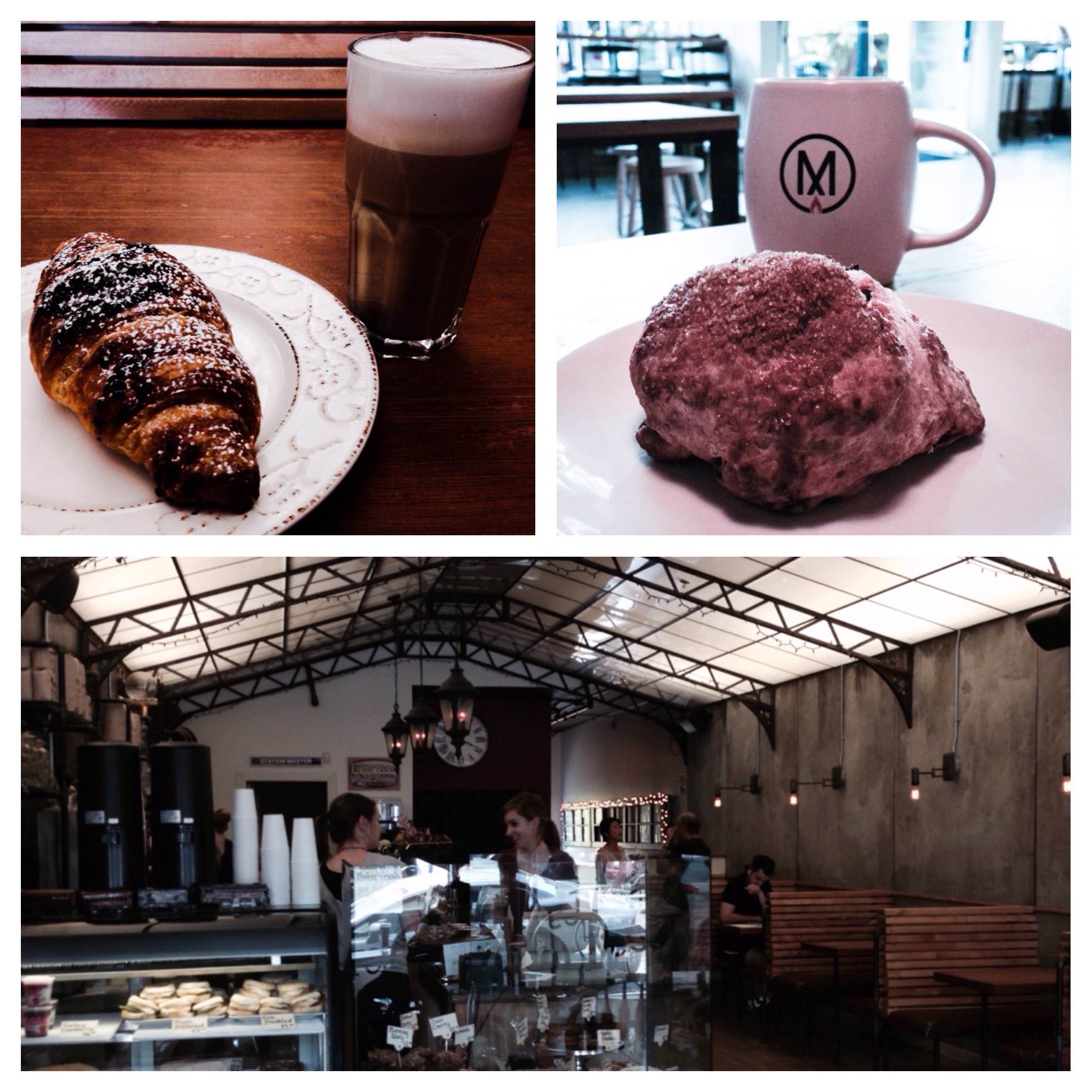
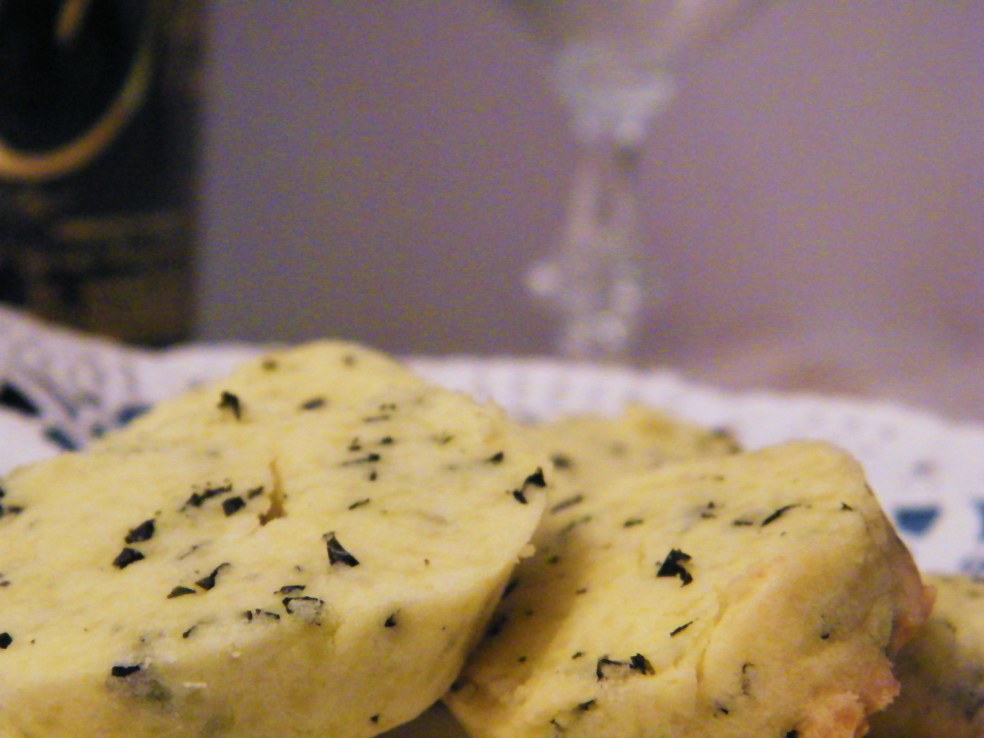
Salted Butter Break Ups

Cooking together. It’s one of the simplest expressions of caring that I know. Cooking for friends and family is nurturing, but cooking with someone develops camaraderie and involves more than a little synergy. It’s easy to see this at work as you move through a kitchen, working with a person or a group.

It’s not something I knew was possible to create by cooking through a book with a group of bloggers scattered across the world.

Each week, as the French Fridays crew worked on another selection from Around My French Table, we began by sharing our questions and concerns with one another, then ended by reading about each other’s experiences with the dish. That alone created solidarity, as we identified with difficulties, helped each other problem-solve, and congratulated each other on successes.

However, it’s what we wrote alongside the practical details that really created our community. We shared stories, in the same way that cooks in a kitchen together might. We learned about the markets and culinary specialties of the places each of us live, while we shared the challenges we faced in finding ingredients across hemispheres, regions, and seasons. We cheered each other on in trying flavours, foods, and techniques we might have been too intimidated to try on our own. As we got to know one another, the quirks of our palates (and those of our loved ones) became fodder for discussion. And as we moved through the recipes, we shared our selves.

So, yes – camaraderie, synergy, and friendship built along the pathways of the Internet. Offline, a number of us have met in person. And even though this part of the journey has ended, we’ll keep following each other’s adventures online, while taking the opportunity to meet up in real time whenever it arises.

None of this would have been possible without Laurie Woodward, who first created Tuesdays with Dorie, then launched French Fridays with Dorie. Mary Hirsch and Betsy Pollack became the administrators of the group a little later on and their warm, encouraging presence made the group feel like a circle of friends. And Dorie Greenspan herself has been the warmest and most welcoming one of all – her encouragement to us along the way has helped us to become better cooks and bakers. More importantly, her generosity of spirit has been the model for how we’ve approached our connections with one another.


Now, I encourage you to go back and discover this wonderful cadre of bloggers for yourself – not only the fabulous stalwarts who’ve made it to the end, but also those who cooked alongside us at various points along the way. And do think about joining Tuesdays with Dorie – many of us are over there, too. Then check back with French Fridays in the fall. Laurie and Trevor Kensey (who coined the term Dorista) have something in the works. Until then, I’ll lift a salted butter break-up in salute to every one of the wonderful Doristas.

As you can see, I’m determined that this is not adieu, but à bientôt.

Grab your tissues and read through the Doristas’ wrap up posts, here: Celebration Week #4: Grand Finale

Summer Slow Down

IMG_4369

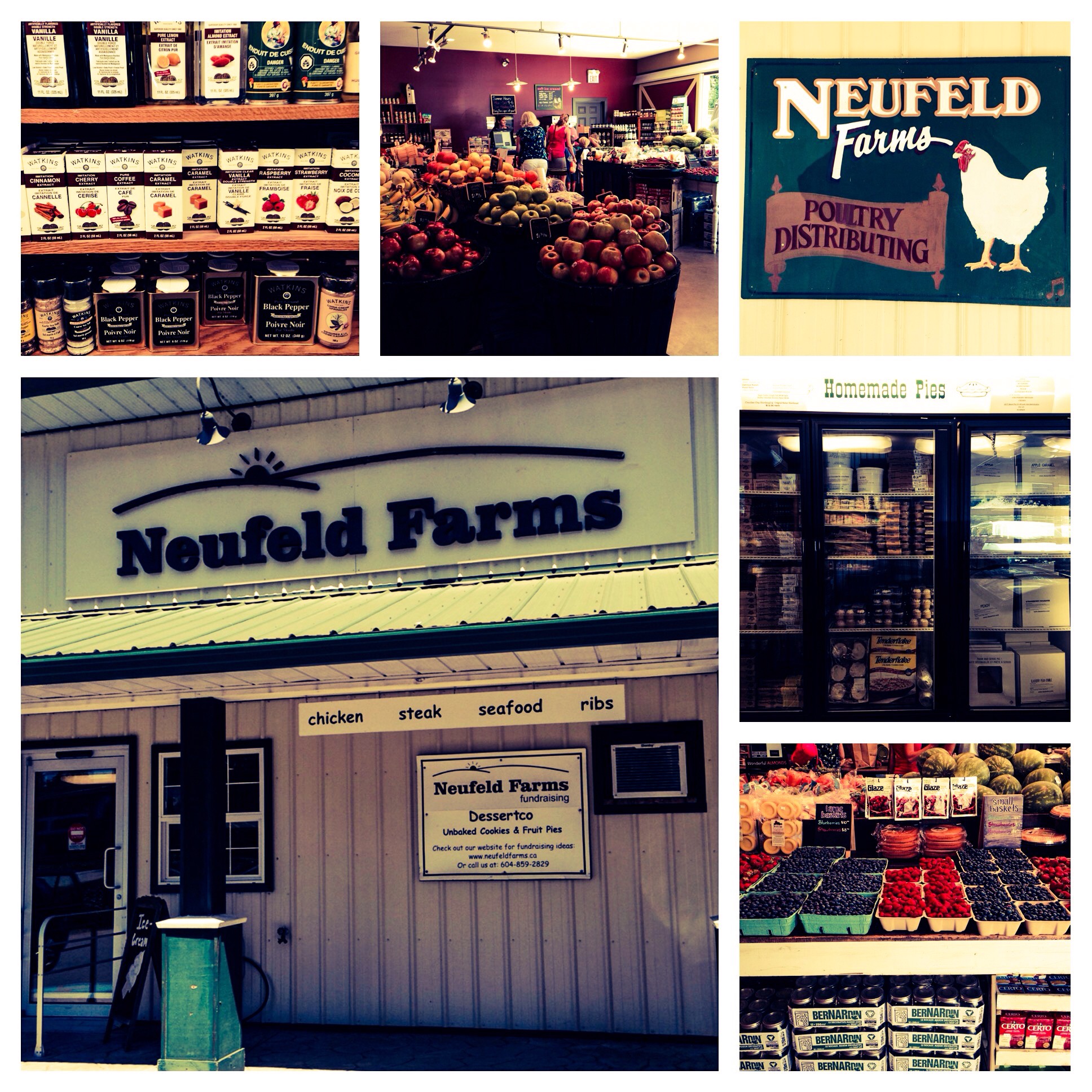
Today, I’m sharing a few photos from the last few heat-wave-y weeks. Farms, festivals, and fun have been on my off-hours agenda. What’s been keeping you busy so far this summer?


Win one of two copies of Jill Colonna’s beautiful Teatime in Paris!

FFWD – Celebration Week #3: The Play-It-Again-Dorie Recipe

Now that our group has, collectively, cooked through the whole of Around My French Table, we’ve moved on to four weeks of celebratory posts, reflecting on our more than four-and-a-half years of cooking together.

This week, we were asked to:

Choose the recipe from the book that you have made the most often. Or, that you have made a variation of the most. It may not be your favorite or your AHA recipe but it’s the Repeater.

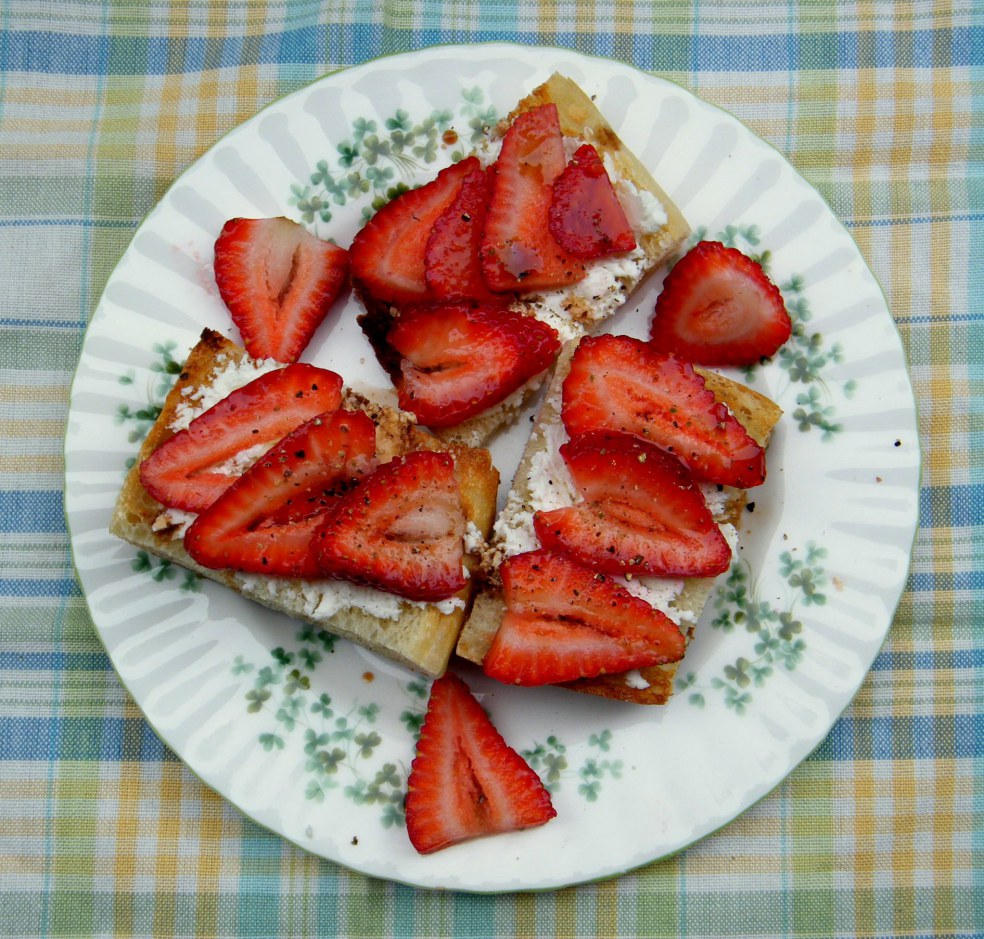
Strawberry Tartine

I’m going to choose a seasonally-appropriate answer to this week’s assignment. Dorie’s Goat Cheese and Strawberry Tartine has become an early summer ritual for me. The ingredients enhance the flavour of strawberries at their seasonal peak. And the freshness and portability of this tartine makes it the perfect summer food – whether it’s breakfast on the balcony or a picnic on the beach. So, this is my “repeater” in mid-June.

If you’d put this question to me in November, I might have answered with Roast Chicken for Les Paresseux or Leek and Potato Soup. Ask me in August and I might choose Salmon and Tomatoes en Papillote. On a day when I’m craving a treat, my choice might be Croquants or Marie-Hélène’s Apple Cake, instead.

All of which is to say that there isn’t just one page that’s stained, worn, and in danger of falling right out of the book. There are many.

Which recipes had the Doristas coming back for more? Find out here: Celebration Week #3: The Play-It-Again-Dorie Recipe

Win one of two copies of Jill Colonna’s beautiful Teatime in Paris!

FFWD – Celebration Week #2: The Never-Doubt-Dorie Moment

Now that our group has, collectively, cooked through the whole of Around My French Table, we’ve moved on to four weeks of celebratory posts, reflecting on our more than four-and-a-half years of cooking together.

This week, we were asked to:

Choose the recipe that might not have been your favorite or even something you enjoyed making or even something you were skeptical about but which taught you a technique or gave you an idea or provided a lesson of some kind.


In any long-term learning experience, there will be moments of doubt and skepticism. But, we push through to find out if that doubt was warranted and often, minds are changed. Personally, I’d rather be happy than right. Especially when that learning experience is happening in the kitchen.

There were many moments that I found myself feeling skeptical as we worked through Around My French Table and I think that’s a very good thing.

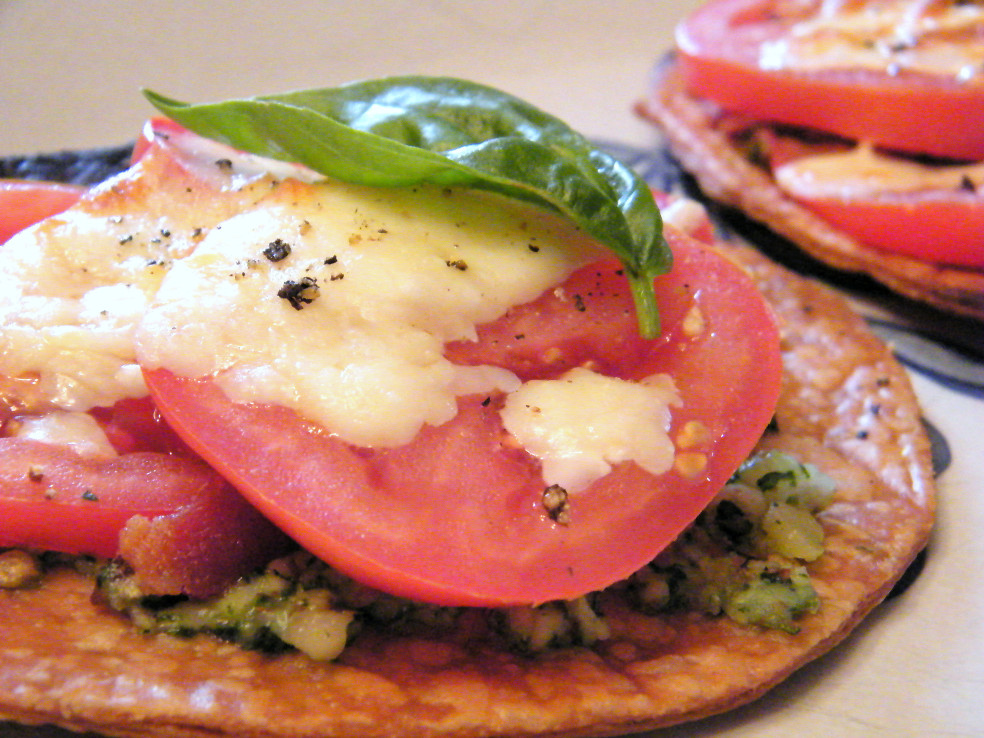
Sometimes, it was the instructions that took me aback. How could flattening puff pastry possibly be a good thing? Turns out, it’s a delicious thing.

Tomato-Cheese Tartlets

Tartlets

Sometimes, it was my own abilities in the kitchen that gave me pause. Now I know I can stuff a pork loin, present a soufflé, and even spatchcock a hen.

Olive-Olive Cornish Hens

Spatchcocked

At other times, it was a flavour combination that made me hesitate. Oranges and olives in a salad? Olives or nori in a cookie? Consider my palate improved.

David’s Seaweed Sablés

Seaweed

What I’ve never doubted was how much I’d grow as a cook during this process, though if you’d asked me at the beginning if I’d grow as a person, I’d have scoffed. As I said, I’d rather be happy than right.

Find out which recipes quashed the skeptic in the hearts of the French Fridays crew, here: Celebration Week #2: The Never-Doubt-Dorie Moment

Win one of two copies of Jill Colonna’s beautiful Teatime in Paris!

Spring Book Reviews – Teatime in Paris!

Tart

This giveaway is now closed. Congratulations to Stephanie of Kitchen Frolic and Kathy of Bakeaway with Me – you’ve each won a copy of Jill’s book!

I received a review copy of Teatime in Paris! from Interlink Publishing. Nevertheless, all opinions in the following post are my own.

There’s something intoxicating about a bakery case. The aromas, of course, help. But it’s the visual feast that is dizzying. Delicate millefeuilles; macarons in all their colour-wheel glory; choux puffs and éclairs stuffed full of cream; cakes, cookies, and tarts in all shapes and flavours – how can one decide?

That’s why high tea is such a pleasure. You can fill your plate with bite-sized versions of all those pastries. The French have their own take on teatime – le goûter. However, unlike high tea, le goûter is an everyday occasion. Children go in for Nutella tartines, but adults take tea or coffee with delicate pastries.

It’s a much better habit than the to-go cups and monstrous, leaden scones that feature in North American afternoon breaks.

Jill Colonna is something of an expert on le goûter and teatime, too. A Scottish transplant to Paris, she’s explored all that city has to offer the discerning mid-afternoon pastry aficionado. So much so that she gives tours of the best pâtisseries and chocolatiers in Paris.

She started her blog, Mad About Macarons, when she began experimenting with making French pastries at home. Her first book, also called Mad About Macarons!, demystifies the process of making these quintessentially French treats. Her macaron recipes range from classic to playful, guaranteeing you’ll never get out of practice.

Her latest book, Teatime in Paris!, just released on June 1st, takes on the rest of the pastry case. There are chapters on choux pastry, millefeuilles, tartlets, and of course, macarons. Each of these begin with an illustrated, step-by-step recipe for the basic version of the pastry, then move on to all sorts of variations. The book also includes recipes for canelés, crepes, little cakes, and more. There are even recipes for a few full-sized desserts and the last chapter sets out recipes for an elegant French tea party.

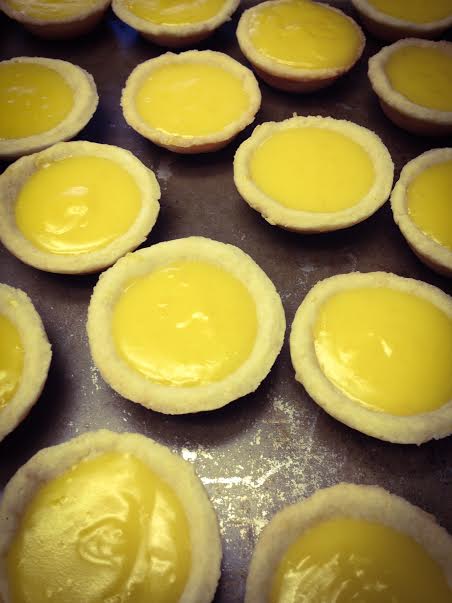
My family was quite pleased to learn that I’ve got the book bristling with bookmarks and several of them have volunteered to taste-test while I master these pastries. I have to say, it’s started out very well. I made Jill’s Passion Fruit and Lemon Meringue Tartlets last week and they are everything I love about pâtisserie baked goods.

Jill’s pâte sucrée (sweet pastry or sweet tart dough) recipe yields the best pastry cases I’ve ever made. They’re sturdy enough for any filling, but just the right balance of crispy and tender when you bite into them. They also don’t get soggy over time.

Pastry

I could have stopped baking right there, I was so pleased with the pastry cases. I’m very glad I didn’t. The fruit curd filling has a little gelatin in it, giving it a sheen and substance that most homemade curds lack. The topping is a perfectly sweet French meringue that holds up in the oven and then in the refrigerator.

Filled Tarts

The tart, smooth filling contrasts so well against the texture of the pastry case and the sweetness of the meringue. They look beautiful, too. These tartlets are the closest thing to a pâtisserie sweet that I’ve ever made. I made them smaller than called for in the recipe, so that I could share them around in my extended family. It was also an excuse to use my grandmother’s butter tart pans, which are perfect for making tiny pastry cases.
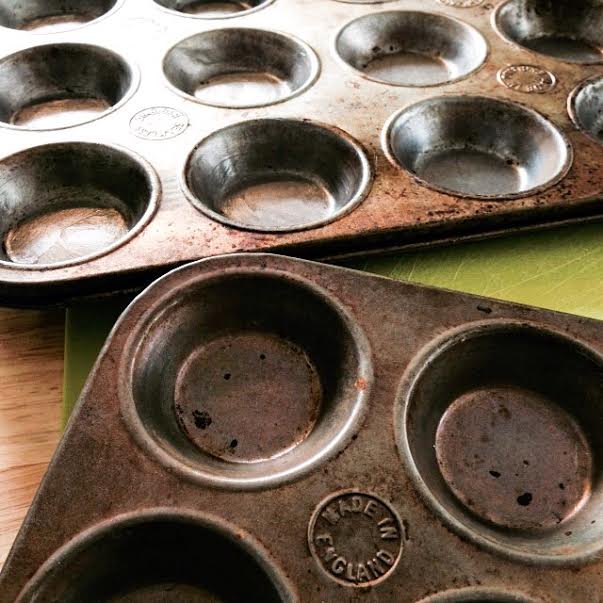
Pans

Jill’s instructions guided me through the whole process easily. I’m looking forward to finally having some success with macarons under her instruction, though it’s her Chocolate-Earl Grey Tartlets with Orange-Liqueur Crumble Puffs that are next on my agenda.

I’ve gotten permission from Jill and Interlink Publishing to share the recipe with you. However, if you want the secret to Jill’s wonderful pâte sucrée, you are just going to have to buy the book. (You should.)

A note to Canadian and American bakers: if you haven’t invested in a digital kitchen scale, now is the time to get one. The ingredients are given in grams, for accuracy and an international readership. And really, what are you waiting for? You will be so pleased when your baked goods come out perfectly, consistently.

Passion Fruit and Lemon Meringue Tartlets

Makes 8 tartlets
Preparation time: 25 minutes
Cooking time: 20 minutes
Chilling time: 2 hours
Temperature: 160°C/320°F fan (Gas 4), then 200°C (400°F, Gas 7)

Ingredients

  • 500g pâte sucrée (sweet pastry)

Filling:

  • Zest of an unwaxed lemon
  • Juice of 2 passion fruits and 1-2 lemons (100g fresh juice)
  • 100g sugar
  • 2 eggs
  • 90g cold butter, cut into chunks
  • 1 x 2g sheet of gelatine

Meringue topping:

  • 60g egg whites (approx. 2 egg whites)
  • 90g sugar (normal sugar, not caster/super-fine)

Method

Tarts

  • Roll out the pastry to 3-4mm (1/8-3/16″) thickness turning regularly on a lightly floured surface. Cut out rounds that are 2cm (3/4″) bigger than your tartlet molds. Gently press each round into a tartlet mould, trimming off excess pastry. Prick the pastry all over with a fork.
  • Bake the tartlets for 10-15 minutes at 160°C/320°F fan (Gas 4). Allow to cool, remove from their moulds and set aside.
  • Soak the gelatine in cold water for 10 minutes and zest the lemon.
  • Strain the juice of two passion fruits using a sieve to remove all the seeds and make up to 100g by adding the juice of 1-2 lemons.
  • In a saucepan, whisk together the passion fruit-lemon juice with the sugar, zest and eggs over a medium heat until the sauce boils, bubbles and thickens.
  • Strain to remove the zest. Take off the heat and whisk in the butter and the gelatine (squeezed of excess water).
  • Pour directly into the tartlet shells and place them in the fridge until ready to serve.
  • To appreciate them at their best, remove from the fridge 10 minutes before serving.

Meringue

  • Whisk the egg whites at medium-high speed with an electric mixer in either a glass or metallic bowl. Just as they start to froth up, gradually add the sugar. Increase to a high speed, continuing with the sugar until the meringue forms strong, glossy, stiff peaks.
  • Spoon (or transfer to a piping bag with a large serrated or plain tip and pipe out) the meringue on top of each tartlet, spreading it as much as possible over the top. If not piping, using the back of a spoon, lift parts of the meringue up into little cones for decoration.
  • Bake in a very hot oven (200°C, 400°F, Gas 7) for about 5 minutes. Alternatively, brown with a culinary blowtorch.
  • Remove and chill until ready to serve.
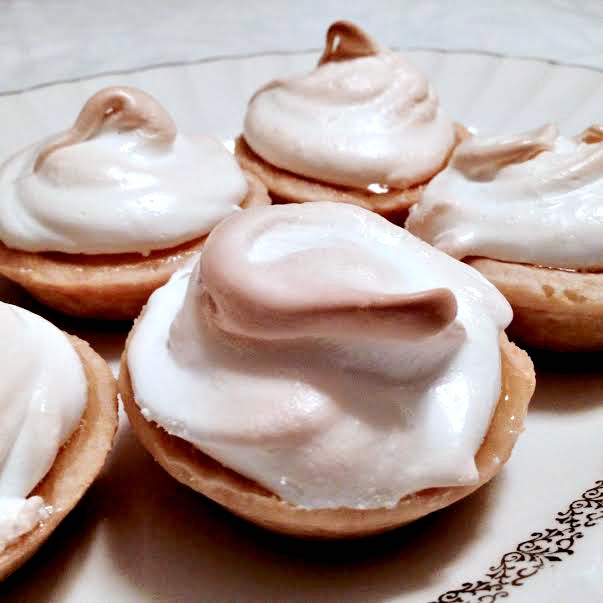
Tarts

One last thing – don’t be surprised if you find yourself packing this cookbook on your next trip to Paris. One of the loveliest bonus features of the book is the illustrated appendix of Jill’s favourite sweet walks in Paris. It gives you advice about where to find sweets and pastries across a number of Paris’ famous neighbourhoods. And if, like me, you’re not going to Paris anytime soon, this chapter will help you visit vicariously.

You can see all this for yourself if you’re lucky. Interlink Publishing has been kind enough to offer two copies of Teatime in Paris! to my readers. You can enter to win one of them via the link below.

Teatime in Paris

Readers with US or Canadian mailing addresses (with the exclusion of residents of Quebec) can enter to win one of two copies of Teatime in Paris! You can find the giveaway, along with the rules and eligibility requirements, by following this link. The winners will be notified by email on June 20, 2015. Good luck!

That’s it for my Spring Book Review series. It’s practically summer now, after all. I hope you’ve treated yourself to a few of the titles I’ve told you about over the last few weeks. And if you try any of the recipes I’ve shared, I’d love to hear about it! Now, go out and enjoy all the good food summer brings.

In the Early Summer

Peonies

One of the nicest things about Vancouver Mini Maker Faire is that it runs the gamut from handcrafts to high tech, with all makers being accorded respect. There’s lots to see and do there this weekend.

Once you’ve made the most of Maker Faire, you can reward yourself with a cold brew at Vancouver Craft Beer Week’s Festival on Sunday.

Or you can just get in the mood for Italian Day on the Drive at The Rio. They’ve got a mini Italian film fest lined up in the week leading up to the big day.

Bard on the Beach is back, meaning that it’s well and truly summer. Their offerings this year include a steampunk-inflected version of The Comedy of Errors and a Jazz Age Love’s Labour’s Lost.

If it’s not sold out already, Vancouver’s Femme City Choir promises to put on a terrific show.

Or you can celebrate the oeuvre John Hughes with Hot Wet Art City.

If none of this seems exciting to you so far, maybe a Terminal City Rollergirls Double Header is more your speed.

There’s lots more going on, of course, but that gives you a starting point. There’s also a chance that I might kick back with a cool drink and admire the early summer flowers. They’re so fleeting, after all.

FFWD – Celebration Week #1: The AHA Moment

Now that our group has, collectively, cooked through the whole of Around My French Table, we’ve moved on to four weeks of celebratory posts, reflecting on our more than four-and-a-half years of cooking together.


This week, we were asked to:

Choose your favorite, loved the most, best recipe in FFWD to share this week and tell Why? Also share with us your Top 5 favorites list (you don’t have to make them)

I can’t be the only one who found this idea a little overwhelming. I’ve loved the majority of the dishes I’ve made from Around My French Table and there are over 300 recipes in the book. So, I went to a café with the book and some paper, got myself an iced latte and started making lists. Yes, lists, plural. I had to break it down by category, because the single list I started with became unmanageable.

So, I’m going rogue and sharing (wait…since I’m going rogue, does that mean I’m Cher-ing?) my favourites by category. Maybe by the end of this post, I’ll be able to settle on my #1.

Small Things

Small Plates

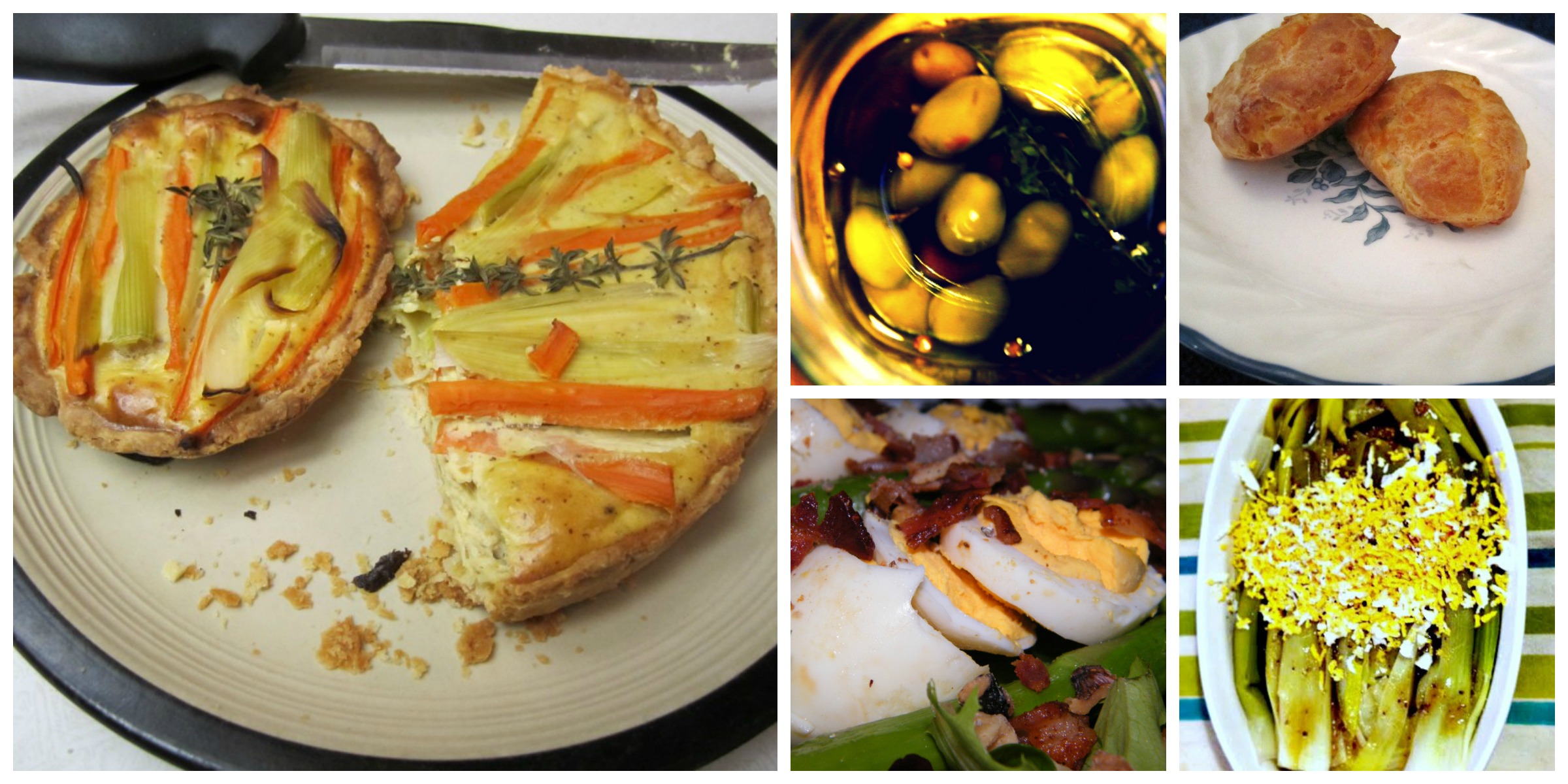
Gérard’s Mustard Tart

One of the very first dishes we made for French Fridays and still one of the most memorable. Who knew that mustard would mellow out so beautifully when baked in a rich tart crust? And this also marked my first introduction to one of the great revelations of this cookbook – a perfect, versatile, foolproof crust.

The Runners Up:

Gougères
Leeks Vinaigrette with Mimosa
Bacon and Eggs and Asparagus Salad
Herbed Olives

Soups

Soup

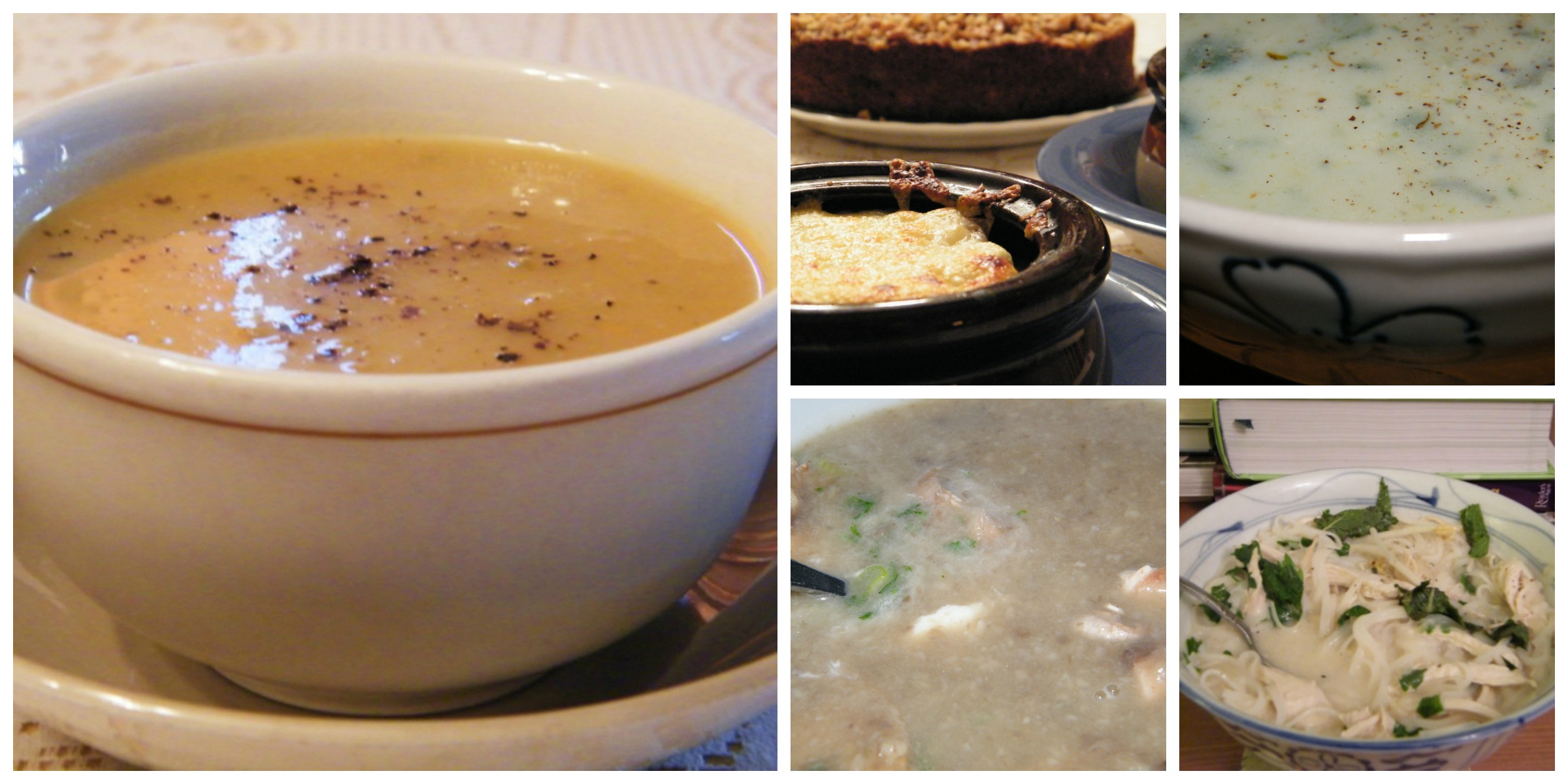
Spiced Squash, Fennel, and Pear Soup

I’ve made this one again and again – it’s the perfect introduction to fall. I’ve even made it for one of my co-op’s soup swaps and it was a hit for everyone. That said, there are a lot of delicious soups in this book. The runners up could easily have company.

The Runners Up:

Cheese-topped Onion Soup
Leek and Potato Soup
Paris Mushroom Soup
Spicy Vietnamese Chicken Noodle Soup

Poultry

Chicken

Chicken, Apple, and Cream à la Normande

This might be the best chapter in the whole book and it was hard to choose a favourite. I picked this dish, because I’ve made it more than any of the others. It elevates everyday eating beautifully.

The Runners Up:

Roast Chicken for les Paresseaux
Chicken Basquaise
Chicken B’Stilla
Duck Breasts with Fresh Peaches

Meat

Meat

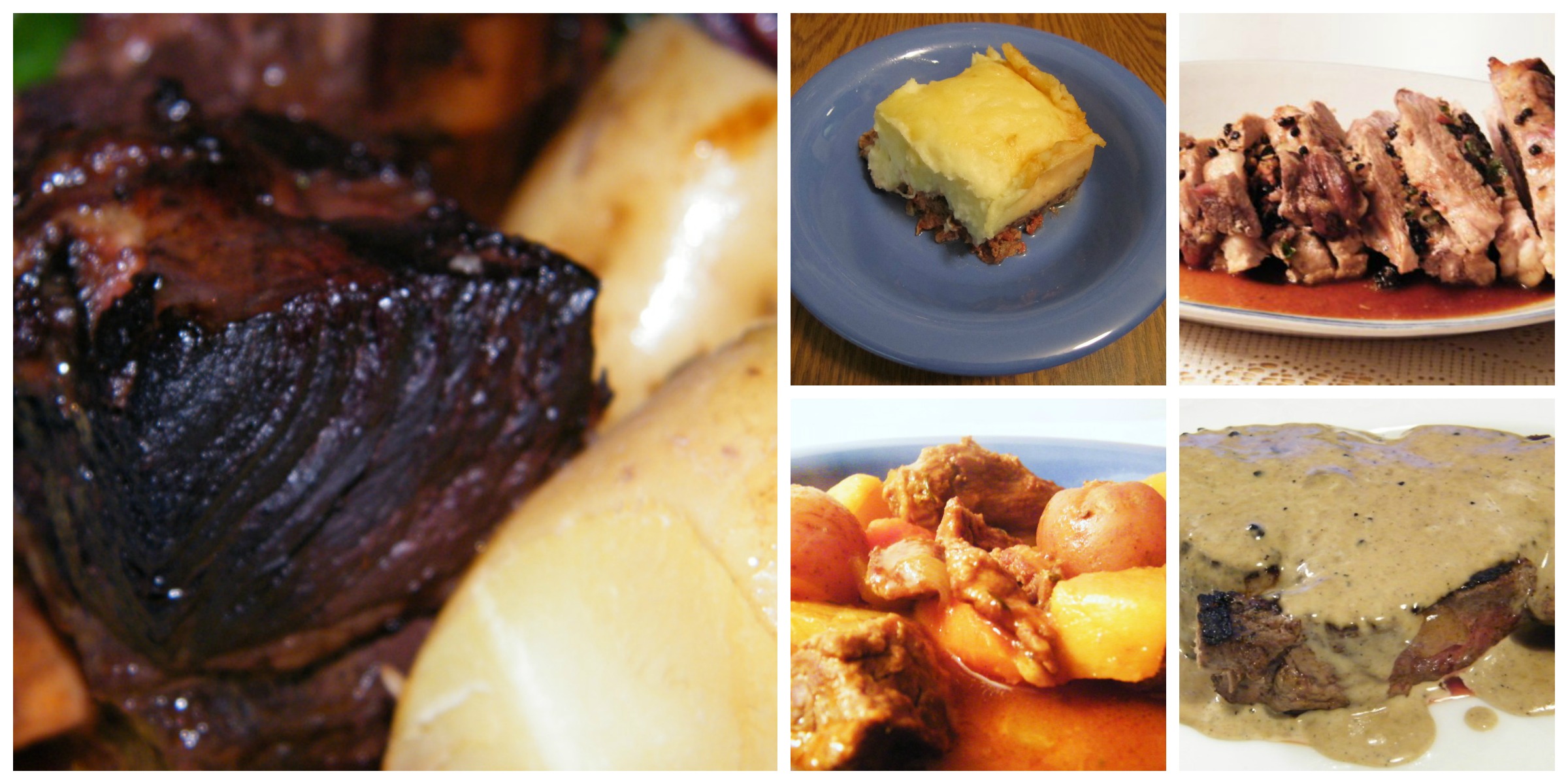
Short Ribs in Red Wine and Port

I’d never have guessed that this recipe would turn out to be my top pick in this category, but it’s elegant, aromatic, delicious and versatile. It gets extra points for teaching me to finally like ribs.

The Runners Up:

Bistrot Paul Bert Pepper Steak
Hachis Parmentier
Chard-Stuffed Pork Roast
Navarin Printanier

Seafood

Seafood

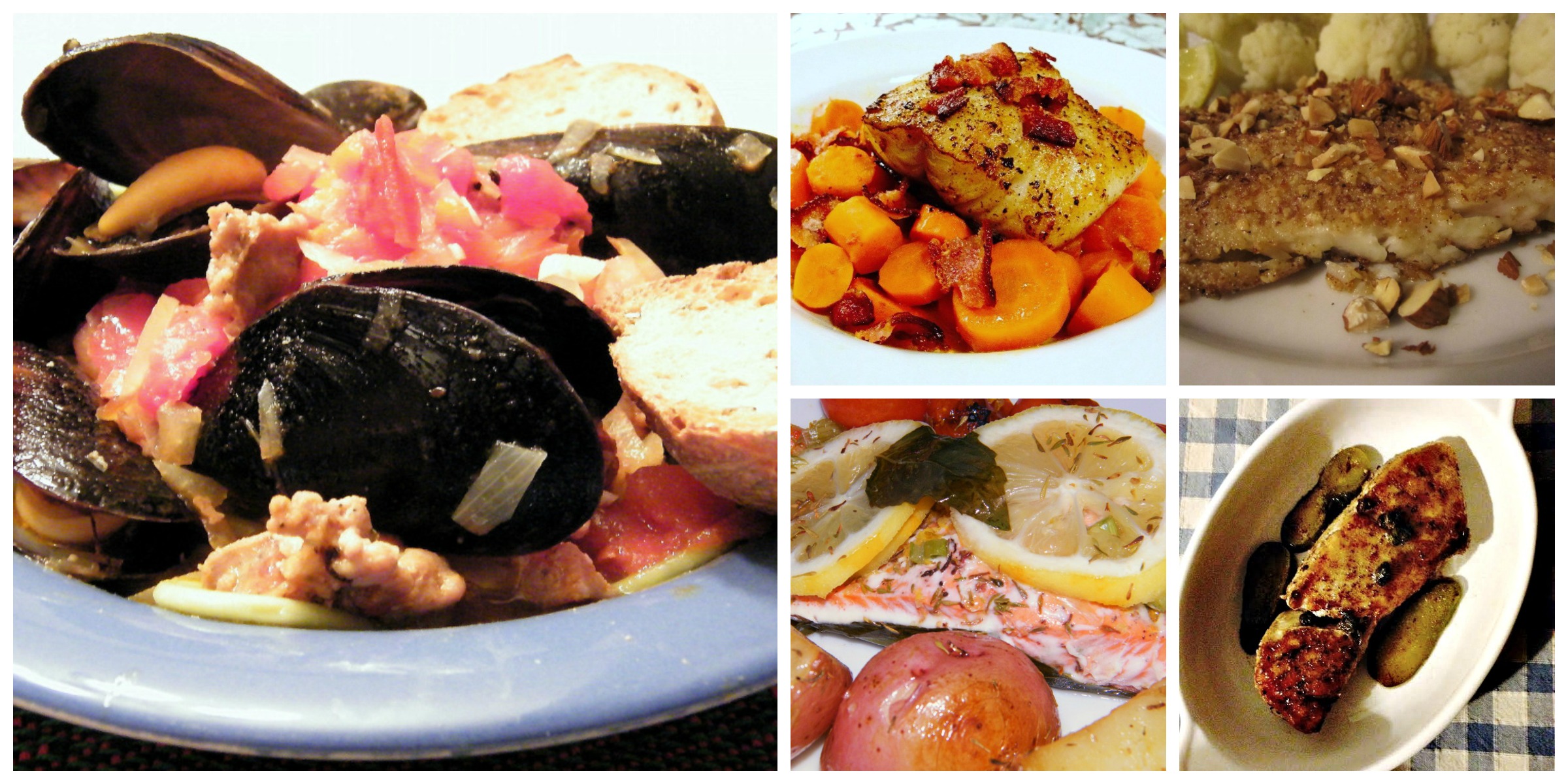
Mussels and Chorizo

Admittedly, the fish and shellfish chapter is the one in which I’ve got the most catching up to do, but I don’t think my #1 will change. This has been a consistently pleasing dish for everyone I’ve made it for and it’s something I always look forward to making again.

The Runners Up:

Almond Flounder Meunière
Skate with Capers, Cornichons, and Brown Butter Sauce
Monkfish and Double Carrots
Salmon and Tomatoes en Papillote

Veggies and Grains

Veggies

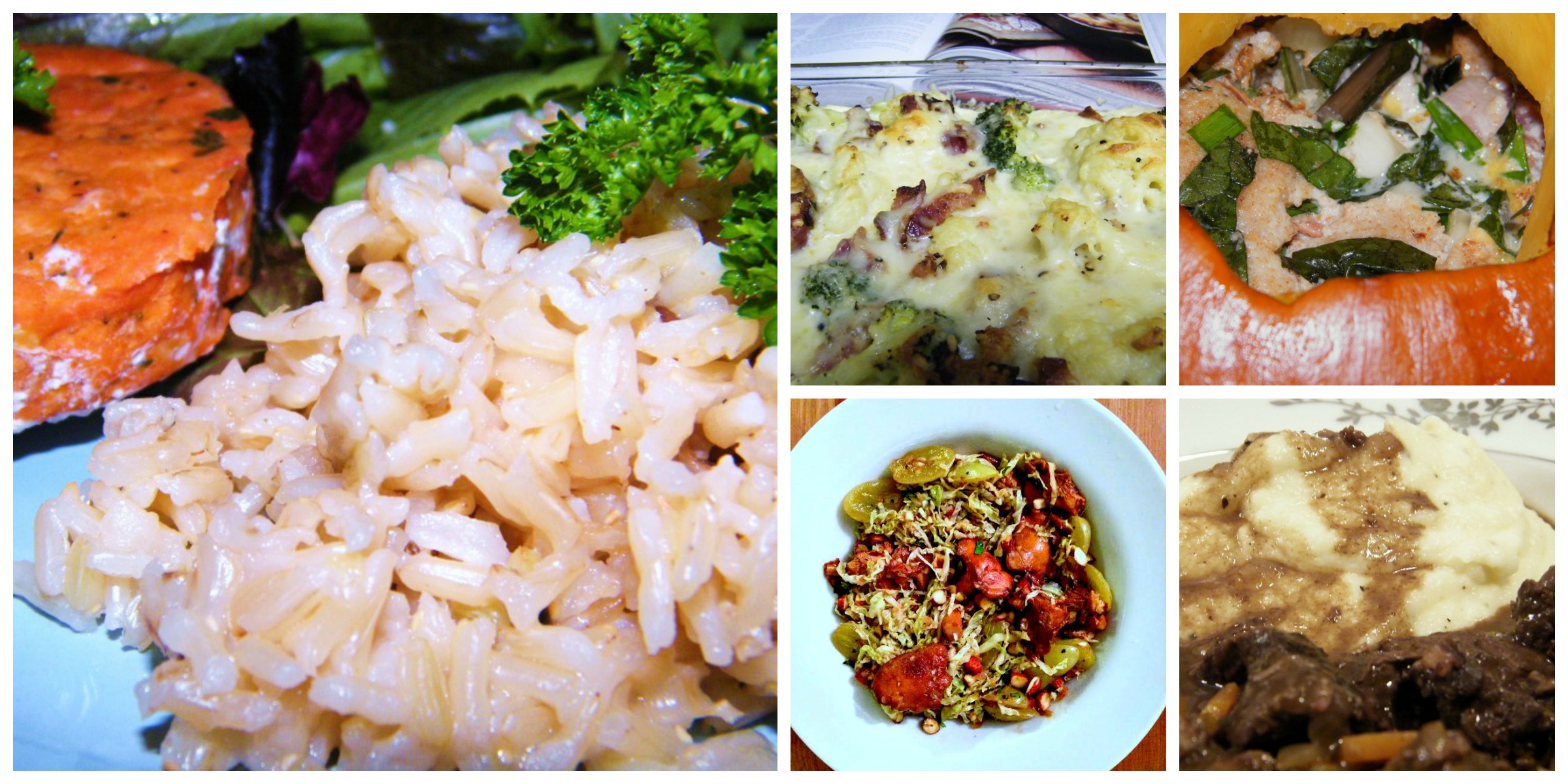
Cardamom Rice Pilaf

One of the simplest recipes in the book and one of the most frequently made in my house. Cardamom is one of my favourite spices and it works beautifully in this pilaf. This side is as versatile as it is delicious.

The Runners Up:

Pumpkin Stuffed with Everything Good
Cauliflower-Bacon Gratin
Celery Root Purée
Chanterelles with Napa and Nuts

Sweets

Desserts

Marie-Hélène’s Apple Cake

This cake has become a family favourite. I’ve made it many times for many people and so have my mother and my nieces. It’s gone to meetings, parties, and picnics. Now, people in all our circles ask for it by name.

The Runners Up:

Michel Rostang’s Double Chocolate Mousse Cake
Salted Butter Break-up
Speculoos
Floating Islands

Bonus: Kevin’s Favourites

Kevin’s favourites have changed over the course of this group, particularly since he became vegan. As it stands now, these are his top 5:

Kevin

Endives, Apples, and Grapes

At the top of the list is a dish that I crossed off one of my own lists with reluctance. It’s something we’ll gladly have again and again. It’s as sophisticated as a restaurant dish and as simple as a weeknight side.

The Runners Up:

Lemon-Steamed Spinach
Baby Bok Choy, Sugar Snaps, and Garlic en Papillote
French Lentils
Spiced (Earth Balance)-Glazed Carrots

What Kevin’s choices have in common is that they make great sides, but are flavourful enough that you’d be happy simply eating a big bowl of any of them all on its own.

And the winner is:

Dorie’s techniques. You didn’t think I could pick just one recipe, did you?

Rillettes, sablés, tartines, roasted vegetables and fruits, quiches and tarts, cooking en papillote – these are just some of the things in the book that have changed my approach to cooking for good, and for the better.

So many Aha! moments. So many delicious meals.

Curious to see if the group reached consensus on the best of the book? You can find out here: Celebration Week #1: The AHA Moment.

Spring Book Reviews – Preservation Society Home Preserves

Canned

I received a review copy of Preservation Society Home Preserves from Robert Rose Inc. Nevertheless, all opinions in the following post are my own.

Canning and preserving aren’t what they used to be. It’s a lost art for many, only some of whom have memories of parents or grandparents putting up dilly beans or pickled beets, strawberry freezer jam or orange marmalade. Those recipes seemed preserved in amber themselves, passed down from one generation to the next without variation.

Not that that’s a bad thing – I love the taste of old fashioned pickles, jams, and preserves. But now, there’s been a a revival of the preservation arts and it’s come with a lot of experimentation. I may love those old school tastes, but it’s the modern flavours that inspire me to get into the kitchen and fire up the canner.

If you feel the same way, Camilla Wynne’s Preservation Society Home Preserves is the book for you.

Her whimsically heart-shaped pickled beets have a juniper berry and peppercorn kick. Her strawberries mingle with currants and rose petals or tequila and triple sec. And her marmalades travel the road from purity to downright decadence.

Many of her recipes are inspired by cocktails and she brings the same kind of attention to flavour and inventiveness that you’d see in a bar that specializes in handcrafted drinks. The range of recipes is nice, too, including syrups, refrigerator preserves, and dishes that use some of the products of the earlier recipes in the book.

Jamming

This book isn’t a comprehensive guide to canning, though. There is a chapter up front that covers canning basics clearly, but if you’re new to it you might want to have a canning reference guide (or even better, an experienced canner) by your side.

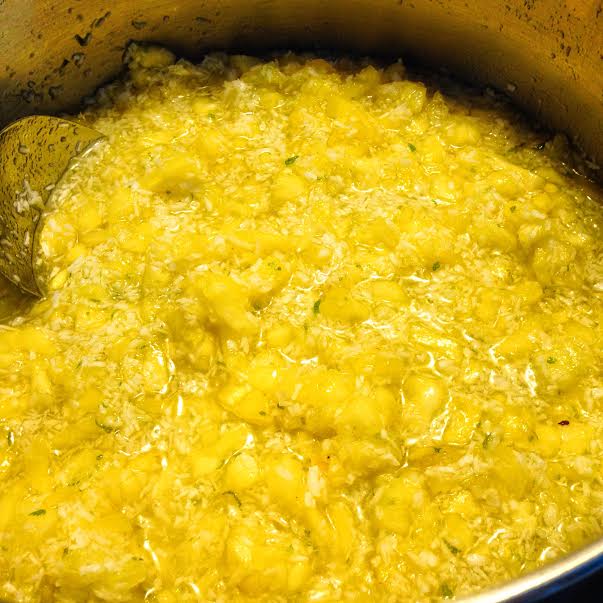
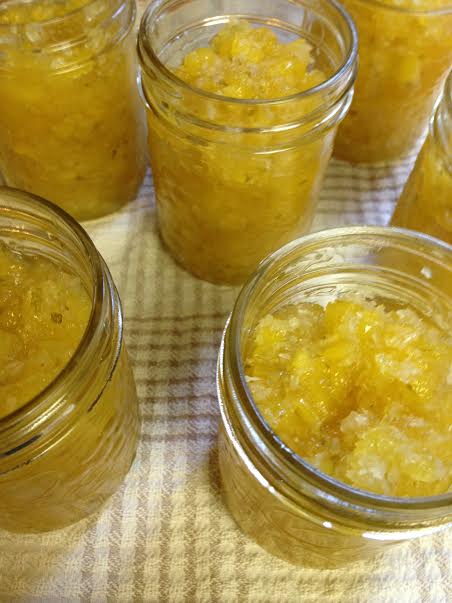
I made Wynne’s Piña Colada Jam yesterday and it filled the kitchen with the most wonderful tropical aromas. I tasted it today and it was delicious. Wynne recommends using it as a cake filling, an ice cream topping, or swirled into mascarpone. I could also see it as a surprise at the bottom of a crème brûlée or a tart like this one. To be perfectly honest, it’s great on its own. I sort of ate a small…ish quantity of it with a spoon while I was supposed to be photographing it.

Robert Rose Inc. has been kind enough to allow me to share the recipe with you. If you make it, promise me you’ll follow safe canning guidelines (you could start here, for instance) and read up about how to determine the setting point for jam.

Piña Colada Jam

Makes about five jars (8 oz/250 mL each)

2.9 lbs (1.3 kg) pineapple flesh (from 2 pineapples)
2-1/2 cups (500 g) jam (gelling) sugar
1-2/3 cups (100 g) unsweetened flaked coconut
Grated zest and juice of 2 limes
6 tbsp (90 mL) dark rum, divided

  • Chop the pineapple into fairly small dice.
  • In a large pot or preserving pan, combine the pineapple, sugar, coconut, lime zest and juice and about half the rum. Cover and let stand to macerate for 30 minutes.
  • In the meantime, prepare the jars and lids.
  • Bring the pineapple mixture to a boil over medium-high heat, stirring often. Boil hard, stirring often, until the setting point is reached. Remove from heat and let rest for 5 minutes, stirring occasionally. Stir in the remaining rum.
  • Ladle jam into the hot jars to within 1/4 inch (0.5 cm) of the rim. Remove any air bubbles and wipe rims. Place the lids on the jars and screw the bands on until fingertip-tight. Process in a boiling water canner for 10 minutes.

Canning

For me, the best cookbooks are ones that send me in directions I’d never imagined, whether it’s techniques, cuisines, or ingredients. In this case, it’s combinations and juxtapositions of flavours. Having a pantry full of these homemade ingredients will lead to a more delicious life.

Tasting

Come back next Thursday for the last book in this season’s review series. You’ll be dreaming of Paris and you’ll also have a chance to win one of two copies of Jill Colonna‘s latest book.

Baking Chez Moi – Rhubarb Upside Down Brown Sugar Cake

Slice of rhubarb cake

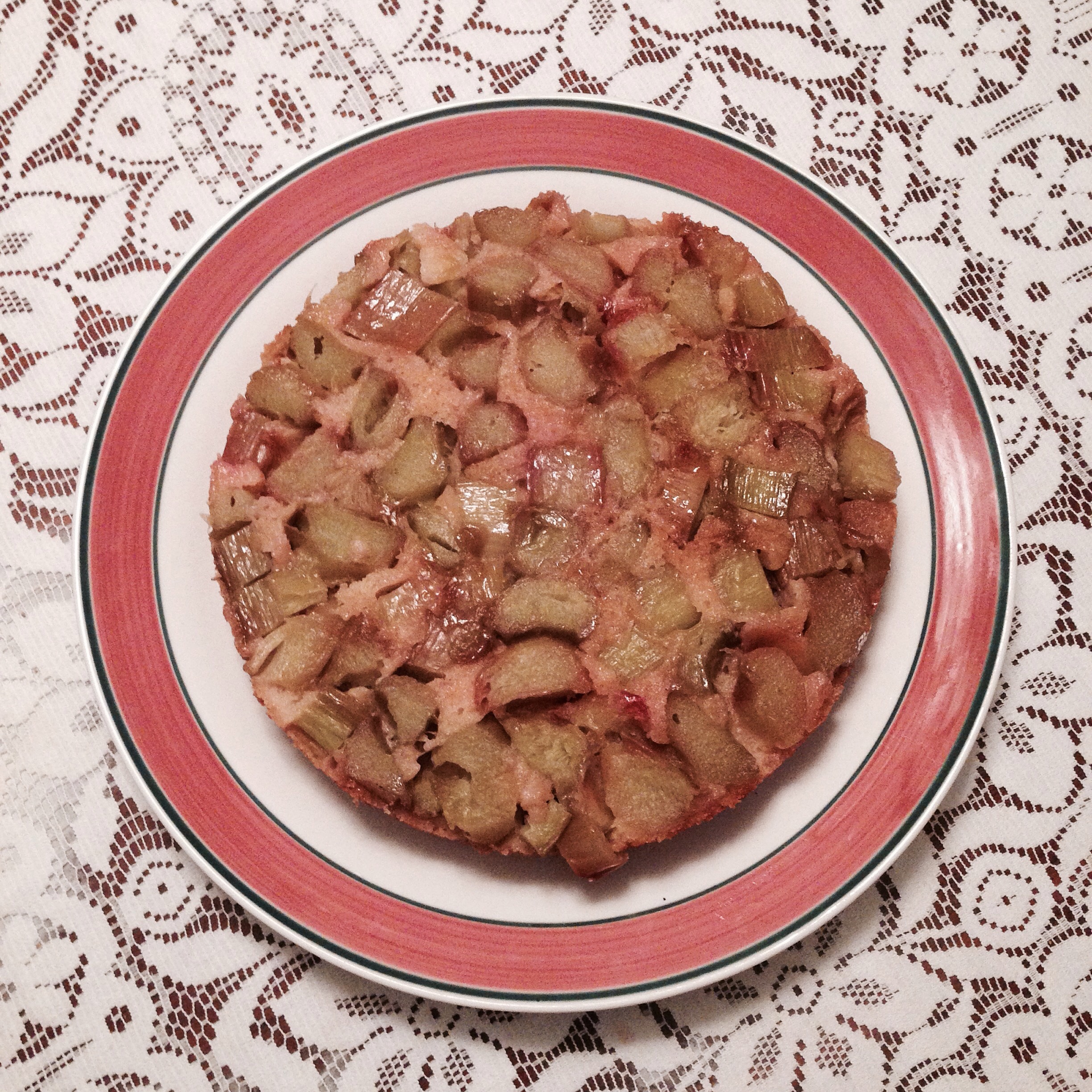
Rhubarb is one of my favourite spring treats and it seems that there are an infinite number of ways to use it. Savoury, sweet, roasted, baked, stewed – the only difficulty is keeping a steady enough supply to try them all. Inevitably, though, the recipes I come back to are the ones that treat it simply and let it shine.

This cake belongs on that list. I’ll have made it several times before rhubarb season is through. I made it for the first time in April, in the midst of a sort of Caramel-palooza. Caramelizing the topping before putting it in the oven gives it an extra richness, beyond that achieved by sprinkling brown sugar and pats of butter on the bottom of the pan (as nice as that is). And the cake itself would be good with just about any topping.

Slice of rhubarb

I haven’t found time to drop into this group much since we started Baking Chez Moi, but now that French Fridays with Dorie is wrapping up Around My French Table, I suspect you’ll be seeing a bit more of me. I look forward to baking more often with all of you.

You can find the rest of the Tuesdays with Dorie crew’s entries on this recipe here: Rhubarb Upside Down Brown Sugar Cake.

FFWD – Chicken in a Pot: The Garlic and Lemon Version

Chicken in a pot

It never occurred to me in October of 2010 what joining a weekly online cooking group would come to mean to me. I thought that I was setting up a routine to help keep me writing regularly on my new blog, but it’s been so much more.

Along the way, bloggers have come and gone, but there have been connections – no, friendships – built that have persisted through the whole of our journey through this book.

Our community has shared our cooking experiences, but we’ve also come to share our lives, at least a little, with each other. Many of us have met in person. I’ve been lucky enough to meet Cher and Mardi. And I was thrilled to have the opportunity to meet Dorie when she visited Vancouver on her Baking Chez Moi book tour. But even for those far away, our weekly posts have felt like visits more often than stories.

And now, as Trevor pointed out, four years, seven months, and twenty-one days after we began, the group has reached the final recipe. It’s fitting that we saved the cover recipe for last, as we’ve all looked at that image so many times over these years. It seems like a celebration in itself to finally make the dish.

  
It’s a whole chicken braised with garlic, lemon, white wine, herbs, and vegetables. The pot is sealed with a simple bread dough that’s broken dramatically when the chicken is ready to serve. It felt a little like popping a champagne cork on New Year’s Eve – the end of the better part of five years spent cooking together.

My chicken needed a bit more than the hour that was specified in the recipe, but when it was finally done, it was perfect. And there was enough wine left over to toast the group before we settled down to eat. I purposely waited until now to try this dish, but I won’t wait that long again – it made a wonderful meal.

We’re not quite done, yet. There will be a month of celebratory posts as the group wraps up, so I’m (trying) to save my tears.

And here is the link to the very last round up of posts for a French Fridays recipe: Chicken in a Pot: The Garlic and Lemon Version.