FFWD – Pipérade Stir-fry

Piperade

Since the Slow Food movement came on the scene, it hasn’t just been fast food that’s come under fire. Those twenty-minute dinners that get you in and out of the kitchen, often relying on pre-prepared ingredients, have lost their credibility, too. But, fast isn’t always a compromise when it comes to flavour or food value. Sometimes quick preparations with fresh ingredients act as healthy flavour-boosters – think quick pickles or quick kimchi. Sure, it’s worth preparing things the long way, for depth of flavour or shelf-stability, but it’s nice to know you can take shortcuts sometimes, too.

This week’s French Fridays dish is one of those shortcuts to flavour. We’ve encountered pipérade before in the group, when we made Chicken Basquaise. This quick version doesn’t have the where-have-you-been-all-my-life quality that the sauce in that recipe possesses, but it’s a healthy, vegan riff on the same sorts of flavours.

I strayed a little from the recipe, choosing to sauté the onions, garlic, and hot pepper (some jalapeño I already had on hand) instead of adding them raw to the sweet peppers, but I think that was a good choice for us this time. I also skipped the green pepper, because the ones in the market today were a little dubious.

The secret to this take on pipérade is caramelizing the sautéed peppers with red wine vinegar. It mimics the flavours created by slow-cooking in the traditional recipe and can serve as a side or condiment alongside any of the traditional proteins that are paired with the real thing. I think it would also make a great accompaniment for barbequed steak. Our leftovers are going to be featuring in scrambled eggs tomorrow, or maybe even a frittata.

After that, I might have to make another batch.

Peppers

Find out what the rest of the French Fridays crew thought about this week’s recipe: Pipérade Stir-fry

Cottage Cooking Club – May 2014

Today brings something new to my blog, which will be happening monthly over the next ten months or so. I’ve teamed up with a few of my favourite bloggers to cook our way through River Cottage Veg. Our little group has been organized by the wonderful Andrea of The Kitchen Lioness and you can join us at the Cottage Cooking Club. Each month, we’ll be cooking up to ten recipes from the book and sharing our versions of the dishes. What we won’t be sharing is the recipes, unless there they’ve been shared online by the author or publisher. Some of us may also provide recipes inspired by the month’s choices.

This group came along at the perfect time for me, as my partner is moving toward vegetarian, and ultimately vegan, eating. I’ve always incorporated a lot of meat-free meals into my life, but it’s great to get some new recipes into my repertoire right now and see which ones appeal to Kevin the most.

This month, I chose six of the recipes to try. I probably won’t make that many of them every month, but there were a lot of favourite ingredients on this month’s list.

Arugula, Fennel, and Puy Lentil Salad
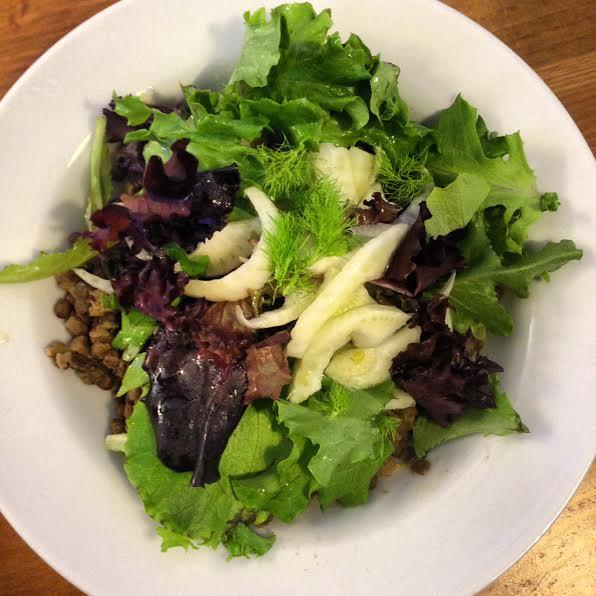
Lentil Salad

First up is a salad so good that I couldn’t help but share it with the group of bloggers who participated in the Canadian Lentils #LentilHunter Twitter chat that happened a few weeks ago. I loved the vinaigrette that was mixed into the lentils and then used to dress the greens. Kevin’s not a salad dressing fan, though, so I just squeezed lemon on his. We were both happy.

This is the sort of recipe I’ll revisit often, changing the ingredients according to the season. I used the organic French green lentils that I always have on hand, but this would be really special with authentic Puy lentils.

Try it for yourself – you can find the recipe here.

Quinoa with Zucchini and Onions
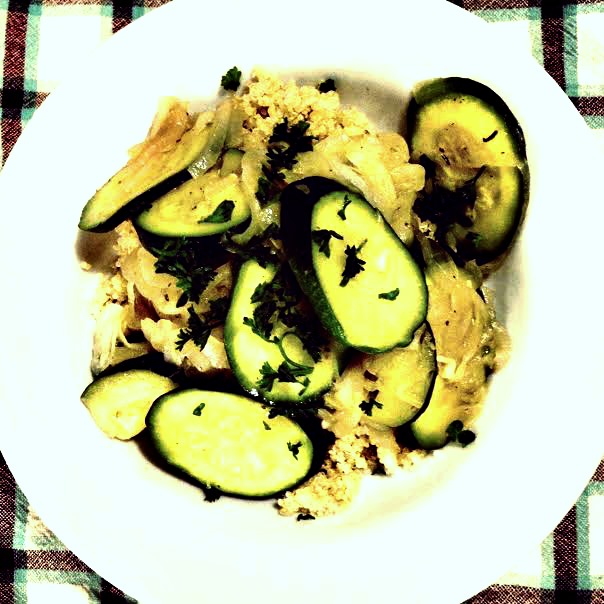
Zucchini and Quinoa

Not a hit for Kevin. I liked it, but would use less onion and perhaps a wider variety of veggies. I sauteed the garlic in butter before adding it, added a bit of balsamic at the end, and forgot the nuts. I think with a bit more experimentation, this could be a better dish for us.

Radishes with Butter and Salt

This one is a summer tradition for me. The bite of raw radishes is a perfect match for the soothing creaminess of butter. And salt just makes everything better. I did this with the first radishes from my garden and completely forgot to take a picture. I’ll add one the next time I do it. Shouldn’t be long.

Asparagus Pizza

Asparagus Pizza

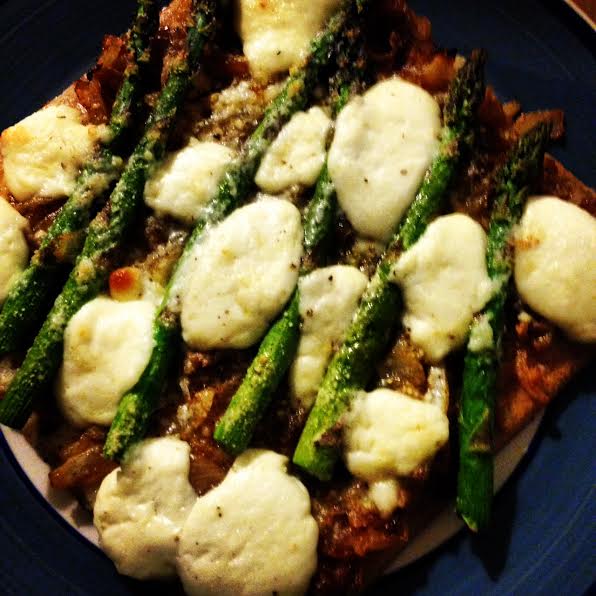
I didn’t get a pretty photo of this one, but I loved it, ugly or not. I used a frozen gluten-free crust instead of the homemade pizza dough made with Hugh Fearnley-Whittingstall’s Magic Bread Dough. Next time, I’ll make it for gluten-eaters and use the dough, as Kevin wasn’t that keen on this dish. He would have preferred a traditional, tomato-based pizza with steamed asparagus on the side.

Roasted Eggplant Boats
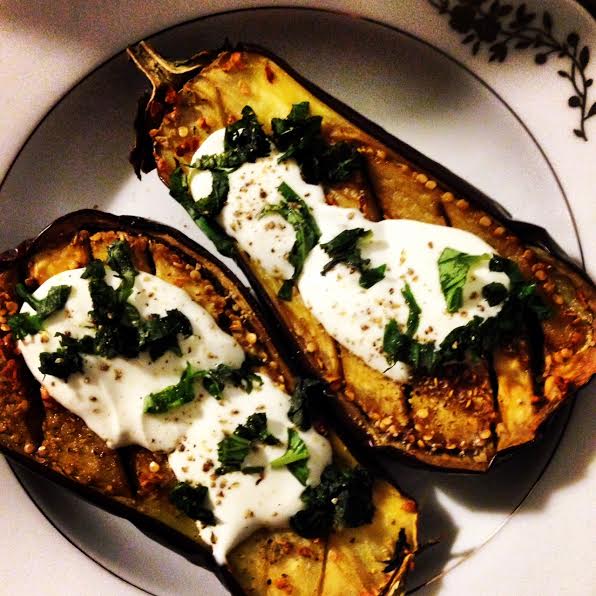
Eggplant

I was surprised that Kevin didn’t like this one more – eggplant is one of his favourite vegetables. One of the things we came up against in a lot of the recipes I’ve been trying lately is that he’s not a big fan of sauces or dressings. The plainer the better is his motto. So, I finished this on my own. I enjoyed it, but it won’t be replacing Ottolenghi’s roasted eggplant as my go to any time soon.

Stir-fried Cauliflower
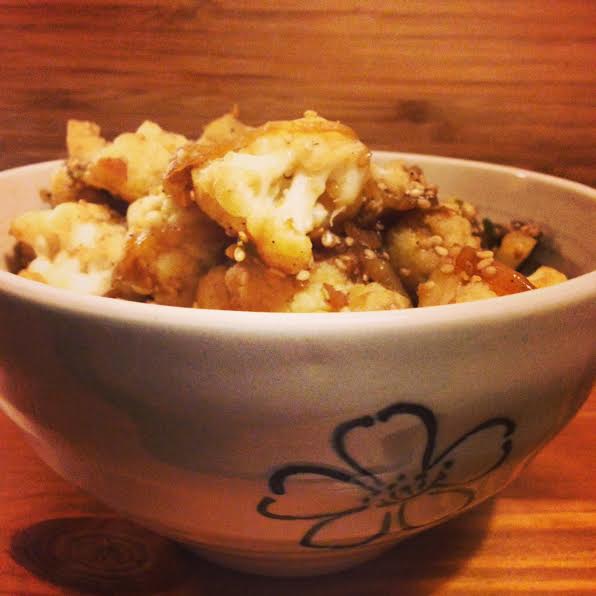
Cauliflower

This dish was the winner of this month’s selections. We both loved it. This time, it made a great late night snack. Going forward, I think it will be a nice side for almost any Asian-influenced fare. I skipped the cilantro and added a little five-spice, but I would have been just as happy with the recipe as written. It’s easy to put together and I would be lying if I said I won’t be making this again for a lazy lunch or snack, all on its own.

Intrigued by this month’s recipes? Buy the book and join us.

Here are the links to the rest of the group’s posts for this month. I encourage you to check them out – you’ll meet some wonderful bloggers and get some great inspiration for vegetarian eating.

My Ever Changing Moods

Poppy

I’m going through one of my periodic blogger identity crises. I keep reading that the most important thing to do as a blogger is to narrow focus – if you want anyone to read your blog, that is.

It’s also the one thing I can’t really bring myself to do. I love cooking along with the French Fridays crew and I’m interested in all sorts of questions that fall under the rubric of food – food systems, vegetable gardening, restaurants, cookbook reviews, along with food security and justice. But I’m at least as interested in writing about things that I’ve classed under the broad category of community. How people connect is endlessly fascinating to someone who never really left their childhood shyness behind. Drilling down into what’s offered locally is one of my favourite ways of demonstrating what my hometown is about. It’s also my way of trying to connect with my readers’ sense of what’s similar and different about the places they live. And the ways in which ideas around community are changing, for better or worse, seem important to explore, too. As a Gen Xer with roots in social justice movements, the shifts we’re seeing in income equality, affordability, and inclusiveness seem inextricably wound up in what community is coming to mean in the 21st Century.

All of which is to say that I don’t think I’ll be narrowing my focus any time soon. I suspect that my blog will continue to be as imperfect as my garden can be, with the occasional beautiful bloom to distract from the ever-encroaching weeds.

Thanks for sticking it out with me.

Green As Spring Venison Stew – A French Fridays Catch Up

Stew

Every eater has limits. It might be something simple, like avoiding raisins in other foods (unless it’s chocolate). It might be something broader, like avoiding whole categories of food for health or ethical reasons.

Though I have a few mild food sensitivities, I don’t talk about them much.They’re boring, annoying, and better kept to myself. I do talk about eating gluten-free, since that’s an absolute necessity for my partner. I’ve also talked a little bit about his movement toward eating vegan or vegetarian most of the time, since that can affect what I post for French Fridays. Some dishes, like the one I’m posting about today, have to wait until I’m cooking for meat-eaters.

Most of my decisions about what I cook and eat are based on some broad parameters, that I adjust as necessary. I try to eat fresh, local, sustainable, in season, and organic as often as I can. I try to shop at locally-owned places more often than I do at large chains. I try to eat meat less often than I eat vegetarian or vegan.

There are always exceptions, of course. There are national brands that I trust. Sometimes I shop for the items I need for a particular recipe, rather than cooking what’s in season. Sometimes a frozen vegetarian pot pie is the best option for a busy night.

There are also a few things I never budge on. Veal is one of them. I just don’t feel right about eating it. So, I don’t. Instead, I usually substitute wild venison wherever it’s called for. I’m lucky enough to have access to wild meat from hunters I trust. That said, I know that my choice is an arbitrary one in a food system that’s often broken. I’m sure that I’m ignoring other food choices I make that are equivalent to veal’s problems. I certainly wouldn’t condemn anyone else for their choices around eating. There are far too many factors that govern where each person’s choices and limits lie.

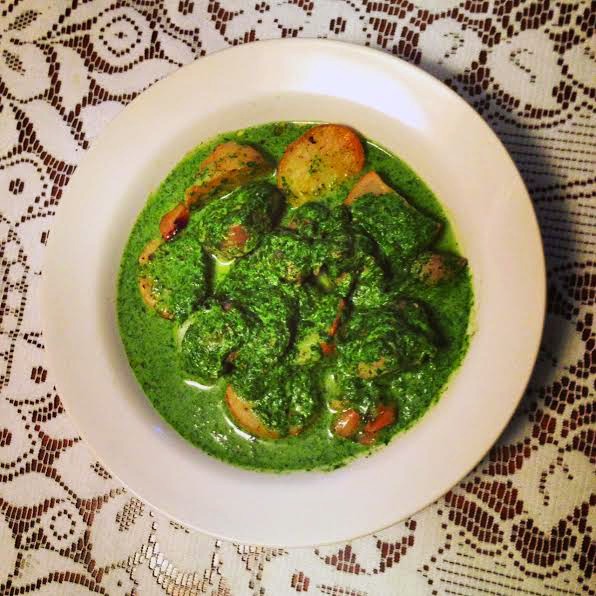
At any rate, this recipe is a winner whatever you choose to feature as your protein. It’s also at least as full of healthy vegetables as it is protein. The secret is in the sauce. The usual aromatics are cooked with the meat, but at the end, cups and cups of fresh arugula, spinach, dill, parsley, and tarragon are added to the broth, along with a little crème fraîche (or in my case, some sour cream I already had in the refrigerator).

The result is a vibrant green sauce that tastes as much of the greens and herbs as it does the broth. We had the stew over potatoes I’d roasted with garlic and rosemary the first night. The next night, the leftover sauce topped simply roasted chicken thighs, with a salad on the side. There was still a little sauce left over after that, so it went into the freezer to be used to flavour a soup some time.

I could see this sauce as an accompaniment for any number of proteins or poured over all sorts of roasted vegetables. It’s one I’m going to come back to over and over again, I can tell. Without reservation.

You can find out what the rest of the French Fridays crew got up to this week here: Smoked Salmon Waffles And here is the link to the rest of the group’s thoughts about this recipe: Green As Spring Veal Stew

Artistic Exploration – A Round Up of Public Art in Vancouver

Chair

Public art can be controversial or beloved, corporate or community-driven. At its best, it focuses the viewer’s attention on the space it occupies, contextualizing it in a new way. Now that spring is turning into summer, it’s the perfect time to explore the city, looking for these interventions along the way.

Here are a few places to start you off:

The City of Vancouver’s map of public art installations

Our City. Our Art.

Vancouver Biennale

100 in 1 Day

Tight City

The Year of Reconciliation art project

The Dude Chilling Art Exchange

Now, tell me what I’ve missed in Vancouver if you live here, or if you don’t, let me know what the public art scene is like where you live.

The chair in the photo at the top of the post was part of the Chair Project YVR project, which took place this spring.

(French) Food Revolution Day 2014 – Part 1

salad

Last year, the Doristas participated in Food Revolution Day for the first time. As you may remember, I got my partner to cook and write about a French Fridays recipe. This year’s theme was getting kids excited about food, so we were tasked with choosing one or more recipes from Around My French Table that we thought kids should know how to make. It was a tough task.

I finally decided that a healthy salad was my first choice. Making Wheat Berry and Tuna Salad would involve some ingredients that are familiar to a lot of kids, while introducing some that were likely to be new to them. It’s also one that gives kids some practice with knife skills. And it’s a recipe that’s not too hard, even for a beginning cook.

My second choice was Salted Butter Break-Ups. These cookies have been a hit with everyone I’ve made them for, young or old. Not only is this giant break-apart cookie fun to make, it also introduces many baking fundamentals and is a good first step for a young baker to move on to other doughs like pâte brisée.

The young cook I’ll be working with is my downstairs neighbour, but we can’t get together until the end of this weekend. So, there will be a Part 2 to this Food Revolution Day post, once we’ve made the dishes.

In the meantime, find out what the rest of the French Fridays crew chose to cook with kids: (French) Food Revolution Day 2014.

There is also a wealth of posts across the internet today, celebrating cooking with kids and healthy food. Here are some of the channels where you can find these stories:

Food Revolution Day: http://www.foodrevolutionday.com
Facebook: http://www.facebook.com/foodrevolutioncommunity
Twitter: http://www.twitter.com/foodrev (#FRD2014)
Google+: http://www.google.com/+foodrevolutioncommunity
Pinterest: http://www.pinterest.com/foodrevolution
Instagram: @foodrev (#FRD2014)

Much thanks to Mardi Michels for organizing this for us again this year!

FFWD – Leeks Vinaigrette With Mimosa

Leeks Vinaigrette

If the vegetable aisle was a high school dance, leeks would definitely be standing with the wallflowers. While the flashier vegetables and their savoury fruit friends are taking centre stage, leeks are quietly intensifying the richness of the dishes they inhabit. It’s unfair, though, because when they are allowed the spotlight, they don’t need supporting players.

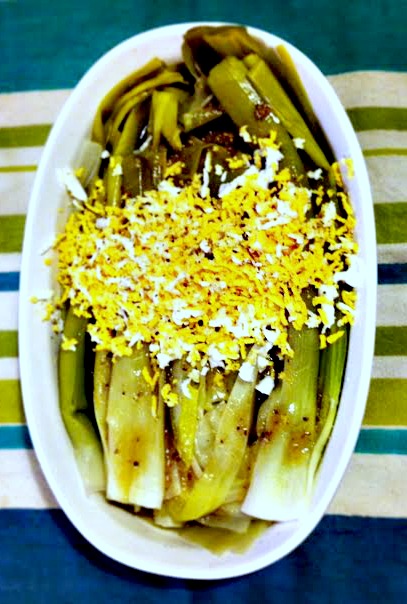
Before I mix my metaphors any further, let me give you an example. Leeks Vinaigrette is a classic French dish, with good reason. Poached until tender and tossed in a red wine vinegar and walnut oil dressing, they are delicious. Topped with a ‘mimosa’ of shredded egg, they’re also elegant.

Dorie’s version is quick to prepare and made a perfect light supper, with an extra hard-boiled egg each on the side. Cut to any number of high school movie conclusions – the triumph of the wallflower.

You can find the recipe here.

Find out what the rest of the French Fridays crew thought about this week’s recipe: Leeks Vinaigrette with Mimosa

FFWD – Tuna Rillettes

Rillettes

We’ve done rillettes before, but I’m betting that this tuna version is less challenging for the French Fridays crowd than the ones we made previously. I really enjoyed the sardine rillettes, but not everyone could get behind the idea of a sardine sandwich spread. I expected to enjoy this one, too, and I did.

When I was growing up, my favourite kind of sandwich was tuna. I would have had that every day if my mother had let me. She had strange ideas about feeding us a variety of foods, though, so my argument that fish is brain food didn’t prevail. I’m sure my mercury levels are all the better for it.

This spread reminded me of those sandwiches, though the flavour profile is a little more sophisticated than the elementary school standard of tuna mixed with mayo and chopped celery. There are hints of curry, quatre épices, and lemon in this recipe, along with subtle undercurrents of shallot and crème fraîche. I didn’t have any tuna in oil on hand, so I added a teaspoon or so of olive oil to make up for it.

Though the mixture is whizzed into a smooth, plain-looking paste, the flavour and texture more than make up for its appearance. The rillettes were great with gluten-free almond crackers. They were even better when used to make another Dorista favourite, the tartine. I spread some on soughdough toast, then layered sharp cheddar, Romaine lettuce, and red pepper on top. I’d have that for lunch any day. Which might cause my mother to give me another lecture on a well-rounded diet.

Tartine

You can find many other blogged descriptions of this FFWD recipe here: Tuna Rillettes

Room to Run

Muddy dog

This is one of my favourite photos of my dog, Roxy. Not because it’s a good photograph, not because she looks her best (obviously not), but because it’s at the end of a good play session at one of her favourite parks. She’s tired out and ready to go home, no mean feat for a feisty terrier cross.

Trout Lake, or John Hendry Park as it’s officially known, has been an east side institution for dog owners for many years now. Though most of the park requires dogs to be on leash and there are sections where dogs are not allowed at all, there is also a big off leash area that includes access to the lake, a large green space, and shady treed areas. There is plenty of room for dogs to run and play there. There’s also enough room that small dogs like mine can run in areas away from the rougher play of larger dogs. People bring their dogs to Trout Lake from all over East Vancouver, as there’s a dearth of off leash areas on the east side and across the city, really.

Unfortunately, this resource is under threat from the Vancouver Park Board. The proposal before the Board aims to reduce the off leash area by 80%. Though it’s being touted as being the size of a football field, the layout would amount to a narrow strip that includes boggy terrain, a steep slope, and deep water. An 80% reduction would also lead to crowded conditions, which would prevent many of us from allowing our dogs to play there. Though dog owners use the park 365 days a year, rain or shine, the Park Board seems to be privileging those who use the park lightly and only in good weather, those who also have most of the park in which to picnic, play, and swim dog-free.

The Park Board’s lack of support for off leash areas seems counter-intuitive, as regular users of parks, like dog owners, should be natural allies for the Park Board’s goal of increasing green space for residents. It’s also strange, given the City of Vancouver’s commitment to building a Healthy City. The off leash area of Trout Lake has become a community hub, for dog owners and lovers alike, which is in line with the City’s goal of cultivating connections in a place that’s famously alienating. Another of the Healthy City strategy’s pillars is to promote active living and getting outside – Trout Lake provides regular exercise for dog owners alongside their pets.

The Park Board’s stance on off leash areas is being implemented across the city, with reductions and restrictions being proposed for many of the most popular destinations for dog owners. There are plenty of overdeveloped, groomed park spaces in Vancouver – surely there’s room for natural spaces and room to run for the dogs that improve the quality of life for many urban dwellers?

If you’d like to take a stand against these proposed changes, Dog Lovers of Trout Lake is a good place to start. You can also let the Park Board, City Council, and the Project Manager know how you feel at the following addresses:

debra.barnes@vancouver.ca
mayorandcouncil@vancouver.ca
pbcommissioners@vancouver.ca

Socca From Vieux Nice – A French Fridays Catch Up

Socca

I won’t be making this week’s French Fridays recipe, Green as Spring Veal Stew, until next week, so I thought I’d throw in a catch up instead. I’m not sure why I didn’t make this when it came up in the rotation, and I’m also not sure why I overlooked this recipe until now. Socca is naturally gluten-free and the chickpea, in whatever form, is one of my partner’s favourite foods.

Unfortunately, I’m out of chickpea flour at the moment, so I substituted garfava flour, instead. It’s a blend of garbanzo bean (chickpea) and fava bean flours that’s a staple in Bette Hagman recipes. I’ve mostly moved on from using it, so I was glad to have an excuse to use up some of what I’ve got left. It wasn’t the greatest substitute – Kevin disliked the flavour of the resulting flatbread, but I thought it wasn’t bad. Next time, I’ll stick to pure chickpea flour.

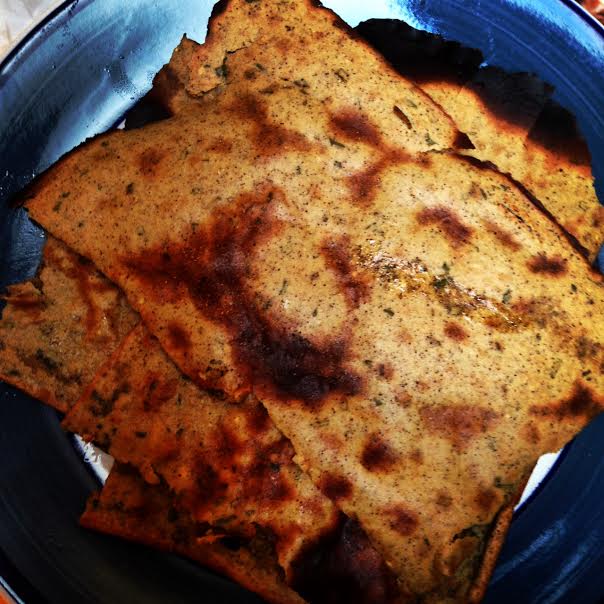
There will be a next time because I loved the method and the loveliness of the flatbread that came out of the oven, garfava flour or no. I mixed up the batter the night before and was pleased to read that most of the cooking time would be for heating the pan. The bread itself bakes for only five minutes and is then broiled until crispy, and blackened in spots, for another three minutes or so.

It’s traditional to eat it hot, dusted with pepper, but Kevin said he would have liked it better with a dip. I agree. Some yogurt, mixed with lemon and dill, would have been nice with it. I’m looking forward to trying the chickpea version – paired with the yogurt dip, it may become a summer favourite.

You can find many other blogged descriptions of this FFWD recipe here: Socca From Vieux Nice. And you can see what the rest of the French Fridays crew got up to this week here: Green as Spring Veal Stew