Here’s a photo from the gardening workshop I took on the weekend. I’d fully intended to write a post about it today, but instead spent the day working on my backyard. One big project finished – building a raised bed for a vegetable garden. It’s all about works in progress around here lately.
FFWD – Mozzarella, Tomato and Strawberry Salad
Torrential rain and summer salad aren’t natural companions. This afternoon, while the rain was pounding on the rooftops as loudly as hail, my mind was on quiche, soup and stew. Luckily, I’d already gotten all the ingredients for this week’s recipe, or I might have been guilty of yet another late post. I would have bought entirely different ingredients had I gone shopping today. By early evening, though, the sun was shining and salad became a reasonable dinner option.
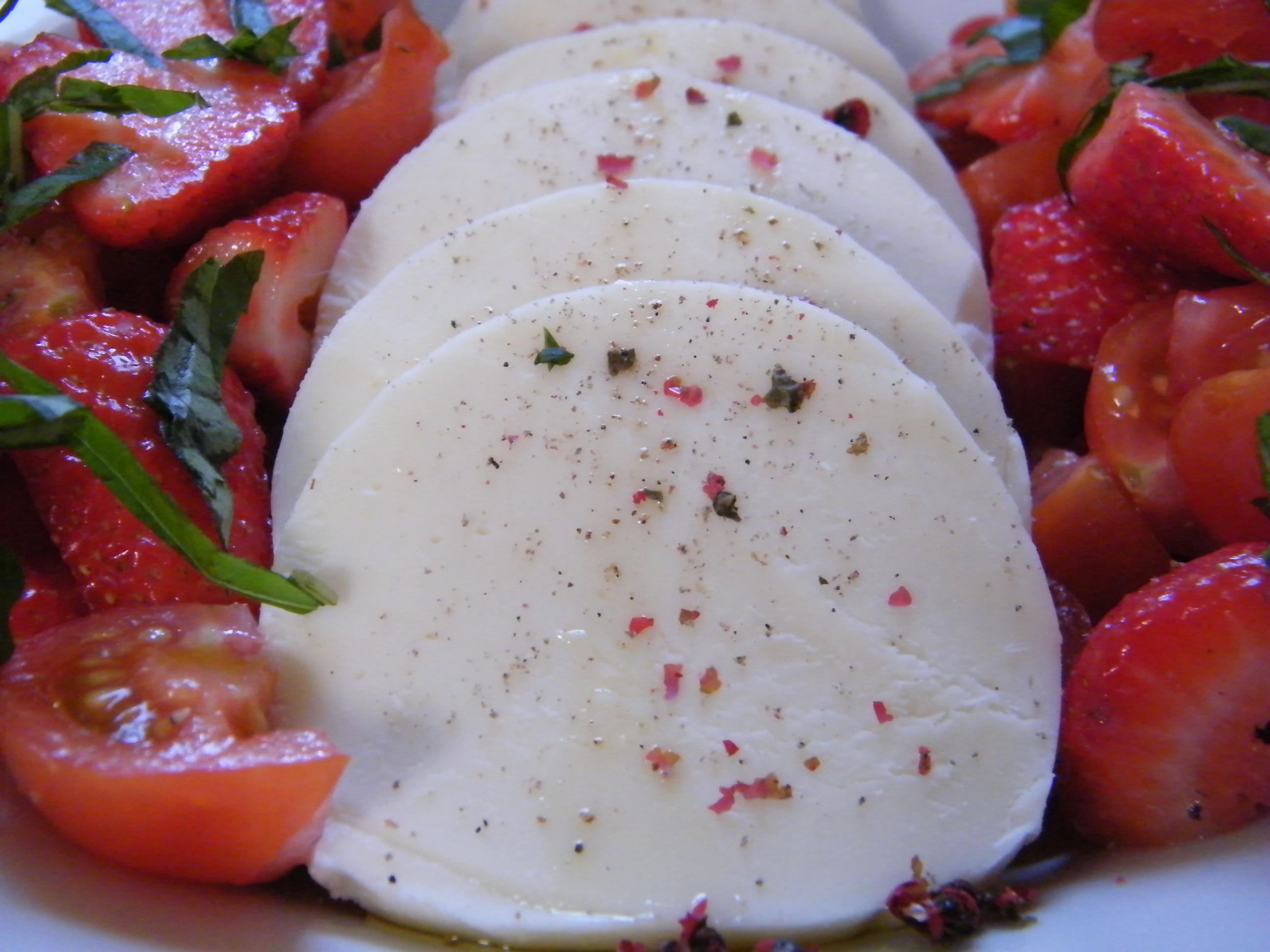
Purchasing the ingredients is the hardest part of this recipe. The salad is thrown together quickly, just before serving. Slice the mozzarella, then plate it. Slice and mix the strawberries with the tomatoes. Shred the fresh basil. The rest is just seasoning and drizzling some good olive oil. Add some balsamic to the fruit if you think it needs it and then garnish the mozzarella with crushed pink peppercorns.
Just as goat cheese and strawberries work together, tomatoes and strawberries are naturally compatible. I didn’t need to use balsamic, as the fruit had a good balance of sweet and acid without it. This worked well with the creaminess of the mozzarella and the tang of the basil. It’s been a cool, wet summer so far and we’ve been waiting a long time for strawberries. This salad was a perfect way to use the first local berries I’ve gotten this season.
You can find many other blogged descriptions of this week’s FFWD recipe here: Mozzarella, Tomato and Strawberry Salad
Creating Community, Car-Free
It’s often been said that Vancouver lacks a civic centre. We have no town square or any pedestrian malls. For many years, the closest thing to a city gathering place has been the steps and courtyard of the Vancouver Art Gallery. Many protests and celebrations have wound up there over the years, but it doesn’t replace the street-level culture that exists when there is a dedicated public space.
Travelling to Europe or Latin America (or even Montréal) shows us what we’re missing here. Even the smallest town in Mexico seems to have a zócalo where cafés line the perimeter and couples promenade in the evenings. For the traveller, it can provide an anchor from which to spin out one’s explorations; for the resident, it’s the centre of public life.
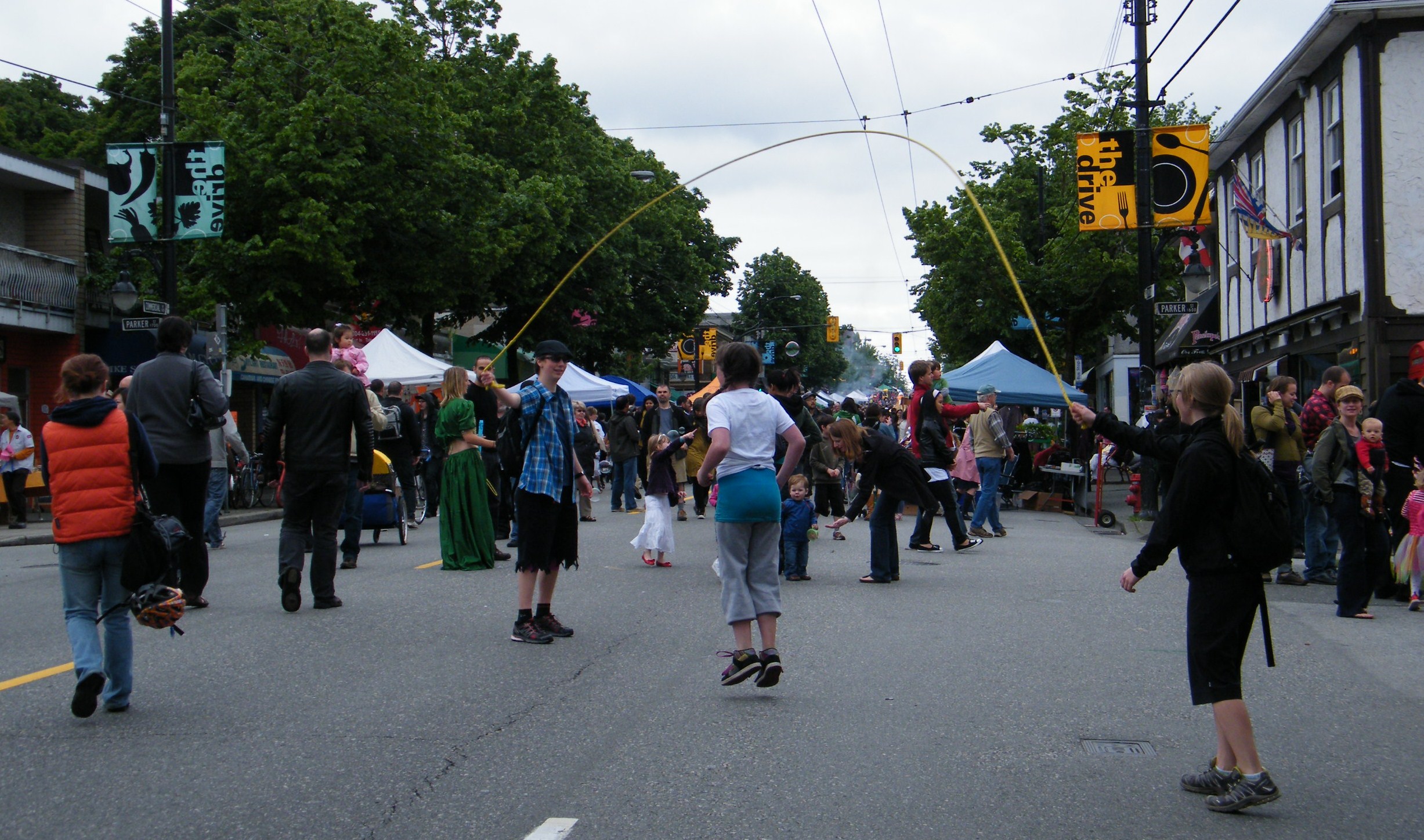
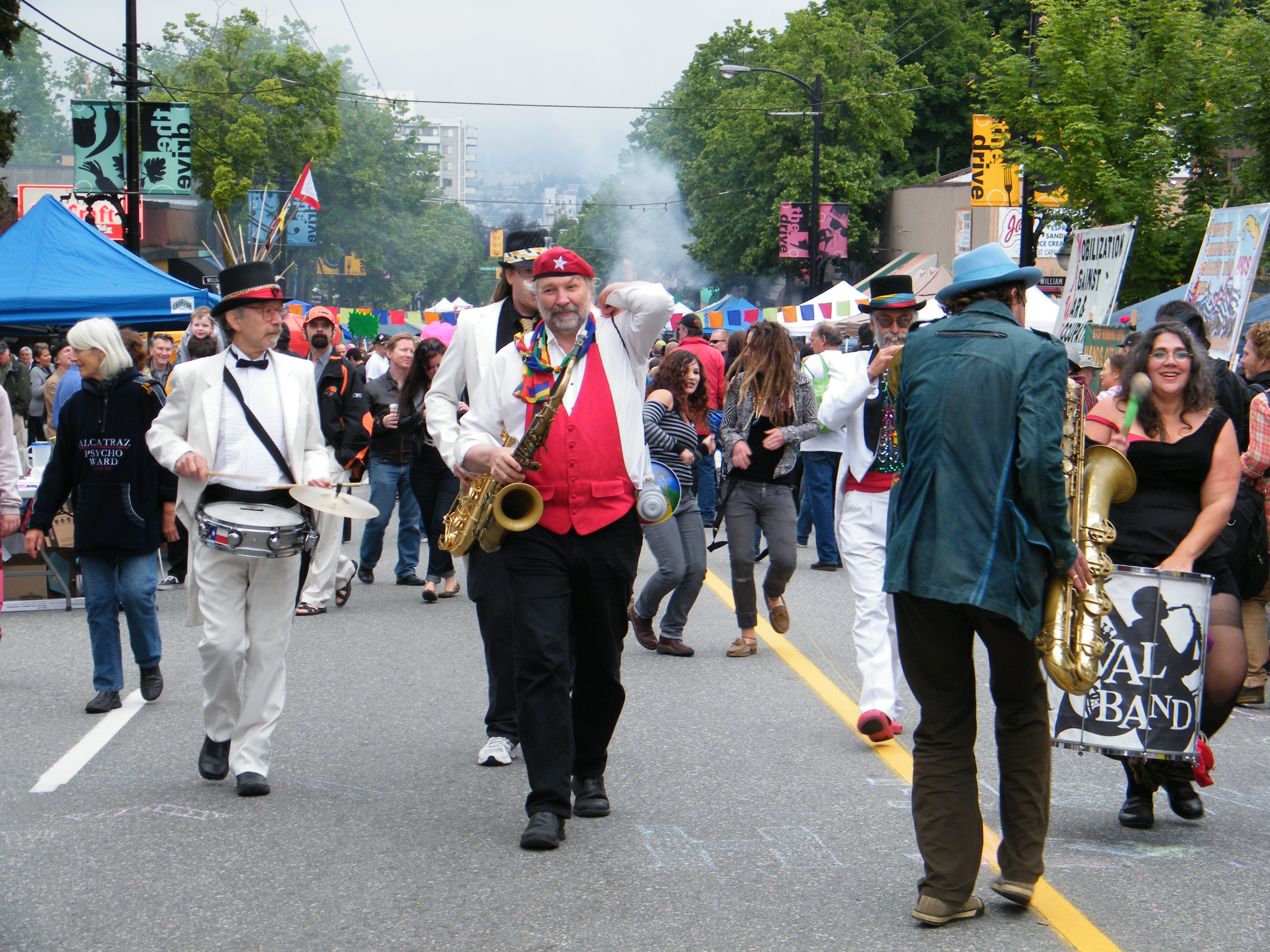
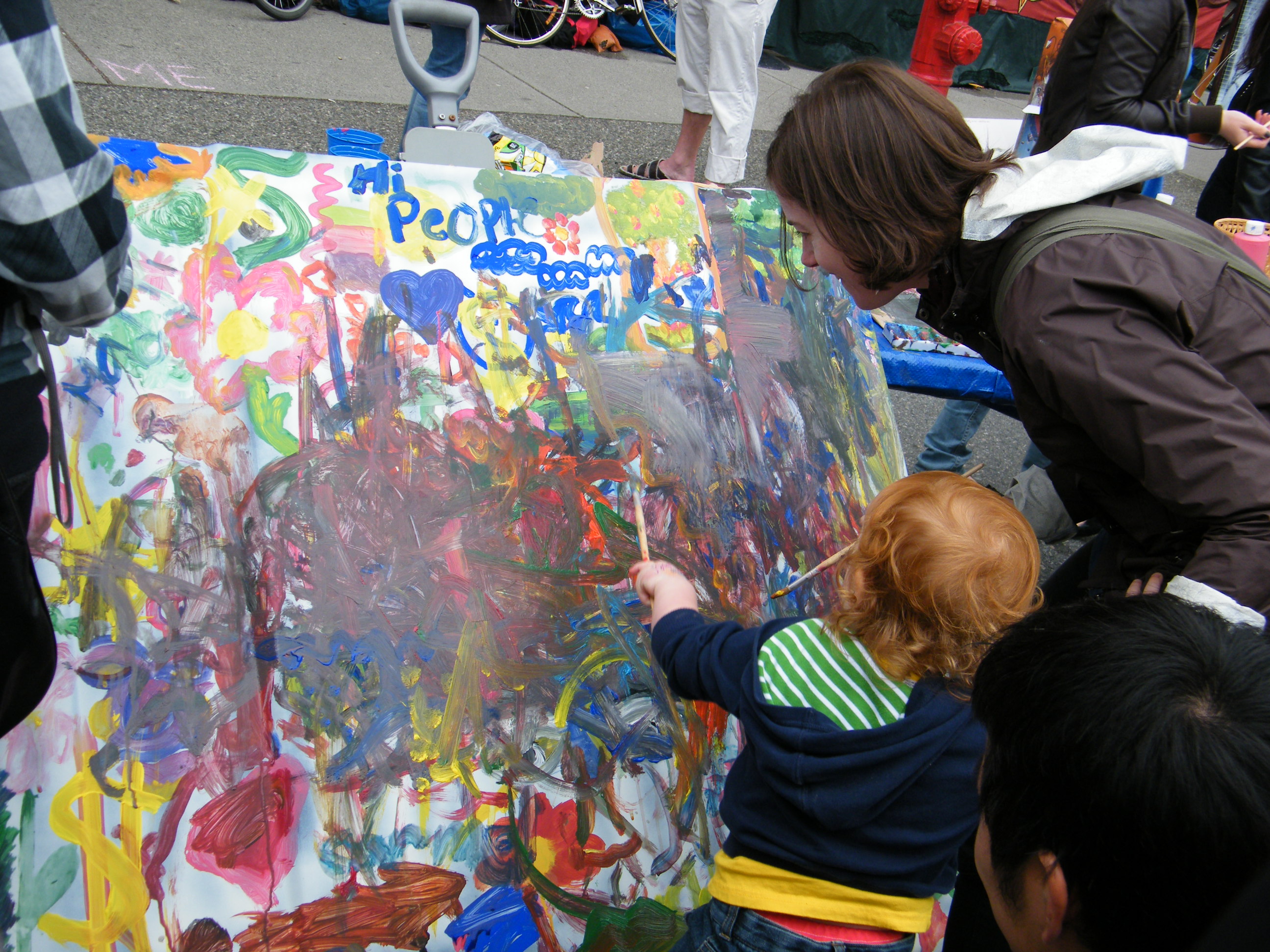
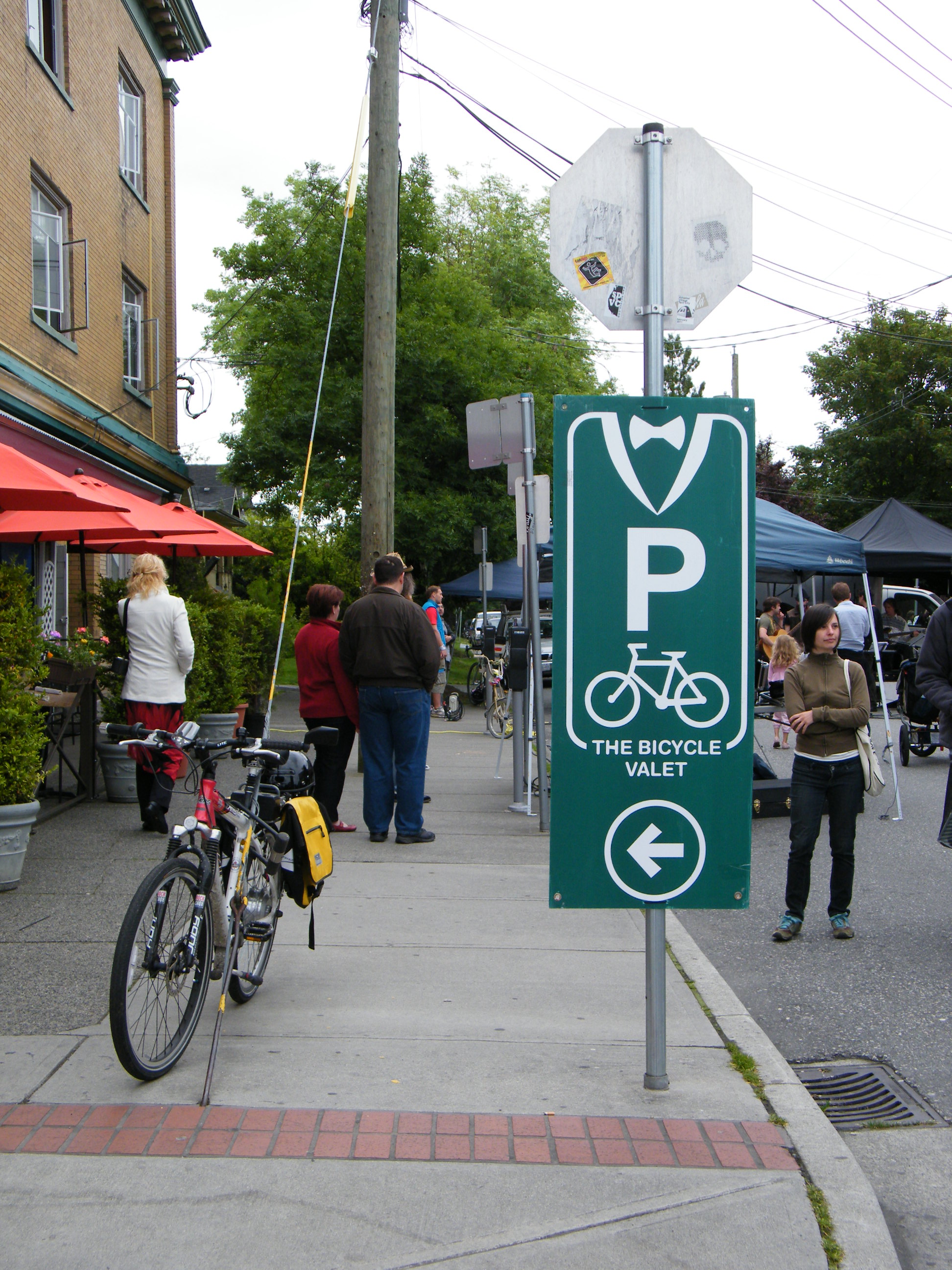
Vancouver gets a small taste of what this can be like when the annual Car-Free Day closes down streets in several neighbourhoods across the city. Street hockey, dance parties, roller derby and jump rope are just some of the activities folks were able to engage in, once the traffic was re-routed and pedestrians flooded the street.
This model temporarily assuages the city’s need for an outdoor public life, but it’s not enough. The temporary nature of the squares means that the permanent architecture of city squares can only be approximated. Street parties can also be an able-bodied only affair, with buses re-routed as well as private cars. A permanent city square would be physically accessible, as transit would be built around it, not diverted from it. Vancouver Public Space Network has been arguing for a public square in the city for some time now. They’ve got a number of posts on the subject, which I encourage you to explore.
This isn’t to say that I don’t love and support Car-Free Day, it’s just that it’s a tantalizing, fleeting experience of what our city should have every day. Beyond the vision of a public square for Vancouver, Car-Free Day also suggests some other interesting possibilities – what about closing Commercial Drive to traffic altogether, while running accessible light rail along its length? The Drive is already famous for its café culture; wouldn’t it be lovely if the city turned the street into a sort of plaza, where people could enjoy our mild weather for much of the year? Extended awnings would of course be necessary in our rainforest climate zone, but that’s no barrier.
Car-free day every day? I’m in.
FFWD – Roasted Rhubarb
It’s not the complicated recipes that evoke sensory memories for me, though I have plenty of other memories about those dishes. My mother’s French Onion soup is inextricably linked with Hayley Mills and The Moon-Spinners, because she once made it for us on a Mother and daughters movie night. Coq au Vin and Angel Food Cake bring to mind special occasions with Tante Leona, my mother’s aunt. Pâte de Cochon and tourtière mean Christmas. But these are associative memories, not strongly sensory.
The memories that transport me to particular periods of my life, rather than specific events, are triggered by simple aromas. Caramelizing sugar brings me back to early childhood, my mother making sucre à la crème on the stovetop. Roasting garlic and lemon are associated with my university years, when my idea of sophisticated home cuisine was 40 Cloves of Garlic Chicken. Rhubarb cooking down is the scent of early summer, reminding me of the building excitement as the school year neared its end. Rhubarb found its way into puffs, crisps and pies, but one of the first things my mother always did with it was to cook some down on the stove with sugar. It would often end up served over ice cream, usually on a hot June day.
We’ve not had many hot days this month, but this afternoon I evoked the memory of warm days with this week’s French Fridays recipe. Instead of cooking it down slowly on the stove, though, this recipe calls for chunks of rhubarb to be tossed with sugar and freshly grated lemon zest (I added a pinch of cinnamon, too) and then roasted in the oven. This method requires almost no attention – no frequent stirring and temperature checks and leaves the pieces of rhubarb soft, infused with the flavour of the sugar. Cooking rhubarb on the stovetop breaks down its fibres, incorporating the sugar syrup, but this method leaves the rhubarb intact, surrounded by a sugary sauce. It’s a lovely variation and just as good with ice cream as the original.
What are some of the things that trigger sensory memories for you? Scents, sounds, colours? I’d love to hear.
You can find many other blogged descriptions of this week’s FFWD recipe here: Roasted Rhubarb
From the Ground Up
Plotting out the future can be a daunting task, whether it’s for a book club or a neighbourhood. Conflicting personalities, differing goals and incompatible world views can all get in the way. It’s why generating participation is the bane of any planning process. When it’s as high-stakes as public consultation about neighbourhood development, it’s easy to get discouraged by bureaucracy and lobbyists. Things can get discouraging enough, even, to make folks dream of moving to a new place, to avoid the changes that are taking the shine off their current home and to build something that better reflects their own desires. Unfortunately, one neighbourhood’s fleeing resident can become another community’s damaging interloper.
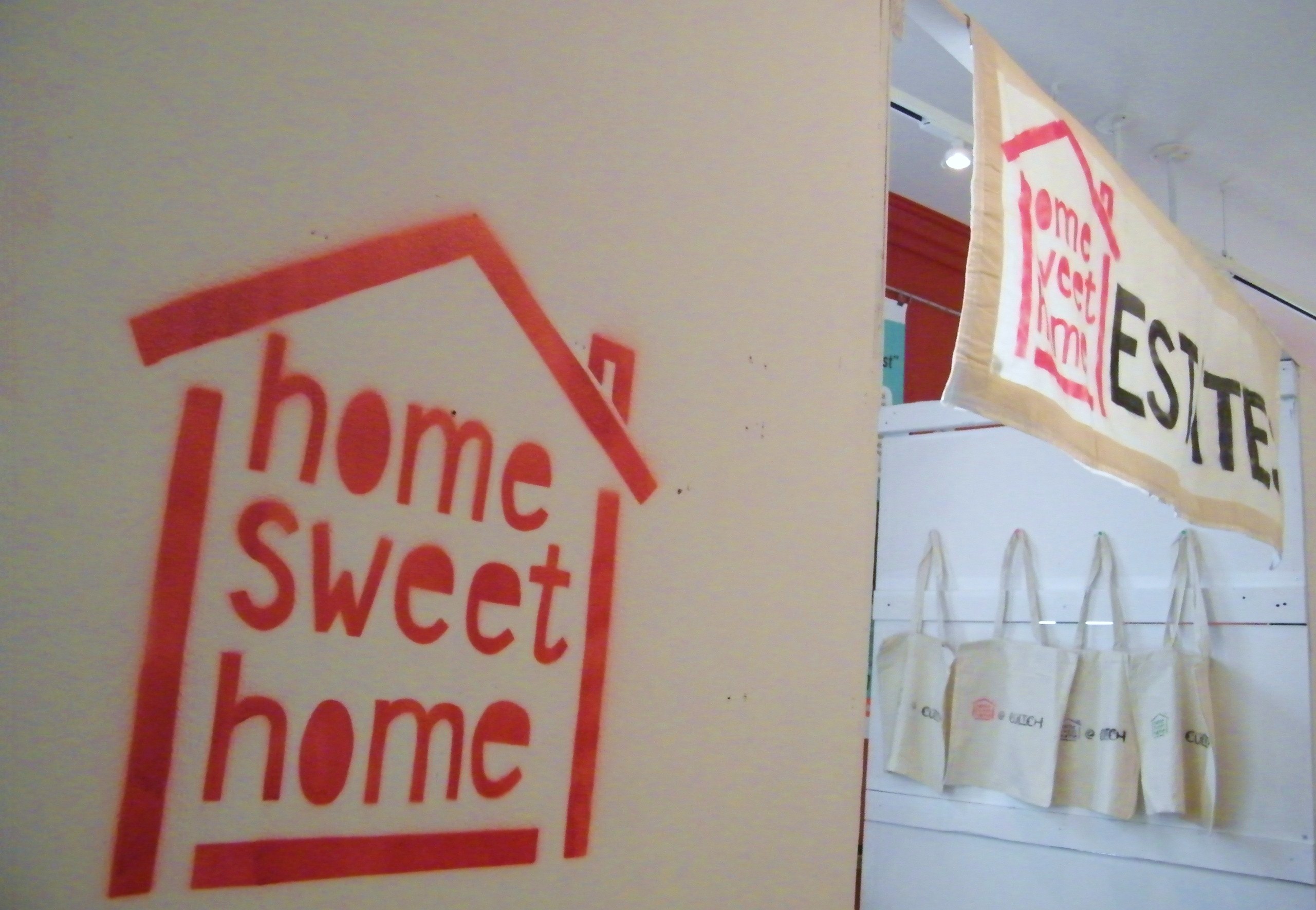
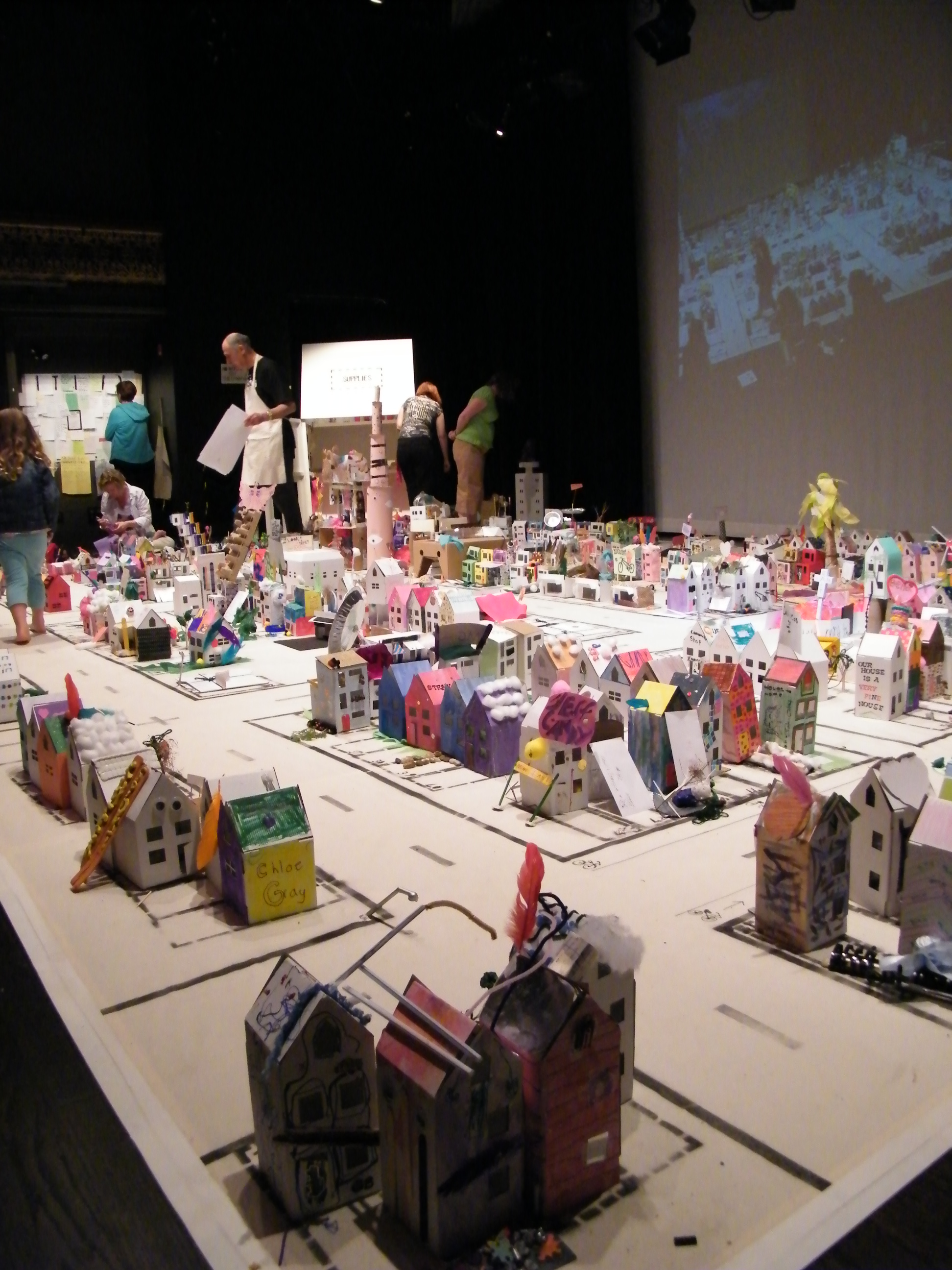
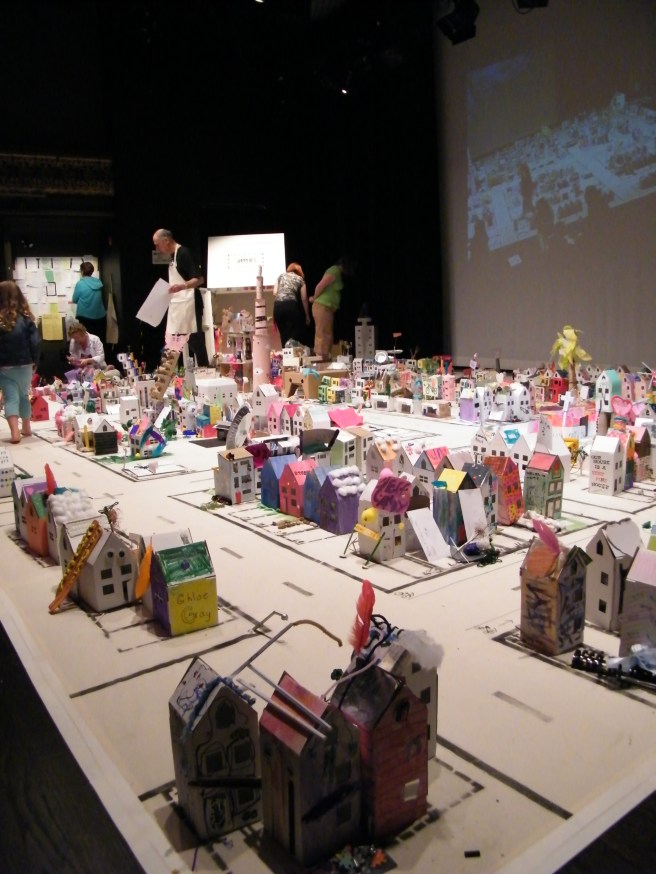
There’s really no such thing as building a community from the ground up, at least not in the real world. But last week, the Vancouver East Cultural Centre presented an opportunity to do so imaginatively, with their home sweet home installation. This piece was created by Subject to_change, a British theatrical company that specializes in breaking down the boundaries of artistic production and putting the spectator into the centre of its pieces. Home Sweet Home has been travelling to sites world-wide since 2007.
The piece begins as a planned community would, with lots marked out and construction materials at hand. Participants could choose to build residences, businesses or community amenities. Over the course of the installation, residents could also become involved with the community’s radio station and council or simply interact with other residents.
There were elements of the fantastical involved in the community that developed, like unicorn corrals and zombie warnings…actually the radio station and bulletin board seemed to really run with the zombie theme. But what I noticed, having arrived late in the process, was that the little village seemed to be an ideal version of the real-life neighbourhood outside. There were dog parks, community kitchens, bike shops and co-ops of all kinds. There were very few outsized developments and at least one of these was a seniors’ residence. A number of houses were given over to Canucks playoff fever and there was even a tiny East Van sign.
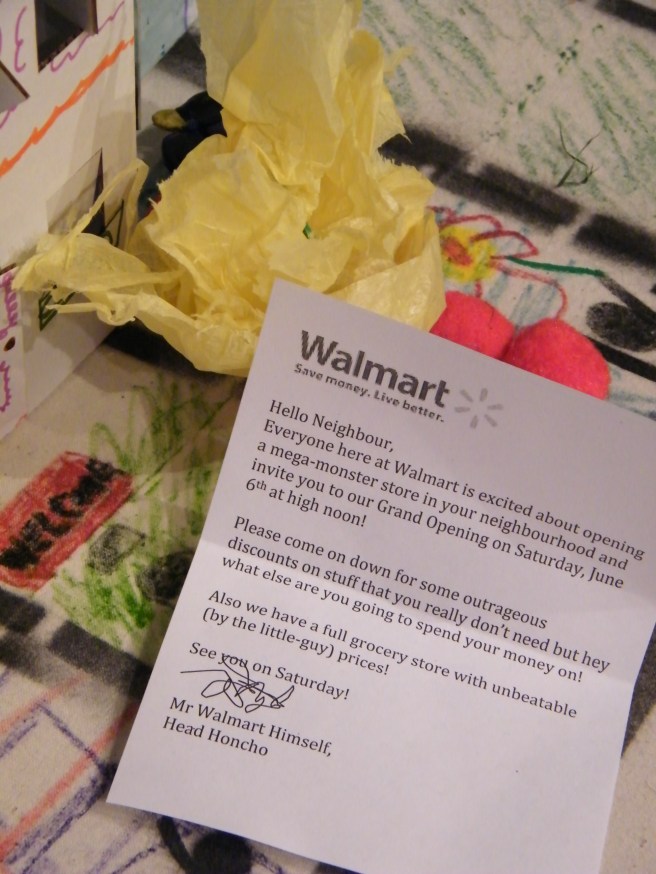
This little East Van also reflected our neighbourhood’s anxieties – the biggest threat wasn’t really zombies (or the ongoing campaign against someone called “Councillor Bob”), but the letters delivered to residents promising an enormous Walmart development. In a neighbourhood where long-time residents are worrying about a future filled with chain stores and cookie-cutter condos, the installation encompassed what we love about this place, what we want for it and what we fear is on its way.
By leaving participants a blank slate, Subject to_change manages to make each iteration of this piece a social commentary, a learning environment and a kind of community carnival all at once. It also allows for artistic expression on a playing field that’s levelled across age groups – there were interesting and provocative structures from kids and adults alike.
I’d like to adapt this concept to some of the organizations I’m involved with – a day long retreat, complete with paper, glue and decorations, might do more to foster dialogue than any number of meetings.
FFWD – Cola and Jam Spareribs
Ribs and summer weather are a good fit. They bring up thoughts of potato salad, corn on the cob and lemonade. Since summer hasn’t exactly started here, it’s good that ribs are also a good match for sports. The Canucks [Seriously, WordPress, you don’t recognize the word Canucks?] are in the Stanley Cup finals and the whole city is in thrall to its televisions…with some notable exceptions. I’m sure they’ll be commenting to that effect on this post.
I’m a fair weather hockey fan. Bring me to a game and I’ll be watching every play. Otherwise, I don’t follow it until the playoffs. Even then, I only pay enough attention to make sure I don’t miss anything exciting. (The Canucks in the finals – exciting.) My family despairs of me. I was raised in a hockey-loving clan. My grandfather cheered for the Canadiens and some of my earliest memories are of three generations of my family crowded around the television in my grandparents’ living room. The decibel level was impressive. I was already a suspect fan; my favourite part of the broadcast was Peter Puck.
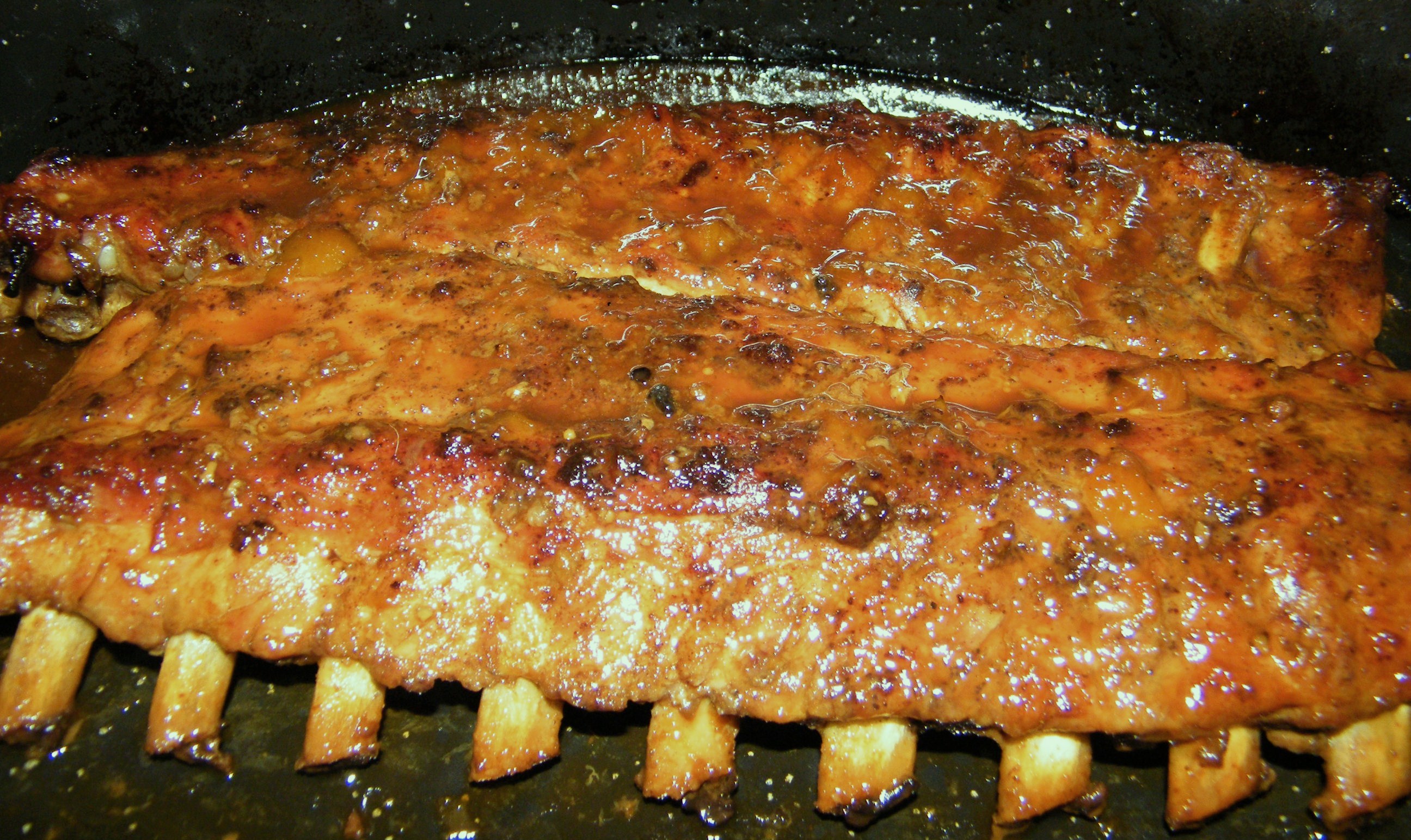
All of this is to say that I’m paying attention to hockey right now and this week’s French Fridays recipe is a perfect fit. Cola and Jam Spareribs, steamed bok choy, mashed potatoes and Gewürztraminer, plus a winning home team game. Not bad for a Friday night at home. At least that was the plan. As of this writing, the ribs have just come out of the oven and we’re planning to eat them tomorrow, though we may have a few as a late-night snack, just to make sure they’re acceptable.
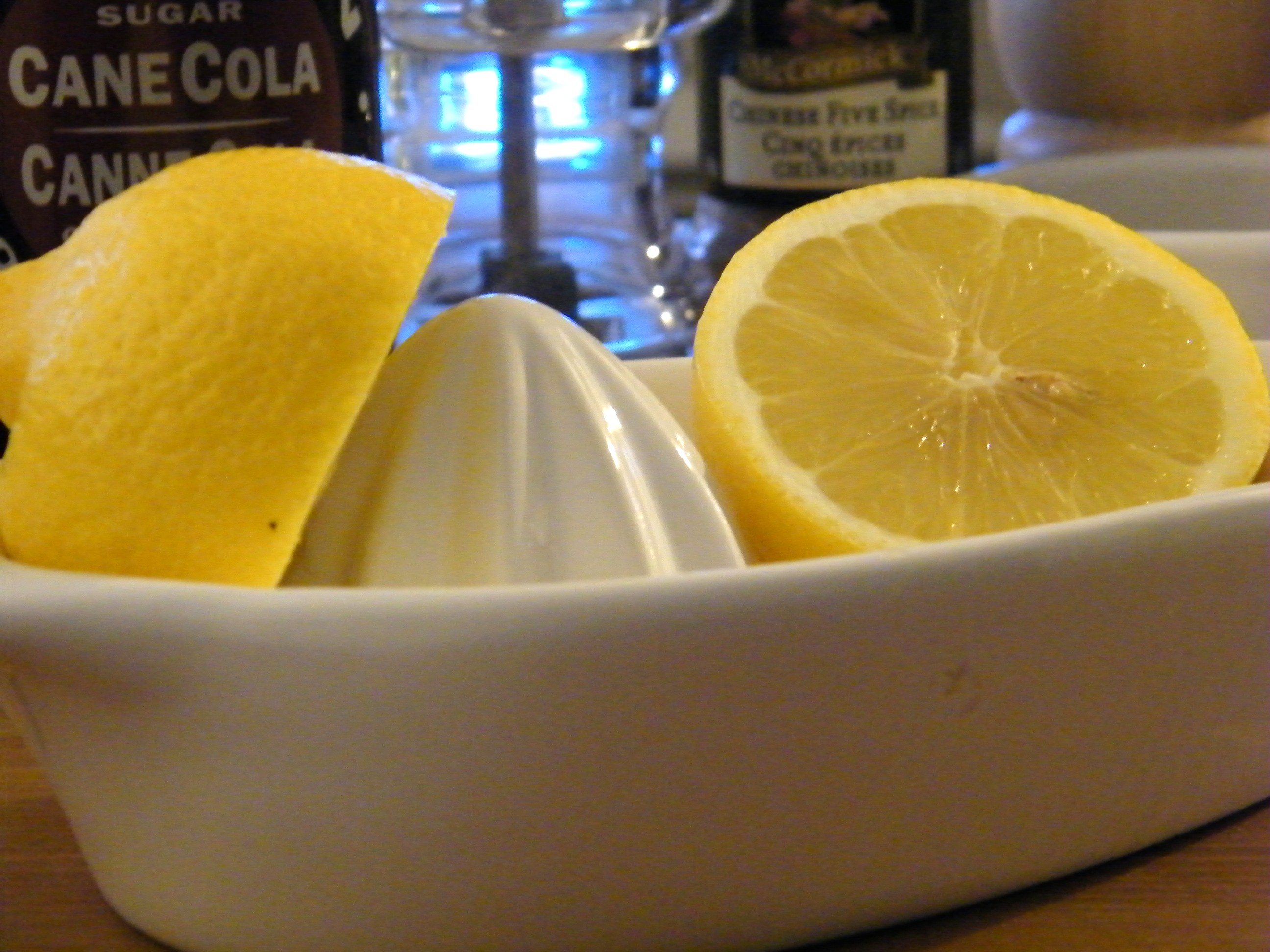
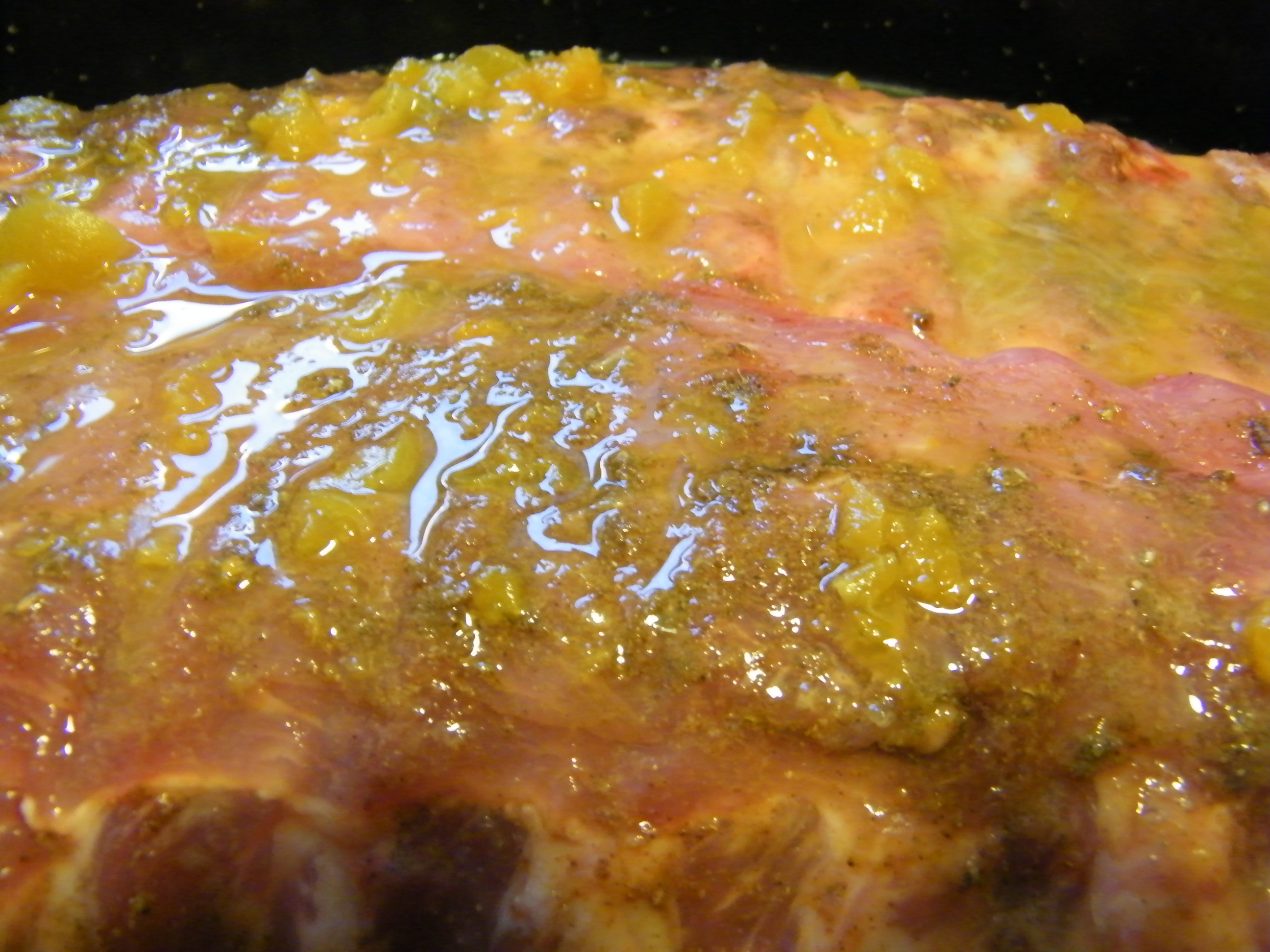
The aroma from the kitchen certainly promises that they’ll be more than acceptable. This isn’t a typically saucy rib recipe. The meat is rubbed with five spice powder, ground ginger, salt and pepper, then marinated in apricot jam, mixed with orange and lemon juices. Late in the roasting process, cola is added to the pan. It’s a long cooking time, with regular basting, but the meat is awfully tender looking. I’ll let you know in the comments how we liked it.
You can find many other blogged descriptions of this week’s FFWD recipe here: Cola and Jam Spareribs
Activate that Citizenry
Remember Town Hall meetings? They still exist in their original form, but community consultation is increasingly moving to the internet. This seems like a natural evolution – most people spend at least some time each day in front of their computers, while public meetings conjure up images of drafty gymnasiums, sparse crowds and cold coffee. Physical meetings do have their advantages, though. Internet consultation can have difficulty replicating the exchange of ideas that happens face-to-face and it’s also easier to disengage from online conversations than it is to walk out of a roundtable discussion. Different strategies attract different participants and given the low level of community engagement with most consultation processes, it’s smart to make use of more than one.
The City of Vancouver’s Transportation Plan is doing just that, with a series of public meetings set for neighbourhoods throughout the city and a Facebook-based discussion group process. I’ve been participating in one of the online discussion groups and so far, there hasn’t been much participation. I’m curious to see how well-attended the public meetings will be. Transportation can cause heated debate, but it seems that this is mostly reactive, as when the downtown bike lanes were put in place. Planning doesn’t get people as worked up, unfortunately.
Even if participation isn’t high, it’s encouraging to see government making an effort to include public consultation earlier in its planning processes. The Ministry of Agriculture’s survey on the Agricultural Land Reserve is another example of consultation with a potential for getting a wide cross-section of opinion. The preservation of farmland is an issue that’s finally starting to get widespread attention. Allowing people across British Columbia to weigh in on at least part of the decision-making seems like a step toward direct democracy; focus groups and opinion polls can’t compare.
I’m always for a diversity of strategies and making it easy for people to get involved. Having a number of ways for people to engage makes active citizenry accessible.
A Little Practice
As I told you last week, this weekend I attended a day-long photography workshop. My partner gave it to me as a birthday present, which was both sweet and perfect. The instructor was a hobbyist photographer called Alastair Macleod, who started exploring photography as a way to improve his skills for his film industry work. He is an enthusiastic instructor, who is knowledgeable about the technical requirements for good photography, but really shone when reviewing our images.
At the break, he sent us out into the neighbourhood to take photos and we spent the bulk of the class looking at each other’s results and in demonstrations of particular techniques. I made the bulk of my photos that day with my digital camera on manual, playing with the different settings. This is something I always felt comfortable doing with my film SLRs, but for some reason, have avoided with my digital camera.
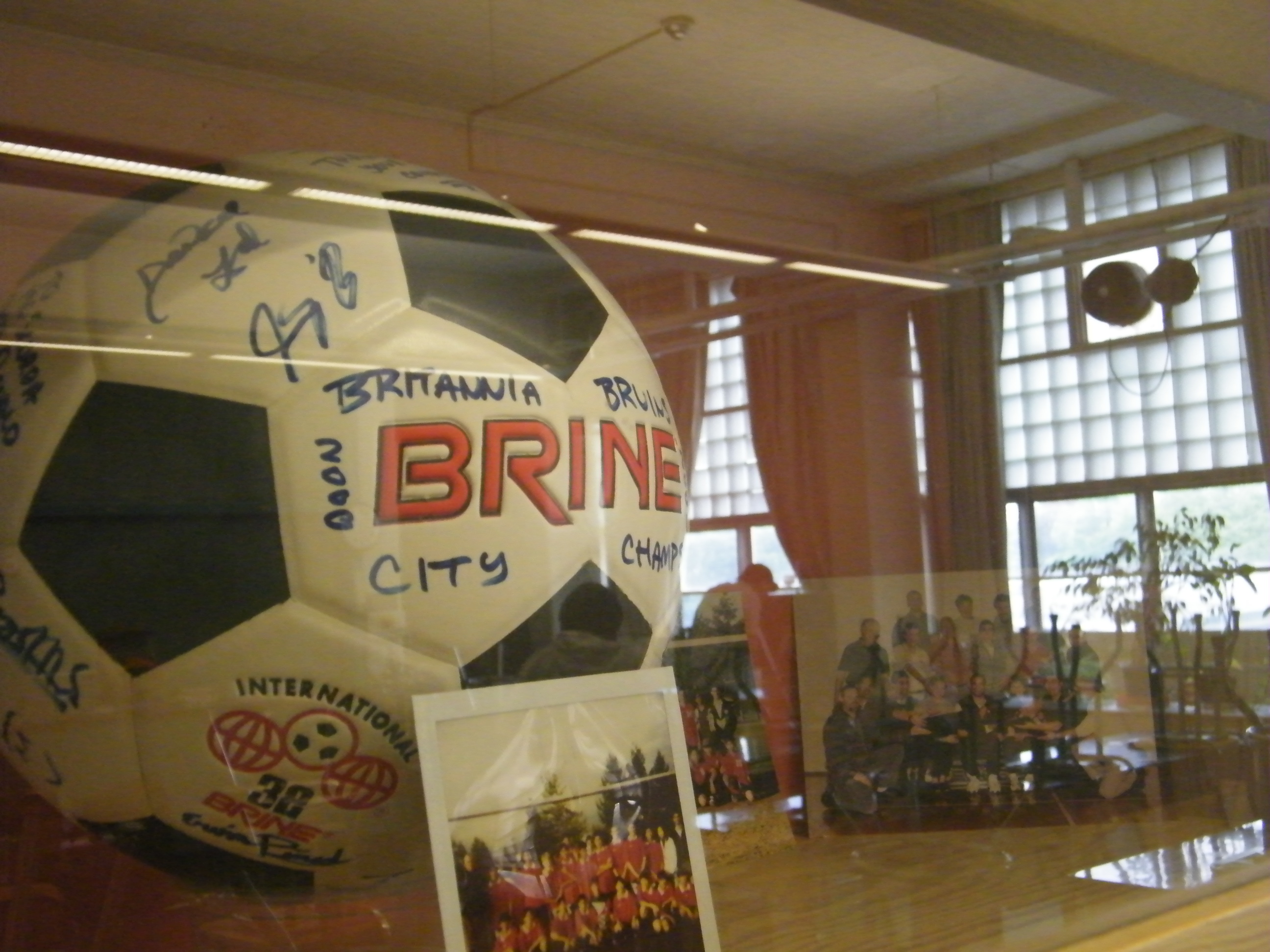
The best place to take photos turned out to be the classroom itself. It obviously hadn’t been remodelled in decades and its desks, shelves and blackboards seemed to be at least 30 years old. The smell of chalk dust and ink overlaid everything with a feeling of nostalgia, too.
I’ve got a long way to go before I’m happy with my photographic results, but it’s good to be reminded how rewarding experimentation can be and how working with others can help you improve.
What You See and What You Get
I have a couple of film SLR cameras that I’ve used for years and love dearly. I don’t shoot film very often these days, but I feel more comfortable using them than I do my not-too-shabby, slightly-better-than-a-point-and-shoot digital camera. (I know that it’s a commonplace that the best camera is the one you have with you, but there’s something to be said for lenses that can be adjusted by hand.)
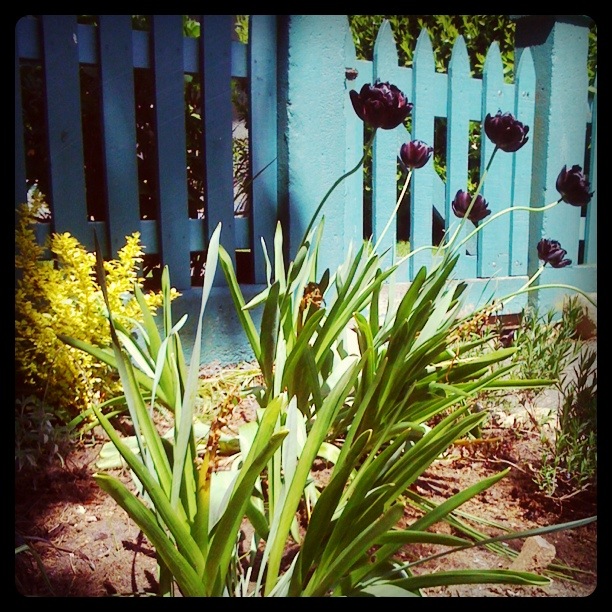
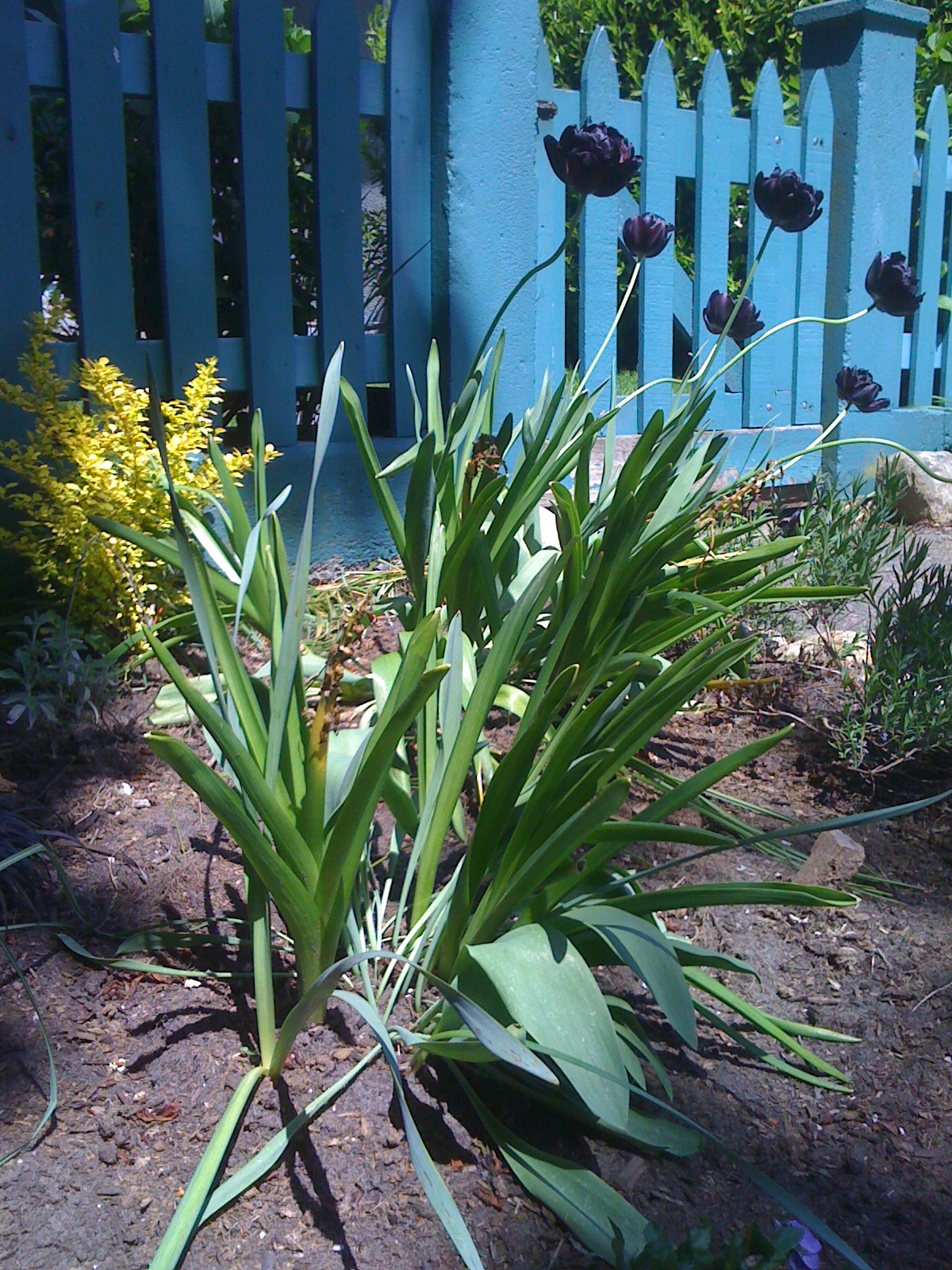
I’m trying to improve my digital photography, both on my iPhone and on my camera. To that end, I’ve started following The Daily Shoot on Twitter and am using their assignments to challenge me to improve my iPhone photography. So far, I’ve done two and have used Instagram filters on the images. I also have Hipstamatic on my phone and am interested in trying those filters, too. I hope that some images will be compelling enough to stand on their own, as well. The photo at the top of the post is the Instagram version. Here’s the original:
I like this version, too, but I’m enjoying the effects that the Instagram program brings. I often don’t manipulate my photos very much, mostly just to compensate for those times when I rely on my in camera flash. I’m curious to know which of these images you like better. I also would like to know how you feel about photo editing in general – do you see it as a further expression of your creativity, a necessary evil, a cheat? If you use any photo editing programs, what are your favourites?
Next week, I’ll tell you about a day-long photo workshop I’m attending, in hopes of upping my game with my camera.
FFWD – Bacon, Egg and Asparagus Salad
Is it just me, or is there a confessional aspect to these French Fridays posts? Not the life-alteringly shocking kind, of course. More in the vein of True Food Confessions. That isn’t a reality television show yet, is it? Anyway, I find myself regularly revealing my food…quirks…in these posts.
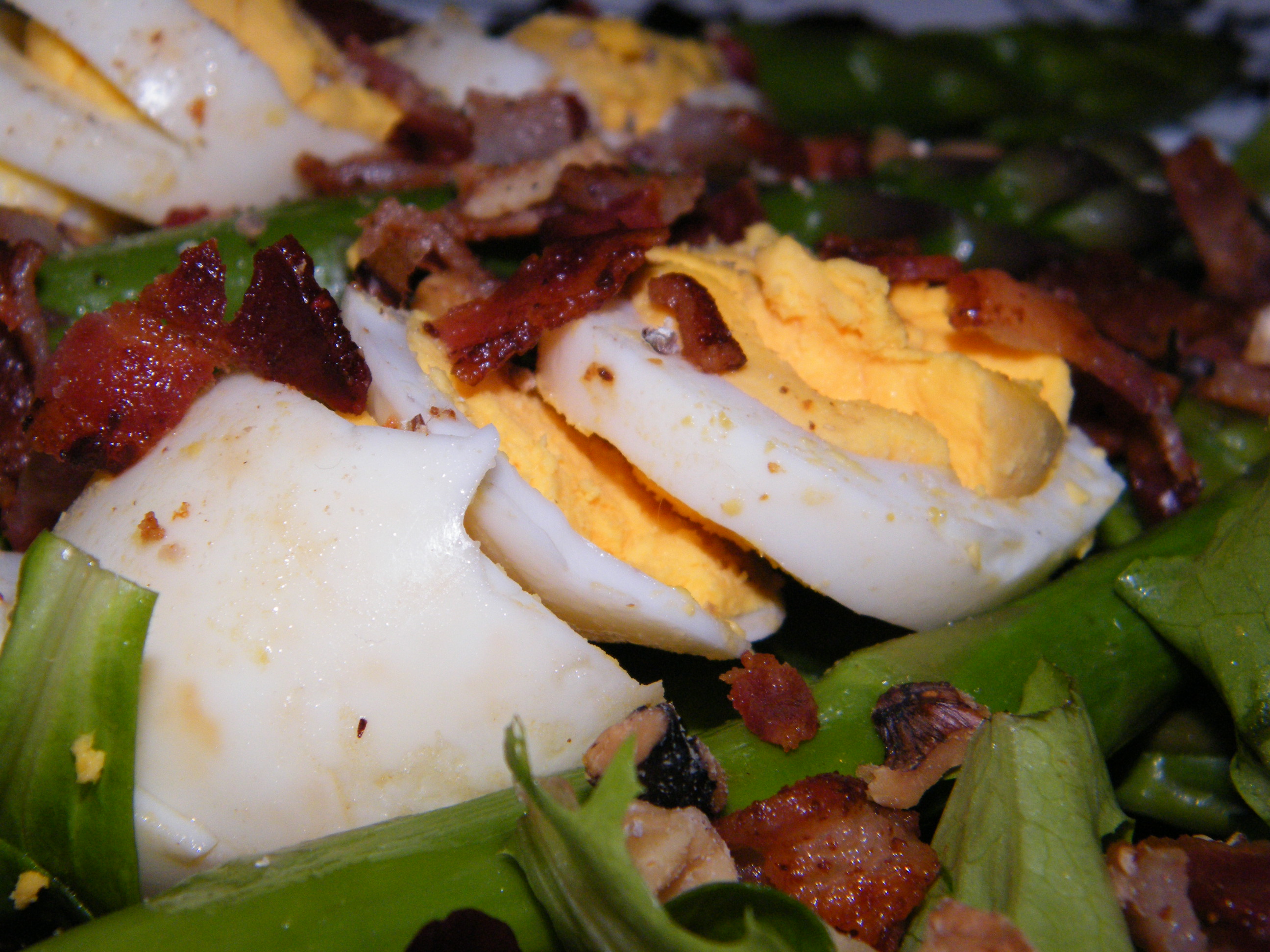
You might have noticed in the photo at the top of this page that the eggs in this salad aren’t quite what Dorie had in mind. She describes the soft-boiled eggs called for in the recipe as having “a yolk that’s runny enough to become a second sauce.” This is where the confession part comes in – I’ve never been able to tolerate an even remotely runny yolk. When I was a little girl, my Grandmother used to say in exasperation, her Northern Irish accent in full force, “Oh that one, she likes her eggs hard as the hammers of Hell.” It took me some time to stop ordering them that way in restaurants. Okay, I still do sometimes.
It’s not that I won’t make eggs with runny yolks – I’m a great believer in making sure everyone gets their eggs the way they like them, not even entirely because I’m trying to build some reciprocity. Had I been eating with anyone who liked their eggs that way, you might never have seen this particular confession, but my partner is not a fan of runny yolks, either. That might be my fault, though I’d prefer to characterize it as influence.
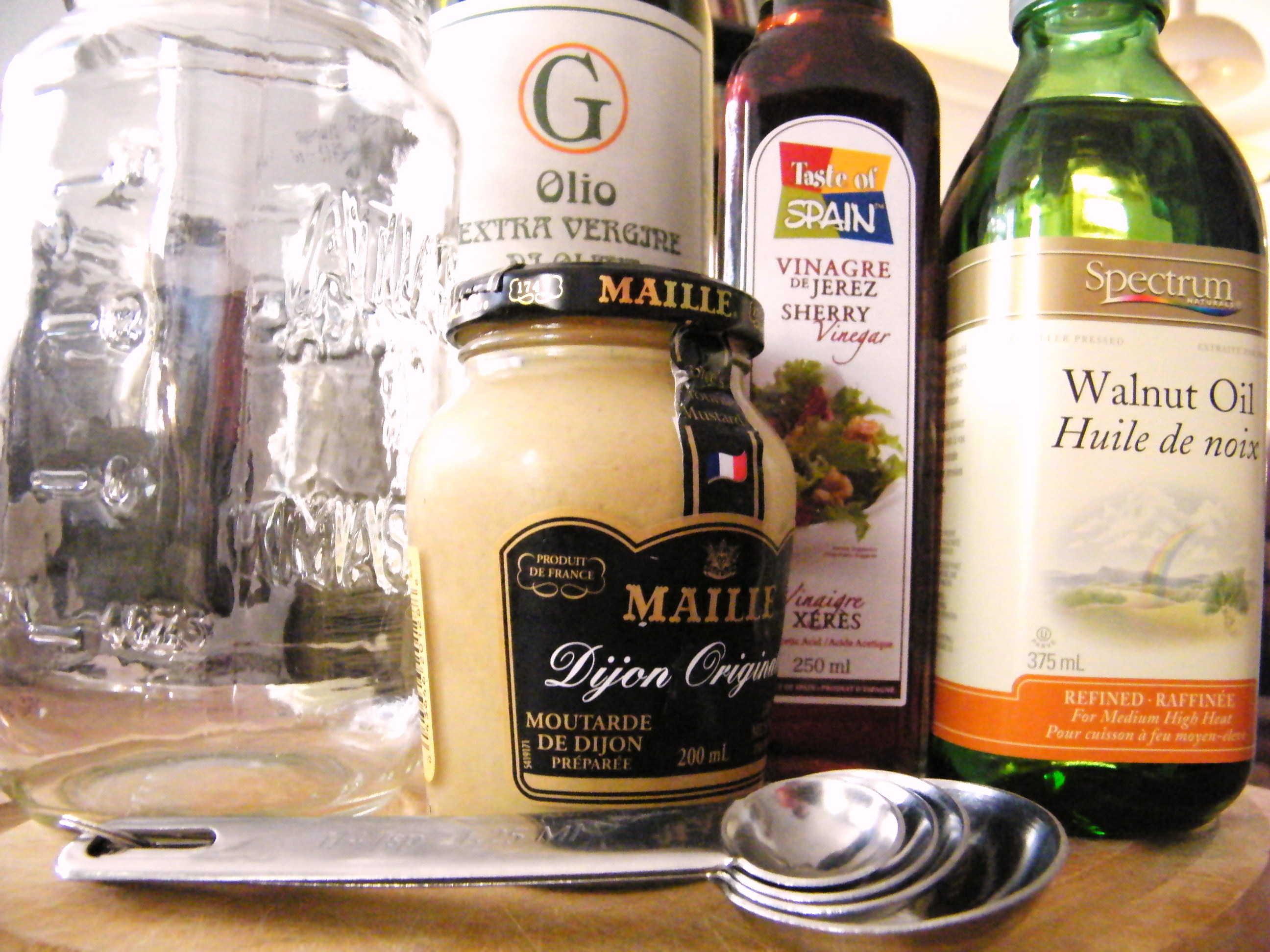
Once the matter of the yolks is set aside, I loved everything about this salad – greens and asparagus spears dressed in a Dijon-walnut oil vinaigrette, the aforementioned eggs re-warmed in bacon fat and broken open (or in my version sliced) over top, with crisp bacon and toasted walnuts to finish it. With so many textures and flavours working together in this salad, I don’t think it suffered at all from missing its second sauce.
You can find many other blogged descriptions of this week’s FFWD recipe here: Bacon, Egg and Asparagus Salad