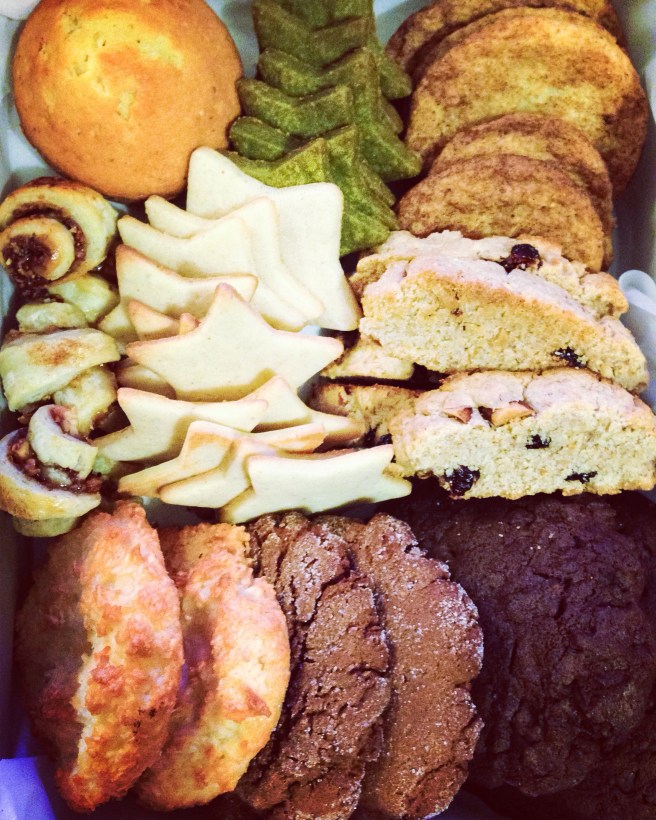
A Best of 2015

Bestof2015

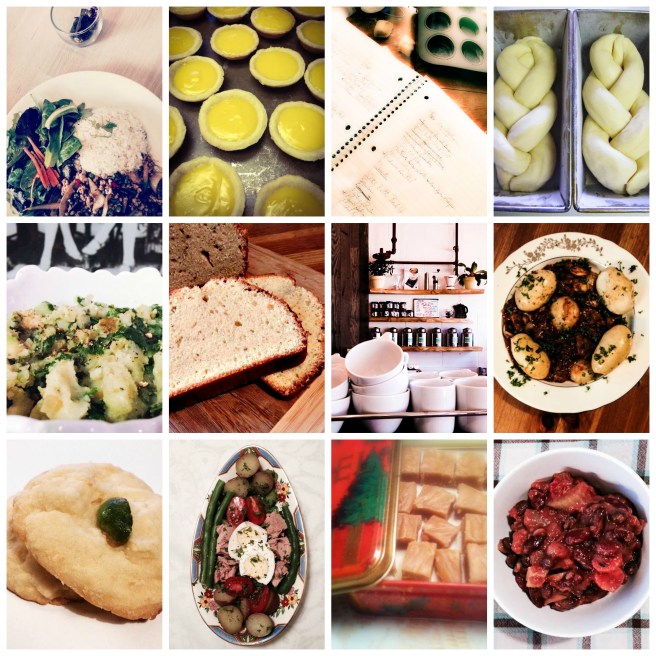
I know it’s cliché (as I’ve said before), but I enjoy looking back over the year through the lens of the posts you liked best. When I think about my favourite posts of the year, it’s the process that stands out for me – a new skill mastered, a story shaped and re-shaped until it achieved the effect I was looking for, a photograph (for once) well-made.

The list of top posts, on the other hand, show me which ones intrigued people enough to click through to them. It’s not a perfect measure of quality, to be sure – comments may be a better guide there. Nevertheless, it’s interesting to see what brought people here this year.

It’s also interesting to see that the top posts this year are completely different from last year’s list. I think it’s encouraging to see that the blog is at least a little dynamic, though I think the end of French Fridays with Dorie was part of the shift.

12. Made with Love

We start with a post that would count as one of my own favourites from 2015, in which I share the recipe for my mother’s spicy vegetable chili. It’s a winter dish, really, full of pantry staples and vegetables that are available year-round. But, it’s so popular, that we get requests for it through all the seasons. My mother makes enormous batches of it for the church and community gatherings she organizes. I make it for co-op meetings. We both make it for Kevin, who loves it so much that he’d happily eat it weekly.

But, it’s not really the recipe that makes the post, at least for me. It’s the story of how the recipe came to be and the love it represents.

11. Sucre à la Crème

I was surprised that this one made the list, as it’s a short post that shares two French language videos of people making a classic, homey French Canadian sweet. I’m a little fond of it, though, both for the winkingly nostalgic photo and the video of the Québécoise grand-mère.

10. French Food Revolution Friday with Dorie 2015

This year’s French Fridays with Dorie edition of Food Revolution Day was a lot of fun. I made a dish I’d missed when it came up in the rotation originally, reviewed some past favorites, and connected it all to the day’s goal of promoting cooking skills and food literacy.

9. FFWD – Holiday Card and Recipe Exchange

This post is about something that’s become a yearly tradition amongst French Fridays with Dorie alumni. We exchange cards, and often recipes, at year’s end. It’s nice to have something to look forward to when checking the mailbox, isn’t it?

8. FFWD – Marengo As You Like It

I suspect people came to this post looking for a recipe, but it’s really just a recounting of my experience with Dorie’s recipe. Though many of my French Fridays posts were designed to have wider appeal, others – like this one – were really addressed to our group. Posts like these are travel diary entries for a journey through a cookbook.

7. Eastside Coffee Culture

This post was a lot of fun to research. It’s a celebration of the coffee shops in my neighbourhood and it’s meant to be the first in a series of themed explorations. More will come along, slowly, as I gather enough intelligence on each subject.

6. Baking Chez Moi – Brown Butter and Vanilla Bean Weekend Cake

A short, fun post on a delicious cake I’ve made over and over again.

5. Holiday Book Reviews – True to Your Roots

I very much enjoy writing my cookbook review series, so I was happy that one of these posts made the list. This book intrigued a number of people and the person who won it in the giveaway was thrilled. I’m very happy, myself, that it’s now on my cookbook shelf.

4. FFWD – Brioche and Nutella Tartine

Who can resist the siren call of Nutella? (Not me.) However, my favourite part of this post is the beautiful braided brioche I made.

3. FFWD – Celebration Week #1: The AHA Moment

I’m so glad I “cheated” on our assignment for this post. As a result, it’s a lovely guided tour of my French Fridays years.

2. Spring Book Reviews – Teatime in Paris!

Another book review, for a cookbook I turn to on special occasions. Thinking about Jill’s pâte sucrée makes me want to start my holiday baking all over again.

1. Eat Local: Kin Kao

The number one spot this year goes to one of my (very occasional) restaurant reviews, for one of our favourite neighbourhood spots. I’m quite pleased that reviews took three of the top five spots. I’ve been enjoying writing them this year more than almost anything else.

So, there you have a list of some of the buzziest (in the very calm, sort of backwater way that my blog can be said to generate buzz) posts on my blog. And I have food for thought about the directions I may take the blog in 2016. I hope you enjoy clicking around the list as much as I did.

You’ll hear from once more before the close of the year. I hope the dwindling days of 2015 are treating you well!
Holiday Book Reviews – Wild Game Cookbook

img_6126

I received a review copy of The Complete Wild Game Cookbook from Robert Rose Inc. Nevertheless, all opinions in the following post are my own.

Now that butcher shops are back in vogue, people are becoming more familiar with meats that don’t find their way to the cold cases of the supermarkets. Venison, elk, and bison are regular offerings at the local butcher shops in my neighbourhood, along with duck, goose, and specialty sausages.

But my source for game meats has always been my family. My mother and I are the only ones who don’t hunt. Her asthma is too severe and I…well, let’s just say the poor eyesight and hearing that have dogged me since childhood aren’t advantages when you’re stalking prey.

I’ve always appreciated the game they’ve sent my way, though. It’s healthier than much of the meat that’s been available until recently and it’s a more ethical choice than factory-farmed meat, as well.

My daily diet is largely plant-based, but when I do eat meat, wild game is up at the top of my list. It’s delicious, with a wide range of flavour affinities that can differ from those of chicken, pork, and beef.

All of which is to say that it’s not surprising that I leapt at the opportunity to review The Complete Wild Game Cookbook by Jean-Paul Grappe.

It’s been a recurring theme in this round of cookbook reviews – books that include recipes but are much more than recipe books. This cookbook is no exception. It includes 165 chef-authored recipes, but it’s also a history of the way people in Quebec have approached their edible landscape. It’s a handbook of the game animals, seasonings, and edible plants that populate the region. It’s a guide to best practices when obtaining and using game meats. It’s also a manual for gaining the foundational skills that can help you become a more sophisticated and accomplished cook.

What it’s not is a book for absolute beginners in the kitchen. There are photo guides to some of the techniques used in the book, along with a compendium of useful stock and sauce recipes, and a glossary of cooking terminology. But, you’ll still need enough experience to know when a piece of meat is seared enough to go into the oven, or what constitutes “doneness” in a piece of meat, or how to balance seasonings in a sauce.

The good news is that you don’t have to be a deeply experienced cook to be able to use this book. If you’ve been successful with a basic cookery book like The Joy of Cooking, you’re ready for this one. The instructions are clear and complete, there are meat thermometer temperature guides throughout, and plenty of serving tips and suggestions for variations.

I couldn’t wait to dig into the recipes when I got my hands on the book, but ended up spending time reading about Grappe’s philosophy toward game, instead. He advocates respect for the animal, from ethical stalking practices to ensuring that if you take an animal, you must use all of it. This respect for the animal that feeds you is repeated throughout the book and is paired with a respect for the provenance of recipes. Recipes from other chefs are clearly credited and many of Grappe’s recipes are listed as being in honour or memory of other chefs, as well. The recipes in this book exist within the physical ecosystem of a region and the relational ecosystem of a cooking tradition.

I did, of course, turn to the recipes quite quickly. My first impulse was to concentrate on venison and elk, with recipes like Licorice-Scented Short Ribs Cooked with Baby Yellow Beets or Osso Bucco-Style Venison Shank catching my attention. And the Venison Chops with Asian Spices has already become a favourite.

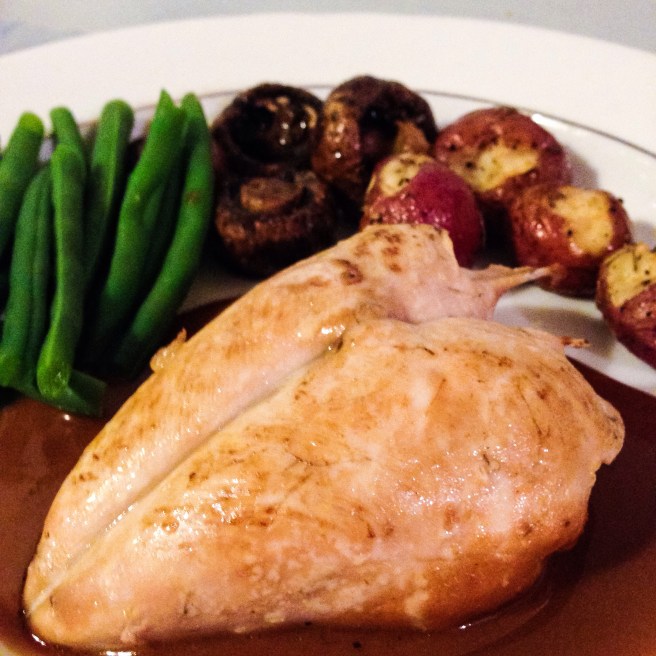
But, my father came home with some beautiful grouse just when I was deciding upon a recipe to share on the blog. So, I settled on Asian-Flavored Guinea Fowl Suprêmes and my parents sent me some grouse breasts to use in place of the guinea fowl.

Asian-Flavored Guinea Fowl Suprêmes

Serves 4

WildGame

• Preheat oven to 400°F (200°C)
• Ovenproof skillet
• Meat thermometer

  • 1 tbsp (15 mL) butter
  • 1 shallot, minced
  • 2 tbsp (30 mL) granulated sugar
  • 2 tbsp (30 mL) white wine vinegar
  • 2 cups (500 mL) unthickened brown poultry stock or store-bought equivalent
  • 2 tbsp (30 mL) hoisin sauce
  • 1⁄2 tsp (2 mL) hot sauce
  • 2 tbsp (30 mL) peanut butter
  • Salt and freshly ground black pepper
  • 4 guinea fowl breasts, deboned, skin removed
  1. Heat butter in a skillet over medium heat. Add shallots and sweat. Add sugar and caramelize, stirring often, until golden brown, 3 to 4 minutes.
  2. Deglaze skillet with wine vinegar. Add poultry stock, hoisin sauce, hot sauce and peanut butter and reduce by half. Season with salt and black pepper. Pour sauce through a fine-mesh strainer. Set aside in a warm place.
  3. In an ovenproof skillet, sear guinea fowl breasts over medium heat. Cook in preheated oven until a thermometer inserted in center of breast registers 175°F (80°C), 10 to 12 minutes.
  4. To Serve: Pour sauce onto individual serving plates and lay breasts on top.

Recipe by Chef Danielle Neault

Serving Tip: Accompany with small sautéed mushrooms or extra-fine green beans.

Courtesy of The Complete Wild Game Cookbook by Jean-Paul Grappe © 2015 http://www.robertrose.ca Reprinted with publisher permission. Available where books are sold.
Recipe photo credit: Mitch Mandel/Rodale Images

This is the kind of recipe that will convince your guests that you’ve taken cooking classes, though really, it’s not difficult at all.

Like many of his recipes, there are suggestions for several substitutions. In this case, Grappe suggests you use duck, grouse, or chicken in place of the guinea fowl. I used grouse and chose to leave the meat on the breast bone, as grouse are quite small and I wanted to preserve as much meat as possible.

I also used some homemade chicken stock in place of brown poultry stock, adding a touch of tomato paste to make up for the lack in the stock. The sauce itself is interesting, as you make a sort of shallot caramel at the start, then add the rest of the elements after deglazing the pan with white wine vinegar. (This is another instance where a little experience in the kitchen helps with this book. If I wasn’t familiar with seized caramel and didn’t know that it melts right back into the mixture as it cooks, I might have been discouraged early on.)

The finished sauce is thick and velvety, with an emphasis on peanut and hoisin and an undercurrent of heat from the hot sauce. I want to make big batches and keep it in the fridge for use with almost anything I eat. If I can come up with a vegan and gluten-free version, it could easily become our house sauce.

The grouse is quite simply prepared, seared and then roasted for a short time at high heat. Grappe provides the internal temperature the meat needs to achieve, so as long as you’ve got a meat thermometer, it’s difficult to go wrong. I tented the breasts with foil when they came out of the oven, so they could rest while I plated the sauce and sides. The grouse was perfectly done, juicy and tender. The sauce complemented it well, especially since the preparation of the grouse was so plain and the sauce is full of flavour.

I served it with mushrooms I roasted at the same time as the grouse (in a separate pan), roasted potatoes I’d prepared earlier, and some blanched green beans. It was a satisfying meal.

img_6128

This is a book that I’ll consult whenever I get hold of some game, but I’ll use it for inspiration with other meats, too. A number of the recipes are suitable for chicken, pork, or beef and there are so many flavours to explore in the book. The recipes have a range of culinary influences, from classic French flavours to Asian seasonings, all of which sound delicious and often elegant.

I do have one caveat – you might not be able to find all the ingredients, like cloudberries or cattail hearts, where you live. It’s not an onerous problem, though, as a little internet investigation will yield plenty of local substitution possibilities.

There are also a number of recipes for meats that I won’t be using, whether they’re recipes for songbirds that are no longer legal to hunt, or for animals like beaver, seal, or squirrel which just aren’t coming to table. Those recipes are still worth exploring and experimenting with substitutions. It’s also part of the book’s encyclopedic aspect – this is in part a documentation of the foods that have influenced Quebecois regional cooking.

Overall, this is a book that is perfect for omnivores who want to refine their cooking, would like to expand the range of foods they include on their tables, and care about where their food comes from. In the short time I’ve had the book, I’ve already learned quite a bit. I encourage you, even if you’re not familiar with game, to explore these foods, too.

WildGameCover

Gift Giver’s Guide: For the hunter, the gastronome, the autodidact, and the adventurer.

Come back December 31th for a review of a book that will have you sharpening your knives.

G-W Portraits: Tara Sawatsky & Kevin Sauvé


Grandview-Woodland is home to a number of non-profits and many community activists, cultural workers, and civic sector employees make their home here, too.

Tara Sawatsky and Kevin Sauvé live in a housing co-operative in the Commercial Drive area, do great work, and love Grandview-Woodland.

We spoke on a windy December day (apologies for the sound quality), then headed off to a co-op holiday potluck.

You can find the rest of the interviews in this series here: G-W Portraits

Have you checked out my 2015 holiday cookbook review series? There are copies of 5 great cookbooks up for grabs. You can find the links to the giveaways here and enter until December 17th.

Holiday Book Reviews – Made In India

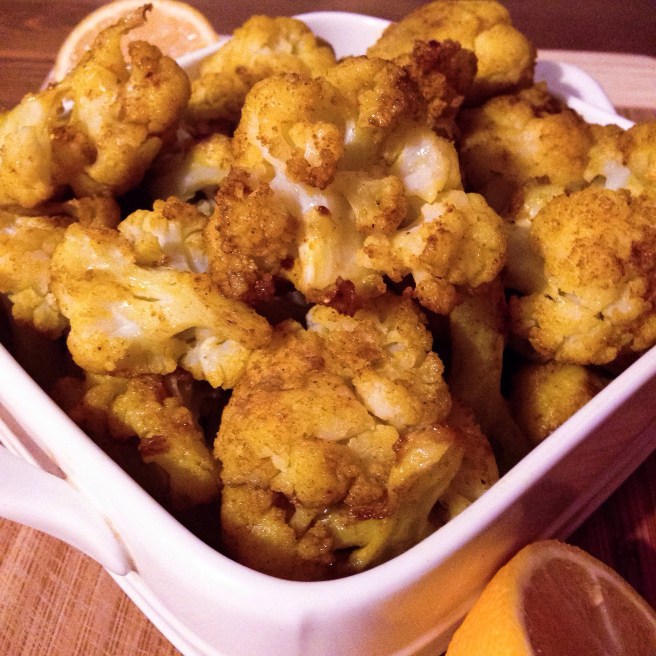
Cauliflower with Cumin, Turmeric, and Lemon

I received a review copy of Made In India from Raincoast Books. Nevertheless, all opinions in the following post are my own.

A few weeks ago, I found myself discussing authenticity in cuisine with a group of restaurant aficionados. We agreed that trying to match your experience of a far away place to its local interpretation is pointless. What matters is how the chef translates that cuisine using the best of what’s available locally.

What doesn’t often get discussed is authenticity in the home kitchen. Many of us associate world cuisine with the dishes we find in our favourite restaurants, rather than the dishes you’d find served around a kitchen table.

Meera Sodha‘s Made In India is an antidote to that, sharing her family’s treasured recipes alongside dishes she’s brought back from her travels in India.

And as the title suggests, she doesn’t fall into the trap of the well-travelled restaurant critic, either. These dishes are rooted in India, but they were perfected in her family’s English kitchen, picking up flavours and ingredients from their migration from Gujurat, through Kenya and Uganda, and into Lincolnshire.

So, there are recipes for a kedgeree using British smoked haddock, Ugandan-Gujurati dishes like mashed plantains with Indian spices, and techniques from the vegetarian traditions of Gujarati applied to meat and fish. This book is a product of a living, evolving cuisine.

It’s also a powerful tool for understanding the ingredients and techniques of Indian cooking. The back of the book includes a thorough guide to Indian ingredients with descriptions that are a pleasure to read. There are useful sections for meal-planning, leftovers, and trouble-shooting. Sodha includes a guest essay on wine pairings, too. Throughout the book she provides more detailed instructions, like her guide to making samosas that includes step-by-step photos.

She also does two things I’d like to see in every cookbook. First, there is an alternative contents page that lists recipes best suited to a number of categories, like party food, gluten-free, and foods for freezing. Then, in her weights and measures section, she clearly defines what she means when she calls for quantities like one large onion or the juice of one lemon (it’s 200 grams and 1/4 cup respectively). This last inclusion would solve the headaches of every home cook who has brought home a softball-sized onion or an heirloom tomato.

All of these things are designed to help you get cooking. Made In India is full of delicious recipes, but so are many other cookbooks that only get pulled off the shelf for bedtime reading. Meera Sodha wants you to keep the book in your kitchen, unintimidated by ingredients, techniques, or planning. My copy hasn’t hit the shelf yet.

Cauliflower close up

ROASTED CAULIFLOWER WITH CUMIN, TURMERIC, AND LEMON

Masala phool kobi

Cauliflower is a hero of the Indian vegetable world, but its fate doesn’t just lie in an aloo gobi. Roast it with just a few spices and you’ll have a vegetable you hardly recognize. At home, left to my own devices, I would eat it like this all the time. It’s addictive to eat by itself but also goes really well with lamb curries, in salads, and with kebabs.

Serves 4

  • 1 large head of cauliflower (around 1 ¼ pounds)
  • 2 teaspoons cumin seeds
  • 1 ¼ teaspoons salt
  • 1 teaspoon chili powder
  • ½ teaspoon ground turmeric
  • 5 tablespoons canola oil
  • 1 lemon

Preheat the oven to 350°F. Line two oven trays with foil and bring a deep-sided pan of water to a boil.

Wash the cauliflower, pull off the leaves from around the side, and discard. Break the cauliflower into small, fairly evenly sized florets using your hands and put to one side.

Put the cauliflower into the saucepan of boiling water and blanch for 1 minute, then drain really well. Let it dry for around 5 minutes in its own steam; if it is waterlogged it won’t crisp up nicely in the oven.

Using a mortar and pestle, grind the cumin along with the salt, then add the chili powder and turmeric, followed by the oil. Mix it all together really well. Lay the cauliflower out onto the trays in one layer and drizzle the spicy oil over it. Make sure the cauliflower is well coated, then put the trays in the oven for around 30 minutes, shaking them every 10 minutes or so to ensure the florets roast and brown evenly. If they start to burn, loosely cover them with foil.

Put the roasted cauliflower in a dish or bowl, and squeeze the lemon over the top before serving.

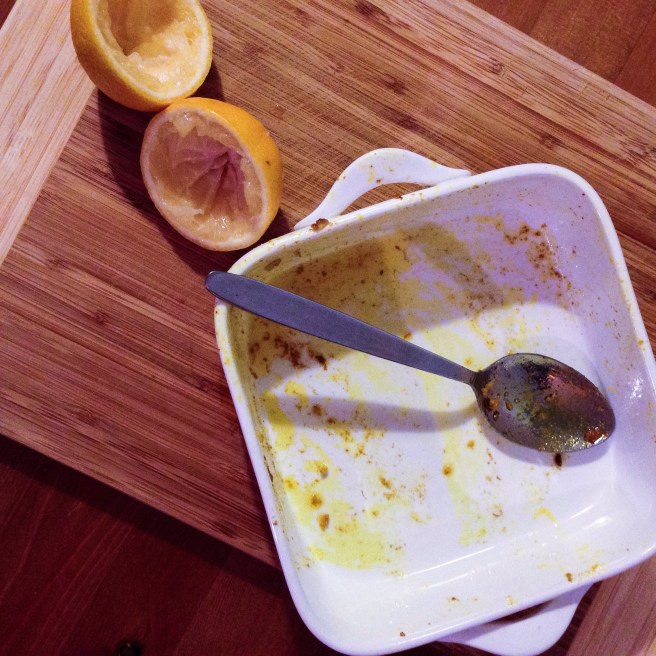
This dish disappears very quickly. If you’re cooking for a family, I’d suggest doubling or tripling the recipe, because it will fast become the focus of the meal. My partner is usually very measured in his feedback on dishes I make for the blog. When he tried this one, though, all I heard were variations on, “This is so good. Oh, this is really good.” Once he finished, his only comment was, “Can we have this again tomorrow?”

Luckily, this is a simple dish to put together and one that can happily roast away in the oven while you’re preparing the rest of your meal stovetop. It’s also going to become part of our afternoon snack repertoire. I’d take a bowl of this over popcorn any day. It’s crispy, tender, spicy, and tart all at once.

Sodha suggests pairing it with a lamb dish or kebabs, but there are plenty of possibilities for a vegetarian or vegan meal, too. My preference is to serve it with a curry or rice dish, but you could also serve it as part of a small plates meal, using some of the recipes from the starters or sides chapters – a table laden with Sodha’s spiced potato tikki, papadum chaat, fire-smoked eggplants, spicy chapati wraps, Jaipur slaw, and this cauliflower would make for a great evening with friends.

MadeinIndia

Raincoast Books has been generous enough to offer a copy of Made In India to one Canadian reader. You can find the giveaway here and enter until December 17th: Win a copy of Made In India*

So good it's all gone

Gift Giver’s Guide: For flavour hunter, the week night chef, the traveller come home, and the pantry filler.

Come back next week for a review of a book that’s a walk on the wild side.

*This giveaway is open to residents of Canada. You must have a Canadian mailing address. The winner will be required to answer the following skill testing question: 7 X 6 =_____ This promotion is in no way sponsored, endorsed or administered by, or associated with, Facebook. We hereby release Facebook of any liability. Winner(s) will be contacted by email within 48 hours after the giveaway ends. Entrants must provide a valid email address where they can be reached. Each of the winners must respond to the email announcing their win within 48 hours, or another winner will be chosen. No purchase of any product is required. If you have any additional questions – feel free to send us an email!

Have you checked out the rest of my holiday cookbook review series? There are copies of 5 great cookbooks up for grabs. You can find the links to the giveaways here and enter until December 17th.

Holiday Book Reviews – DIY Vegan

I received a review copy of DIY Vegan from Raincoast Books. Nevertheless, all opinions in the following post are my own.

IMG_5969

It’s getting ever easier to follow a vegan diet, even outside major centres. The same can be said for gluten-free eating. Clear labelling, the removal of unnecessary fillers, switching to vegan and gluten-free ingredients where possible – the food industry has adapted to the growing awareness and popularity of these diets.

At the same time, the vegan and gluten-free processed food industries have exploded. There are growing sections in cereal aisles, frozen food and dairy cases, and snack and condiment aisles. This is a mixed blessing. As nice as it is to have more options, these processed foods are not any more healthy than their conventional equivalents.

Then, there’s the expense. There is a premium on vegan and gluten-free products, even for single-ingredient staples. This can be partly explained by the scale of the markets for these products, but unfortunately, a large part of the cost can be attributed to the growing popularity of vegan and gluten-free eating. Once the word diet comes up, so does the price, just as it did with low-carb and low-fat products in the past.

The difference, of course, is motivation. People eat vegan for reasons of health and ethics, while many people who follow a gluten-free diet do so because they must – celiac disease is not a choice.

So, what to do? Many people are finding the solutions in their own kitchens, relying on whole foods and homemade. That can seem like a sentence to an unvaried diet, or a daunting program of food preparation.

As Nicole Axworthy and Lisa Pitman show us in their new cookbook, DIY Vegan, neither of these scenarios is inevitable.

They have been experimenting with making their own pantry staples for years, posting the results on their blogs, A Dash of Compassion and Vegan Culinary Crusade. After two forays into e-cookbooks, they’ve brought their favourite recipes for staples into print.

You can fill your refrigerator, freezer, pantry, and even your spice rack with healthy alternatives to the mixes, sauces, and packaged foods you pay such a premium for in the grocery store. It’s cheaper, uses less packaging, and contains far fewer fillers, sweeteners, and preservatives than store-bought foods.

DIY pantry ideas often stop at spice mixes, preserves, and condiments, but this book walks you through making your own base ingredients and mixes all the way to recipes for meals, snacks, and treats that can be stored and pulled out when you need food fast.

They’ve also included a sample schedule of when you’d typically plan to make more of those staples, from things you’ll likely make weekly to staples you’d mix up twice a year. Each section starts simple, then branches into more complex tasks, interspersed with recipes that use the staples the chapter covers. All of this makes stocking your pantry from scratch less daunting. After all, once you’ve made your own non-dairy milk, it’s not that much more difficult to put together your own butter substitute. Then, what’s stopping you from trying to make your own simple cheeses? Suddenly, making a vegan version of a Classic Cheese Ball doesn’t seem like a big deal.

This follows through their chapters on cereals and snacks, spreads and sauces, and desserts. But, it’s the chapter on homemade mixes that’s truly inspired.

So often, the biggest obstacle to cooking is getting started. It’s the reason convenience foods have such an enormous share of the market. DIY Vegan recognizes that and provides recipes for dry mixes, seasonings, spice pastes, and even drink bases that will make homemade seem simple. Their Mac & Cheese Sauce Mix will keep you away from the boxed stuff forever – it’s cheaper and healthier by far. The DIY Vegan pantry includes containers of pizza dough mix (including a gluten-free version), muffin mix, cake and cookie mixes, and more. Spending a little time on a Wednesday evening or Saturday morning mixing these up isn’t a bad investment of time if it means homemade pizza, muffins, and cake more often.

It’s also a book of solutions, especially for households that include vegan and gluten-free eaters, as mine does. Lemon curd, Worcestershire Sauce, and vegan sour cream are only a few of the things that can be hard to find or make, or extra expensive to buy. I’m looking forward to making a lemon curd topped version of their vanilla cheesecake recipe.

I’m also thinking about investing in some more mason jars. Their cereal recipes alone have claimed my extras already. I’ve been given permission to share one of these with you, for a cereal that will have you baking triple and quadruple batches.

IMG_5968

CINNAMON TOAST CEREAL

Makes 5 cups

Fold down the corner of this page. If you love cinnamon-flavored cereal as much as we do, you’re going to want to come back to this recipe a lot. Think of it as a template for your perfect breakfast bowl. Bake the cereal while you make yourself a cup of coffee or squeeze some fresh juice, pour the cereal into a large bowl and add whatever toppings you have on hand—a sprinkle of hemp hearts and a few slices of banana, or goji berries and pecans and a splash of almond milk—and take pleasure in the fact that you can make cereal that’s better than the boxed stuff.

Ingredients

  • 3 cups puffed brown rice cereal
  • 2 cups puffed quinoa
  • 4 teaspoons ground cinnamon
  • 1 teaspoon ground ginger
  • ½ teaspoon sea salt
  • 3 tablespoons pure maple syrup
  • 2 tablespoons melted coconut oil

Optional add-ins: sunflower seeds, hemp hearts, pumpkin seeds, nuts, dried fruit

Instructions

  1. Preheat the oven to 350°F. Line a large rimmed baking pan with parchment paper.
  2. In a large bowl, combine the puffed brown rice, puffed quinoa, cinnamon, ginger, and salt. Add the maple syrup and coconut oil and stir until all the cereal is coated.
  3. Spread the cereal evenly over the prepared pan and bake for 12 to 15 minutes, until dry to the touch, stirring halfway through. Let cool completely. Mix in the optional add-ins, if desired. Store in an airtight container at room temperature for about 1 month.

The only difficult part of this recipe might be sourcing the puffed quinoa, for some. I have a health food store nearby, but a store with a big bulk department or one that specializes in gluten-free ingredients and flours would also carry it.

This was as simple as melting the coconut oil and mixing all the ingredients together. The cereal baked beautifully and is delicious on its own or with whatever mix-ins or fresh fruits you prefer. It’s nice to mix it with another kind of cereal, too, as my partner found.

The maple syrup sweetens the cereal just enough to enhance the cinnamon’s flavour, without the cloying sweetness that many commercial cereals have. The sea salt is an especially nice touch, playing against the flavours of the cinnamon and the syrup. I keep eating it right out of the jar, so we have to put it away and take it out only at breakfast time. The cereal keeps for a month, but I can’t imagine that’s information anyone would need, unless they’re making multiple batches. This cereal disappears embarrassingly fast.

The recipe is typical of Axworthy and Pitman’s recipes – it’s clear and concise, without skipping steps. Their serving suggestions are great and they always provide gluten-free alternatives for recipes that aren’t naturally gluten-free.

The recipes serve as inspiration, too. Once you know how easy it is to make your own cereal at home, you’ll want to try making ones with your favourite ingredients and flavours.

DIYVegan

Raincoast Books has been generous enough to offer a copy of DIY Vegan to one Canadian reader. You can find the giveaway here and enter until December 17th: Win a copy of DIY Vegan*

This book is going to be well-used in our kitchen. But, it’s especially useful at this time of year. So many of the recipes would make great gifts. Even the omnivores in your life wouldn’t say no to Maple-Masala Mustard or Chocolate Hazelnut Butter. And a jar of gluten-free banana-walnut muffin mix, with baking instructions, can make holiday breakfast at the family’s place a whole lot easier.

Gift Giver’s Guide: For the preparer, the experimenter, the explorer, and the beginner

Come back next week for a review of a book full of spice and comfort.

*This giveaway is open to residents of Canada. You must have a Canadian mailing address. The winner will be required to answer the following skill testing question: 9 X 4 =_____ This promotion is in no way sponsored, endorsed or administered by, or associated with, Facebook. We hereby release Facebook of any liability. Winner(s) will be contacted by email within 48 hours after the giveaway ends. Entrants must provide a valid email address where they can be reached. Each of the winners must respond to the email announcing their win within 48 hours, or another winner will be chosen. No purchase of any product is required. If you have any additional questions – feel free to send us an email!

Cottage Cooking Club – November 2015

IMG_5951

November was a busy month. I was home and away, out many evenings, catching up during the day. It felt like holiday celebration and fiscal year end all wrapped up together. I’m happy that December will be a quieter month, with some holiday fun and celebration along the way.

Amidst everything that was going on, I managed to make two CCC recipes in November and they were both delicious.

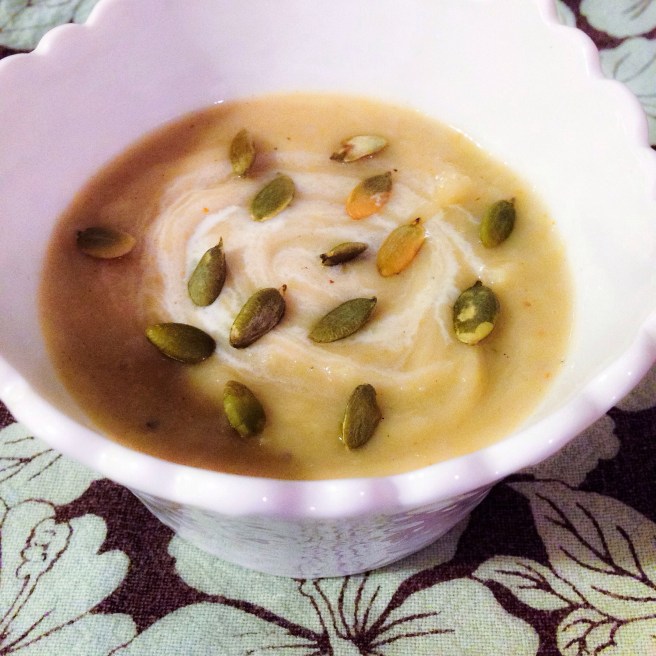
Parsnip and Ginger Soup 

IMG_5958

I’ve been filling the freezer with containers full of one or two servings of soup. I love making soup in cold weather, in big batches. It’s satisfying on the day it’s made, then the flavours develop over a day or two, making it even more delicious. I always try to put some away, though, for those days when it’s wet and miserable and I’m too cold and tired to cook from scratch. Those days, soup isn’t just satisfying, it’s sustaining.

This soup will be perfect for those days. It’s filling and spicy, fragrant with ginger and cardamom. The parsnips retain a little of their sharpness, which works in this soup. I froze some without adding any milk, the final step in the recipe, as soup freezes much better without it. I added a little almond milk to the soup we ate, to keep things vegan, then sprinkled a few toasted pumpkin seeds on top.

Even though I said the sharpness of the parsnips works in this soup, I’ll roast them the next time I make this. I think the caramelized sweetness of roasted parsnips would put this soup over the top for me.

Roasted New Potatoes with Two Mojo Sauces

IMG_5939

We roast potatoes all the time, tossed in olive oil, herbs and spices, with cloves of garlic along for the ride. What we don’t do very often is make roasted potatoes the focus of an appetizer.

That’s a mistake I’m happy to have corrected. These potatoes are parboiled, then roasted tossed in olive oil, salt, and pepper. (I’d skip the boil next time, just because I love the crust that simply roasted potatoes develop.) Then, they’re served with two Canary Island inspired dipping sauces.

The first sauce,mojo cilantro, is garlicky and vegetal, creamy without any added dairy. It’s good enough that I’ll make it again, but it wasn’t the star of the show. That was the mojo picón. I roasted and peeled red bell peppers for this one and it was worth the effort. With hot chiles, cumin, and smoked paprika rounding out the flavours, this sauce is hard to stop eating. We should have roasted more potatoes.

Here’s to the start of a wonderful holiday season! I’m looking forward to reading all the CCC cooks’ posts.

Here are the links to the rest of the group’s posts for this month. I encourage you to check them out – you’ll meet some wonderful bloggers and get some great inspiration for vegetarian eating.

Have you checked out my holiday cookbook review series? There are copies of 5 great cookbooks up for grabs. You can find the links to the giveaways (as they go live) here.

A Little Cheer

IMG_5915

I think it’s high time I shared a holiday round up, don’t you?

Craft Fairs

It’s no secret that I have a soft spot for craft fairs. This time of year they are at their peak. I’ve got a selection of favourites for you.

Make It! is big, comprehensive and worth an afternoon’s browse.

Toque is a fundraiser for Western Front, so it’s not surprising that the wares on display have a fine arts sensibility. It’s always a hit.

Got Craft? still sets the bar for what’s indie and in when it comes to craft fairs. This year, they’re taking the show to North Vancouver.

Shiny Fuzzy Muddy is organized by some of my favourite artists and it’s a small, curated show full of beautiful art, jewellery, and apparel. If you’re thinking about buying yourself a present this year, do it here.

Markets

It’s not all about crafts, though. Holiday markets are a pleasure all their own.

The Baker’s Market is back, just in time for the holidays. It’s a one-stop shop for indie sweets purveyors, so prepare to get all your stocking stuffers out of the way.

The Vancouver Christmas Market imports (literally) the Germany holiday tradition and is always popular. Go hungry.

Speaking of hunger, the Vancouver Farmers’ Market Holiday Market is a great place to shop when you’re hungry, too. There are goods of all sorts, though, so you just might polish off your gift list.

Tourist in Your Own Town

Your condo may be too small to safely install even one string of outdoor lights, but luckily, there are thousands of lights for you to enjoy across the city. Then, work off the hot chocolate at the ice rink.

VanDusen Botanical Garden‘s Festival of Lights is bigger than ever. Tour the grounds, then go for a meal or hot chocolate – they’ve got everything from snacks to fine dining.

See the Capilano Suspension Bridge in a whole new light – well, hundreds of thousands of lights.

Or, keep it simple and go skating at Robson Square. It’s surprisingly magical.

Performance

There are a bewildering number of great performances happening around here at this time of year, so I’m just going to highlight a few.

This year’s East Van Panto is Hansel and Gretel. They’re always hilarious, topical fun.

A Christmas Story, The Musical sounds like fun, too, as long as nobody puts an eye out.

Christmas at the Chan is going to be majestic – five choirs in that space!

It’s the 50th anniversary of A Charlie Brown Christmas. So, why not celebrate with the The Vancouver Chamber Choir?

And finally, Vancouver Cantata Singers are performing at Holy Rosary Cathedral. Experiencing the gorgeous acoustics there should be on everyone’s bucket list.

Have you checked out my holiday cookbook review series? There are copies of 5 great cookbooks up for grabs. You can find the links to the giveaways (as they go live) here.

Cookbooks galore!

IMG_5923

Things are getting festive around here – I just attended the first cookie swap of the season and on Commercial Drive, my local high street, there was a tree-lighting ceremony and festivities.

We’ve also reached the mid-point of my holiday cookbook review series – there are seven books this time around, so close enough. There are giveaways for five of the books, so I thought I’d post links to those posts here, so you can make sure you’ve entered.

Two of the giveaways are open to readers from Canada and the States, while three are (sorry U.S. friends) just for Canadian readers.

For Readers in Canada and the United States:

True to Your Roots will make you want root vegetables at every meal. The recipes are healthy, vegan, delicious.

Decolonize Your Diet is full of wonderful vegetarian recipes for healthful, modern Mexican-American food.

For Readers in Canada:

Pierogi Love takes this delicious dumpling in directions you’ve never imagined. It also offers the very dangerous knowledge that pierogies are really easy to make, once you know how.

DIY Vegan will have you filling your pantry and everyone else’s with their delicious staples, sauces, and treats.

Made In India is making Best of 2015 lists for good reason – it’s full of delicious recipes, great advice, and beautiful writing.

After that, I have two more cookbook reviews. Any of them would make great Christmas gifts – it’s been fun to read and cook through them!

Before the end of the year, I’ll also be talking to you about the Vancouver Tea Festival, reviewing a fine dining restaurant hidden away in a spectacular garden, hanging out with the rest of the Tuesdays with Dorie bakers for some spectacular holiday desserts, and bringing you at least one more G-W Portraits interview.

Sounds like a nice finish to the year.

Holiday Book Reviews – Decolonize Your Diet

IMG_5909

I received a review copy of Decolonize Your Diet from Arsenal Pulp Press. Nevertheless, all opinions in the following post are my own.

Decolonize Your Diet is a cookbook, but it is also a history, an exploration of food as medicine, and above all, a counter to the colonialism that runs through the food cultures of the Americas. It’s a reclamation of a food heritage by two Mexican-Americans, in the context of where they live and eat.

The book challenges the limits of what many of us in Canada and the States believe Mexican food to be, identifying indigenous ingredients and those introduced from elsewhere. The recipes spring from Luz Calvo and Catriona Rueda Esquibel’s heritage and from their exploration of the health benefits of the Meso-American diet.

The recipes themselves range from simple and comforting to dinner party fare. They include traditional recipes and contemporary vegetarian meals that incorporate heritage indigenous plants. There are recipes for stocking your refrigerator with salsas, flavoured vinegars, hot sauces, and other condiments. Another chapter covers pantry ingredients, equipment, techniques, and base recipes.

The headnotes for the recipes might share history, health benefits, or politics, alongside serving suggestions and flavour descriptions. But the recipes are playful, meant to encourage creativity in cooking healthy foods. There’s an emphasis on eating what is local, fresh, organic, and available and the authors encourage cooks to adapt their recipes.

For many of us, that playfulness could be satisfied for a long while just by exploring the flavours and techniques shared in this cookbook. You might start out with a simple recipe like their Old School Pinto Beans, then find yourself sourcing cone piloncillo and queso Oaxaca to complement your homemade corn tortillas in their recipe for pumpkin mole enmoladas.

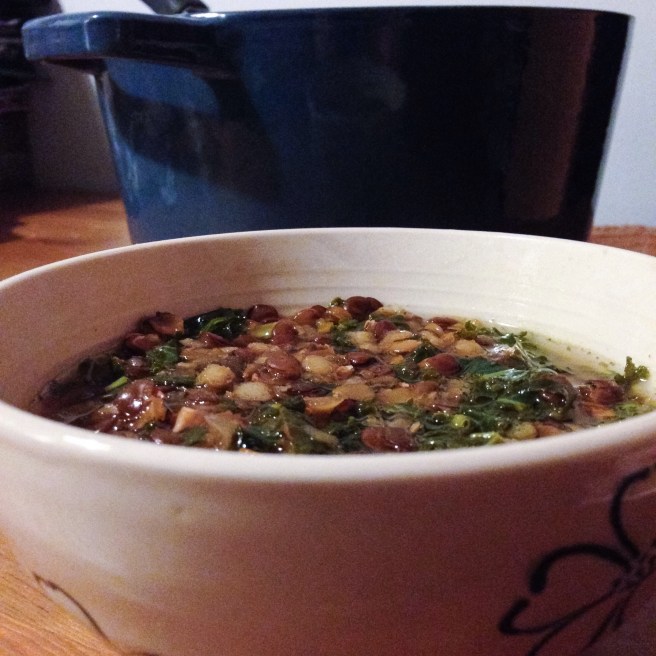
I’ve been given permission to share a recipe with you, for a simple and earthy lentil soup that is full of flavour.

IMG_5908

Abuelitas’ Lentil Soup

Authors

Lentils are not indigenous to the Americas, but both of our grandmothers (abuelitas) made delicious and soul-warming sopa de lentejas. We flavor our soup with yerbaníz (also called “grandmother plant”), which has many medicinal properties, including being good for respiratory conditions and soothing to the stomach. The final squeeze of lemon sends the iron from the lentils to your body and adds brightness to the flavor.

Makes 6 servings

1 large onion, finely chopped
3 tbsp olive oil
2–3 jalapenos, diced
1 carrot, diced
1 bunch green Swiss chard, stems diced, leaves cut into thin ribbons
4 garlic cloves, finely chopped
freshly ground black pepper, to taste
8 cups (2 L) vegetable stock or water
2 cups (500 mL) brown lentils, rinsed
2 tbsp chopped fresh yerbaníz or 1 tbsp dried yerbaníz or 2 tsp dried French tarragon
2 tsp sea salt
1 bunch cilantro, chopped
1 tbsp chia seeds, ground (optional)
juice of 1–2 lemons, to taste

In a large pot on medium high heat, sauté onions in oil until lightly browned, about 7–8 minutes. Add jalapeño, carrots, and chard stems and cook for 5 minutes, until vegetables soften. Add garlic and freshly ground pepper and cook for 1 minute. Add stock, lentils, and yerbaníz. Bring mixture to a slow boil. Reduce heat, and cook at a slow simmer until lentils are barely tender, about 25 minutes. Add salt, chard leaves, and cilantro and cook, stirring occasionally, until wilted, about 3 minutes. Add ground chia seeds, cover partially, and continue to simmer for 10 more minutes. Stir in lemon juice. Taste and adjust seasonings, adding more salt, pepper, or lemon juice until soup has a nice balance of flavors.

RECIPE CREDIT: Decolonize Your Diet: Plant-Based Mexican-American Recipes for Health and Healing by Luz Calvo & Catriona Rueda Esquibel. Published by Arsenal Pulp Press, 2015.

PHOTOGRAPHS, PROP STYLING & FOOD STYLING CREDITS: Tracey Kusiewicz | Foodie Photography foodiephotography.com

I didn’t follow the recipe precisely, substituting kale for Swiss chard and a mix of marjoram, thyme, and oregano for yerbaníz. I skipped the ground chia seed, as the soup seemed thick and rich enough without it. It’s a filling soup that was welcome in the cold weather we’ve been having here. The flavour is beautifully balanced, with the subtle heat from the jalapeños and the sweet acid of the lemon being especially welcome notes against the earthiness of the lentils. Unlike many soups, it didn’t have me reaching for bread or cheese to complete it. It’s sufficient and satisfying just as it is.

DecolonizeYourDiet

Arsenal Pulp Press has been generous enough to offer a copy of Decolonize Your Diet to a Canadian or American reader. You can find the giveaway here and enter until December 17th: Win a copy of Decolonize Your Diet*

Many peoples, especially communities of colour and indigenous communities, are reclaiming their food heritage alongside their cultures and histories. In a time when the importance of healthy, whole foods is being recognized, along with food systems that promote sustainability and biodiversity, the work of this book’s authors is timely. They stand with people like Bryant Terry and Michael Twitty, and organizations like Vancouver Island’s Indigenous Food Network, documenting and expanding the food histories of this continent beyond the colonial narrative.

Gift Giver’s Guide: For anyone who wants to eat in concert with the the foods indigenous to this continent, but especially for First Nations and Latinx people who want to eat closer to their roots.

Come back next week for a review of a book that will fill your pantry with vegan goodness.

*Terms & Conditions: This giveaway is open to residents of Canada and the United States. You must have a Canadian or US mailing address. Any Canadian winners will be required to answer the following skill testing question: 6 X 8 =_____ This promotion is in no way sponsored, endorsed or administered by, or associated with, Facebook. We hereby release Facebook of any liability. Winner(s) will be contacted by email within 48 hours after the giveaway ends. Entrants must provide a valid email address where they can be reached. Each of the winners must respond to the email announcing their win within 48 hours, or another winner will be chosen. No purchase of any product is required. If you have any additional questions – feel free to send us an email!

G-W Portraits: Ange Gleeson

IMG_5373

So many people I know have moved away from this neighbourhood, only to return as soon as life lets them. Consciously choosing this neighbourhood is something that has come up over and over again in the short time I’ve been doing these interviews, so I wasn’t surprised to hear this from Ange Gleeson, too.

She’s one of the people that makes this neighbourhood shine, with a humourous anecdote always at the ready.

We did the interview near Britannia library and before we got started, Ange was chatting with passersby and even sharing the cookies I brought her. It was a reminder of how engaged people are in this neighbourhood. We talk to one another here.

You can find the rest of the interviews in this series here: G-W Portraits