FFWD – Garlicky Crumb-Coated Broccoli

I’ve never been fond of hiding the flavour of vegetables. Lightly steamed and dressed with a little lemon or butter, most vegetables don’t need anything more. I was reminded of this preference by a former roommate of mine recently, who tried to get me to ship her some chocolate chip cookies, as compensation for all the torture she allegedly endured when I used to steam a head of cauliflower for dinner and eat it, plain.

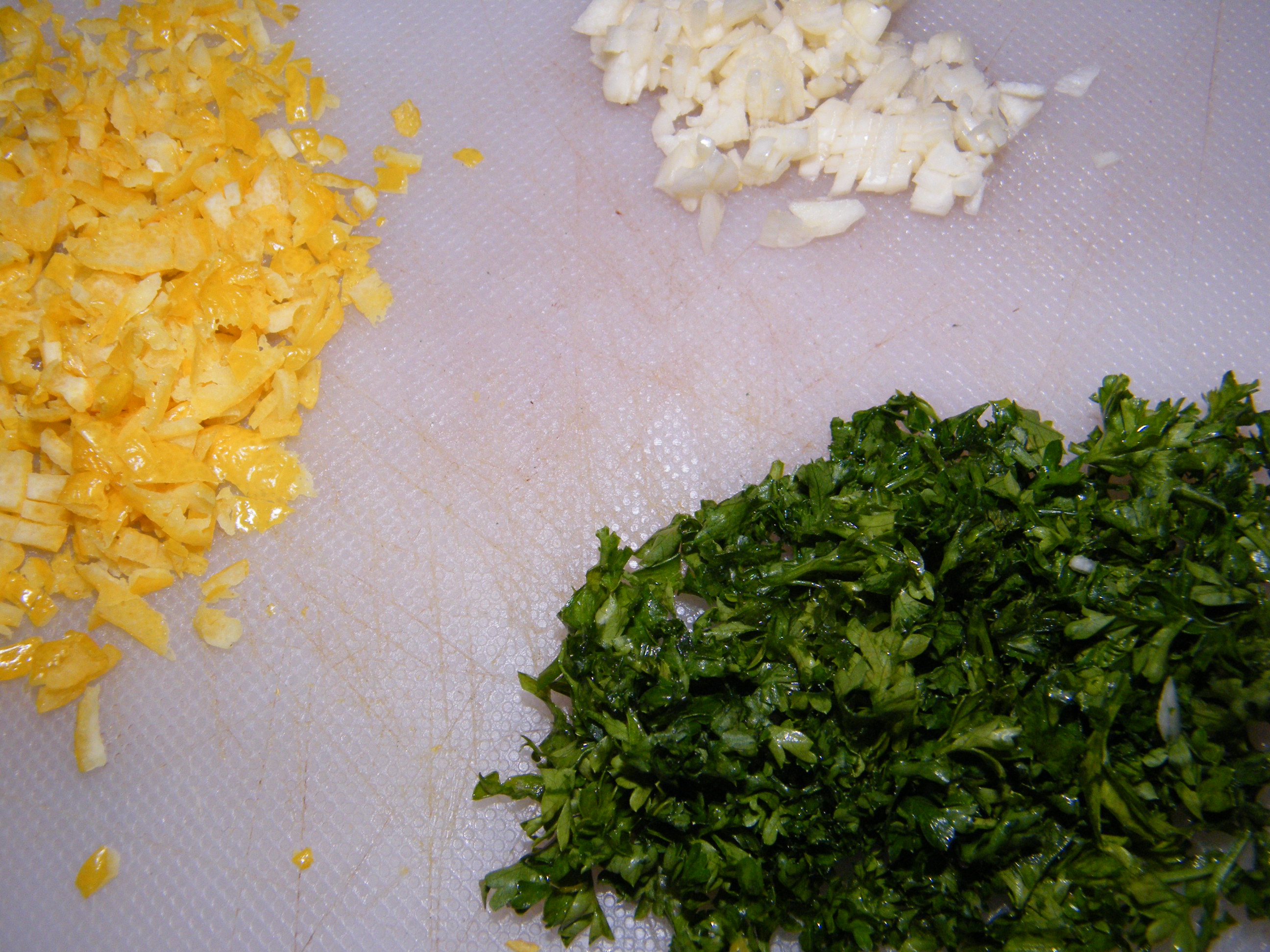
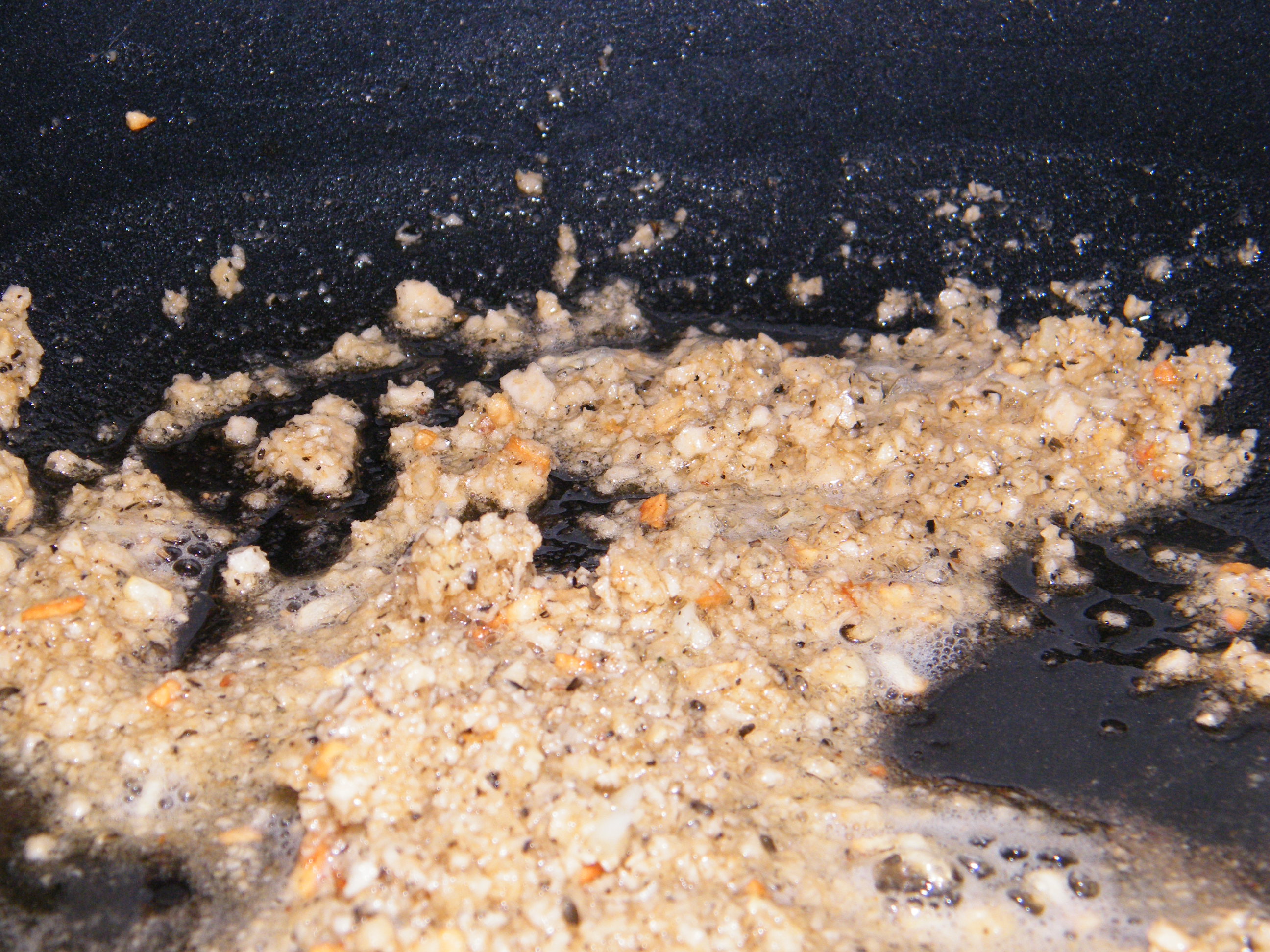
I’m not puritanical on this point, thank goodness, or I might have skipped this week’s French Friday altogether. I’m not fond of breading in general – Schnitzel is wasted on me, but one of the benefits of this cook-a-long is trying recipes outside one’s comfort zone. Since Kevin was eating with me, I substituted crushed (gluten-free) rice crackers for the bread crumbs, but followed the recipe otherwise.

I was surprised at how much I enjoyed this dish. The combination of butter, garlic, lemon zest and parsley stood up well against the crunch of the cracker crumbs and the lightly-steamed broccoli.

We served it with Dorie’s broth-braised potatoes (which haven’t come up yet in our French Friday rotation) and her pepper steak (which you’ll be hearing raves about at the end of this month). It made for a fantastic dinner.

You can find many other blogged descriptions of this week’s FFWD recipe here: Garlicky Crumb-Coated Broccoli

Tales From Terminal City

I take this city for granted, sometimes. I know that I often write about my neighbourhood and its amenities, but I don’t explore the rest of Vancouver enough. Sometimes, I even forget to look up.

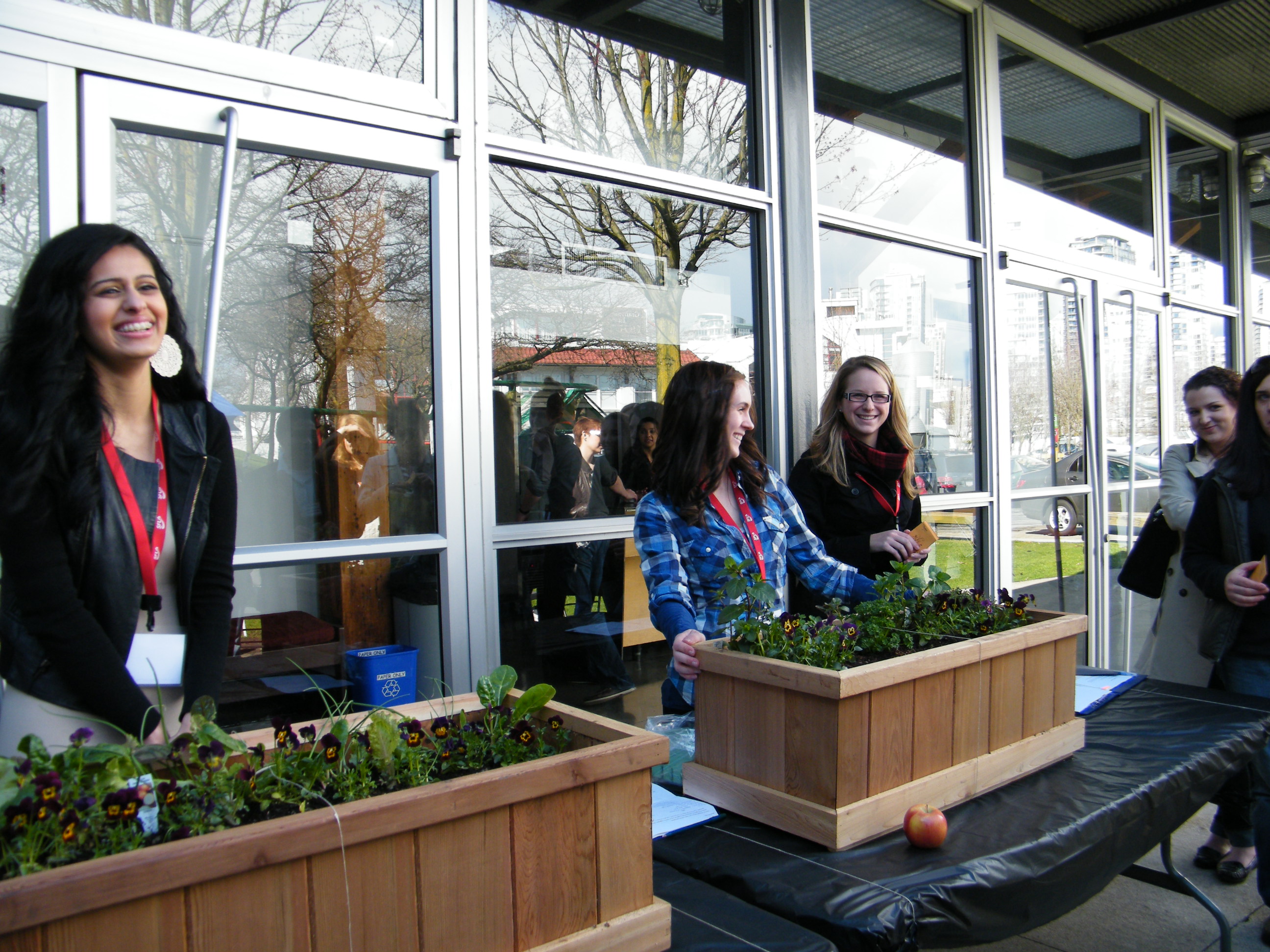
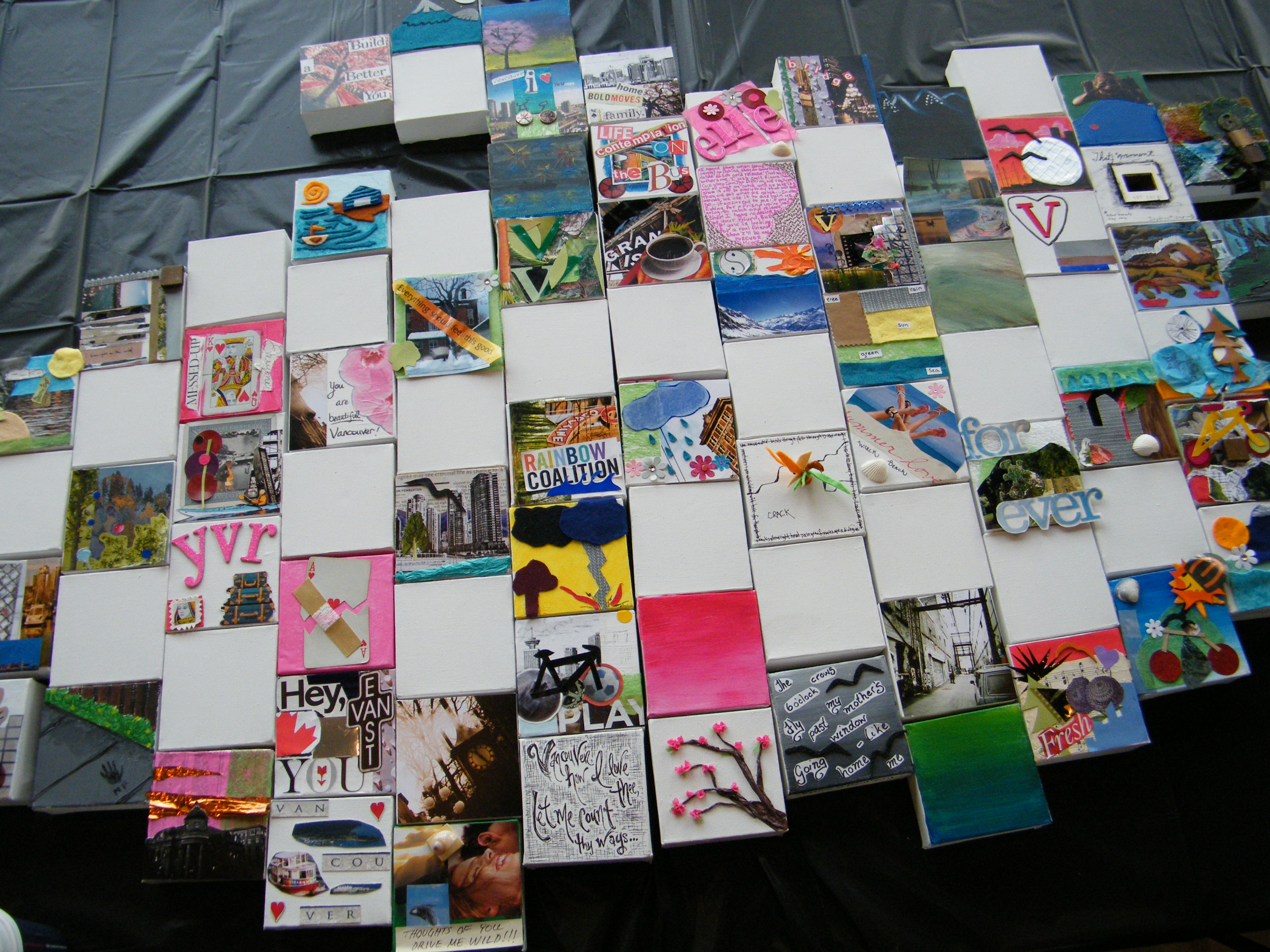
So it’s good to get a reminder of all that this city has to offer, along with a call to become more involved in its evolution. This past Saturday, I went to Granville Island to take part in Tales From Terminal City: 125 Years of Vancouver, presented by SFU’s Undergraduate Semester in Dialogue. The students developed a program of three workshops – a walking tour of Granville Island, a collaborative public art project and an urban agriculture presentation. Participation was open to anyone and each participant could choose two of the three workshops to attend. I chose the walking tour and the gardening presentation, feeling that art was better left in the hands of, well, people who are not me.

Each of the workshops was framed around a model of storytelling. For the walking tour our guides, Breanna Kato and Ryan Stewart, told us stories from the history of Granville Island, while pointing out places where new stories are being created. During the gardening workshop, each participant told stories of their connection to gardening and growing food and discussed the possibilities for food production in the city. Those who chose the art project worked together to create a visual story of their connections to Vancouver.

The entire group convened before and between the workshops and we listened to the students from the Dialogue program, as they told their stories of Vancouver. At the end of the afternoon, we broke out into groups for open discussion around questions posed by the students. They were interested in our connections to Vancouver, but were also gathering our thoughts around how to become more engaged citizens of this place. We came together one last time, to listen to one of the semester’s mentors, storyteller Naomi Steinberg, talk about the role of listening and storytelling in creating, as she put it, community awareness, individual validation, collective support and civic engagement.

It was a stimulating day, full of listening to people’s experiences and thinking about our city in a number of different ways. It’s exciting to see youth who are so engaged and articulate. I encourage you to go visit the program’s web page at the link above. The concept is fascinating and I can only imagine how rewarding the experience must be for the students who participate.

Granville Island

I was on Granville Island today, during a mildly blustery spring afternoon. Here’s a few photos:

I hope you’re having a wonderful weekend.

FFWD – Quinoa, Fruit and Nut Salad

The secret to gluten-free eating isn’t really baking with alternative flours. The secret is eating a wide variety of naturally gluten-free foods and leaving the gluten-free baking for treats and special occasions. When my partner was diagnosed with celiac disease, we found that we didn’t have to adjust our lifestyle drastically. We didn’t eat a lot of bread and though I have a bit of a baking habit, it’s something I do for meetings and gatherings, not just for the two of us. Though we had to eliminate couscous, it was a relief to find out that quinoa was on the safe list. It’s easy to prepare, a complete protein and has a great, nutty flavour. I’d have been sad to have to leave quinoa out of our repertoire.

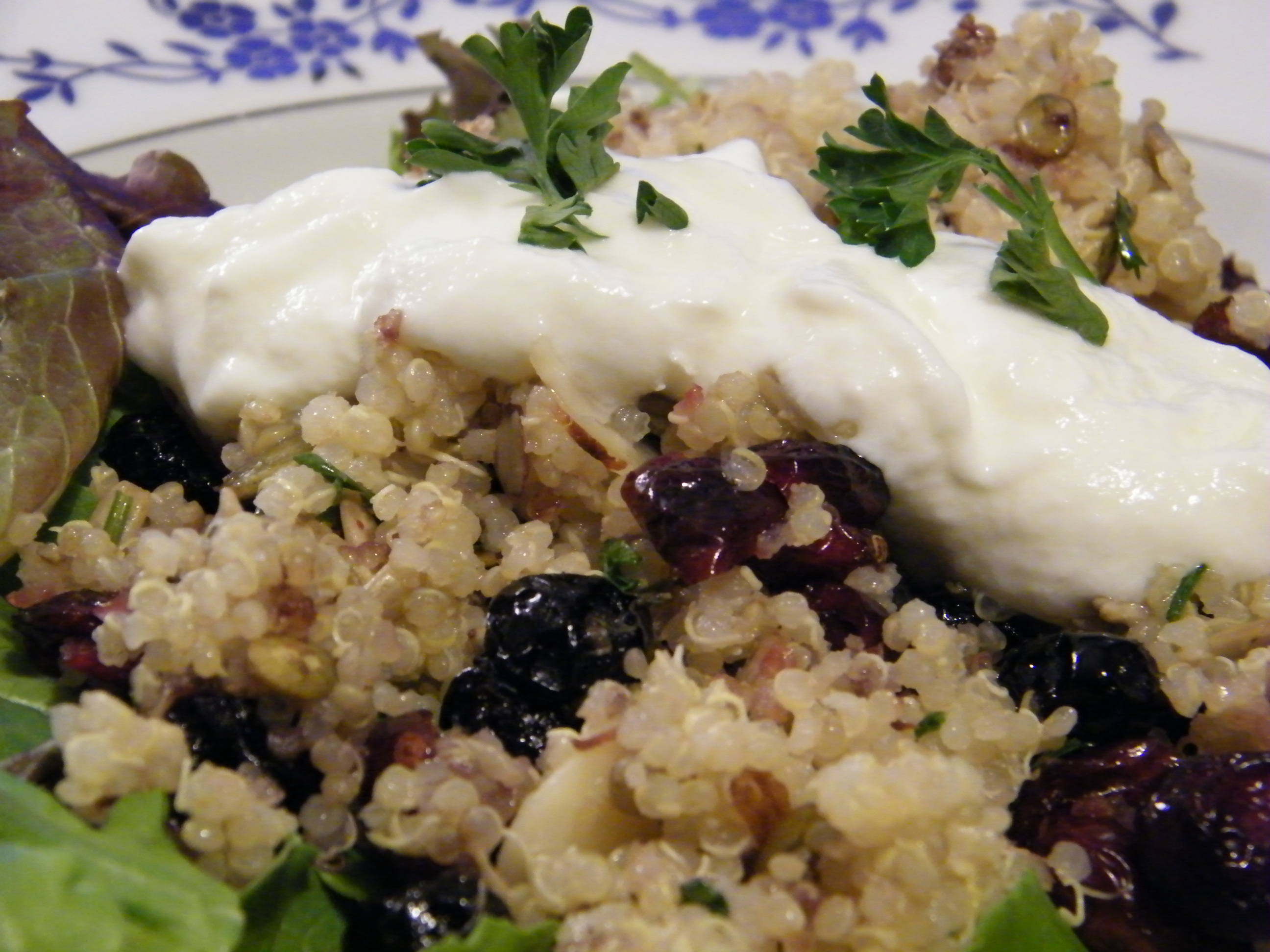
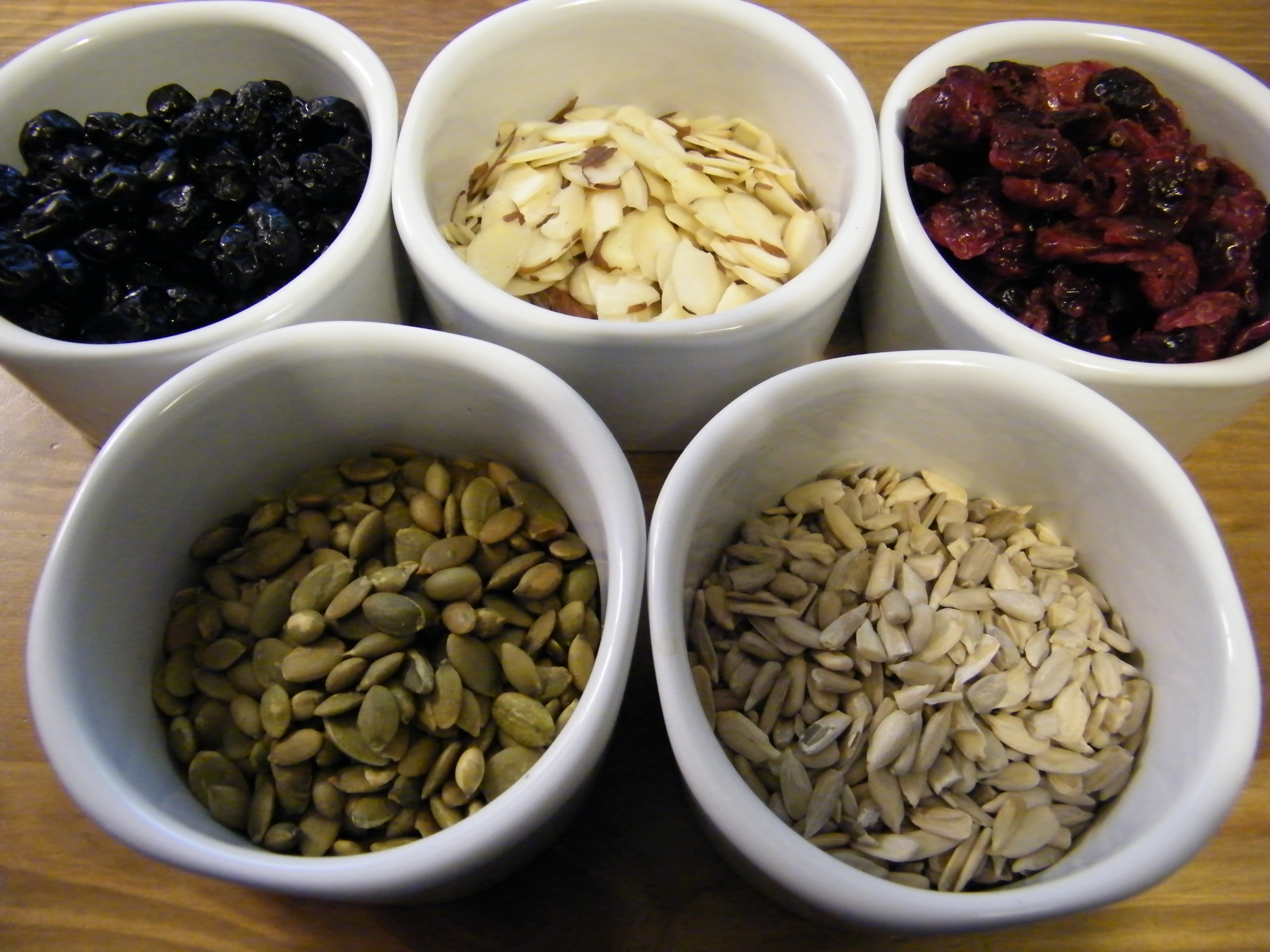
This week’s French Friday recipe is a good example of why we’re so fond of quinoa. It’s prepared much as rice would be, with a fifteen to twenty minute cooking time. Then, the cooked quinoa is mixed with dried fruit, nuts, seeds and herbs before being tossed in a simple lemon-ginger dressing. I used dried cranberries and blueberries, pumpkin and sunflower seeds, sliced almonds, minced basil and parsley. I let the mixture rest for an hour and then, as suggested, served it over mixed greens with a dollop of plain yogurt. A simple, filling supper with a lot of texture and flavour. It’s also great for packed lunches or picnics.

When people find out that Kevin has celiac disease, they often express concern over the expense of gluten-free eating. It’s processed and packaged gluten-free food that’s costly, though. Our food bill hasn’t changed much, because we don’t rely on those products. With recipes like this one, who needs them?

You can find many other blogged descriptions of this week’s FFWD recipe here: Quinoa, Fruit and Nut Salad

Sprung

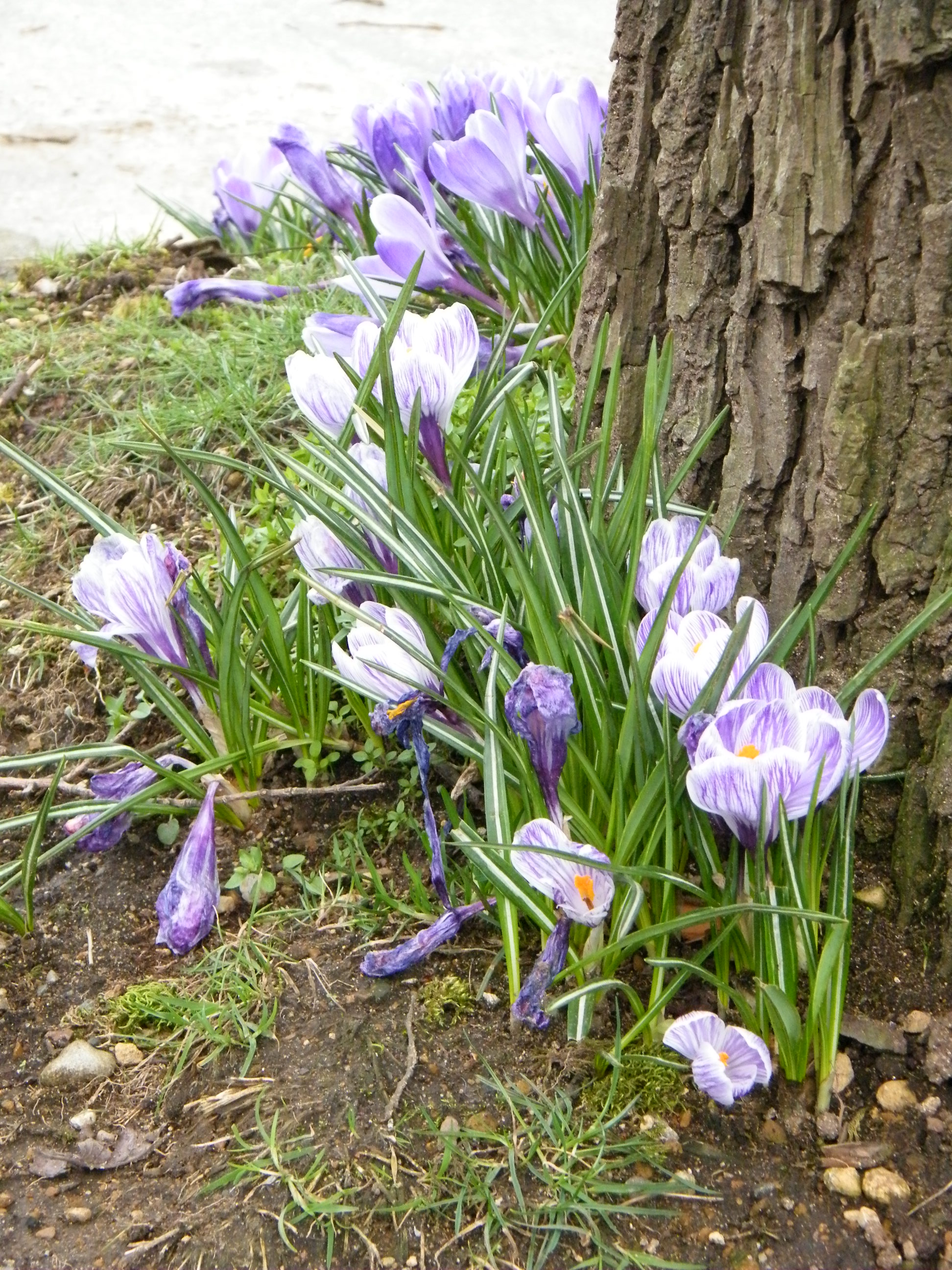
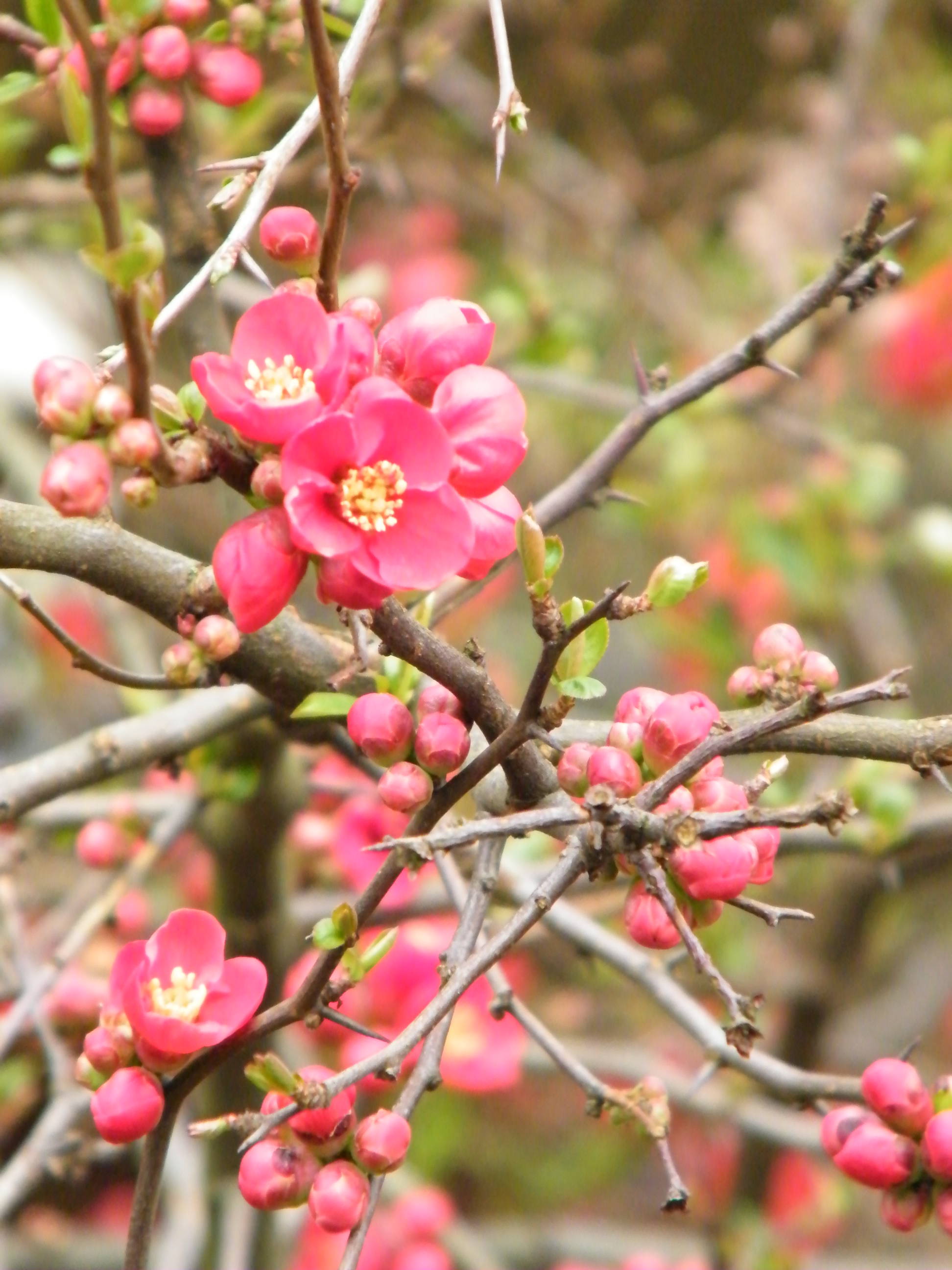
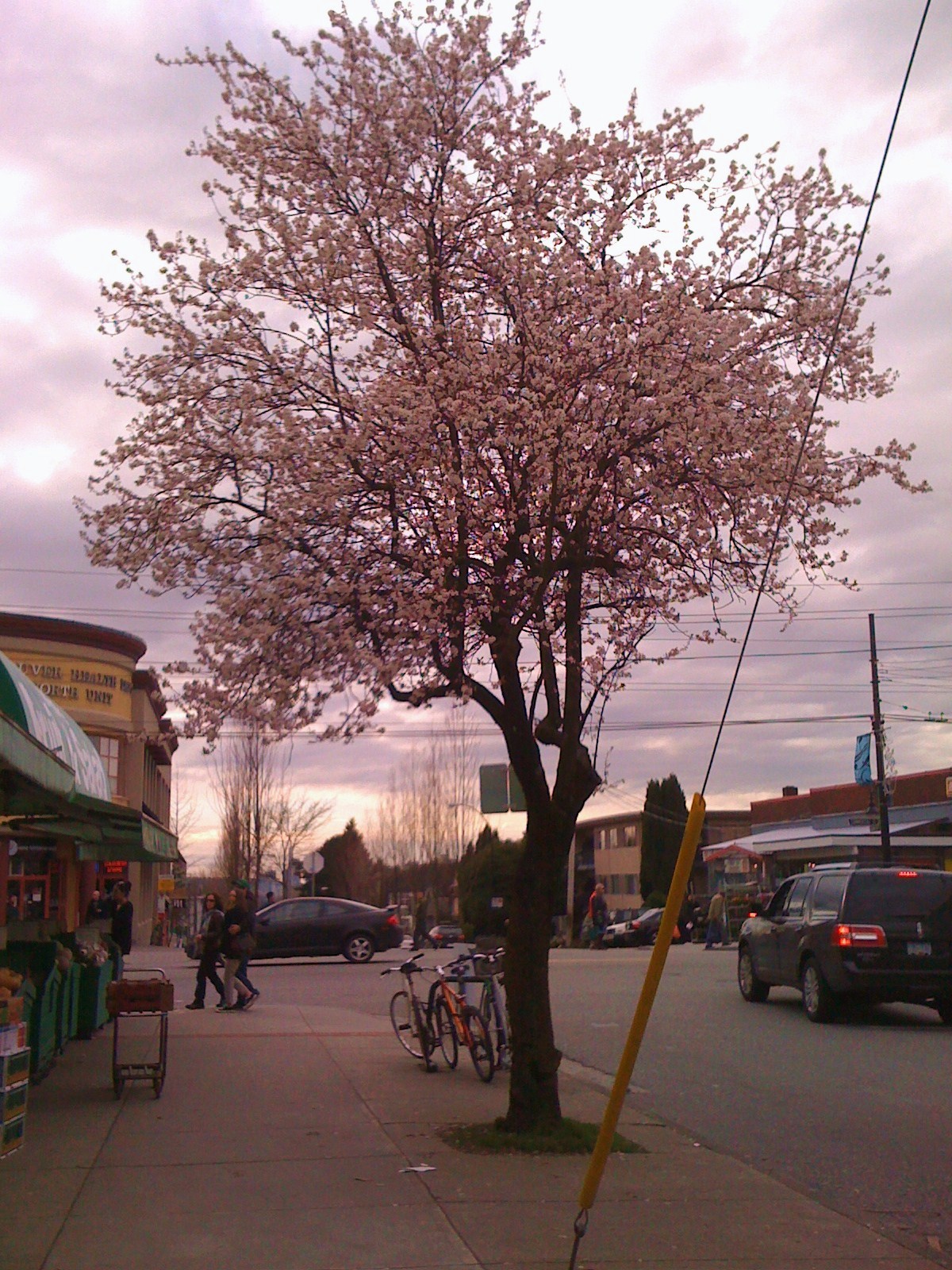
Spring is in full force now. In my garden, the snowdrops are fading away, leaving mysterious clumps of foliage behind. Other bulbs are just starting to poke spears through the soil, while bleeding hearts and rhubarb are beginning to unfurl. Out in the neighbourhood, blossoms are appearing on the trees and the crocuses are still in bloom.

Spring is my favourite season in Vancouver. There’s something about the quality of the air, composed of sea and mountain breezes, along with the early foliage and flowers that makes me feel more alive at this time of year than any other.

The Vancouver Cherry Blossom Festival is taking advantage of all this beauty and is organizing a number of events. My pick is Velopalooza’s annual Bike the Blossoms ride. I’m also excited about Simon Fraser University’s Tales From Terminal City project at Granville Island this coming weekend, in celebration of Vancouver’s 125th year.

That’s not all that’s going on in the City, of course. If the outdoors isn’t your thing, you could always hide inside the CBC Studios for a few hours. The Debaters are taping their television series until April 1st.

I also wanted to mention a couple of events that have been organized to help the relief effort in Japan. This weekend is the Vancouver Japan Relief Walk for Hope. In late April, there will also be a bake sale to raise relief funds for Japan.

That’s just a smattering of what’s going on here in Vancouver. I’d love to hear about how your community is waking up to spring.

FFWD – Scallops with Caramel-Orange Sauce

When I was a student, still living in the Fraser Valley, my friends and I took advantage of student rates to see as many plays, symphony concerts and art shows as we could. Our other obsession was finding places to eat dessert afterward. We all drove; it was a way of life back then, especially if you lived east of Burnaby. We thought nothing of driving an hour into town just for a meal. My self at that time would be horrified that I’d give up car ownership for good only a few years later.

One of our favourite spots was a little bistro on South Granville, where Paul’s Place Omelettery is now. My friends indulged me in the scale I’d developed to rate restaurants, which I called the teapot test. Tin, one-cup pots with lukewarm water rated a D, while two-cup, ceramic pots with piping hot water earned an A from me – A+ if they didn’t drip. I claimed, and still believe a little bit, that the quality of the food could be inferred from the restaurant’s score on the teapot test. That particular bistro (if you remember the name, please let me know) got 100% on the teapot test and its food was exquisite to match. We ate meringues and chocolate cakes, crème caramel and cheesecake, occasionally even stopping in for dinner. What was even better than the tea, the desserts and the entrées, though, was the service. The head waiter there sort of took us under his wing, expanding our palates and gently correcting us if we got the terminology wrong. He was a gay man, probably in his mid-thirties, and he reminded me of my uncle in Montreal, whom we were rapidly losing to the one of the first waves of AIDS.

He taught me that I take my tea clear, not black. He also introduced me to scallops, which they served in a red sauce, encased in a pastry shell. Whenever I’ve had scallops since, I think of that time in my life, and of the waiter that kindly put us through a sort of restaurant etiquette finishing school. My parents took us to restaurants of all sorts when we were young, from burger joints to French bistros, but I don’t know if I’d be the eater (and restaurant patron) that I am today if I hadn’t met him.

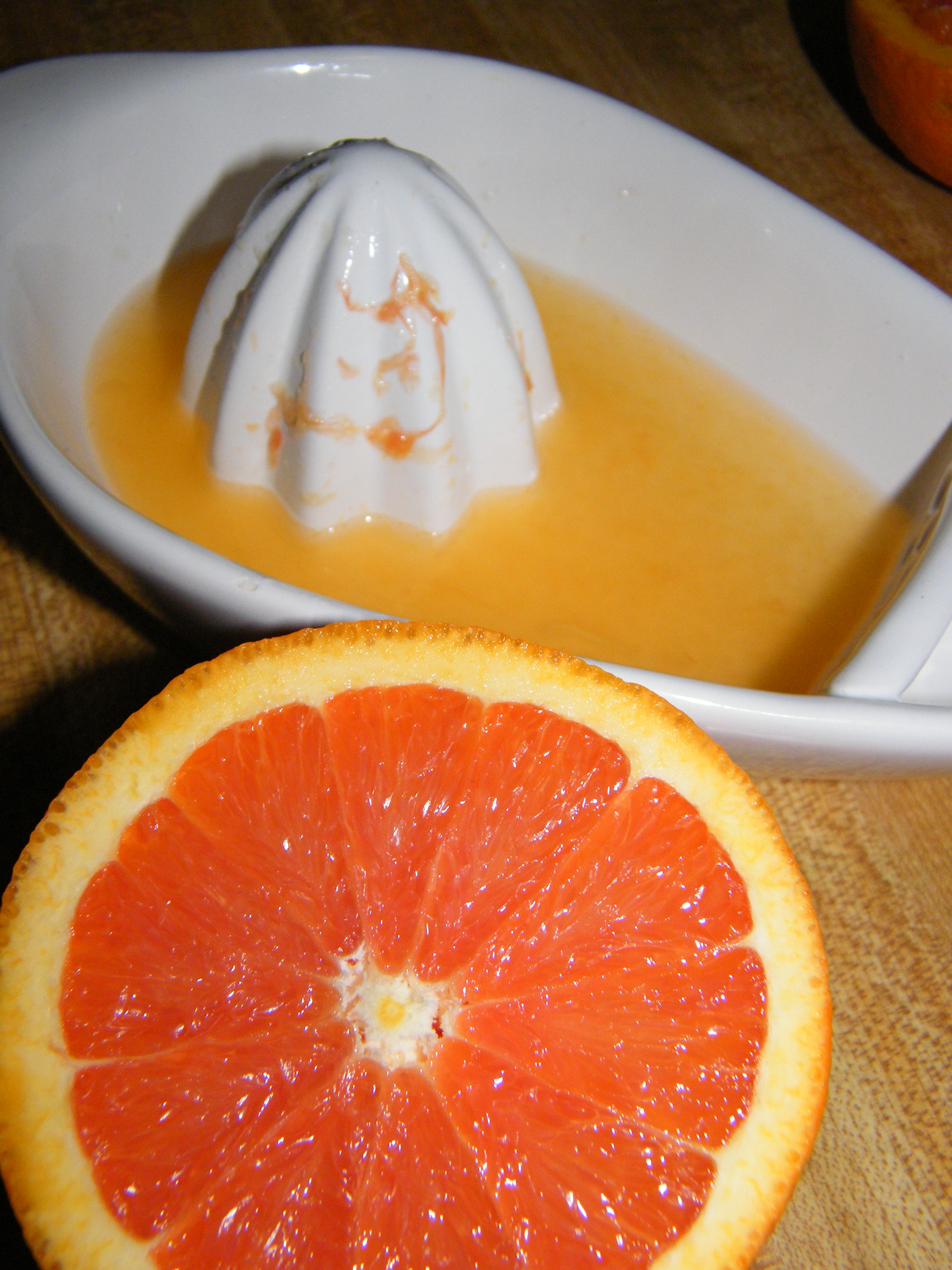
This week’s recipe put me in mind of those other scallops, but the recipes couldn’t be more different. Dorie’s Scallops with Caramel-Orange Sauce recipe is quick to execute, with few ingredients, while the scallops at that long-ago bistro were a fussy marvel of French cuisine. Dorie’s scallops are no less impressive, though. A caramel sauce, reduced with white wine and the juice of an orange (cara cara in my case), is finished with a little butter. This is poured over some seared scallops. Simple, but lovely.

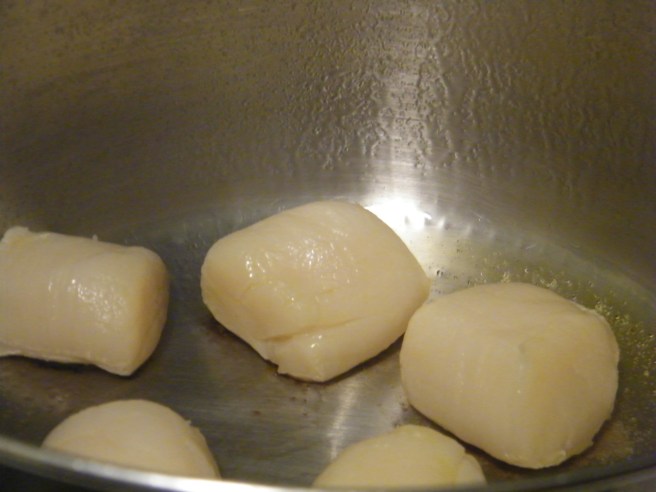
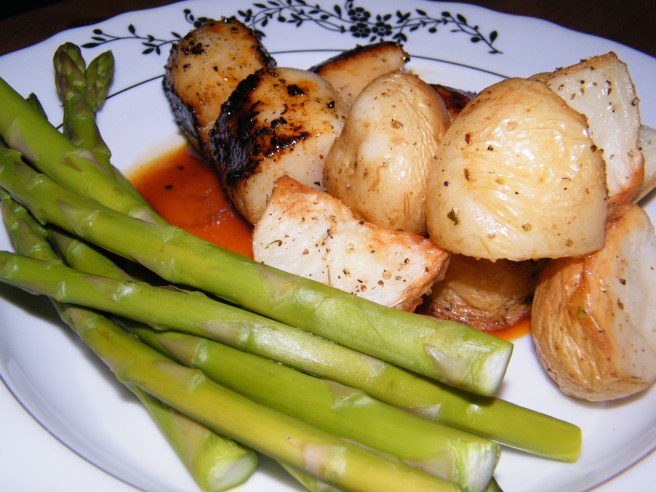
I was lucky enough to get some lion’s paw scallops from The Daily Catch, our local Ocean Wise fishmonger. They were huge, fresh and beautiful. When they were cooked, they were almost crispy on the outside and extremely tender inside. They were so large that I made sure to dip each forkful in sauce, to make sure I got some with each bite. I served them with asparagus (which is finally in season again!) and potatoes roasted in olive oil and oregano. The scallops didn’t need complicated accompaniment.
One of the things I love about food is how its consumption is so wrapped up in memory. The association we make with certain meals or flavours is one of the loveliest ways to revisit our past.
You can find many other blogged descriptions of this week’s FFWD recipe here: Scallops with Caramel-Orange Sauce
Transition City, Part III

I’m (finally) wrapping up my series of posts about Moving Through. After the walks were finished, the groups convened at the new Woodward’s Building for a wrap-up moderated by Gordon Price.

The various tour leaders gave summaries of the three mini-walks and were then asked to identify what they would like to see addressed in the conversations around Vancouver’s future development.

Here are a few of the ideas were raised:

Michael Green kicked things off by asking why the most successful neighbourhoods were the least developed. He also spoke about the need to incorporate the street in the used or “activated” space of neighbourhoods.

– Rather than simply building concentrations of dense residential buildings, create nodal communities, with amenities, residential, retail and office space in walkable sectors around transit nodes and cycling infrastructure.

– Extend the principals used in laneway housing zoning to create infill office and retail space.

This discussion, and the MOV project of which it is a part, are very timely. Vancouver residents are starting to demand to be part of the conversation around future development, because it’s our existing neighbourhoods that are being targeted. What we value about this city is at stake.

MOV recorded the speakers during each of the walks, along with the wrap-up discussion. You can find the podcasts here.

FFWD – Beggar’s Linguine

It’s going to be an unforgivably short post today, I’m afraid.

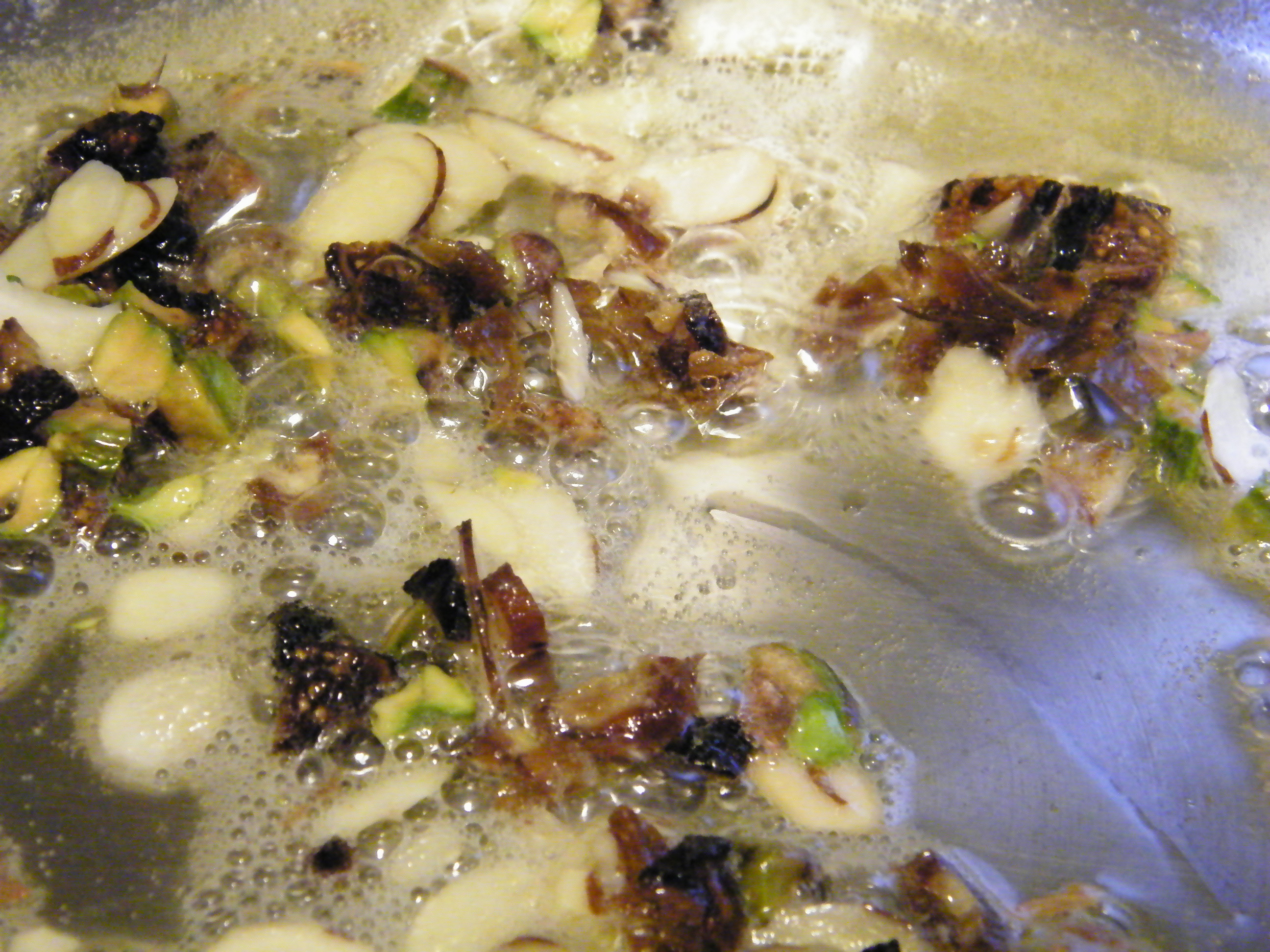
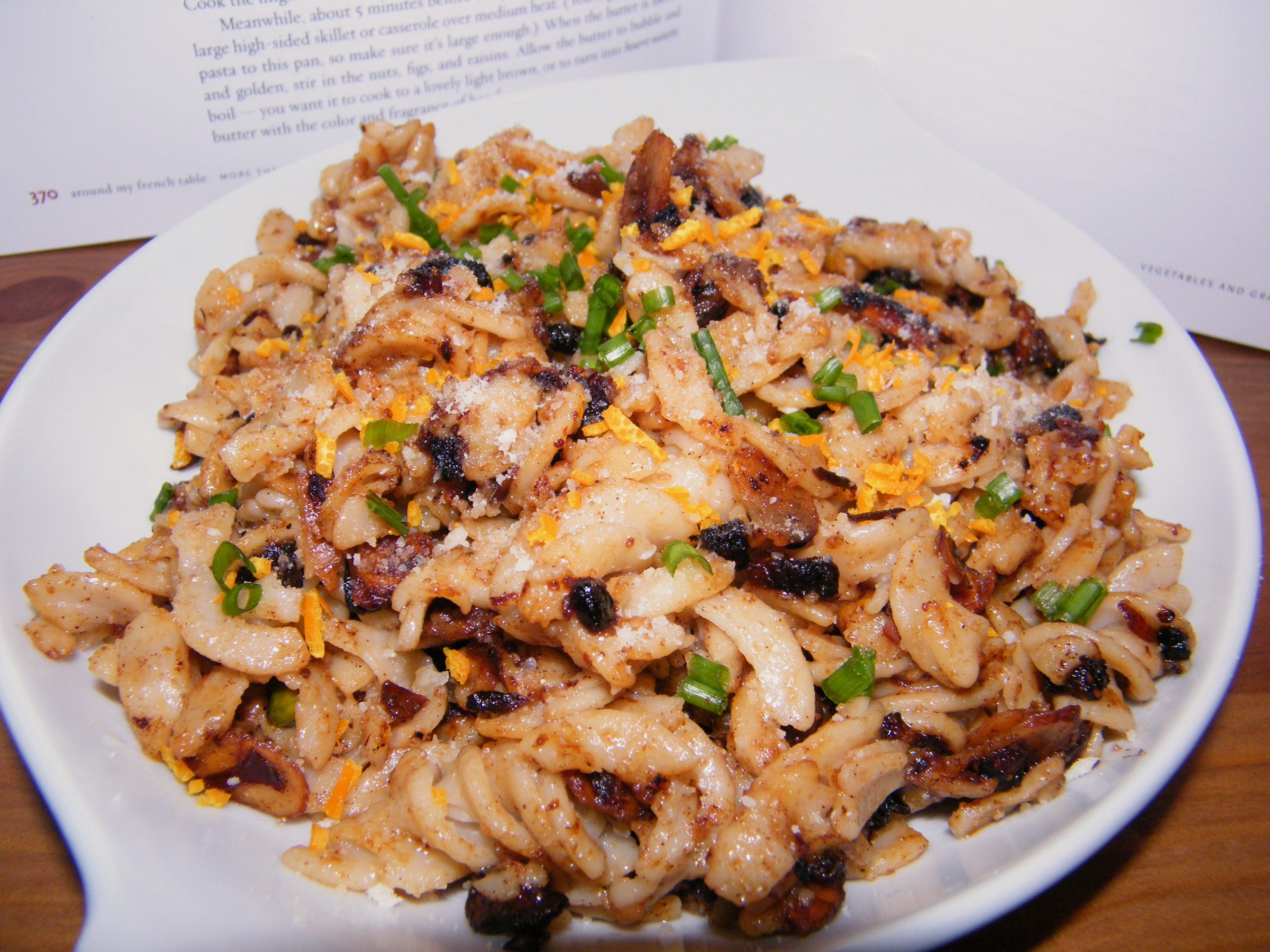
Dorie Greenspan tells the tale of Beggar’s Linguine here and includes the recipe. I substituted dates for the raisins and used gluten-free rotini in place of the linguine, but followed the recipe otherwise. It’s not my favourite recipe for French Fridays, but I didn’t hate it. It’s good to stretch the taste buds a little and I can see playing with the recipe in future to suit myself a little better. It certainly looked lovely on the plate, though.

You can find many other blogged descriptions of this week’s FFWD recipe here: Beggar’s Linguine

Transition City, Part II

Last week I wrote about development trends in Vancouver and the Moving Through walking tours arranged Museum of Vancouver (MOV) as part of their Not an Architectural Speaker’s Series. As promised, here’s a little more about Moving Through.

Three different mini-walks took place in the morning, with a wrap-up discussion for everyone afterward. One walk focused on the role of the viaducts in the evolution of downtown Vancouver, another (using Commercial/Broadway station as a jumping off point) explored the role of transit hubs in shaping the city and the third looked at the impact the Cambie Line has had on those neighbourhoods’ development.

I chose the first walk, which was called “The Path(s) Not Taken: Viaducts, Expressways, and Almost Vancouvers.” The walk was led by architect Michael Green, one of the instigators of MOV’s Not an Architectural Speaker’s Series, along with Brandon Yan and Demian Rueter of Vancouver Public Space Network .

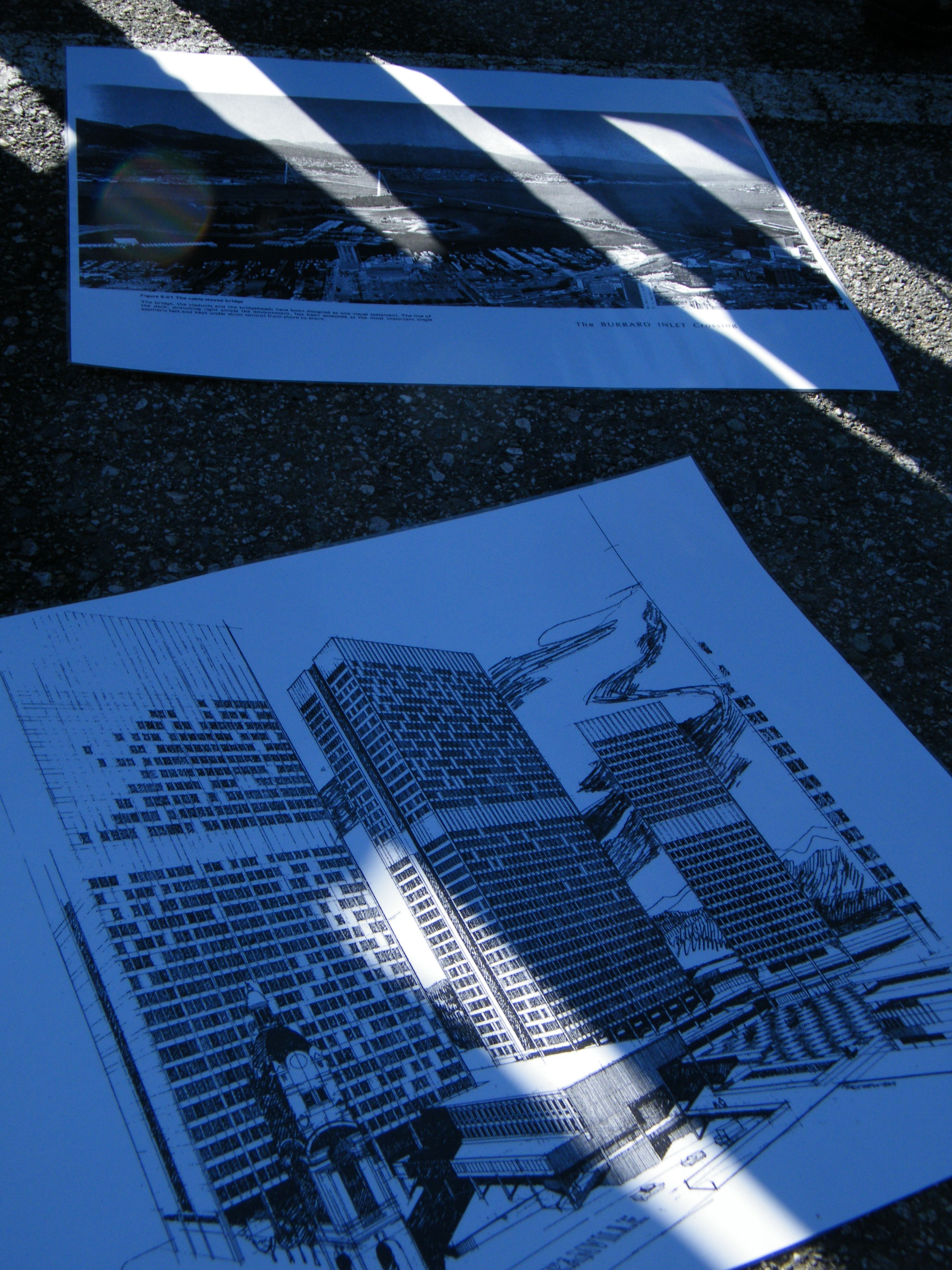
This walk started underneath the viaducts, near the stadiums downtown. The viaducts were built in anticipation of a larger freeway network that was planned in the 1950s and 1960s. A thriving black community, Hogan’s Alley, was destroyed to make way for the viaducts. Project 200 would have also razed Chinatown and Gastown and replaced them with (mainly) office towers. Brandon and Demian of VPSN showed us artists’ renderings of what might have existed if the plans had gone through, then as we toured the neighbourhood, our hosts led a discussion on how Vancouver has developed, what might have been and the changes that are on the horizon. We were supposed to move through Chinatown, the Downtown Eastside and Gastown, ending at Granville Square (the only Project 200 building that was actually erected). The discussions were too interesting, so we only got as far as Gastown.

As we walked through Chinatown, Michael Green discussed the ways in which the heritage low-rise buildings interact with the street, which many newer buildings don’t successfully achieve. He spoke about the architectural challenge of making the street usable, active space, rather than being solely concerned with what happens inside buildings.

Green also pointed out that the stadiums and viaducts have acted as a physical barrier to density moving east. There is talk of removing one or both viaducts, which will open up space for more development and erase any clear density boundary between downtown and the eastern neighbourhoods. Near the end of our walk, in Gastown, Green discussed the neighbourhood’s mix of social housing and social services co-existing with market housing and mid to upscale business.

This walk illustrated the tensions between planning departments, developers and existing neighbourhoods. It also brought up a number of questions:

What makes a successful neighbourhood?

What role should citizens have in neighbourhood development and preservation?

What are the criteria local governments should follow when redeveloping existing neighbourhoods?

I have one more post for you on this subject. I’ll be posting a short piece about the wrap up discussion after the walks.

100th Anniversary of International Women’s Day – Vancouver Parade & Festival

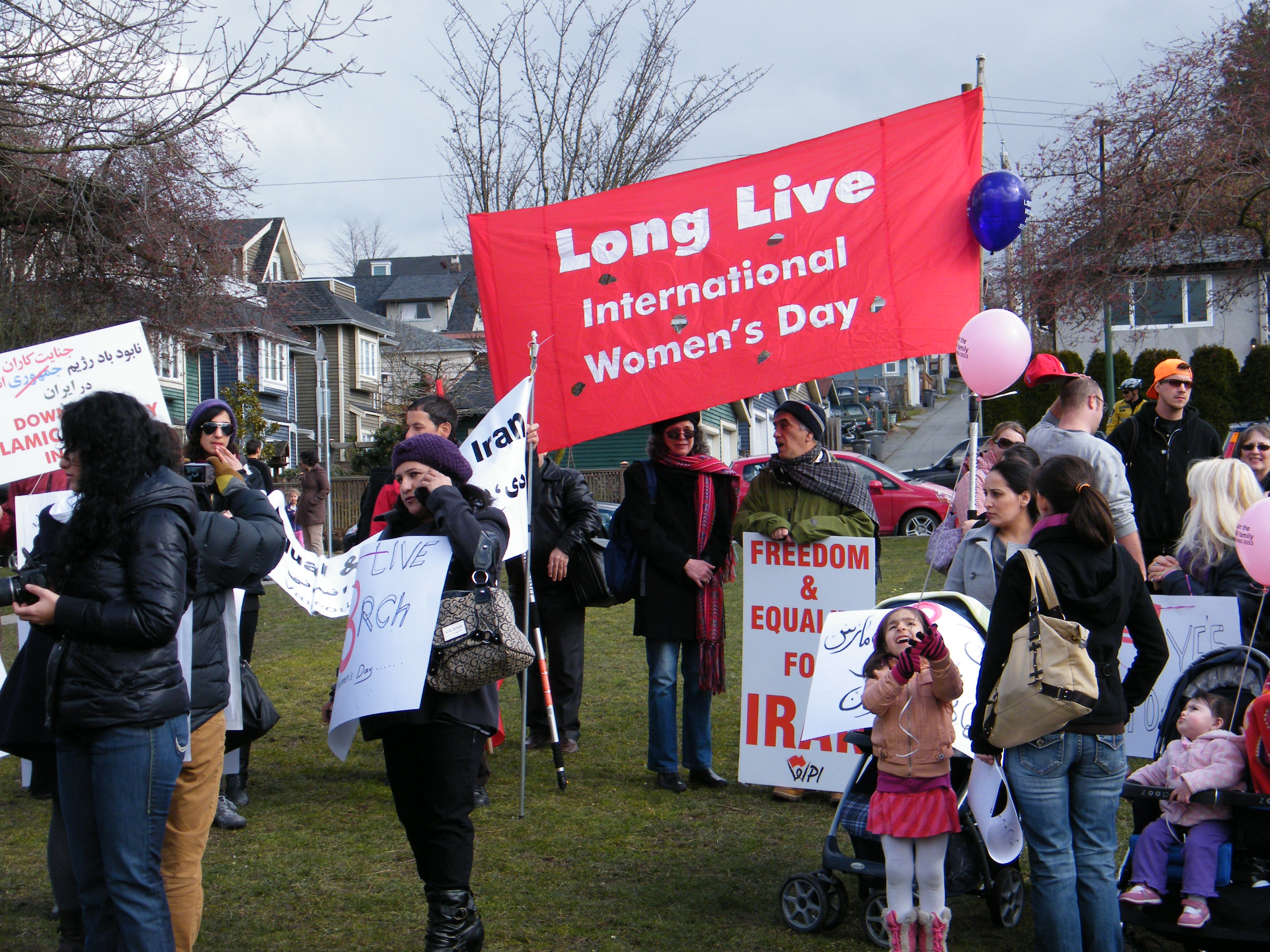
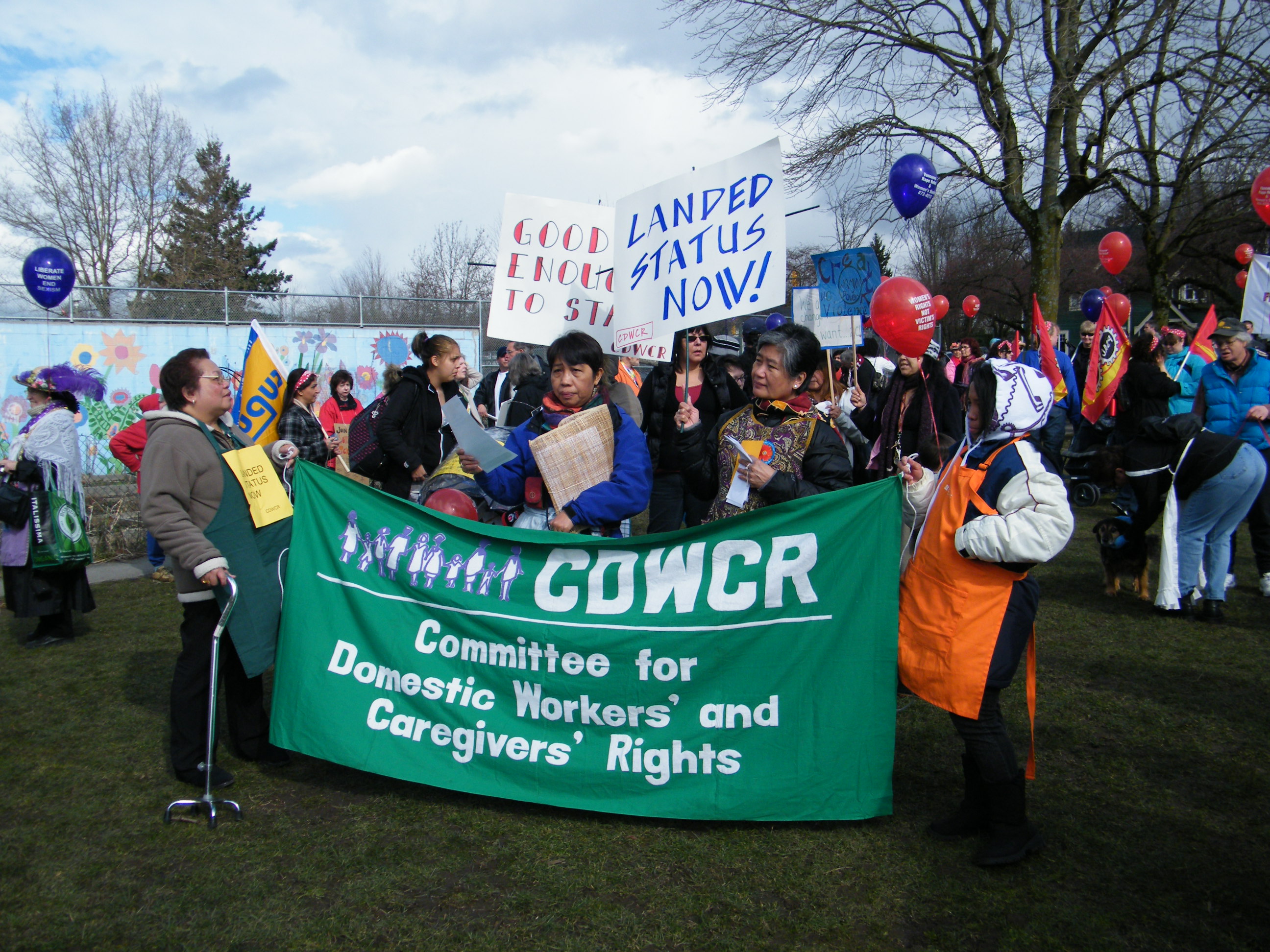
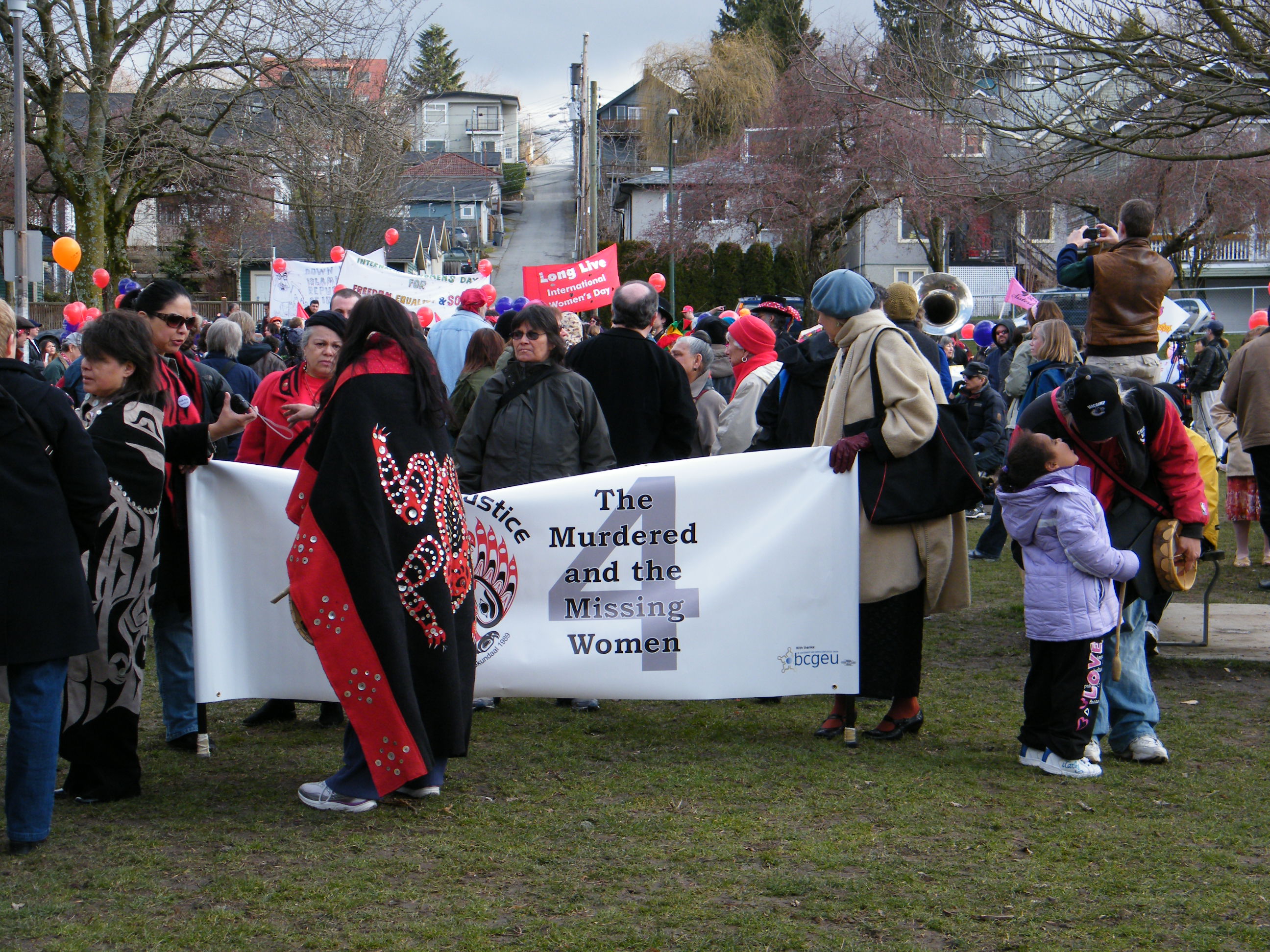
It felt good to march in the International Women’s Day parade today – great energy and a wide spectrum of participants. The march ran from McSpadden Park down Commercial Drive and up Adanac Street to the WISE Hall. I skipped the community festival, as the little dog had had enough by that point, but the crowd was amazing, filling the hall and spilling out onto the street.

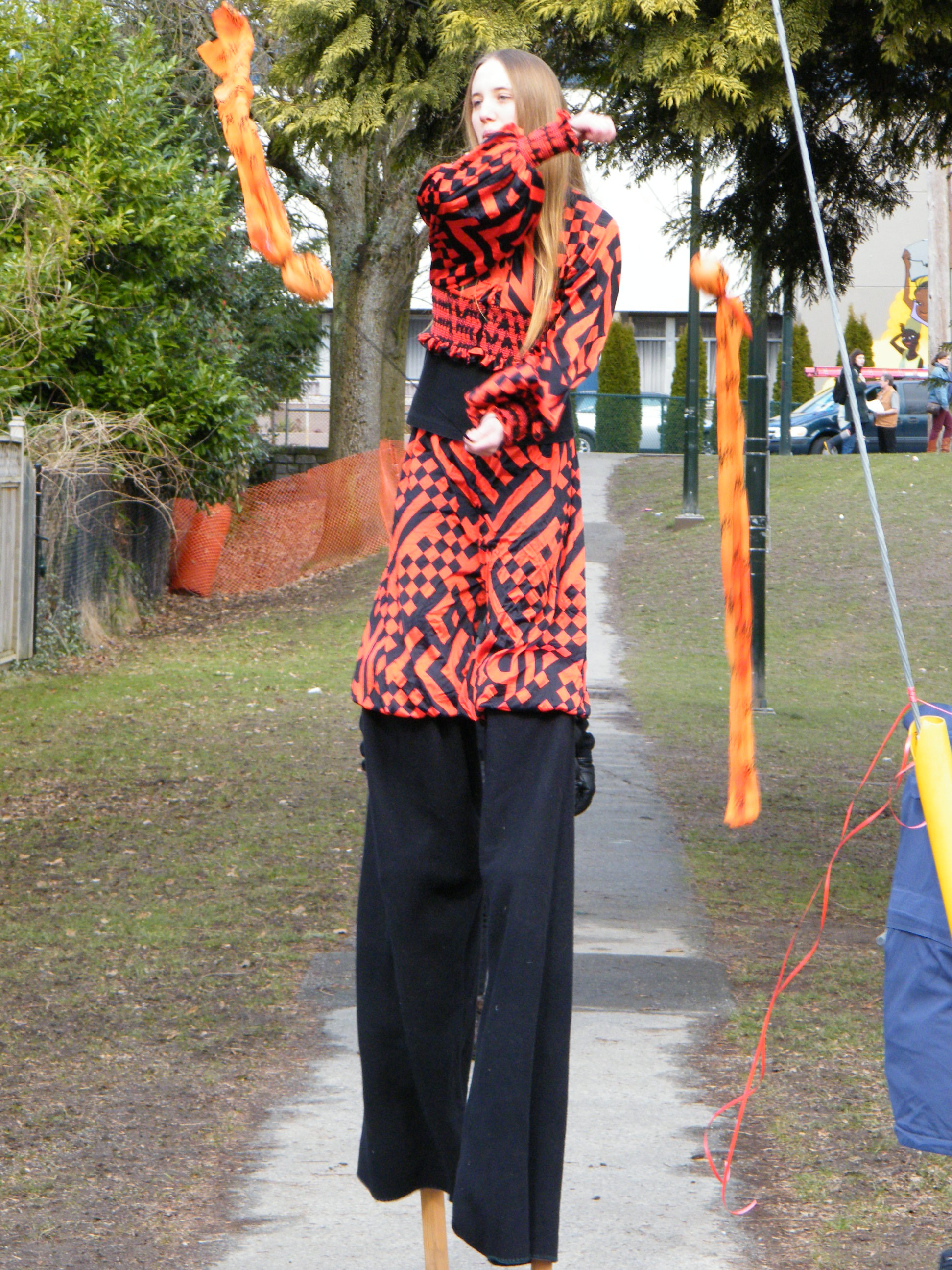
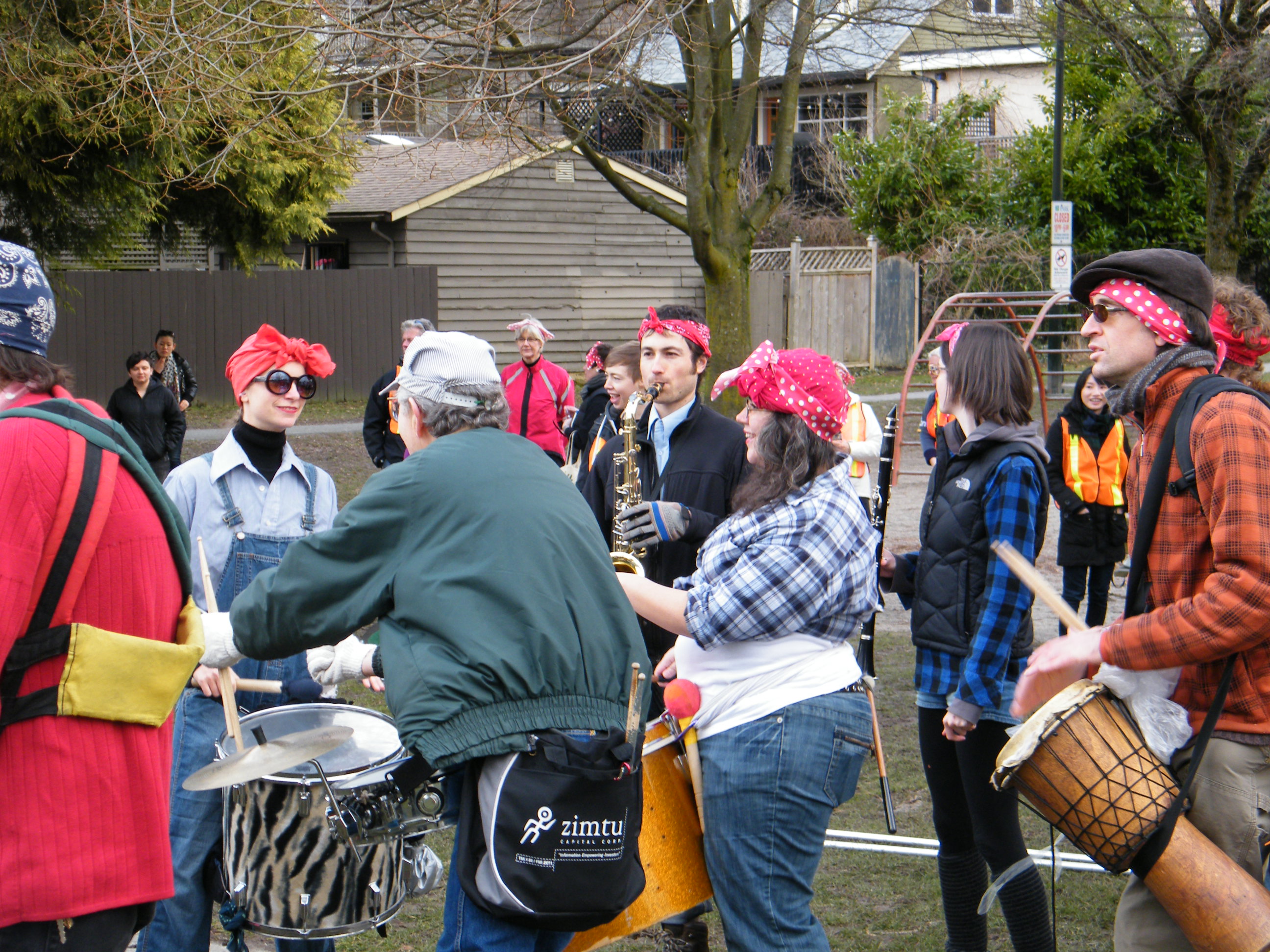
Here are some pre-march photos for you: