FFWD – Slow-Roasted Tomatoes

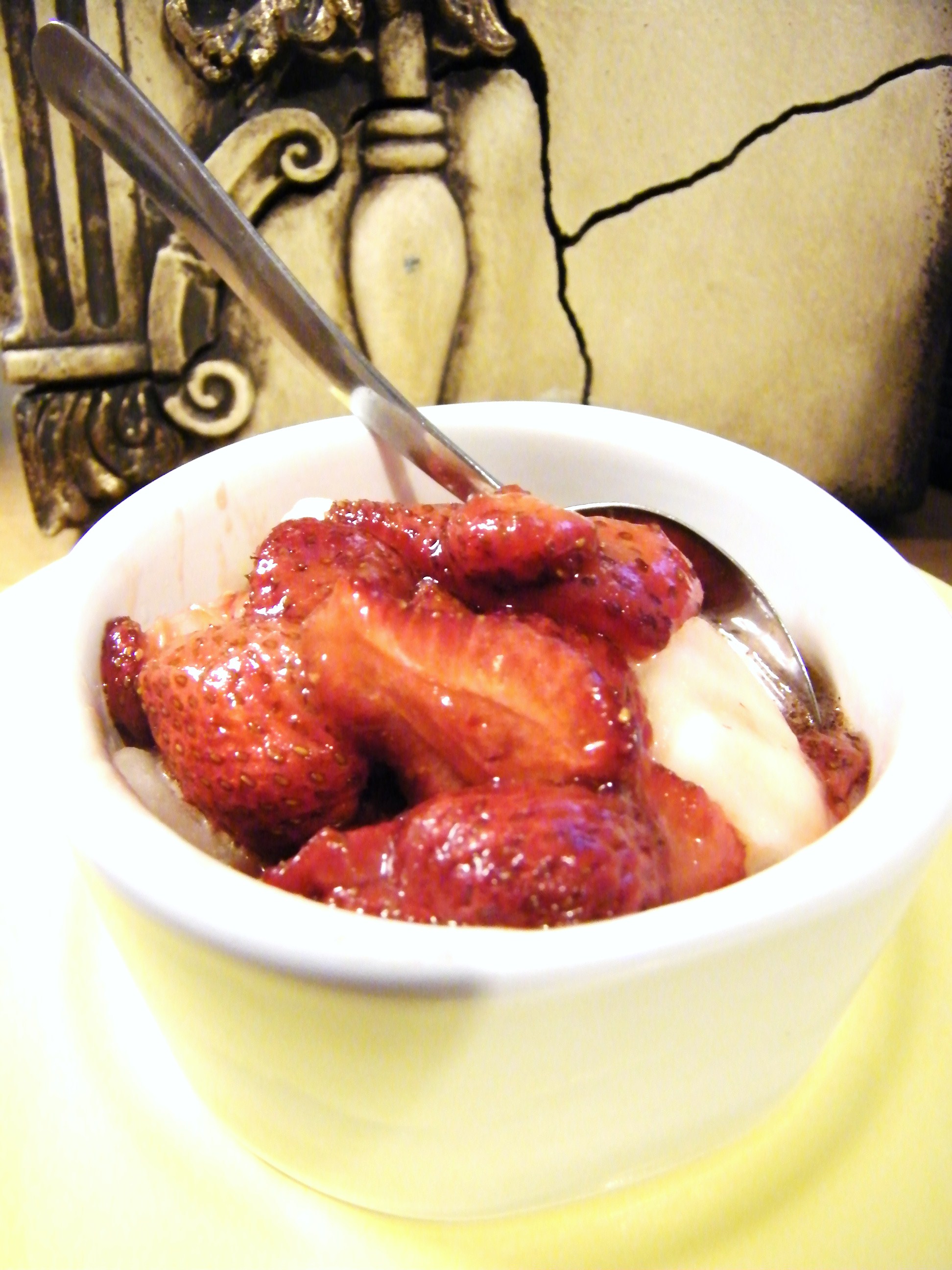
Chopping tomatoes in the (extremely strong) afternoon light.

The lines between restaurant cooking and home cooking have been slowly blurring for a long time, now. Actually, it’s probably more accurate to say that they converge and diverge over time. Right now, we’re in the midst of a gourmet revival, which seems to happen every generation or so. I direct you to almost any cooking blog for further research. At the same time, there’s also been a revival of interest in home-cooking from a professional perspective. In my town, restaurants like Grub, Burgoo, and The Wallflower have made names for themselves presenting and reinventing comfort food. My brother, a chef, cites not only professionals as mentors, but also my mother. Of course, a professional chef can’t surpass your mother’s famous [insert specialty here] and there are few home cooks who can match the expertise and equipment available to chefs.

One of the fundamental things that separates the two is preparation…though perhaps I mean preparations. At home, the success of a dish is often based on seasoning and the care put into assembling and cooking the dish. An apple pie is the result of a gentle hand with pastry, judicious spicing of the filling and a careful eye on the oven. In a professional kitchen, the Mother sauces provide the springboard upon which a menu is built, but the same care is put into other ingredients. Especially at restaurants that make use of seasonal produce, it’s the preparation of ingredients that can transform a dish. It’s a step beyond what we usually do at home.
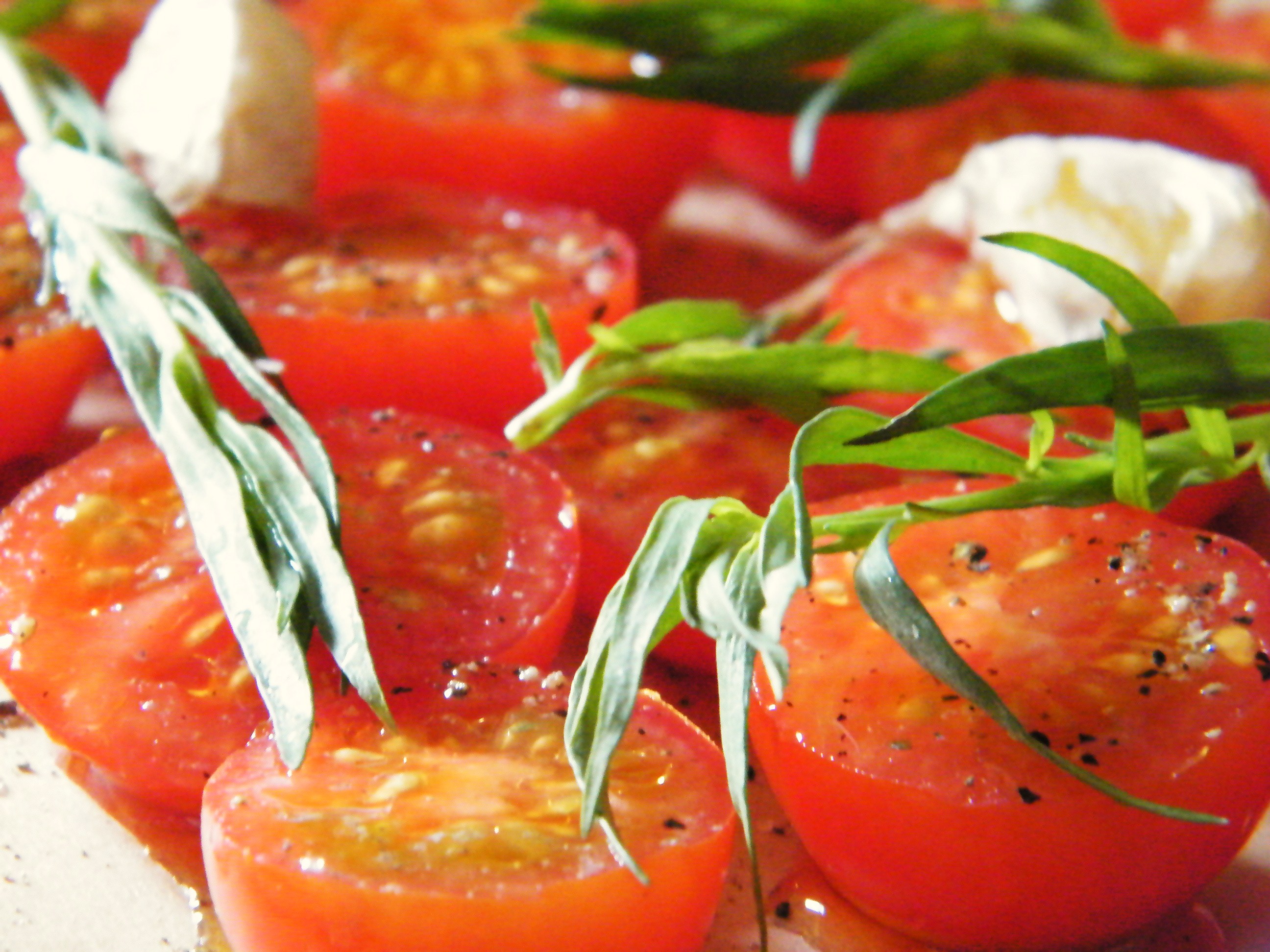
The tomatoes, seasoned with tarragon, garlic, coarse pepper and sea salt, ready to go into the oven.

This is the train of thought that I followed when reading this week’s French Friday recipe for slow-roasted tomatoes. It seems more like a preparation that would be found in a professional kitchen than a home cook’s staple. It should be a staple, though. Slow-roasting is a wonderful, hands-off process for a quiet day at home. It’s also an effective method for concentrating flavour. This summer, I’ve slow-roasted strawberries, rhubarb and now tomatoes. Tomorrow, I’m going to try cherries. I think they’ll be great as a tart filling. But, I digress.

Dorie’s slow-roasted tomatoes can be flavoured with garlic and herbs, or just a little salt and pepper. They can be used immediately or packed in olive oil to use over the course of a few weeks. They can be ground into a paste, added to a dish during cooking, or used as a garnish. It’s this versatility that reminds me of restaurants.

Save for a taste after they were finished, I haven’t used my tomatoes yet. I’ve packed them in olive oil and they’re waiting in the fridge, ready to bring my home cooking up a notch.

You can find many other blogged descriptions of this week’s FFWD recipe here: Slow-Roasted Tomatoes
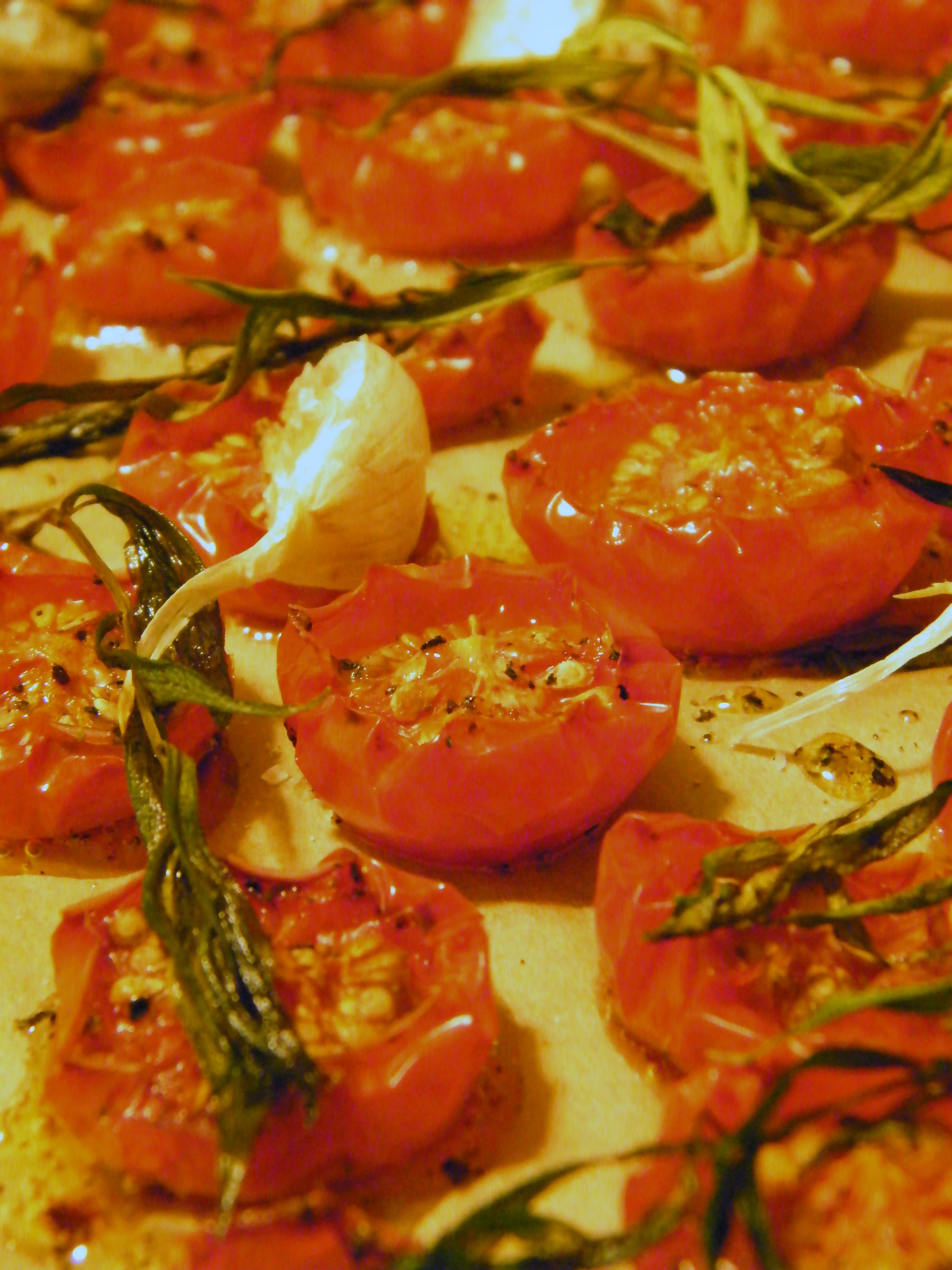
The tomatoes, roasted and cooling.

I’ve just realized today that I’m nearly at my 100th post and am only a few weeks away from my one-year-blogoversary. So, I’m trying to think up a little something to celebrate. As they say in advertising: Watch This Space.

A Tale of Two Crusts – A French Fridays Catch-Up

Par-baked tart dough crust, ready to be filled.

My post on this week’s recipe, Citrus-Berry Terrine, will have to wait until later this weekend. I’m still not fully up to standing for very long, but think I can manage it in the next day or two. After all, I don’t want to miss out on using local berries at the height of their goodness.

Instead, I’m going to do a catch up post on two of the recipes I missed out on when they were scheduled. Torteau de chèvre was one of the recipes I’d been looking forward to from the beginning of French Fridays, while Spinach and Bacon Quiche was a recipe that had escaped my notice at first.

Scraping the last of the tourteau de chèvre filling.

What both of these recipes have in common is Dorie’s pâte brisée, or tart dough. This tart dough is not the cookie-like pâte sucrée, but one that has a similar structure and is suitable for both savoury and sweet fillings. I’ve managed to adapt it to gluten-free just by using my favourite gluten-free flour mix and reducing the quantity of flour by 1/4 cup. I wish g-f adaptation was always so easy.

As you can see from the photo at the top of this post, I don’t own a tart pan. So, I just press the dough into a springform pan to the height I need. It looks just fine when it’s filled and out of the oven, but I’m sure I’ll succumb to the temptation and purchase a tart pan at some point. What is a cooking club, after all, but a good excuse to buy more cooking equipment and exciting ingredients?

Torteau de chèvre, just out of the oven.

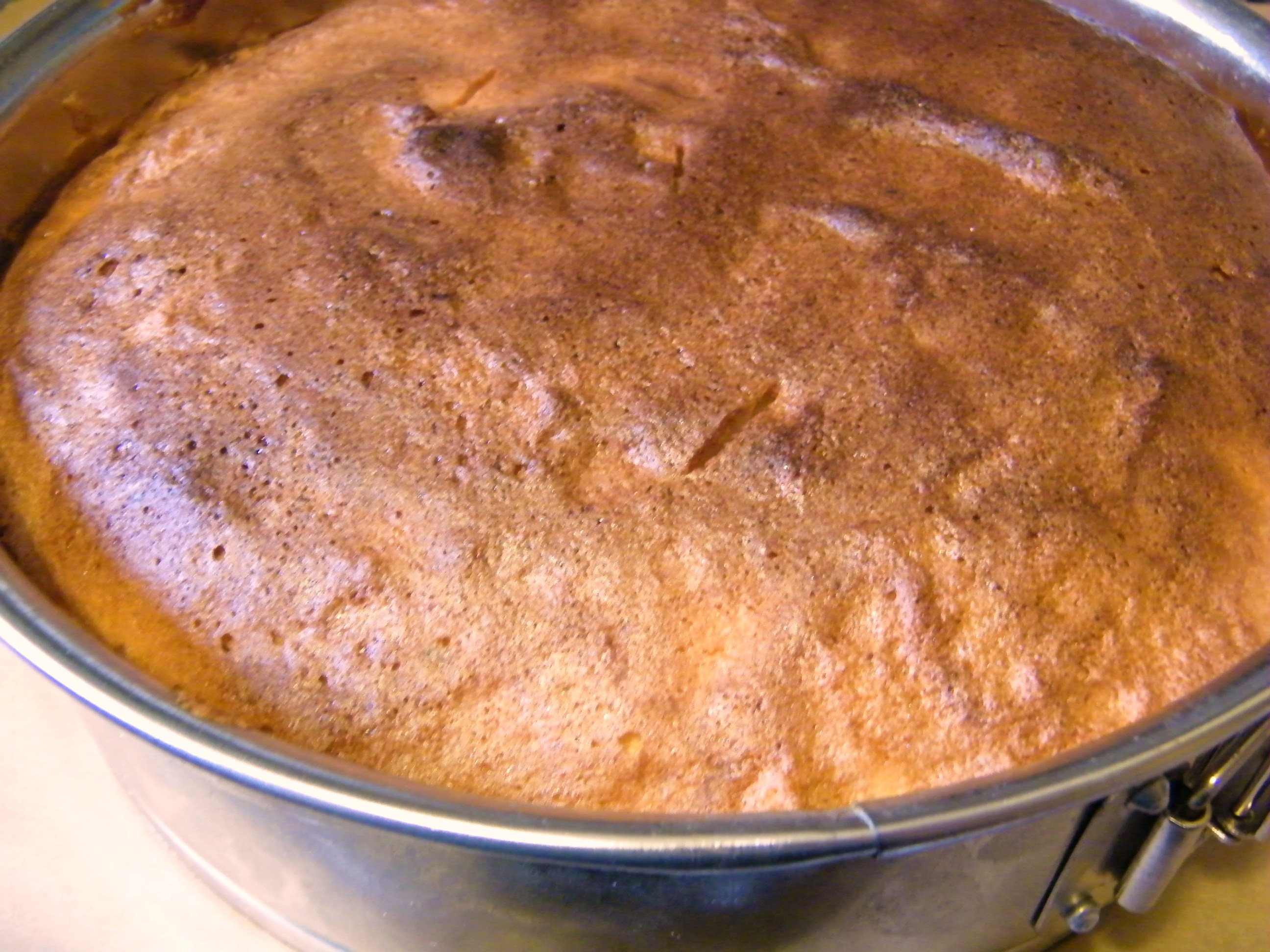
I’m not sure now why I didn’t get ’round to writing a post for torteau de chèvre, but I suspect it has something to do with how few of my photos turned out. I only ended up with two I liked. I’m slowly trying to break myself of the habit of photographing food after dark. At this time of year, that’s an easy task. In May, it was a little harder. No matter, the tourteau was beautiful under any light. Making the batter is a process of adding more and more air with every step. First, the egg whites are whipped to stiff peaks, then the rest of the ingredients are separately mixed into a light, smooth batter. Once the egg whites are folded into the goat cheese mixture, the batter is almost frothy. So, it’s a surprise that once it’s poured into the par-baked crust and baked, what emerges from the oven is more like a sponge cake than a cheesecake.

I just ate the slices out of hand, without any embellishment, but you could easily serve it with a fruit or a sauce. I love what Elaine did with hers, combining it with another French Fridays assignment.

Whisking the quiche filling.

My partner wasn’t a fan of the torteau de chèvre, but he loved the spinach and bacon quiche. In fact, this quiche sent me off into a quiche baking spree. Now that I know he likes it, it’s going to be something I make monthly. It’s great for light dinners and even better for packed lunches. This particular quiche is quite hearty, which is a departure from the dish’s 1980s reputation as a lightweight, fussy meal.

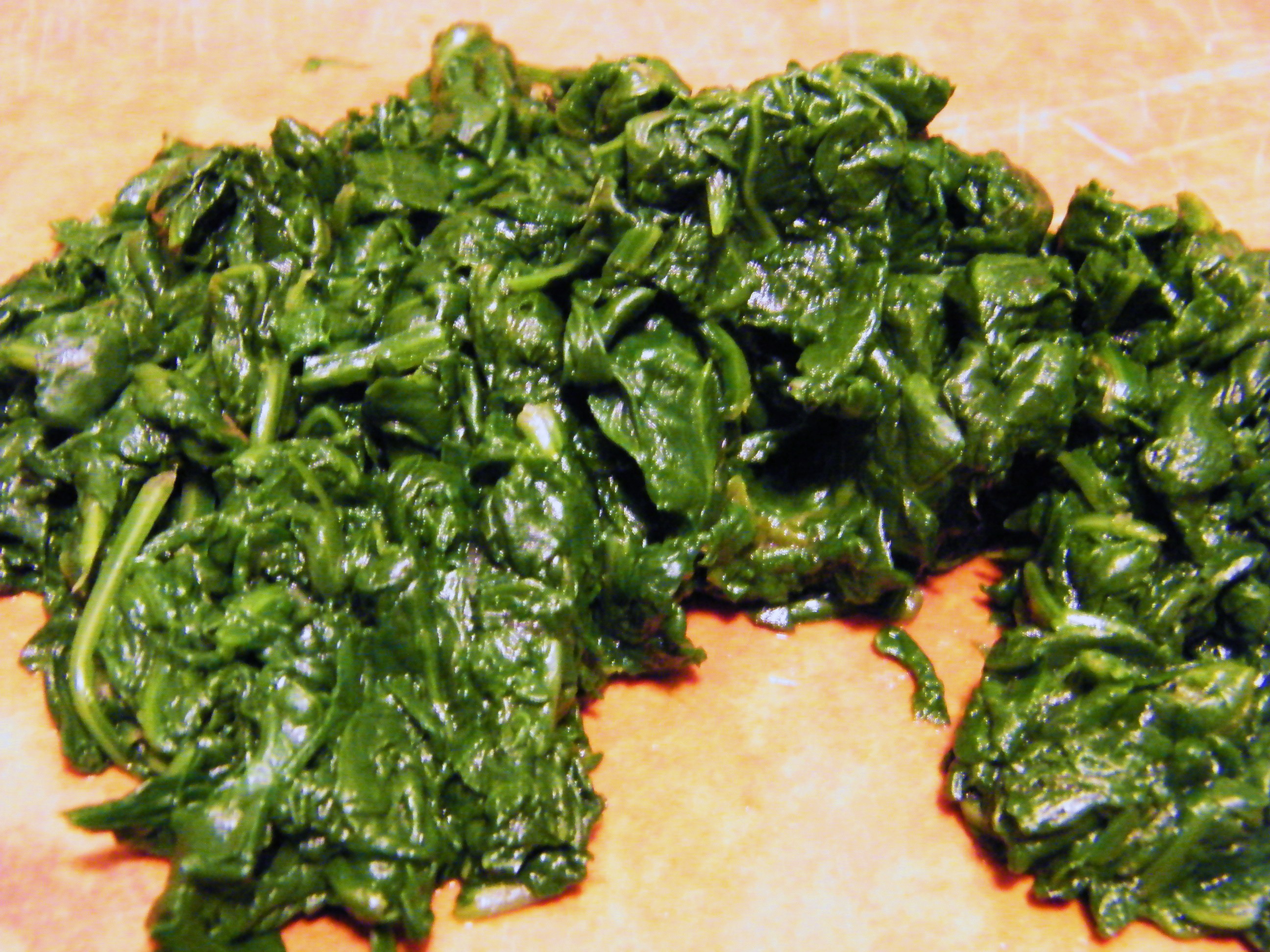
Chopped spinach, ready to go into the quiche.

I didn’t add any salt to the filling, as I knew the bacon and Parmesan would make it quite salty enough for us. It’s not something that I’d serve too regularly, as the eggs, heavy cream, cheese and bacon militate against heart health, but it’s a nice treat. It’s also something that could easily be adapted with lower-fat milk. I haven’t done it yet, but I’m planning on making a vegetarian version of this that’s a little more Mediterranean, inspired by Betsy, whose beet green quiche will also be on the menu, once I harvest the beets in my garden.

I’ve been on a quest for a good, easy gluten-free pie crust for a while now, but I’ve begun to feel that all I really need to do is to use this tart dough instead. It has a different taste and texture than pie crust, but everyone who has had the g-f version has loved it. I think I’m going to adapt my thinking around pies and stick with the dough that works. I have plenty of opportunities to make conventional pies and the crust recipe that’s been handed down in my family serves me well for those. Best of both worlds, I’d say.

A close up of the quiche, just out of the oven.

You can find many other blogged descriptions of these recipes here: Torteau de Chèvre and Spinach and Bacon Quiche

A Photo Walk in Fort Langley

Right now, I can only dream about going on nice, long photo walks with my favourite walking companion.

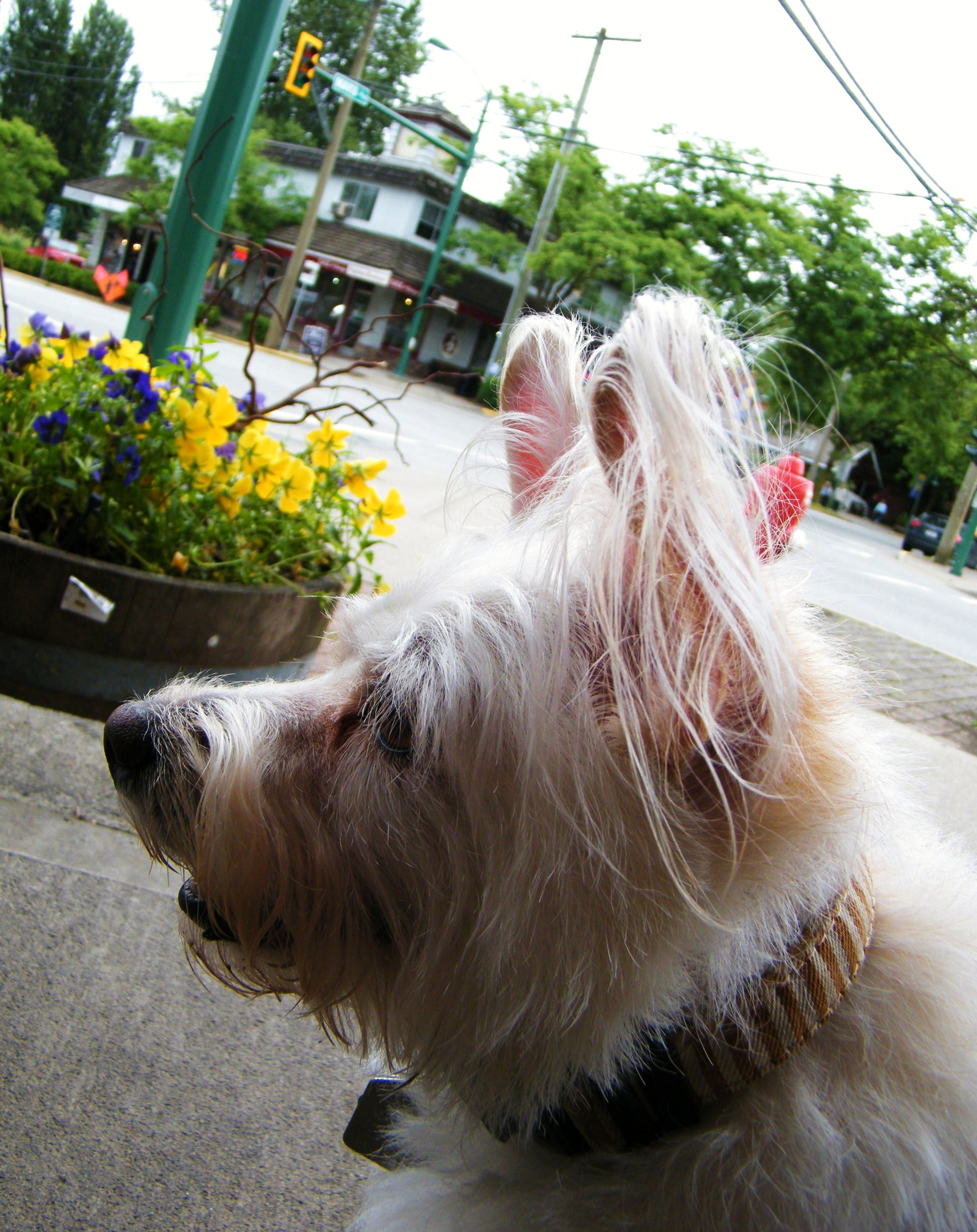
My walking companion, Roxy, with a flowerbed and streetscape in the background.

I sprained my ankle rather badly last week, so a long walk for me right now is across the apartment. Luckily, I have some pictures from my recent walk around Fort Langley. We’ve had a rainy summer so far, broken with some stretches of sunshine. As a result, water levels have been quite high. The day I was in Fort Langley, the Fraser had even flooded its banks slightly, covering the walking path I’d intended to use.

The path beside the Fraser, flooded by high water levels.

I wandered on the raised boardwalk instead, crossed the bridge to McMillan Island and then walked back up to the town’s historic centre. When I was growing up, Fort Langley was a little sleepy, but the community revitalized it on a vintage theme, in keeping with the tourism that’s drawn by the National Historic Site on the edge of town. What they’ve done is similar to La Conner, Washington, but on a smaller scale. There are a number of heritage buildings nearby, including this church, where my family would often go for midnight mass on Christmas Eve.

oss the water toward McMillan Island and the historic Church of the Holy Redeemer.


Boats on the river.

I didn’t take many photos of the town’s buildings, but instead kept to the river, a nearby garden and the restored CN Station.

The restored CN Station, white with dark green trim, Flower baskets hang beside the sign, over a bench. There's a chalkboard showing (fictional) departures and arrivals.


An orange velocipede, which was used for railway inspections, atop the rail.


The old rail line beside the historic CN station.

The smaller details caught my eye that day.

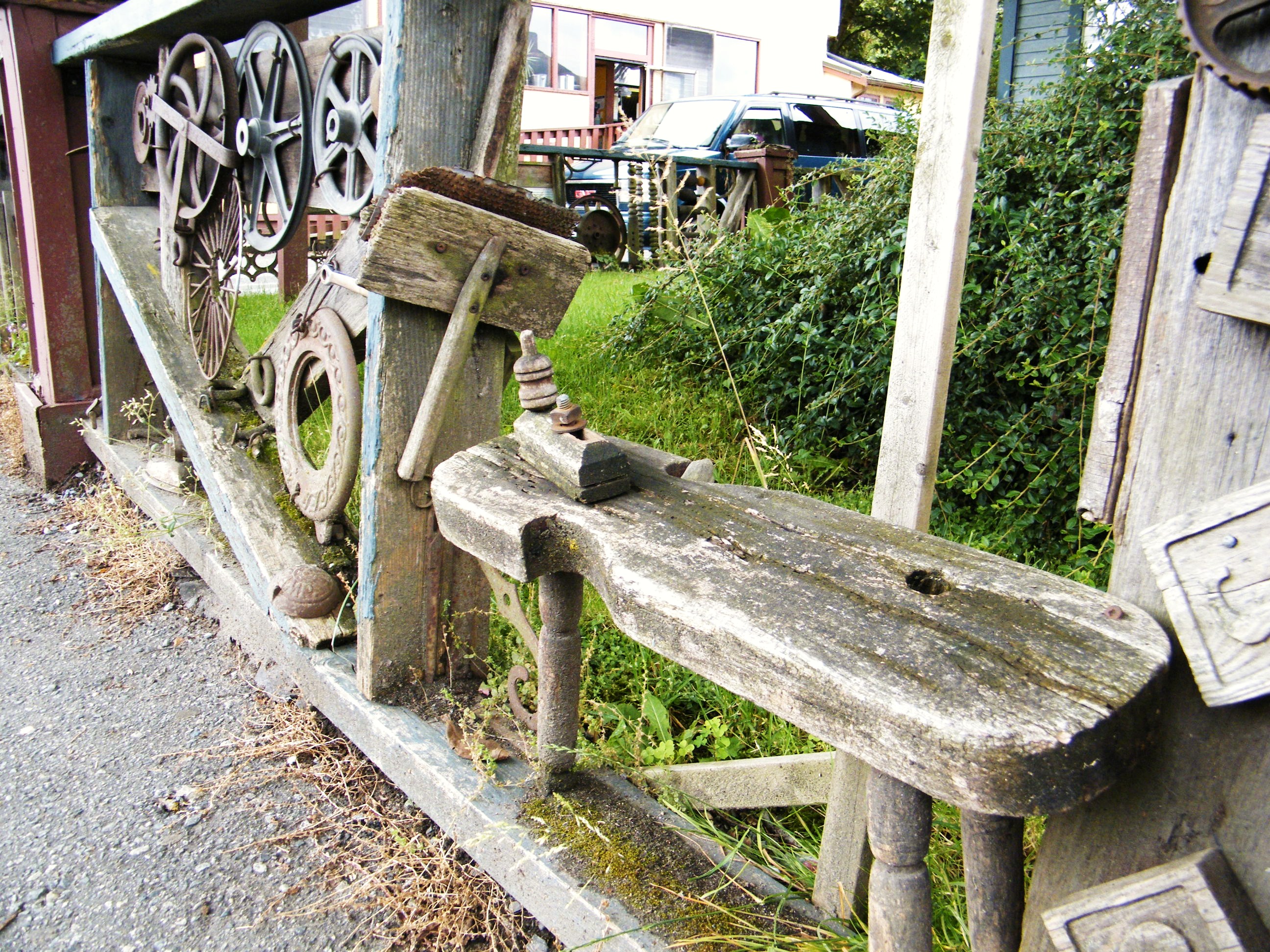
An interesting handmade fence in front of a house.


A fully bloomed rose, yellow in the centre, turning to light pink and then fuschia toward the edges.


A close up of a yellow and orange rose, not yet fully opened, with purple flowers in the background.

Driving into Fort Langley from Langley proper, the outskirts seem just as they were when I was young, but on the other side of town, condo developments are being erected. It seems a shame, so close to the centre of town. It’s so lovely otherwise.

Development a few streets away from the historic town centre.

FFWD – Coconut-Lemongrass-Braised Pork

My parents live in a rural(ish) area of the Fraser Valley. There is a tiny downtown, a vestige of the village that was swallowed up by the municipality in which they live. They’re also twenty minutes away from suburbia in two directions, so they have access to everything they might want, including gourmet ingredients. What their area lacks, though, is reliable access to less usual ingredients at the last minute. It makes me realize that I’m spoiled. If I’m missing an ingredient, I can walk down the street, right up until around nine in the evening, and be almost guaranteed to find what I need. What I don’t have is the beautiful setting they live in. I also haven’t developed my mother’s instinct for planning ahead.

A closer look at the completed dish.

Knowing that I was making this week’s dish at my parents’ place should have caused me to take a look at the list of ingredients, then place a phone call to my mother to see what she had on hand. If I’d done that, I might have packed up the whole coriander and the cardamom pods in my pantry and run to the store for some fresh lemongrass. Instead, I blithely congratulated myself for remembering to pack the cookbook and headed out to the farm. When it finally came time to make a shopping list, my lack of forethought caused a scavenger hunt that amped up my (car-fueled) carbon footprint more than I’d like to say.

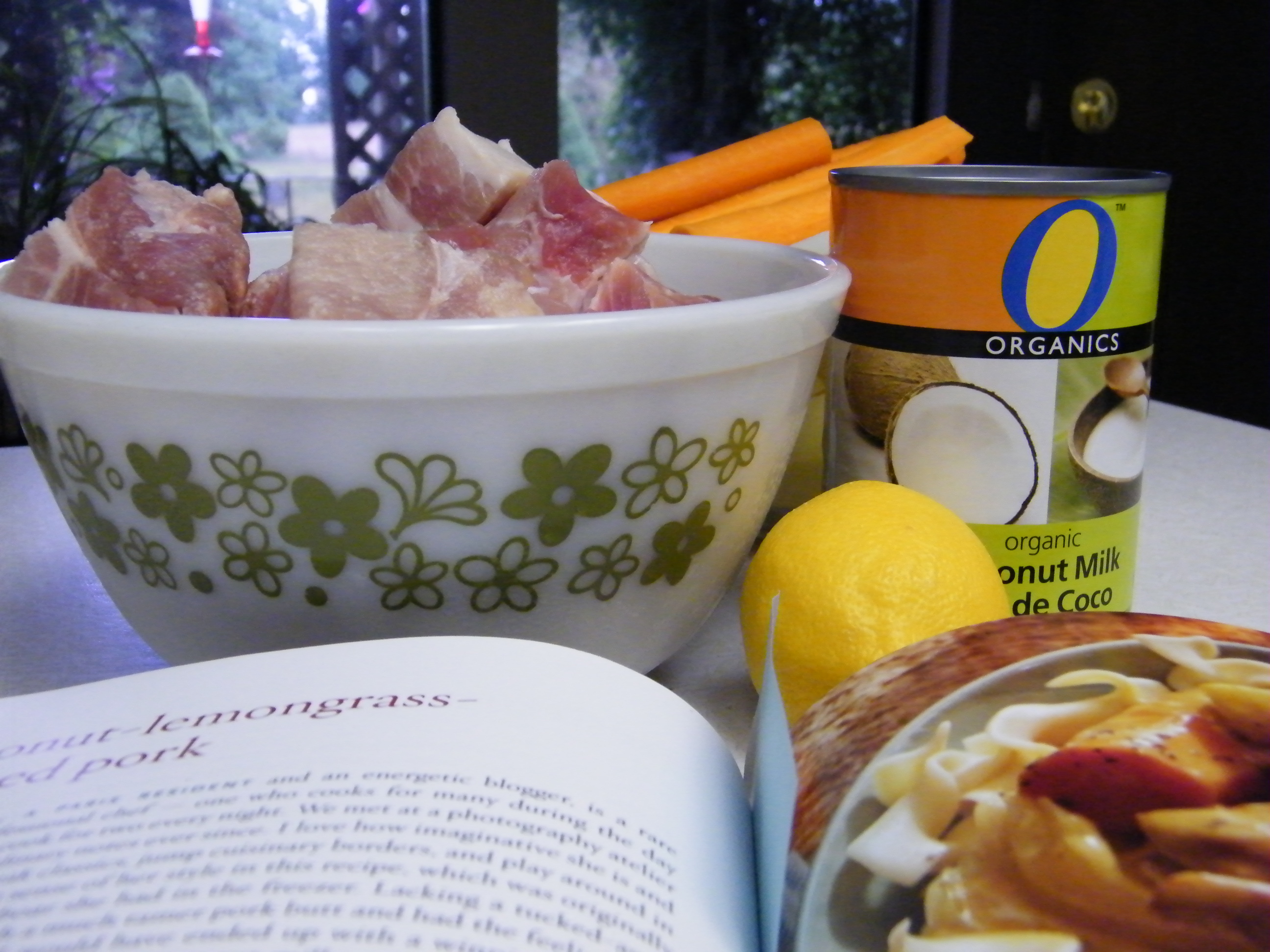
Ingredients at the ready, behind a cookbook laid open on the counter.

My mother has ground coriander and cardamom in her spice cupboard, but I thought I would be able to find whole versions when we went out for the rest of the ingredients.Two supermarkets and a specialty store later, I had managed to find everything but the cardamom and lemongrass. As I was being told there was no lemongrass by the third produce clerk of the day, another customer tapped my elbow. She told me she got frozen lemongrass from a little store downtown and that they might have cardamom pods, too.

Pork chunks, ready for browning.

Off we went. The store was packed full of all sorts of produce, spices and ingredients that you couldn’t find on the shelves of the local supermarkets – even mangosteen, which I rarely see around my neighbourhood. I enlisted the aid of the clerk, but she couldn’t find any cardamom at all. She thought she was completely out of lemongrass, too, until she remembered that there was some in a package of fresh ingredients for Tom Yum soup. More than enough lemongrass for my recipe, with enough left to try the soup mix another time. As I was paying, I mentioned how difficult it was to find what I needed to make a mildly Thai-influenced dish. “Not in this town,” was her response.

Browned pork, mixed with toasted spices.

Well, my parents’ farm has its own attractions. They occasionally raise a few pigs, which keeps the whole family in pork for quite some time. They are coming to the end of their latest stock of pork, but we found some pork chops that substituted nicely for the pork butt suggested in the recipe. I took out the bones with a filleting knife and the thick chops cut easily into 1-2 inch chunks. Our late summer meant that there weren’t yet any root vegetables ready from the garden, but I got some nice carrots, potatoes and onions from the local co-op.

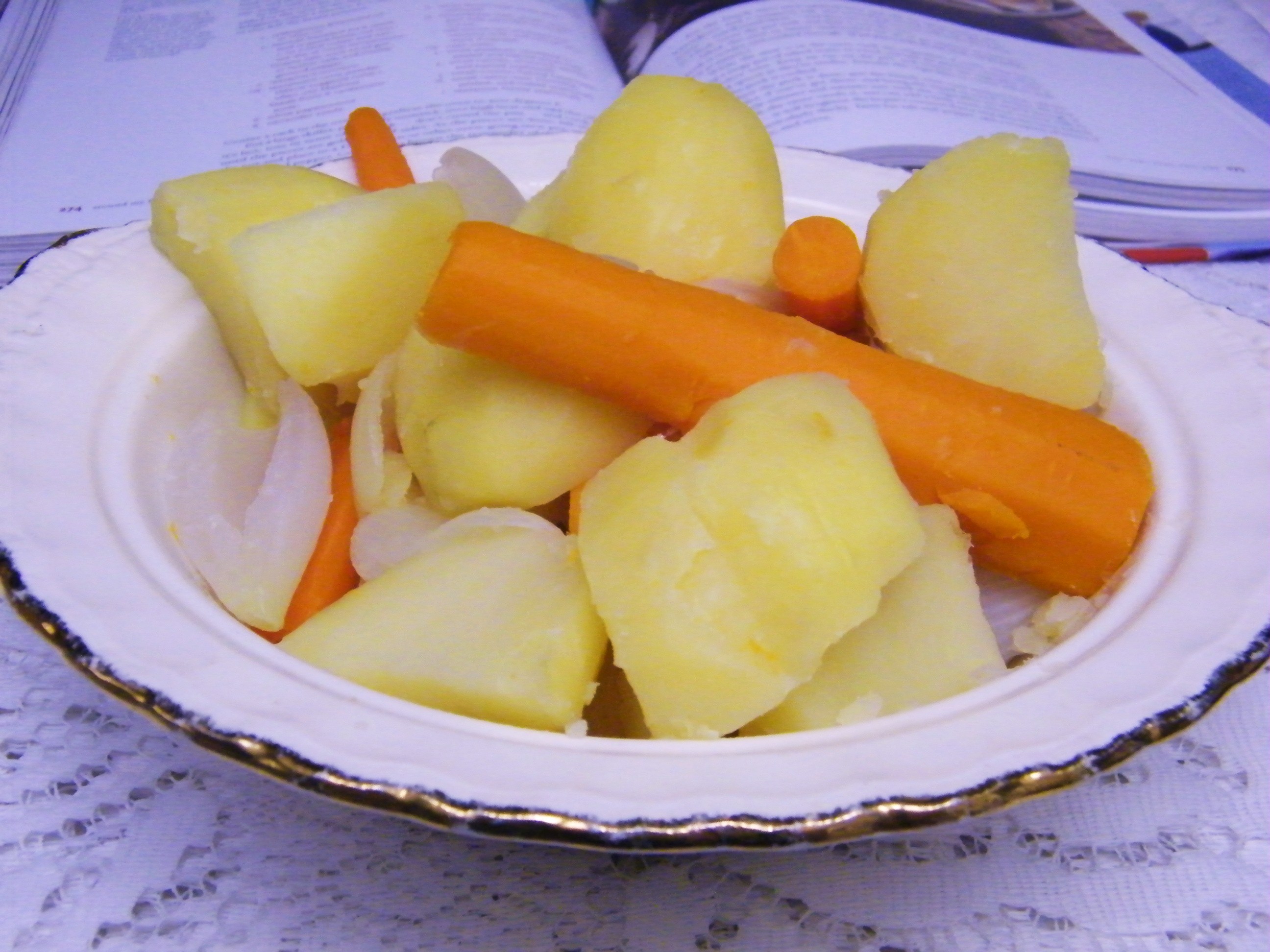
The cooked carrots, onions and potatoes arranged in a pretty dish, with a cookbook in the background.

After browning the meat, toasting the spices and adding the coconut milk, the kitchen was aromatic. Which made it hard to wait the more than half-hour it took to braise the stew. I kept busy, cooking the vegetables and finishing last week’s Cold Melon-Berry Soup, which we had as an appetizer while we waited for the stew to finish. Though the suggestions for serving this pork dish include pasta or rice, we served it just as it was. The vegetables provided enough of an anchor for the pork and its thin sauce. The stew can be finished with a touch of honey, but I neglected to add it. It didn’t matter, the flavours of the stew worked very well without it.

The completed dish, yellow with tumeric, in front of a cookbook.

I’m back home now, experiencing the best of both worlds, with some of my parents’ farm-raised meat in the freezer and all the ingredients I need just down the street.

You can find many other blogged descriptions of this week’s FFWD recipe here: Coconut-Lemongrass-Braised Pork

Garden Grows

I’ve been spending some time in my garden, watching over the vegetables in my raised bed, adding a few plants to the flower beds, and (above all) weeding. There’s still a lot to do, but here are a few photos from my backyard, carefully composed to avoid showing the areas that need the most work!

Pink and pinker dianthus.

Lavender.

Flowers in my container of annuals.

A view of the garden through the trellis.

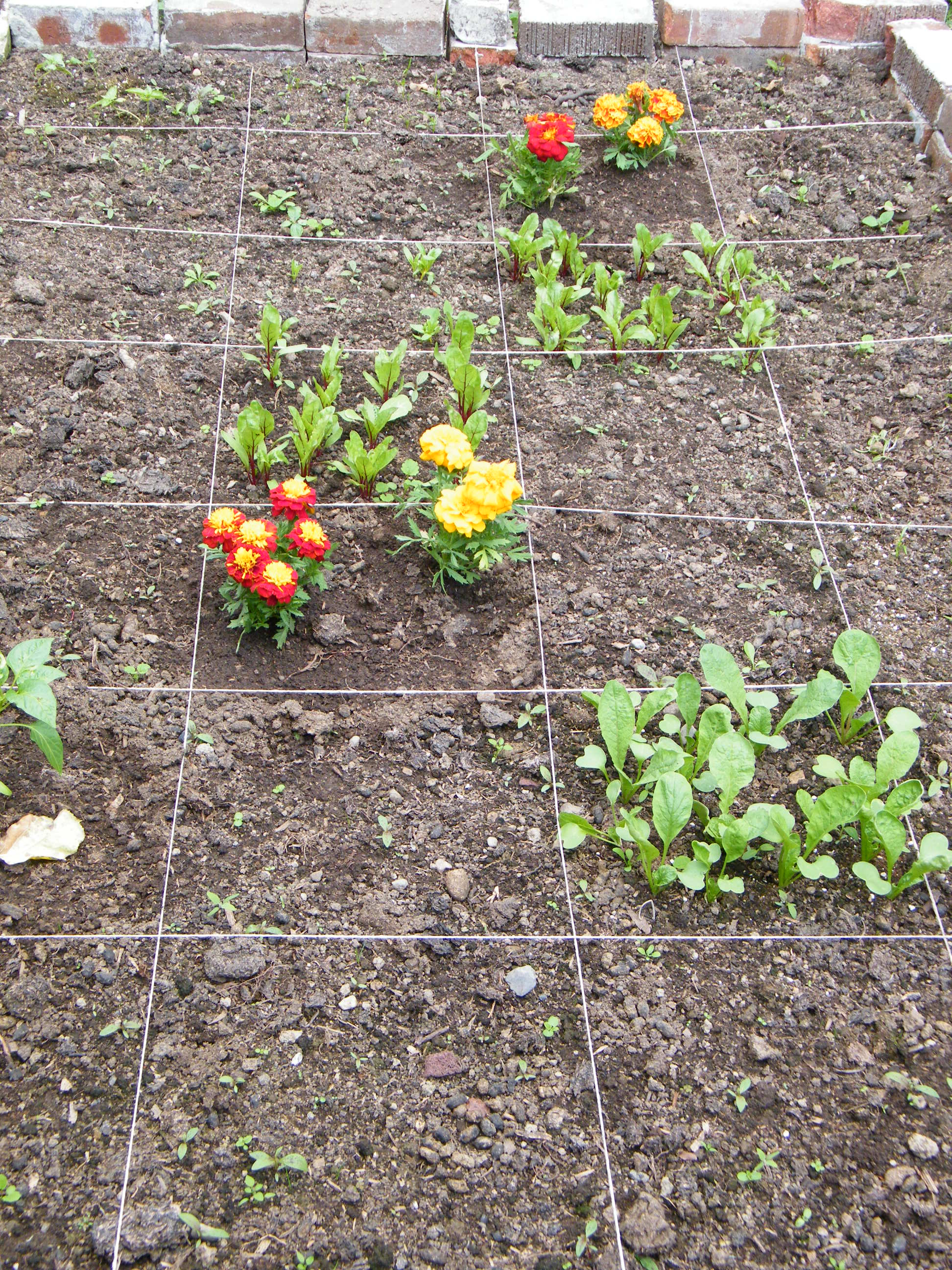
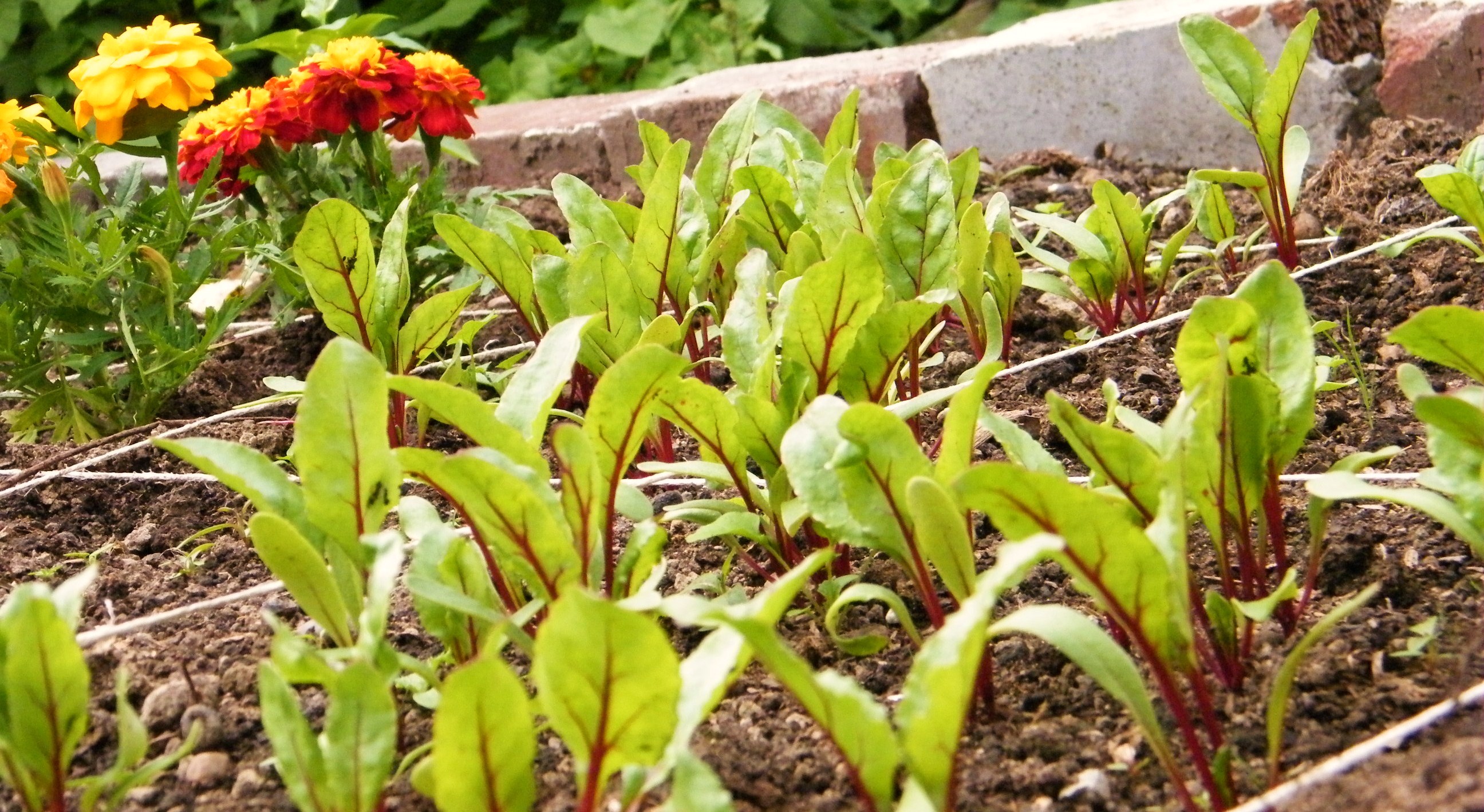
Beets sprouting, with marigolds in the background.

My vegetable garden is starting to take off!

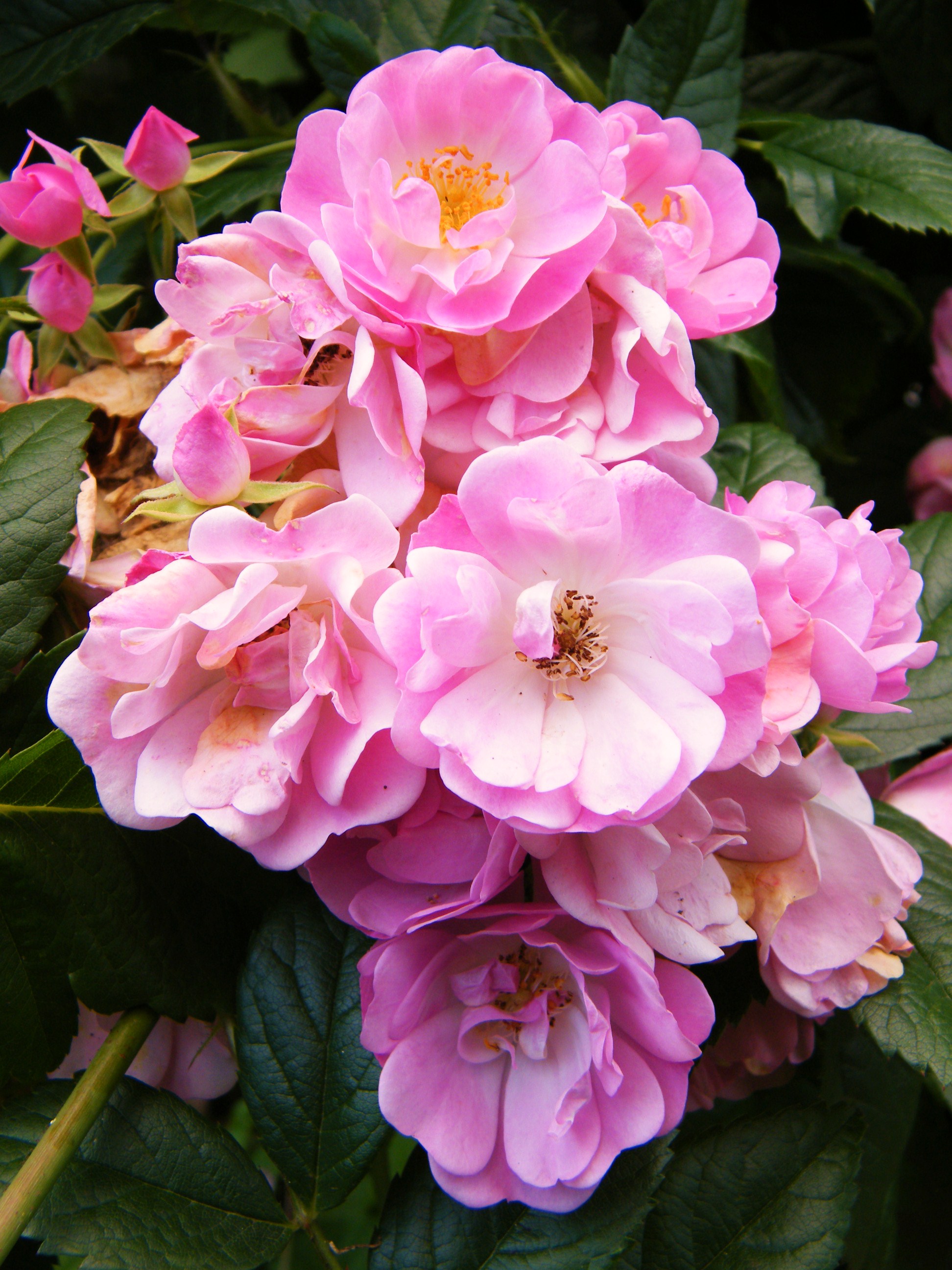
A cluster of pink roses.

FFWD – Cold Melon-Berry Soup

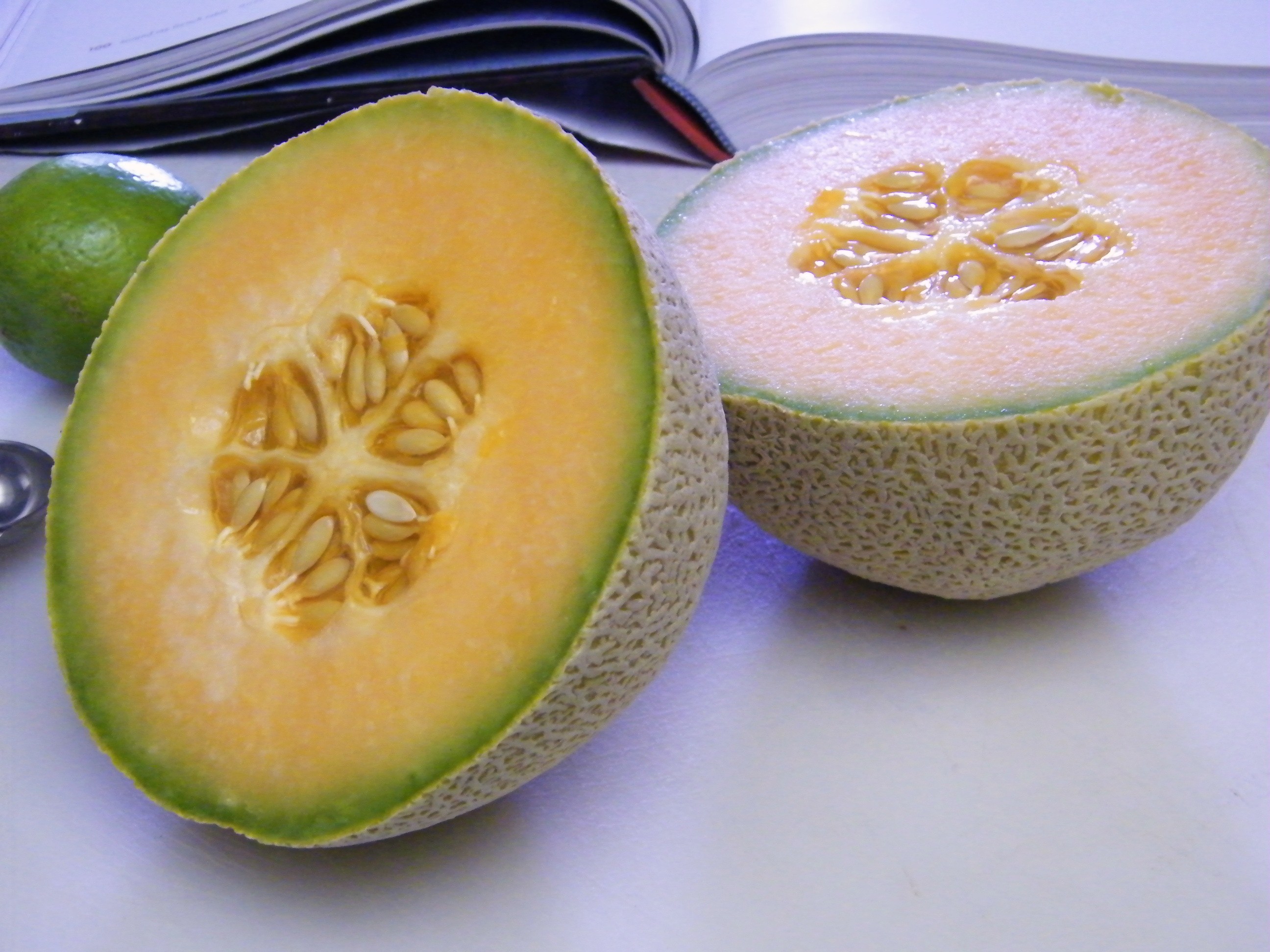
Sliced cantaloupe, with a cookbook, a lime and a measuring spoon visible in the background.

It took me half a cantaloupe to get the hang of making melon balls. They aren’t something that’s ever shown up on the menu chez moi, but I’ve only recently begun to appreciate melons. Melon wedges on a fruit tray, yes. Proscuitto wrapped around a slice of melon, certainly. But in my mind, melon balls are fare for a 1960’s country club buffet, piled in pyramids atop shaved ice in a silver dish. Or a cut glass dish on a silver salver. Something like that.

This probably influenced my thinking when I made this week’s melon-berry soup. I kept imagining it presented as though for a wedding supper or an awards banquet. I settled on some pretty etched glasses. A nod to the elegance I’d imagined, with the practicality required of a dish served in the living room. I was making next week’s Coconut Lemongrass-Braised Pork for dinner and thought that this soup would make a nice prelude to the curried sweetness of the stew.

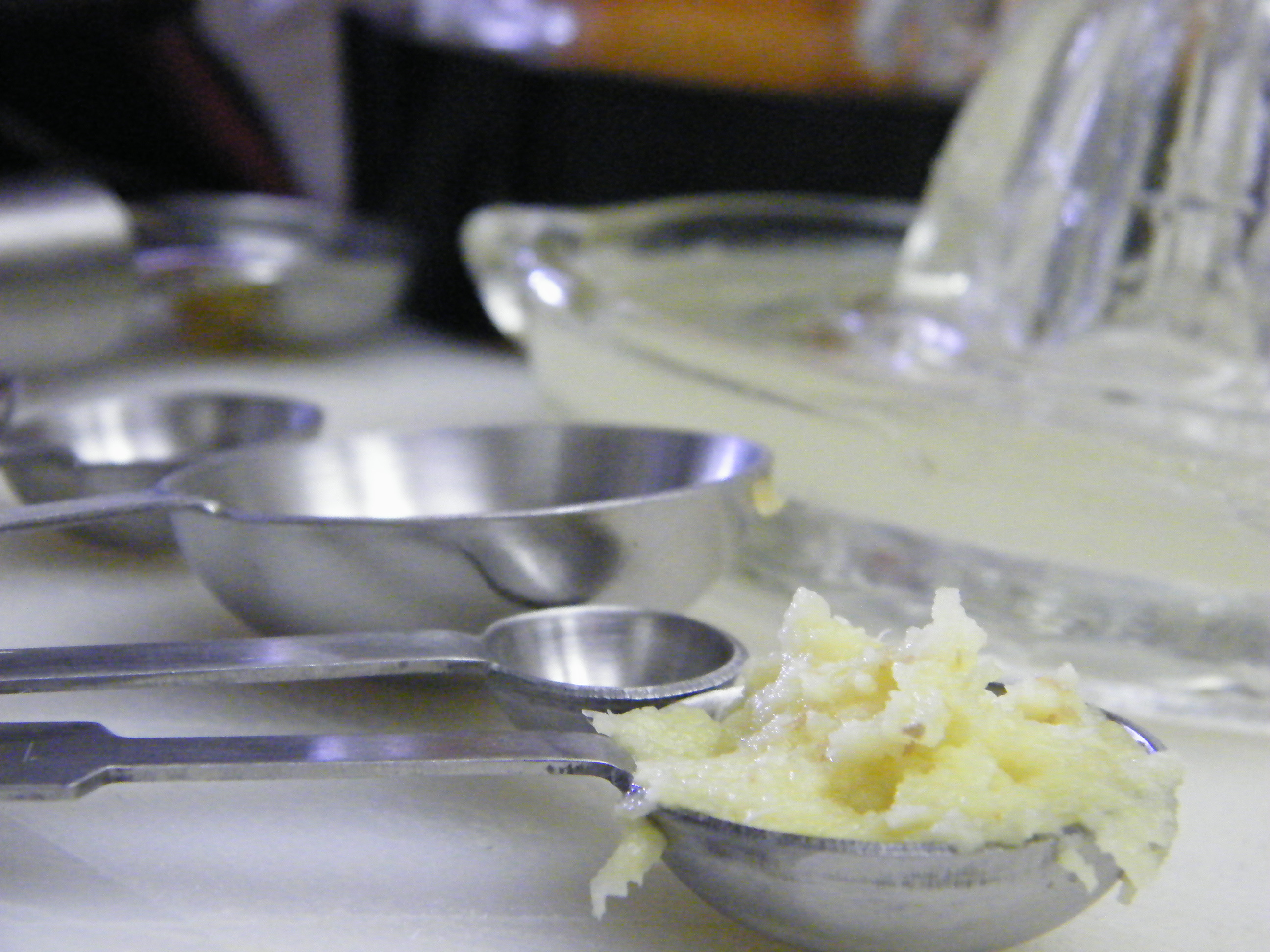
A teaspoon full of ginger, with the rest of the set in view, along with a glass juicer full of lime juice and the bottom of the blender full of melon.

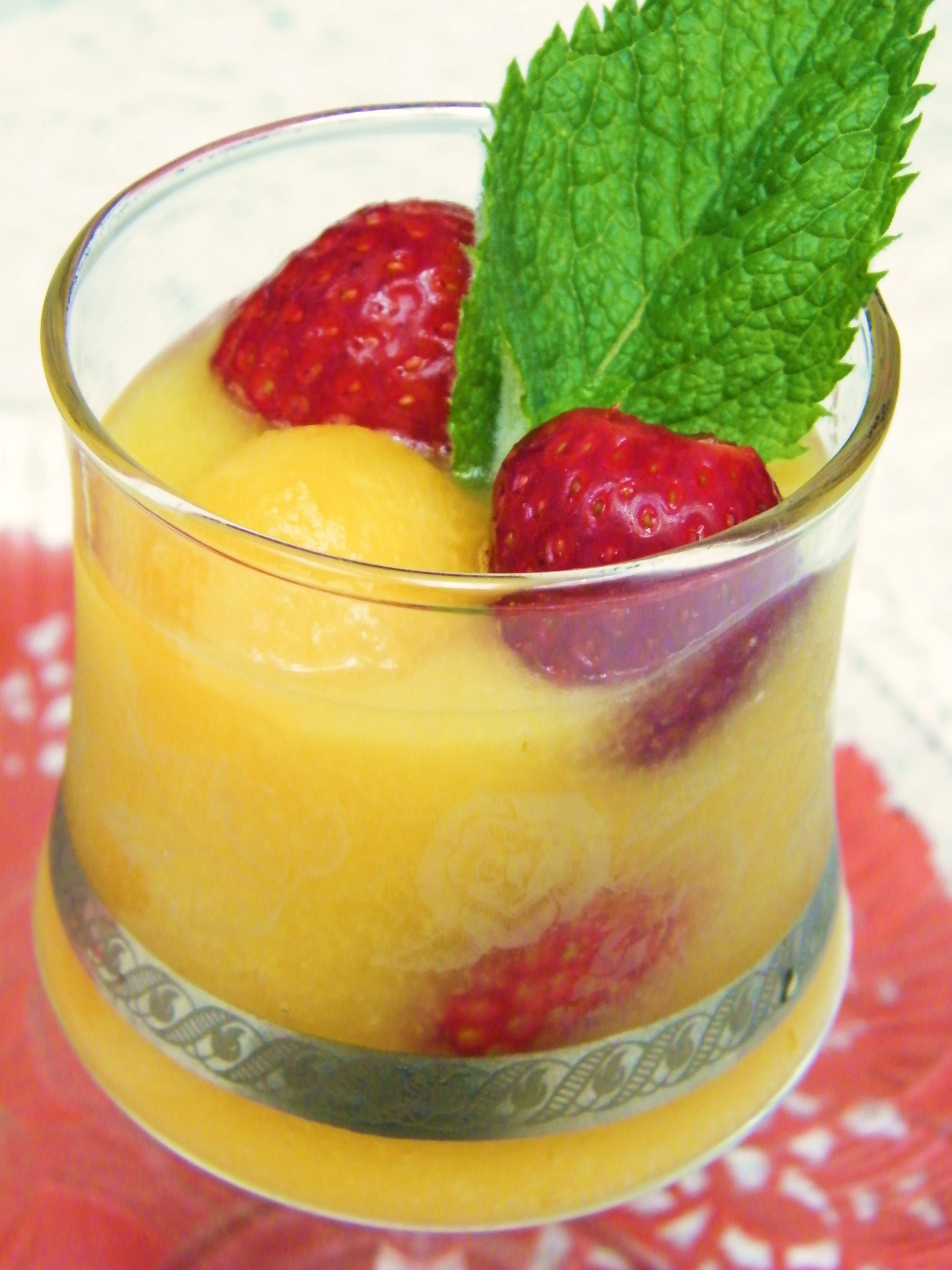
The soup is simply pureed cantaloupe mixed with lime juice and grated ginger, then seasoned with a little salt. After the soup, melon balls and strawberries have chilled for a few hours, the dish is assembled and topped with a sprig of mint. You may add a tablespoon of sweet wine if you like, though I didn’t this time. I think the only thing I’d add to this is a good grinding of pepper. I think that would contrast well with the sweet-tartness of the rest of the dish.

I was at my parents’ house and gave my father his soup while I took photos of the other portions. My mother was playing food stylist/photographer’s assistant, bringing out many of her lovely, eclectic dishes for me to try and then holding up a white piece of card to make the most of the evening light. My Dad came into the kitchen to tell us that he liked the soup so much he’d gladly eat the rest. That’s an excellent endorsement, in my estimation.

An etched wine glass full of melon soup, with melon balls and strawberries and a sprig of mint. Everything sits on a tray atop a red doily on a white lace tablecloth.

I think there are lots of jumping off points for this recipe: ice pops, cocktails, granitas – just make sure you include the melon balls. They’re the best part.

You can find many other blogged descriptions of this week’s FFWD recipe here: Cold Melon-Berry Soup

Travelling at Home

Looking east over the rail tracks from Vancouver Lookout.

This summer seems especially full of community events. Part of it is Vancouver’s125th Birthday, with events like this past weekend’s Summer Live. Another part of it is that there’s been a groundswell of community creativity around public events that’s been supported by the current City government. Organizations like Vancouver Public Space Network, websites like Vancouver is Awesome, and initiatives like Car-Free Vancouver are helping to drive this movement. Public Dreams pioneered such community-making, espousing a grassroots ethos that includes making these events free of charge.

A view toward the west from Vancouver Lookout.

I think this atmosphere is inspiring traditional institutions like Tourism Vancouver to follow suit. This May, they ran a promotion of local attractions called Be a Tourist in Your Own Town, which was open only to residents of Greater Vancouver. Each day of the promotion, residents could download coupons good for a range of destinations around Greater Vancouver, ranging from the well-known to the obscure.

I managed to take advantage of two of the offers, admission to Vancouver Lookout and Dr. Sun Yat Sen Chinese Garden. The first was one I’d never considered, while the second was a chance to re-visit one of Vancouver’s treasures.

Looking from the top of the Vancouver Lookout over the rail lines and cruise ship dock.

Vancouver Lookout sits atop Harbour Centre’s tower, which was Vancouver’s tallest building until 2009. It still gives a clear 360° view, looking out over downtown, the west and east ends of town, and toward the North Shore. Even on a rainy day, the views were compelling. It made for a nice exercise – trying to identify our neighbourhood from that height and distance; seeing the roofs of most of the downtown’s buildings; getting an aerial view across the water.

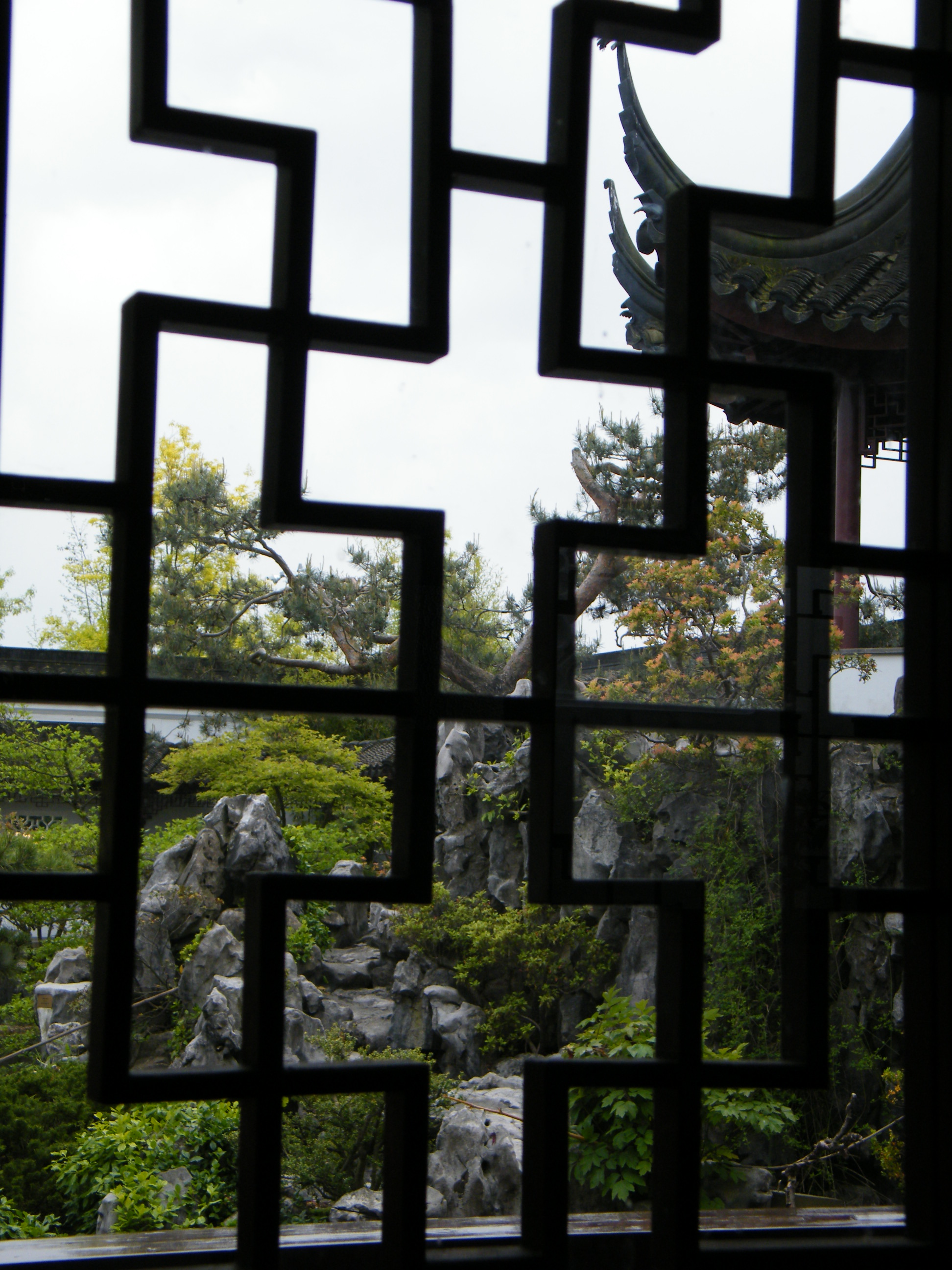
Through a window onto the garden.

I went to Dr. Sun Yat Sen Gardens on another grey day, but the rain held until near the end of my visit. The Vancouver Tourism offer coincided with the garden’s 25th Anniversary celebration, so we were treated to tours, activities and goodies. I loved watching the koi feed, hearing the history of the garden, and contemplating the symbolism of elements in the scholar’s garden. The garden is not just a contemplative space, providing a venue for theatre, music and conferences.

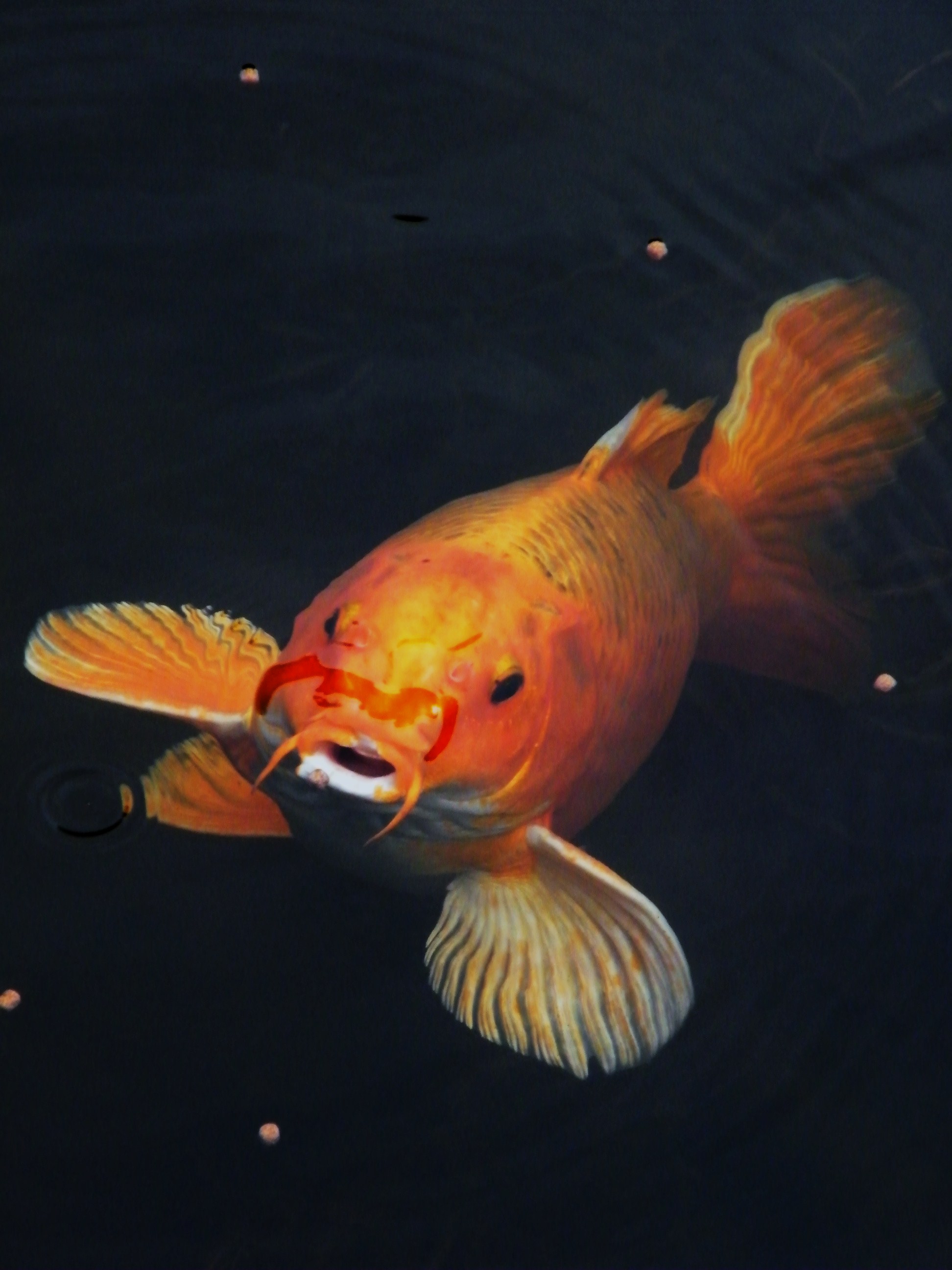
Orangy koi fish coming up for food.

Mottled, mostly white koi fish grabbing a snack.


I try to approach living in this region, where I grew up, in the same way I do unfamiliar places. Looking at one’s home through traveller’s eyes means trying to discover both the surprising and delightful, along with what’s most authentic. But tourism has its rewards, too. Thanks Tourism Vancouver, for reminding me of that.

Looking up toward the pavilion.

FFWD – Salmon and Tomatoes en Papillote

The salmon, topped with lemon slices and a basil leaf, ready to go into the oven.

I love using the en Papillote method of cooking. It’s our favourite way to cook fish and it also works really well for chicken (though for chicken I open up the package near the end of the cooking time so that it browns a little). Vary the liquid, the herbs and seasonings, add some fruit or vegetables – use whatever you have on hand that complements the protein you’re cooking. Or, go vegetarian and oven-steam summer squash or zucchini.

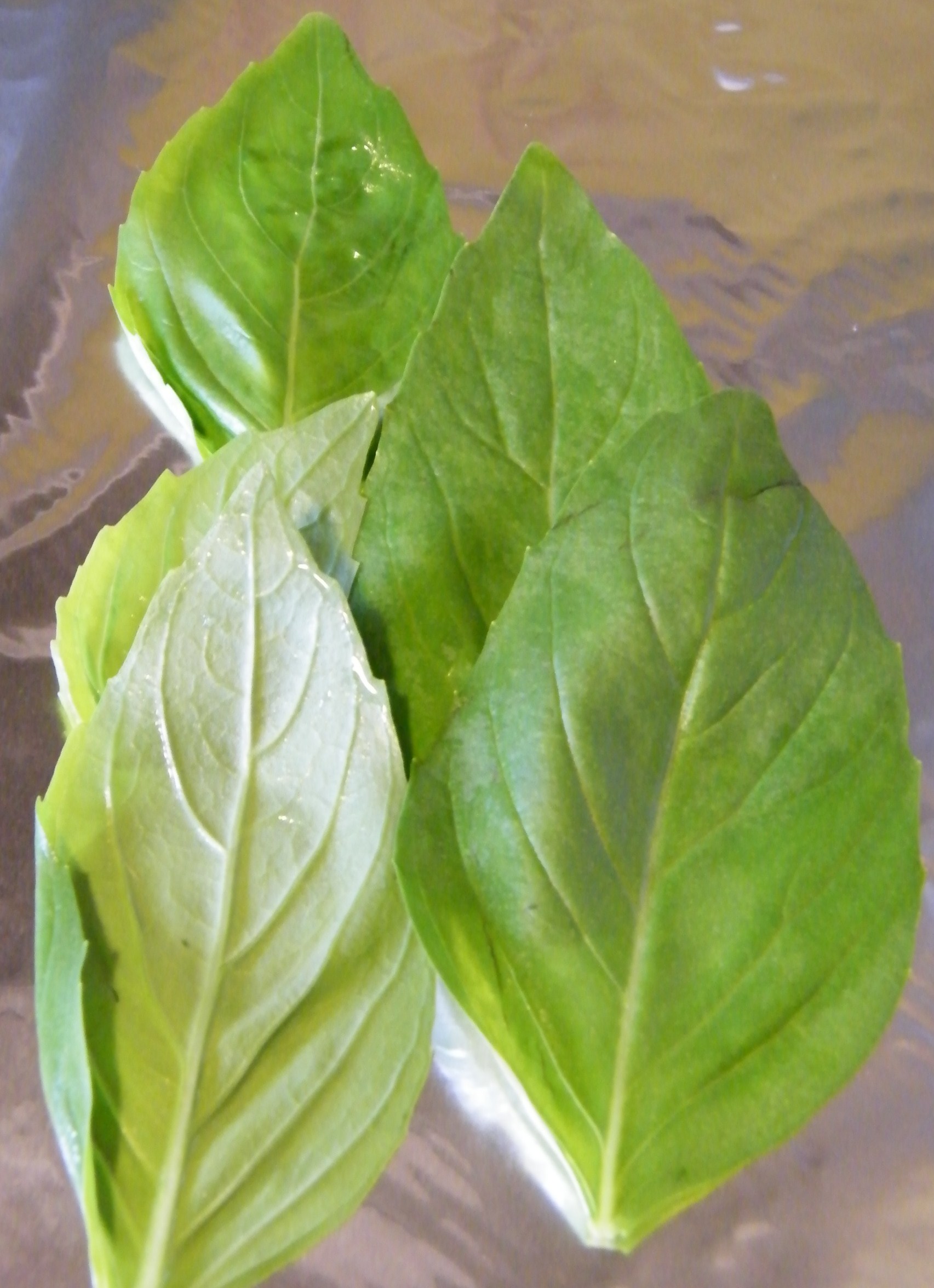
A bed of whole basil leaves for the salmon to rest on.

I have to admit that the flavour and tenderness that this method brings aren’t actually my favourite part of cooking en Papillote. It’s the clean up. I hate doing dishes and oven roasting can mean a lot more time in front of the sink than I wish to spend. There’s no scrubbing with en Papillote. And that always gets my vote.

That’s not to say that the result isn’t a big selling point in itself. The steam that builds up in the package infuses what you’re cooking with the flavours of the seasonings, while making it extremely tender. The liquid can even be used to make a nice pan sauce.

The salmon, just out of the oven and still resting on tin foil.

This week’s French Fridays recipe has all of these qualities, but it’s the way that the dish is constructed that makes it special. The ingredients are layered so that when it’s served, the dish looks elegant enough for a dinner party. The flavours of whole basil leaves, thick slabs of salmon, lemon slices and chopped scallions make it worthy of company, too. I used dried thyme, but sprigs of rosemary or thyme are called for in the recipe and would add nicely to the presentation.

The salmon, with the grape tomatoes in the background and roasted potatoes in the foreground.

This meal is good enough that I wouldn’t even mind cleaning up afterward.

You can find many other blogged descriptions of this week’s FFWD recipe here: Salmon and Tomatoes en Papillote

Taming the Gardener

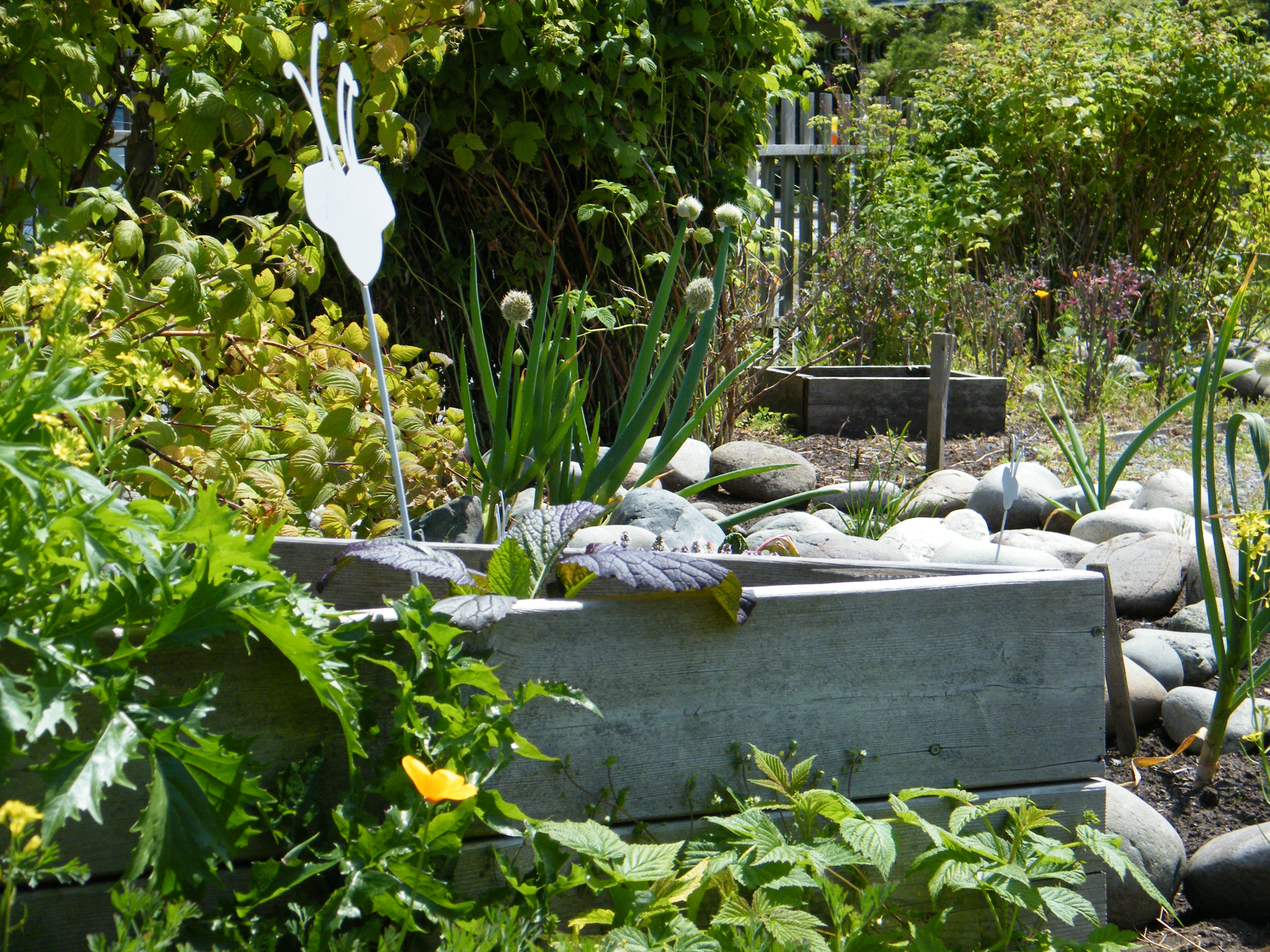
A bench in front of a raised bed full of flowers and vegetables.

When we think of a garden, the image that comes to mind is of neat rows of mounded dirt, with paths running between them for the gardener. Or, perhaps, a quiet, grassy space surrounded by flowers and shrubs. What we don’t think about is the stories that gardens tell.

A vegetable garden can be a quite utilitarian affair and a backyard can be a haphazard jumble of flower beds, bushes, trees and ill-placed lawn. But it doesn’t have to be so. At least that’s what I’ve been telling myself for years now. I have had an ongoing battle with blackberry cane, bindweed and nightshade that’s been discouraging. I’ve managed to rid two flower beds of these plants and have a third that I’ve had middling success with, but overall it’s been a discouraging process. My attempts at vegetable gardening have been unqualified failures, though I have a rhubarb plant that produces well each year. I’ve also managed to calm down a rose bush that had been trying to take over the yard in a Sleeping-Beauty-prison-like fashion. Now it’s a reasonable size and flowering nicely, without trapping any wayward travellers or foolish quest-seekers.

A view across the garden, with raised beds, stone-circled patches, bushes and trees in view.

I’m not a necessarily a fan of the manicured garden, with carefully placed plants and no room for surprises, but I would like a balanced space that’s enjoyable for us and hospitable to the plants I do want to introduce. Part of the problem is that all the plants I’m having difficulty with aren’t native to this area (or even this continent). I’ve often thought they are both a metaphor for the colonization that’s happened here and a legacy of that colonization. I admire native plant gardens, which allow for a riot of growth and propagation, but are in harmony with the region, so aren’t unmanageable in the way that imported plants can be.

Curlicue vines.

All of this is to say that my garden tells a story of forays and routs, outposts and sieges. Not exactly relaxing. I’m working on it, though. I recently took a workshop in companion planting at The World in a Garden, an urban agricultural project that is part community garden and part teaching space. (All the photos in this post were taken there and, as you can see, it’s both beautiful and functional.) Our instructor was Brian Campbell, a master gardener and a beekeeper.

Our instructor, Brian Campbell.

I expected the workshop to outline the basics of companion planting – a carrots love tomatoes list, with tips and tricks for success. Though that sort of information was part of the discussion, the workshop was really about exploring a broader definition of companion planting, that of using plants to develop a narrative for your garden.

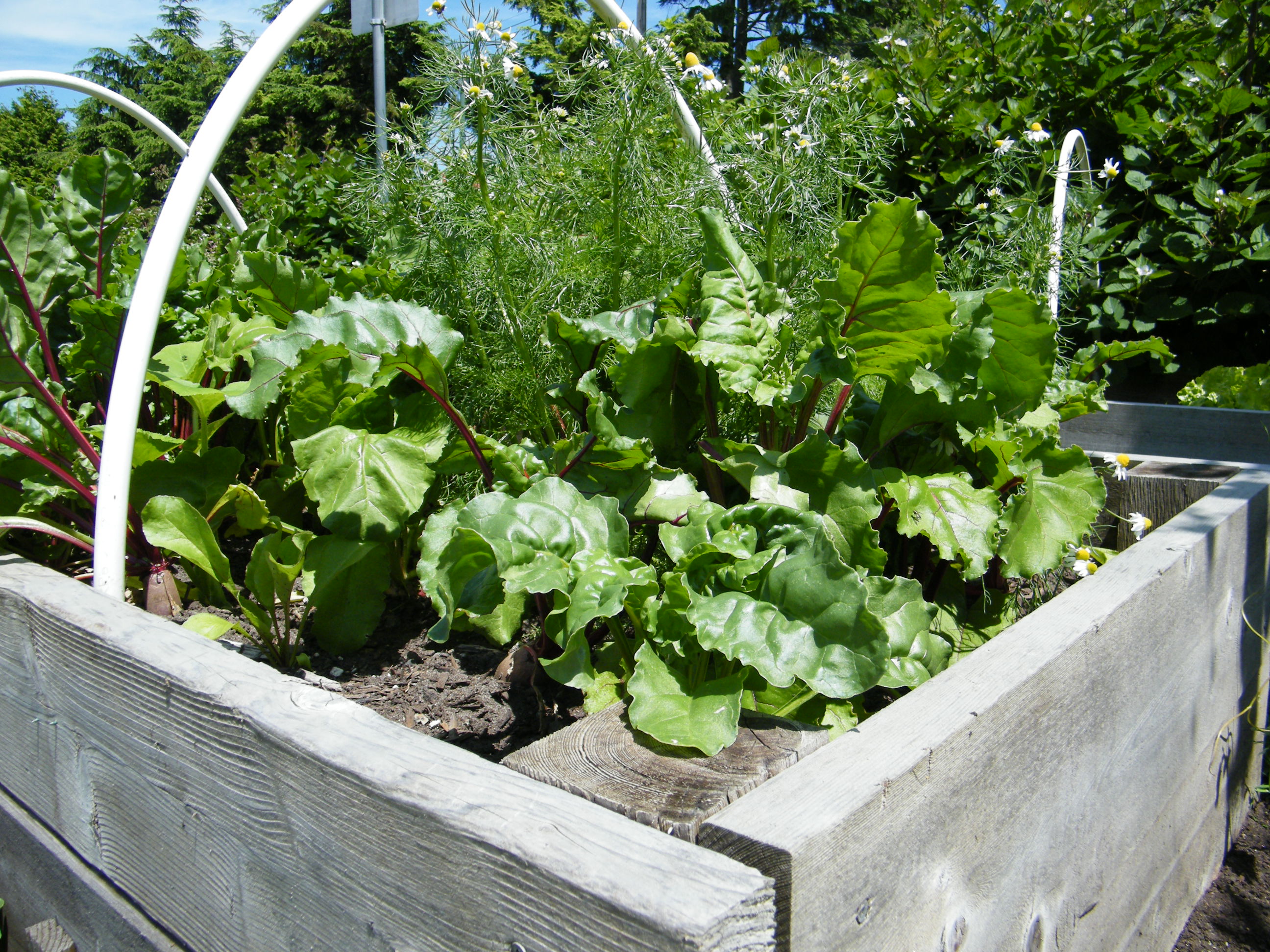
A raised bed with a mix of flowers and vegetables.

The idea of companion planting has its roots (so to speak) in neo-Platonic philosophy, with certain plants being associated with certain of the classical humours and the elements of air, earth, fire and water. So, this sort of gardening accomplishes a philosophical correspondence, rather than a system for successful growth. Modern permacultural practices look at companion planting in its practical aspects, using plants to help each other repel predators and encourage beneficial insects and nutrients. Between these two poles, there are many narrative possibilities, including metaphorical gardens. Plants have accrued many meanings and a little research can help you to plan one that can be read as musical, poetic or more.
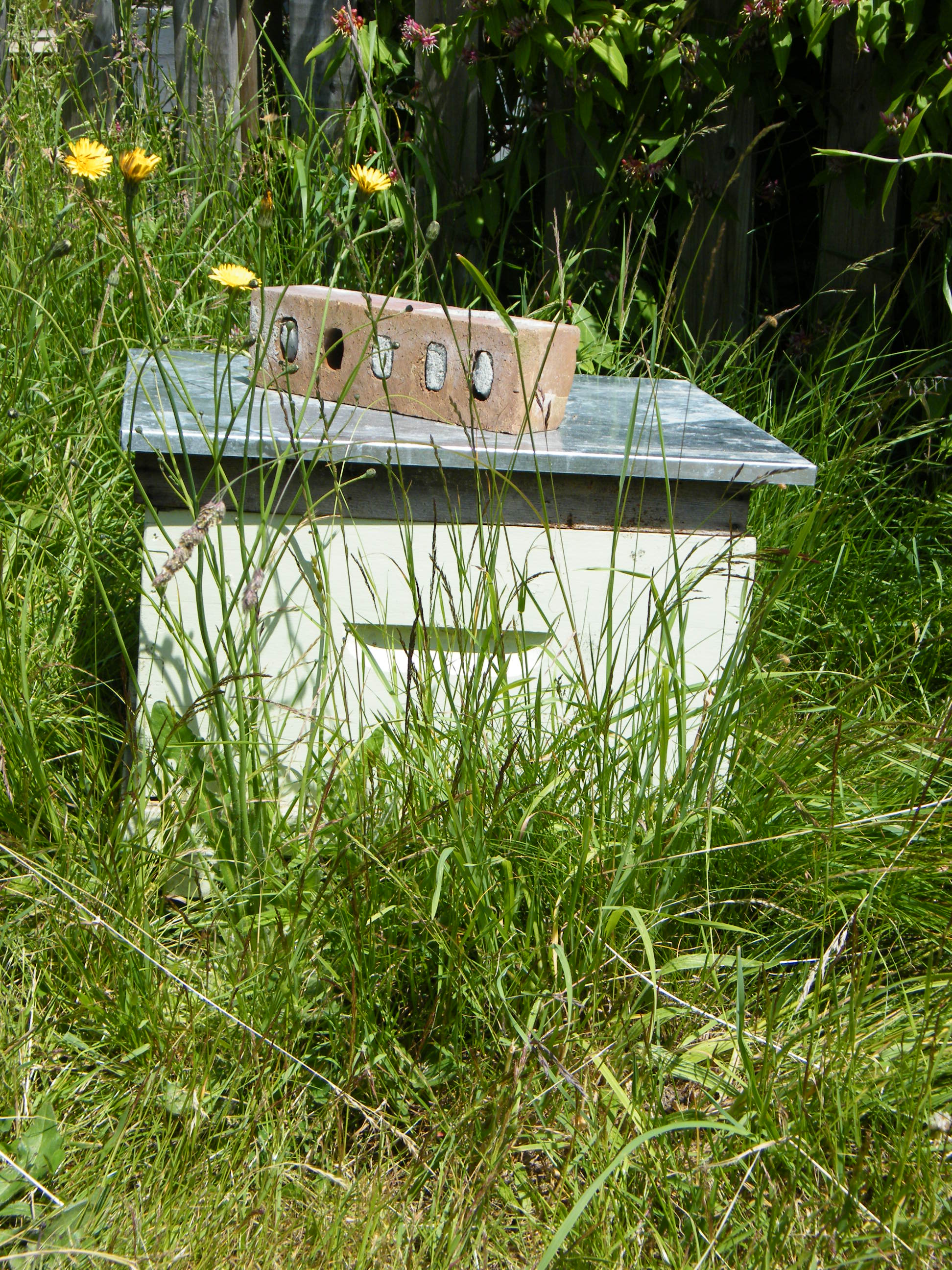
A bee hive surrounded by grasses and flowers.

Brian encouraged us to think about the qualities we were looking for in our gardens and to use those descriptors to guide us in our planning and planting, helping us to develop garden narratives of our own. For me, that means concentrating my efforts in my newly-built raised bed and creating a contemplative and relaxing space in the rest of my backyard. I’ve also decided to incorporate the permacultural idea of Zone 5 into a corner of my garden – an untouched, sacred space that doesn’t represent a battle zone, but instead provides a refuge for native plants and insects. A little balance and harmony in the garden should reinforce those qualities in the gardener, don’t you think?

FFWD – Chunky Beets and Icy Red Onions

The dressed beets are yellow and white striped than rather than beet-coloured.

I’ve never understood why beets are on the no go list for so many people. They show up on the plate in so many different ways, they’re good through all four seasons, and they’re sweet and earthy without being too assertive. I hated pickles growing up, but my mother’s pickled beets were the exception. The only thing that can spoil borscht is too much vinegar. How many vegetables are good steamed, boiled, roasted or raw? You can even make cake with them.

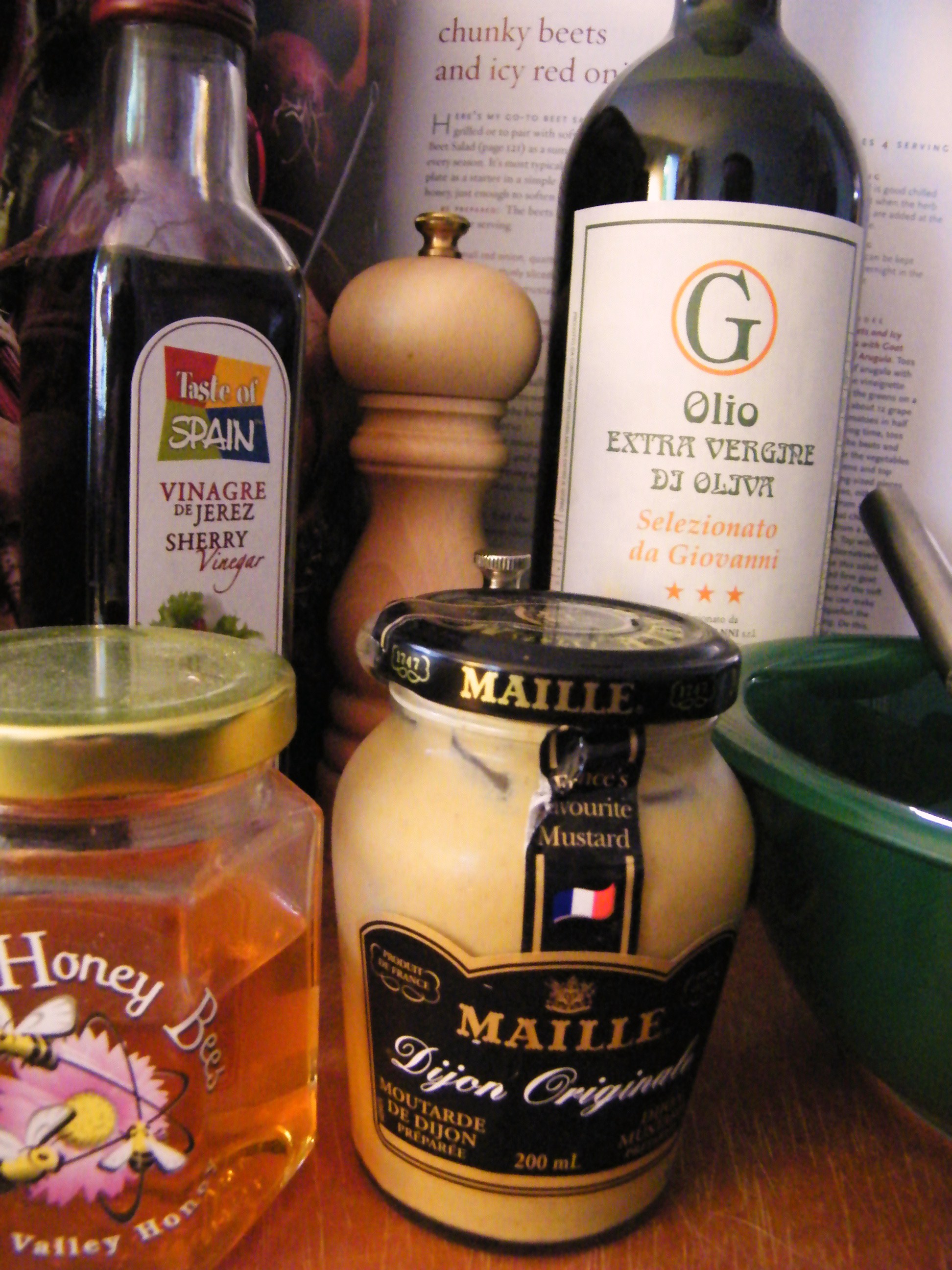
Ingredients for the vinaigrette.

Raw onions, however, give me pause. A little of those go a long way for me. I’ve even been known to discreetly slide thick rings of raw onion from sandwiches. I like them best when they’re chopped finely and used sparingly. The inclusion of raw onions in this week’s French Fridays recipe didn’t pose a problem for me, because they are thinly sliced and soaked in cold water to get the worst of the bite out. Then, they’re plunged into ice water until it’s time to sprinkle them on the salad.

Slivers of onion and ice cubes floating in water.

The salad itself is made of cooked, diced beets in a herbed honey-mustard vinagrette. I roasted some heirloom beets, striped to match the red onion, and substituted Italian parsley for the fresh oregano. The tamed onions make a nice, crunchy contrast to the roasted beets. This salad can be dressed up (as in Trevor’s version) or dressed down – I served mine with Dubliner/thyme scrambled eggs.

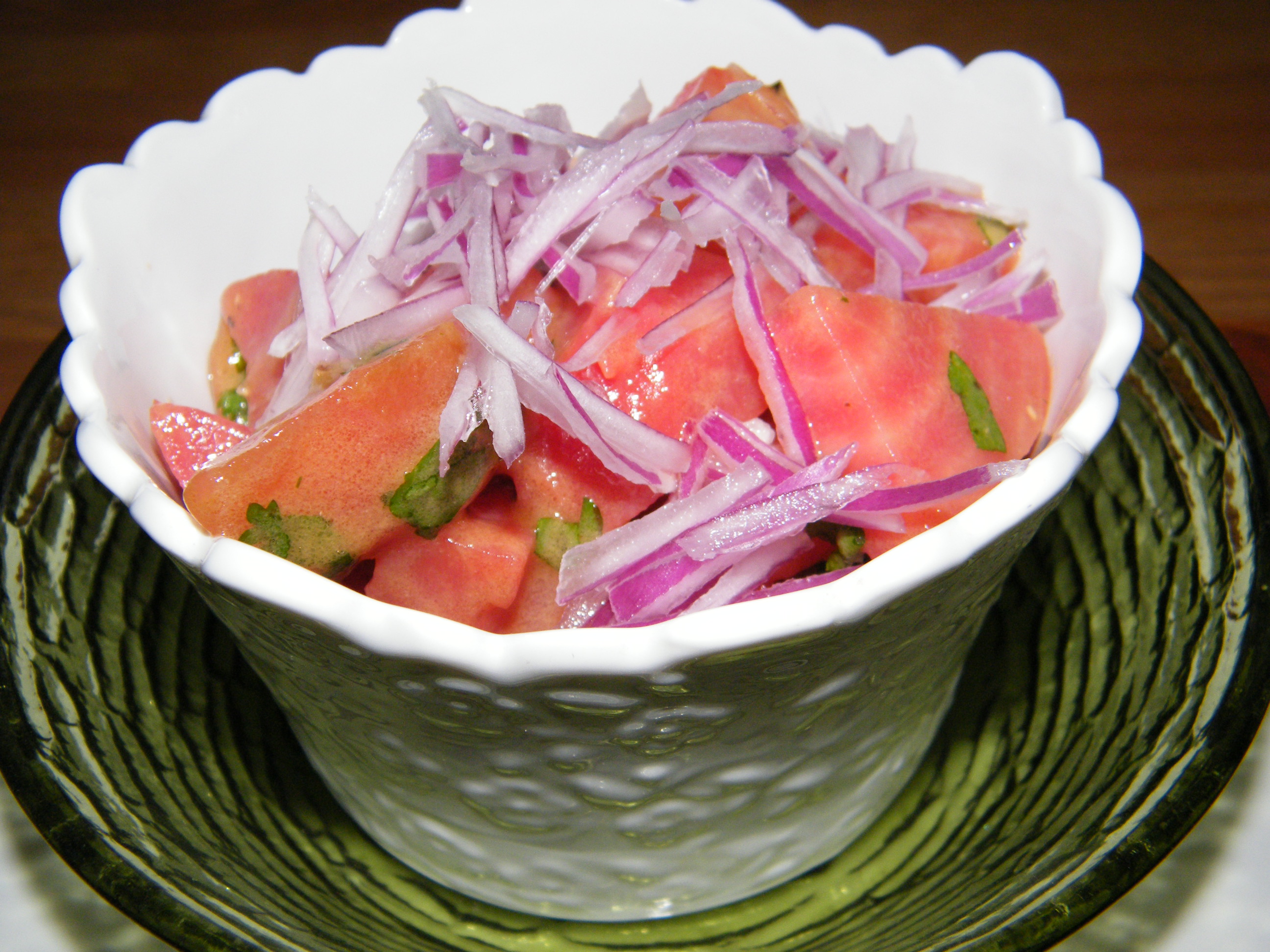
The completed salad in a fluted white bowl sitting in a green glass dish.

For dessert, I roasted strawberries using Heidi Swanson’s method and served them over lemon sorbet. I substituted cognac for the port, but that didn’t seem to diminish the goodness.

The roasted strawberries over lemon sorbet in a small, squared dish in front of a romanesque tile.

You can find many other blogged descriptions of this week’s FFWD recipe here: Chunky Beets and Icy Red Onions