A Piquant Tomato Tart

img_6343

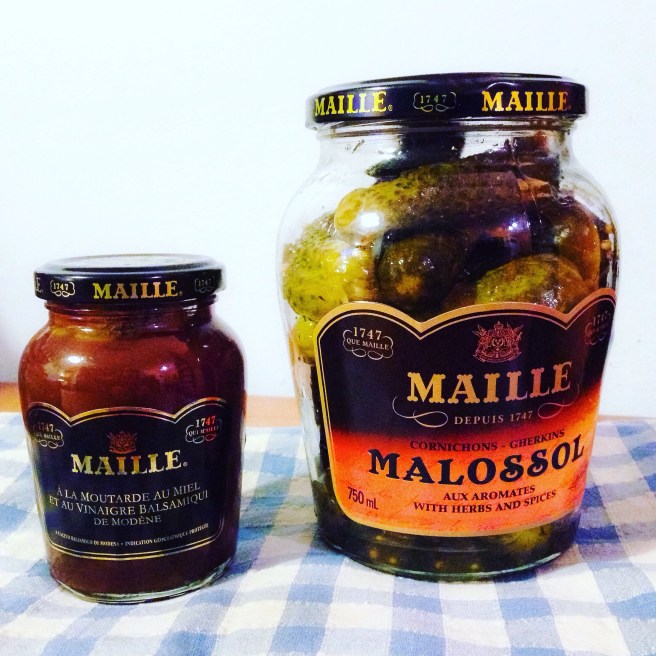
I received a jar of Maille’s Honey and Modena Balsamic Vinegar mustard from Maille Canada, but received no other consideration. All opinions are my own.

I keep two kinds of mustard in my refrigerator – a Dijon mustard and a grainy mustard. I’ve tried many different grainy mustards, but the Dijon is always Maille. I use these mustards in salad dressings, slather them over lamb and other meats for roasting, and sneak them in as my secret weapon for pan sauces, dips, casseroles, or savoury pies. These dishes are all improved by mustard’s piquancy, but the very best application for quality mustard is in Dorie Greenspan‘s recipe for Gérard’s Mustard Tart. I do not come from a mustard-loving family, but they all ask for seconds when I make this dish.

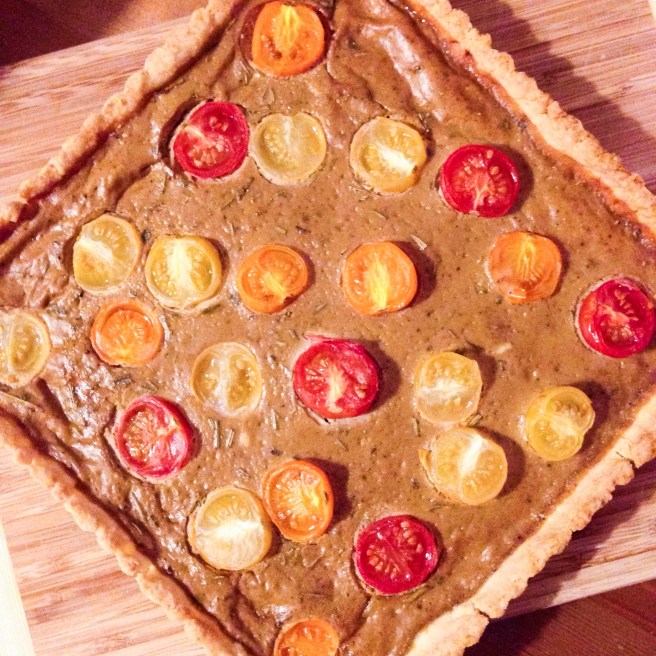
Since I focus on mustard as an ingredient rather than as a condiment, I haven’t really explored flavoured mustards. So, when Maille Canada offered me the opportunity to try their Honey and Modena Balsamic Vinegar mustard, my mind turned to cooking. The first thing on my agenda was the tomato variation of Dorie’s tart. I swapped out grainy mustard for the balsamic and studded the custard with juicy grape tomatoes. I also added a touch of sage along with the rosemary called for in the recipe.

img_6342

Since I had the pastry in the freezer, already fitted into my tart pan, this dish took about 30 minutes from cracking the eggs to pulling it from the oven. This is a weeknight supper that looks like it belongs in an upscale buffet. Pair it with a winter salad and you don’t really need anything else. Since it keeps very well, this one will be making a brunch appearance tomorrow, too.

You can find the recipe here for the original version of the tart – to make the balsamic tomato version, swap out the two tablespoons of grainy mustard for balsamic mustard and use sliced tomatoes in place of the carrots and leeks.

img_6063

The balsamic mustard is mellow, with a sweetness that’s balanced by heat. It’s terrific in this tart, playing against the Dijon mustard, the herbs, and tomatoes. I might just change my mind about mustard as a condiment, if this is on offer. I can imagine putting a layer of this mustard on a bresaola tartine or, even better, a goat cheese and strawberry tartine. It’s mild enough that it’s perfect for all sorts of dishes that straddle the line between savoury and sweet. It’s also going to become a favourite for dressings and marinades.

Maille was kind enough to send along a jar of their Malossol cornichons with the balsamic mustard, but I’m unable to review them. The jar opened in transit and I reluctantly had to compost them. My partner was heartbroken – good cornichons are one of his favourite indulgences.

Luckily, Maille’s gourmet lines can be found at a number of food purveyors, including Urban Fare, which hosted a Maille pop up shop over the holidays. I hope they bring back their mustard on tap to British Columbia soon – I’ve decided that my mustard collection is in need of expansion.

Cottage Cooking Club – January 2016

img_6298

Oh, January, you are the month of good intentions. This post represents one of mine – since I was so tardy posting last month’s CCC entry, I thought I’d post early this time around.

Late winter can start to feel like a march through a string of lacklustre meals until spring’s vegetables rescue us, but meals with warm spices and good quality canned or frozen vegetables can cure that ennui. These meals are certainly perking us up this week.

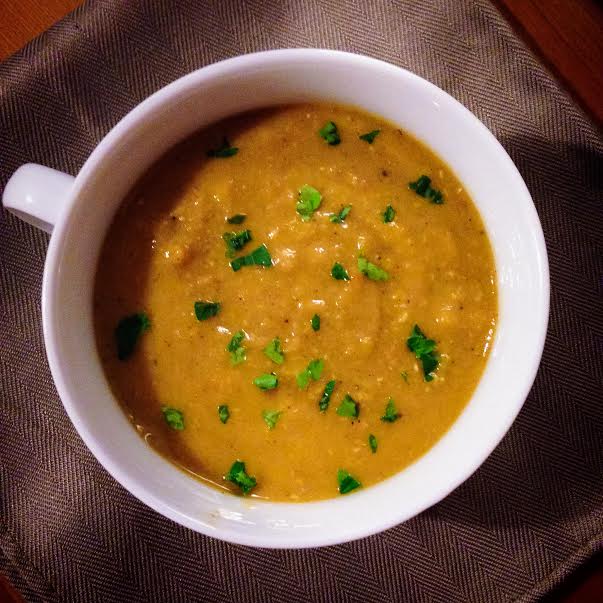
Curried red lentil soup

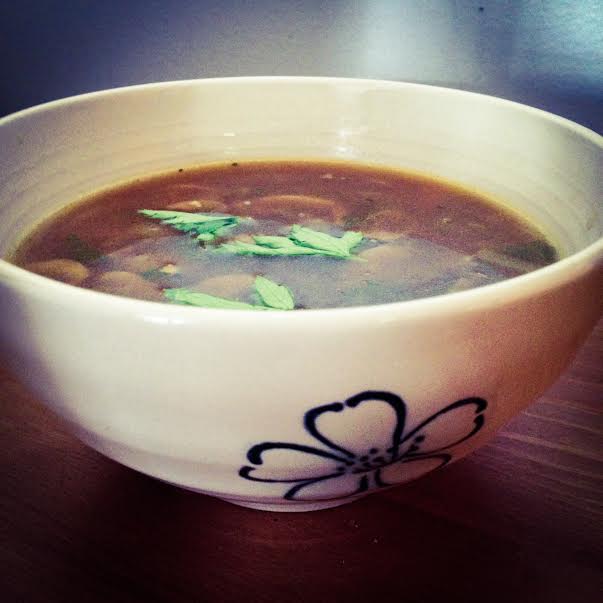
Lentil Soup

This soup caused a schism in the household. I gave Kevin a taster bowl of the soup when I’d first puréed it. While he ate it in the living room, I decided it needed a bit more liquid and a creamy element. So, I added a can of light coconut milk and re-adjusted the spices. Meanwhile, he thought it was thick, rich and perfect. Oops! I suppose it’s good to know it works both ways.

This soup is a variation on the Curried Sweet Potato Soup the group tackled in December, 2014. It trades out sweet potatoes for lentils and limes for lemons, while adding some carrot and celery for a little more veggie fortification. Kevin isn’t a sweet potato or yam fan, so this version was a much bigger hit for him than the original.

I was out of garam masala, so I ground another batch. There’s nothing better than cooking with freshly ground spices, is there?

This soup will last us through the week’s lunches and the flavours are so deep, there’s no chance of getting bored. Especially since I’m thinking about baking some biscuits tomorrow, which will be perfect for dipping.

Next time I make this, I’ll leave it thicker, skipping the purée and the coconut milk and serving it over rice. I think that version will mend the rift.

Chickpeas with cumin and spinach

Chickpea Curry

Most of the time, committee meeting nights are for leftovers or meals I’ve cooked and portioned for the freezer. Tonight, though, I was able to put together dinner from scratch in about the same amount of time it would have taken to prepare a pre-cooked meal. Even better, it used staples from my kitchen counter, pantry, and freezer. Paired with some basmati rice, this was practically a fifteen-minute meal. I’m slow though, so it took 20-25 minutes.

Chickpeas and spinach, seasoned with lemon, is the ne plus ultra of quick meals for Kevin, so this dish was right up his alley. Adding tomatoes, cumin, onion, and garlic was like a deluxe upgrade of a simple meal.

I was thrilled to put together a filling and flavourful meal before I had to run out the door. Kevin’s thrilled that there are leftovers for tomorrow. Since I have (yet another) meeting, I’m glad we’re covered.

If I manage to fit in any more of this month’s CCC selections, I’ll post an update. For now, I’m feeling rather happy that I’m writing about food that’s still available to me for meals this week.

At the end of the month, you’ll be able to find the rest of the group’s posts, here. I encourage you to check them out – you’ll meet some wonderful bloggers and get some great inspiration for vegetarian eating.

A Round Up of Recipes for the International Year of Pulses

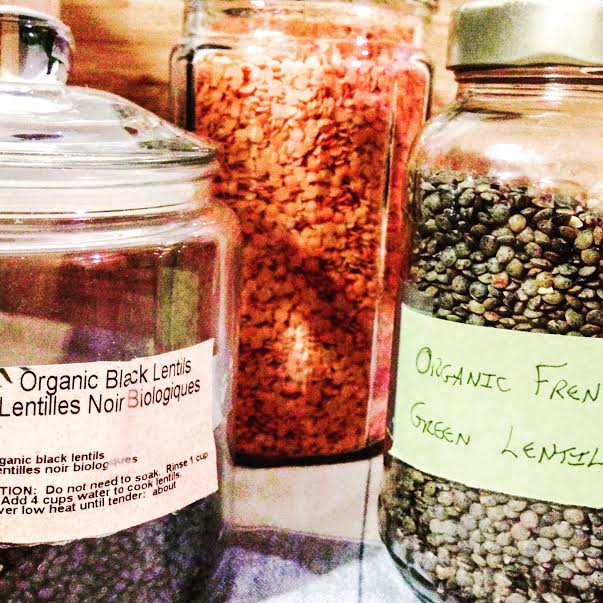
Pantry

Did you know that the UN has declared 2016 the International Year of Pulses?

What are pulses? If you’re not a follower of food blogs, which are currently exploding with posts on the subject, you might be asking yourself this question. Simply put, they are legumes that are harvested for drying – essentially beans, peas, lentils, and chickpeas.

The Food and Agriculture Organization of the United Nations (FAO) is leading the education campaign with five messages:

  • Pulses are highly nutritious.
  • Pulses are economically accessible and contribute to food security at all levels.
  • Pulses have important health benefits.
  • Pulses foster sustainable agriculture and contribute to climate change mitigation and adaptation.
  • Pulses promote biodiversity.

All these points are valid and important, but my contribution to the conversation is this: pulses are delicious, versatile, and varied. Adding them into your diet isn’t a ‘health food’ style punishment, but a route to more interesting meals.

I’ve been eating a partly vegetarian diet since I moved out of my parents’ home as a young student, believing that eating less meat benefits my health and the health of the planet. My partner has been completely vegan for over a year. So, pulses have always been a regular feature in our home. They’re great in meatless meals, but can be supporting players, too.

The use of pulses crosses cultures and cuisines, so there’s an infinite variety of recipes for you to explore. Pulses show up regularly on this blog, too, so I thought I’d share a few posts that include or link to some terrific recipes.

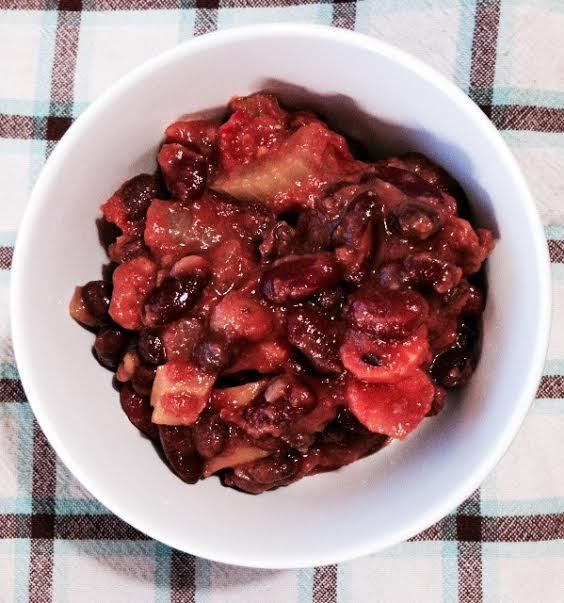
chili

I’ll start out with one that most people are familiar with, chili. This is my mother’s Spicy Vegetable Chili, which is heart-healthy, easy, and delicious. It’s perfect for winter, too, as it relies on pantry staples and vegetables that are available year-round.

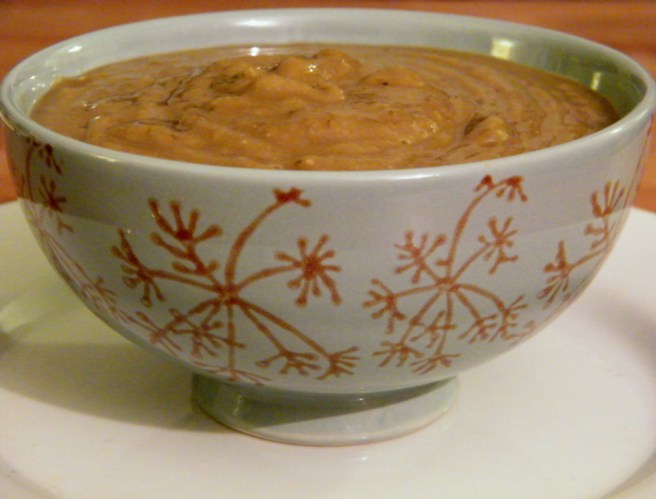
lentilsoup

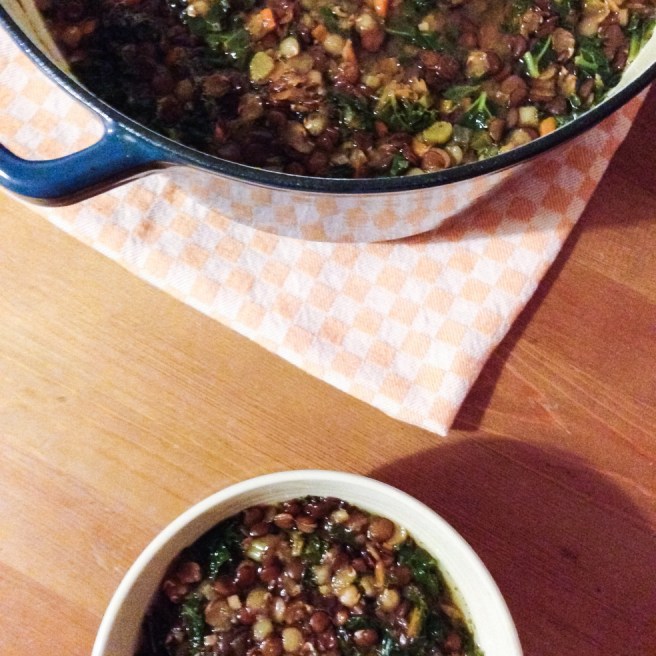
Orange-Scented Lentil Soup brightens the earthiness of lentils with orange and ginger. This soup is easy to put together and elegant. (There’s a link to the recipe in the post.)

blackbeansoup

My partner has celiac disease, so we’re often looking for meals that pack in nutrients and protein. This Tomatillo, Black Bean, and Amaranth Soup from Bob’s Red Mill Everyday Gluten-Free Cookbook more than fits the bill.

Frenchlentils

Lentils are the easiest of all the dry pulses to prepare. So easy that I’d never bother buying them canned (unlike beans and chickpeas). Once you have Dorie Greenspan‘s recipe for French Lentils, they’ll be as much a part of your weekly meals as potatoes or rice. These lentils are delicious as the focus of a meal or as a supporting player to all sorts of proteins. (There’s a link to the recipe in the post.)

abuelitaslentilsoup

And here’s one more soup, full of flavour and healthful ingredients, from Decolonize Your Diet. Abuelitas’ Lentil Soup is warming and filling, exactly what’s needed to get through the winter doldrums.

These recipes are just a starting point – they don’t even begin to touch the versatility of pulses. If you’re looking for more inspiration, here are some cookbooks to try:

River Cottage Veg, by Hugh Fearnley-Whittingstall
Plenty and Plenty More, by Yotam Ottolenghi
Vegetarian Cooking for Everyone, by Deborah Madison
How to Cook Everything Vegetarian, by Mark Bittman

The ones I’ve listed are vegetarian cookbooks, but you shouldn’t count out other cookbooks – so many chefs and food writers make beautiful use of pulses. Made In India, by Meera Sodha is a great example and two of the recipes I linked to above come from Around My French Table, by Dorie Greenspan.

Look for news articles, food writing, and blog posts about pulses throughout 2016 – there’s sure to be plenty of creative and delicious recipes along the way. If you want to find out more about the International Year of Pulses, the FAO website is the best place to start. In Canada, the pulse industry is promoting IYP through their Pulse Canada website and there are similar efforts springing up worldwide.

I’d love to hear about your favourite ways to eat pulses (Split pea soup? Black bean brownies?) and I’ll be keeping an eye out for new favourites as the year progresses.

Cottage Cooking Club – December 2015

December

This is the week of getting back to normal, so I know I’m not alone in asking you: How were your holidays? Mine were busy and bright, full of food and cheer.

Predictably, I got sick after the holidays, so I’m only now posting my Cottage Cooking Club selections from last month. Since they’re both quite light and healthy, let’s say they’re crossing the boundary from feasting to simply eating well.

Mushroom “Stoup”

Soup

This soup doesn’t set out to be light, but is meant to be almost a stew. It’s jam-packed with porcini and button mushrooms and includes an option for dumplings, which will absorb all the extra liquid, making it thick and rich.

I opted to skip the dumplings. I can make them gluten-free, but Kevin is not a fan of dumplings, so I decided to make a few changes. I halved the amount of porcini mushrooms, as December is an expensive month and I was splurging elsewhere. I added in extra button mushrooms, instead. I also skipped the fresh dill and added some savoury I’d dried from the garden. I used Earth Balance in place of butter, but next time I think I’ll just stick with olive oil. I didn’t like the way the Earth Balance behaved in the soup, never quite incorporating completely.

So, my version was a gluten-free, vegan, slightly soupier one. And it was a huge hit. I made a full recipe and froze half of it. I had to take one of the containers of frozen soup out of the freezer only two days later. I’ll likely have to take the other one out as soon as Kevin reads this post.

I’ll be making this one regularly.

Spicy Carrot and Chickpea Pita Pocket

Carrots

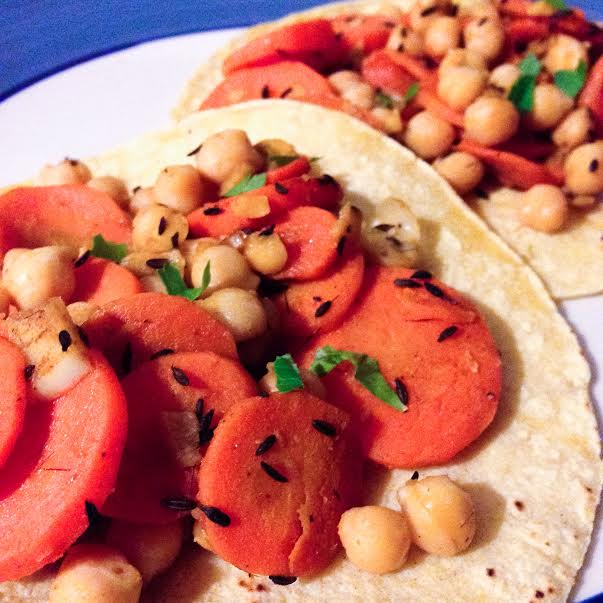
This dish is a tasty antidote to all that Christmas eating. I used gluten-free corn tortillas in place of the pita pockets, which worked very well. As much as I enjoyed this, I kept thinking I’d like to take all the components and transform them into a stew, perhaps with some potatoes for heft. I loved the combination of cumin, hot smoked paprika, and orange with carrots, but craved it in a more bowl-friendly form.

I hope everyone had a good month or so of cheer. I’m looking forward to reading all of the Cottage Cooks’ posts.

Here are the links to the rest of the group’s posts for this month. I encourage you to check them out – you’ll meet some wonderful bloggers and get some great inspiration for vegetarian eating.

Holiday Book Reviews – Made In India

Cauliflower with Cumin, Turmeric, and Lemon

I received a review copy of Made In India from Raincoast Books. Nevertheless, all opinions in the following post are my own.

A few weeks ago, I found myself discussing authenticity in cuisine with a group of restaurant aficionados. We agreed that trying to match your experience of a far away place to its local interpretation is pointless. What matters is how the chef translates that cuisine using the best of what’s available locally.

What doesn’t often get discussed is authenticity in the home kitchen. Many of us associate world cuisine with the dishes we find in our favourite restaurants, rather than the dishes you’d find served around a kitchen table.

Meera Sodha‘s Made In India is an antidote to that, sharing her family’s treasured recipes alongside dishes she’s brought back from her travels in India.

And as the title suggests, she doesn’t fall into the trap of the well-travelled restaurant critic, either. These dishes are rooted in India, but they were perfected in her family’s English kitchen, picking up flavours and ingredients from their migration from Gujurat, through Kenya and Uganda, and into Lincolnshire.

So, there are recipes for a kedgeree using British smoked haddock, Ugandan-Gujurati dishes like mashed plantains with Indian spices, and techniques from the vegetarian traditions of Gujarati applied to meat and fish. This book is a product of a living, evolving cuisine.

It’s also a powerful tool for understanding the ingredients and techniques of Indian cooking. The back of the book includes a thorough guide to Indian ingredients with descriptions that are a pleasure to read. There are useful sections for meal-planning, leftovers, and trouble-shooting. Sodha includes a guest essay on wine pairings, too. Throughout the book she provides more detailed instructions, like her guide to making samosas that includes step-by-step photos.

She also does two things I’d like to see in every cookbook. First, there is an alternative contents page that lists recipes best suited to a number of categories, like party food, gluten-free, and foods for freezing. Then, in her weights and measures section, she clearly defines what she means when she calls for quantities like one large onion or the juice of one lemon (it’s 200 grams and 1/4 cup respectively). This last inclusion would solve the headaches of every home cook who has brought home a softball-sized onion or an heirloom tomato.

All of these things are designed to help you get cooking. Made In India is full of delicious recipes, but so are many other cookbooks that only get pulled off the shelf for bedtime reading. Meera Sodha wants you to keep the book in your kitchen, unintimidated by ingredients, techniques, or planning. My copy hasn’t hit the shelf yet.

Cauliflower close up

ROASTED CAULIFLOWER WITH CUMIN, TURMERIC, AND LEMON

Masala phool kobi

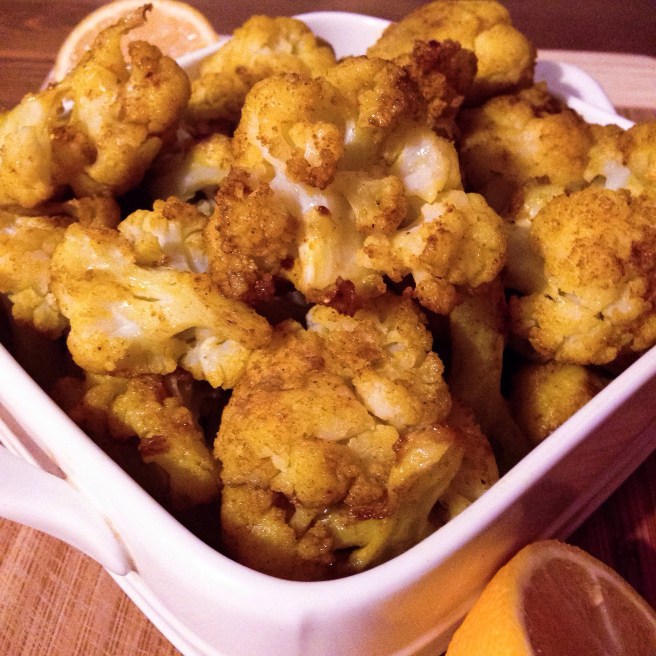
Cauliflower is a hero of the Indian vegetable world, but its fate doesn’t just lie in an aloo gobi. Roast it with just a few spices and you’ll have a vegetable you hardly recognize. At home, left to my own devices, I would eat it like this all the time. It’s addictive to eat by itself but also goes really well with lamb curries, in salads, and with kebabs.

Serves 4

  • 1 large head of cauliflower (around 1 ¼ pounds)
  • 2 teaspoons cumin seeds
  • 1 ¼ teaspoons salt
  • 1 teaspoon chili powder
  • ½ teaspoon ground turmeric
  • 5 tablespoons canola oil
  • 1 lemon

Preheat the oven to 350°F. Line two oven trays with foil and bring a deep-sided pan of water to a boil.

Wash the cauliflower, pull off the leaves from around the side, and discard. Break the cauliflower into small, fairly evenly sized florets using your hands and put to one side.

Put the cauliflower into the saucepan of boiling water and blanch for 1 minute, then drain really well. Let it dry for around 5 minutes in its own steam; if it is waterlogged it won’t crisp up nicely in the oven.

Using a mortar and pestle, grind the cumin along with the salt, then add the chili powder and turmeric, followed by the oil. Mix it all together really well. Lay the cauliflower out onto the trays in one layer and drizzle the spicy oil over it. Make sure the cauliflower is well coated, then put the trays in the oven for around 30 minutes, shaking them every 10 minutes or so to ensure the florets roast and brown evenly. If they start to burn, loosely cover them with foil.

Put the roasted cauliflower in a dish or bowl, and squeeze the lemon over the top before serving.

This dish disappears very quickly. If you’re cooking for a family, I’d suggest doubling or tripling the recipe, because it will fast become the focus of the meal. My partner is usually very measured in his feedback on dishes I make for the blog. When he tried this one, though, all I heard were variations on, “This is so good. Oh, this is really good.” Once he finished, his only comment was, “Can we have this again tomorrow?”

Luckily, this is a simple dish to put together and one that can happily roast away in the oven while you’re preparing the rest of your meal stovetop. It’s also going to become part of our afternoon snack repertoire. I’d take a bowl of this over popcorn any day. It’s crispy, tender, spicy, and tart all at once.

Sodha suggests pairing it with a lamb dish or kebabs, but there are plenty of possibilities for a vegetarian or vegan meal, too. My preference is to serve it with a curry or rice dish, but you could also serve it as part of a small plates meal, using some of the recipes from the starters or sides chapters – a table laden with Sodha’s spiced potato tikki, papadum chaat, fire-smoked eggplants, spicy chapati wraps, Jaipur slaw, and this cauliflower would make for a great evening with friends.

MadeinIndia

Raincoast Books has been generous enough to offer a copy of Made In India to one Canadian reader. You can find the giveaway here and enter until December 17th: Win a copy of Made In India*

So good it's all gone

Gift Giver’s Guide: For flavour hunter, the week night chef, the traveller come home, and the pantry filler.

Come back next week for a review of a book that’s a walk on the wild side.

*This giveaway is open to residents of Canada. You must have a Canadian mailing address. The winner will be required to answer the following skill testing question: 7 X 6 =_____ This promotion is in no way sponsored, endorsed or administered by, or associated with, Facebook. We hereby release Facebook of any liability. Winner(s) will be contacted by email within 48 hours after the giveaway ends. Entrants must provide a valid email address where they can be reached. Each of the winners must respond to the email announcing their win within 48 hours, or another winner will be chosen. No purchase of any product is required. If you have any additional questions – feel free to send us an email!

Have you checked out the rest of my holiday cookbook review series? There are copies of 5 great cookbooks up for grabs. You can find the links to the giveaways here and enter until December 17th.

Holiday Book Reviews – DIY Vegan

I received a review copy of DIY Vegan from Raincoast Books. Nevertheless, all opinions in the following post are my own.

IMG_5969

It’s getting ever easier to follow a vegan diet, even outside major centres. The same can be said for gluten-free eating. Clear labelling, the removal of unnecessary fillers, switching to vegan and gluten-free ingredients where possible – the food industry has adapted to the growing awareness and popularity of these diets.

At the same time, the vegan and gluten-free processed food industries have exploded. There are growing sections in cereal aisles, frozen food and dairy cases, and snack and condiment aisles. This is a mixed blessing. As nice as it is to have more options, these processed foods are not any more healthy than their conventional equivalents.

Then, there’s the expense. There is a premium on vegan and gluten-free products, even for single-ingredient staples. This can be partly explained by the scale of the markets for these products, but unfortunately, a large part of the cost can be attributed to the growing popularity of vegan and gluten-free eating. Once the word diet comes up, so does the price, just as it did with low-carb and low-fat products in the past.

The difference, of course, is motivation. People eat vegan for reasons of health and ethics, while many people who follow a gluten-free diet do so because they must – celiac disease is not a choice.

So, what to do? Many people are finding the solutions in their own kitchens, relying on whole foods and homemade. That can seem like a sentence to an unvaried diet, or a daunting program of food preparation.

As Nicole Axworthy and Lisa Pitman show us in their new cookbook, DIY Vegan, neither of these scenarios is inevitable.

They have been experimenting with making their own pantry staples for years, posting the results on their blogs, A Dash of Compassion and Vegan Culinary Crusade. After two forays into e-cookbooks, they’ve brought their favourite recipes for staples into print.

You can fill your refrigerator, freezer, pantry, and even your spice rack with healthy alternatives to the mixes, sauces, and packaged foods you pay such a premium for in the grocery store. It’s cheaper, uses less packaging, and contains far fewer fillers, sweeteners, and preservatives than store-bought foods.

DIY pantry ideas often stop at spice mixes, preserves, and condiments, but this book walks you through making your own base ingredients and mixes all the way to recipes for meals, snacks, and treats that can be stored and pulled out when you need food fast.

They’ve also included a sample schedule of when you’d typically plan to make more of those staples, from things you’ll likely make weekly to staples you’d mix up twice a year. Each section starts simple, then branches into more complex tasks, interspersed with recipes that use the staples the chapter covers. All of this makes stocking your pantry from scratch less daunting. After all, once you’ve made your own non-dairy milk, it’s not that much more difficult to put together your own butter substitute. Then, what’s stopping you from trying to make your own simple cheeses? Suddenly, making a vegan version of a Classic Cheese Ball doesn’t seem like a big deal.

This follows through their chapters on cereals and snacks, spreads and sauces, and desserts. But, it’s the chapter on homemade mixes that’s truly inspired.

So often, the biggest obstacle to cooking is getting started. It’s the reason convenience foods have such an enormous share of the market. DIY Vegan recognizes that and provides recipes for dry mixes, seasonings, spice pastes, and even drink bases that will make homemade seem simple. Their Mac & Cheese Sauce Mix will keep you away from the boxed stuff forever – it’s cheaper and healthier by far. The DIY Vegan pantry includes containers of pizza dough mix (including a gluten-free version), muffin mix, cake and cookie mixes, and more. Spending a little time on a Wednesday evening or Saturday morning mixing these up isn’t a bad investment of time if it means homemade pizza, muffins, and cake more often.

It’s also a book of solutions, especially for households that include vegan and gluten-free eaters, as mine does. Lemon curd, Worcestershire Sauce, and vegan sour cream are only a few of the things that can be hard to find or make, or extra expensive to buy. I’m looking forward to making a lemon curd topped version of their vanilla cheesecake recipe.

I’m also thinking about investing in some more mason jars. Their cereal recipes alone have claimed my extras already. I’ve been given permission to share one of these with you, for a cereal that will have you baking triple and quadruple batches.

IMG_5968

CINNAMON TOAST CEREAL

Makes 5 cups

Fold down the corner of this page. If you love cinnamon-flavored cereal as much as we do, you’re going to want to come back to this recipe a lot. Think of it as a template for your perfect breakfast bowl. Bake the cereal while you make yourself a cup of coffee or squeeze some fresh juice, pour the cereal into a large bowl and add whatever toppings you have on hand—a sprinkle of hemp hearts and a few slices of banana, or goji berries and pecans and a splash of almond milk—and take pleasure in the fact that you can make cereal that’s better than the boxed stuff.

Ingredients

  • 3 cups puffed brown rice cereal
  • 2 cups puffed quinoa
  • 4 teaspoons ground cinnamon
  • 1 teaspoon ground ginger
  • ½ teaspoon sea salt
  • 3 tablespoons pure maple syrup
  • 2 tablespoons melted coconut oil

Optional add-ins: sunflower seeds, hemp hearts, pumpkin seeds, nuts, dried fruit

Instructions

  1. Preheat the oven to 350°F. Line a large rimmed baking pan with parchment paper.
  2. In a large bowl, combine the puffed brown rice, puffed quinoa, cinnamon, ginger, and salt. Add the maple syrup and coconut oil and stir until all the cereal is coated.
  3. Spread the cereal evenly over the prepared pan and bake for 12 to 15 minutes, until dry to the touch, stirring halfway through. Let cool completely. Mix in the optional add-ins, if desired. Store in an airtight container at room temperature for about 1 month.

The only difficult part of this recipe might be sourcing the puffed quinoa, for some. I have a health food store nearby, but a store with a big bulk department or one that specializes in gluten-free ingredients and flours would also carry it.

This was as simple as melting the coconut oil and mixing all the ingredients together. The cereal baked beautifully and is delicious on its own or with whatever mix-ins or fresh fruits you prefer. It’s nice to mix it with another kind of cereal, too, as my partner found.

The maple syrup sweetens the cereal just enough to enhance the cinnamon’s flavour, without the cloying sweetness that many commercial cereals have. The sea salt is an especially nice touch, playing against the flavours of the cinnamon and the syrup. I keep eating it right out of the jar, so we have to put it away and take it out only at breakfast time. The cereal keeps for a month, but I can’t imagine that’s information anyone would need, unless they’re making multiple batches. This cereal disappears embarrassingly fast.

The recipe is typical of Axworthy and Pitman’s recipes – it’s clear and concise, without skipping steps. Their serving suggestions are great and they always provide gluten-free alternatives for recipes that aren’t naturally gluten-free.

The recipes serve as inspiration, too. Once you know how easy it is to make your own cereal at home, you’ll want to try making ones with your favourite ingredients and flavours.

DIYVegan

Raincoast Books has been generous enough to offer a copy of DIY Vegan to one Canadian reader. You can find the giveaway here and enter until December 17th: Win a copy of DIY Vegan*

This book is going to be well-used in our kitchen. But, it’s especially useful at this time of year. So many of the recipes would make great gifts. Even the omnivores in your life wouldn’t say no to Maple-Masala Mustard or Chocolate Hazelnut Butter. And a jar of gluten-free banana-walnut muffin mix, with baking instructions, can make holiday breakfast at the family’s place a whole lot easier.

Gift Giver’s Guide: For the preparer, the experimenter, the explorer, and the beginner

Come back next week for a review of a book full of spice and comfort.

*This giveaway is open to residents of Canada. You must have a Canadian mailing address. The winner will be required to answer the following skill testing question: 9 X 4 =_____ This promotion is in no way sponsored, endorsed or administered by, or associated with, Facebook. We hereby release Facebook of any liability. Winner(s) will be contacted by email within 48 hours after the giveaway ends. Entrants must provide a valid email address where they can be reached. Each of the winners must respond to the email announcing their win within 48 hours, or another winner will be chosen. No purchase of any product is required. If you have any additional questions – feel free to send us an email!

Holiday Book Reviews – Decolonize Your Diet

IMG_5909

I received a review copy of Decolonize Your Diet from Arsenal Pulp Press. Nevertheless, all opinions in the following post are my own.

Decolonize Your Diet is a cookbook, but it is also a history, an exploration of food as medicine, and above all, a counter to the colonialism that runs through the food cultures of the Americas. It’s a reclamation of a food heritage by two Mexican-Americans, in the context of where they live and eat.

The book challenges the limits of what many of us in Canada and the States believe Mexican food to be, identifying indigenous ingredients and those introduced from elsewhere. The recipes spring from Luz Calvo and Catriona Rueda Esquibel’s heritage and from their exploration of the health benefits of the Meso-American diet.

The recipes themselves range from simple and comforting to dinner party fare. They include traditional recipes and contemporary vegetarian meals that incorporate heritage indigenous plants. There are recipes for stocking your refrigerator with salsas, flavoured vinegars, hot sauces, and other condiments. Another chapter covers pantry ingredients, equipment, techniques, and base recipes.

The headnotes for the recipes might share history, health benefits, or politics, alongside serving suggestions and flavour descriptions. But the recipes are playful, meant to encourage creativity in cooking healthy foods. There’s an emphasis on eating what is local, fresh, organic, and available and the authors encourage cooks to adapt their recipes.

For many of us, that playfulness could be satisfied for a long while just by exploring the flavours and techniques shared in this cookbook. You might start out with a simple recipe like their Old School Pinto Beans, then find yourself sourcing cone piloncillo and queso Oaxaca to complement your homemade corn tortillas in their recipe for pumpkin mole enmoladas.

I’ve been given permission to share a recipe with you, for a simple and earthy lentil soup that is full of flavour.

IMG_5908

Abuelitas’ Lentil Soup

Authors

Lentils are not indigenous to the Americas, but both of our grandmothers (abuelitas) made delicious and soul-warming sopa de lentejas. We flavor our soup with yerbaníz (also called “grandmother plant”), which has many medicinal properties, including being good for respiratory conditions and soothing to the stomach. The final squeeze of lemon sends the iron from the lentils to your body and adds brightness to the flavor.

Makes 6 servings

1 large onion, finely chopped
3 tbsp olive oil
2–3 jalapenos, diced
1 carrot, diced
1 bunch green Swiss chard, stems diced, leaves cut into thin ribbons
4 garlic cloves, finely chopped
freshly ground black pepper, to taste
8 cups (2 L) vegetable stock or water
2 cups (500 mL) brown lentils, rinsed
2 tbsp chopped fresh yerbaníz or 1 tbsp dried yerbaníz or 2 tsp dried French tarragon
2 tsp sea salt
1 bunch cilantro, chopped
1 tbsp chia seeds, ground (optional)
juice of 1–2 lemons, to taste

In a large pot on medium high heat, sauté onions in oil until lightly browned, about 7–8 minutes. Add jalapeño, carrots, and chard stems and cook for 5 minutes, until vegetables soften. Add garlic and freshly ground pepper and cook for 1 minute. Add stock, lentils, and yerbaníz. Bring mixture to a slow boil. Reduce heat, and cook at a slow simmer until lentils are barely tender, about 25 minutes. Add salt, chard leaves, and cilantro and cook, stirring occasionally, until wilted, about 3 minutes. Add ground chia seeds, cover partially, and continue to simmer for 10 more minutes. Stir in lemon juice. Taste and adjust seasonings, adding more salt, pepper, or lemon juice until soup has a nice balance of flavors.

RECIPE CREDIT: Decolonize Your Diet: Plant-Based Mexican-American Recipes for Health and Healing by Luz Calvo & Catriona Rueda Esquibel. Published by Arsenal Pulp Press, 2015.

PHOTOGRAPHS, PROP STYLING & FOOD STYLING CREDITS: Tracey Kusiewicz | Foodie Photography foodiephotography.com

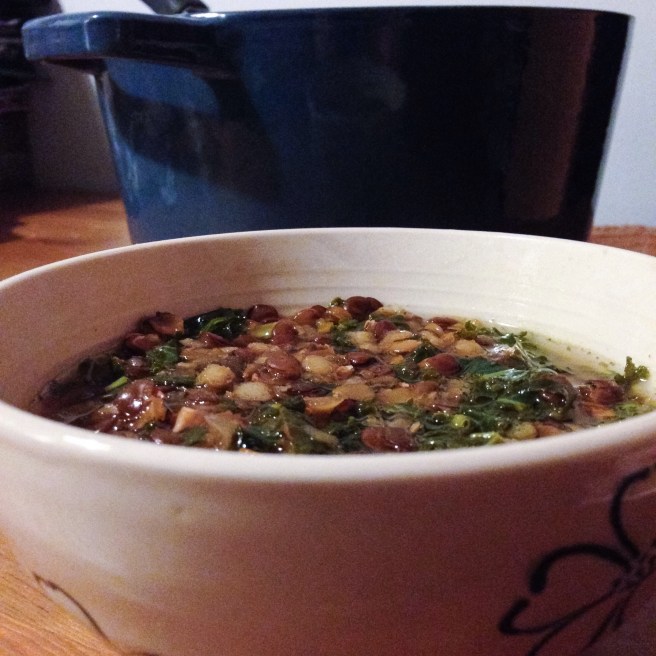
I didn’t follow the recipe precisely, substituting kale for Swiss chard and a mix of marjoram, thyme, and oregano for yerbaníz. I skipped the ground chia seed, as the soup seemed thick and rich enough without it. It’s a filling soup that was welcome in the cold weather we’ve been having here. The flavour is beautifully balanced, with the subtle heat from the jalapeños and the sweet acid of the lemon being especially welcome notes against the earthiness of the lentils. Unlike many soups, it didn’t have me reaching for bread or cheese to complete it. It’s sufficient and satisfying just as it is.

DecolonizeYourDiet

Arsenal Pulp Press has been generous enough to offer a copy of Decolonize Your Diet to a Canadian or American reader. You can find the giveaway here and enter until December 17th: Win a copy of Decolonize Your Diet*

Many peoples, especially communities of colour and indigenous communities, are reclaiming their food heritage alongside their cultures and histories. In a time when the importance of healthy, whole foods is being recognized, along with food systems that promote sustainability and biodiversity, the work of this book’s authors is timely. They stand with people like Bryant Terry and Michael Twitty, and organizations like Vancouver Island’s Indigenous Food Network, documenting and expanding the food histories of this continent beyond the colonial narrative.

Gift Giver’s Guide: For anyone who wants to eat in concert with the the foods indigenous to this continent, but especially for First Nations and Latinx people who want to eat closer to their roots.

Come back next week for a review of a book that will fill your pantry with vegan goodness.

*Terms & Conditions: This giveaway is open to residents of Canada and the United States. You must have a Canadian or US mailing address. Any Canadian winners will be required to answer the following skill testing question: 6 X 8 =_____ This promotion is in no way sponsored, endorsed or administered by, or associated with, Facebook. We hereby release Facebook of any liability. Winner(s) will be contacted by email within 48 hours after the giveaway ends. Entrants must provide a valid email address where they can be reached. Each of the winners must respond to the email announcing their win within 48 hours, or another winner will be chosen. No purchase of any product is required. If you have any additional questions – feel free to send us an email!

Holiday Book Reviews – True to Your Roots

IMG_5648

I received a review copy of True to Your Roots from Arsenal Pulp Press. Nevertheless, all opinions in the following post are my own.

I’ve always thought of myself as someone who loves root vegetables, but it’s only been in the last few years that I’ve realized I haven’t made the most of them. There’s a whole world of recipes beyond mashed potatoes, roasted roots, or even celery root purée.

I’ve been trying to correct that over the last while, discovering that sunchokes are fantastic whether they’re roasted or puréed in a soup, roasting radishes or shaving them paper thin onto baguettes thick with butter, shredding beets and carrots for hippie salads or baking them into cakes.

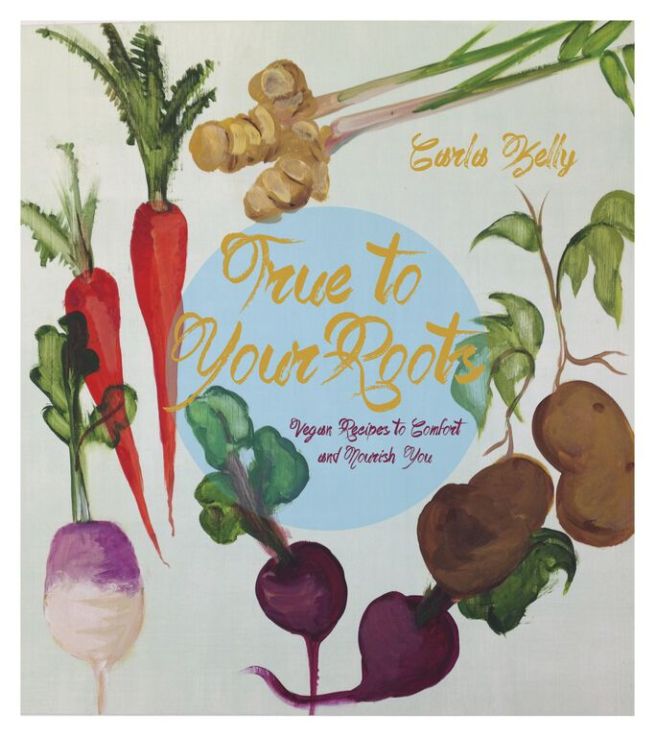
I’ve also been turning to cookbooks for inspiration. Yotam Ottolenghi’s Plenty and Plenty More are favourites and include ideas for working with root vegetables, as does Deborah Madison’s Vegetable Literacy. But Carla Kelly’s True to Your Roots focuses directly on root vegetables, providing a variety and creativity that’s usually reserved for showier fruits and vegetables. It’s also a vegan cookbook.

I’m not vegan, but I’ve striven to make the majority of my meals vegetarian or vegan for most of my adult life. When you’re trying to eat more meatless meals, it can be frustrating to find recipes for vegetable soups, mains, or side dishes relying heavily on meat stocks, eggs, or dairy. Until fairly recently, it was also hard to find vegan recipes that moved beyond a 1970’s palate. True to Your Roots solves both problems.

This is Carla Kelly‘s fourth cookbook – so far, she’s created vegan handbooks to bake sales, slow-cooking, and picnics. This book’s focus on a class of ingredient gives Kelly the freedom to roam across meals, cuisines, and techniques. She includes flavours from across the globe, while providing a range of familiar recipes alongside ones that twist expectations or go in entirely new directions.

I especially appreciate her guides to using vegetables that are often unfamiliar to home cooks in Canada and the U.S. It’s important to know that yuca and tropical yams should never be eaten before they’re fully cooked and it’s useful to know that horseradish is at its best when used shortly after being grated.

Kelly’s recipes go beyond root vegetables’ reputation as heavy, calorie-laden, comfort food material, but there are definitely comforting dishes included in the mix. Her potato biscuits are fluffy and satisfying, her burgers are substantial and flavourful, her soups are rich and homey. I couldn’t resist sharing her twist on a comfort food favourite of mine. Now, I’m thinking about mashing more potatoes just so I can make it again.

KALECANNON & AVOCADO

(gluten-free)

Kalecannon

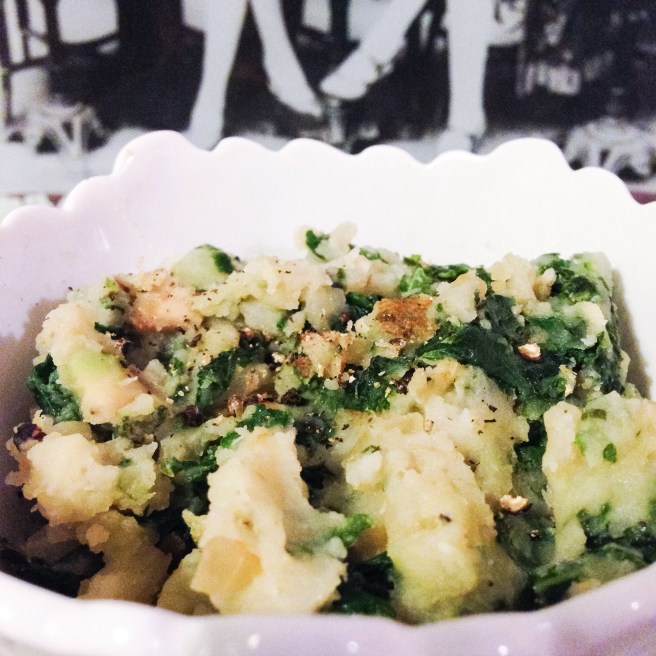
This is my take on the traditional Irish colcannon. Adding avocado may seem strange, but it’s really yummy and gives a creamy richness to the dish. (If you’re not a fan, simply leave it out.)

Makes 2 servings


1 tsp neutral-flavored oil
1/4 cup (60 mL) sliced onions
2 garlic cloves, minced
1 1/2 cups (375 mL) shredded kale
1 cup (250 mL) leftover mashed potatoes, at room temperature
1/2 ripe avocado, chopped
salt and freshly ground black pepper, to taste

In a large frying pan on medium, heat oil and saute onions and garlic for 5 minutes until lightly browned. Add kale, cover, and steam for 3–5 minutes, until bright green and tender.

Add potatoes and stir to combine. Cook for 5 minutes, until just lightly browned, stirring so potatoes don’t stick or burn. Remove from heat and stir in avocado. Taste and adjust seasoning as desired.

Next time you have mashed potatoes for dinner, cook extra so you’ll be ready to make this dish the next day.

RECIPE CREDIT: True to Your Roots: Vegan Recipes to Comfort and Nourish You by Carla Kelly. Published by Arsenal Pulp Press, 2015.
PHOTO CREDIT: photo by Tracey Kusiewicz | Foodie Photography

IMG_5649

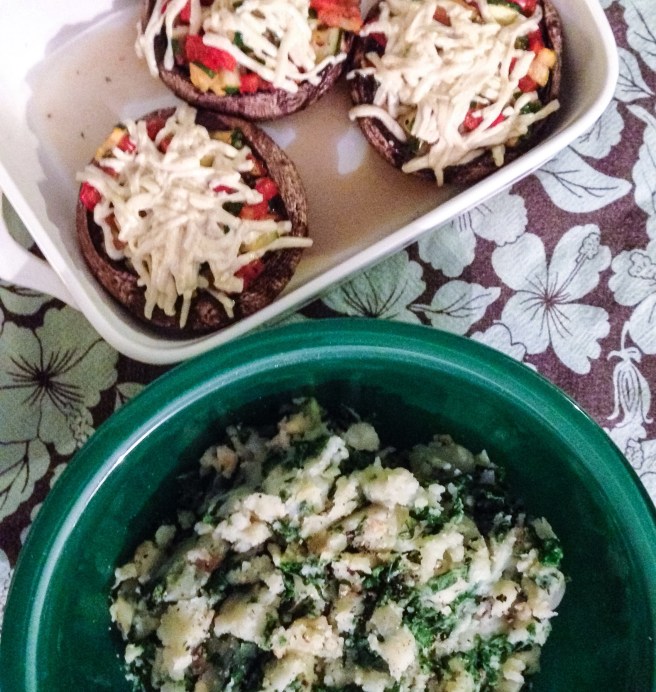
I served the kalecannon with stuffed portabella mushrooms, which made a complete and filling meal. The twist of using kale in place of cabbage brings freshness to a familiar dish, while the addition of avocado makes it creamier and richer than dairy ever could. The avocado didn’t overwhelm the other flavours, as I’d feared. Instead, it subtly melded all the flavours together.

I had some left over, which I heated up in a frying pan the next day. I think I liked it even better – the extra caramelization of the potatoes was especially nice.

TrueToYourRoots

Arsenal Pulp Press has been generous enough to offer a copy of True to Your Roots to a Canadian or American reader. You can find the giveaway here and enter until December 17th: Win a copy of True to Your Roots*

I feel as though I’ve just scratched the surface of what this book has to offer. I’m looking forward to trying condiments enriched with root vegetables (Sesame Horseradish Dipping Sauce), world cuisine favourites reimagined (Yuca Empanadas with Avocado, Plantain & Black Beans), and familiar foods with a twist (Celeriac Brownies).

Gift Giver’s Guide: For the root lover, the root-nostic, the root-phobic, and anyone who wants to eat closer to the earth.

Come back next week for a review of a book that’s full of pockets of goodness.

*Terms & Conditions: This giveaway is open to residents of Canada and the United States. You must have a Canadian or US mailing address. Any Canadian winners will be required to answer the following skill testing question: 5 X 3 =_____ This promotion is in no way sponsored, endorsed or administered by, or associated with, Facebook. We hereby release Facebook of any liability. Winner(s) will be contacted by email within 48 hours after the giveaway ends. Entrants must provide a valid email address where they can be reached. Each of the winners must respond to the email announcing their win within 48 hours, or another winner will be chosen. No purchase of any product is required. If you have any additional questions – feel free to send us an email!
Vegan Stuffed Portabella Mushrooms

IMG_5639

One of the nicest parts of autumn has become recipe sampling for my annual Holiday Cookbook Review series. I’ve been digging into this year’s selections for a while now and I love how the range of what I cook expands, as I learn from each of them. They also inspire me to get more creative on my own, dreaming up accompaniments for some of the recipes I try, based on what’s in the pantry and at the fresh markets.

These portabella mushrooms are a good example. I was looking for something to serve with Carla Kelly’s Kalecannon, from her new cookbook, True to Your Roots. There were some beautiful portabellas in the store where I picked up the ingredients I needed for her dish. I chose some vegetables that would make a nice filling, picked up some Daiya shredded vegan Mozzarella, and seasoned the dish much as my Irish grandmother would her Sunday roast. Well, I’m not sure she would have added chili flakes, but they were a nice addition.

Vegan Stuffed Portabella Mushrooms

4 portabella mushrooms
2 tsp olive oil
1 small onion, finely chopped
2 cloves of garlic, finely chopped
1 tsp fresh (or 1/2 tsp dried) rosemary
1 tsp fresh (or 1/2 tsp dried) thyme
a pinch of chili flakes
1 small zucchini, coarsely diced
1 small red bell pepper, coarsely diced
1 small tomato, coarsely diced
salt and pepper
Shredded vegan cheese

Preheat oven to 350°F. Line a sheet pan with parchment paper.

Clean and trim the mushrooms. If the stems are particularly large, I remove them and dice them with the rest of the stuffing ingredients.

Put the cleaned mushrooms on the prepared pan and bake for 10 minutes.

Meanwhile, heat the olive oil in a frying pan over medium-low heat, add a pinch or two of salt, then cook the onion and garlic until translucent and beginning to brown. Add the rosemary, thyme, and chili flakes, then stir for a minute or so.

Add the zucchini, bell pepper, tomato, and diced mushroom (if using) and cook until the vegetables are beginning to soften. Season with more salt and pepper, if needed. Set aside.

When the mushrooms have baked for 10 minutes, divide the filling equally between them and bake for another 10 minutes, or until the mushrooms are cooked through and tender.

Sprinkle the shredded vegan cheese on each of the filled mushrooms – I like to be generous. Bake for 5 minutes more, or until the cheese has melted.

Serve immediately.

IMG_5638

You’ll note that you get a preview of the Kalecannon from True to Your Roots in the photo above, which I’ll be telling you all about on Thursday. It’s the first of seven weeks of cookbook reviews that will help you cross some names off your gift list, right up until the last minute.

Even better, I’ll be hosting giveaways for five of the seven books, so you could end up with a gift of your own.

Cottage Cooking Club – October 2015

IMG_5548

This month’s theme for the Cottage Cooking Club is Oktoberfest. I didn’t make it to any Oktoberfest celebrations this year, but as you can see, I did enjoy a seasonal pumpkin lager. I also enjoyed all the harvest vegetables. Thanks to El Niño, the produce stands are full of a variety of early to late autumn produce, which makes delicious eating easy.

Along the way, I prepared two of this month’s CCC selections and both were wonderful.

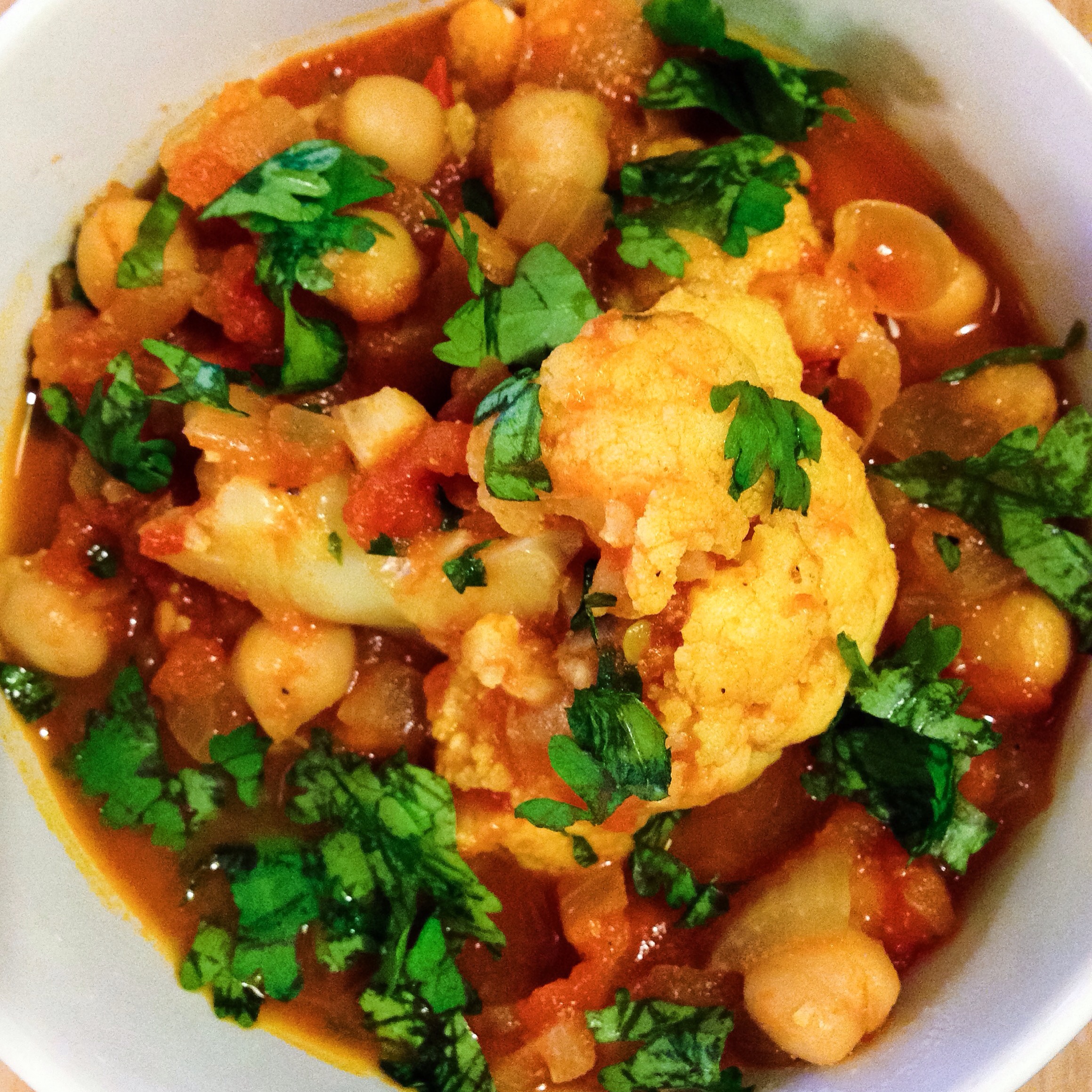
Cauliflower and Chickpea Curry

IMG_5480

You know a recipe is a keeper if you’re being asked to make it again as soon as it’s gone. This curry lasted us three meals and kept getting better each day.

It’s also a healthy dish, full of fresh garlic, onion, and ginger, with spices like tumeric and cumin – all things that are being touted as immune boosters. There’s only a little fat in it and it’s vegan to boot.

We’ll be having this dish whenever cauliflower looks good at the market.

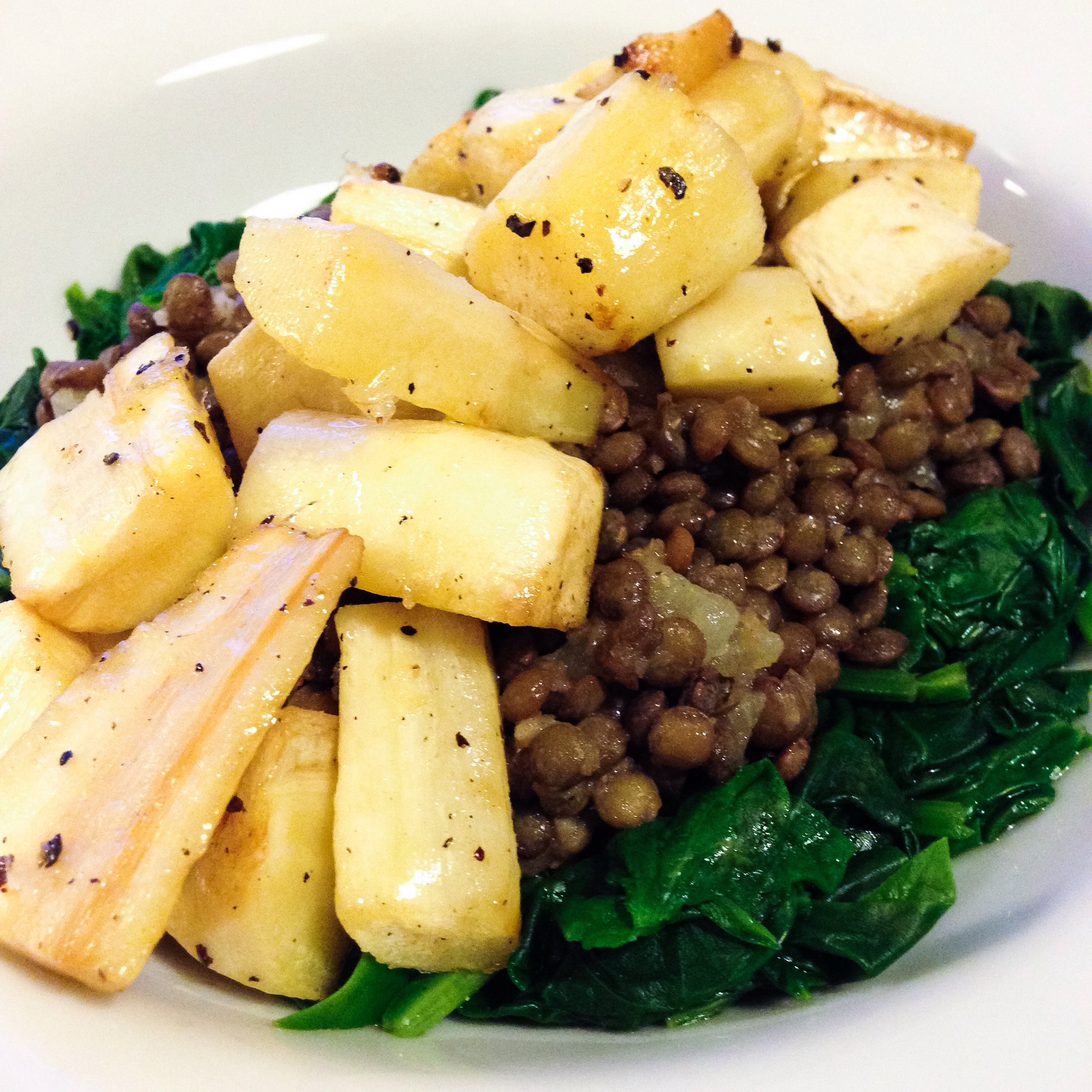
Roasted Parsnip, Green Lentil, and Spinach

IMG_5547

The recipe in the book uses watercress, but it’s something that I find can be elusive around here. It’s one of those things I try to buy when I see it, as I never know when I’ll run across it again. This month was not a lucky one for me when it came to watercress, so I used wilted spinach in its place. The only other deviation from the recipe I made was to dice some of the onion cooked with the lentils and mix it back in, along with the dressing. It’s a trick I learned from Dorie Greenspan’s Around My French Table.

Fearnley-Whittingstall’s dressed lentils are another favourite from this book. The lemon and mustard dressing suits lentilles du Puy perfectly and pairs well with the wilted spinach and roasted parsnips, too. Ah, I thought of another change I made – to make the dressing vegan, I substituted a little sugar for the honey.

I made more roasted parsnips than I needed for this dish, as it’s my favourite way to eat them and I wanted leftovers. Which reminds me, I added in a few sprigs of fresh rosemary when I was roasting them – I promise, that’s the last tweak I made to this recipe.

We’ll be repeating this dish, too, though given what I’ve written above, I’m not sure it will ever be exactly the same twice.

Here are the links to the rest of the group’s posts for this month. I encourage you to check them out – you’ll meet some wonderful bloggers and get some great inspiration for vegetarian eating.