Festivals, Fall, and Fun

Dahlia2

The days are getting noticeably shorter, now. That doesn’t mean there isn’t a lot left to do before the first frost. Now, that’s true for my garden, but right now I’m talking about all the summer events that are still keeping the city busy and the fall events to come.

Family Fun

There’s still plenty to do before school begins and MetroVancouver‘s activities for kids, youth, and families would be a good place to start – you can learn to fish, take a nighttime stroll in search of bats, or help clean up our shorelines.

I like to celebrate the end of summer the way generations of BC folks have and visit the PNE. Who could resist a fair that provides farming displays, a building full of gadgets, super dogs, more food stands than you could ever visit, and an amusement park?

Speaking of traditions, Saturday movies were a staple of my childhood, so I’m glad there’s a series of $2.50 family movies for kids of this generation.

And for those of you who are ready to embrace autumn with your family, there are a LOT of corn mazes in Metro Vancouver. The Chillwack Corn Maze is the best-known, but Hopcott’s Meadow Maze, Bose Corn Maze, and
Mann Farms’ Wizard of Oz themed maze look like a lot of fun, too.

Adults Can Have Fun, Too

Start with Forbidden Vancouver‘s walking tours, which focus on Vancouver’s seamy side – speakeasies, brothels, and murder most foul all make an appearance.

Bored with brewery tours? Hit up Gin & Tonic Fridays at Long Table Distilleries for a weekend treat.

Who Said Festival Season Is Over?

TAIWANfest brings August to a close with films, lectures, food and more.

For a more rhythmic affair, the Vancouver International Tap Festival is back, culminating in a mass tap explosion on Granville Street on the 31st.

After you’ve finished dancing your heart out, it’s time for the Fringe Festival, bringing the city alive with theatre as we move into autumn.

Then, head over to the Vancouver Latin American Film Festival to kick off film fest season.

Harvest Bounty

Many of the community centres around Vancouver are hosting food-focused workshops this fall. For instance, Cedar Cottage Food Network is giving workshops on fermented foods, putting your garden to bed for the winter, cheese-making, and bread baking.

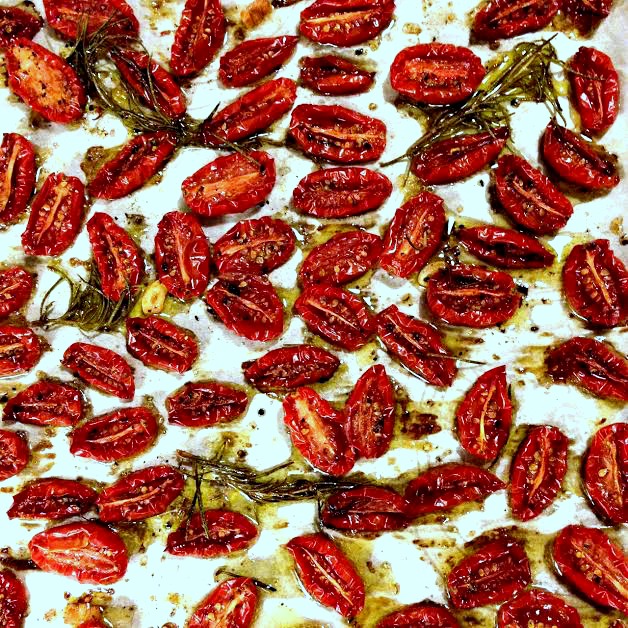
There are also plenty of harvest festivals coming up, too, like the Bowen Heritage Applefest or Earthwise Society’s Tomato Fest.

And right now is when the farmers’ markets will be overflowing with great produce, so it’s time to stock up.

Eventually, you’ll have to go home, so make sure you’ve made the best of the harvest while it lasts. With any luck, you’ll be eating well until it’s time to break ground again in the spring.
Tomatoes2

Are You Feeling Hot?

Cat

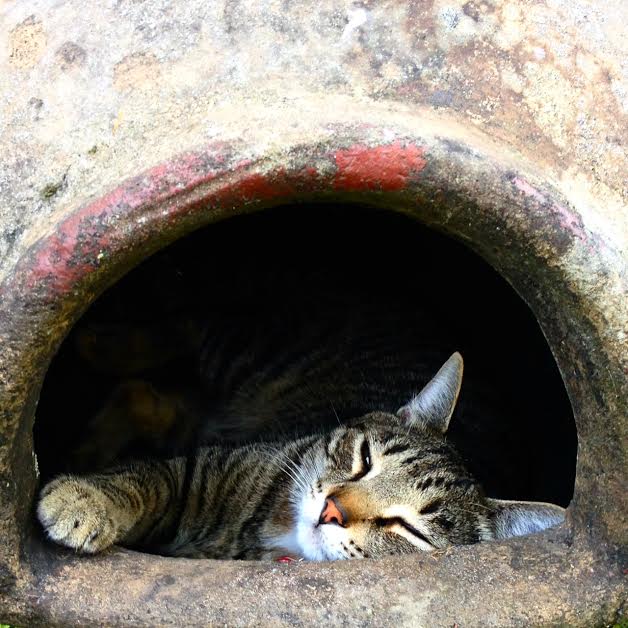
Our recent heat wave has had me feeling like this cat – ready to curl up in a cool, dark corner to wait it out. The problem is that there’s just too much going on here in the summertime. So, it’s sunscreen and lots of water, braving the heat to make it to at least some of the shows, festivals, and concerts that are happening around the city.

Of course, the biggest event of July is always the Vancouver Folk Festival, but there’s a lot more music out there. Dr. Sun Yat-Sen Garden’s Enchanted Evenings series, Vancouver Early Music’s Summer Festival, and CBC’s Musical Nooners are a few of the other events waiting to fill your ears this month. Or perhaps you’d rather combine your music with a little dance at the Robson Square Summer Dance Series.

You can fill your eyes with theatre, art, artifacts, and more at Bard on the Beach, the Queer Arts Festival, Babes & Bathers, or the Summer Cinema Series.

There are festivals happening around the region this month, too, like Surrey’s Fusion Festival, Aldergrove Fair Days, or North Vancouver’s Caribbean Days Festival.

And Foodies need have no fear – there are plenty of events coming up for you, too. If Food Cart Fest is too broad a canvas for you, you can get specific and head for Brewery and the Beast for a more beer and meat focused experience. Heck, you can skip food altogether and just sign up for a brewery tour instead.

There’s even a craft fair this month, Circle Craft’s Summer Market, for those of you who would rather get their shop on.

Of course, the most tried-and-true way to beat the heat is to embrace it and Vancouver has plenty of beaches to allow you to do just that.

Blossoms

As for me, I’m keeping my eye out for the ways my neighbours are celebrating summer. There seems to be something interesting around every corner these days.

Artistic Exploration – A Round Up of Public Art in Vancouver

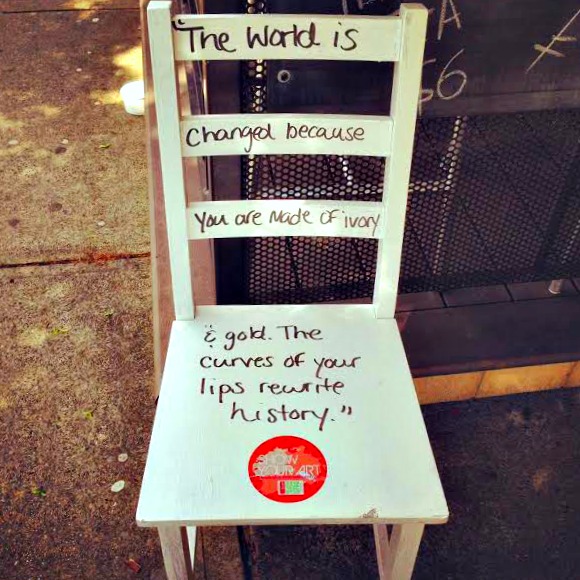
Chair

Public art can be controversial or beloved, corporate or community-driven. At its best, it focuses the viewer’s attention on the space it occupies, contextualizing it in a new way. Now that spring is turning into summer, it’s the perfect time to explore the city, looking for these interventions along the way.

Here are a few places to start you off:

The City of Vancouver’s map of public art installations

Our City. Our Art.

Vancouver Biennale

100 in 1 Day

Tight City

The Year of Reconciliation art project

The Dude Chilling Art Exchange

Now, tell me what I’ve missed in Vancouver if you live here, or if you don’t, let me know what the public art scene is like where you live.

The chair in the photo at the top of the post was part of the Chair Project YVR project, which took place this spring.

Room to Run

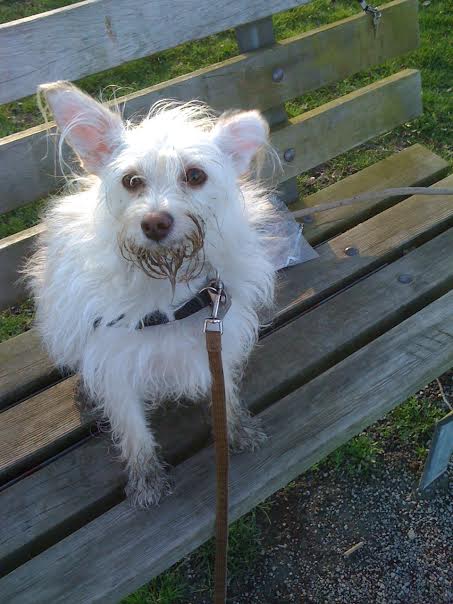
Muddy dog

This is one of my favourite photos of my dog, Roxy. Not because it’s a good photograph, not because she looks her best (obviously not), but because it’s at the end of a good play session at one of her favourite parks. She’s tired out and ready to go home, no mean feat for a feisty terrier cross.

Trout Lake, or John Hendry Park as it’s officially known, has been an east side institution for dog owners for many years now. Though most of the park requires dogs to be on leash and there are sections where dogs are not allowed at all, there is also a big off leash area that includes access to the lake, a large green space, and shady treed areas. There is plenty of room for dogs to run and play there. There’s also enough room that small dogs like mine can run in areas away from the rougher play of larger dogs. People bring their dogs to Trout Lake from all over East Vancouver, as there’s a dearth of off leash areas on the east side and across the city, really.

Unfortunately, this resource is under threat from the Vancouver Park Board. The proposal before the Board aims to reduce the off leash area by 80%. Though it’s being touted as being the size of a football field, the layout would amount to a narrow strip that includes boggy terrain, a steep slope, and deep water. An 80% reduction would also lead to crowded conditions, which would prevent many of us from allowing our dogs to play there. Though dog owners use the park 365 days a year, rain or shine, the Park Board seems to be privileging those who use the park lightly and only in good weather, those who also have most of the park in which to picnic, play, and swim dog-free.

The Park Board’s lack of support for off leash areas seems counter-intuitive, as regular users of parks, like dog owners, should be natural allies for the Park Board’s goal of increasing green space for residents. It’s also strange, given the City of Vancouver’s commitment to building a Healthy City. The off leash area of Trout Lake has become a community hub, for dog owners and lovers alike, which is in line with the City’s goal of cultivating connections in a place that’s famously alienating. Another of the Healthy City strategy’s pillars is to promote active living and getting outside – Trout Lake provides regular exercise for dog owners alongside their pets.

The Park Board’s stance on off leash areas is being implemented across the city, with reductions and restrictions being proposed for many of the most popular destinations for dog owners. There are plenty of overdeveloped, groomed park spaces in Vancouver – surely there’s room for natural spaces and room to run for the dogs that improve the quality of life for many urban dwellers?

If you’d like to take a stand against these proposed changes, Dog Lovers of Trout Lake is a good place to start. You can also let the Park Board, City Council, and the Project Manager know how you feel at the following addresses:

debra.barnes@vancouver.ca
mayorandcouncil@vancouver.ca
pbcommissioners@vancouver.ca

What Eclipse?

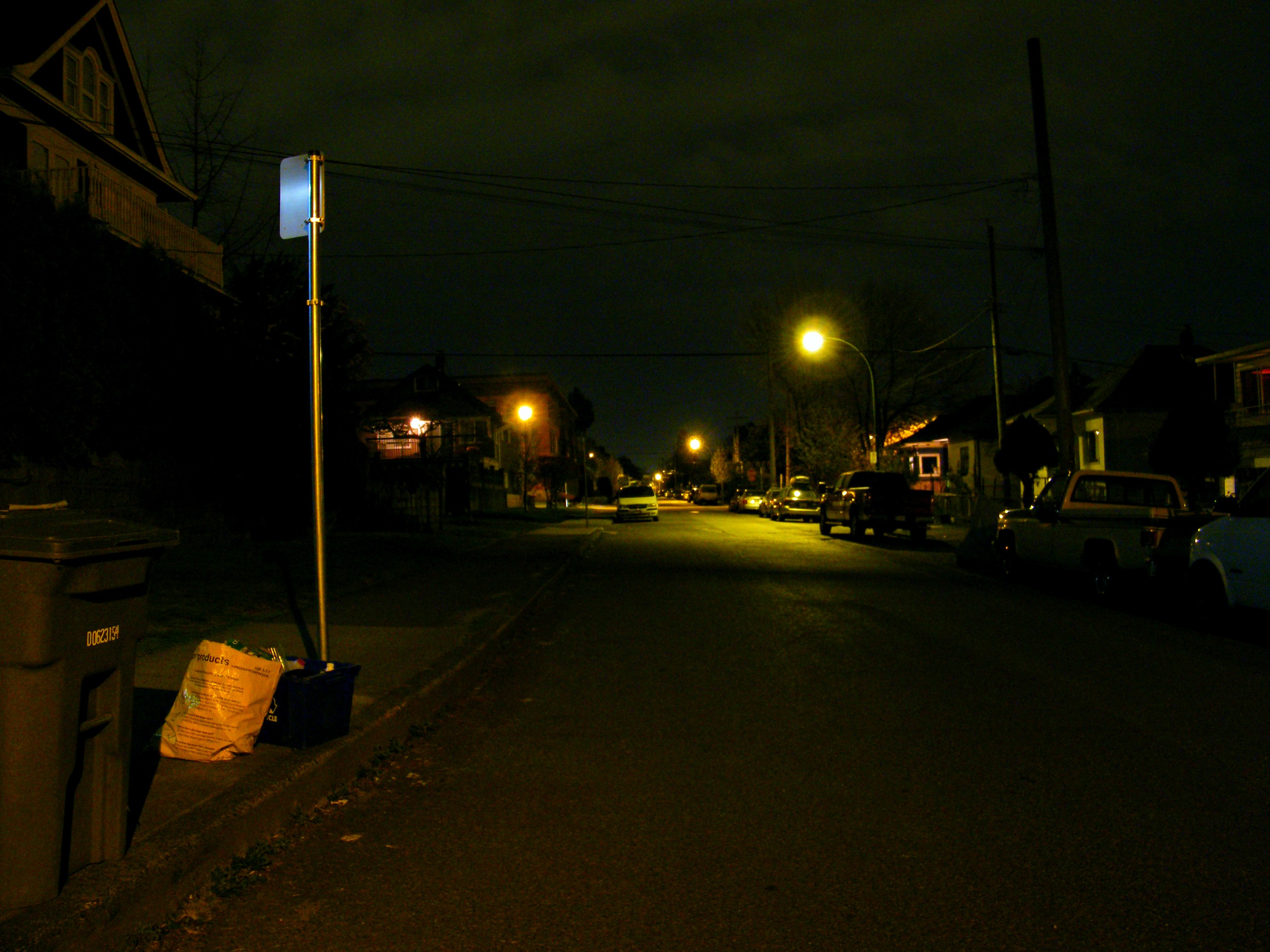
Night Street

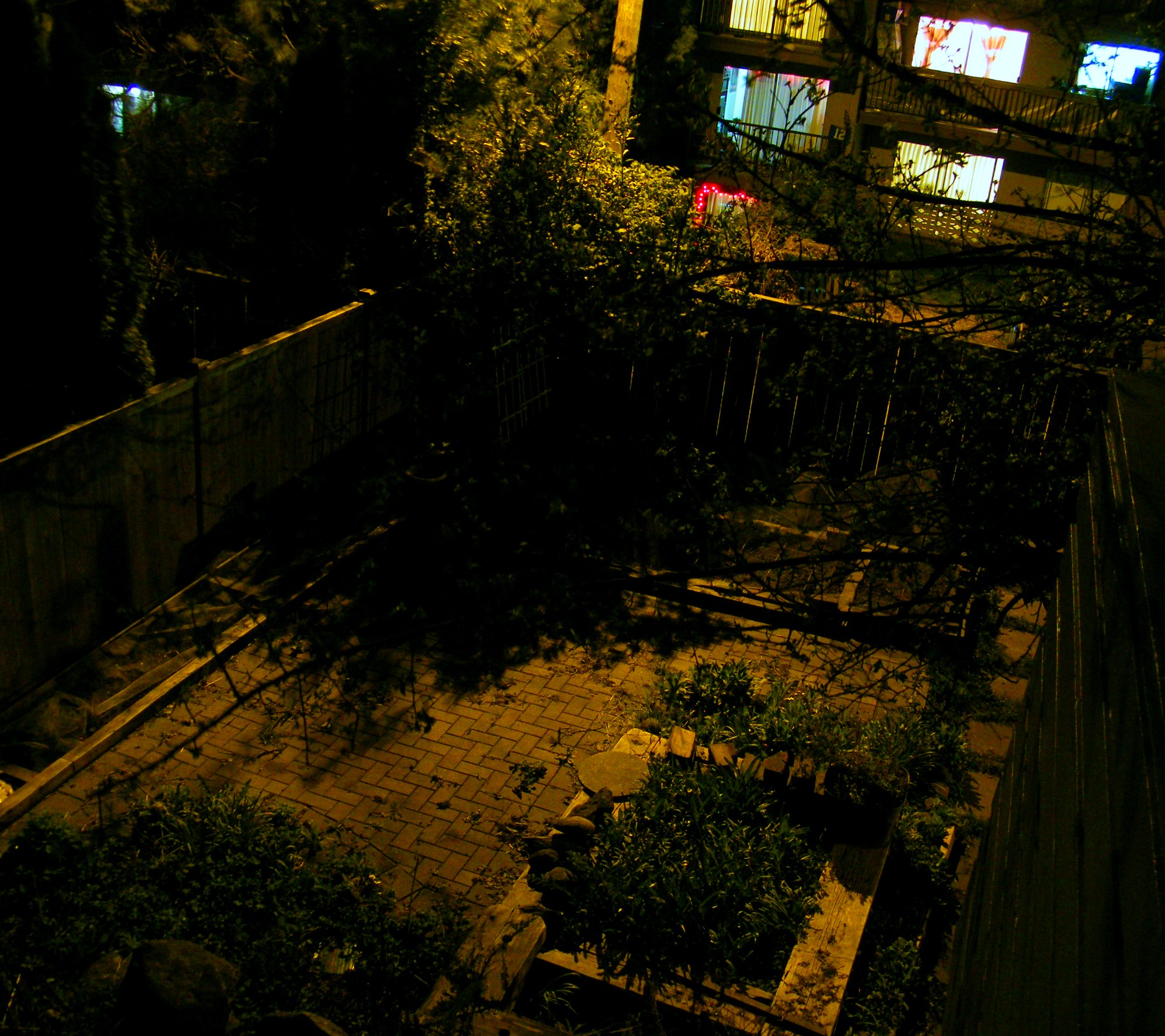
Last night there was a total eclipse of the moon, also known as a Blood Moon. As is most often the case, you wouldn’t have known it in Vancouver. Our stretch of sunny weather ended just in time for cloud cover to gather along with the darkness, making this celestial occurrence a non-event here. I went out with my camera and a tripod anyway, hoping for a break in the clouds. None came.

I took some photos anyway.

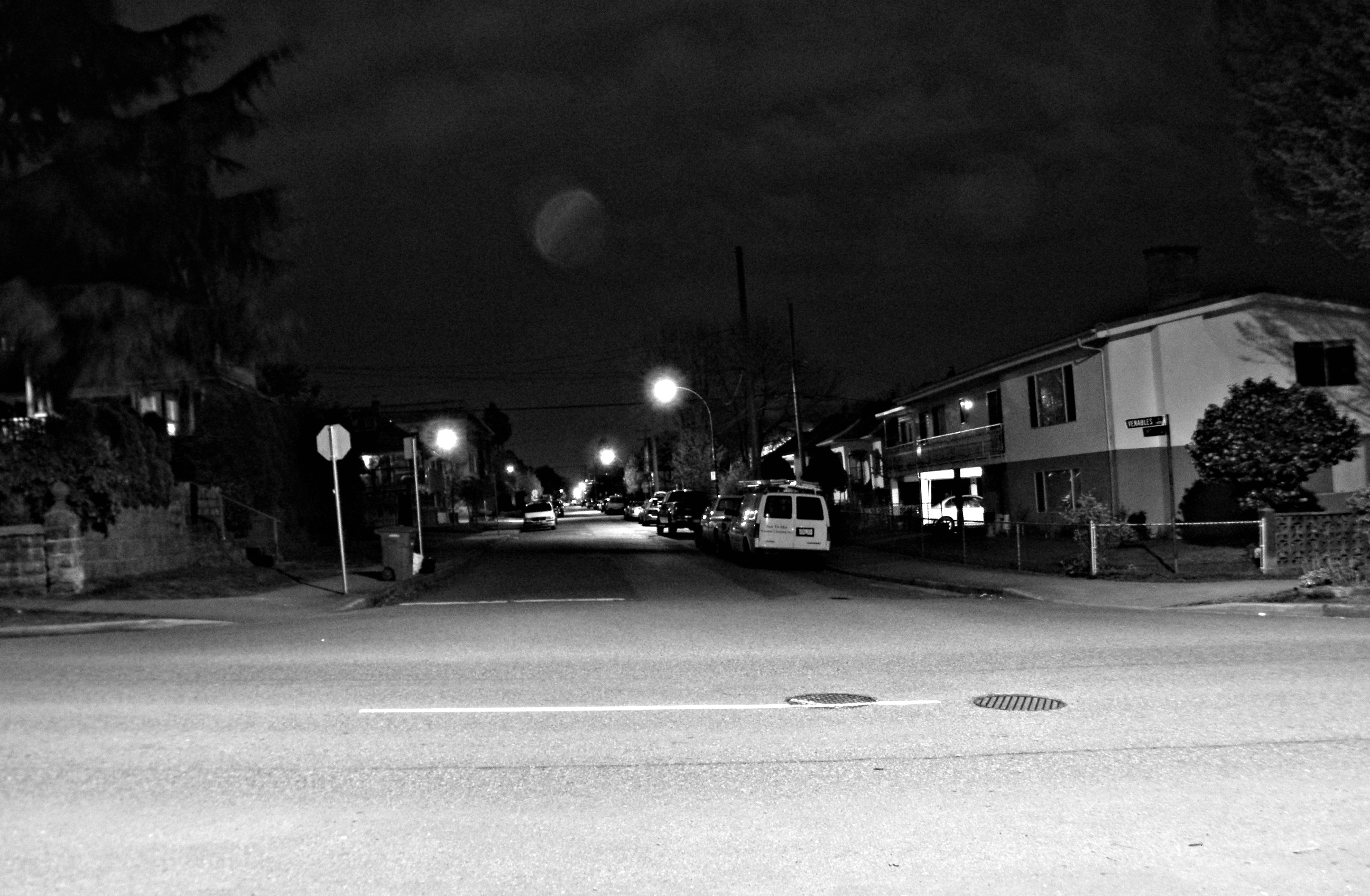
Dust on the lens
Dust on the lens, in place of the moon.

Fire truck
A fire truck passes.

Gardening at Night
My garden at night.

We’ll have a few more chances to see a lunar eclipse over the next year. Perhaps the weather here will co-operate for at least one of them. Probably not. But, I think I might try my hand at night photography again and see if I can improve my results. I rather enjoyed running around the neighbourhood in the middle of the night with a camera and a tripod.

Spring Into It

Blossoms

I’m looking forward to spending more time outdoors, now that the blossoms are out, though it looks like the weather won’t be cooperating for the next week, at least. There’s a lot of rain in the forecast. I hope it lets up soon, because there are plenty of events on the horizon here.

In Bloom

March and April are Vancouver’s most beautiful months, in large part because we have so many blossoming trees at this time of year. The Cherry Blossom Festival takes full advantage of their beauty and celebrates with events all month long. Here are a few highlights:

Sakura Days Japan Fair
Plein-Air Blossom Painting
Bike the Blossoms

Crafty Sales

Spring is a time for clearing out the old, but that just makes way for the new. So, it seems natural that craft and fashion sales are making a reappearance at this time of year:

Nifty for Fifty
Great Canadian Craft Show
Blim
Got Craft?

Foodie Fun

It might be time to start the garden, but that doesn’t mean you have to stay at home to taste and talk about food:

Bakers’ Market
Slow Food Vancouver’s Olive Oil Tasting
Food For Thought, a governance conference focusing this year on food security, sustainability, and sovereignty
EAT! Vancouver

Art Attack

Food may be a creative outlet for many, but there are plenty of ways to experience more traditional artistic expressions this spring, too:

Discuss public art, immerse yourself in FUSE’s mix of performance and music amidst the Vancouver Art Gallery’s current exhibits, and get in there and root for artists making art at Art Battle Canada.

Or, go DIY and head out to Vancouver’s Mini Maker Faire, instead.

Kicking It Up a Notch

Roller Derby is high-energy and a lot of fun. Fitting for a sport that takes off as the weather gets warmer. Terminal City Rollergirls’ Season Opener is on April 5th. If you want to make your own mayhem, you might want to show up for Pillow Fight Club 9.0 instead. Or perhaps a perfect storm of “wibbly wobbly… sexy wexy… stuff” is more your speed – Geekenders have got you (at least) covered. But maybe you’re more of a hardcore nerd – thank goodness for Fan Expo Vancouver.

As for me, I’m going to be spending a lot of time planting, weeding, and rearranging the garden over the next six months. I think that’s a good enough reason to reward myself for my hard work with at least some of these less labour-intensive forms of fun.

Dirt

Seedtopia

Seeds

My gardening goals for this year are concentrated on learning more about seed saving and increasing the variety of foods I grow in my vegetable garden. I’d also like to keep extending my perennial flower collection across seasons, eventually having colour in the garden year-round.

I’ll be replacing a few plants, like the thyme that died mysteriously last summer and perhaps building a vertical squash structure if I’m feeling ambitious. Mostly, though, I’m going to try and take advantage of some of the workshops and seed swaps that are happening in the next few weeks. I think it would be great to connect with some Vancouver gardeners.

Here are some of the things on offer around here this growing season:

Garden Basics

Village Vancouver offers gardening workshops across the city

VanDusen Botanical Garden has a range of courses for the budding horticulturalist

City of Vancouver workshops are affordable, basic skill-builders

The World in a Garden has great workshops throughout the season

Farm Folk City Folk‘s Knowledge Pantry is full of wonderful resources

A little farther afield, North Van has GardenSmart Workshops

There are a number of neighbourhood-specific workshops that are tied to food security and food justice: Grandview Woodland Food Connection, Renfrew-Collingwood Food Security Institute, the Edible Garden Project, and Cedar Cottage’s Seedy Saturday and Planting Workshop are a few examples

Victory Gardens’ workshops are well-regarded

Getting the Goods

Treekeepers provides $10 fruit and decorative trees to Vancouver residents

West Coast Seeds is a great source for organic seeds and their website is full of information – they also offer workshops

Salt Spring Seeds focuses on heritage and heirloom seeds

Sharing the Wealth

Plant a Row – Grow a Row

Vancouver Fruit Tree Project

Sharing Backyards

Advanced Adventures

City Farm Boy is for the ambitious urban farmer

Vancouver Urban Farming Society is a great resource if you want to make growing your business

Beekeeping courses

UBC’s Landscape & Garden Design Programs

Extending the Season

UBC Botanical Gardens’ Year Round Harvest Workshop

Winter Harvest resources

There’s a lot more, but that gives you a sense of the Vancouver gardening landscape. Now, tell me, what’s happening where you live? Are there plenty of resources, workshops, and community connections? Or do you rely on online resources to find what you need?

Wild City

Raccoon prints in our backyard.

About ten years ago, when I lived on the other side of town, I did something to offend the crows that lived on my block. Perhaps I got too close to a nest or they resented my windowsill gardening activities. All spring and into the summer, gangs of two to five crows would follow me, swooping angrily, as I ran errands or waited at the bus stop. Even worse, they’d follow me on my regular long walks, once for more than five kilometers. I won’t say that it was the primary motivation for moving back into this neighbourhood, but I was certainly glad to move away from that mob of angry birds.

Those crows weren’t the only animal neighbours I left behind. There was a squirrel that kept digging up and eating the flowers in my window box, until I filled the planters with nicotania. I’d also built an uneasy truce with the skunk that lived near my bus stop. We gave each other a wide berth and things were fine.

Around the same time, I had a tenser encounter with a skunk when I was waiting for a bus late at night, after visiting a friend. The bus stop seemed to be in its path and I had to walk down the pavement half a block or so before it would move through. Across the street from the bus stop, a pair of raccoons were trying to break into a derelict corner store. None of that was as startling as realizing that the dog I saw trotting down the sidewalk at the corner was really a coyote. It stopped and stared at me for a few seconds, then crossed the street and continued on its way.

There is wildlife all around us in the city and many species have found it to be a hospitable place to live. This is even more obvious as suburban developments move farther and farther up the mountains in places like North Vancouver and Coquitlam. Bears rummaging through garbage bins or cars, cougars in backyards, and deer staging garden raids are common occurrences these days.

The problem is that the more we notice wild animals, the worse it is for them. There has been a bit of a frenzy in Vancouver over coyote sightings and aggressive raccoons, but it’s human behaviour that’s at the root of the problem. People feed animals, then lash out when they lose their fear of humans. Better that we keep our distance and keep our cats inside.

We’re writing a new contract with the wild animals that live in cities, as they adapt and thrive here. If we can find ways to manage our encounters with them, they can become part of healthier, greener urban landscapes. Our cities might even play some small part in the wildlife corridors that are being developed to compensate for the habitats lost to development. With respect and a wide berth, we might be able to negotiate a settlement beneficial to all.

Bike City

Bikes

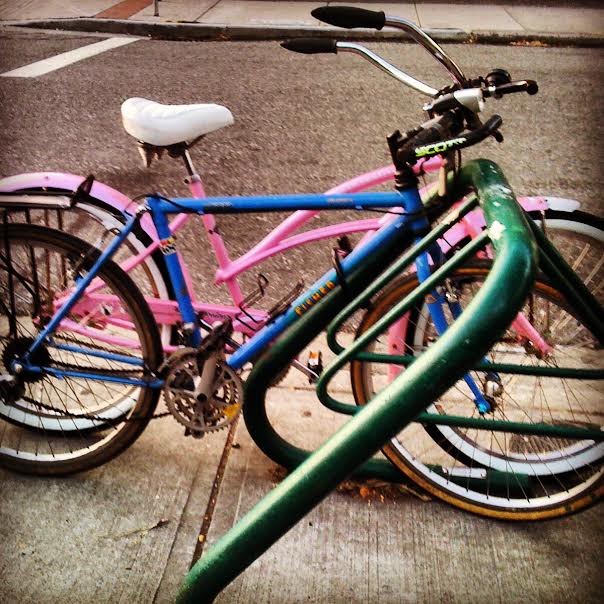
Though the addition of separated bike lanes to the downtown has brought cycling to the fore in civic conversation, the truth is that Vancouver has been a bike city for decades now. It’s been a slow evolution, from inconvenient bike paths set on out-of-the-way streets to today’s emphasis on a safe, connected network.

Until recently, cycling businesses were mostly limited to bike shops, courier companies, and rentals, with a few pioneers like SPUD taking the lead on eco-friendly bike deliveries. Now, there’s a widening array of bike-powered businesses, encouraged by the growing infrastructure, the mainstreaming of cycling culture, and the shrinking demand for bike couriers. The smaller start up costs of bike-based business makes it a creative space, allowing entry to small-scale ideas that might not make a profit if auto transport had to be factored in.

There’s also been an evolution of support services for cyclists as cycle culture has grown. Amenities like bike corrals and air pumps are being installed across the city. Many events and festivals provide bike valet services. The Farmers’ Market also sets up bike valets at some of its markets, along with free bike delivery of groceries at two of their locations. As more Vancouverites give up their cars and focus on cycling, walking, and public transit to get around, this support will continue to grow. It’s not just singles and childless folks getting into the act, either – Velo Family Diaries is a great account of how pedal-powered living can work for the kind of families typically seen in mini vans or SUVs.

Breakfast

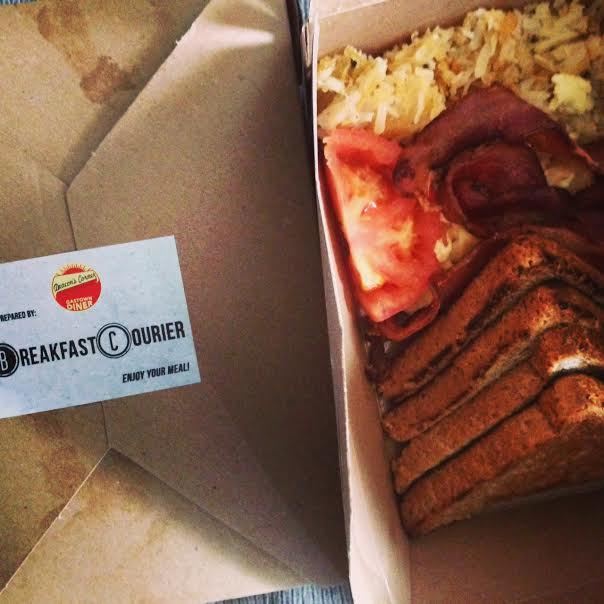
Whether it’s brunch from the Breakfast Courier or secure bike parking at the Folk Festival, I’m happy to take advantage of what this bike city has to offer.

Here’s a sampling:

Groceries, Greens, and Grub

Food Pedalers
Nut butters at your door
Eastside dinner service
Lunch at your desk

Forget Food Trucks

Coffee
Ice cream
Popsicles

Heavy Lifting

Shift Urban Cargo
Long Bikes

DIY

Our Community Bikes
Kickstand

Advocacy

HUB
BEST
Momentum
Critical Mass

Deeply Local: Grandview-Woodland’s Citizens’ Assembly

Juxtaposition

These are some of the things I love most about my neighbourhood: I can walk the length of the shopping street as quickly (or sometimes more quickly) than the time it takes for the bus to arrive and carry me from one end to the other; the variety of foodstuffs and staples available within walking distance; the wealth of restaurants and coffee shops; brick and mortar bookstores, record shops, and even a video store; the mix of heritage homes, 1950s walk ups, and affordable apartment buildings, many with room for vegetable gardens; a feeling of engagement with one’s neighbours across the district. The things that I don’t love include the increasing unaffordability of the neighbourhood for both residents and small business owners, the proliferation of condos designed to last little longer than a mortgage cycle, and the increasing feeling that our neighbourhood is destined for suburbification and its attendant disconnection from the deep feelings of community that have been built here.

With all this in mind, I found myself inside on a sunny Saturday along with almost seventy other Grandview-Woodlanders, debating the questions around the construction of a Citizens’ Assembly and the part it will play in crafting the plan that will guide our neighbourhood’s future. The City hired a facilitator who specializes in forms of deliberative democracy like Citizens’ Assemblies and over the course of the afternoon, participants had an opportunity to tackle at least two of the structural questions the City put before us. We met in small groups for half-hour periods, then at the end of the day, there was a summary from each of the tables about the most important ideas that had emerged. All ideas were written up on tear sheets that were taped up around the room and at the end of each session, participants marked their priorities dotmocracy-style.

We were encouraged to choose the discussions we felt most passionate about, but a more accurate assessment for me would be that I chose the discussions I was most worried about. My choices were Composition of the Assembly and Community Engagement. Some of the ideas that came out of the first group included: representing three kinds of tenure – owners, renters, and housing co-op members; reserving seats for aboriginal members, whether or not candidates are identified through the initial call out; using a multi-pronged strategy for recruiting candidates that includes outreach to community groups as well as more passive strategies like mailouts; that twenty Assembly members was probably too few and fifty probably too many; and making sure that there’s representation across the district. The ideas that came out of the second group drilled down a little deeper. Outreach by Assembly members to community groups to capture viewpoints that might not be represented by the Assembly, especially those of vulnerable populations. The three levels of the process (City-led, Assembly, and Community) should not be separate, but should inform each other – community consultation should happen in conjunction with the Assembly and the City, rather than separately; the Assembly’s report should be brought to the public for critique and comment on a regular basis; the City’s plan should be both informed by the Assembly’s proceedings and incorporate the Assembly’s critiques and comments.

I hope that when the City finishes gathering the suggestions from the two sessions and the online consultation, that the information is presented in an unabridged form and that the Assembly is constructed on the most representative basis, not just on the basis of demographic diversity, but also with a socially just distribution that accounts for differences in privilege.

I came away from Saturday’s session with a cautious optimism, not because I believe that this process will be the salvation of my neighbourhood, but because I was engaged with so many people who care about the district as much as I do. I know that a number of people felt the session was too constrained and directed by the City – you can find out more about that here and here. My hope is that the Assembly might help shift the focus of Grandview-Woodland’s future away from developers and toward residents and that through this process, the City will come to value the area as the model of liveability (mixed-income, walkable, diverse, lovely) that it is already.

It’s not too late to comment on the Assembly composition debates. You can find the Discussion Paper here and the link to the City’s questionnaire is here.