From the Ground Up

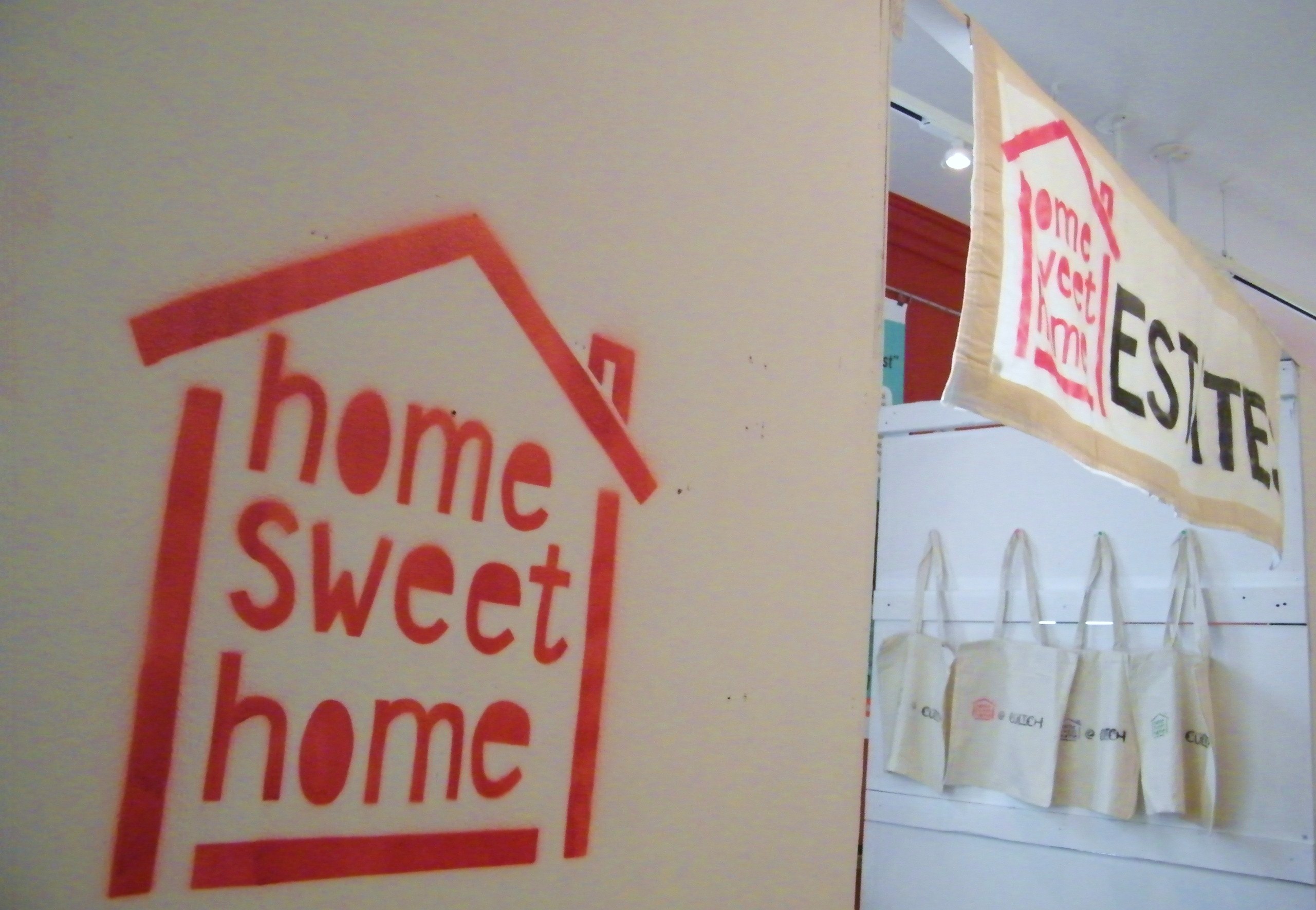
The Estate Agent/Souvenier shop.

Plotting out the future can be a daunting task, whether it’s for a book club or a neighbourhood. Conflicting personalities, differing goals and incompatible world views can all get in the way. It’s why generating participation is the bane of any planning process. When it’s as high-stakes as public consultation about neighbourhood development, it’s easy to get discouraged by bureaucracy and lobbyists. Things can get discouraging enough, even, to make folks dream of moving to a new place, to avoid the changes that are taking the shine off their current home and to build something that better reflects their own desires. Unfortunately, one neighbourhood’s fleeing resident can become another community’s damaging interloper.

A letter from "Walmart" left on a neighbourhood doorstep, ominously promising to move into the neighbourhood.

There’s really no such thing as building a community from the ground up, at least not in the real world. But last week, the Vancouver East Cultural Centre presented an opportunity to do so imaginatively, with their home sweet home installation. This piece was created by Subject to_change, a British theatrical company that specializes in breaking down the boundaries of artistic production and putting the spectator into the centre of its pieces. Home Sweet Home has been travelling to sites world-wide since 2007.

A cardboard business, ready to put together, tied up with a welcome message, instructions and suggestions.

The piece begins as a planned community would, with lots marked out and construction materials at hand. Participants could choose to build residences, businesses or community amenities. Over the course of the installation, residents could also become involved with the community’s radio station and council or simply interact with other residents.

The community bulletin board, with lots of notes about zombies and the elusive Councillor Bob.

There were elements of the fantastical involved in the community that developed, like unicorn corrals and zombie warnings…actually the radio station and bulletin board seemed to really run with the zombie theme. But what I noticed, having arrived late in the process, was that the little village seemed to be an ideal version of the real-life neighbourhood outside. There were dog parks, community kitchens, bike shops and co-ops of all kinds. There were very few outsized developments and at least one of these was a seniors’ residence. A number of houses were given over to Canucks playoff fever and there was even a tiny East Van sign.

The tiny East Van sign - you can't tell in this photo, but it lit up like the real one.

This little East Van also reflected our neighbourhood’s anxieties – the biggest threat wasn’t really zombies (or the ongoing campaign against someone called “Councillor Bob”), but the letters delivered to residents promising an enormous Walmart development. In a neighbourhood where long-time residents are worrying about a future filled with chain stores and cookie-cutter condos, the installation encompassed what we love about this place, what we want for it and what we fear is on its way.

Anti-Walmart signs that started to appear once the ominous letter was delivered.

By leaving participants a blank slate, Subject to_change manages to make each iteration of this piece a social commentary, a learning environment and a kind of community carnival all at once. It also allows for artistic expression on a playing field that’s levelled across age groups – there were interesting and provocative structures from kids and adults alike.

A tiny version of a real place (Melk) beside an imaginary one (Beatlemania).

I’d like to adapt this concept to some of the organizations I’m involved with – a day long retreat, complete with paper, glue and decorations, might do more to foster dialogue than any number of meetings.
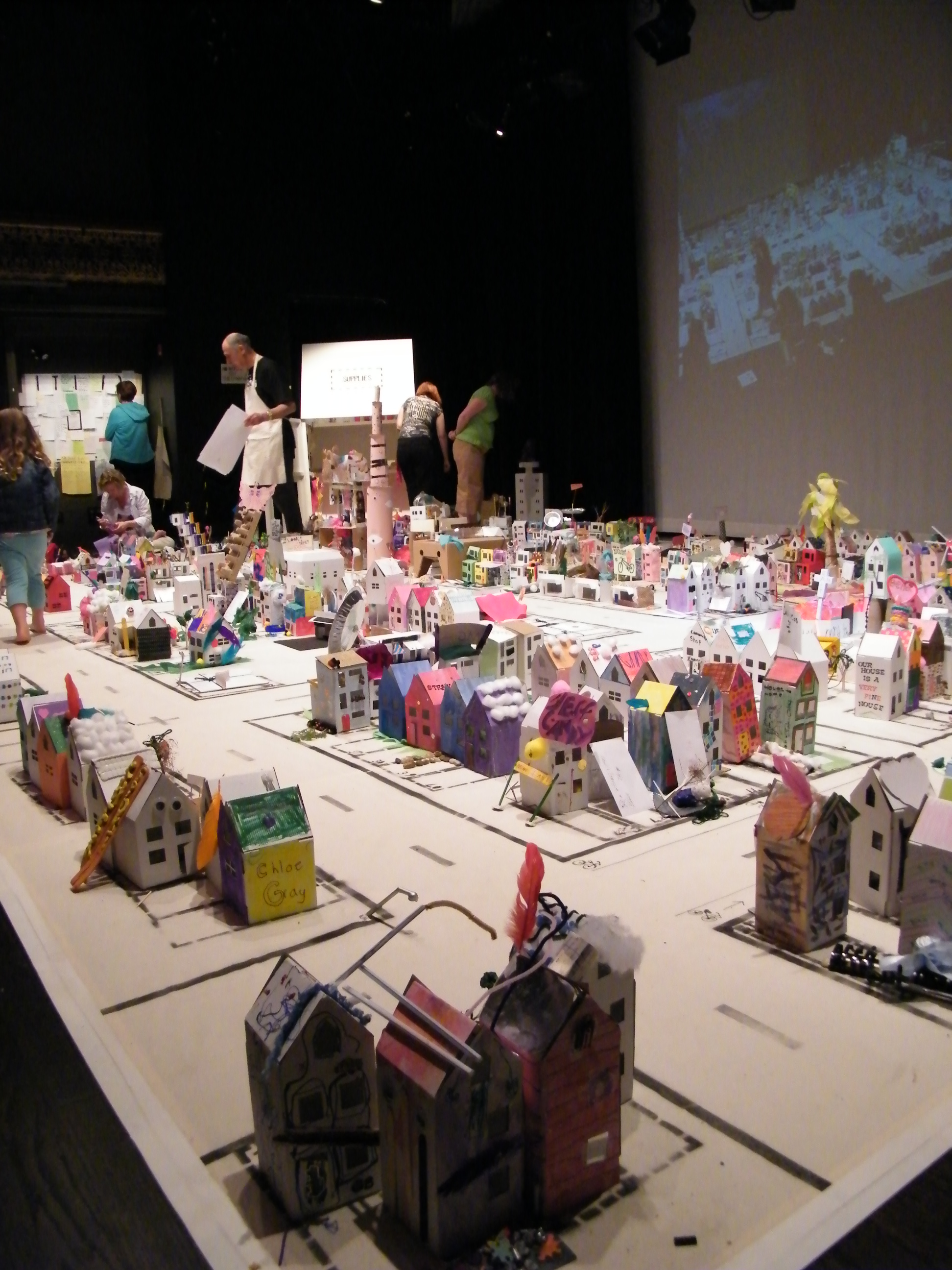
The village, with one of the installation workers in the background. To the right, you can see the screen where the goings-on were projected.

Activate that Citizenry

Remember Town Hall meetings? They still exist in their original form, but community consultation is increasingly moving to the internet. This seems like a natural evolution – most people spend at least some time each day in front of their computers, while public meetings conjure up images of drafty gymnasiums, sparse crowds and cold coffee. Physical meetings do have their advantages, though. Internet consultation can have difficulty replicating the exchange of ideas that happens face-to-face and it’s also easier to disengage from online conversations than it is to walk out of a roundtable discussion. Different strategies attract different participants and given the low level of community engagement with most consultation processes, it’s smart to make use of more than one.

The City of Vancouver’s Transportation Plan is doing just that, with a series of public meetings set for neighbourhoods throughout the city and a Facebook-based discussion group process. I’ve been participating in one of the online discussion groups and so far, there hasn’t been much participation. I’m curious to see how well-attended the public meetings will be. Transportation can cause heated debate, but it seems that this is mostly reactive, as when the downtown bike lanes were put in place. Planning doesn’t get people as worked up, unfortunately.

Even if participation isn’t high, it’s encouraging to see government making an effort to include public consultation earlier in its planning processes. The Ministry of Agriculture’s survey on the Agricultural Land Reserve is another example of consultation with a potential for getting a wide cross-section of opinion. The preservation of farmland is an issue that’s finally starting to get widespread attention. Allowing people across British Columbia to weigh in on at least part of the decision-making seems like a step toward direct democracy; focus groups and opinion polls can’t compare.

I’m always for a diversity of strategies and making it easy for people to get involved. Having a number of ways for people to engage makes active citizenry accessible.

A Little Practice

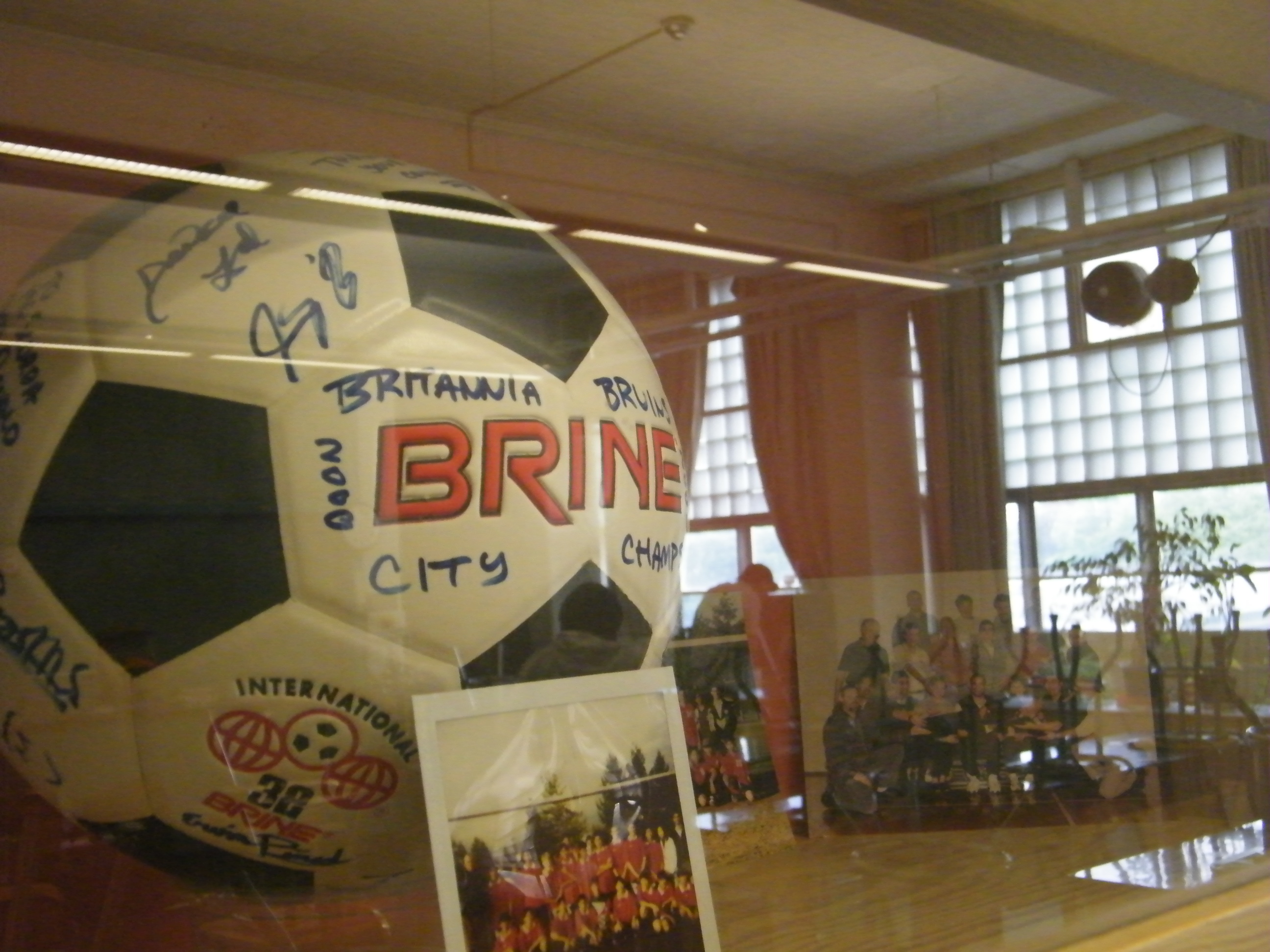
A glassed-in shelf, holding a signed soccer ball with photos and memorabilia. The reflection of a classroom can be seen in the glass, especially the large, paned windows.

As I told you last week, this weekend I attended a day-long photography workshop. My partner gave it to me as a birthday present, which was both sweet and perfect. The instructor was a hobbyist photographer called Alastair Macleod, who started exploring photography as a way to improve his skills for his film industry work. He is an enthusiastic instructor, who is knowledgeable about the technical requirements for good photography, but really shone when reviewing our images.

Wooden baskets with dowel handles full of small toys. In the background, a shelved wall full of wooden animal shapes.

At the break, he sent us out into the neighbourhood to take photos and we spent the bulk of the class looking at each other’s results and in demonstrations of particular techniques. I made the bulk of my photos that day with my digital camera on manual, playing with the different settings. This is something I always felt comfortable doing with my film SLRs, but for some reason, have avoided with my digital camera.
Buttercups - green leaves and bright yellow blossoms against a grey, brick wall.

The best place to take photos turned out to be the classroom itself. It obviously hadn’t been remodelled in decades and its desks, shelves and blackboards seemed to be at least 30 years old. The smell of chalk dust and ink overlaid everything with a feeling of nostalgia, too.

A table in a science classroom, with a gas nozzle in the foreground, stools stacked on desks in the background.

I’ve got a long way to go before I’m happy with my photographic results, but it’s good to be reminded how rewarding experimentation can be and how working with others can help you improve.

What You See and What You Get

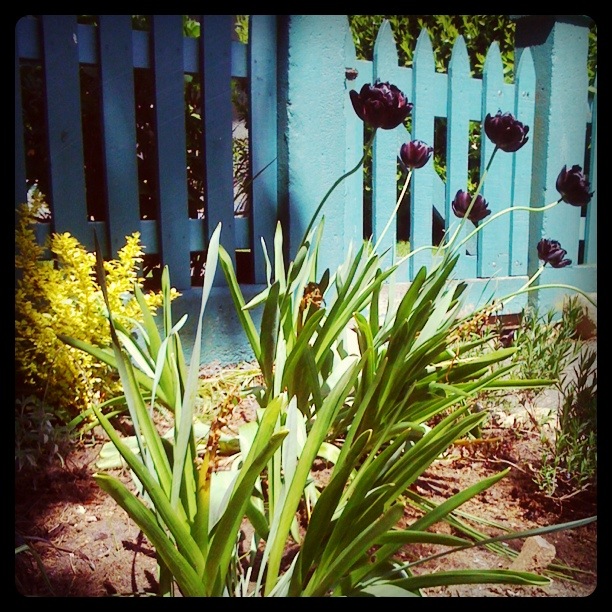
Instagram version (brighter, deeper colours and greater contrast between shadows and light) of Frilly, dark purple tulips with long, curvy stems against a green fence, with yellow flowers in the background and a mixture of shadows and light.

I have a couple of film SLR cameras that I’ve used for years and love dearly. I don’t shoot film very often these days, but I feel more comfortable using them than I do my not-too-shabby, slightly-better-than-a-point-and-shoot digital camera. (I know that it’s a commonplace that the best camera is the one you have with you, but there’s something to be said for lenses that can be adjusted by hand.)

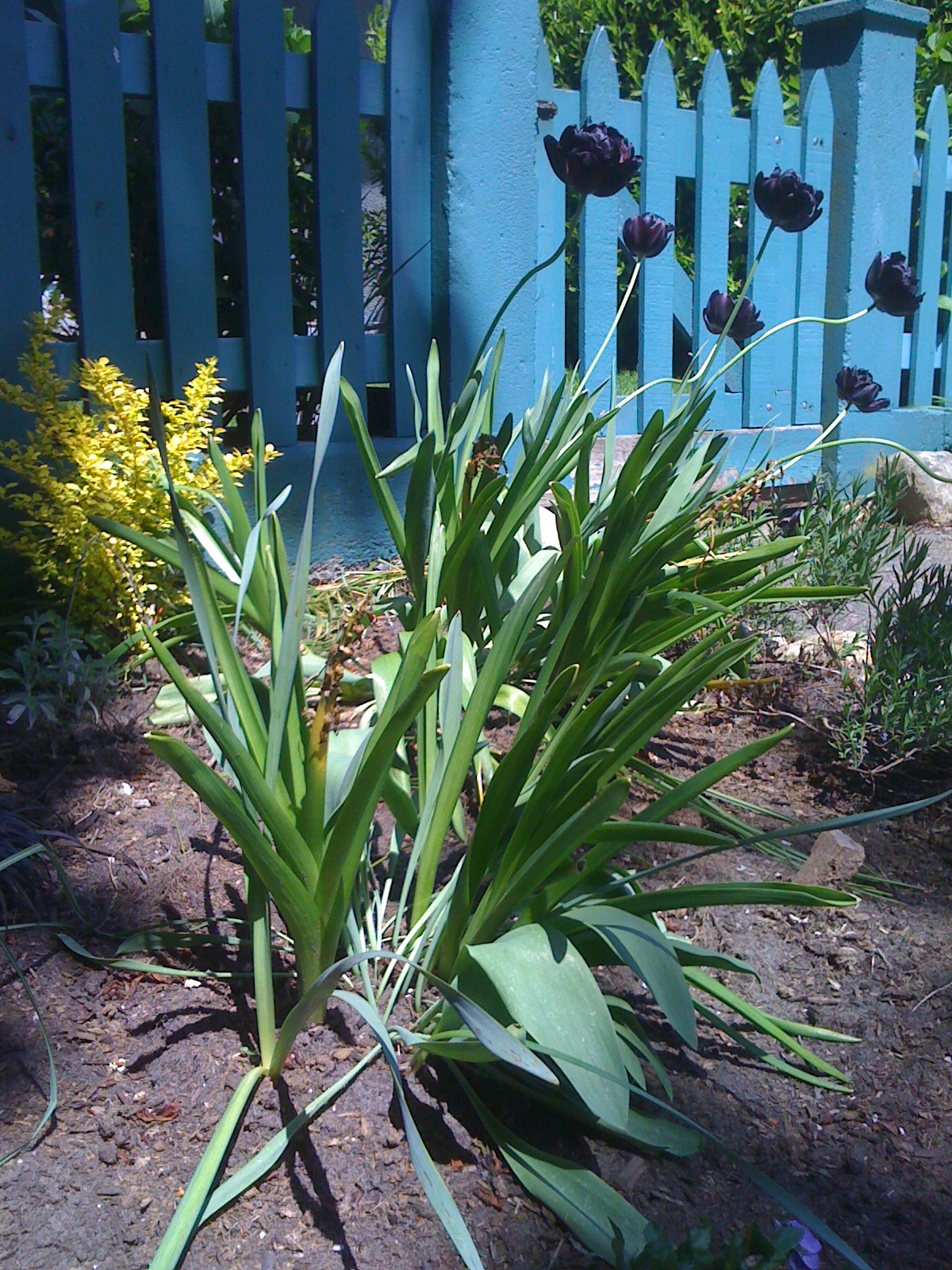
I’m trying to improve my digital photography, both on my iPhone and on my camera. To that end, I’ve started following The Daily Shoot on Twitter and am using their assignments to challenge me to improve my iPhone photography. So far, I’ve done two and have used Instagram filters on the images. I also have Hipstamatic on my phone and am interested in trying those filters, too. I hope that some images will be compelling enough to stand on their own, as well. The photo at the top of the post is the Instagram version. Here’s the original:

Frilly, dark purple tulips with long, curvy stems against a green fence, with yellow flowers in the background and a mixture of shadows and light.

I like this version, too, but I’m enjoying the effects that the Instagram program brings. I often don’t manipulate my photos very much, mostly just to compensate for those times when I rely on my in camera flash. I’m curious to know which of these images you like better. I also would like to know how you feel about photo editing in general – do you see it as a further expression of your creativity, a necessary evil, a cheat? If you use any photo editing programs, what are your favourites?

Next week, I’ll tell you about a day-long photo workshop I’m attending, in hopes of upping my game with my camera.

Social Media from the Roots – Northern Voice 2011

I’m good at figuring things out and learning things on my own, but I like taking classes and learning in a group environment. It not only exposes you to the knowledge of instructors and other students, but I also find my own thoughts and ideas quickening when I’m sharing them with others. So, when I started this blog, I knew at some point I’d want to do some learning away from my computer screen.

This weekend, I did just that. Northern Voice is a social media conference based in Vancouver and is in its seventh year. The conference is organized by volunteers and has a grassroots ethos to it. You won’t find corporate swag bags, but you will find media professionals, artists, amateurs and enthusiasts gathering to learn from each other. The participants are drawn mostly from around BC, as well as the Pacific Northwest in the US.

I knew that I was going to like this conference as soon as Day One’s keynote speaker began her presentation. April Smith of AHA Media spoke about using social media to democratize media and to provide coverage of Vancouver’s Downtown Eastside as a member of the community. Beginning a conference with such a dynamic, grassroots perspective is so different from what professional/corporate events provide. It’s a much needed perspective.

Day Two’s keynote speaker was Chris Wilson of Google. His presentation was well-tailored to the audience, too, bringing a technological perspective to the idea that the social media and blogging worlds cater to the long tail of interests – there’s room for a lot of diversity in these spheres.

Highlights from Day One:

The Courting Controversy session:
Don’t be controversial for its own sake, because you’ll be called on to back up your claims.

Photocamp:
Leah Gregg’s photos
Roland Tanglao’s exhortation to shoot daily
Jeremy Lim’s advice to shoot less so you can notice more

Communities that Rock:
There was more information in this session than a newish blogger like me could even get down on paper, but what stuck with me most was that you need to work at making your blog visually appealing, giving your readers opportunities to interact beyond comments and keeping your blog posts fresh by varying form and content.

Highlights from Day Two:

Grassroots Campaigns
It was fascinating to hear the evolution of the presenters’ various social media and offline campaigns.
– Keeping your message simple, then translating the interest and support into offline actions is key
– Complexity can come later
– Simplicity doesn’t have to cancel out diversity

Looking Through the Lens
Alan Levine led us through a presentation of gorgeous photos and discussed the impact of aperture, shutter speed and ISO on photo quality. He also encouraged us to shoot daily, through communities like The Daily Shoot, which provide feedback as well as incentive.

DS106
The DS106 Radio crew took a university course and turned it into a Wild West of internet radio experimentation. Great storytelling.

Awesome-izing Your Podcast
v, an experienced broadcaster, gave us a wealth of information on best podcasting practices. What it boiled down to, though, was creating a sense of intimacy in your recordings.

I encourage you to click through to the Northern Voice conference schedule link at the top of the post – there were many more sessions and the schedule has lots of links to the fantastic presenters’ sites.

And lest you think it was all session and no play, I’ll leave you with a photo from the wine tasting room.

Hard copy, please

I’ve been thinking about the word fugitive, lately. Not the Dr. Richard Kimble variety, but fugitive in the fine arts sense. Sometimes these effects are unintentional. Works that don’t use lightfast pigments can change colour or fade completely, while poorly produced paper can suffer damage even from a reader’s breath. Of course, sometimes the artist’s purpose is to create something temporary, as in Richard Long‘s environmental sculptures. What’s been bringing the word to mind lately, though, is the thought that we’re moving into a fugitive age, spurred by the digitization of cultural production.

Call me a Luddite, but I don’t believe that having music, books, film and television available for download or streaming can take the place of record stores, bookstores and video stores. The Amazon glitch that caused them to delete all gay and lesbian titles is an example of why I’m cautious. A more important consideration for me is my reliance on the idiosyncracies of the people who staff brick and mortar stores. Their recommendations and conversation can lead to amazing discoveries. But regardless of my objections, the tide is turning.

On May 5th, the owners of Videomatica, possibly the best video store in Canada, announced that they will be closing by the end of the summer. They’ve probably found a home for their massive collection, but it’s still a loss to our community. Don’t take my word for it, though, when you can read this eloquent piece by Darren of my local video store, Black Dog.

Not even libraries are reliable repositories for cultural production any more, as Nicholson Baker raged over in his book Double Fold. The deaccessioning craze that’s taken hold of libraries seems to be in the same vein as the narrowing of focus found in big box bookstores and online video providers. When most people want only a small portion of the newest productions, what incentive is there to carry the old, the obscure and the rare?

I’m going to continue to support the independent stores as much as I can, for as long as they last. I don’t want to think about a world in which I can’t spend time in my favourite shops, browsing through stacks of books, thumbing through cds and records, or scanning the back of dvd cases.

And that’s Ms. Luddite, to you.

A little something to heal the spirit

It’s the day after our federal election and I’m in need of a lighthearted post – it was an extremely dramatic election night.

So, here’s a small round up of some of the things that are happening in this neck of the woods:

On Thursday, the Museum of Vancouver opens its Bhangra.me exhibition, about the history of Bhangra in Vancouver. Their programming has become absolutely stellar, both in the museum itself and in the ways it takes its exhibitions beyond that space.

This coming weekend, the Ederlezi Balkan Brass Festival puts on a bunch of high-energy shows. Or, if crafts are more your thing, you can go to Got Craft? and do some last-minute Mothers’ Day shopping.

The next weekend, the 2011 Northern Voice Personal Blogging and Social Media Conference is happening. I’m looking forward to the photo workshops, especially as the conference is on the same weekend as this.

I’m happy the Vancouver Farmers’ Market summer season is beginning again soon – I’ve been missing the convenience of going to the Trout Lake site.

Throughout much of May, you can check out emerging artists at Emily Carr University’s Degree Exhibition.

That’s only a smidgeon of what’s going on, of course. Here are a few links to sites that can tell you about even more:

BeeVancity

Vancouver is Awesome

Georgia Straight

I’d love to know what’s happening where you are. Or, if you’re from here, anything I’ve missed that you’d like to share.

Grey Skies and a French Fridays Catch-Up

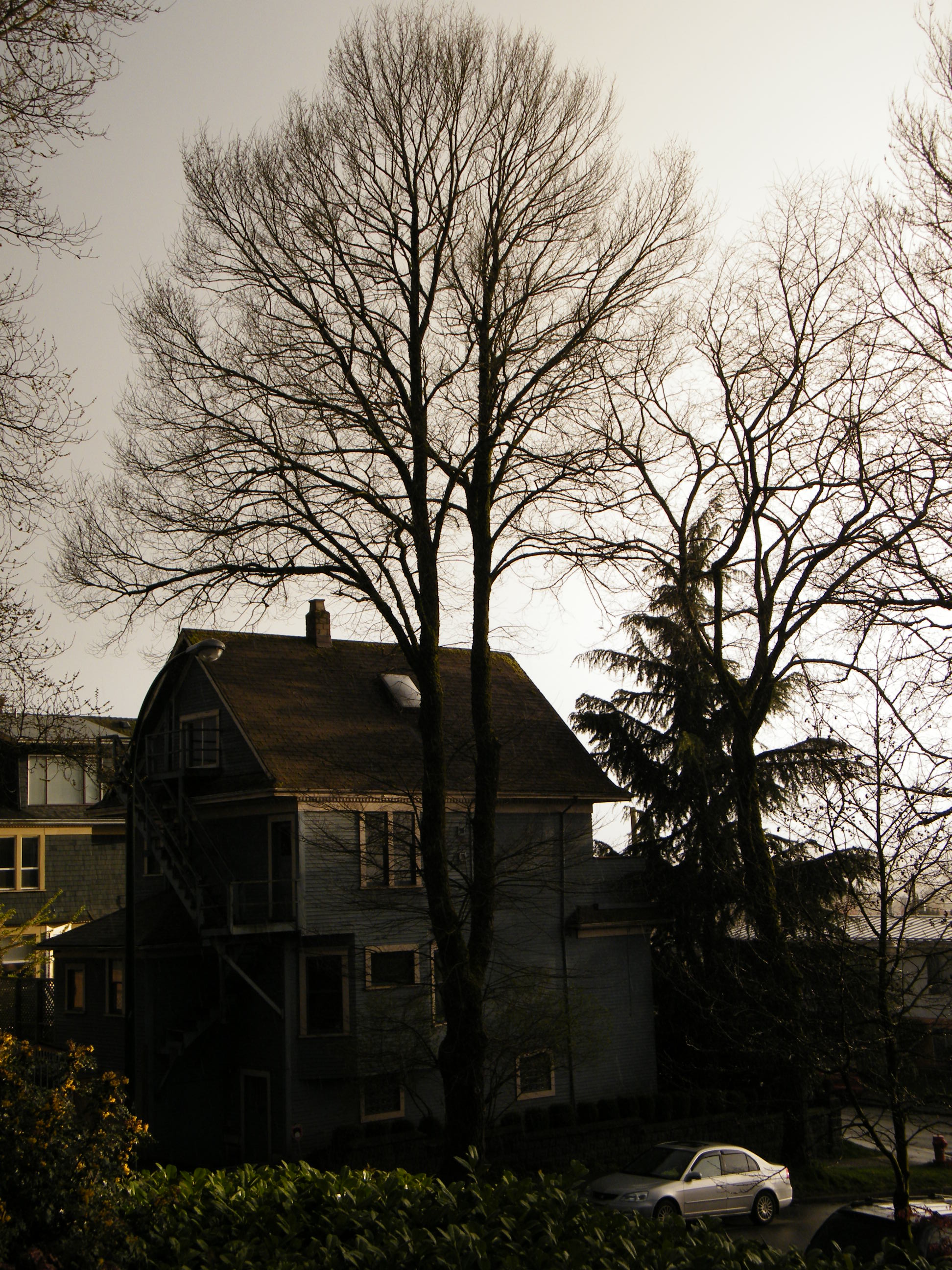
Vancouver has a reputation for rain, but I prefer to describe the weather here as changeable, especially in spring and fall. It’s why Vancouverites are ridiculed (by Torontonians) for dressing in too outdoorsy a fashion – we must dress in layers to cope with the numerous weather conditions we might encounter in a single day.

It’s true that we’ve gone through a long stretch of damp, cold weather lately. The grey skies are beautiful, though. When the afternoon light streams through the clouds, the sky turns a luminous grey, tinged with blue. My Prairie-raised mother doesn’t understand it, but growing up here teaches you to really look at cloudy skies. Look beyond the Vitamin D deficiencies and you might find yourself catching your breath at the loveliness of the sky and the way it brings out the colours in everything else.

I can’t hate this weather, which becomes awkward for me socially, as friends and neighbours expect commiseration when they complain about grey skies. I can always escape to the kitchen, though. It’s definitely not too hot to use the oven.

I’ve been baking salted butter break-up cookies quite often lately. They were the March 18th French Fridays recipe, but I somehow never managed to post about them until now. Maybe it’s because, just writing this, I’m thinking about making them again. The first time I tried the recipe, I ended up with three batches in quick succession – one to sneak into a hockey game to share with my family and two to bring to a community event. After that, I kept finding excuses to make them again.

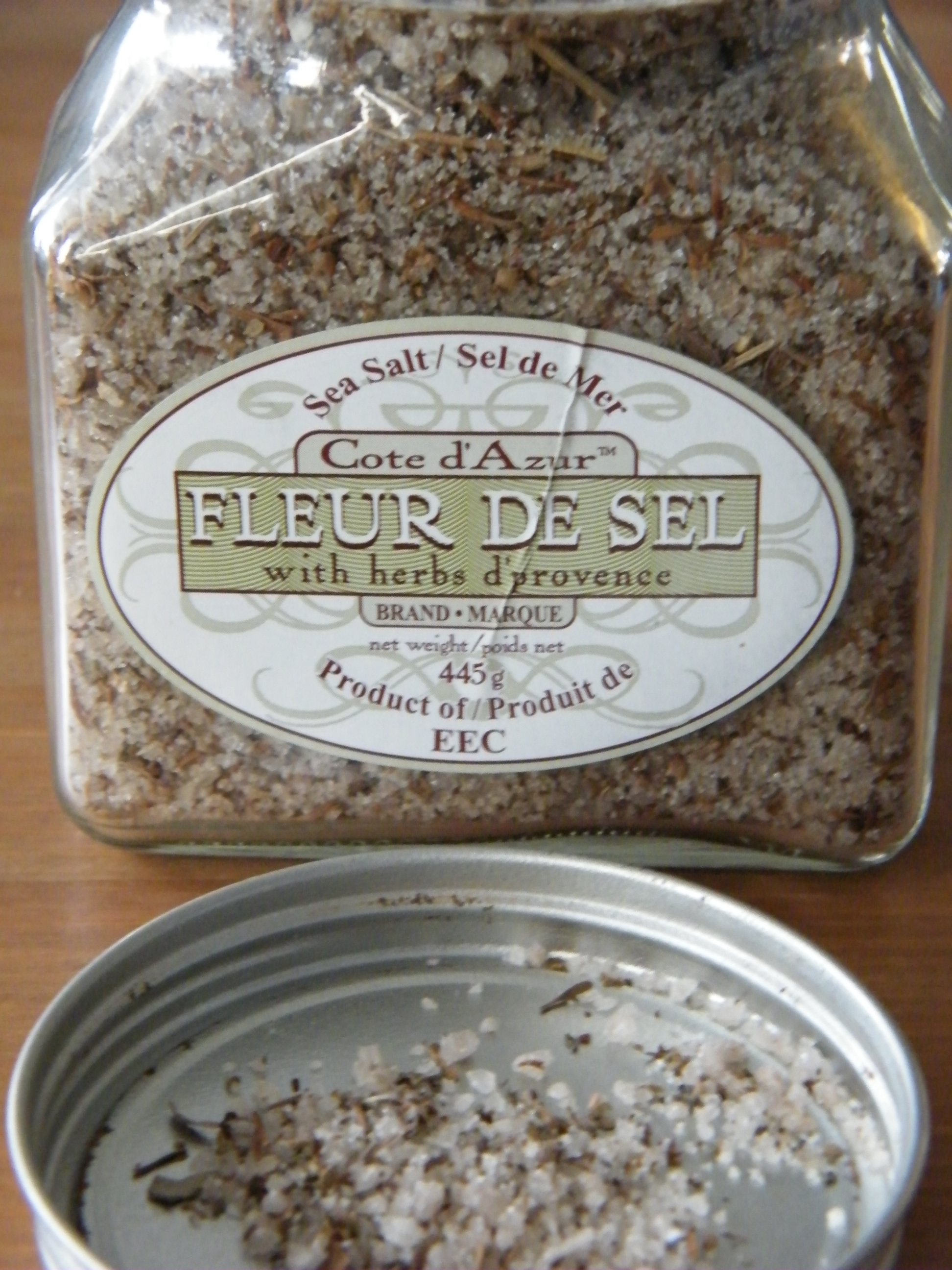
Salted Butter Break-Ups are traditionally made with sel gris, which is a coarse, grey sea salt. I used a coarse kosher salt in some batches and fleur de sel mixed with herbs de provence in others. The taste of salt pushes against the slight sweetness of what is essentially a simple, egg-washed shortbread. The herbs de provence gave the cookie another layer of flavour, too. This cookie could carry off a number of flavours – rosemary, cardamom or even curry. But however nice these variations can be, the plain cookie is enough to satisfy – salty, sweet, chewy and soft all at once.

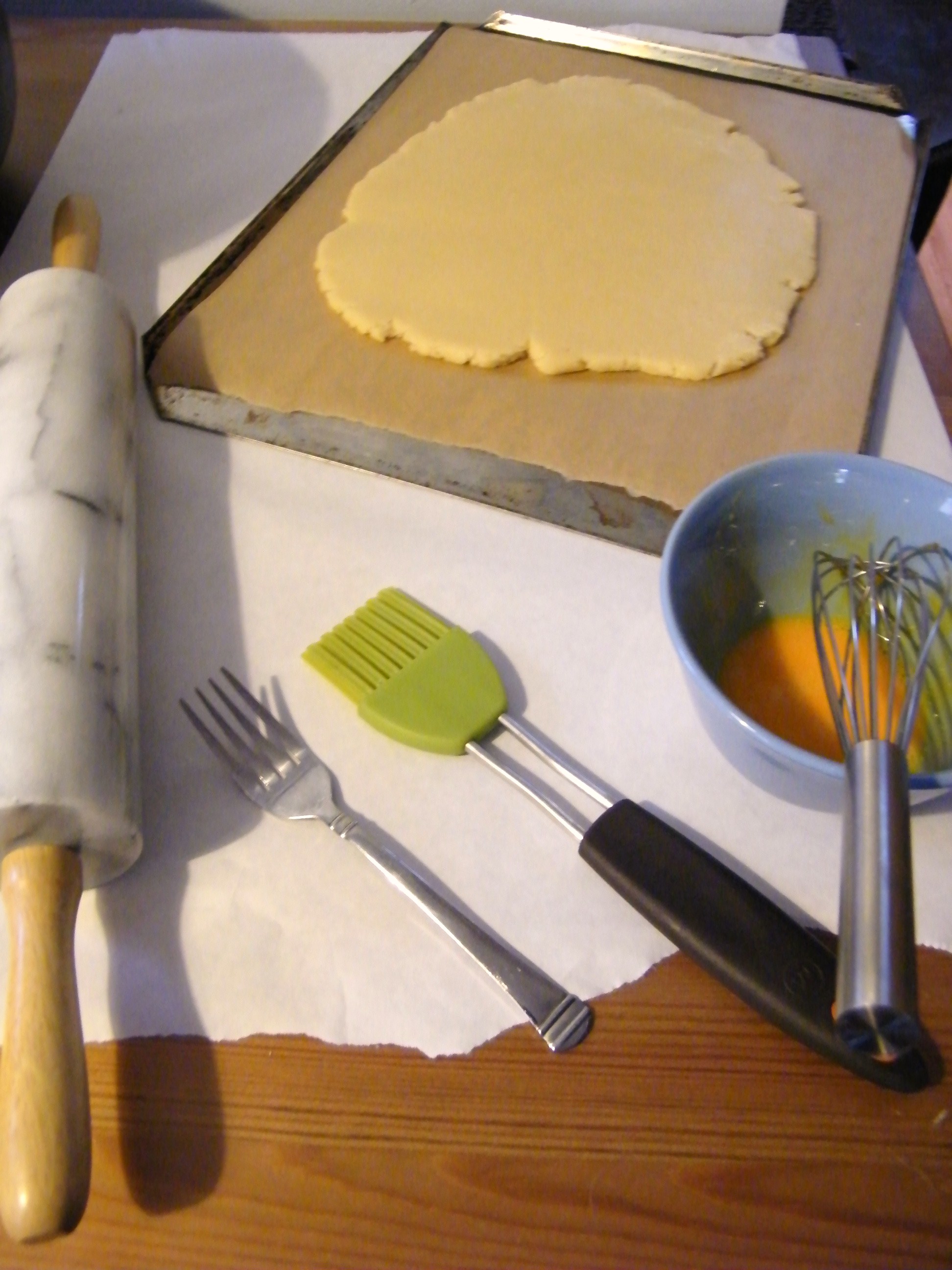
The break-ups are baked in one large, rolled out piece, given an egg wash and then decorated with a criss-cross pattern, using a fork. Once it’s been baked and has cooled to room temperature, it’s served intact, with guests breaking off pieces to serve themselves. I’ve yet to serve it this way, though. I’ve broken them up myself and packed them into cookie tins or paper sacks – much easier to transport.

I’m going to have quite a lot of opportunity to keep baking these, as the weather isn’t set to warm up for some time. As you might have guessed, I don’t really mind.

You can find the recipe here, on Dorie’s blog.

You can find many other blogged descriptions of the salted butter break-ups here: Salted Butter Break-Ups

To the Polls?

There are swear words included in this post, so if it’s not your thing, be warned.

On May 2nd, Canada is holding a federal election. Voter turnout, according to Elections Canada, has been declining for decades, particularly amongst young voters. Youth may not feel connected to our electoral process, but they are not the only ones. Our Prime Minister went so far as to say that Canadians don’t want to go to the polls, even framing an election as a dangerous risk to our economy. Though I’ve always believed that voting is only one part of what it means to be an engaged person (and that it might even be the least important way to work toward change or to protect the values and institutions you believe in), it’s depressing to think that elections have come to mean so little. Even worse, politicians know that they have very few people to answer to electorally.

Into this morass of apathy, a group of young artists, opposed to our current government, is reaching out to disengaged young people with a series of YouTube videos:

They also started a web page.

Following their lead, or perhaps Rick Mercer’s, students are organizing vote mobs on University campuses across the country.

It makes sense that youth are using these Wired Age tools to reach out to each other on these issues, but it remains to be seen if it affects voting behaviour. At the very least, both campaigns seem to have generated a lot more conversation and controversy, for Canadians of all ages, than the two federal leaders’ debates have done.

At a Walk

In a plane, geography becomes a physical reality; you can see the contours of a topographical map come alive. Travelling by train or taking a car on a freeway, you can track the differences between regions as you move through them. Cycling gives you control of your explorations of a city, allowing you to move from neighbourhood to neighbourhood without reference to the routes set for buses and cars. It’s walking (or scooting or however you locomote), though, that is the method scaled best to our bodies. As Rebecca Solnit says in Wanderlust: A History of Walking, “[w]alking itself is the intentional act closest to the unwilled rhythms of the body, to breathing and the beating of the heart.” What I especially love about walking, though, is how much I notice. Even lost in thought, there’s plenty of time for awareness of your immediate surroundings to sink in and allow you to make discoveries that you’d surely miss if you were moving any faster.

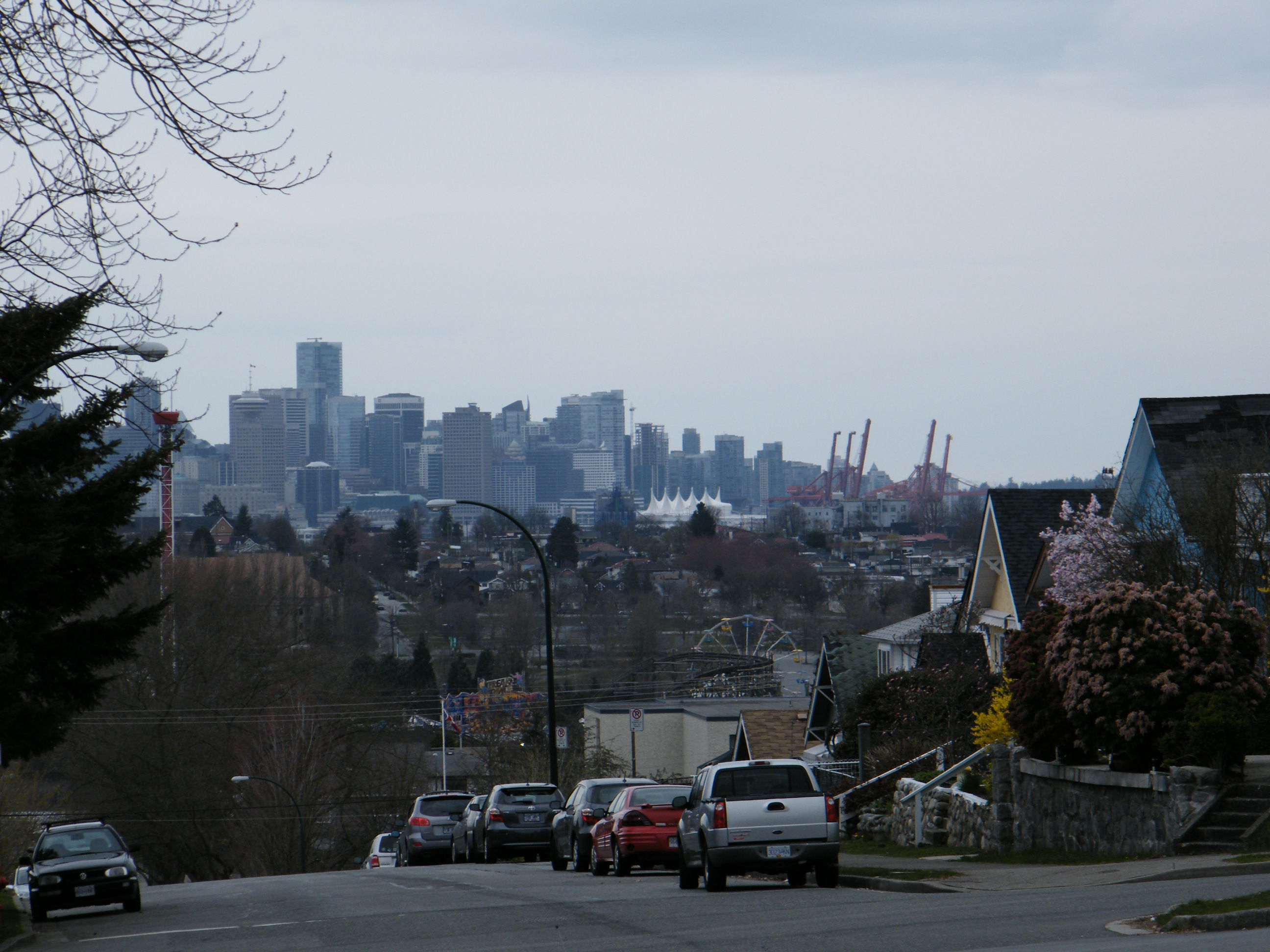
I love walking long distances, by city standards. When my partner and I first started dating, he lived near Commercial Drive and I lived in Kitsilano. I’d often walk the seven or so kilometres to his place, or back to mine. So, when I heard that Automattic was inviting WordPress users to blog about a five kilometre walk/run on the same day, I decided that it was high time to visit Burnaby Heights again. I lived there when I was a student, before I moved to Commercial Drive the first time. It’s actually a lot like the Drive.

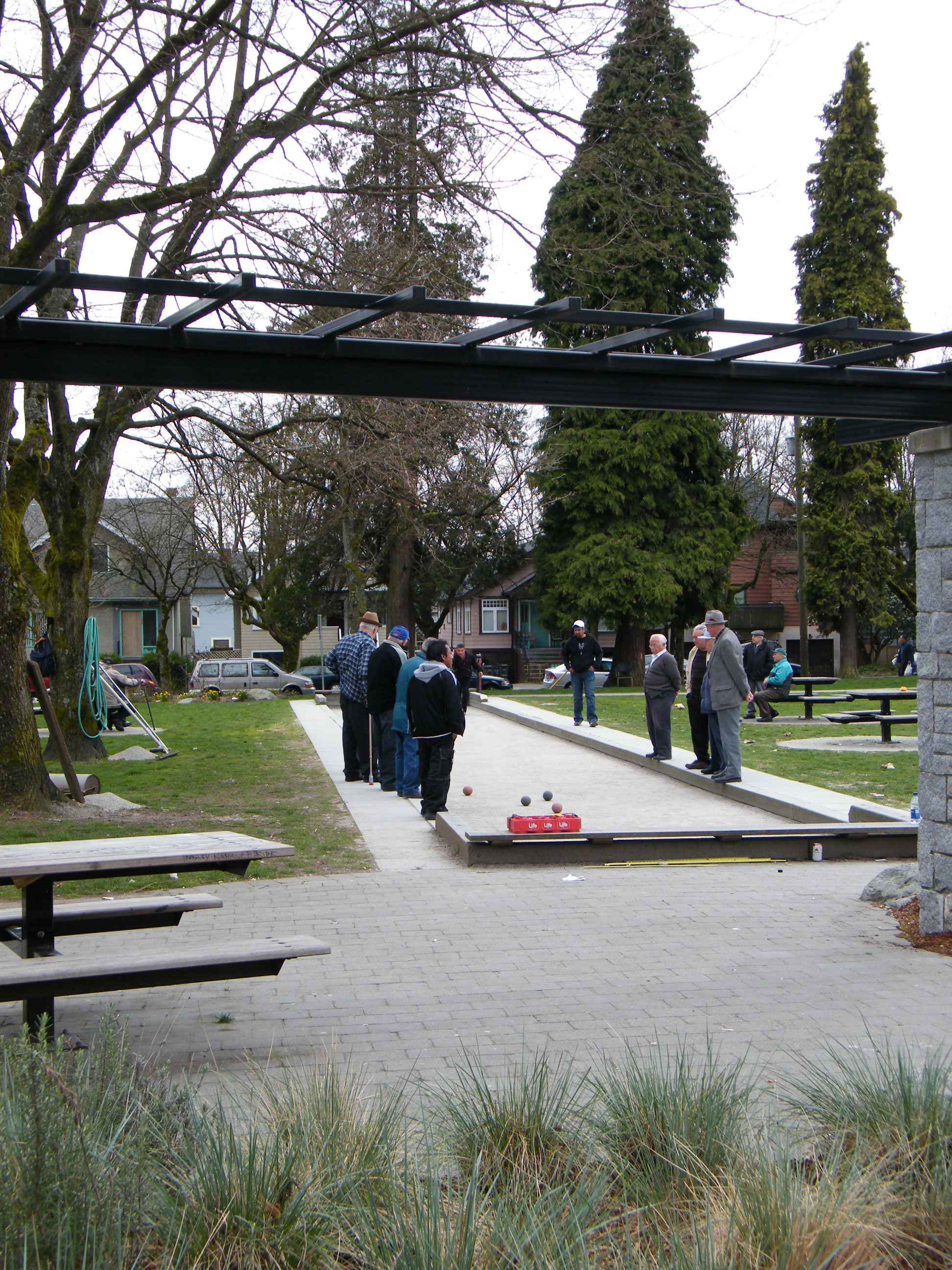
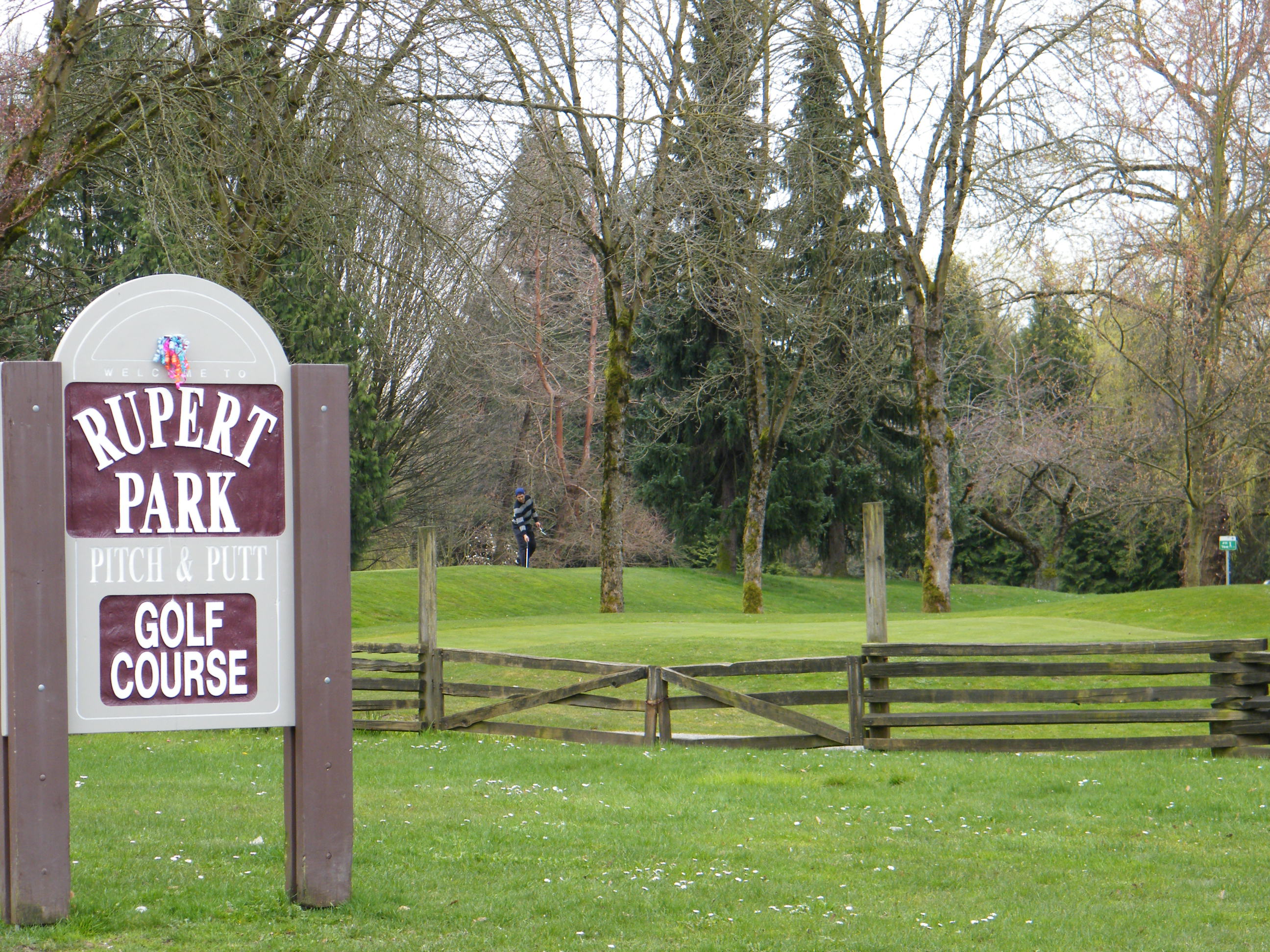
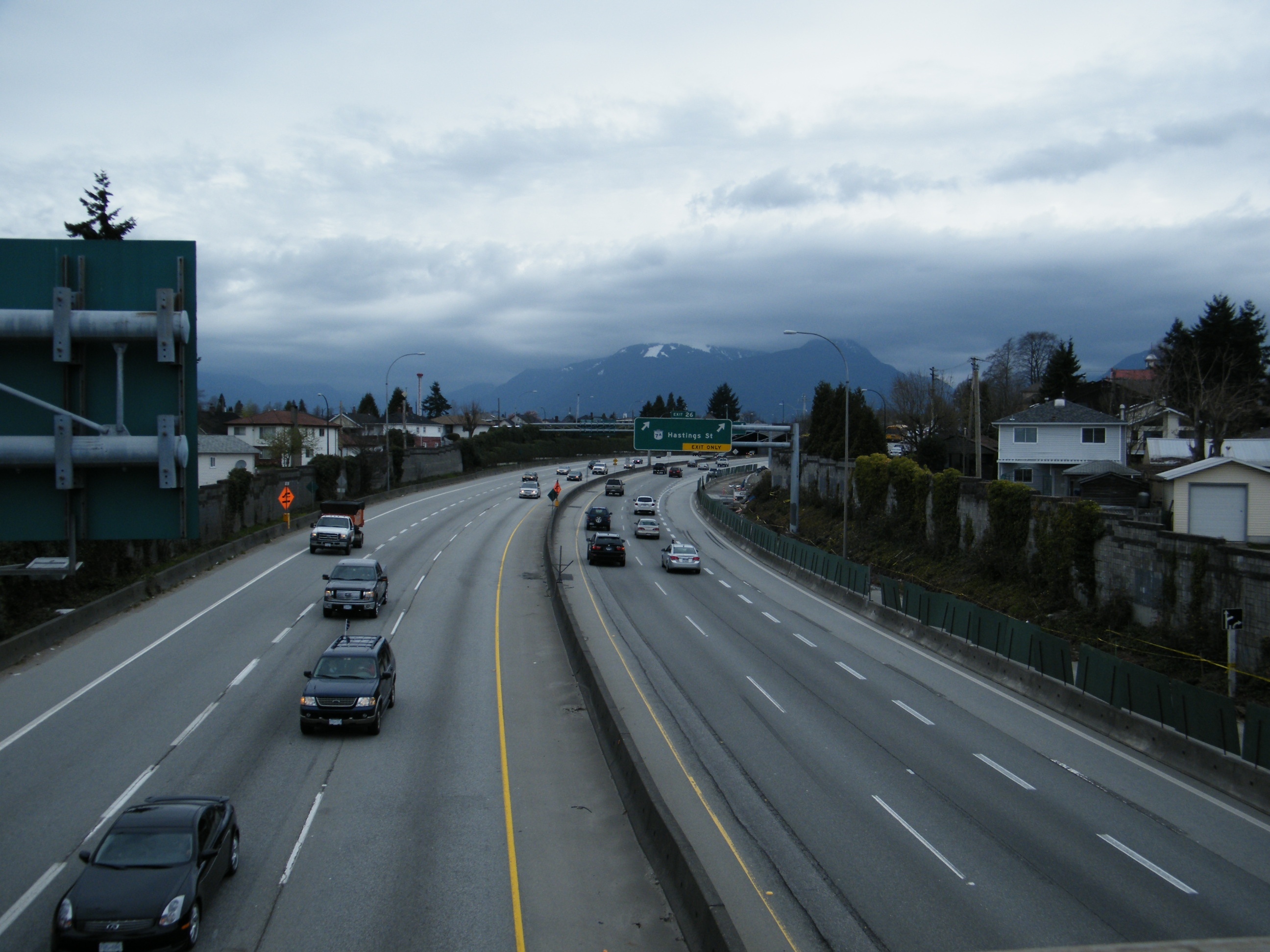
I started my walk at Victoria Park, at the corner of Kitchener and Victoria to be precise. I made my way over to Charles Street and followed it to the pedestrian overpass near Rupert Park. Then, I made my way north and east until I reached the corner of Willingdon and East Hastings. It’s probably a bit more than five kilometres, actually.

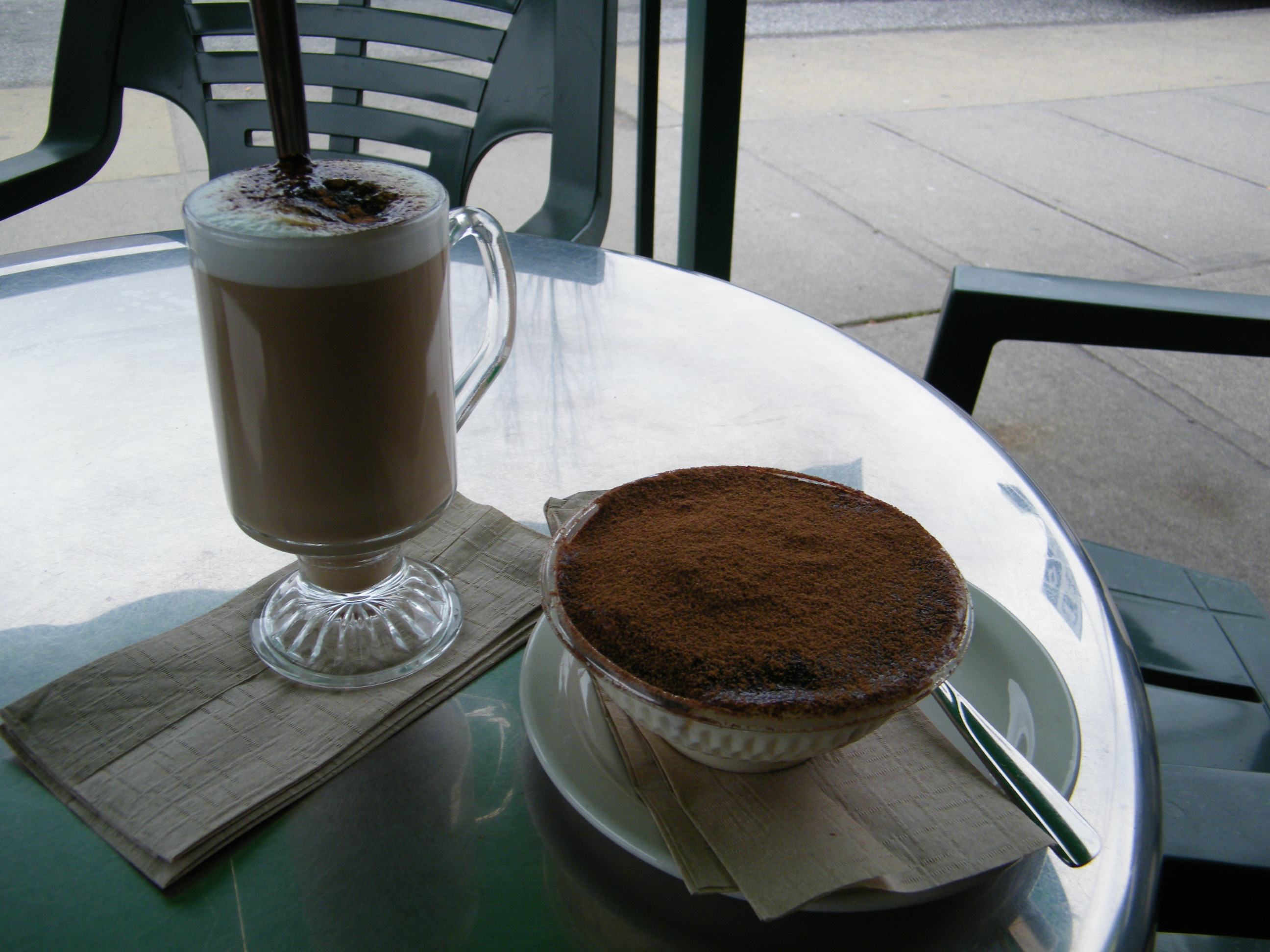
I spent a little time exploring Burnaby Heights, which has been largely redeveloped, both commercially and residentially. Some things remain the same, though. I was happy to discover that one of our favourite student hang outs, Cafe Classico, was still there, serving good lattes and tiramisu – both of which I was in need of before making my way back home, this time sticking close to Hastings on the northern side streets.

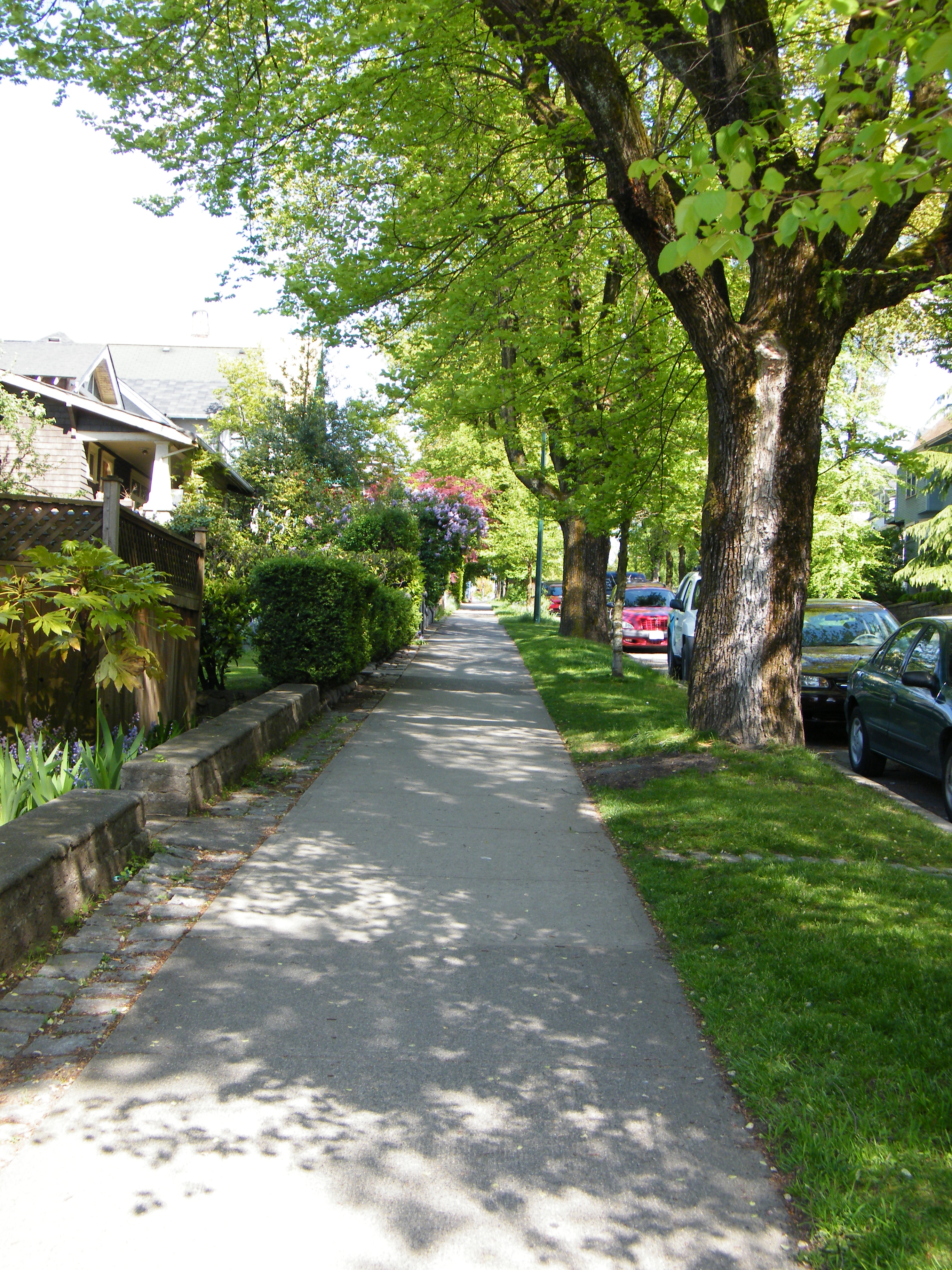
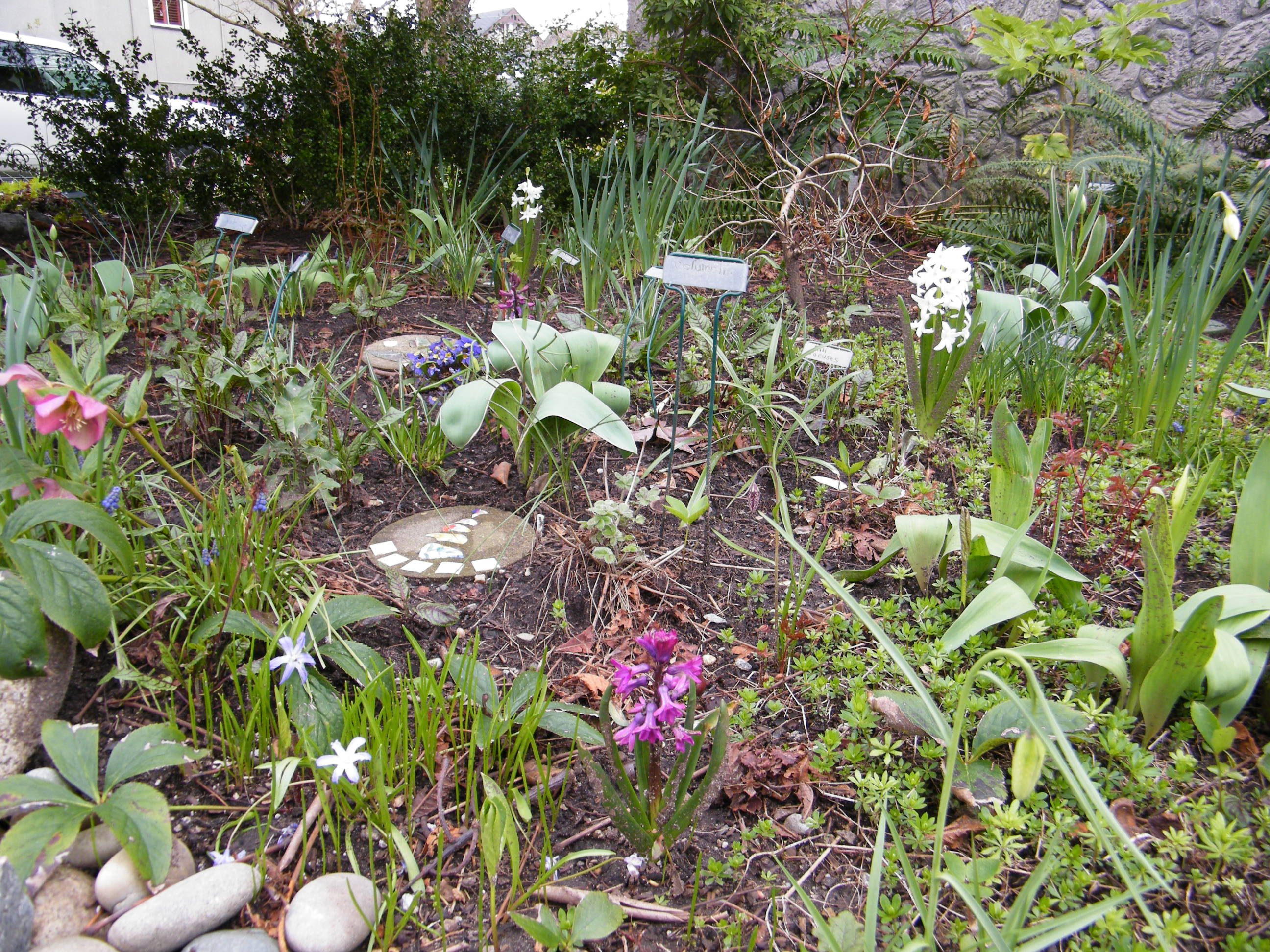
My bare bones description doesn’t do justice to the afternoon’s walk, though. Nor do the photos I took. I walked on streets I knew and ones I didn’t, discovering gardens, parks and architecture I’d never seen before. My walking companion was my dog, Roxy, and we had encounters with dogs, birds and people along the way. A walk isn’t simply exercise and it’s not just a method of getting from one place to another. What you see, do and think while walking are as much a part of a walk as any health benefits or practical concerns can be.

Here are a few photos from yesterday: