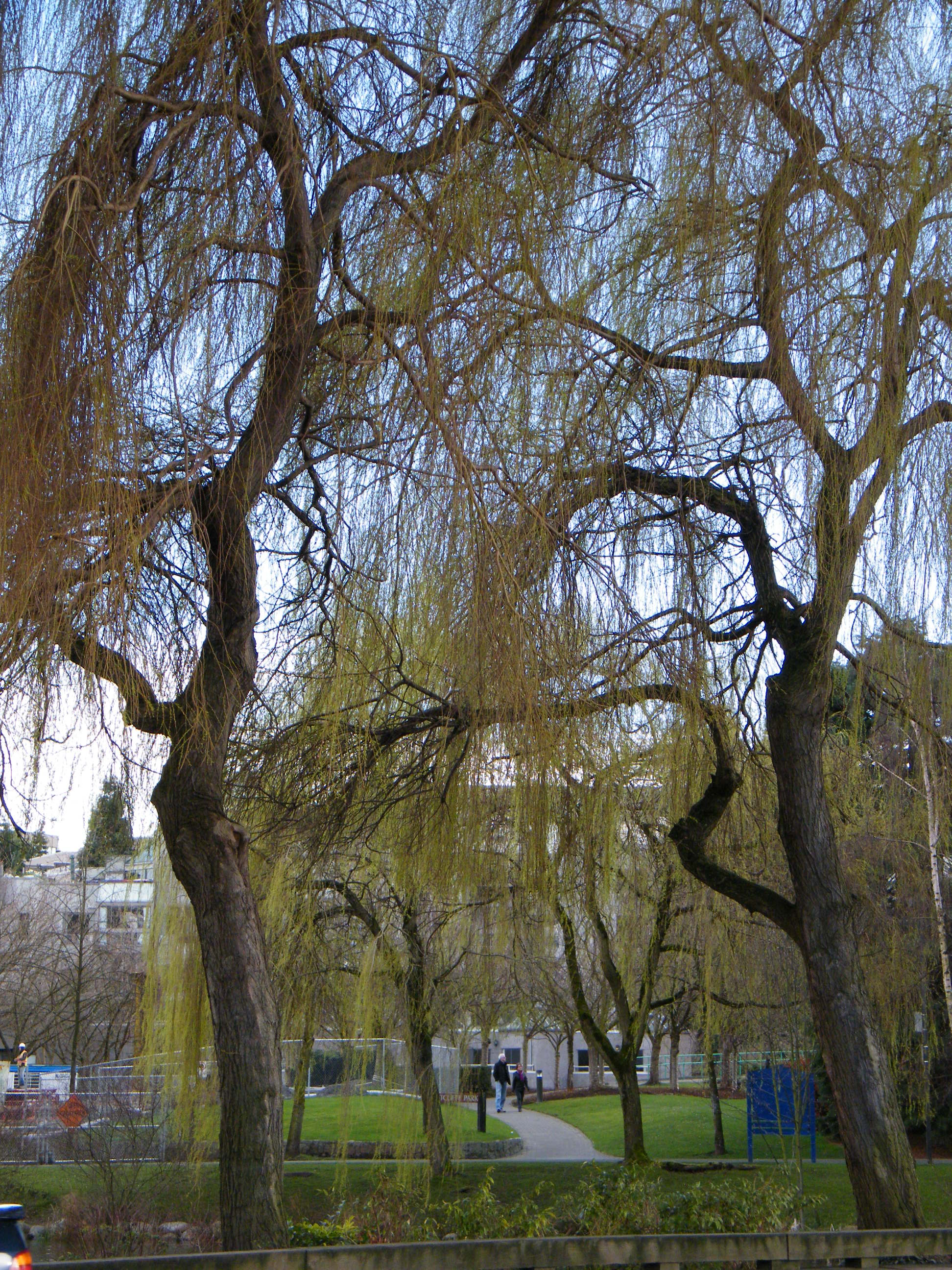
Bourgeois Populism

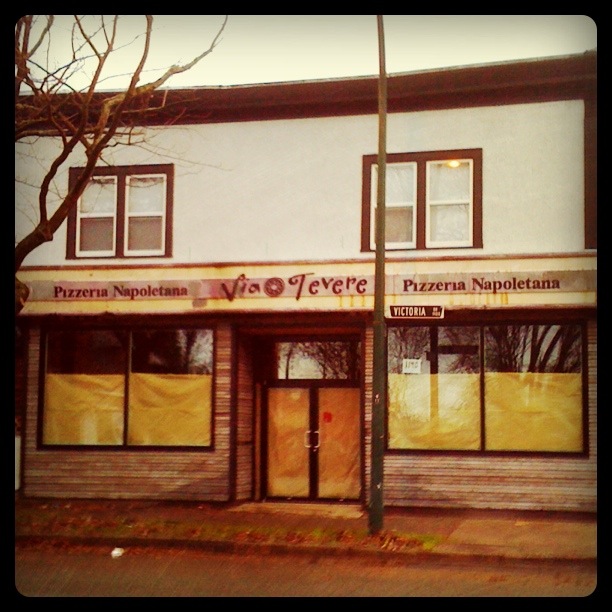
New pizza place opening soon on Victoria Drive.

I was telling a friend today that I’m a mixture of the bourgeois and the populist. Well, neither of those words is a perfect match for me, but that’s what I came up with today. My blog reflects this, with my definition of community encompassing everything from social justice issues to local shopping. One must embrace the contradictions of one’s nature, I suppose.

Sometimes though, the mixture can be a little hard to handle.

Today, I took the photo at the top of the post. I always have contradictory feelings when I see a new restaurant starting up in the neighbourhood. I like the expansion of food choices within walking distance, but fear the trend these openings represent. Right now, we have a number of produce vendors, food markets, and small merchants along the Drive. These are the sort of businesses that get pushed out with gentrification.

Our neighbourhood also seems to have been promised to developers for mid-rise, suburban-style condos. The number of rezonings approved by council is rapidly increasing. Long-time residents, who support independent businesses, are being pushed out of the neighbourhood. I suspect they will be replaced with folks with a suburban perspective, along with greater demand for chain stores and restaurants.

I like my mixed-income, (somewhat) diverse neighbourhood, that’s still able to support a video store, an old school diner, and a walkable street culture. Decrying the expensive, car-centric housing developments that are slated for this area gets one dismissed as an out-of-touch NIMBY. But what about the community that exists here? Surely there’s a way to preserve it, one of the most functional neighbourhoods in the city, while making room for new businesses that add to the ambiance?

I suppose not.

Connection Isn’t Always Direct

Neighbourhood Book Exchange

I had an analogue childhood: records, cassette tapes, letters in the mailbox, and getting up from the couch periodically to change the channel on the television. The Encyclopedia Britannica, in its two-shelf bookcase, took up a corner of the living room. It was our equivalent of Google. I’m pretty sure the Encyclopedia Britannia is entirely electronic these days, but not all these things have disappeared. Records (and even cassette tapes) are being produced for new music and we occasionally get a card in the mail.

Certainly print books haven’t disappeared yet, though e-readers are becoming more and more popular. There’s something irreplaceable about the heft of a book, the texture of the paper, and the quality of light against the page. The history of a particular copy is also something that gets lost when we turn to electronic versions. The experience of reading a book is enhanced by marginalia, inscriptions, forgotten bits of paper, even creases and stains. Perhaps not always stains.

It’s also hard to share books, unless you’re passing the e-reader to your partner. It limits the potential of a single copy of a book. One of the things I love about travelling is how books end up taking their own journeys. When I’m away, I like to bring copies of things that I want to read, but don’t want to keep. Once finished, they’re exchanged for another from the bookshelves wherever we’re staying. (Not in private homes – in hostels, hotels, or bed and breakfasts, where this sort of thing is encouraged. Honestly.)
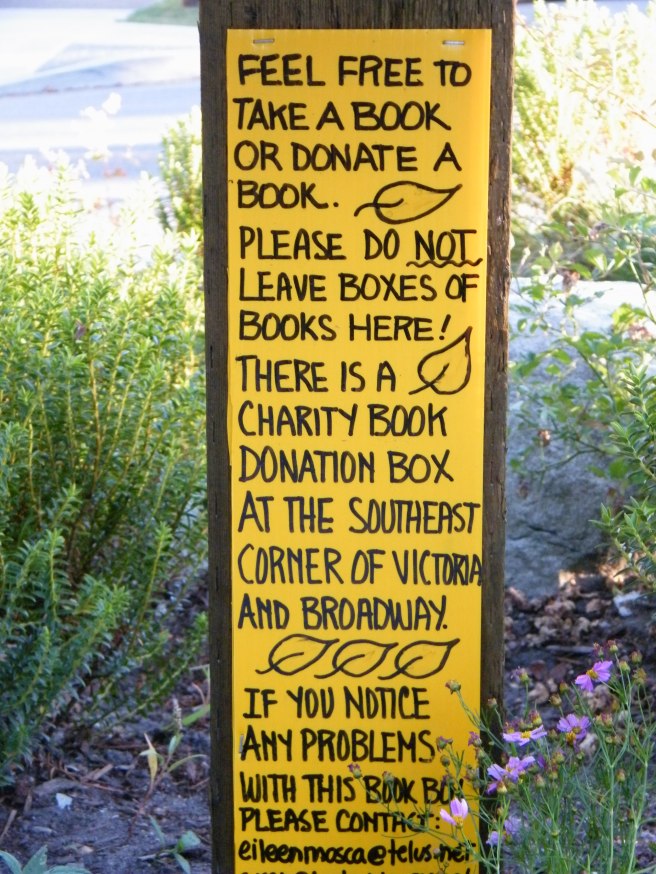
Helpful information.

I remember being on one long journey, thinking about the trajectory a book I’d just finished and really enjoyed might take. Considering the destinations of the other people staying at the hostel, I thought it might make it to Europe or South America and I wished I could somehow track its progress. A few years later, I heard about BookCrossing, which does exactly that.

BookCrossing is the sort of thing that I love about this new(ish) electronic world, because it is also rooted in tactile experience. The words real and virtual have had their meanings blurred, but in these cases they merge. Projects like this (and similar ones like Postcrossing or many iterations of mail art) are enacted in virtual space as they travel in real time. Eventually the trail stops and the book is never heard from again, though it might turn up unexpectedly, years later.

It’s not just the progress of the books that interests me, it’s also the generosity of spirit inherent in sharing with strangers. Like the sharing economy formed at Burning Man, looking out for strangers is an important part of creating community. Free boxes, extra umbrellas purposely left in cafés, community bookshelves – all these make a neighbourhood more liveable. It doesn’t replace socially just policies, but it helps enhance an atmosphere of neighbourliness.

The bottom shelf is all kids' books.

The electronic component of this process isn’t necessary, though it’s fascinating. The physical location is what’s important. I was thrilled to discover this Neighbourhood Book Exchange a few blocks from where I live. There are similar shelves in coffeeshops around town, but this structure is freestanding and free to visit, 24 hours a day. Another reason to love the Neighbourhood Small Grants project.

It’s exciting to see this sort of creativity and well, friendliness, at work. It’s something that makes me happy to live here. I’d love to hear about the things that make you happy to live in your neighbourhood. I’d also love to hear about instances of virtual community that excite you, or that you’ve followed into the real world.

My next post will be my 100th and I’ll be doing a little something to celebrate. Come back on Thursday to see what’s happening.
A Photo Walk in Fort Langley

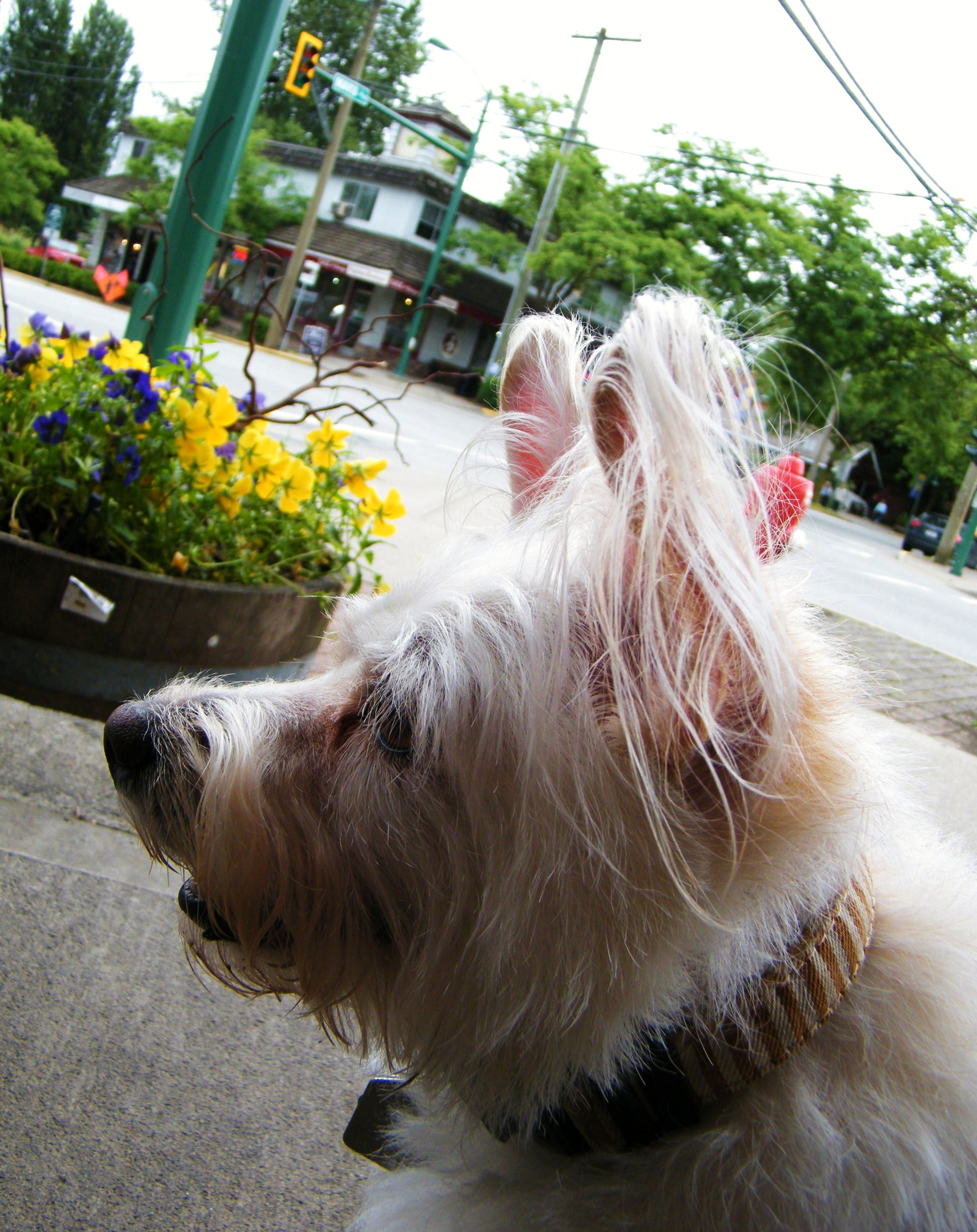
Right now, I can only dream about going on nice, long photo walks with my favourite walking companion.

My walking companion, Roxy, with a flowerbed and streetscape in the background.

I sprained my ankle rather badly last week, so a long walk for me right now is across the apartment. Luckily, I have some pictures from my recent walk around Fort Langley. We’ve had a rainy summer so far, broken with some stretches of sunshine. As a result, water levels have been quite high. The day I was in Fort Langley, the Fraser had even flooded its banks slightly, covering the walking path I’d intended to use.

The path beside the Fraser, flooded by high water levels.

I wandered on the raised boardwalk instead, crossed the bridge to McMillan Island and then walked back up to the town’s historic centre. When I was growing up, Fort Langley was a little sleepy, but the community revitalized it on a vintage theme, in keeping with the tourism that’s drawn by the National Historic Site on the edge of town. What they’ve done is similar to La Conner, Washington, but on a smaller scale. There are a number of heritage buildings nearby, including this church, where my family would often go for midnight mass on Christmas Eve.

oss the water toward McMillan Island and the historic Church of the Holy Redeemer.


Boats on the river.

I didn’t take many photos of the town’s buildings, but instead kept to the river, a nearby garden and the restored CN Station.

The restored CN Station, white with dark green trim, Flower baskets hang beside the sign, over a bench. There's a chalkboard showing (fictional) departures and arrivals.


An orange velocipede, which was used for railway inspections, atop the rail.


The old rail line beside the historic CN station.

The smaller details caught my eye that day.

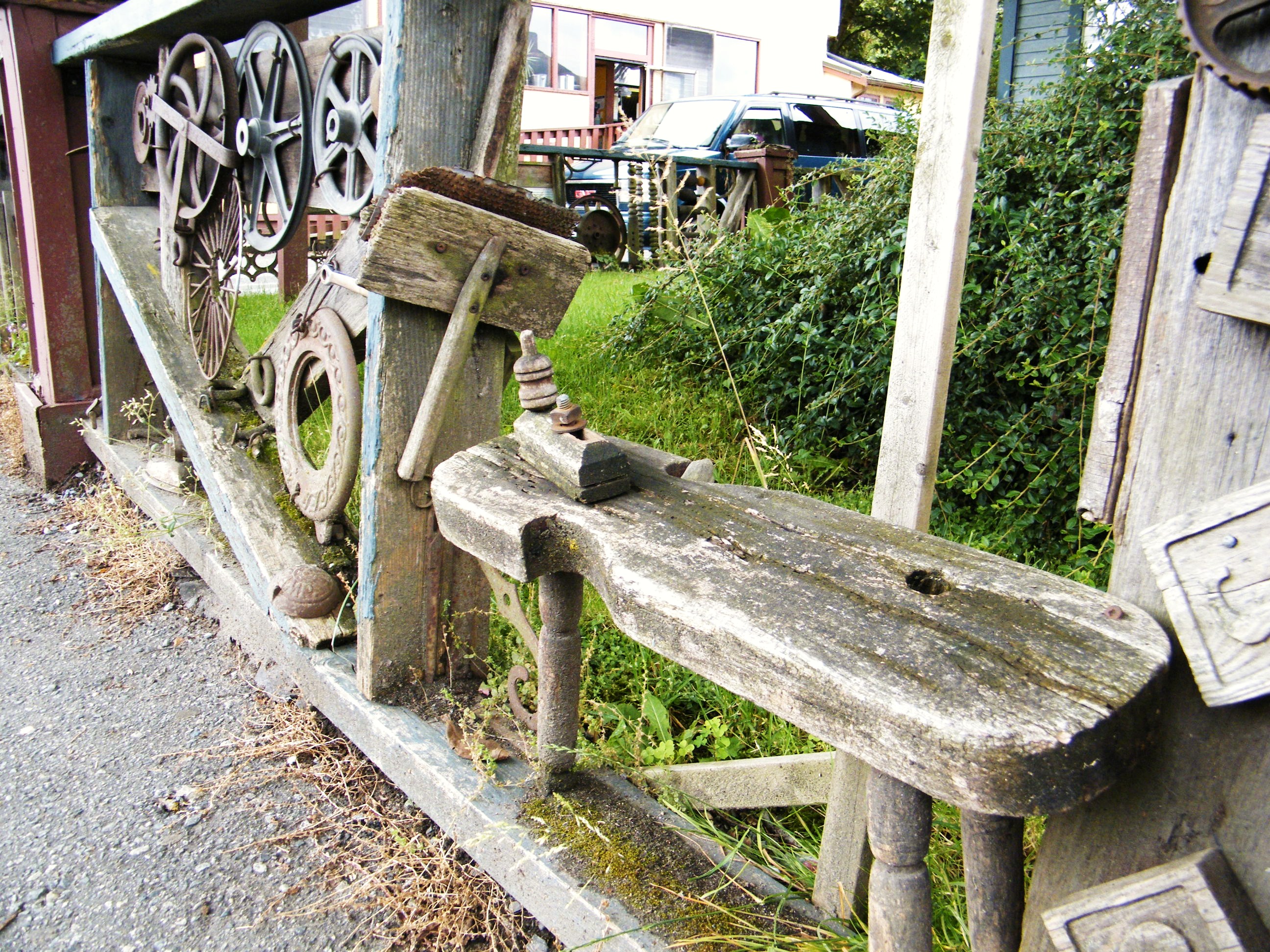
An interesting handmade fence in front of a house.


A fully bloomed rose, yellow in the centre, turning to light pink and then fuschia toward the edges.


A close up of a yellow and orange rose, not yet fully opened, with purple flowers in the background.

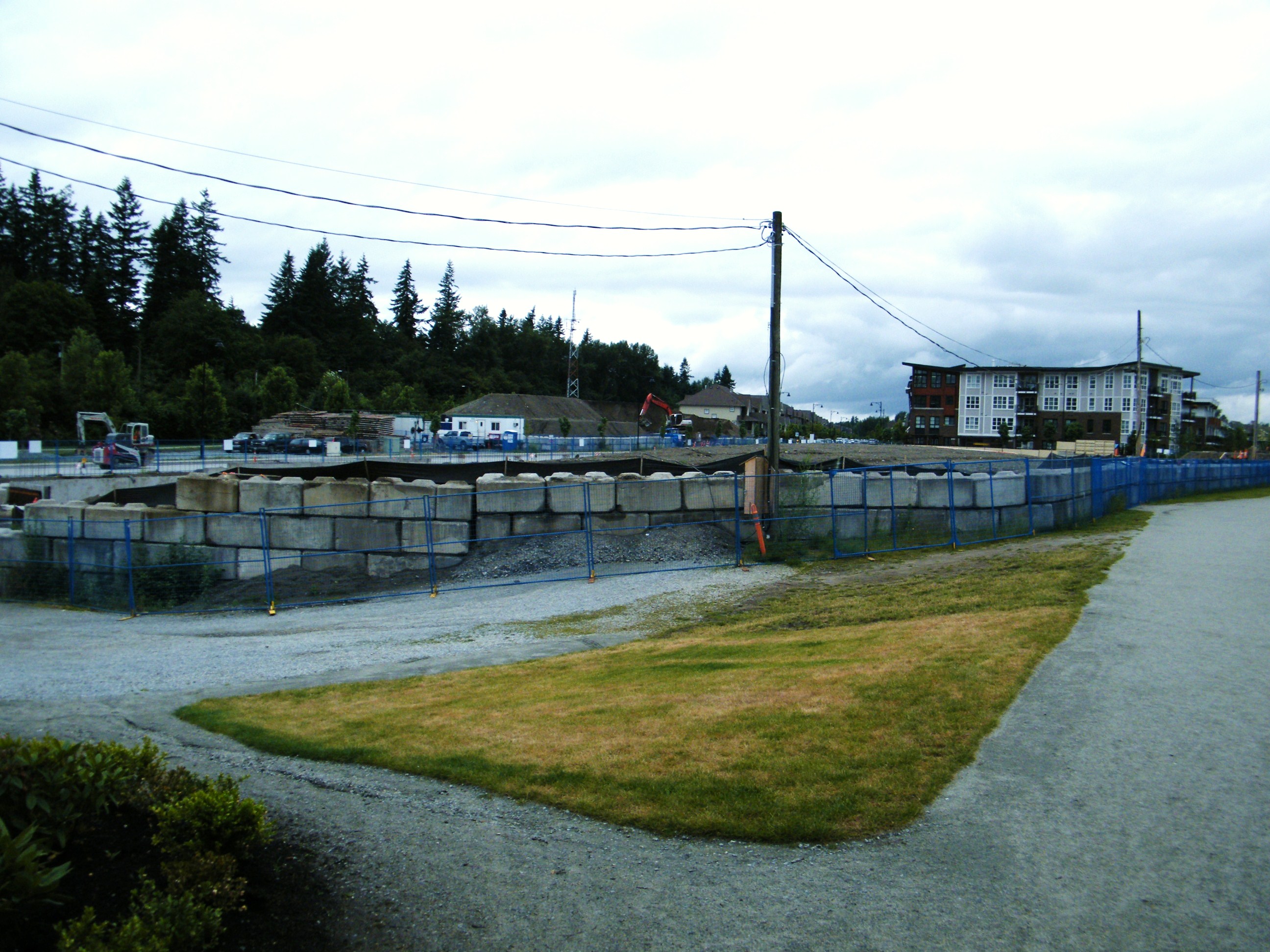
Driving into Fort Langley from Langley proper, the outskirts seem just as they were when I was young, but on the other side of town, condo developments are being erected. It seems a shame, so close to the centre of town. It’s so lovely otherwise.

Development a few streets away from the historic town centre.

FFWD – Coconut-Lemongrass-Braised Pork

My parents live in a rural(ish) area of the Fraser Valley. There is a tiny downtown, a vestige of the village that was swallowed up by the municipality in which they live. They’re also twenty minutes away from suburbia in two directions, so they have access to everything they might want, including gourmet ingredients. What their area lacks, though, is reliable access to less usual ingredients at the last minute. It makes me realize that I’m spoiled. If I’m missing an ingredient, I can walk down the street, right up until around nine in the evening, and be almost guaranteed to find what I need. What I don’t have is the beautiful setting they live in. I also haven’t developed my mother’s instinct for planning ahead.

A closer look at the completed dish.

Knowing that I was making this week’s dish at my parents’ place should have caused me to take a look at the list of ingredients, then place a phone call to my mother to see what she had on hand. If I’d done that, I might have packed up the whole coriander and the cardamom pods in my pantry and run to the store for some fresh lemongrass. Instead, I blithely congratulated myself for remembering to pack the cookbook and headed out to the farm. When it finally came time to make a shopping list, my lack of forethought caused a scavenger hunt that amped up my (car-fueled) carbon footprint more than I’d like to say.

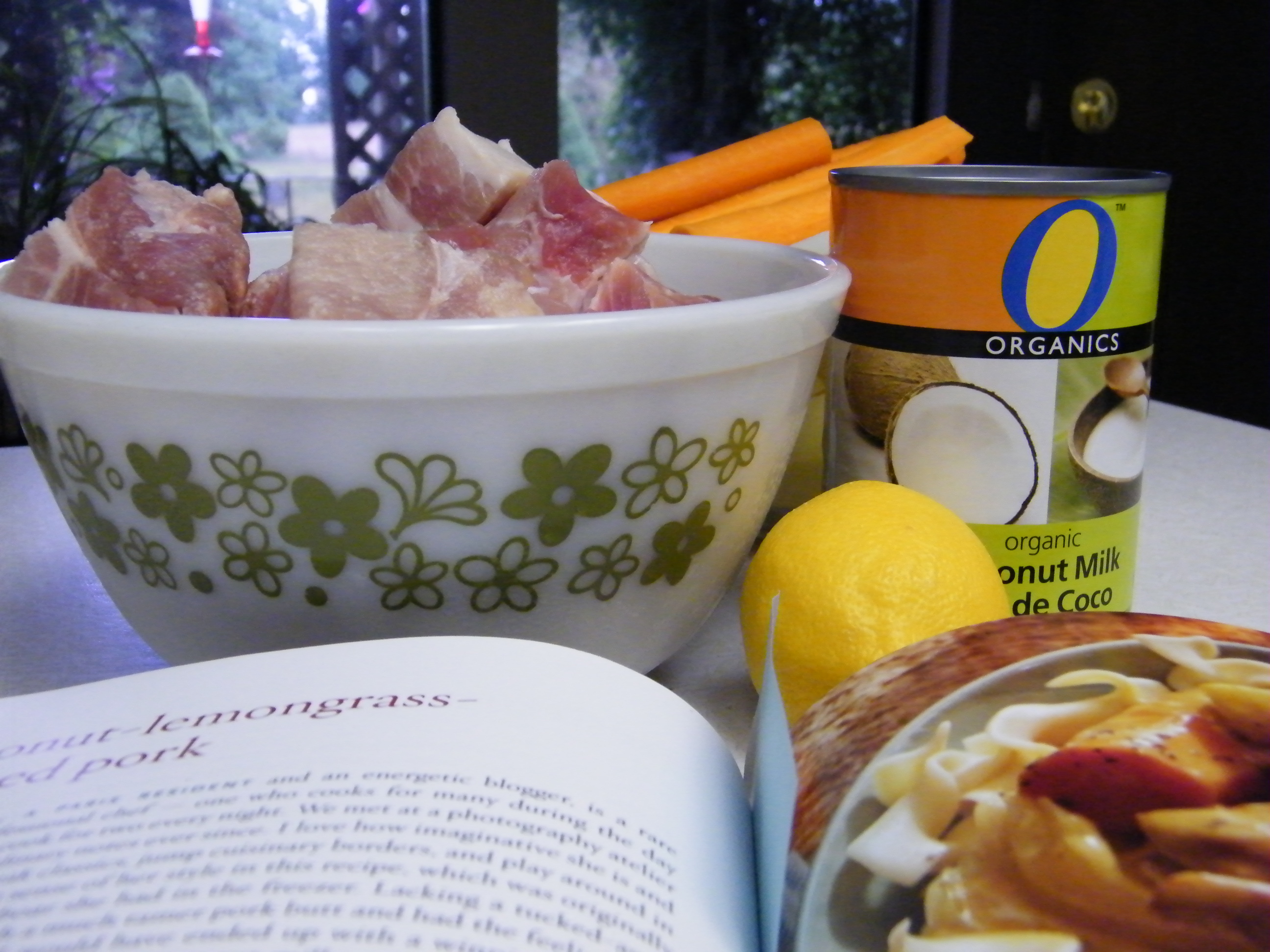
Ingredients at the ready, behind a cookbook laid open on the counter.

My mother has ground coriander and cardamom in her spice cupboard, but I thought I would be able to find whole versions when we went out for the rest of the ingredients.Two supermarkets and a specialty store later, I had managed to find everything but the cardamom and lemongrass. As I was being told there was no lemongrass by the third produce clerk of the day, another customer tapped my elbow. She told me she got frozen lemongrass from a little store downtown and that they might have cardamom pods, too.

Pork chunks, ready for browning.
Off we went. The store was packed full of all sorts of produce, spices and ingredients that you couldn’t find on the shelves of the local supermarkets – even mangosteen, which I rarely see around my neighbourhood. I enlisted the aid of the clerk, but she couldn’t find any cardamom at all. She thought she was completely out of lemongrass, too, until she remembered that there was some in a package of fresh ingredients for Tom Yum soup. More than enough lemongrass for my recipe, with enough left to try the soup mix another time. As I was paying, I mentioned how difficult it was to find what I needed to make a mildly Thai-influenced dish. “Not in this town,” was her response.

Browned pork, mixed with toasted spices.

Well, my parents’ farm has its own attractions. They occasionally raise a few pigs, which keeps the whole family in pork for quite some time. They are coming to the end of their latest stock of pork, but we found some pork chops that substituted nicely for the pork butt suggested in the recipe. I took out the bones with a filleting knife and the thick chops cut easily into 1-2 inch chunks. Our late summer meant that there weren’t yet any root vegetables ready from the garden, but I got some nice carrots, potatoes and onions from the local co-op.

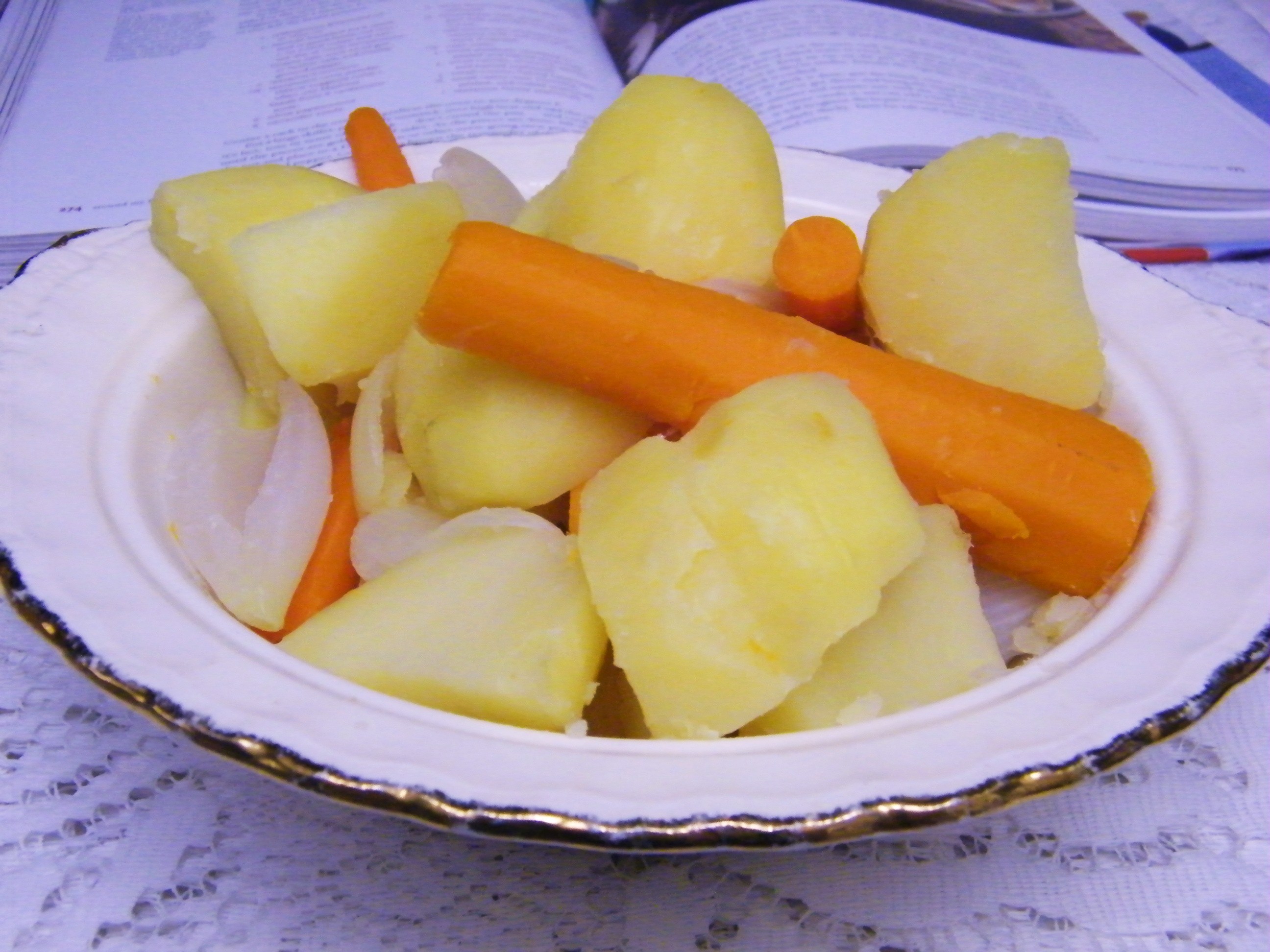
The cooked carrots, onions and potatoes arranged in a pretty dish, with a cookbook in the background.

After browning the meat, toasting the spices and adding the coconut milk, the kitchen was aromatic. Which made it hard to wait the more than half-hour it took to braise the stew. I kept busy, cooking the vegetables and finishing last week’s Cold Melon-Berry Soup, which we had as an appetizer while we waited for the stew to finish. Though the suggestions for serving this pork dish include pasta or rice, we served it just as it was. The vegetables provided enough of an anchor for the pork and its thin sauce. The stew can be finished with a touch of honey, but I neglected to add it. It didn’t matter, the flavours of the stew worked very well without it.

The completed dish, yellow with tumeric, in front of a cookbook.

I’m back home now, experiencing the best of both worlds, with some of my parents’ farm-raised meat in the freezer and all the ingredients I need just down the street.

You can find many other blogged descriptions of this week’s FFWD recipe here: Coconut-Lemongrass-Braised Pork

Travelling at Home

Looking east over the rail tracks from Vancouver Lookout.

This summer seems especially full of community events. Part of it is Vancouver’s125th Birthday, with events like this past weekend’s Summer Live. Another part of it is that there’s been a groundswell of community creativity around public events that’s been supported by the current City government. Organizations like Vancouver Public Space Network, websites like Vancouver is Awesome, and initiatives like Car-Free Vancouver are helping to drive this movement. Public Dreams pioneered such community-making, espousing a grassroots ethos that includes making these events free of charge.

A view toward the west from Vancouver Lookout.

I think this atmosphere is inspiring traditional institutions like Tourism Vancouver to follow suit. This May, they ran a promotion of local attractions called Be a Tourist in Your Own Town, which was open only to residents of Greater Vancouver. Each day of the promotion, residents could download coupons good for a range of destinations around Greater Vancouver, ranging from the well-known to the obscure.

I managed to take advantage of two of the offers, admission to Vancouver Lookout and Dr. Sun Yat Sen Chinese Garden. The first was one I’d never considered, while the second was a chance to re-visit one of Vancouver’s treasures.

Looking from the top of the Vancouver Lookout over the rail lines and cruise ship dock.

Vancouver Lookout sits atop Harbour Centre’s tower, which was Vancouver’s tallest building until 2009. It still gives a clear 360° view, looking out over downtown, the west and east ends of town, and toward the North Shore. Even on a rainy day, the views were compelling. It made for a nice exercise – trying to identify our neighbourhood from that height and distance; seeing the roofs of most of the downtown’s buildings; getting an aerial view across the water.
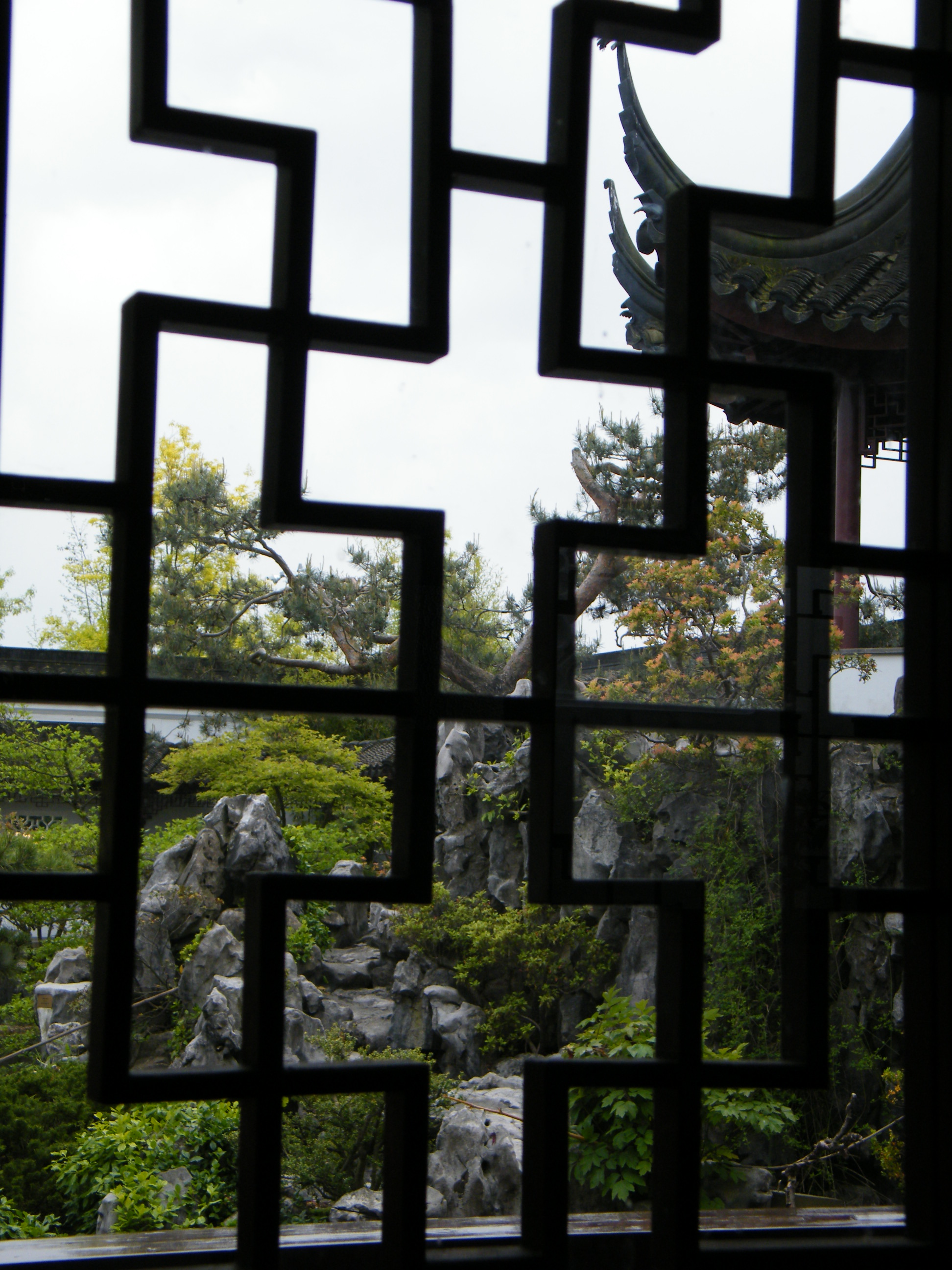
Through a window onto the garden.

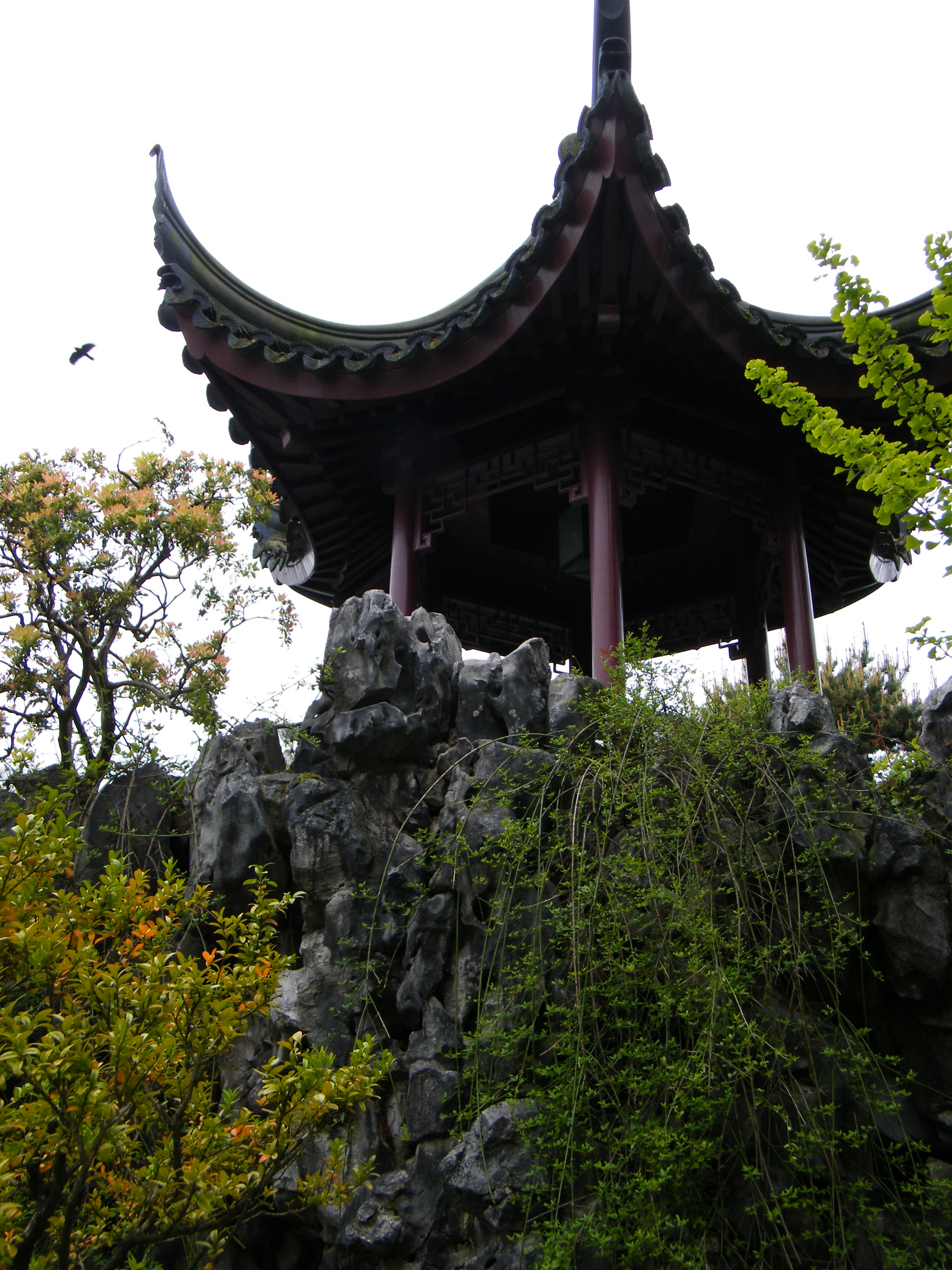
I went to Dr. Sun Yat Sen Gardens on another grey day, but the rain held until near the end of my visit. The Vancouver Tourism offer coincided with the garden’s 25th Anniversary celebration, so we were treated to tours, activities and goodies. I loved watching the koi feed, hearing the history of the garden, and contemplating the symbolism of elements in the scholar’s garden. The garden is not just a contemplative space, providing a venue for theatre, music and conferences.

Orangy koi fish coming up for food.

Mottled, mostly white koi fish grabbing a snack.


I try to approach living in this region, where I grew up, in the same way I do unfamiliar places. Looking at one’s home through traveller’s eyes means trying to discover both the surprising and delightful, along with what’s most authentic. But tourism has its rewards, too. Thanks Tourism Vancouver, for reminding me of that.

Looking up toward the pavilion.

Creating Community, Car-Free

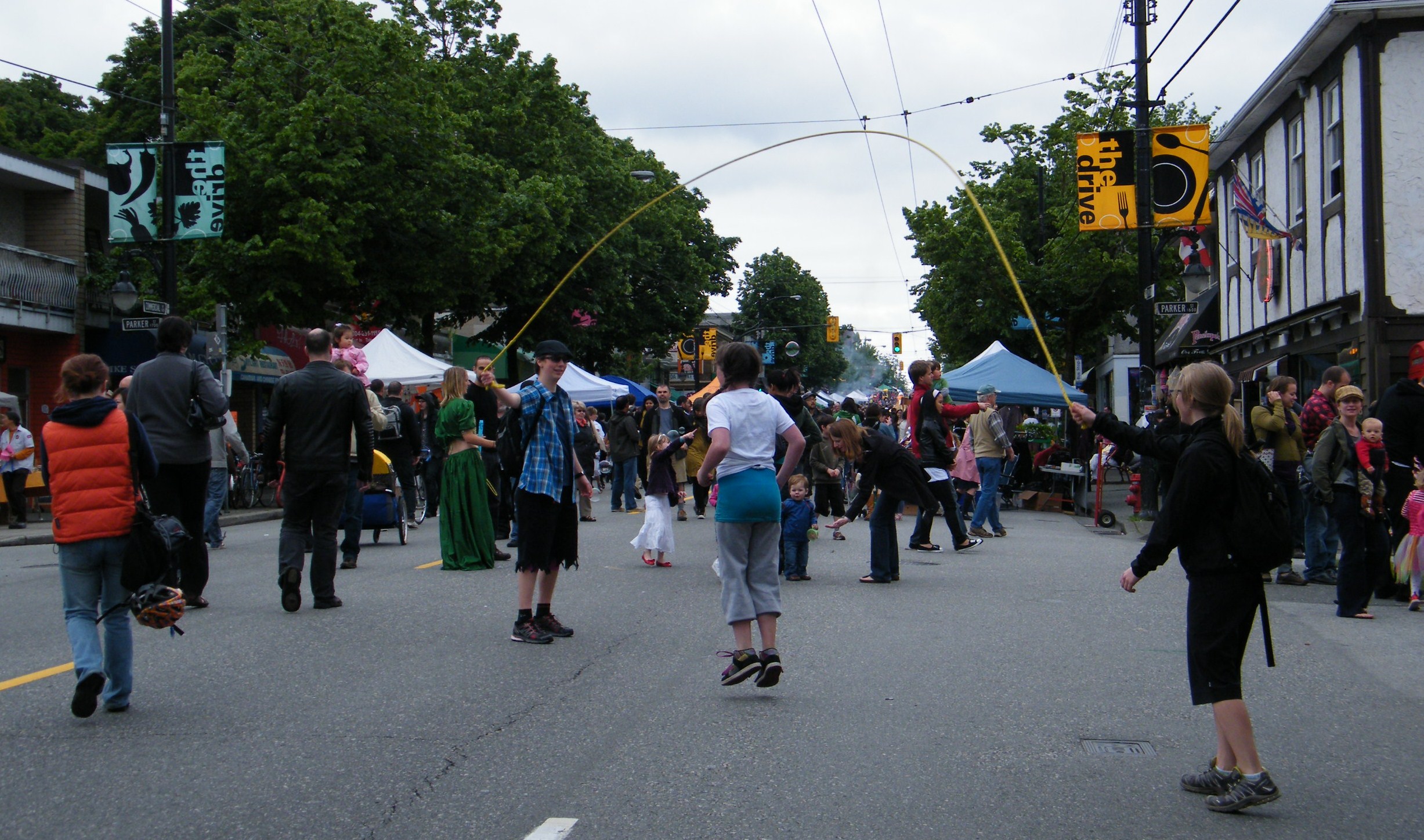
Jump rope in the street, on the Drive.

It’s often been said that Vancouver lacks a civic centre. We have no town square or any pedestrian malls. For many years, the closest thing to a city gathering place has been the steps and courtyard of the Vancouver Art Gallery. Many protests and celebrations have wound up there over the years, but it doesn’t replace the street-level culture that exists when there is a dedicated public space.

Community groups set up along the street, including No One is Illegal.

Travelling to Europe or Latin America (or even Montréal) shows us what we’re missing here. Even the smallest town in Mexico seems to have a zócalo where cafés line the perimeter and couples promenade in the evenings. For the traveller, it can provide an anchor from which to spin out one’s explorations; for the resident, it’s the centre of public life.

A band sets up in the street.

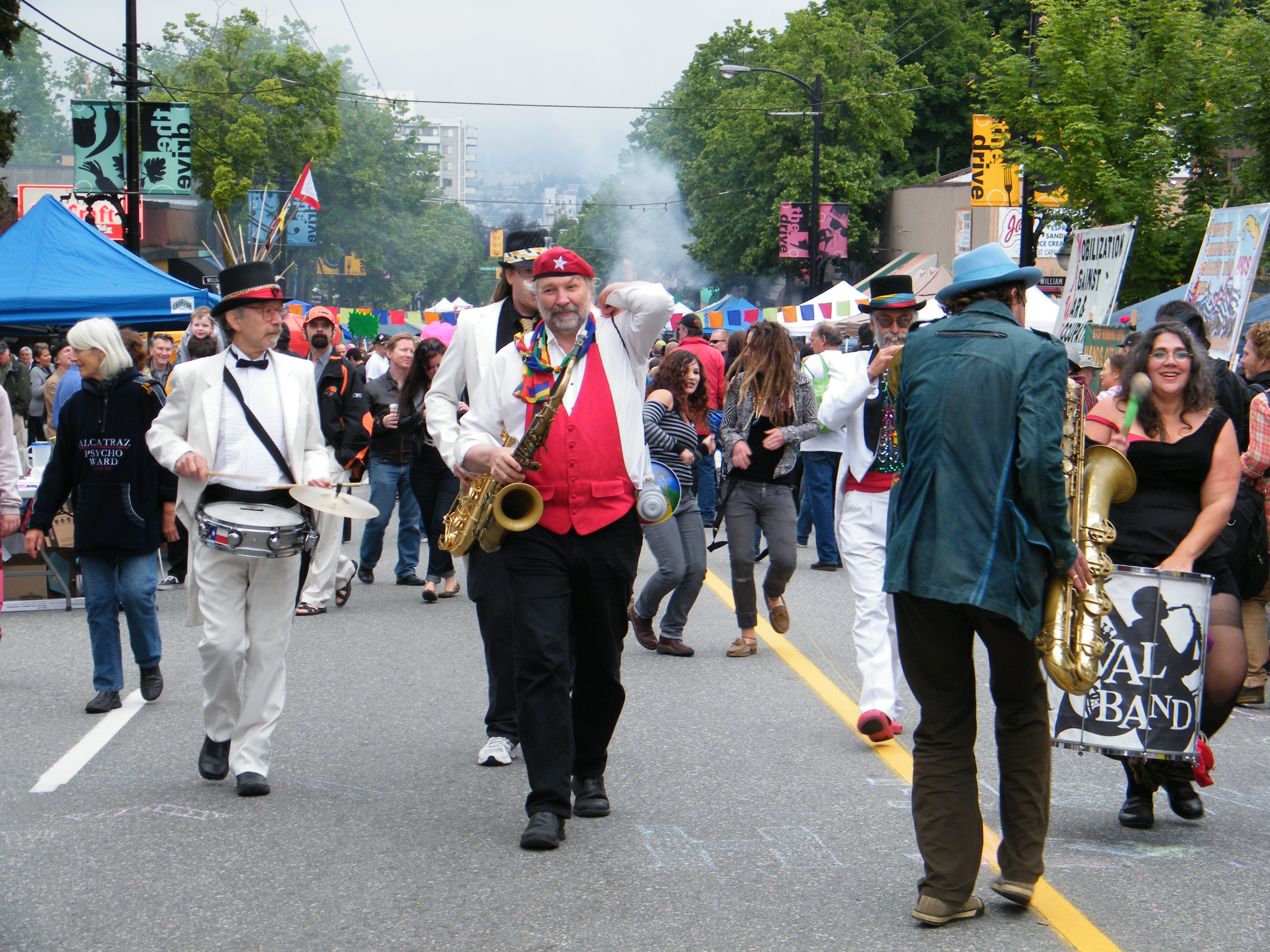
Vancouver gets a small taste of what this can be like when the annual Car-Free Day closes down streets in several neighbourhoods across the city. Street hockey, dance parties, roller derby and jump rope are just some of the activities folks were able to engage in, once the traffic was re-routed and pedestrians flooded the street.

The Carnival Band promenading through the crowd, down the centre of the street.

This model temporarily assuages the city’s need for an outdoor public life, but it’s not enough. The temporary nature of the squares means that the permanent architecture of city squares can only be approximated. Street parties can also be an able-bodied only affair, with buses re-routed as well as private cars. A permanent city square would be physically accessible, as transit would be built around it, not diverted from it. Vancouver Public Space Network has been arguing for a public square in the city for some time now. They’ve got a number of posts on the subject, which I encourage you to explore.

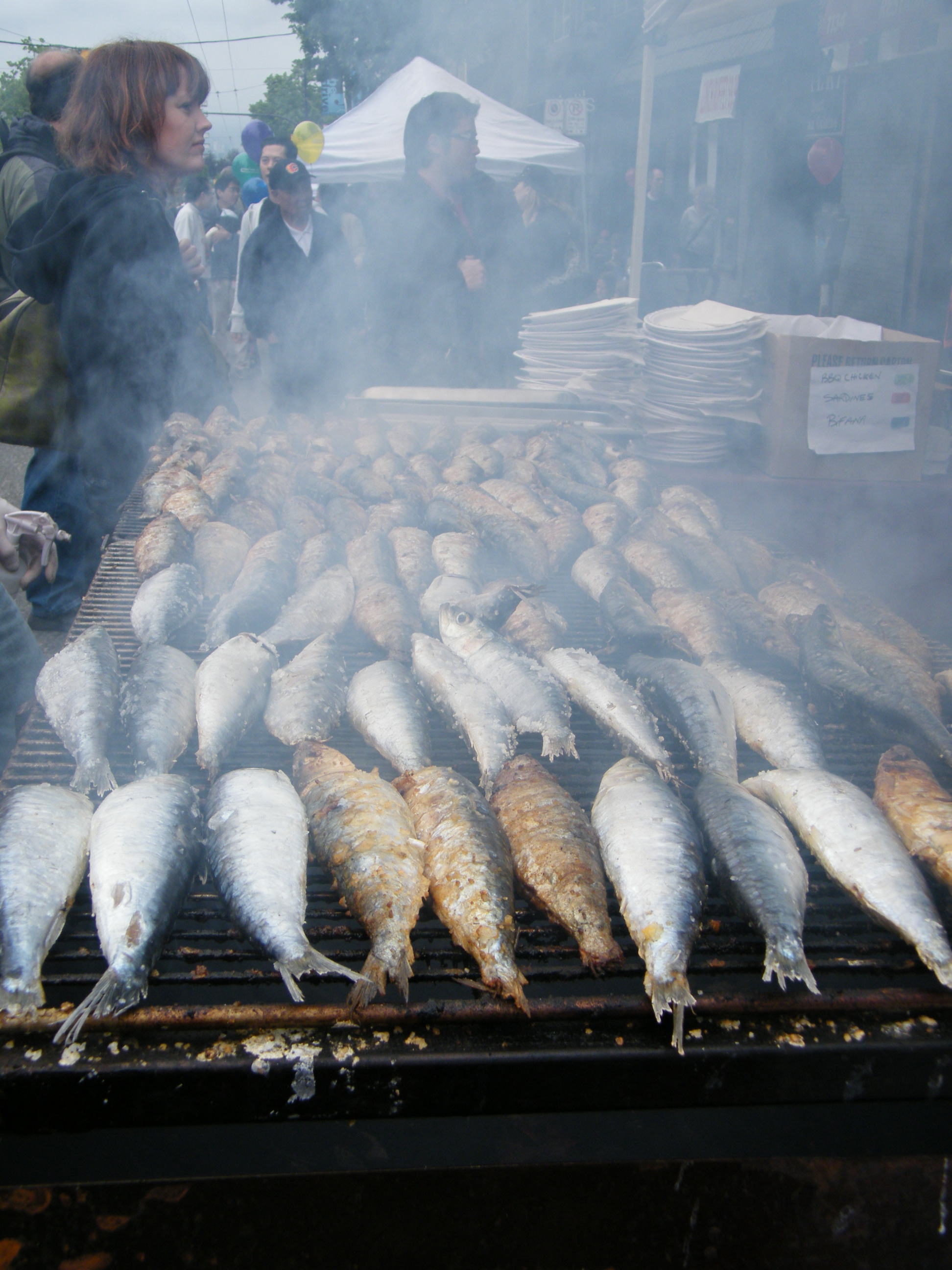
Smoking grill full of fish, with hungry festival-goers waiting.

This isn’t to say that I don’t love and support Car-Free Day, it’s just that it’s a tantalizing, fleeting experience of what our city should have every day. Beyond the vision of a public square for Vancouver, Car-Free Day also suggests some other interesting possibilities – what about closing Commercial Drive to traffic altogether, while running accessible light rail along its length? The Drive is already famous for its café culture; wouldn’t it be lovely if the city turned the street into a sort of plaza, where people could enjoy our mild weather for much of the year? Extended awnings would of course be necessary in our rainforest climate zone, but that’s no barrier.

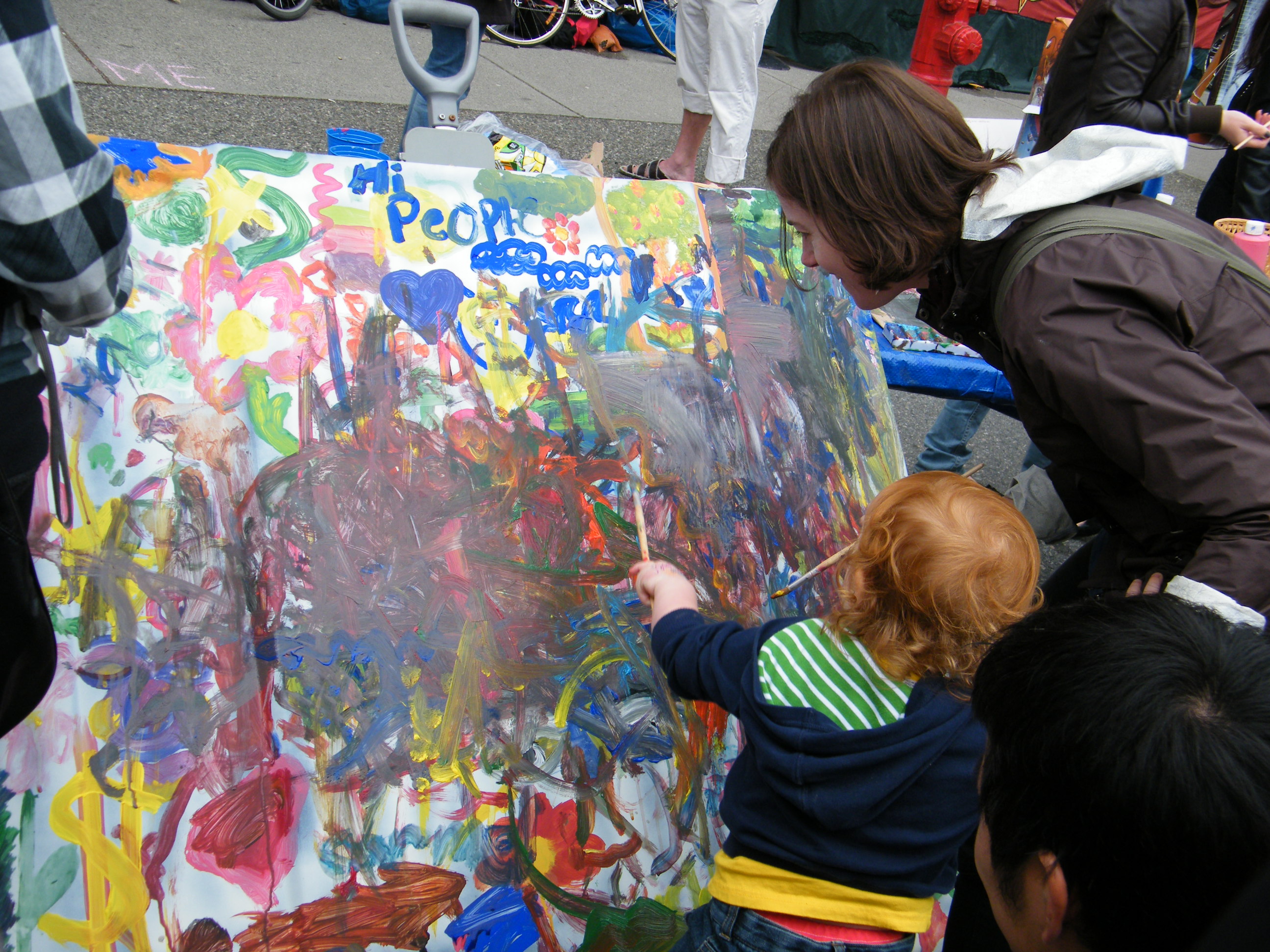
Kids collaboratively paint a picture, where cars usually are.

Car-free day every day? I’m in.

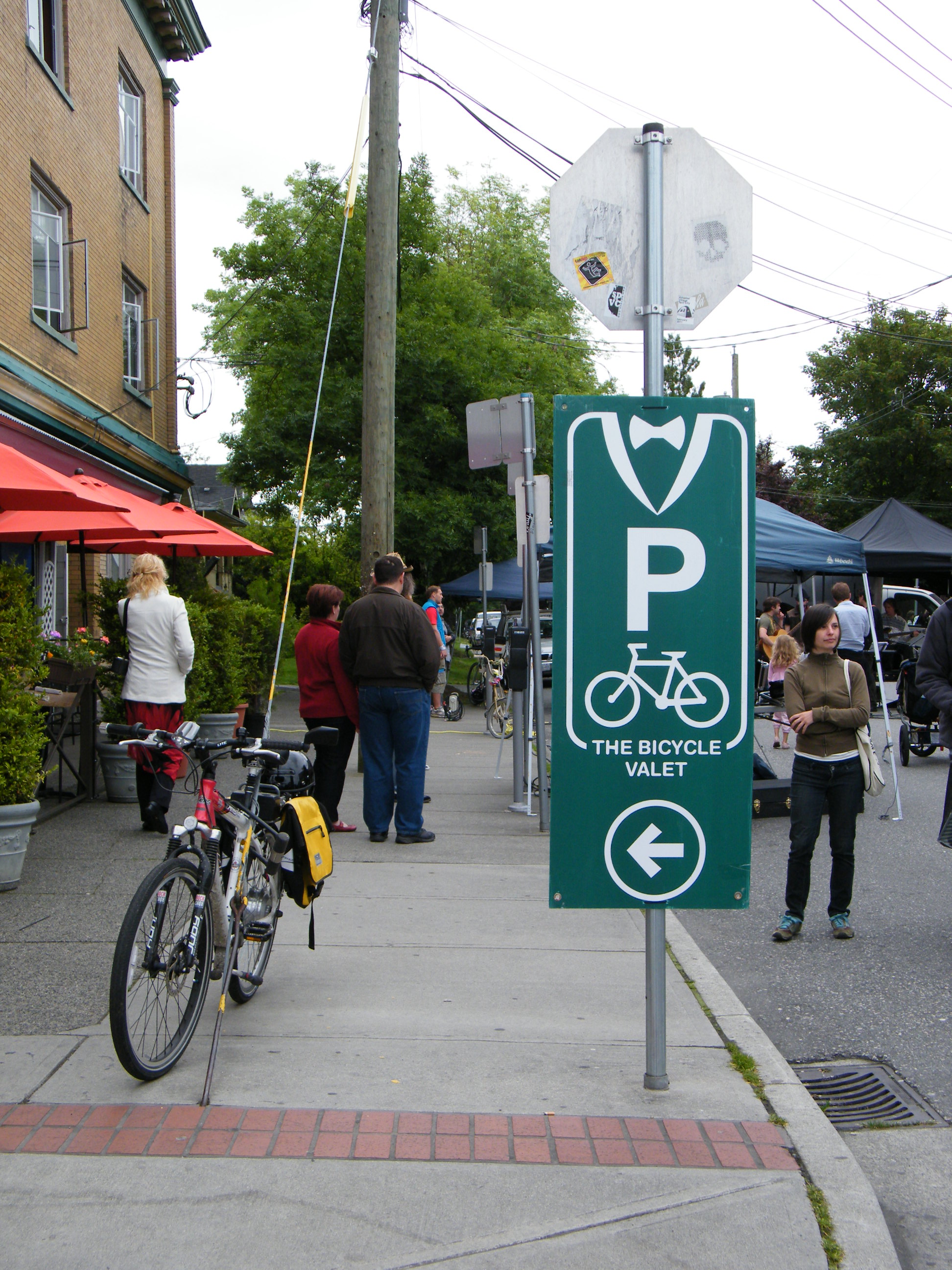
A valet bike parking sign.

The Car Free Vancouver booth.

From the Ground Up

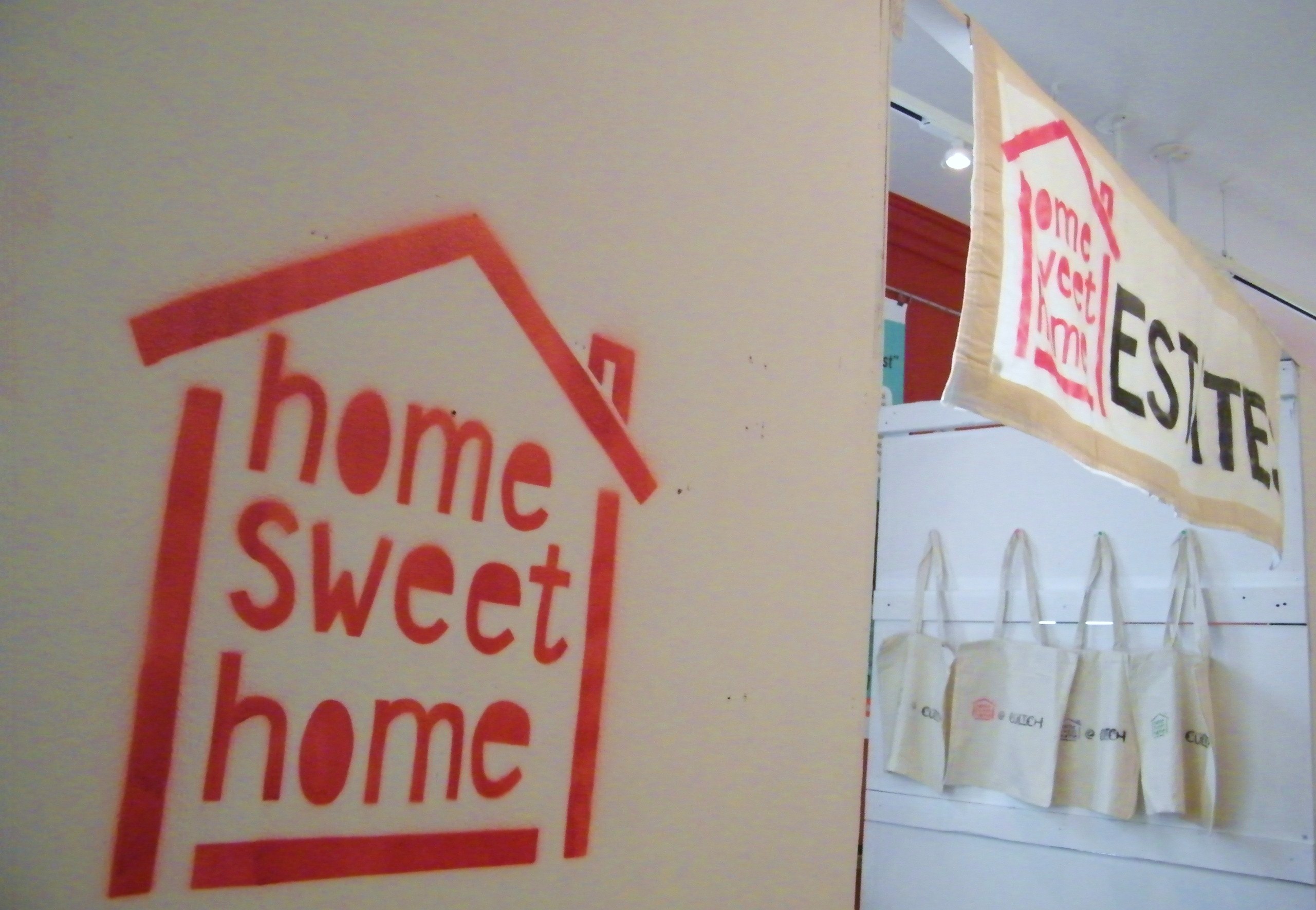
The Estate Agent/Souvenier shop.

Plotting out the future can be a daunting task, whether it’s for a book club or a neighbourhood. Conflicting personalities, differing goals and incompatible world views can all get in the way. It’s why generating participation is the bane of any planning process. When it’s as high-stakes as public consultation about neighbourhood development, it’s easy to get discouraged by bureaucracy and lobbyists. Things can get discouraging enough, even, to make folks dream of moving to a new place, to avoid the changes that are taking the shine off their current home and to build something that better reflects their own desires. Unfortunately, one neighbourhood’s fleeing resident can become another community’s damaging interloper.

A letter from "Walmart" left on a neighbourhood doorstep, ominously promising to move into the neighbourhood.

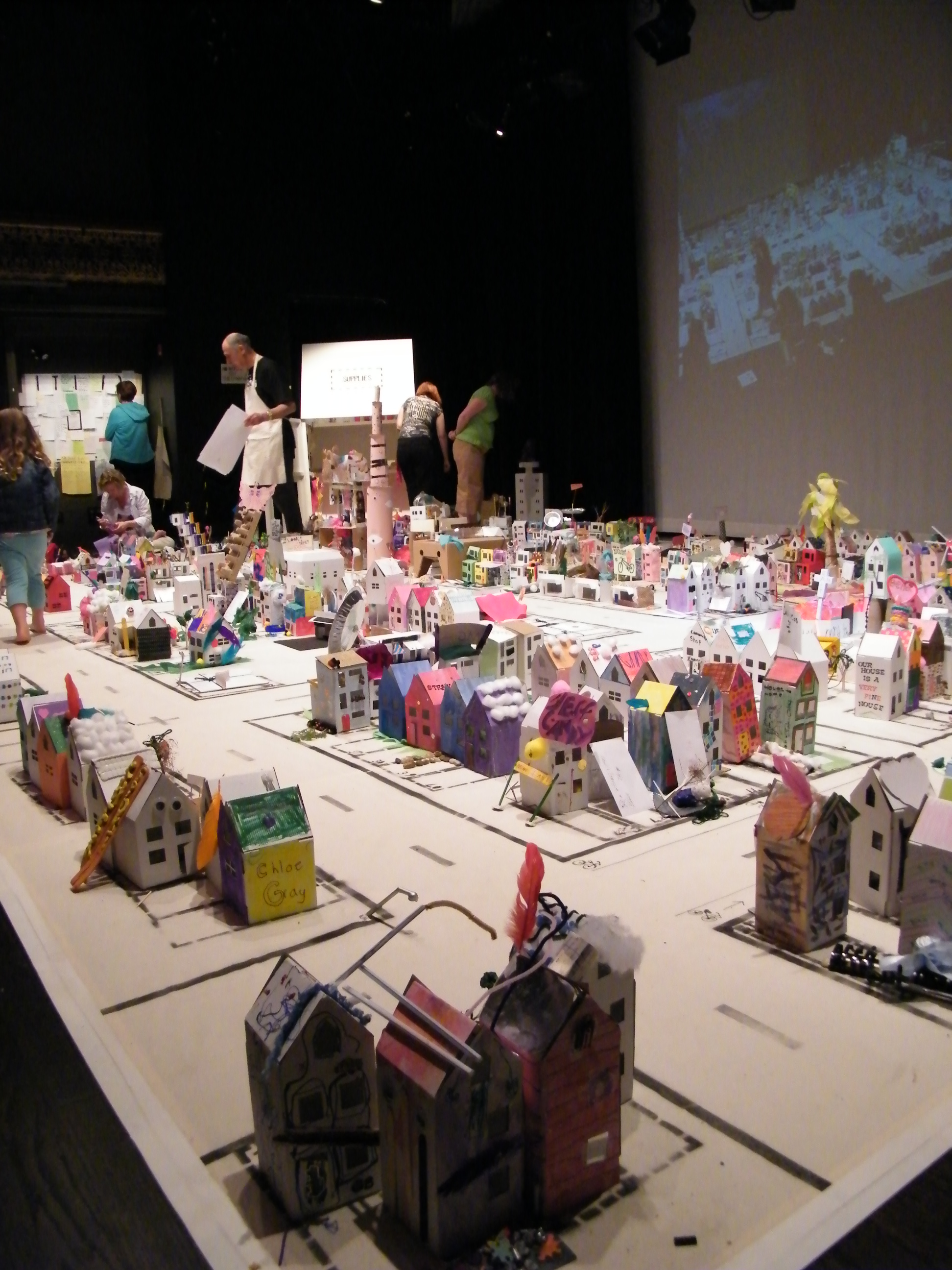
There’s really no such thing as building a community from the ground up, at least not in the real world. But last week, the Vancouver East Cultural Centre presented an opportunity to do so imaginatively, with their home sweet home installation. This piece was created by Subject to_change, a British theatrical company that specializes in breaking down the boundaries of artistic production and putting the spectator into the centre of its pieces. Home Sweet Home has been travelling to sites world-wide since 2007.

A cardboard business, ready to put together, tied up with a welcome message, instructions and suggestions.

The piece begins as a planned community would, with lots marked out and construction materials at hand. Participants could choose to build residences, businesses or community amenities. Over the course of the installation, residents could also become involved with the community’s radio station and council or simply interact with other residents.

The community bulletin board, with lots of notes about zombies and the elusive Councillor Bob.

There were elements of the fantastical involved in the community that developed, like unicorn corrals and zombie warnings…actually the radio station and bulletin board seemed to really run with the zombie theme. But what I noticed, having arrived late in the process, was that the little village seemed to be an ideal version of the real-life neighbourhood outside. There were dog parks, community kitchens, bike shops and co-ops of all kinds. There were very few outsized developments and at least one of these was a seniors’ residence. A number of houses were given over to Canucks playoff fever and there was even a tiny East Van sign.

The tiny East Van sign - you can't tell in this photo, but it lit up like the real one.

This little East Van also reflected our neighbourhood’s anxieties – the biggest threat wasn’t really zombies (or the ongoing campaign against someone called “Councillor Bob”), but the letters delivered to residents promising an enormous Walmart development. In a neighbourhood where long-time residents are worrying about a future filled with chain stores and cookie-cutter condos, the installation encompassed what we love about this place, what we want for it and what we fear is on its way.

Anti-Walmart signs that started to appear once the ominous letter was delivered.

By leaving participants a blank slate, Subject to_change manages to make each iteration of this piece a social commentary, a learning environment and a kind of community carnival all at once. It also allows for artistic expression on a playing field that’s levelled across age groups – there were interesting and provocative structures from kids and adults alike.

A tiny version of a real place (Melk) beside an imaginary one (Beatlemania).

I’d like to adapt this concept to some of the organizations I’m involved with – a day long retreat, complete with paper, glue and decorations, might do more to foster dialogue than any number of meetings.

The village, with one of the installation workers in the background. To the right, you can see the screen where the goings-on were projected.

Hard copy, please

I’ve been thinking about the word fugitive, lately. Not the Dr. Richard Kimble variety, but fugitive in the fine arts sense. Sometimes these effects are unintentional. Works that don’t use lightfast pigments can change colour or fade completely, while poorly produced paper can suffer damage even from a reader’s breath. Of course, sometimes the artist’s purpose is to create something temporary, as in Richard Long‘s environmental sculptures. What’s been bringing the word to mind lately, though, is the thought that we’re moving into a fugitive age, spurred by the digitization of cultural production.

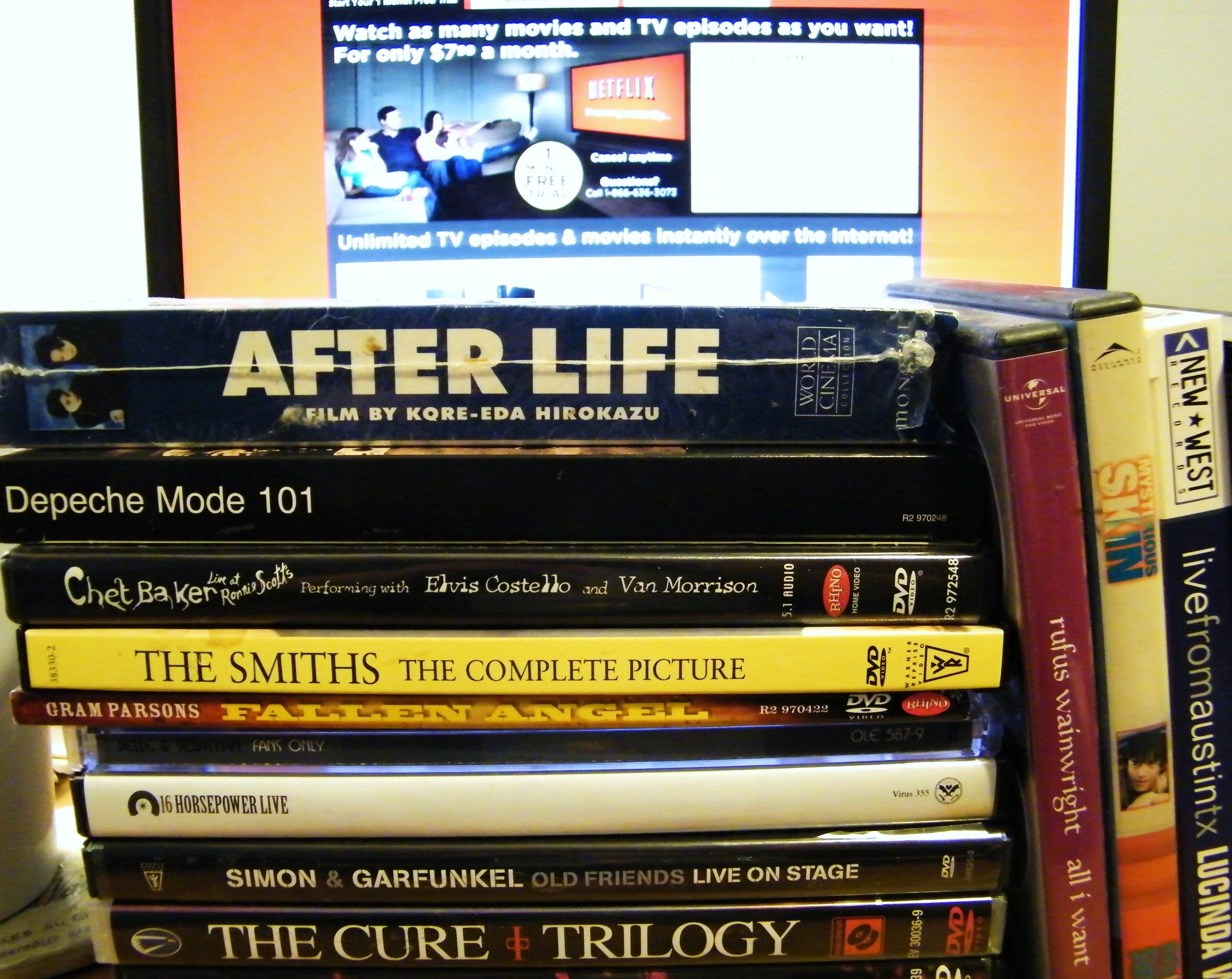
Call me a Luddite, but I don’t believe that having music, books, film and television available for download or streaming can take the place of record stores, bookstores and video stores. The Amazon glitch that caused them to delete all gay and lesbian titles is an example of why I’m cautious. A more important consideration for me is my reliance on the idiosyncracies of the people who staff brick and mortar stores. Their recommendations and conversation can lead to amazing discoveries. But regardless of my objections, the tide is turning.
On May 5th, the owners of Videomatica, possibly the best video store in Canada, announced that they will be closing by the end of the summer. They’ve probably found a home for their massive collection, but it’s still a loss to our community. Don’t take my word for it, though, when you can read this eloquent piece by Darren of my local video store, Black Dog.

Not even libraries are reliable repositories for cultural production any more, as Nicholson Baker raged over in his book Double Fold. The deaccessioning craze that’s taken hold of libraries seems to be in the same vein as the narrowing of focus found in big box bookstores and online video providers. When most people want only a small portion of the newest productions, what incentive is there to carry the old, the obscure and the rare?

I’m going to continue to support the independent stores as much as I can, for as long as they last. I don’t want to think about a world in which I can’t spend time in my favourite shops, browsing through stacks of books, thumbing through cds and records, or scanning the back of dvd cases.

And that’s Ms. Luddite, to you.

At a Walk

In a plane, geography becomes a physical reality; you can see the contours of a topographical map come alive. Travelling by train or taking a car on a freeway, you can track the differences between regions as you move through them. Cycling gives you control of your explorations of a city, allowing you to move from neighbourhood to neighbourhood without reference to the routes set for buses and cars. It’s walking (or scooting or however you locomote), though, that is the method scaled best to our bodies. As Rebecca Solnit says in Wanderlust: A History of Walking, “[w]alking itself is the intentional act closest to the unwilled rhythms of the body, to breathing and the beating of the heart.” What I especially love about walking, though, is how much I notice. Even lost in thought, there’s plenty of time for awareness of your immediate surroundings to sink in and allow you to make discoveries that you’d surely miss if you were moving any faster.

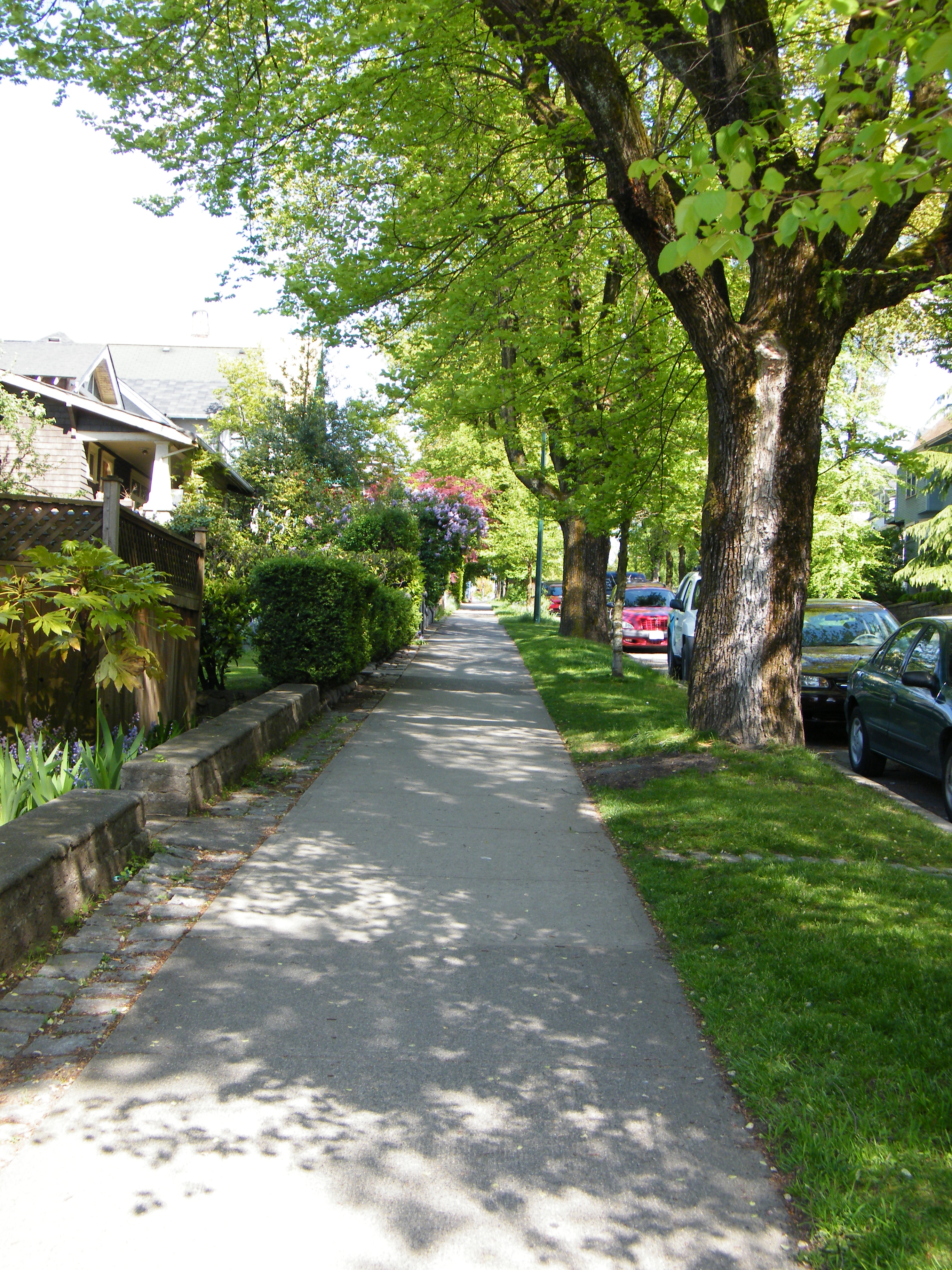
I love walking long distances, by city standards. When my partner and I first started dating, he lived near Commercial Drive and I lived in Kitsilano. I’d often walk the seven or so kilometres to his place, or back to mine. So, when I heard that Automattic was inviting WordPress users to blog about a five kilometre walk/run on the same day, I decided that it was high time to visit Burnaby Heights again. I lived there when I was a student, before I moved to Commercial Drive the first time. It’s actually a lot like the Drive.

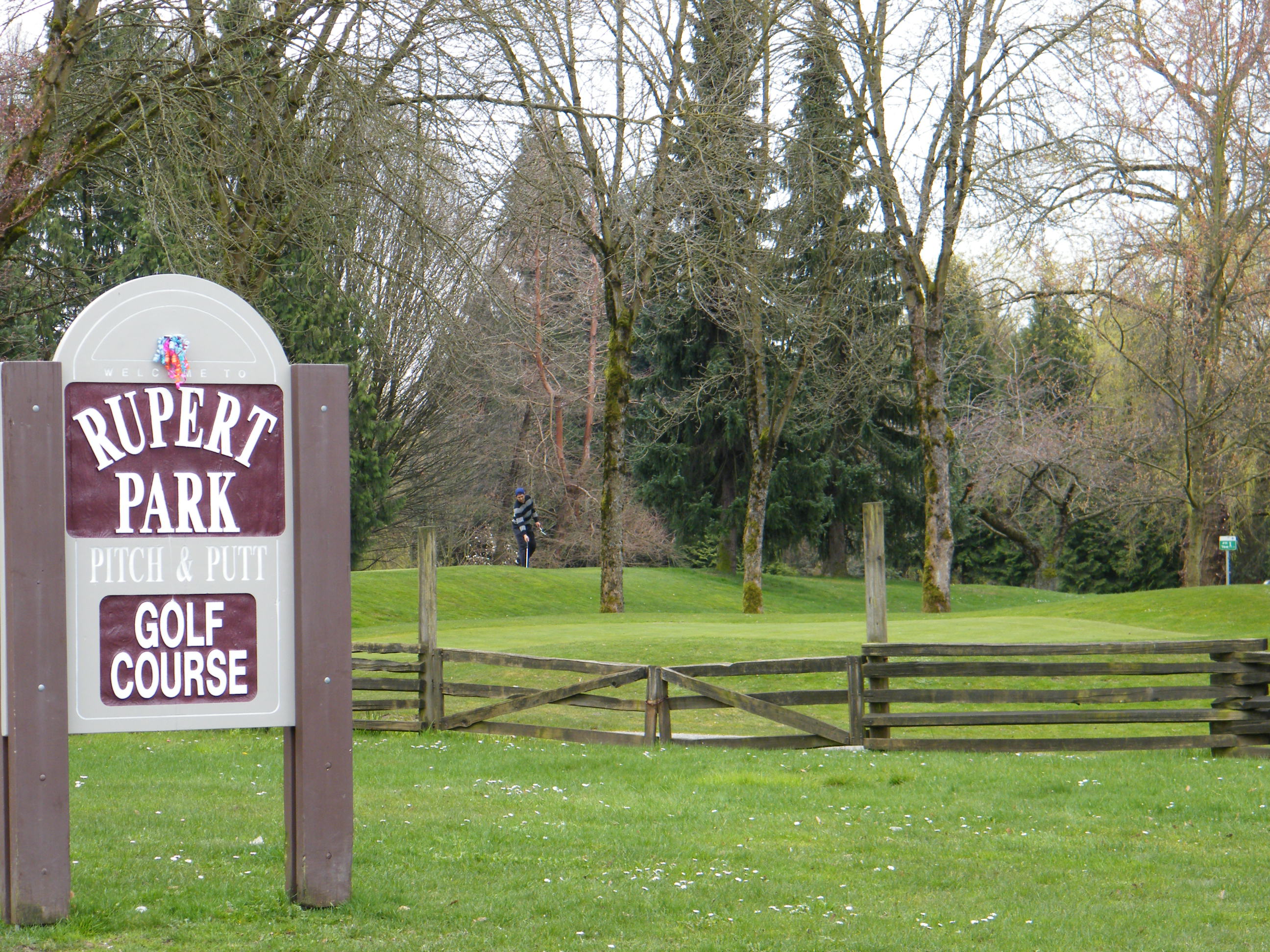
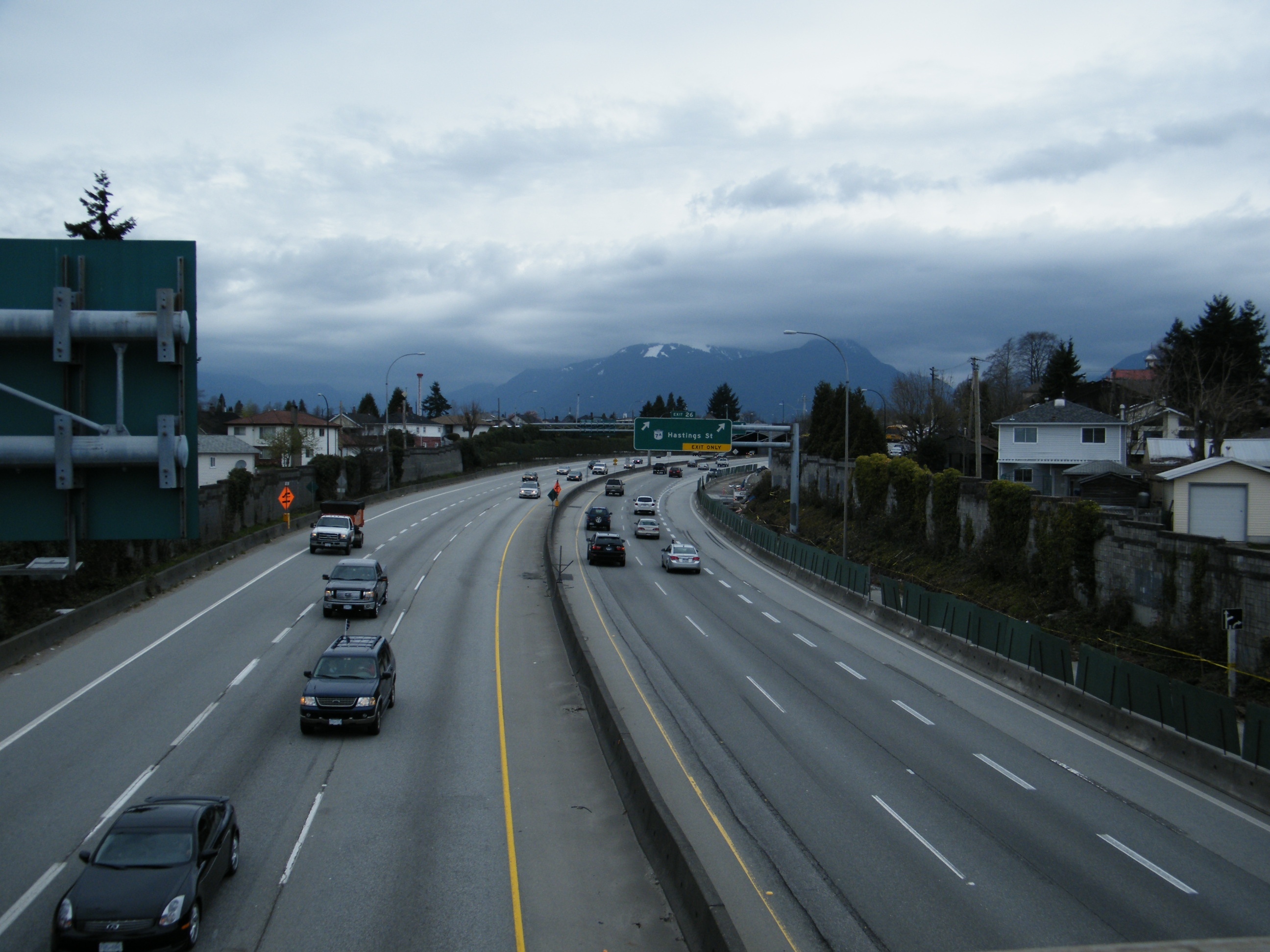
I started my walk at Victoria Park, at the corner of Kitchener and Victoria to be precise. I made my way over to Charles Street and followed it to the pedestrian overpass near Rupert Park. Then, I made my way north and east until I reached the corner of Willingdon and East Hastings. It’s probably a bit more than five kilometres, actually.

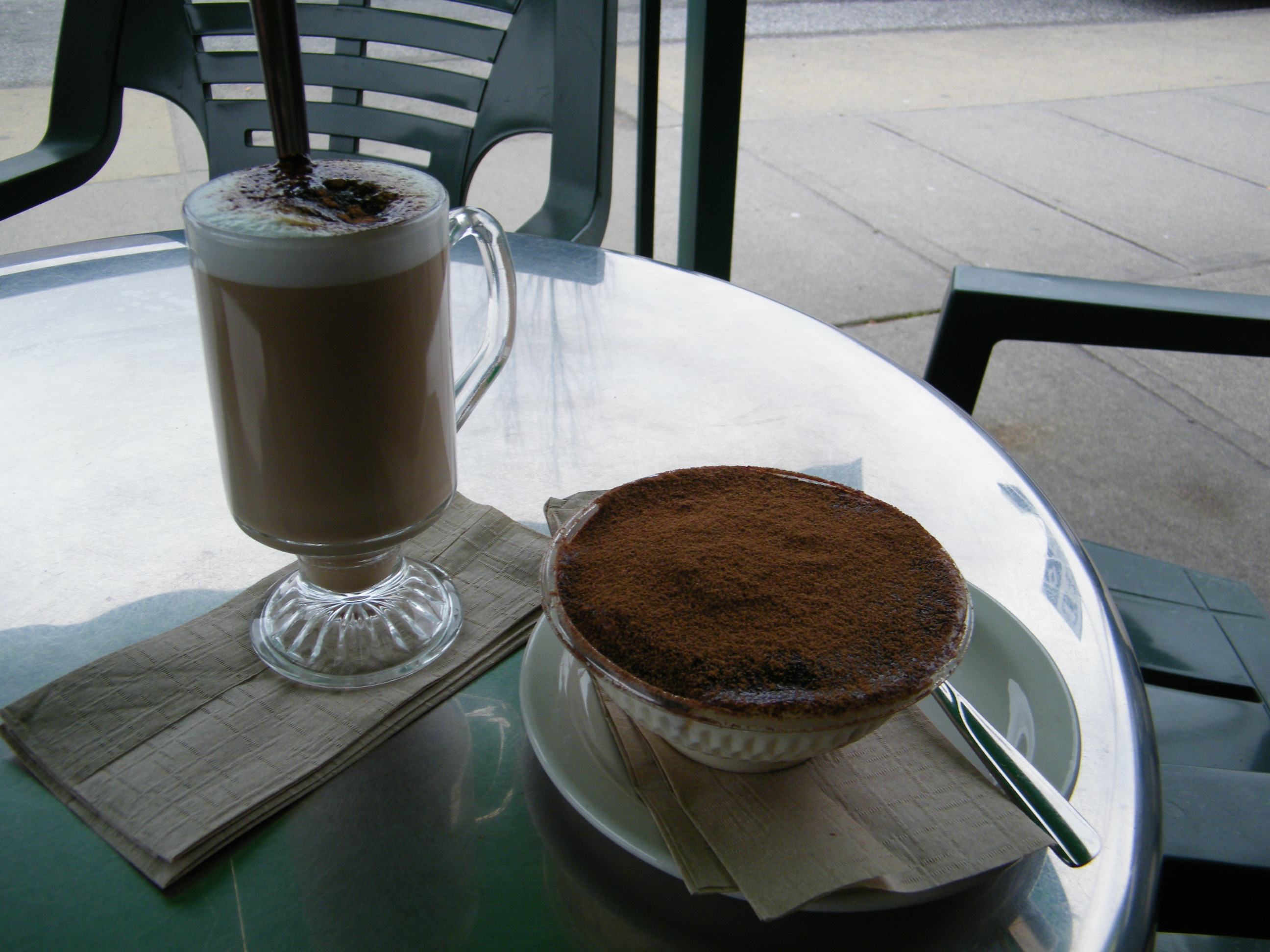
I spent a little time exploring Burnaby Heights, which has been largely redeveloped, both commercially and residentially. Some things remain the same, though. I was happy to discover that one of our favourite student hang outs, Cafe Classico, was still there, serving good lattes and tiramisu – both of which I was in need of before making my way back home, this time sticking close to Hastings on the northern side streets.

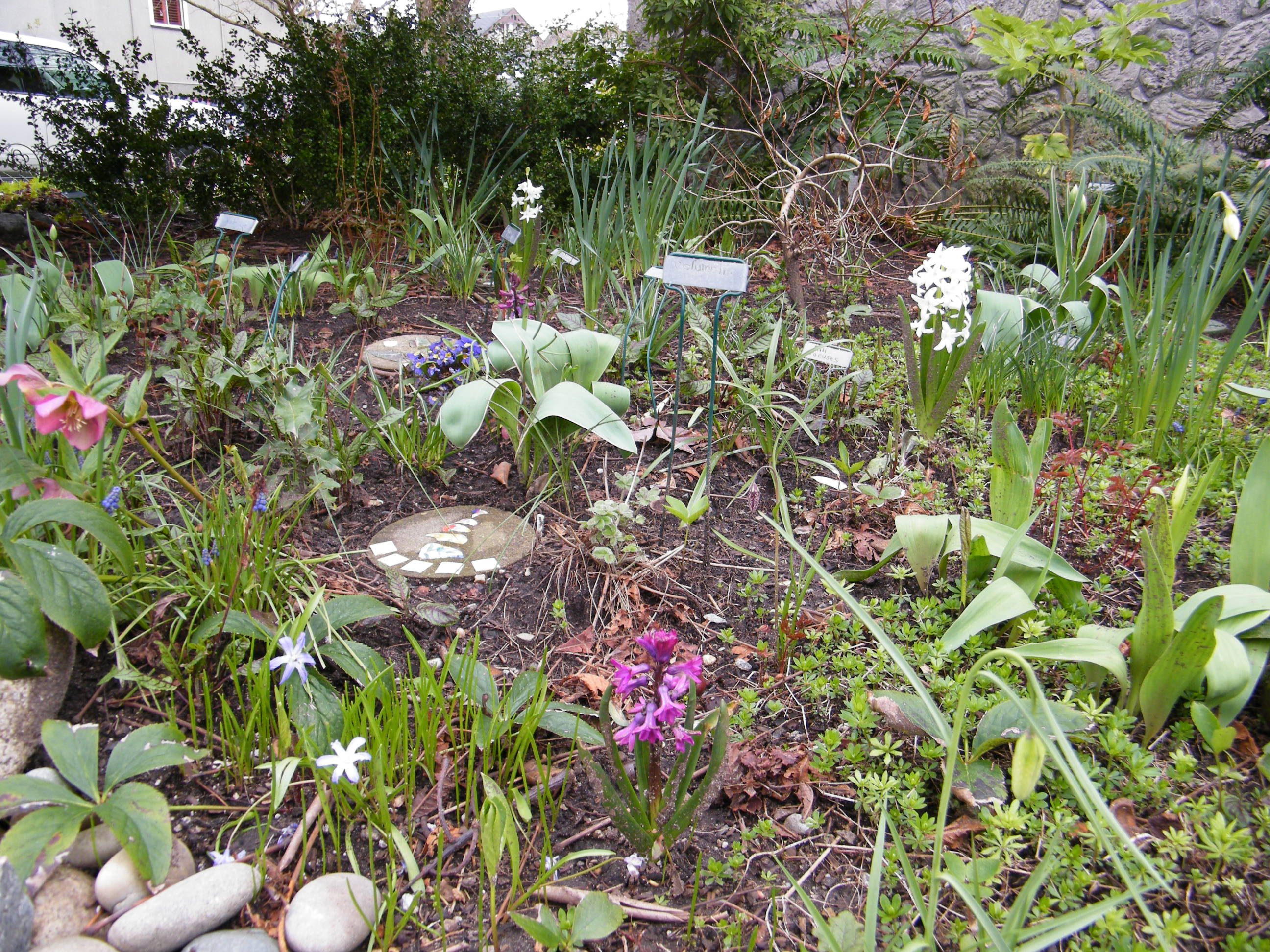
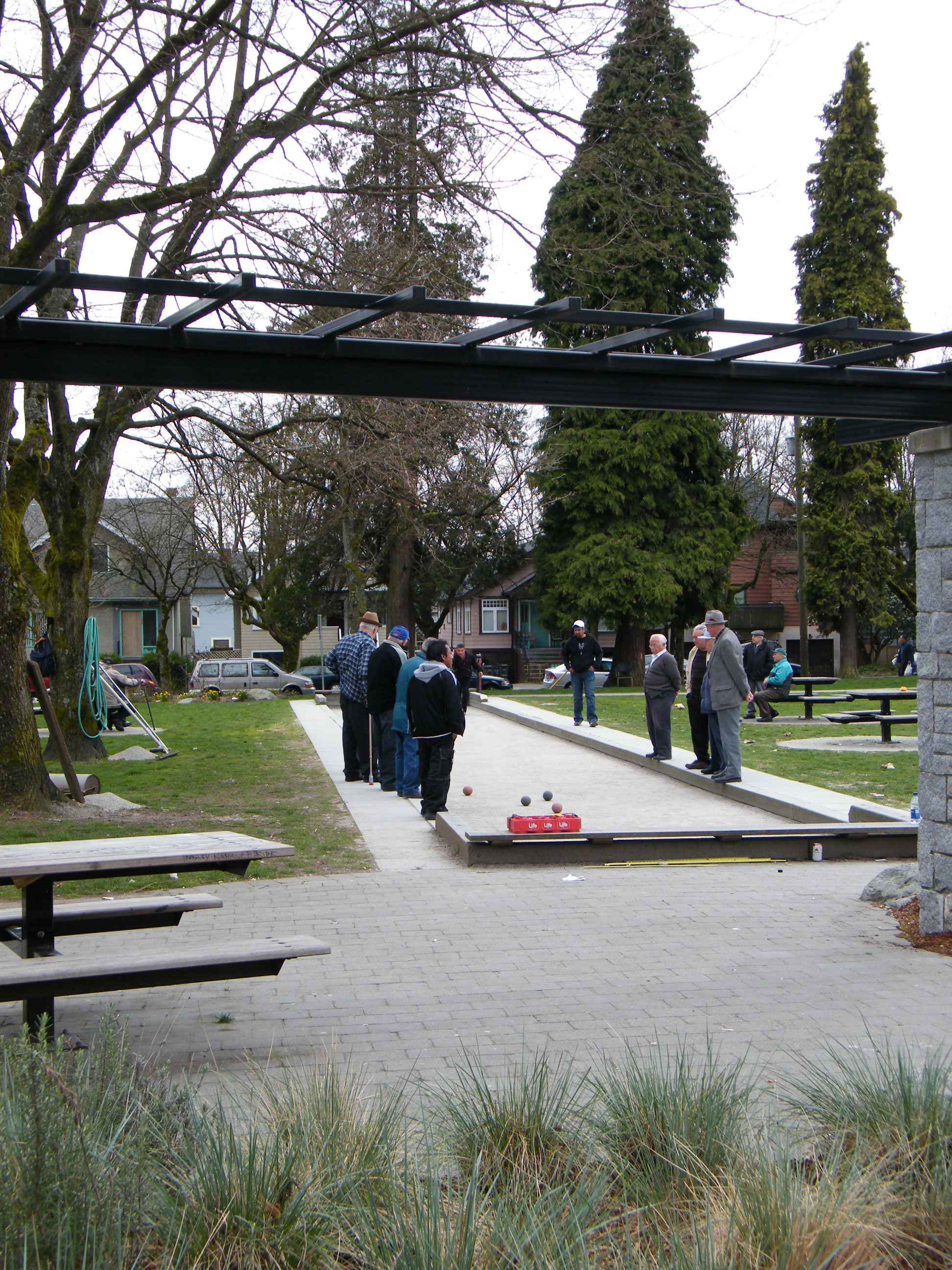
My bare bones description doesn’t do justice to the afternoon’s walk, though. Nor do the photos I took. I walked on streets I knew and ones I didn’t, discovering gardens, parks and architecture I’d never seen before. My walking companion was my dog, Roxy, and we had encounters with dogs, birds and people along the way. A walk isn’t simply exercise and it’s not just a method of getting from one place to another. What you see, do and think while walking are as much a part of a walk as any health benefits or practical concerns can be.

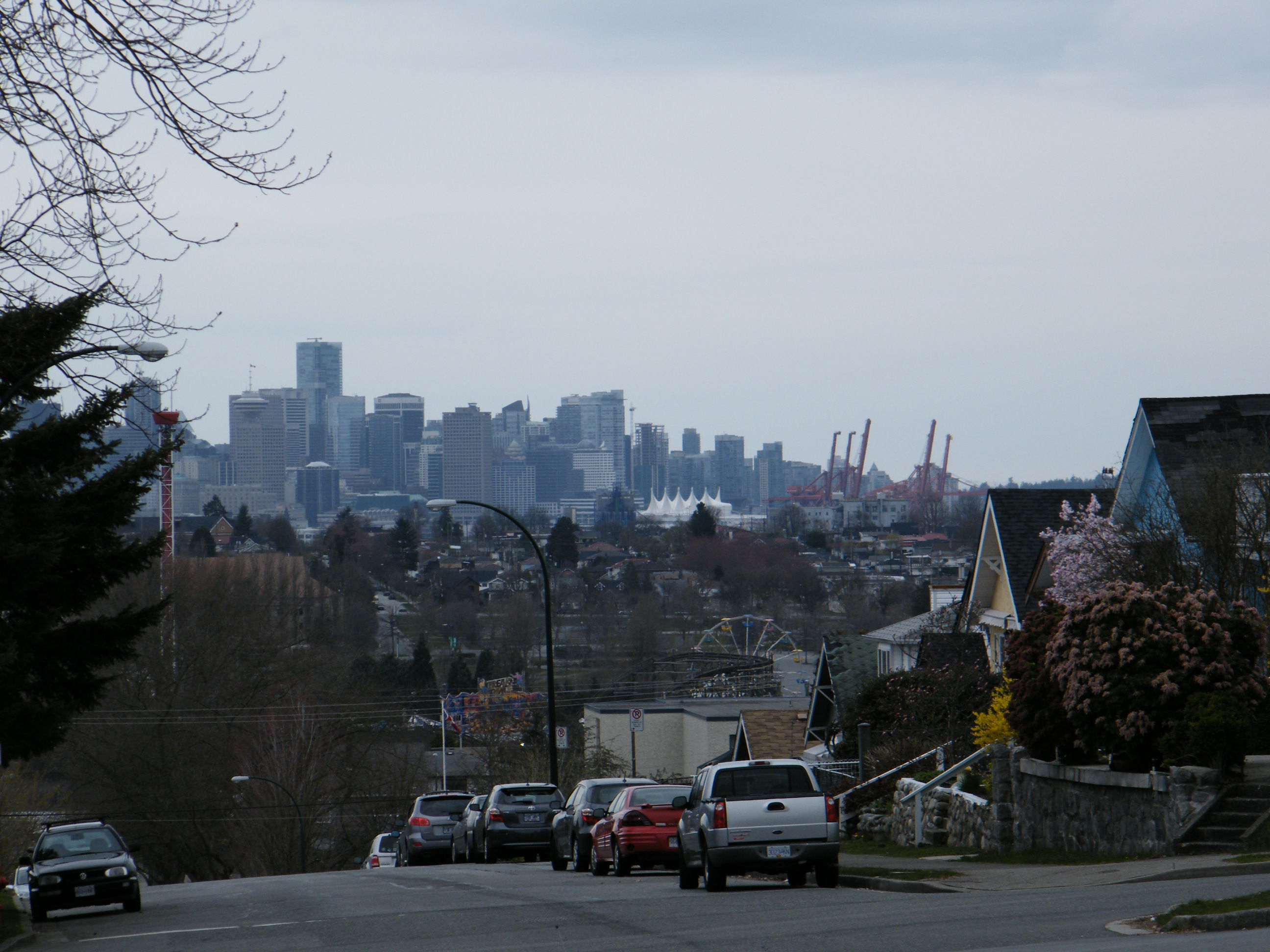
Here are a few photos from yesterday:

Granville Island

I was on Granville Island today, during a mildly blustery spring afternoon. Here’s a few photos:

I hope you’re having a wonderful weekend.