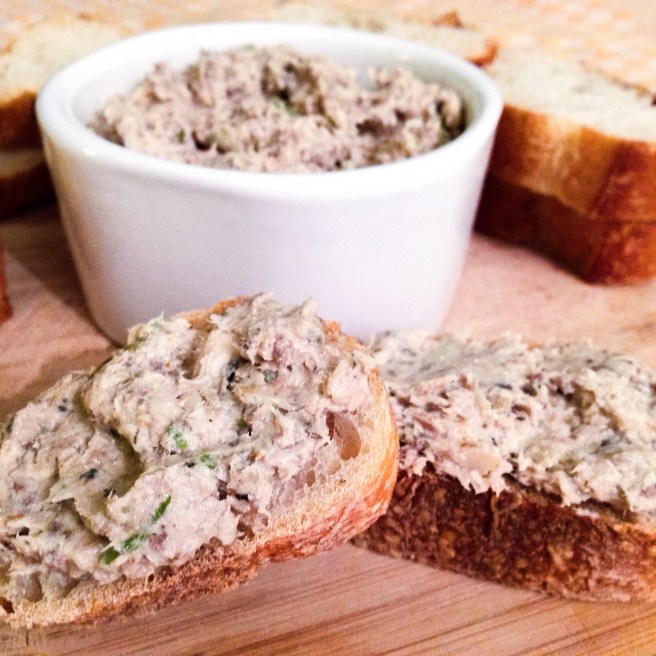
Cook the Book Fridays – Sardine Rillettes

Sardine Rillettes

Doristas, we’ve been here before, when we were working our way through Around My French Table. And yet, there was still so much trepidation at the thought of this recipe making it into our monthly rotation that it sparked an entirely new posting theme for Cook the Book Fridays. This is the first of our “extra edition” entries – whenever there’s five Fridays in the month, our admins will pick a recipe that group members find challenging for an optional posting on the final Friday.

Sardine Rillettes redux

I have a feeling that that all worries disappeared with the first bite – rillettes made with fish are satisfyingly savoury comfort food and sardines are especially suited to this treatment. David’s version uses a little cream cheese along with the traditional butter and it would be hard to imagine enjoying it as much without that creamy tanginess. His recipe is similar to Dorie’s, but hers is full of fresh herbs, while his has the briny herbaceousness of capers. Both are wonderful and perfect for a Friday night in, after a busy week. Especially if there are cocktails involved. I should look into that.

You can read through everyone’s posts here. And consider joining this community of wonderful cooks and lovely people, as we work our way through David Lebovitz‘ My Paris Kitchen.

Cook the Book Fridays – Gazpacho with Herbed Goat Cheese Toasts

Gazpacho

The way I’ve been eating lately feels like summer’s last hurrah. I picked the last of the beans from my garden, leaving a few to dry on the vine for seed. Here and there, there are rogue zucchini and cucumbers left lurking in the garden, and I’m just about ready to make green tomato chutney.

Happily, I’ve still got a big bowl of ripe tomatoes on the counter, so my summer harvest isn’t quite spent. Most of them are destined for roasting, if they don’t get eaten out of hand first. Some more were set aside for this week’s Cook the Book Fridays selection, gazpacho. David describes it as an “icy-cold liquid salad” and it’s a perfect description. It also showcases the late summer flavours of tomato, cucumber, and bell pepper in a way that makes me long for summer to begin all over again.

I skipped the traditional slice of bread that’s used to thicken the soup, for a gluten-free version, and I don’t think the consistency suffered that much. My breadless gazpacho is in good company, including
Martha Rose Shulman
‘s version in the New York Times. I’ll make David’s version as written when I’m serving gluten-friendly eaters, but it’s nice to know it works so well for gluten-free eaters, too.

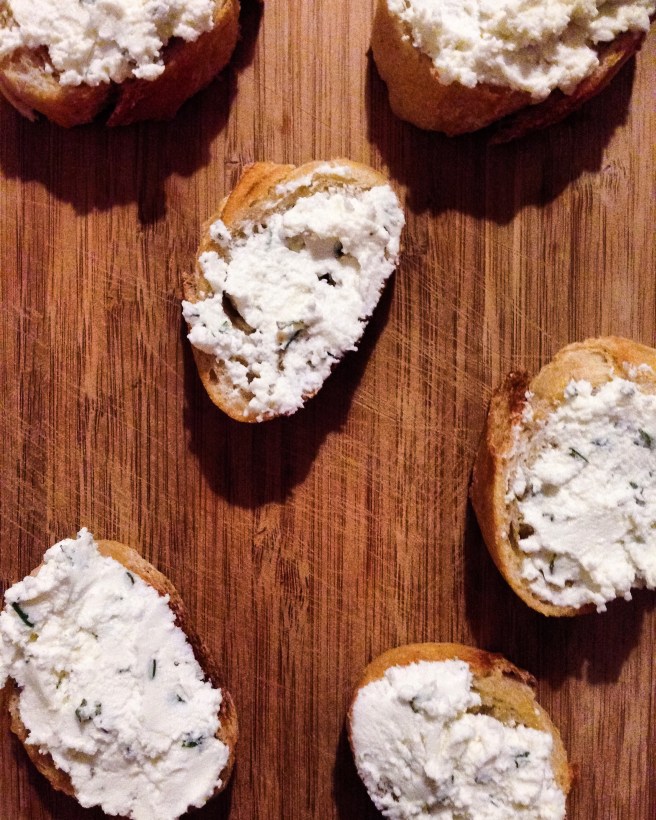
Rosemary-Oregano Goat Cheese Toasts

I served the soup in shot glasses, for a grazing Friday night supper. There was hummus and gluten-free crackers for M. Vegan. For me, the croutons for the soup became tartines, instead, slathered with goat cheese mixed with rosemary and oregano from my garden. And we both worked our way through a plateful of crudités.

I’m glad that squash and chanterelles are starting to appear, to assuage the pain of summer’s disappearance, otherwise, this meal would have put me into a winter’s-long funk. Even so, I’m glad there’s some soup left for tomorrow. I’m going to savour the last few tastes of summer for as long as possible.

You can read through everyone’s posts here. And consider joining this community of wonderful cooks and lovely people, as we work our way through David Lebovitz‘ My Paris Kitchen.

Cook the Book Fridays – Spiced Meatballs with Sambal Oelek Sauce


I needed an easy recipe this week and our Cook the Books Friday assignment is exactly that. Thank goodness, because even so, I’m finishing this post as the clock nears midnight. 

I didn’t expect to come out to my parents’ place today, but my mother had a computer crisis that required some expert help, so earlier this week, I had her bring her hard drive to The Hackery. (They’ve helped so many people I know and I trust them.)

Her computer was ready for pick up today, so I packed up the moose mince I’d thawed in anticipation of today’s assignment, along with some seasonings I suspected she didn’t have at home, and of course, her favourite small dog. (I didn’t actually pack her, unless putting on her harness counts.)

We meandered back to her house, stopping for lunch and running a few errands. By the time we arrived, it was time to get started in the kitchen.


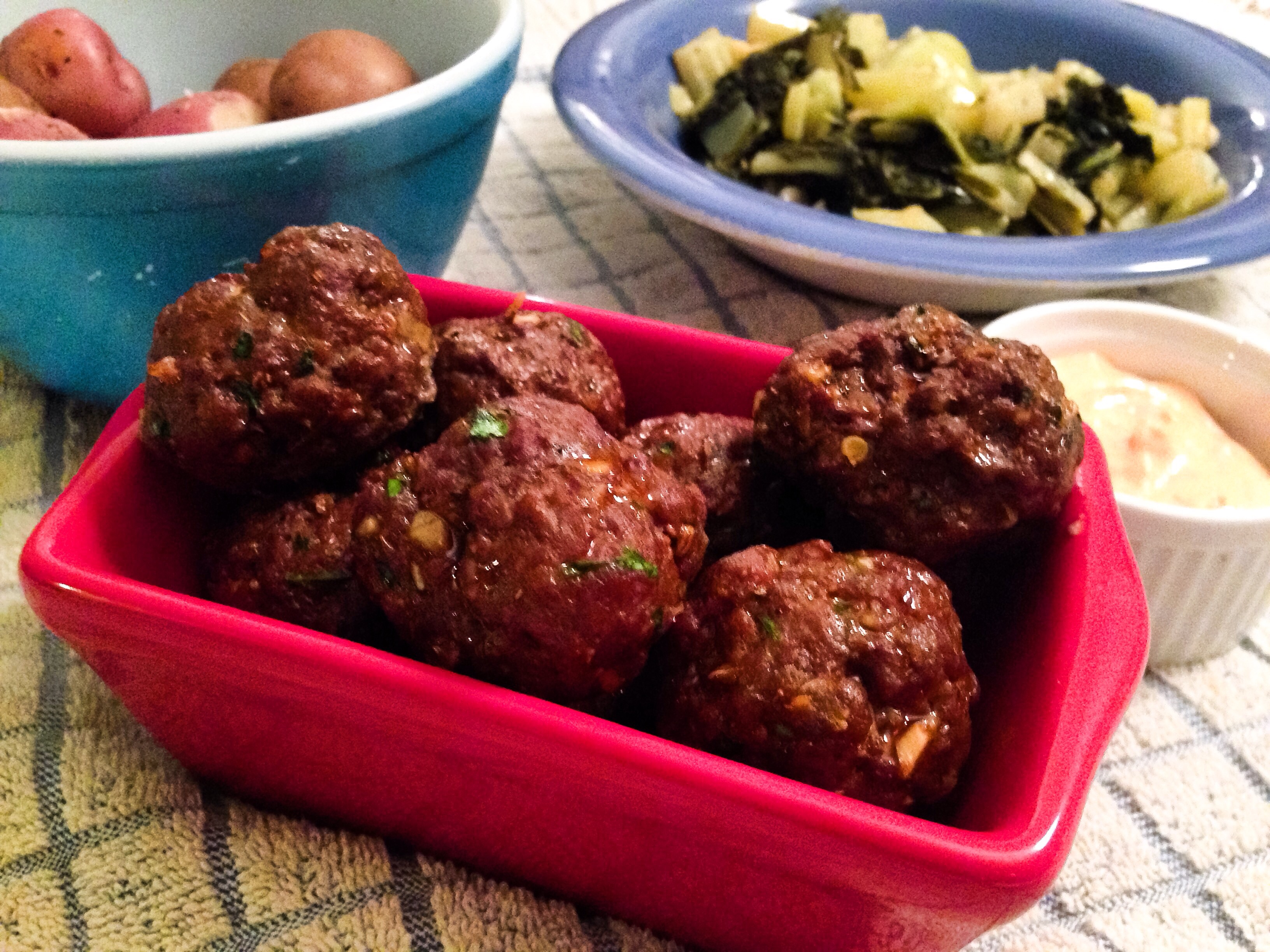
My Dad picked some Swiss chard and potatoes from the garden and prepared those while I worked on the meatballs. They’re meant to approximate merguez sausage, but we used sambal oelek in place of harissa, so they were more like merguez with a twist. 

They were delicious. Because moose meat is so lean, I added a heaping tablespoon of bacon fat to the mixture, which is always a good choice. The potatoes were seasoned with salt and pepper. The chard was stirfryed with a little lemon. The simplicity of the sides was perfect with the spicy meatballs. The sambal oelek mayo helped cool things down just the right amount. It was a perfect meal, especially when I found out my mother had made apple pie.

Now, I’m going to finish sorting out my mother’s computer, so she can end her enforced holiday from all the volunteer work she’s got waiting. 

You can read through everyone’s posts here. And consider joining this community of wonderful cooks and lovely people, as we work our way through David Lebovitz‘ My Paris Kitchen.

Cook the Book Fridays – Cherry Tomato Crostini

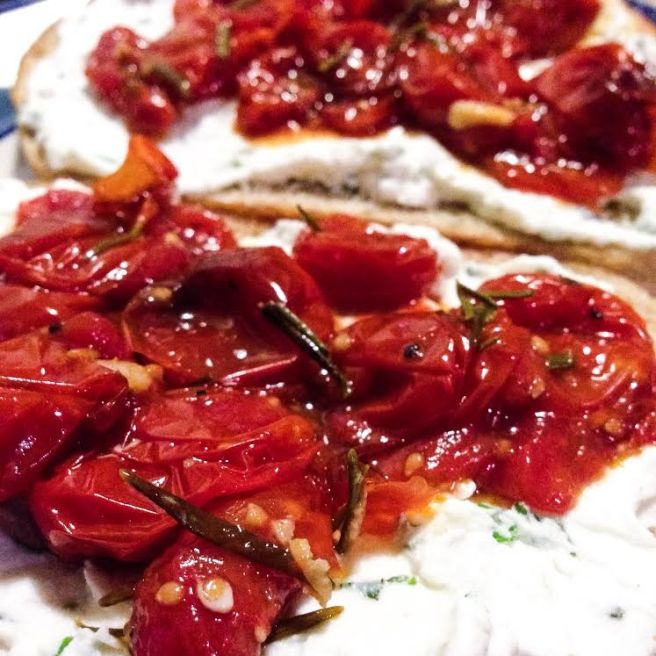
Cherry Tomato Crostini with Herbed Water Buffalo Cheese

I spend the hottest part of the summer negotiating with myself over when I can turn on the oven and for how long. As much as I love stone fruit pies, roasted corn, and all that heat can bring to summer’s produce, I am not built for hot weather (or cold, but at least turning on the oven in winter helps alleviate my weaknesses). I should probably take up grilling, since I’m not sure how my neighbours would feel about my visualizations of an outdoor kitchen.

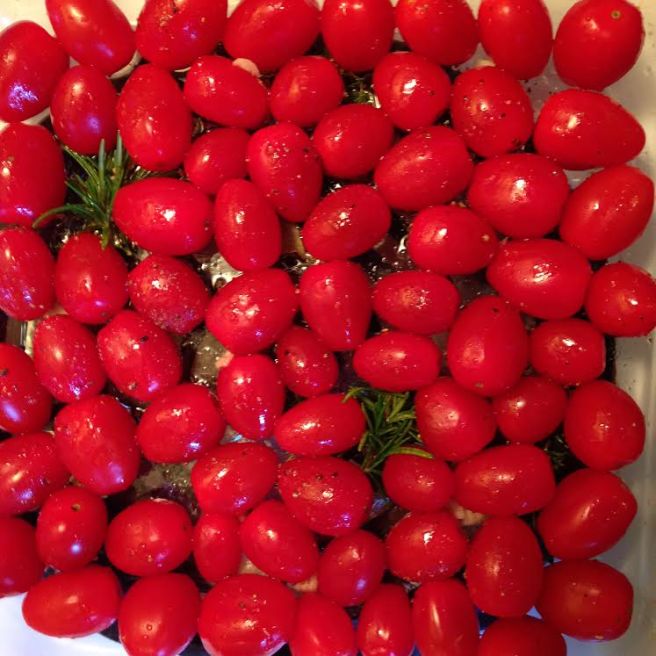
Cherry tomatoes ready for roasting

One thing that can motivate me is high summer’s tomatoes. I love roasted tomatoes. I usually slow-roast them, but David Lebovitz‘ quicker method is so good, I might just start using it all the time.

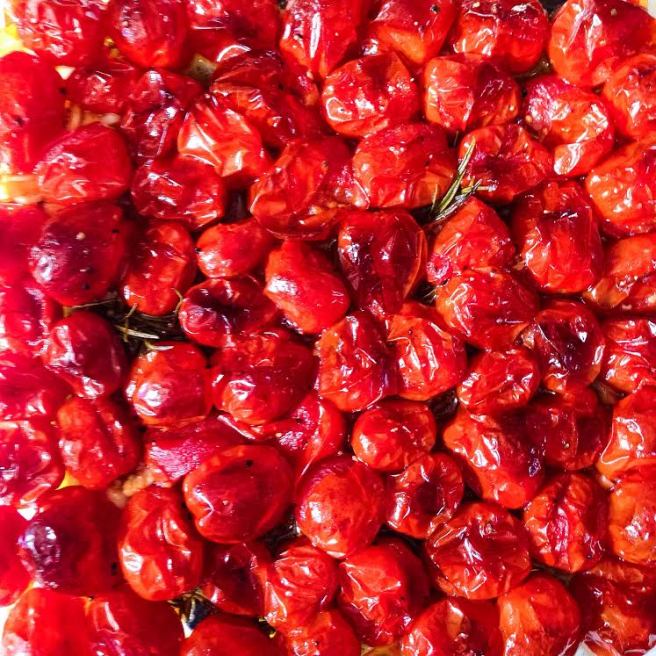
Roasted cherry tomatoes

I had a meeting in the backyard while the tomatoes were in the oven, so the heat was only a factor when I was taking them out. I ended up leaving them in a little longer than the recipe calls for, inadvertently, but they came out just the way I like them – soft, jammy, and a bit browned. I roasted them with thyme and rosemary, lashings of black pepper and a little sea salt. They are sweet and savoury in perfect measure.

Making herbed water buffalo cheese

That was today’s primary activity in making this week’s Cook the Book Fridays selection, but I started preparing this dish yesterday. To make the herbed cheese, I bought some thick, Greek-style yogurt. It was supposed to be goat’s yogurt, but the only containers I could find were huge and the yogurt inside seemed runny. So, on a whim, I used water buffalo yogurt instead. It’s milder than goat, so the finished cheese is less tangy than it would have been, but I really like the results. It’s more like labneh than a soft cheese and it’s perfect for this recipe.

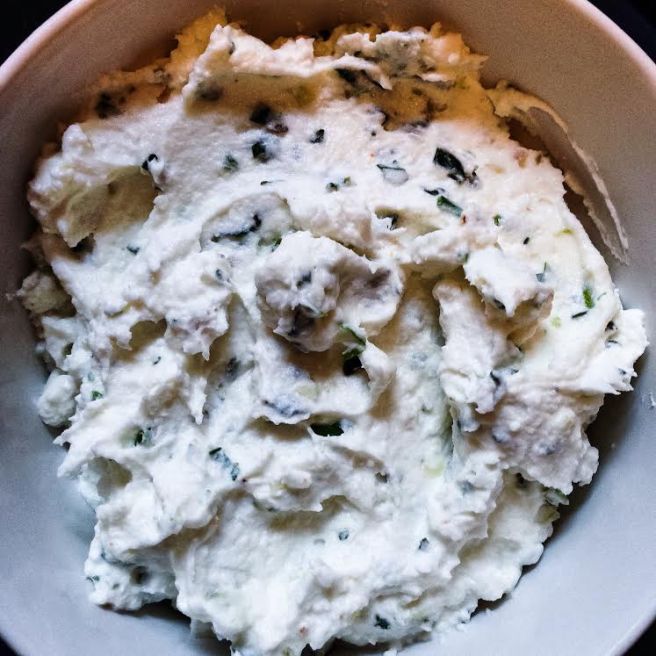
Herbed Water Buffalo Cheese

I’ve made chèvre before and loved it, but this recipe is much more likely to be made regularly. It’s easier and can be used in many of the same ways as soft cheeses like goat cheese. Mixed with garlic, shallots, cayenne, and herbs (I used basil, flat-leaf parsley, chives, and thyme), it made a perfect foil for the tomatoes.

The last step was the easiest, but it required a little fortitude. I’d been out in the heat, running errands, and the last thing I wanted to do was turn the oven back on to toast the bread. It was worth it – who can argue with toast that’s been slathered in olive oil before going into the oven and then rubbed with a garlic clove on its way out? But I might cheat tomorrow, if it’s as hot. Toast can be brushed with olive oil on its way out of the toaster, after all.

Cherry Tomato Crostini with Vegan Cream Cheese and Gluten Free Bread

I actually made this two ways – one version with gluten-free bread, vegan cream cheese, and the roasted tomatoes; the other with the French country bread, the herbed water buffalo cheese, and the roasted tomatoes. The second one was for me and I loved it. The first one didn’t go over as well – the vegan cream cheese wasn’t a perfect match for the roasted tomatoes.

I’ve got enough of everything to do it all over again tomorrow. And if I use my toaster cheat, I won’t have to turn the oven on at all.

If you want to try this yourself (and if you have summer tomatoes available, you should), you can find the recipe here: Cherry Tomato Crostini with Homemade Herbed Goat Cheese. But, buy the book – everything in it is stellar.

You can read through everyone’s posts here. And consider joining this community of wonderful cooks and lovely people, as we work our way through David LebovitzMy Paris Kitchen.

Cook the Book Fridays – Apricot Crumble Tart

Apricot Crumble Tart

How often have I said, today’s assignment is in the oven as I write? Probably a little too often. But, here I am again. I’ve been meaning to make this tart all day, but have fallen down several rabbit holes along the way. First, there was shopping to find the perfect Rosé to go with the pickerel my parents generously shared with me (it’s a Prairie fish – properly called walleye – and one my father particularly loves, so it’s especially lovely that they passed some along to me). After that, there was weeding the garden, and a coffee on the Drive with Kevin.

Then, there was the main distraction of the day. A week or so ago, Melissa of Food Bloggers of Canada asked if any of us used bullet journals. I’d missed the phenomenon entirely and have been spending spare moments trolling Pinterest and Instagram, Boho Berry and Tiny Ray of Sunshine, in a quest to figure it all out. As it turns out, it’s not all that different from the ‘Everything’ books I used to carry around, with less angst and more concision.

Everything Books

I’ve fallen for the trend, more or less, and have started carrying around a Leuchtturm1917. It’s not a bad thing. I’ve never been a good fit for a traditional dayplanner – my work and creative outlets don’t fit nicely into those evenly divided spaces. I’d moved to keeping everything in my phone or in my head, which is convenient, but doesn’t have the satisfaction or brainstorming potential of analogue notebooks. So, this diversion has turned out to be a welcome one.

One of the first things I did was set up a section for blog planning. It’s been a little quiet around here, with many analogue-life upheavals and changes in the works. Things have settled down now and my capacity for writing, cooking, creating, and exploring has returned. So, my new planner is justifying its purchase quite quickly – thank goodness for positive reinforcement.

Even more positive is the return of my desire to get into the kitchen. My parents sent along some beets with the pickerel, I gathered some radishes from my garden, and picked up some mushrooms and new potatoes from the fresh markets along Commercial Drive. The vegan entrée was sage-roasted mushrooms and we shared roasted potatoes, beets, and radishes. Tomorrow, there will be corn on the cob and salad with lettuce, radishes, and cucumbers from my garden. My cooking mojo returned just in time for high summer’s bounty.

Lemon Dill Panko Crusted Pickerel

And for the next few days, there will be this delicious tart for dessert. Our markets are full of enormous, juicy BC apricots right now and the timing was perfect for this tart. David’s tart dough baked perfectly and the simple crumble topping is all that’s needed to complement the goodness of the apricots.

My mother is coming back on Monday for a visit. I’ll be hard-pressed to save some long enough to share with her.

You can read through everyone’s posts here. And consider joining this community of wonderful cooks and lovely people, as we work our way through David LebovitzMy Paris Kitchen.

Cook the Book Fridays – Buckwheat Crêpes With Ham, Cheese and Egg

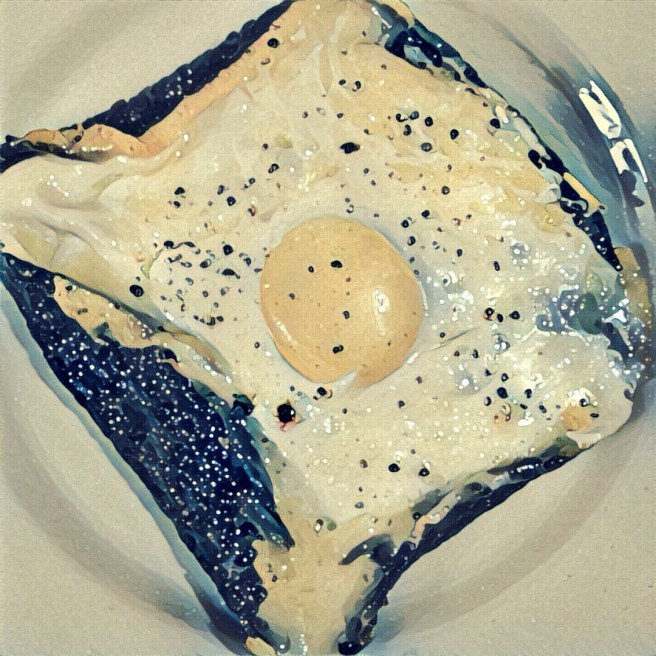
Prisma-styled buckwheat crêpe

For many of us, buckwheat flour is one of the ingredients in a pancake mix. Growing up, there were usually only three flours in my parents’ pantry: all purpose, whole wheat, and pastry. Occasionally rye flour would make an appearance, if someone had gone on a bread-baking spree.

Now, after a decade of living with someone who has celiac disease, my definition of pantry staples has shifted. In fact, there is a whole shelf devoted to gluten-free flours. Quinoa? Right there. Coconut? Two jars down. Oat? Let me grind a little for you. Garfava? It’s sitting there, a little unloved, at the end of the row.

So, sourcing buckwheat flour wasn’t the most challenging part of this week’s assignment for me.

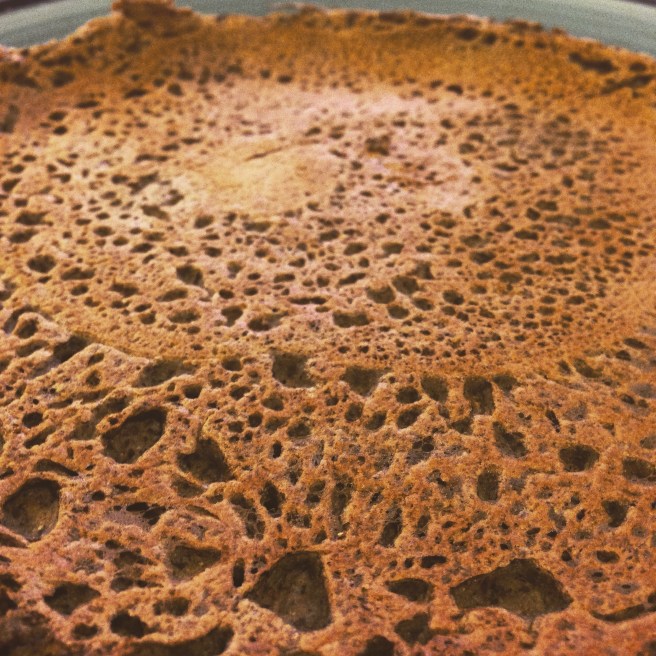
Surprisingly, neither was making the crêpes. I put together the batter last night, but wasn’t able to start cooking until this evening. The batter held up well. My pan is only eight inches wide, so mine were a little small, but they were lacy, golden brown, light, but resilient. Nearly perfect.

Buckwheat crêpe

My woes began with the egg. My stove is ever so slightly a-tilt. Something I forget until carefully placed food starts sliding to one side. On my first attempt, the egg skated over the surface of the crêpe, settling against the side of the pan. I managed to move it back a few times, but then it burst. The crêpe was a little too Pollock to photograph, but it was delicious.

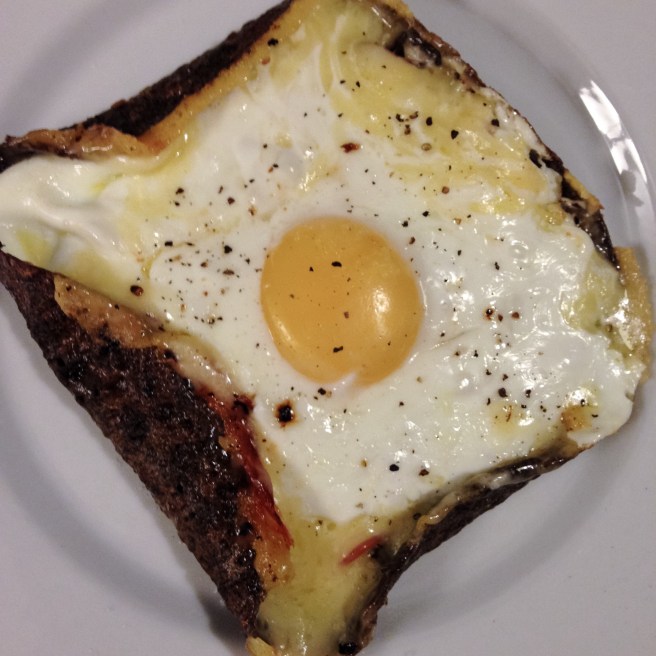
On my second attempt, I built a little wall of grated cheese around the centre of the crêpe and trapped the yolk inside. This time, my problem was folding the sides of the crêpe – I’d been a little too enthusiastic in my wall-building and the crêpe was over-filled with cheese.

As you can see, it prevented me from making a perfect square, which was probably not helped by the fact that my crêpes were a little smaller than they should have been. But, again, it was delicious and there was nothing to regret about the extra cheese.

My next attempt at this recipe will involve the purchase of a proper crêpe pan. In the name of science, of course.

Buckwheat crêpe with ham, cheese and egg

You can read through everyone’s posts here. And consider joining this community of wonderful cooks and lovely people, as we work our way through David LebovitzMy Paris Kitchen.

Cook the Book Fridays – Raw Vegetable Slaw with Creamy Garlic Dressing

Raw Veggie Slaw with Creamy Garlic Dressing

What better time for a classic summer salad than a weekend bookended by two national holidays? Slaws are classic picnic and barbecue food and this one stands up to any I’ve tried. This recipe is also a blueprint for enjoying slaws year-round, with an host of suggested vegetables and fruits to complement its garlicky dressing. This time, I chose red cabbage, green onions, radishes, flat-leaf parsley, and some tarragon fresh from my balcony garden. In winter, I might choose broccoli or Brussels sprouts, carrots, beets, and red onion.

The dressing is truly garlicky, calling for two full tablespoons of garlic to one cup of mayonnaise. I made a vegan version, using vegan mayo, and it translated quite well. Vegan mayos have improved immensely over the last few years, I’ve found. I quartered the dressing recipe, made half the quantity of salad, and still had some dressing left over. It will be gone quickly – it’s so good, it could serve as a dip. It’s a terrific combination of garlic, red wine vinegar, and Dijon mustard.

Raw Veggie Slaw

I’ll be adding this dressing to my regular rotation. I can’t remember the last time I bought a bottle of salad dressing. There are so many great scratch recipes for them and I like being able to make dressings in small quantities – that way, they never go to waste, unlike past bottled dressings that expired long before I could finish them.

I hope my Canadian and American friends are enjoying their long weekend and those in other parts of the world have a relaxing weekend, too.

You can read through everyone’s posts here. And consider joining this community of wonderful cooks and lovely people, as we work our way through David LebovitzMy Paris Kitchen.

Cook the Book Fridays – Poulet Crapaudine

Spatchcocked chicken

This chicken took a circuitous route into my kitchen. I don’t cook a lot of meat at home, to spare the vegan and because I’ve always been comfortable with a mostly vegetarian diet. So, when this dish came up in the rotation for Cook the Book Fridays, I decided to hand off the cooking to my parents. They have some beautiful chickens in their freezer that they got from a friend’s farm. This recipe adapts perfectly to the barbecue, which they’ve already got fired up for the summer season. I thought I’d send my mother home with the harissa paste in my freezer and enjoy this dish vicariously through their photos and descriptions.

But things didn’t go as planned. First, I completely forgot about the harissa paste, so my mother settled on sambal oelek instead. My brother spatchcocked the chicken for her and she put together the marinade, bagged the chicken, and refrigerated it.

Spatchcocking and marinating the chicken

And then she remembered she was going away to a conference, so she brought the chicken over to me. It needed another day in the refrigerator, which brings us to today. I put it into my Dutch oven, weighed it down with some Corningware, and cooked it on the stovetop. I lost some of the skin, but it worked rather well. Then, I transferred it to the oven, where it took about half an hour to finish. I was happy with how it turned out in the Dutch oven, but I think I’ve got to invest in a larger cast iron frying pan. I think it would have been easier to work with and the chicken wouldn’t have taken quite so long to finish.

The results were tender and juicy, a little spicy, and very flavourful. I only had a taste tonight, but I’m looking forward to having some more tomorrow, with coleslaw and roasted potatoes. The rest is going into the freezer, so that it can travel back to my parents’ house. It wouldn’t be right to exclude them from enjoying this chicken, would it?

I’ve titled this post Poulet Crapaudine, which is French for spatchcocked chicken, but David Lebovitz calls it Chicken Lady Chicken, in honour of the woman who inspired the recipe. I hope if you try this dish, your chicken doesn’t have to commute quite as much as mine did.

You can read through everyone’s posts here. And consider joining this community of wonderful cooks and lovely people, as we work our way through David LebovitzMy Paris Kitchen.

Cook the Book Fridays – Fattoush

Fattoush

I don’t think of salads as diet food. It’s what I was raised to do, but the days of wan supermarket lettuce, with its limp produce aisle cohorts are long gone. These days, lettuce is early summer fare, along with freshly-dug radishes and scallions. It’s not quite time for tomatoes and cucumbers, but today’s fresh market offerings are better than the supermarket fare of yore (yore being the late 20th Century).

Salads are a broader category for me now, too. Shaved Brussels sprouts or cabbage might go into a winter salad, roasted tomatoes and eggplant into a high summer version. But right now, salads look a lot like the ones in my elementary school picture books – lettuce, tomatoes, cucumbers, peppers, radishes, carrots – they’re all fair game.

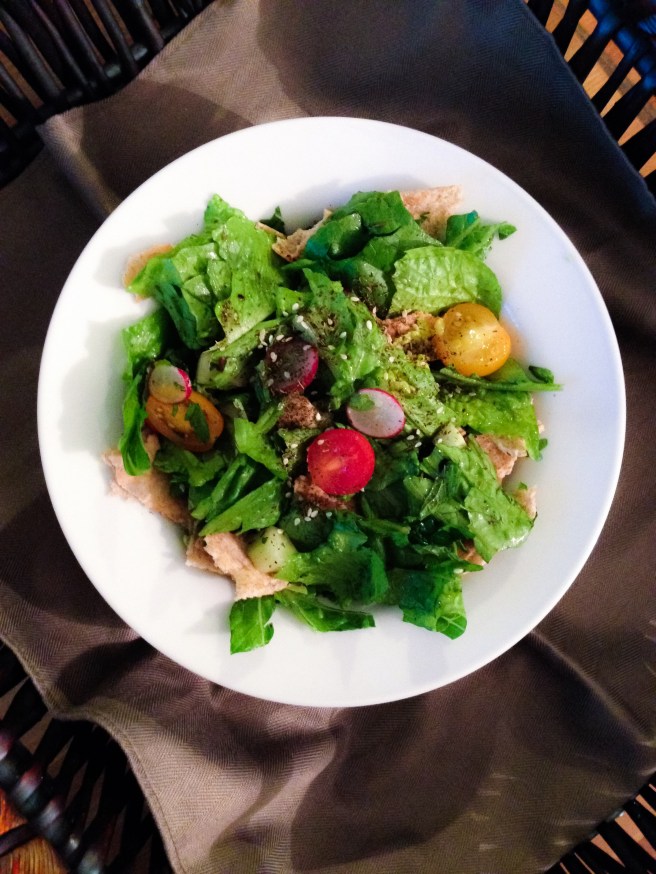
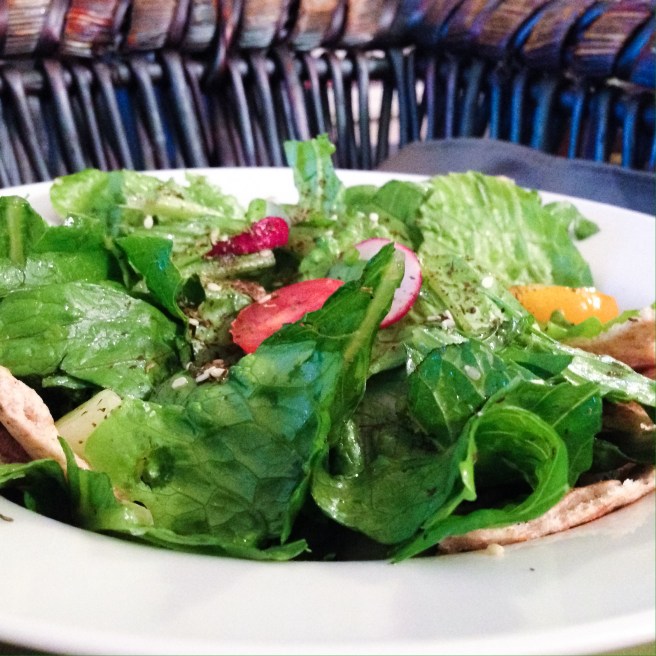
Fattoush with za'atar

Tonight’s salad is fattoush, which adds a healthy dose of flat-leaf parsley and mint to a mix of romaine, onion, radishes, and cucumbers. It’s tossed in a lemony, garlicky, mustardy vinaigrette and finished with grindings of black pepper and a sprinkling of sumac. I’m out of sumac, so I substituted za’atar. I’m glad I did, because there’s lots of sumac, but it also adds a burst of thyme and sesame.

My bowl included pieces of pita that had been brushed with olive oil and crisped in the oven. The gluten-free version included crispy rice crackers instead. Both were full of flavour.

There will be many more summer salads this year, but I’ll be revisiting this one regularly, perhaps as soon as tomorrow.

Fattoush on a wicker tray

You can read through everyone’s posts here. And consider joining this community of wonderful cooks and lovely people, as we work our way through David LebovitzMy Paris Kitchen.

Food Revolution Day 2016

Food Revolution 2016

Since 2013, I’ve been celebrating Food Revolution Day with a group of bloggers that met when we worked through Dorie Greenspan’s Around My French Table. We’ve all moved on to other projects, together and separately, and added new blogging colleagues along the way.

Today, we’re convening again to contribute our voices to Food Revolution’s mission: to talk about how “children access, consume and understand food” and to ensure they have “access to good, fresh, nutritious food for generations to come.”

Our celebration is taking place across two cook-along groups started by alumni of French Fridays with Dorie: Cook the Book Fridays and The Cottage Cooking Club. We have one Food Revolution Ambassador in each group, Mardi of eat. live. travel. write and Andrea of The Kitchen Lioness, and each had a unique take on this year’s Food Revolution Day theme, which is #FeedtheFuture. Jamie Oliver released ten recipes to learn and share that he believes can teach you all the skills you need to feed yourself for the rest of your life. Using this as a template, each of our Food Revolution Ambassadors came up with challenges appropriate to the book their group is working with.

Cook the Book Fridays: Ham, Blue Cheese, and Pear Quiche

Ham, Blue Cheese, and Pear Quiche

Mardi has taken the lead on Food Revolution Day, first in French Fridays with Dorie and now in Cook the Book Fridays. She chose David LebovitzHam, Blue Cheese, and Pear Quiche from My Paris Kitchen for the group to prepare this week, as a “must know” recipe. Quiche is almost infinitely variable, and can accommodate gluten-free, vegetarian, and even vegan diets, with some simple ingredient substitutions.

It’s a dish that highlights a skill that’s just as important for a healthful diet as the ones covered in Jamie Oliver’s “starter pack” of healthy recipes – baking. Knowing how to make your own crusts, breads, and pastries can empower you to choose the best ingredients and use them in delicious and healthy proportions.

Quiche is also a great dish to help you avoid food waste – nearly anything in your fridge that needs using can be put into a quiche. And if you get into the habit of keeping savoury tart doughs in your freezer, it’s easily a weeknight meal option or a last minute potluck solution. I’m exemplifying this tonight – the quiche is in the oven while I’m writing this post.

I decided to follow Mardi’s lead and “minify” this recipe. I made muffin-tin servings of quiche, which are easy to share. I made the full recipe of tart dough, freezing half. My quiche crust is an interesting colour – I used organic blue cornmeal in place of yellow cornmeal, as that’s what I had on hand. It’s ground to a fine texture, which is a plus for a crust. Cornmeal can often lend a gritty texture to doughs like this.

I halved the quiche filling, though. I’ve only got so many taste-testers available this weekend. I didn’t vary David’s recipe and I’m glad. This is a rich, sophisticated quiche. Ham, blue cheese, and pear are classic flavour partners. That said, I’ll use this quiche recipe as a jumping off point whenever I have some cream cheese hanging out in my refrigerator. As I said before, a world of possibilities can be contained in the crust of a quiche.

You might notice there aren’t any photos of my quiches. It was dark by the time I finished my post, so I’ll add some tomorrow, so you can see them at their best.

Three mini quiches

You can read through the Cook the Book Fridays crew posts for this Food Revolution Day here. And consider joining this community of wonderful cooks and lovely people, as we work our way through David LebovitzMy Paris Kitchen.

The Cottage Cooking Club

Since we just wrapped up cooking our way through Hugh Fearnley-Whittingstall´s River Cottage Veg, Andrea took a different route for this group’s challenge. She asked us to choose up to ten recipes from the book that qualify as “must know” dishes and to share the techniques and skills we learned in making them.

My mind turned to categories, rather than specific dishes, so I’ll share a few of the things that River Cottage Veg helped improve in my own kitchen.

Roasting deepens flavour

Roast until fabulous

If you were brought up the way I was, most vegetables got roasted alongside cuts of meats or as a part of stews. Otherwise, they received a stove top or steamer treatment. But, roasting brings out the best in many vegetables and several of Hugh’s recipes are oven-roasted improvements on stove top staples.

Oven Roasted Roots Frittata

Oven Roasted Ratatouille and Roasted Tomato Sauce

Roasted Roots with Apple and Rosemary

Homemade sauces and condiments are easy and delicious
Dressings and Condiments

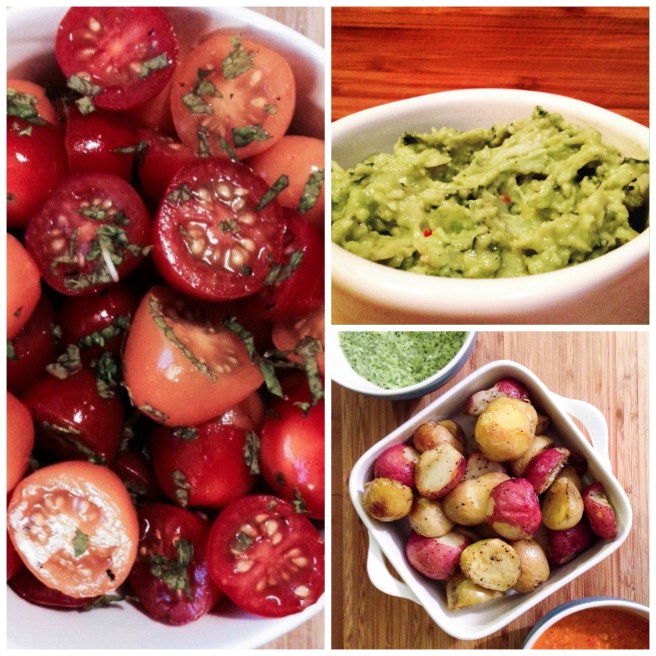
You really don’t know how good something can be until you’ve eaten it fresh out of the kitchen. Condiments and dressings are easy to make and so much better than the ones you can buy at the supermarket. Besides, you’ll improve your knife skills when you process all those beautiful aromatics.

Lemony Guacamole

Mojo Sauces

Tomatoes with Thai Dressing

Great flavour starts at the base

Depth of flavour

When you work at creating a delicious flavour base, whether that’s a scratch curry paste or an infusion of dried mushrooms, your dish will be more than the sum of its parts. It doesn’t take long to add flavour, so there’s no reason to skip steps.

Eggplant and Green Bean Curry

Mushroom “Stoup”

Over the last two years, our group picked up or refined cooking skills, encountered new ingredients, and learned new approaches to familiar ones. However, the greatest gift that working through this cookbook gave us was to reinforce the truth that vegetarian and vegan eating can be flavourful, varied, healthy, and more than enough. I think that qualifies as a Food Revolution, don’t you?

You can find the rest of the group’s Food Revolution posts, here. I encourage you to check them out – you’ll meet some wonderful bloggers and get some great inspiration for healthy, delicious eating.

And you can join in on the Cottage Cooking Club’s next adventure, cooking through one or both of Hugh Fearnley-Whittingstall´s River Cottage Every Day and Love Your Leftovers – you can find the details, here.

World food waste statistics

I believe that people need access to safe, affordable, whole foods; access to the skills and techniques to prepare foods; and access to the housing, income, and safety that will allow them to cook. This will ensure the health of future generations and the planet, reducing the waste of food, packaging materials, human potential, and environmental resources that an industrial, processed food system can enable. Participating in initiatives like Food Revolution Day can only help those goals along.

You’ll find plenty of posts, photos, videos, and more if you search the #FeedtheFuture and #FoodRevolution tags on your social media channels, encompassing a huge range of perspectives on what it means to bolster food security for coming generations.