FFWD – Hummus

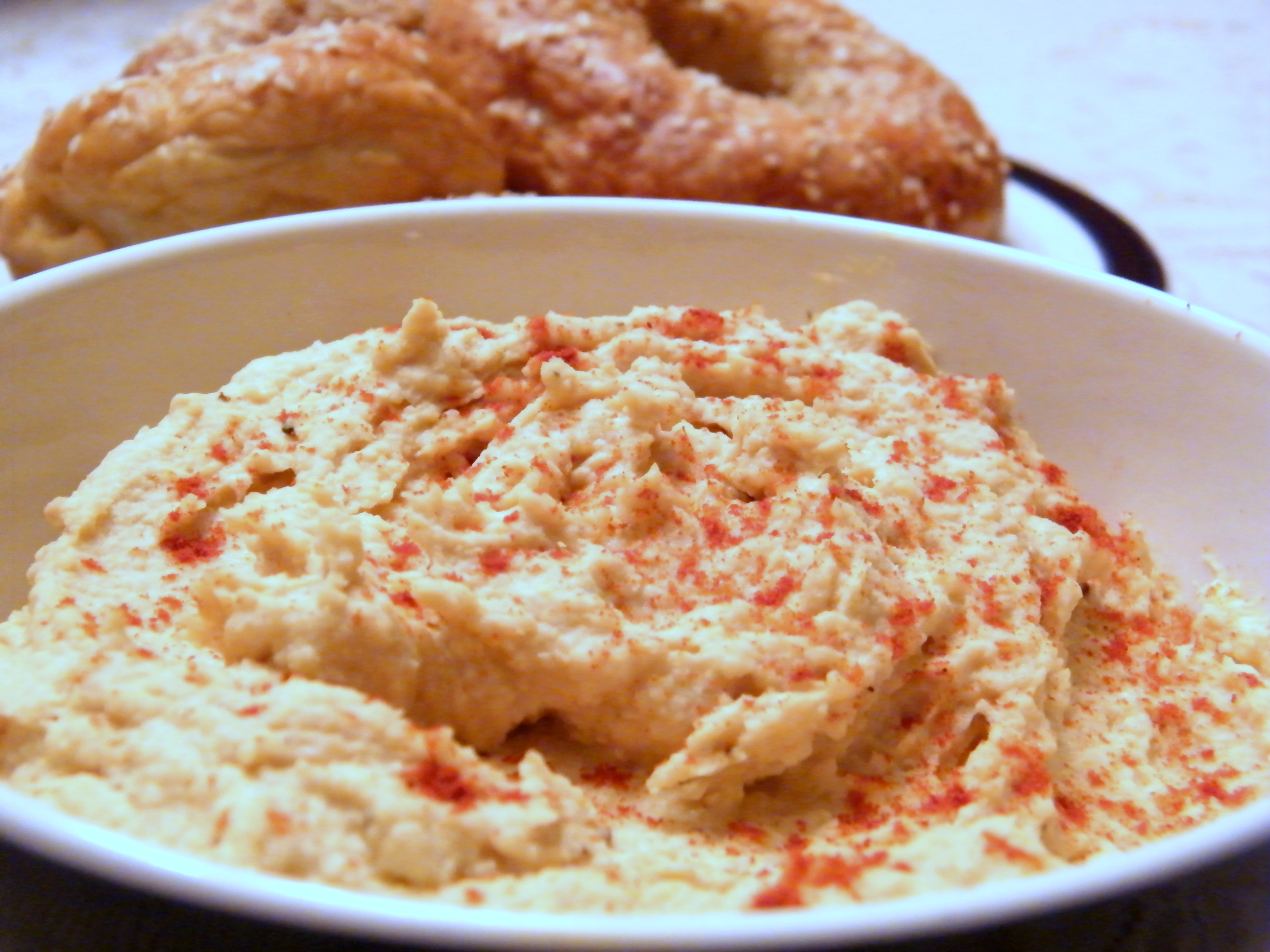
Hummus, with home-made bagels in the background.

We’re beginning our third year of French Fridays with something simple, which in typical Dorie fashion, can be experimented with until you find your favourite version(s). Hummus is something most of us can find at the supermarket, but it’s easy enough to make at home. Chickpeas, tahini, lemon juice, and garlic – those are the basics. I even made the tahini myself this time. The ratio is about 1 cup of toasted sesame seeds to 1/4 cup olive oil, more or less, depending on how thick you want it. Dump it all in the food processor and in a few seconds, it’s done. In this case, I just left the amount of tahini needed for the hummus in the processor and added the rest of the ingredients.

Dorie adds a bit of cumin to her hummus and I like adding a bit of chile flakes, cayenne, or hot sauce, too. A sprinkle of smoked paprika on top is both a predictable garnish and also delicious. I stuck close to the recipe this time, but you can add any number of flavours to hummus. Herbs or pesto are lovely, but even just bumping up the lemon or garlic can make a great variation. But, you probably know that already. I’ll just add that in the photo, you get a little preview of the next Baking with Julia assignment. Bagels and hummus make a great combination.

We started our first year of French Fridays with something quintessentially French, Gougères. Our second year began with a recipe that gently led (most of) us through new, even intimidating techniques in the kitchen – Olive-Olive Cornish Hens. Our third year’s begun with a bit of a softball, but one that reminds us how easy it is to replicate store-bought staples cheaply, easily, and deliciously at home. They’ve all been very much worth our time.

You can find many other blogged descriptions of this week’s FFWD recipe here: Hummus

FFWD – Endives, Apples, & Grapes

A close up of the finished dish.

This post is so late that it qualifies as an almost-the-next-French-Friday post. We had this week’s dish for dinner last night with steak, potatoes, and a mixture of beans from my garden and my mother’s. After a slow start, summer’s hung on a little. We have fresh Okanagan peaches awaiting pie-making tomorrow and I used a beautiful Honeycrisp from the same region in this recipe. It’s always nice when the line between summer and fall produce blurs a little bit.

This side dish blurs some lines, itself – a mixture of bitter endive, along with sweet apples and grapes, slowly cooked in butter with sprigs of rosemary. When it’s done, the juices from the fruit have caramelized so much that strings of dark brown sugar pull from the pan when you plate the dish. Add a little water and those caramelized bits left over cook down into a scant sauce that brings all the flavours together.

In the pan, ready to slowly cook and caramelize.

We liked it with the meal we had, but it would be even better as an alternative to apple sauce with pork chops or roast. Dorie’s bonne idée for this recipe is a version with squash and chestnuts and I’m tempted to try it this coming long weekend.

In the meantime, I must get on with our next recipe, which will mark the beginning of the third year of cooking together from Around My French Table.

Endive, Apples, and Grapes

You can find many other blogged descriptions of this week’s FFWD recipe here: Endives, Apples, & Grapes

FFWD – Chicken Basquaise

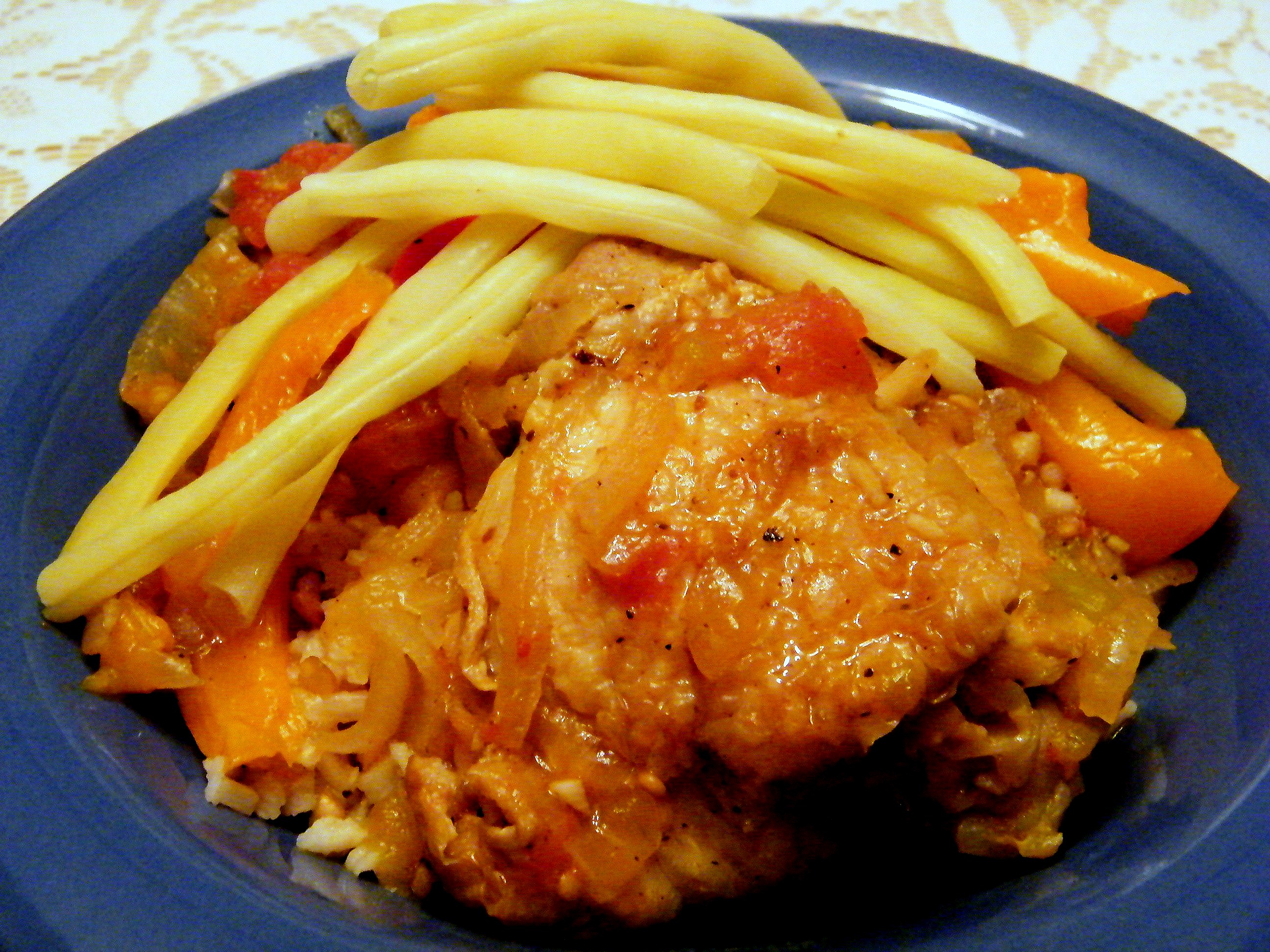
Chicken Basquaise garnished with yellow bush beans.

Chicken Basquaise is the opposite of convenience food. The pipérade alone cooks for about an hour, once all the chopping of vegetables is done. When the chicken is added, dinner is still forty minutes away. All that time is worth it and not just because you can get most of the dishes done while you’re waiting for the chicken to slowly stew in the pipérade.

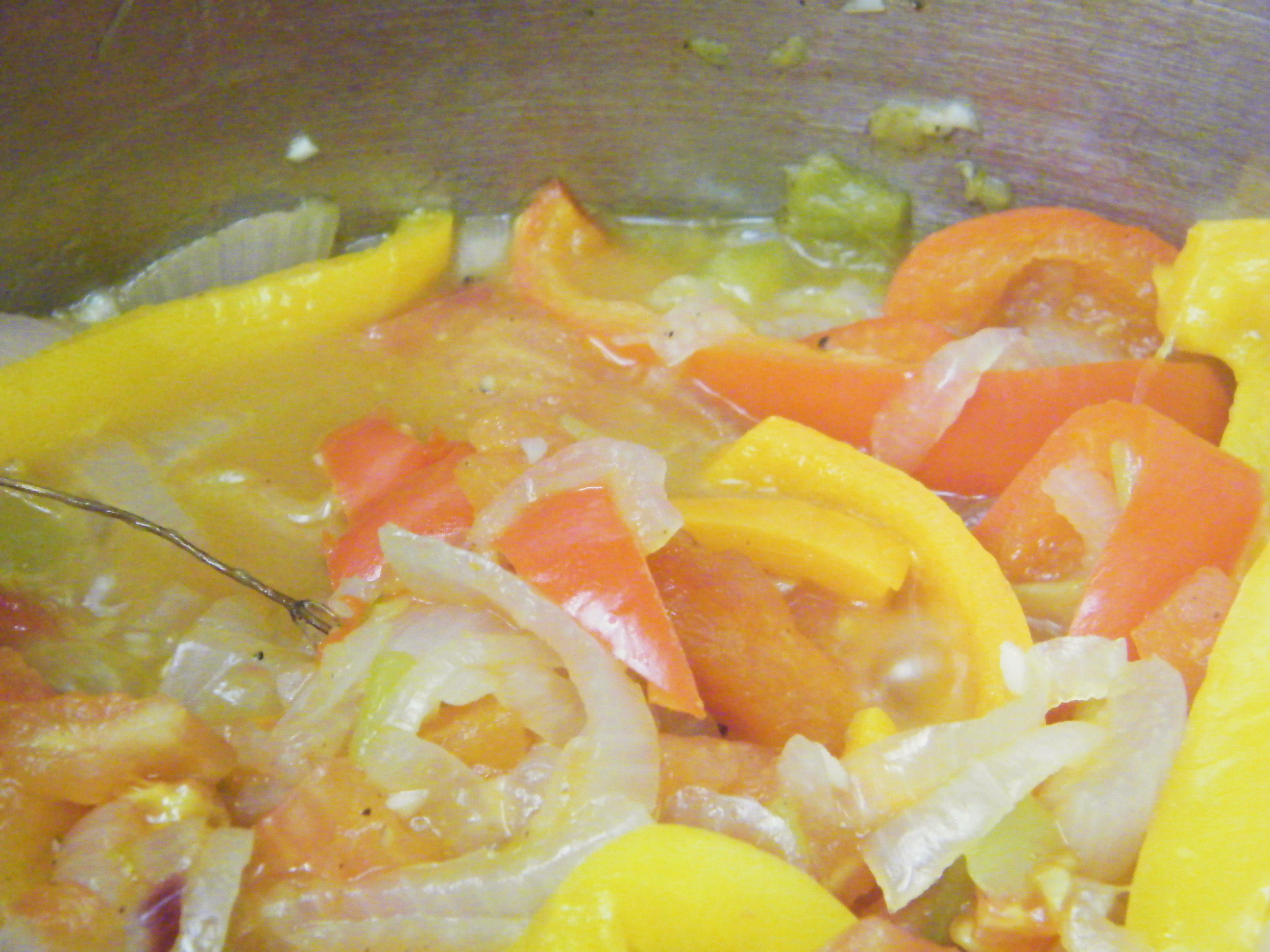
Simmering the pipérade

The flavours intensify over those two hours, creating a broth that no packaged food could hope to match. When you slowly cook peppers and onions, tomatoes and even chiles, you create sweetness that’s not cloying against the richness of the chicken and its juices.

I skipped the green peppers in favour of red, yellow, and orange. I also substituted a quarter cup of sherry for the white wine and a less exalted chili powder for the piment d’Espelette. I think the end result was still quite faithful to the original.

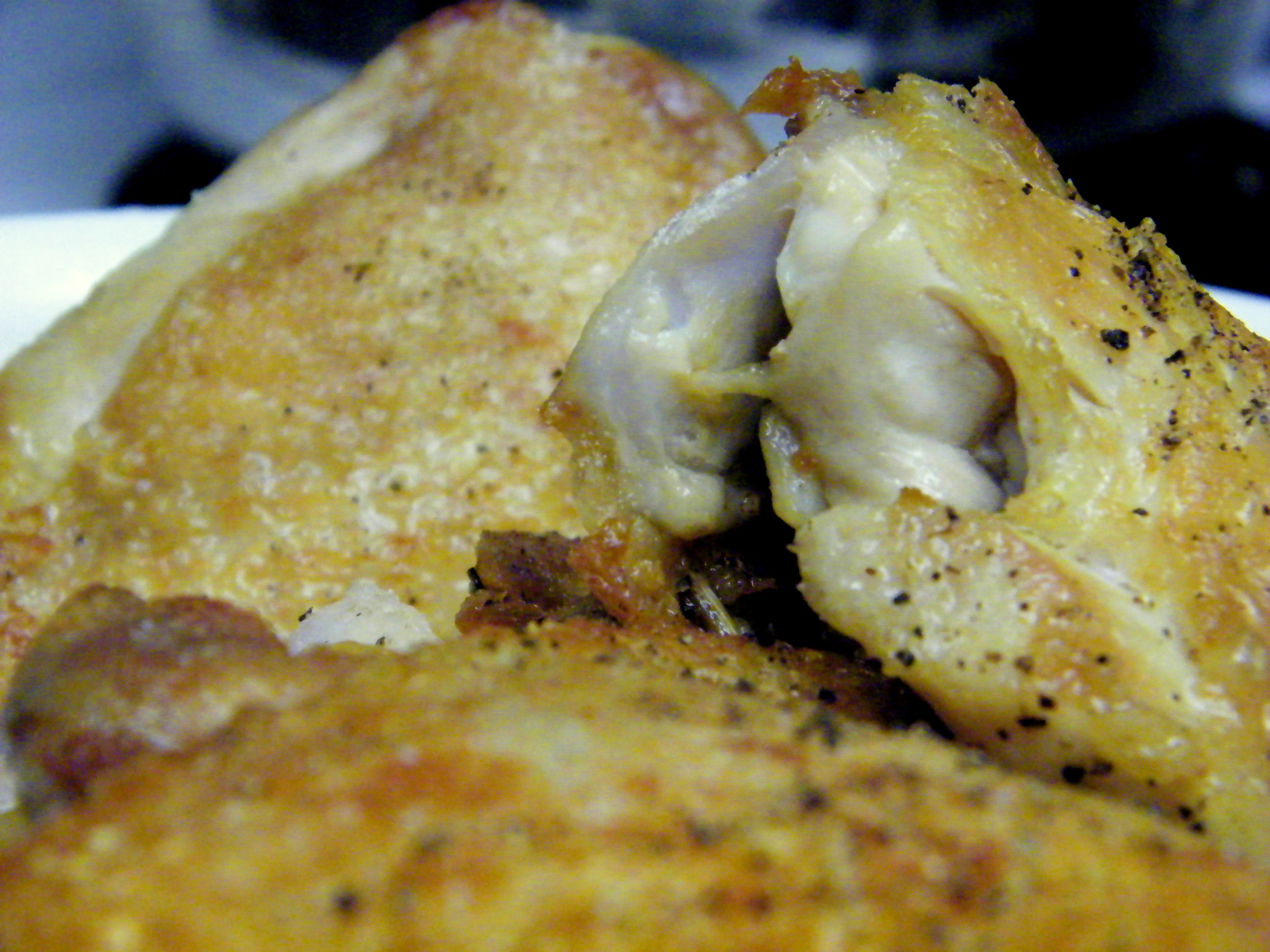
Browning the chicken thighs.

I also set aside two cups of the pipérade to use with scrambled eggs at breakfast, as Dorie suggests in her Bonne Idée. The sauce was just as delicious with eggs as it was with chicken. With turkey bacon on the side and a stack of toast (a toasted gluten-free bagel, in Kevin’s case), it might be my new favourite breakfast.

Pipérade and eggs.

You can find many other blogged descriptions of this week’s FFWD recipe here: Chicken Basquaise

FFWD – Eggplant “Tartine” with Tomatoes, Olives, and Cucumbers

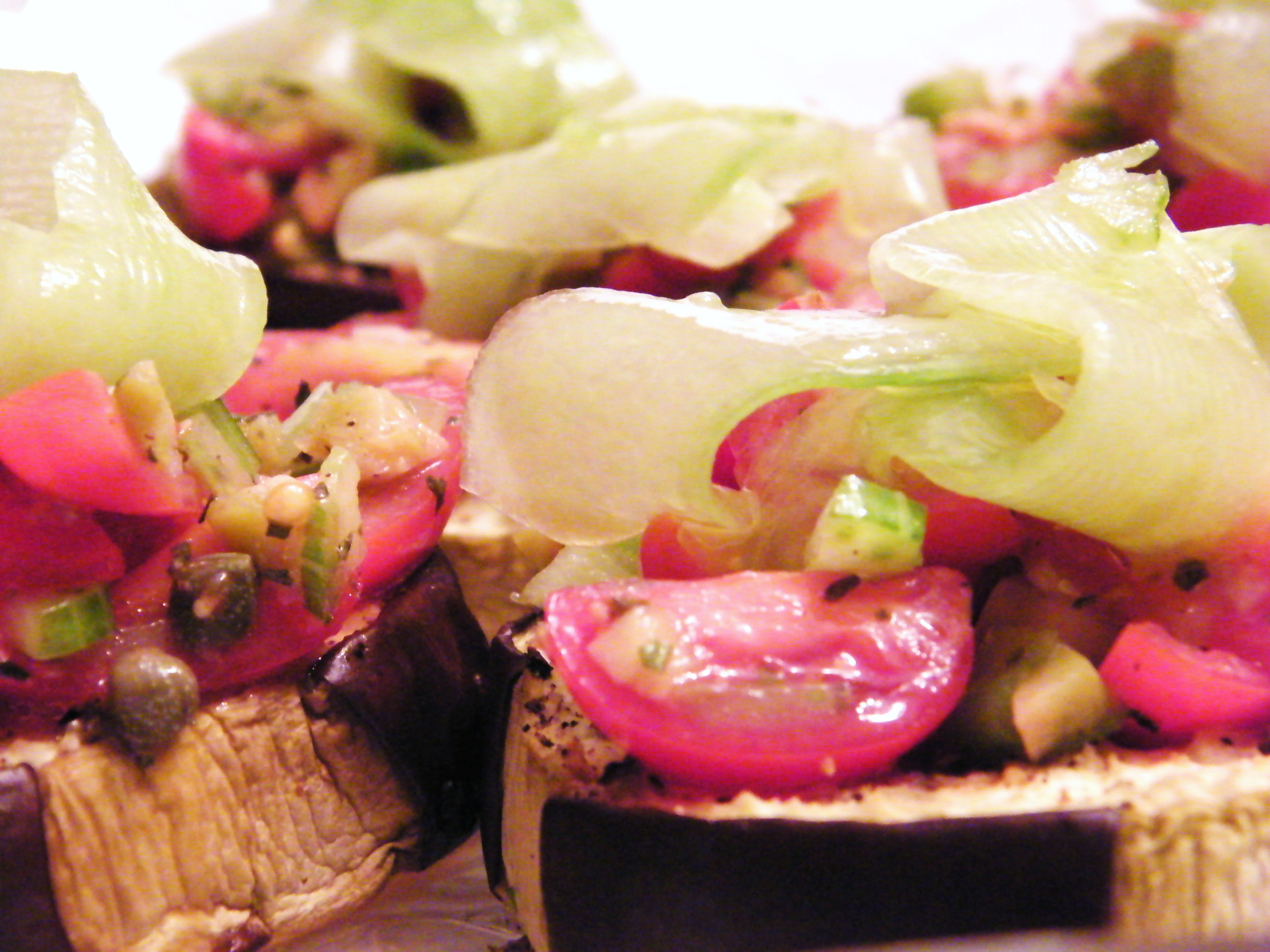
Close up of the eggplant "tartines"

It’s been a good couple of weeks for eggplant dishes. I went to a friend’s birthday dinner recently and the appetizer was a thick, roasted slice of eggplant topped with goat cheese and ribbons of bell pepper. Today’s French Fridays recipe is another delicious take on roasted eggplant. This time, the eggplant is topped with a tomato salad and ribbons of cucumber.

It’s a “tartine” because the roasted eggplant stands in for bread, making it both a great way to enjoy summer produce and a good option for gluten-free eating. The salad is tossed in a red wine vinegar-oregano vinaigrette and balances the sweetness of the tomatoes with the sharpness of onions and celery and the saltiness of olives and capers. The flavours are well-balanced and the textures are varied and interesting.

A trayful of eggplant "tartines"

We had these “tartines” as a side dish alongside steamed bush beans and spaghetti with homemade pesto. It made for a lovely summer meal. I think I’ll also keep this in mind for the next time Kevin and I have a party – I think it will please our gluten-loving and gluten-free guests alike.

In the meantime, I’m going to use this dish as inspiration to use the remaining weeks of garden season to experiment with summer produce – it’s often too easy to just pop veggies into the steamer and be done with it. I love steamed vegetables, but there really is so much more.

Roasted slice of eggplant, loaded with tomato salad and topped with ribbons of cucumber.

You can find many other blogged descriptions of this week’s FFWD recipe here: Eggplant “Tartine” with Tomatoes, Olives, and Cucumbers

FFWD – Warm Scallop Salad with Corn, Nectarines, and Basil

Warm scallop salad with nectarines, corn, tomatoes, basil coulis, and lime dressing.

It’s about time we had another scallops recipe in the group – they’re probably my favourite seafood (though mussels run a close second). I also appreciate a recipe that makes use of height-of-summer produce. Chilliwack corn, farm-fresh tomatoes, and basil from my own garden are part of this salad and the taste is phenomenal.

This recipe is really about small parts coming together well. Lime dressing, basil coulis, chopped tomatoes, kernels of corn, all served with grilled or pan-fried scallops and nectarines. They worked together even better than I’d imagined. My presentation, however, was not as pretty as I’d imagined. No matter, we had a delicious dinner.

Every summer I try to make as much use as I can of the succession of fresh, local fruit and vegetables. Every year I feel like I’ve fallen a little short. A recipe like this certainly helps me feel like I’ve succeeded. A gourmet treat full of summer goodness – we’ll be having this again.

You can find many other blogged descriptions of this week’s FFWD recipe here: Warm Scallop Salad with Corn, Nectarines, and Basil

FFWD – Lemon Quinoa Pilaf

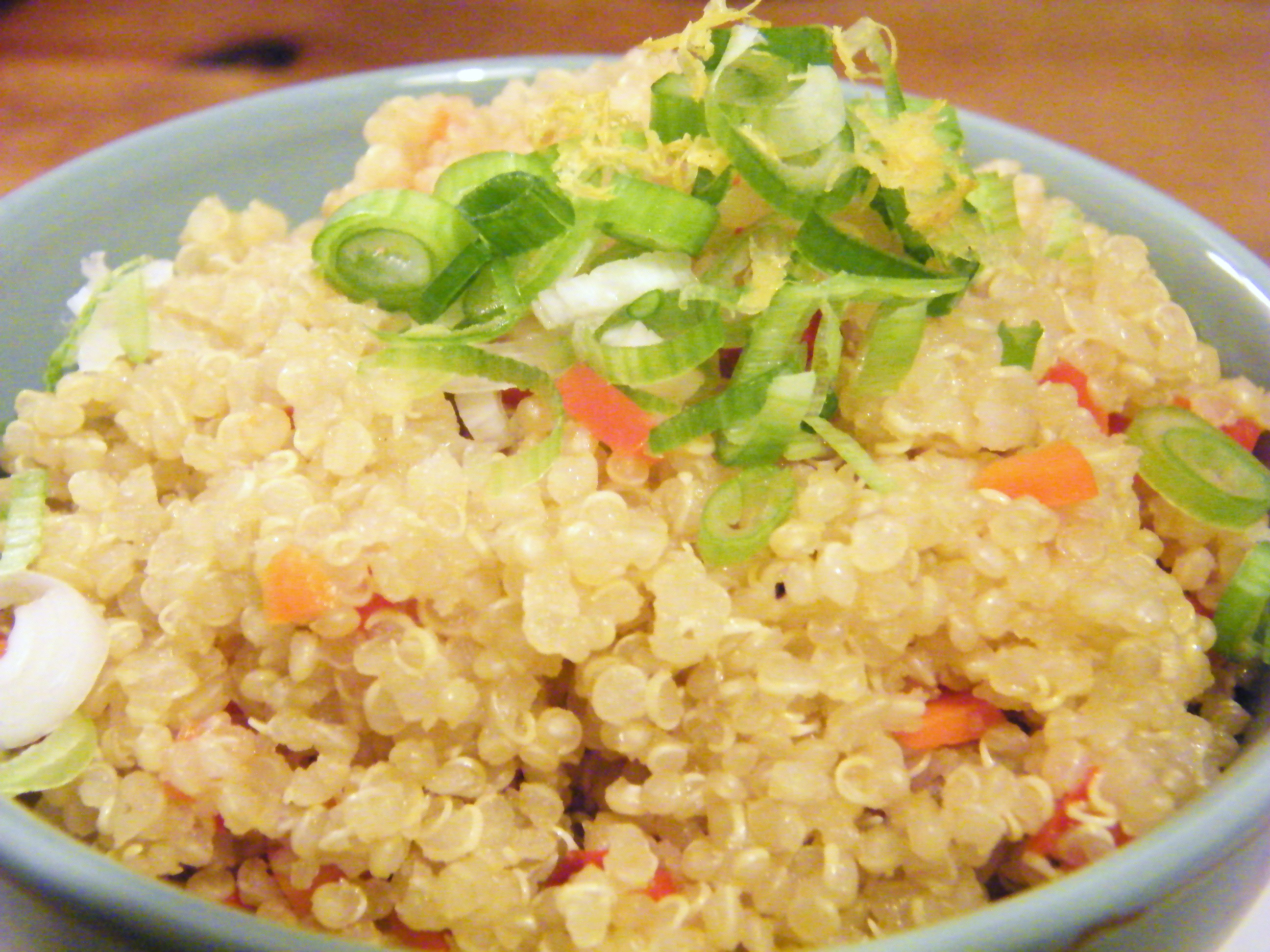
Lemon Quinoa Pilaf

The keen-eyed among you will notice that the title of this week’s post doesn’t really match the name of this week’s recipe. I decided to substitute quinoa so that my partner could eat it with me. I love barley, especially when my mother uses it in soup, but it contains gluten, so it’s a no go grain in our house.

Adapting the recipe was easy, though a little fussy. Quinoa is more like couscous than barley and takes only five minutes under boiling water to be ready. The original recipe allows the vegetables to cook in stages with the barley. To make sure that the carrot and red pepper were soft enough for the pilaf, I added them to the pan with the partially sautéed onions and cooked them until they were nearly tender. Then, I added the vegetables to the chicken stock and simmered it for a few more minutes. I strained the vegetables out of the stock and set them aside, then brought the stock up to a boil before pouring it over the quinoa. (If your stock reduces too much, you can top it up with boiling water.)

Once the quinoa was done, I added the cooked vegetables to it, along with the lemon zest and green onions. Not exactly what Dorie had in mind, but with all the flavours and textures intact.

A bowl of quinoa pilaf, dressed with green onion and lemon zest.

You can find many other blogged descriptions of this week’s FFWD recipe (many of them ACTUALLY using barley!) here: Lemon Barley Pilaf

FFWD – Almond Flounder Meunière (Make that Sole)

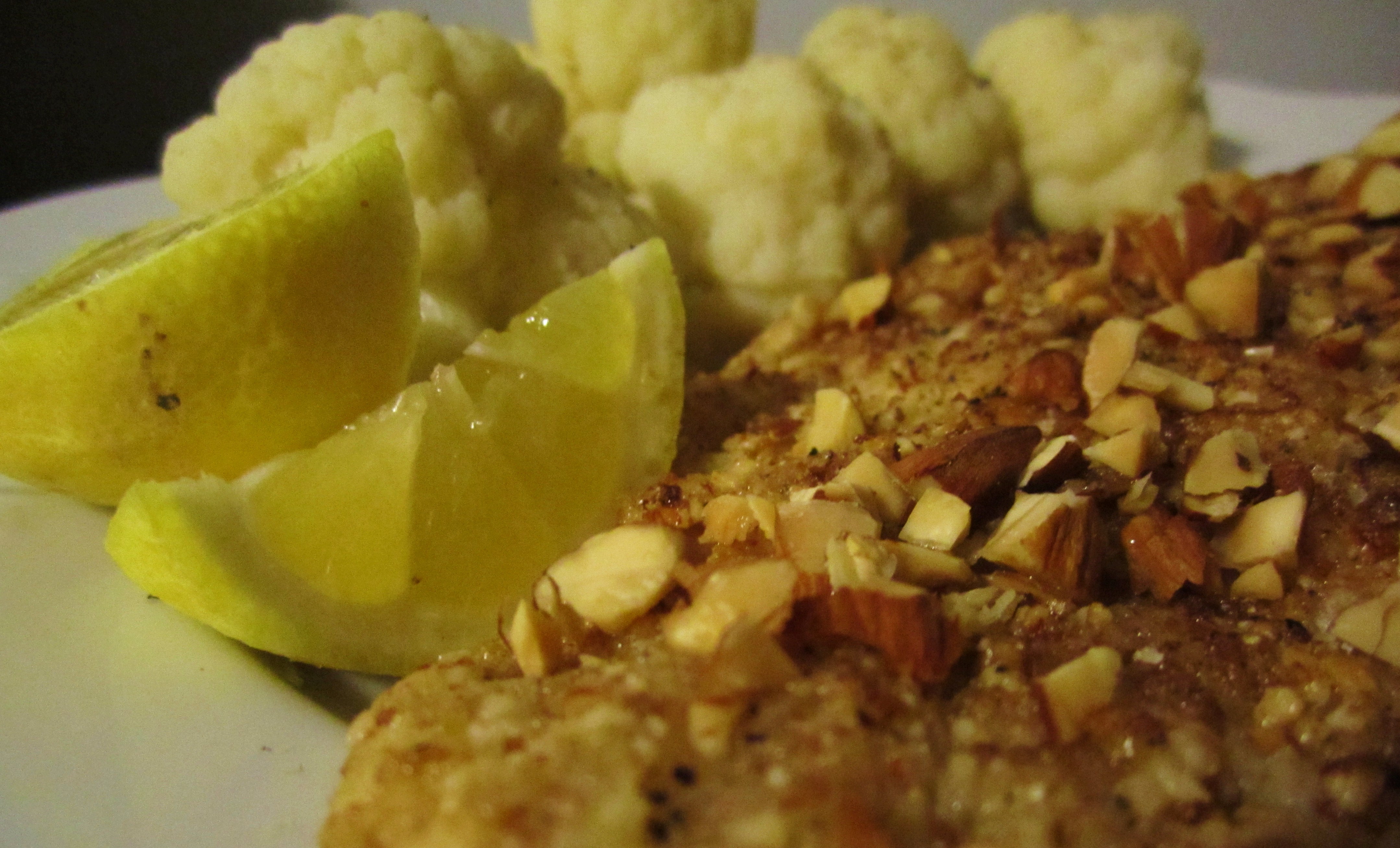
Sole, coated in an almond-lemon zest crust, with cauliflower and lemon wedges in the background.

I’m not a fan of heavily breaded or batter-covered fish. I’m fine with a little light dredging or the barest coating of fine crumbs, but too much and I begin to flash back to Good Fridays past and their requisite take out dinners featuring tiny pieces of fish hidden in gobs of deep-fried batter. And schnitzel, which I’ve never really been on board with, either.

A crust of ground almonds and lemon zest, though; that’s a coating I can get excited about. The recipe calls for a tablespoon of all-purpose flour to be added to the almond mixture, but I substituted a gluten-free whole grain flour mixture. I also substituted sole for the flounder, which is kind of perfect, since the recipe is based on a combination of two classic sole dishes: sole amandine and sole meunière.

The fish is brushed with egg yolk, then coated on one side with the almond-lemon zest crust. It’s cooked in brown butter and finished with a few squirts of lemon juice and some toasted almonds. (I skipped the parsley, which has been growing extra-slowly in the cool, damp weather we’ve been having lately.) I served it with steamed cauliflower, which I dressed with lemon juice and a little pepper.

A closer look at the fish and its accompaniments.

My post this week is a catch up, since everyone else is making olive oil ice cream and I (sadly) do not own an ice cream maker. I’m glad I finally got to this recipe – it was too good to be ignored, unlike those fish and chip dinners of yesteryear.

You can find many other blogged descriptions of this FFWD recipe here: Almond Flounder Meunière

FFWD – Asparagus and Bits of Bacon

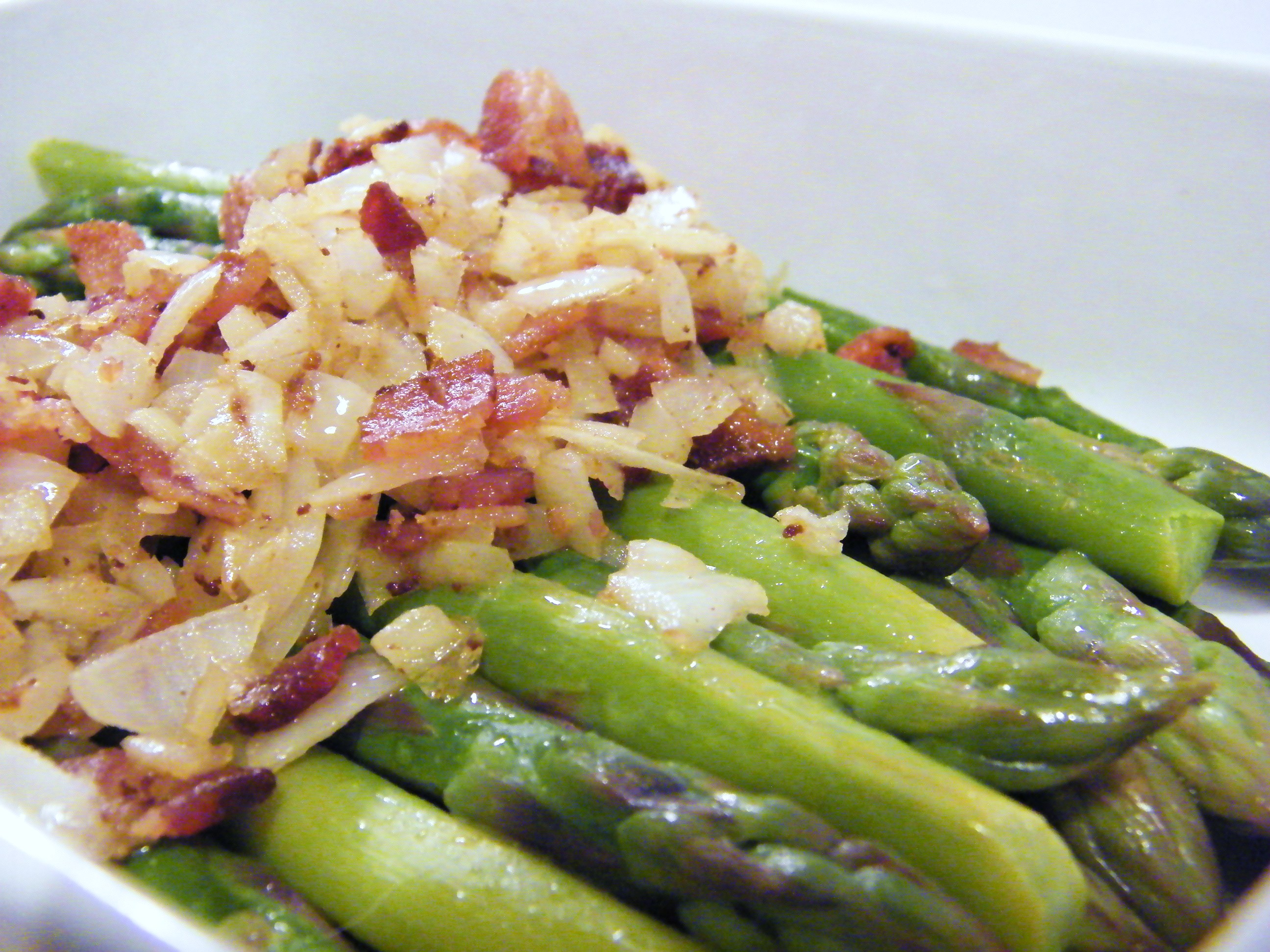
Asparagus with bits of bacon.

I missed posting about this when everyone else did, because my computer was in the shop. I’ve got it back now, a little slower and noisier than it was before, but working. (Sometimes I get tired of the part of me that wants to use things as long as they’re functional, the part of me that doesn’t want to add to the heaps of electronic waste that now litter the world. I hold onto computers and phones until the bitter end and am rarely an early adopter of equipment. There’s another part of me that wishes for things that are shiny and new, but it never wins out.)

So, I’m catching up on April’s first French Friday recipe now. I’m also catching up on reading everyone else’s posts, but I imagine that this was a hit with almost everyone in our group. How could it not be? Bacon cooked ’til crisp, then warmed with slivers of onion, asparagus tossed in nut oil and lemon juice, all in one dish. I have to admit that we made the full recipe and ate it for dinner without accompaniment. It was all we needed. In fact, my partner said the bacon was the best he’d ever had. I think it was the onion, which I allowed to caramelize a little, even though the recipe calls for it to be barely cooked. This recipe will certainly be on the menu again.

You can find many other blogged descriptions of this week’s FFWD recipe here: Asparagus and Bits of Bacon

Next Tuesday, I’ll be back to my regularly scheduled non-cooking posts. For now, I’m busy surfing my way through all the French Friday and Baking with Julia posts I’ve been missing.

I also want to take this opportunity to thank Marilyn of cook reach grow for passing on the Liebster blog award to me. She’s one of the participants in Tuesdays with Dorie and I’ve really enjoyed reading her posts. These two cooking groups have introduced me to so many lovely and interesting folks, I can’t decide on just five bloggers for the award. Instead, I’ll direct you to the roster for Tuesdays with Dorie and also French Fridays with Dorie. You could spend many pleasant hours reading through the blogs in both groups.

FFWD – Sardine Rillettes

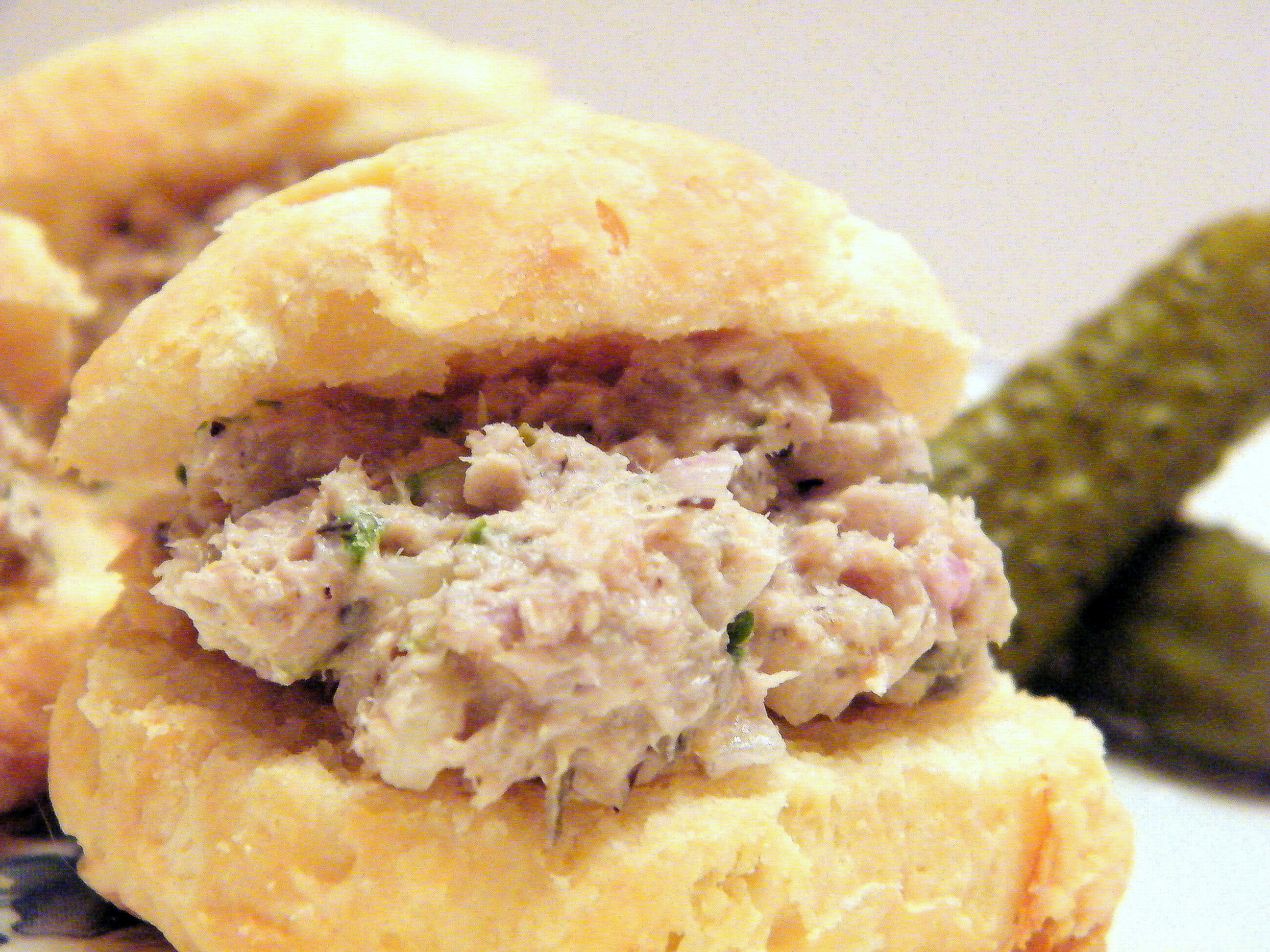
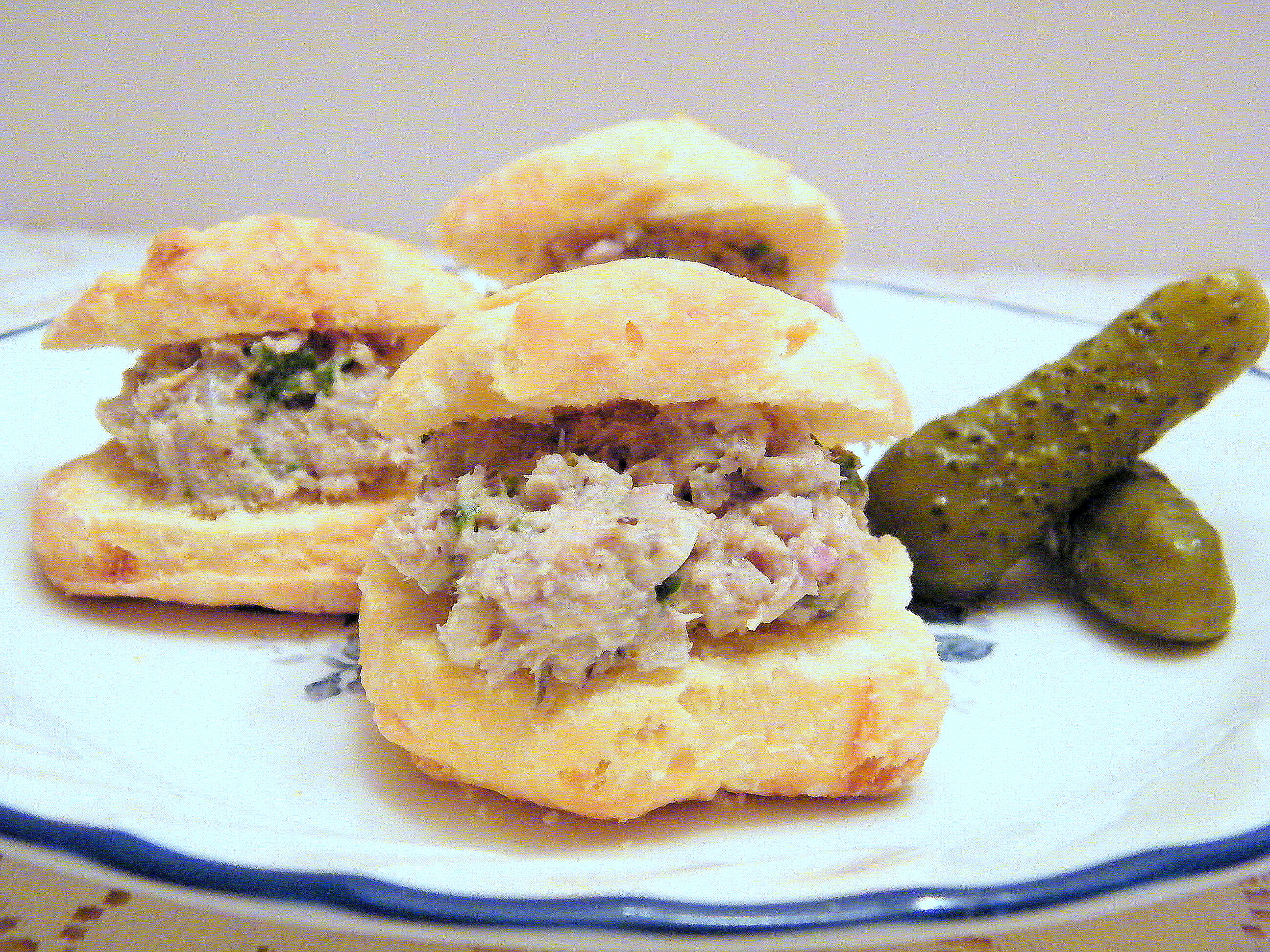
An onion biscuit stuffed with sardine rillettes, with cornichons in the background.

Every summer, my family would go on holiday for the month of August. We’d go “up country” to the lakes north of Kamloops. British Columbia is dotted with freshwater lakes and we visited many of them. We’d stay at one for a while and if the fishing wasn’t good, my Dad would hitch up the Boler trailer and the family would pile back into the car, ready to explore the next forestry campsite. My sister, brother, and I would run through the woods, swim in the lakes, read books by the shore, and at least once a day, we’d go out in the boat to troll for trout. The rule was, If You Catch It, You Clean It and when the fishing was good, we got a lot of practice.

I found myself thinking about these trips the other day, while removing the spine and tail from two tins’ worth of sardines for this week’s recipe. It’s a much easier job than cleaning trout, if a bit fussier. The process is almost as rewarding, though, because rillettes are my new best friend. Forget dip, spread, and stuffing – the only word you need, I’ve found, is rillettes.

A can of sardines, chopped aromatics, and a lime awaiting juicing.

For this recipe, sardines are mashed into a mixture of cream cheese, onions, and herbs, with lime juice and a dash of cayenne for bite. Chilled overnight, the rillettes become a thick, spreadable paste. You might spread it on bread or crackers, use it to stuff eggs or vegetables, or add it to a plate of crudités for dipping.

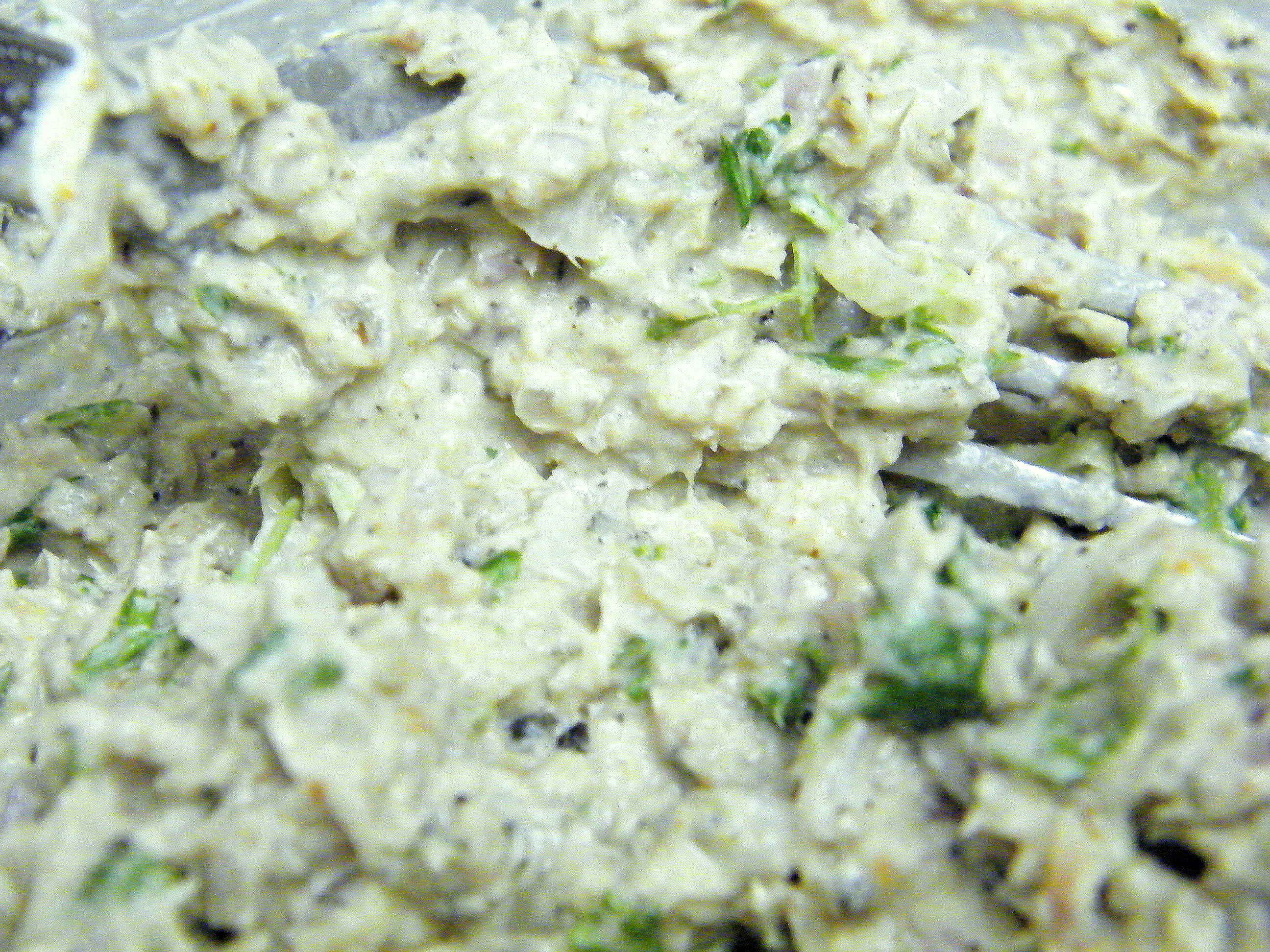
Sardines mashed into cream cheese, green onions, shallots, herbs and lime.

We still had a big bag of Saint-Germain-des-Prés Onion Biscuits in the freezer, so we baked a few and while they were still warm, filled them with rillettes, with a few cornichons on the side. The next day, we did it again. I’m going to have to make another batch if I want to try these rillettes with anything else. I think a thin layer on rye bread would make an excellent condiment for a Montréal smoked meat sandwich. For example. I might have to try Dorie’s recipe for Salmon Rillettes, first, though. And perhaps I’ll have to get my hands on some rainbow trout and work up a version for that, too. Like I said, rillettes are my new best friend.

A plate full of rillettes-stuffed biscuits, with cornichons on the side.

You can find many other blogged descriptions of this week’s FFWD recipe here: Sardine Rillettes

FFWD – Crab & Grapefruit Salad

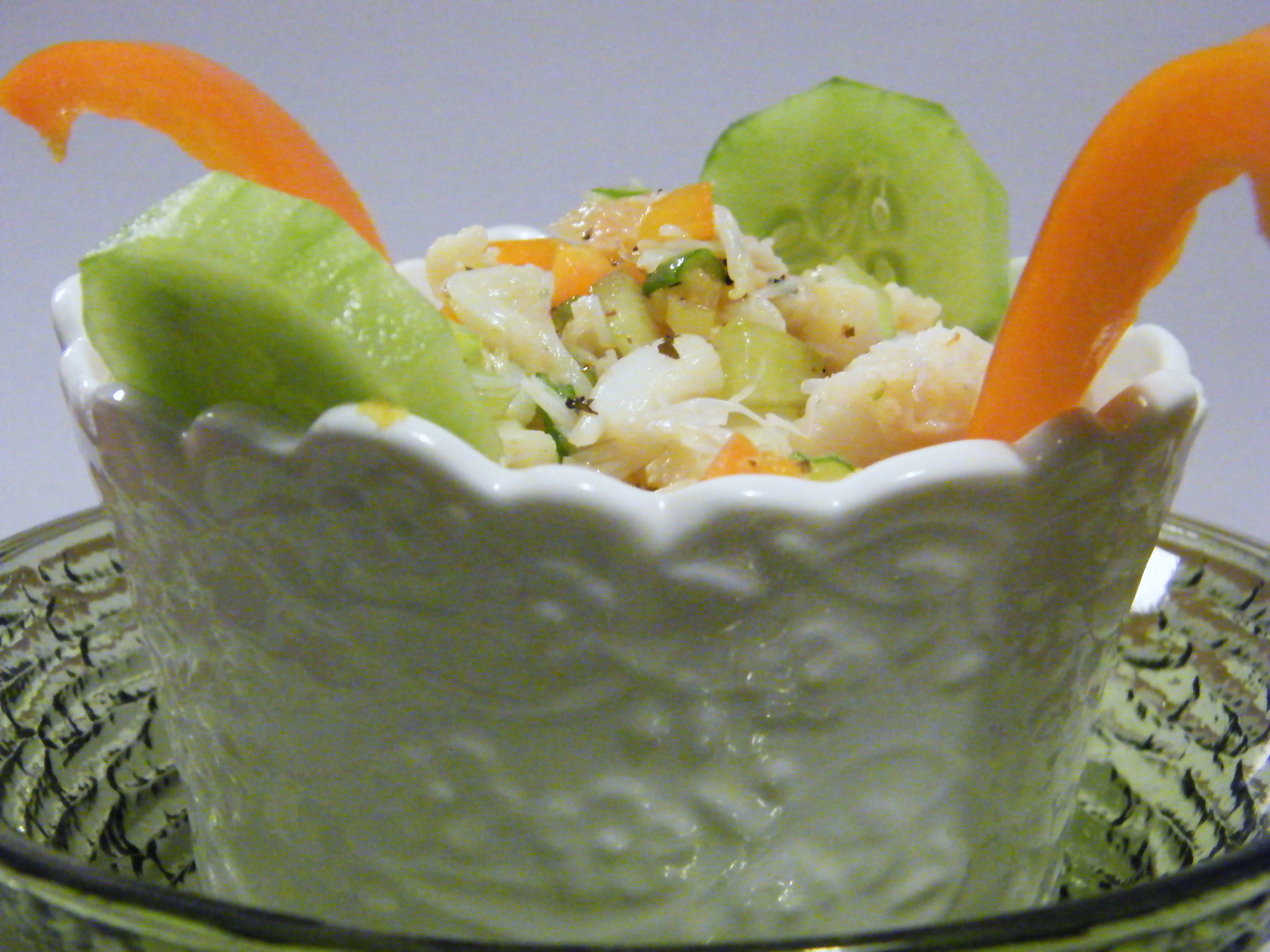
The finished salad

This is the time of year that I start getting excited about the upcoming growing season. In a few weeks, the Farmers’ Market will be moving back to its summer locations, one just a short walk away from my house. Last weekend, we got a load of soil for our garden beds and this weekend, we’re picking up some compost. I’m sketching out my square-foot gardening rotation for the vegetable beds and thinking about which herbs I’ll plant this year in containers.

One side effect of this excitement is that I have a harder time buying out-of-season vegetables and herbs from the store. This summer’s crop is so close, now. So, I didn’t buy fresh mint for this week’s recipe, but added some dried mint to the dressing, instead. I couldn’t find any ruby red grapefruit, either, so had to settle for a yellow-fleshed variety.

Mise en place

I went to our local fishmonger to pick up some real crab. It’s a little expensive, but it’s sustainable, delicious, and (unlike fake crab) gluten-free. This salad justified splurging a bit. Cucumber, grapefruit, orange pepper, and green onion complement the flavour of the crab, as does the olive oil-grapefruit dressing. I added a little cayenne to the dressing along with the mint.

I can’t decide if this salad is more reminiscent of country club fare or the sort of treat you might find on a beach holiday buffet table. Either way, it’s welcome on my plate.

A closer view

You can find many other blogged descriptions of this week’s FFWD recipe here: Crab & Grapefruit Salad