From Soup to Nuts – A French Fridays Catch Up

IMG_2619.JPG

I wandered down the Drive this evening, armed with an umbrella and a needlessly puffy raincoat, taking one final look to see if Jerusalem artichokes had shown up in the market.

This is what I found:

  • Fresh, fragrant chestnuts, hazelnuts, and walnuts;
  • Persimmons, fresh figs, quince, and softball-sized Okanagan apples;
  • Cauliflower in white, orange, and purple, carrots in a rainbow of colours, beets across the red spectrum, and mounds of homely, dun-coloured celery root.

Not a sunchoke in sight.

So instead, I’m giving you a triple-barrelled catch up post.

Provençal Vegetable Soup

IMG_2565.JPG

Waaaay back in July, our lovely administrators Betsy and Mary allowed four of us to pick the recipes for that month. I chose this quintessentially summer soup. But before I could make it and post about it, I developed a flu and a sinus infection that kept me out of the kitchen for quite a while.

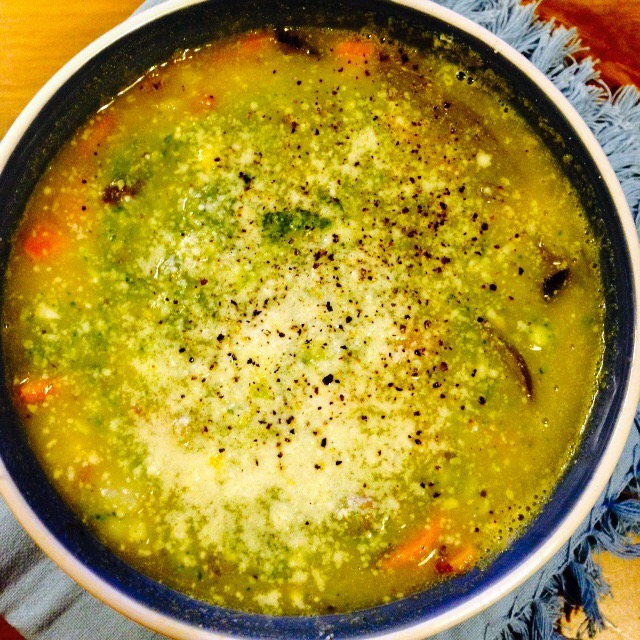
So finally, here it is, end-of-summer soupe au pistou presented to you when it’s cold and dark and rainy. My soup included some of the last of the beans, tomatoes, and zucchini from my garden and I had just enough basil left to make the pesto (but not enough for a garnish). I skipped the pasta and added extra potato instead. I also threw in a can of mixed Italian beans along with the chickpeas for extra heartiness. I kept it vegan for Kevin, so no pesto for him. My bowl had a healthy dollop of pesto and more than a pinch of Parmesan, which immediately melted into the hot soup. My soup wasn’t as clear as a traditional soupe au pistou because of all that extra potato, but it was awfully delicious all the same.

I don’t think it’s entirely inappropriate to be showing you this in October, actually. Like Smitten Kitchen’s Fall-toush Salad, this soup can be adapted for colder weather. At the end of every summer, I’ve always got a stock of frozen homemade pesto in the freezer – this year it’s mostly radish leaf pesto, because my basil harvest was unusually stingy. I think a swirl of summer in a bowlful of fall or winter vegetables sounds like a very good idea.

You can find the rest of the Doristas’ seasonally appropriate takes on this recipe here: Provençal Vegetable Soup

Rice Pudding and Caramel Apples

IMG_2573.JPG

Now, for something you’d expect to see in October.

I love rice pudding, but it’s something I’m used to making when I’ve got leftover rice to use up. This rice pudding is doubly different from my usual practice – it’s made fresh on the stovetop and it uses arborio rice. The pudding is creamy with whole milk and from the rice itself. It’s flavoured only with vanilla, which plays beautifully against the caramel apples with their hint of lemon.

My caramel was a little thin, so next time I think I’ll do as Liz did and pull the apples out when they’re tender so that I can cook the caramel until it’s thick. We still loved it, though. The layers of caramel, apples, and pudding were so satisfying and the whipped cream added just the right taste and texture to make this dessert elegant and comforting all at once.

You can find the recipe on Epicurious and you can see everyone else’s posts here: Rice Pudding and Caramel Apples

Caramel-Almond Custard Tart

IMG_2600.JPG

And finally, a dessert that made me very popular at our housing co-op’s general meeting this week. I made Dorie’s pâte sablée, or sweet tart dough, for the first time in a very long time recently. I’d forgotten just how good it is, so when we had a gap in food provision at the meeting this week (our co-op is so big on feeding its members that we wrote it into our Mission, Vision, and Values statements), I decided to catch up on this tart. It’s a good thing I waited until now to make it, because it’s so easy I’d have been popping it into the oven on a far too regular basis.

Who knew that par-baking a tart crust, toasting a few almonds, making a creamy caramel, and whisking up a custard could add up to something that (almost) looks like it came from a pastry chef? I think this is the recipe I’m going to pull out next time I really need to get someone on board with something.

Here’s the link to more posts about this beautiful tart: Caramel-Almond Custard Tart

There will be plenty of roasting vegetables in the oven this weekend – the markets are full of root vegetables, brassicas, and squash. But, I’m not exactly sure when sunchokes will show up here. The grocers I’ve asked so far can’t remember exactly when they start coming in, either. Whenever they do, I’ll be making this week’s dish, along with the Jerusalem artichoke soup that’s coming up in the rotation in the next month or two. Catch ups are my thing, apparently.

Now, if you’re curious about what the rest of the French Fridays crew got up to this week, you’ll have to look here: Roasted Jerusalem Artichokes with Garlic

Ginger Peach Crisp and Nairn’s Oatcakes – A Review

Crisp

Nairn’s Oatcakes provided me with samples of their products for review. However, all opinions in this post are my own.

I think there’s something both a little homey and a little elegant about oatcakes. They put me in mind of tea and not-too-sweet biscuits with my Irish grandmother. They are also at home on an hors d’oeuvre table, the earthy nuttiness of oats being a perfect foil for dips and spreads, and a nice change from wheat crackers.

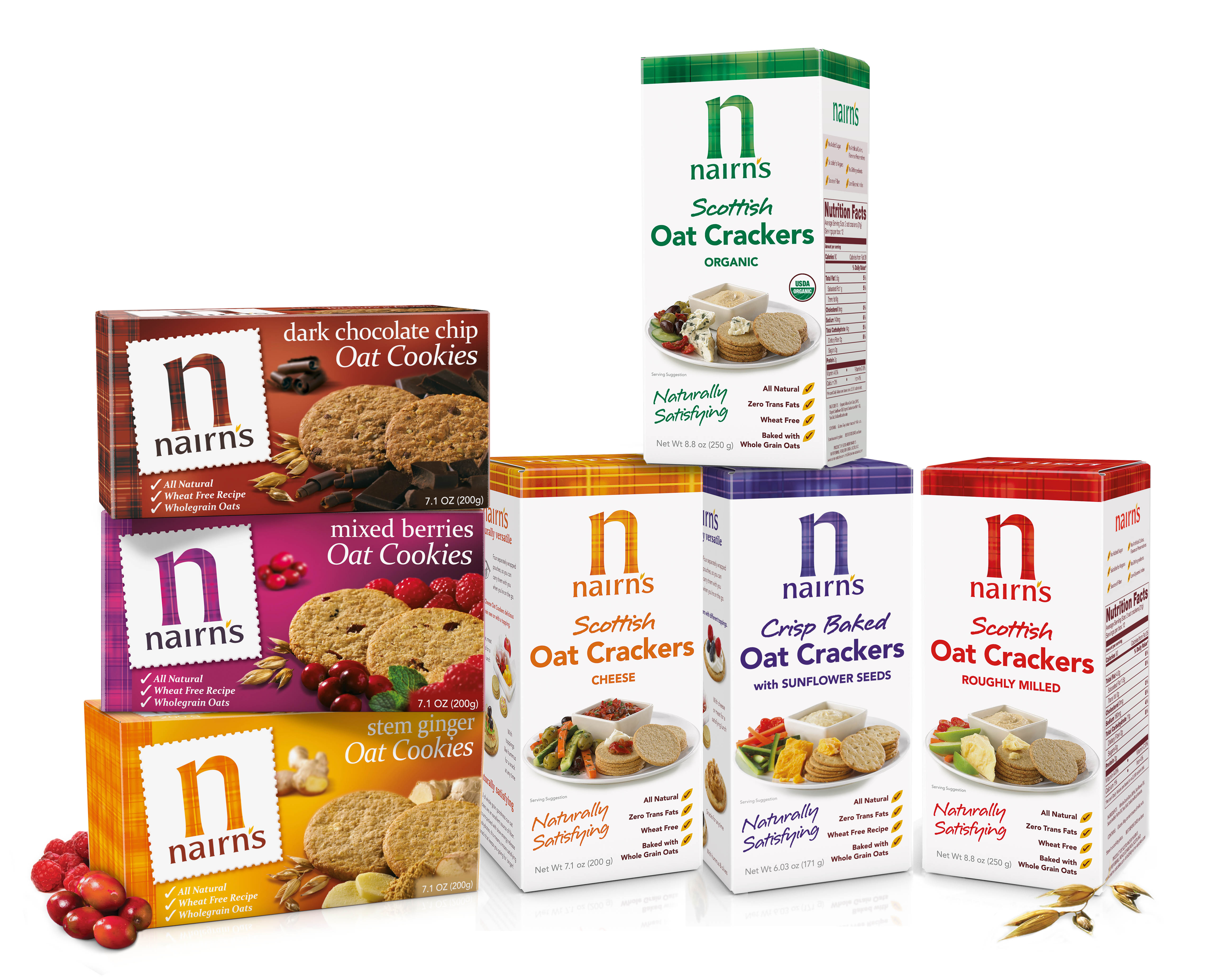
So, I was pleased when Nairn’s gave me an opportunity to review their Canadian line of oatcakes. They’re just the sort of thing I like to keep in the cupboard for a snack or light lunch.

Image provided by Nairn's Oatcakes.
Image provided by Nairn’s Oatcakes.
Image provided by Nairn's Oatcakes.
Image provided by Nairn’s Oatcakes.

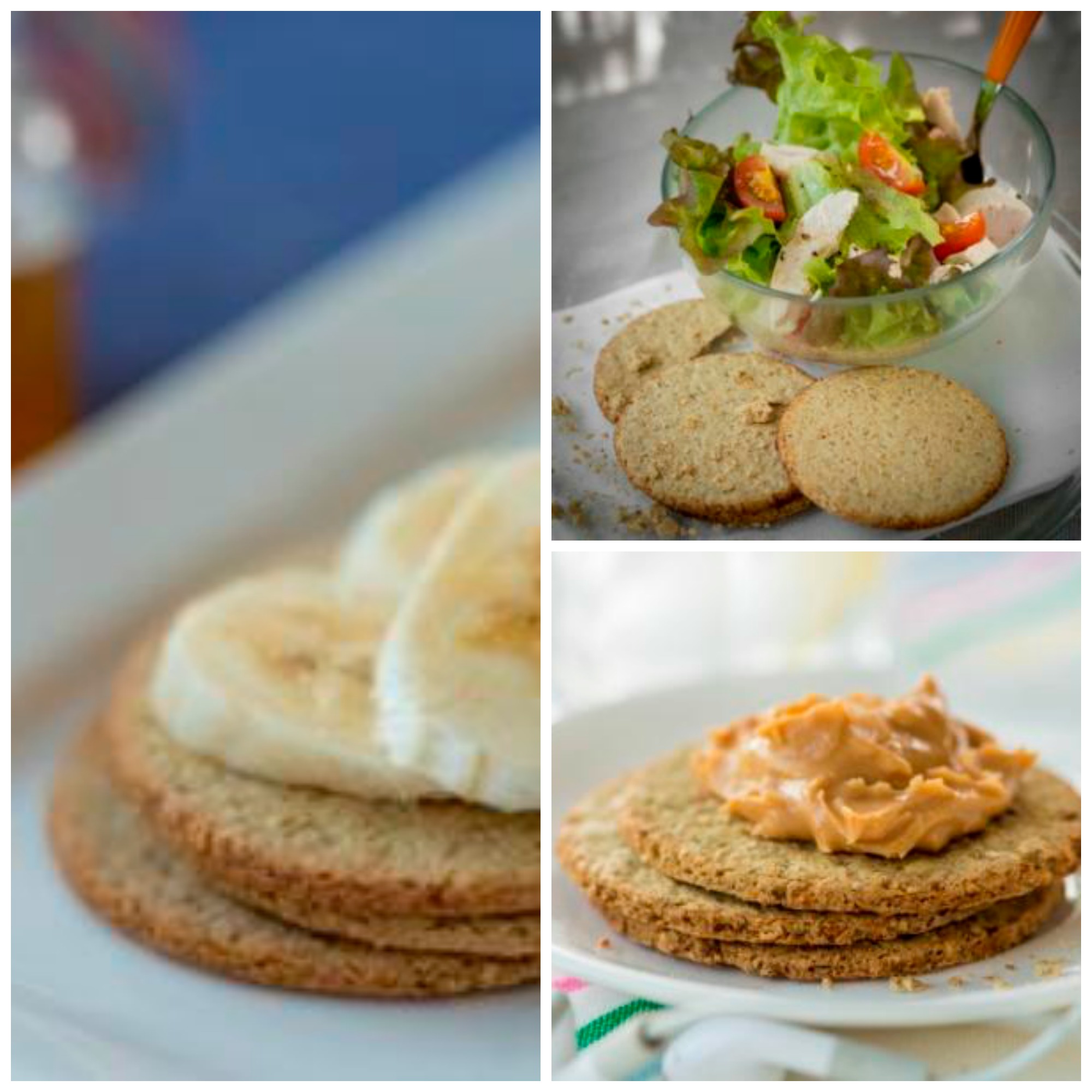
I’ve been eating the oatcakes they sent me all week. The sweet variety are perfect for snacking, but they’re not the North American sugar bombs you might associate with the word cookie. Think of them as biscuits, in the British tradition, instead. Then you’ll be on the right track. I especially like the mixed berry and the ginger flavours with a cup of tea, but the dark chocolate chip flavour is just made for dipping in your coffee. The savoury ones are delicious on their own, but I prefer to make tiny tartines of them, topping them with soft cheeses and berries. They’d also be great with rillettes.

Nairn’s provides lots of recipes and serving suggestions on their website, examples of which you can see in the photos here.

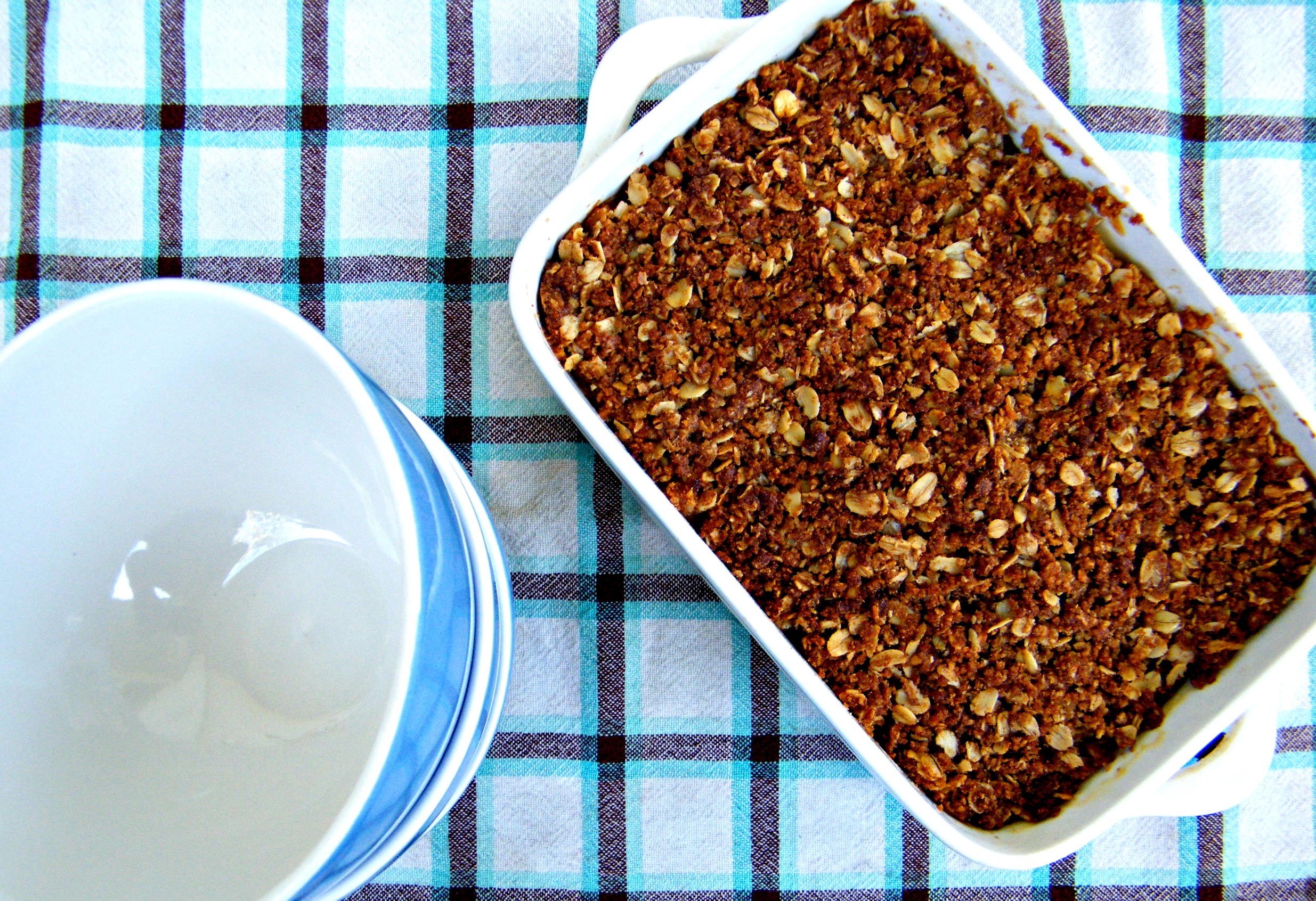
I decided to take the ginger cookies for a spin in the oven, because their spiciness reminded me that I had a bag of ripe Okanagan peaches in the fridge, waiting to be made into a crisp. I used them, crushed, to replace the flour in the topping for the crisp and they worked really well.

I’ve been making variations of this recipe since I was in elementary school. I haven’t actually looked at a recipe for a crisp in years – I use taste and touch to determine when the topping is just right. So, you should think of the recipe below as more of a guideline than a strict set of instructions. If your topping is moist and crumbly, and as sweet as you’d like it to be, it’s ready to top your fruit. I like my topping traditional, but you can add chopped nuts, seeds, or dried fruit to the mix. You can also add dried fruit to the bottom of your crisp. And if your fruit is sweet and juicy, you really don’t need to add any sugar to the bottom. Especially if you’re going to serve your crisp warm, with ice cream. (Yes, that’s a hint.)

Ginger Peach Crisp

1 8X5X2 baking dish

6 – 8 ripe, juicy peaches
1 tsp finely chopped fresh ginger
1/4 tsp finely chopped fresh tarragon
1 tsp vanilla sugar (optional)

5 Nairn’s Stem Ginger Oat Cookies
1/3 – 1/2 cup brown sugar
1/2 cup rolled oats
1/8 – 1/4 cup softened butter

Preheat your oven to 375°F.

Peel and chop the peaches into bite-sized chunks. Stir in the ginger, tarragon, and vanilla sugar (if using) and leave the peaches to marinate for ten minutes or so.

Crush the ginger oat cookies to a fine consistency. I used our mini food processor, but you can use a mortar and pestle or a ziplock bag and a rolling pin, too. Combine the crushed cookies with the brown sugar and oats, then work the butter in with your fingers until you have a moist, crumbly mixture.

Put the peaches into the baking dish, then cover them with the oat topping.

Bake for 25 – 35 minutes.

Image provided by Nairn's Oatcakes.
Image provided by Nairn’s Oatcakes.

You can find a list of retailers of Nairn’s oatcakes near you on their website. Thanks to Nairn’s for the opportunity to review their oatcakes.

Dorie Greenspan’s Double-Strawberry and Rose Shortcakes

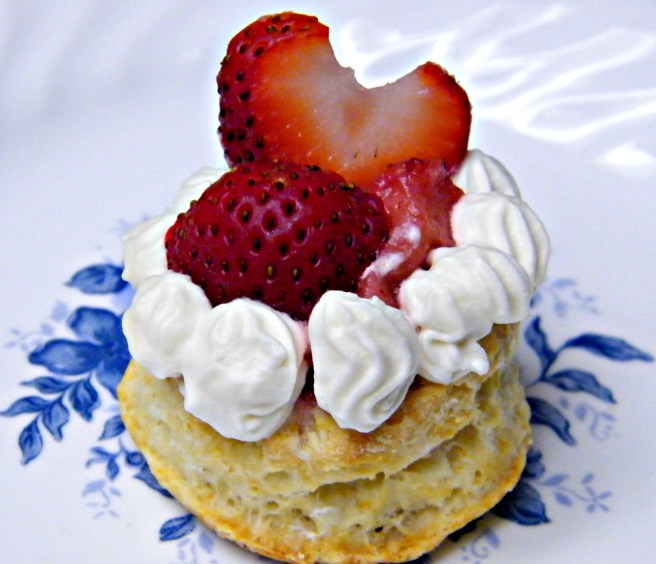
A shortcake

I was provided with a gift certificate by Driscoll’s to purchase ingredients for this recipe and I received a copy of Baking Chez Moi for participating in the Google+ chat. However, all opinions are my own.

For me, the beginning of summer is marked by the beginning of strawberry season. And the best way to celebrate the start of summer is strawberry shortcake. No wonder June 14th has been declared National Strawberry Shortcake Day. (It might be an American holiday, but I’m choosing to apply it to Canadians, too.)

One of the things I love best about strawberry shortcake is that it can be dressed up or down for any occasion. It’s as at home at a family picnic as it is a formal tea. It’s also a dessert that comes in many incarnations, causing arguments amongst those who champion the sponge cake variety and those who staunchly support the sweet biscuit version. Although I’ll gladly accept a plate of sponge cake smothered in whipped cream and berries, it’s the biscuit version that I think of as the real McCoy.

So, I was excited to be invited to join a Google + Hangout on Air a few weeks ago, to join some fellow bloggers to talk about just that sort of strawberry shortcake with baker extraordinaire Dorie Greenspan. If you’re a regular reader here, you’ll know that I’m a big fan of her recipes and have been working through her last cookbook, Around My French Table, with a great group of bloggers for French Fridays with Dorie. I knew the recipe would be stellar, but I was also looking forward to the opportunity to ask Dorie for tips and tricks for making this shortcake as good as could be.

Dorie told us that she invented this recipe after learning that strawberries are closely related to roses. She also enjoys adding an element of surprise to her desserts, so the subtle flavour of rose and the two textures of the strawberries in this recipe add interest, elegance, and a little playfulness to these shortcakes. I also loved the hint of lemon in the biscuits.

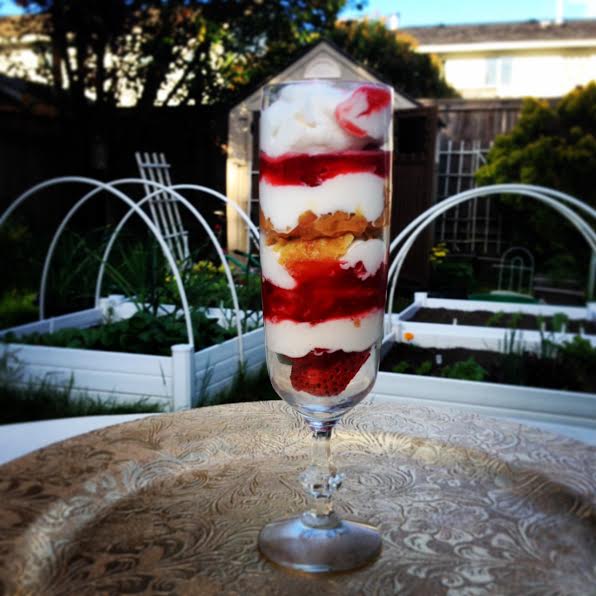
My question for her was whether or not the tops of the biscuits, and the less-than-perfect ones, could be used for a trifle-like dessert. She thought that would work well, layered in a jar, with each layer of biscuit soaked in the juices from the compote. I did a little riff on this idea when I made the shortcakes, layering biscuits, berries, compote, and whipped cream into champagne glasses for a pre-dinner parfait. I even added a layer of rhubarb curd to the middle. It was the best cook’s treat ever.

Parfaits

Here is some more of the advice she shared with us:

  • Rubbing the lemon zest into the sugar releases its oils and helps to distribute the zest’s flavour and aroma throughout the dough.
  • Buttermilk acts with baking soda to make lighter biscuits.
  • Never be forceful with biscuit dough until you begin cutting it. Gently using your hands to mix the ingredients can keep you from overworking the dough, but forceful cutting of the biscuits maintains the layers of butter in the dough that help them rise – use a straight down motion, then twist.
  • Other flavours that complement strawberries are vanilla, black pepper, citrus, or crushed pink peppercorns. Any of these could be used in place of the rose extract.
  • Add a bit of sour cream to whipped cream for an extra layer of flavour and some added stability for piping.


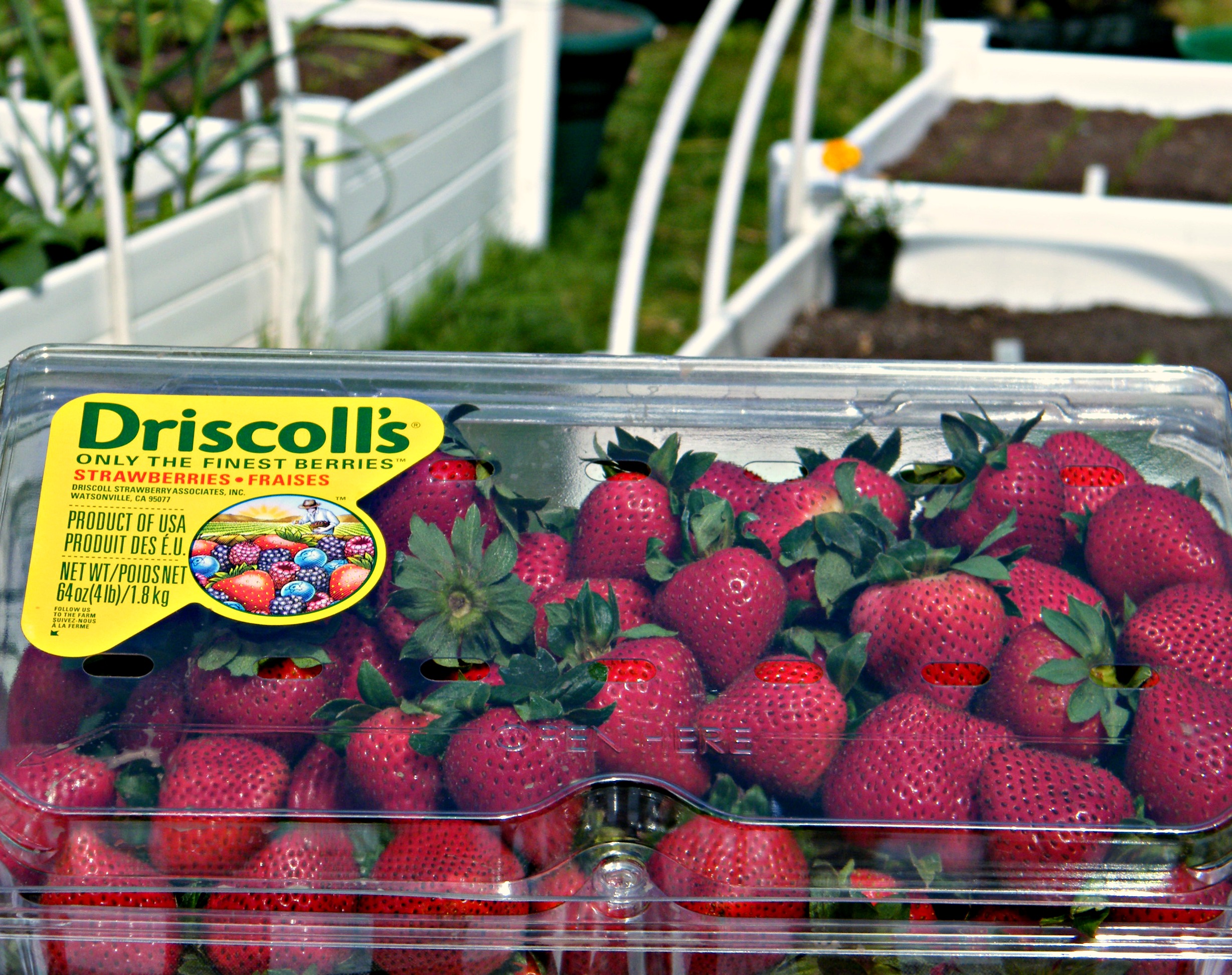
Driscoll’s, the sponsor for our Google + Hangout, kindly provided us with gift certificates to purchase the ingredients for this recipe. Their berries were large, ripe, and incredibly sweet, which sets them apart from most supermarket berries. I would happily buy them again.

Driscolls

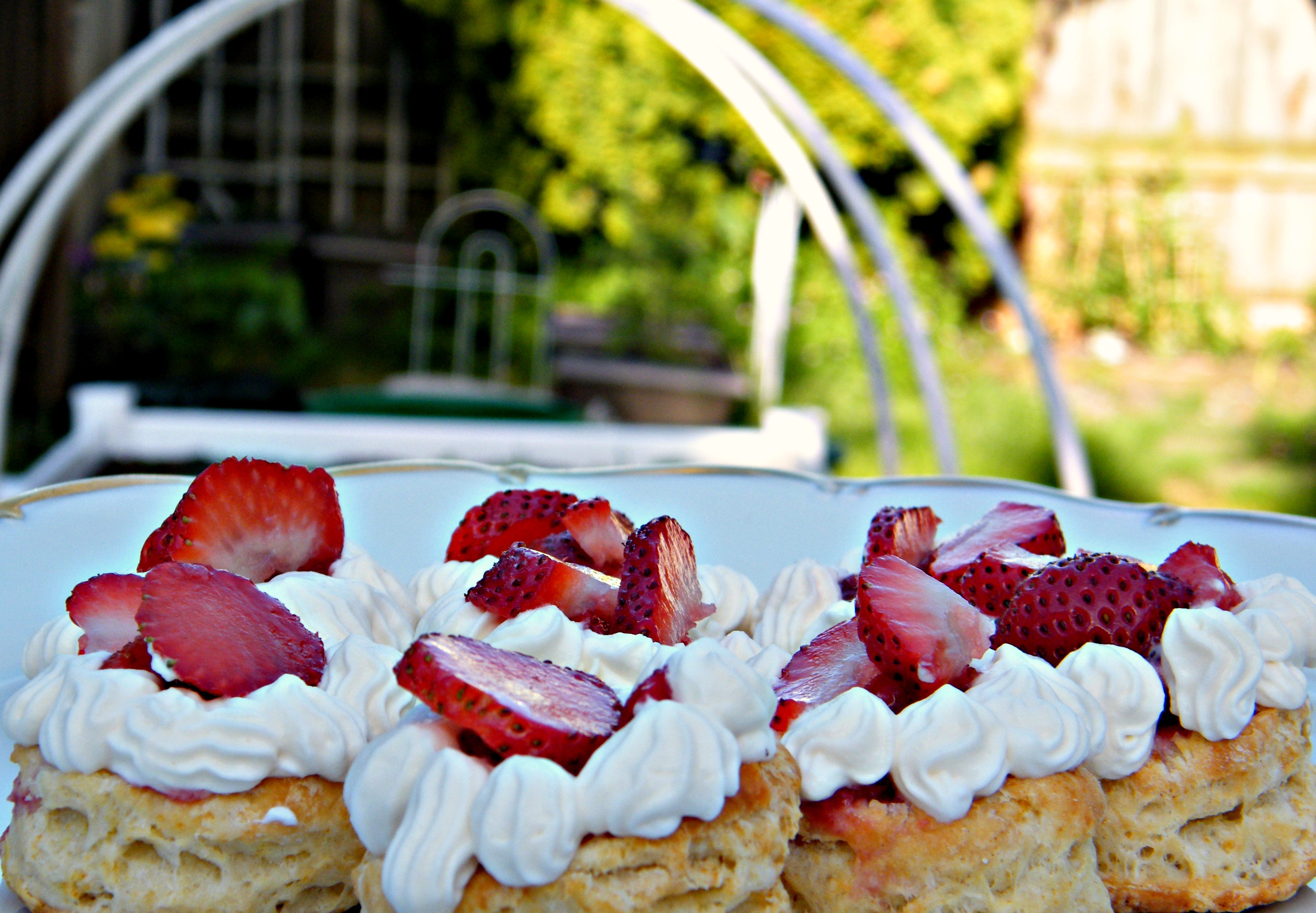
I was quite pleased with how this recipe turned out for me, with Dorie’s tips in hand. My shortcakes rose beautifully. I followed the recipe exactly, though my shortcakes were without the candied roses. My roses are only now starting to bloom, so I will be trying my hand at the candied roses soon. Because, of course, I will be making this recipe again. Dorie’s shortcakes were a huge hit with my family.
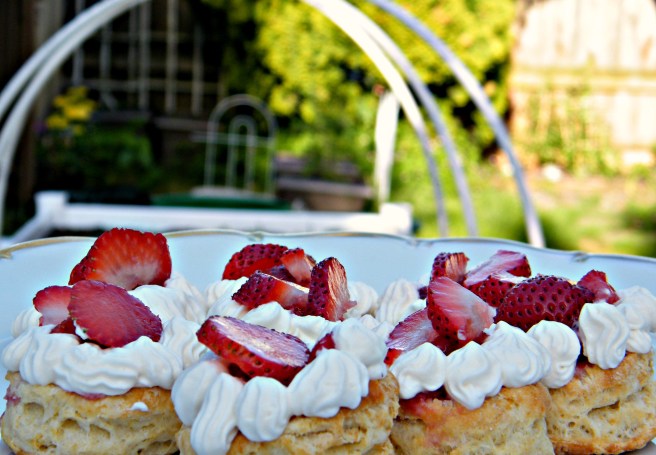
Plateful of shortcakes

You can find the recipe on the Driscoll’s website. They’ve also been kind enough to allow me to share it here.

Dorie Greenspan’s Double-Strawberry and Rose Shortcakes

Shared with permission from Driscoll’s Berries and Dorie Greenspan

INGREDIENTS

Rose petal decoration
3 unsprayed roses
1-2 very fresh organic egg whites
granulated sugar
(or store-bought candied rose petals)
Strawberry compote
3/4 pound (about 3 cups) Driscoll’s Strawberries, hulled
1 1/2 tablespoons sugar
3/4 teaspoon pure rose extract

Lemon-buttermilk biscuits
1 1/2 tablespoons sugar (plus more for sprinkling)
freshly grated zest of 1 lemon
2 cups all-purpose flour (plus more for dusting)
1 tablespoon baking powder
1/2 teaspoon fine sea salt
1/4 teaspoon baking soda
6 tablespoons (3/4 stick) cold unsalted butter, cut into
small cubes
3/4 cup cold buttermilk

Whipped Cream
1 cup very cold heavy cream
2 tablespoons confectioners’ sugar, sifted
1 teaspoon pure vanilla extract
3/4 teaspoon pure rose extract
1 tablespoon cold sour cream, optional
red or pink food coloring

Topping
1/2 – 3/4 pound (about 2 to 3 cups) Driscoll’s Strawberries,
hulled

DIRECTIONS

Rose Petal Decoration
Several hours ahead or the day before, separate the rose petals, rinse them quickly in cold water and pat them dry. Put one egg white in a small bowl and whisk until it’s foamy. (You may or may not need the second white.) Put the sugar in another small bowl and place a sheet of parchment paper or a silicone baking mat on the counter. One at a time, dip a petal into the white and let the excess drip back into the bowl. Drag the petal through the sugar to coat both sides very lightly. Dry the petals on the paper or mat in a cool, non-humid place for at least 6 hours or for as long as overnight.

Strawberry Compote
Coarsely chop the berries and toss them into a small saucepan with the sugar. Put the pan over medium heat and cook, stirring, for 5 to 8 minutes, or until the juices are slightly thickened and syrupy. Scrape the berries and syrup into a bowl, stir in the rose extract and cool to room temperature. (You can make the compote up to 3 days ahead and keep it covered in the refrigerator.)

Lemon-Buttermilk Biscuits
Center a rack in the oven and preheat the oven to 425°F. Line a baking sheet with parchment paper or a silicone baking mat.

Put the sugar and lemon zest in a large bowl and, working with your fingertips, rub the ingredients together until the sugar is moist and fragrant. Add the rest of the dry ingredients to the bowl and whisk to combine. Drop in the pieces of cold butter and, again using your fingertips, crush, rub and blend the butter in. You’ll have flakes of butter and small pieces and this is just right. Pour the cold buttermilk over the mixture, switch to a fork and toss and stir everything together until the milk is absorbed – your dough might look like curds, but that’s fine. Don’t stir too much, too vigorously or for too long and if there are a few dry spots in the bottom of the bowl, ignore them. Reach into the bowl and knead the dough gently, folding it over on itself and turning it over 6 to 8 times.

Dust a work surface lightly with flour, turn out the dough and, still using your hands, pat the dough out until it is 1/2 inch thick. (The thickness is what’s important here.) Using a high-sided 2 inch cutter, cut out biscuits and place them on the baking sheet. Pat the scraps together until they’re 1/2 inch thick and cut out as many more biscuits as you can. (The leftover dough can be cut into biscuits, but they won’t rise as high or as evenly as the others – you can keep them as your baker’s treat). Sprinkle tops with sugar.

Bake for 15 to 18 minutes, or until the biscuits have risen gloriously and their tops and bottoms are golden brown. Transfer the baking sheet to a cooling rack and allow the biscuits to cool until they reach room temperature. (The biscuits can be made up to 6 hours ahead; keep them uncovered at room temperature.)

Whipped Cream
Working with an electric mixer, beat the cream just until it mounds softly. Still beating, add the sugar, followed by the vanilla and rose extracts. When the cream is fully whipped and holds firm peaks, quickly beat in the sour cream, if you’re using it. To tint the cream, beat in just one drop of coloring; continue adding coloring a tiny drop at a time until you get the shade of pink you want. (The whipped cream can be made up to 3 hours ahead and kept tightly covered in the refrigerator; whisk a couple of times before using.)

Topping
Just before you’re ready to put the shortcakes together, stand the berries up and, using a thin-bladed knife, cut each berry into 4 or 5 thin slices.

Assembly
If you’d like to pipe the whipped cream, either spoon the cream into a pastry bag fitted with an open star or plain tip, or spoon the cream into a zipper-lock plastic bag and snip off a corner. Alternatively, you can simply spoon on the cream.

Slice off the top of the biscuit to create an even surface for piping the cream. Save the tops to nibble on later. Put a teaspoonful of strawberry compote and syrup in the center of each biscuit. Pipe (or spoon) a circle of whipped cream around the compote, leaving a bit of compote uncovered. Finish each shortcake by pressing two or three slices of strawberry together, fanning them out a little and placing them, broad side down, in the center of each cake. Add a rose petal for the finishing touch. (If you have any extra compote and/or cream, cover and keep in the refrigerator to enjoy at another time.)

Arrange the shortcakes on a platter. Scatter the remaining rose petals around the platter and serve immediately.

Quiche Maraîchère & Sablé Breton Galette – A French Fridays Catch Up

Lemon Tart

What we can do without and what we cannot is a line that shifts over time. I spent twenty-four hours thinking I’d lost my smartphone and I felt the loss in a way I wouldn’t have been able to imagine even ten years ago. Then, when a phone was just a phone, all that was necessary was to get the service provider to shut down the number. Now, it’s changing numerous passwords, registering the device as missing, and hoping whoever gets hold of it isn’t interested in the data stored there. Luckily, I found it and I was already in the midst of changing passwords to deal with the Heartbleed problem, so there wasn’t too much time wasted, really. It did make me realize how much I rely on that little piece of technology. It’s a cellphone, sure, but it’s also my mobile office, alarm clock, day planner, magazine rack, and way finder.

It’s debatable whether our reliance on cellphones is good or bad. But something that’s not up for debate, for me at least, is how necessary a good tart dough recipe is in my life. I used to use my mother’s pie crust for most everything, but as I’ve told you before, Dorie’s pâte brisée has made me rethink that. Now, I couldn’t do without it, especially as it works beautifully gluten-free.

Veggies

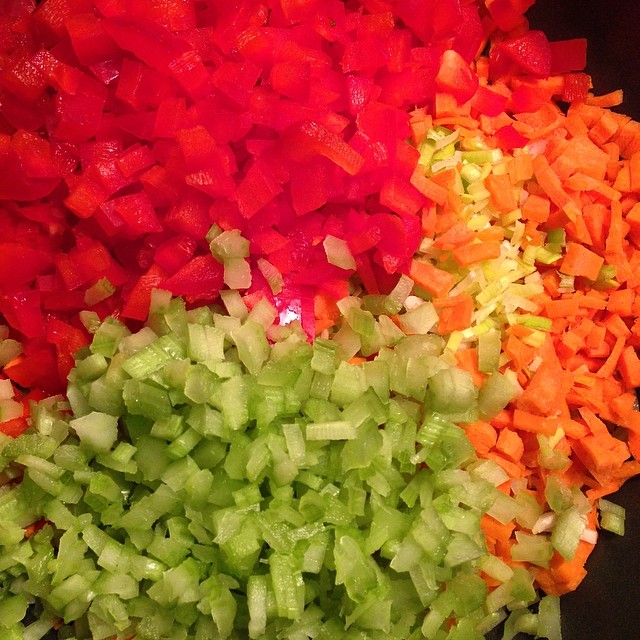
This past Friday, our French Fridays recipe was Quiche Maraîchère, which makes good use of pâte brisée to hold a tart so full of leeks, carrots, celery, and red pepper that there’s very little room for the custard that qualifies it as a quiche. There are also very few seasonings, just salt and pepper, because that combination of vegetables creates a complex flavour that needs no embellishment. Mine was slathered with shredded Irish Monastic Cheese, as Kevin’s trying to go vegan and our meals last weekend were meant as a farewell to dairy for him. This quiche was so good it may lead to a setback.

Quiche

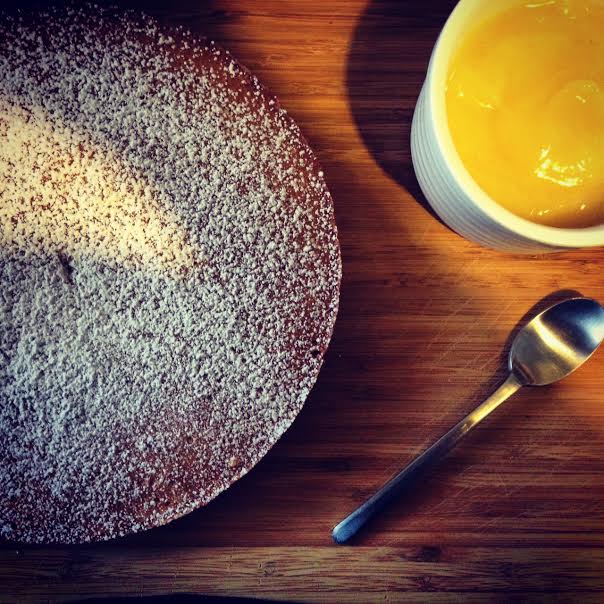
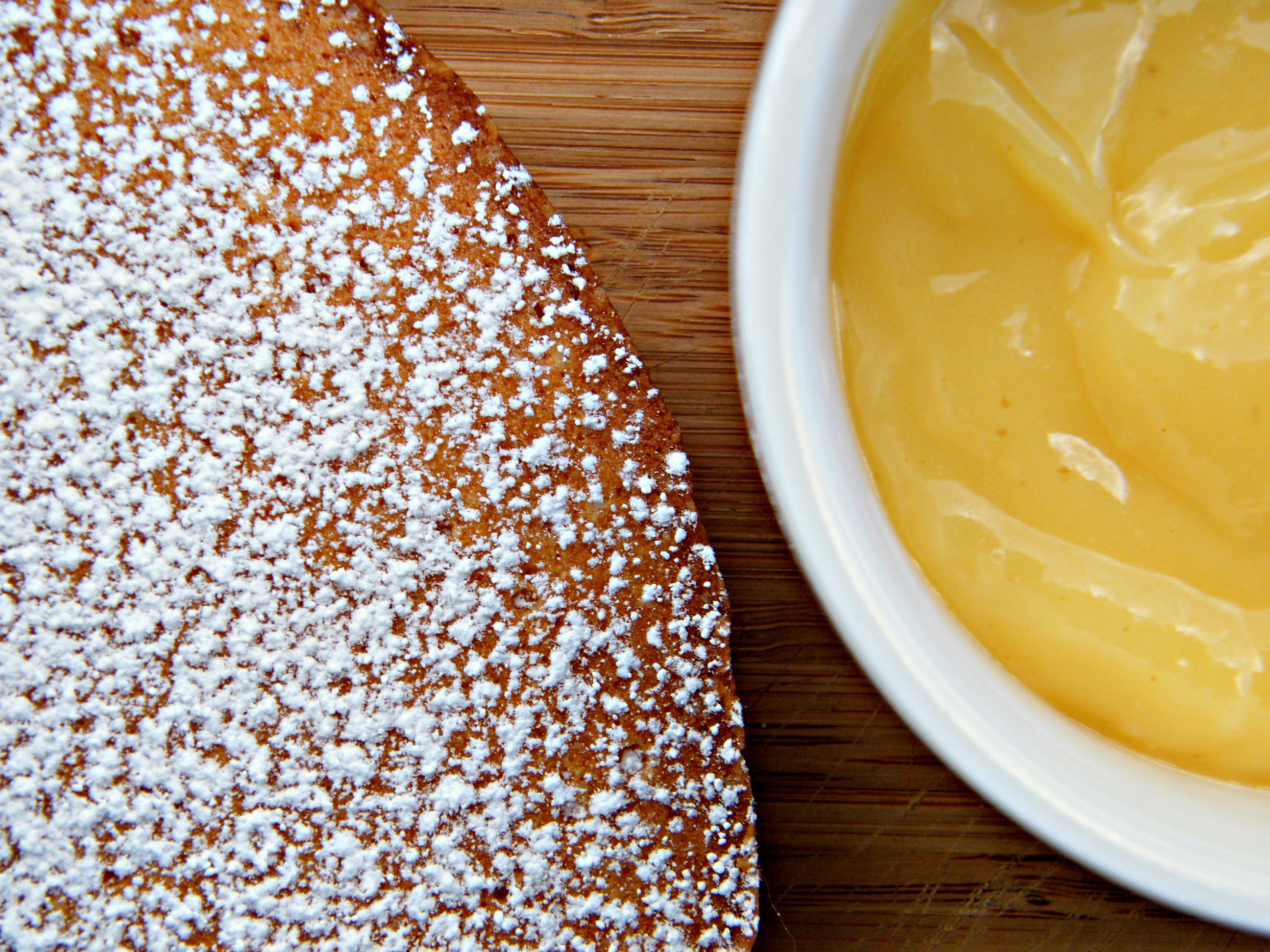
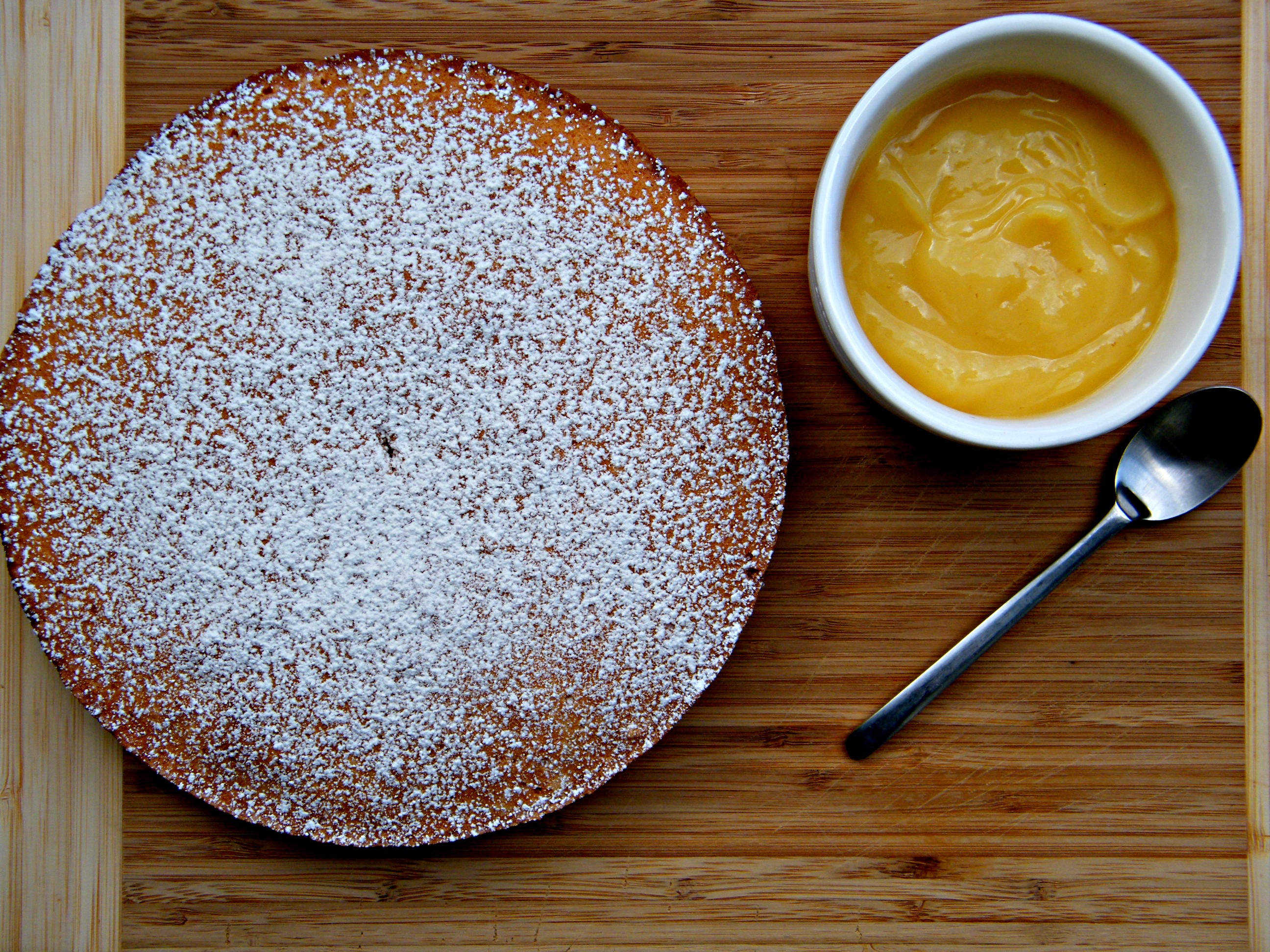
For dessert, we had the Sablé Breton Galette you can see at the top of this post. I used homemade lemon curd on it, but skipped the berries. I’ll be revisiting this recipe again when local strawberries and blueberries make their appearance. This was another dough that worked really well gluten-free (just switch out the flour for an equal weight of an all-purpose gluten-free blend). It’s also another dough that I’ll be making often.

I’ll be interested to see what my list of necessaries looks like in ten years’ time. I expect that a number of the additions will be courtesy of Dorie Greenspan.

Now, I’d love to hear about the things (and recipes) that you can’t do without.

See how the rest of the French Fridays crew liked last week’s recipe here: Quiche Maraîchère and go way back to June of 2013 to see how Doristas fared with their versions of Sablé Breton Galette.

FFWD – Visitandine

Visitandine

Baking attracted me more than cooking when I was a kid. The logic and simplicity of baking’s chemistry provided a calm, reliable oasis in the chaotic landscape of childhood. The playground was a battlefield, but the kitchen was a refuge for a shy, bookish kid. And the results of my baking experiments pleased everyone around me as much as myself.

I cooked, too, according to the instructions my mother left each day for the gap between the end of the school day and my parents’ arrival home, but it was only as a young adult that I really began to blossom as a cook. Even then, baking was what I was known for. It still is, really. Meetings and gatherings are an excuse for me to make cookies and squares, cakes and loaves – they smooth the path toward decision-making and community-building. And social occasions are really all about eating together, aren’t they?

Closeup

I’ve found over the years that people are impressed by elaborate desserts, but it’s the simple ones they remember and ask for again. This week’s recipe is just that sort of dessert, a white cake that relies on whipped egg whites for leavening and bakes into a sturdy shortcake-like round. It’s not heavy, though, the crumb is tender and able to soak up whatever topping you choose to serve with it. In this case, homemade lemon curd. In the summer, the cake makes a perfect vehicle for strawberries and cream. In winter, you could bake two layers, soak them in melted jam, then ice with crème fraîche whipped cream. As Dorie says in her introduction to this recipe, you can pair this cake with almost anything you can think of.

Best of all, it’s one of those recipes that are perfect for clearing the mind, while feeding body and soul.

Cake

You can find a version of this week’s recipe here.

See how the rest of the French Fridays crew served their cake: Visitandine

FFWD – Salty-Sweet Potato Far

DSCF7362

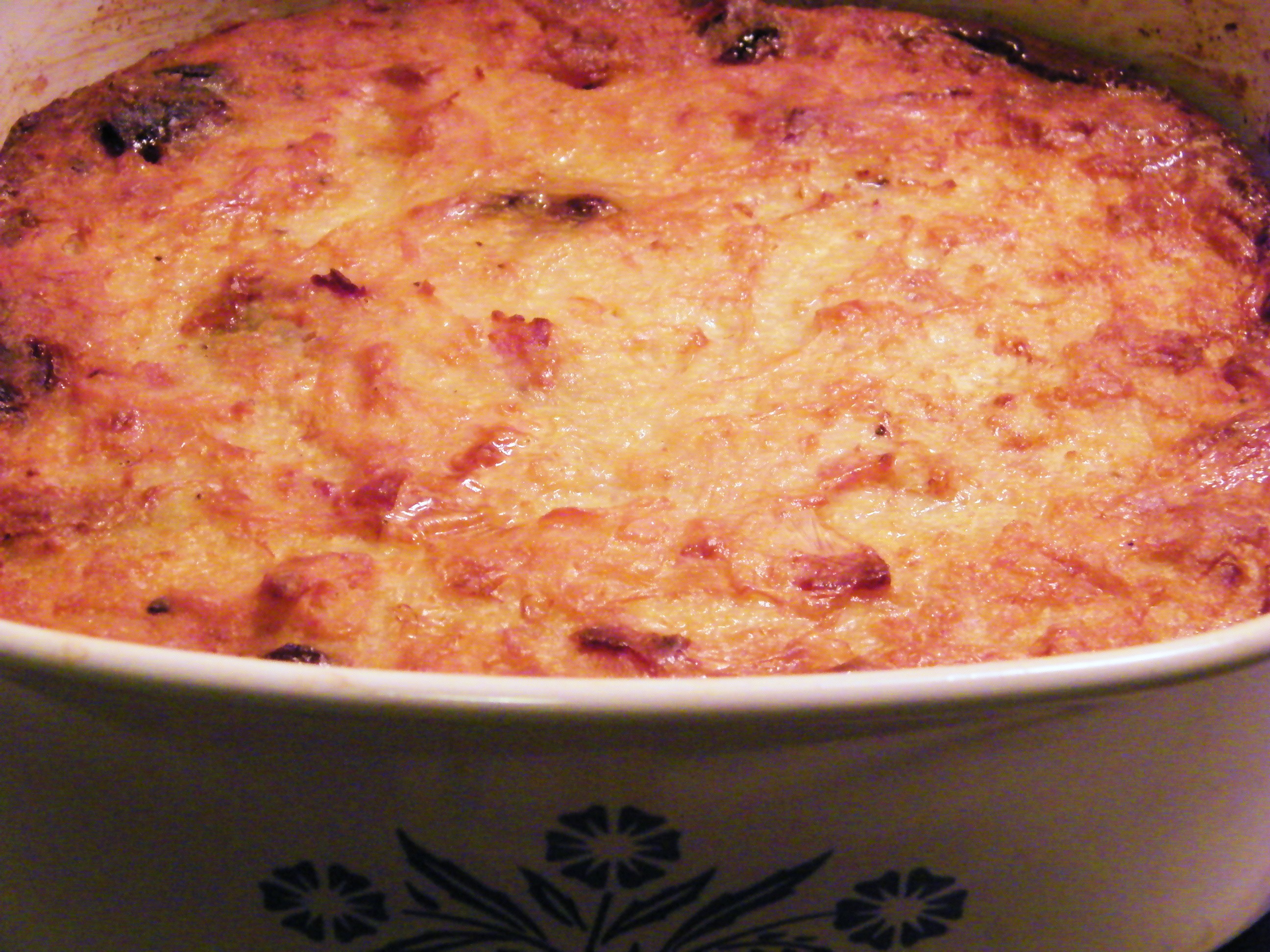
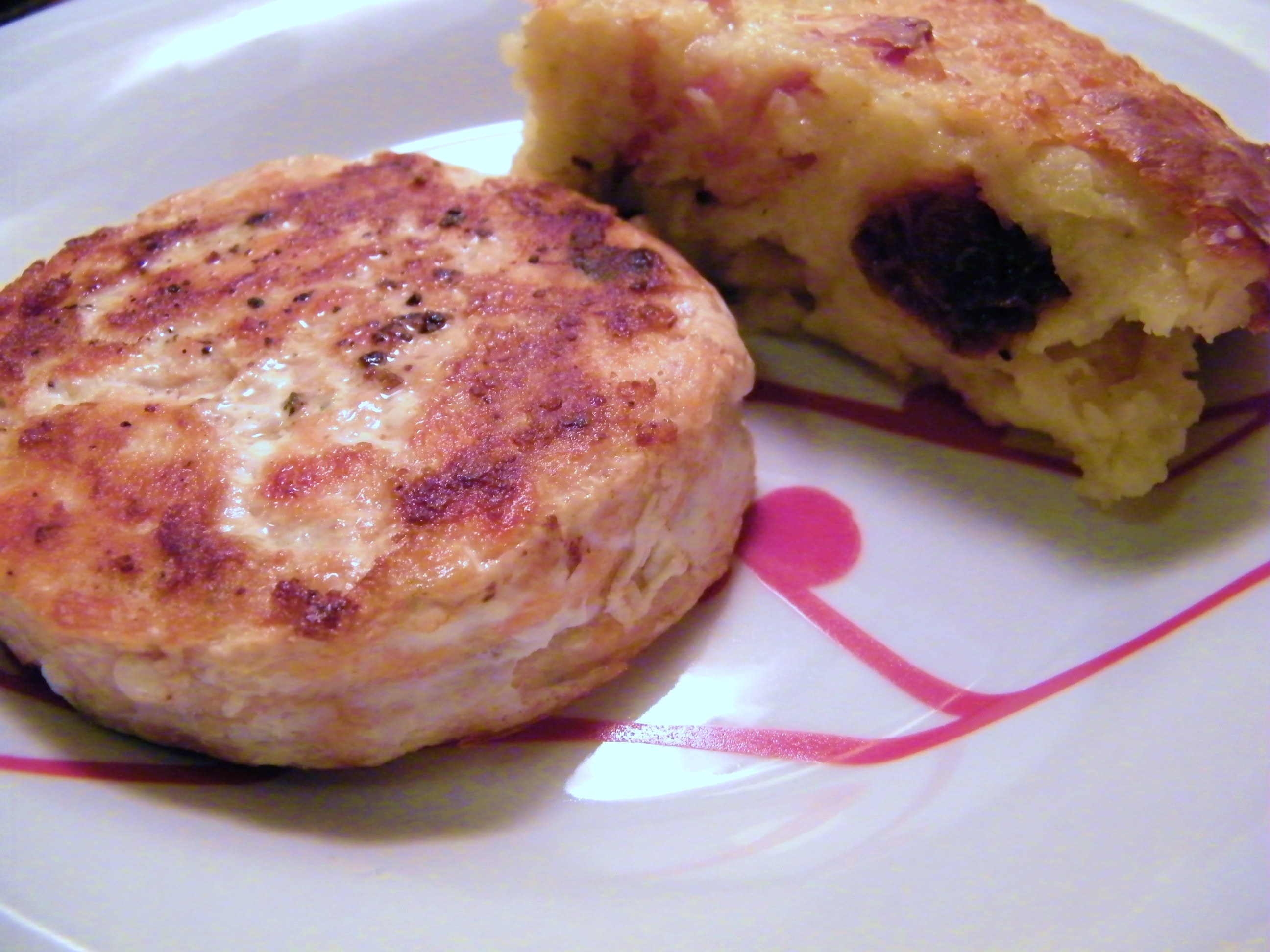
I’m a little (okay, a lot) late with this week’s post (well, last week’s). I finally managed to make this Breton classic today. My version was gluten-free and wasn’t bad. I skipped the raisins, doubled down on the prunes, and added Emmentaler (after reading Mardi and Betsy’s exchange on the French Fridays site). The cheese was a good addition. I ate it with a salmon cake and some greens, but I think the leftovers are going to be treated in a more brunch-like fashion.

DSCF7366

Will I finish it? Yes. Will I make it again? Probably not, unless it wows Kevin when he tries it tomorrow.

Next Tuesday, I’ll tell you about what December has in store for folks around here. But before that, I’ll see you for French (Toast) Friday.

You can find many other blogged descriptions of this FFWD recipe here: Salty-Sweet Potato Far

FFWD – Pierre Hermé’s Olive Sablés

Olive Sablés

My parents’ freezer is full of various French Fridays and Baking with Julia projects. I make a lot of French Fridays dishes at home, of course, but if I’m visiting my parents, I like to cook for them, so they’ve gotten their fair share of Dorista bounty. It’s great for my mom, who is as busy as she was before she retired. She still enjoys cooking and baking, but it’s less of a priority for her now – there’s so much she wants to do with the grandkids, her friends, and her volunteering. I only baked a dozen of these sablés today and packed up the remaining 2 1/2 logs of dough and put it in the freezer for her. Next time she gets together with her friends for wine and nibbles, they’ll be ready for baking.

Logs of olive sablés, ready for the freezer

I think her friends will enjoy these as much as we did. A little savoury and a little sweet, olive sablés are surprisingly delicious. The recipe is a little unusual, too, incorporating grated egg yolk, potato starch, and cured olives into the usual sablé mix. The dough is much softer than traditional sablé dough, but when it’s baked, the cookie somehow achieves the familiar sandy texture.

Some members of the French Fridays crew were unable to locate potato starch (though scheduling these right around Passover made it much easier than it might have been at other times of year), and corn starch was the substitution of choice. Check the link at the bottom of this post to see how that worked out for folks.

I hope that last week’s long weekend was relaxing for everyone and for those who celebrated Passover or Easter, that it was filled with family, friends, and food.

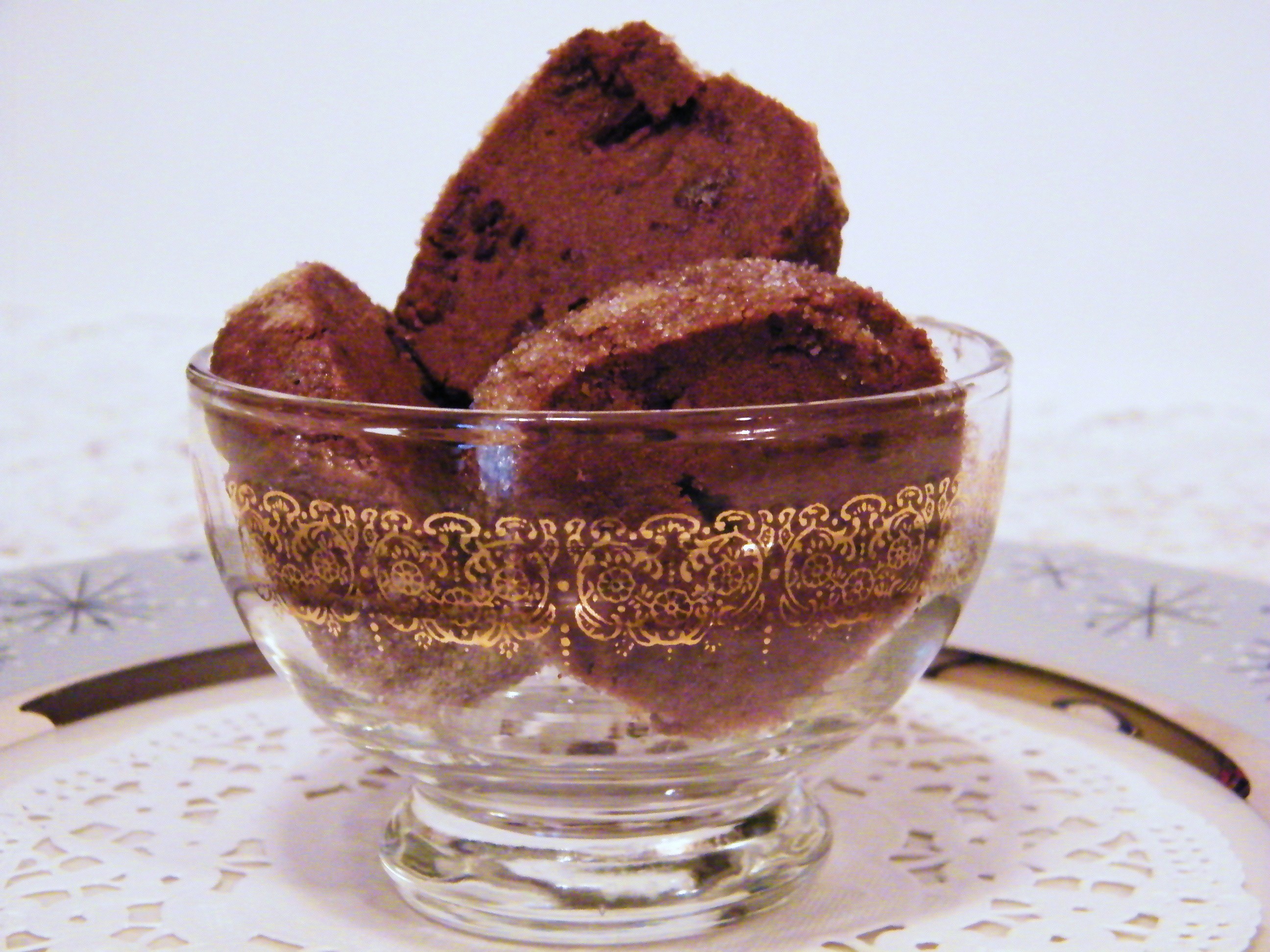
Olive Sablés in a crystal dish atop a vintage lace tablecloth

You can find many other blogged descriptions of this week’s FFWD recipe here: Pierre Hermé’s Olive Sablés

FFWD – Cocoa Sablés

The finished cookies, in a glass dish with a gold stencil, on a doily atop a grey and silver plate.

Something I’ve been appreciating now that I’ve been participating in French Fridays for the last year-and-a-half are the benefits of taking my time. Not that I always manage it. There have been many rushed dishes, quickly photographed so that I can get a post up in time for the deadline. But, when I do take my time, it’s worth it.

This is particularly true when it comes to butter doughs. What starts as a crumbly mess turns into something rich and pliable. The flavours develop, too, when you wait. Don’t get me wrong, I love baking things that you can turn out on a whim (like this week’s Irish soda bread over at Tuesdays with Dorie), but I have a growing appreciation for the recipes in which time is one of the ingredients.

These sablés are just that sort of thing. The night before the big bake-a-thon (bake-o-rama? bakestravaganza?) with my family, I made the dough for these cookies and rolled them, with difficulty, into logs. The dough was truly sandy and I was worried that I might overwork it while trying to get the logs to stay together. But after a night in the refrigerator, the dough was fine. Easy to cut and not crumbly at all, with a denseness that made me want to get them into the oven as soon as possible. Baked, they had a lovely crumb and a satisfying thickness. They’re pretty, too. A perfect vehicle for cocoa and chopped chocolate.

Life lessons aside, I’m more willing now to explore recipes that don’t provide immediate gratification. They’ve got their own rewards.

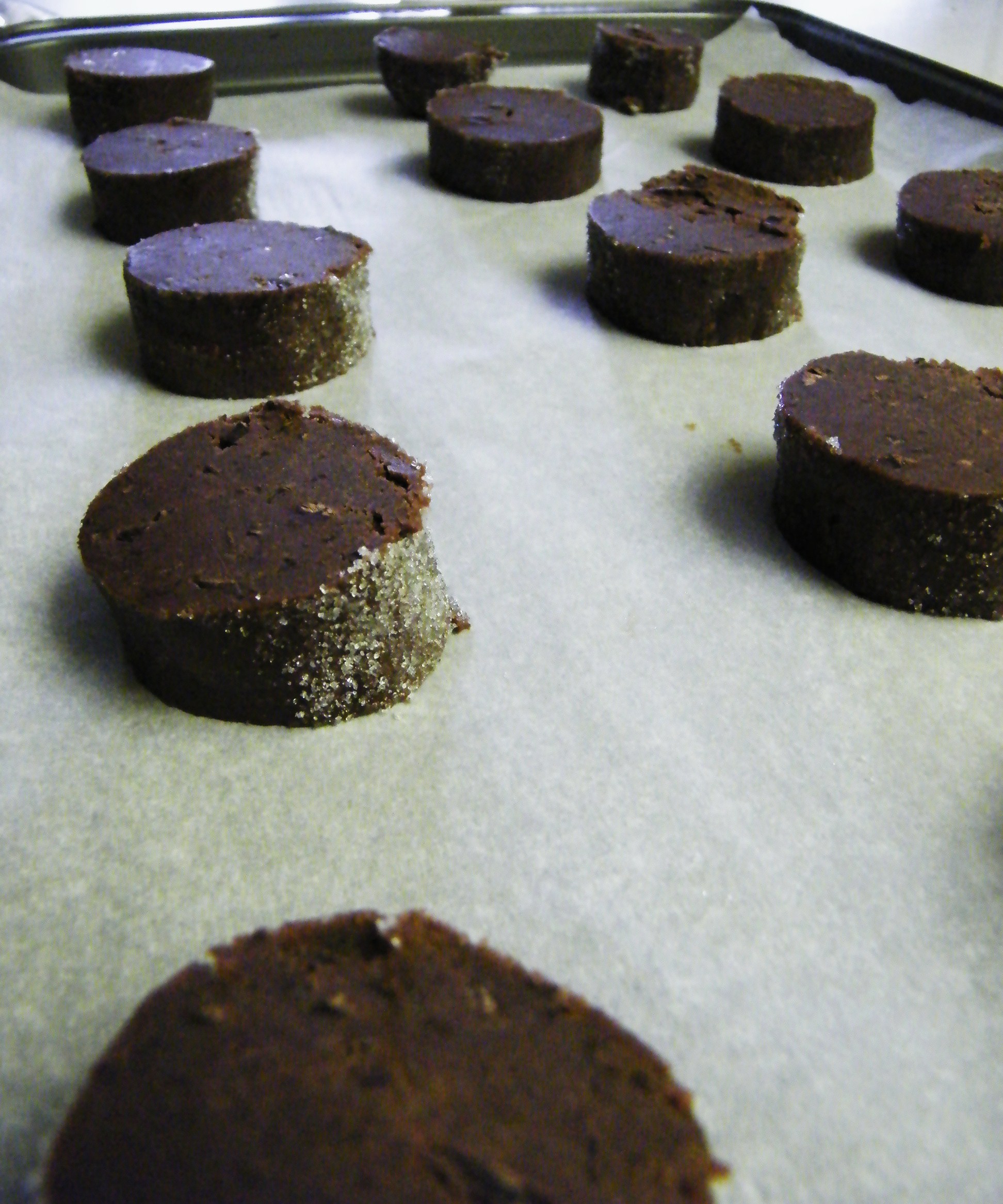
Sliced dough on parchment paper.

You can find many other blogged descriptions of this week’s FFWD recipe here: Cocoa Sablés

FFWD – Cheese Soufflé

It rose! It rose!

I spent yesterday with my mother and my nieces, baking and cooking all day long. We started with next week’s chocolate sablés, moved on to two sorts of Irish soda bread (which you’ll be able to read about here on Tuesday), then chicken stew, and finished with this week’s French Fridays recipe, cheese soufflé.

Soufflés make a meal into a command performance. No one bakes one without requiring everyone to be at the table and ready to witness its brief apotheosis. It comes back to Earth too quickly. It’s also usually the centrepiece of a meal, or at least a course. Yesterday, I flouted that a bit. We had a sort of Franco-Irish mash-up of a meal, with Irish-style chicken stew that had been made with the leftovers of Cognac chicken (a French Fridays catch up that I’ll post about some time soon), two sorts of Irish soda bread, and this soufflé. I used aged Irish cheddar (Cahill’s Irish Monastic) in place of Gruyère or Emmenthal, in consideration of the rest of the menu. It fit right in. We ended the meal with the sablés. I have to say it was one of the best takes on both sides of my heritage that my family’s ever attemped.

Soufflé dish, buttered and crumbed.

I’m also happy to finally be in on the secret of soufflés. They’re dead easy. As long as you are scrupulous about following the steps of the recipe, only the weather or a slammed oven door can let you (or it) down. Just make sure you have witnesses. They’ll love how it tastes, but it’s important that they’re awed by its height, too.

My nieces want to try a soufflé now. Of course, they’d like to make a chocolate one. I’m going to suggest this. A meeting between chocolate and tea sounds like another great combination.

The soufflé, with a preview of Tuesdays with Dorie's Irish soda bread assignment.

You can find many other blogged descriptions of this week’s FFWD recipe here: Cheese Soufflé

FFWD – Saint-Germain-des-Prés Onion Biscuits

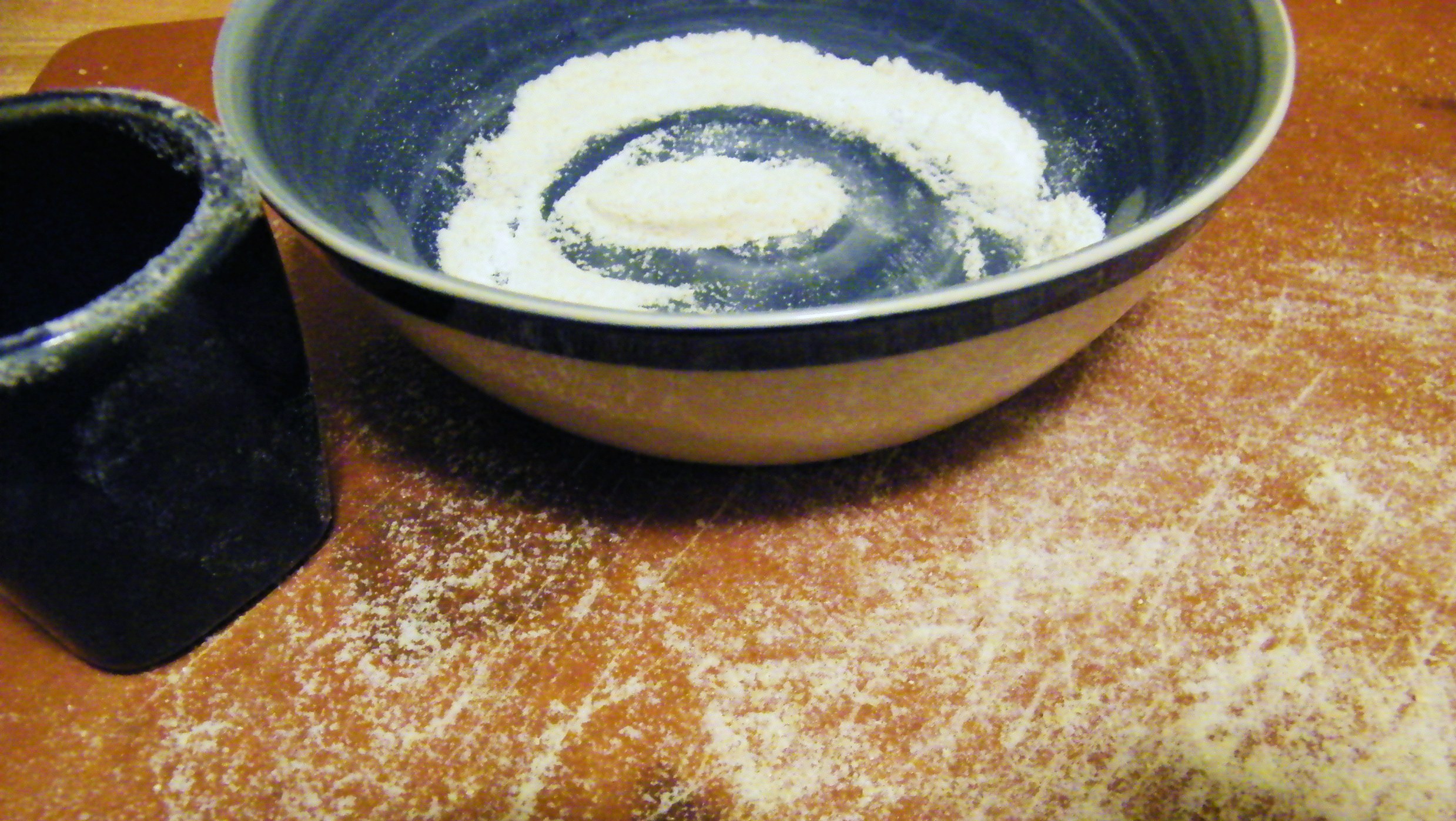
A floured board, a blue-and-white bowl with flour in it, and a Japanese tea cup subbing as a biscuit-cutter

I’ve made these biscuits three times this week. The first time, I followed the recipe exactly. The second, I replaced the milk with Greek yogurt and doubled the amount of baking powder (my niece actually did most of the work on this batch). The third time, I used gluten-free flour and added some minced garlic along with the onion.

Biscuit-cutting.

As you’ve probably guessed, I enjoyed these biscuits. I’d forgotten how much I like the process of biscuit-making and it was a pleasure to rediscover that, especially when the results were so good. Most of the biscuits have been frozen, to be pulled out a few at a time. As much as I like biscuit-making, it’s lovely to be able to pull out just what you need at a moment’s notice.

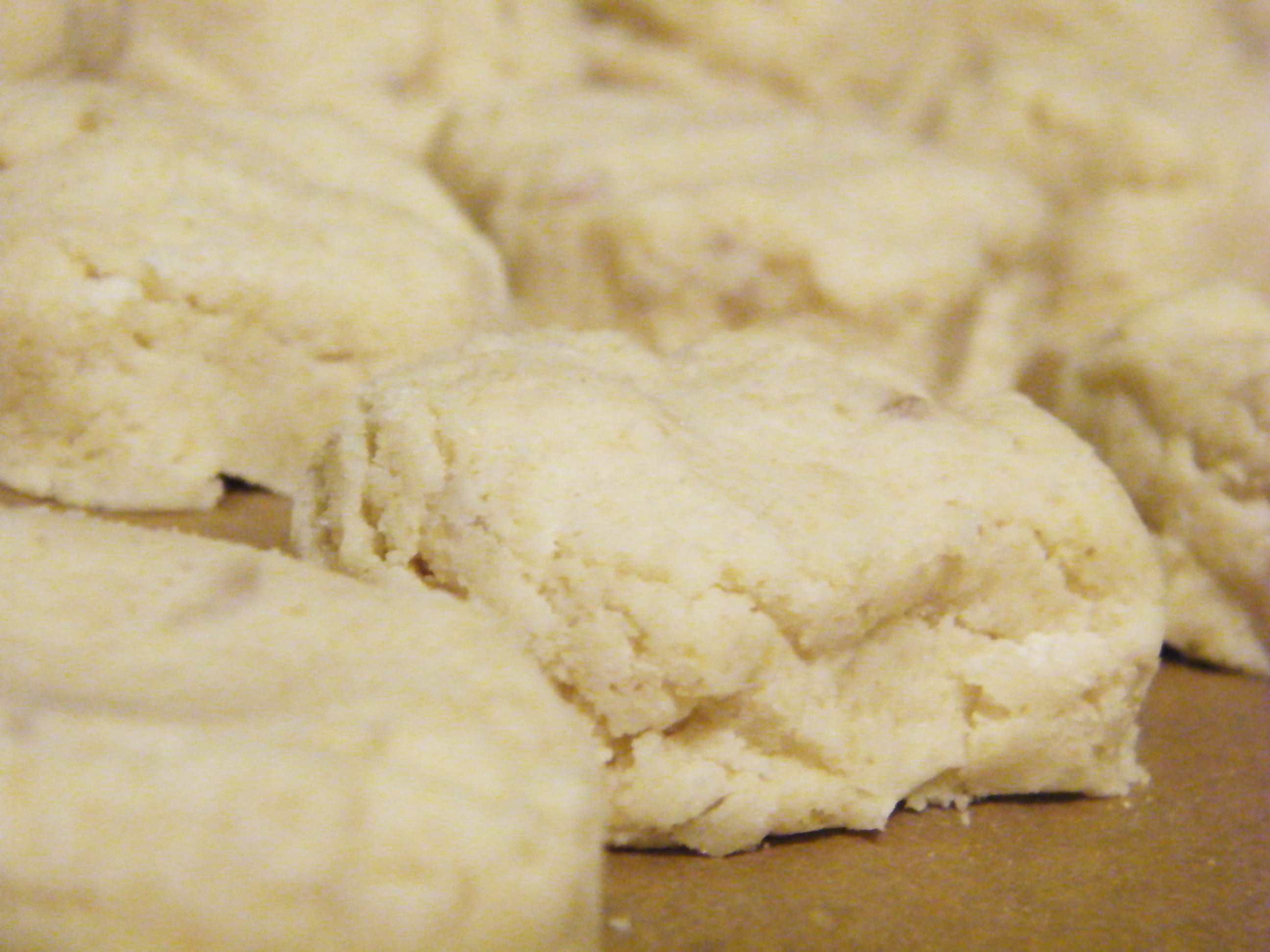
Biscuits on parchment paper, ready for freezing.

These biscuits are bite-sized, so I had to improvise when looking for something to serve as a cutter. It turns out that one of the cups from a Japanese tea set I’ve got was the perfect size and sturdy enough to rap on the board, if the biscuit was a little reluctant to remove itself.

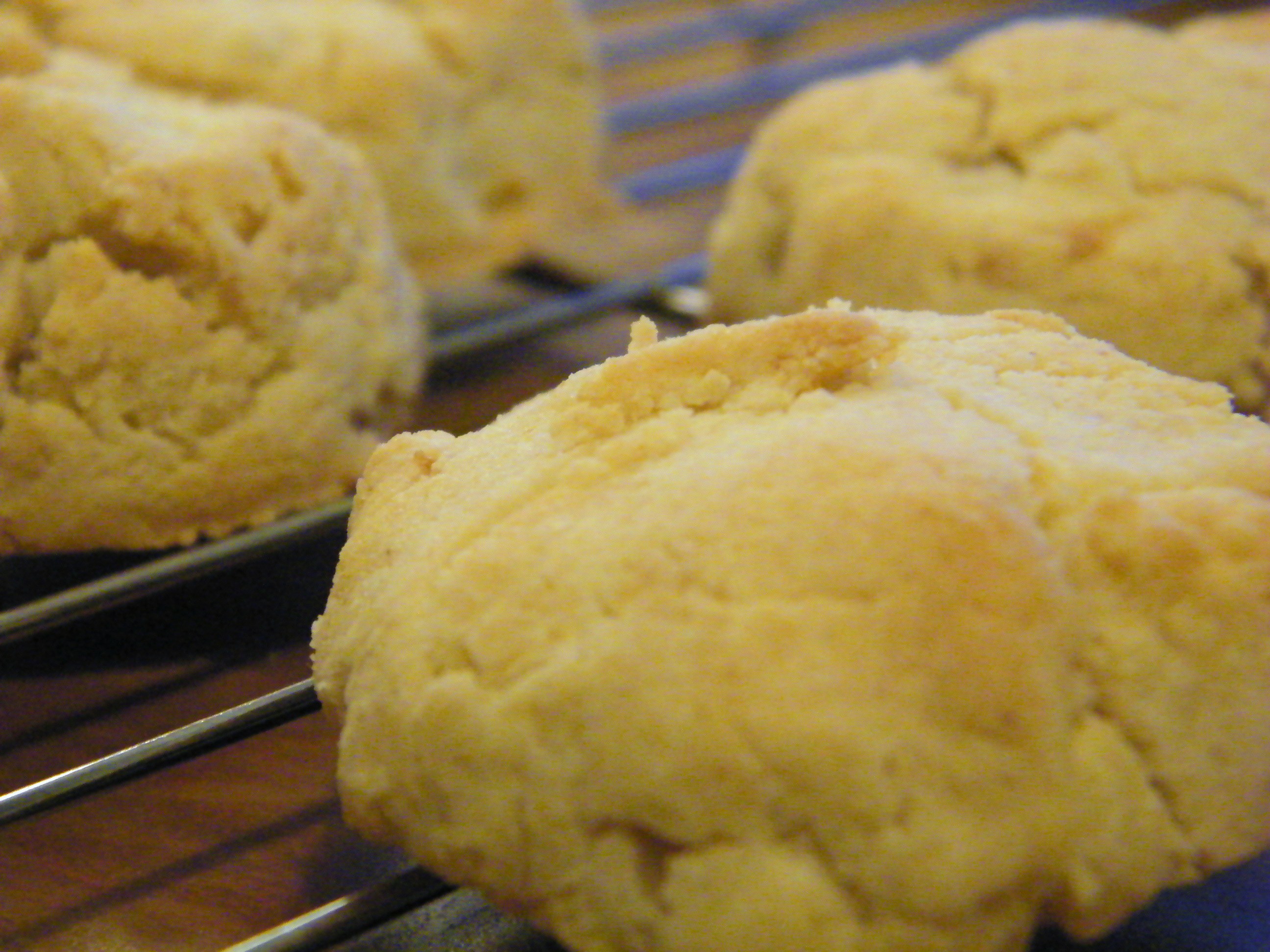
The gluten-free version, cooling.

The second batch was my favourite version – the yogurt gives the biscuits a lovely texture and richness. The gluten-free version was a little disappointing, not in taste, but in texture. They were a bit sandy and I’m beginning to understand why some folks re-grind their gluten-free flours in a Vitamix, to make them finer. Perhaps I should have used only white rice flour mixed with a little potato starch and tapioca flour, rather than my usual all-purpose mix. Next time.

I have an all-day workshop tomorrow and I think I’ll get up early and bake another batch of Version Two. It’ll be a good start to the day for the group.

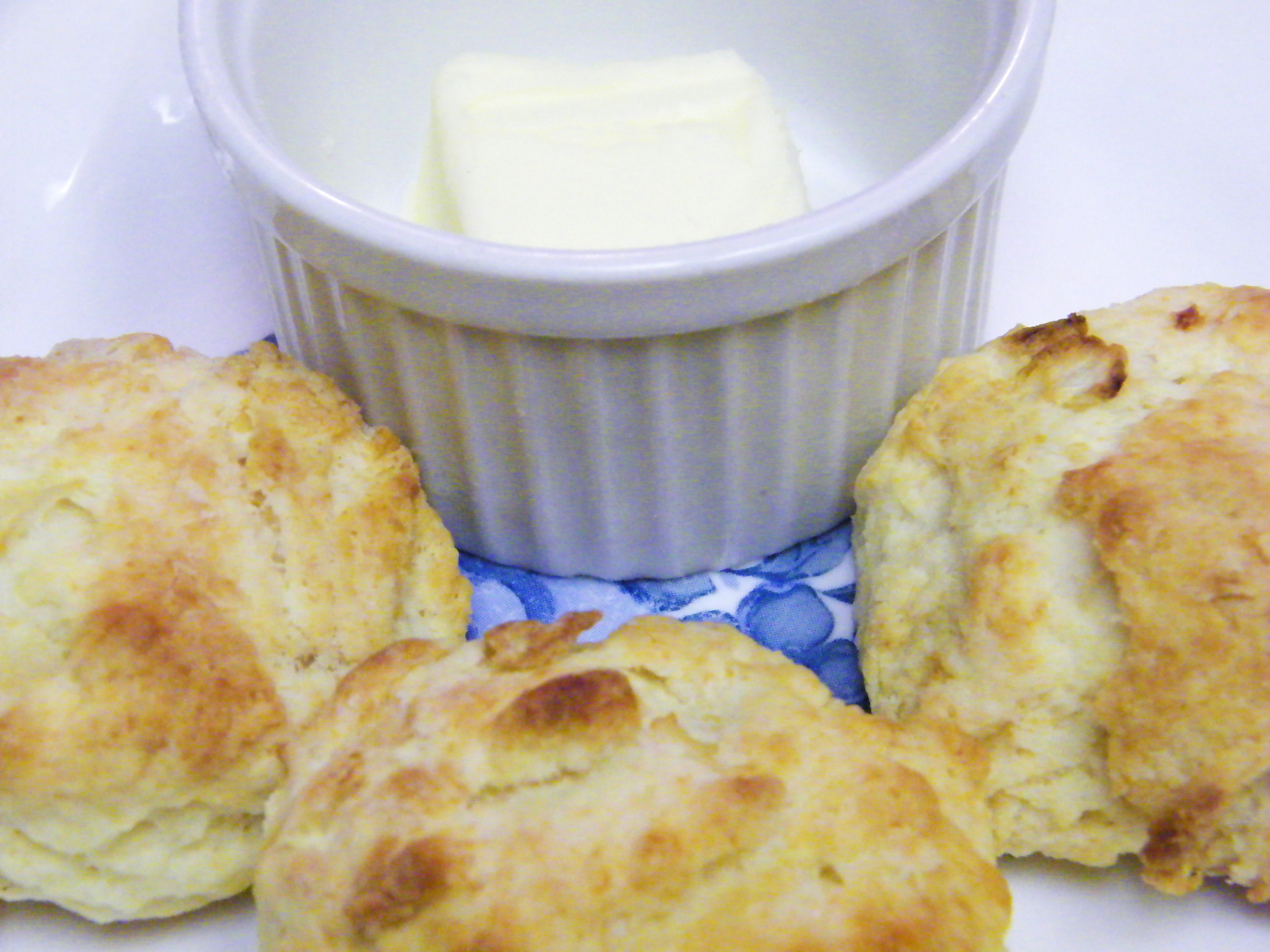
Three biscuits on a white and blue plate, with a bit of butter in a ramekin.

You can find many other blogged descriptions of this week’s FFWD recipe here: Saint-Germain-des-Prés Onion Biscuits