FFWD – Vegetable Barley Quinoa Soup with the Taste of Little India

Soup

My little brother is a mean, mean man. He’s a chef, working at the sort of locavore, casual-to-fine-dining restaurant that you know I love. The problem is that it’s 50 kilometres away and Sean sends me photos of what’s on the night’s menu, when he knows there’s no hope of me booking a car and heading out deep into the heart of the Fraser Valley. Like I said, mean.

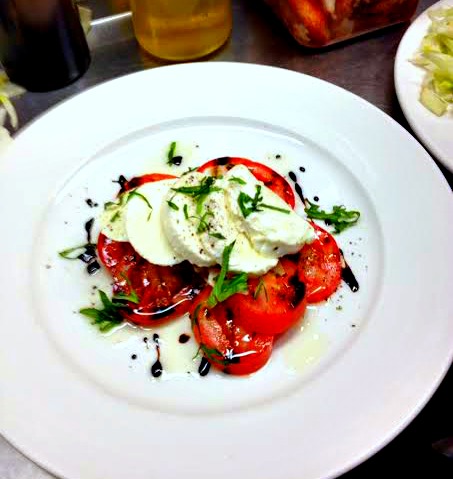
If you don’t believe me, here’s one of the photos he sent me tonight.

Photo by Chef Sean.
Photo by Chef Sean.

Yes, that’s a perfect Caprese staring back at you. Sigh…

Luckily, we have a delicious, vegan soup on our own fresh sheet tonight, keeping me from becoming too morose. It’s flavoured with garam masala, ginger, garlic, and red pepper flakes. It’s also meant to have barley in it, but we went gluten-free and used quinoa instead. It’s the sort of meal Kevin has been working toward, as he eats vegetarian or vegan most of the time now. There’s lots of protein in the quinoa and the soup itself is surprisingly hearty. Meatless meals have always been a big part of my diet, but I might find myself crumbling some bacon on tomorrow’s leftovers, as my brother the chef suggested. Then again, I might not – this soup doesn’t really need it.

Soup too

Judge for yourself. You can find the recipe here, along with interviews with three of our most lovely Doristas.

And you can find out what everyone else thought of this week’s recipe here.

Seedtopia

Seeds

My gardening goals for this year are concentrated on learning more about seed saving and increasing the variety of foods I grow in my vegetable garden. I’d also like to keep extending my perennial flower collection across seasons, eventually having colour in the garden year-round.

I’ll be replacing a few plants, like the thyme that died mysteriously last summer and perhaps building a vertical squash structure if I’m feeling ambitious. Mostly, though, I’m going to try and take advantage of some of the workshops and seed swaps that are happening in the next few weeks. I think it would be great to connect with some Vancouver gardeners.

Here are some of the things on offer around here this growing season:

Garden Basics

Village Vancouver offers gardening workshops across the city

VanDusen Botanical Garden has a range of courses for the budding horticulturalist

City of Vancouver workshops are affordable, basic skill-builders

The World in a Garden has great workshops throughout the season

Farm Folk City Folk‘s Knowledge Pantry is full of wonderful resources

A little farther afield, North Van has GardenSmart Workshops

There are a number of neighbourhood-specific workshops that are tied to food security and food justice: Grandview Woodland Food Connection, Renfrew-Collingwood Food Security Institute, the Edible Garden Project, and Cedar Cottage’s Seedy Saturday and Planting Workshop are a few examples

Victory Gardens’ workshops are well-regarded

Getting the Goods

Treekeepers provides $10 fruit and decorative trees to Vancouver residents

West Coast Seeds is a great source for organic seeds and their website is full of information – they also offer workshops

Salt Spring Seeds focuses on heritage and heirloom seeds

Sharing the Wealth

Plant a Row – Grow a Row

Vancouver Fruit Tree Project

Sharing Backyards

Advanced Adventures

City Farm Boy is for the ambitious urban farmer

Vancouver Urban Farming Society is a great resource if you want to make growing your business

Beekeeping courses

UBC’s Landscape & Garden Design Programs

Extending the Season

UBC Botanical Gardens’ Year Round Harvest Workshop

Winter Harvest resources

There’s a lot more, but that gives you a sense of the Vancouver gardening landscape. Now, tell me, what’s happening where you live? Are there plenty of resources, workshops, and community connections? Or do you rely on online resources to find what you need?

FFWD – Scallop and Onion Tartes Fines

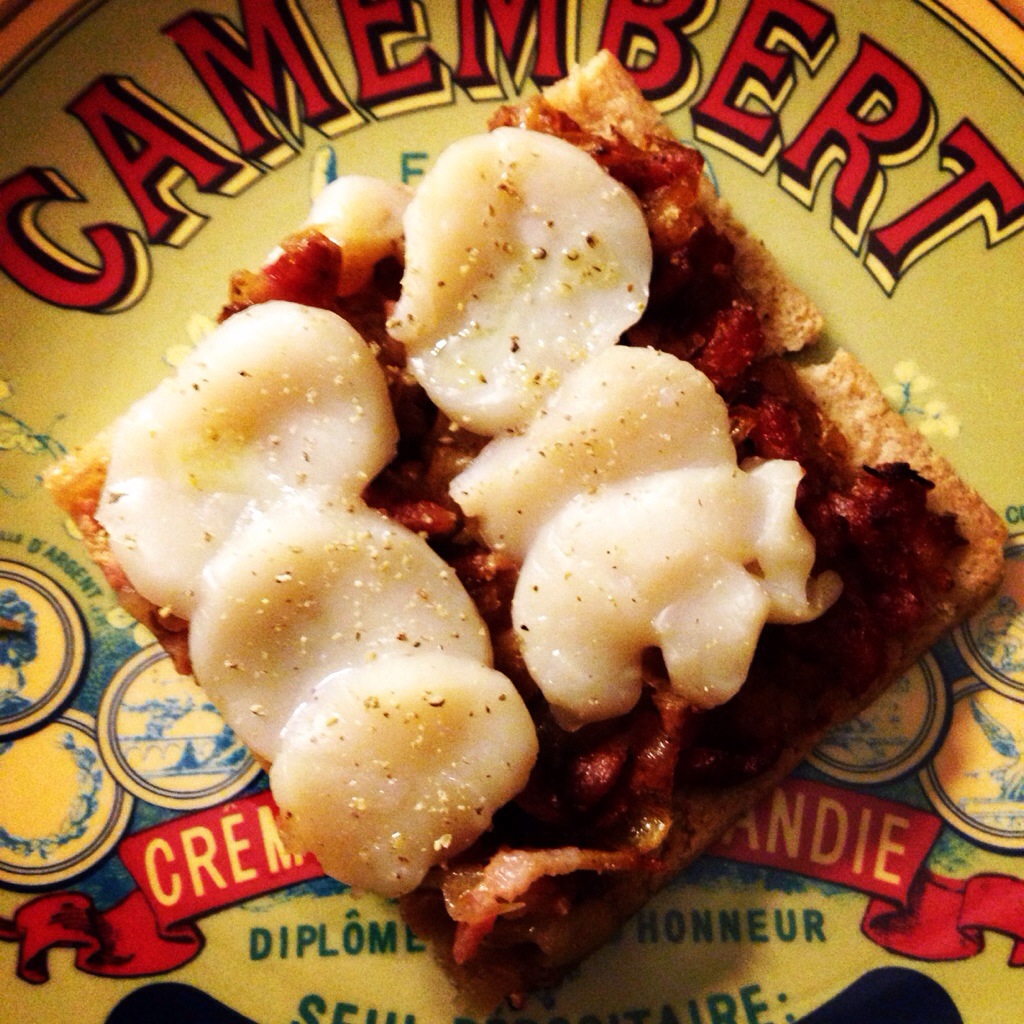
20140321-220942.jpg

We’re going to be finished cooking through Around My French Table in April of next year, approximately, so it’s not surprising that many of the recipes are starting to make me look back as much as look ahead. This week’s dish especially reminded me how close we are coming to the end of the book.

This is our last official scallop dish for the group, save for a bonne idée or two. I’ve told you before that scallops are my favourite seafood, so I’ve been looking forward to tackling this dish.

Tartes fines are usually rounds of puff pastry (or sometimes pâte sucrée for desserts) with finely sliced toppings in a circular design. Though I’ve made
gluten-free puff pastry before, it’s quite an undertaking, so I decided to try out a gluten-free Comensoli Pizza Shell I’d picked up at our local food co-op. It’s a new item there and I managed to get the last package. They went fast and for good reason. This crust is chewy and crunchy, holding its topping without crumbling. I’ll definitely be buying this brand again. It can be hard to find gluten-free pizza shells that don’t fall apart or taste terrible.

Scallop

The only other change I made to the recipe was to add a bit of balsamic to the caramelized onions before I added slivers of bacon. I’d heard from other Doristas over the week that this dish lacked a little something and I decided that the something must be balsamic. It goes so well with all the ingredients.

It was a good decision, as the jammy bacon and onion mixture was the best part about this dish. The scallops themselves were a little flavourless in comparison. They are really just heated through, rather than fully cooked, and I prefer the crunchy, caramelly flavour of seared scallops.

If I were to make this again, I’d leave the scallops off the tart and sear them instead, serving them on greens alongside. I think they would shine more than they did here and it would make a complete meal.

You can find many other blogged descriptions of this FFWD recipe here: Scallop and Onion Tartes Fines

Wild City

Raccoon prints in our backyard.

About ten years ago, when I lived on the other side of town, I did something to offend the crows that lived on my block. Perhaps I got too close to a nest or they resented my windowsill gardening activities. All spring and into the summer, gangs of two to five crows would follow me, swooping angrily, as I ran errands or waited at the bus stop. Even worse, they’d follow me on my regular long walks, once for more than five kilometers. I won’t say that it was the primary motivation for moving back into this neighbourhood, but I was certainly glad to move away from that mob of angry birds.

Those crows weren’t the only animal neighbours I left behind. There was a squirrel that kept digging up and eating the flowers in my window box, until I filled the planters with nicotania. I’d also built an uneasy truce with the skunk that lived near my bus stop. We gave each other a wide berth and things were fine.

Around the same time, I had a tenser encounter with a skunk when I was waiting for a bus late at night, after visiting a friend. The bus stop seemed to be in its path and I had to walk down the pavement half a block or so before it would move through. Across the street from the bus stop, a pair of raccoons were trying to break into a derelict corner store. None of that was as startling as realizing that the dog I saw trotting down the sidewalk at the corner was really a coyote. It stopped and stared at me for a few seconds, then crossed the street and continued on its way.

There is wildlife all around us in the city and many species have found it to be a hospitable place to live. This is even more obvious as suburban developments move farther and farther up the mountains in places like North Vancouver and Coquitlam. Bears rummaging through garbage bins or cars, cougars in backyards, and deer staging garden raids are common occurrences these days.

The problem is that the more we notice wild animals, the worse it is for them. There has been a bit of a frenzy in Vancouver over coyote sightings and aggressive raccoons, but it’s human behaviour that’s at the root of the problem. People feed animals, then lash out when they lose their fear of humans. Better that we keep our distance and keep our cats inside.

We’re writing a new contract with the wild animals that live in cities, as they adapt and thrive here. If we can find ways to manage our encounters with them, they can become part of healthier, greener urban landscapes. Our cities might even play some small part in the wildlife corridors that are being developed to compensate for the habitats lost to development. With respect and a wide berth, we might be able to negotiate a settlement beneficial to all.

FFWD – Two Tartines from La Croix Rouge

Tartine

When I tell people I’m part of a group that’s cooking through a French cookbook together, I think they imagine the classic dishes set forth by Julia Child or the regional comprehensiveness of Elizabeth David. There are plenty of classic dishes and regional favourites, it’s true, but the book also reflects the diversity of modern France. It’s further inflected by a sort of translation wrought by its American author, who wrote the book with North American kitchens and pantries in mind.

The recipes are transformed, once again, by the time we post our versions each Friday. Each take on the recipe can’t help but be inflected by the individuals who make them, in kitchens across the world – the United States and Canada, yes, but also Argentina, Germany, Malaysia, Australia, and more.
IMG_1642

So, when I tackled this week’s recipes, two tartines from a popular café in Dorie Greenspan’s Paris neighbourhood, it’s not surprising that they ended up with a faint Italian accent. Commercial Drive is still (symbolically, at least) the heart of Vancouver’s Italian community. Many of the cafés, bakeries, and delis have a long family history here, even though the children and grandchildren of their founders have had to move out of the area as housing costs increased.

IMG_1646

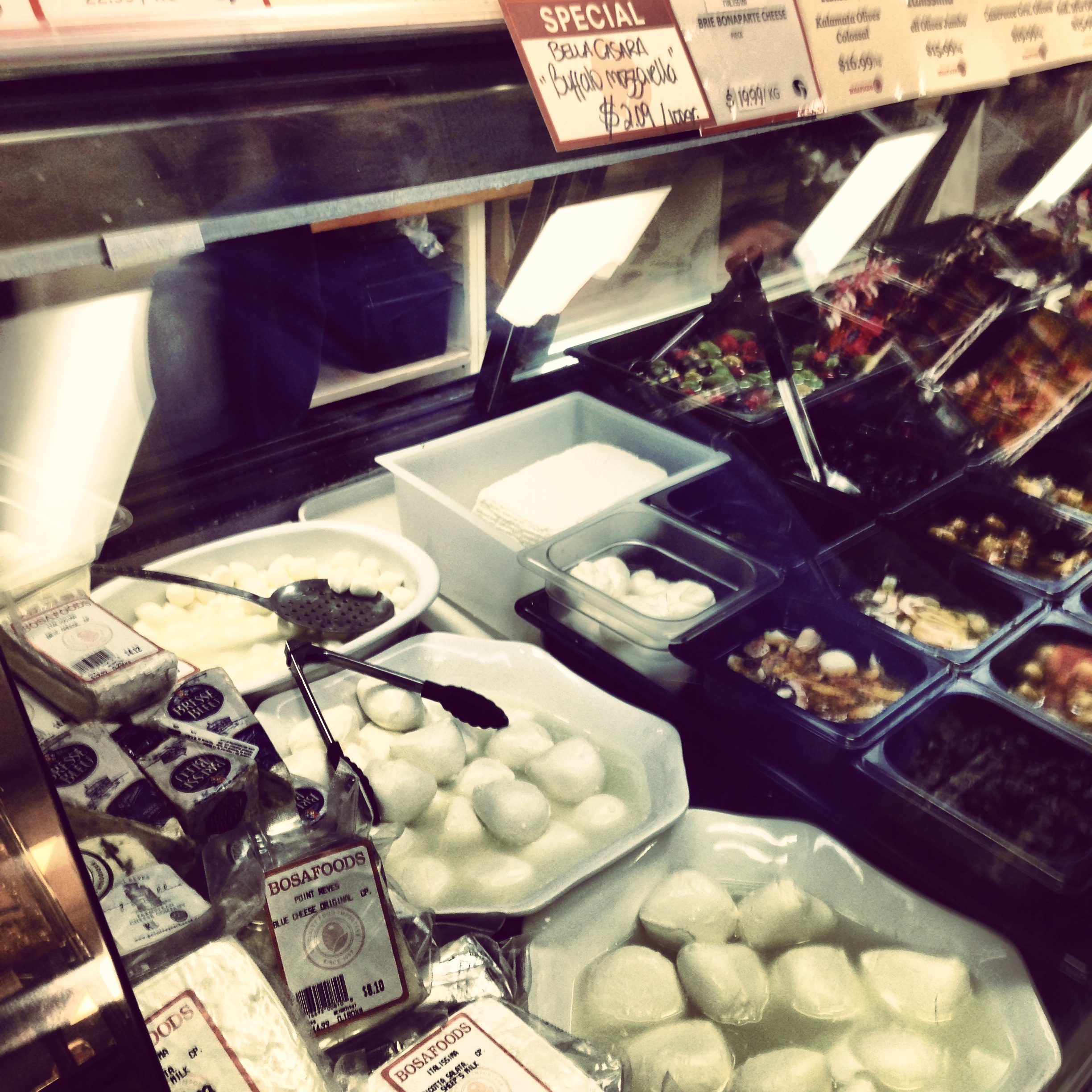
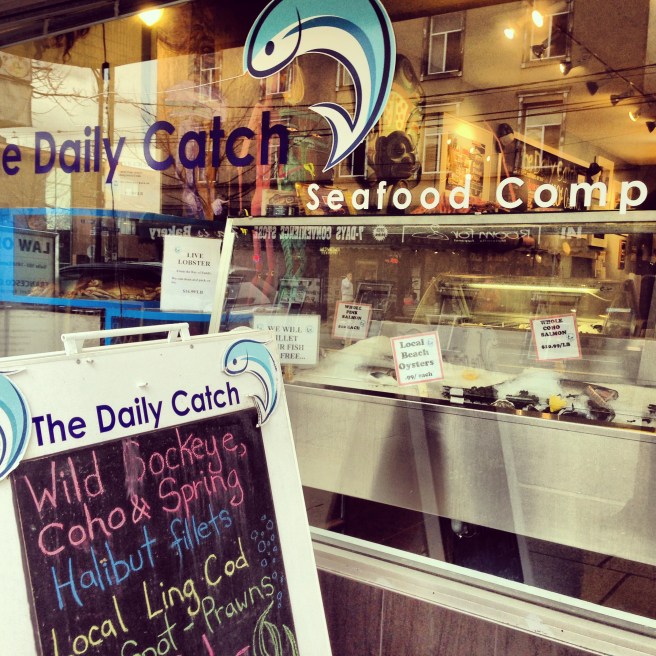
I made two stops in my quest for ingredients for the tartines. First, I went to The Daily Catch to pick up some smoked Sockeye salmon. Then, I headed over to Bosa for the roast beef and bread. Bosa has opened up an enormous Italian grocery store and deli in the furthest eastern regions of the city, but their original location is just a few blocks away and has a great selection in their deli case.

IMG_1648

When I got home, I sliced the whole wheat and millet bread into strips, then toasted them under the broiler.

For the tartine norvégienne, I spread the toast with a bit of mayonnaise, instead of butter, and freshly ground pepper, before layering the salmon and capers on top. I finished them with a squeeze of lemon.

The toast for the tartine saint-germain was spread with a mixture of mayonnaise and Dijon mustard (in hopes the mustard would impart a hint of Paris), then a layer of thinly sliced cornichons, and a generous layer of garlic roast beef.

Roast Beast

The tartines in Around My French Table are a reminder that sandwiches, open-faced or not, can be richly flavoured and sophisticated. I would serve these tartines at a cocktail party or as part of a first course. I’m also counting the days until I can have another Goat Cheese and Strawberry Tartine with local berries.

In the meantime, I’m going to read through the rest of the Doristas’ versions of this week’s tartines, so their personal and regional inflections can inspire my own cooking experiments to come.

You can find many other blogged descriptions of this FFWD recipe here: Two Tartines from La Croix Rouge

Domestic Dreams

IMG_1583

The weekend before last, I was lucky enough to win tickets to the BC Home and Garden Show, courtesy of Tracey from Fashion Forward 40. Thanks again, Tracey, for the tickets!

The show took place on the enormous floor of BC Place, while Portobello West took over the upper concourse.

IMG_1587

There was plenty to see and not all of it was aspirational. I enjoyed talking to the gardening exhibitors and got some contact information for contractors our housing co-op might be interested in.

What struck me, though, was how geared to suburban living the show still seems to be. There were gorgeous indoor and outdoor kitchen displays, backyard living rooms, and everything one could dream of for the kind of single family home that I grew up in. There wasn’t as much for apartment-dwellers like me. I think with the ascendance of condos in this region, that this focus will change.

IMG_1593

In the meantime, there were plenty of lifestyle booths to peruse, with kitchen gadgets being near the top of my list. I had a great day exploring and managed to exit the show without emptying my pocketbook too terribly.

IMG_1602

I’d love to hear what you’re looking for in home and design shows. Or, are there other sorts of trade shows that get you out the door?