FFWD – M. Jacques Armagnac Chicken

So, everyone else is posting about Lyonnaise Garlic and Herb Cheese today, but I didn’t find an occasion to make it for more than just Kevin and me, so I’m leaving it for (yet another) catch up post. Instead, today’s recipe is from January and one that I’ve made more than once, but haven’t ever gotten around to posting. (There’s definitely a correlation between bad photos and late French Fridays entries for me.)
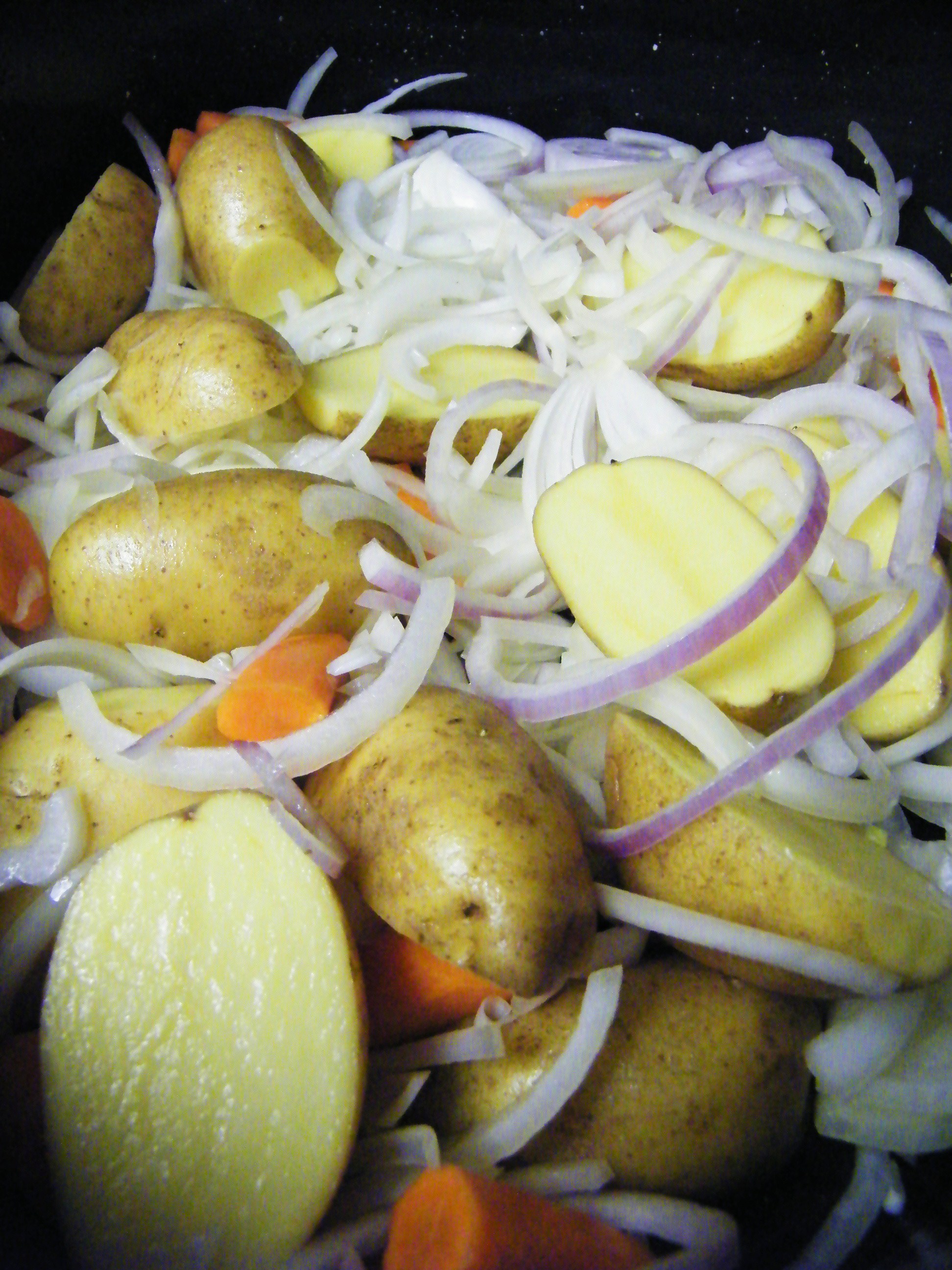
A bed of vegetables for the chicken.

I didn’t buy Armagnac for this recipe, as it was a bit expensive, but I substituted Cognac and was very pleased with the results. Since joining this group, roasting a chicken involves much more decision-making for me – the recipes in Around My French Table are so good, it’s hard to settle on which to use. This recipe’s primary virtue is the bed of vegetables that are roasted with the chicken, particularly the onions, which are delicious all by themselves and lend their flavour to the other vegetables and the chicken. The Cognac helped intensify the sauce, which is made very simply with water, herbs and the juices of the chicken and vegetables.

Basting the bird.

This is a wintry recipe, as many one pot meals are, but it’s also perfect for rainy, cool spring weather. If we get another stretch of that this year, this may be on the menu again soon.

You can find many other blogged descriptions of this FFWD recipe here: M. Jacques Armagnac Chicken
FFWD – Navarin Printanier

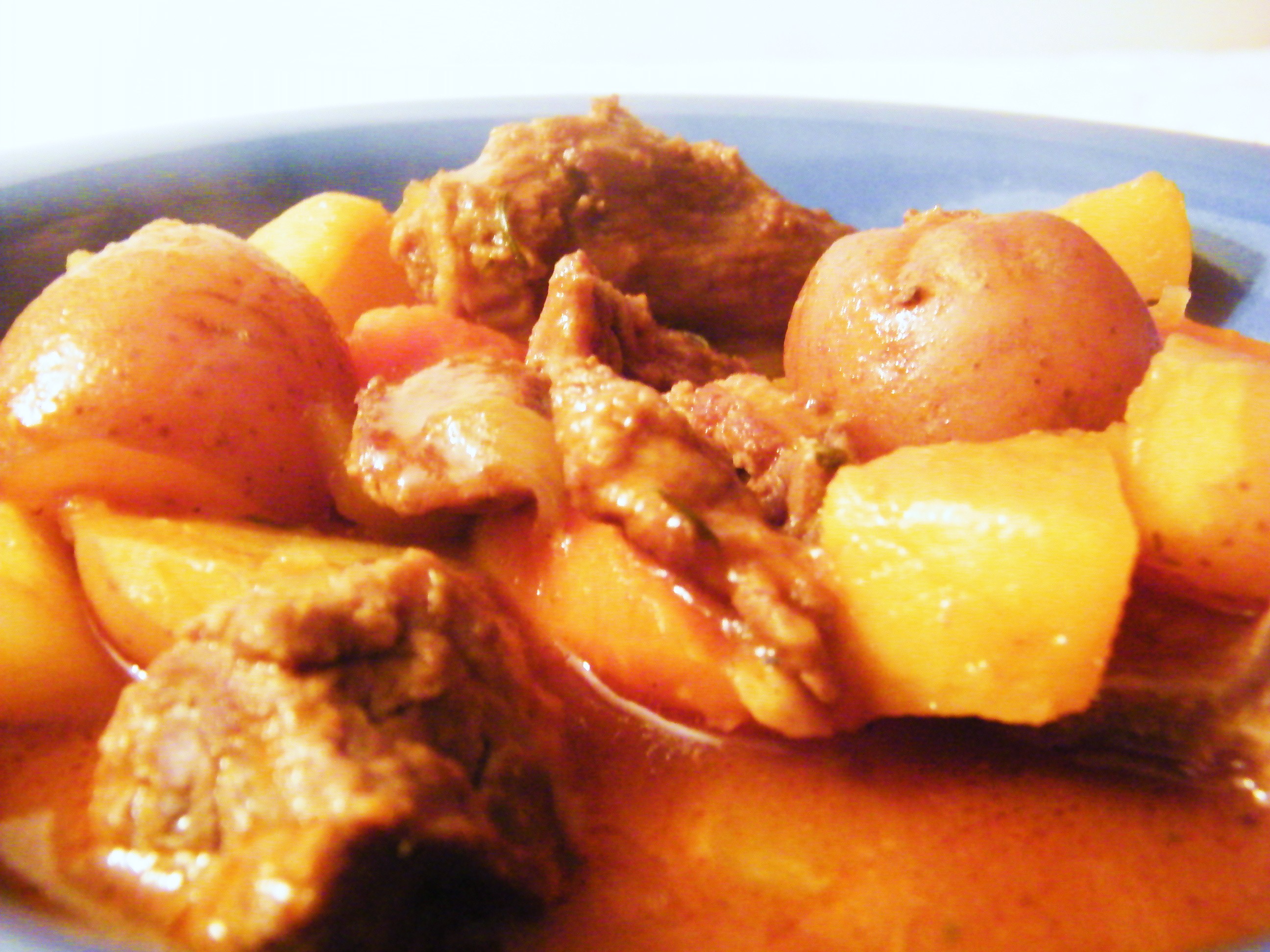
Lovely, rich stew.

Over the next little while, I’m going to try and catch up on a few French Fridays dishes that I’ve made, but haven’t managed to post about. I’m starting with a really good one.

Navarin Printanier is nothing like my mother’s Irish stew. Don’t get me wrong, my mother’s lamb stew is so good that my brother (a chef) adapted it for use on his menus. It’s a traditional, slow-cooked on the stovetop version, light and flavourful. Navarin Printanier is a braise, giving lamb the sort of treatment usually reserved for beef.

I love the methods used in this recipe. The braising itself makes the lamb tender, of course, but it’s not just that. The vegetables are sautéed in butter before being added to the pan and manage to retain the shiny vibrancy the sauté gives them. Beef stock and tomato paste (I used one infused with garlic, which was really nice) make a lovely, rich sauce flavoured with thyme, bay leaf, and parsley.

Beautiful colour on sautéed vegetables.

My mother and I cut up two shoulder roasts for this stew, removing the ribs for use another day. We were able to cut off almost all the fat from the lamb as we cubed it, which meant that the stew wasn’t at all greasy. Labour-intensive, but totally worth it.

I deviated from the recipe here and there, using rutabaga in place of turnip, adding about three times the tomato paste and thyme called for, and forgetting entirely to add the peas. Stews are very forgiving. This stew was delicious enough that I won’t reserve it just for spring, though it’s a worthy showcase for the year’s first vegetables.

You can find many other blogged descriptions of this FFWD recipe here: Navarin Printanier

Photos from a Tiny Urban Desert

I rarely go to Canada Place. Most Vancouverites don’t. It’s a cruise ship terminal and convention centre, primarily. This weekend, though, I went there to attend the EPIC Expo, courtesy of Vancouver Farmers Market. It’s a sustainable living show and there were lots of interesting organizations and products there.

I had my camera with me, but didn’t take any photos of the show. Instead, once I’d worked my way through all of the booths, entering contests I was destined never to win, I wandered outside and took some photos around Canada Place. My primary response was to wonder why such places are designed so that they become tiny deserts, devoid of any of the natural features of the region they’re in. Vancouver is in rainforest territory, yet in Sunday’s sunny weather, Canada Place felt like Nevada, arid and hot. I was glad to escape back into the artificial forest conditions of downtown’s highrises, where it was cool and breezy.

Here are a few of the shots I took.

Tulips, with a cruise ship in the background.

Tree, with incidental view in the background.

Tulips, with odd light standard in background.

Odd light standard

Odd light standard again, with glass building reflections.

Architectural details of the overhang alongside the promenade.

A reflection that reminds me of an abstract painting.

FFWD – Provençal Olive Fougasse

A close shot across the surface of the baked fougasse.

I once knew someone who believed that a restaurant that didn’t bring bread to the table shortly after you were seated didn’t deserve a clientele. I’m not that strict, but a meal started with bread fulfils some deep-seated ideas of sharing and conviviality for me, especially when the bread is homemade.

Bread-making is a satisfying activity, beginning with the tactile pleasures of kneading and shaping the dough. By the time it’s brought to table, all the senses become engaged. Knowing that the bread has been made to share with exactly those people around the table engages the heart, as well.

I made two loaves of this fougasse during the last bakestravaganza with my family. What was planned as a day’s baking stretched into a weekend, as much of what we were making needed time to rise and rest between steps. You can see what we worked on together over here. I also managed to catch up on the Navarin Printanier from a couple of weeks ago (which I’ll post about soon) and this week’s fougasse.

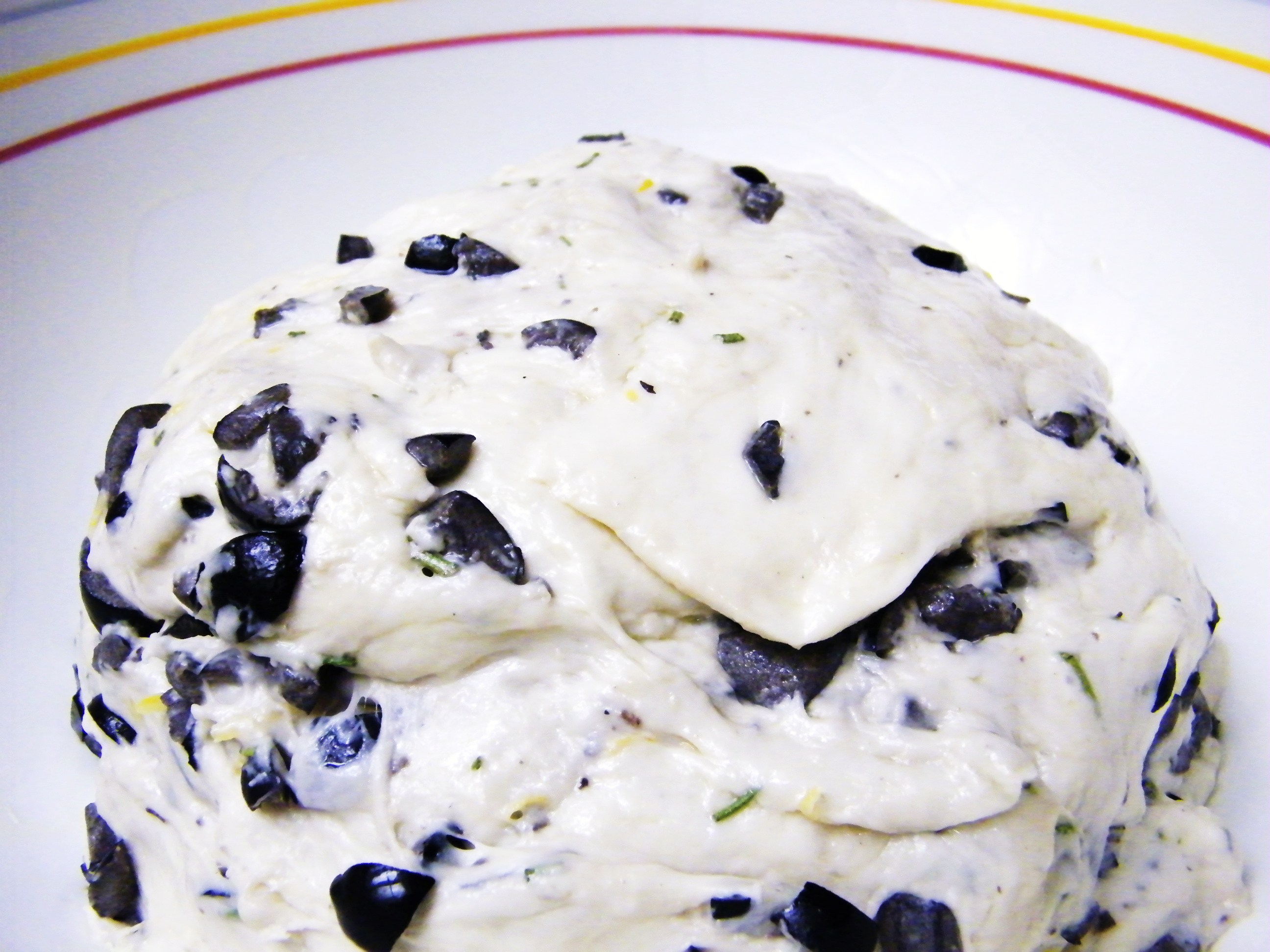
I put together this dough late the second night and baked it between the steps of our other recipes. My niece zested a lemon for me while I chopped olives and rosemary. These were added to the dough at the end of the kneading process (all hail the KitchenAid, once again). Once the dough had risen, it went into the fridge for an overnight rest (right beside the brioche dough we’d prepared for the pecan sticky buns that were going to keep us busy for much of the next day).

Dough before rise.

Dough before rise.


The dough reminded us of pizza dough, a little sticky and stretchy, but ultimately agreeable. It was easy to roll and slash the dough into the traditional leaf shape, but my attempt to make a salmon shape with the second piece of dough turned into an oval of bread with asymmetrical slashes. Not ugly, but not elegant, either. We ate it first.

The finished fougasse, with the second loaf in the background with some cornichons and pickled asparagus.

The first loaf disappeared that afternoon, as people passed through the room where it was cooling, and we shared the second with our dinner of lamb stew. Pulling pieces from the loaves gave us almost as much pleasure as eating it and it was just as good on its own as it was sopping up the gravy of the stew. Sharing one loaf, all hands breaking off their portions, made our meal seem like a feast and a celebration of the cooking and baking we’d done together over the weekend.

You can find many other blogged descriptions of this week’s FFWD recipe here: Provençal Olive Fougasse