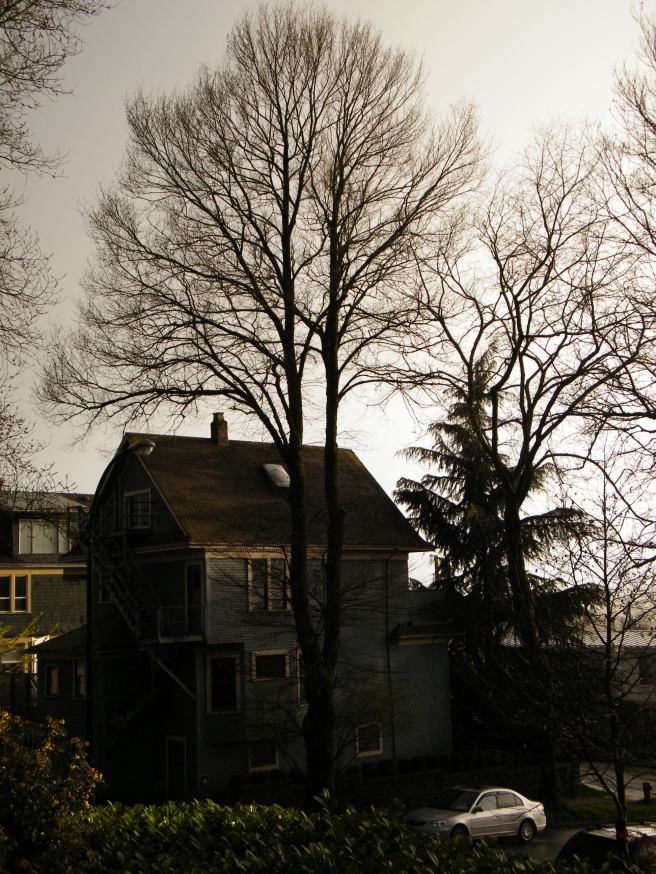
A little something to heal the spirit

It’s the day after our federal election and I’m in need of a lighthearted post – it was an extremely dramatic election night.

So, here’s a small round up of some of the things that are happening in this neck of the woods:

On Thursday, the Museum of Vancouver opens its Bhangra.me exhibition, about the history of Bhangra in Vancouver. Their programming has become absolutely stellar, both in the museum itself and in the ways it takes its exhibitions beyond that space.

This coming weekend, the Ederlezi Balkan Brass Festival puts on a bunch of high-energy shows. Or, if crafts are more your thing, you can go to Got Craft? and do some last-minute Mothers’ Day shopping.

The next weekend, the 2011 Northern Voice Personal Blogging and Social Media Conference is happening. I’m looking forward to the photo workshops, especially as the conference is on the same weekend as this.

I’m happy the Vancouver Farmers’ Market summer season is beginning again soon – I’ve been missing the convenience of going to the Trout Lake site.

Throughout much of May, you can check out emerging artists at Emily Carr University’s Degree Exhibition.

That’s only a smidgeon of what’s going on, of course. Here are a few links to sites that can tell you about even more:

BeeVancity

Vancouver is Awesome

Georgia Straight

I’d love to know what’s happening where you are. Or, if you’re from here, anything I’ve missed that you’d like to share.

Grey Skies and a French Fridays Catch-Up

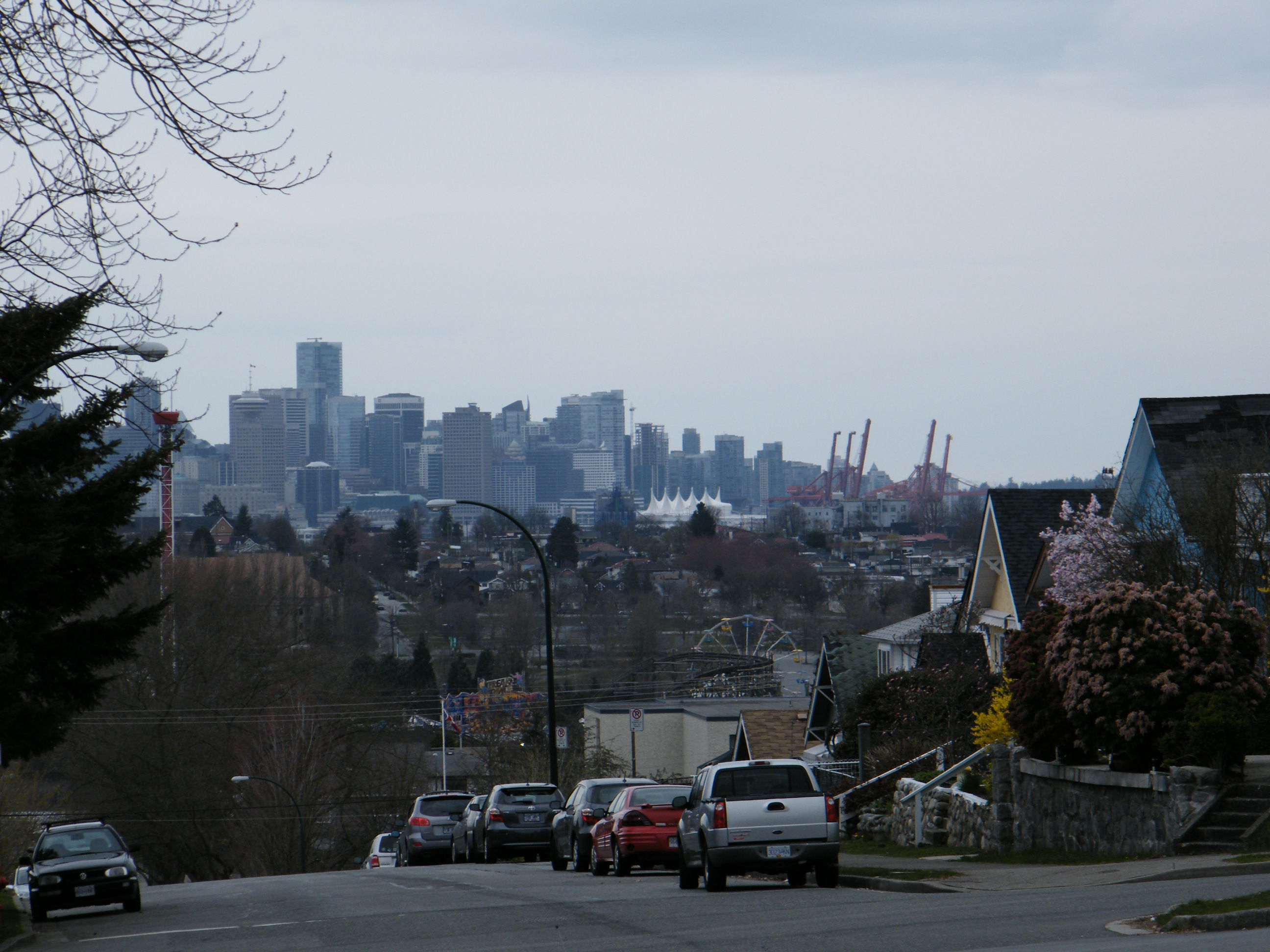
Vancouver has a reputation for rain, but I prefer to describe the weather here as changeable, especially in spring and fall. It’s why Vancouverites are ridiculed (by Torontonians) for dressing in too outdoorsy a fashion – we must dress in layers to cope with the numerous weather conditions we might encounter in a single day.
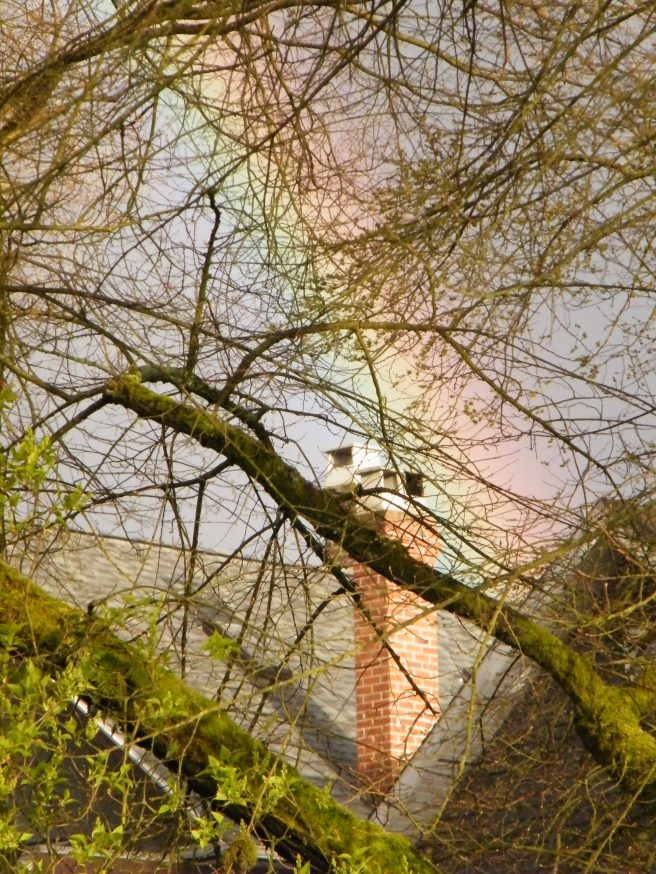
It’s true that we’ve gone through a long stretch of damp, cold weather lately. The grey skies are beautiful, though. When the afternoon light streams through the clouds, the sky turns a luminous grey, tinged with blue. My Prairie-raised mother doesn’t understand it, but growing up here teaches you to really look at cloudy skies. Look beyond the Vitamin D deficiencies and you might find yourself catching your breath at the loveliness of the sky and the way it brings out the colours in everything else.

I can’t hate this weather, which becomes awkward for me socially, as friends and neighbours expect commiseration when they complain about grey skies. I can always escape to the kitchen, though. It’s definitely not too hot to use the oven.

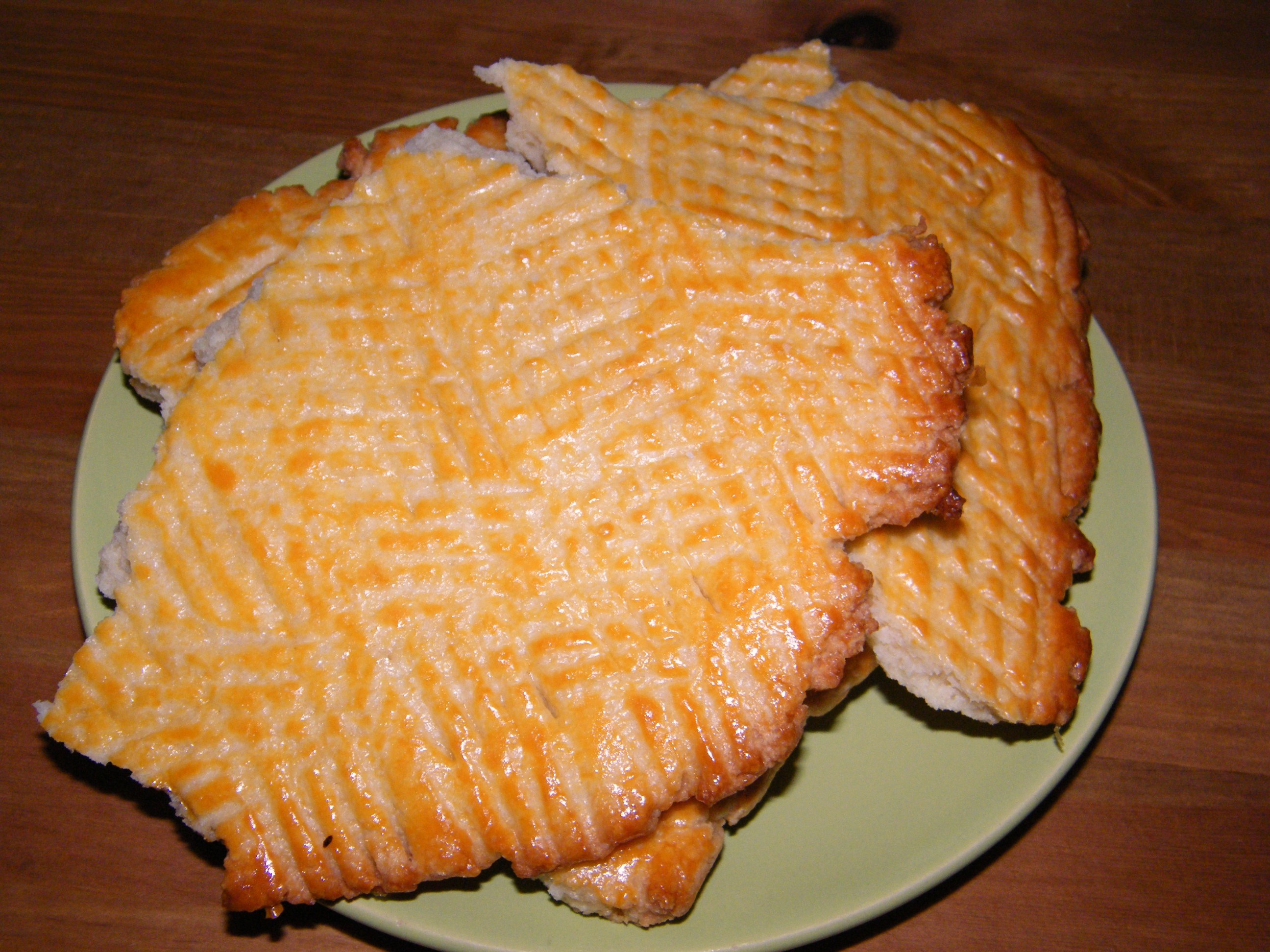
I’ve been baking salted butter break-up cookies quite often lately. They were the March 18th French Fridays recipe, but I somehow never managed to post about them until now. Maybe it’s because, just writing this, I’m thinking about making them again. The first time I tried the recipe, I ended up with three batches in quick succession – one to sneak into a hockey game to share with my family and two to bring to a community event. After that, I kept finding excuses to make them again.

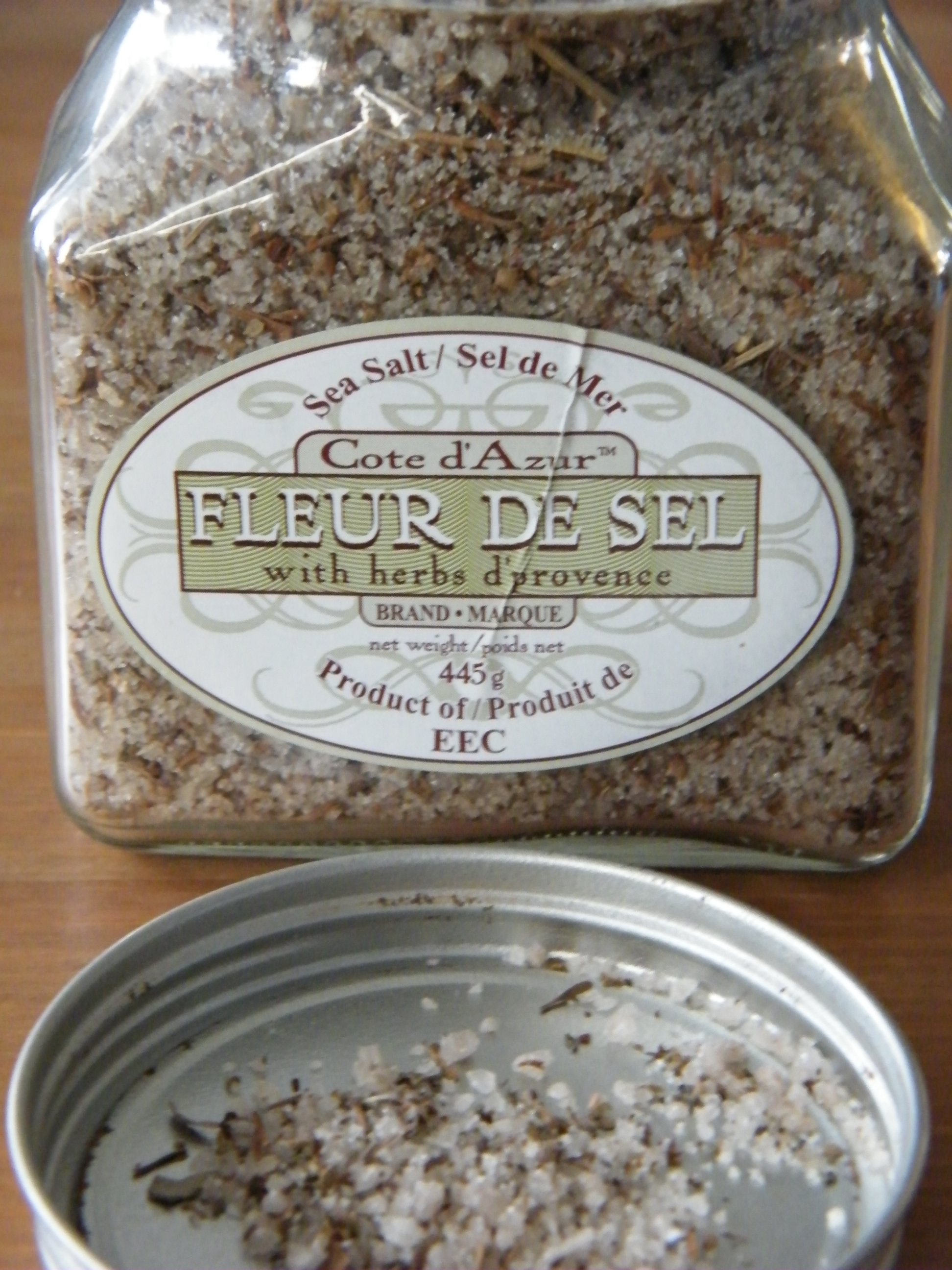
Salted Butter Break-Ups are traditionally made with sel gris, which is a coarse, grey sea salt. I used a coarse kosher salt in some batches and fleur de sel mixed with herbs de provence in others. The taste of salt pushes against the slight sweetness of what is essentially a simple, egg-washed shortbread. The herbs de provence gave the cookie another layer of flavour, too. This cookie could carry off a number of flavours – rosemary, cardamom or even curry. But however nice these variations can be, the plain cookie is enough to satisfy – salty, sweet, chewy and soft all at once.

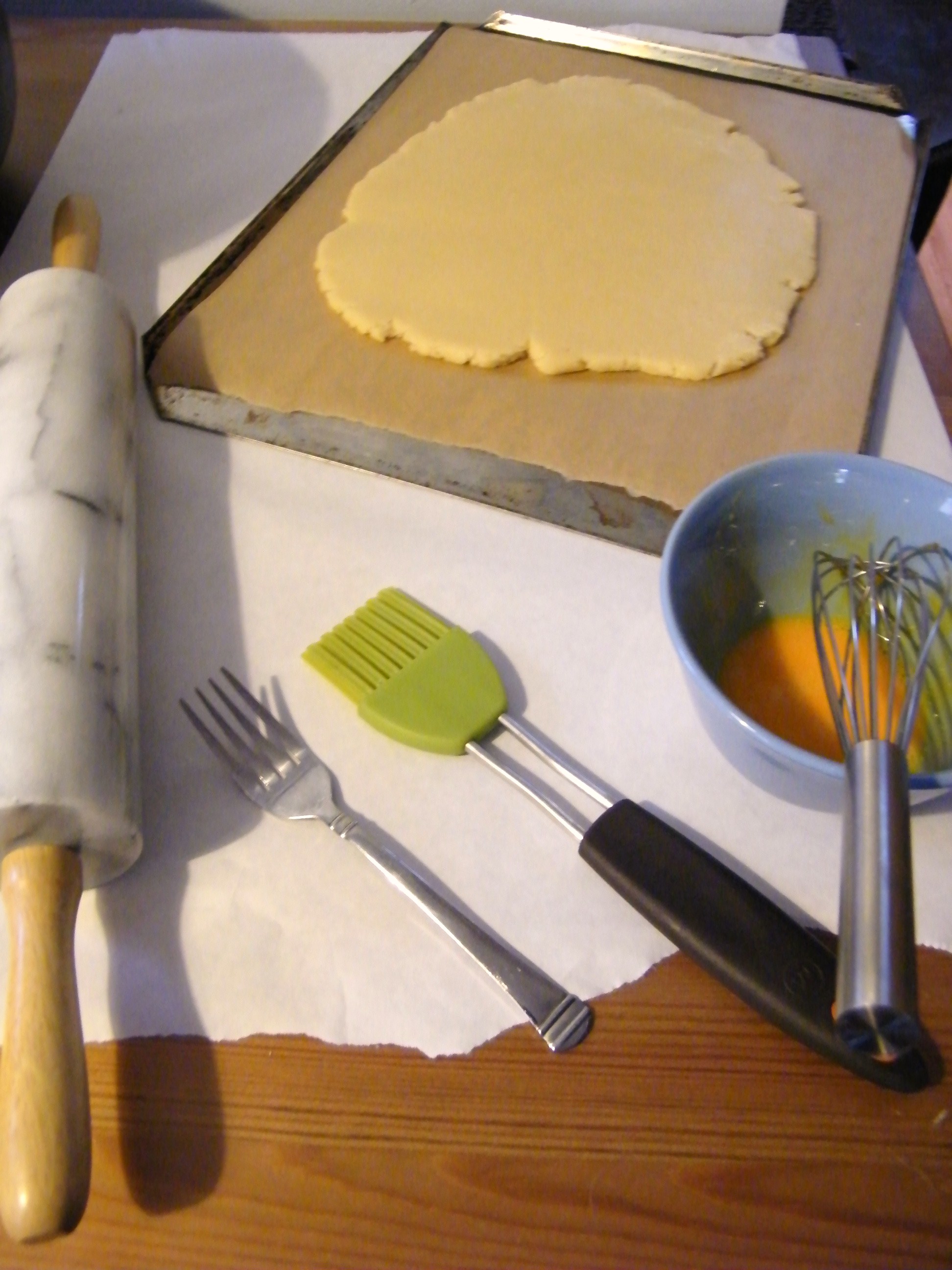
The break-ups are baked in one large, rolled out piece, given an egg wash and then decorated with a criss-cross pattern, using a fork. Once it’s been baked and has cooled to room temperature, it’s served intact, with guests breaking off pieces to serve themselves. I’ve yet to serve it this way, though. I’ve broken them up myself and packed them into cookie tins or paper sacks – much easier to transport.

I’m going to have quite a lot of opportunity to keep baking these, as the weather isn’t set to warm up for some time. As you might have guessed, I don’t really mind.

You can find the recipe here, on Dorie’s blog.

You can find many other blogged descriptions of the salted butter break-ups here: Salted Butter Break-Ups
At a Walk

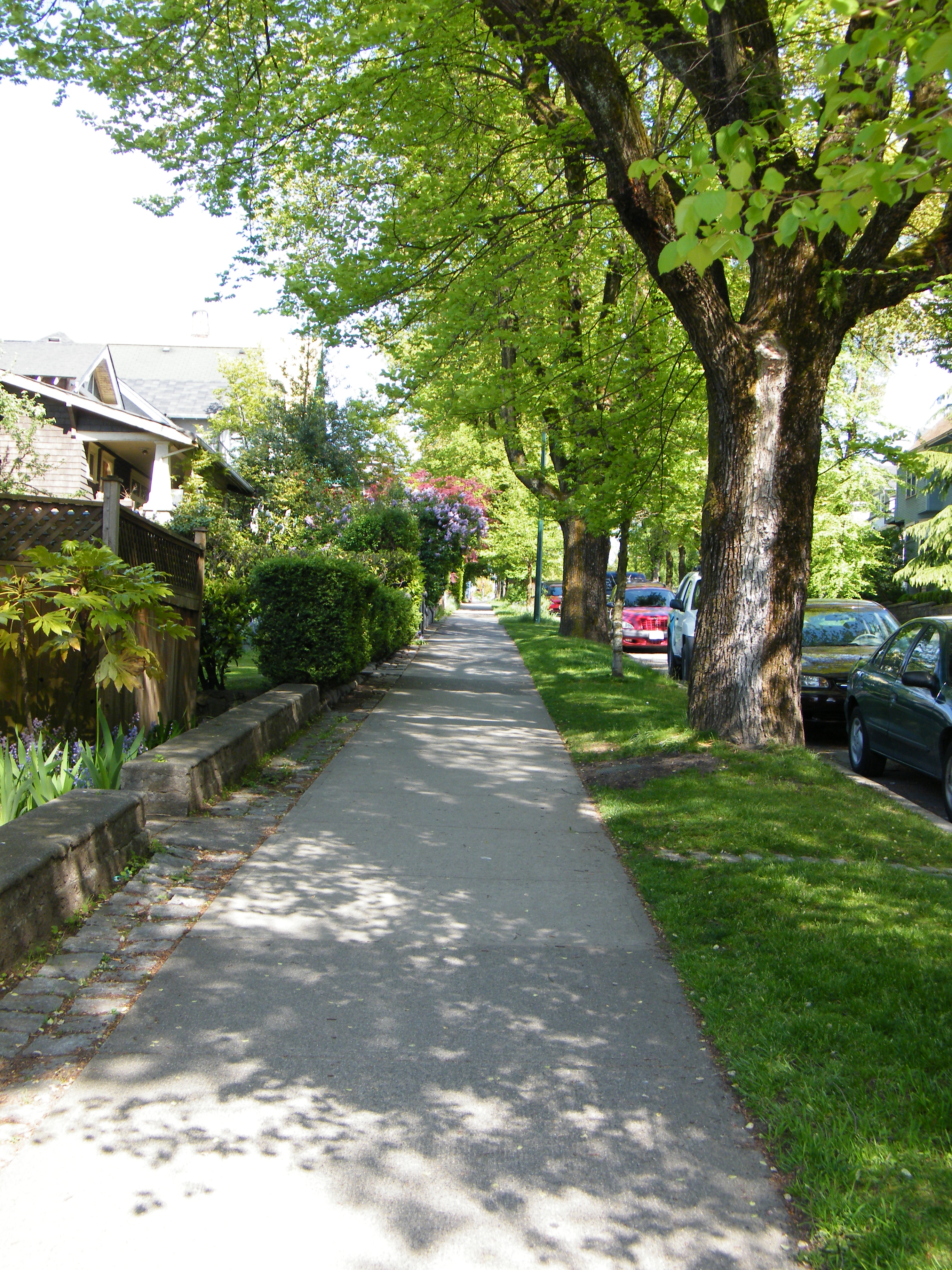
In a plane, geography becomes a physical reality; you can see the contours of a topographical map come alive. Travelling by train or taking a car on a freeway, you can track the differences between regions as you move through them. Cycling gives you control of your explorations of a city, allowing you to move from neighbourhood to neighbourhood without reference to the routes set for buses and cars. It’s walking (or scooting or however you locomote), though, that is the method scaled best to our bodies. As Rebecca Solnit says in Wanderlust: A History of Walking, “[w]alking itself is the intentional act closest to the unwilled rhythms of the body, to breathing and the beating of the heart.” What I especially love about walking, though, is how much I notice. Even lost in thought, there’s plenty of time for awareness of your immediate surroundings to sink in and allow you to make discoveries that you’d surely miss if you were moving any faster.

I love walking long distances, by city standards. When my partner and I first started dating, he lived near Commercial Drive and I lived in Kitsilano. I’d often walk the seven or so kilometres to his place, or back to mine. So, when I heard that Automattic was inviting WordPress users to blog about a five kilometre walk/run on the same day, I decided that it was high time to visit Burnaby Heights again. I lived there when I was a student, before I moved to Commercial Drive the first time. It’s actually a lot like the Drive.

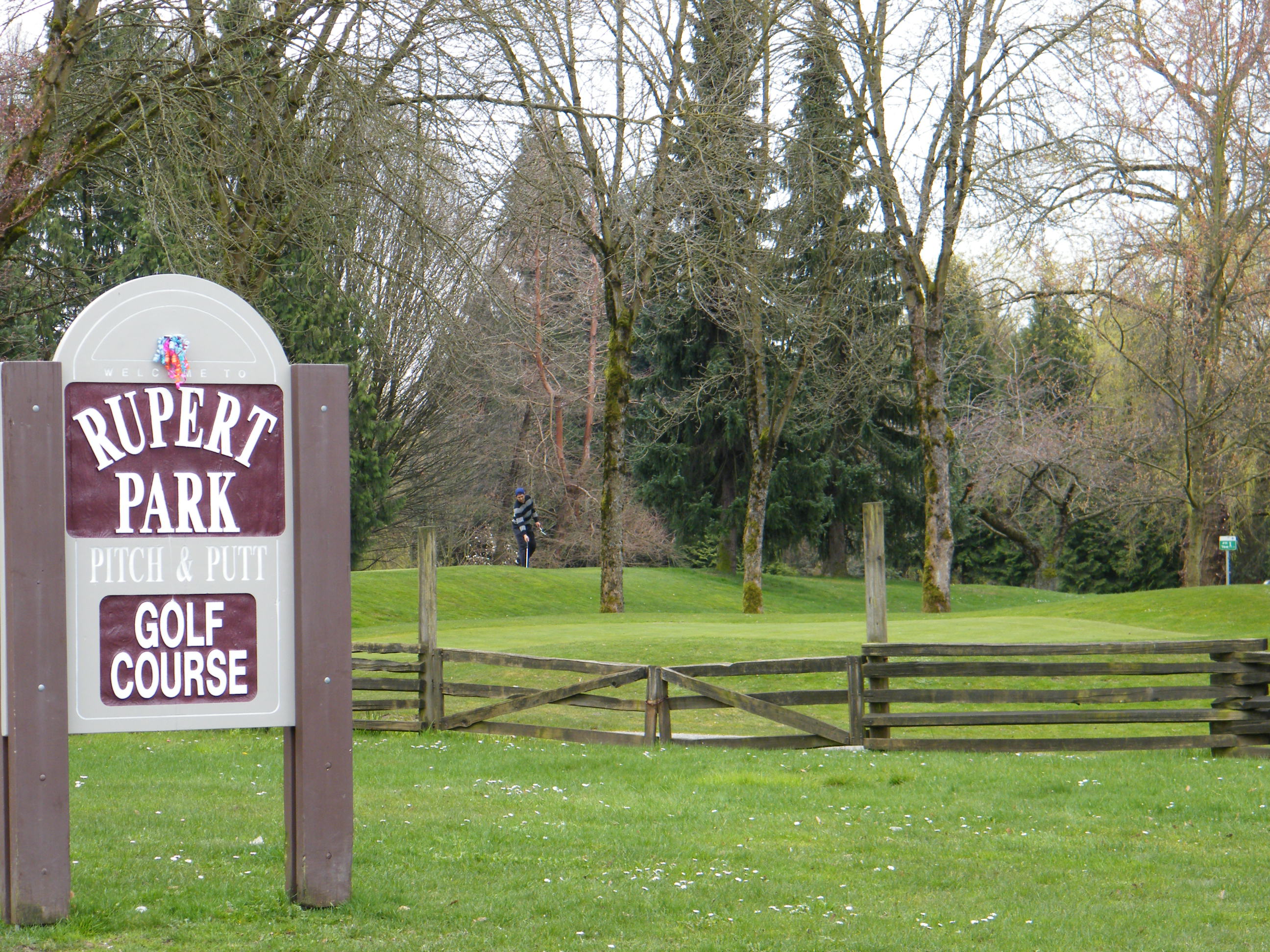
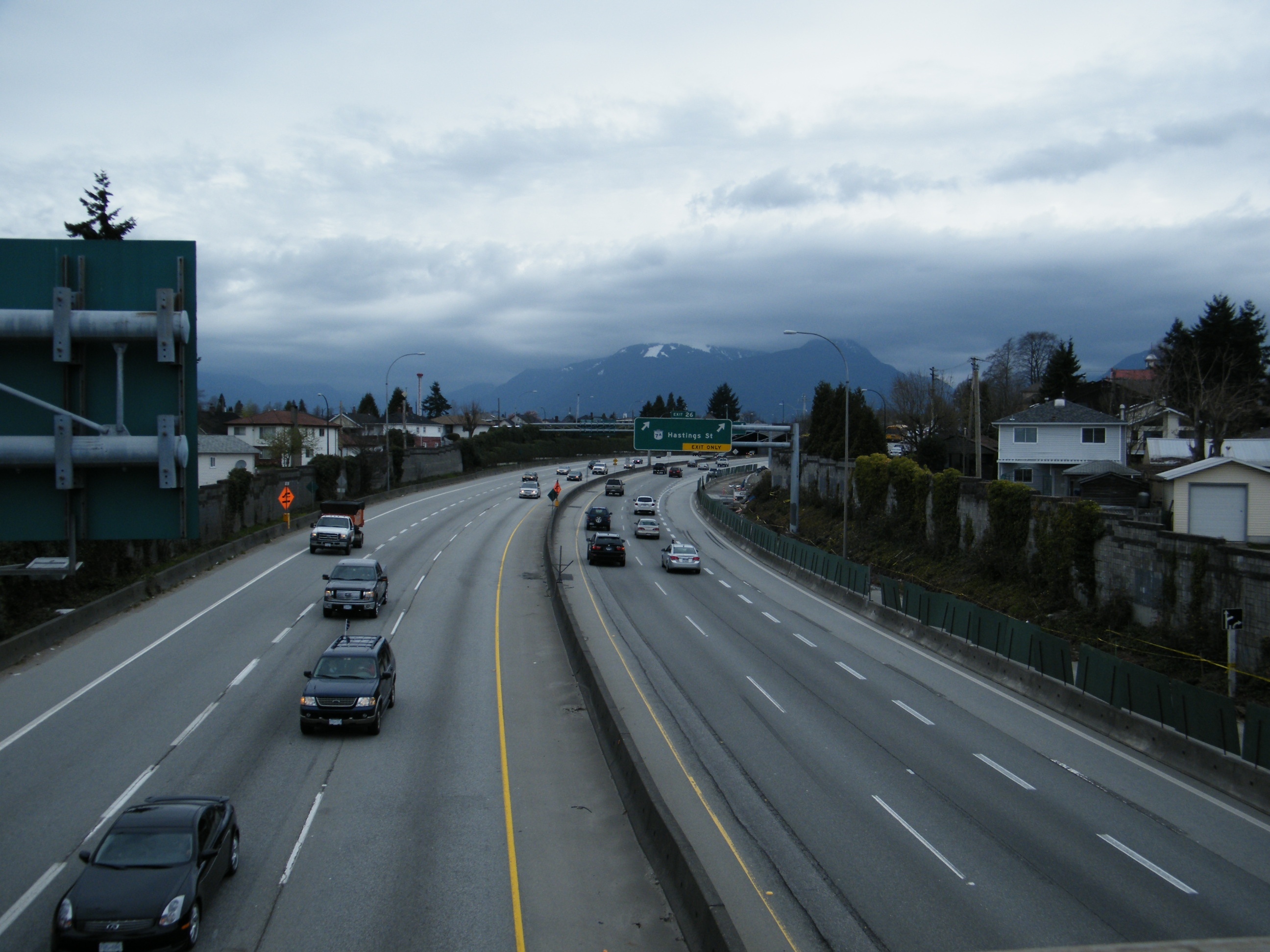
I started my walk at Victoria Park, at the corner of Kitchener and Victoria to be precise. I made my way over to Charles Street and followed it to the pedestrian overpass near Rupert Park. Then, I made my way north and east until I reached the corner of Willingdon and East Hastings. It’s probably a bit more than five kilometres, actually.

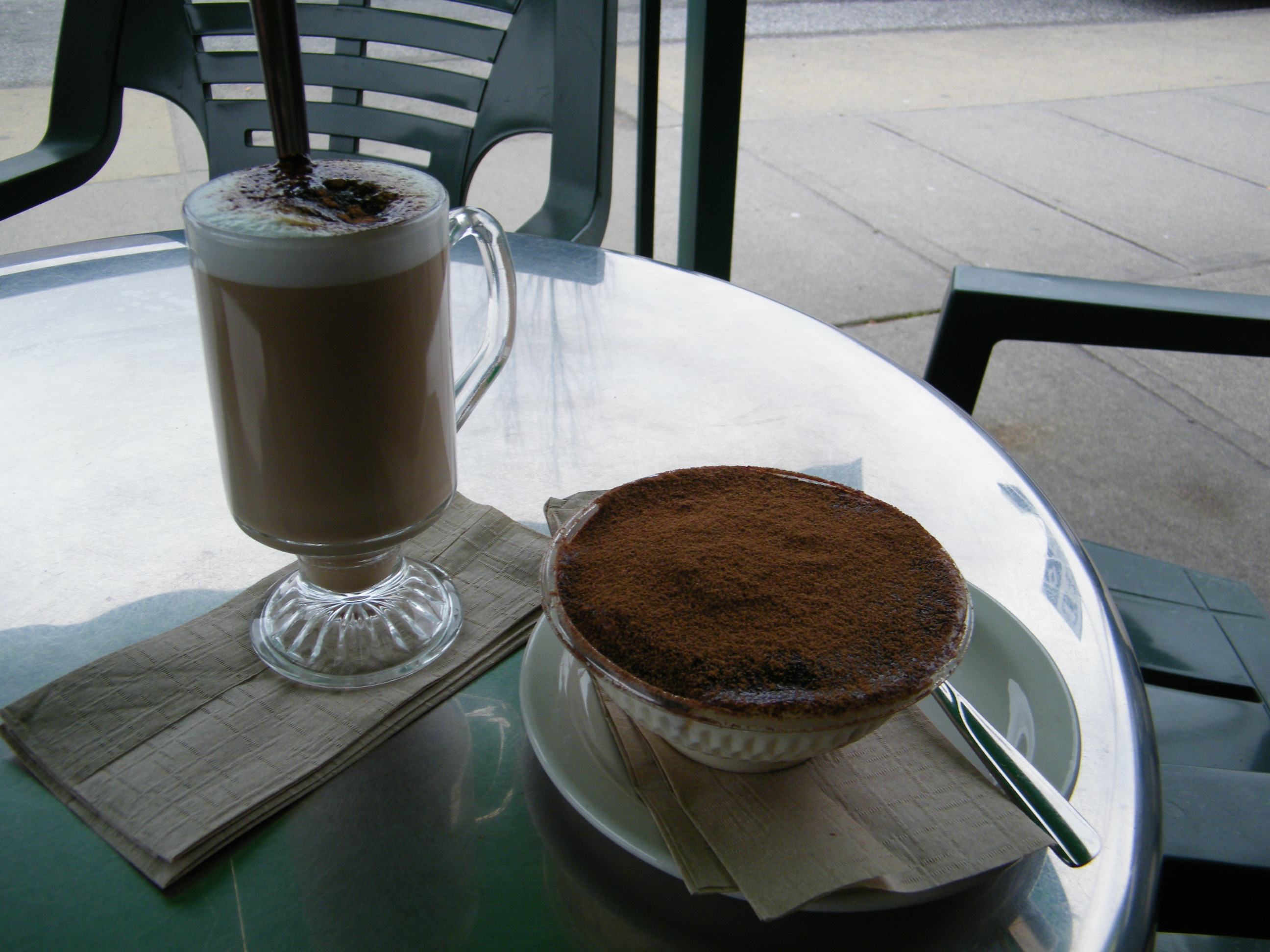
I spent a little time exploring Burnaby Heights, which has been largely redeveloped, both commercially and residentially. Some things remain the same, though. I was happy to discover that one of our favourite student hang outs, Cafe Classico, was still there, serving good lattes and tiramisu – both of which I was in need of before making my way back home, this time sticking close to Hastings on the northern side streets.

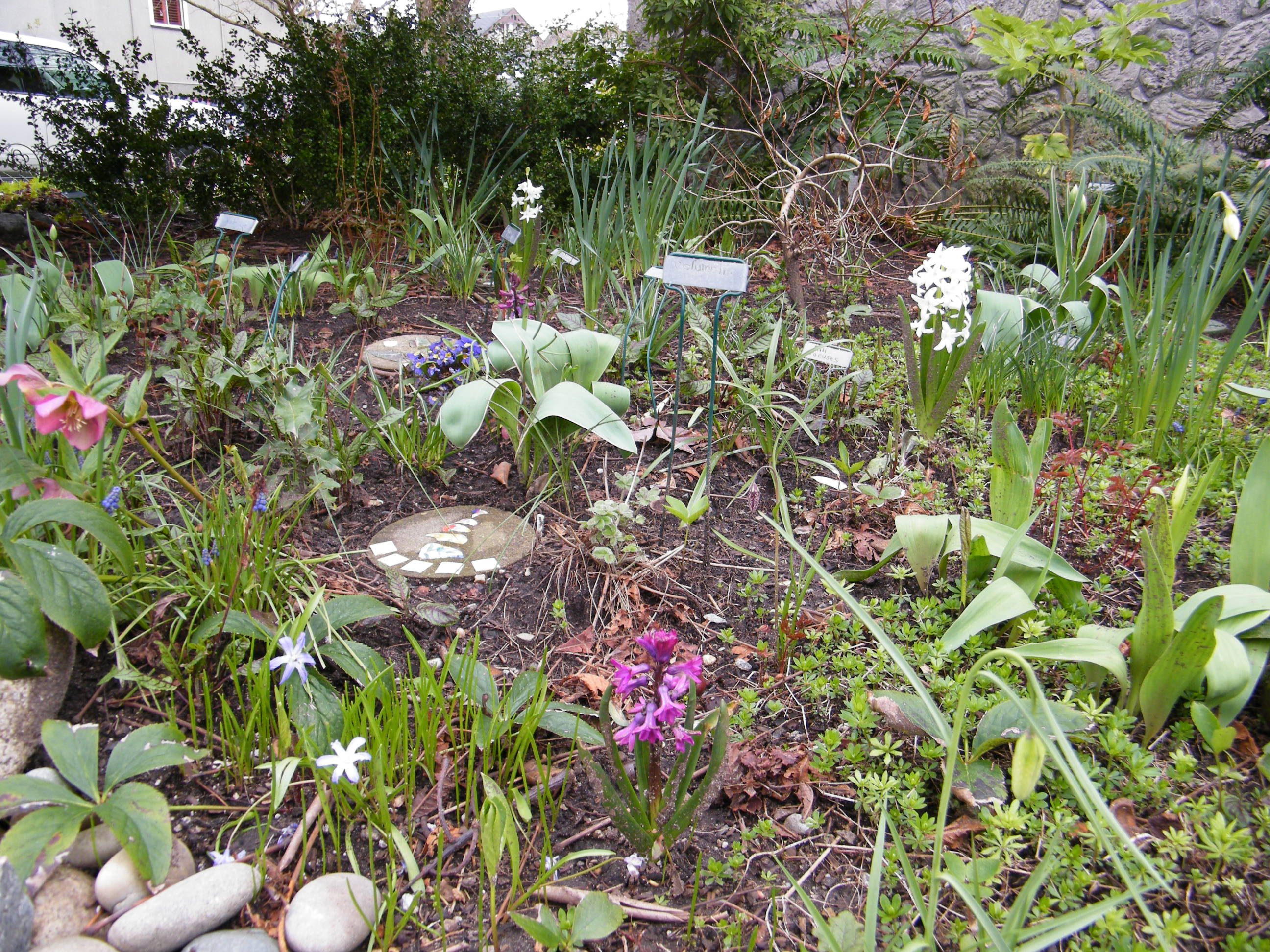
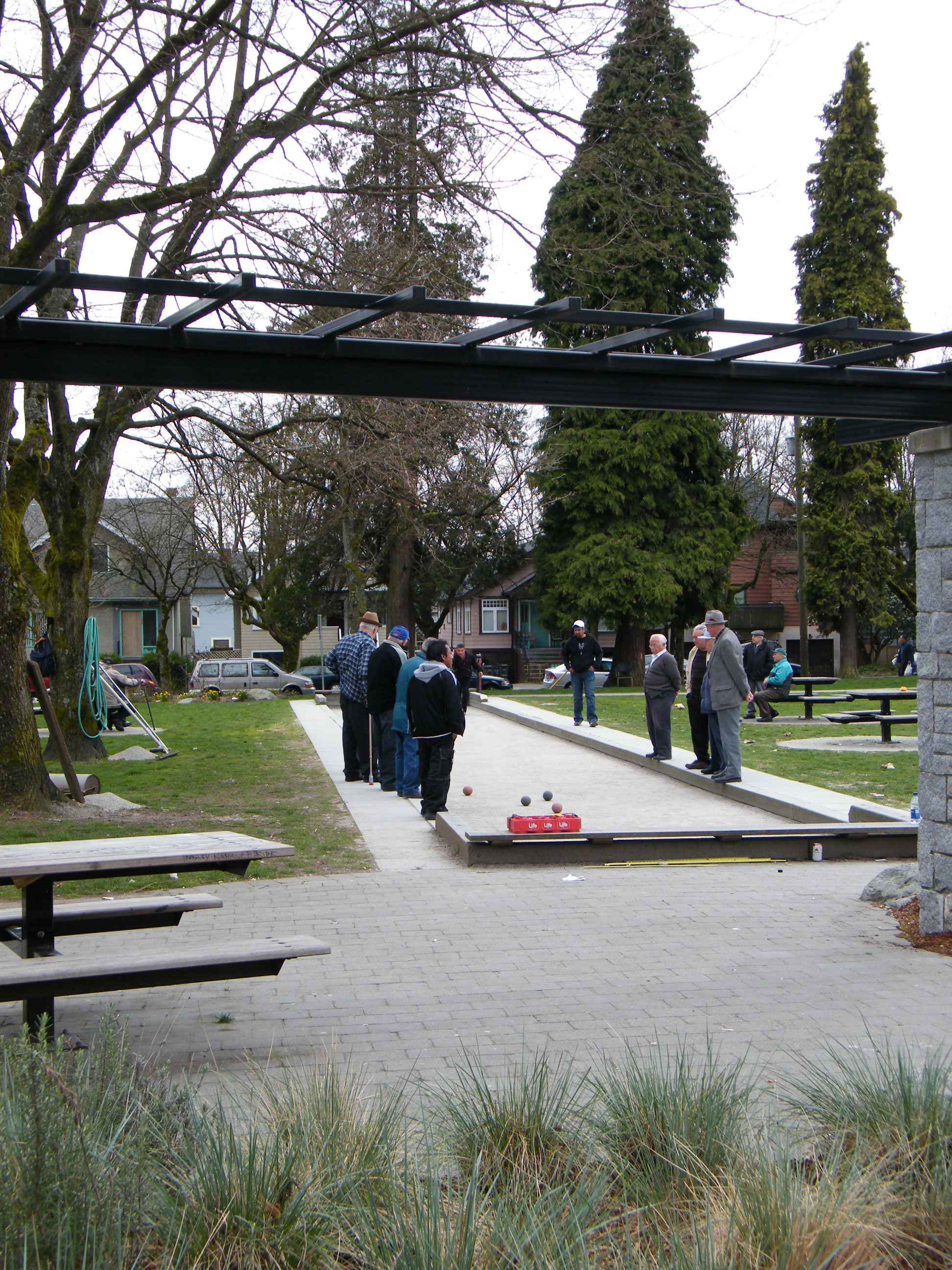
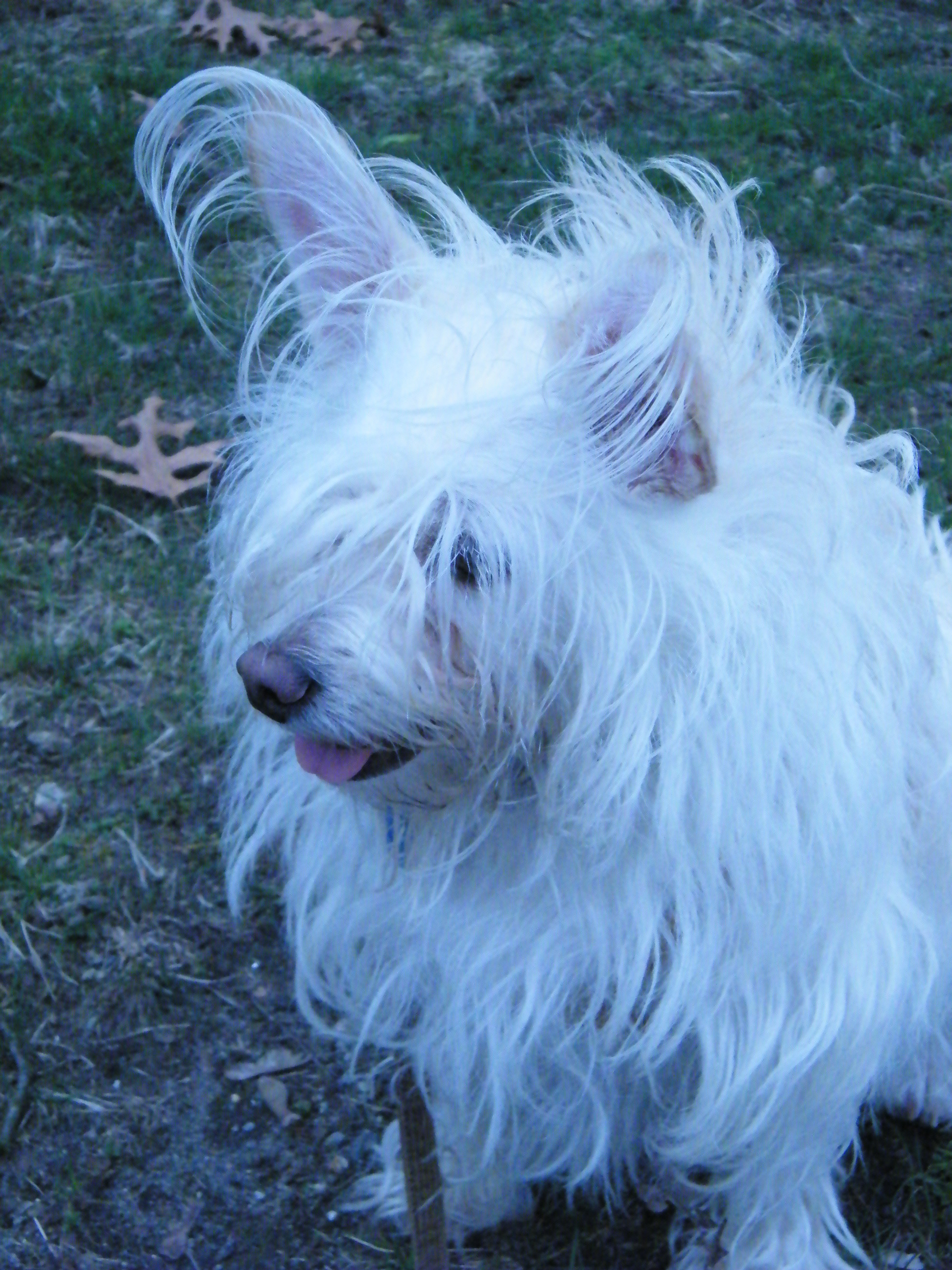
My bare bones description doesn’t do justice to the afternoon’s walk, though. Nor do the photos I took. I walked on streets I knew and ones I didn’t, discovering gardens, parks and architecture I’d never seen before. My walking companion was my dog, Roxy, and we had encounters with dogs, birds and people along the way. A walk isn’t simply exercise and it’s not just a method of getting from one place to another. What you see, do and think while walking are as much a part of a walk as any health benefits or practical concerns can be.

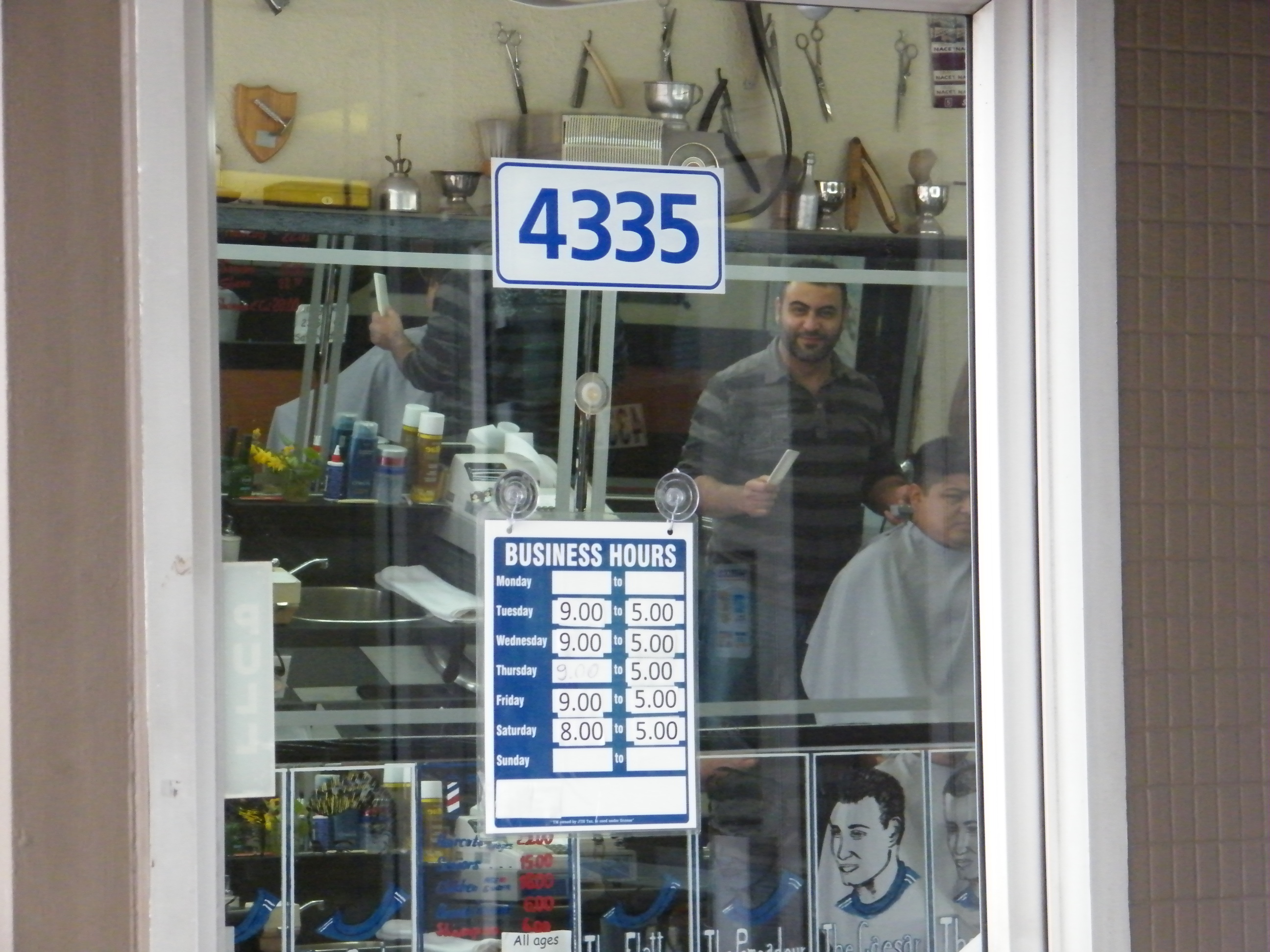
Here are a few photos from yesterday:

Tales From Terminal City

I take this city for granted, sometimes. I know that I often write about my neighbourhood and its amenities, but I don’t explore the rest of Vancouver enough. Sometimes, I even forget to look up.

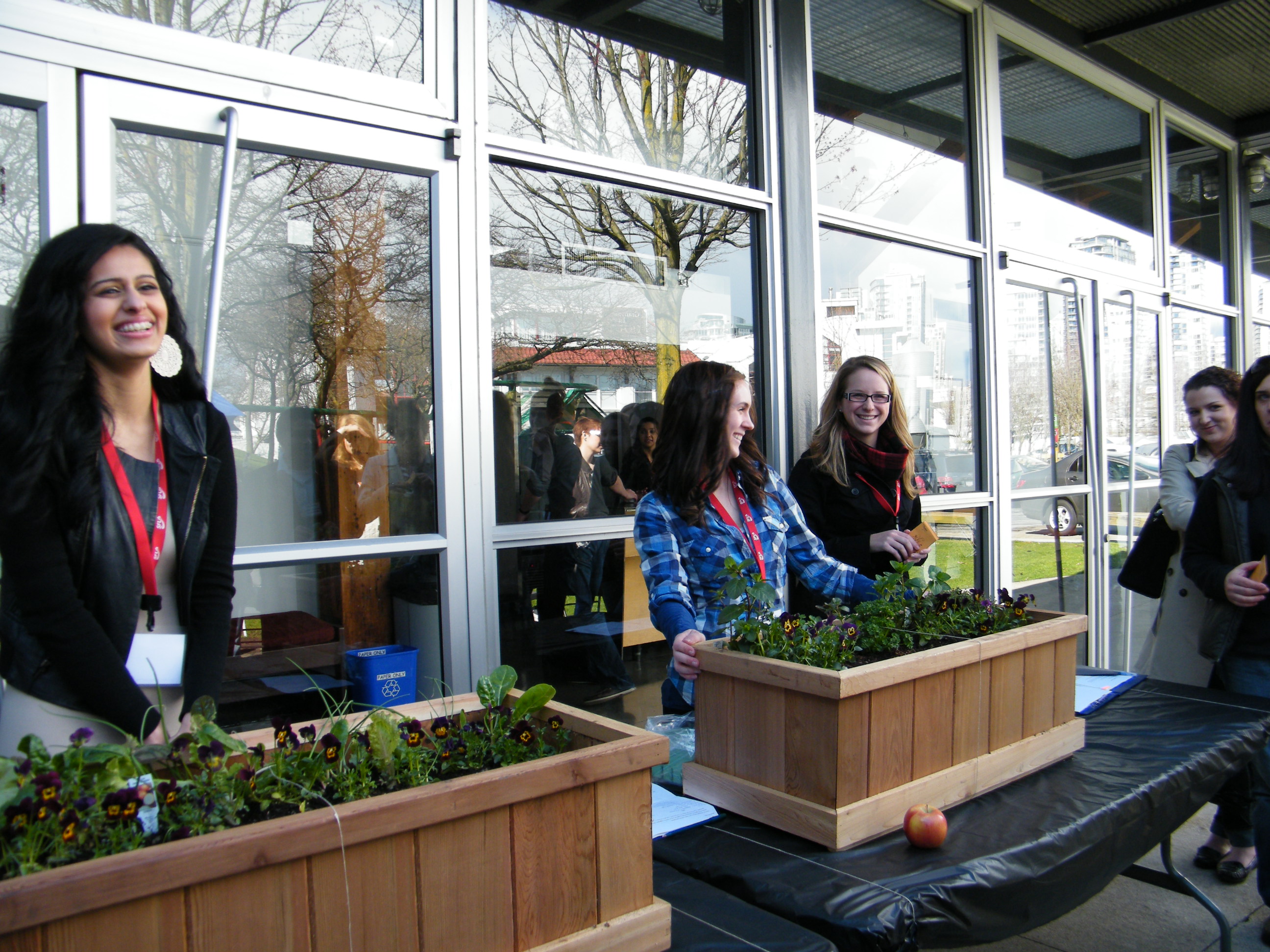
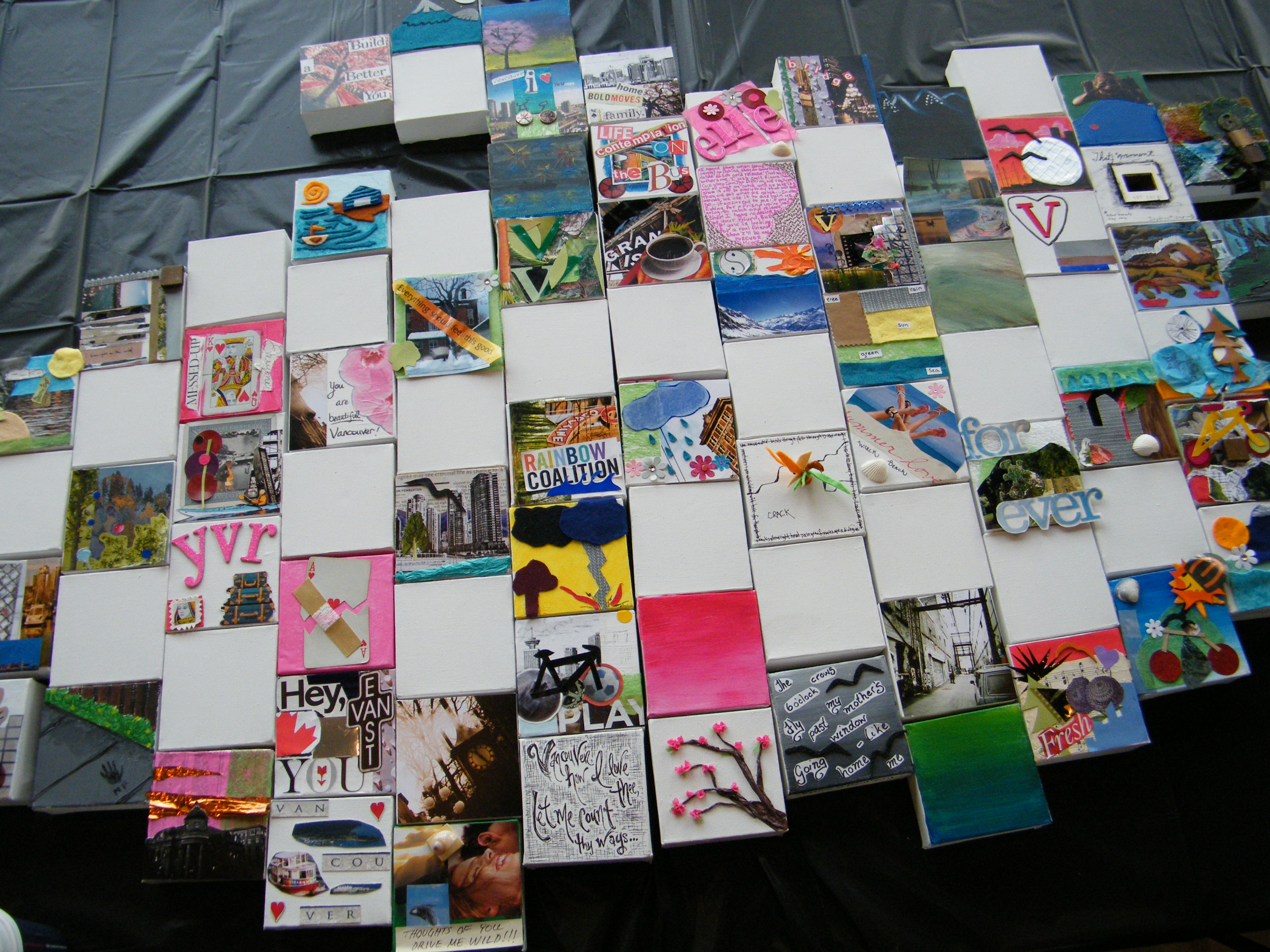
So it’s good to get a reminder of all that this city has to offer, along with a call to become more involved in its evolution. This past Saturday, I went to Granville Island to take part in Tales From Terminal City: 125 Years of Vancouver, presented by SFU’s Undergraduate Semester in Dialogue. The students developed a program of three workshops – a walking tour of Granville Island, a collaborative public art project and an urban agriculture presentation. Participation was open to anyone and each participant could choose two of the three workshops to attend. I chose the walking tour and the gardening presentation, feeling that art was better left in the hands of, well, people who are not me.

Each of the workshops was framed around a model of storytelling. For the walking tour our guides, Breanna Kato and Ryan Stewart, told us stories from the history of Granville Island, while pointing out places where new stories are being created. During the gardening workshop, each participant told stories of their connection to gardening and growing food and discussed the possibilities for food production in the city. Those who chose the art project worked together to create a visual story of their connections to Vancouver.

The entire group convened before and between the workshops and we listened to the students from the Dialogue program, as they told their stories of Vancouver. At the end of the afternoon, we broke out into groups for open discussion around questions posed by the students. They were interested in our connections to Vancouver, but were also gathering our thoughts around how to become more engaged citizens of this place. We came together one last time, to listen to one of the semester’s mentors, storyteller Naomi Steinberg, talk about the role of listening and storytelling in creating, as she put it, community awareness, individual validation, collective support and civic engagement.

It was a stimulating day, full of listening to people’s experiences and thinking about our city in a number of different ways. It’s exciting to see youth who are so engaged and articulate. I encourage you to go visit the program’s web page at the link above. The concept is fascinating and I can only imagine how rewarding the experience must be for the students who participate.

A First Step

The City of Vancouver has made a commitment to eliminate homelessness by 2015, which Mayor Gregor Robertson has said is targeted toward street homelessness. Already, the number of shelter beds available in the city has made an impact on how many people are sleeping on the street, but longer-term solutions need to be addressed as well.

Local television station CTV is in the midst of an eight-part investigative series on homelessness. Their first segment focused on the non-profit Streetohome, which aims to raise 26 million dollars to fund new supportive housing complexes. Their mandate includes providing “permanent stable housing with appropriate support services.” They’ve also identified a number of at-risk groups and intend to provide services to them that will address the issues that may lead them to become homeless.

While I think that the work that Streetohome does is fantastic, it’s only one aspect of how homelessness must be addressed. Philanthropic solutions cannot be the only action taken to relieve homelessness. Economic disenfranchisement is becoming a greater factor in our culture, especially in a city as expensive as Vancouver. I’ll be watching the CTV series with interest, to see how broadly they explore the issue.

In the Bleak Midwinter

In the bleak midwinter
Frosty wind made moan,
Earth stood hard as iron,
Water like a stone

Christina Rossetti

Though rain haunts our region more than snow for most of winter, it’s still rough going for those who sleep outside. Blankets, warm clothes, mittens, hats and scarves are all needed to stay as healthy and dry as possible. The City of Vancouver has opened emergency shelters again for the winter, but inevitably, not everyone finds accommodations every night. People need to stay warm during the day, too.

If you can make, buy or give up warm items, there are a number of options for donation. Baaad Anna’s held their annual Knit-a-thon this past weekend, with items going to the Downtown Eastside Women’s Centre and there are some ongoing clothing drives happening in the city. Here’s a great list compiled by Miss 604 of locations accepting donations. Coastal Health is also running its Sox in the City campaign again this year. Finally, warm clothing can be dropped off at the Info Booth at the Vancouver Farmers’ Market Winter location for donation to Lookout Emergency Aid Society. (Just remember that the Market won’t be running December 25th or January 1st.)

December is also the traditional month for food drives. The Vancouver Food Bank accepts donations of non-perishable food items. So does A Loving Spoonful, which helps people living with HIV/AIDS. Quest Food Exchange also accepts donations of fresh produce, which can make a real difference in the diets of the people they serve.

Remember too, that six months from now, when the sun is shining, there will still be people in the city sleeping rough and many more needing the services that food banks provide. It might then be time to consider another round of donations.