Activate that Citizenry

Remember Town Hall meetings? They still exist in their original form, but community consultation is increasingly moving to the internet. This seems like a natural evolution – most people spend at least some time each day in front of their computers, while public meetings conjure up images of drafty gymnasiums, sparse crowds and cold coffee. Physical meetings do have their advantages, though. Internet consultation can have difficulty replicating the exchange of ideas that happens face-to-face and it’s also easier to disengage from online conversations than it is to walk out of a roundtable discussion. Different strategies attract different participants and given the low level of community engagement with most consultation processes, it’s smart to make use of more than one.

The City of Vancouver’s Transportation Plan is doing just that, with a series of public meetings set for neighbourhoods throughout the city and a Facebook-based discussion group process. I’ve been participating in one of the online discussion groups and so far, there hasn’t been much participation. I’m curious to see how well-attended the public meetings will be. Transportation can cause heated debate, but it seems that this is mostly reactive, as when the downtown bike lanes were put in place. Planning doesn’t get people as worked up, unfortunately.

Even if participation isn’t high, it’s encouraging to see government making an effort to include public consultation earlier in its planning processes. The Ministry of Agriculture’s survey on the Agricultural Land Reserve is another example of consultation with a potential for getting a wide cross-section of opinion. The preservation of farmland is an issue that’s finally starting to get widespread attention. Allowing people across British Columbia to weigh in on at least part of the decision-making seems like a step toward direct democracy; focus groups and opinion polls can’t compare.

I’m always for a diversity of strategies and making it easy for people to get involved. Having a number of ways for people to engage makes active citizenry accessible.

Sprung

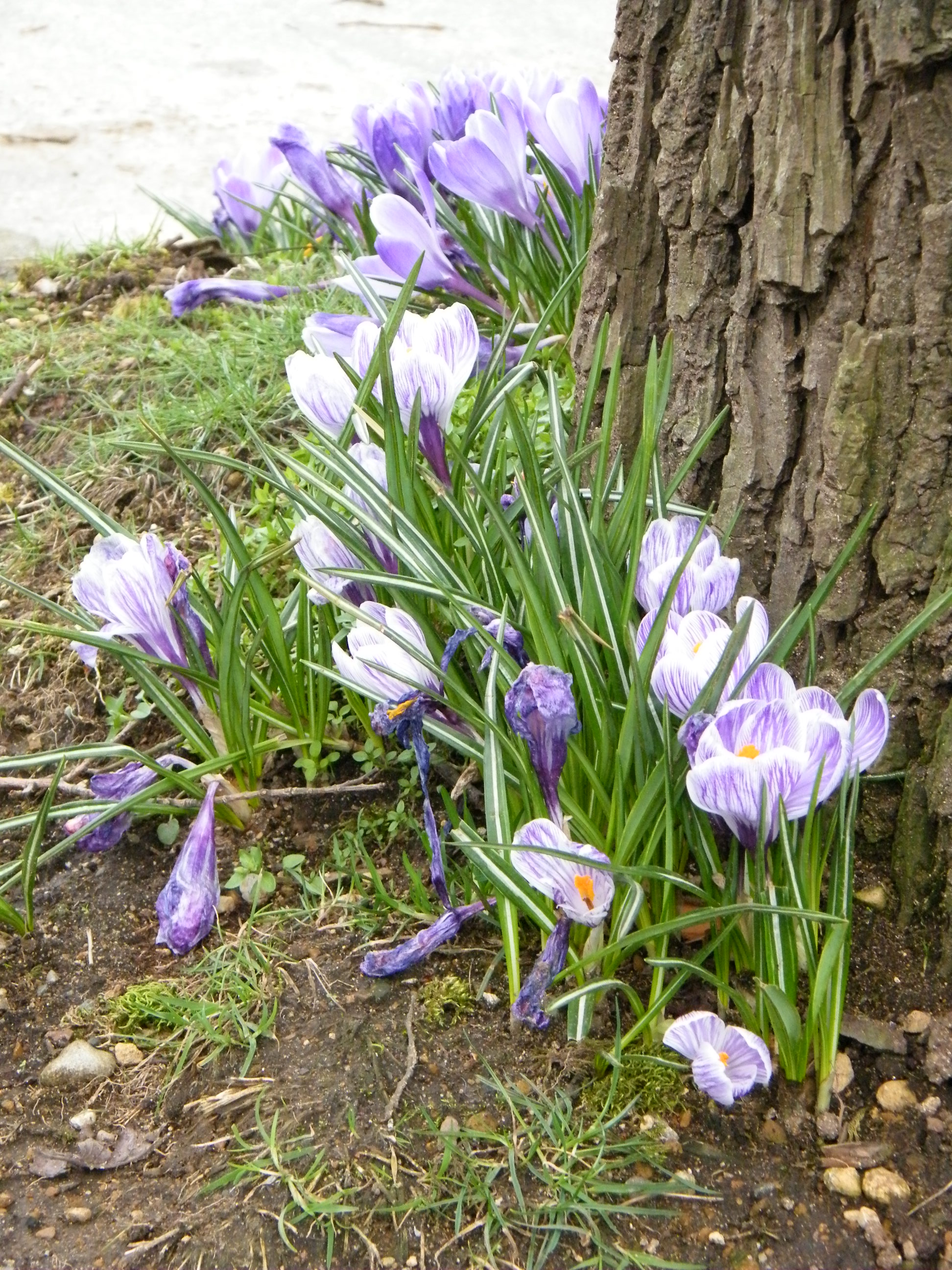
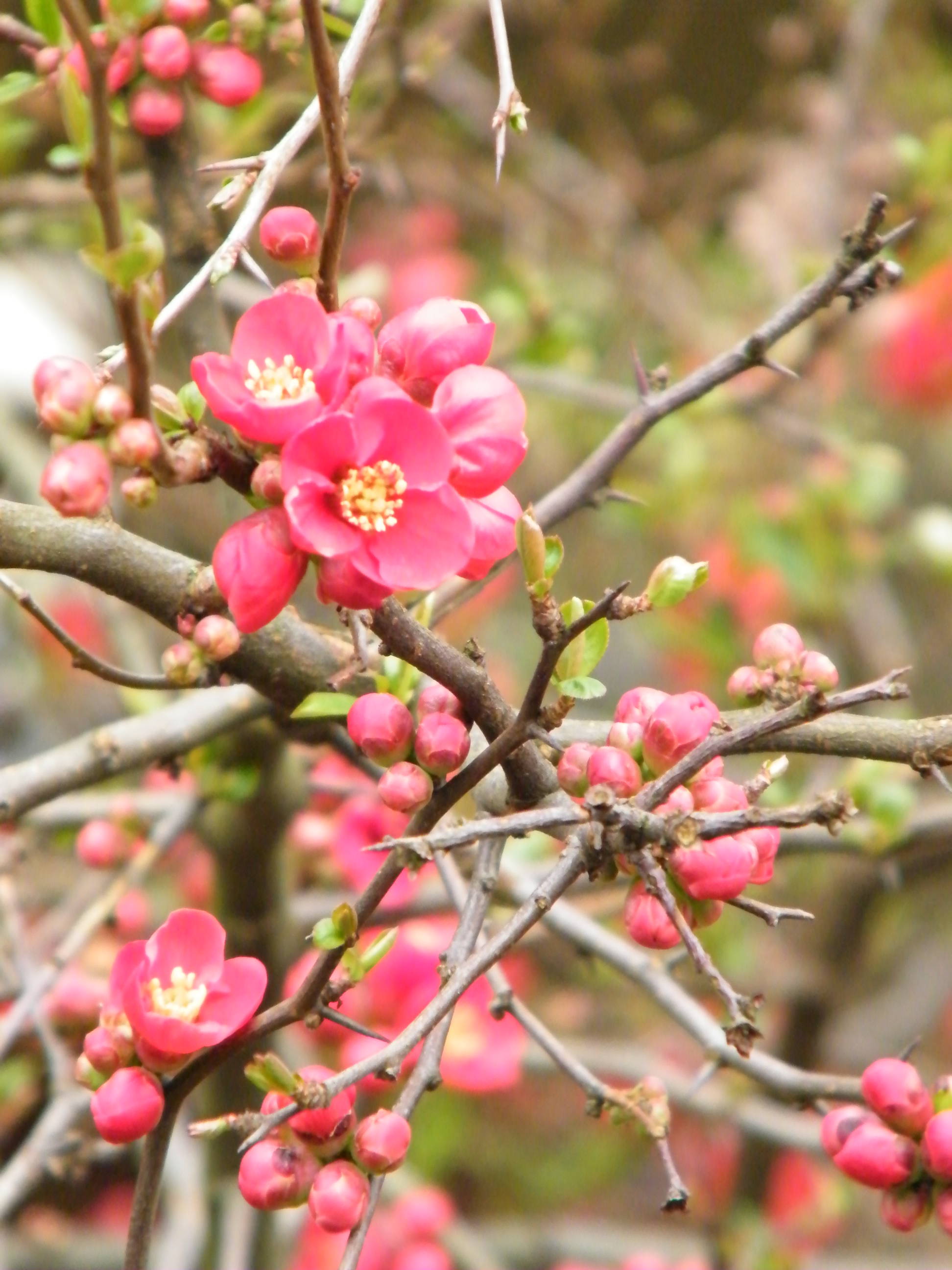
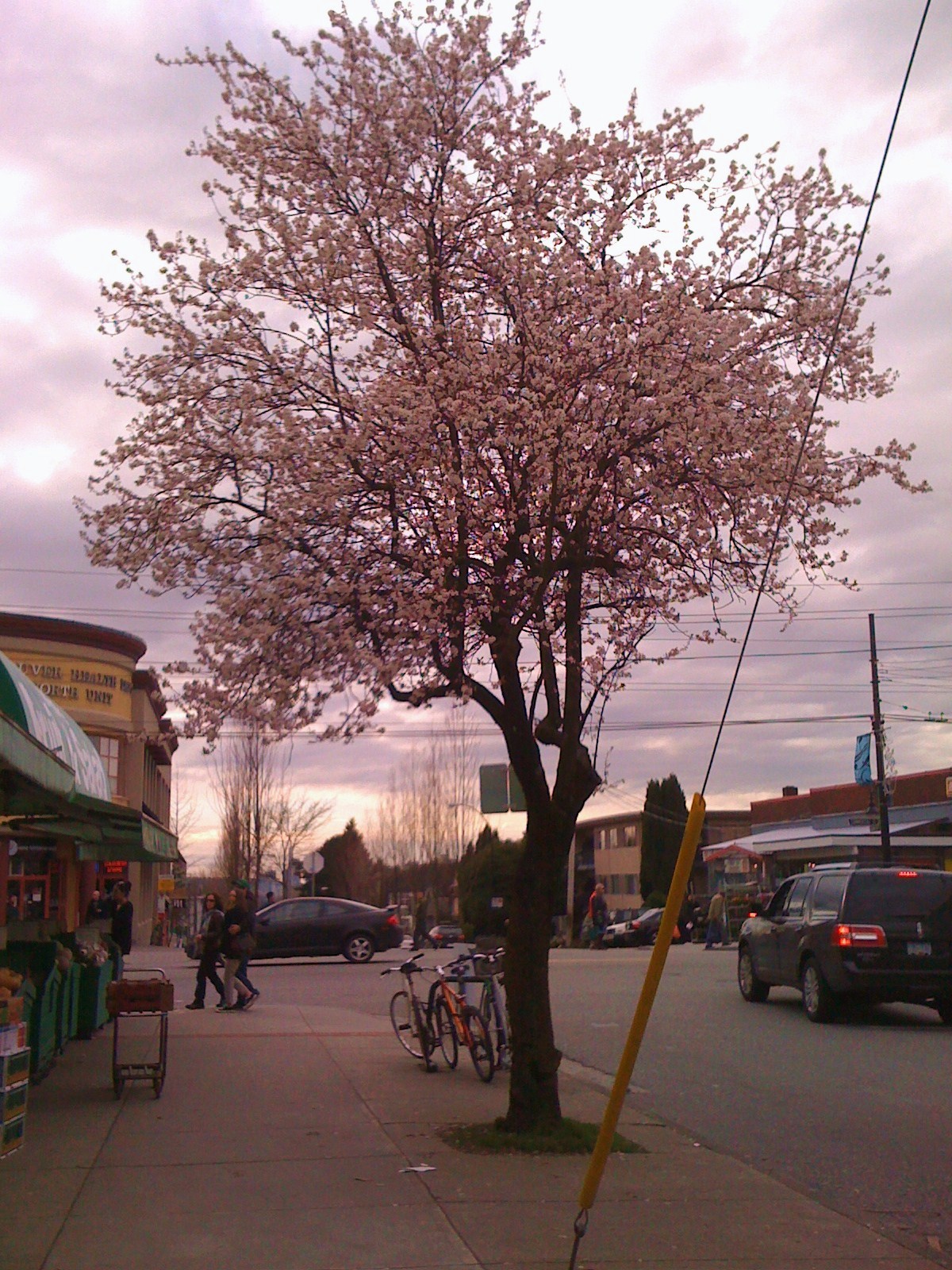
Spring is in full force now. In my garden, the snowdrops are fading away, leaving mysterious clumps of foliage behind. Other bulbs are just starting to poke spears through the soil, while bleeding hearts and rhubarb are beginning to unfurl. Out in the neighbourhood, blossoms are appearing on the trees and the crocuses are still in bloom.

Spring is my favourite season in Vancouver. There’s something about the quality of the air, composed of sea and mountain breezes, along with the early foliage and flowers that makes me feel more alive at this time of year than any other.

The Vancouver Cherry Blossom Festival is taking advantage of all this beauty and is organizing a number of events. My pick is Velopalooza’s annual Bike the Blossoms ride. I’m also excited about Simon Fraser University’s Tales From Terminal City project at Granville Island this coming weekend, in celebration of Vancouver’s 125th year.

That’s not all that’s going on in the City, of course. If the outdoors isn’t your thing, you could always hide inside the CBC Studios for a few hours. The Debaters are taping their television series until April 1st.

I also wanted to mention a couple of events that have been organized to help the relief effort in Japan. This weekend is the Vancouver Japan Relief Walk for Hope. In late April, there will also be a bake sale to raise relief funds for Japan.

That’s just a smattering of what’s going on here in Vancouver. I’d love to hear about how your community is waking up to spring.

Holidaying on Main Street

After Saturday’s Baking Swap, I took my haul (including some beautiful squash and beets I’d picked up) and headed down Main Street. The stretch of Main between about 8th and 30th is full of eclectic stores, good coffee shops and excellent restaurants. There were holiday craft fairs at Little Mountain Studios and Heritage Hall and the shops along Main were full of present-worthy goods. I had something else in mind, though.

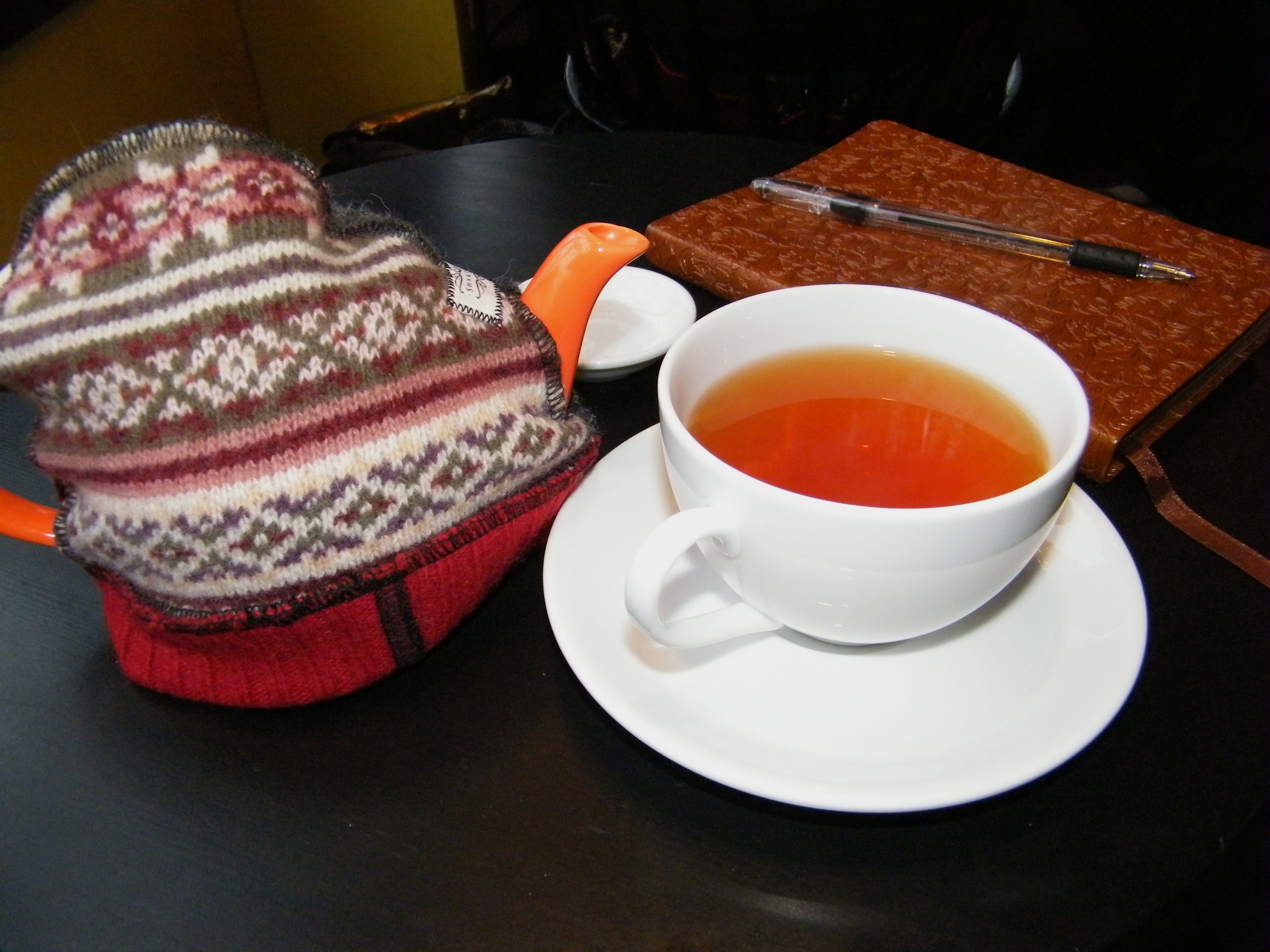
There’s a wonderful tearoom called Shaktea at 21st and Main and the chilly, damp day was making me crave a good cup of tea. (Those who know me will know that there is very little that doesn’t make me crave a good cup of tea, but it would not be kind of them to mention that.) I decided that I would indulge myself there for a break from shopping. I ordered a cup of their holiday tea, a black tea with winter spices, citrus and rose petals. Many winter or holiday spiced teas can be a little overpowering. This tea, though, was flavourful and fragrant, with just the right balance between the spices and the tea itself.

There were two harpists playing while I was there and I got to hear Greensleeves, one of my favourite traditional tunes. The tea, the music and the cosily appointed room all worked to make me feel relaxed and invigorated at the same time. If I hadn’t had to go meet my partner, I’d have had difficulty leaving. I consoled myself by buying a bag of holiday tea to take home and went on my way.

After some record shopping at Red Cat and more craft fair browsing, it was finally time for a meal. My partner and I chose Burgoo, a restaurant specializing in comfort food and a perfect choice for an increasingly cold and rainy day. Burgoo’s interior reminds me of a quaint English pub. Some of its menu would fit into that category, too. The rest is a selection of comfort food from around the world. My partner chose butter chicken, which he said was a healthier version of the traditional dish. The chicken was tender and the sauce was tasty and light, lacking the rich creaminess he’s come to expect elsewhere. I had the split pea soup with the ham and brie sandwich. The soup was fantastic, tasting of thyme and ham and with a chunkier texture than many versions I’ve tried. The sandwich was good, but I wish the brie had been warm and melty, rather than cold. It would have been perfect, then.

I have to admit that we went home that day without finishing our Christmas shopping, but I’ll be back on Main again this week, with a little more focus and a little less indulgence.

In the meantime, here’s a short round up of a few of the places you ought to get to know, if you’ve still got some names left on your list:

The Regional Assembly of Text
Urban Source
Front
Lucky’s Comics
Pulp Fiction
Three Bags Full
Bodacious

Shaktea on Urbanspoon

Burgoo (Main Street) on Urbanspoon

A New Home for the Winter Farmers’ Market, with Digressions

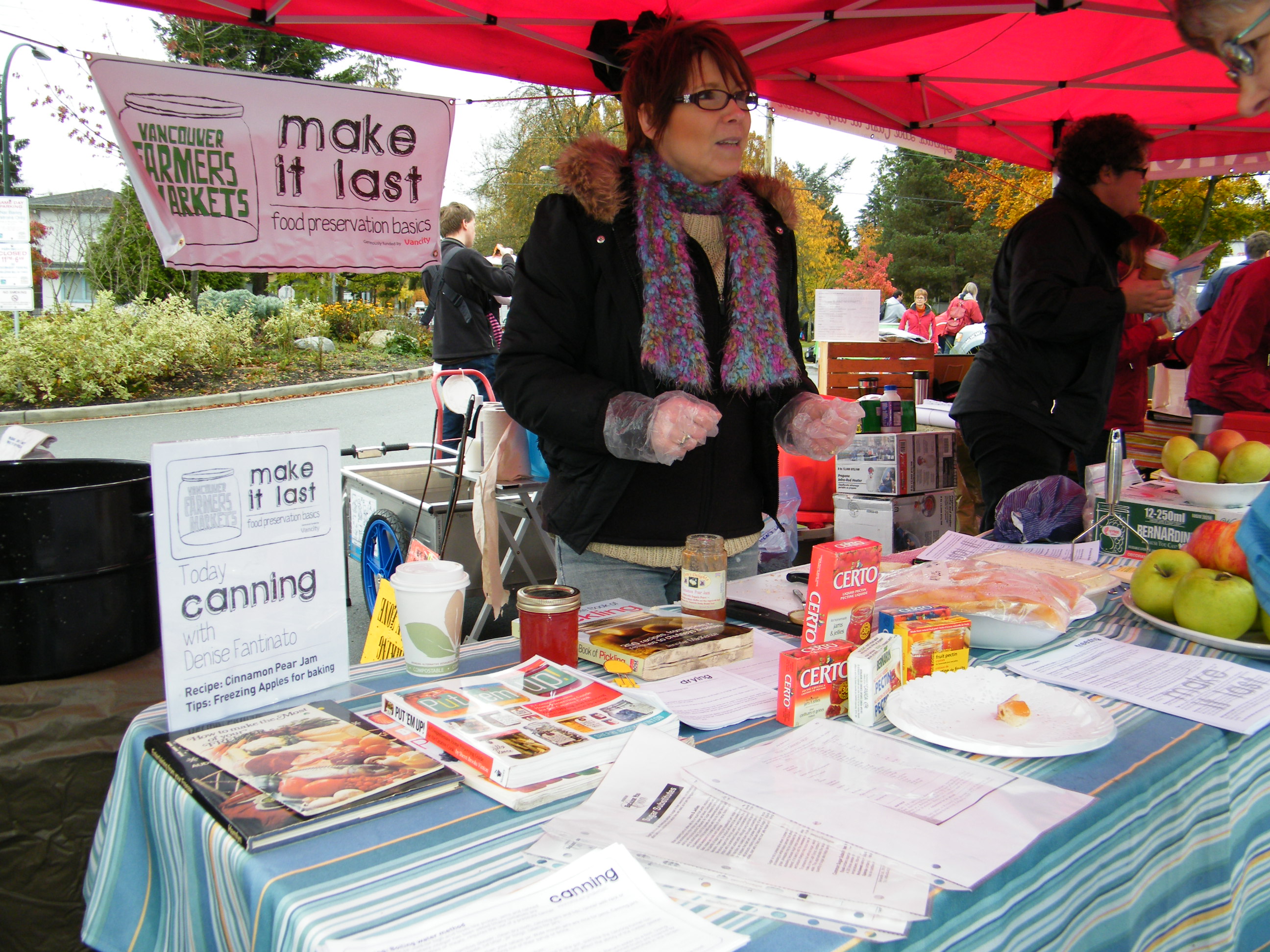
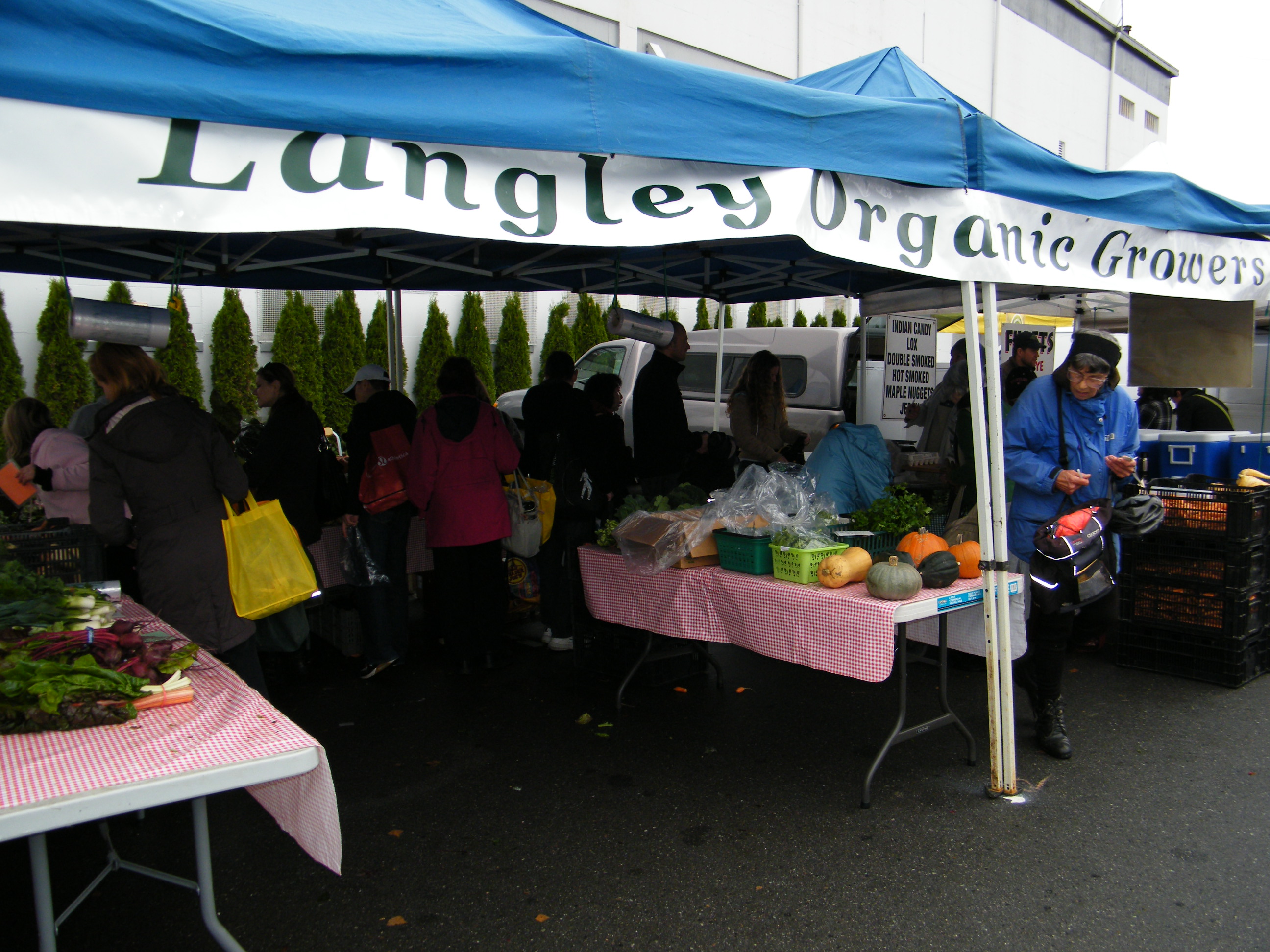
This past Saturday, the Vancouver Farmers’ Market had their first winter market of the season. It was a bittersweet occasion for me, because until this year the winter market was almost literally a stone’s throw away from where I live. (If I had a better arm, it would have been.) But, the market had long outgrown its winter home at the WISE Hall and this year the city gave permission for the move to the parking lot at Nat Bailey Stadium.

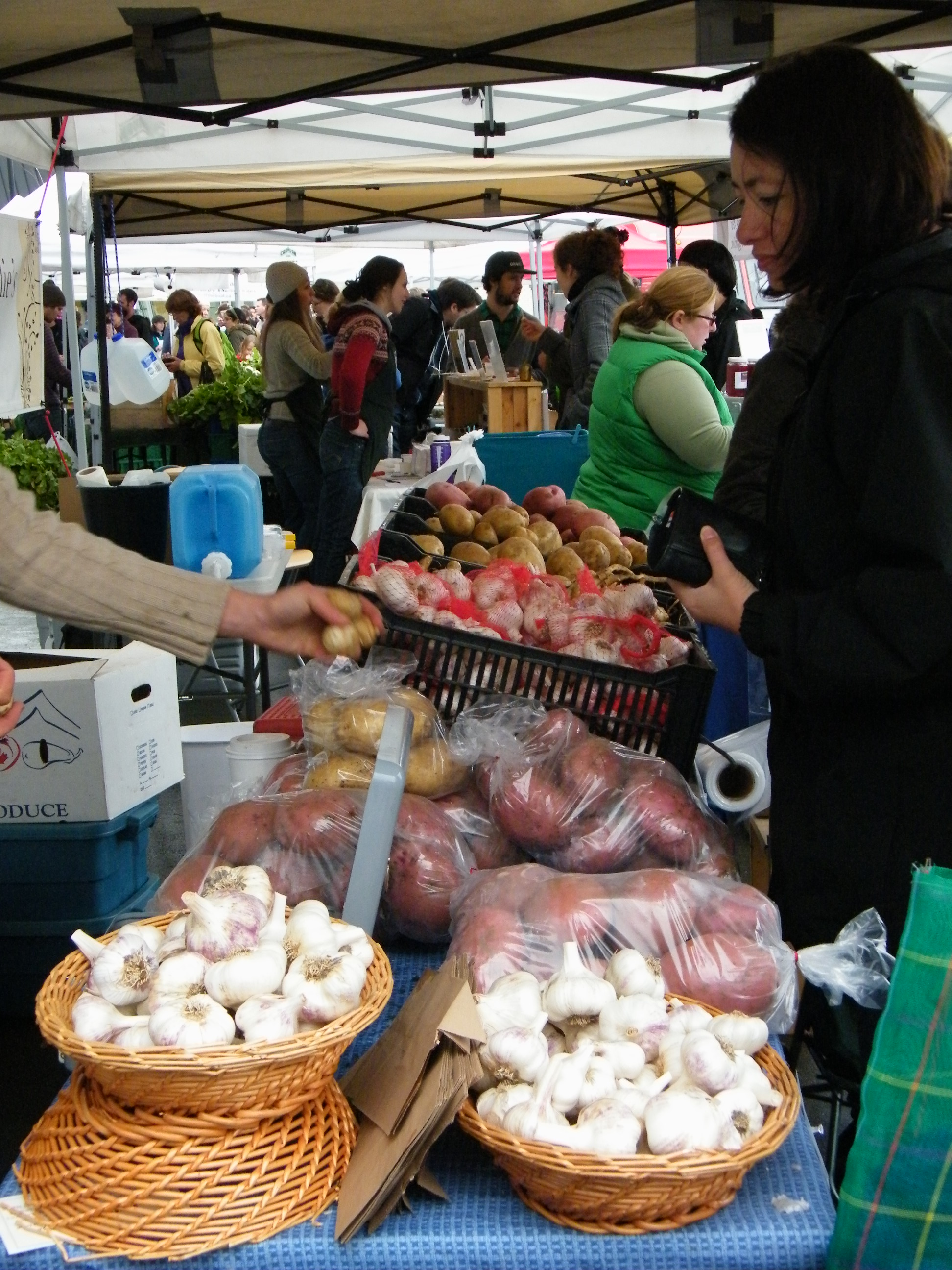
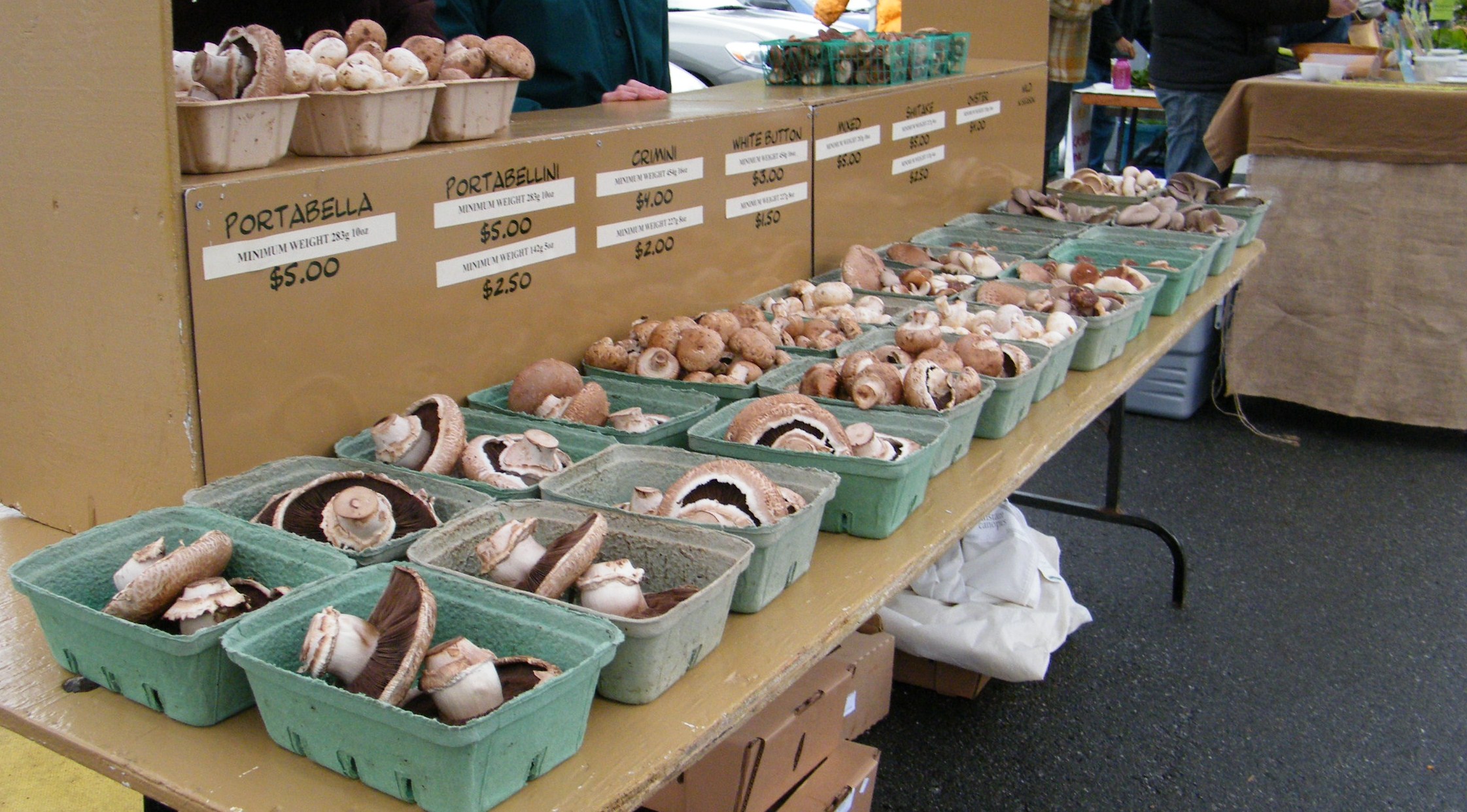
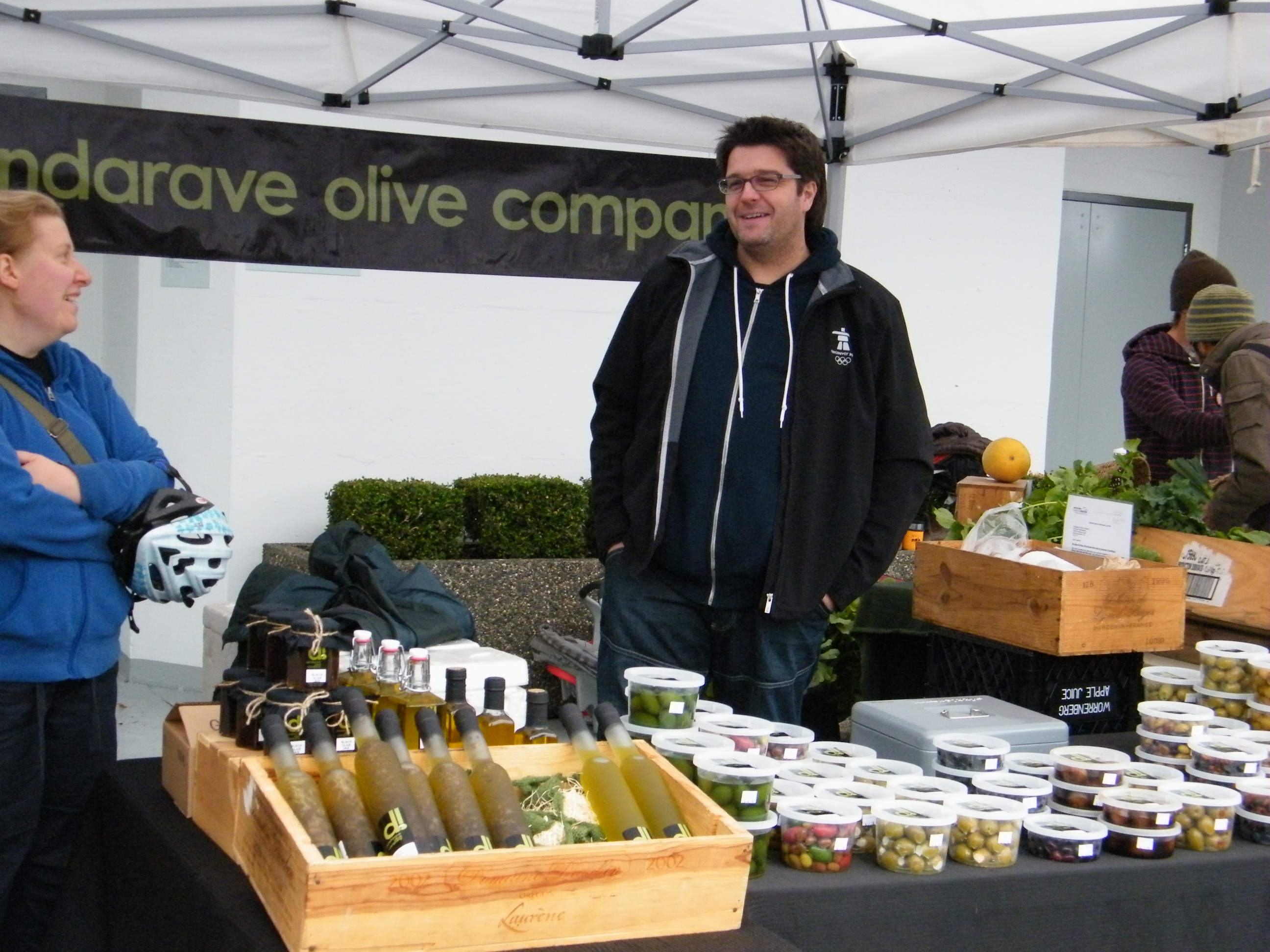
I’ve told you the bitter, but there’s definitely some sweet. The winter market can now happen weekly and is much larger than it was in its old incarnation. Since the scattered summer markets are now closed for the season, there’s also an advantage in having it in a location that’s nearer the centre of the city. It’s reasonably accessible by transit and there are good cycling routes available, so it’s possible to avoid the congestion and competition for parking spots that driving there causes. Once again, the east side has served as an incubator for something that benefits the whole city. And local, organic food is definitely beneficial.


Though it seems like awareness of food miles and the benefits of eating locally has sprung up out of nowhere in the last few years, the Vancouver Farmers’ Market has been running for fifteen years now. The dominant culture can take quite a while to catch on to a good thing.

I first heard someone talk about eating locally in the mid-eighties. He was one of the most interesting professors I ever had. His course was ostensibly about the geography of weather, but he made sure to give us some life lessons along the way. For instance, he talked to us about geographical and weather considerations for house-hunting, which I think of often when looking at the suburbs running up the North Shore Mountains. (Hint: it’s very bad to cut into a natural slope in a rainforest climate zone.) He’s also responsible for politicizing me around water rights, and by extension, all natural resources and genetic materials. It’s always amazed me how much taking that one course helped me to solidify my political and ethical ideas.

Eating locally was one of those ideas. In the class discussion, we focused on the farm stands that dotted the Fraser Valley, where I grew up. The farms behind those stands grew a variety of vegetables, with much less need of pesticides than industrial mono-culture farms. They could also grow more varieties than industrial farms, since transportation-hardiness and shelf life weren’t considerations for local sales. We learned that we were lucky to have so much access to good food. As the years went by and as development skyrocketed in the Valley, I wondered how long this access would last.

Enter the organic and local food movements.

Now, not only do we have a vibrant system of farmers’ markets across our region, but people are also looking for local, organic produce in grocery stores. I think this bodes well for our health and also for the health of our farmlands, which have been under threat of development even when they’re part of the Agricultural Land Reserve .


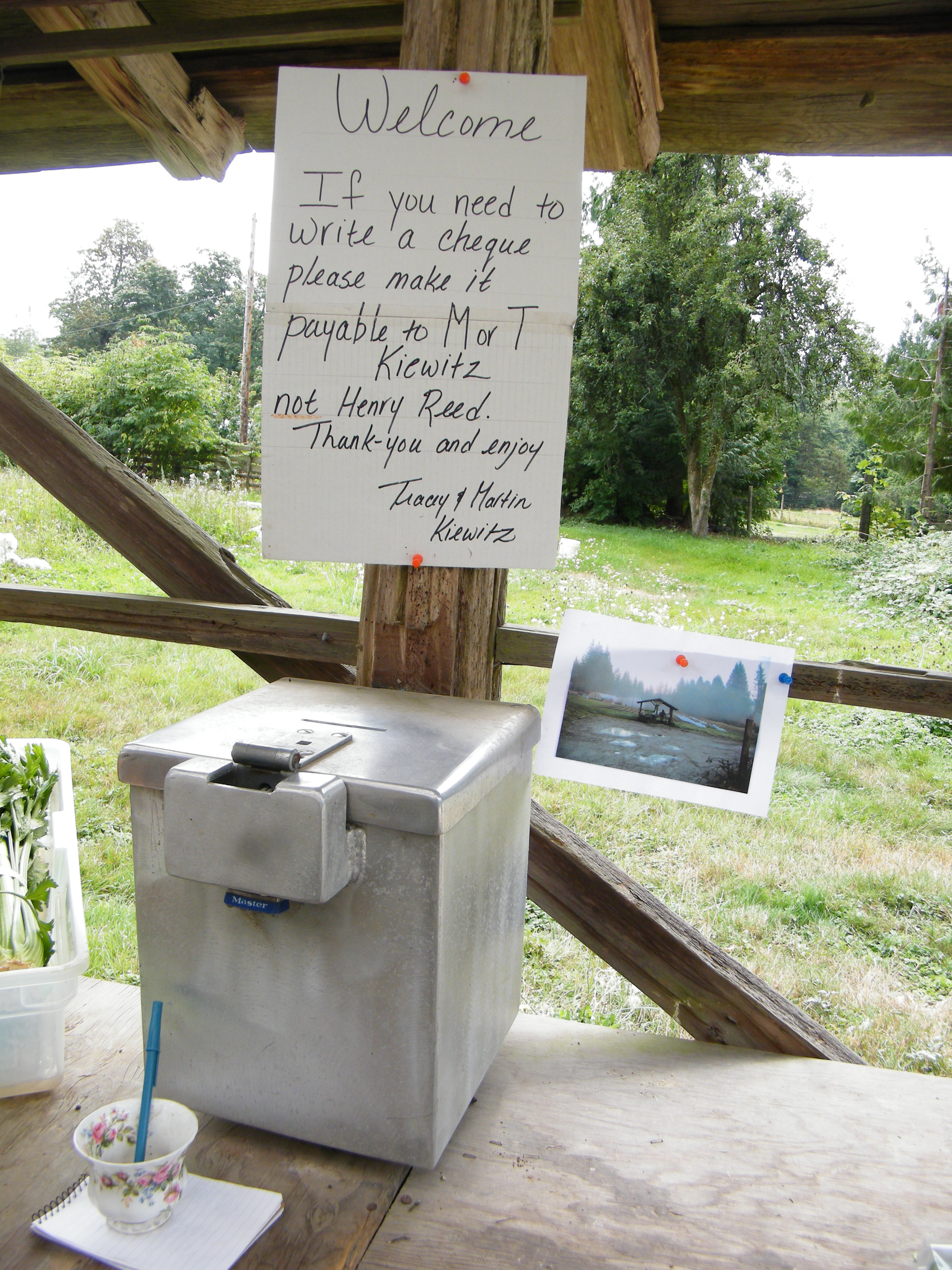
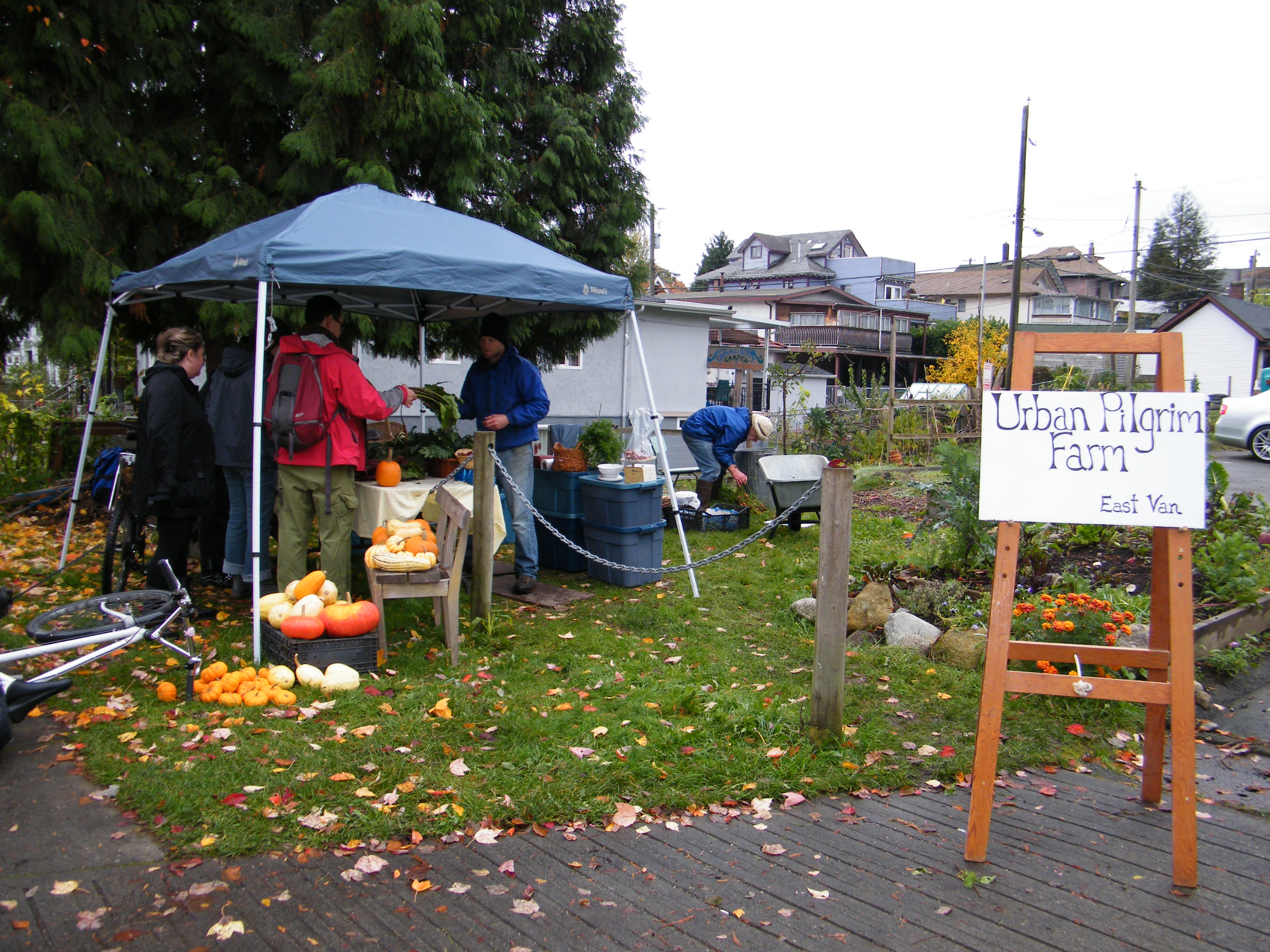
Farm stands have even been experiencing something of a renaissance. When I’ve visited farm stands on the Sunshine Coast, I’ve felt like they are lovely, nostalgic throwbacks. Especially since some of them leave their produce unattended, with a price list and a strongbox for you to leave payment. With the rise of urban farming, though, the Farmers’ Market is no longer the only game in town. There’s even a small farm and stand in a vacant lot at Victoria and First.

Extremely local eating is becoming more and more organized here. Neighbours are co-ordinating garden plots together; urban farmers are leasing back (and front) yards; the Vancouver Fruit Tree Project harvests surplus and unwanted fruit; and chicken houses, aquaculture systems and apiaries are springing up around the city. I hope our food culture continues along this trajectory, because our future food security will depend upon it.

Secret Souls, Public Dreams

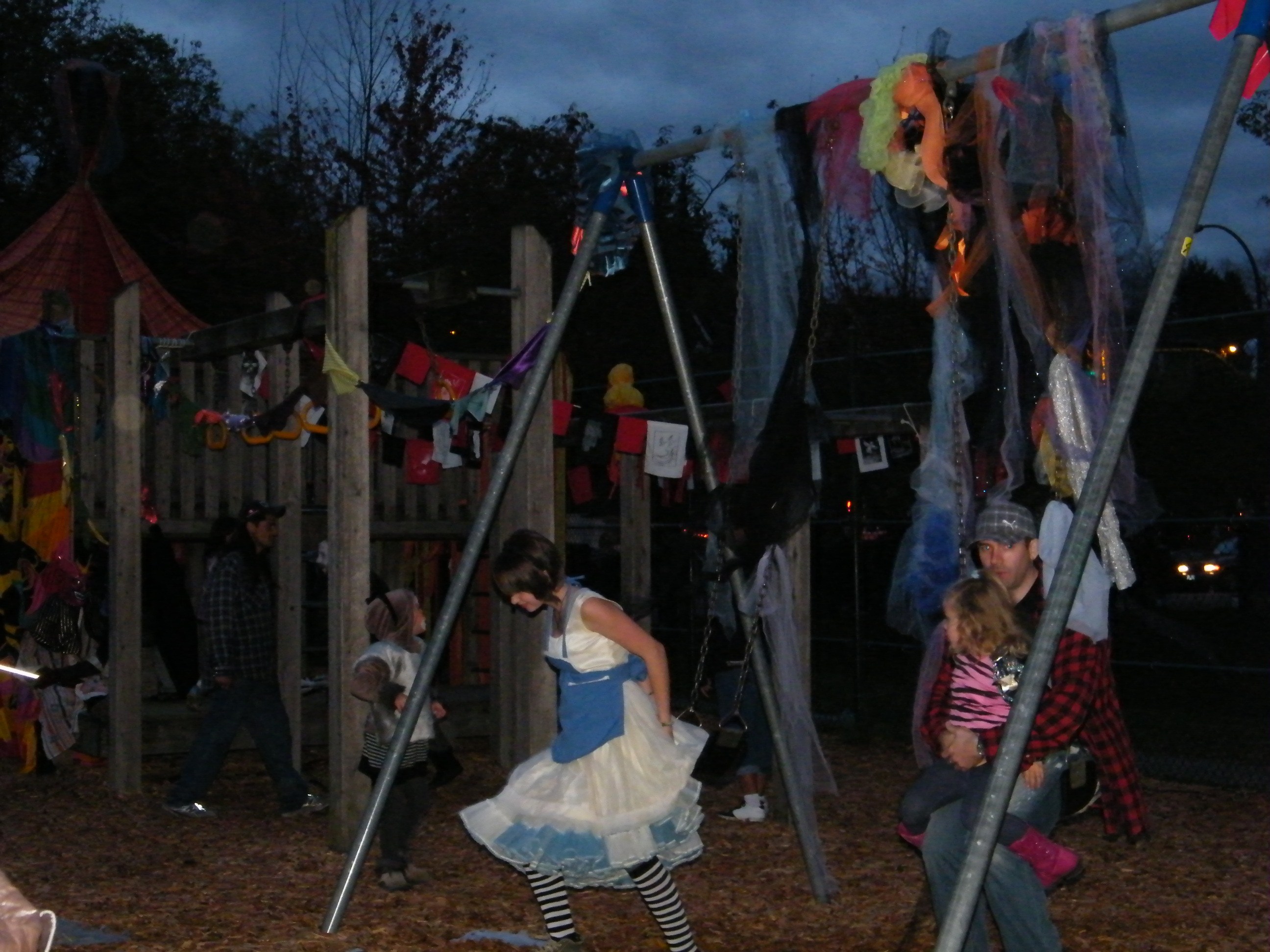
The Parade of Lost Souls has been a yearly fixture in my neighbourhood since the mid-90’s. Public Dreams Society created an event that mixed Mexican Day of the Dead traditions with Celtic Samhain rituals, throwing in Hallowe’en costumes and a circus aesthetic for good measure. In the beginning, it was almost a neighbourhood secret, with artists and queers, students and stilt walkers proclaiming our difference from the rest of the city. In those days, the Drive was the also the home of Vancouver’s Fringe Festival and the Illuminares Lantern Festival (another Public Dreams project). Commercial Drive felt like the seat of countercultural expression, even as we realized that we were really just the harbingers of gentrification. Still, it was exciting to wind our way around the neighbourhood, with decked out houses and alleyways, knowing that new ways of making art (and old ways rediscovered) were being worked out in front of us.

The Parade grew each year, becoming so big that it made the major news reports and more and more people from around Greater Vancouver came to participate. Eventually, the costs for permits, clean up and policing grew to over $100,000.00, while government funding was cut by an estimated 90%. This led to the cancellation of last year’s parade. For a good discussion of the issues around funding cuts to the arts in BC, go here. (Funding cuts to social programs were also deep and devastating.)

This year, Public Dreams revived the parade, in a smaller form that reminds me of its roots. Calling the scaled-down celebration the Secret Souls Walk, Public Dreams didn’t release the route until the day the walk happened, though the accompanying Carnival was advertised earlier.

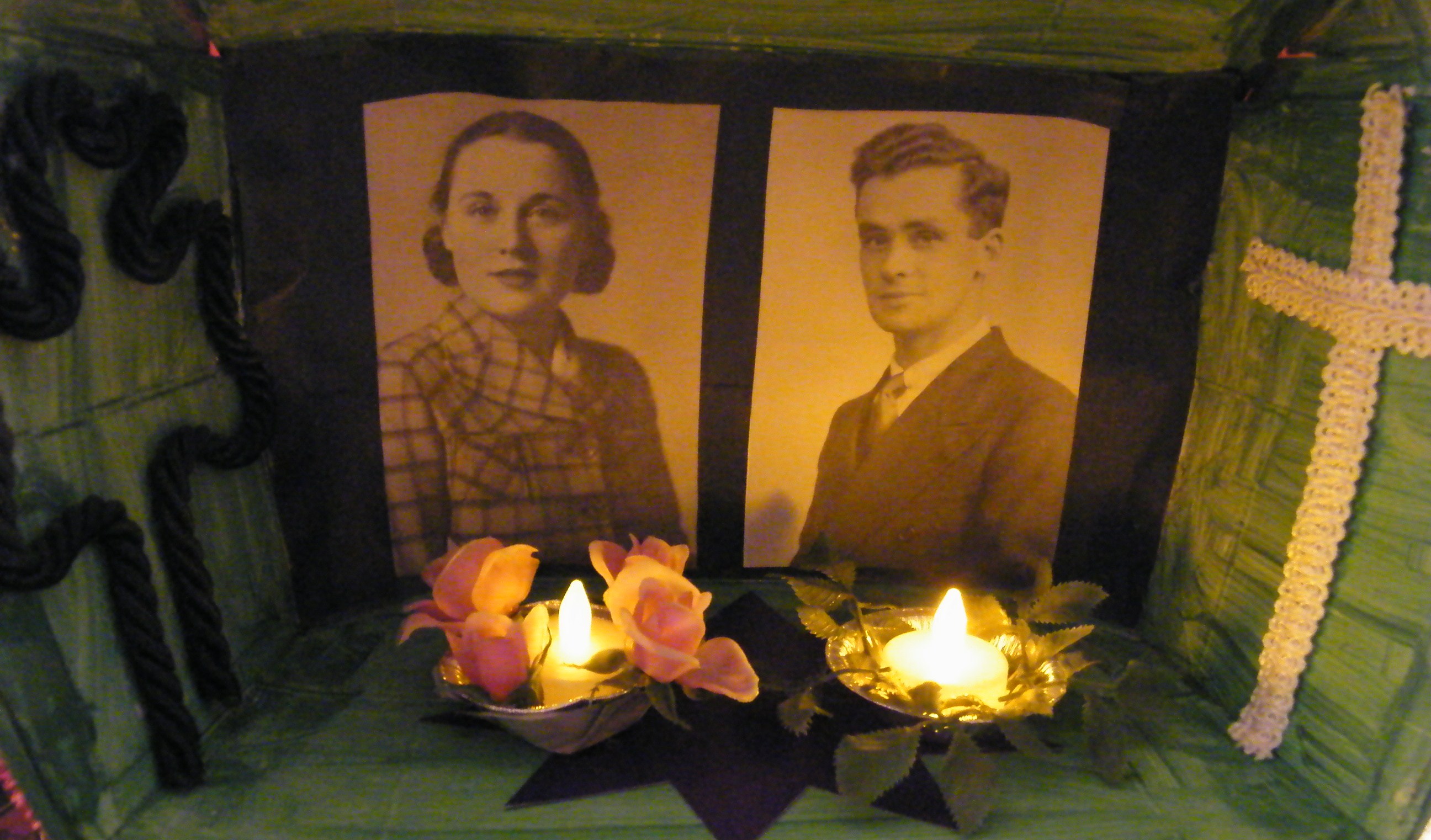
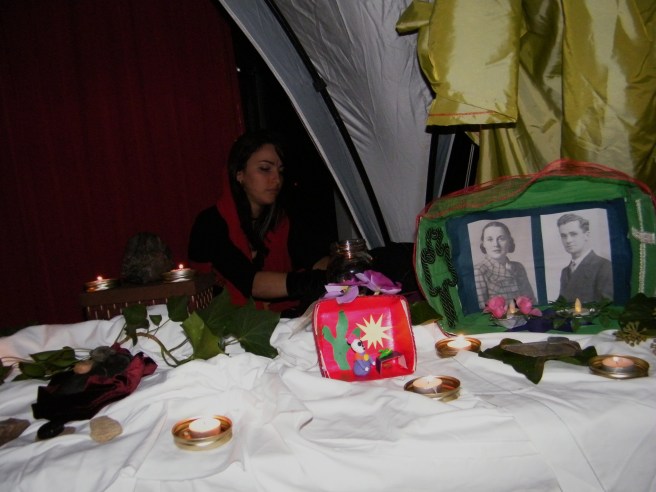
I was lucky enough to win passes to the preparation workshops for the Walk and was able to attend one of the shrine-making workshops. I decided to make a shrine in honour of my grandparents, as my Grandma died only a few months ago and my Grandpa died the year before.

I’m not an artist. Even my stick figures are almost unidentifiable. So, when I thought about what I wanted to do for my shrine, I just printed out lovely photos of each of my grandparents and hoped that I would find some inspiration at Public Dreams’ studio. I needn’t have worried. The Public Dreams space is like a five-year-old’s ideal craft area. There are materials everywhere, in every shade and texture. Even someone as artistically challenged as I am can fake it there. They’ve also got an amazingly talented cadre of staff and volunteers. The workshops this year were sadly under-attended. If you ever get the chance to go to one, for any of their events, jump at it. Really.


My grandparents met during the Second World War, in England, where my grandfather was stationed and my grandmother was working as a nurse. She was Irish, he was Canadian. He married her and brought her back to Canada. It sounds simple, but it wasn’t. Whose story is? Theirs included a vow to marry a girl spotted through a restaurant window; an injured soldier’s plea to Vincent Massey to allow his Irish Catholic wife to have their child on her home soil, even though the Irish Sea was closed to passage; and a train journey across a continent with a baby born Canadian in Ireland. All stories for another time.

I thought about these things while making my shrine, but what concerned me most was trying to represent them correctly. I played with the idea of making fishing rods and rosaries, cups of tea and cribbage boards, but I knew that no one would know what they were but me. In the end, I tried to make it simple. Two of the strongest themes in their lives were their shared Irish heritage and their devout Catholicism. My grandfather had been raised Anglican, but converted wholeheartedly later in life and church was a constant in their lives.

So, I decided to make a shamrock and a cross, on a background of Kelly green. Not even I could go wrong with that. I cobbled together a structure made of milk cartons and construction paper, pasting their photos at the back with more construction paper for frames. I painted the rest green, made a sort of purple star as a base for the candle holders and hot-glued cord on either side to represent a shamrock and a cross. I made candle holders out of plastic roses and leaves and finished the thing with a strip of crimson netting. I think it turned out all right, mostly because Bridie and Fred were so beautiful in their youth.
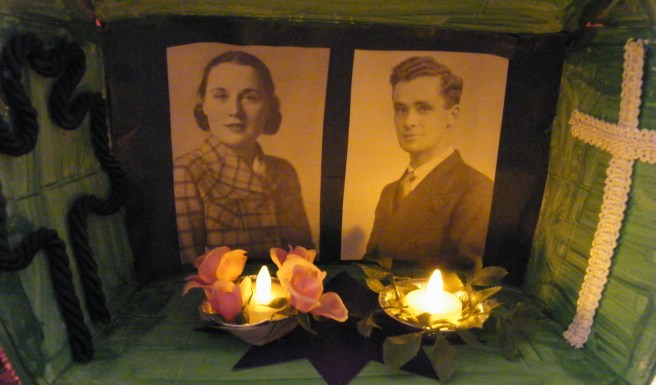
I brought the shrine, along with a small Mexican-themed one that I’d made, to the starting point of the Secret Souls walk on Saturday. One of the volunteers at the shrine station told me later that everyone who came by wanted to know about my grandparents and their story. I really want to thank Public Dreams for the opportunity; it’s a very meaningful process and it’s wonderfully healing to honour one’s dead.

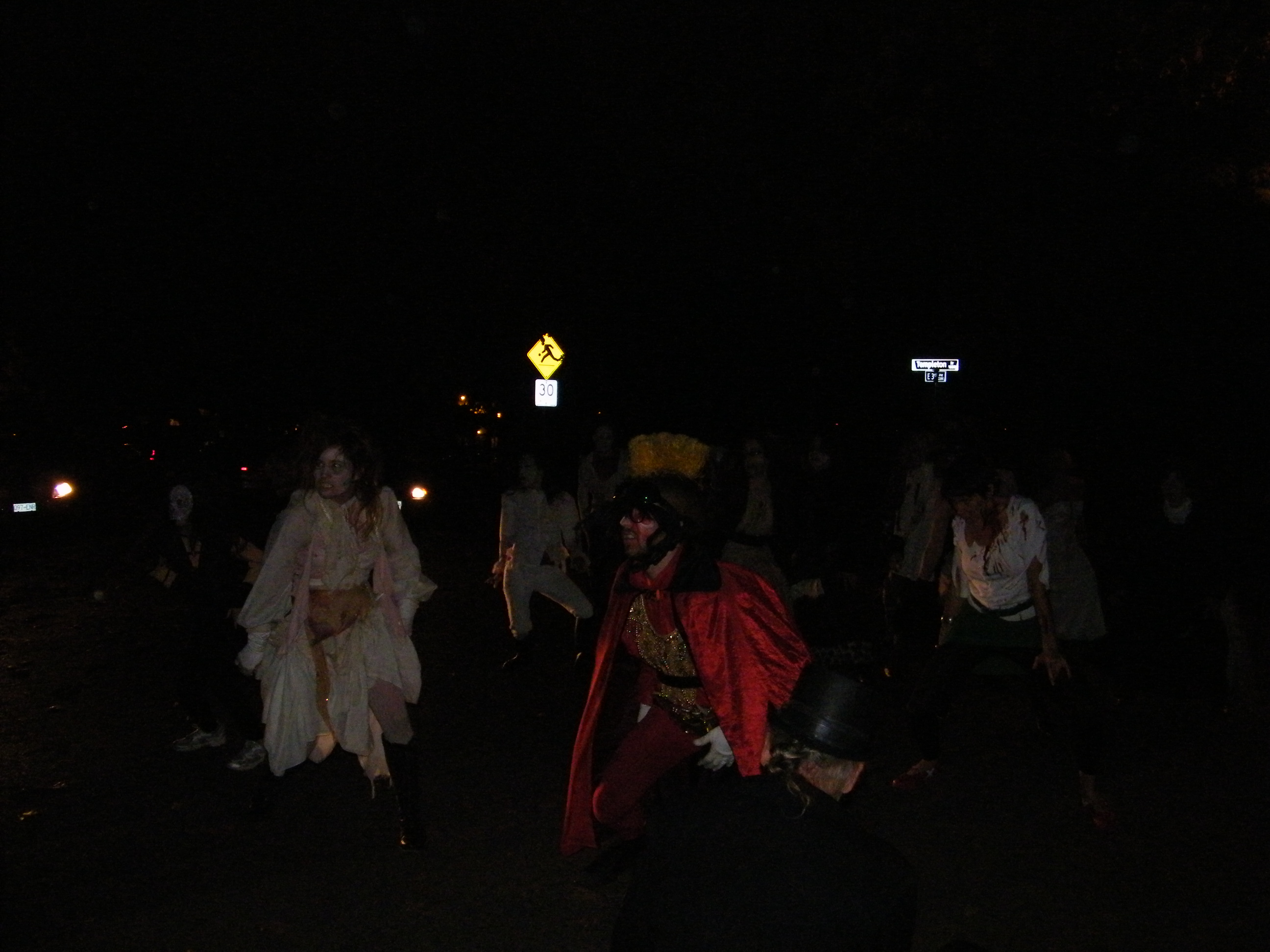
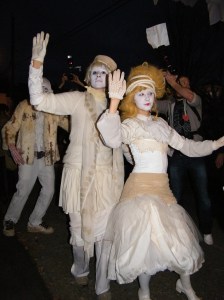
My partner and I went on the walk together, which wound through the alleyways above McSpadden Park. There was a carnival atmosphere present, as there has been during past walks, but it was more subdued. We had to go looking for smaller spectacles, rather than being hurtled past larger ones. I really liked this aspect of Secret Souls. Some of the highlights for me: Thriller zombies at Templeton & East 3rd, the court of Queen Victoria, the still, pale ghosts in the alley and the music of various performers wafting across the neighbourhood.

My only complaint is that the steep alleyways aren’t very accessible and I hope that the organizers take this into account for next year. Everyone should have the opportunity to celebrate the death and renewal of the year and the self.

I’ll end with a few pictures. It was impossible to capture everything that was going on, but these will give you a taste. If you like what you see, please consider a donation to Public Dreams, so they can continue producing such beautiful events.



A Long Journey (with sugar at the end)

When I had my first car, a steel-blue Ford Granada, I used to spend a lot of time exploring the roads in the Fraser Valley. Instead of going straight home from University, I’d take random rights and lefts, just to see where they would take me. Almost always, I’d end up on one stretch or another of River Road, with the muddy Fraser appearing here and there past the trees. River Roads run up and down both sides of the Fraser and I’ve never decided whether I think that was practicality or uninventiveness on the part of all those municipalities.

I don’t drive that way anymore. I gave up my last car many years ago and have mostly relied on walking, cycling and transit ever since. A few years ago, we joined the local car co-op, which makes trips out to the Valley easier, along with bulk buying errands and weekends away. Even if I did own a car now, my environmental consciousness has developed enough that I couldn’t just drive for the sake of driving again. I also think that development has really changed the Valley and that if you did try to explore in this way, you’d be more likely to get stuck in a rabbit-warren subdivision or industrial park than you would be to reach the river.


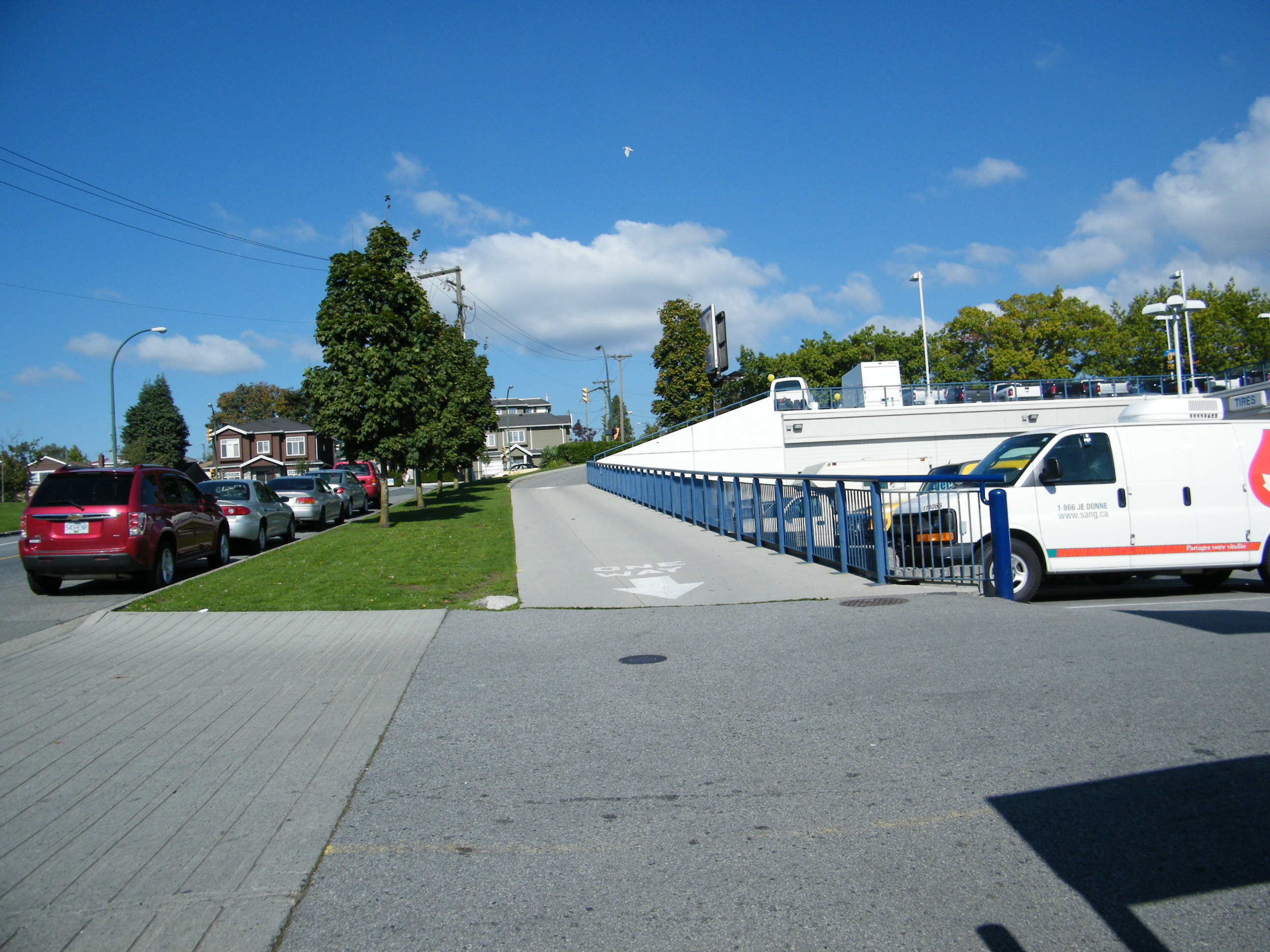
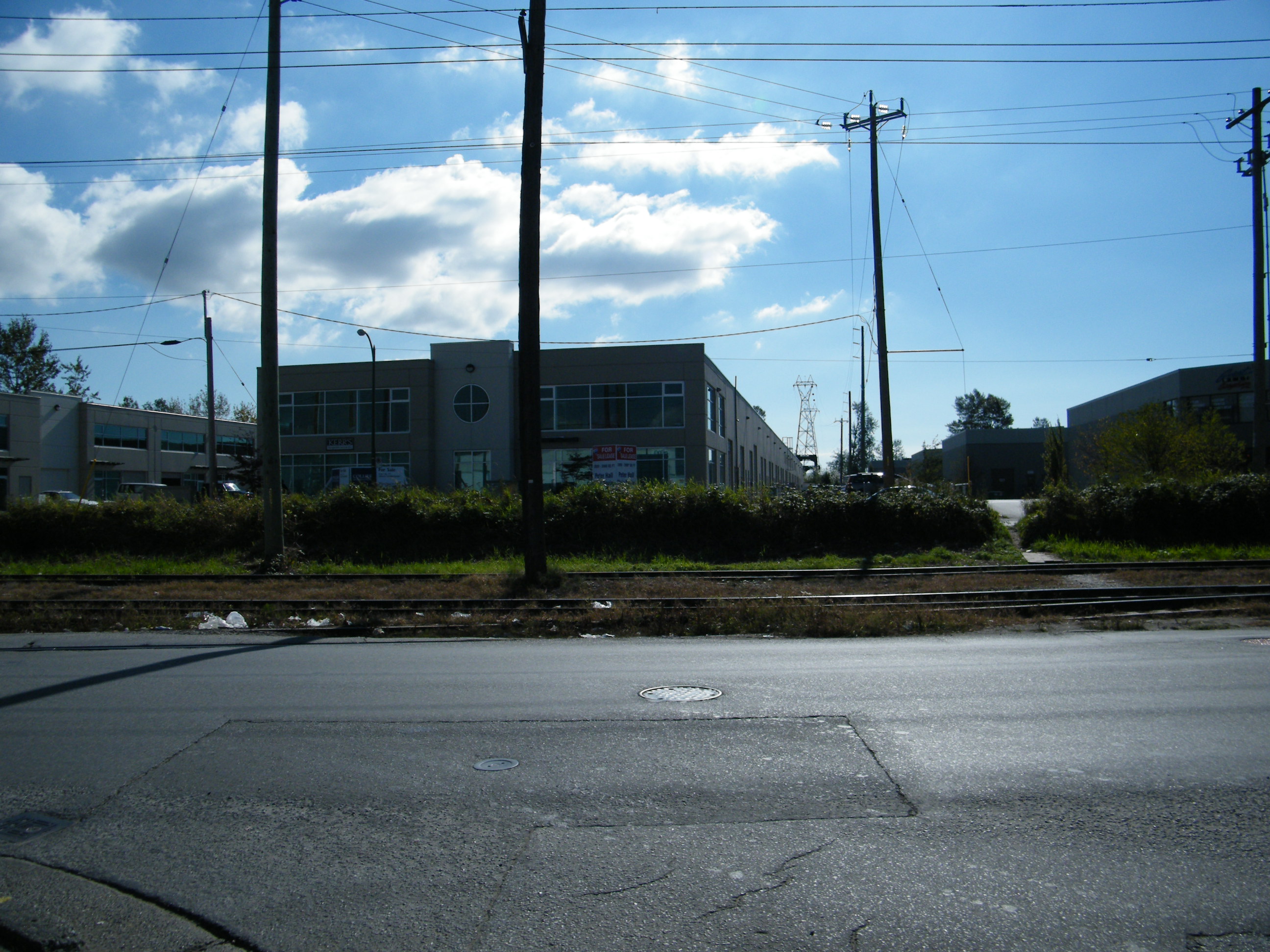
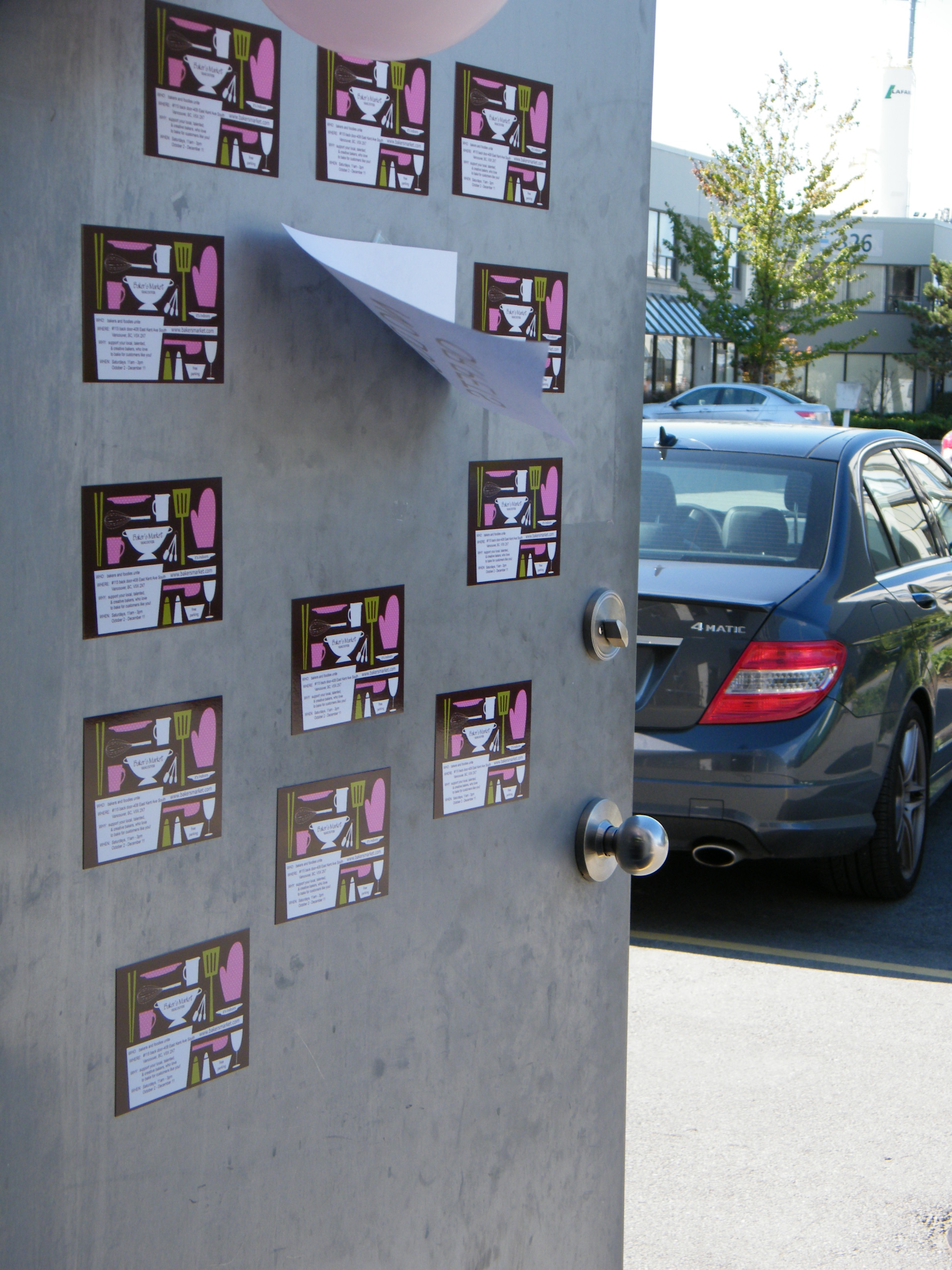
I was reminded of my old habit this past Saturday, when I decided to go to the Bakers’ Market for the first time. It’s located near Main Street and southeast Marine Drive, a very long bus ride from my neighbourhood. The area is industrial and I made my way through parking lots and across railway tracks to get there. It felt almost illicit, like trying to find a warehouse party.

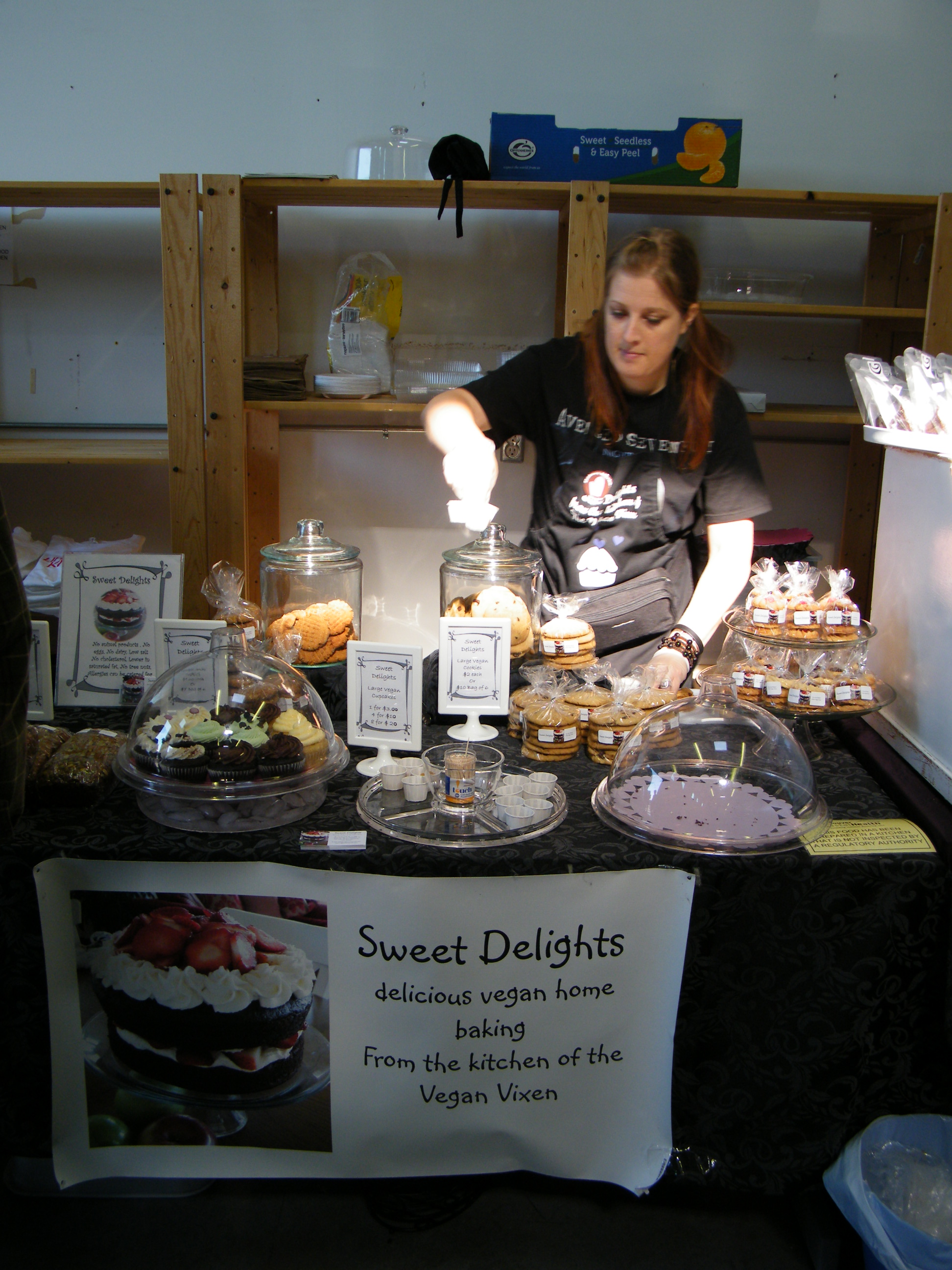
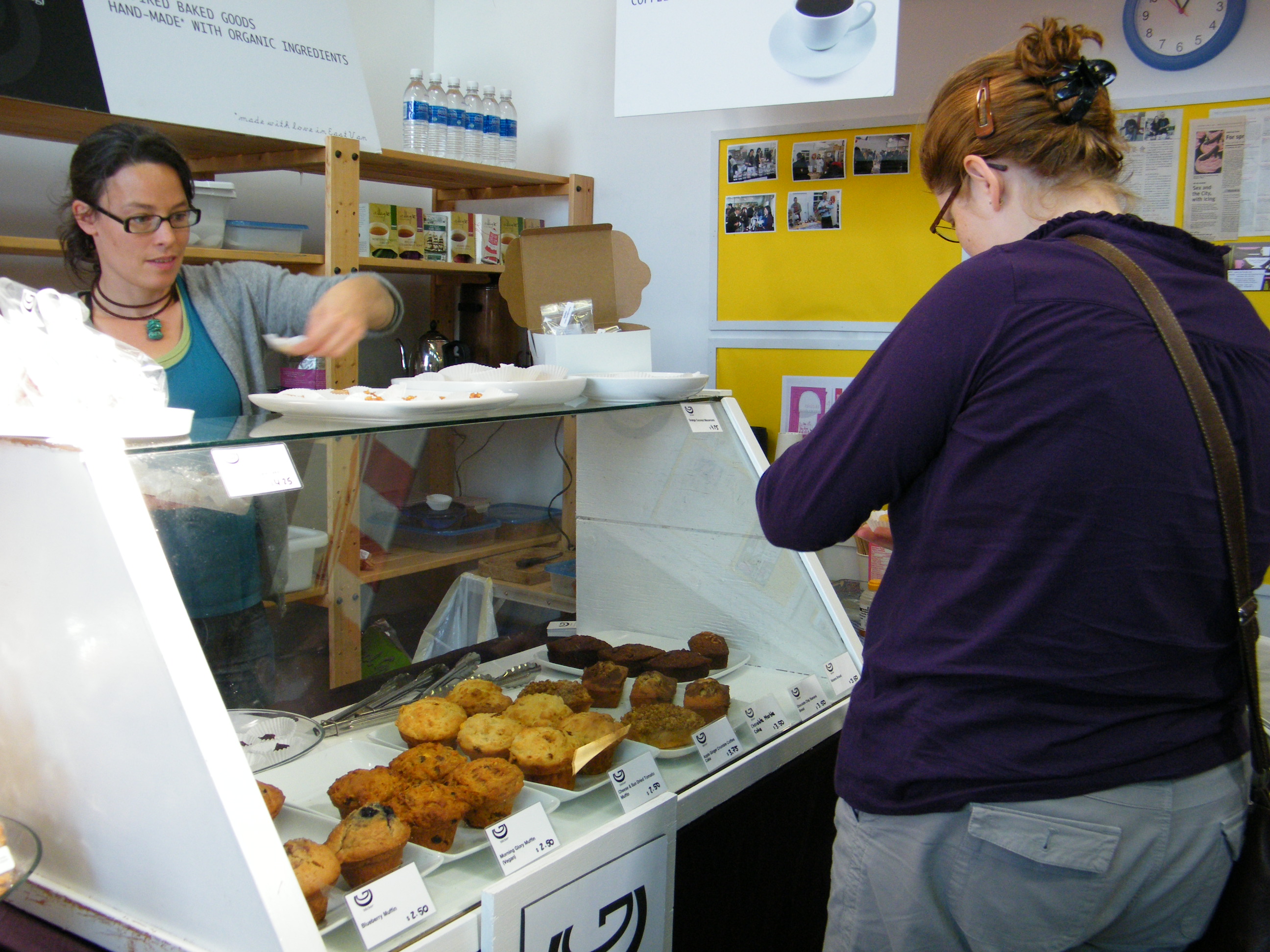
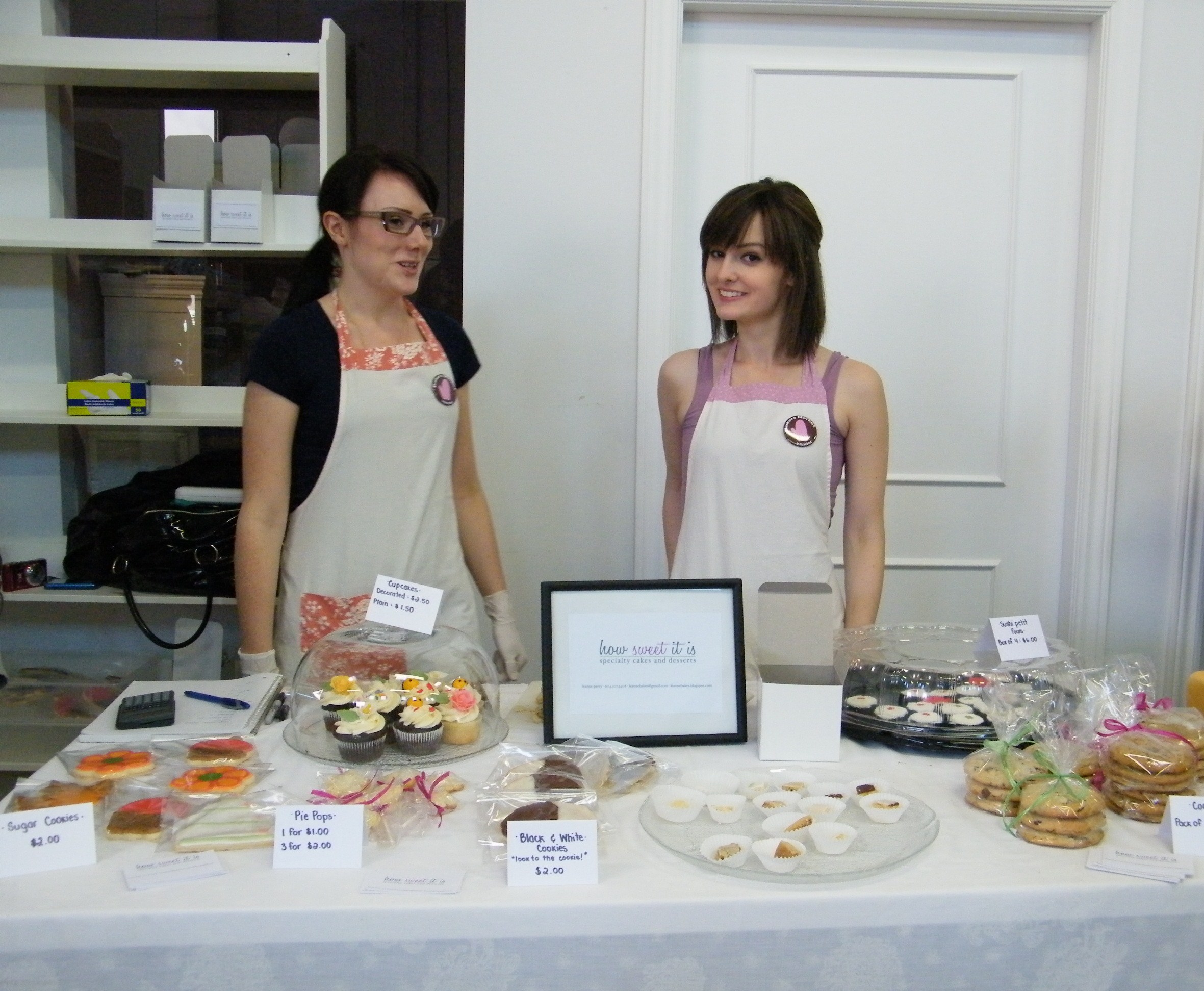
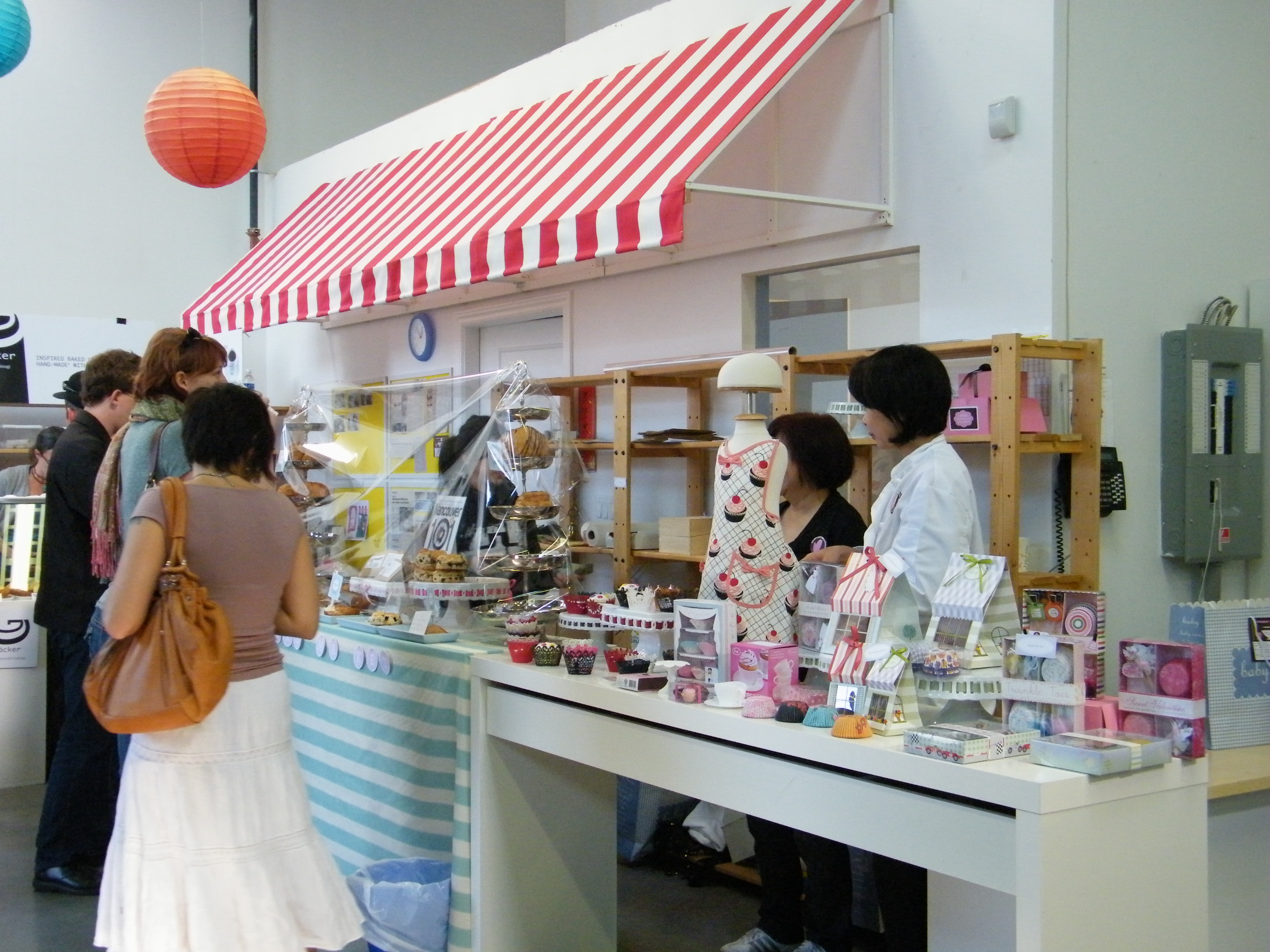
The destination was definitely worth the journey, though. The Market takes place in a warehouse-like room at the back of a commercial park. Even so, they’ve made their space inviting and pretty once you get inside. I arrived at around 12:30 p.m., but many of the bakers had sold out by then. I could understand why. There were some hobbyists there, along with the professional bakers, but absolutely everything on display was beautiful. There were even vegan and gluten-free options available at some tables.


What struck me, aside from the beautiful baked goods everywhere, was how friendly and happy both the sellers and patrons were. Perhaps it was the (inevitable) sugar rush. I think, though, that it was more a matter of people sharing their exquisite artisanry with an appreciative audience.


I went home with ginger-marzipan cookies from Chef Kev, a mint chocolate vegan cupcake from Sweet Delights, an apple loaf from bäcker, tartlettes from sweetypie and some (unfortunately crushed) macarons from another vendor. I would have loved to bring home more. Next time, I’m going to go earlier. And although I appreciated my contemplative bus ride, I think I’ll book a co-op car.