A Loaf of Bread

Old Fashioned Oatmeal Bread

Sometimes it’s when my pantry is almost empty that the urge to bake is strongest. At the moment, I’m almost completely out of sugar (both brown and white), there are only a few cups of all-purpose flour left in a cut-down 5 kilogram bag, my store of eggs is dwindling, and I’ve just enough butter to grease a pan or two.

So of course, my head is full of cakes and cookies, muffins and breads. I took stock and realized I had plenty of molasses and a brick of shortening. I reached back to memories of childhood baking and one of the first breads I learned how to make.

No knead bread is quite sophisticated these days, based on sourdough artisan loaves, but when I was a kid it was a simple, old fashioned recipe. My go to baking book back then was Betty Crocker’s New Good and Easy Cook Book, which I pulled down when I wanted to make Snickerdoodles, Chocolate Crinkles, Brownies, or Blondies.

But I also ventured into the savoury baked goods section and the “Easy Oatmeal Bread” was a great confidence-builder for a young baker. My mother made wonderful breads and I often helped her with the measuring, mixing, and kneading. It was a while before I had the confidence to make those breads on my own. This no knead bread was easy enough for me to make after school and have ready before supper.

My mother’s copy was a reprint of the 1962 edition. I found two copies of the same edition at a library sale long ago, kept one for myself, and gave the other to my sister. So, when I’m feeling nostalgic, or when my pantry stores are reduced to the levels of a more frugal era, I pull mine off the shelf.

Tonight, I revisited that oatmeal bread, making some substitutions and additions that helped bring it a little closer to the 21st Century. When you make it, feel free to use butter in place of the shortening. But if you find yourself short of butter, as I did tonight, you might be surprised at how much you enjoy this bread with an old school dose of shortening.

Oatmeal bread ready for the oven

Old Fashioned No Knead Oatmeal Bread

  • 3/4 cup boiling water
  • 1/2 cup rolled oats
  • 3 tbsp. shortening, softened
  • 1/4 cup fancy molasses
  • 2 tsp. salt
  • 1 pkg. active dry yeast
  • 1/4 cup warm water (100°C)
  • 1 egg
  • 1 1/4 cups all-purpose flour
  • 1/2 cup whole wheat flour
  • a pinch of nutmeg
  • 2 tbsp. sliced almonds
  • 1 tbsp. flax seeds

Grease a 9″X5″X3″ loaf pan with butter. Set aside.

Put all-purpose flour into a medium-sized bowl. Then, sift whole wheat flour into the bowl, adding any bran that’s left in the sifter afterward. Lightly whisk the flours together. Set aside.

Fit the paddle attachment onto a stand mixer. Add the boiling water, rolled oats, shortening, molasses, and salt to the bowl of the mixer. Stir together on low, then allow to cool until it’s lukewarm.

Meanwhile, cool 1/4 cup of boiled water to 100°C, then add yeast, stirring until dissolved.

Add yeast, egg, and half the flour to the bowl of the stand mixer. Beat for two minutes on medium speed.

Add the rest of the flour, along with a pinch of nutmeg, and stir until almost completely incorporated. Add sliced almonds and flax seed, then stir until all ingredients are incorporated.

Spread the dough into the prepared loaf pan, making sure the top is even and smooth. Allow the loaf to rise in a warm place for about 1 1/2 hours.

Once the dough has risen, preheat the oven to 375°F. Bake 40-50 minutes. The loaf is done when it is well-browned and sounds hollow when knocked. Remove the loaf from the pan, place on a wire rack, and if you like, brush with melted butter. Cool completely.

Adapted from Betty Crocker’s New Good and Easy Cook Book (1962 edition)

Sliced oatmeal bread

Cook the Book Fridays – Salted Butter Caramel-Chocolate Mousse

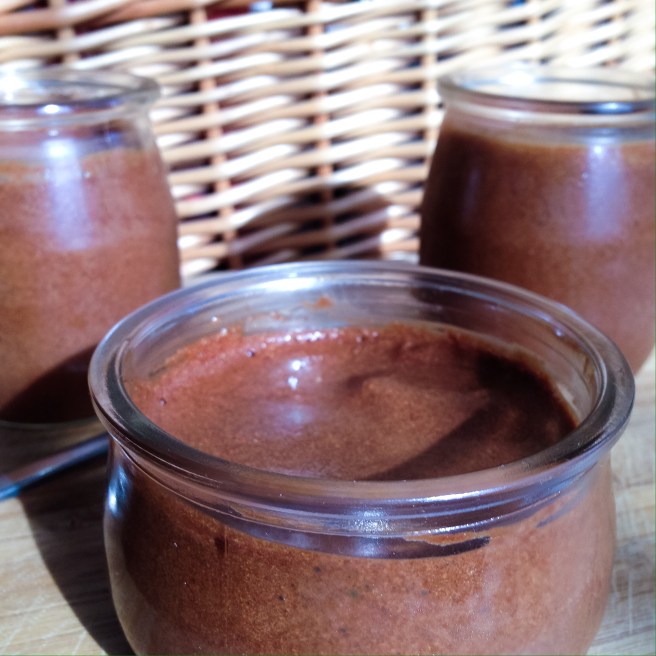
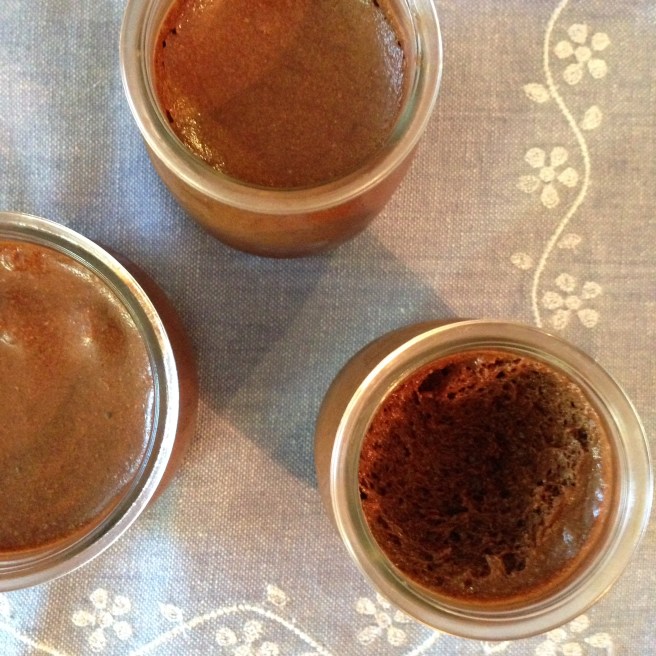
Salted Butter Caramel-Chocolate Mousse

It’s ironic that the phrase ‘piece of cake’ signifies something that’s dead easy, as our cultural image of a piece of cake is based on the layer cake, which requires multiple steps, a light touch, and at least a little bit of decorative talent. Chocolate mousse on the other hand, associated with restaurant meals and special occasions, is a piece of cake to make.

This mousse is complicated by the addition of caramel, but even that is easy, once you’ve learned the trick of it. In fact, making caramel is a lot like making brown butter. When you know how to make it, you want to add it to everything. And once you’ve added caramel to chocolate mousse, I suspect you’ll want it that way every time.

Salted Butter Caramel-Chocolate Mousse

The only thing that’s not easy about this recipe is having to wait eight hours for the mousse to set. I solved that issue by making it before bed last night. If I’d made it during the day, I wouldn’t have waited nearly that long. As it was, it took a lot of will-power not to eat it for breakfast. Which wouldn’t have been a bad idea, save for the fact that I wanted to wait for some brighter afternoon light for photographs.

Salted Butter Caramel-Chocolate Mousse

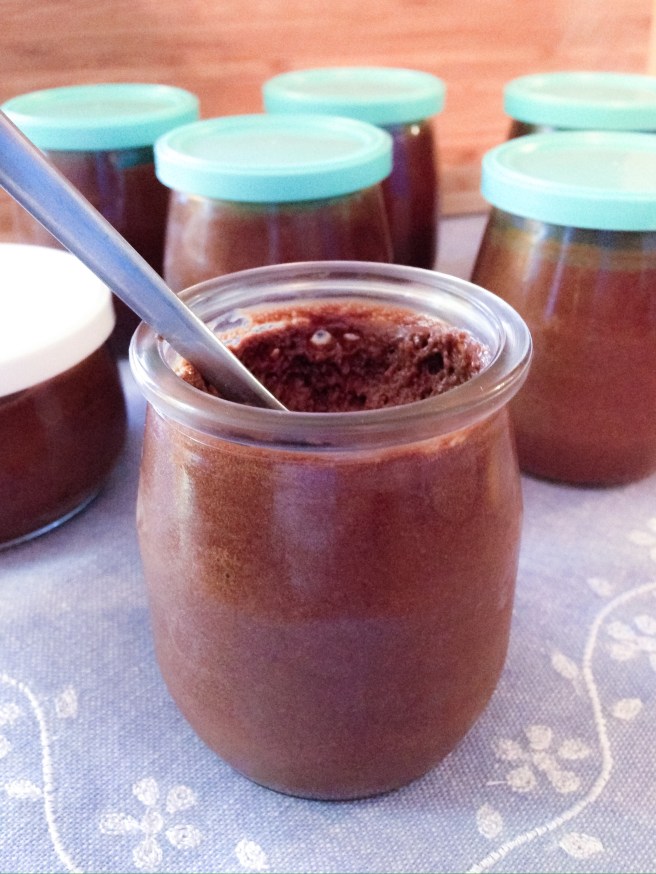
I’m so glad we’ve posted about this recipe – I’ll never have to wait for good light again. Now that I know how delicious it is, I don’t think I could have the forbearance. This mousse is wonderfully balanced in its elements – salt, sweet, bitter, and rich. It’s the sort of thing you could bring out in cocktail glasses at a dinner party, but I don’t recommend waiting for an occasion. Spoon it into little pots and enjoy it as a mid-week treat. It will look just as charming and it will be even more satisfying.

Salted Butter Caramel-Chocolate Mousse

Surprisingly, I’ve still got some in the refrigerator to enjoy tomorrow. This recipe could be halved, easily, but I recklessly made an entire batch. At least it gave me the opportunity to use the cute little lids for my Riviera Petit Pot jars. More importantly, I’ll have a decadent treat to distract me from another long day of elevating my sprained foot – an enforced rest is not as relaxing as you might think.

Luckily for you, this is one of the recipes from My Paris Kitchen that’s posted online. Head over to Epicurious and then run to the store for any of the ingredients you don’t have on hand. It takes eight hours to set, so the sooner you get started, the sooner you’ll be enjoying it.

You can read through everyone’s posts here. And consider joining this community of wonderful cooks and lovely people, as we work our way through David LebovitzMy Paris Kitchen.

Cottage Cooking Club – April 2016

Cherry Blossom Snow

It’s hard to believe we’ve come to the end of our time with River Cottage Veg. Collectively, the bloggers of The Cottage Cooking Club have worked through every one of the 200 recipes included in the cookbook.

This cook-a-long came at a fortuitous time for me. My partner was moving toward veganism and I wanted to build some plant-based cooking into my blogging routine to support him. We’ve always eaten a lot of vegetarian and vegan meals, but ensuring variety is a great incentive to keep going when you’re changing the way you eat.

It was also a chance to keep cooking alongside one of the talented bloggers I’d met through French Fridays with Dorie. Andrea of The Kitchen Lioness posts wonderful recipes with gorgeous photography, in a blog full of family adventures, travel tales, and explorations of her city and region. She’s been a terrific leader, from the structure she devised that allowed the group as a whole to complete the book in two years, to her always supportive comments on every participant’s blog.

My last month didn’t go as planned. I’d promised to blog about three recipes this month, but only managed two – one of which was the wrong variation of the dish. I guess it goes to show that improvisation is as much of a kitchen skill as any of the others that everyday cooks perform.

Oven-Roasted Ratatouille

Oven-Roasted Ratatouille

I made this recipe in March, as I’d gotten a great deal on eggplant and bell peppers and was looking for a tasty way to use them. As luck would have it, this dish was due to come up in our very last rotation.

This is one of the dishes I hadn’t noticed while paging through the cookbook and it’s another one that Kevin wishes I’d made much sooner and often. Oven-roasting brings out the flavour of all the vegetables beautifully. We’ll be making this one as often as we can get our hands on good eggplants – I can hardly wait to try it again in high summer.

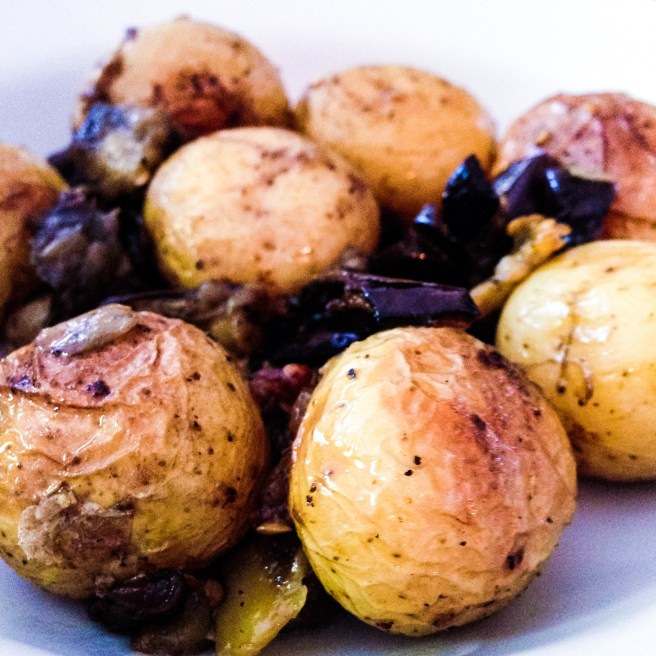
Roasted Potatoes and Eggplant

Roasted Potatoes and Eggplant

Another eggplant dish and another recipe in Kevin’s Favourites column. I was supposed to make the spiced eggplants with chickpeas, but when it came time to make my shopping list, I looked at the wrong recipe. We’ve got more eggplant in the refrigerator, so I’ll probably correct this error soon. At least it was a delicious mistake.

Quinoa with Zucchini and Onions

Quinoa with Zucchini and Onions

Speaking of delicious mistakes, this dish was supposed to be quinoa with leeks and squash, but once again, I looked at the wrong recipe. Kevin was pleased with this mistake in particular – he loves zucchini and tolerates squash. I’m happy with either. I skipped the nuts and doubled down on the lemon in this dish. It makes a great side, but a bowlful made a satisfying lunch, too.

That’s it for this month’s selections – I was supposed to make Spiced Spinach and Potatoes as well, but every time I set aside some cooked potatoes for the dish, they ended up being used for something else. I suppose I’ll have to plan to make another dish that uses leftover potatoes, then perhaps I’ll make this dish instead.

The rest of the recipes I tackled this month were from previous months’ selections. I go through periods of focusing more on ingredients than recipes I’ve undertaken to make. It always leads me to recipes I might have overlooked otherwise.

Roasted Tomato Sauce

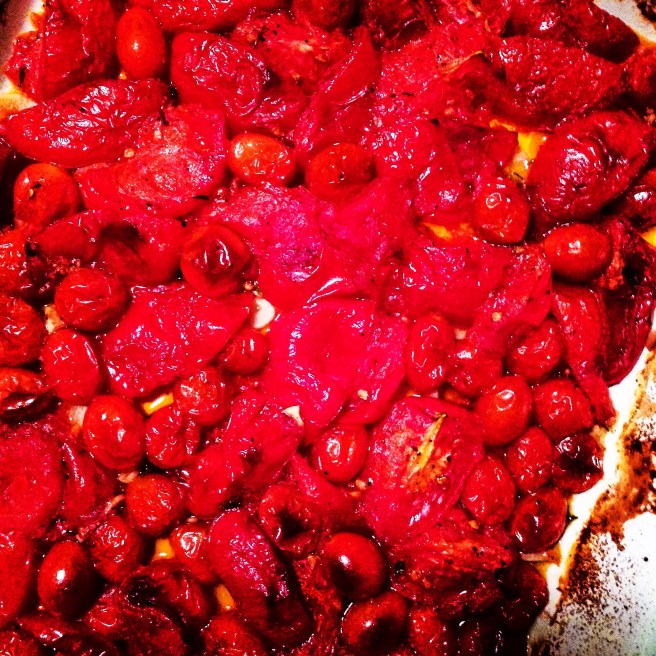
Oven-Roasted Tomato Sauce

This sauce is a component of several of Hugh’s recipes, so when I picked up a big bag of hothouse tomatoes, I decided to give it a try. Hothouse tomatoes need help and roasting is the best way to get the most flavour out of them. I added some grape tomatoes I had on hand, as well. The sauce is seasoned only with garlic, thyme, salt, and pepper, but it is rich and delicious on its own and even better as the base for soups or stews.

You’re supposed to seed and skin the tomatoes when they’re roasted, but I threw them into the food processor whole. I like using the whole vegetable when I can and there’s pectin in the skins, which helps to thicken the sauce. I know it’s less refined, but for my purposes it worked beautifully. I used it in two more of Hugh’s recipes and had enough left over to enjoy on its own.

Eggplant and Green Bean Curry

Eggplant and Green Bean Curry

It’s been an eggplant kind of month around here, hasn’t it? This dish would be good even with store-bought sauce, but Hugh’s roasted tomato sauce made it fantastic. I especially appreciated that the dish included a homemade curry paste – that’s often the difference between delicious and mediocre with Indian-inspired dishes.

Mexican Tomato and Bean Soup

Tomato and Bean Soup

Hugh’s sauce went to good use in this soup, too, a Mexican-inspired dish that is just fiery enough to wake up the palate without drowning out the other flavours. It should be called double tomato and black bean soup, because there is quite a lot of fresh, diced tomato along with the roasted tomato sauce. This one was a hit at home and then again for my parents. Their only complaint was that the container I’d sent home with my mother was too small.

Cambodian Wedding Day Dip

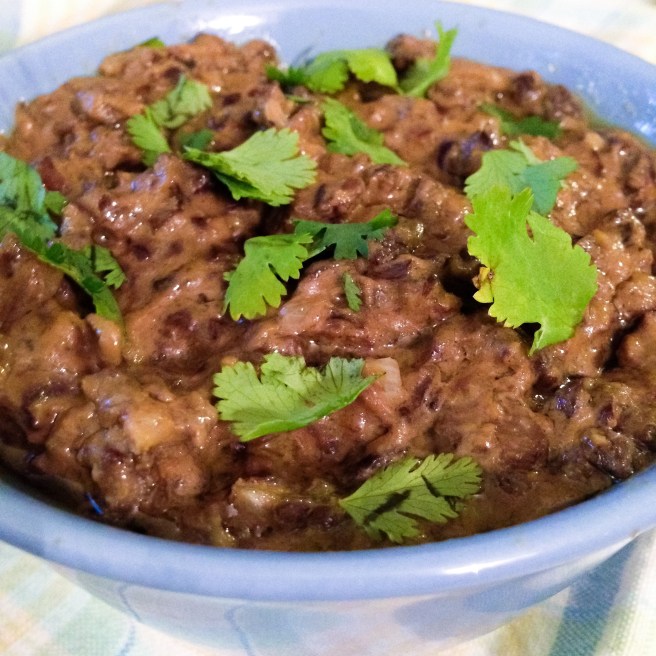
Cambodian Wedding Dip

This is a recipe that I’ve been meaning to make since I got the book, but I’ve not gotten around to it until now. The combination of cremini mushrooms, coconut milk, curry, and peanut sounded intriguing. Kevin said it put him in mind of a vegan version of chopped liver. It’s certainly meaty enough to use as a sandwich filling, as well as a dip. I’d like to serve it at a tapas party. I think it would be one of the dishes that gets everyone talking.

So that’s it – the last of my posts for this cookbook. While our group may be finished with River Cottage Veg, our household certainly won’t be leaving it on the shelf. There are too many pages marked with notes, variations, and exclamation marks. And there are plenty of bookmarks for recipes we haven’t yet gotten around to trying.

I am excited to see what Hugh has on offer in River Cottage Every Day. I’ll continue cooking along with the group, but I’m going to stick to vegetable-based selections, as I’ve found that this monthly date with plant-based cooking has been great for our diets and palates.

You can find the rest of the group’s wrap up posts, here. I encourage you to check them out – you’ll meet some wonderful bloggers and get some great inspiration for vegetarian eating.

And you can join in on the Cottage Cooking Club’s next adventure, cooking through one or both of Hugh Fearnley-Whittingstall´s River Cottage Every Day and Love Your Leftovers – you can find the details, here.

Baking Chez Moi – Jammer Galette

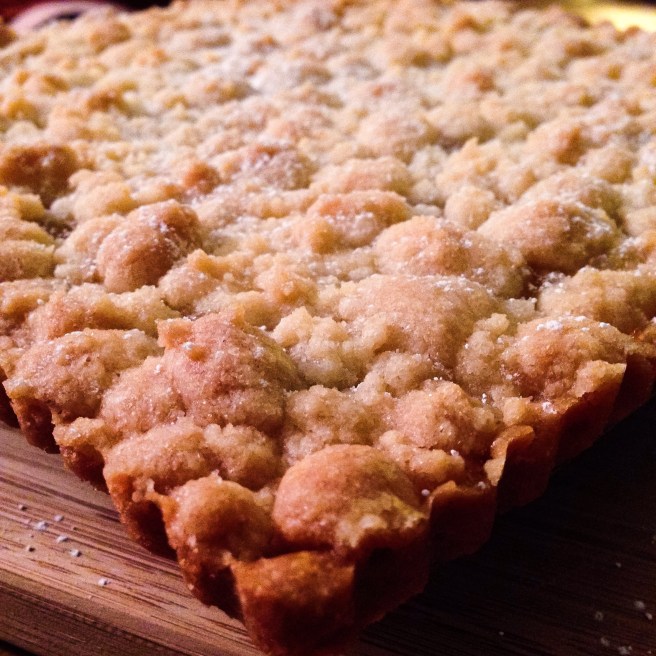
Jammer Galette with piña colada jam

If I were a perfumer, I’d take my inspiration from the kitchen. One of the rewards of cooking is carrying away a trace of the scent of the ingredients you’ve been working with, unless it’s something like garlic or onion. But consider lemon, ginger, or tarragon and that’s a different story. Perhaps the best kitchen aroma of all comes from buttery sweet dough, especially if it’s been flavoured with a dash of vanilla.

That’s the perfume filling my house this evening, mixed with traces of pineapple, coconut, lime, and rum. I baked a jammer galette filled with piña colada jam this evening and it tasted just as wonderful as it smelled.

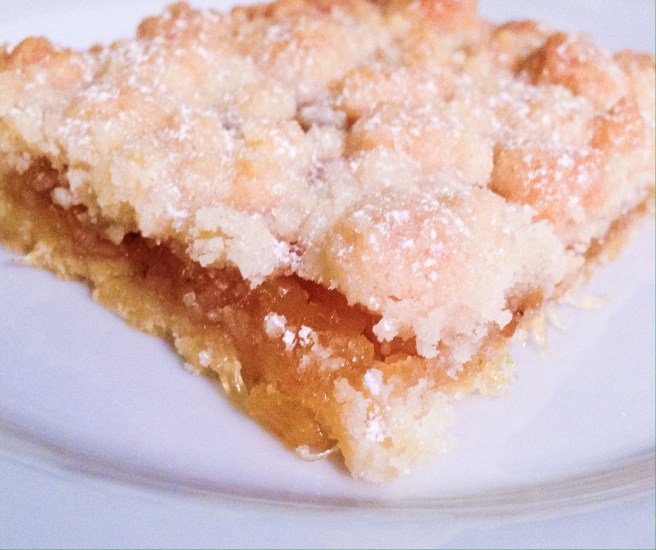
A slice of jammer galette

The reward was out of proportion to the work involved – the cookie base and buttery streusel came together quickly and the jam was already on my pantry shelf. The hardest part was waiting an hour while the rolled out dough rested in the freezer. This jam tart is essentially an enormous cookie – much less work than conventional cookies, with an extra reward in its pretty presentation. This is the second giant cookie that Dorie Greenspan has introduced me to and I’m looking forward to more when her new cookbook comes out this fall.

In the meantime, I’m going to work my way through the galette over the rest of the week. It’s my reward for evenings of weeding and digging in new soil into my garden beds. Its butter vanilla scent makes an especially lovely contrast to the heady earthiness of the garden.

You can find the rest of the Tuesdays with Dorie crew’s entries on this recipe here or here, along with posts about this month’s other selected recipe, Cocoa Crunch Meringue Cookies.

Cook the Book Fridays – Croque Monsieur

Croque Monsieur

Diner food and bistro food might originate on different continents, but at the root, they’re two sides of the same coin. They’re draped in cinematic mystique, with iconic dishes that can spur argument over the smallest variation, and they both represent comfort food to locals and visitors alike.

Where they differ, at least to the North American eye, is in sophistication. What’s a steak sandwich got on steak frites? Or chef’s salad against salade niçoise? Or a ham and cheese on rye in comparison to a croque monsieur?

In general I’d say the problem is that familiarity can breed contempt, but for the last entry on the list, the answer is béchamel. And prosciutto. And lots and lots of Emmental. I’ve had wonderful versions of the croque monsieur at restaurants, but this one might be one of my favourites and it happened in my own kitchen.

I’m not sure I needed to know how easy it is to make a croque monsieur at home, but it will come in handy the next time I want to make an impression at brunch. And David Lebovitz’ version of bechamel is worth knowing, even if it leads me to less healthful eating on a more frequent basis. It’s so easy and perfectly creamy, with just a hint of heat from cayenne in place of the usual nutmeg.

Even if I can make bistro food (or diner food for that matter) at home, there’s still a place for those restaurants in my heart. Both kinds of establishments have been put on the endangered list, but they seem to be reinventing themselves at home and abroad. That’s good news. As long as they make room for classics like the croque monsieur, reinvention is the key to longevity.

You can read through everyone’s posts here. And consider joining this community of wonderful cooks and lovely people, as we work our way through David LebovitzMy Paris Kitchen.

Spring Things

Persea Fumée

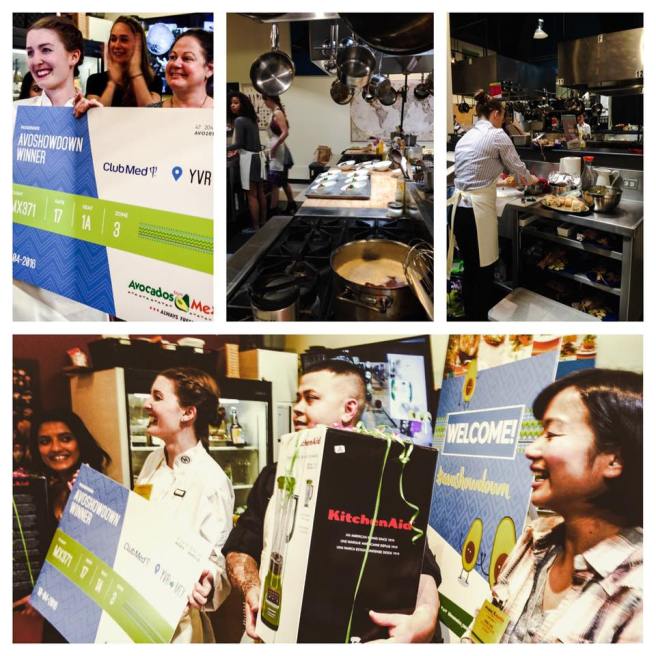
It’s been an busy season so far and there’s lots more to come, at least there is around here. The photos scattered through this post are from two of the events I’ve attended this month – the Avo Showdown and the Lick My Plate launch. Now I’m looking forward to fun with food, stimulating presentations, and more than a little art appreciation over the next few weeks.

Lick Your Plate treats

Tomorrow, the Heritage Vancouver Society hosts the first in the Shaping Vancouver 2016 series – What’s a Neighbourhood? In the face of so much change in our city, what are the things we should be preserving or encouraging to maintain and promote community in our neighbourhoods?

AvoShowdown entries

This coming weekend, you’ve got a chance to weigh in on the Vancouver Public Library’s future. Whatever comes of these sessions, that future should include physical books. They’re still the surest way to guarantee equal access to knowledge, especially in a climate of growing income inequality.

Lick Your Plate swag

The weekend after, there are two events I’m excited about – the Parker Art Salon and the East Van Hop Circuit.

The Parker Art Salon is a chance to view and buy art from the studios at 1000 Parker Street, with a little less chaos and much warmer weather than November’s Culture Crawl. The Hop Circuit is a self-guided tour of 13 of my neighbourhood’s craft breweries, with some samples, insider tours, and food trucks. Both are within walking distance for me, cycling distance for many, and transit for everyone else – I wouldn’t drive if I were you, the parking alone will just make you miserable. Between the two events, I think I’ve got that weekend covered.

AvoShowdown contestants

And just in case you need a little incentive to (a) add to your cookbook collection and (b) get canning/fermenting/preserving, the folks behind Well Preserved have released a cool zine-style bonus package for their upcoming Batch Cookbook. Once you’ve pre-ordered the book, you can find the download link, here.

AvoShowdown appetizers

At the very least, April’s already shaping up to be a delicious month, if what I’ve tasted so far is any indication.

Avocado Parfait

Food in the Fraser Valley

img_6752

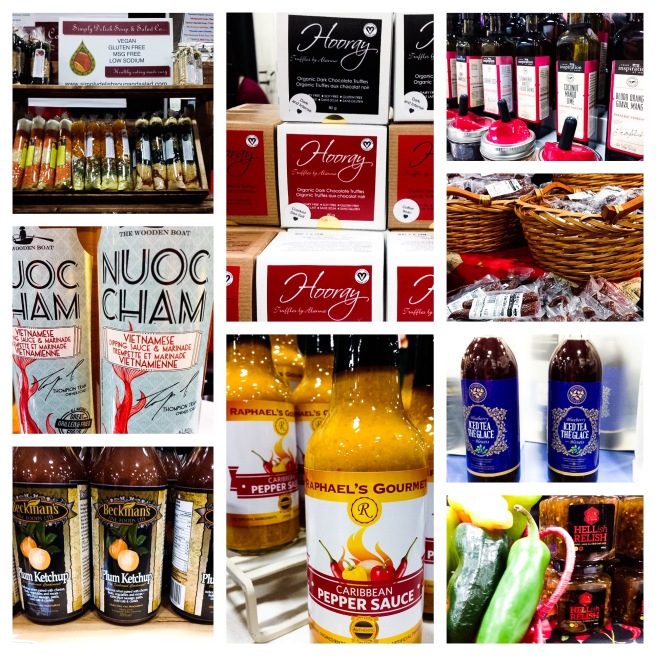
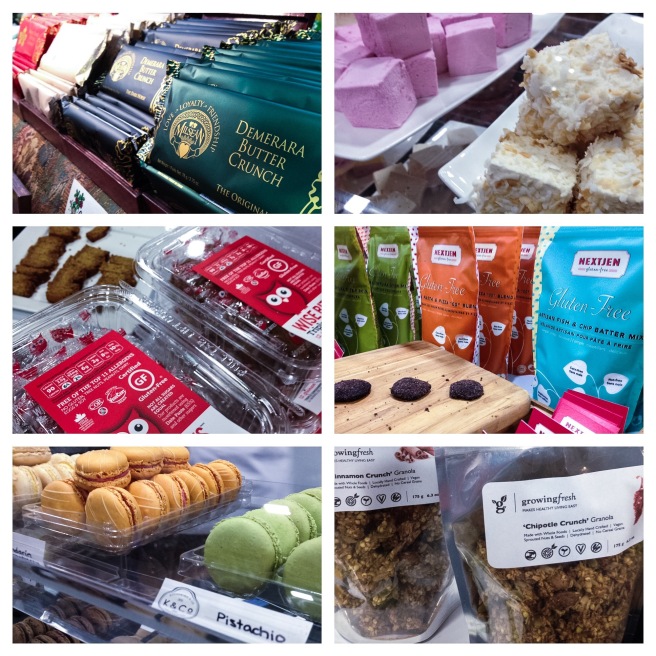
It’s become a habit of mine to kick off the spring season with a visit to the Fraser Valley Food Show. I’ve told you about it before, and this year was just as enjoyable.

img_6755

This year I brought my partner for the first time, so much of our time was spent exploring the Gluten-Free Living section, so much so that we came home with bags packed with products we bought to try. I’ll be featuring a few of the ones we like best in upcoming blog posts.

img_6754

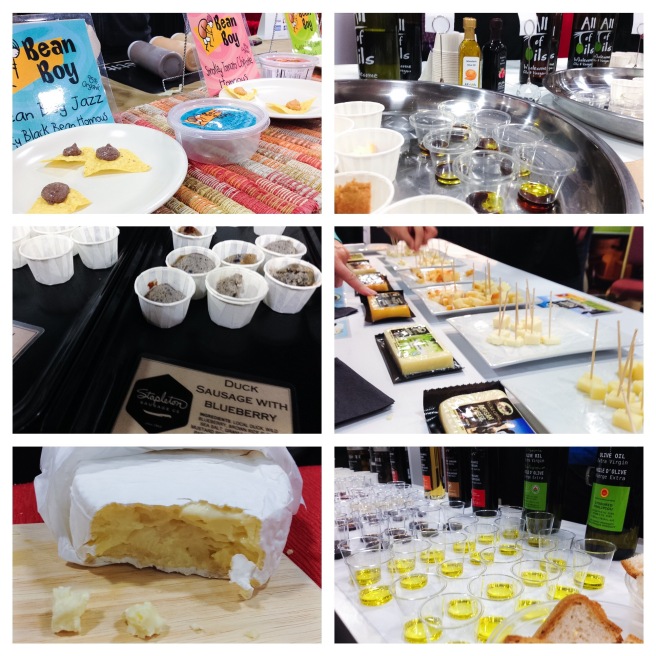
I was on my own for the sausage-tasting, since my partner is vegan, but there was plenty to occupy his time before we reconvened in the wine, beer, and spirits tasting area. I ate my way through about ten excellent offerings and was hard pressed to choose a winner, so I’m not sure how the judges, who tried many more, could come to their decisions. You can see the list of winners here.

img_6756

Here are a few of the highlights for me this year:

Nextjen gluten-free flours

Ravens Brewing Company Dry Irish Stout

Wayward Distillation House‘s Unruly Gin, Vodka, and ‘Depth Charge’ liqueur

Nuoc Cham Vietnamese Dipping Sauce

Onnick’s Blueberry Farm‘s bottled iced teas

Stapleton Sausage Co.‘s duck sausage with blueberry, made with Fraser Valley Specialty Poultry duck

ZipGrow Farm Walls

Hanes Hummus

Simply Delish Soup and Salad gluten-free soup mixes

That’s just a sampling of what we enjoyed at this year’s show. I’m hoping to do a little exploring of some of the farms and makers in the Fraser Valley this year, so stay tuned for more!

img_6753

I attended the Fraser Valley Food Show on a media pass, but had no obligation to review or write about any aspect of the show. All opinions are my own.

Cook the Book Fridays – Artichoke Tapenade with Rosemary Oil

img_6697

There’s a wonderful Lebanese restaurant called Jamjar on the other side of our neighbourhood. We joke that it’s a good thing it’s far enough away that we can’t run down there on the spur of the moment. If it were closer, we’d eat at home less often than is good for us.

My last meal there wasn’t in the restaurant at all, but at a working meeting. The chairperson picked up an array of their dips, salads, small plates, and sauces for us to munch on as we sifted through our list of tasks. There’s nothing bland about any of their food – there’s almost a cacophony of flavours, which manage to complement rather than compete. Eating through a spread of their dishes excites the palate with each bite. It certainly kept us all lively and cheerful through what could have been a tedious evening.

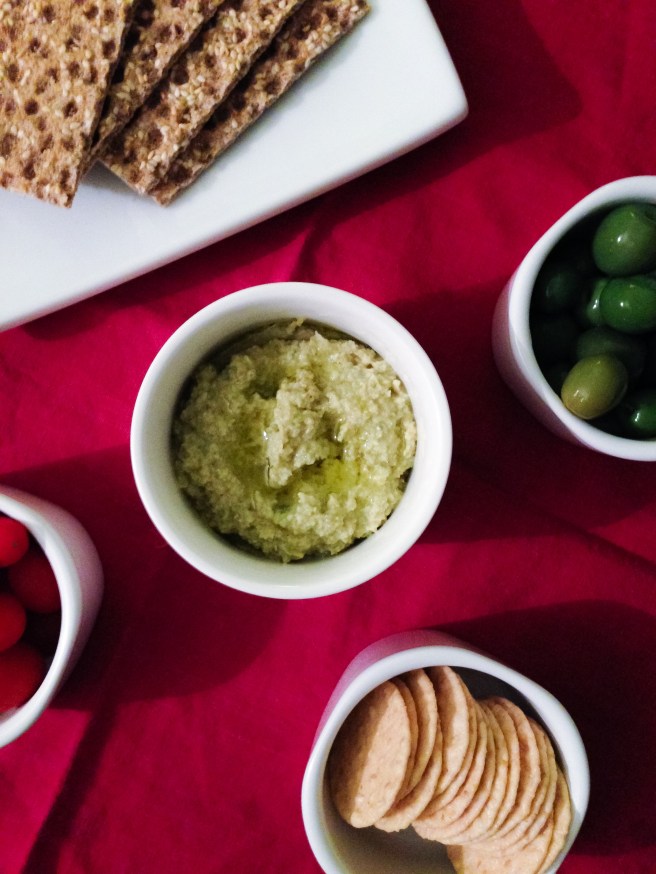
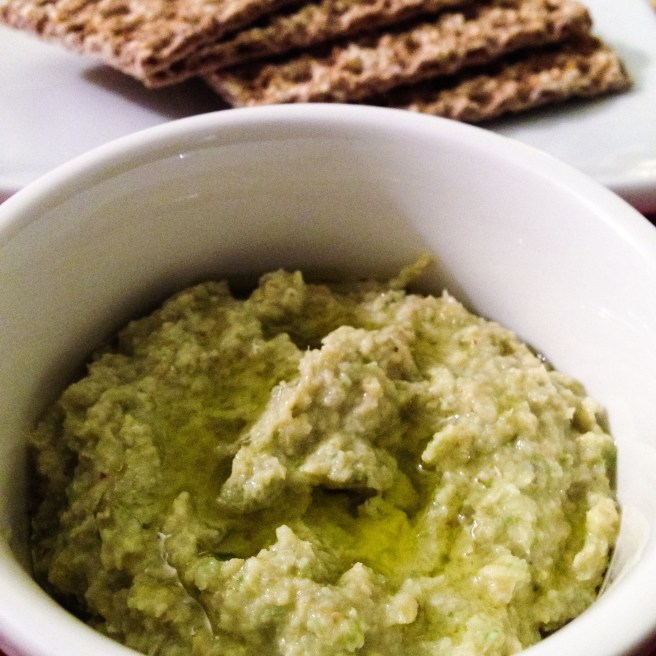
The artichoke tapenade I enjoyed this evening wouldn’t have been out of place on that table. It’s French, rather than Lebanese, but its flavours have a Mediterranean bent. Artichokes, olives, and capers provide earthy notes, lemon and cayenne brighter ones, while homemade rosemary oil finishes the dip.

img_6698

Now that the weather is getting warmer, dips like this one are perfect for my favourite way to eat through the summer – from a table full of small bowls and plates filled with different textures and flavours, all working together to create a satisfying and harmonious meal.

You can read through everyone’s posts here. And consider joining this community of wonderful cooks and lovely people, as we work our way through David LebovitzMy Paris Kitchen.

Hot Chocolate & Tangerines – A Baking Chez Moi Catch Up

img_6662

We haven’t been enjoying sweet treats nearly enough around here, but I did manage to catch up on two of the selections from Baking Chez Moi over the past few months.

Hot Chocolate Panna Cotta

img_6414

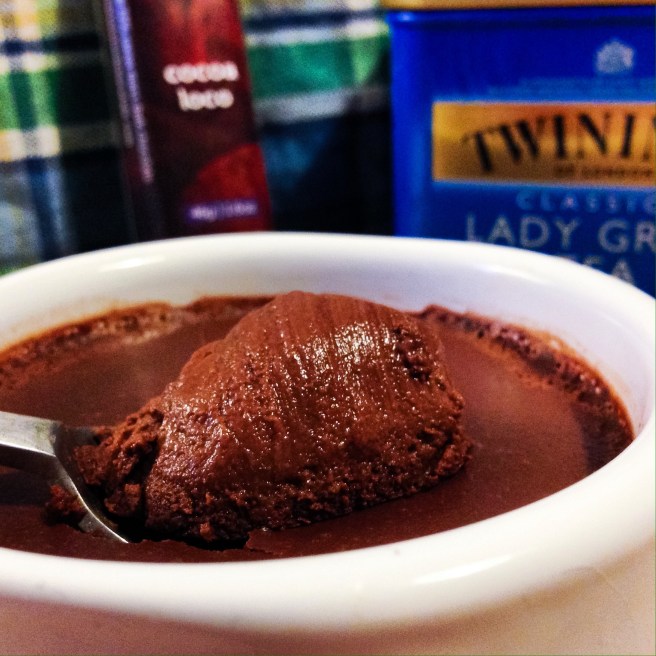
I drink a cup of hot chocolate or two each winter, especially when it’s time for Vancouver’s Hot Chocolate Festival, but I think I like this method of enjoying it even better than the traditional one. All the flavour of hot chocolate in a creamy dessert and none of the dilemma involved in choosing between it and a cup of tea.

I used an extra-dark chocolate that I like, Denman Island Chocolate‘s Cocoa Loco, and infused the cream with Lady Grey tea. The tea’s clear citrus notes played well against the flavour of the chocolate. The chocolate’s flavour is bolstered by cocoa powder in this panna cotta and I think it’s this addition that makes the flavour so reminiscent of hot chocolate.

This is one I’ll be having again, especially now that I’ve found a nearby source for granulated gelatin and can avoid the awkward conversions involved in using leaf gelatin.

Fluted Carrot-Tangerine Cake

img_6425

My fluted quiche pan was otherwise occupied, so this cake had to be content with a plain edge. I still think it’s very pretty.

I love my mother’s version of carrot cake, a classic rich rectangle liberally slathered in cream cheese icing, but this cake is one that I can see myself making more often. It’s a much lighter cake, full of ginger and tangerine with an undertone of carrot’s sweetness. I added a tangerine glaze, which made it look festive and boosted the citrus flavour even more. This cake will get you through the worst part of winter, whether you glaze it or not.

I’ll be joining in with the rest of Tuesdays with Dorie’s bloggers at least once in April, so dessert is on the horizon. That’s always a cheering prospect.

Find out what the rest of the Tuesdays with Dorie crew caught up on here: Rewind.

Cottage Cooking Club – March 2016

img_6543

Like a horse as it nears the barn, I seem to be speeding through recipes as we reach the end of our time with River Cottage Veg in this group. This month, I managed seven recipes, two of which were ones I’d missed when they’d come up in previous months’ selections.

It’s made for a delicious March.

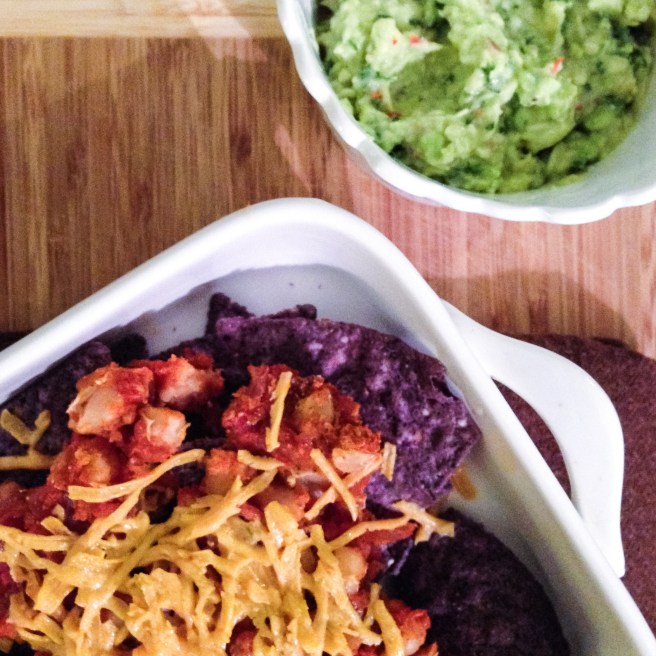
Nachos with refried beans

img_6544

There are as many recipes for refried beans as there are cooks that make them. Hugh’s version is a pantry cupboard wonder, using things I always have on hand. I like the chunky texture, the gentle heat from the fresh red chile and hot smoked paprika, the smooth taste of the cannellini (or borlotti) beans, and the use of grated fresh tomato. I made this twice – once with cannellini beans and once with borlotti and they were equally good. My only change to the recipe was to add 2 or 3 tablespoons of tomato paste along with the fresh tomatoes. That might not be necessary at the height of summer, when tomatoes are at their best, but it really helped bring the flavours together for this late winter version.

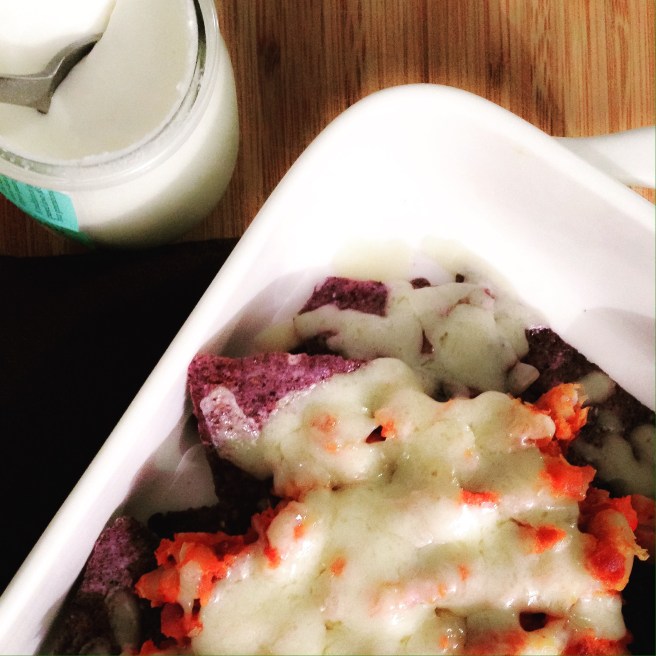
As for the nachos, I made a vegan version and a conventional one. I have two small ceramic baking dishes that are about the same size – one got lashings of old cheddar cheese and the other got a generous sprinkling of Daiya cheddar shreds. We finished them off with sour cream (vegan and conventional – it’s our version of his and hers) and some of Hugh’s lemony guacamole.

Lemony guacamole

img_6568

This recipe was tackled way back in May of 2014, for our very first Cottage Cooking Club round of posting.

Kevin’s a bit miffed that I overlooked this recipe until almost the very last post for this cookbook – it would have become a staple in our kitchen much sooner, if I hadn’t.

It relies on lemon, cilantro, and fresh red chile to complement the avocado. I skipped adding oil, as it seemed unnecessary, and threw a bit of chopped red onion into the mix. It was perfect with our nachos and adds great flavour as a sandwich spread, too.

The vegiflette toastie

img_6636

This one was just for me – I couldn’t resist putting aside a few of the baby potatoes we’d had for dinner so that I could have this toastie for an indulgent Saturday lunch. The topping consists of sliced potatoes heated with a little wilted endive and some heavy cream and I would have enjoyed this if the sandwich had stopped there. The final step is to melt some cheese on top (old cheddar, in this case) and it made the dish absolutely perfect for a rainy day. It was more of a knife and fork affair with the split baguette I used, but that was fine. Not every sandwich needs to be portable.

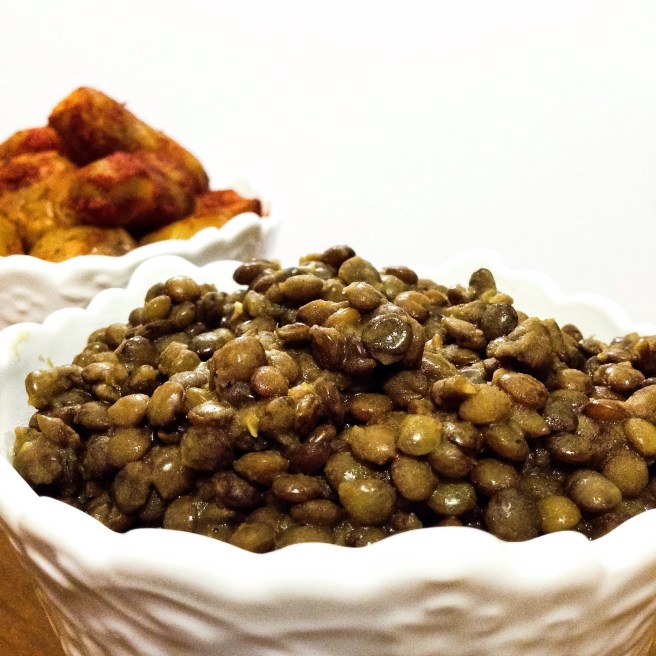
Dressed Puy lentils

img_6652

I make Hugh’s lentils, with their mustardy dressing, at least once a week. We stir them into bowls of roasted potatoes, wilted greens, freshly roasted or steamed vegetables, cold salads, or grains hot or cold. These become one bowl lunches or side dishes at dinner.

There are plenty of other ways to dress lentils, but don’t you find you look back on a period of time and remember a dish or two that kept coming up over and over? It’s been that way with these lentils this winter. It’s not repetition so much as punctuation.

Roasted new potatoes with harissa

img_6650

We ate our lentils with these potatoes one night, but it took several tries. The first step in making these is to roast the potatoes with salt and pepper. I usually roast potatoes with herbs and garlic, or onion, or spices – it depends on what I’m serving. These come out of the oven with the more-ish quality of French fries. And we discovered, salt and pepper potatoes go so well with Hugh’s lentils, that you might forget to add harissa altogether. Twice.

With the harissa, they’re good, but honestly, not as good as the plain potatoes. I love harissa as a condiment for soups, stews, and other dishes with a Middle Eastern bent, but I think in this dish, it’s a little wasted.

Vegetable biryani

img_6607

I wish I could say we loved this one, but we only liked it. We probably won’t be repeating this version of biryani, but I was especially appreciative of the flavour the brown onions brought to the dish.

Twice-Baked Potatoes

img_6541

Finally, there’s a treat that came up in the rotation in November of 2014. I had some beautiful crème fraîche and cultured butter on hand, that I was reviewing for another post earlier this month. This recipe seemed like a perfect way to enjoy it.

I made these potatoes two ways – a vegan version for Kevin, with vegan sour cream, Earth Balance, and Daiya cheddar shreds, and a conventional version for me, with crème fraîche, cultured butter, and old cheddar.

We won’t be having these often, but not because we don’t like them. We loved them. They’re just an indulgence that should be an occasional treat. Although, you can put spinach in them – that makes them good for you, doesn’t it?

As I said, it was a delicious month. I’m looking forward to what April brings.

At the end of the month, you’ll be able to find the rest of the group’s posts, here. I encourage you to check them out – you’ll meet some wonderful bloggers and get some great inspiration for vegetarian eating.