Flavour On The Go: A Visit to the Maille Flavour Studio

Maille mustards Prisma illustration

Vancouverites are used to consoling themselves with our proximity to mountains, forests, and beaches. It takes our minds off the things we secretly wish we had closer proximity to – like the Maille boutiques that can be found in places like Paris, London, and New York.

Happily, Maille Canada brought the boutique experience to us last weekend, when they visited the Columbia StrEAT Food Truck Festival.

They were kind enough to invite a number of bloggers to an early afternoon media event to kick off the day’s activities. I was happy to say yes, hoping that I’d have a chance to sample some more of their Malossol pickles and to try some of their exclusive mustards. I did both, and more besides.

Maille treats and custom mustard

Maille had set up work stations where visitors could mix their own custom mustards (I used their Moutarde à l’Ancienne as a base, adding raspberries, rosemary, and black pepper). They had both their commercial and boutique mustards at the ready, with bread sticks and cornichons standing by. There was a cocktail station, serving tiny Maille crocks of the Que ca Maille!, which blends Dijon mustard with lemon, apple juice, thyme, and vodka. And there were waves of appetizers that made the most of Maille’s products.
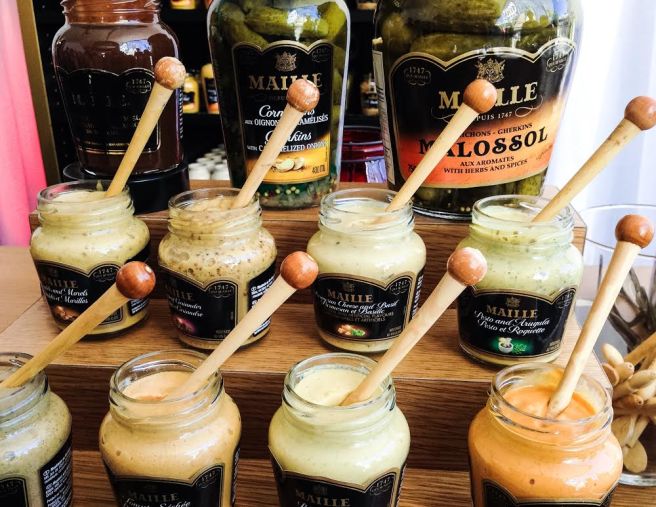
Maille Gourmet Mustards

Tasting their various mustards one after the other is a good education. Their Chablis mustard is bracingly strong, but nuanced. Their flavoured mustards run from ones that could easily be eaten alone to those that are meant to complement other flavours or finish a dish.

Harry Lalousis, Maille mustard sommelier, highlighted mustard’s role as an ingredient in his presentation to us. He asked us to think about how the mustards in our kitchens can enhance the food we cook, while breaking free of recipes in favour of creativity and taste.
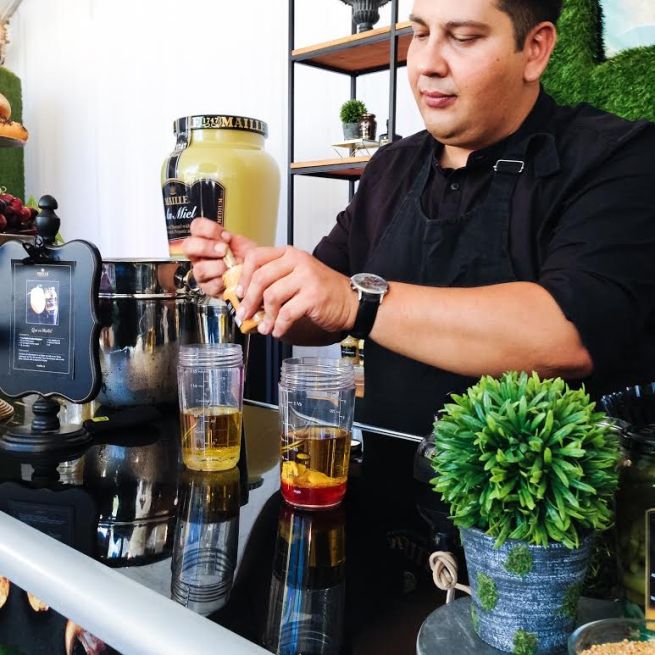
Maille Vinaigrette Demonstration

As a demonstration, he shared his vinaigrette ratio with us: 3:2:1 – olive oil:vinegar:mustard. Once you have that, you can let your creativity flow, based on what is in your pantry and what you’re preparing. He quickly made up two vinaigrettes on the spot, using his ratio and measuring by eye. His first vinaigrette made use of Maille’s raspberry vinegar and original Dijon mustard. The second, their white wine vinegar and mustard with White Wine, Mangoes and Thai Spices. The first is perfect for topping a salad of spicy greens. The second, marinating chicken, fish, or even tofu. I enjoyed the way he made creative cooking so accessible, while demonstrating ways to make the best of the products we’d been sampling.

Columbia StrEAT Food Truck Festival

Afterward, I was almost too content to visit the food truck festival and accompanying artisan market. I’m glad I didn’t skip them – the artisan market was full of BC producers of wine, spirits, and beer, along with artisans and makers. The food truck festival, with around 100 to choose from, provided enough exercise to whet even the most sated of the mustard samplers.

Artisan Market at The Anvil

I came away with contacts that I’d like to pursue in future blog posts and a full belly from the (more than I care to admit) treats I found at food trucks. I’ll be marking my calendar for next year and crossing my fingers that Maille’s Flavour Studio will make a return visit.
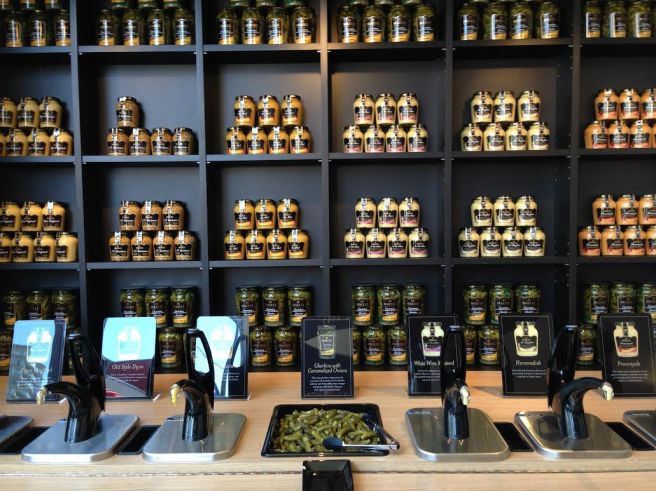
Maille mustards and cornichons

If you’re in Montréal, you’ll have the last chance this year to sample Maille’s boutique line – the Flavour Studio will be visiting Festival YULEAT next weekend. I’m tempted to fly out.

I received an invitation to the Flavour Studio press event, along with a jar of custom mustard and a jar of Maille’s Malossol Cornichons from Maille Canada, but received no other consideration. All opinions are my own.
Cook the Book Fridays – Cherry Tomato Crostini

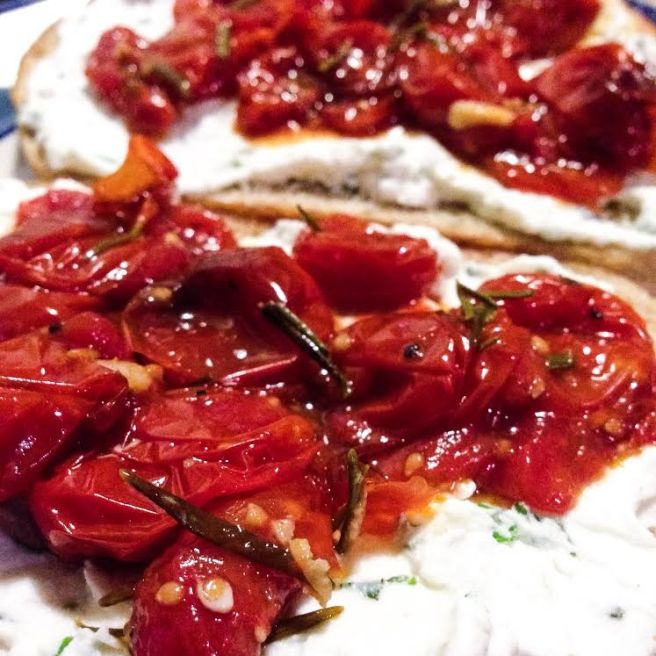
Cherry Tomato Crostini with Herbed Water Buffalo Cheese

I spend the hottest part of the summer negotiating with myself over when I can turn on the oven and for how long. As much as I love stone fruit pies, roasted corn, and all that heat can bring to summer’s produce, I am not built for hot weather (or cold, but at least turning on the oven in winter helps alleviate my weaknesses). I should probably take up grilling, since I’m not sure how my neighbours would feel about my visualizations of an outdoor kitchen.

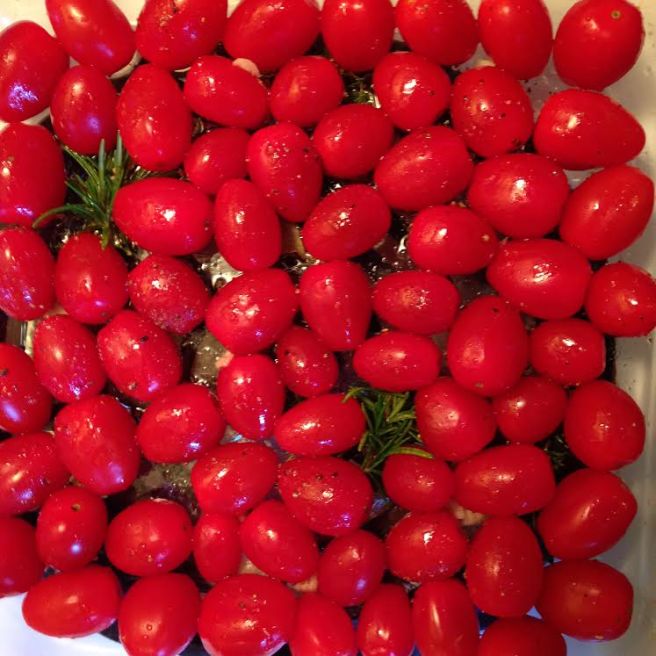
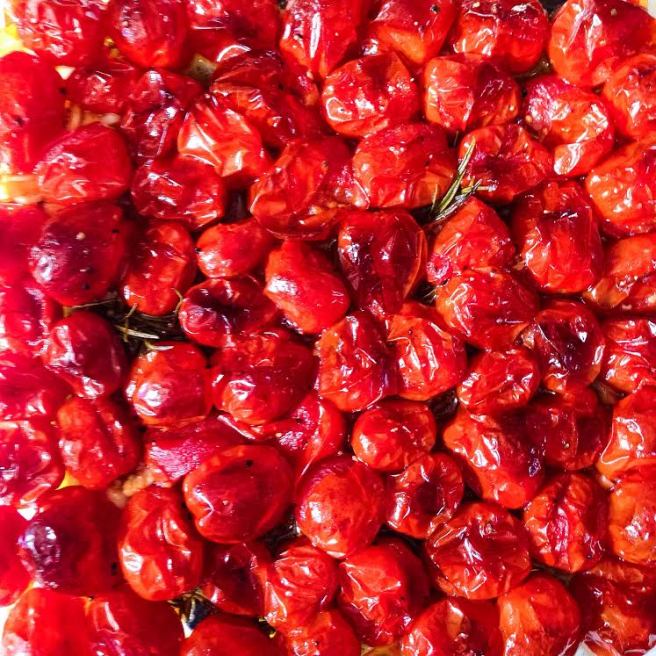
Cherry tomatoes ready for roasting

One thing that can motivate me is high summer’s tomatoes. I love roasted tomatoes. I usually slow-roast them, but David Lebovitz‘ quicker method is so good, I might just start using it all the time.

Roasted cherry tomatoes

I had a meeting in the backyard while the tomatoes were in the oven, so the heat was only a factor when I was taking them out. I ended up leaving them in a little longer than the recipe calls for, inadvertently, but they came out just the way I like them – soft, jammy, and a bit browned. I roasted them with thyme and rosemary, lashings of black pepper and a little sea salt. They are sweet and savoury in perfect measure.

Making herbed water buffalo cheese

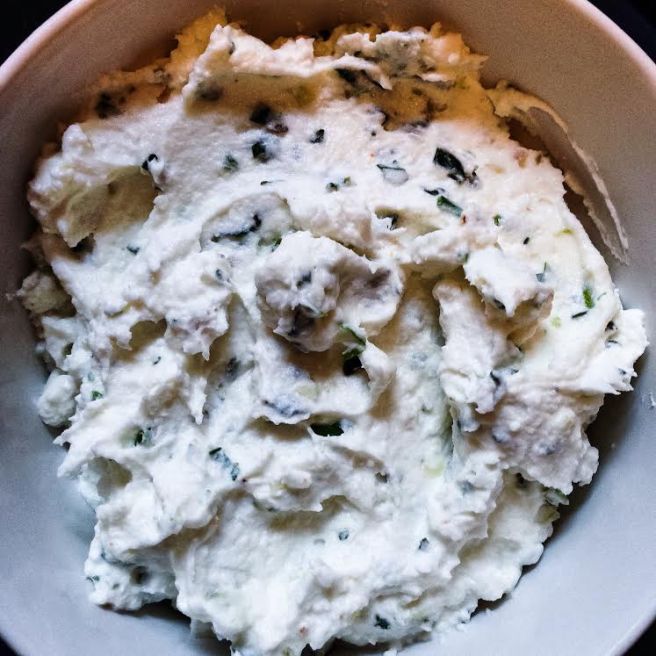
That was today’s primary activity in making this week’s Cook the Book Fridays selection, but I started preparing this dish yesterday. To make the herbed cheese, I bought some thick, Greek-style yogurt. It was supposed to be goat’s yogurt, but the only containers I could find were huge and the yogurt inside seemed runny. So, on a whim, I used water buffalo yogurt instead. It’s milder than goat, so the finished cheese is less tangy than it would have been, but I really like the results. It’s more like labneh than a soft cheese and it’s perfect for this recipe.

Herbed Water Buffalo Cheese

I’ve made chèvre before and loved it, but this recipe is much more likely to be made regularly. It’s easier and can be used in many of the same ways as soft cheeses like goat cheese. Mixed with garlic, shallots, cayenne, and herbs (I used basil, flat-leaf parsley, chives, and thyme), it made a perfect foil for the tomatoes.

The last step was the easiest, but it required a little fortitude. I’d been out in the heat, running errands, and the last thing I wanted to do was turn the oven back on to toast the bread. It was worth it – who can argue with toast that’s been slathered in olive oil before going into the oven and then rubbed with a garlic clove on its way out? But I might cheat tomorrow, if it’s as hot. Toast can be brushed with olive oil on its way out of the toaster, after all.

Cherry Tomato Crostini with Vegan Cream Cheese and Gluten Free Bread

I actually made this two ways – one version with gluten-free bread, vegan cream cheese, and the roasted tomatoes; the other with the French country bread, the herbed water buffalo cheese, and the roasted tomatoes. The second one was for me and I loved it. The first one didn’t go over as well – the vegan cream cheese wasn’t a perfect match for the roasted tomatoes.

I’ve got enough of everything to do it all over again tomorrow. And if I use my toaster cheat, I won’t have to turn the oven on at all.

If you want to try this yourself (and if you have summer tomatoes available, you should), you can find the recipe here: Cherry Tomato Crostini with Homemade Herbed Goat Cheese. But, buy the book – everything in it is stellar.

You can read through everyone’s posts here. And consider joining this community of wonderful cooks and lovely people, as we work our way through David LebovitzMy Paris Kitchen.

Garden Succotash with Cornichons

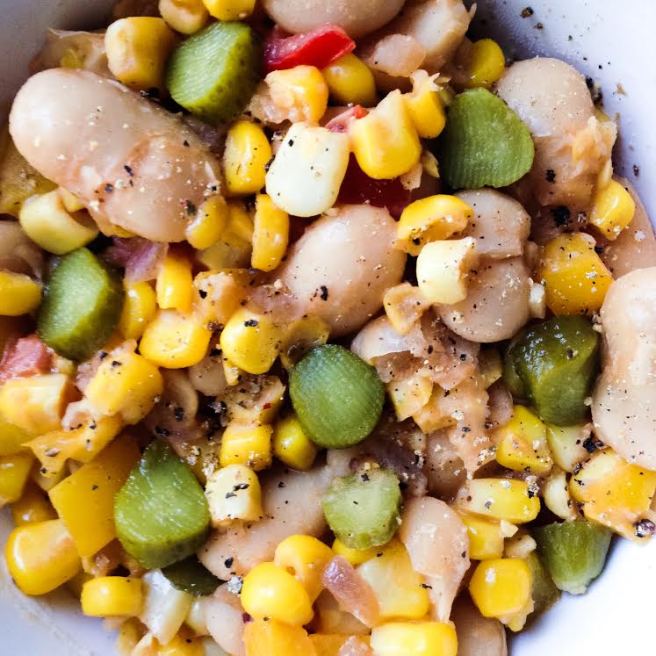
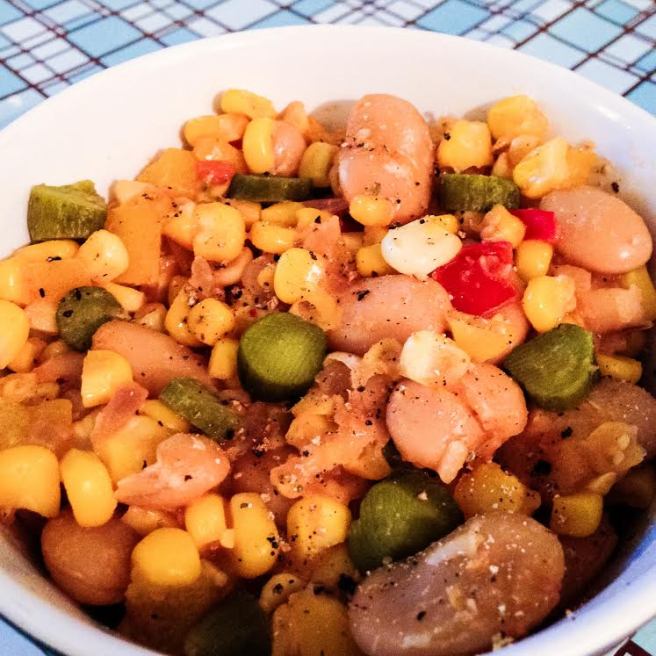
Garden Succotash with Cornichons

In high summer there are few things that make me as happy as pulling fresh food out of my own garden. Well, maybe a delivery from my parents of Chilliwack corn and whatever they’ve been growing in their own garden.

When that coincides with a delivery from Maille Canada, I start feeling ecstatic.

Maille Cornichons with Caramelized Onions

Maille was kind enough to send me a jar of the newest edition to their range of cornichons – Gherkins with Caramelized Onions. Knowing how good their cornichons are is a liability. I found it difficult not to open the jar before I’d settled on a recipe to use them in. This would have been a very different post then, as they don’t last long around here.

Willpower prevailed and I came up with a version of one of my favourite side dishes, succotash, to showcase the flavour of these wonderful cornichons. Succotash is one of those infinitely variable dishes that can stray very far from its original components (corn, lima beans, and tomatoes), while still retaining its character.

I’ve made a really good winter slow cooker version with edamame and frozen corn, but my favourite time to make it is right now, when the best of the summer’s corn is at its height.

I love corn on the cob – who doesn’t? But fresh corn has so much more to offer – I eat it raw in salads, cooked with the cob in soup, and sliced off the cob in almost any dish I can work it into.

As for cornichons, I’ll eat them straight out of the jar, but love to add them (and their brine) to salads, meat dishes – or again – any dish I can work them into.

These cornichons are flavoured with caramelized onions in a brine rich with grape must, wine vinegar, and mustard and coriander seeds. They’re delicately piquant and provide a perfect acid that enhances the fresh summer flavours of this succotash without overwhelming them.

In winter, I want a succotash that’s almost a stew, but in summer I like to add raw vegetables (like cherry tomatoes) to the mix. It’s much more like a warm salad and the brine works with the sauce provided by the corn, Roma tomato, and butter beans, to act like a vinaigrette.

We ate the succotash with roasted new potatoes and beets and steamed green beans – all fresh from the garden. It made for a hearty vegan meal. But, this could easily act as a barbecue side. It would be particularly great with grilled pork chops or chicken, along with a piquant potato salad

It’s also adaptable to whatever you’re bringing home from the fresh markets or pulling from your own garden. The green beans could have easily been added to the succotash, the butter beans replaced by Lima beans, Borlotti beans, or edamame. But don’t skip the cornichons or their brine. You’d regret it.

Garden Succotash with Cornichons again

Garden Succotash with Cornichons

Makes 6-8 servings

  • 1 Tbsp olive oil
  • 1 small red onion, finely diced
  • 4 cloves garlic, minced
  • 2 sprigs fresh thyme
  • 1/2 tsp salt
  • freshly ground black pepper
  • 3-4 ears (4 cups of kernels) fresh corn
  • 2 398 mL (14 oz) cans of butter beans
  • 1 sweet pepper (any colour), diced
  • 1 Roma tomato, coarsely diced
  • 12 cherry tomatoes, diced
  • 6 Maille Cornichons (Gherkins) with Caramelized Onions, sliced thinly
  • 1 Tbsp brine, from the jar of cornichons

Cut the kernels from the cob using a chef’s knife, while standing the corn cob in a large bowl. Slowly slide the knife under the kernels, keeping as close to the cob as you can (and keeping your fingers well out of the way). Discard the cobs and set aside.

Heat the olive oil over medium heat in a large skillet or pan. Add the onion, with a pinch of the salt, cooking until translucent and beginning to brown, about 10 minutes. Add the garlic and cook a minute or two more, until soft.

Turn the heat to medium-low. Add the corn kernels, butter beans, sweet pepper, Roma tomato, and thyme sprigs, with the salt and a generous grinding of fresh black pepper. Stir well. Cook until the corn is barely tender and all ingredients are heated through, about 7-10 minutes.

Remove the thyme sprigs. Add the cherry tomatoes and cornichons, with a tablespoon of brine from the jar. (Make sure you get some of the caramelized onions along with the brine.) Mix well and serve immediately.

Overhead view of Garden Succotash with Cornichons

I will be tracking down these cornichons as soon as this jar is empty. They’re a staple in my cooking and on my snack table, too. They’ve taken their place alongside the Maille’s mustards that fill almost an entire shelf on the door of my refrigerator.

But, you don’t have to live vicariously through me – these cornichons are in wide release across Canada. And if you live in Metro Vancouver, you’ll also soon have an opportunity to sample some of Maille’s more exclusive offerings, in person. Maille is going to be bringing their Flavour Studio to New Westminster’s Columbia StrEAT Food Truck Fest on August 20th. They will be holding culinary workshops and mixing custom gourmet mustards. Their exclusive fresh mustard will be on tap and headmaster mustard sommelier Harry Lalousis will be there to demonstrate ways to embellish your cooking with Maille’s mustards.

I’ll be there and I’ll be writing about the day shortly afterward, so if you don’t join me, you’ll have to settle for experiencing it all vicariously. I know what my choice would be.

I received a jar of Maille’s Gherkins with Caramelized Onions from Maille Canada, but received no other consideration. All opinions are my own.
Cook the Book Fridays – Apricot Crumble Tart

Apricot Crumble Tart

How often have I said, today’s assignment is in the oven as I write? Probably a little too often. But, here I am again. I’ve been meaning to make this tart all day, but have fallen down several rabbit holes along the way. First, there was shopping to find the perfect Rosé to go with the pickerel my parents generously shared with me (it’s a Prairie fish – properly called walleye – and one my father particularly loves, so it’s especially lovely that they passed some along to me). After that, there was weeding the garden, and a coffee on the Drive with Kevin.

Then, there was the main distraction of the day. A week or so ago, Melissa of Food Bloggers of Canada asked if any of us used bullet journals. I’d missed the phenomenon entirely and have been spending spare moments trolling Pinterest and Instagram, Boho Berry and Tiny Ray of Sunshine, in a quest to figure it all out. As it turns out, it’s not all that different from the ‘Everything’ books I used to carry around, with less angst and more concision.

Everything Books

I’ve fallen for the trend, more or less, and have started carrying around a Leuchtturm1917. It’s not a bad thing. I’ve never been a good fit for a traditional dayplanner – my work and creative outlets don’t fit nicely into those evenly divided spaces. I’d moved to keeping everything in my phone or in my head, which is convenient, but doesn’t have the satisfaction or brainstorming potential of analogue notebooks. So, this diversion has turned out to be a welcome one.

One of the first things I did was set up a section for blog planning. It’s been a little quiet around here, with many analogue-life upheavals and changes in the works. Things have settled down now and my capacity for writing, cooking, creating, and exploring has returned. So, my new planner is justifying its purchase quite quickly – thank goodness for positive reinforcement.

Even more positive is the return of my desire to get into the kitchen. My parents sent along some beets with the pickerel, I gathered some radishes from my garden, and picked up some mushrooms and new potatoes from the fresh markets along Commercial Drive. The vegan entrée was sage-roasted mushrooms and we shared roasted potatoes, beets, and radishes. Tomorrow, there will be corn on the cob and salad with lettuce, radishes, and cucumbers from my garden. My cooking mojo returned just in time for high summer’s bounty.

Lemon Dill Panko Crusted Pickerel

And for the next few days, there will be this delicious tart for dessert. Our markets are full of enormous, juicy BC apricots right now and the timing was perfect for this tart. David’s tart dough baked perfectly and the simple crumble topping is all that’s needed to complement the goodness of the apricots.

My mother is coming back on Monday for a visit. I’ll be hard-pressed to save some long enough to share with her.

You can read through everyone’s posts here. And consider joining this community of wonderful cooks and lovely people, as we work our way through David LebovitzMy Paris Kitchen.

Cook the Book Fridays – Buckwheat Crêpes With Ham, Cheese and Egg

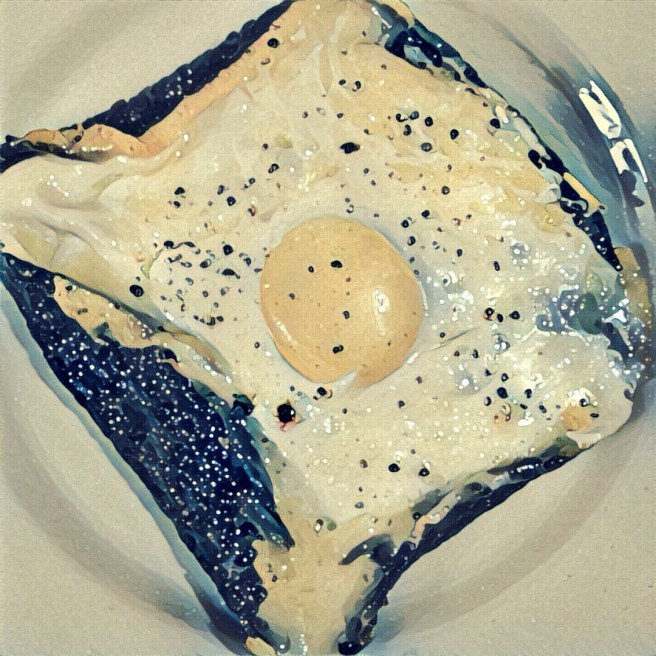
Prisma-styled buckwheat crêpe

For many of us, buckwheat flour is one of the ingredients in a pancake mix. Growing up, there were usually only three flours in my parents’ pantry: all purpose, whole wheat, and pastry. Occasionally rye flour would make an appearance, if someone had gone on a bread-baking spree.

Now, after a decade of living with someone who has celiac disease, my definition of pantry staples has shifted. In fact, there is a whole shelf devoted to gluten-free flours. Quinoa? Right there. Coconut? Two jars down. Oat? Let me grind a little for you. Garfava? It’s sitting there, a little unloved, at the end of the row.

So, sourcing buckwheat flour wasn’t the most challenging part of this week’s assignment for me.

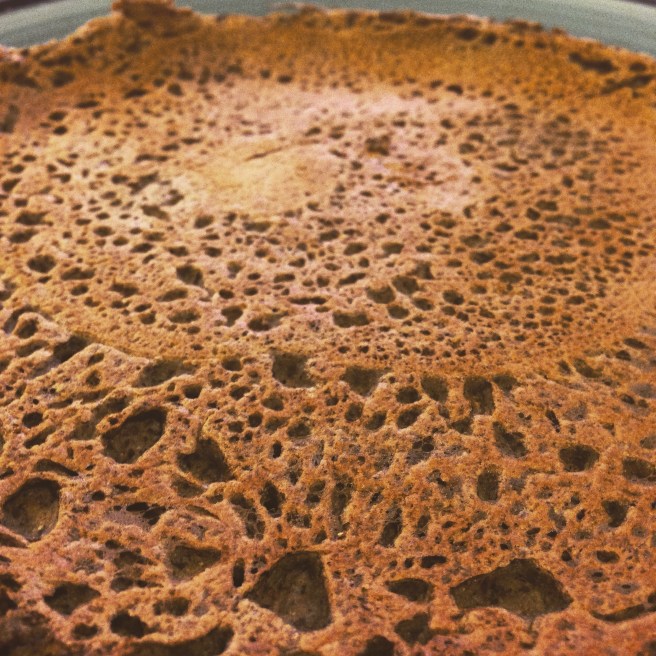
Surprisingly, neither was making the crêpes. I put together the batter last night, but wasn’t able to start cooking until this evening. The batter held up well. My pan is only eight inches wide, so mine were a little small, but they were lacy, golden brown, light, but resilient. Nearly perfect.

Buckwheat crêpe

My woes began with the egg. My stove is ever so slightly a-tilt. Something I forget until carefully placed food starts sliding to one side. On my first attempt, the egg skated over the surface of the crêpe, settling against the side of the pan. I managed to move it back a few times, but then it burst. The crêpe was a little too Pollock to photograph, but it was delicious.

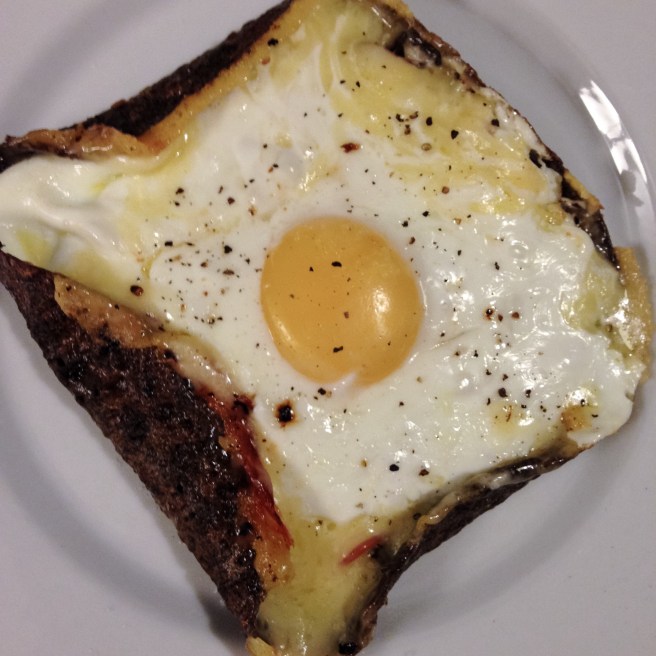
On my second attempt, I built a little wall of grated cheese around the centre of the crêpe and trapped the yolk inside. This time, my problem was folding the sides of the crêpe – I’d been a little too enthusiastic in my wall-building and the crêpe was over-filled with cheese.

As you can see, it prevented me from making a perfect square, which was probably not helped by the fact that my crêpes were a little smaller than they should have been. But, again, it was delicious and there was nothing to regret about the extra cheese.

My next attempt at this recipe will involve the purchase of a proper crêpe pan. In the name of science, of course.

Buckwheat crêpe with ham, cheese and egg

You can read through everyone’s posts here. And consider joining this community of wonderful cooks and lovely people, as we work our way through David LebovitzMy Paris Kitchen.

Cook the Book Fridays – Raw Vegetable Slaw with Creamy Garlic Dressing

Raw Veggie Slaw with Creamy Garlic Dressing

What better time for a classic summer salad than a weekend bookended by two national holidays? Slaws are classic picnic and barbecue food and this one stands up to any I’ve tried. This recipe is also a blueprint for enjoying slaws year-round, with an host of suggested vegetables and fruits to complement its garlicky dressing. This time, I chose red cabbage, green onions, radishes, flat-leaf parsley, and some tarragon fresh from my balcony garden. In winter, I might choose broccoli or Brussels sprouts, carrots, beets, and red onion.

The dressing is truly garlicky, calling for two full tablespoons of garlic to one cup of mayonnaise. I made a vegan version, using vegan mayo, and it translated quite well. Vegan mayos have improved immensely over the last few years, I’ve found. I quartered the dressing recipe, made half the quantity of salad, and still had some dressing left over. It will be gone quickly – it’s so good, it could serve as a dip. It’s a terrific combination of garlic, red wine vinegar, and Dijon mustard.

Raw Veggie Slaw

I’ll be adding this dressing to my regular rotation. I can’t remember the last time I bought a bottle of salad dressing. There are so many great scratch recipes for them and I like being able to make dressings in small quantities – that way, they never go to waste, unlike past bottled dressings that expired long before I could finish them.

I hope my Canadian and American friends are enjoying their long weekend and those in other parts of the world have a relaxing weekend, too.

You can read through everyone’s posts here. And consider joining this community of wonderful cooks and lovely people, as we work our way through David LebovitzMy Paris Kitchen.

Baking Chez Moi – Rice Pudding with Spiced Hibiscus Syrup

Vanilla bean rice pudding with blueberries and spiced hibiscus syrup

I’ve had Dorie’s rice pudding before, with lemony caramel apples. It’s different from the rice pudding I grew up with, which was all about making leftover rice delicious. (Though even that kind of rice pudding can put on some party clothes.)

Dorie’s rice pudding uses arborio rice, which is simmered in whole milk and flavoured with a little sugar and half a vanilla bean. It’s simple, rich and delicious, the perfect backdrop for flavours in every season.

In summer, she recommends spiced hibiscus syrup and fresh strawberries. We’re well into blueberry season here, so I used those instead. They’re just as nice a pairing for hibiscus as strawberries and they’re what was freshest at the market today.

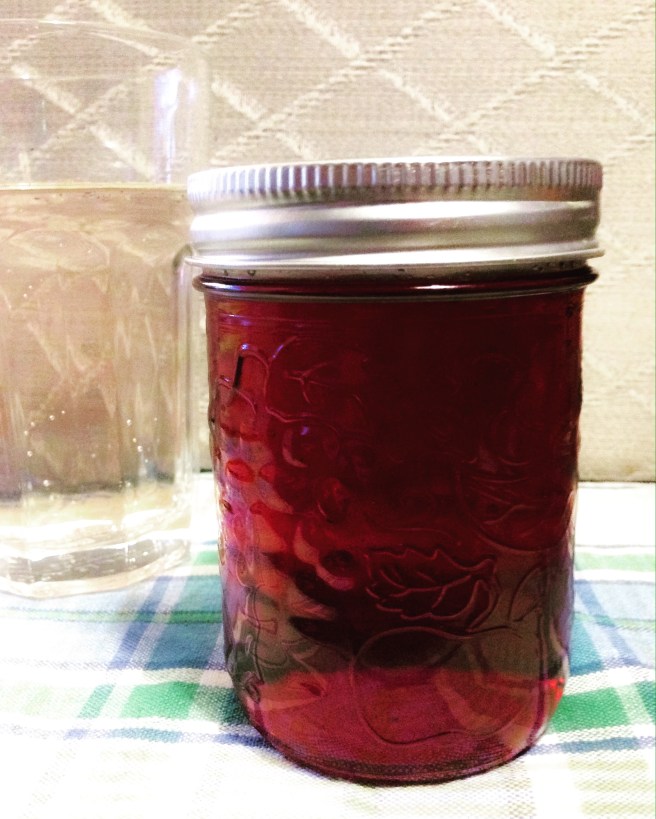
Spiced Hibiscus Syrup

As a bonus, there is plenty of leftover hibiscus syrup. I mixed a tablespoonful into some cold Pelligrino earlier today, but there are endless cocktail and mocktail possibilities for this jar of simple syrup. Or, I could just spend the rest of the week drizzling it over ice cream.

You can find the rest of the Tuesdays with Dorie crew’s entries on this recipe here or here, along with posts about this month’s other selected recipe, Rose Frasier.

Cook the Book Fridays – Poulet Crapaudine

Spatchcocked chicken

This chicken took a circuitous route into my kitchen. I don’t cook a lot of meat at home, to spare the vegan and because I’ve always been comfortable with a mostly vegetarian diet. So, when this dish came up in the rotation for Cook the Book Fridays, I decided to hand off the cooking to my parents. They have some beautiful chickens in their freezer that they got from a friend’s farm. This recipe adapts perfectly to the barbecue, which they’ve already got fired up for the summer season. I thought I’d send my mother home with the harissa paste in my freezer and enjoy this dish vicariously through their photos and descriptions.

But things didn’t go as planned. First, I completely forgot about the harissa paste, so my mother settled on sambal oelek instead. My brother spatchcocked the chicken for her and she put together the marinade, bagged the chicken, and refrigerated it.

Spatchcocking and marinating the chicken

And then she remembered she was going away to a conference, so she brought the chicken over to me. It needed another day in the refrigerator, which brings us to today. I put it into my Dutch oven, weighed it down with some Corningware, and cooked it on the stovetop. I lost some of the skin, but it worked rather well. Then, I transferred it to the oven, where it took about half an hour to finish. I was happy with how it turned out in the Dutch oven, but I think I’ve got to invest in a larger cast iron frying pan. I think it would have been easier to work with and the chicken wouldn’t have taken quite so long to finish.

The results were tender and juicy, a little spicy, and very flavourful. I only had a taste tonight, but I’m looking forward to having some more tomorrow, with coleslaw and roasted potatoes. The rest is going into the freezer, so that it can travel back to my parents’ house. It wouldn’t be right to exclude them from enjoying this chicken, would it?

I’ve titled this post Poulet Crapaudine, which is French for spatchcocked chicken, but David Lebovitz calls it Chicken Lady Chicken, in honour of the woman who inspired the recipe. I hope if you try this dish, your chicken doesn’t have to commute quite as much as mine did.

You can read through everyone’s posts here. And consider joining this community of wonderful cooks and lovely people, as we work our way through David LebovitzMy Paris Kitchen.

Honey Dijon Lamb Meatballs

Lamb meatballs with rosemary roasted potatoes and sauteed greens

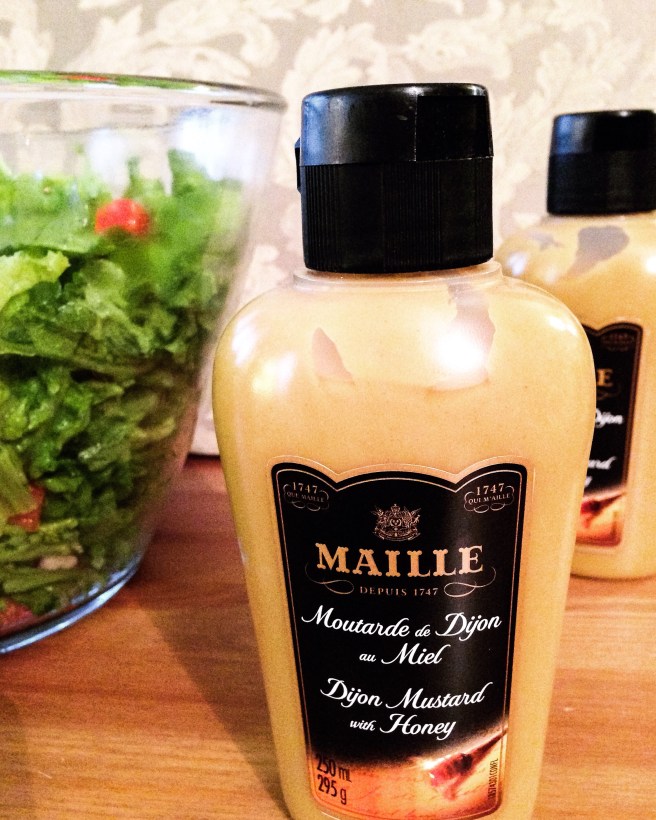
Mustard does something magical to lamb. Slather it on a leg of lamb before roasting and it forms a beautiful crust. Add some to a shepherd’s pie and it will marry the flavours of all the seasonings. Dollop a tablespoonful into a meatball mixture and it will add tenderness along with flavour. I enjoy the pairing so much that I sometimes forget that there are other flavours that can complement lamb. I suppose it’s not surprising that when Maille Canada kindly sent me a sample of their famous Honey Dijon mustard, I started making plans for the ground lamb in my freezer.

Maille’s Honey Dijon is already a favourite of mine, but their squeeze bottle packaging was new to me. It’s meant for outdoor eating, so I wanted to make something that would showcase the flavour of the mustard, but would also translate easily to the barbecue.

Our weather has been a little spotty of late, so I roasted these meatballs in the oven. But, they will roast just as beautifully in a grill pan on the barbecue. I make my meatballs with rice, which means I don’t have to exclude gluten-free eaters. You could easily replace the rice with another grain or quinoa. I cooked the rice in a tomato-rich vegetable broth, but you could use chicken broth, lamb broth, or plain water, instead.

These meatballs get their tenderness from the mustard and a bit of yogurt, with a tiny bit of extra piquancy from some finely diced cornichon (a trick I picked up from Dorie Greenspan). They’re great on their own, or with a bit of tomato sauce. They’re lovely in soup and I suspect they’d elevate a meatball sandwich, especially if you served them on a baguette with cultured butter and a generous slathering of honey Dijon.

Honey Dijon Lamb Meatballs

Makes 15-20 meatballs

  • 1 lb ground lamb
  • 1/2 cup cooked basmati rice
  • 1 egg
  • 1 tbsp plain French-style yogurt
  • 1 tbsp Maille Honey Dijon Mustard
  • 1/4 cup chopped fresh flat-leaf parsley
  • 1 cornichon, finely diced
  • 1/4 cup diced onion
  • 2 cloves garlic, minced
  • 1 tsp fresh rosemary (or 1/2 tsp dried)
  • zest of 1/4 lemon, grated
  • 1/2 tsp salt
  • a good grinding of black pepper

Preheat oven to 400°F. Line a rimmed baking sheet with parchment paper. Or, use a grill pan and cook on the barbecue with the lid closed.

In a large bowl, gently but thoroughly mix all ingredients. Shape into balls of 2-3 tablespoons of the mixture and place on lined baking sheet.

Bake for about 25 minutes, until nicely browned and cooked through. (If you’re using a meat thermometer, cook to 160°F.)

Serve immediately. Leftovers can be gently reheated in broth or tomato sauce, or added to soup. Or, place them on a tray and freeze them, then transfer to an airtight container or freezer bag. They’ll keep for 3-6 months.

Maille Honey Dijon Mustard

Maille sent me two squeeze bottles of their Honey Dijon mustard. I’ve been working my way through one of the bottles, using it for sandwiches, salad dressings, and marinades. And now that summer’s about to begin in earnest, I’m glad to have a container of gourmet mustard that’s picnic-safe. The other bottle was sent home with my mother. My parents grill all summer long and they were eager to add it to their condiment arsenal.

I think this packaging is going to be a hit. People are seeking out higher quality sausages and cured meats for their al fresco meals these days. It makes sense that they’d want to elevate their condiment selection, too. Maille is certainly confident that’s the case – beginning this month, you’ll be able to find their honey Dijon in supermarkets, as well as gourmet stores. Barbecue culture is growing up.

I received two bottles of Maille’s Honey Dijon Mustard from Maille Canada, but received no other consideration. All opinions are my own.

Cook the Book Fridays – Fattoush

Fattoush

I don’t think of salads as diet food. It’s what I was raised to do, but the days of wan supermarket lettuce, with its limp produce aisle cohorts are long gone. These days, lettuce is early summer fare, along with freshly-dug radishes and scallions. It’s not quite time for tomatoes and cucumbers, but today’s fresh market offerings are better than the supermarket fare of yore (yore being the late 20th Century).

Salads are a broader category for me now, too. Shaved Brussels sprouts or cabbage might go into a winter salad, roasted tomatoes and eggplant into a high summer version. But right now, salads look a lot like the ones in my elementary school picture books – lettuce, tomatoes, cucumbers, peppers, radishes, carrots – they’re all fair game.

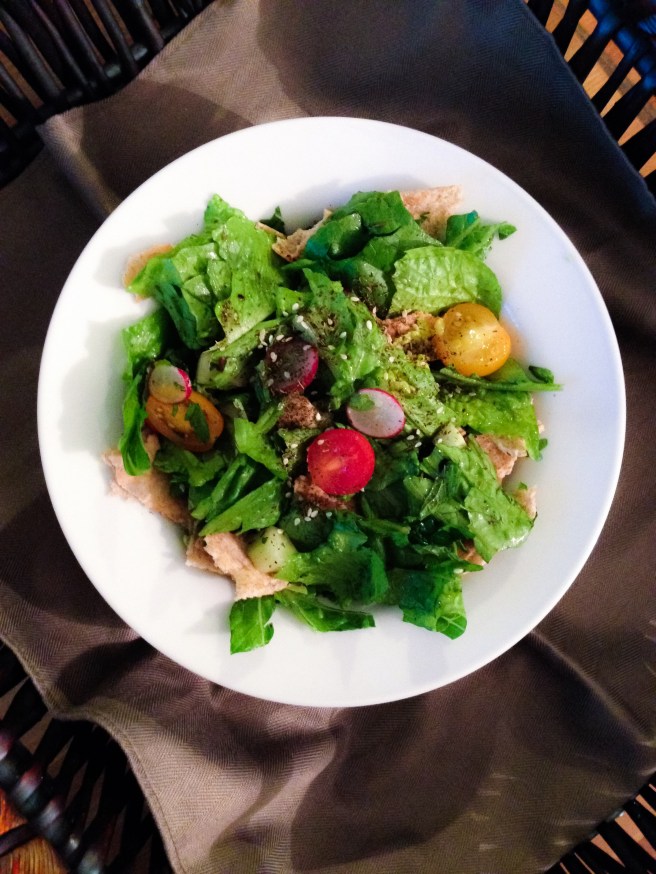
Fattoush with za'atar

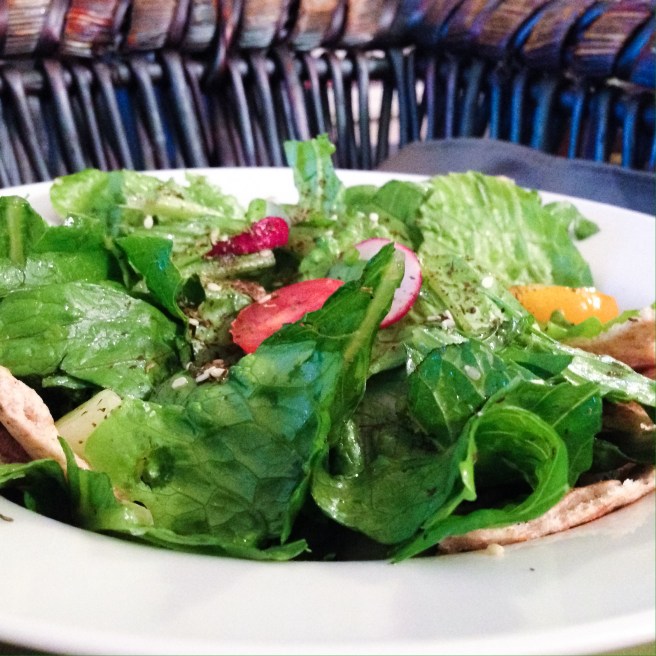
Tonight’s salad is fattoush, which adds a healthy dose of flat-leaf parsley and mint to a mix of romaine, onion, radishes, and cucumbers. It’s tossed in a lemony, garlicky, mustardy vinaigrette and finished with grindings of black pepper and a sprinkling of sumac. I’m out of sumac, so I substituted za’atar. I’m glad I did, because there’s lots of sumac, but it also adds a burst of thyme and sesame.

My bowl included pieces of pita that had been brushed with olive oil and crisped in the oven. The gluten-free version included crispy rice crackers instead. Both were full of flavour.

There will be many more summer salads this year, but I’ll be revisiting this one regularly, perhaps as soon as tomorrow.

Fattoush on a wicker tray

You can read through everyone’s posts here. And consider joining this community of wonderful cooks and lovely people, as we work our way through David LebovitzMy Paris Kitchen.