FFWD – Speculoos

At Christmas time, I invariably end up on Main Street. It’s my favourite street for gift-shopping. If truth be told, it’s also my favourite street for breaks and meals pre, mid and post gift-shopping. On Saturday, I had an extra incentive for heading out that way. The Winter Farmers’ Market had their first-ever baking exchange and I had the perfect recipe: Dorie Greenspan’s Speculoos.

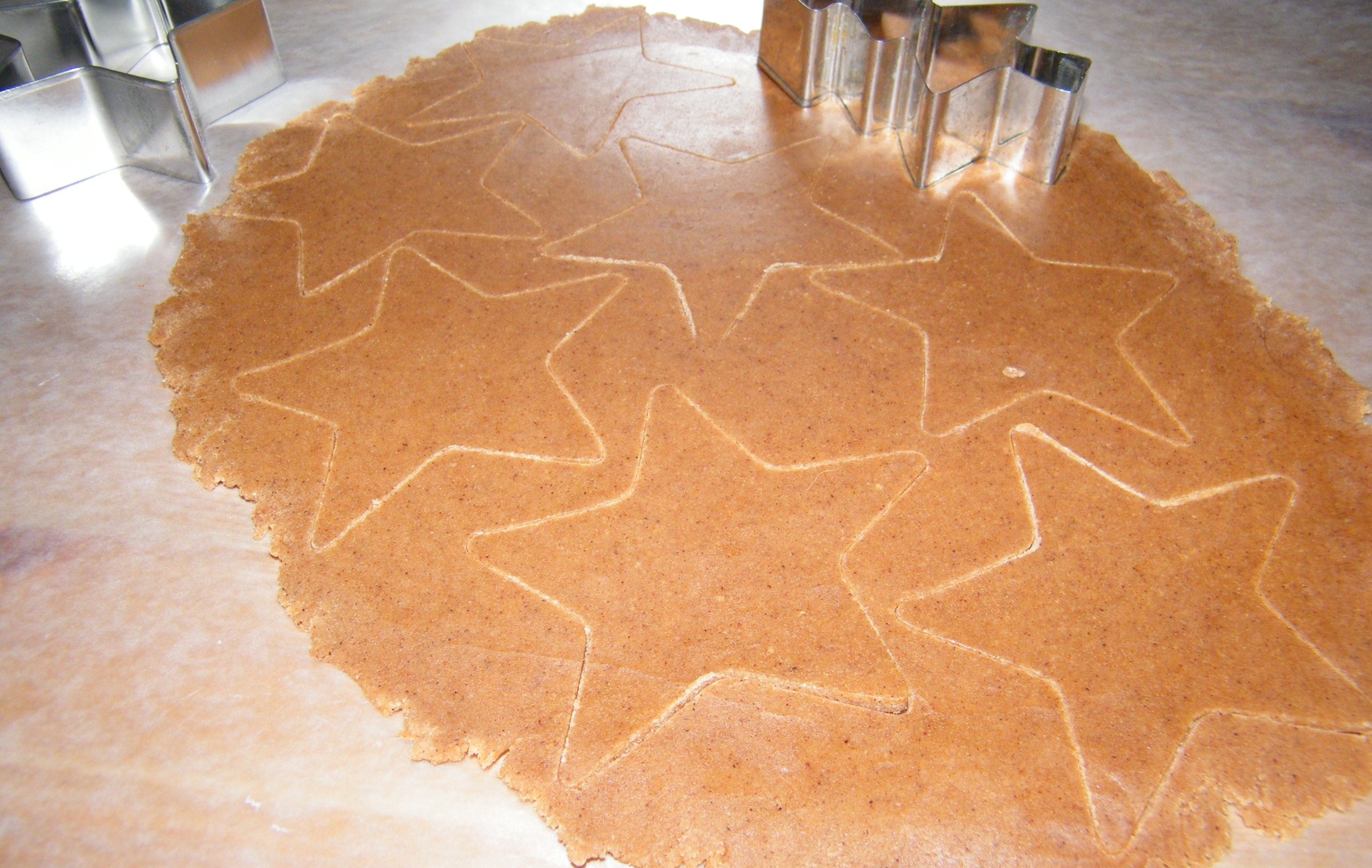
I started the recipe Friday night, making the dough and chilling it overnight. The dough was a little crumbly when I was rolling it out, but by morning it was easy to handle. I worked quickly to cut out shapes and get them onto the pan, before the dough softened too much. When the cookies came out of the oven, I sprinkled them with sanding sugar. The best part, though, was testing one. I was so surprised at the crispness of the cookie. I never really expected it to measure up to the crunch of its commercial cousins. Other recipes I’ve tried were never more than crisp-ish. These would be perfect with coffee, especially if you indulged in a little dipping. I can also see the appeal of turning them into sandwich cookies with nutella or dulce de leche filling.

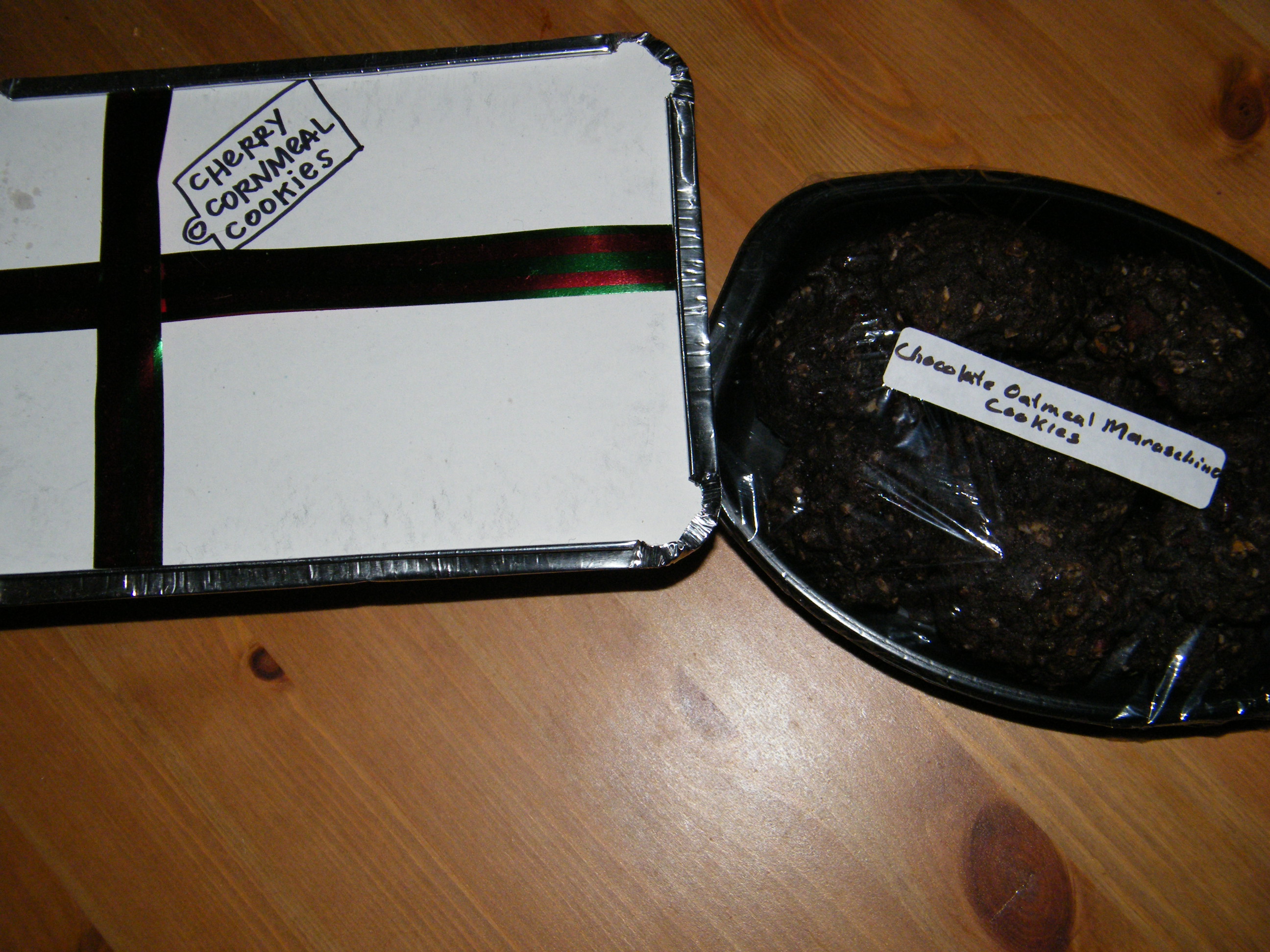
I only needed two dozen cookies for the swap, so I packaged them quickly (using an image I’d found online for the tags) and headed for the Market. I dropped off my cookies and did some shopping while I waited for the swap to begin. Cleverly, the organizer had set up paper bags with participants’ names on them and put our cookies inside. Since we’d all brought two packages of a dozen cookies, we couldn’t have a sample of each kind. Instead, we were invited to pick two bags, making sure they didn’t have our own names on them. I love the grab bag concept. I was pleased to find myself in possession of Roberta LaQuaglia’s Cherry Cornmeal Cookies and Jennifer Zuk’s Chocolate Oatmeal Maraschino Cookies. I’ve tasted them both and can attest that they are delicious. The rest are earmarked for holiday celebrations. Thanks to Robyn Carlson of the Market for organizing the swap – I’m already looking forward to next year’s!

On Tuesday, I’ll let you know what I got up to after the swap as I headed down Main Street.

We’re doing things a little differently again for the month of December. We’re still posting weekly, but people are free to post this month’s recipes in any order. You can find many other blogged descriptions of this month’s FFWD recipes here: LYL: December 17

FFWD – Spiced Butter-Glazed Carrots

These days, the light disappears before I even realize it’s afternoon. Rain is forecast as far into the foreseeable future as meteorologists are willing to predict. Not even the unseasonable warmth seems to make up for the dark and the wet. It can be easy to feel overwhelmed.

But that’s not all of it. Often, the predicted rain falls while I am asleep and I wake up to sunshine, warmth and clean air. Even when that’s not the case, the darkness and the rain can be beautiful. It’s just a matter of perspective.

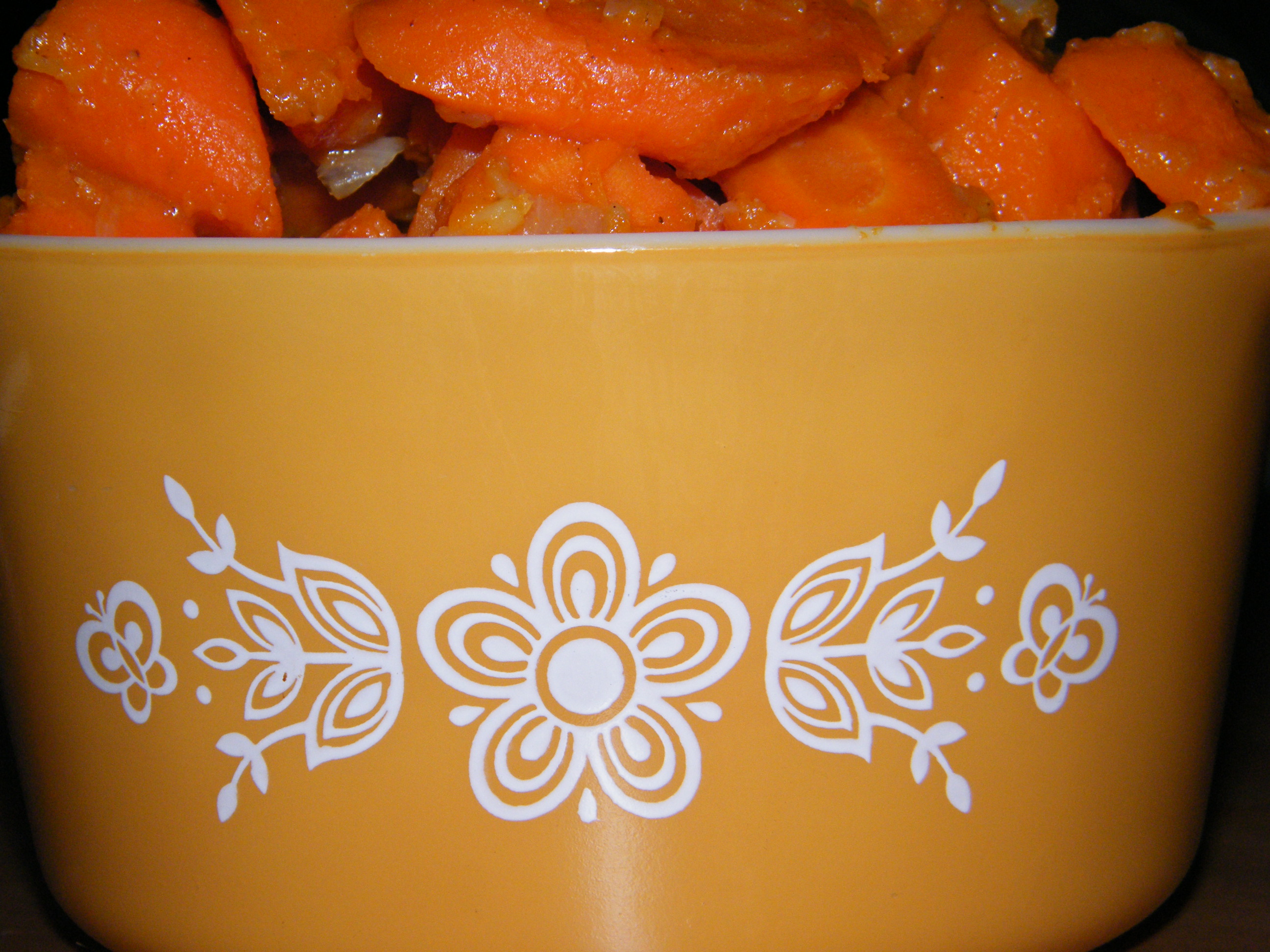
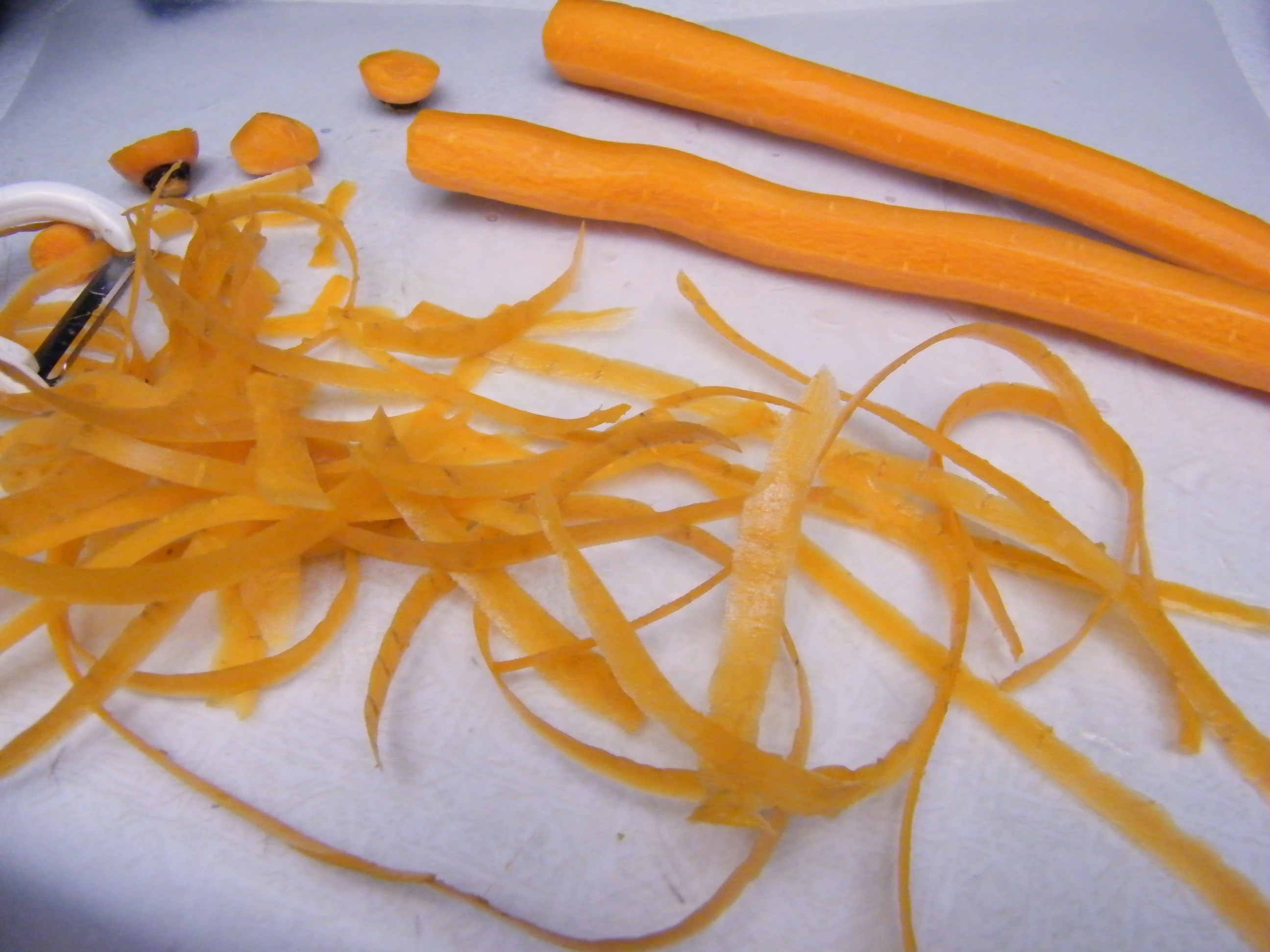
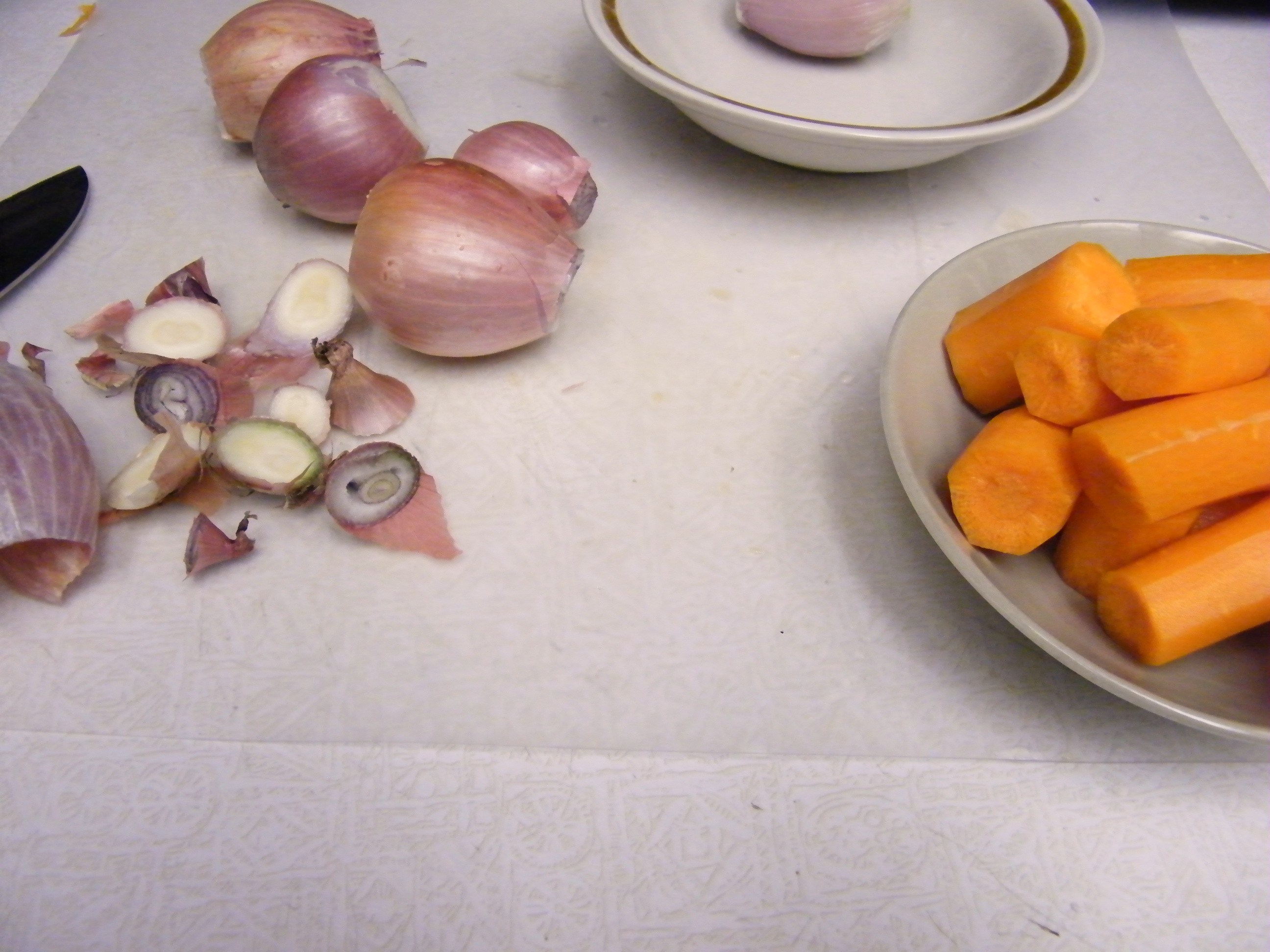
This is what I tell myself when I get frustrated. Like today, when I’m running late with everything and nothing’s working quite as well as it should. Except for dinner. Dinner is terrific tonight. The spiced butter-glazed carrots are so good they might almost pass for dessert and they make a great companion for Sam Sifton’s Asado Negro.

And if you were still hungry afterward, though I’m not suggesting you would be, you might turn to page 36 of the current edition of Edible Vancouver and finish your meal with some pots de crème.

We’re doing things a little differently again for the month of December. We’re still posting weekly, but people are free to post this month’s recipes in any order. You can find many other blogged descriptions of this month’s FFWD recipes here: LYL: December 10

FFWD – Sweet and Spicy Cocktail Nuts

I’ve always loved baking, in an old-fashioned way. When I was a child, I started out as my mother’s helper in the kitchen and then slowly started to master the recipes in her cookbooks. At University, I became known for bringing brownies, cookies and cakes to parties and people would be disappointed if I didn’t. I’ve been doing it ever since.

It’s only been in the last ten years or so that I’ve encountered people who disdain dessert. In one particular circle, I’d bring a basket of cookies to a party and go home with them all untouched. I’d bring the cookies to work the next day and they wouldn’t last a half hour. I was baffled, until I asked the friend who’d introduced me to that crowd. She told me that no one wanted to indulge in unhealthy treats and that a party was no excuse for over-eating.

So, I began bringing cheese plates instead. Blocks of brie, camembert, blue cheese and aged cheddar disappeared, along with the savoury dips and spreads that lined the table. It’s enough to break a baker’s heart. Clearly, the injunction against indulgence really only applied to desserts and baked goods.

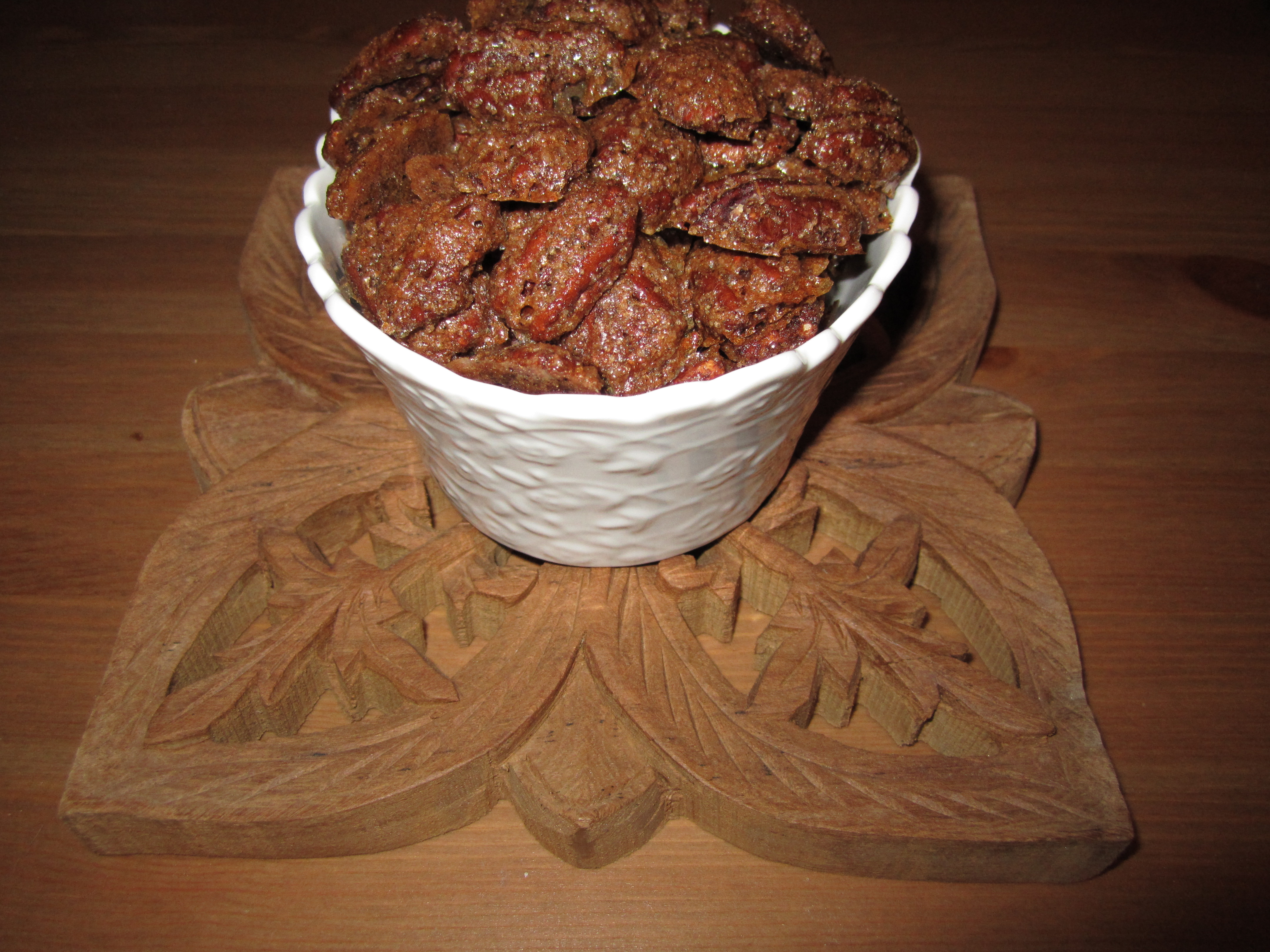
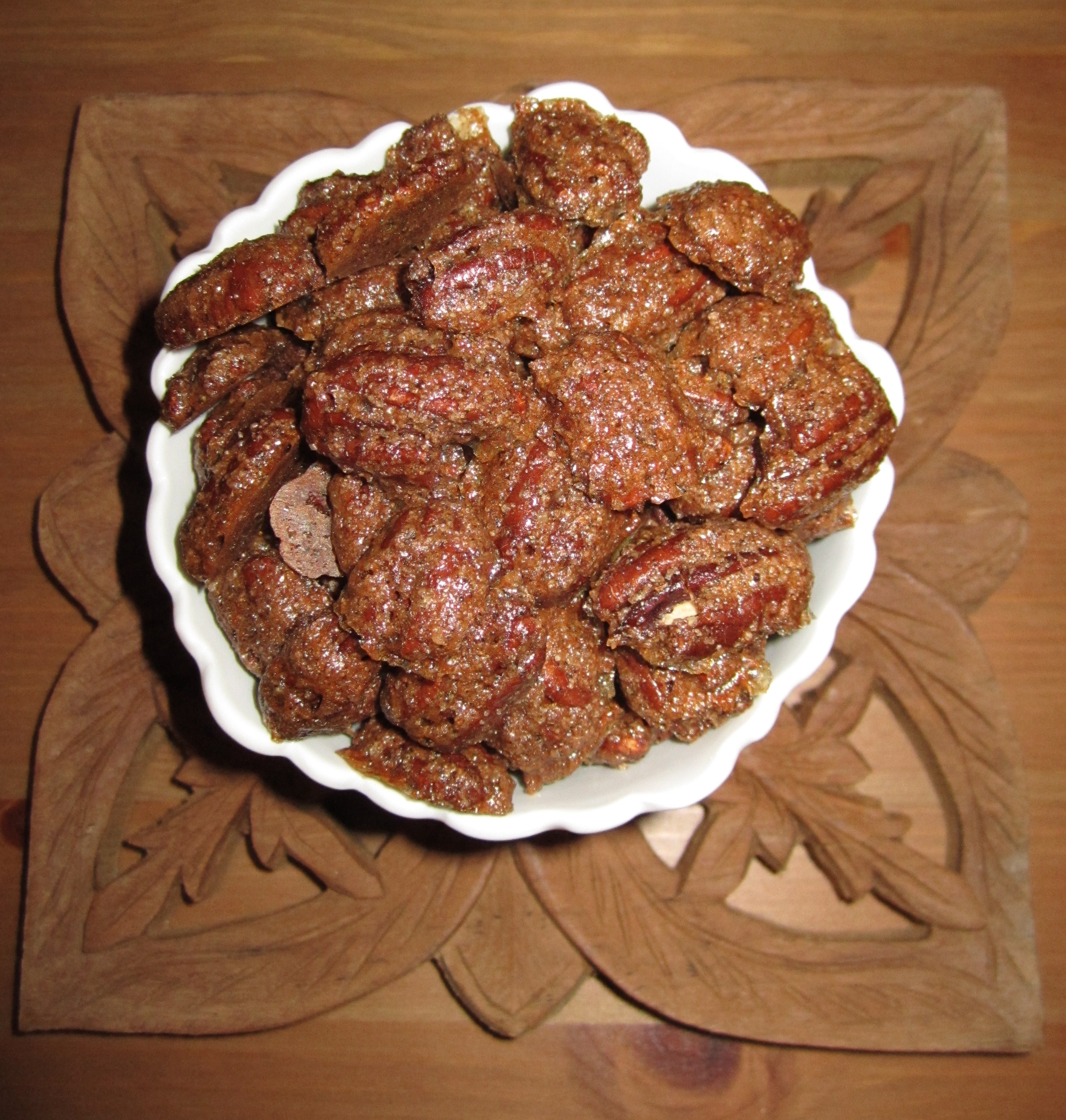
I’ve got another one of these gatherings coming up, but I have a solution that’s going to satisfy my baker’s urge and shouldn’t leave me with untouched offerings at the end of the night. Dorie Greenspan’s Sweet and Spicy Cocktail Nuts.

These are a lot like a brittle, with a spicy bite of cayenne and chilli, instead of the usual caramel. I added a touch of smoked paprika to mine and am pleased with the result. The only thing I’d change is the sugar I used. Next time, I’ll pick up some granulated sugar – the slightly coarse cane sugar I had on hand produced a bubbly, brittle texture that isn’t as visually pleasing as I’d like.

I’m going to present them with a variety of salted nuts. I predict they’ll be popular.

We’re doing things a little differently again for the month of December. We’re still posting weekly, but people are free to post this month’s recipes in any order. You can find many other blogged descriptions of this month’s FFWD recipes here: LYL: December 3

FFWD – Pumpkin-Gorgonzola Flans

Our cookbooks sit on a set of shelves near the entrance to our kitchen. All that fit, that is. Others have no permanent home, floating from kitchen to coffee table to nightstand. Those are the ones I look at most. Note that I did not say use most, although sometimes that’s true. For me (and I’d venture to guess for a lot of people in this culture), cookbooks represent an aspirational impulse. What I shall do; what I want to do; what I wish I could do. Not so very different from the aspirations served by window shopping or dusty mid-list novels.

The reality is that there is only one cookbook in the house, with recipes pulled from here and there in the books on the shelf and those peppered around the house, along with some bookmarked on the computer or printed on cards and slips of paper. The bulk of the recipes, though, are stored in my head. Those are the dishes I come back to over and over again, on the overwhelming majority of days when creativity in the kitchen is shunted aside for the tried and true. My everyday cookbook is a slim volume indeed.

This is one of the reasons I joined the Around My French Table cook-a-long. I don’t want to simply expand that everyday cookbook by a recipe or two, but rather I want to develop a practice of cooking again. Exploring techniques and ingredients that I don’t normally use or have let slip out of my repertoire. Testing the truth of what I believe to be to my taste.

Which brings us to this week’s recipe, Pumpkin-Gorgonzola Flans. This recipe has divided opinion almost evenly in our group, with people loving it, hating it or changing it completely. If not for the group, I know that it would be one of the recipes that I considered making, but never actually tried. Pumpkin is generally given sweet treatment in Canada and the U.S., while blue cheeses are challenging enough on their own here. Flans, too, are seen here as desserts, rather than savoury appetizers. All of which makes for intriguing reading and doubtful execution.

I liked it, but my two taste-testers weren’t enthralled. Kevin took one small bite, which was enough for him. Our friend ate half of hers, while helpfully telling me that if I’d served it hot, or with sweetened whipping cream, or with a syrupy sauce, it would be a much better dessert than it was. I thought that the pumpkin flavour was a good match for the strength of the gorgonzola and I liked the contrast of those flavours with the honey and sour cream that I’d used for toppings. I’m slowly working my way through the leftovers. After all, I can’t let the gorgeous gorgonzola that I got at Les Amis du Fromage go to waste.

Stretching my repertoire in this way is expanding my cooking habits beyond Around My French Table. I’m finding I’m cooking more from my other cookbooks, too, as well as experimenting in the kitchen. There’s satisfaction and a little bit of power in being able to look at the contents of my pantry and say to myself, “This with this…and this. Yes.”

We’re doing things a little differently for the month of November. We’re still posting weekly, but people are free to post this month’s recipes in any order. You can find many other blogged descriptions of this month’s FFWD recipes here: LYL: November 26

FFWD – Pommes Dauphinoise (Potato Gratin)


We had the first snow of the year last night, though nothing really stuck to the ground. It’s wet here in Vancouver and there are only a few times each year that conditions are right for snow. By the time I took the dog out for her final walk of the day, the snow had turned to heavy rain and only a few small patches of ice remained, stuck to the grass. Still, I can see that it’s time to put away my light jackets and reach to the back of the closet for my winter coats. I should also finish the scarf that I’ve been starting for the last two months. It will go quickly now, for I seem to knit with more conviction when it’s cold outside.

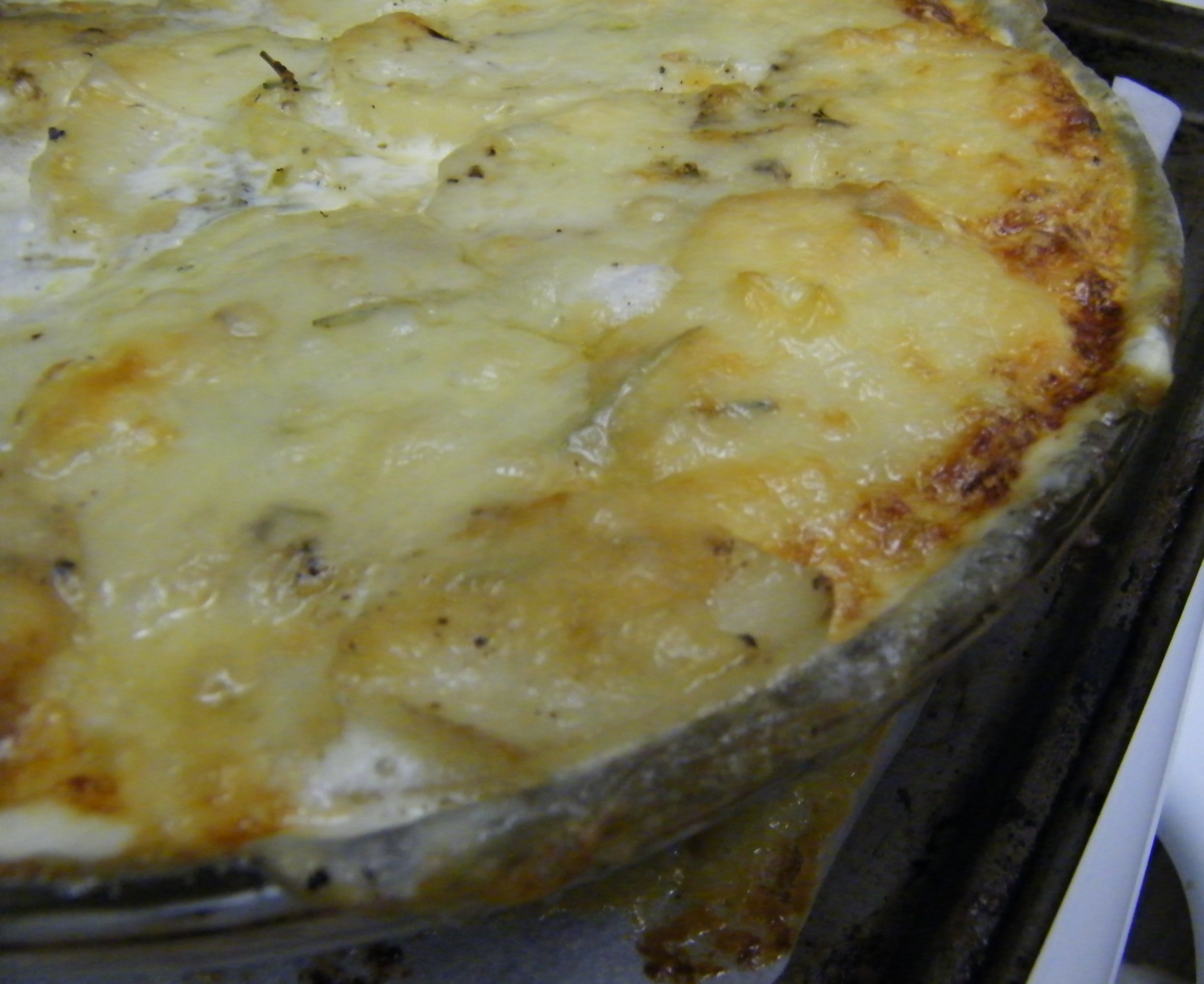
Pommes Dauphinois is a wintry dish. Layers of potato soaked in garlic-infused cream, with a layer of gruyère cheese on top – it’s a perfect dish for chasing out the cold. It looks wintry, too, with white on white on white, until it’s baked. Then, its gruyère topping turns golden.

The recipe itself takes some time, so it’s not a good choice for a last-minute dish. However, none of the steps are particularly difficult. My knife skills are lacking, so I didn’t achieve uniformity in the thickness of my potato slices. I think I must invest in a mandoline. Cooking the dish took longer than the time given in the recipe, so be prepared for that. I used the opportunity to add more cheese, which was very bad of me, but very much appreciated by my dinner companions.

There’s no picture of the completed dish. Everyone was quite hungry. I’d also made Roast Chicken for Les Paresseux and it was resting on the counter, filling the kitchen with its aroma. There was really no time for any more photographs. The dish was quickly decimated. You’ll have to be content with the photo I took just before I added that extra layer of cheese.

The potatoes are creamy and subtly garlicky and gruyère is the perfect counterpoint to those flavours. They were a very good accompaniment for the chicken and we rounded off the meal with steamed brussels sprouts. I’ll be making these potatoes again, though probably in smaller quantities, as the recipe is suitable for a crowd.

We’re doing things a little differently for the month of November. We’re still posting weekly, but people are free to post this month’s recipes in any order. You can find many other blogged descriptions of this month’s FFWD recipes here: LYL: November 19

FFWD – Roast Chicken for Les Paresseux

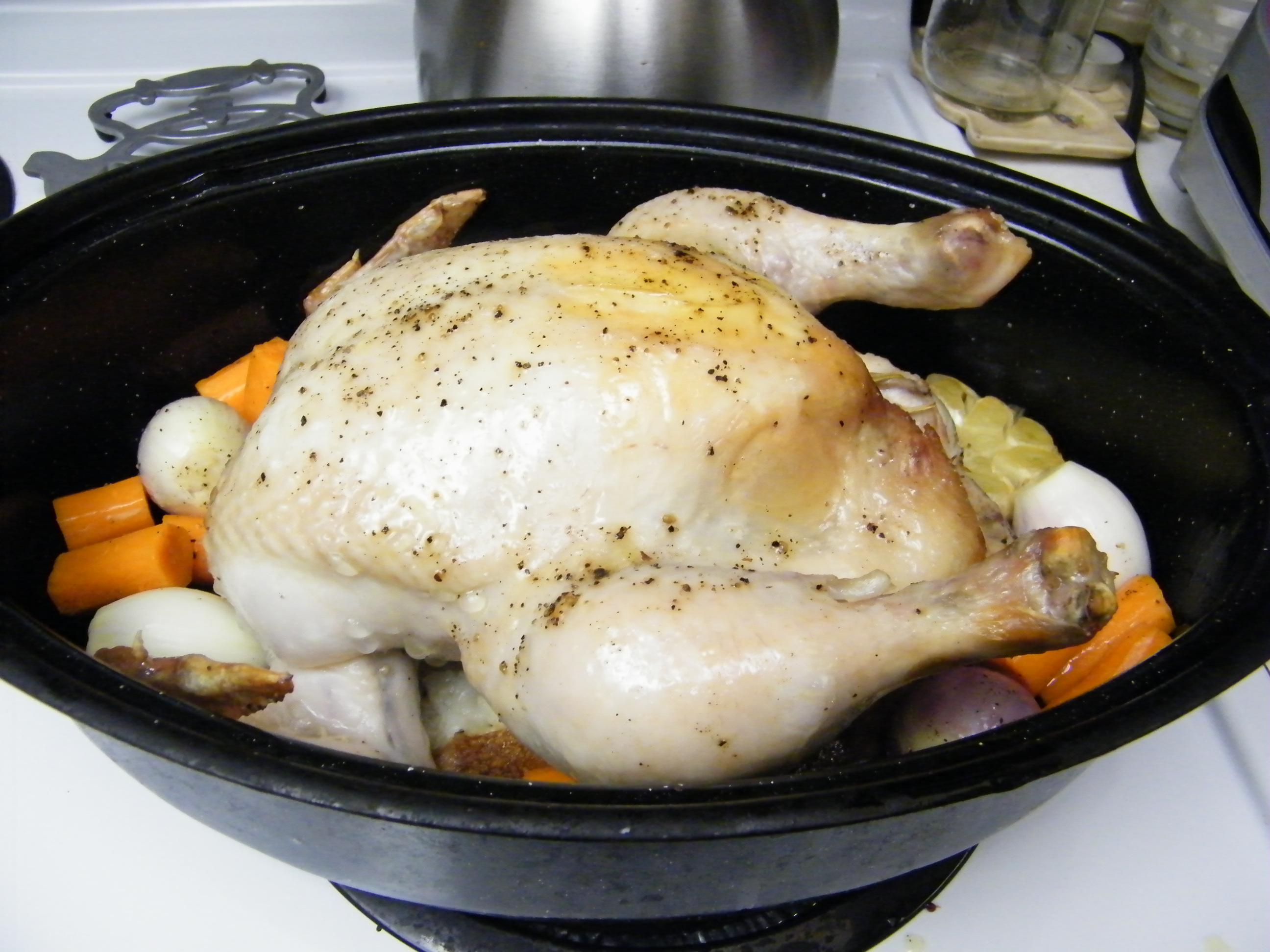
I didn’t realize I came from a long line of lazy chicken roasters until I encountered Dorie Greenspan’s recipe for Roast Chicken for Les Paresseux in Around My French Table. In our family, the standard treatment for chicken was a halved onion and a halved apple in the cavity, with garlic and whatever herbs and vegetables were on hand. Roasted in a slow oven, with a basting session or two, it’s been a standby at least as far back as my mémère (my maternal grandmother). It’s such an easy recipe that when I was young, my mother allowed me to get it started after school, so that we could eat as soon as my parents came home from work.

I’ve experimented a fair amount with chicken since then (starting with 40 cloves of garlic chicken, which was my standby through University) and I’ve generally abandoned cooking whole chickens in favour of using chicken breasts and thighs. After making Roast Chicken for Les Paresseux, whole chicken is going back into the repertoire.
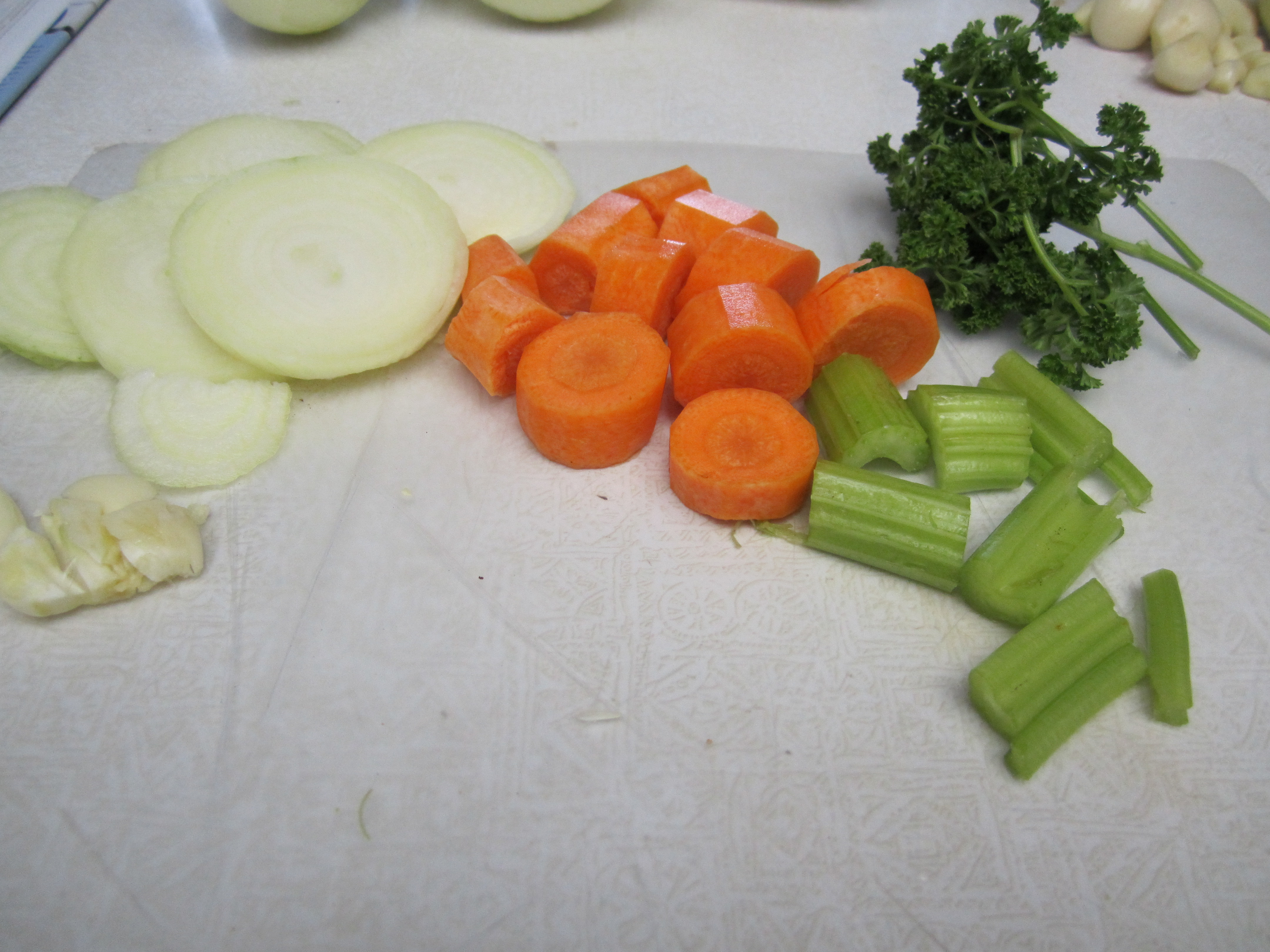
This recipe is even simpler than the one I grew up using. No basting, just an addition of vegetables (if you like) at the half way point. Fresh herbs, garlic, salt, pepper, olive oil and a little white wine are all that’s needed to make this dish fantastic. I especially liked the trick of cutting a whole head of garlic in half, leaving one half inside the chicken and one out.
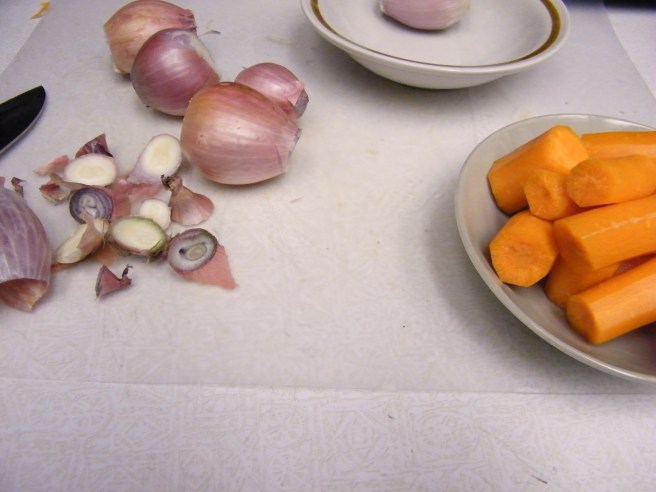
While the chicken roasted, I was able to prepare the rest of dinner, including getting a start on the dish for next week’s post, Pommes Dauphinois (or Potato Gratin). The only difficulty was concentrating on what I was doing, for as the chicken cooked, it filled the kitchen with a wonderful aroma.
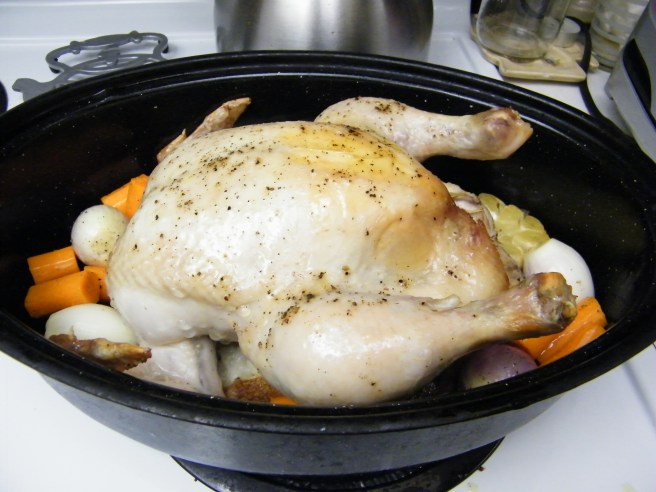
I don’t have a dutch oven, so I used a roasting pan. Since it doesn’t have high sides, I decided to roast the chicken covered. That didn’t seem to harm the chicken at all. After it was done, I let the chicken rest breast-down as suggested and the meat was wonderfully juicy.
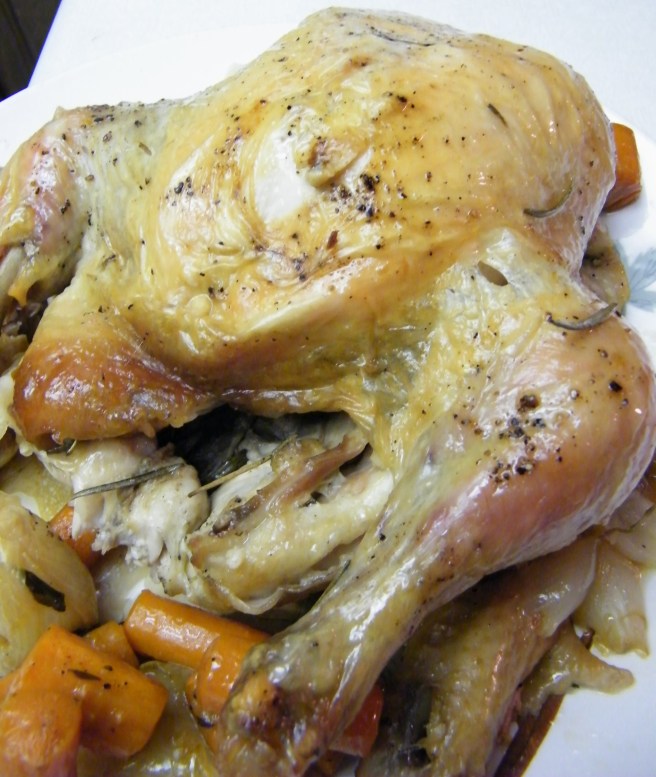
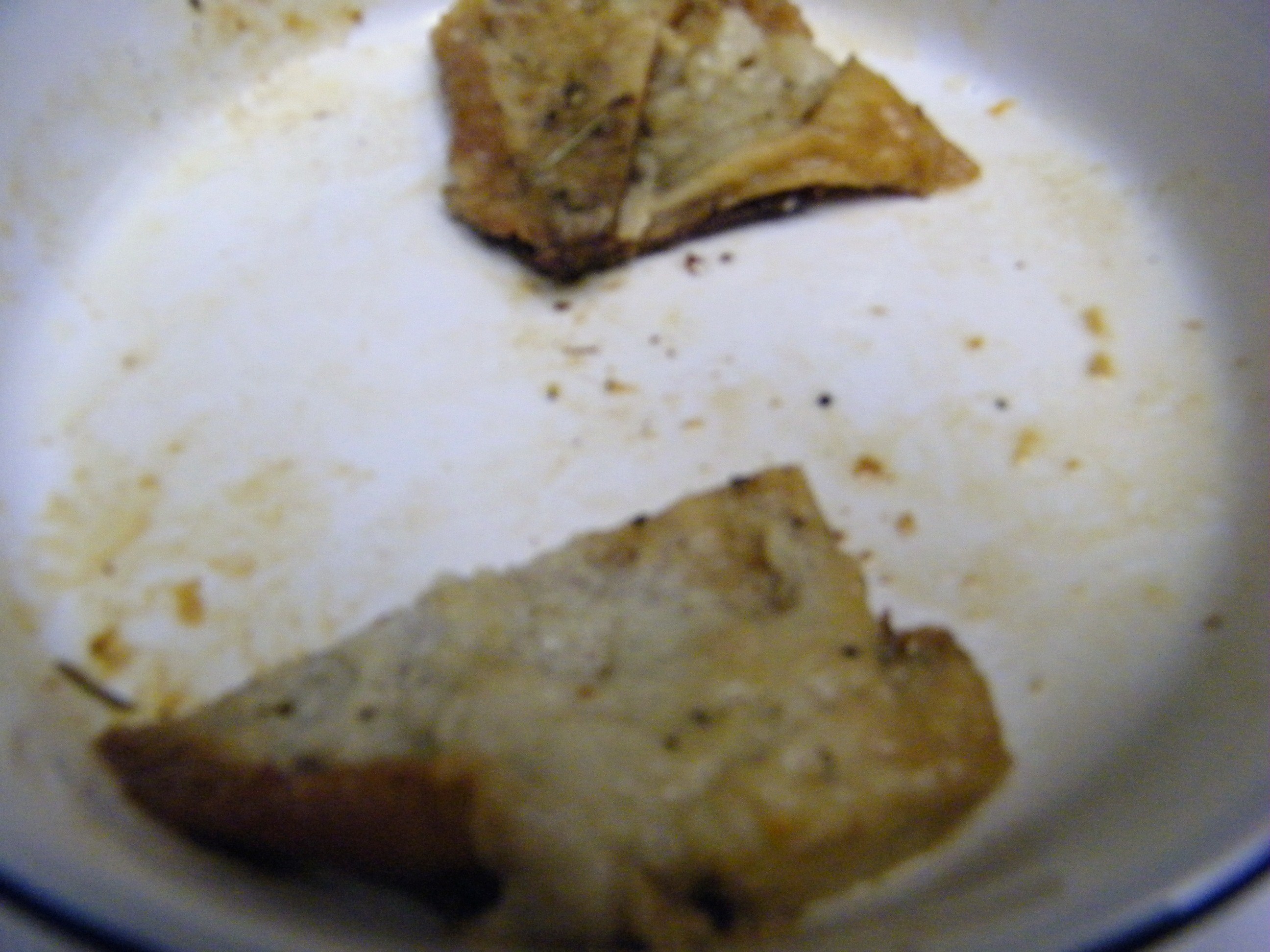
Finally, there’s the matter of the bread. Dorie recommends placing the chicken on a bed of thick bread or baguette. The bread is crispy on the bottom and full of pan juices on the top. I have only one photo of this bread, and only half the amount of bread I used at that, because it disappeared too quickly for me to have another chance at a better shot. This slightly blurry photo will serve as proof that the bread is as delicious as advertised.
Today, I’m going to leave you with two recipes, since I mentioned them. You’ll have to buy Around My French Table for Dorie’s recipe, though. You should, you won’t be able to stop using it.

Mémère’s Chicken

1 roasting chicken
2 onions, peeled, one halved and the other cut into chunks
1 apple, halved
1 bay leaf
3-5 cloves of garlic, peeled
salt and pepper
Fresh or dried herbs (optional)
roastable vegetables, like potatoes, carrots or celery (optional)

Lightly oil a roasting pan. Place the halved onion, the apple and the bay leaf inside the chicken. You can add some fresh herbs, if you like. I often use sage or savoury with this recipe. Place the chicken in the roasting pan. Scatter the garlic and remaining onions around the chicken. You can also add fresh or dried herbs to the pan and chunks of potato, carrot and celery (or whatever roastable vegetable takes your fancy). Sprinkle everything with salt and pepper.

Roast, covered, at 350° for 1½ to 2 hours, depending on the weight of your chicken. Baste once or twice during the cooking time, with the juices in the pan. You can take the cover off the chicken near the end, so that it browns.
.
To make the gravy, bring the pan juices to a boil, adding a teaspoon or so of flour or cornstarch. If you take a little of the heated broth and mix it with your thickener before adding it, you’re less likely to get lumps. Cook down until the mixture thickens, place in a container for a few minutes and then skim off the fat. This gravy is perfect with mashed potatoes, but that might just be my childhood speaking.

UPDATE: I spoke to my mother about this recipe and she said – no bay leaf, always rosemary and thyme, cook it for a longer time at 325° if possible. (This is what happens when a recipe is handed down verbally.)
                       

40 Cloves of Garlic Chicken (remembered from the Urban Peasant)

Handy Hint: If you invite ten of your University friends over for dinner and decide to double the recipe (i.e., cook two chickens), don’t forget you might also be doubling the time it takes to cook. Especially when you have a tiny, unreliable oven. People get very hungry when you serve dinner at midnight. Don’t ask me how I know. It was a long time ago.

1 roasting chicken
1 lemon
3 to 6 heads of garlic (for 40 cloves in total)
olive oil
salt
pepper, fresh ground
½ to ¾ cup white wine (optional)

Rub the outside of the chicken with olive oil, then sprinkle well with salt and pepper. Lightly oil a roasting pan. Pierce a number of holes in the lemon with a skewer, then place the lemon inside the chicken. Put the chicken into the roasting pan. Break the heads of garlic into cloves and scatter the unpeeled cloves around the chicken. Add the wine, if you’d like.

Roast, covered, at 350° for 1½ to 2 hours, depending on the weight of your chicken. Baste once or twice during the cooking time, with the juices in the pan. You can take the cover off the chicken near the end, so that it browns.

There will be a lot of liquid in the pan, which makes a fantastic garlic-lemon gravy. Bring the liquid to a boil and cook down. You can add a little wine if you’d like and you can also add a little cornstarch or flour to help thicken the gravy. All optional. Once it’s thickened, pour the gravy into a container, let it sit for a few minutes and skim the fat from the top.

We’re doing things a little differently for the month of November. We’re still posting weekly, but people are free to post this month’s recipes in any order. You can find many other blogged descriptions of this month’s FFWD recipes here: LYL: November 12

FFWD – Caramel-Topped Semolina Cake

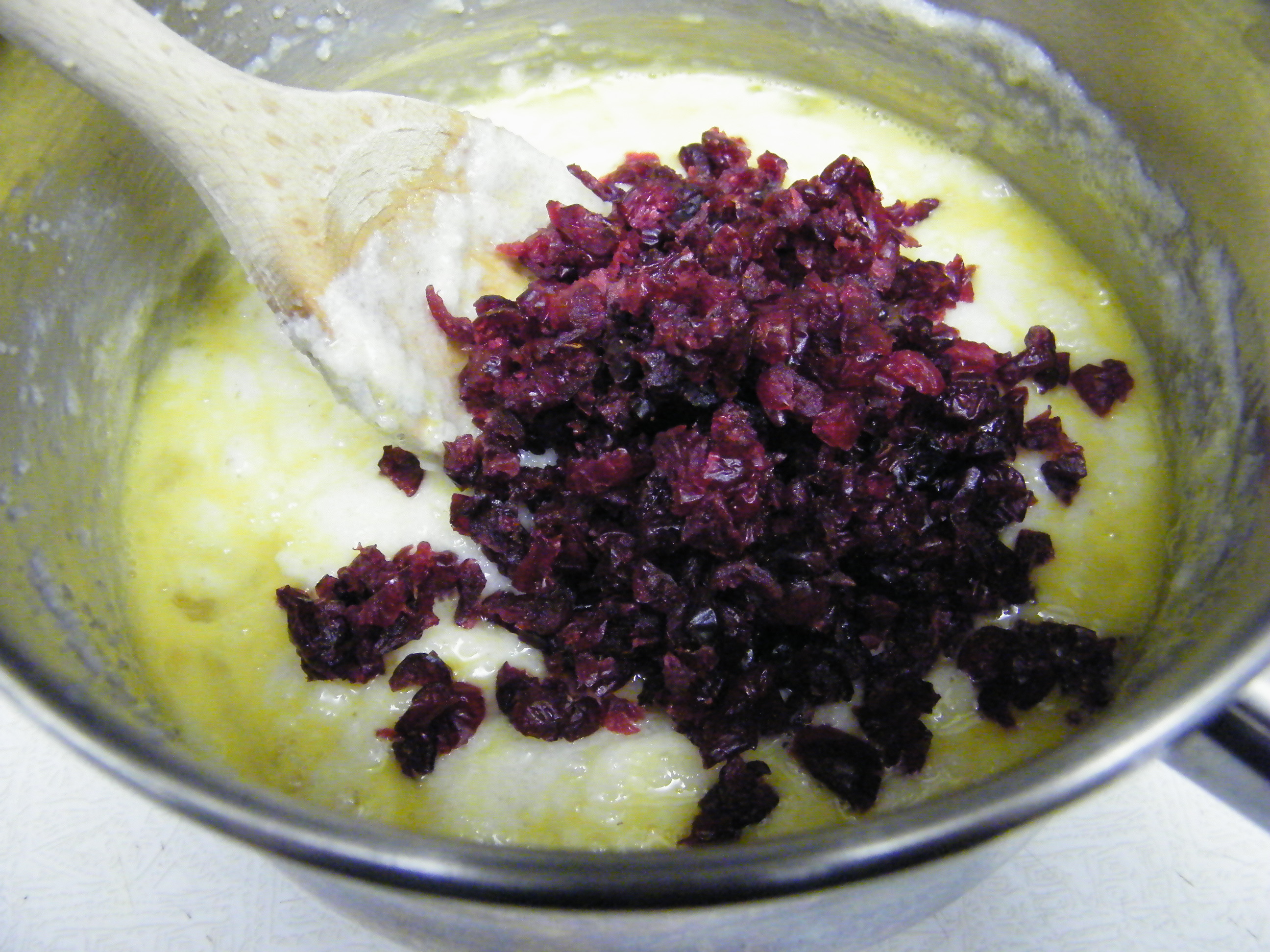
Cream-of-Wheat and raisins were high on my list of hated foods when I was a child. Well, not raisins in all situations. I loved chocolate-covered Glosettes and a box of Sun-Maid raisins was always welcome. I just didn’t like raisins in things. Such is the specificity of childhood food aversions.

All this did not frighten me away from making this week’s recipe, though. Perhaps it was the promise of caramel that kept me on track, but I think it was probably more that I was interested in seeing how a cake made from semolina would come together.

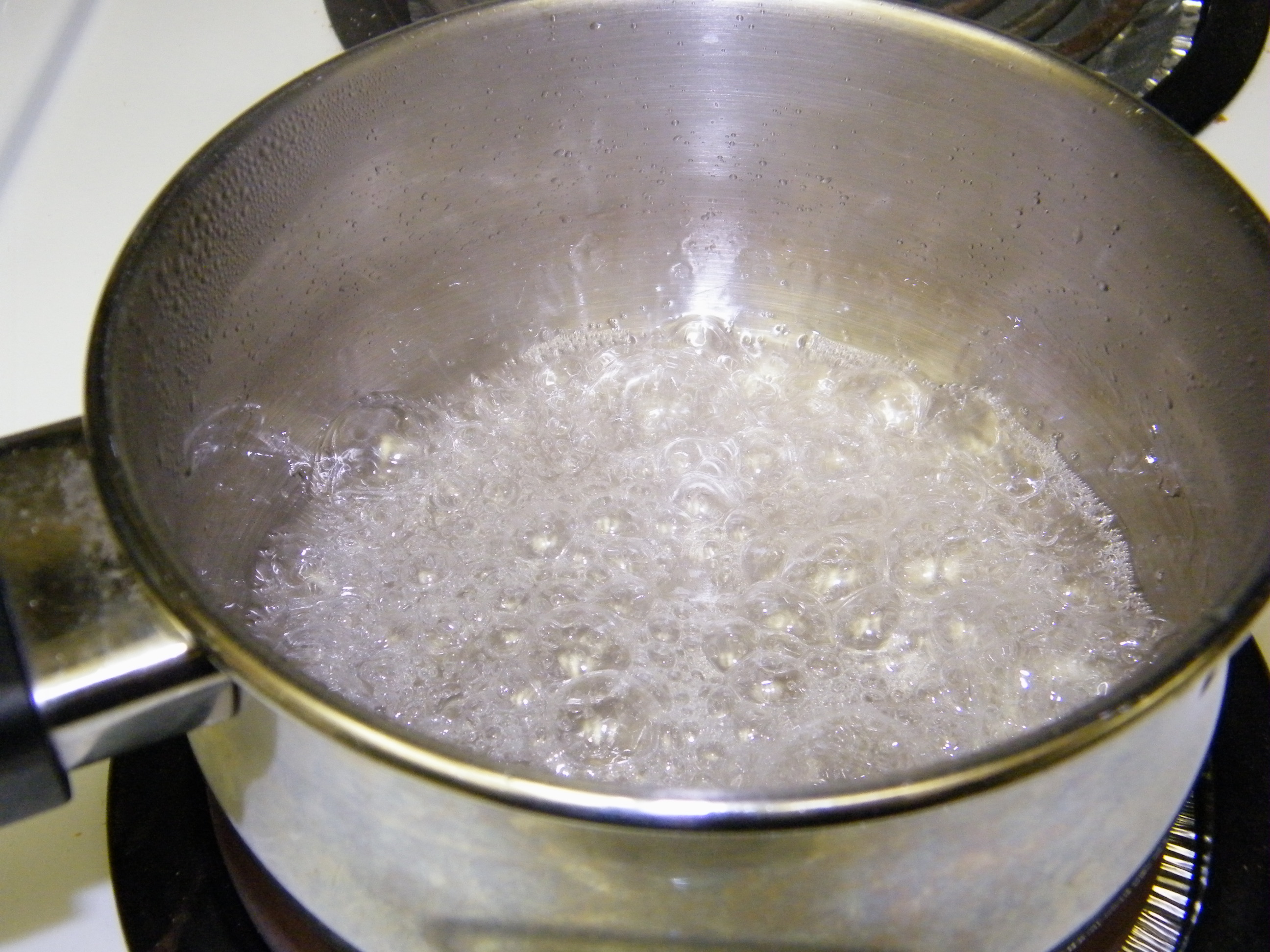
As it turns out, fairly easily. The hardest part of this recipe is the timing. Making sure that the milk is just at a boil and then, once the semolina is added, that the mixture doesn’t scorch. Making sure that your sugar syrup is amber, not dark brown. Making sure that you plate your cake quickly, before the caramel cools too much.

I actually made this cake twice, as the first time, my caramel was a little too dark. I wanted to see if it made a difference to the flavour. It turns out that the flavour of the first cake was only slightly smokier, though the caramel doesn’t spread as easily when it’s overcooked. Both times, I used currants in place of raisins. (Some food aversions don’t change.)

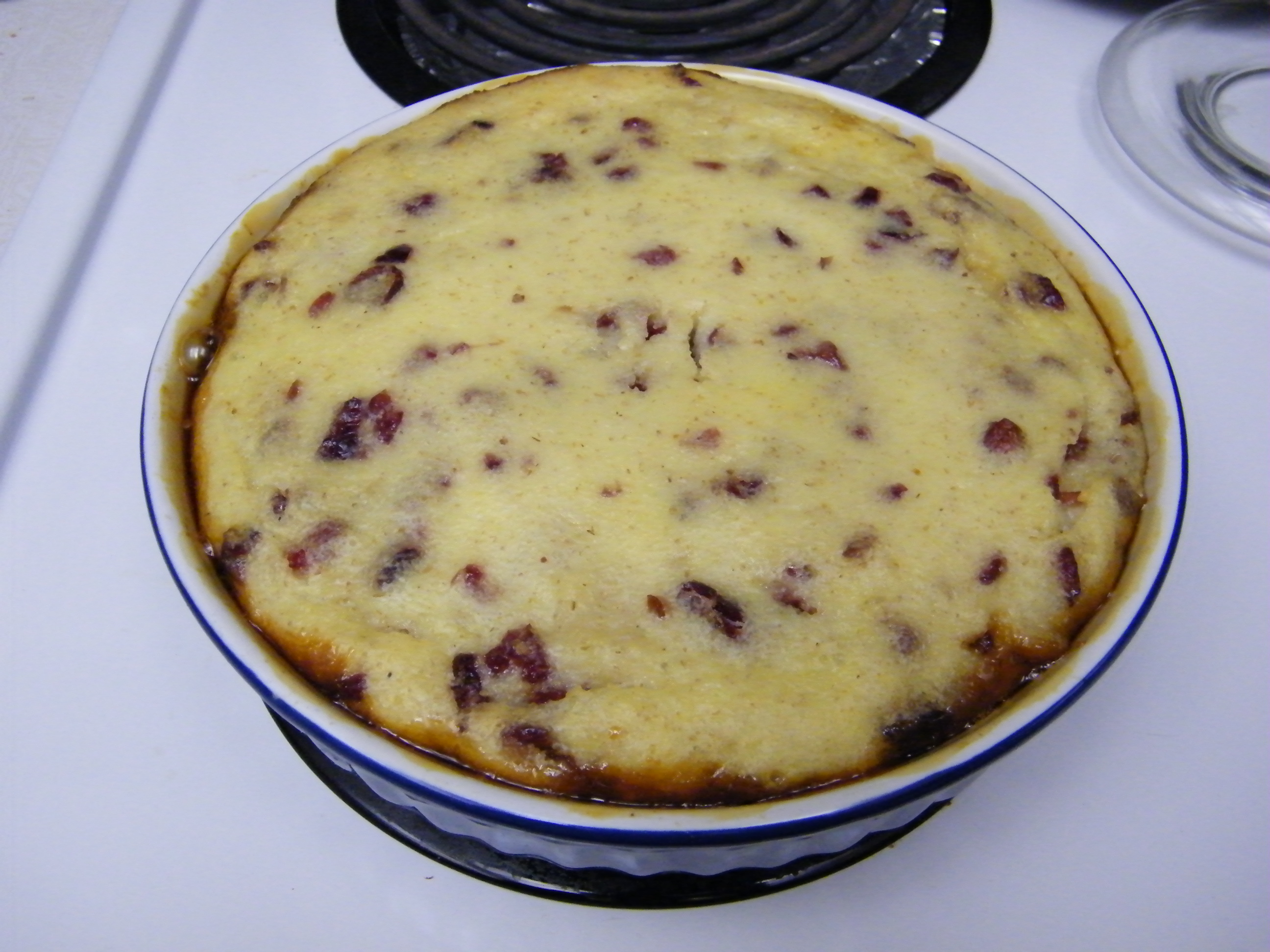
This dessert is more of a set pudding than a true cake. Even with the caramel, I found it wasn’t overly sweet – perfect for the end of a heavy meal. I served it with cinnamon whipped cream, opting not to make Crème Anglaise. I think I’ll save that serving suggestion for Christmas Day brunch.

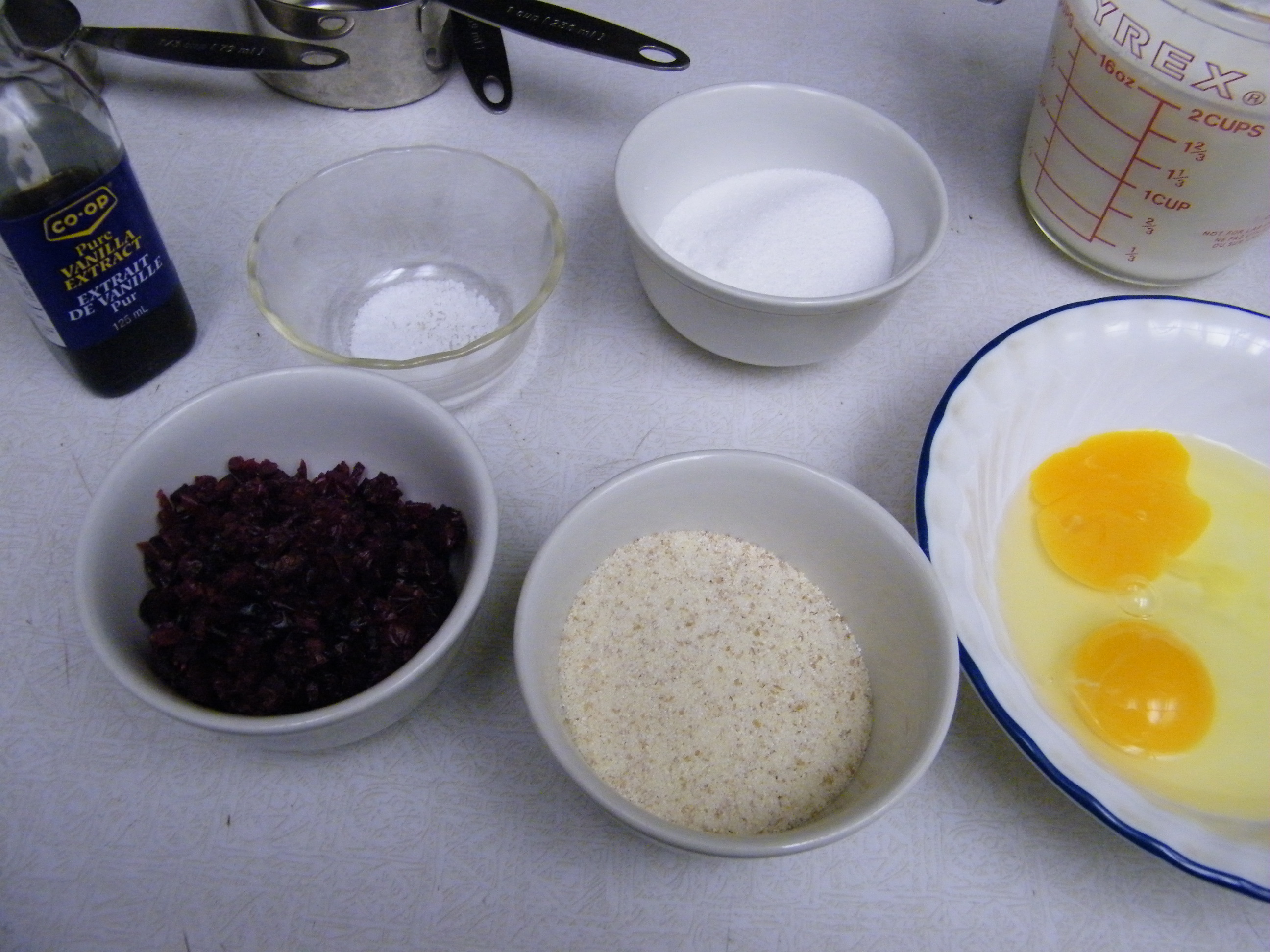
I don’t have any photographs of the finished cake. Well, that’s not true. I do have some photos, but they’re terrible. I clearly need to take a food photography class. Shiny-surfaced foods seem to be beyond my capabilities for the moment. So, I’ll have to leave you with a photo of the cake just before I plated it.

Until next week (where things will get a little more savoury).

We’re doing things a little differently for the month of November. We’re still posting weekly, but people are free to post this month’s recipes in any order. You can find many other blogged descriptions of this month’s FFWD recipes here: LYL: November 5

FFWD – Marie-Hélène’s Apple Cake

It wasn’t a good summer for apples in the Fraser Valley, according to my mother. She told me that the day that I was there for my big gluten-y baking spree. She’d gone over to a friend’s place to pick up some apples that were in danger of rotting on the tree and she asked me to use those for my apple cake, to save what we could.

The apples you find on hobby farms like my parents’ place don’t necessarily look like the ones you buy in the store. They can have worm holes and scabby patches, but more than that, the varieties aren’t always identifiable. The apples I used for my first attempt at Marie-Hélène’s Apple Cake looked sort of like Fujis, but tasted like Granny Smiths. Apples can hold a lot of surprises.

New York Magazine published a list of their favourite New York State apples, which barely scratches the surface of what’s available out there. Apples seem capable of infinite genetic variation and it can take cultivators many attempts to come up with a new, viable variety. Michael Pollan does a wonderful job of telling the apple’s story in his book The Botany of Desire. It’s a great read, with as much mystery and detail as an historical novel. Just the thing to inspire you to pick up some interesting varieties of apples.

But we were talking about an apple cake.

Odd-looking apples chopped, ages-old bottle of rum located, ingredients assembled, butter melted, eggs frothed. Putting this cake together happened so quickly! This is a great last-minute dessert recipe, since you’d generally have most or all the ingredients on hand.

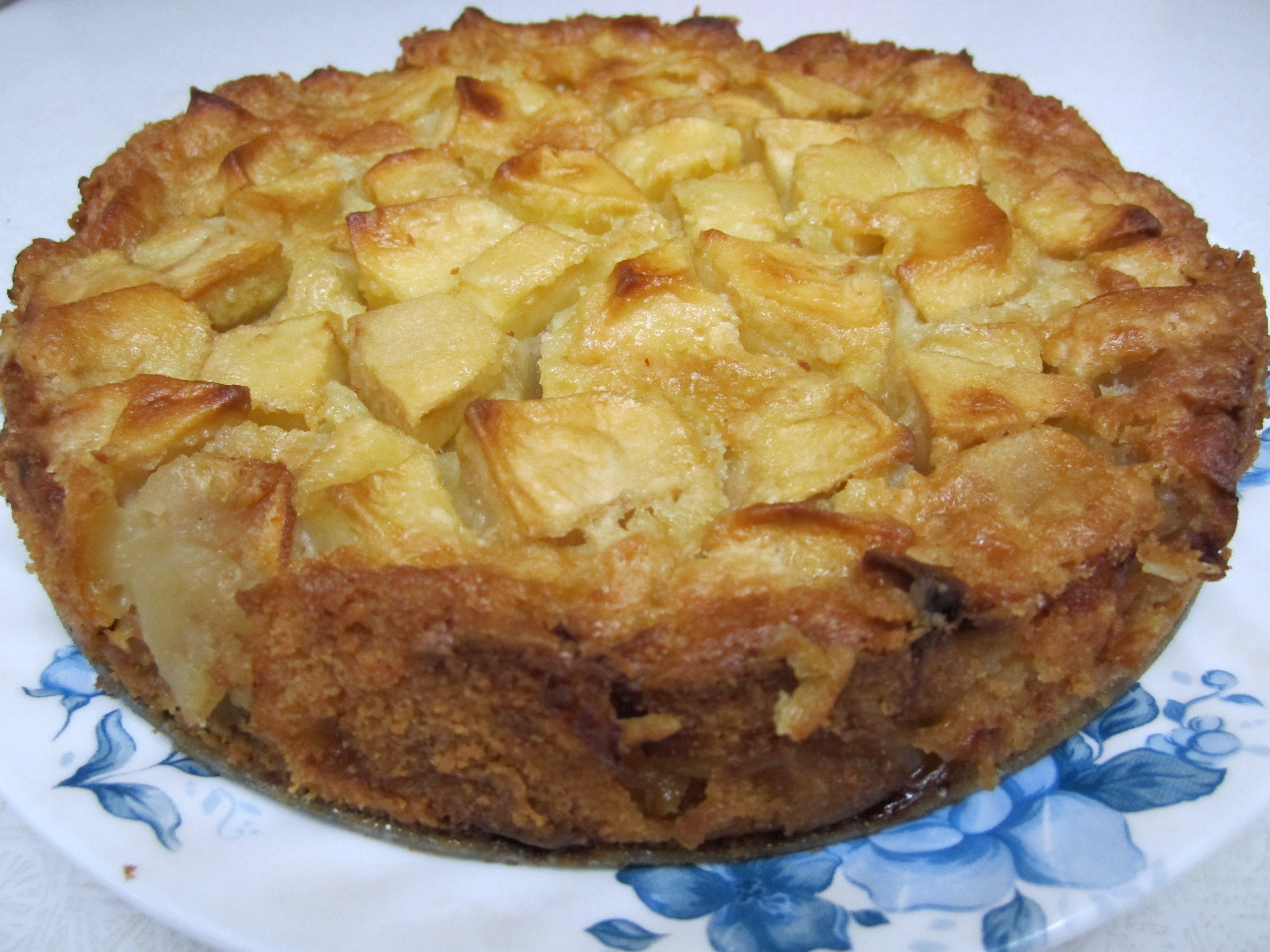
I used a slightly larger springform pan than called for and probably the equivalent of five apples, which may account for the extra-lumpy texture of the cake, but did not take away from the flavour. It was moist, delicious and quickly gone.


I decided to make smaller apple cakes today, using gluten-free flour. I’d gotten some apples from my parents’ trees and was eager to finish them. I also thought the moistness of the recipe might help to mitigate some of crumbly dryness that sometimes plagues gluten-free baked goods.

The batter was very different from the wheat flour version, with a paste-like consistency, but everything came together just as quickly. Baked, the cakes have a spongier texture than the original, which is almost a pudding cake. They’re still very moist, though, with crisp edges. I’ll just have to see what my gluten-free taste tester thinks.

You can find many other blogged descriptions of this week’s FFWD recipe here: Marie-Hélène’s Apple Cake

FFWD – Hachis Parmentier

I have a new rule: never make the French Fridays With Dorie recipe on the day that it is due. Especially when you’re also making six litres of Soup for your Housing Co-op’s soup swap.

I will be getting this in just under the wire (I hope) and am now wondering why I took so long to try this recipe. I love Shepherd’s Pie. In fact, it’s really hard to resist ordering it, if it’s available on a menu. Usually, it doesn’t measure up to what I can make at home, with lamb from my parents’ farm. So, homemade Shepherd’s Pie…what was I waiting for? No matter, the leftovers are in my fridge now, along with the soup for tomorrow’s swap.

Hachis Parmentier is essentially Shepherd’s Pie, but much, much richer. I had an elk roast that I’d set aside for this recipe and combined it with some organic beef stewing meat. I looked for gluten-free sausages and finally found some smoked Bison that fit the bill. I had to mince the sausages for the recipe, as they were not crumbly, but they were tastily worth it. Boiling the meat with the vegetables produces a thin, but delicious broth. As a bonus, I was left with enough broth after making the dish, that I was able to freeze two ice cube trays’ worth.

It was hard to avoid eating the filling while I was making the potatoes, but they provided some distraction themselves. So much milk, cream and butter. Then Gruyere, Parmesan and more butter…I love French food.

This recipe worked beautifully, but with three kinds of meat, two sorts of cheese, three varieties of dairy and Dorie’s instructions; I could hardly go wrong.

You can find many other blogged descriptions of this week’s FFWD recipe here: Hachis Parmentier

FFWD –Vietnamese Spicy Chicken Noodle Soup

I don’t live in Paris. I live in East Vancouver. There’s one aspect of my neighbourhood, though, that’s always made me feel a tiny bit Parisian – the produce markets that run up and down Commercial Drive. While my suburban friends and family are taking their cars to the local supermarket to stock up on groceries, I’m walking along the Drive and thinking about what looks fresh for dinner that evening. And if I sound a tiny bit superior, it’s just the part of me that wishes she did live in Paris getting a little of her own back.
                       
I do appreciate my neighbourhood shops for more than just their ability to enhance my fantasy life. Really. I am blessed to have easily available to me fresh, often organic, ingredients from a variety of world cuisines. If I’ve forgotten something, I can usually just run down the street to get it. Best of all, my food bills are often a third of the price I’d pay at major supermarket chains. On the weekends, I can also head over to the local farmers’ market and spend a little more for farm-to-table goodness.

I reminded myself of all this while shopping for the ingredients for this week’s French Fridays with Dorie recipe. I was frustrated because I wasn’t able to find hoisin sauce, but only because I was looking for one that was gluten-free. It exists, but clearly not in my neck of the woods. I have nothing to complain about.

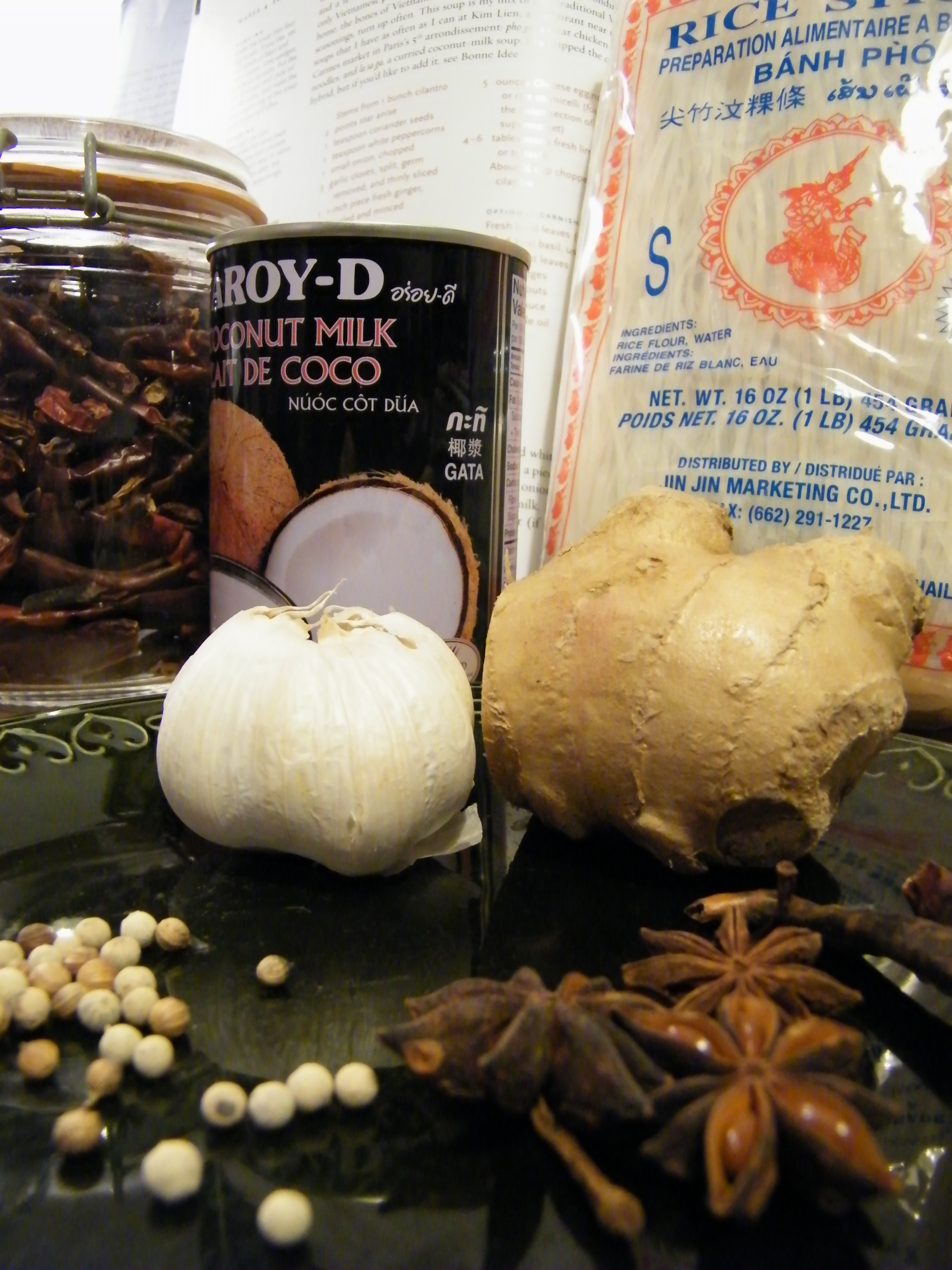
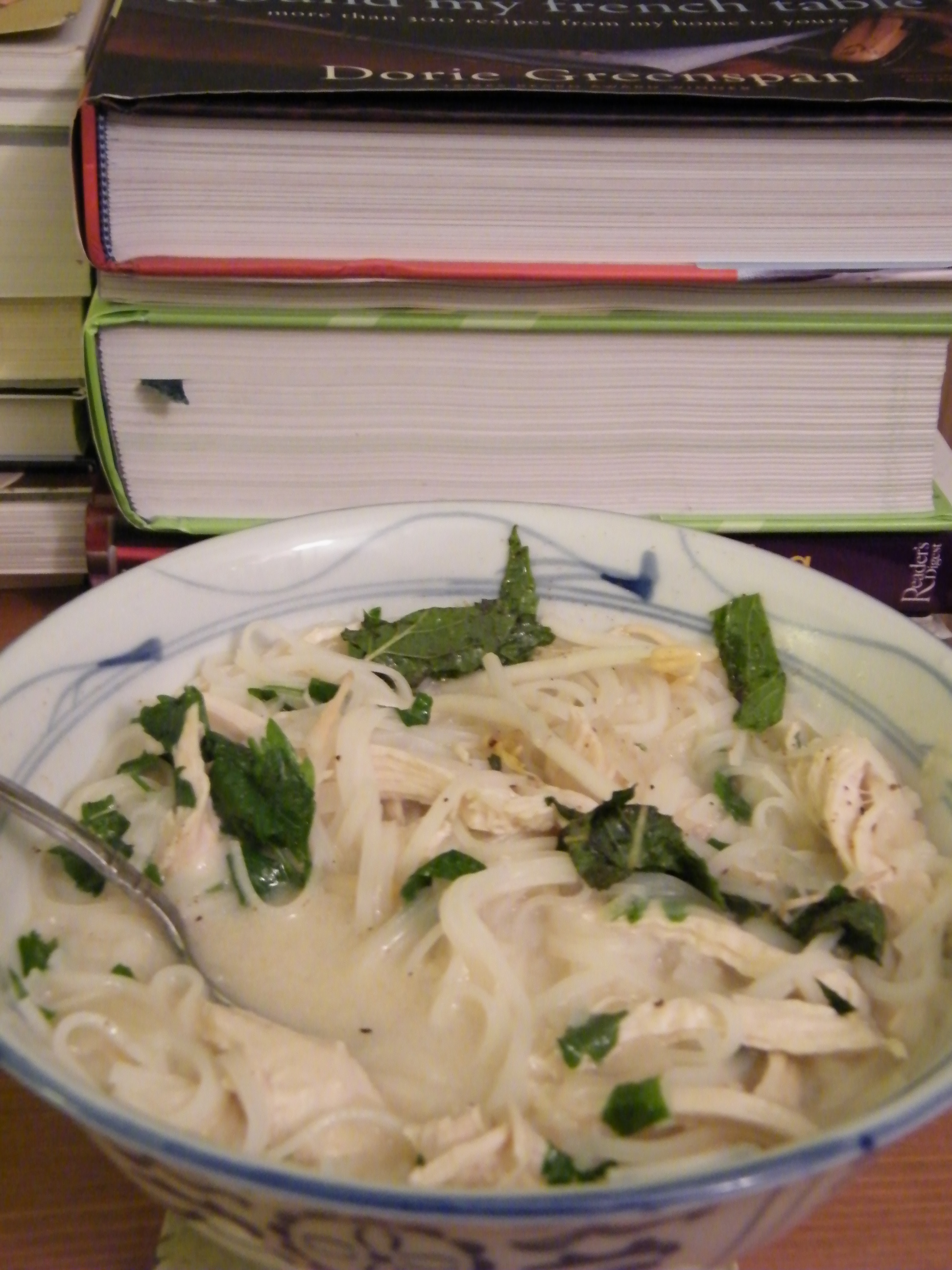
In the end, I didn’t miss the hoisin sauce at all, because this chicken noodle soup was very flavourful. I didn’t stray far from Dorie’s recipe, only substituting the rice sticks that I already had on hand for the rice vermicelli that was called for. Provided you have all the ingredients at home, or are able to pick them up on your way home from work, this is a great weeknight dinner recipe. Once you’ve got the chopping out of the way, the only thing that takes time is poaching the chicken. It’s so easy to finish, especially using rice sticks, which only need a few minutes under boiling water to cook.

Speaking of the chicken, I poached a little more than was called for in the recipe and set some aside for chicken salad. The meat absorbed the flavours of the soup and I think it will be perfect with a simple dressing on mixed greens. Since there’s only two of us in our household, I divided the soup and chicken, finishing each batch the day we ate it. The soup was good on the first day and better the second, as the flavours had melded beautifully overnight. When I make it for company, I’ll definitely start it the day before.

We used mint and bean sprouts for garnish this time, but there are so many possibilities for this soup. I’d like to add mushrooms, along with the suggested lemon grass and Thai basil. I’m also looking forward to trying the curry version or adding some smoky ham when it’s almost finished cooking. Yum.


You can find many other blogged descriptions of this week’s FFWD recipe here: Vietnamese Spicy Chicken Noodle Soup