New Westminster’s Downtown Renaissance

Tugtastic

The trajectory of New Westminster’s historic downtown has embodied a lot of the conversations around downtown renewal over the last few decades. For years, Columbia Street struggled to compete with newer shopping centres, while the surrounding area declined. In the mid-eighties, the construction of the Skytrain and Westminster Quay shopping centre were promised to bring new life to the area, but that didn’t last. After its novelty wore off, Westminster Quay languished through several reincarnations and was largely empty for a long while, while Columbia Street relied on wedding shops for its primary retail strength.

Tea 4

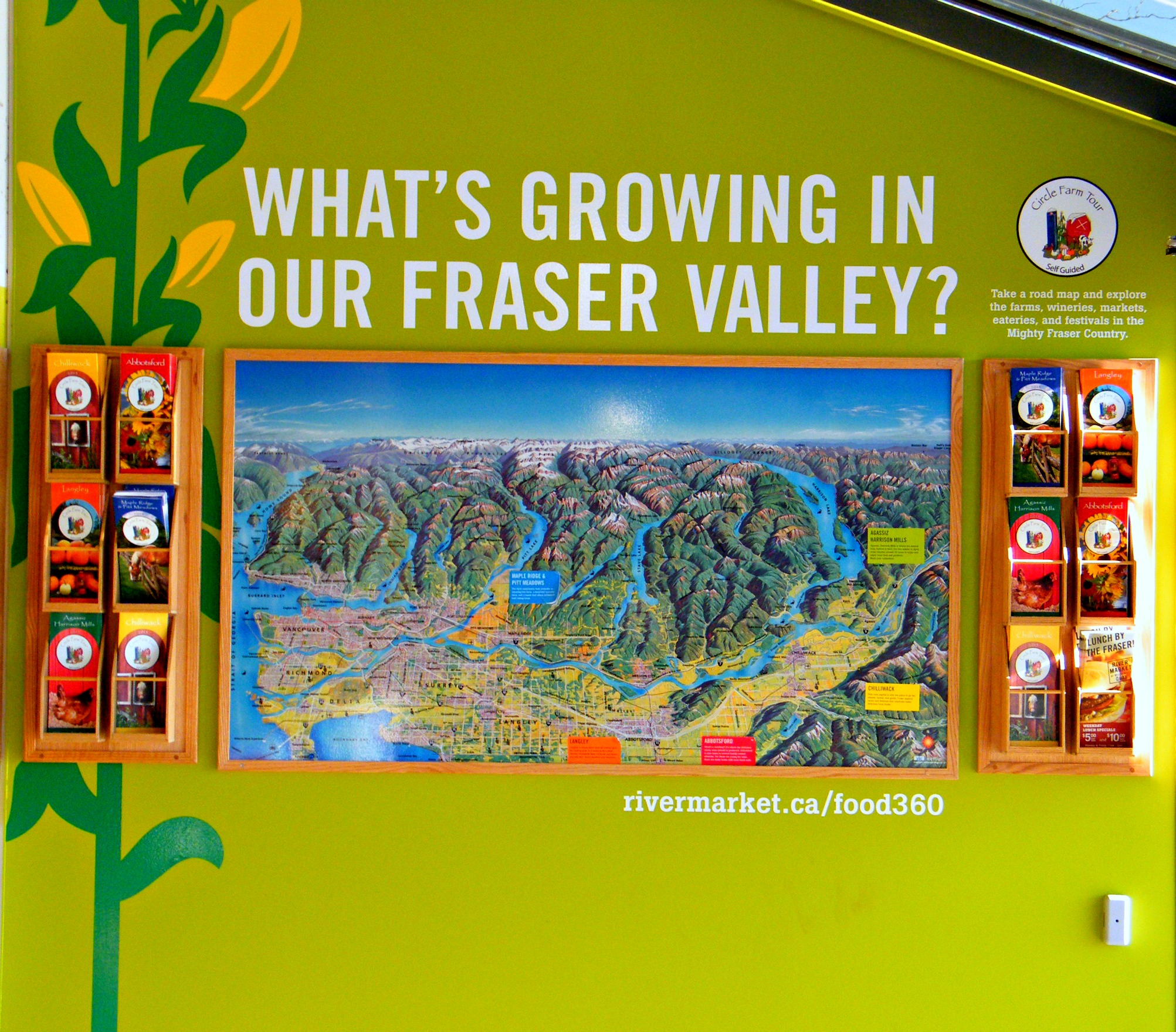
It’s been said that the real estate boom in Vancouver is responsible for New West’s downtown renaissance, along with the construction of many residential towers on redeveloped industrial lands. Independent small businesses are now thriving alongside the wedding shops on Columbia Street and Sixth Avenue, while Westminster Quay has rebranded itself as the River Market at Westminster Quay and focused on food and the creative sector to allow it to become a community hub.

Re Up

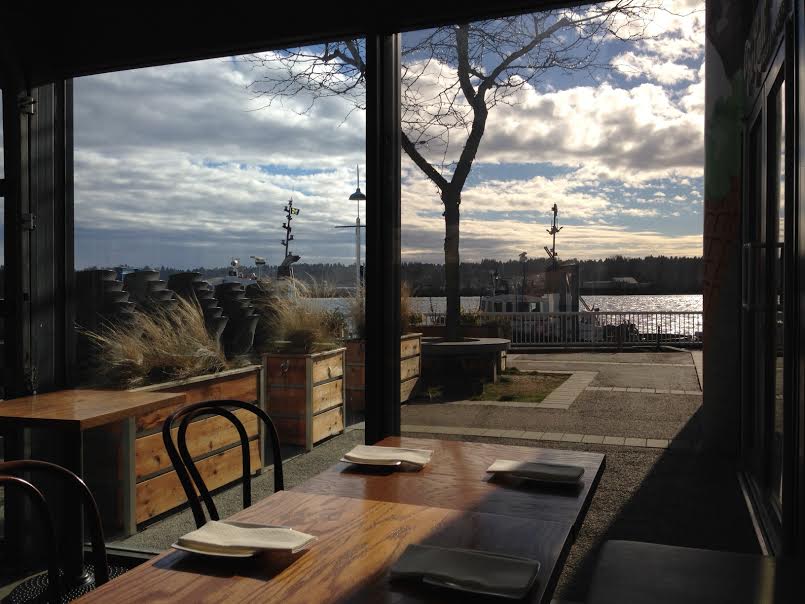
I spent the day in the area today, exploring the River Market with my Mom. The cold snap didn’t allow us to wander as far as we’d have liked, but we found more than enough to keep us busy at the Quay and in the surrounding area. The Quay is divided into the “Hungry Floor” (which is just as you’d expect) and the “Curious Floor” (which is dominated by arts organizations and creative sector businesses). We predictably spent most of our time in the food zone. There are a number of Vancouver transplants, anchored by a branch of Donald’s Market and including La Grotta Del Formaggio, Wild Rice, Re-Up BBQ, Longtail Restaurant, and Wally’s Burgers. When you include Fratelli Bakery’s branch farther up Columbia, it’s no wonder people have taken to calling New Westminster East Van East.

Dim Sum 3

Crepes 3

My mother and I limited our tasting today to Dim Sum at Wild Rice and sweet crêpes at Crêpe Des Amis (expertly made by its Parisian proprietor). Unfortunately, after that we had room for no more. It would be fun to go back with a larger group and do a proper tasting tour of all the River Market has to offer.
Growing

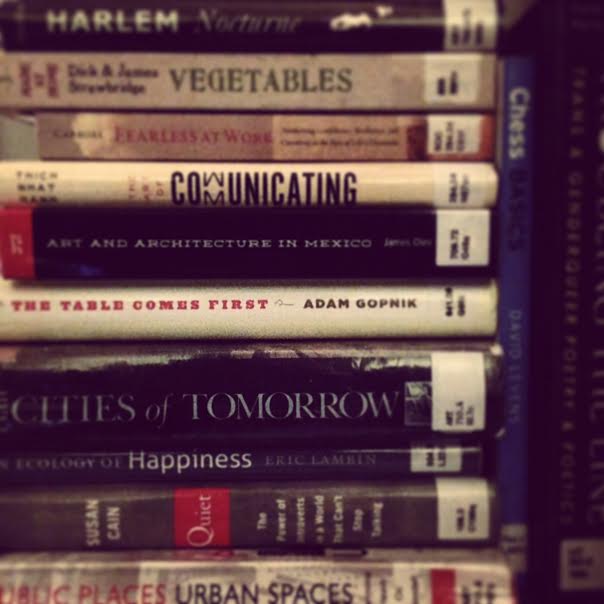
Books

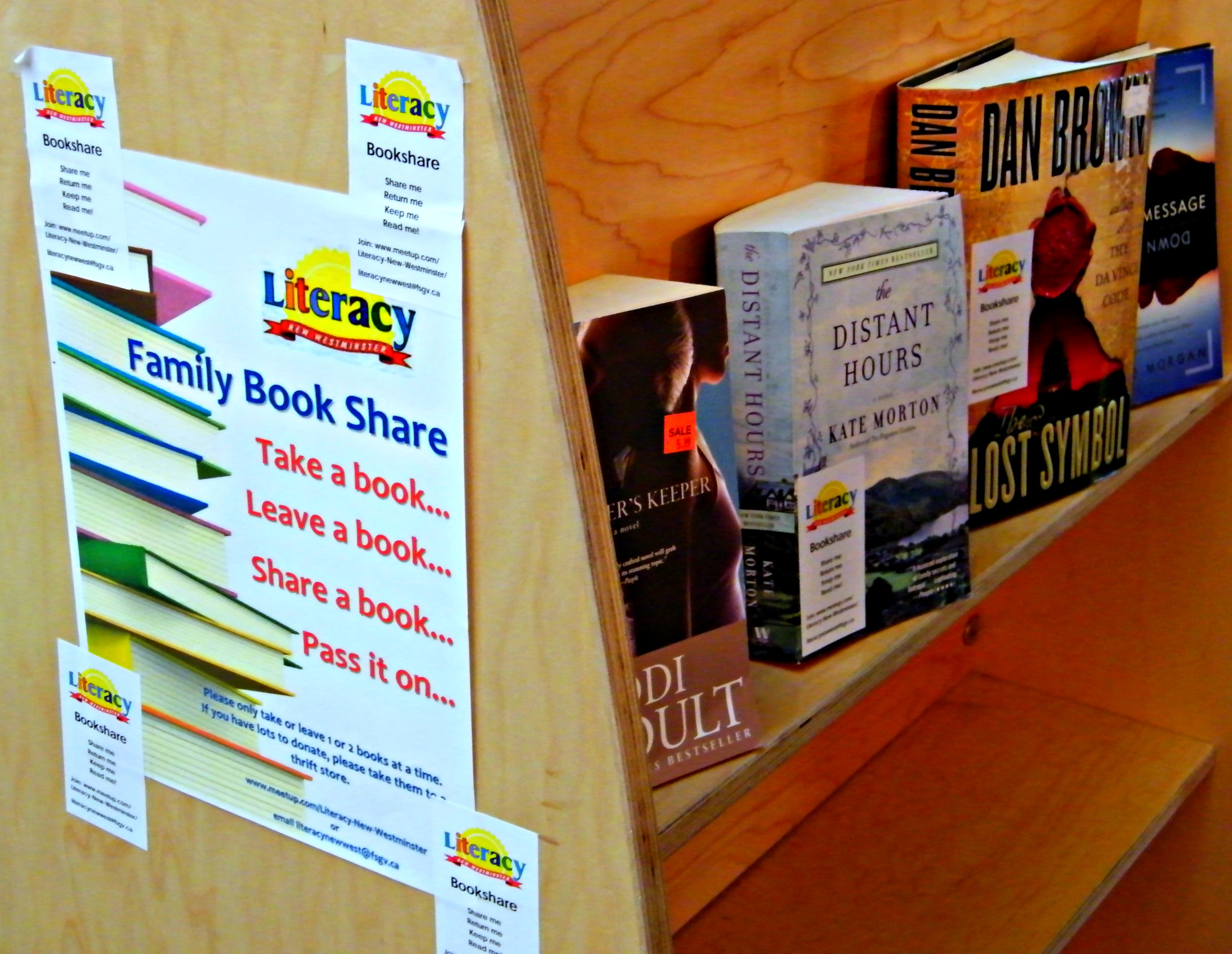
The management has also done a good job of making the Quay a community magnet, with lots of seating, family-friendly events, and initiatives like a book-sharing station. It creates a city square sensibility, provides indoor amenities that connect with the riverside boardwalk and Quayside Park, as well as providing incentive for walkers to move beyond the Quay into the revitalized Columbia Street shopping district. I’m looking forward to going back on a warmer day and exploring further.
View

Deeply Local: Grandview-Woodland’s Citizens’ Assembly

Juxtaposition

These are some of the things I love most about my neighbourhood: I can walk the length of the shopping street as quickly (or sometimes more quickly) than the time it takes for the bus to arrive and carry me from one end to the other; the variety of foodstuffs and staples available within walking distance; the wealth of restaurants and coffee shops; brick and mortar bookstores, record shops, and even a video store; the mix of heritage homes, 1950s walk ups, and affordable apartment buildings, many with room for vegetable gardens; a feeling of engagement with one’s neighbours across the district. The things that I don’t love include the increasing unaffordability of the neighbourhood for both residents and small business owners, the proliferation of condos designed to last little longer than a mortgage cycle, and the increasing feeling that our neighbourhood is destined for suburbification and its attendant disconnection from the deep feelings of community that have been built here.

With all this in mind, I found myself inside on a sunny Saturday along with almost seventy other Grandview-Woodlanders, debating the questions around the construction of a Citizens’ Assembly and the part it will play in crafting the plan that will guide our neighbourhood’s future. The City hired a facilitator who specializes in forms of deliberative democracy like Citizens’ Assemblies and over the course of the afternoon, participants had an opportunity to tackle at least two of the structural questions the City put before us. We met in small groups for half-hour periods, then at the end of the day, there was a summary from each of the tables about the most important ideas that had emerged. All ideas were written up on tear sheets that were taped up around the room and at the end of each session, participants marked their priorities dotmocracy-style.

We were encouraged to choose the discussions we felt most passionate about, but a more accurate assessment for me would be that I chose the discussions I was most worried about. My choices were Composition of the Assembly and Community Engagement. Some of the ideas that came out of the first group included: representing three kinds of tenure – owners, renters, and housing co-op members; reserving seats for aboriginal members, whether or not candidates are identified through the initial call out; using a multi-pronged strategy for recruiting candidates that includes outreach to community groups as well as more passive strategies like mailouts; that twenty Assembly members was probably too few and fifty probably too many; and making sure that there’s representation across the district. The ideas that came out of the second group drilled down a little deeper. Outreach by Assembly members to community groups to capture viewpoints that might not be represented by the Assembly, especially those of vulnerable populations. The three levels of the process (City-led, Assembly, and Community) should not be separate, but should inform each other – community consultation should happen in conjunction with the Assembly and the City, rather than separately; the Assembly’s report should be brought to the public for critique and comment on a regular basis; the City’s plan should be both informed by the Assembly’s proceedings and incorporate the Assembly’s critiques and comments.

I hope that when the City finishes gathering the suggestions from the two sessions and the online consultation, that the information is presented in an unabridged form and that the Assembly is constructed on the most representative basis, not just on the basis of demographic diversity, but also with a socially just distribution that accounts for differences in privilege.

I came away from Saturday’s session with a cautious optimism, not because I believe that this process will be the salvation of my neighbourhood, but because I was engaged with so many people who care about the district as much as I do. I know that a number of people felt the session was too constrained and directed by the City – you can find out more about that here and here. My hope is that the Assembly might help shift the focus of Grandview-Woodland’s future away from developers and toward residents and that through this process, the City will come to value the area as the model of liveability (mixed-income, walkable, diverse, lovely) that it is already.

It’s not too late to comment on the Assembly composition debates. You can find the Discussion Paper here and the link to the City’s questionnaire is here.

Sharing Books, Sharing Culture

Books Too

Much has been made of the sharing economy and I’m a big proponent of it myself, as I’ve mentioned before. But for many of us, our introduction to sharing came from outside the economic realm, when we signed up for our first library cards.

Growing up, our branch of the library was a little under two kilometers away and my siblings and I would often walk there on Saturdays to browse the shelves. Our school libraries were also well-stocked, so we each had stacks of books from both sources scattered around our rooms. After University, I began to neglect the library, as my suddenly greater discretionary income allowed me to develop a more robust book-buying habit. That dropped off in my mid-thirties when I realized that I could never own All The Books and my purchases became a little more discriminating. I started visiting the library more often again, borrowing the books that I knew I would likely only read once and test-driving the ones that would eventually make it into my permanent collection.

I’m lucky to have access to a great library system in Vancouver, which was recently declared the top library system in the world (along with Montréal’s). Other library systems are in jeopardy, though, like the hundreds of libraries lost in the UK. Zadie Smith‘s description of a failed battle to save a local library is heartbreaking. More chilling are accounts like Nicholson Baker’s Double Fold and the emerging stories about the dismantling of Canadian science libraries.

Free access to knowledge is a fragile thing and the Internet is a poor storehouse for an intellectual commons. The resources that a library provides cannot be matched on the Internet, at least not for free. I’m reminded of Janet Frame’s description of winning a year’s subscription to her local library (called the Athenaeum) in To the Is-Land, which allowed her entire family access to a world of books that had been closed to them. What kind of intellectual life do we want to bequeath to the future? One that is closed to all but a small coterie or one that allows for the emergence of talent from the great mass of people?

So, do the future a favour and show your local library a little love. You might be surprised what you find there beyond the stacks – digital resources, a wealth of movies, music, and television, and even handy apps that keep you up-to-date on your library activities. And if you’d like, tell me what you love about libraries in the comments below.

‘Tis The Season

DSCF7679

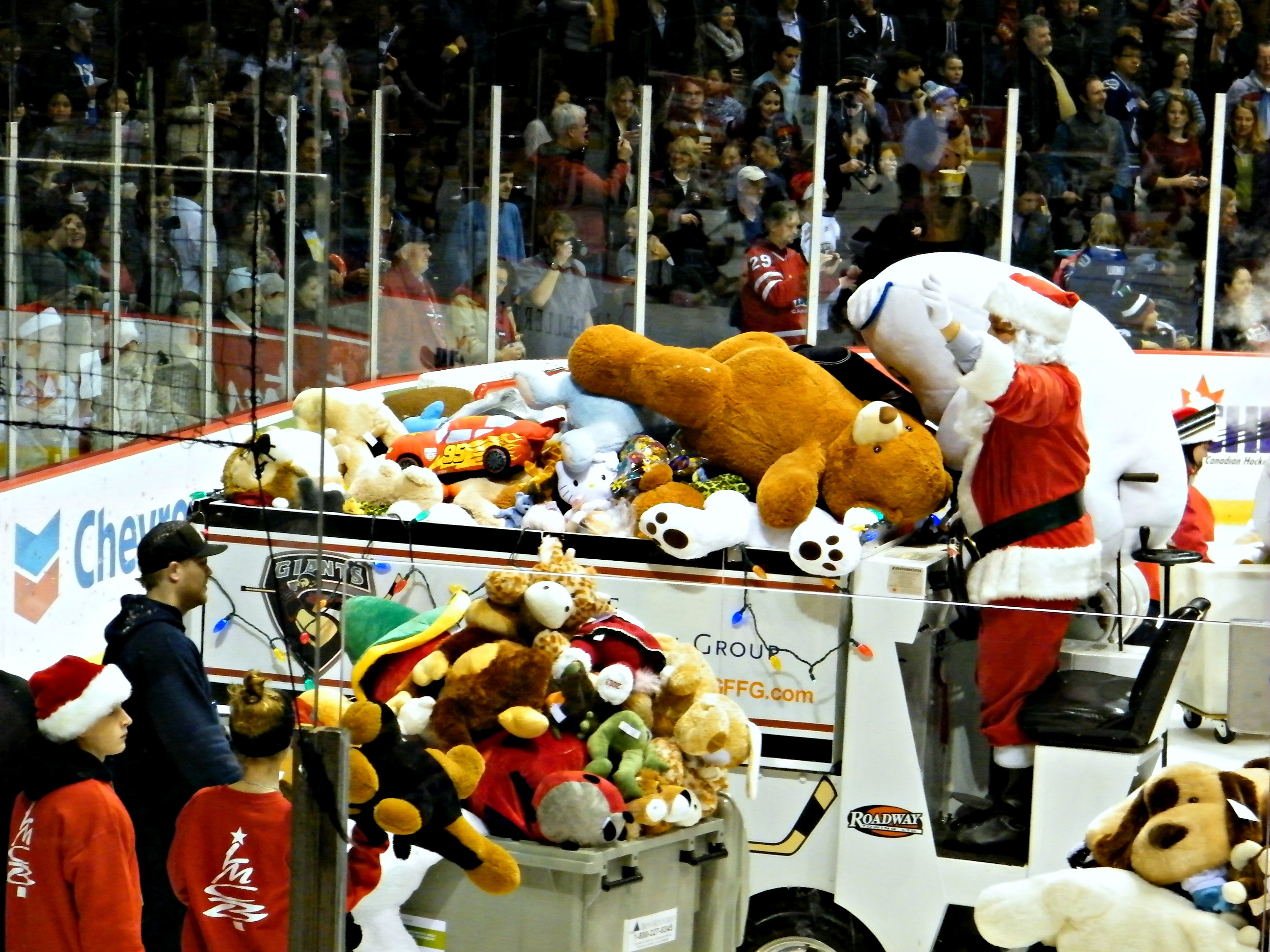
We’re entering the countdown to Christmas now, with a week to go. There’s still time, though, to do a little good while you’re finishing up your holiday preparations. I was thinking about this last weekend, when I attended the Vancouver Giants‘ Teddy Bear Toss night. As you can see, the Giants’ first goal caused a shower of generosity in the form of stuffed animals – more than 10,000 fans threw several hundred of them onto the ice. The toss benefits the Vancouver Province newspaper’s Empty Stocking Fund, the CKNW Orphans’ Fund, and the Lower Mainland Christmas Bureau. It was a feel good event, with stuffed animals flying through the air, a shutout win against one of the Giants’ toughest rivals, and a sense of giving back to the community permeating the happy, friendly crowd .

DSCF7687

However, there’s always more to be done and here are a few organizations that could use your help:

Lookout Emergency Aid Society provides low-barrier services to the homeless and other people in need. They’re accepting cash donations, but are also accepting warm winter clothing, blankets, and gift items for distribution.

RainCity Housing provides low-barrier outreach, shelter, and housing for Vancouverites in need and you can contribute cash or much-needed items for distribution.

Check out the Downtown Eastside Women’s Centre wishlist for things that are always in short supply for their clients.

A donation to Family Services of Greater Vancouver will go toward Christmas hampers for families in need or will help fund their programs throughout the rest of the year.

The Kettle, which does great work in my own neighbourhood, has partnered with Harbour Centre for a donation drive that runs until December 20th.

A Loving Spoonful provides nutritious meals for people with HIV/AIDS throughout the year. Donate to them directly, or support them by attending the All-Star RnB Christmas.

Buying your Christmas tree can be an act of giving, too – Aunt Leah’s Tree Lots raise funds to support foster kids and teen moms.

Finally, if it’s your time you’d like to donate, HuffPo has compiled a list of Christmas volunteer opportunities.

Wherever you live and however you choose to celebrate the holidays and the turning of the year, I hope that it’s a time of peace and abundance for everyone in your community.

DSCF7656

A FlyOver Canada Christmas

DSCF7474

I attended an event preview of FlyOver Canada’s Christmas Plaza and presentation as a media guest. Nevertheless, all opinions in the following post are my own.

No matter how much you love the place you live in, there will always be parts of it that visitors are better informed about than you. I was reminded of that one summer several years ago, when my Ontario-born partner and I decided to take a touristy staycation, and then again in 2011, when Tourism Vancouver ran a promotion for locals in celebration of Vancouver’s 125th anniversary.

DSCF7499

Canada Place is one of the parts of Vancouver where locals are far outnumbered by visitors. So it’s nice that the businesses in the district are working together this Christmas to get the locals down there. The Winter Waterfront District includes a tree lighting celebration on December 6th, holiday lights, Christmas at Canada Place, and Christmas at FlyOver Canada.

DSCF7477

Though FlyOver Canada has been open since June of this year, I’ve only had a vague awareness of what it’s all about. So, when I actually experienced it, I was going in without any preconceptions. The pre-show reminded me of the pavilions at Expo ’86 (yes, I was there), four walls of beautifully shot scenes meant to gear up the audience for the main event. In between, we were led into a staging area, where the safety video introduced the holiday theme. The ride itself isn’t jarring, but I don’t think I was the only one who felt like they were suspended in mid-air, cruising over mountains and valleys. Even though I knew that in reality we were on a platform in front of an enormous concave screen, I found myself hanging onto the seat grips at some points as though I was really flying. The multi-sensory aspects of the experience are mostly successful, especially when the audience is spritzed with a little mist as the film takes us through areas of high cloud. And the holiday add-on, which asks the audience to help Santa find his missing reindeer, thrilled the kids at the performance I attended.

DSCF7456

Overall, I was impressed by the experience and a little embarrassed that I didn’t know more about it before. They’ve also made the most of their setting atop Canada Place, creating an outdoor festival area with food stands, performances, and ice sculpture displays. It’s a great way to cap off a visit to Christmas at Canada Place, but be sure to buy your tickets online – there’s a discount, which adds up for families. There’s also a holiday deal that’s worth checking out, which includes treats from the outdoor vendors. And be sure to enjoy the views – they’re some of the best downtown.

DSCF7528

Christmas at Canada Place

I attended a media tour and event preview of Christmas at Canada Place as a guest of Port Metro Vancouver. Nevertheless, all opinions in the following post are my own.

This time of year can get a little expensive, especially for families. It’s not just gift-giving and holiday feasts that can strain the wallet, but also the events and activities that pop up just in time for the school break. Even taking a family of four to a Christmas movie can run to nearly $100.00, if you include a trip to the snack bar.

Windows

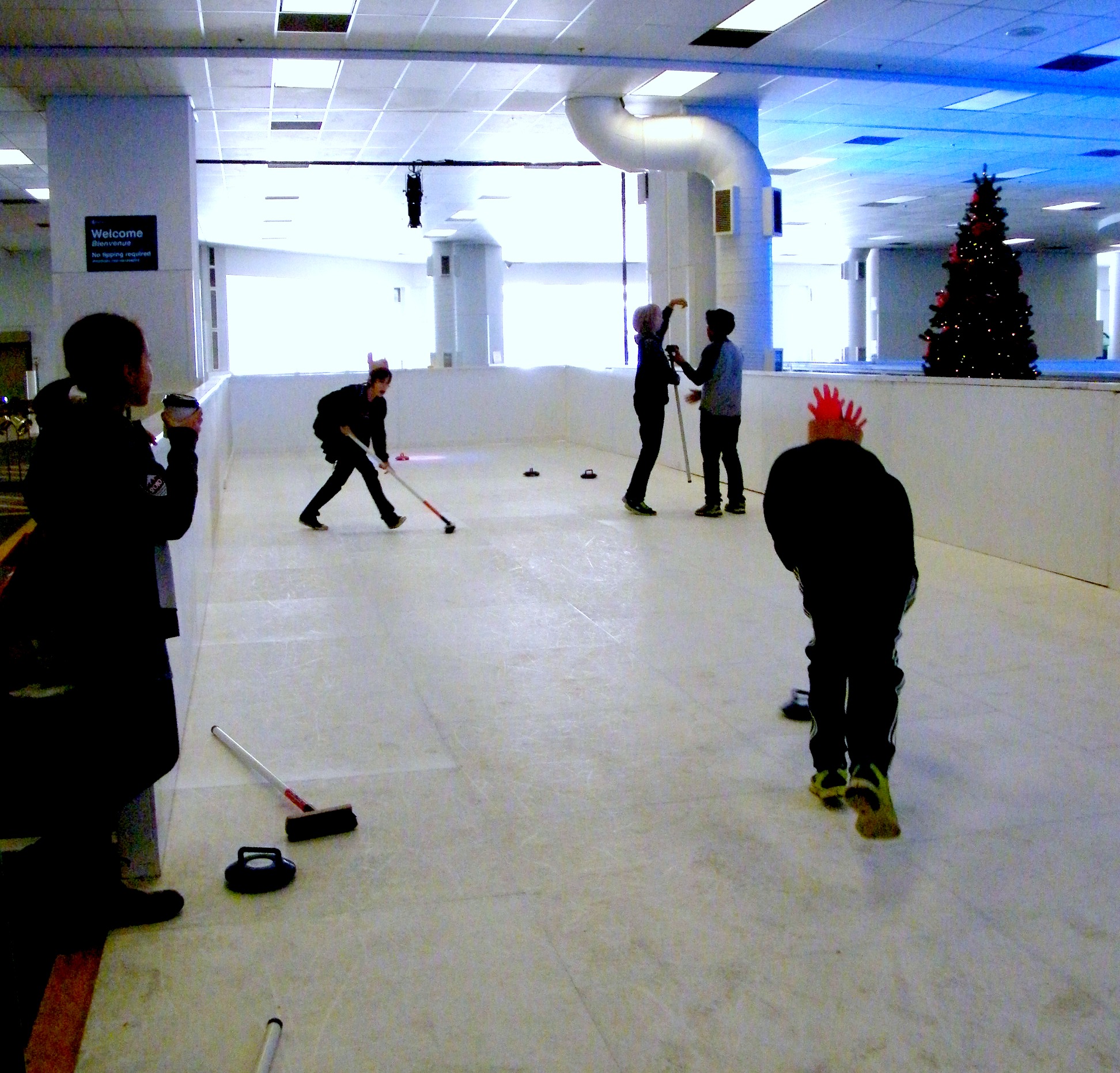
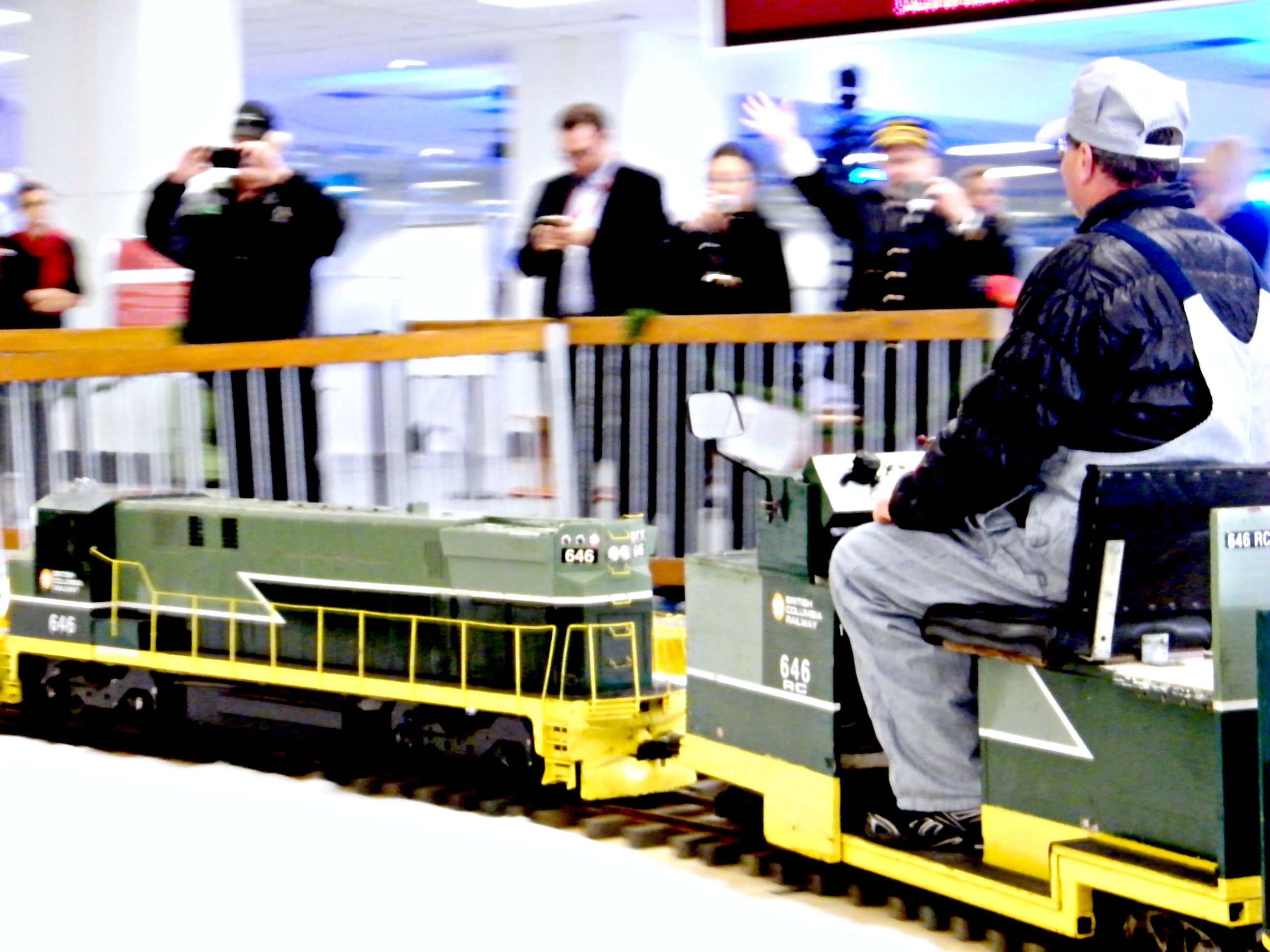
Christmas at Canada Place is a welcome antidote to the premium prices that families face with many other holiday activities – it’s free! For the 26th year of festivities there, they’ve expanded their offerings considerably. Along with the display of Woodward’s iconic Christmas window displays, there’s a range of activities that could keep a family engaged for hours. The theme this year is Christmas in Canada and they’ve provided both curling and skating rinks (with artificial ice on loan from Park Royal Shopping Centre), miniature train rides (provided by CN and staffed by wonderful volunteers from the West Coast Railway Association), and an interactive virtual tour of the Northwest Territories. There’s also a craft area, featuring different holiday crafts each day, a #ChristmasinCanada photo booth, and visits from Santa on weekends. Food and drink will be available, with food trucks showing up mostly on the weekends, featuring Canadian foods – think bearclaws and poutine.

DSCF7399

What most impressed me about how this event’s been organized is how much planning has gone into making this a low cost affair for attendees. Though you can purchase food there if you’d like, folks are also encouraged to bring along their own meals to share at the gift-wrapped picnic tables. You can purchase professional photos with Santa, with packages ranging from $10.00 to $20.00, but staff will also take photos for you with your own camera. There’s a suggested donation of $2.00 for activities, which goes directly to Strathcona Community Centre’s Backpack Program, supporting food security for kids. In the case of the train ride, the funds are split between the backpack program and the West Coast Railway Association, another worthy recipient. There is also free entertainment at two stages throughout the month. When I spoke to Gillian Behnke of Port Metro Vancouver, this year’s lead presenter at Canada Place, she told me that making the event financially accessible was a planning priority for the event. This thoughtfulness makes this event a model for corporations and institutions wanting to connect with the community around them.

DSCF7405

Speaking of community, the entire district has come together for the first time this year to provide activities and festivities for the public throughout the month of December. I’ll tell you a little bit more about the Winter Waterfront District tomorrow, when I talk about my trip to FlyOver Canada. In the meantime, don’t forget to bring some non-perishible goods with you when you head down to Canada Place, as they’re aiming to fill a shipping container with donations to the Greater Vancouver Food Bank. You can’t miss it – it’s the enormous gift-wrapped container on the plaza.

DSCF7406

Community Counts

I live in a housing co-operative, a mixed-income community with deep roots in our neighbourhood. Living in a co-op usually mean built-in community, but our co-op is scattered across several sites throughout our neighbourhood, which makes community a little more challenging. To help with this, we organized a co-op crawl, funded in part by the Vancouver Foundations’s Neighbourhood Small Grants program.

DSCF7270

Our members took an afternoon and visited each of our six sites, sharing food, games, music, and stories. We invited illustrator Sam Bradd along, whose work you can see at the top of this post. He created a kind of co-op map for us, showcasing our buildings and choosing features that help define each of our sites.

We were led from site to site by one of our members, a musician who played the fiddle as we walked along. Travelling the entire distance our co-op spans, stopping and spending time with each other at each site along the way, created a sense of cohesion in our community that I hadn’t felt before, for all of the hours we’ve spent together in meetings.

DSCF7268

Each of our members will get a copy of the map and we hope to also use it to amplify our presence with our neighbours, many of whom don’t realize that our sites are part of a co-op.

DSCF7273

Most of my photos show the food we shared (including Ottolenghi’s fabulous Eggplant with Buttermilk Sauce), which is particularly appropriate for our co-op, as nourishment is written into our values:

“MISSION
VEHC exists to provide affordable and sustainable housing that nurtures a diverse community.

VALUES
Accessible:
We aim to prevent physical, financial, social and other barriers to housing and participation. We always consider the diverse and changing needs of our members.
Inclusive:
We aim to maximize participation of all Co-op members and to encourage individuals to find their own distinct way of contributing.
Sustainable:
We maintain a healthy community that takes into account future needs and is committed to ecological, social and financial balance.
Diversity:
We recognize and value the range of skills, experiences and perspectives that each member contributes to the Co-op community.
Nourishing:
We aim to build a healthy community that provides an environment for individuals to thrive.
Participatory Democracy:
All members have the right and the opportunity to express their views respectfully and to directly participate in the decision-making process of the Co-op.
Affordable:
We are committed to minimizing the cost of housing for members in need, including those with lower incomes. We believe that affordable shelter is a basic human right and
aim to contribute to affordable housing in the wider community.”

Those of you who’ve been reading my blog for a while will know why I choose to live in a co-operative, as the values above reflect my worldview quite well, and building community is something that’s important to me. I think housing co-operatives have an important role to play in helping to maintain diversity in cities, especially ones that are becoming increasingly unaffordable, like Vancouver. They’re also a model for how community can be created in our neighbourhoods, combating the disconnection many city-dwellers experience. For me, the committee meetings are a small price to pay for the connections we’ve built with one another.

DSCF7267

Turn to the Sun

DSCF6991

My camera’s SD card is filled with the best of intentions, or rather, it’s filled with photos I’ve been meaning to use in a post. Sometimes, the photos start to feel a little stale-dated and never make it here, but sometimes a belated post isn’t such a bad thing.

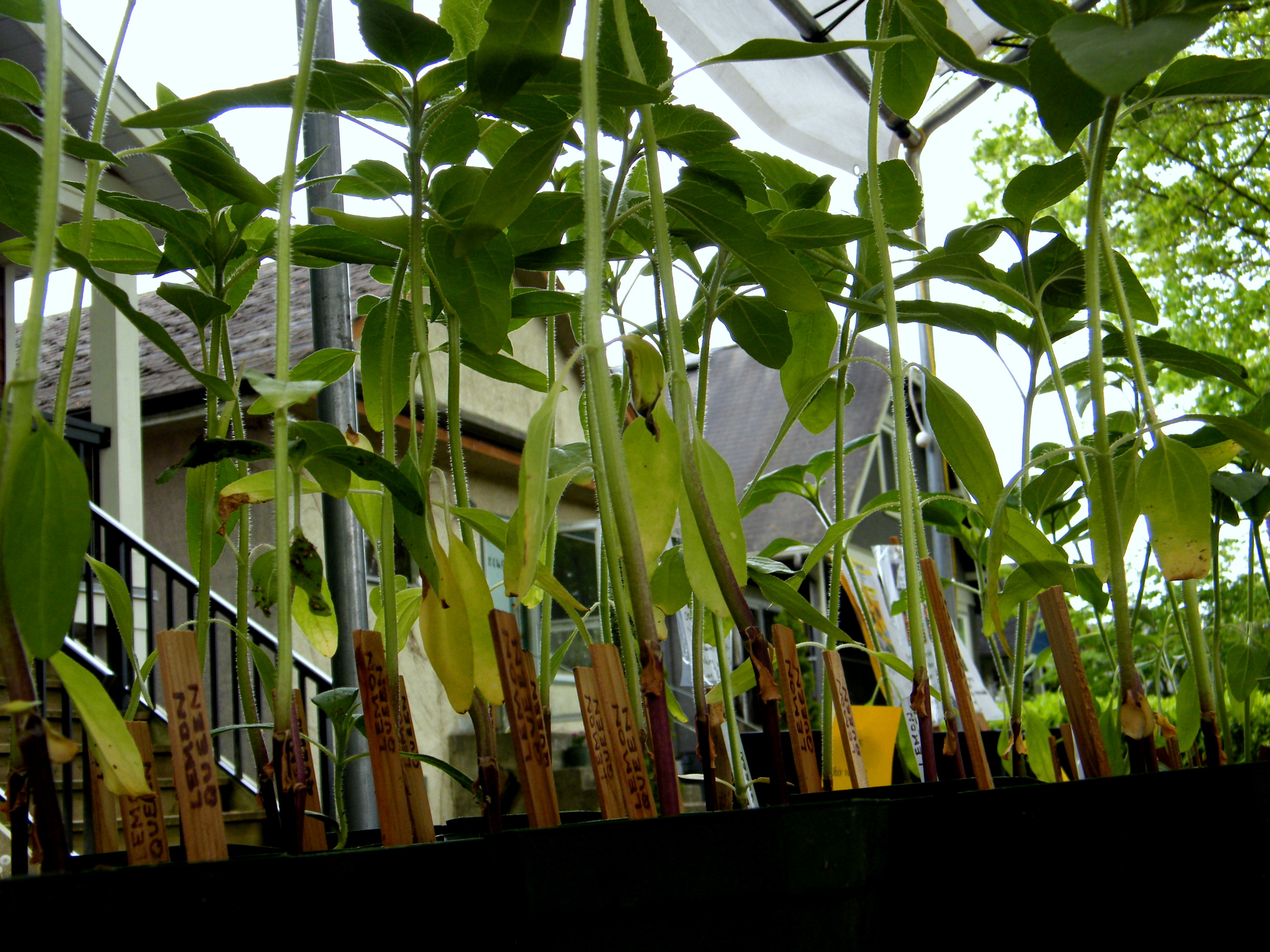
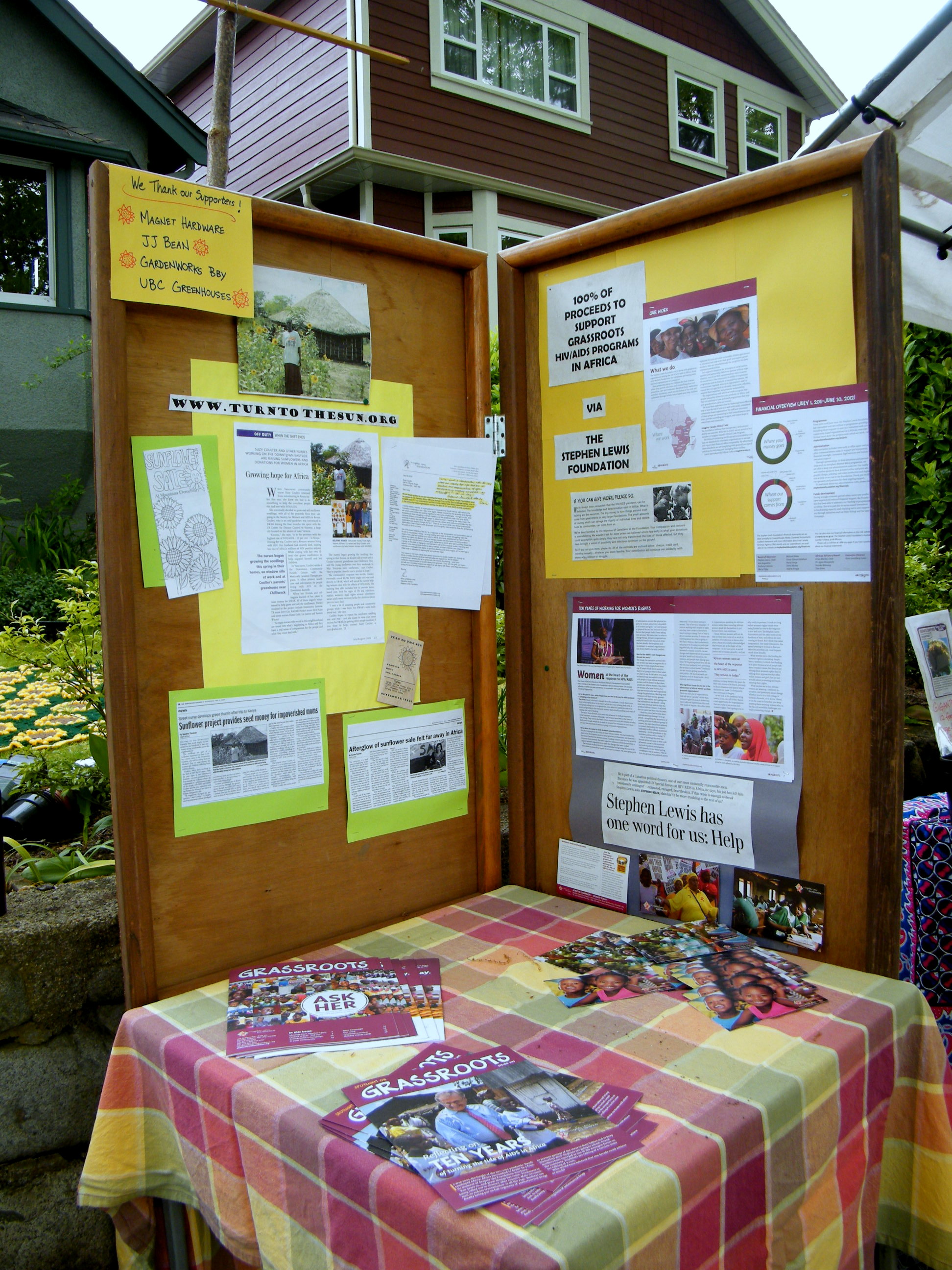
Which brings me to the sunflower sale I attended last month. A friend of ours has been helping to organize this event for nine years now, raising money for the Stephen Lewis Foundation‘s work in Africa. This year’s sale earned $5,380.00, which will go directly to the Foundation’s programs in Africa.

DSCF6988

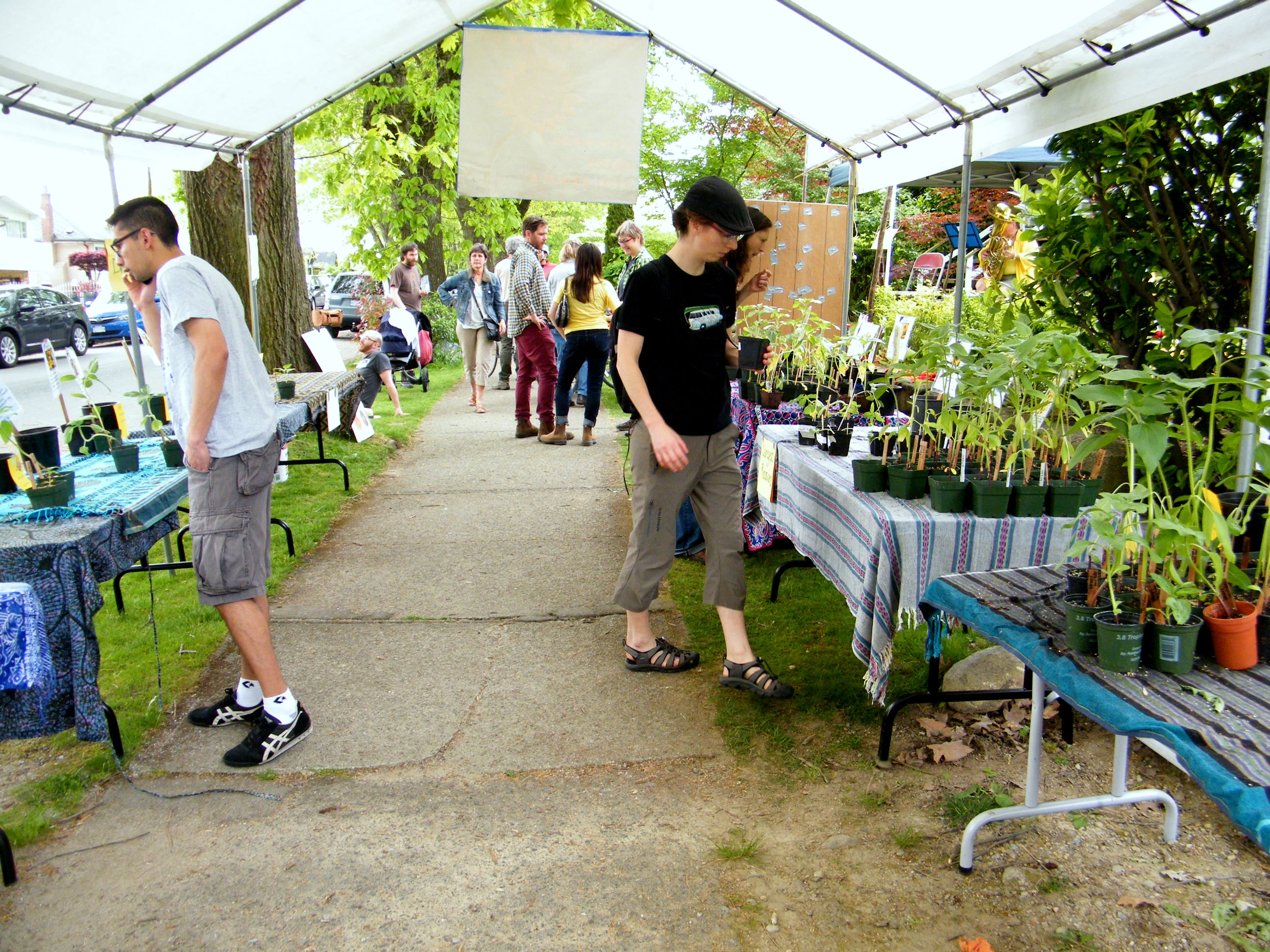
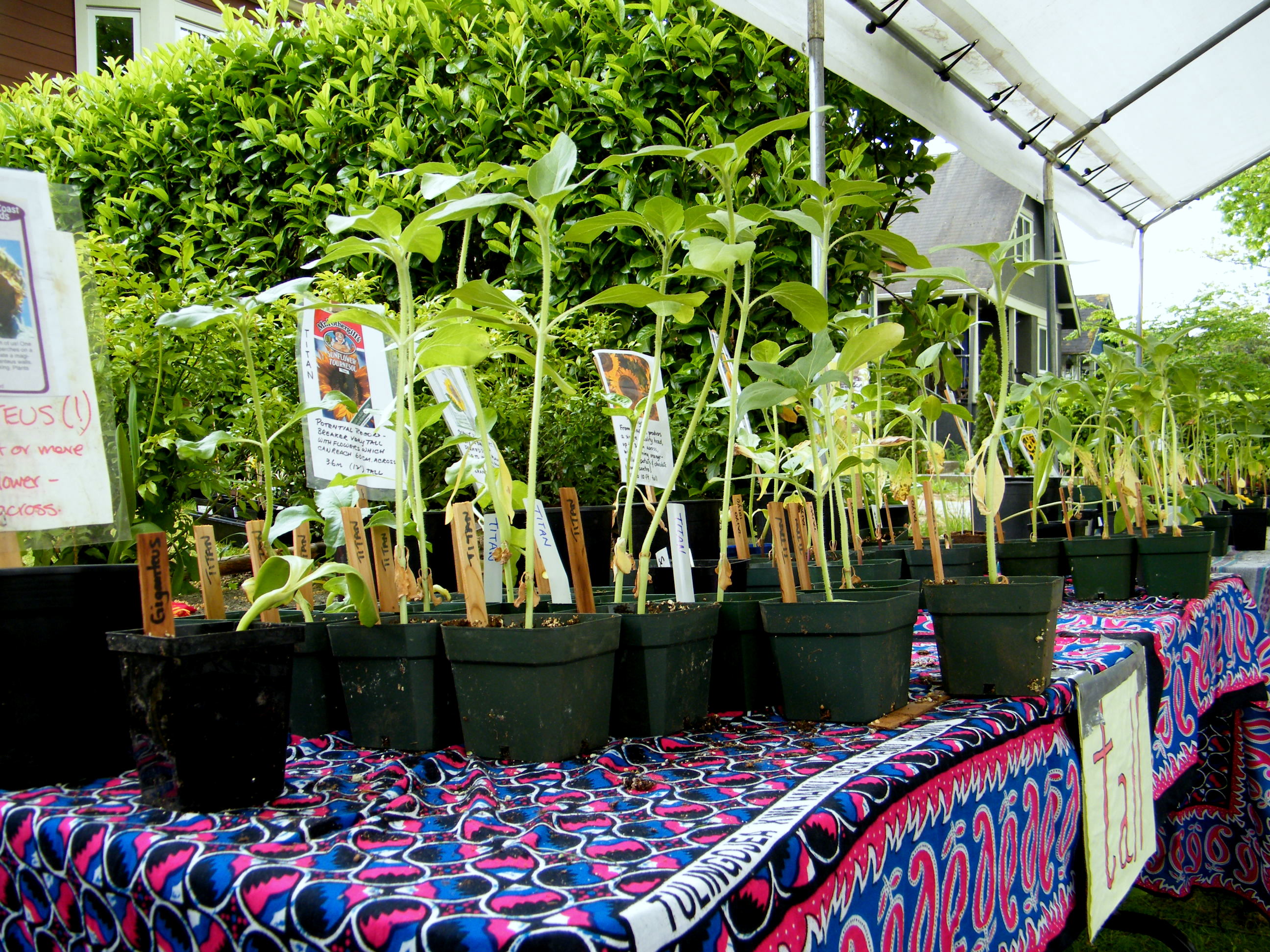
Turn to the Sun‘s volunteers, including kids from two elementary schools, grow sunflower seedlings for the sale, which takes place each year around Mothers’ Day. It’s truly a sidewalk sale, with tents covering almost a whole block of pavement, to protect the seedlings and the customers from our uncertain spring weather.

DSCF6997

This year, I came away with three very tall varieties, a Velvet Queen, an Earthwalker, and a Claret. They’re just waist-high, gangly teenagers right now, but they’re avoiding the snails and slugs that plague my garden sometimes and they’re already following the sun. I have visions of sharing their seeds with my co-op neighbours, family, and friends in the spring, but I’ll also be at next year’s sale. A little earlier though, so I have a chance to pick up some of the dwarf varieties for my brutally sunny front balcony. I think they’ll love it there.

Next year is their tenth anniversary, and I expect it will be bigger than ever. Get in touch with them if you’d like to help out, or if you’d like to start your own satellite sale where you live.

DSCF6990

FFWD – French Food Revolution Friday with Dorie (Warm Weather Vegetable Pot au Feu)

http://foodrevolutionday.com/

We’re doing something a little different for this week’s French Friday. The group is participating in Food Revolution Day, which was started by Jamie Oliver to get people into the kitchen and around the table together.

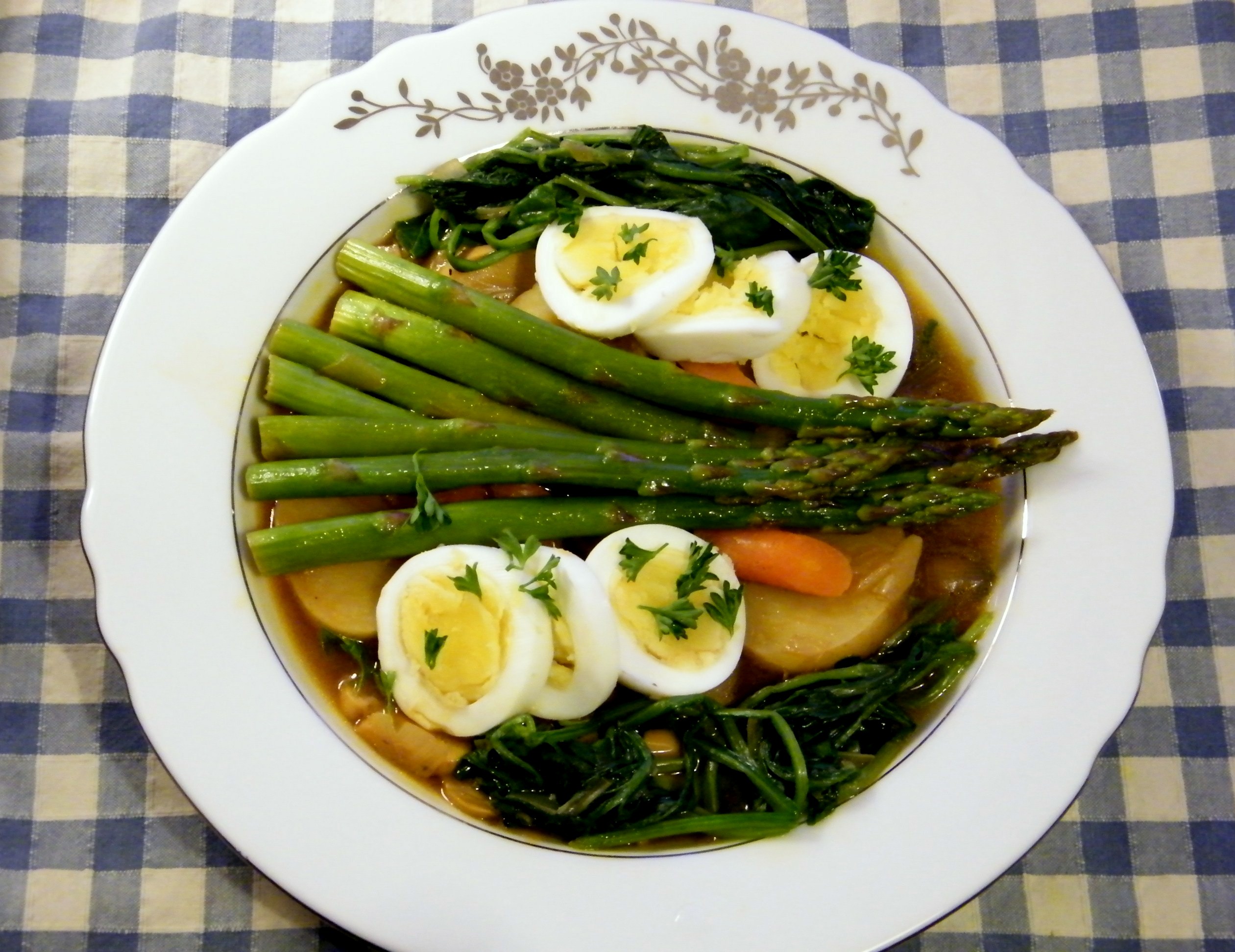
Warm Weather Vegetable Pot au Feu

I decided to do something a little different this week, too. Since this year’s Food Revolution Day theme is Cook It, Share It, I thought I’d ask my partner to take the lead on this week’s recipe and share his thoughts with all of you. I chose one of the recipes I’d missed when the rest of the group posted about it, Warm Weather Vegetable Pot au Feu, because it seemed like a perfect match for the ethos of Food Revolution Day. I also thought it was a good fit for my partner. I helped a little with the chopping and pot-watching, but Kevin made the dish. Here’s what he had to say:

I thought that the Warm Weather Vegetable Pot Au Feu was excellent, though I would have preferred it without so much of the vegetable broth. While the veggies tasted good with the broth flavouring, I didn’t finish all of the leftover broth in the bowl. In fact, it was almost better the second night when my partner made quinoa, which soaked up the broth nicely. I think my partner Teresa chose this meal for me to make because, although I was once a vegetarian for about eight years, I’m no longer one and would like to get back to eating this way the majority of the time. Not only was the dish tasty, but it was also cheap and easy to make, which I appreciated. This will inspire me to cook vegetarian more often.  I’ve been doing a lot of reading about agriculture and food lately and I hope to do more in the kitchen and garden soon.

It’s been wonderful watching Teresa take part in the French Fridays with Dorie group. We have tried so many dishes that were new to us. If my memory serves me correctly, I’ve loved all the dishes but one. For the last few years, I always know we are likely trying something new on Friday and that element of surprise has been neat. It was great to finally make a dish. My partner Teresa does most of the cooking in the house, but I do cook occasionally – I have my usual dishes. For the most part, we cook separately. It was nice for Teresa to guide me though this recipe, as we keep talking about sharing more of the cooking, along with cooking more vegetarian meals. This dish accomplished both of those things for us. I hope we will do more of it together.

Food Revolution Day sounds amazing. I think we need a food revolution on a number of levels, but Cook it, Share It is a fantastic start.

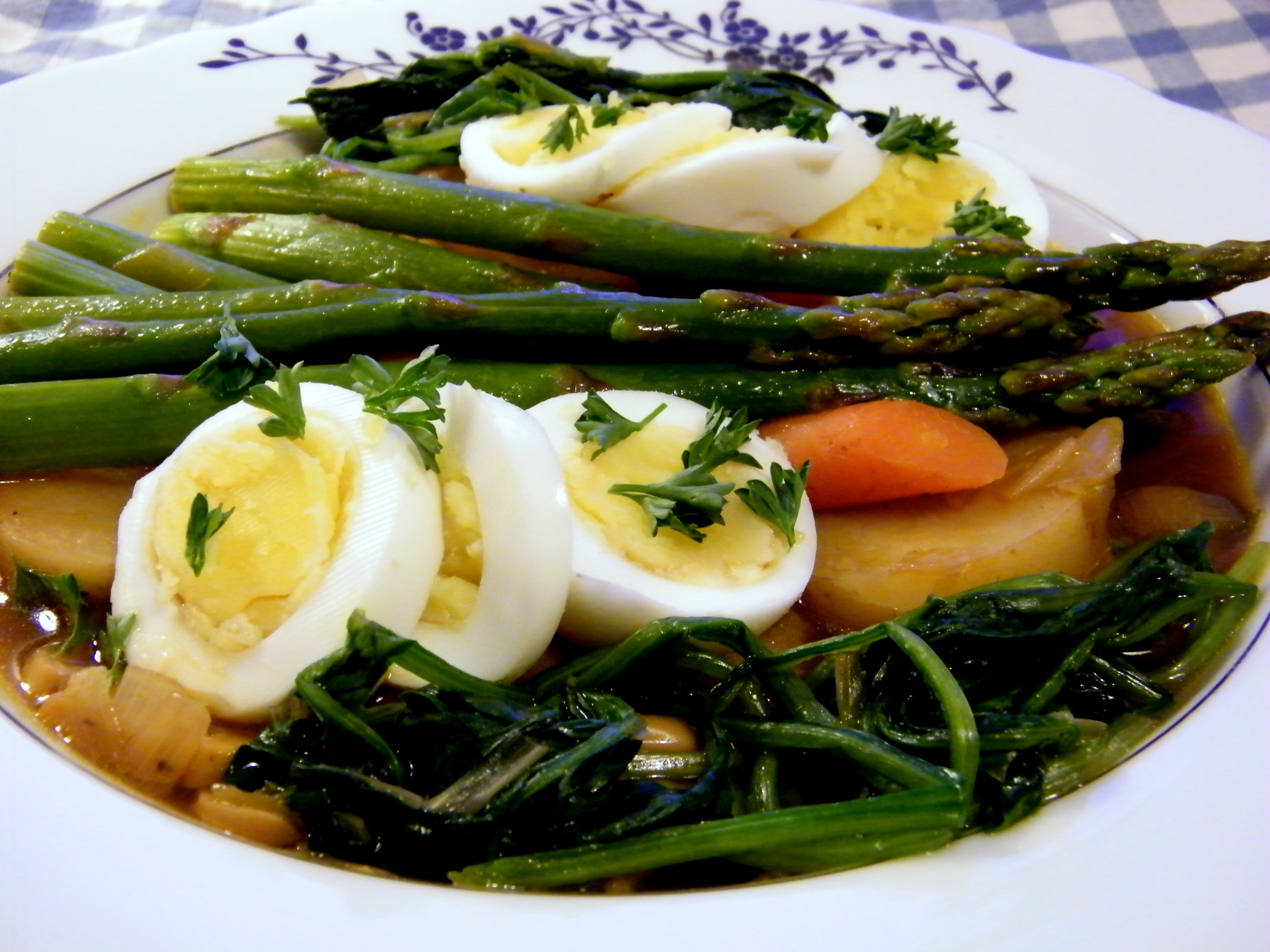
Spinach, asparagus, carrots, potatoes, and slices of hard boiled eggs arranged over a bowl of broth.

For my part, I thought this dish was delicious, on the first night when we ate it as a pot au feu; on the second when we used the leftover broth to cook more vegetables, which we served over quinoa; and on the third when we used the remainder of the broth to gently heat up some lamb burgers I’d made. The broth made a very good gravy in the end.

You can find the rest of the Doristas’ posts for FFRFwD here: French Food Revolution Friday with Dorie.

You can participate in Food Revolution Day too, by contributing posts or pictures, or by commenting on those of others. Here’s how, as outlined by our own Mardi Michels, one of Food Revolution Day’s Toronto ambassadors and instigator of our French Food Revolution Friday with Dorie:

“Follow the Food Revolution
Make sure you’re following #FRD2013 online for up to the minute news, updates and messages to share, re-post and re-pin to your followers.

Facebook: http://www.facebook.com/foodrevolutioncommunity
Twitter: http://www.twitter.com/foodrev (use #FRD2013)
Google+: http://www.google.com/+foodrevolutioncommunity
Pinterest: http://www.pinterest.com/foodrevolution
Instagram: @foodrev (add your photos using #FRD2013)”

Vintage Bikes

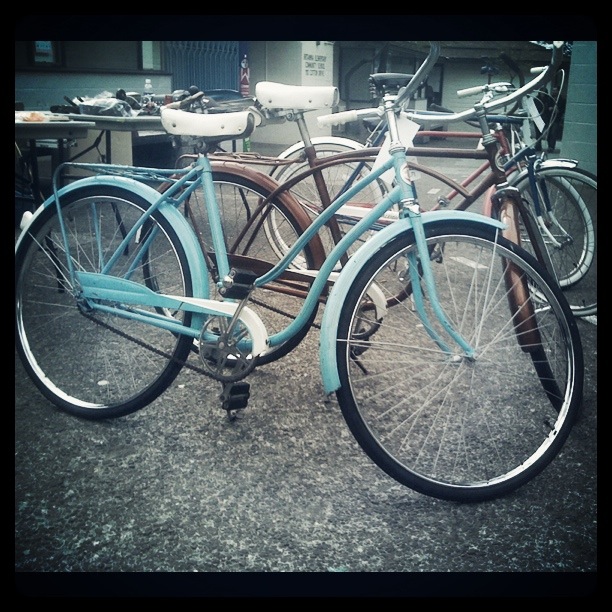
I happened upon the Vancouver Wheelmen Vintage Bicycle Club’s Bike Swap as I was on my way to the library, several weeks ago. I’ve been meaning to post this ever since.

Cellphone cameras are ubiquitous now and often rightly criticized for removing us from our experiences, while sometimes encouraging our more self-involved impulses. But they can also offer us opportunities for experimenting with photography that might otherwise elude us.

I didn’t bother to carry my camera with me on that short trip to the library, but having my cellphone with me allowed me to have a little fun with photography, as I explored a community I hadn’t known existed.

IMG_1205

IMG_1208

IMG_1207

IMG_1209

IMG_1206