Art Anchors the Eastside – Culture Crawl Weekend

The place where you live can be an anywhere or it can be somewhere very specific, especially in Canada and the United States. It’s very easy, even in cities, to replicate the experiences you can find across the continent; there are the same chain stores and restaurants in every city and town. Or, you can populate your mental map with places that are unique to your location. It’s the second map that makes someone a real resident, I think. Knowing where to find gluten-free ice cream sandwiches, a stationery store with its own letterpress, or a shop where you can learn how to tune up your bike yourself. Such places add up to home.

Every place also has its rites of passage. I know someone who started to identify as a Vancouverite long before she moved here, because she flew across the country each year to attend the Vancouver Folk Music Festival. She has the same stories as I do, of attending in years of torrential rain, heat waves or unseasonably cold weather at the Festival, along with stories of the amazing performances that happen there.

What’s interesting about all of this, for me, is that the same place is really many places. There are certainly several Vancouvers. Your Vancouver depends on who you are. It can include the Folk Festival or Under the Volcano, both, or neither. Whole neighbourhoods may not exist in Vancouver as you experience it. I used to work in a corporate office, where many of my co-workers drove in from places farther up the Fraser Valley. For them, it was as if the east side of the city didn’t exist. Which is a shame, because some of the best things about Vancouver occur east of Kitsilano and downtown.
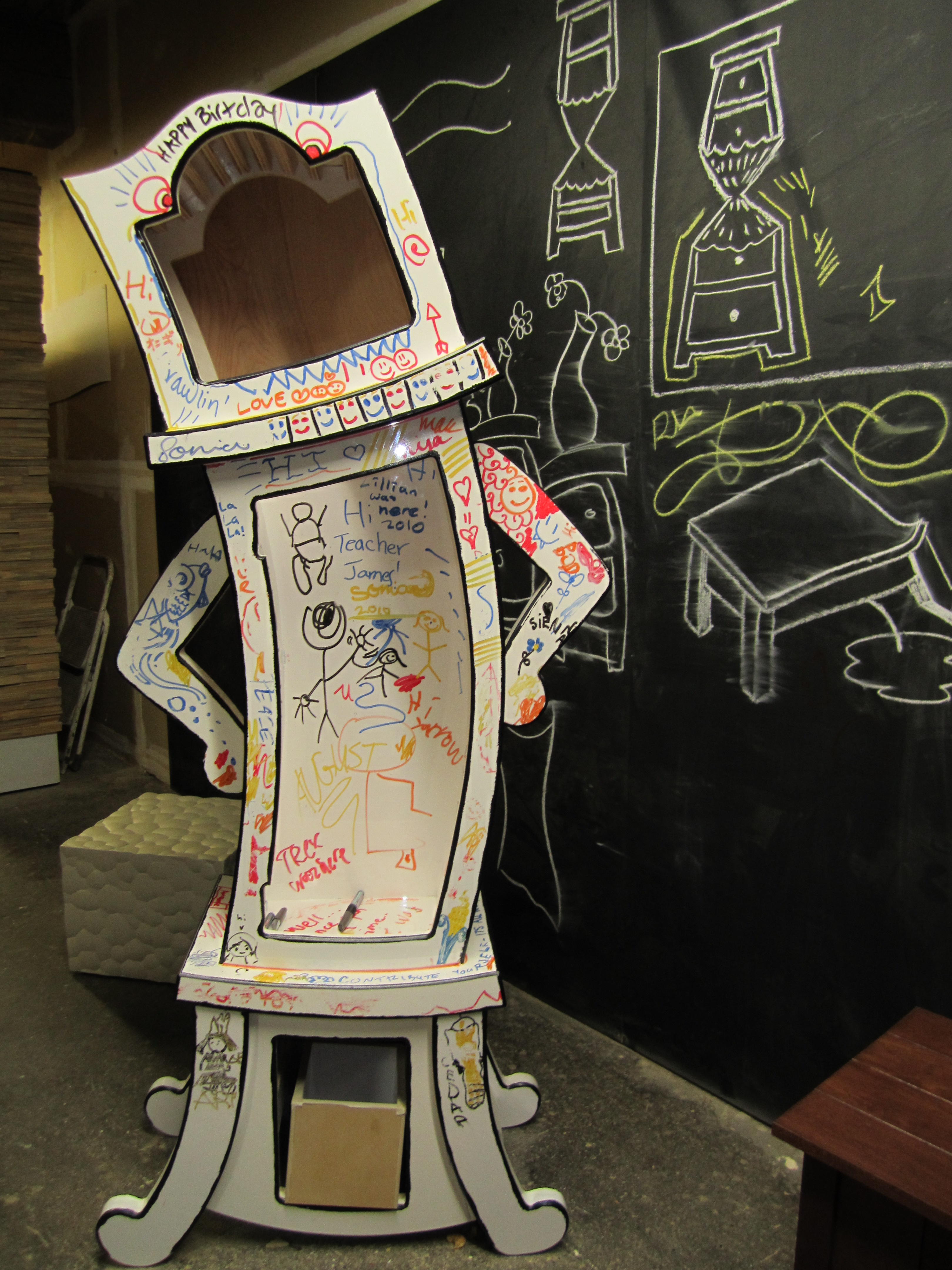
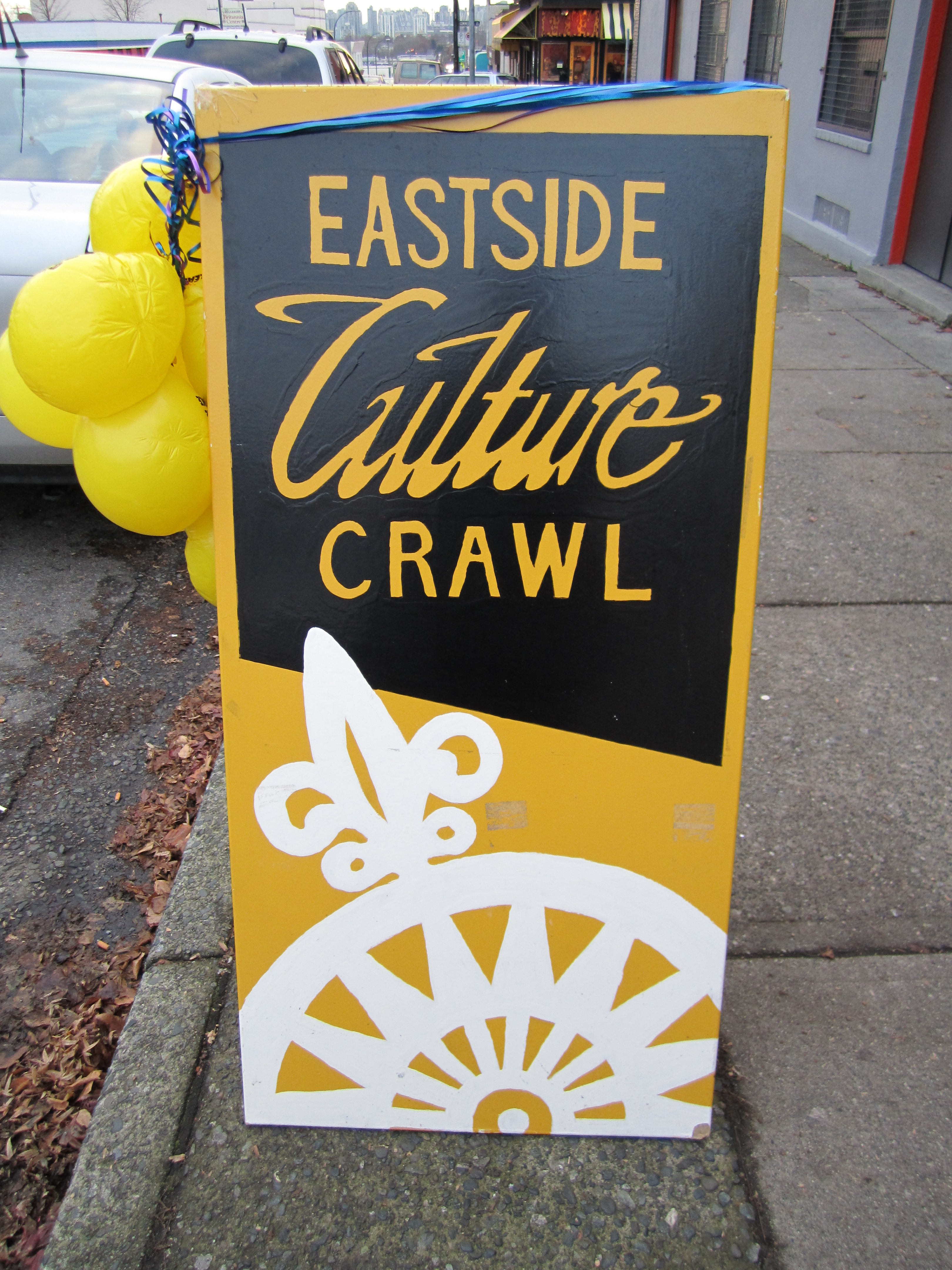
The Eastside Culture Crawl is definitely part of my Vancouver. Thousands of people tour hundreds of artists’ studios that are thrown open to the public one weekend a year. This past weekend was Crawl weekend and the weather was milder and drier than it has been since I can remember. There’s been snow, sleet and rain in the past and it doesn’t stop people from climbing up makeshift warehouse stairways or into backyards and basements in search of art.


I didn’t get very far off the beaten track this year, concentrating my one free afternoon along Venables, Clark and Parker. I saw some beautiful pottery at posAbilities on Venables, great jewellery at the Onion studios and then I wandered over to the Mergatroid Building and Parker Street studios.
Some of my favourites this year included:

Melk’s burned bamboo and etched steel pieces;
Arleigh Wood’s new series;
Su Foster’s delicate filigree work in her twistedandhammered line;
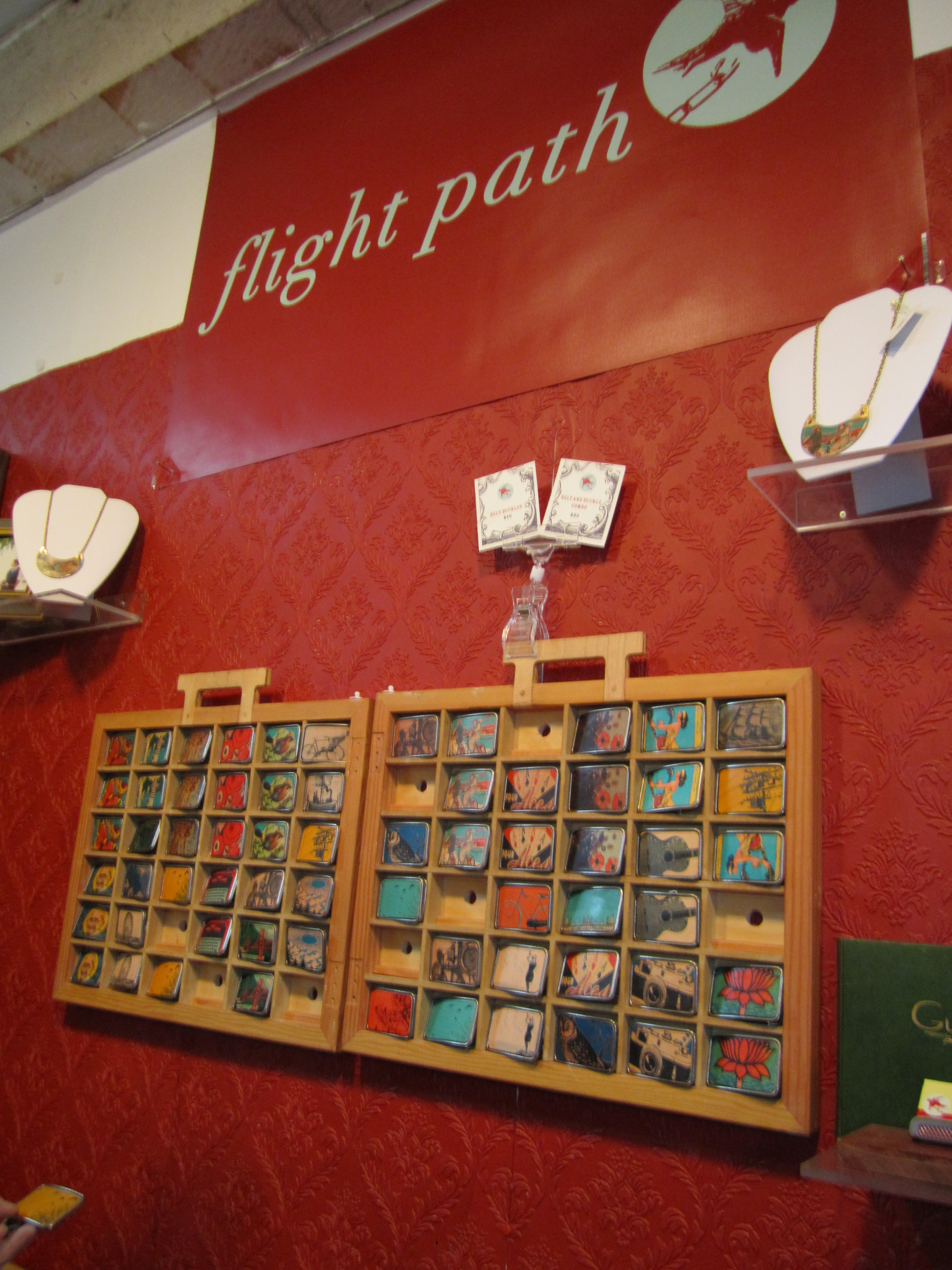
Flight Path’s leather accessories;
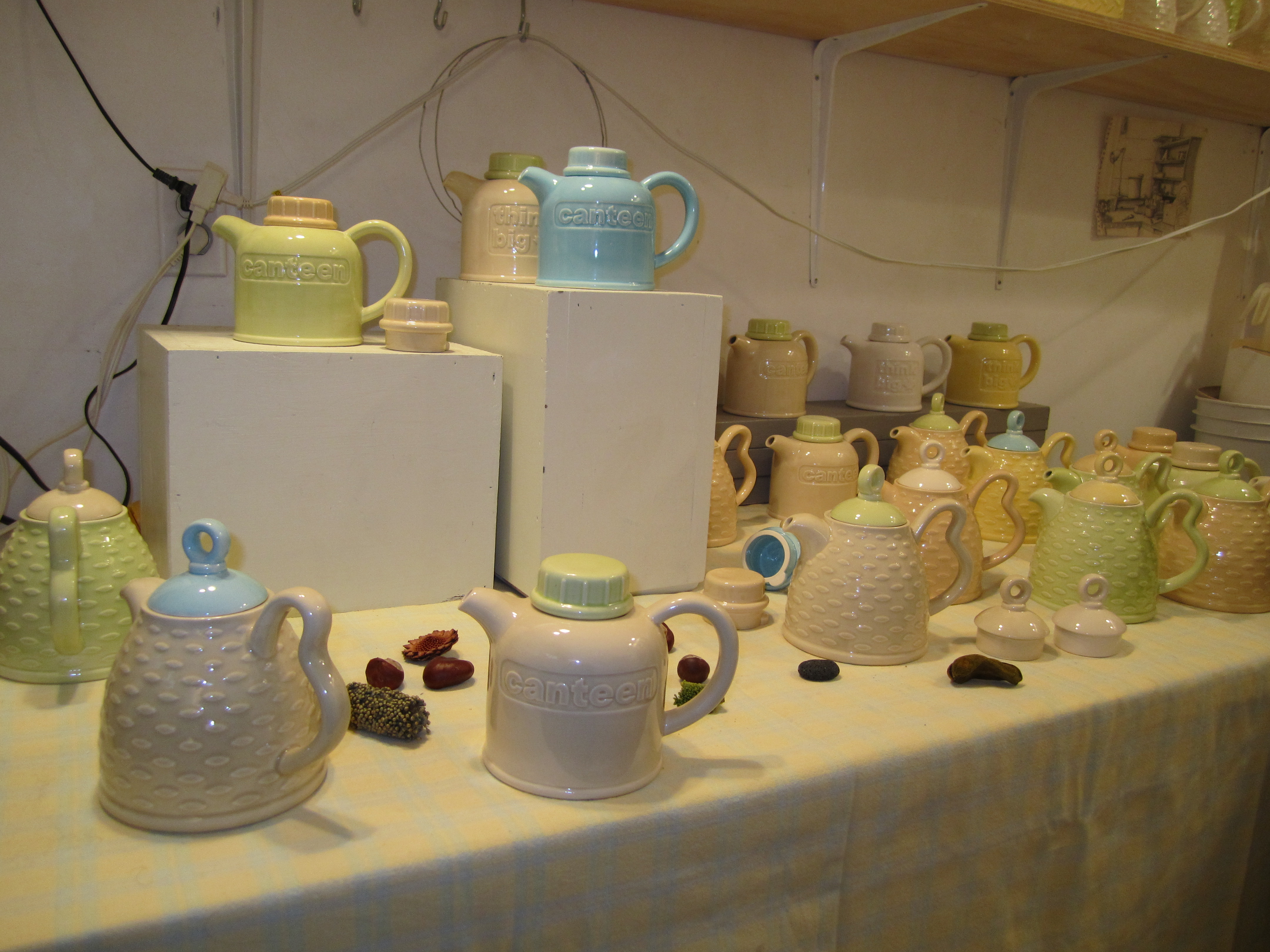
Russell Hackney’s amazing teapots;
Sonia Iwasiuk’s paintings;
and Silvia Dotto’s crows.

There’s much more, of course. Browse the website and you’ll get a virtual taste of the Crawl. What you’ll miss by doing that, and why you should make sure you attend next year, is the ambience of the Crawl, along with the opportunities to talk to artists and other Crawlers. It was worth going just to see the beautiful branches hanging from Melk’s ceiling and to have a conversation about photography with a jewellery-maker. Also, seeing so many works, in so many mediums, really helps to pin down what you’re looking for when you buy art.

The best part of attending the Crawl, for me, is the knowledge that I carry through the rest of the year – everywhere I walk in my neighbourhood, there is something being created.
FFWD – Pumpkin-Gorgonzola Flans

Our cookbooks sit on a set of shelves near the entrance to our kitchen. All that fit, that is. Others have no permanent home, floating from kitchen to coffee table to nightstand. Those are the ones I look at most. Note that I did not say use most, although sometimes that’s true. For me (and I’d venture to guess for a lot of people in this culture), cookbooks represent an aspirational impulse. What I shall do; what I want to do; what I wish I could do. Not so very different from the aspirations served by window shopping or dusty mid-list novels.

The reality is that there is only one cookbook in the house, with recipes pulled from here and there in the books on the shelf and those peppered around the house, along with some bookmarked on the computer or printed on cards and slips of paper. The bulk of the recipes, though, are stored in my head. Those are the dishes I come back to over and over again, on the overwhelming majority of days when creativity in the kitchen is shunted aside for the tried and true. My everyday cookbook is a slim volume indeed.

This is one of the reasons I joined the Around My French Table cook-a-long. I don’t want to simply expand that everyday cookbook by a recipe or two, but rather I want to develop a practice of cooking again. Exploring techniques and ingredients that I don’t normally use or have let slip out of my repertoire. Testing the truth of what I believe to be to my taste.

Which brings us to this week’s recipe, Pumpkin-Gorgonzola Flans. This recipe has divided opinion almost evenly in our group, with people loving it, hating it or changing it completely. If not for the group, I know that it would be one of the recipes that I considered making, but never actually tried. Pumpkin is generally given sweet treatment in Canada and the U.S., while blue cheeses are challenging enough on their own here. Flans, too, are seen here as desserts, rather than savoury appetizers. All of which makes for intriguing reading and doubtful execution.

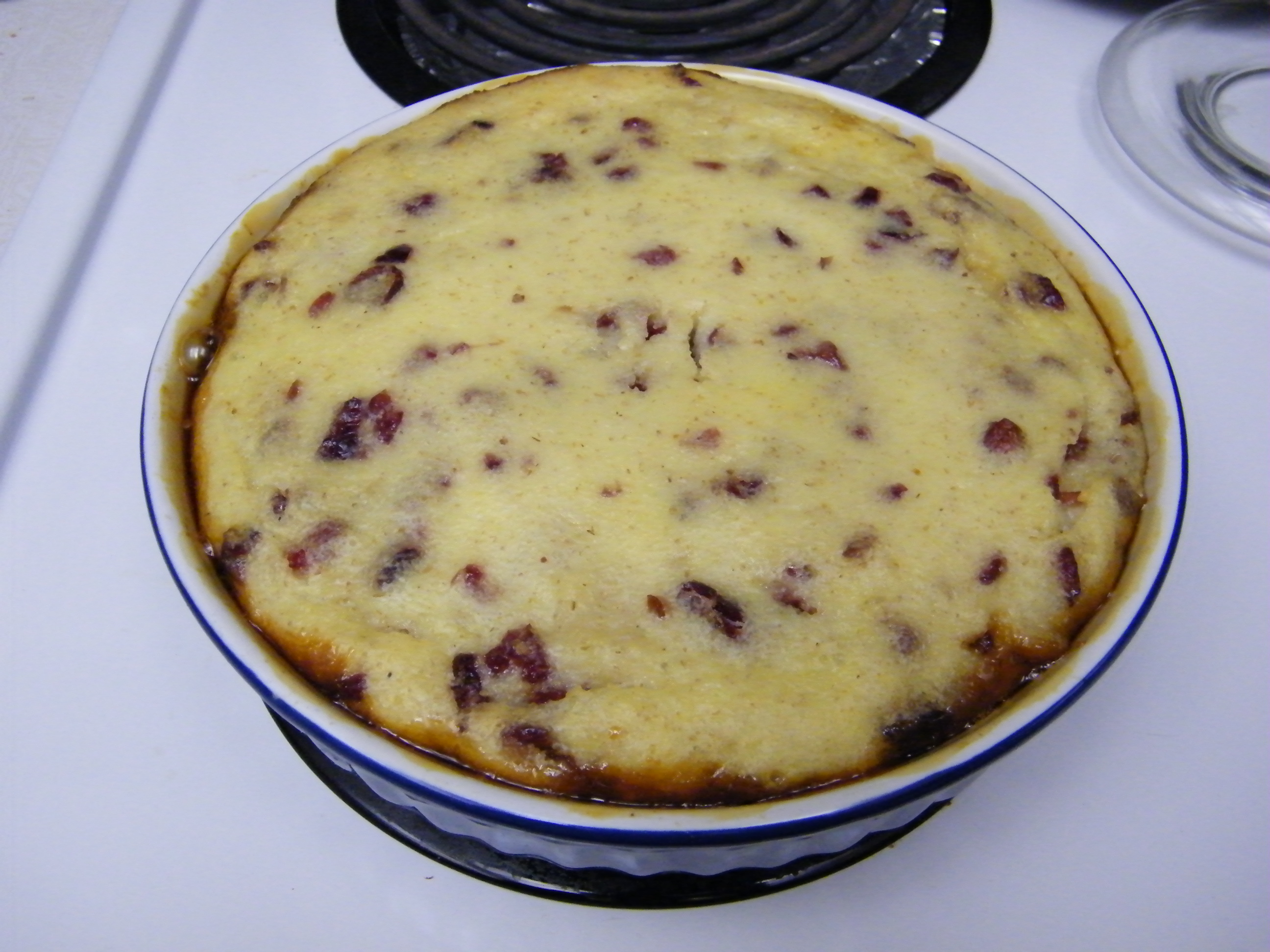
I liked it, but my two taste-testers weren’t enthralled. Kevin took one small bite, which was enough for him. Our friend ate half of hers, while helpfully telling me that if I’d served it hot, or with sweetened whipping cream, or with a syrupy sauce, it would be a much better dessert than it was. I thought that the pumpkin flavour was a good match for the strength of the gorgonzola and I liked the contrast of those flavours with the honey and sour cream that I’d used for toppings. I’m slowly working my way through the leftovers. After all, I can’t let the gorgeous gorgonzola that I got at Les Amis du Fromage go to waste.

Stretching my repertoire in this way is expanding my cooking habits beyond Around My French Table. I’m finding I’m cooking more from my other cookbooks, too, as well as experimenting in the kitchen. There’s satisfaction and a little bit of power in being able to look at the contents of my pantry and say to myself, “This with this…and this. Yes.”

We’re doing things a little differently for the month of November. We’re still posting weekly, but people are free to post this month’s recipes in any order. You can find many other blogged descriptions of this month’s FFWD recipes here: LYL: November 26

Cinnamon-Cardamom Rice Pudding with Honeyed Rosewater Sauce

I’ve mentioned before that eating out can be challenging for people with celiac disease. But it’s not only restaurants where you might run into problems. Eating at the homes of your friends and family can be tricky, too. It’s hard enough to keep a house gluten-free when someone with celiac disease lives there.

Even when you’ve explained what needs to be avoided, there can be gaps in communication. One friend told me that she’d arranged to go to someone else’s home for dinner and had several phone conversations about her food restrictions, including her gluten-intolerance. My friend is a very thorough and clear communicator. She was assured that her host had educated herself on avoiding gluten and that she had nothing to worry about. During the meal, my friend asked again, just to be sure, and was told that there was definitely no gluten in any of the dishes. When they’d finished, the host turned to my friend and told her that she’d been sure to use only whole wheat flour in the gravy, as she understood that my friend couldn’t have processed white flour. Several days of illness followed.

These sorts of misunderstandings can be compounded when family food traditions are added to the mix. I know that my family’s holiday dinners are very gluten-heavy affairs, from my mother’s delicious gravy to the pies, cookies and cakes for dessert. When my partner comes to these family dinners, adjustments must be made. I’m lucky that my family gets how serious celiac disease can be, since my father’s aunt had it, so the adjustment is painless. That’s not true for many people, though.

Often, the easiest solution for me is to prepare interesting and seasonal dishes that naturally don’t contain gluten. My partner’s not fond of baked goods, anyway, so I get to experiment with other things. This also has the advantage of avoiding complaints from conventional eaters that a modified dish doesn’t taste the way they expect it to taste.

Here’s a recipe for rice pudding that would fit in at any fall or winter celebration. It relies on Middle Eastern flavours, but I added some cranberries and increased the cinnamon for a seasonal flair. You can try other dried or fresh fruits, as well as chopped nuts. Dried apricots and pistachios work well, especially if you concentrate on cardamom as the main spice.

Rice Pudding with Honeyed Rosewater Sauce

Makes eight servings

The rice pudding was inspired by this New York Times article.

The honeyed rosewater sauce was adapted from The Healthy Gourmet Cookbook.

For the Pudding:

3 cups cooked brown rice
4 cups whole milk
¼ to ½ cup organic cane sugar
1 tsp. cinnamon
½ tsp. ground cardamom
2 to 3 points star anise
1 tsp. rosewater

Combine rice, milk and sugar and bring to boil, then lower the heat to a simmer. Add rosewater and star anise points. Continue to simmer, stirring occasionally, until thick and the milk has been almost completely absorbed. Many people like to add the spices at the end, but I add them in a little into the simmering time, as it seems to infuse the rice with their flavour more. When it’s done, set it aside to cool a little, then spoon into serving dishes and put those into the refrigerator to chill.

Notes:
The ratio of cooked rice to milk is generally 1 cup rice to 1½ cups milk. I use a little less milk than that when I’m making a big batch. Adjust the other ingredients and cooking time accordingly. I used a scant ¼ cup of sugar, as I was also using the honeyed rosewater sauce. Use sugar to taste. Any sweetener and any milk will work in this recipe, so try it with whatever you’d normally use.

For the Sauce:

2 cups water
¼ cup honey
2 tablespoons rosewater
1 teaspoon lemon (or orange juice, for a sweeter taste)
1 cinnamon stick
2 or three strands of saffron

Bring the water and honey to a boil, then reduce the temperature to a simmer. Add the rosewater, lemon, cinnamon stick and saffron. Simmer for about 30 minutes, or until the mixture has a slightly syrupy texture.

Allow to cool and then chill in the refrigerator.
.
To put it together, drizzle a little of the sauce on each serving of pudding and garnish with chopped dried fruits and/or nuts.

I’m adding this recipe to Gluten-Free Girl and the Chef’s recipe round up, which can be found here: Gluten-Free Thanksgiving 2010. They’ve gathered recipes from well-known food bloggers, along with a tonne of recipes from more bloggers in the Comments. So, whether you celebrate Thanksgiving, or have misgivings about its colonialist roots, you should check this out. It’s an amazing resource of recipes for gluten-free celebrations. And your gluten-eating friends and family will be too full to notice. If you contribute a recipe, or even a comment, you’ll also be eligible for some great prizes!

FFWD – Pommes Dauphinoise (Potato Gratin)


We had the first snow of the year last night, though nothing really stuck to the ground. It’s wet here in Vancouver and there are only a few times each year that conditions are right for snow. By the time I took the dog out for her final walk of the day, the snow had turned to heavy rain and only a few small patches of ice remained, stuck to the grass. Still, I can see that it’s time to put away my light jackets and reach to the back of the closet for my winter coats. I should also finish the scarf that I’ve been starting for the last two months. It will go quickly now, for I seem to knit with more conviction when it’s cold outside.

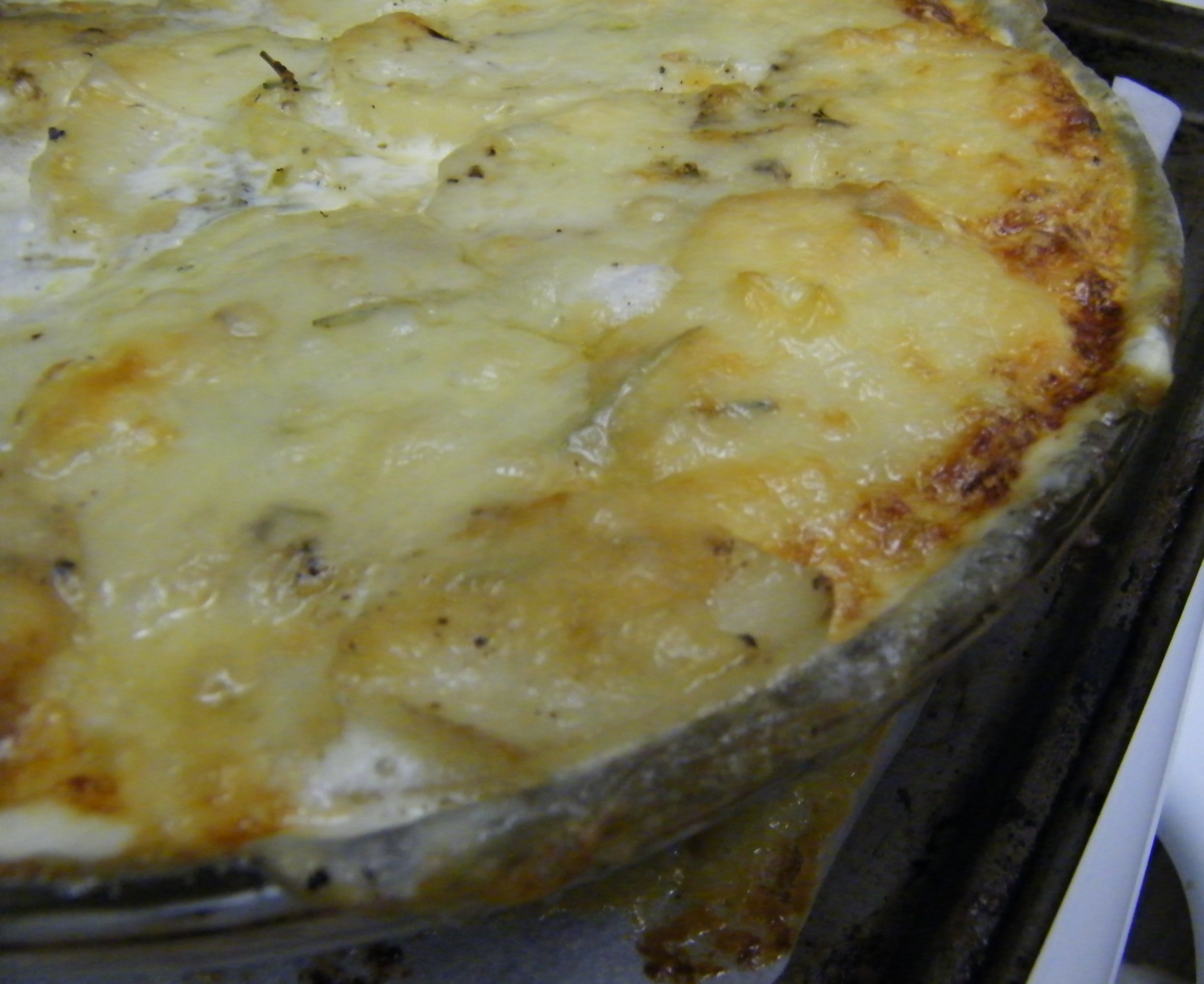
Pommes Dauphinois is a wintry dish. Layers of potato soaked in garlic-infused cream, with a layer of gruyère cheese on top – it’s a perfect dish for chasing out the cold. It looks wintry, too, with white on white on white, until it’s baked. Then, its gruyère topping turns golden.

The recipe itself takes some time, so it’s not a good choice for a last-minute dish. However, none of the steps are particularly difficult. My knife skills are lacking, so I didn’t achieve uniformity in the thickness of my potato slices. I think I must invest in a mandoline. Cooking the dish took longer than the time given in the recipe, so be prepared for that. I used the opportunity to add more cheese, which was very bad of me, but very much appreciated by my dinner companions.

There’s no picture of the completed dish. Everyone was quite hungry. I’d also made Roast Chicken for Les Paresseux and it was resting on the counter, filling the kitchen with its aroma. There was really no time for any more photographs. The dish was quickly decimated. You’ll have to be content with the photo I took just before I added that extra layer of cheese.
The potatoes are creamy and subtly garlicky and gruyère is the perfect counterpoint to those flavours. They were a very good accompaniment for the chicken and we rounded off the meal with steamed brussels sprouts. I’ll be making these potatoes again, though probably in smaller quantities, as the recipe is suitable for a crowd.

We’re doing things a little differently for the month of November. We’re still posting weekly, but people are free to post this month’s recipes in any order. You can find many other blogged descriptions of this month’s FFWD recipes here: LYL: November 19

Why I’m here

I was one of those students who did well in high school writing assignments by writing to expectations. I’d been turned off by grammar and usage mechanics by an overly prescriptive teacher and came to prefer learning through sentence combining exercises and looking at the overall structure of good writing. I read widely and obsessively then and I think that I was unconsciously emulating the structure of the writers I admired.
When I went to University, I was shocked to find out that my writing wasn’t up to my instructors’ expectations. For the first time, my papers were covered in red ink and it scared the hell out of me. I responded by taking every writing course I could for the rest of my time there. The first writing book that really helped me to improve was Peter Elbow’s Writing With Power. His methods helped me to break myself of my habit of trying to write a paper from start to finish in one sitting. I was also able to write prose creatively for the first time.

By the end, I felt like a competent writer and sometimes even a good writer. I dabbled in writing, mostly for a (now defunct) feminist newspaper and brought my skills to the lousy administrative jobs I landed. My friends and I had moved on from academic writing and were looking to books like Natalie Goldberg’s Writing Down the Bones for guidance. We spent an embarrassingly large amount of our time doing writing exercises in cafés. Luckily, only my friend Julian was confident enough to read his work at open mike nights. I think he sticks to physics these days.

Over the years, I continued to take some writing courses, mostly technical writing, but with some creative non-fiction as well. Eventually, though, I stopped doing much personal writing. Instead, I got bogged down in the corporate miasma of business writing. I’m out of the corporate world now and I’m hoping it’s for good.

This blog is, in part, a way to reignite my writing process and to rebuild my skills. It’s also a way to engage with ideas and events that interest me, of course. And an opportunity to explore photography a little more.

I hope it becomes a way of engaging with you, too.

Stay tuned for a bonus post Friday evening. Gluten-Free Girl and the Chef are compiling a holiday meal recipe bank and have a great giveaway to go along with it. I’ll be posting my contribution and not just because I’m hoping to win the KitchenAid. I think having a gluten-free holiday recipe resource to share with family and friends will help a lot of people, including my partner. Be sure to check out their blog post for all the recipes.

FFWD – Roast Chicken for Les Paresseux

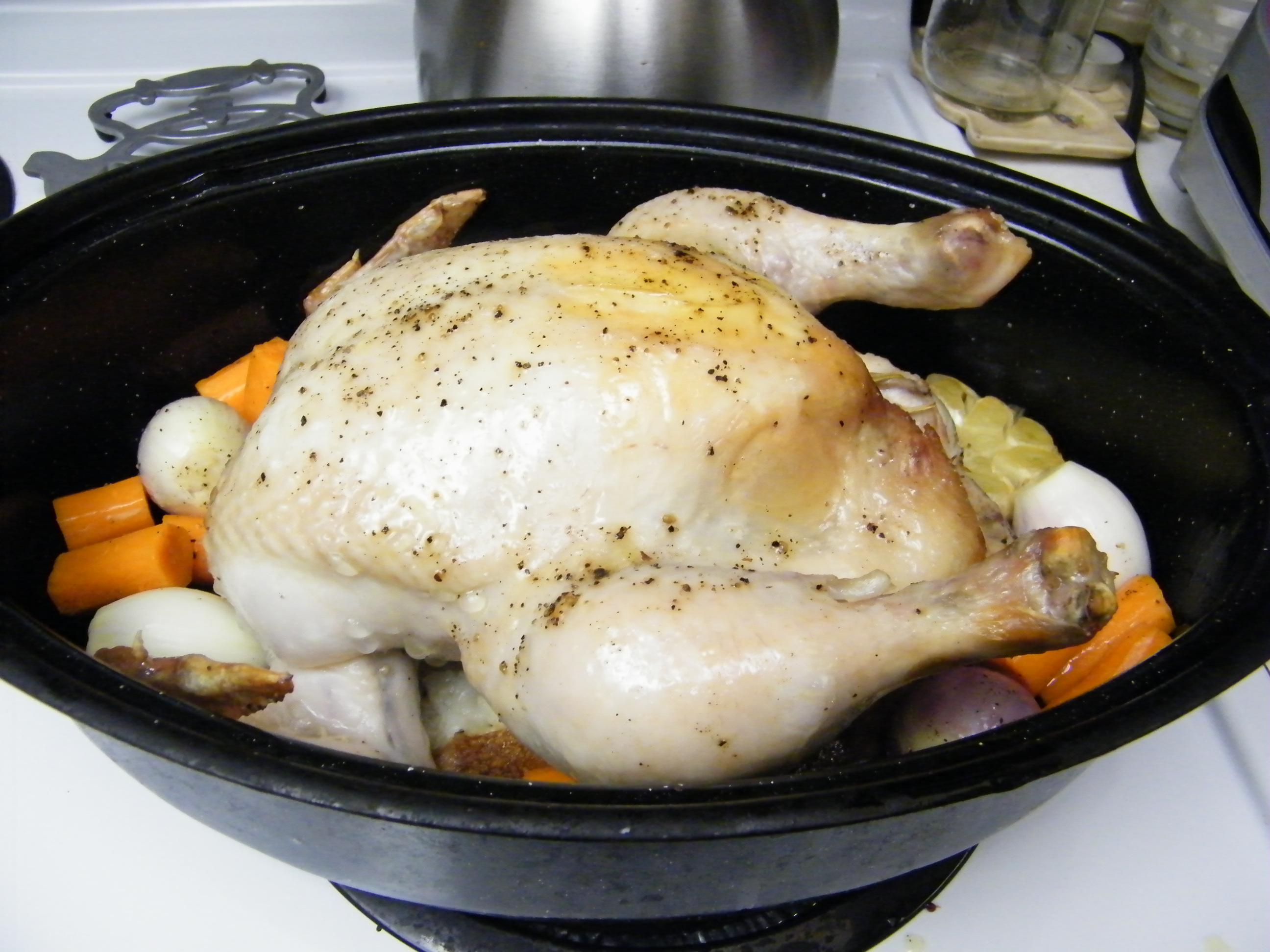
I didn’t realize I came from a long line of lazy chicken roasters until I encountered Dorie Greenspan’s recipe for Roast Chicken for Les Paresseux in Around My French Table. In our family, the standard treatment for chicken was a halved onion and a halved apple in the cavity, with garlic and whatever herbs and vegetables were on hand. Roasted in a slow oven, with a basting session or two, it’s been a standby at least as far back as my mémère (my maternal grandmother). It’s such an easy recipe that when I was young, my mother allowed me to get it started after school, so that we could eat as soon as my parents came home from work.

I’ve experimented a fair amount with chicken since then (starting with 40 cloves of garlic chicken, which was my standby through University) and I’ve generally abandoned cooking whole chickens in favour of using chicken breasts and thighs. After making Roast Chicken for Les Paresseux, whole chicken is going back into the repertoire.

This recipe is even simpler than the one I grew up using. No basting, just an addition of vegetables (if you like) at the half way point. Fresh herbs, garlic, salt, pepper, olive oil and a little white wine are all that’s needed to make this dish fantastic. I especially liked the trick of cutting a whole head of garlic in half, leaving one half inside the chicken and one out.

While the chicken roasted, I was able to prepare the rest of dinner, including getting a start on the dish for next week’s post, Pommes Dauphinois (or Potato Gratin). The only difficulty was concentrating on what I was doing, for as the chicken cooked, it filled the kitchen with a wonderful aroma.

I don’t have a dutch oven, so I used a roasting pan. Since it doesn’t have high sides, I decided to roast the chicken covered. That didn’t seem to harm the chicken at all. After it was done, I let the chicken rest breast-down as suggested and the meat was wonderfully juicy.

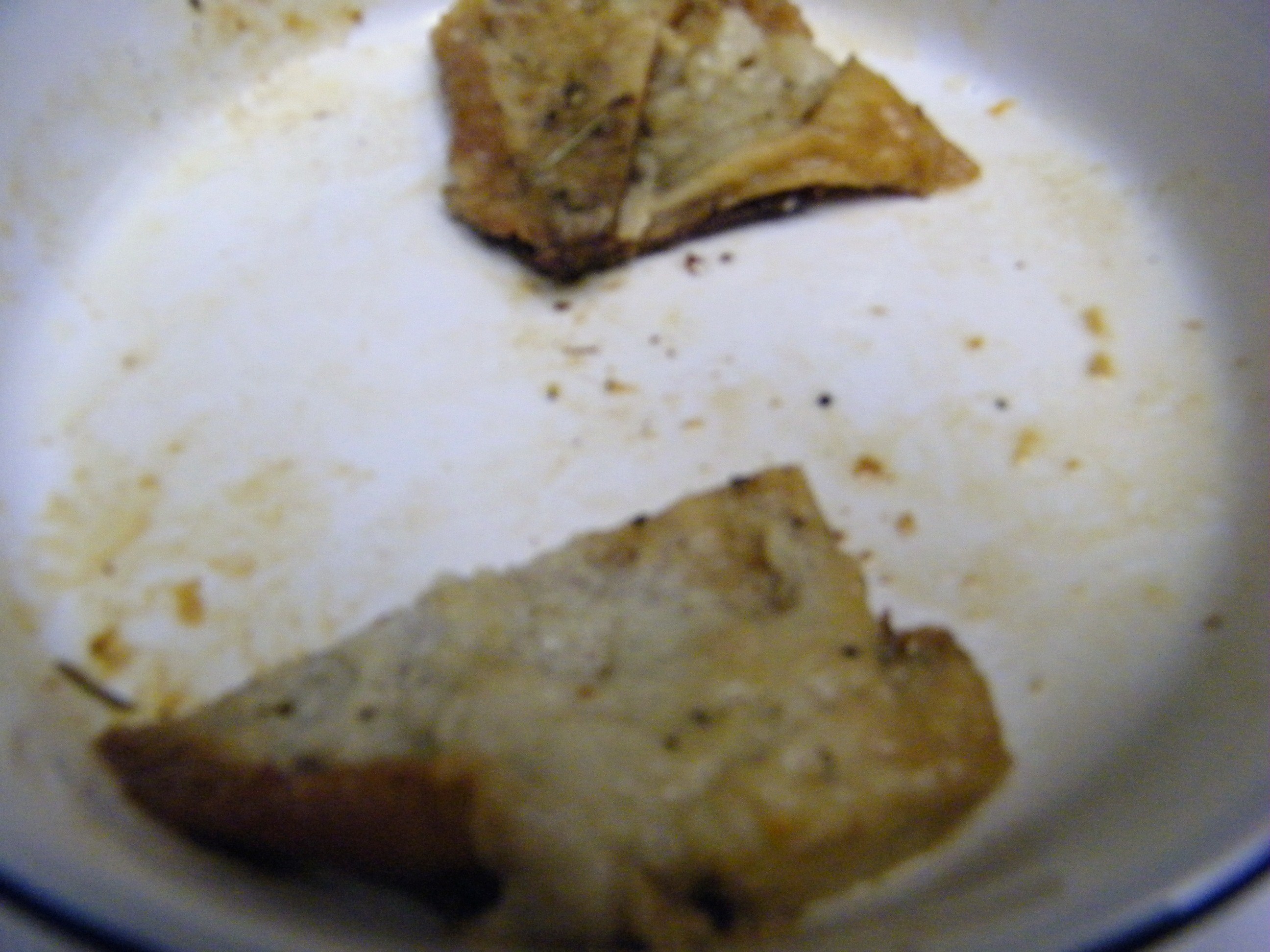
Finally, there’s the matter of the bread. Dorie recommends placing the chicken on a bed of thick bread or baguette. The bread is crispy on the bottom and full of pan juices on the top. I have only one photo of this bread, and only half the amount of bread I used at that, because it disappeared too quickly for me to have another chance at a better shot. This slightly blurry photo will serve as proof that the bread is as delicious as advertised.

Today, I’m going to leave you with two recipes, since I mentioned them. You’ll have to buy Around My French Table for Dorie’s recipe, though. You should, you won’t be able to stop using it.

Mémère’s Chicken

1 roasting chicken
2 onions, peeled, one halved and the other cut into chunks
1 apple, halved
1 bay leaf
3-5 cloves of garlic, peeled
salt and pepper
Fresh or dried herbs (optional)
roastable vegetables, like potatoes, carrots or celery (optional)

Lightly oil a roasting pan. Place the halved onion, the apple and the bay leaf inside the chicken. You can add some fresh herbs, if you like. I often use sage or savoury with this recipe. Place the chicken in the roasting pan. Scatter the garlic and remaining onions around the chicken. You can also add fresh or dried herbs to the pan and chunks of potato, carrot and celery (or whatever roastable vegetable takes your fancy). Sprinkle everything with salt and pepper.

Roast, covered, at 350° for 1½ to 2 hours, depending on the weight of your chicken. Baste once or twice during the cooking time, with the juices in the pan. You can take the cover off the chicken near the end, so that it browns.
.
To make the gravy, bring the pan juices to a boil, adding a teaspoon or so of flour or cornstarch. If you take a little of the heated broth and mix it with your thickener before adding it, you’re less likely to get lumps. Cook down until the mixture thickens, place in a container for a few minutes and then skim off the fat. This gravy is perfect with mashed potatoes, but that might just be my childhood speaking.

UPDATE: I spoke to my mother about this recipe and she said – no bay leaf, always rosemary and thyme, cook it for a longer time at 325° if possible. (This is what happens when a recipe is handed down verbally.)
                       

40 Cloves of Garlic Chicken (remembered from the Urban Peasant)

Handy Hint: If you invite ten of your University friends over for dinner and decide to double the recipe (i.e., cook two chickens), don’t forget you might also be doubling the time it takes to cook. Especially when you have a tiny, unreliable oven. People get very hungry when you serve dinner at midnight. Don’t ask me how I know. It was a long time ago.

1 roasting chicken
1 lemon
3 to 6 heads of garlic (for 40 cloves in total)
olive oil
salt
pepper, fresh ground
½ to ¾ cup white wine (optional)

Rub the outside of the chicken with olive oil, then sprinkle well with salt and pepper. Lightly oil a roasting pan. Pierce a number of holes in the lemon with a skewer, then place the lemon inside the chicken. Put the chicken into the roasting pan. Break the heads of garlic into cloves and scatter the unpeeled cloves around the chicken. Add the wine, if you’d like.

Roast, covered, at 350° for 1½ to 2 hours, depending on the weight of your chicken. Baste once or twice during the cooking time, with the juices in the pan. You can take the cover off the chicken near the end, so that it browns.

There will be a lot of liquid in the pan, which makes a fantastic garlic-lemon gravy. Bring the liquid to a boil and cook down. You can add a little wine if you’d like and you can also add a little cornstarch or flour to help thicken the gravy. All optional. Once it’s thickened, pour the gravy into a container, let it sit for a few minutes and skim the fat from the top.

We’re doing things a little differently for the month of November. We’re still posting weekly, but people are free to post this month’s recipes in any order. You can find many other blogged descriptions of this month’s FFWD recipes here: LYL: November 12

A New Home for the Winter Farmers’ Market, with Digressions

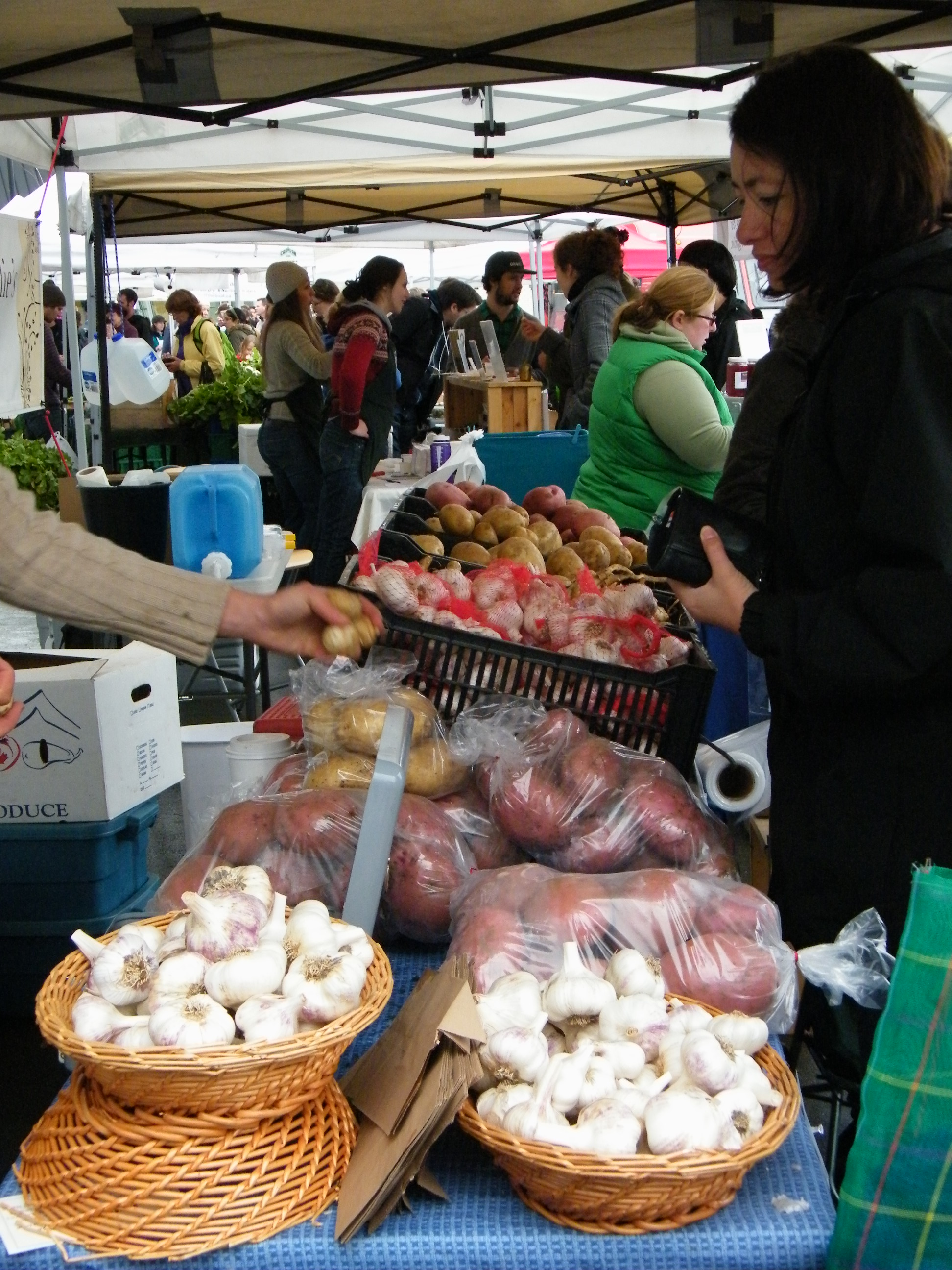
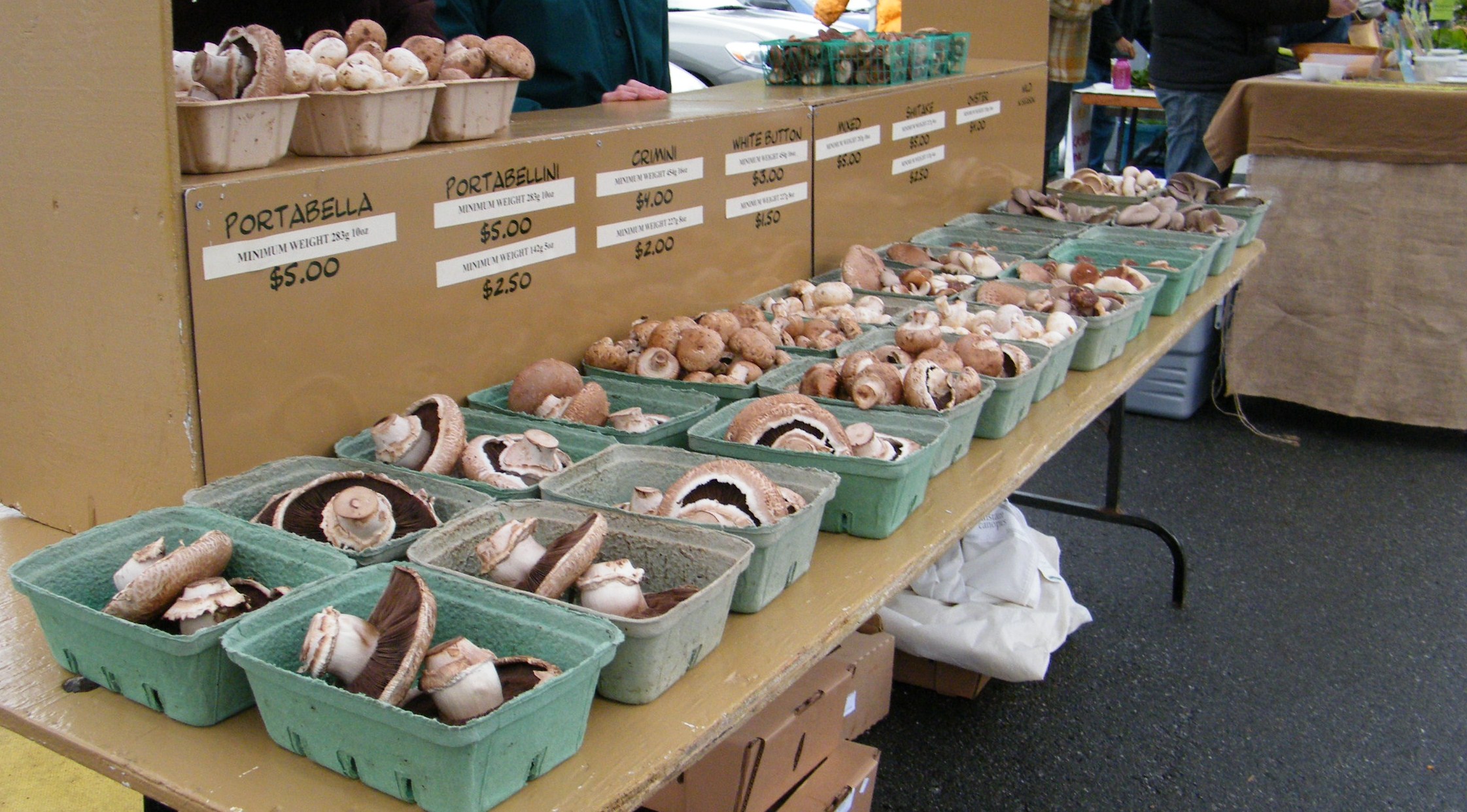
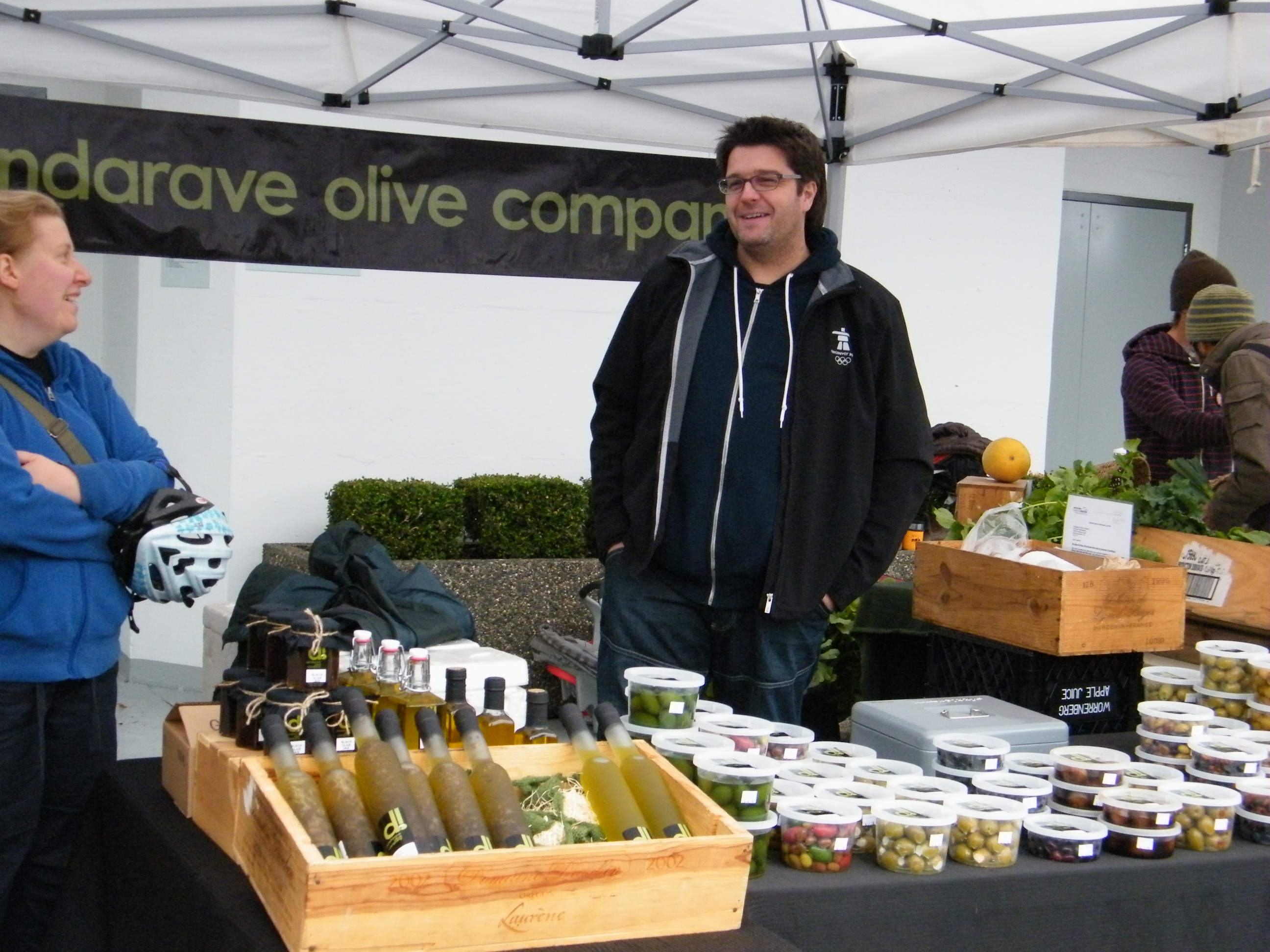
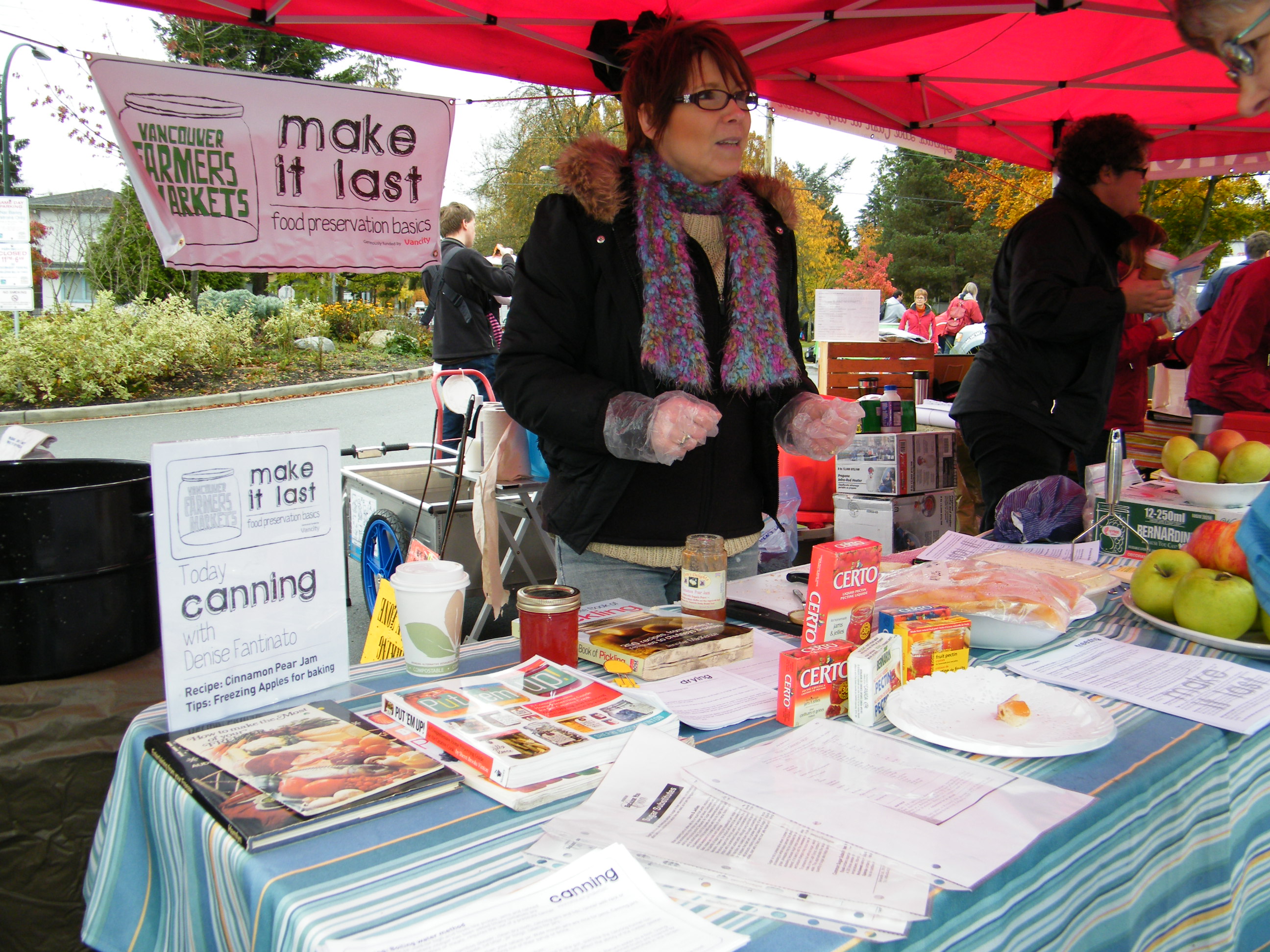
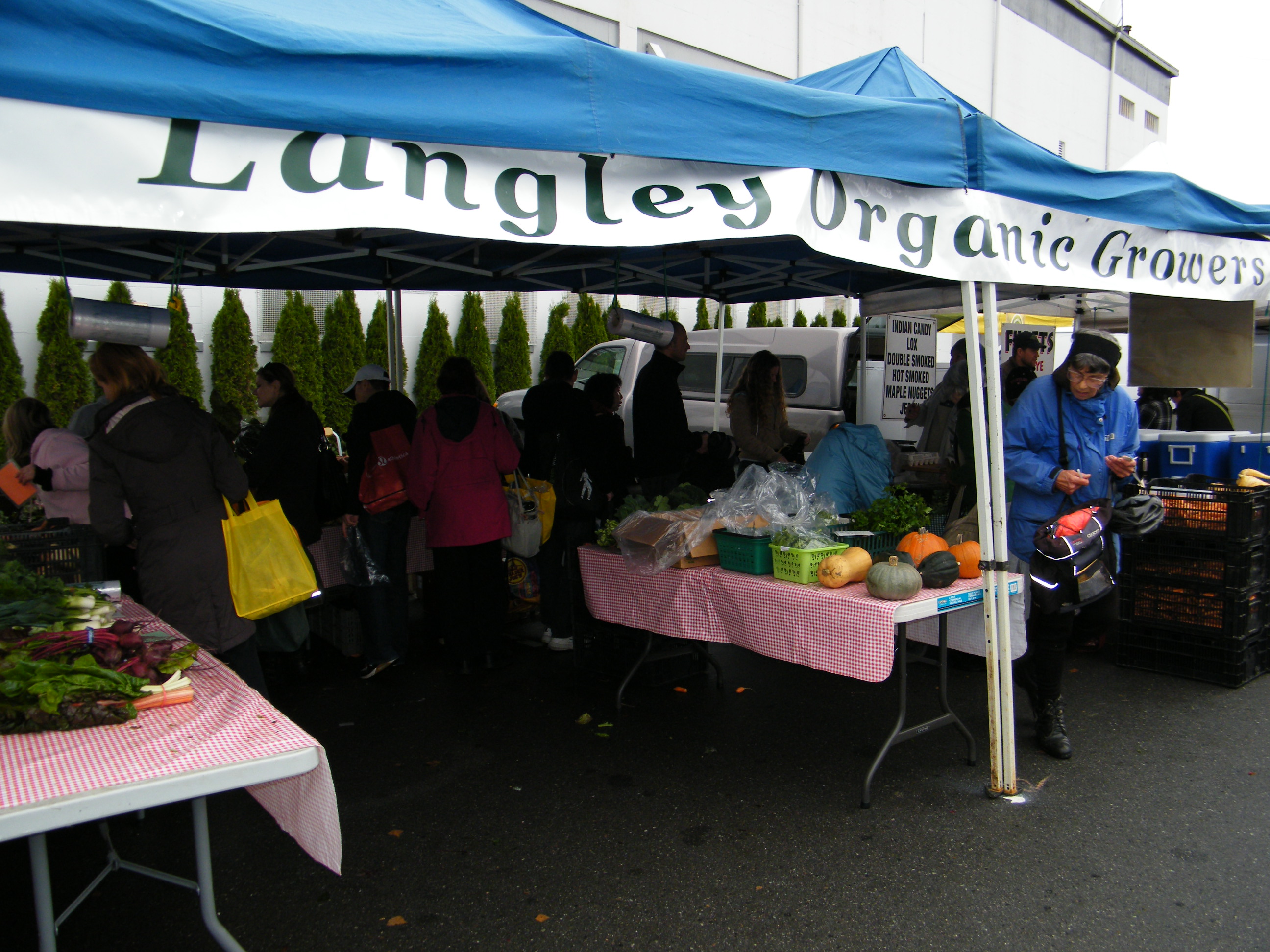
This past Saturday, the Vancouver Farmers’ Market had their first winter market of the season. It was a bittersweet occasion for me, because until this year the winter market was almost literally a stone’s throw away from where I live. (If I had a better arm, it would have been.) But, the market had long outgrown its winter home at the WISE Hall and this year the city gave permission for the move to the parking lot at Nat Bailey Stadium.

I’ve told you the bitter, but there’s definitely some sweet. The winter market can now happen weekly and is much larger than it was in its old incarnation. Since the scattered summer markets are now closed for the season, there’s also an advantage in having it in a location that’s nearer the centre of the city. It’s reasonably accessible by transit and there are good cycling routes available, so it’s possible to avoid the congestion and competition for parking spots that driving there causes. Once again, the east side has served as an incubator for something that benefits the whole city. And local, organic food is definitely beneficial.


Though it seems like awareness of food miles and the benefits of eating locally has sprung up out of nowhere in the last few years, the Vancouver Farmers’ Market has been running for fifteen years now. The dominant culture can take quite a while to catch on to a good thing.

I first heard someone talk about eating locally in the mid-eighties. He was one of the most interesting professors I ever had. His course was ostensibly about the geography of weather, but he made sure to give us some life lessons along the way. For instance, he talked to us about geographical and weather considerations for house-hunting, which I think of often when looking at the suburbs running up the North Shore Mountains. (Hint: it’s very bad to cut into a natural slope in a rainforest climate zone.) He’s also responsible for politicizing me around water rights, and by extension, all natural resources and genetic materials. It’s always amazed me how much taking that one course helped me to solidify my political and ethical ideas.

Eating locally was one of those ideas. In the class discussion, we focused on the farm stands that dotted the Fraser Valley, where I grew up. The farms behind those stands grew a variety of vegetables, with much less need of pesticides than industrial mono-culture farms. They could also grow more varieties than industrial farms, since transportation-hardiness and shelf life weren’t considerations for local sales. We learned that we were lucky to have so much access to good food. As the years went by and as development skyrocketed in the Valley, I wondered how long this access would last.

Enter the organic and local food movements.

Now, not only do we have a vibrant system of farmers’ markets across our region, but people are also looking for local, organic produce in grocery stores. I think this bodes well for our health and also for the health of our farmlands, which have been under threat of development even when they’re part of the Agricultural Land Reserve .


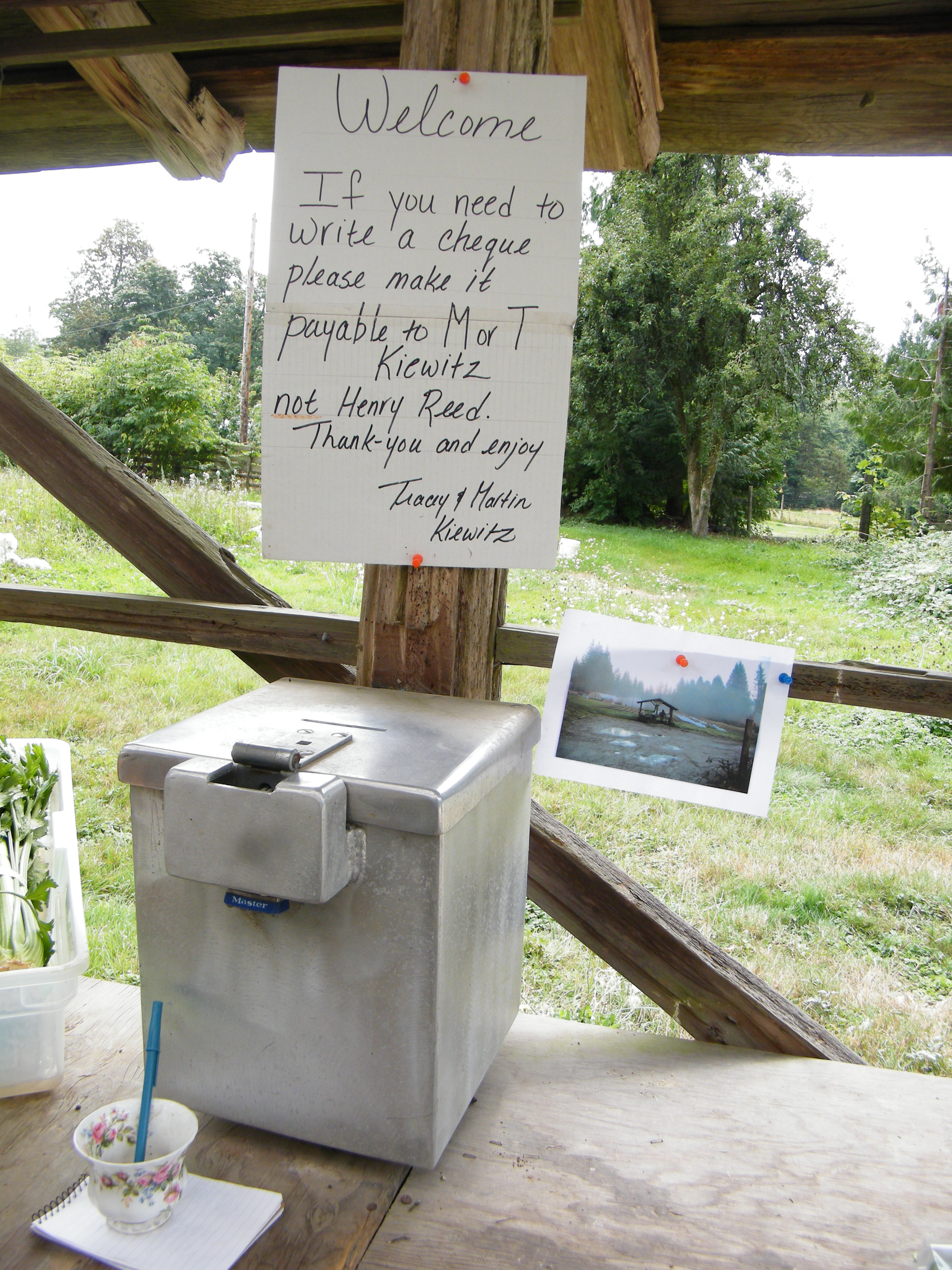
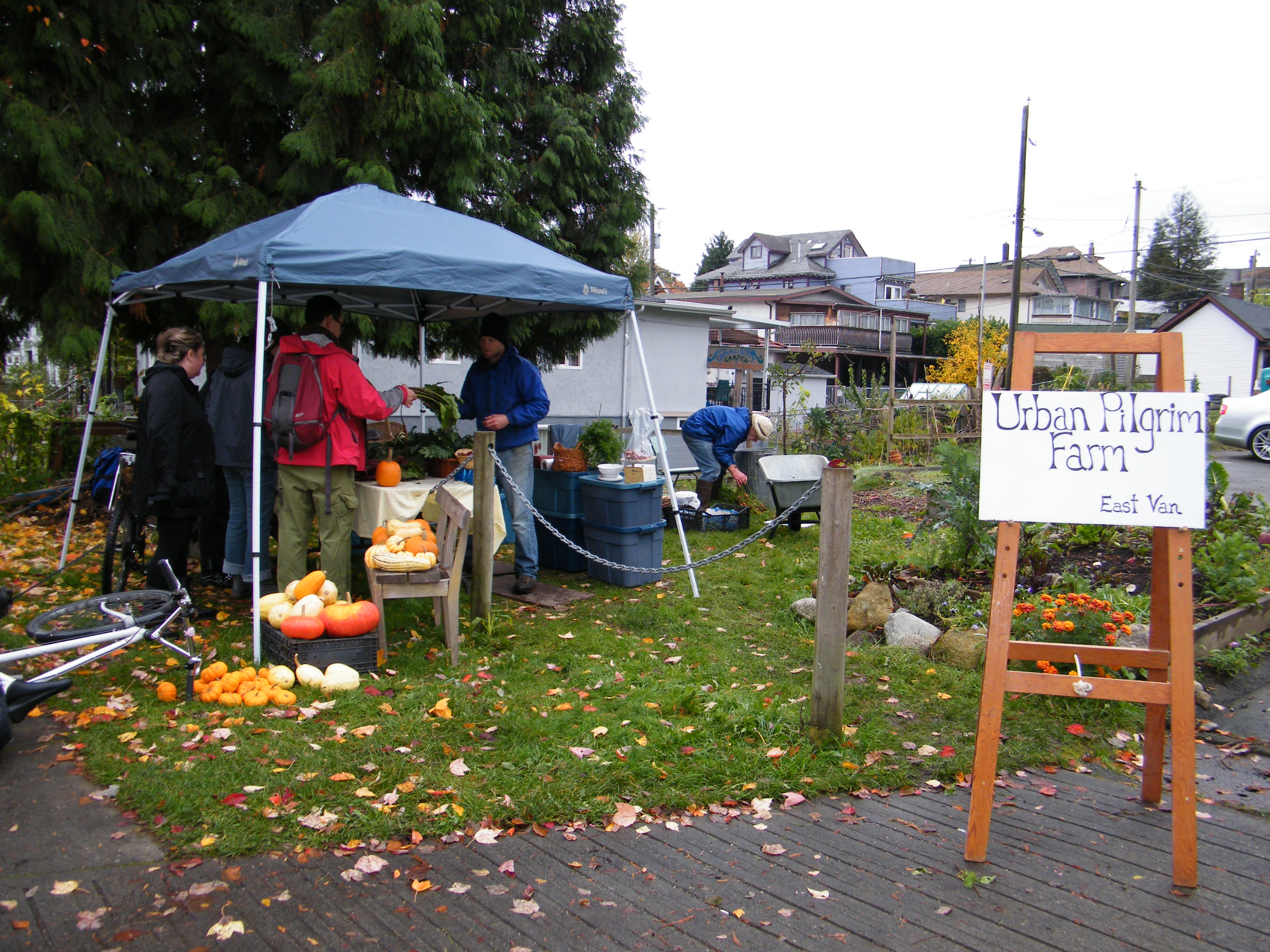
Farm stands have even been experiencing something of a renaissance. When I’ve visited farm stands on the Sunshine Coast, I’ve felt like they are lovely, nostalgic throwbacks. Especially since some of them leave their produce unattended, with a price list and a strongbox for you to leave payment. With the rise of urban farming, though, the Farmers’ Market is no longer the only game in town. There’s even a small farm and stand in a vacant lot at Victoria and First.

Extremely local eating is becoming more and more organized here. Neighbours are co-ordinating garden plots together; urban farmers are leasing back (and front) yards; the Vancouver Fruit Tree Project harvests surplus and unwanted fruit; and chicken houses, aquaculture systems and apiaries are springing up around the city. I hope our food culture continues along this trajectory, because our future food security will depend upon it.

FFWD – Caramel-Topped Semolina Cake

Cream-of-Wheat and raisins were high on my list of hated foods when I was a child. Well, not raisins in all situations. I loved chocolate-covered Glosettes and a box of Sun-Maid raisins was always welcome. I just didn’t like raisins in things. Such is the specificity of childhood food aversions.

All this did not frighten me away from making this week’s recipe, though. Perhaps it was the promise of caramel that kept me on track, but I think it was probably more that I was interested in seeing how a cake made from semolina would come together.

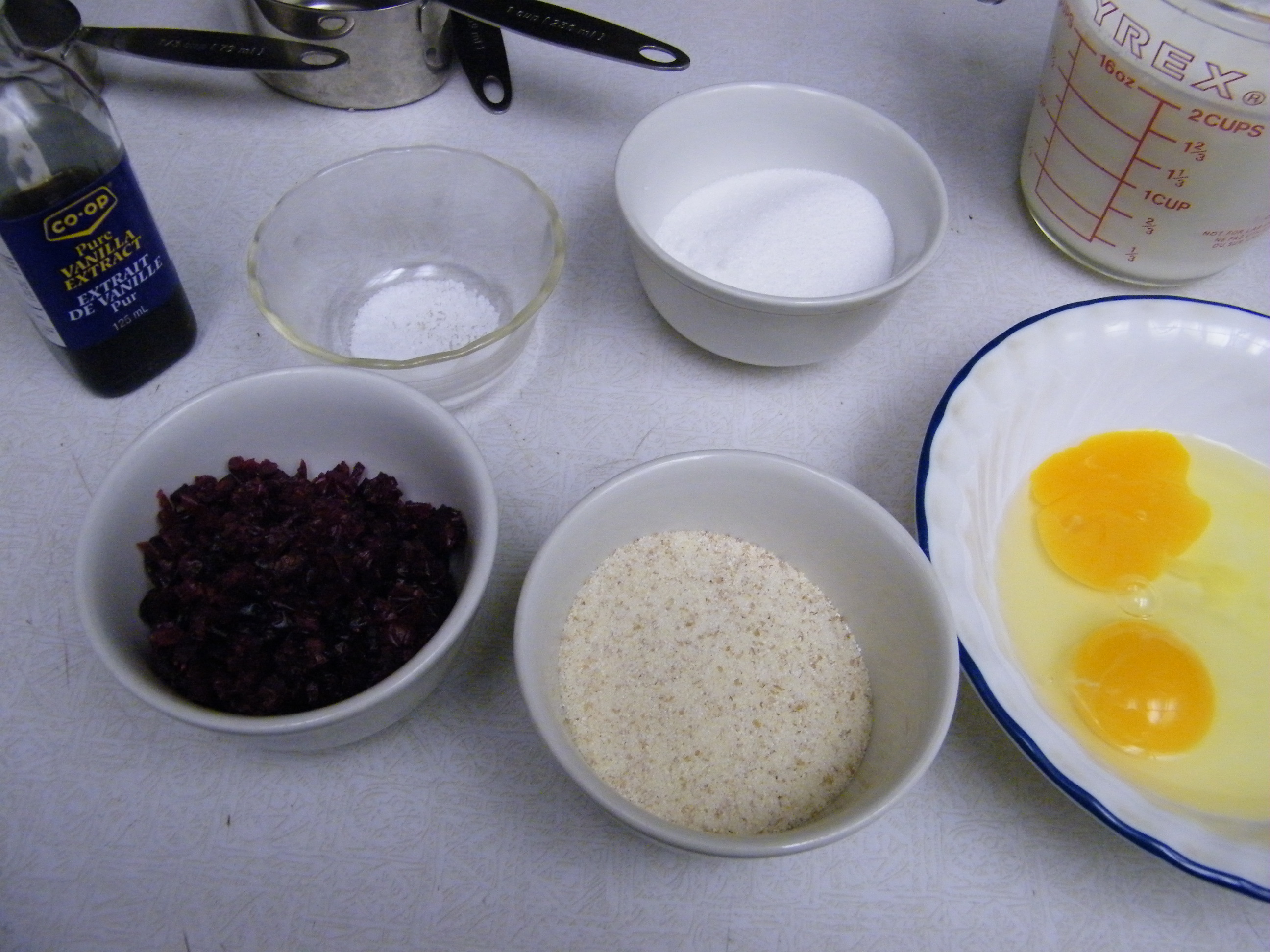
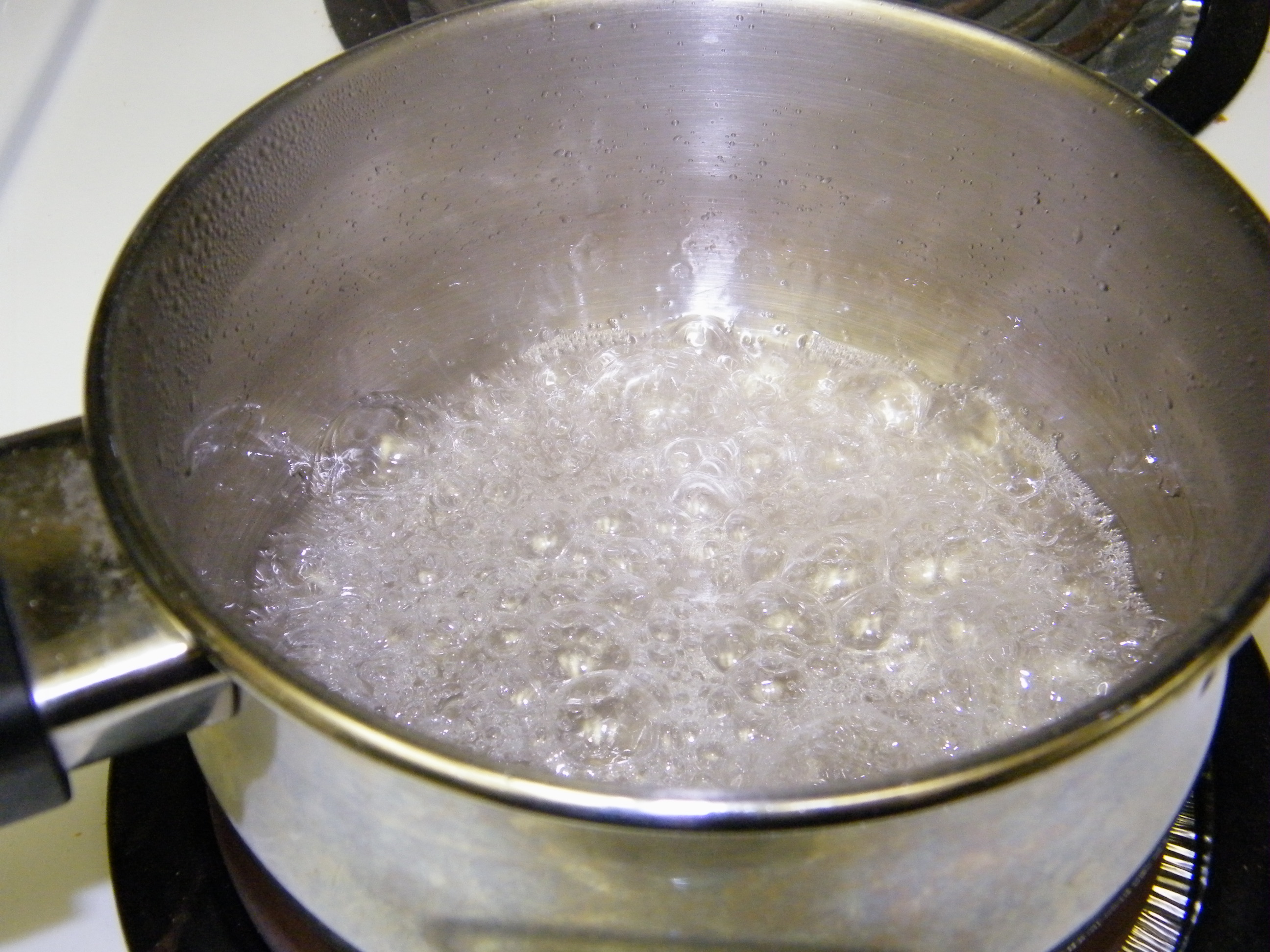
As it turns out, fairly easily. The hardest part of this recipe is the timing. Making sure that the milk is just at a boil and then, once the semolina is added, that the mixture doesn’t scorch. Making sure that your sugar syrup is amber, not dark brown. Making sure that you plate your cake quickly, before the caramel cools too much.

I actually made this cake twice, as the first time, my caramel was a little too dark. I wanted to see if it made a difference to the flavour. It turns out that the flavour of the first cake was only slightly smokier, though the caramel doesn’t spread as easily when it’s overcooked. Both times, I used currants in place of raisins. (Some food aversions don’t change.)

This dessert is more of a set pudding than a true cake. Even with the caramel, I found it wasn’t overly sweet – perfect for the end of a heavy meal. I served it with cinnamon whipped cream, opting not to make Crème Anglaise. I think I’ll save that serving suggestion for Christmas Day brunch.

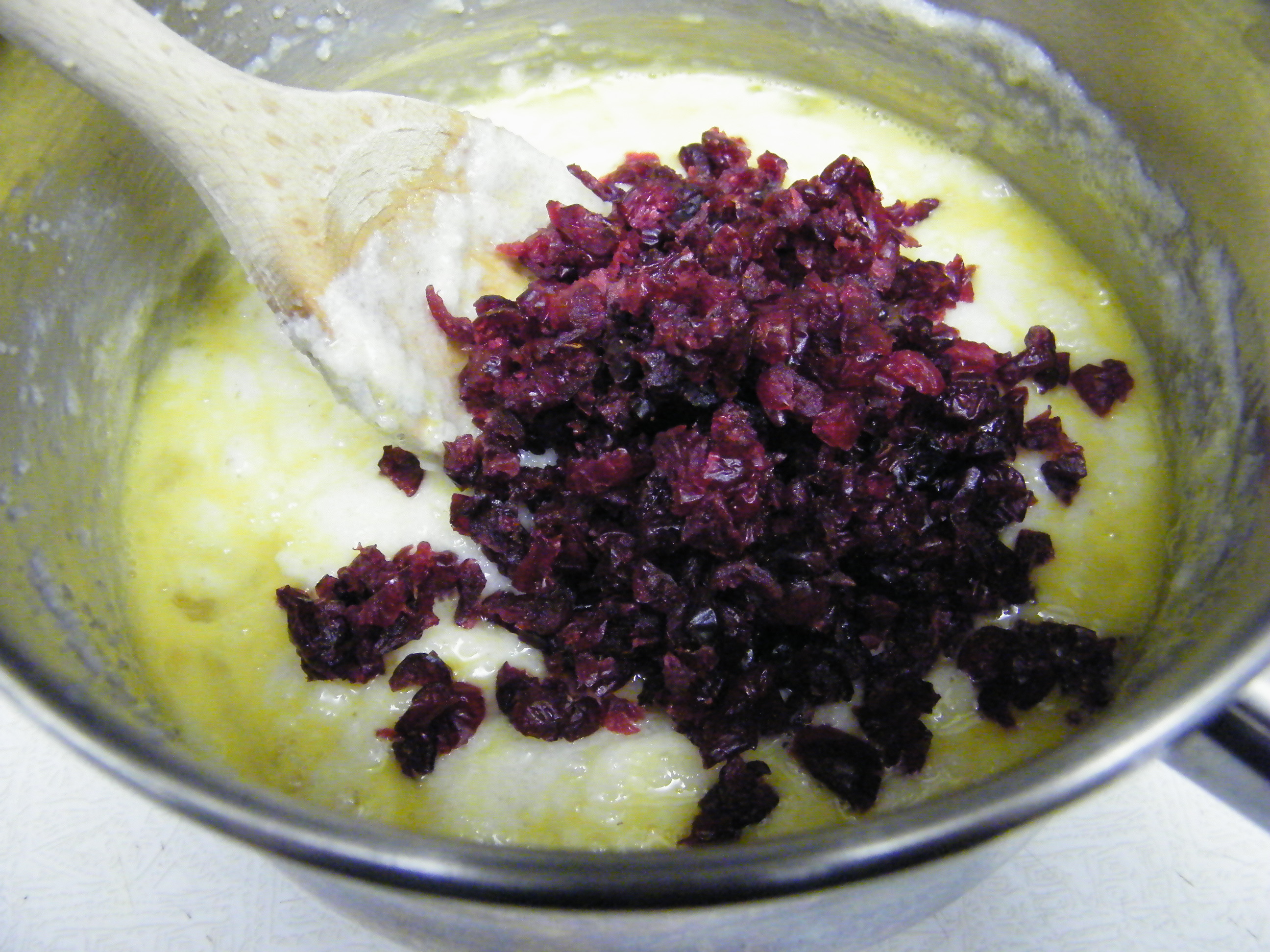
I don’t have any photographs of the finished cake. Well, that’s not true. I do have some photos, but they’re terrible. I clearly need to take a food photography class. Shiny-surfaced foods seem to be beyond my capabilities for the moment. So, I’ll have to leave you with a photo of the cake just before I plated it.

Until next week (where things will get a little more savoury).

We’re doing things a little differently for the month of November. We’re still posting weekly, but people are free to post this month’s recipes in any order. You can find many other blogged descriptions of this month’s FFWD recipes here: LYL: November 5

Secret Souls, Public Dreams

The Parade of Lost Souls has been a yearly fixture in my neighbourhood since the mid-90’s. Public Dreams Society created an event that mixed Mexican Day of the Dead traditions with Celtic Samhain rituals, throwing in Hallowe’en costumes and a circus aesthetic for good measure. In the beginning, it was almost a neighbourhood secret, with artists and queers, students and stilt walkers proclaiming our difference from the rest of the city. In those days, the Drive was the also the home of Vancouver’s Fringe Festival and the Illuminares Lantern Festival (another Public Dreams project). Commercial Drive felt like the seat of countercultural expression, even as we realized that we were really just the harbingers of gentrification. Still, it was exciting to wind our way around the neighbourhood, with decked out houses and alleyways, knowing that new ways of making art (and old ways rediscovered) were being worked out in front of us.

The Parade grew each year, becoming so big that it made the major news reports and more and more people from around Greater Vancouver came to participate. Eventually, the costs for permits, clean up and policing grew to over $100,000.00, while government funding was cut by an estimated 90%. This led to the cancellation of last year’s parade. For a good discussion of the issues around funding cuts to the arts in BC, go here. (Funding cuts to social programs were also deep and devastating.)

This year, Public Dreams revived the parade, in a smaller form that reminds me of its roots. Calling the scaled-down celebration the Secret Souls Walk, Public Dreams didn’t release the route until the day the walk happened, though the accompanying Carnival was advertised earlier.

I was lucky enough to win passes to the preparation workshops for the Walk and was able to attend one of the shrine-making workshops. I decided to make a shrine in honour of my grandparents, as my Grandma died only a few months ago and my Grandpa died the year before.

I’m not an artist. Even my stick figures are almost unidentifiable. So, when I thought about what I wanted to do for my shrine, I just printed out lovely photos of each of my grandparents and hoped that I would find some inspiration at Public Dreams’ studio. I needn’t have worried. The Public Dreams space is like a five-year-old’s ideal craft area. There are materials everywhere, in every shade and texture. Even someone as artistically challenged as I am can fake it there. They’ve also got an amazingly talented cadre of staff and volunteers. The workshops this year were sadly under-attended. If you ever get the chance to go to one, for any of their events, jump at it. Really.


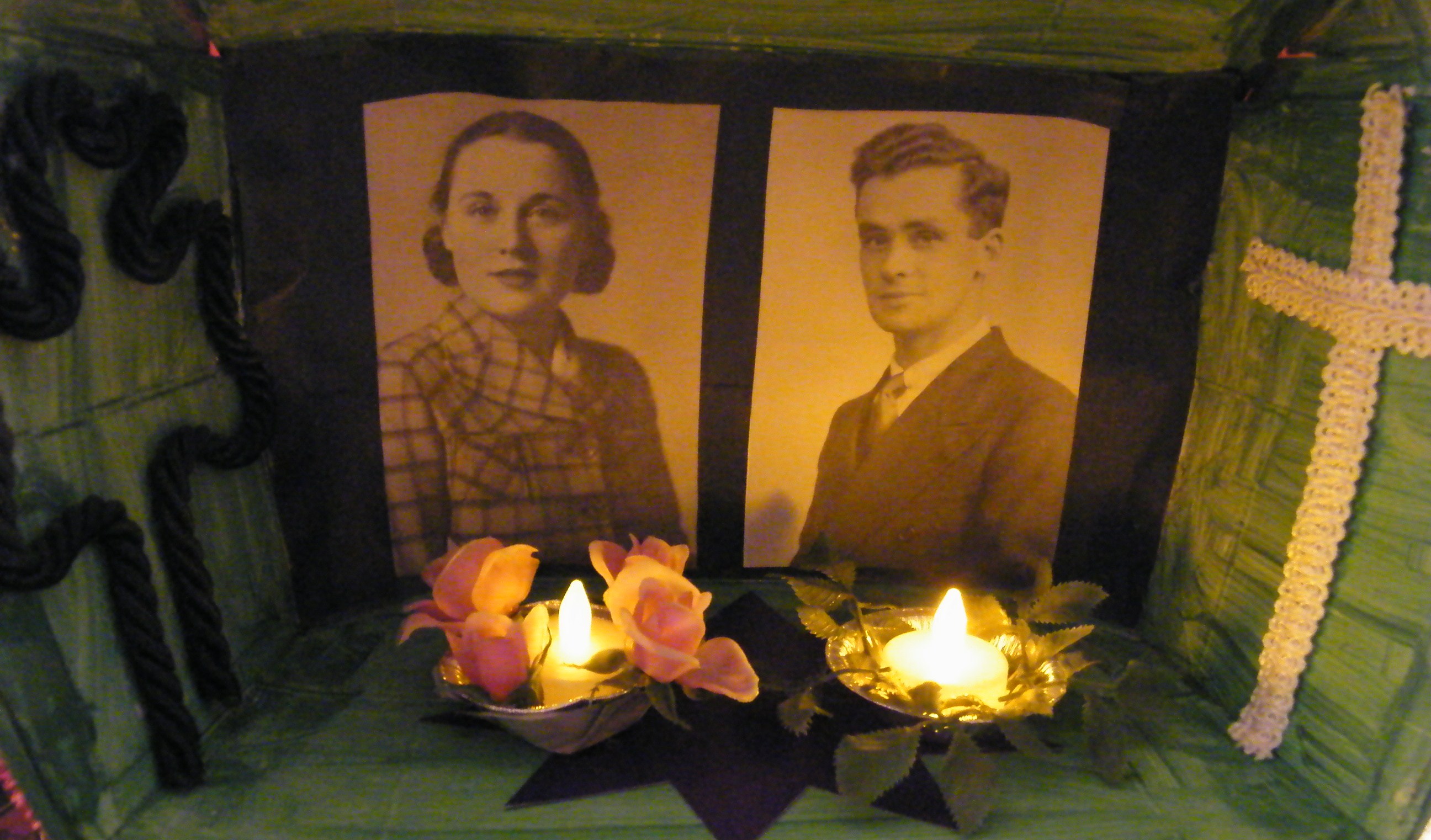
My grandparents met during the Second World War, in England, where my grandfather was stationed and my grandmother was working as a nurse. She was Irish, he was Canadian. He married her and brought her back to Canada. It sounds simple, but it wasn’t. Whose story is? Theirs included a vow to marry a girl spotted through a restaurant window; an injured soldier’s plea to Vincent Massey to allow his Irish Catholic wife to have their child on her home soil, even though the Irish Sea was closed to passage; and a train journey across a continent with a baby born Canadian in Ireland. All stories for another time.

I thought about these things while making my shrine, but what concerned me most was trying to represent them correctly. I played with the idea of making fishing rods and rosaries, cups of tea and cribbage boards, but I knew that no one would know what they were but me. In the end, I tried to make it simple. Two of the strongest themes in their lives were their shared Irish heritage and their devout Catholicism. My grandfather had been raised Anglican, but converted wholeheartedly later in life and church was a constant in their lives.

So, I decided to make a shamrock and a cross, on a background of Kelly green. Not even I could go wrong with that. I cobbled together a structure made of milk cartons and construction paper, pasting their photos at the back with more construction paper for frames. I painted the rest green, made a sort of purple star as a base for the candle holders and hot-glued cord on either side to represent a shamrock and a cross. I made candle holders out of plastic roses and leaves and finished the thing with a strip of crimson netting. I think it turned out all right, mostly because Bridie and Fred were so beautiful in their youth.

I brought the shrine, along with a small Mexican-themed one that I’d made, to the starting point of the Secret Souls walk on Saturday. One of the volunteers at the shrine station told me later that everyone who came by wanted to know about my grandparents and their story. I really want to thank Public Dreams for the opportunity; it’s a very meaningful process and it’s wonderfully healing to honour one’s dead.

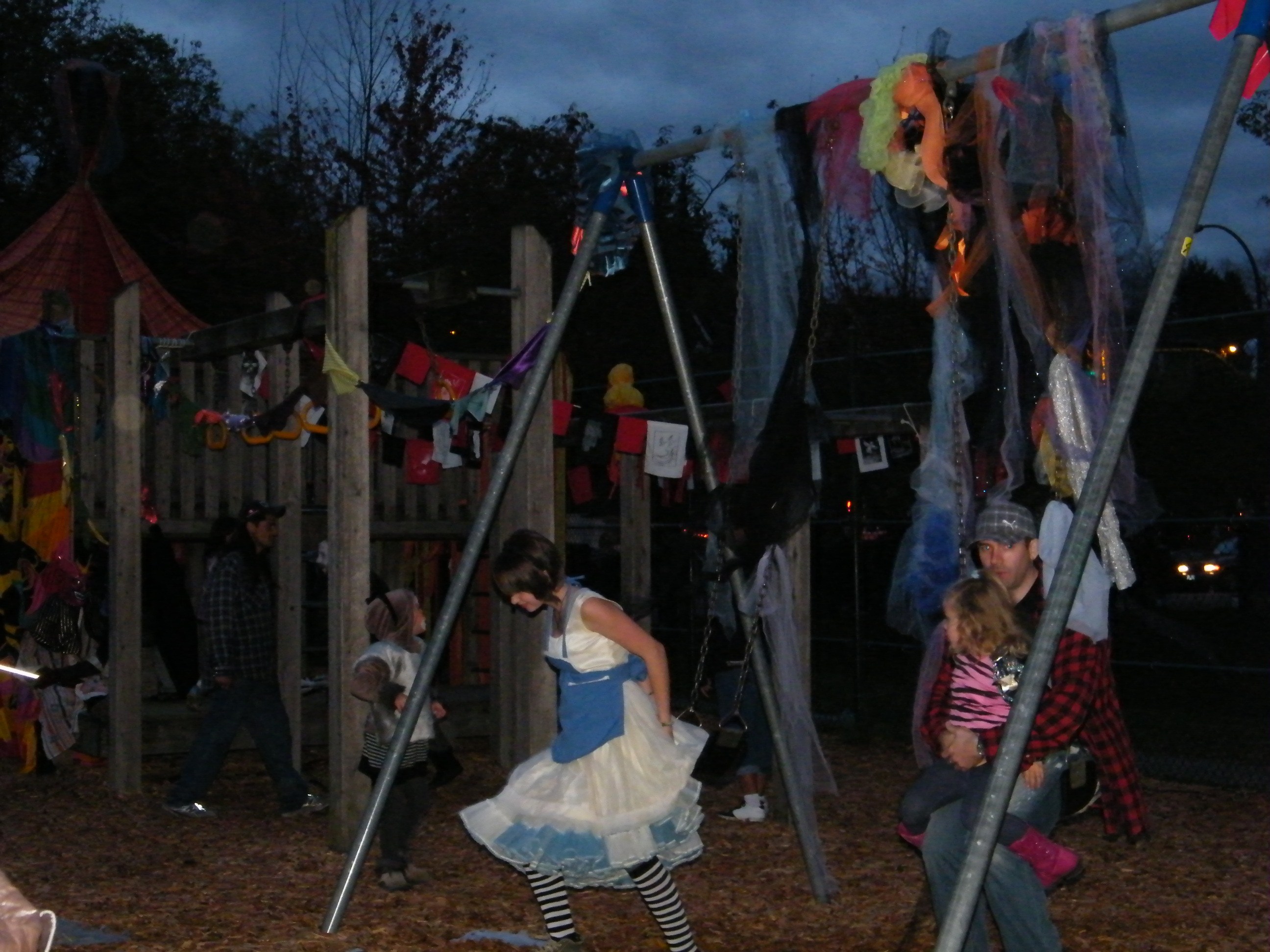
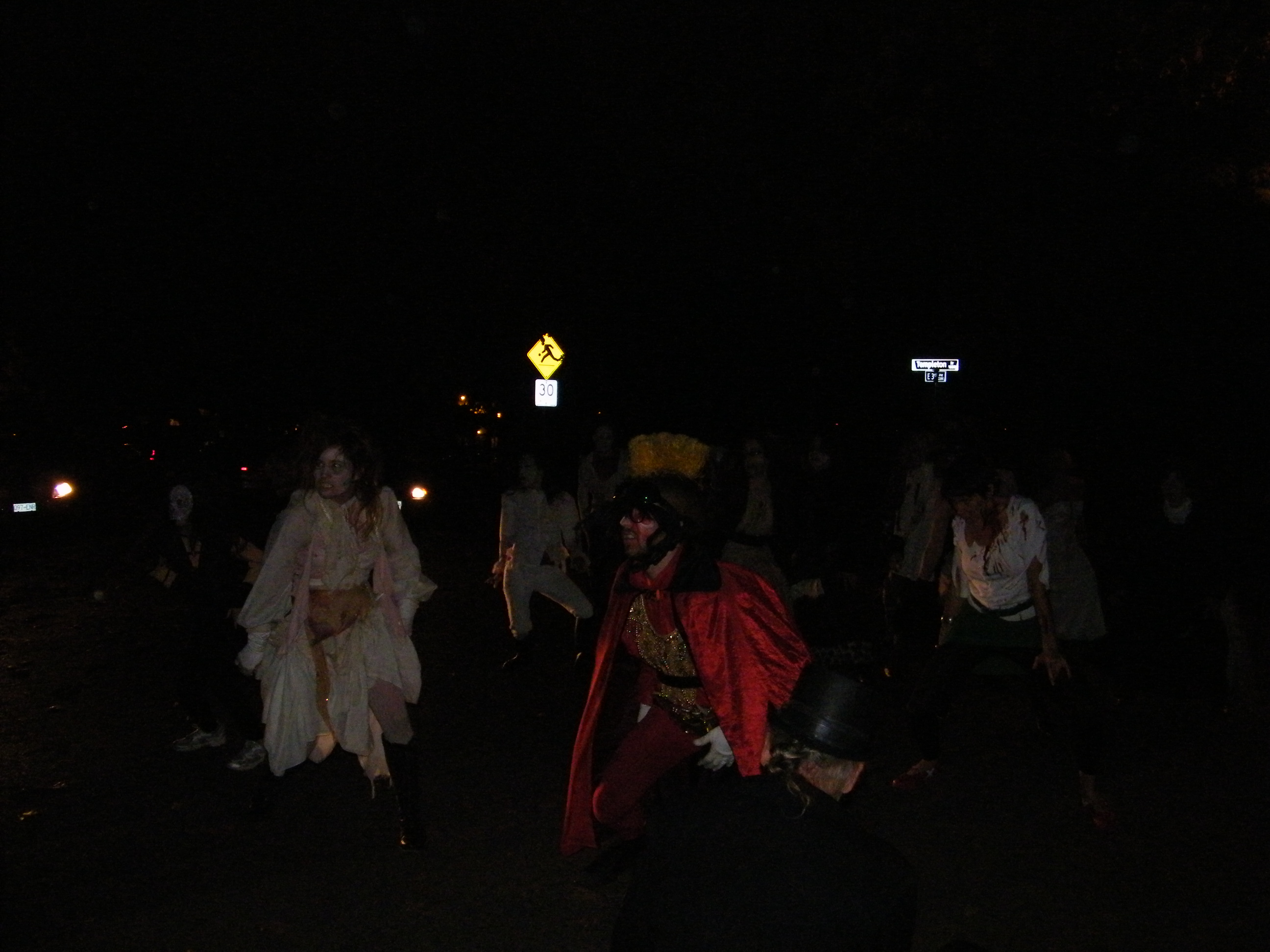
My partner and I went on the walk together, which wound through the alleyways above McSpadden Park. There was a carnival atmosphere present, as there has been during past walks, but it was more subdued. We had to go looking for smaller spectacles, rather than being hurtled past larger ones. I really liked this aspect of Secret Souls. Some of the highlights for me: Thriller zombies at Templeton & East 3rd, the court of Queen Victoria, the still, pale ghosts in the alley and the music of various performers wafting across the neighbourhood.

My only complaint is that the steep alleyways aren’t very accessible and I hope that the organizers take this into account for next year. Everyone should have the opportunity to celebrate the death and renewal of the year and the self.

I’ll end with a few pictures. It was impossible to capture everything that was going on, but these will give you a taste. If you like what you see, please consider a donation to Public Dreams, so they can continue producing such beautiful events.


Happy Hallowe’en

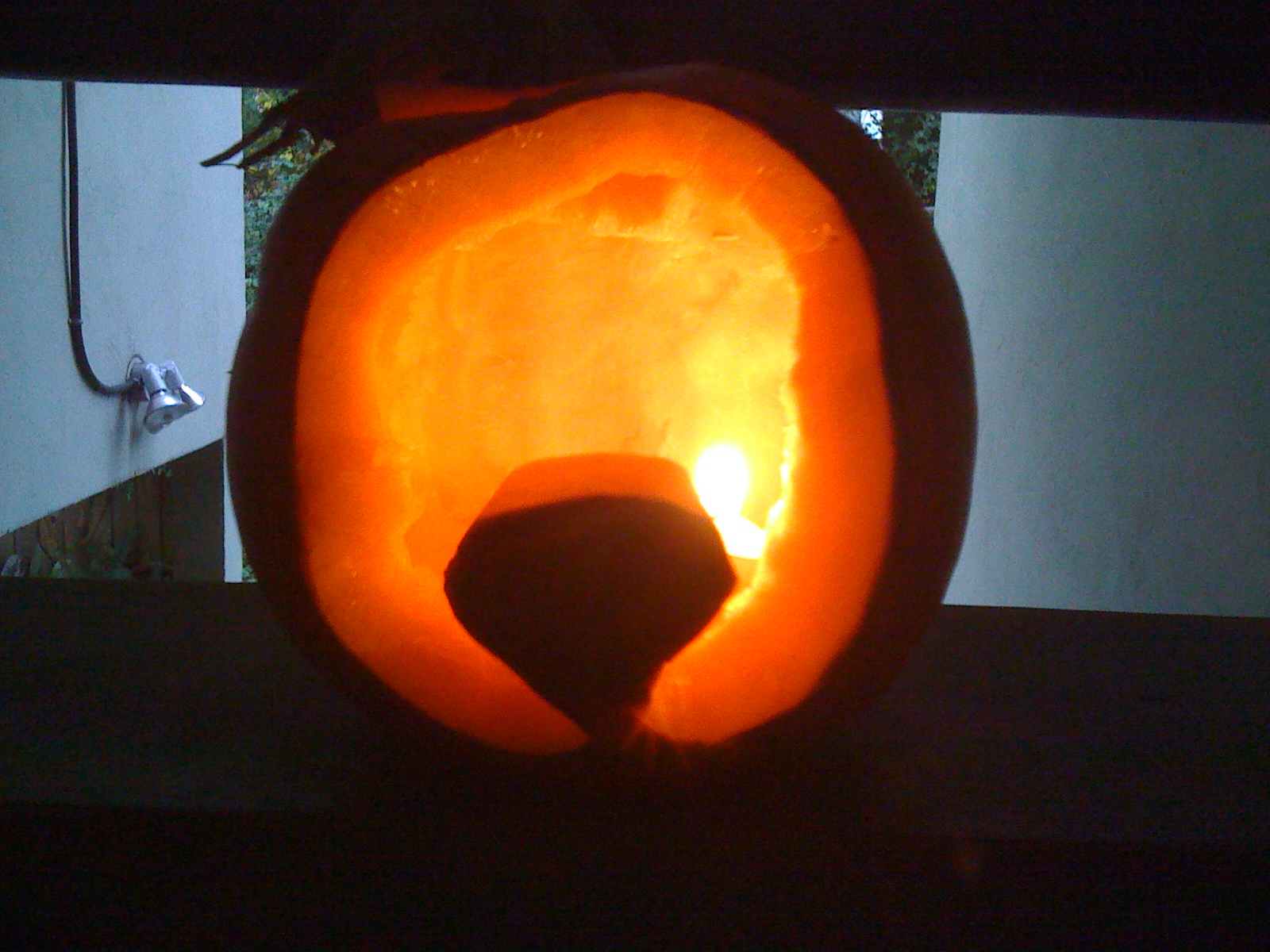
My pumpkin carving skills have reached an all-time low. Last year, I was rather proud of my effort.

This year, not so much.

It’s an eye. No, really. It’s a scary eye. Never mind. Next year I’m hiring a pumpkin artist.

At least my dog makes a great pirate.

Happy Hallowe’en!