FFWD – Baby Bok Choy, Sugar Snaps, and Garlic en Papillote

En Papillote

We’re having a lot of conversations in our house, lately, about what constitutes healthy eating. Kevin is convinced that going vegan is his path, but there has been considerable backsliding. My position is that moderation, in moderation, is the ticket to a well-rounded diet.

This week’s French Fridays recipe is vegan, but it’s also a side dish. I could have continued down that road, but instead, I served it with one of our favourites from Around My French Table, Roasted Salmon and Lentils. All in all, it was a very healthy meal. Low-fat, high fibre, and probably many other buzzwords besides. What stood out for me was the flavour. Like the salmon, these vegetables are simply seasoned, but surprisingly flavourful. The title gives you the recipe, but it’s the subtle addition of fresh mint and orange zest that really brings this dish together. It’s also a versatile dish, which worked as well with the French flavours of the salmon and lentils as it would with Asian cuisine.

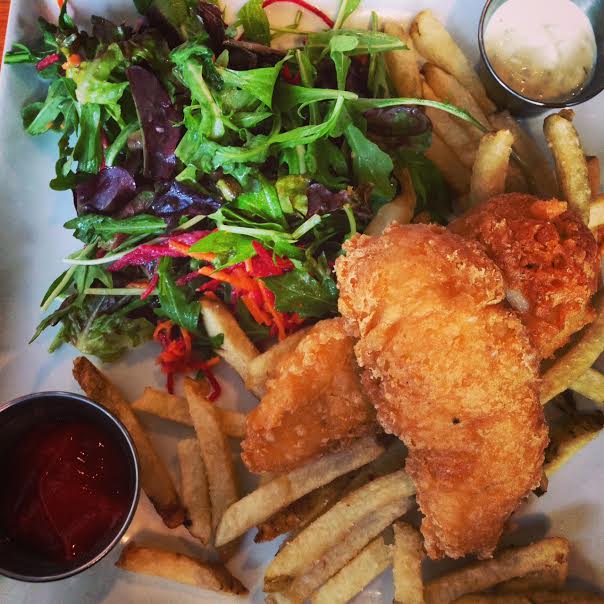
For now, we’ve agreed that increasing the number of meatless meals over time is probably Kevin’s path to success, but tomorrow will definitely be a meatless day. We went out for fish and chips with my parents yesterday and had fish again today. Whatever we end up having tomorrow, there’s still lots of bok choy and snap peas in the refrigerator, so there will be more en papillote cooking involved.

Fish and Chips

You can find many other blogged descriptions of this FFWD recipe here: Baby Bok Choy, Sugar Snaps, and Garlic en Papillote

Quiche Maraîchère & Sablé Breton Galette – A French Fridays Catch Up

Lemon Tart

What we can do without and what we cannot is a line that shifts over time. I spent twenty-four hours thinking I’d lost my smartphone and I felt the loss in a way I wouldn’t have been able to imagine even ten years ago. Then, when a phone was just a phone, all that was necessary was to get the service provider to shut down the number. Now, it’s changing numerous passwords, registering the device as missing, and hoping whoever gets hold of it isn’t interested in the data stored there. Luckily, I found it and I was already in the midst of changing passwords to deal with the Heartbleed problem, so there wasn’t too much time wasted, really. It did make me realize how much I rely on that little piece of technology. It’s a cellphone, sure, but it’s also my mobile office, alarm clock, day planner, magazine rack, and way finder.

It’s debatable whether our reliance on cellphones is good or bad. But something that’s not up for debate, for me at least, is how necessary a good tart dough recipe is in my life. I used to use my mother’s pie crust for most everything, but as I’ve told you before, Dorie’s pâte brisée has made me rethink that. Now, I couldn’t do without it, especially as it works beautifully gluten-free.

Veggies

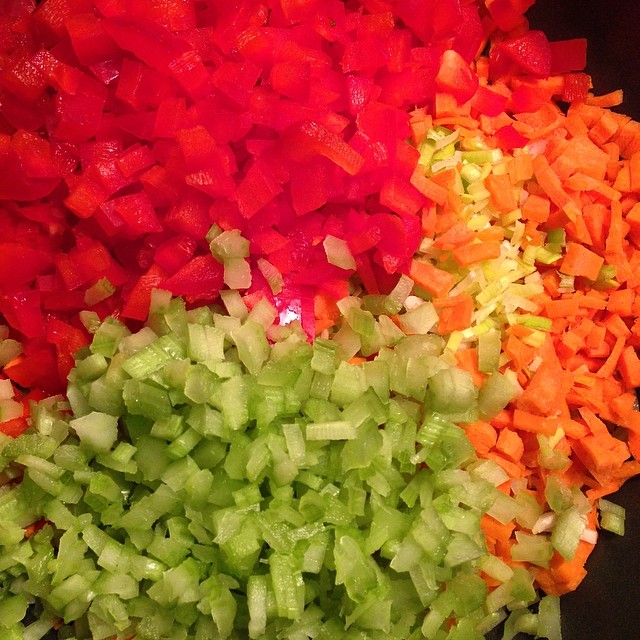
This past Friday, our French Fridays recipe was Quiche Maraîchère, which makes good use of pâte brisée to hold a tart so full of leeks, carrots, celery, and red pepper that there’s very little room for the custard that qualifies it as a quiche. There are also very few seasonings, just salt and pepper, because that combination of vegetables creates a complex flavour that needs no embellishment. Mine was slathered with shredded Irish Monastic Cheese, as Kevin’s trying to go vegan and our meals last weekend were meant as a farewell to dairy for him. This quiche was so good it may lead to a setback.

Quiche

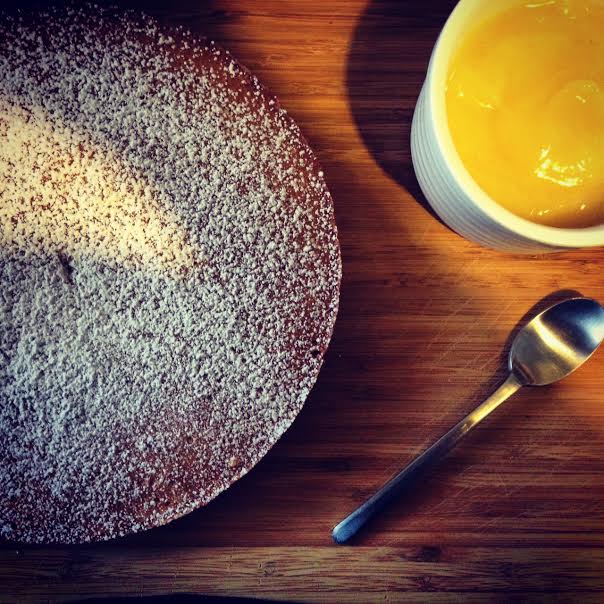
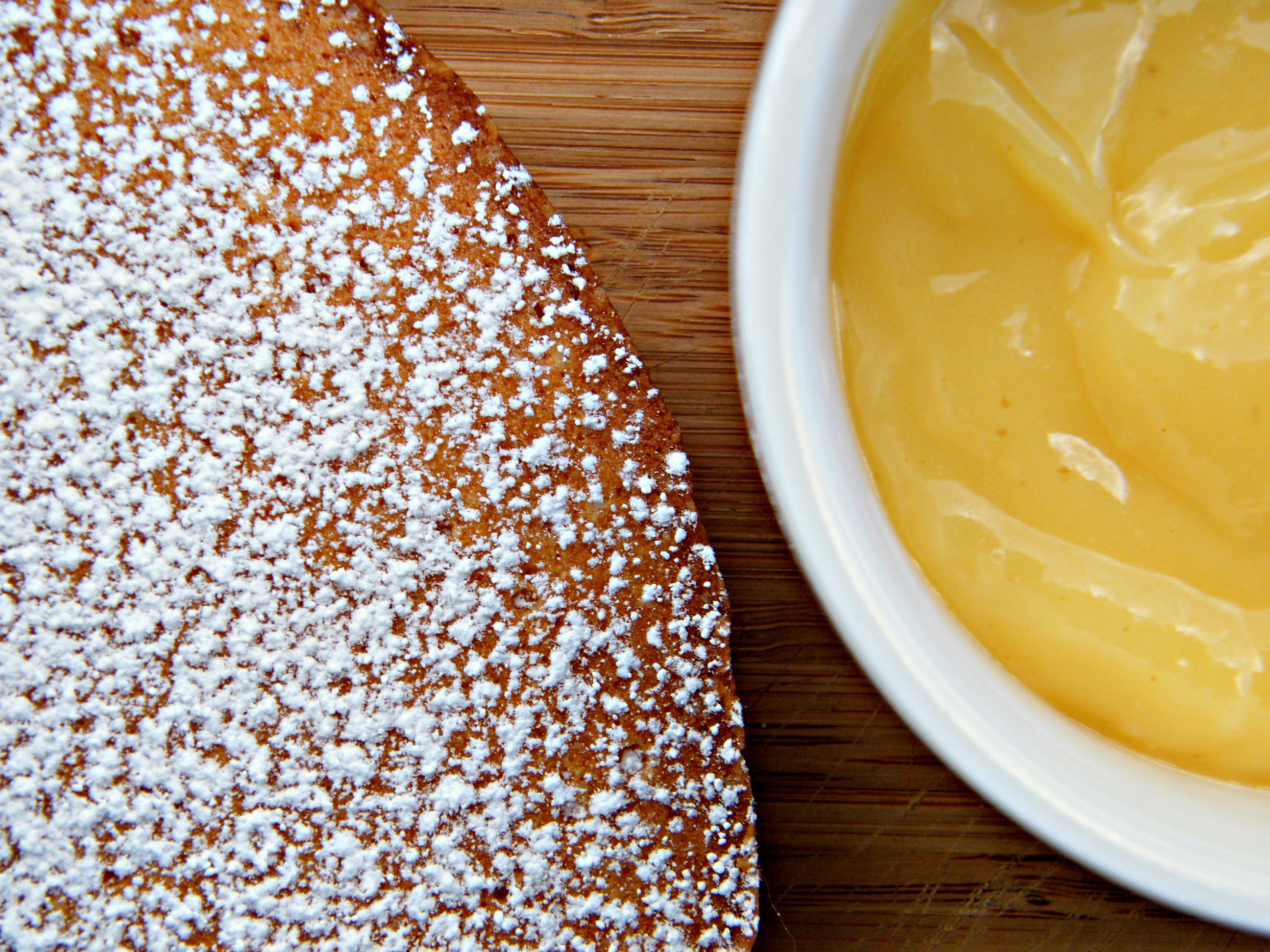
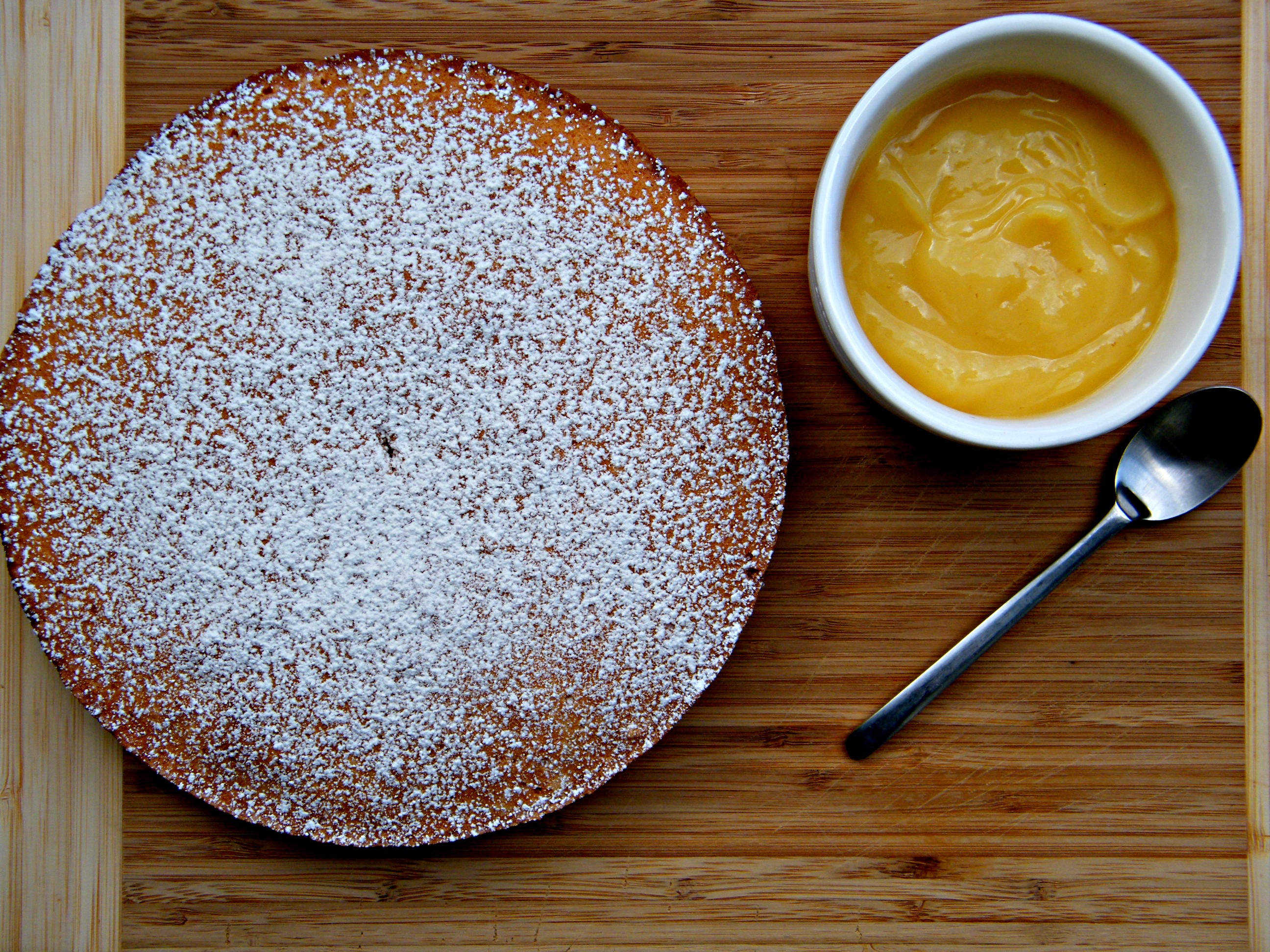
For dessert, we had the Sablé Breton Galette you can see at the top of this post. I used homemade lemon curd on it, but skipped the berries. I’ll be revisiting this recipe again when local strawberries and blueberries make their appearance. This was another dough that worked really well gluten-free (just switch out the flour for an equal weight of an all-purpose gluten-free blend). It’s also another dough that I’ll be making often.

I’ll be interested to see what my list of necessaries looks like in ten years’ time. I expect that a number of the additions will be courtesy of Dorie Greenspan.

Now, I’d love to hear about the things (and recipes) that you can’t do without.

See how the rest of the French Fridays crew liked last week’s recipe here: Quiche Maraîchère and go way back to June of 2013 to see how Doristas fared with their versions of Sablé Breton Galette.

What Eclipse?

Night Street

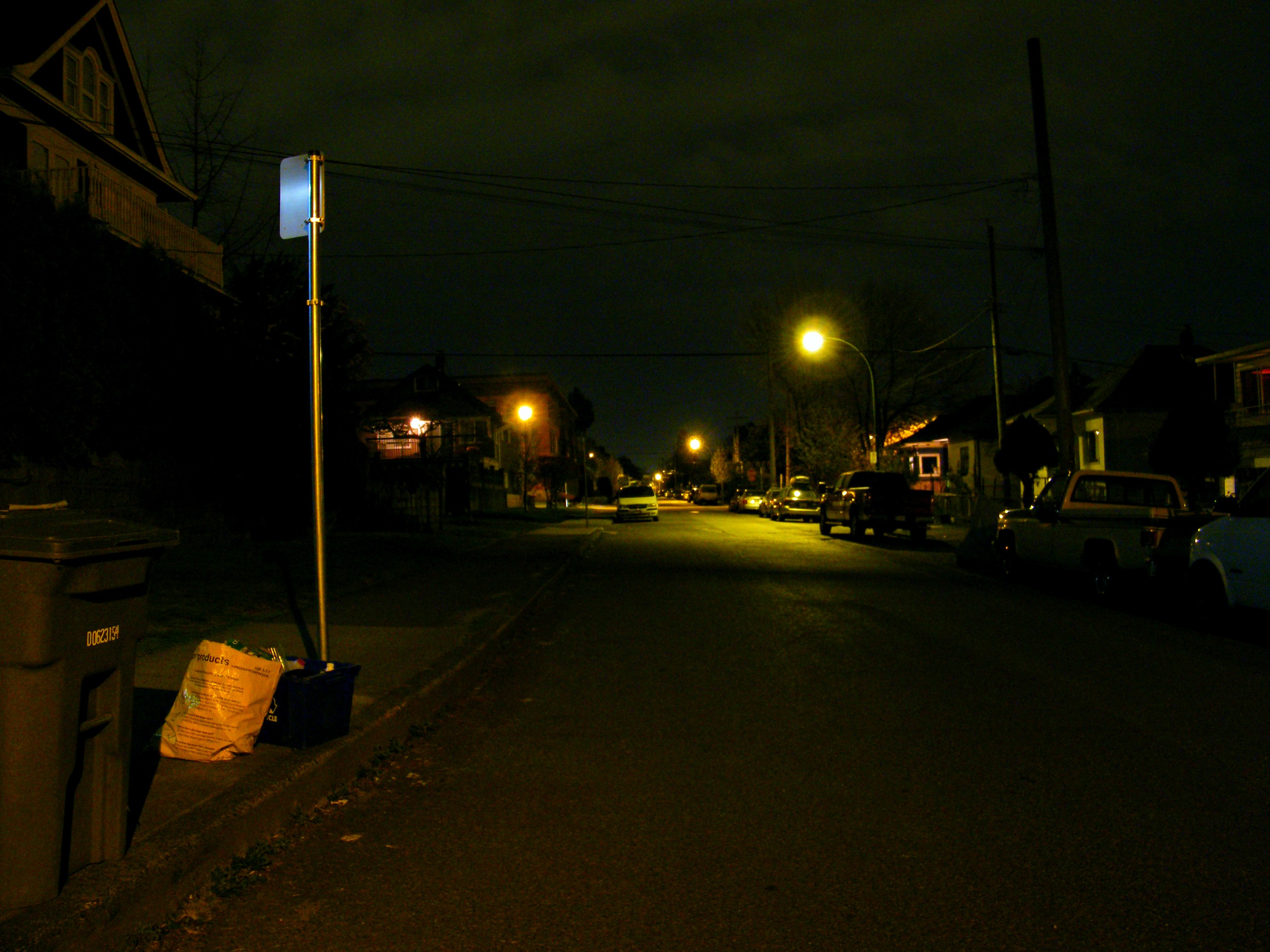
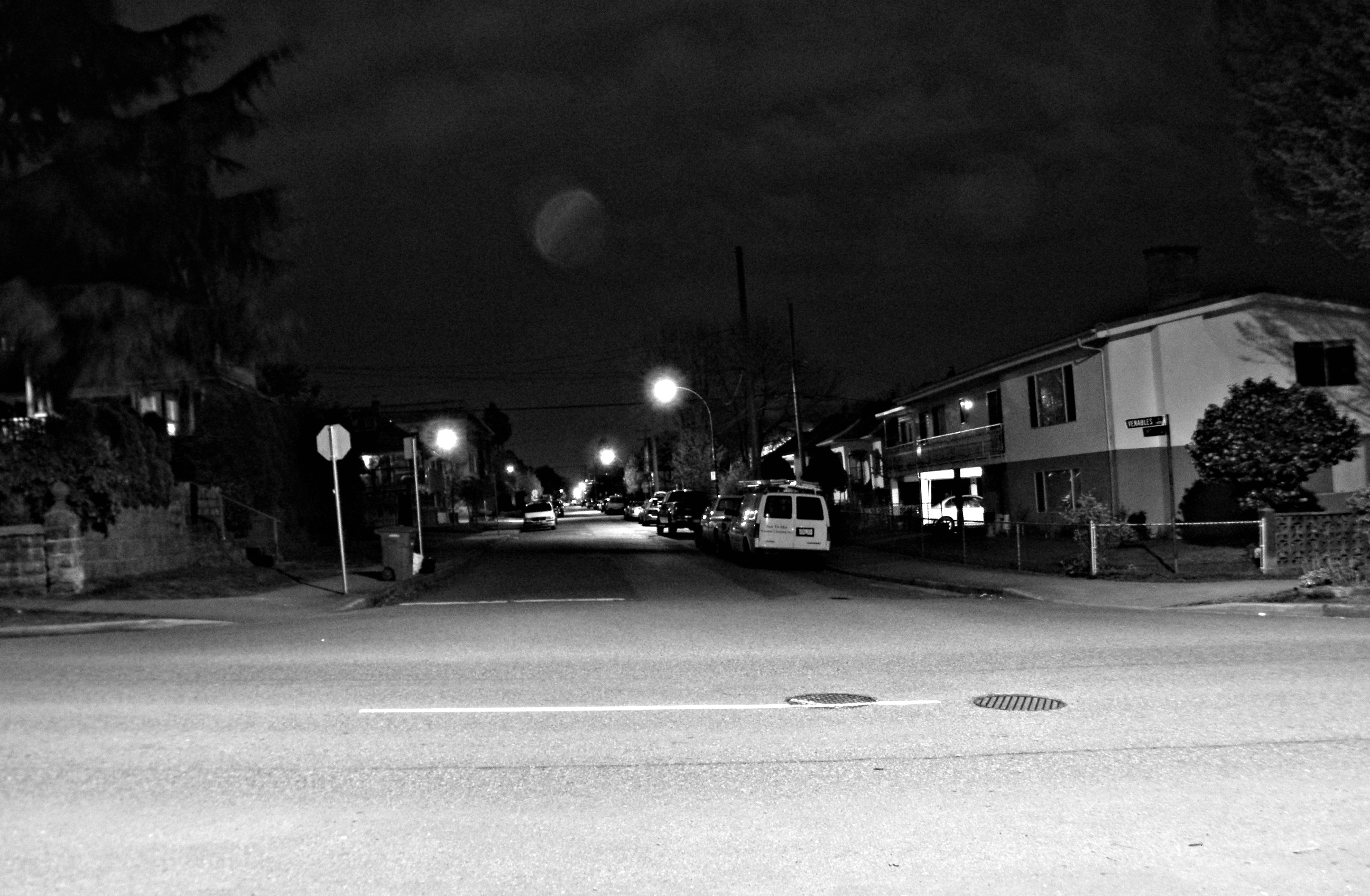
Last night there was a total eclipse of the moon, also known as a Blood Moon. As is most often the case, you wouldn’t have known it in Vancouver. Our stretch of sunny weather ended just in time for cloud cover to gather along with the darkness, making this celestial occurrence a non-event here. I went out with my camera and a tripod anyway, hoping for a break in the clouds. None came.

I took some photos anyway.

Dust on the lens
Dust on the lens, in place of the moon.

Fire truck
A fire truck passes.

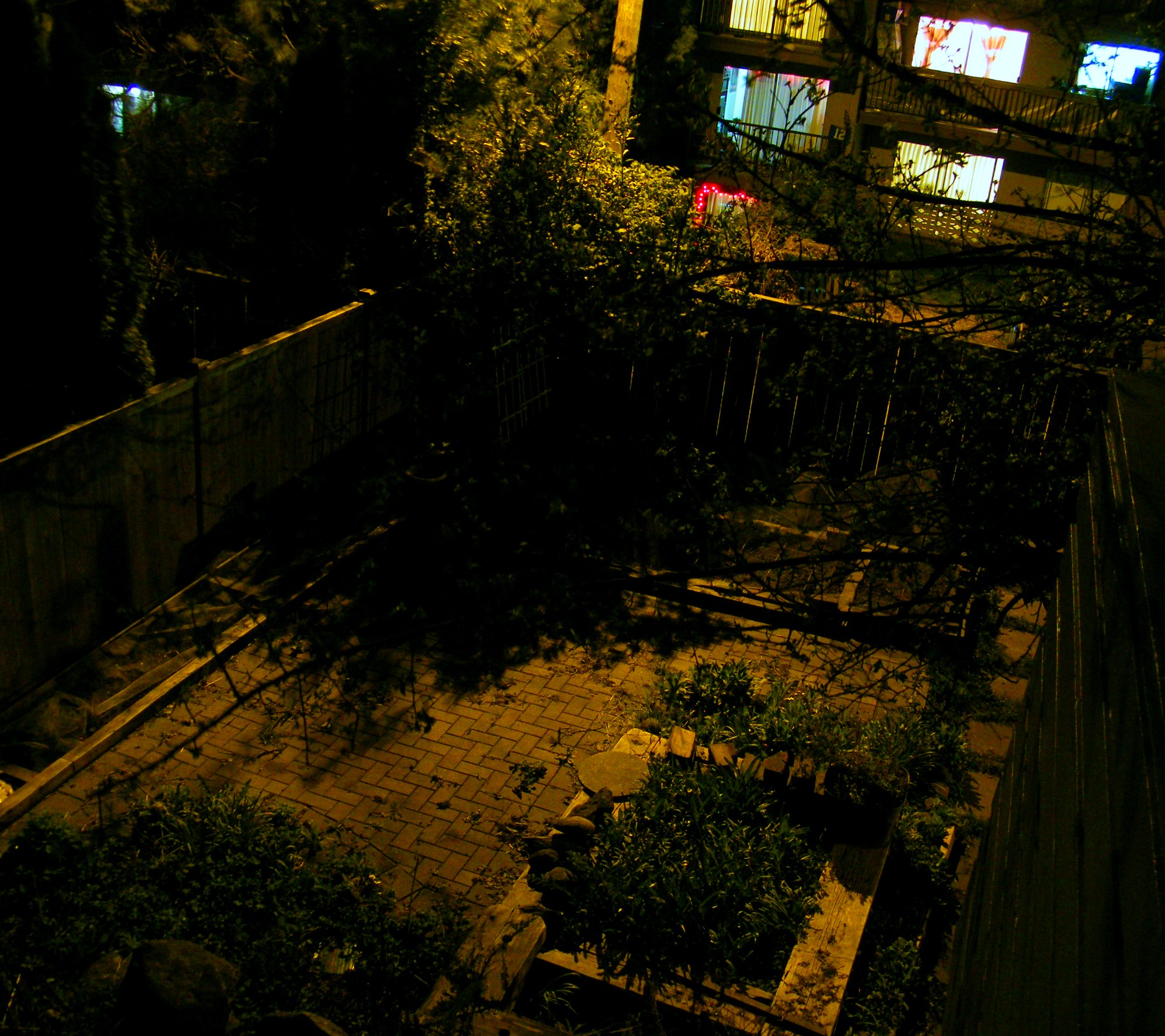
Gardening at Night
My garden at night.

We’ll have a few more chances to see a lunar eclipse over the next year. Perhaps the weather here will co-operate for at least one of them. Probably not. But, I think I might try my hand at night photography again and see if I can improve my results. I rather enjoyed running around the neighbourhood in the middle of the night with a camera and a tripod.

Seedy Saturday

Library

At summer’s end, I like to pass along some of the seeds I’ve saved from my favourite beans to other gardeners. I originally got them from my Great-Aunt Vivienne, whose family brought them from Belgium generations ago. They’ve been sharing them ever since. Gardeners have always shared seeds in this way, promoting varieties that they like or that show some genetic advantage in the area in which they’re being grown. Over generations, farmers and home gardeners alike would save seeds from the plants that showed the most promise, or cross varieties with different strengths until they came up with a new strain that held the desirable qualities of both and bred true.

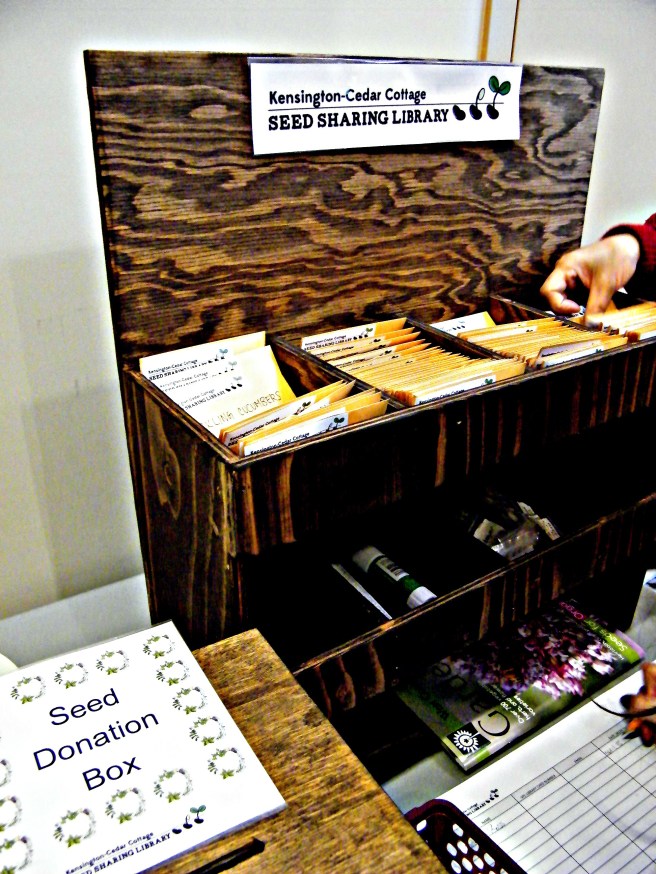
Seed libraries are a formalization of this process, in a world in which the competencies of seed-saving and plant breeding are disappearing. They provide a place to house and lend out seed stock, along with providing public education and outreach, just as a traditional library does.

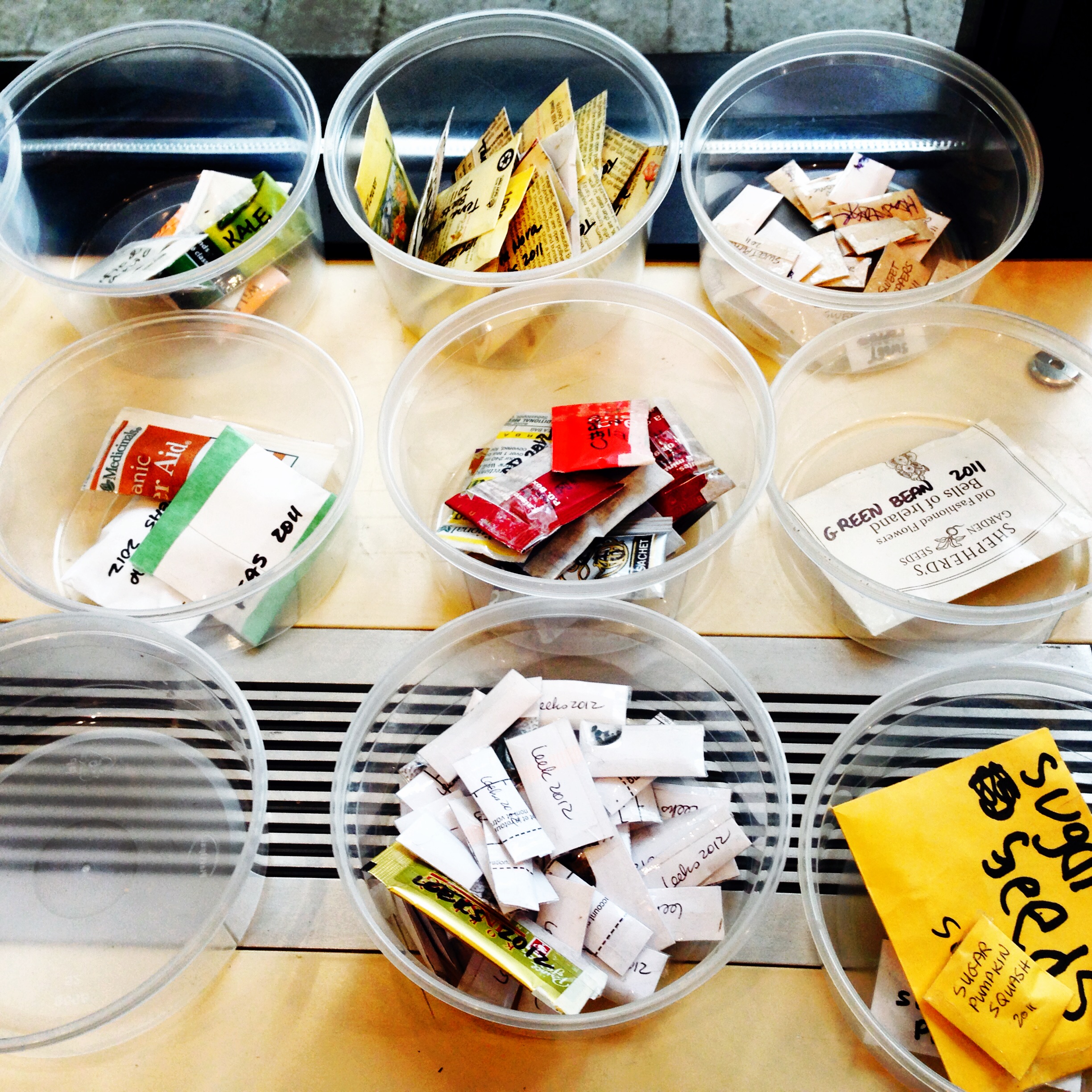
Seeds

I got to experience this first-hand this past weekend, when I attended a Seedy Saturday event hosted by the Kensington-Cedar Cottage Seed Sharing Library. A guest speaker gave a lecture on permaculture and companion planting, we had a hands-on seed starting workshop, and we ended with a seed swap and an opportunity to check out seeds from the seed library. I chose nasturtiums and a “Bee Blend” of wildflowers, as one of my goals this year is to make my garden more pollinator-friendly. The idea is that at the end of the season, I’ll collect and dry seeds from these plants and then return them, so that they can be passed on to another patron. It is a library, after all.

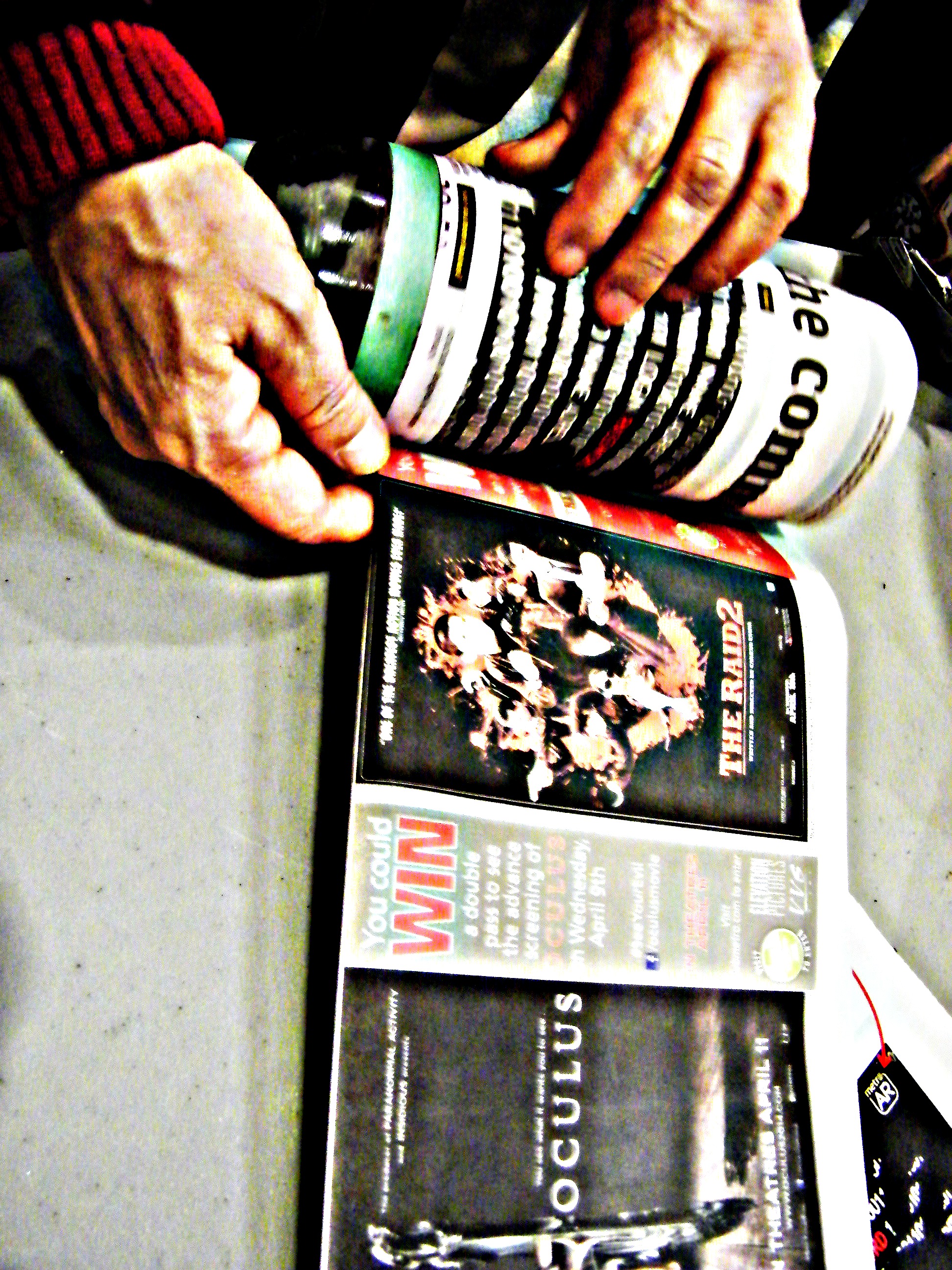
Hands

I’m confident in my ability to do so with the nasturtiums, but I’m a little worried about some of the wildflowers – their seeds came in a wide variety of sizes. I’ll be watching them carefully to see what sort of seeds they produce and try and come up with some strategies for collecting them.

If you live in the Vancouver area, there’s another seed swap this coming weekend, at Strathcona Community Garden. I may stop by, to see if I can find some heritage seeds to fill in the holes in my planting schedule for the year. If you don’t have any physical seed swaps in your area, don’t despair. Like almost everything else these days, seed swapping has gone digital. You can join sites like this one and have access to a world of different plants and varieties. Just make sure the seeds you’re asking for are suitable for your growing region.

I’m still a novice at seed-saving, which limits my seed swapping activities. So this year, I’m reading up on seed-saving, so that I can expand my own end-of-season activities beyond poppies and beans. I’d like to plant a heritage variety of tomato this year, so that I can try the method of seed-saving I learned from Janisse Ray’s The Seed Underground. I’d also like to see what results I can get from plants like cucumber and squash. I’ll save the biannuals like beets and carrots for the future, when I have a little more practice.

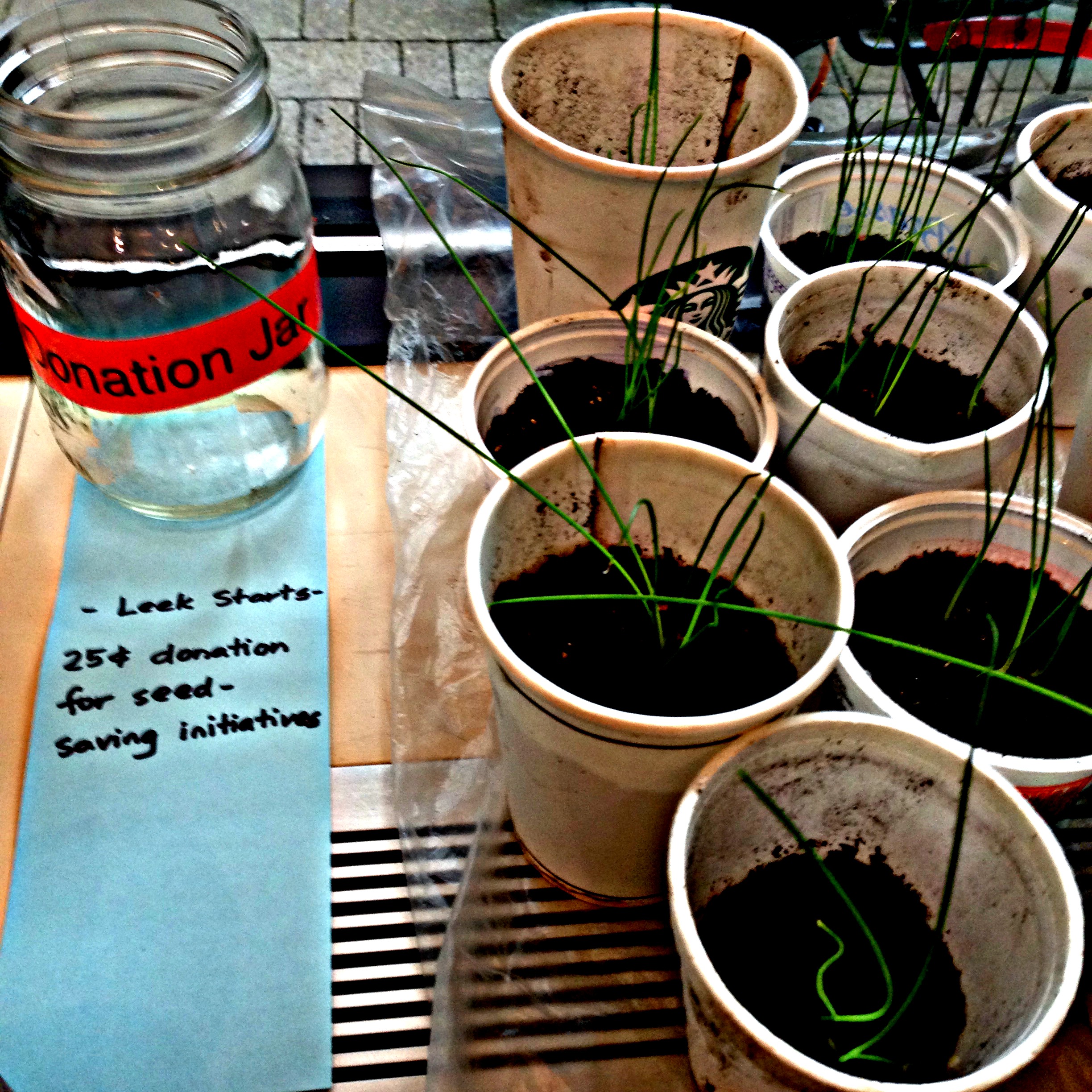
Leeks

Here are a few selections from my reading list:

Seedswap
Seeds
And a gem from 1977, which was send to me by the wonderful Cher of my French Fridays crew, Vegetables Money Can’t Buy, But You Can Grow

So, now it’s your turn. What are you growing on your balcony, patio, or garden? Do you save and share seeds? What resources would you recommend to a novice seed-saver?

Let me know in the comments.
FFWD – Visitandine

Visitandine

Baking attracted me more than cooking when I was a kid. The logic and simplicity of baking’s chemistry provided a calm, reliable oasis in the chaotic landscape of childhood. The playground was a battlefield, but the kitchen was a refuge for a shy, bookish kid. And the results of my baking experiments pleased everyone around me as much as myself.

I cooked, too, according to the instructions my mother left each day for the gap between the end of the school day and my parents’ arrival home, but it was only as a young adult that I really began to blossom as a cook. Even then, baking was what I was known for. It still is, really. Meetings and gatherings are an excuse for me to make cookies and squares, cakes and loaves – they smooth the path toward decision-making and community-building. And social occasions are really all about eating together, aren’t they?

Closeup

I’ve found over the years that people are impressed by elaborate desserts, but it’s the simple ones they remember and ask for again. This week’s recipe is just that sort of dessert, a white cake that relies on whipped egg whites for leavening and bakes into a sturdy shortcake-like round. It’s not heavy, though, the crumb is tender and able to soak up whatever topping you choose to serve with it. In this case, homemade lemon curd. In the summer, the cake makes a perfect vehicle for strawberries and cream. In winter, you could bake two layers, soak them in melted jam, then ice with crème fraîche whipped cream. As Dorie says in her introduction to this recipe, you can pair this cake with almost anything you can think of.

Best of all, it’s one of those recipes that are perfect for clearing the mind, while feeding body and soul.

Cake

You can find a version of this week’s recipe here.

See how the rest of the French Fridays crew served their cake: Visitandine

Spring Into It

Blossoms

I’m looking forward to spending more time outdoors, now that the blossoms are out, though it looks like the weather won’t be cooperating for the next week, at least. There’s a lot of rain in the forecast. I hope it lets up soon, because there are plenty of events on the horizon here.

In Bloom

March and April are Vancouver’s most beautiful months, in large part because we have so many blossoming trees at this time of year. The Cherry Blossom Festival takes full advantage of their beauty and celebrates with events all month long. Here are a few highlights:

Sakura Days Japan Fair
Plein-Air Blossom Painting
Bike the Blossoms

Crafty Sales

Spring is a time for clearing out the old, but that just makes way for the new. So, it seems natural that craft and fashion sales are making a reappearance at this time of year:

Nifty for Fifty
Great Canadian Craft Show
Blim
Got Craft?

Foodie Fun

It might be time to start the garden, but that doesn’t mean you have to stay at home to taste and talk about food:

Bakers’ Market
Slow Food Vancouver’s Olive Oil Tasting
Food For Thought, a governance conference focusing this year on food security, sustainability, and sovereignty
EAT! Vancouver

Art Attack

Food may be a creative outlet for many, but there are plenty of ways to experience more traditional artistic expressions this spring, too:

Discuss public art, immerse yourself in FUSE’s mix of performance and music amidst the Vancouver Art Gallery’s current exhibits, and get in there and root for artists making art at Art Battle Canada.

Or, go DIY and head out to Vancouver’s Mini Maker Faire, instead.

Kicking It Up a Notch

Roller Derby is high-energy and a lot of fun. Fitting for a sport that takes off as the weather gets warmer. Terminal City Rollergirls’ Season Opener is on April 5th. If you want to make your own mayhem, you might want to show up for Pillow Fight Club 9.0 instead. Or perhaps a perfect storm of “wibbly wobbly… sexy wexy… stuff” is more your speed – Geekenders have got you (at least) covered. But maybe you’re more of a hardcore nerd – thank goodness for Fan Expo Vancouver.

As for me, I’m going to be spending a lot of time planting, weeding, and rearranging the garden over the next six months. I think that’s a good enough reason to reward myself for my hard work with at least some of these less labour-intensive forms of fun.

Dirt

FFWD – Vegetable Barley Quinoa Soup with the Taste of Little India

Soup

My little brother is a mean, mean man. He’s a chef, working at the sort of locavore, casual-to-fine-dining restaurant that you know I love. The problem is that it’s 50 kilometres away and Sean sends me photos of what’s on the night’s menu, when he knows there’s no hope of me booking a car and heading out deep into the heart of the Fraser Valley. Like I said, mean.

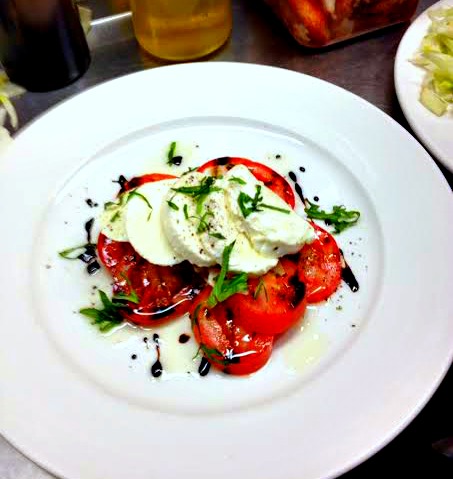
If you don’t believe me, here’s one of the photos he sent me tonight.

Photo by Chef Sean.
Photo by Chef Sean.

Yes, that’s a perfect Caprese staring back at you. Sigh…

Luckily, we have a delicious, vegan soup on our own fresh sheet tonight, keeping me from becoming too morose. It’s flavoured with garam masala, ginger, garlic, and red pepper flakes. It’s also meant to have barley in it, but we went gluten-free and used quinoa instead. It’s the sort of meal Kevin has been working toward, as he eats vegetarian or vegan most of the time now. There’s lots of protein in the quinoa and the soup itself is surprisingly hearty. Meatless meals have always been a big part of my diet, but I might find myself crumbling some bacon on tomorrow’s leftovers, as my brother the chef suggested. Then again, I might not – this soup doesn’t really need it.

Soup too

Judge for yourself. You can find the recipe here, along with interviews with three of our most lovely Doristas.

And you can find out what everyone else thought of this week’s recipe here.

Seedtopia

Seeds

My gardening goals for this year are concentrated on learning more about seed saving and increasing the variety of foods I grow in my vegetable garden. I’d also like to keep extending my perennial flower collection across seasons, eventually having colour in the garden year-round.

I’ll be replacing a few plants, like the thyme that died mysteriously last summer and perhaps building a vertical squash structure if I’m feeling ambitious. Mostly, though, I’m going to try and take advantage of some of the workshops and seed swaps that are happening in the next few weeks. I think it would be great to connect with some Vancouver gardeners.

Here are some of the things on offer around here this growing season:

Garden Basics

Village Vancouver offers gardening workshops across the city

VanDusen Botanical Garden has a range of courses for the budding horticulturalist

City of Vancouver workshops are affordable, basic skill-builders

The World in a Garden has great workshops throughout the season

Farm Folk City Folk‘s Knowledge Pantry is full of wonderful resources

A little farther afield, North Van has GardenSmart Workshops

There are a number of neighbourhood-specific workshops that are tied to food security and food justice: Grandview Woodland Food Connection, Renfrew-Collingwood Food Security Institute, the Edible Garden Project, and Cedar Cottage’s Seedy Saturday and Planting Workshop are a few examples

Victory Gardens’ workshops are well-regarded

Getting the Goods

Treekeepers provides $10 fruit and decorative trees to Vancouver residents

West Coast Seeds is a great source for organic seeds and their website is full of information – they also offer workshops

Salt Spring Seeds focuses on heritage and heirloom seeds

Sharing the Wealth

Plant a Row – Grow a Row

Vancouver Fruit Tree Project

Sharing Backyards

Advanced Adventures

City Farm Boy is for the ambitious urban farmer

Vancouver Urban Farming Society is a great resource if you want to make growing your business

Beekeeping courses

UBC’s Landscape & Garden Design Programs

Extending the Season

UBC Botanical Gardens’ Year Round Harvest Workshop

Winter Harvest resources

There’s a lot more, but that gives you a sense of the Vancouver gardening landscape. Now, tell me, what’s happening where you live? Are there plenty of resources, workshops, and community connections? Or do you rely on online resources to find what you need?

FFWD – Scallop and Onion Tartes Fines

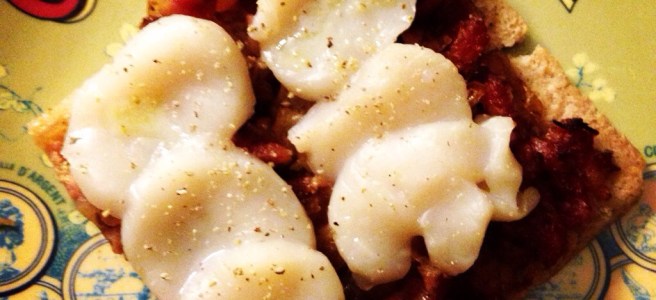
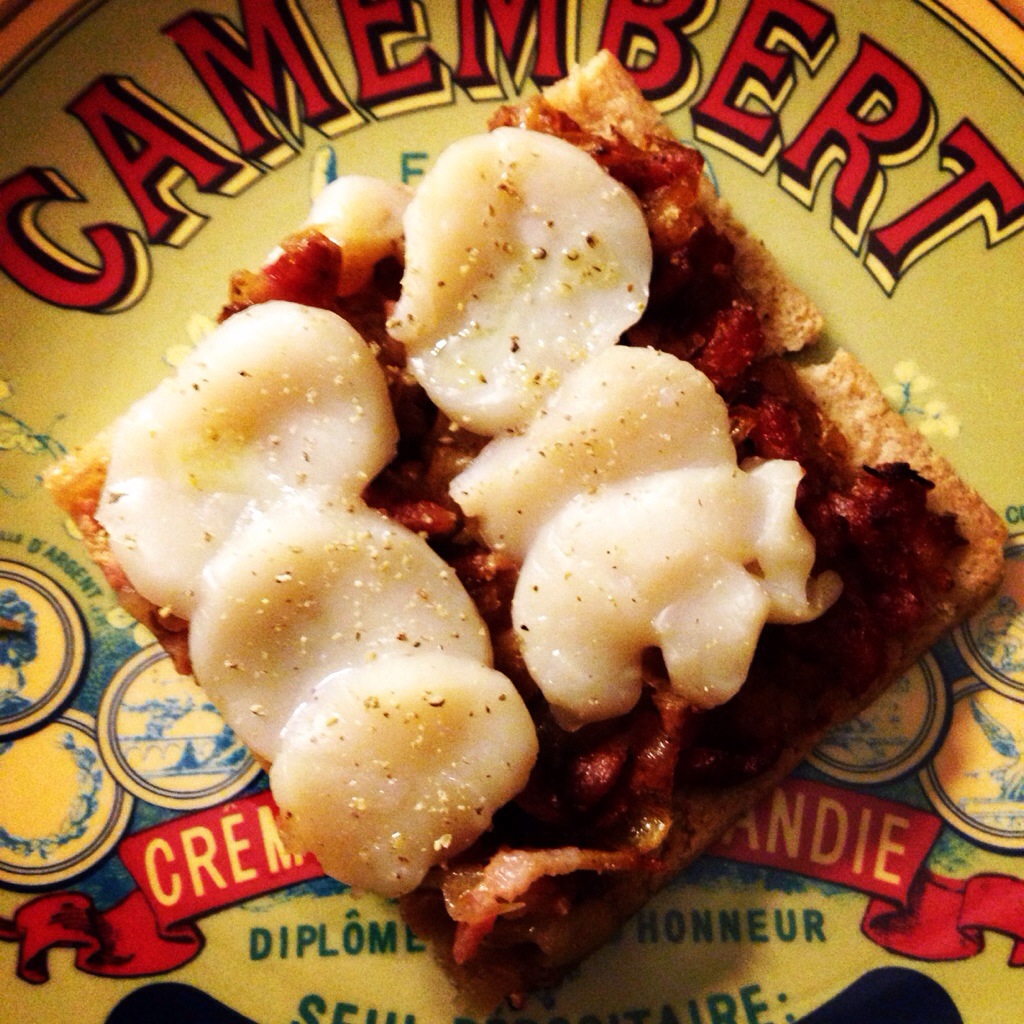
20140321-220942.jpg

We’re going to be finished cooking through Around My French Table in April of next year, approximately, so it’s not surprising that many of the recipes are starting to make me look back as much as look ahead. This week’s dish especially reminded me how close we are coming to the end of the book.

This is our last official scallop dish for the group, save for a bonne idée or two. I’ve told you before that scallops are my favourite seafood, so I’ve been looking forward to tackling this dish.

Tartes fines are usually rounds of puff pastry (or sometimes pâte sucrée for desserts) with finely sliced toppings in a circular design. Though I’ve made
gluten-free puff pastry before, it’s quite an undertaking, so I decided to try out a gluten-free Comensoli Pizza Shell I’d picked up at our local food co-op. It’s a new item there and I managed to get the last package. They went fast and for good reason. This crust is chewy and crunchy, holding its topping without crumbling. I’ll definitely be buying this brand again. It can be hard to find gluten-free pizza shells that don’t fall apart or taste terrible.

Scallop

The only other change I made to the recipe was to add a bit of balsamic to the caramelized onions before I added slivers of bacon. I’d heard from other Doristas over the week that this dish lacked a little something and I decided that the something must be balsamic. It goes so well with all the ingredients.

It was a good decision, as the jammy bacon and onion mixture was the best part about this dish. The scallops themselves were a little flavourless in comparison. They are really just heated through, rather than fully cooked, and I prefer the crunchy, caramelly flavour of seared scallops.

If I were to make this again, I’d leave the scallops off the tart and sear them instead, serving them on greens alongside. I think they would shine more than they did here and it would make a complete meal.

You can find many other blogged descriptions of this FFWD recipe here: Scallop and Onion Tartes Fines

Wild City

Raccoon prints in our backyard.

About ten years ago, when I lived on the other side of town, I did something to offend the crows that lived on my block. Perhaps I got too close to a nest or they resented my windowsill gardening activities. All spring and into the summer, gangs of two to five crows would follow me, swooping angrily, as I ran errands or waited at the bus stop. Even worse, they’d follow me on my regular long walks, once for more than five kilometers. I won’t say that it was the primary motivation for moving back into this neighbourhood, but I was certainly glad to move away from that mob of angry birds.

Those crows weren’t the only animal neighbours I left behind. There was a squirrel that kept digging up and eating the flowers in my window box, until I filled the planters with nicotania. I’d also built an uneasy truce with the skunk that lived near my bus stop. We gave each other a wide berth and things were fine.

Around the same time, I had a tenser encounter with a skunk when I was waiting for a bus late at night, after visiting a friend. The bus stop seemed to be in its path and I had to walk down the pavement half a block or so before it would move through. Across the street from the bus stop, a pair of raccoons were trying to break into a derelict corner store. None of that was as startling as realizing that the dog I saw trotting down the sidewalk at the corner was really a coyote. It stopped and stared at me for a few seconds, then crossed the street and continued on its way.

There is wildlife all around us in the city and many species have found it to be a hospitable place to live. This is even more obvious as suburban developments move farther and farther up the mountains in places like North Vancouver and Coquitlam. Bears rummaging through garbage bins or cars, cougars in backyards, and deer staging garden raids are common occurrences these days.

The problem is that the more we notice wild animals, the worse it is for them. There has been a bit of a frenzy in Vancouver over coyote sightings and aggressive raccoons, but it’s human behaviour that’s at the root of the problem. People feed animals, then lash out when they lose their fear of humans. Better that we keep our distance and keep our cats inside.

We’re writing a new contract with the wild animals that live in cities, as they adapt and thrive here. If we can find ways to manage our encounters with them, they can become part of healthier, greener urban landscapes. Our cities might even play some small part in the wildlife corridors that are being developed to compensate for the habitats lost to development. With respect and a wide berth, we might be able to negotiate a settlement beneficial to all.