Moose Loaf

Moose Loaf

It’s been a while since I’ve posted and I’ve been mostly neglecting the blogosphere for the past few weeks. I did manage to read Hank Shaw’s thoughtful post on hunting and it inspired me to share a recipe that I’ve been making for years. Though I don’t hunt myself, wild game has always been a part of my diet. My father started hunting as a young man and he’s passed on his skills to my brother, my nieces, and my nephews. When I buy meat, I try to choose organic, humanely raised meat as often as possible, but between the game my family provides and the meat from my parents’ hobby farm, I don’t have to shop for it very often.

Moose meat is one of my favourites, especially when it’s ground. It’s lovely wherever you’d use ground beef, and as I’ve said before, it’s not as scary a proposition as commercial ground beef can sometimes be.

Think of the recipe below as a starting point – I’ve varied it many times over the years. The last time, I used HP Sauce in the mix and then glazed the top with a little more before popping it in the oven. Sage, thyme, and summer savoury made lovely herbal additions to this particular loaf. The rice and milk are important (I used brown rice this time), because moose meat is very lean. The mixture might seem a little wet, but the excess moisture gets absorbed nicely by the rice and allows the loaf to have a nice jus when it’s just out of the oven. That jus will disappear, though, if you have any leftovers – the loaf will reabsorb it, keeping your next servings tender.

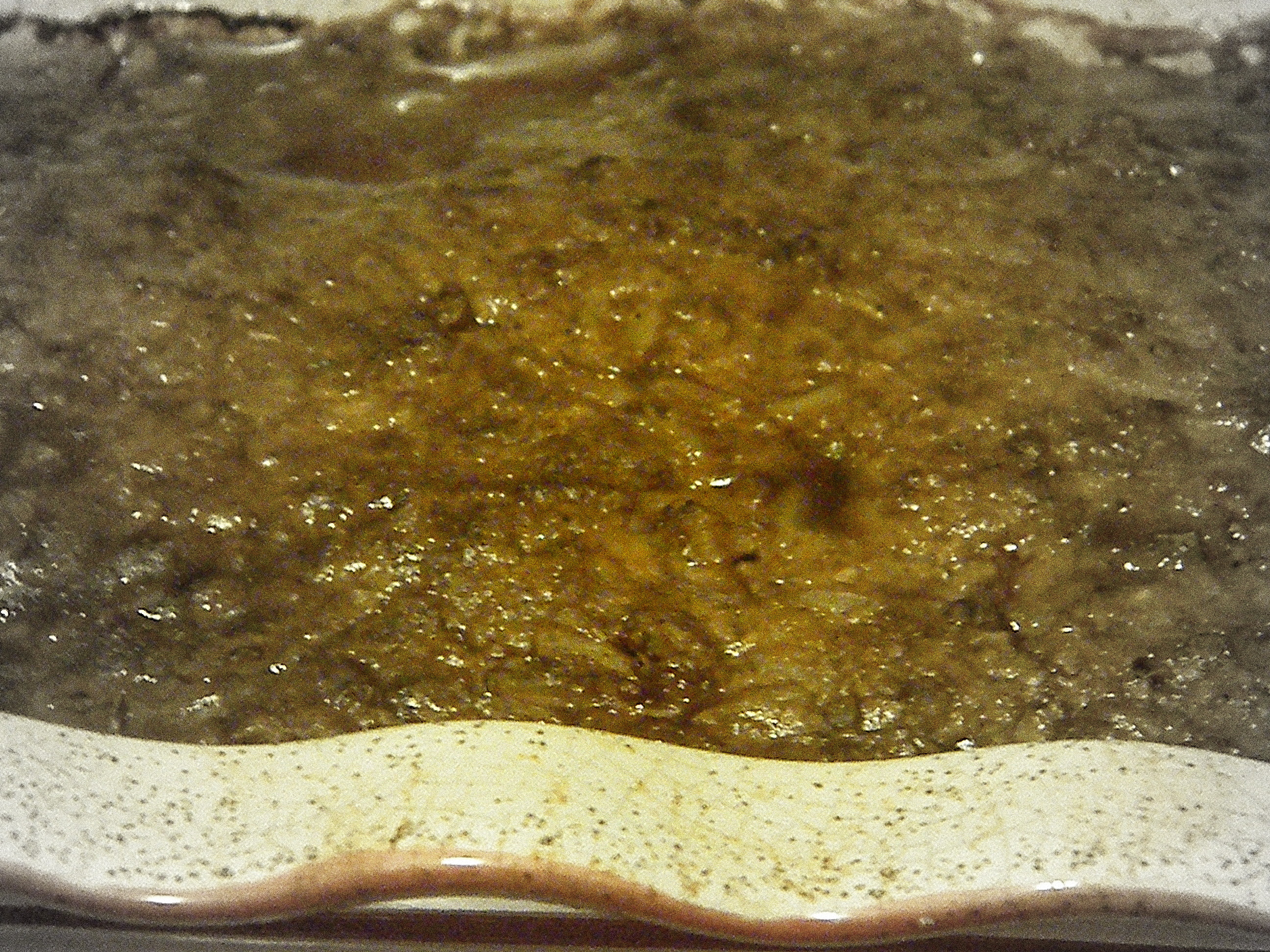
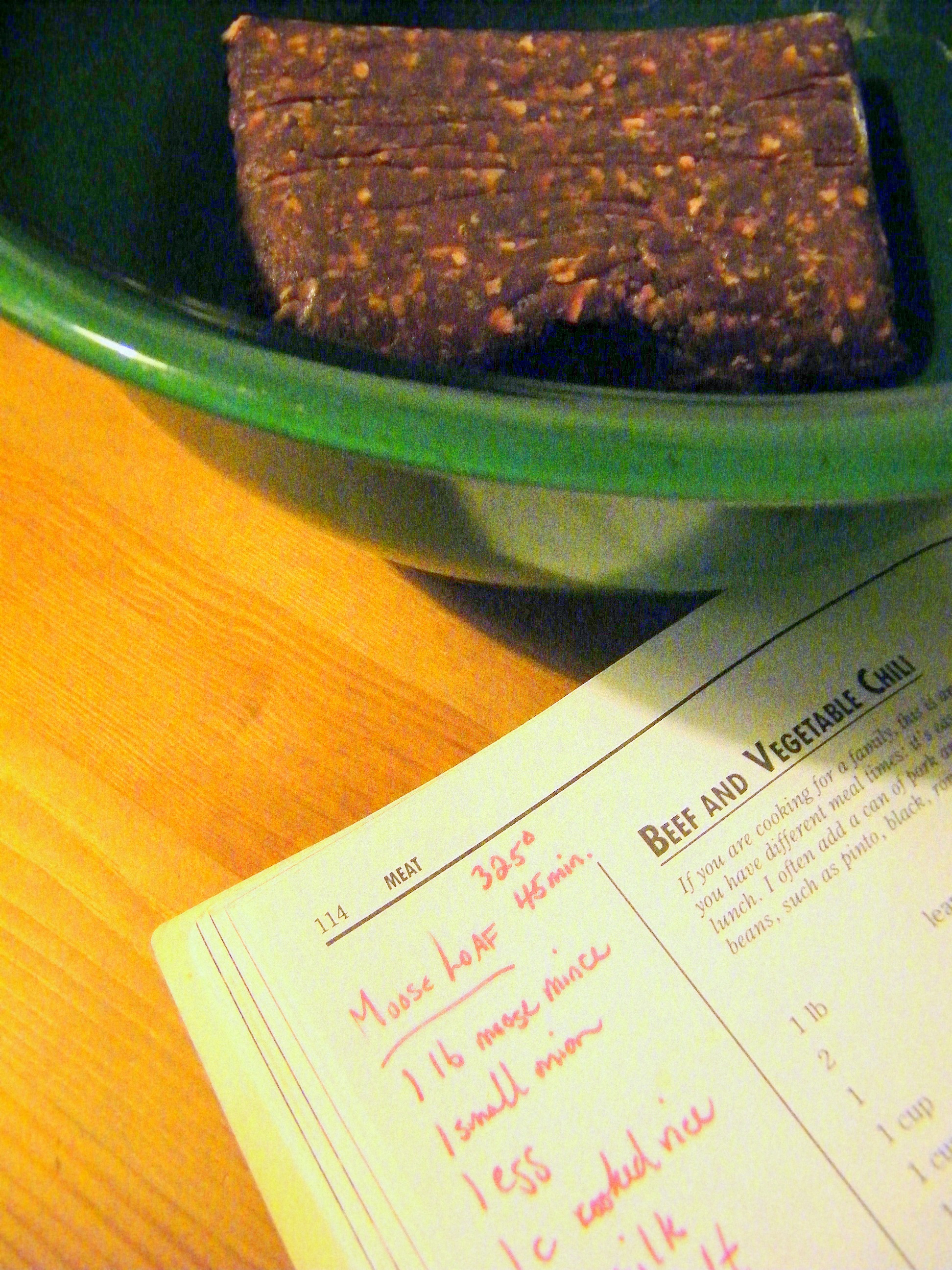
Ready to bake.

Moose Loaf

1 lb ground moose meat
1 cup cooked rice
1 small onion
1 cup milk
1 egg
3-5 tsps dried herbs
1 Tbsp Worcestershire sauce or 3 Tbsps HP Sauce
salt and pepper
a clove (or three) of garlic (optional)

Combine ingredients, place in a greased loaf pan, and cook at 325° F for 45 minutes to an hour.

Out of the oven.

I count myself lucky that I’ve had more than my share of humanely raised and wild meat. I think it’s helped me avoid the disconnect between food and its origins that is so ubiquitous in this culture. I know that not everyone has access to food from the sources I’ve had and that for many, ethical eating means vegetarian or vegan eating. I do believe that choosing to eat meat responsibly can be an ethically sound choice and Hank Shaw’s essay is a great explication of how that may be.

Roasted Cherries

A dark green bowl full of cherries, atop a brown cutting board with a small pile of basil sitting in a patch of sun.

I never feel I’ve made the best use of summer fruits. No matter how many stone fruit or berries I eat, cook with or freeze, I feel that I could have done more. This year’s been no exception, especially since I was a little out of commission during the best weeks for berries. I did manage to roast cherries though. I’m going to be doing it again before they disappear for another year.

Roasting fruit brings out the sugars and deepens the flavour, without turning it into mush. It’s also a good way to use fruit that’s just past its peak. Mostly, though, it’s just good. I’ve used it in yogurt, over ice cream, and just right out of the jar. My next plan is to use it as a tart filling, perhaps with custard. If I were the sort of person to make cocktails, the syrup would make a great addition. I suppose you could also stir it into soda water. Something like this salad would be really lovely, too.

I sort of improvised these, based on two sources: the kitchn‘s roasted cherry recipe and 101 Cookbooks‘s roasted strawberry recipe.

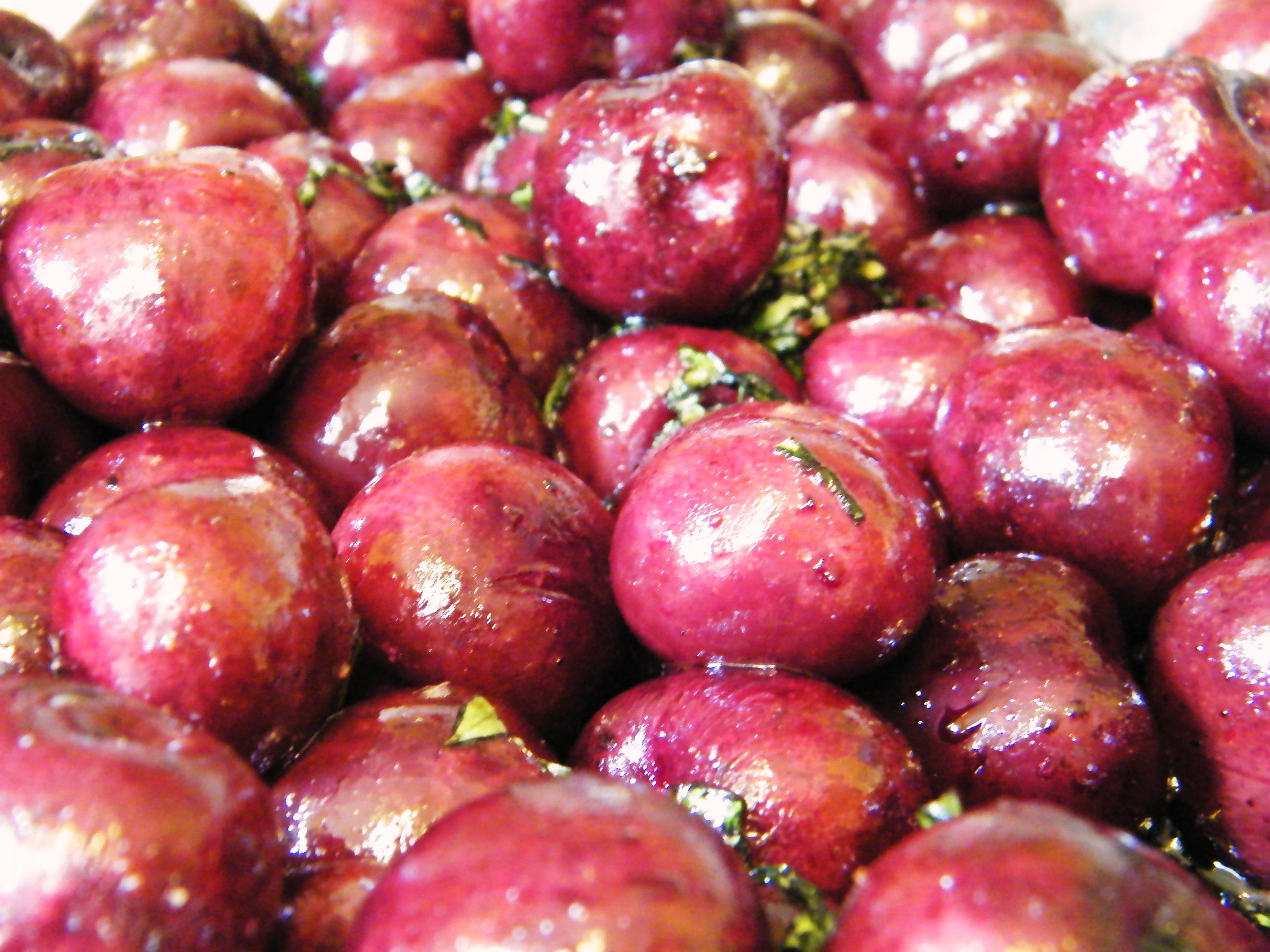
The cherries, roasted.

I whisked together equal parts of maple syrup and olive oil, with a little bit of sea salt. I then added about a 1/8 tsp. nutmeg and four shredded basil leaves. I tossed the cherries in this and then roasted them at 450° for ten minutes, then added a couple of tablespoons of cognac and put them back in for another five minutes. After they’d cooled, I removed the pits. The cherries keep for a few days in the fridge and freeze well. Slow-roasting is another great method for these, too.

I’m sort of curious to see what would happen if instead of basil and nutmeg, I used a little bit of cocoa powder. Maybe I’d leave the nutmeg in. I’d love to hear your ideas for other flavours that would work well with these, or your experiments with roasting other kinds of fruit.

A closer view of the roasted cherries.

A Childhood Favourite, Improved

Once I’d tasted the Paris Mushroom Soup from last week’s French Fridays With Dorie assignment, I realized that my previous experiences with canned mushroom soup had unfairly prejudiced me against all mushroom soups. Then, my thoughts turned to the one mushroom dish that I could tolerate when I was small, Tuna Rice Casserole. Though it was made with canned mushroom soup, I loved it. Which started me wondering how much better this casserole could be, if it were made with the leftovers of a really good mushroom soup.

I’d cooked a full recipe of the soup, thinking we’d have enough for two meals and another meal’s serving to freeze. Instead, I came up with this recipe:

Tuna Rice Casserole

4 cups cooked brown rice
2 cups grated aged Cheddar (I used Dubliner) mixed with ¼ cup grated parmesan
2 thinly sliced scallions (all but dark green parts)
2 tablespoons finely chopped parsley
1 clove finely chopped garlic
2 cans tuna (in water), drained
2 cups homemade mushroom soup (I used Dorie Greenspan’s Paris Mushroom Soup)
2 tablespoons crème fraiche
1 teaspoon crumbled dried sage leaves
Salt and pepper to taste

Set aside a ½ cup of the cheese. Butter an 8X8 baking dish.. Preheat the oven to 350 °.

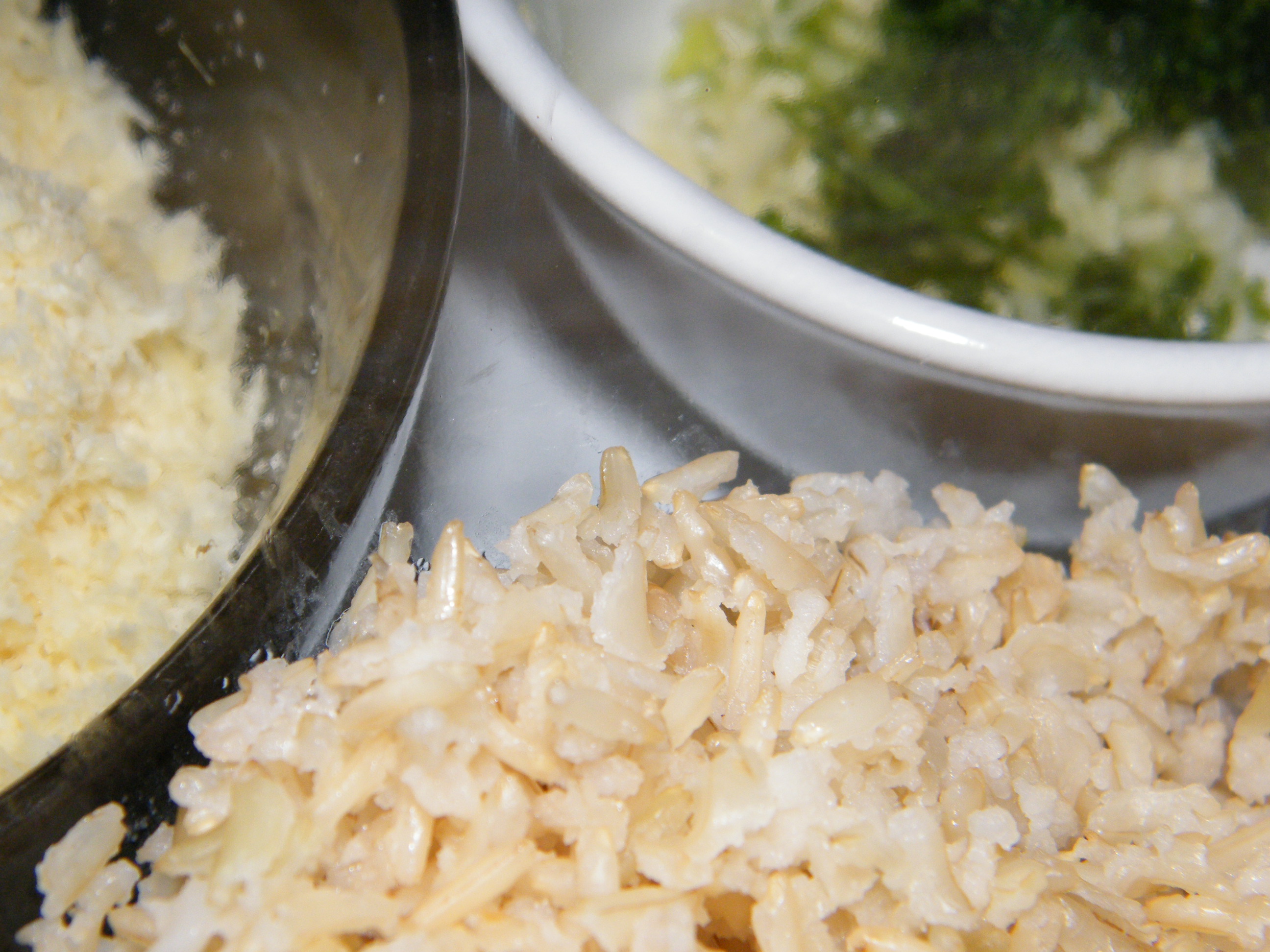
Mix the scallions, parsley, garlic and tuna with the rice. Then, stir in 1½ cups of cheese.

In a separate bowl, whisk the crème fraiche into the soup, then stir in the crumbled sage leaves. Stir the soup mixture into the rice mixture. Season with salt and pepper and give the mixture a final stir, then pour into the baking dish and smooth with a spatula. Top the casserole with the reserved cheese and bake for 30 minutes. If you like, you may run the casserole under the broiler for a minute or so to brown the cheese.

Variations: If I’d had more mushrooms on hand, I would have browned some more sage in butter, then sautéed a ½ cup of sliced mushrooms to add to the casserole. You could omit the scallions and sauté some finely chopped shallots with the mushrooms instead. You could also add bread crumbs (gluten-free or no) to the topping, if that’s your thing. Or you could use different herbs or cheeses. And of course, you could substitute another sort of dairy for the crème fraiche (or leave it out altogether).

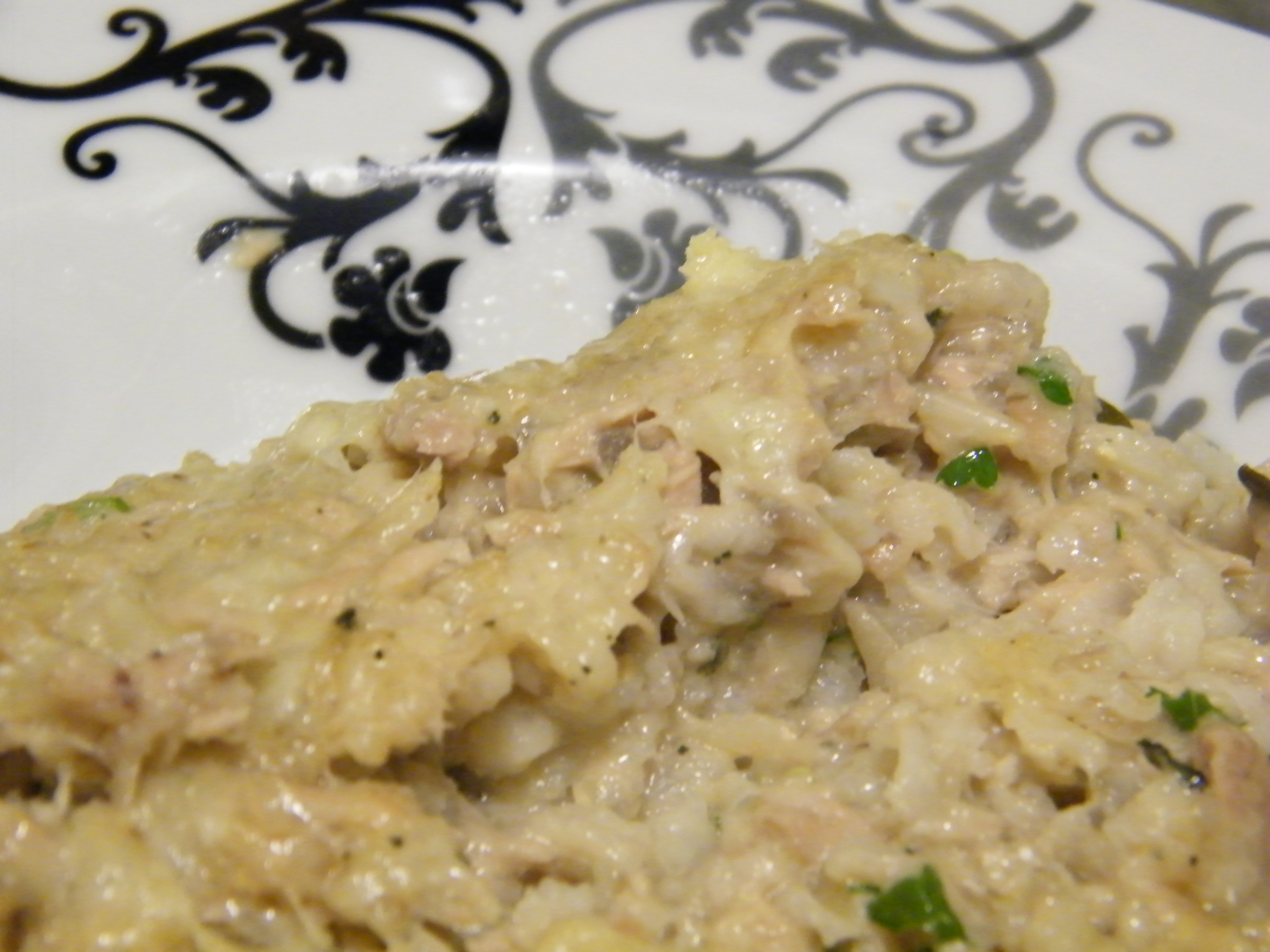
It’s been at least a decade since I’ve had this dish, but I’m positive that this version is an improvement on the original. I suppose it’s ironic that I gave the Paris Mushroom Soup this treatment, since many people in the cooking group have been remarking what a healthful, low fat antidote the soup has been to all the excesses of December. But, I just had to make it. You could serve it with a salad, though, it pairs nicely.

Cinnamon-Cardamom Rice Pudding with Honeyed Rosewater Sauce

I’ve mentioned before that eating out can be challenging for people with celiac disease. But it’s not only restaurants where you might run into problems. Eating at the homes of your friends and family can be tricky, too. It’s hard enough to keep a house gluten-free when someone with celiac disease lives there.

Even when you’ve explained what needs to be avoided, there can be gaps in communication. One friend told me that she’d arranged to go to someone else’s home for dinner and had several phone conversations about her food restrictions, including her gluten-intolerance. My friend is a very thorough and clear communicator. She was assured that her host had educated herself on avoiding gluten and that she had nothing to worry about. During the meal, my friend asked again, just to be sure, and was told that there was definitely no gluten in any of the dishes. When they’d finished, the host turned to my friend and told her that she’d been sure to use only whole wheat flour in the gravy, as she understood that my friend couldn’t have processed white flour. Several days of illness followed.

These sorts of misunderstandings can be compounded when family food traditions are added to the mix. I know that my family’s holiday dinners are very gluten-heavy affairs, from my mother’s delicious gravy to the pies, cookies and cakes for dessert. When my partner comes to these family dinners, adjustments must be made. I’m lucky that my family gets how serious celiac disease can be, since my father’s aunt had it, so the adjustment is painless. That’s not true for many people, though.

Often, the easiest solution for me is to prepare interesting and seasonal dishes that naturally don’t contain gluten. My partner’s not fond of baked goods, anyway, so I get to experiment with other things. This also has the advantage of avoiding complaints from conventional eaters that a modified dish doesn’t taste the way they expect it to taste.

Here’s a recipe for rice pudding that would fit in at any fall or winter celebration. It relies on Middle Eastern flavours, but I added some cranberries and increased the cinnamon for a seasonal flair. You can try other dried or fresh fruits, as well as chopped nuts. Dried apricots and pistachios work well, especially if you concentrate on cardamom as the main spice.

Rice Pudding with Honeyed Rosewater Sauce

Makes eight servings

The rice pudding was inspired by this New York Times article.

The honeyed rosewater sauce was adapted from The Healthy Gourmet Cookbook.

For the Pudding:

3 cups cooked brown rice
4 cups whole milk
¼ to ½ cup organic cane sugar
1 tsp. cinnamon
½ tsp. ground cardamom
2 to 3 points star anise
1 tsp. rosewater

Combine rice, milk and sugar and bring to boil, then lower the heat to a simmer. Add rosewater and star anise points. Continue to simmer, stirring occasionally, until thick and the milk has been almost completely absorbed. Many people like to add the spices at the end, but I add them in a little into the simmering time, as it seems to infuse the rice with their flavour more. When it’s done, set it aside to cool a little, then spoon into serving dishes and put those into the refrigerator to chill.

Notes:
The ratio of cooked rice to milk is generally 1 cup rice to 1½ cups milk. I use a little less milk than that when I’m making a big batch. Adjust the other ingredients and cooking time accordingly. I used a scant ¼ cup of sugar, as I was also using the honeyed rosewater sauce. Use sugar to taste. Any sweetener and any milk will work in this recipe, so try it with whatever you’d normally use.

For the Sauce:

2 cups water
¼ cup honey
2 tablespoons rosewater
1 teaspoon lemon (or orange juice, for a sweeter taste)
1 cinnamon stick
2 or three strands of saffron

Bring the water and honey to a boil, then reduce the temperature to a simmer. Add the rosewater, lemon, cinnamon stick and saffron. Simmer for about 30 minutes, or until the mixture has a slightly syrupy texture.

Allow to cool and then chill in the refrigerator.
.
To put it together, drizzle a little of the sauce on each serving of pudding and garnish with chopped dried fruits and/or nuts.

I’m adding this recipe to Gluten-Free Girl and the Chef’s recipe round up, which can be found here: Gluten-Free Thanksgiving 2010. They’ve gathered recipes from well-known food bloggers, along with a tonne of recipes from more bloggers in the Comments. So, whether you celebrate Thanksgiving, or have misgivings about its colonialist roots, you should check this out. It’s an amazing resource of recipes for gluten-free celebrations. And your gluten-eating friends and family will be too full to notice. If you contribute a recipe, or even a comment, you’ll also be eligible for some great prizes!

FFWD – Roast Chicken for Les Paresseux

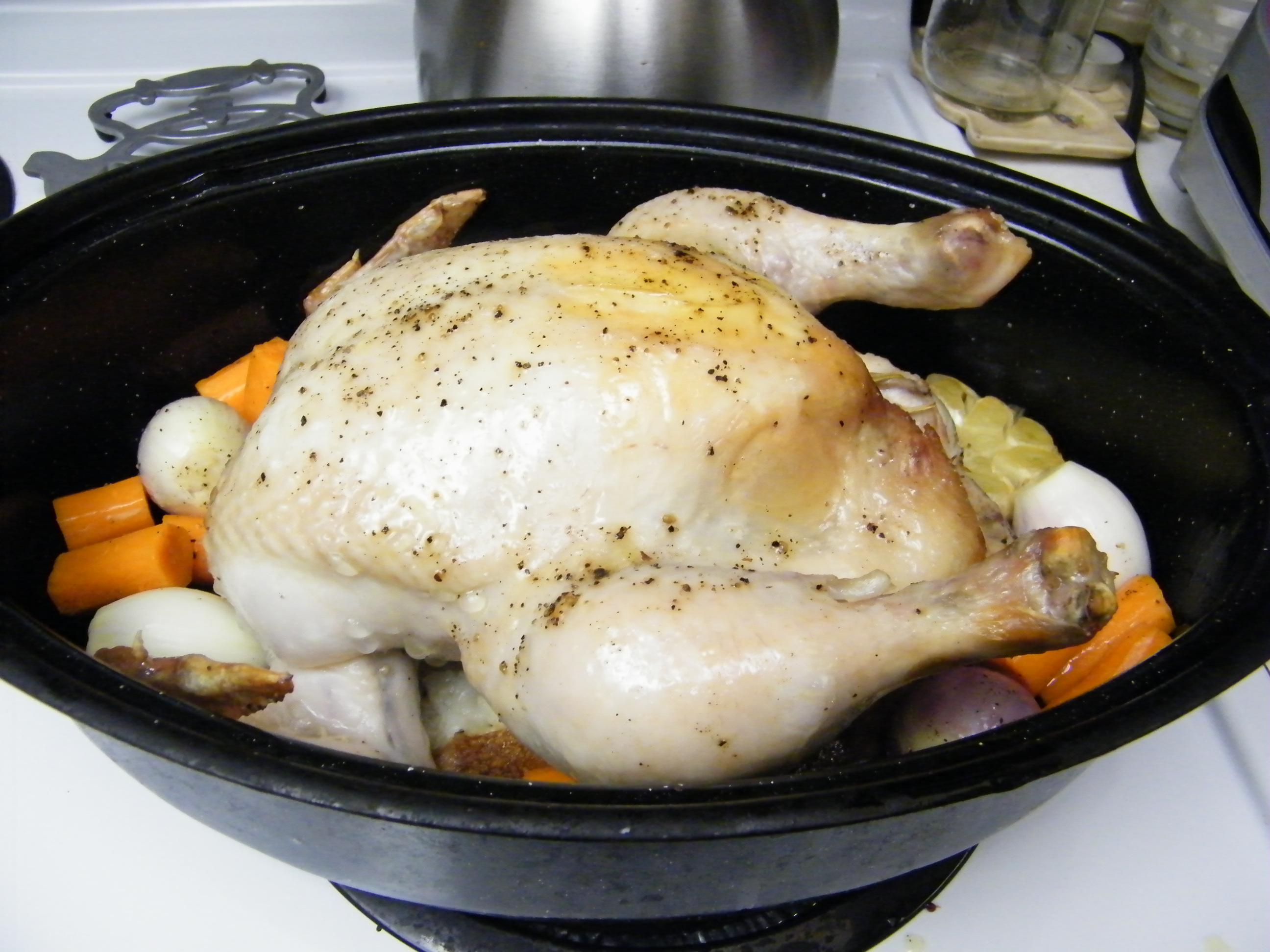
I didn’t realize I came from a long line of lazy chicken roasters until I encountered Dorie Greenspan’s recipe for Roast Chicken for Les Paresseux in Around My French Table. In our family, the standard treatment for chicken was a halved onion and a halved apple in the cavity, with garlic and whatever herbs and vegetables were on hand. Roasted in a slow oven, with a basting session or two, it’s been a standby at least as far back as my mémère (my maternal grandmother). It’s such an easy recipe that when I was young, my mother allowed me to get it started after school, so that we could eat as soon as my parents came home from work.

I’ve experimented a fair amount with chicken since then (starting with 40 cloves of garlic chicken, which was my standby through University) and I’ve generally abandoned cooking whole chickens in favour of using chicken breasts and thighs. After making Roast Chicken for Les Paresseux, whole chicken is going back into the repertoire.
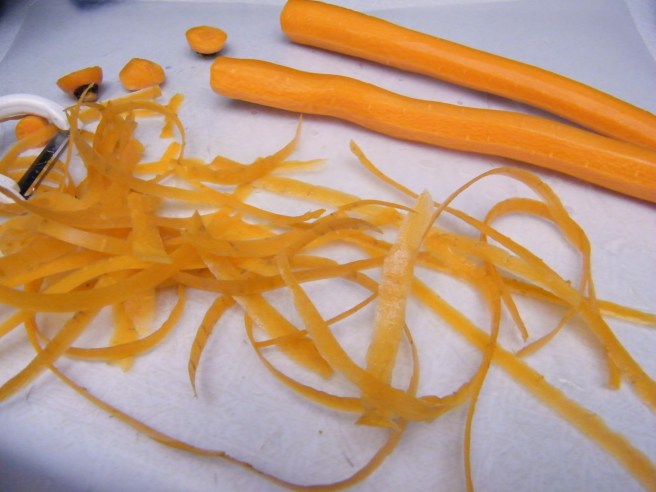
This recipe is even simpler than the one I grew up using. No basting, just an addition of vegetables (if you like) at the half way point. Fresh herbs, garlic, salt, pepper, olive oil and a little white wine are all that’s needed to make this dish fantastic. I especially liked the trick of cutting a whole head of garlic in half, leaving one half inside the chicken and one out.
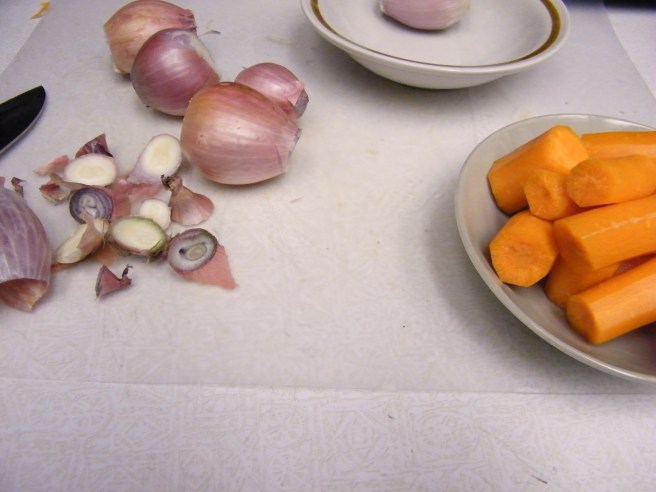
While the chicken roasted, I was able to prepare the rest of dinner, including getting a start on the dish for next week’s post, Pommes Dauphinois (or Potato Gratin). The only difficulty was concentrating on what I was doing, for as the chicken cooked, it filled the kitchen with a wonderful aroma.
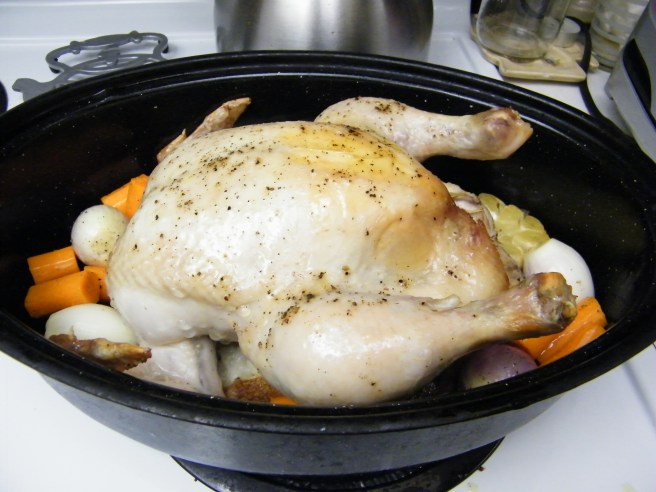
I don’t have a dutch oven, so I used a roasting pan. Since it doesn’t have high sides, I decided to roast the chicken covered. That didn’t seem to harm the chicken at all. After it was done, I let the chicken rest breast-down as suggested and the meat was wonderfully juicy.
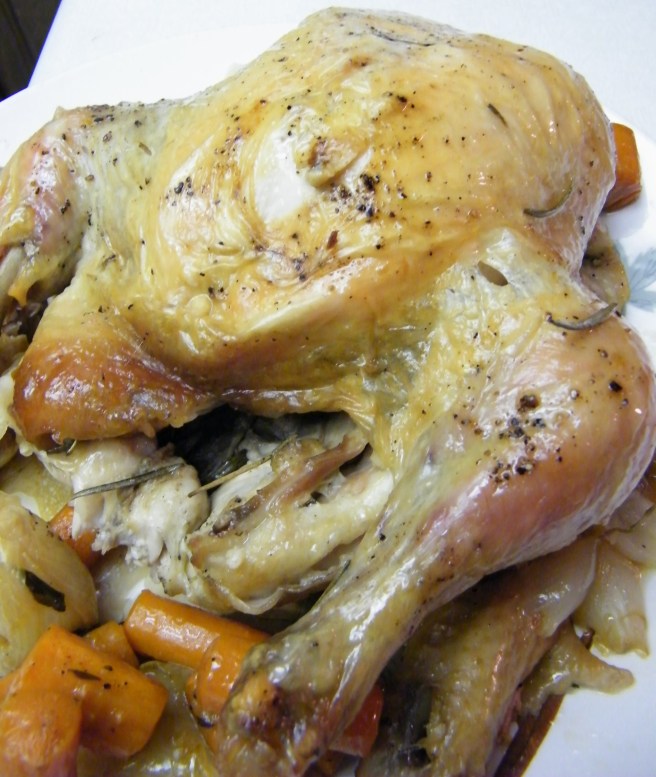
Finally, there’s the matter of the bread. Dorie recommends placing the chicken on a bed of thick bread or baguette. The bread is crispy on the bottom and full of pan juices on the top. I have only one photo of this bread, and only half the amount of bread I used at that, because it disappeared too quickly for me to have another chance at a better shot. This slightly blurry photo will serve as proof that the bread is as delicious as advertised.
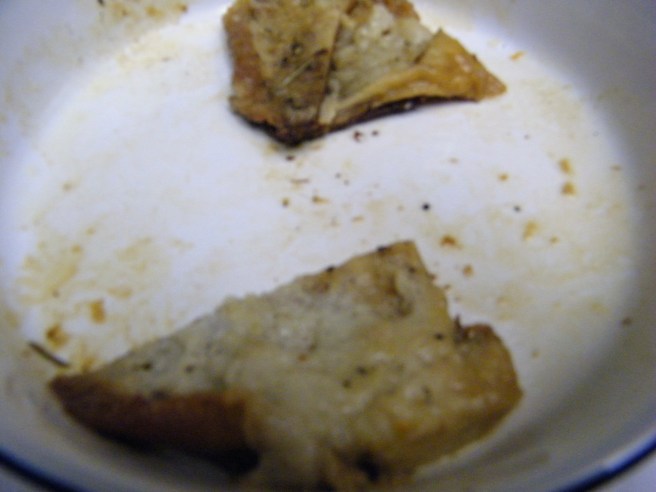
Today, I’m going to leave you with two recipes, since I mentioned them. You’ll have to buy Around My French Table for Dorie’s recipe, though. You should, you won’t be able to stop using it.

Mémère’s Chicken

1 roasting chicken
2 onions, peeled, one halved and the other cut into chunks
1 apple, halved
1 bay leaf
3-5 cloves of garlic, peeled
salt and pepper
Fresh or dried herbs (optional)
roastable vegetables, like potatoes, carrots or celery (optional)

Lightly oil a roasting pan. Place the halved onion, the apple and the bay leaf inside the chicken. You can add some fresh herbs, if you like. I often use sage or savoury with this recipe. Place the chicken in the roasting pan. Scatter the garlic and remaining onions around the chicken. You can also add fresh or dried herbs to the pan and chunks of potato, carrot and celery (or whatever roastable vegetable takes your fancy). Sprinkle everything with salt and pepper.

Roast, covered, at 350° for 1½ to 2 hours, depending on the weight of your chicken. Baste once or twice during the cooking time, with the juices in the pan. You can take the cover off the chicken near the end, so that it browns.
.
To make the gravy, bring the pan juices to a boil, adding a teaspoon or so of flour or cornstarch. If you take a little of the heated broth and mix it with your thickener before adding it, you’re less likely to get lumps. Cook down until the mixture thickens, place in a container for a few minutes and then skim off the fat. This gravy is perfect with mashed potatoes, but that might just be my childhood speaking.

UPDATE: I spoke to my mother about this recipe and she said – no bay leaf, always rosemary and thyme, cook it for a longer time at 325° if possible. (This is what happens when a recipe is handed down verbally.)
                       

40 Cloves of Garlic Chicken (remembered from the Urban Peasant)

Handy Hint: If you invite ten of your University friends over for dinner and decide to double the recipe (i.e., cook two chickens), don’t forget you might also be doubling the time it takes to cook. Especially when you have a tiny, unreliable oven. People get very hungry when you serve dinner at midnight. Don’t ask me how I know. It was a long time ago.

1 roasting chicken
1 lemon
3 to 6 heads of garlic (for 40 cloves in total)
olive oil
salt
pepper, fresh ground
½ to ¾ cup white wine (optional)

Rub the outside of the chicken with olive oil, then sprinkle well with salt and pepper. Lightly oil a roasting pan. Pierce a number of holes in the lemon with a skewer, then place the lemon inside the chicken. Put the chicken into the roasting pan. Break the heads of garlic into cloves and scatter the unpeeled cloves around the chicken. Add the wine, if you’d like.

Roast, covered, at 350° for 1½ to 2 hours, depending on the weight of your chicken. Baste once or twice during the cooking time, with the juices in the pan. You can take the cover off the chicken near the end, so that it browns.

There will be a lot of liquid in the pan, which makes a fantastic garlic-lemon gravy. Bring the liquid to a boil and cook down. You can add a little wine if you’d like and you can also add a little cornstarch or flour to help thicken the gravy. All optional. Once it’s thickened, pour the gravy into a container, let it sit for a few minutes and skim the fat from the top.

We’re doing things a little differently for the month of November. We’re still posting weekly, but people are free to post this month’s recipes in any order. You can find many other blogged descriptions of this month’s FFWD recipes here: LYL: November 12

Nourishing Community

If you Google the term care circle, you’ll come up with two different things: websites to help you form giving circles, which pool individuals’ donations for philanthropic goals; and, groups of friends and family that form to help someone who is living with health challenges. I’m writing about the second sort today.

I have a friend who has been living with a serious illness for many years now. She’s one of the busiest, most social people I’ve ever met, but there have been times when she’s been worn down by her illness. That is what’s happening for her right now. So, she’s asked for a care circle. That way, she can expend as little effort as possible on preparing food and arranging to spend time with people, leaving her able to concentrate on taking care of herself. A good friend of hers set up the circle on the Lotsa Helping Hands website, which makes the whole process easier. Each of us joined her care circle on the website and can sign up for meals using a calendar on the site. It’s easy to see what dates are available and there’s little hands on co-ordination needed.

What’s left is the important stuff – cooking good food, eating together and spending time with friends. Maybe it’s my upbringing (actually, it’s definitely my upbringing), but for me there isn’t a lot that’s more meaningful than cooking for someone you care about. Choosing a recipe, buying and preparing the ingredients, improvising along the way and then, finally, sitting down and watching someone enjoy the food you’ve made; all of that adds up to caring. I think this attitude is unnecessarily gendered and subsequently trivialized, as most “female” pursuits have been. I’ve been on both sides of this food equation and people of all genders can create this kind of…well, let’s face it…love.

Food IS love! At least, it’s an expression of love, for oneself and one’s communities. I’m aware that’s a dangerous sentiment to express in a fatphobic culture, but the evidence is all around us. People are increasingly interested in cooking for themselves and their loved ones, facilitated by the accessibility of food websites and blogs. Communities are forming around issues like food security and safety. Here in Vancouver, the only movement rivalling the growth of food culture has been bicycle culture. Often, the two go hand in hand – Farmers’ Markets are some of the best-used Bicycle Valet locations.


I don’t think it’s a surprise that so much community-building effort is going into food issues. We’re moving into an era where people are looking for connection and community, moving away from the suburban separateness that marked the last half of the twentieth century. Food issues are also an unthreatening entry into social justice for a lot of people. This isn’t just an upscale phenomenon, like Growing Chefs fundraisers or foodie tours of the Okanagan. It’s also Quest Food Exchange’s canning workshop this summer, which cost only $5.00, including some canned peaches to take home. People are connecting up and down the economic scale on these issues. I hope this community-building will extend beyond food issues, as I think there’s potential for this energy to open up into other social justice issues, like housing and economic security.

Bringing us back where we started, I wanted to share a recipe with you that I made for my friend – it’s nourishing without being taxing on the digestive system and it’s flavourful without being spicy. You can also easily modify it to suit whatever ingredients you have on hand.

Swiss Chard and Cabbage Soup

10 cups low sodium chicken stock
15 oz. Swiss Chard, washed and chopped
3 cups cabbage leaves, washed and chopped
1 small onion, finely diced
3 cloves of garlic, finely diced or pressed
½ a lemon, juiced
½ a cup finely chopped parsley
1 small bunch fresh basil, or 1 tsp dried basil
3 tbsp extra virgin olive oil
1 cup short grain rice (if you use brown rice, parboil it ahead of time and finish cooking it with the soup)
1½ tbsp unsalted butter
½ cup grated Asiago cheese

Heat the chicken stock, keeping it at a simmer. If you’re using dried basil, add it now.
Heat the oil in a large saucepan or wok and add the onion. Cook gently until golden and then add the garlic and cook for a minute or two longer.
Add the cabbage, turn up the heat and cook for a minute or two. Add the Swiss Chard and cook for another minute more.
Add a ½ cup of the hot stock, turn the heat down, cover and simmer for five minutes.
Add the rest of the stock, bring the soup to a boil and stir in the rice, boiling gently for 10-15 minutes.
Add the lemon juice.
Remove from heat, stir in butter (and fresh basil, if that’s what you’re using).
Set the parsley and cheese out for guests to sprinkle on themselves, along with salt and pepper.

(adapted from ifood.tv – you can find the original recipe here: Swiss Chard and Cabbage Soup)