
A Medley of Taste – Simply Delish Soup and Salad

Calico Bean Soup

As I told you on Tuesday, Kevin and I did some shopping at the Fraser Valley Food Show last weekend. We’ve been happily eating our way through our finds ever since.

Today, I have something of guest post from Kevin, reviewing one of the products he was especially eager to try, Simply Delish Soup and Salad:
Simply Delish Soup

On Saturday April 2nd, I went with Teresa to the Fraser Valley Food Show. As someone who has been celiac since my birth in 1971, and who has been vegan for almost a year and a half, I was a bit skeptical about finding much that I would like at the show. I say this even knowing full well how much things have changed for people with celiac disease since the 70s and for vegans in the last five years.

The place that immediately caught my eye was Simply Delish Soup and Salad. Their display booth was outstanding. I couldn’t stop looking at their pre-packaged soups, as they looked incredibly pretty. I believe everything but one item was both gluten-free and vegan. The service was friendly but not overbearing. Brad was very helpful in explaining their product and I thought it was cool he was aware of Teresa’s One Wet Foot blog. I ended up leaving with their Calico Soup.

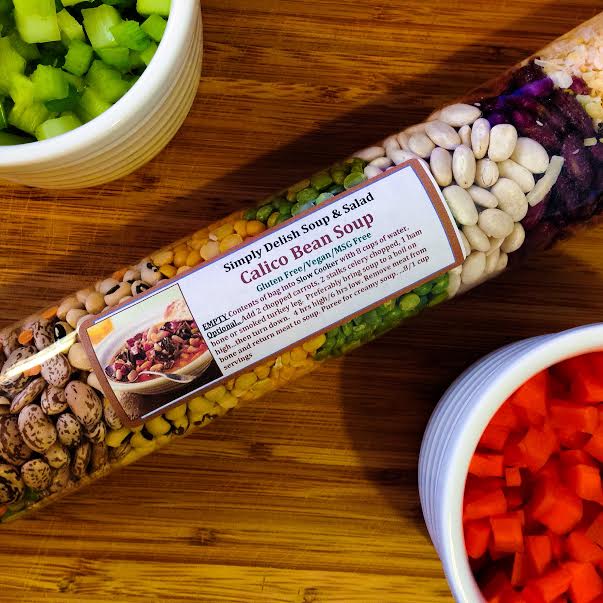
I initially thought that $9.00 was a lot to pay for this pretty package of beans and spices. Once I realized how much soup it makes, I realized I was wrong – it makes a lot of soup for $9.00. Teresa even helped me do some quick math about how much it would cost otherwise. Usually one pays a lot extra for convenience, but not here. The soup couldn’t have been easier to make – just put it into a slow cooker and add water. As someone who likes convenience with vegan/gluten-free cooking, I can’t even begin to explain how much I loved the simplicity of this.

Often with pre-packaged vegan and gluten-free food, not only is it over-priced but it’s also loaded with unhealthy ingredients. This soup couldn’t be farther from that – the nutrient value is extremely high in this soup. I can’t recommend this soup enough. I was happy to hear that Brad & Chelsey sell their product in Vancouver, as we plan on having much more of it in this household.

Medley of beans in the slow cooker

I agree with Kevin’s assessment – we enjoyed a delicious soup with minimal effort – we threw in some diced celery and carrot, as we had it on hand, but I suspect it would have been just as enjoyable without. I also added some salt just before serving. Brad and Chelsey don’t add any salt to their products, which I appreciate for two reasons – salt makes dried pulses tough and I like to control the amount of salt in our food. We like just enough salt in our food to enhance the flavours.

There’s a place for soup mixes like this in our lives – made with healthy ingredients, guaranteed gluten-free and vegan, great as is while easy to customize, and perfect for days when hands on cooking isn’t feasible. They’re a great addition to our pantry.

Overhead shot of calico bean soup

We received no consideration for our review of this product. It’s part of an occasional series of posts highlighting locally made products that we buy and enjoy.
Cook the Book Fridays – Artichoke Tapenade with Rosemary Oil

img_6697

There’s a wonderful Lebanese restaurant called Jamjar on the other side of our neighbourhood. We joke that it’s a good thing it’s far enough away that we can’t run down there on the spur of the moment. If it were closer, we’d eat at home less often than is good for us.

My last meal there wasn’t in the restaurant at all, but at a working meeting. The chairperson picked up an array of their dips, salads, small plates, and sauces for us to munch on as we sifted through our list of tasks. There’s nothing bland about any of their food – there’s almost a cacophony of flavours, which manage to complement rather than compete. Eating through a spread of their dishes excites the palate with each bite. It certainly kept us all lively and cheerful through what could have been a tedious evening.

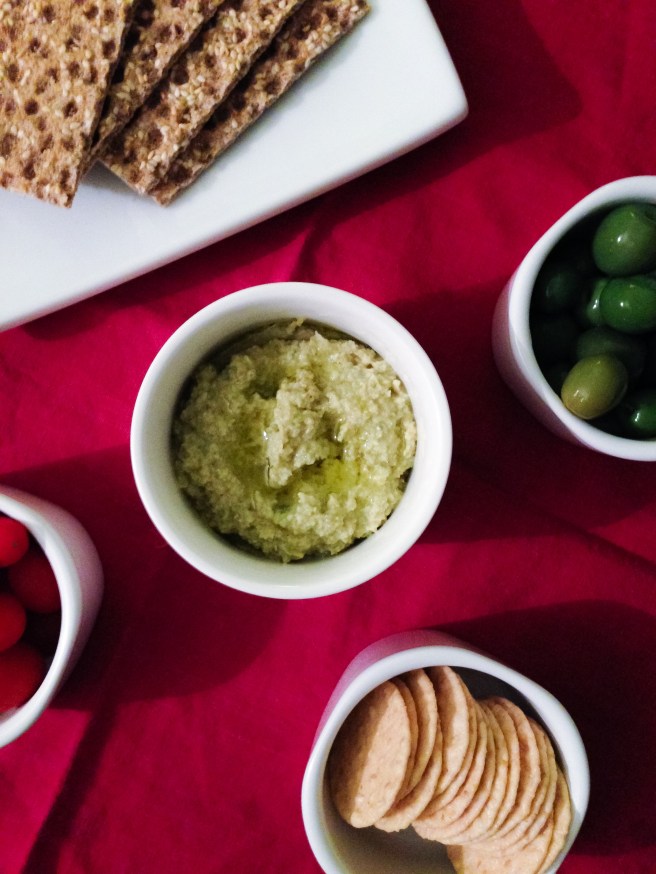
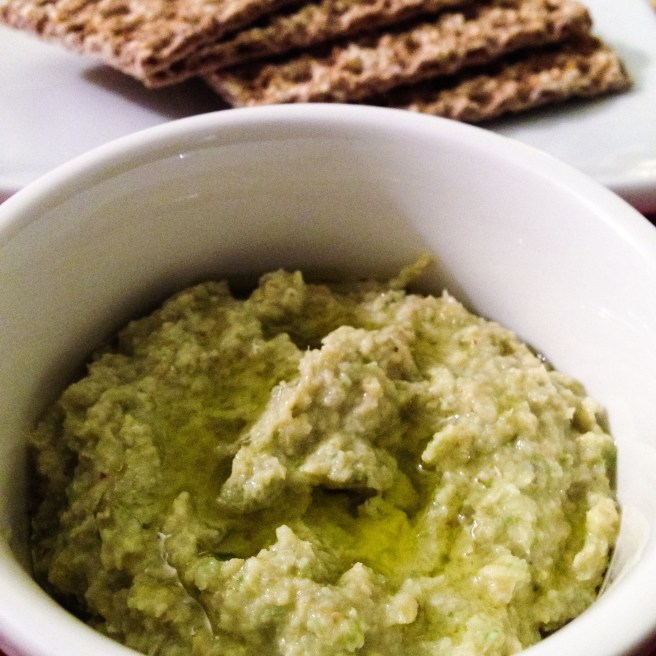
The artichoke tapenade I enjoyed this evening wouldn’t have been out of place on that table. It’s French, rather than Lebanese, but its flavours have a Mediterranean bent. Artichokes, olives, and capers provide earthy notes, lemon and cayenne brighter ones, while homemade rosemary oil finishes the dip.

img_6698

Now that the weather is getting warmer, dips like this one are perfect for my favourite way to eat through the summer – from a table full of small bowls and plates filled with different textures and flavours, all working together to create a satisfying and harmonious meal.

You can read through everyone’s posts here. And consider joining this community of wonderful cooks and lovely people, as we work our way through David LebovitzMy Paris Kitchen.

Hot Chocolate & Tangerines – A Baking Chez Moi Catch Up

img_6662

We haven’t been enjoying sweet treats nearly enough around here, but I did manage to catch up on two of the selections from Baking Chez Moi over the past few months.

Hot Chocolate Panna Cotta

img_6414

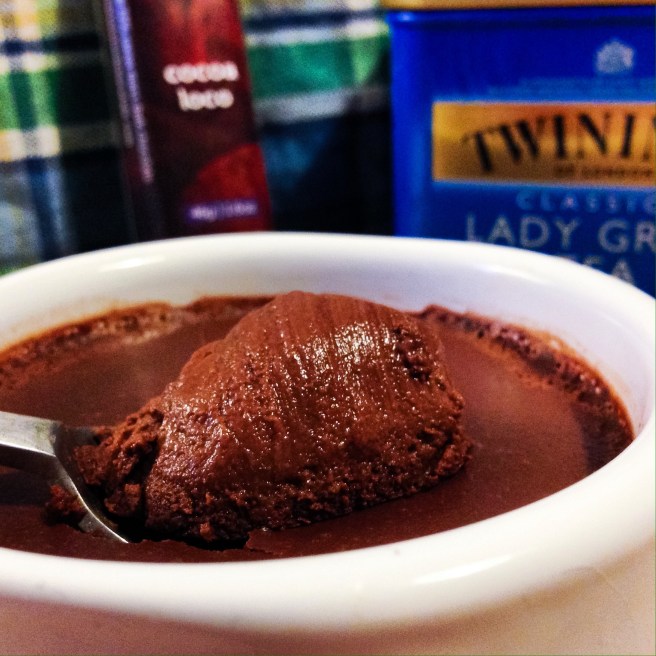
I drink a cup of hot chocolate or two each winter, especially when it’s time for Vancouver’s Hot Chocolate Festival, but I think I like this method of enjoying it even better than the traditional one. All the flavour of hot chocolate in a creamy dessert and none of the dilemma involved in choosing between it and a cup of tea.

I used an extra-dark chocolate that I like, Denman Island Chocolate‘s Cocoa Loco, and infused the cream with Lady Grey tea. The tea’s clear citrus notes played well against the flavour of the chocolate. The chocolate’s flavour is bolstered by cocoa powder in this panna cotta and I think it’s this addition that makes the flavour so reminiscent of hot chocolate.

This is one I’ll be having again, especially now that I’ve found a nearby source for granulated gelatin and can avoid the awkward conversions involved in using leaf gelatin.

Fluted Carrot-Tangerine Cake

img_6425

My fluted quiche pan was otherwise occupied, so this cake had to be content with a plain edge. I still think it’s very pretty.

I love my mother’s version of carrot cake, a classic rich rectangle liberally slathered in cream cheese icing, but this cake is one that I can see myself making more often. It’s a much lighter cake, full of ginger and tangerine with an undertone of carrot’s sweetness. I added a tangerine glaze, which made it look festive and boosted the citrus flavour even more. This cake will get you through the worst part of winter, whether you glaze it or not.

I’ll be joining in with the rest of Tuesdays with Dorie’s bloggers at least once in April, so dessert is on the horizon. That’s always a cheering prospect.

Find out what the rest of the Tuesdays with Dorie crew caught up on here: Rewind.

Cottage Cooking Club – March 2016

img_6543

Like a horse as it nears the barn, I seem to be speeding through recipes as we reach the end of our time with River Cottage Veg in this group. This month, I managed seven recipes, two of which were ones I’d missed when they’d come up in previous months’ selections.

It’s made for a delicious March.

Nachos with refried beans

img_6544

There are as many recipes for refried beans as there are cooks that make them. Hugh’s version is a pantry cupboard wonder, using things I always have on hand. I like the chunky texture, the gentle heat from the fresh red chile and hot smoked paprika, the smooth taste of the cannellini (or borlotti) beans, and the use of grated fresh tomato. I made this twice – once with cannellini beans and once with borlotti and they were equally good. My only change to the recipe was to add 2 or 3 tablespoons of tomato paste along with the fresh tomatoes. That might not be necessary at the height of summer, when tomatoes are at their best, but it really helped bring the flavours together for this late winter version.

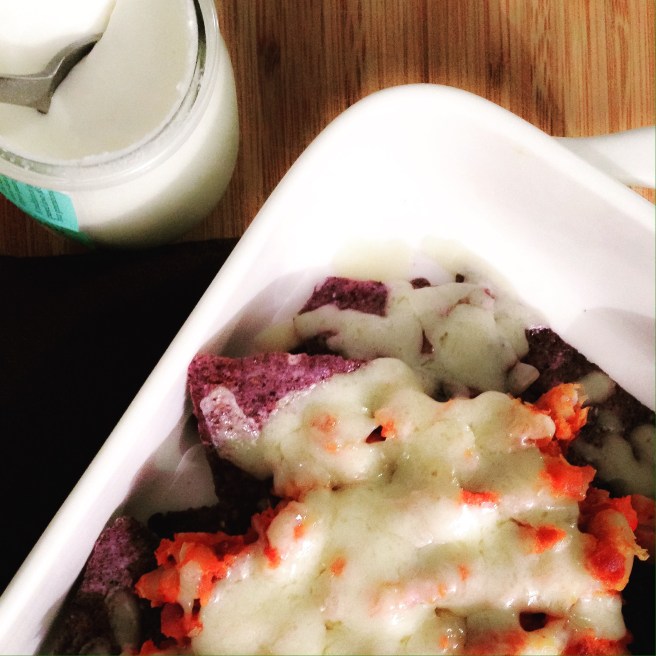
As for the nachos, I made a vegan version and a conventional one. I have two small ceramic baking dishes that are about the same size – one got lashings of old cheddar cheese and the other got a generous sprinkling of Daiya cheddar shreds. We finished them off with sour cream (vegan and conventional – it’s our version of his and hers) and some of Hugh’s lemony guacamole.

Lemony guacamole

img_6568

This recipe was tackled way back in May of 2014, for our very first Cottage Cooking Club round of posting.

Kevin’s a bit miffed that I overlooked this recipe until almost the very last post for this cookbook – it would have become a staple in our kitchen much sooner, if I hadn’t.

It relies on lemon, cilantro, and fresh red chile to complement the avocado. I skipped adding oil, as it seemed unnecessary, and threw a bit of chopped red onion into the mix. It was perfect with our nachos and adds great flavour as a sandwich spread, too.

The vegiflette toastie

img_6636

This one was just for me – I couldn’t resist putting aside a few of the baby potatoes we’d had for dinner so that I could have this toastie for an indulgent Saturday lunch. The topping consists of sliced potatoes heated with a little wilted endive and some heavy cream and I would have enjoyed this if the sandwich had stopped there. The final step is to melt some cheese on top (old cheddar, in this case) and it made the dish absolutely perfect for a rainy day. It was more of a knife and fork affair with the split baguette I used, but that was fine. Not every sandwich needs to be portable.

Dressed Puy lentils

img_6652

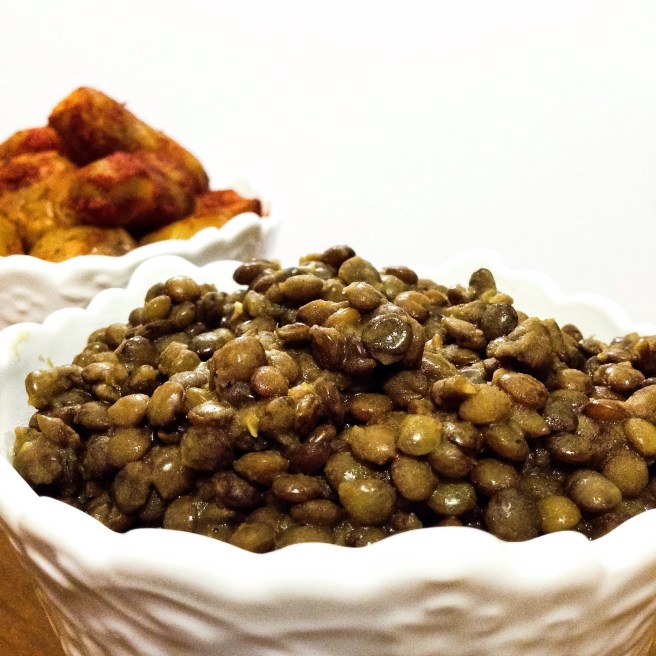
I make Hugh’s lentils, with their mustardy dressing, at least once a week. We stir them into bowls of roasted potatoes, wilted greens, freshly roasted or steamed vegetables, cold salads, or grains hot or cold. These become one bowl lunches or side dishes at dinner.

There are plenty of other ways to dress lentils, but don’t you find you look back on a period of time and remember a dish or two that kept coming up over and over? It’s been that way with these lentils this winter. It’s not repetition so much as punctuation.

Roasted new potatoes with harissa

img_6650

We ate our lentils with these potatoes one night, but it took several tries. The first step in making these is to roast the potatoes with salt and pepper. I usually roast potatoes with herbs and garlic, or onion, or spices – it depends on what I’m serving. These come out of the oven with the more-ish quality of French fries. And we discovered, salt and pepper potatoes go so well with Hugh’s lentils, that you might forget to add harissa altogether. Twice.

With the harissa, they’re good, but honestly, not as good as the plain potatoes. I love harissa as a condiment for soups, stews, and other dishes with a Middle Eastern bent, but I think in this dish, it’s a little wasted.

Vegetable biryani

img_6607

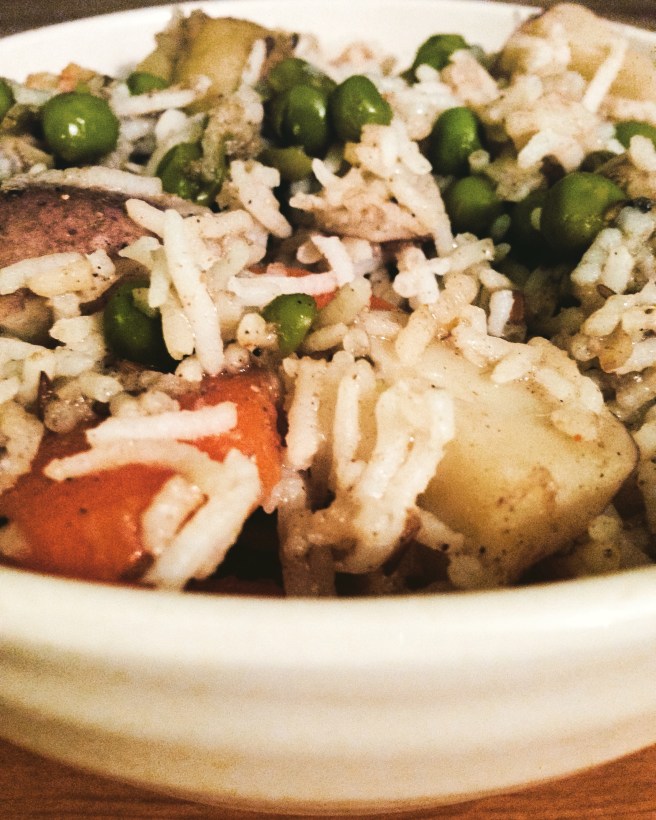
I wish I could say we loved this one, but we only liked it. We probably won’t be repeating this version of biryani, but I was especially appreciative of the flavour the brown onions brought to the dish.

Twice-Baked Potatoes

img_6541

Finally, there’s a treat that came up in the rotation in November of 2014. I had some beautiful crème fraîche and cultured butter on hand, that I was reviewing for another post earlier this month. This recipe seemed like a perfect way to enjoy it.

I made these potatoes two ways – a vegan version for Kevin, with vegan sour cream, Earth Balance, and Daiya cheddar shreds, and a conventional version for me, with crème fraîche, cultured butter, and old cheddar.

We won’t be having these often, but not because we don’t like them. We loved them. They’re just an indulgence that should be an occasional treat. Although, you can put spinach in them – that makes them good for you, doesn’t it?

As I said, it was a delicious month. I’m looking forward to what April brings.

At the end of the month, you’ll be able to find the rest of the group’s posts, here. I encourage you to check them out – you’ll meet some wonderful bloggers and get some great inspiration for vegetarian eating.

Cook the Book Fridays – Pain d’épices

img_6623

I can appreciate the variations in flavour between buckwheat honey and lavender honey, fireweed honey and blueberry honey. But I’ll take city honey over any of them. City honey’s flavour depends on the gardeners in the neighbourhoods the hives inhabit. It changes across the seasons and reflects the trends in the planted environment.

Best of all, it comes from bees with the best of all possible lives. The nectar sources might have a riotous variety, but the hives are rooted and stable. Cities like the one I live in also have pesticide bans, which is much better for bees and for their honey. And the apiarists range from obsessively careful amateurs to professionals with an interest in helping create a healthy urban ecosystem.

These are the thoughts I turn to when I’m cooking or baking with honey. I have some favourite local honeys, including Mellifera Bees and Hives for Humanity, but there’s also UrbanSweet, Lulu Island Honey, and others.

All of this is to say that this week’s recipe is well-worth using your favourite honey. Pain d’épices looks like it might be a sweet quickbread, but it’s something more elusive than that. It’s full of assertive spices like anise and cloves and is at home with pâté as it is with jam. I like it very much with cultured, salted butter.

The method, too, is fascinating. It starts out as though you’re making a caramel, cooking the honey with brown sugar (and in my case, a bit of molasses, too). Then, that mixture is cooled before it’s added to the dry ingredients and egg.

img_6624

The result is a dense and tender loaf, that has a texture somewhere between a quick loaf and a true bread. I might have to indulge in some pâté this weekend to try it in a savoury fashion, or pair it with my mother’s plum jelly for a sweet treat. Or, I might just stick to butter. It’s awfully good that way.

Now, if you’re part of the Cook the Book Fridays group, you might be wondering what happened to this week’s primary recipe, Belgian Beef Stew with Beer. This wasn’t a good week for a side trip into cooking with meat in our household, so I’ve decided rack up my very first entry on my ‘catch up’ list for the group. I’ll be glad of the excuse to make this bread again. For now, I’m just glad I have an excuse to go honey shopping, as I used up the last of my current stash with this recipe.

David Lebovitz has one version of this bread on his website, but I’d buy the book if I were you.

You can read through everyone’s posts here. And consider joining this community of wonderful cooks and lovely people, as we work our way through David LebovitzMy Paris Kitchen.

Baking Chez Moi – Odile’s Fresh Orange Cake

  
Happy International Women’s Day, everyone! Here’s to continuing the march toward equality for all women, across the world and at home.

Baking may not seem like a good fit on a day that’s dedicated to women’s equality, but all the activist and community groups I’ve been part of have fuelled change with agile minds and satisfied stomachs. Even cookbooks have been wielded as tools for change by feminists – suffragists used them to spread their message, filling them with recipes and resistance.

So in this spirit, I think it’s fitting that I’m writing about a cake that begs to be shared. Any group of people who were lucky enough to find this orange cake on their meeting room table might find the fortitude to change the world.

I have a special fondness for orange cake – my grandmother used to make it and it was a favourite for everyone in the family. Unfortunately her recipe is lost to us, so I’ve tried any that I’ve encountered in an attempt to find one that measures up to my memory of hers.

That’s the problem, of course – what can measure up to a treasured memory? So, I just enjoy the orange cakes as they come along, noting down the ones that come close, along with those I appreciate just for themselves.

Odile’s Orange Cake falls into the second category. Though I think my grandmother would have appreciated the orange-y, buttery flavour very much, it’s a cake that’s different in kind than the one she used to make. Hers was moist, with a fine crumb, but also sturdier than this cake. That’s no surprise, since this one is soaked in the syrup used to poach the oranges that decorate it. It’s not just moist, it’s suffused with moisture in the best possible way.

  
There’s something else that’s different about this cake. I used goat butter to make it. It’s a delicious butter that has a different character than that made from cow’s milk. If you’re interested, Chowhound made a short video on the subject.

This recipe was well worth using my tiny stash of goat butter. And I think that if I bring it to my committee meeting tomorrow night, it might be the perfect way to celebrate solidarity amongst a group of women working to benefit our community.

You can find the rest of the Tuesdays with Dorie crew’s entries on this recipe here: Odile’s Fresh Orange Cake.

Cook the Book Fridays – Dukkah-Roasted Cauliflower

img_6523

I love my stand mixer and my food processor, my slow cooker and my blender, but sometimes I think I get the most satisfaction from the little Braun coffee grinder I picked up at a garage sale back in my university days. Now, it’s only occasionally used to grind coffee – who needs coffee at home when you’re living at the corner of java and joe? But it has produced any number of freshly ground spices over the years, along with emergency icing sugar and top ups for scant cups of oat or chickpea flours. I paid almost nothing for it and it’s brought me a wealth of flavour.

It is rather…enthusiastic, though, so I thought I’d use our mini chopper to make the dukkah for this week’s Cook the Book Fridays dish. This spice mix is meant to have a coarse texture and my spice grinder is more of an instant powder maker. In the end, though, the grinder had to come to the rescue, as the peppercorns and coriander managed to elude the mini chopper’s blade completely. I had to dig them out, grind them, and whisk them back in.

That was the only glitch in a simple and delicious recipe. There are many versions of dukkah, but this one is particularly well-balanced. The recipe made much more than I needed for the roasted cauliflower, so I’m looking forward to trying it in dip form, on other sorts of roasted vegetables, or as a crust for tofu.

img_6524

The cauliflower itself couldn’t have been simpler – slices are roasted in olive oil, the dukkah is added, and the cauliflower continues roasting until it’s tender and caramelized. In the headnote to the recipe, David tells us that this dish has been known to elicit exclamations of pleasure and that certainly happened here – the moment I opened the oven to pull it out, just as he’d promised.

That’s the second cauliflower recipe to do so in our house in less than six months. The first was Meera Sodha’s roasted cauliflower. There are other cauliflower dishes I enjoy, but I could be perfectly happy with alternating between these two indefinitely.

img_6522

There’s a version of David Lebovitz’ dukkah on his website.

You can read through everyone’s posts here. And consider joining this community of wonderful cooks and lovely people, as we work our way through David LebovitzMy Paris Kitchen.

Cottage Cooking Club – February 2016

img_6469

What do you turn to when you’re trying to get through the last weeks of winter eating? Before the celebration of rhubarb and asparagus, radishes and new potatoes, how do you make the last of the cold weather staples more interesting?

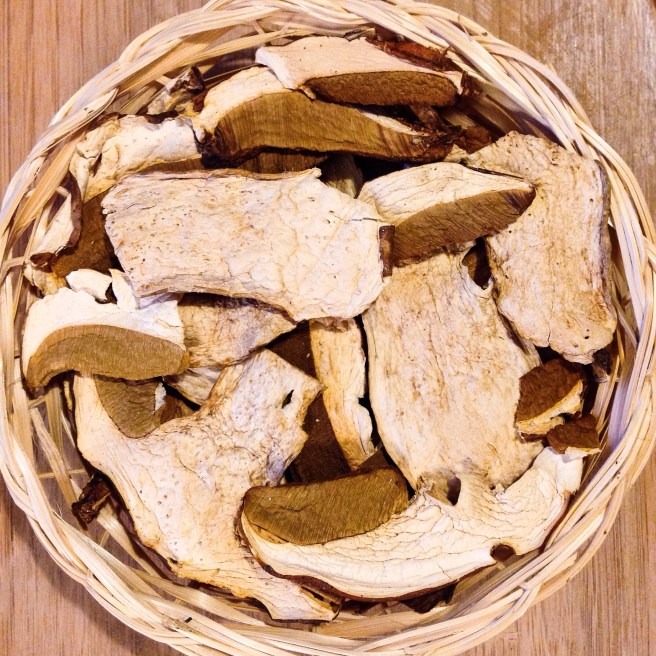
I love dried mushrooms (especially porcini), citrus fruits, and the herbs that grow year-round in my garden. Along with pulses, winter greens, and high quality canned or frozen goods, they make these weeks of waiting for new growth bearable. Actually, with a little attention to detail, our meals are rich and delicious.

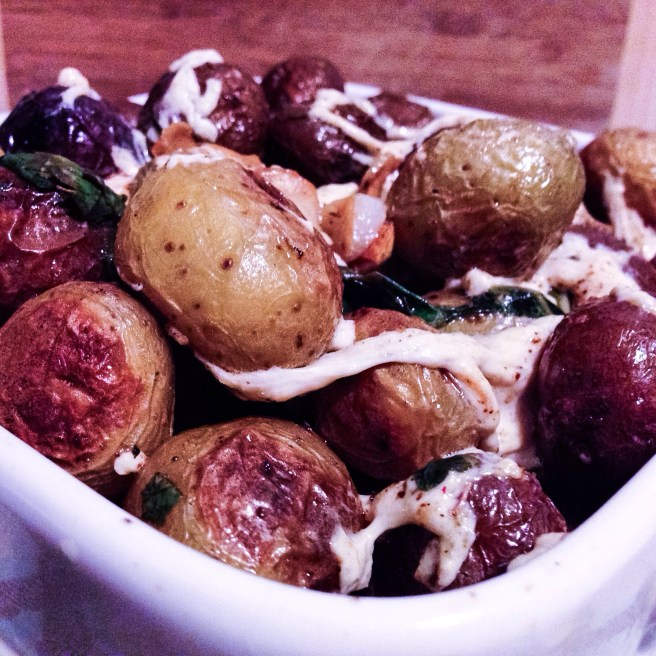
Potatoes and “Deconstructed Pesto”

img_6391

This potato dish is a good example. The basil and lemon were imported, but everything else was local. We roast vegetables often, usually with rosemary and thyme from the back yard. This variation was a treat, especially with shredded Daiya vegan mozzarella. It would have been equally good with a vegan Parmesan (DIY Vegan‘s Garlic Parmesan Shaker is a good place to start, if you’re interested). It’s nice to know that we can have cheesy goodness that satisfies both the vegan and non-vegan members of our household.

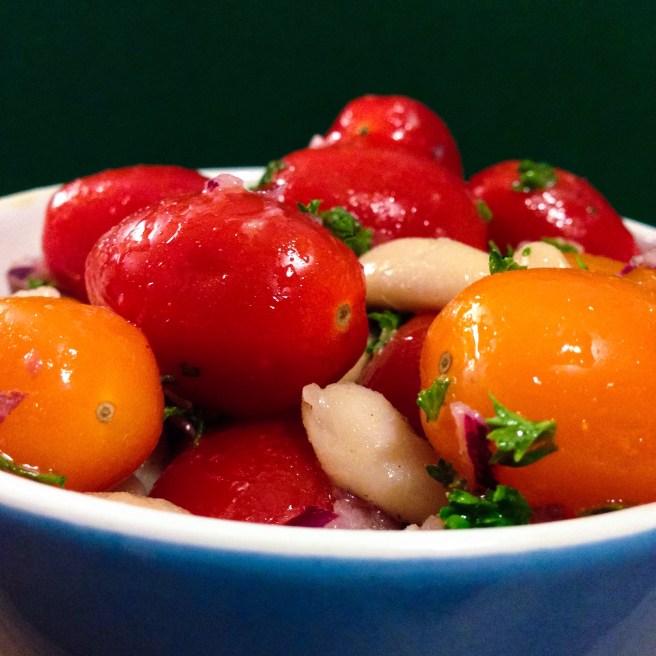
White Bean Salad with Tomatoes and Red Onions

img_6497

Though tomatoes are best in the summertime, I don’t always say no to the hothouse cherry and grape tomatoes that can be found alongside greenhouse-grown peppers at the fresh markets. It’s hard to turn down jewel-toned vegetables consistently in the name of seasonal eating, isn’t it? Especially when they’re a component of a treat like this. Creamy cannellini beans, tomatoes, and parsley in a lemony mustard dressing. A simple side or healthy winter lunch that’s bright on the tongue and cheerful on the plate.

Chickpea, Chard, and Porcini Soup

img_6480

This wasn’t a pick for this month, but one I missed when it came up in the rotation for August, 2015. I couldn’t resist catching up on it this month. As I said at the beginning of the post, I love using dried porcini mushrooms throughout the winter. They make their own stock when you rehydrate them and they lend a rich, meaty undertone to soups and stews. I also keep organic frozen spinach on hand, so when the greens at the market were underwhelming, I pulled some out for this soup. With extra chickpeas and plum tomatoes, it was a truly hearty soup. Next time, I’ll add some sautéed fresh mushrooms, too. Rainy February days call for stick-to-your-ribs fare, don’t you think? This one didn’t need any cheese, vegan or otherwise – it was perfect on its own. It’s also one that can be varied throughout all the seasons, which we’ll certainly be doing.

img_6464

The weather’s warming up here, though there’s still lots of rain. I can’t believe we’ve only got two more months’ worth of recipes before The Cottage Cooking Club moves on to two more River Cottage cookbooks!

At the end of the month, you’ll be able to find the rest of the group’s posts, here. I encourage you to check them out – you’ll meet some wonderful bloggers and get some great inspiration for vegetarian eating.

The Perfect Pickle

img_6388-1

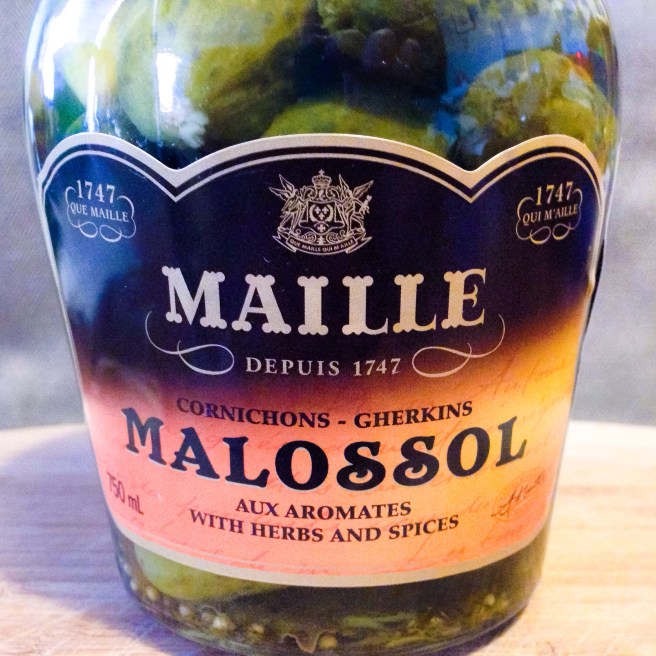
I received a jar of Malassol cornichons from Maille Canada, but received no other consideration. All opinions are my own.

A few weeks ago, I told you about the balsamic and honey mustard that Maille Canada was kind enough to send me. Well, I received another package from them, this one to replace the jar of Malassol cornichons that had opened in transit. I wasn’t expecting it, but I’m so glad they did.

I’ve always been fussy about pickles. Growing up, I wouldn’t touch dill pickles or gherkins, but I couldn’t get enough of my mother’s pickled beets, beans, or well, anything but pickled cucumbers. As an adult, I’ve softened my position, but I’d never fight anyone for one. Until now.

Maille’s Malassol cornichons are worth fighting for. Most pickles in North America are dill-heavy, with an eye-scrunching acidity. These cornichons (or gherkins) are well-balanced. There is dill in the mix, but not enough that you can’t taste the other flavours in the brine, including tarragon-infused mustard seed. There’s also a pleasing sweetness mixed in with the sourness you expect from pickles.

img_6410

Maille suggests serving them with charcuterie, tartare, or sauce gribiche, but you might find yourself eating them straight from the jar. It’s what happened at my house, so be warned.

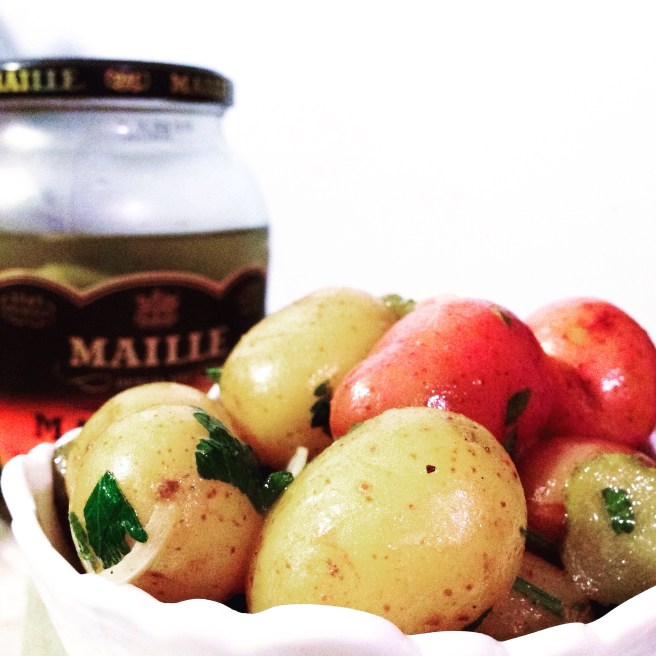
I set aside five, just enough to make a variation on this potato salad. I skipped the capers and used sherry vinegar in place of red wine vinegar, as I wanted a more delicate balance to highlight the cornichons. The dressing and pickles worked beautifully together – a grown up potato salad that happens to be vegan and gluten-free.

Now, I’m left with two problems. The pickles are gone and the jar of less lofty gherkins that replaced them aren’t satisfying my pickle-loving partner the way they used too. Then, there’s the delicious brine that’s left in the jar. I’ve been adding it to dressings and sauces, but a little goes a long way. And I’m not Millennial enough (or at all) to drink it straight up. Any suggestions?

Cook the Book Fridays – Winter Salad

img_6382

It’s been a while now, since French Fridays with Dorie wrapped up. I’ve missed our weekly check ins, but have found myself woefully inept at keeping up with everyone’s blog posts. Some of our group joined the Cottage Cooking Club and others are working through Baking Chez Moi with Tuesdays with Dorie, both of which have provided some prompts to check in.

But, the Cottage Cooking Club meets only once a month and I don’t keep up with Tuesdays with Dorie as often as I’d like, since so many of my family and friends are avoiding sweets. So, I’m happy to say that there is a new way for us all to keep in touch.

Katie, from the Prof Who Cooks, backed up by our fabulous French Fridays admins, Betsy and Mary, has set up a website called Cook the Book Fridays, so that our group of cooking friends can work our way through David LebovitzMy Paris Kitchen together – and who knows, after that? The project is similar to the one that brought us together in the first place, cooking through a Paris-inspired cookbook, full of recipes for every course.

I’m happy that there will be another excuse to visit, virtually, and I’m hoping that these adventures will be shared by cooking friends old and new.

img_6380

Today marks the beginning of the project and we’ve started with a seasonal dish that’s simple to assemble, but full of Parisian panache. This Winter Salad, with its matchsticks of Belgian endive and roquefort and Greek yogurt dressing, is delicious. It’s also a perfect example of how salads can be much more interesting when they’re viewed through the lens of seasonal eating. There’s nothing worse than a salad of limp, out-of-season greens. But, when you realize a salad can be made from whatever looks freshest and interesting at the greenmarket, things start to look up.

My take on this included gorgonzola and red pear, as I didn’t make it to the cheese store in time for roquefort. I ran over to an Italian deli instead, and picked up a mild Canadian gorgonzola. I measured the ingredients in tablespoons, instead of cups, as I was the only one eating this salad tonight. I still ended up with enough dressing to make it again tomorrow. I have a spear of endive and half a pear waiting in the refrigerator. I’m looking forward to a repeat of this dish for lunch.

I think we’ve started off on a promising note. I’ve had the book since it came out, but haven’t cooked out of it nearly as much as I’d have liked. Now, I’ll be working through the whole thing with some of my favourite bloggers.

Join us?

You can read through everyone’s posts here. And consider joining this community of wonderful cooks and lovely people, as we work our way through David Lebovitz’ My Paris Kitchen.