Transition City, Part III

I’m (finally) wrapping up my series of posts about Moving Through. After the walks were finished, the groups convened at the new Woodward’s Building for a wrap-up moderated by Gordon Price.

The various tour leaders gave summaries of the three mini-walks and were then asked to identify what they would like to see addressed in the conversations around Vancouver’s future development.

Here are a few of the ideas were raised:

Michael Green kicked things off by asking why the most successful neighbourhoods were the least developed. He also spoke about the need to incorporate the street in the used or “activated” space of neighbourhoods.

– Rather than simply building concentrations of dense residential buildings, create nodal communities, with amenities, residential, retail and office space in walkable sectors around transit nodes and cycling infrastructure.

– Extend the principals used in laneway housing zoning to create infill office and retail space.

This discussion, and the MOV project of which it is a part, are very timely. Vancouver residents are starting to demand to be part of the conversation around future development, because it’s our existing neighbourhoods that are being targeted. What we value about this city is at stake.

MOV recorded the speakers during each of the walks, along with the wrap-up discussion. You can find the podcasts here.

Transition City, Part II

Last week I wrote about development trends in Vancouver and the Moving Through walking tours arranged Museum of Vancouver (MOV) as part of their Not an Architectural Speaker’s Series. As promised, here’s a little more about Moving Through.

Three different mini-walks took place in the morning, with a wrap-up discussion for everyone afterward. One walk focused on the role of the viaducts in the evolution of downtown Vancouver, another (using Commercial/Broadway station as a jumping off point) explored the role of transit hubs in shaping the city and the third looked at the impact the Cambie Line has had on those neighbourhoods’ development.

I chose the first walk, which was called “The Path(s) Not Taken: Viaducts, Expressways, and Almost Vancouvers.” The walk was led by architect Michael Green, one of the instigators of MOV’s Not an Architectural Speaker’s Series, along with Brandon Yan and Demian Rueter of Vancouver Public Space Network .

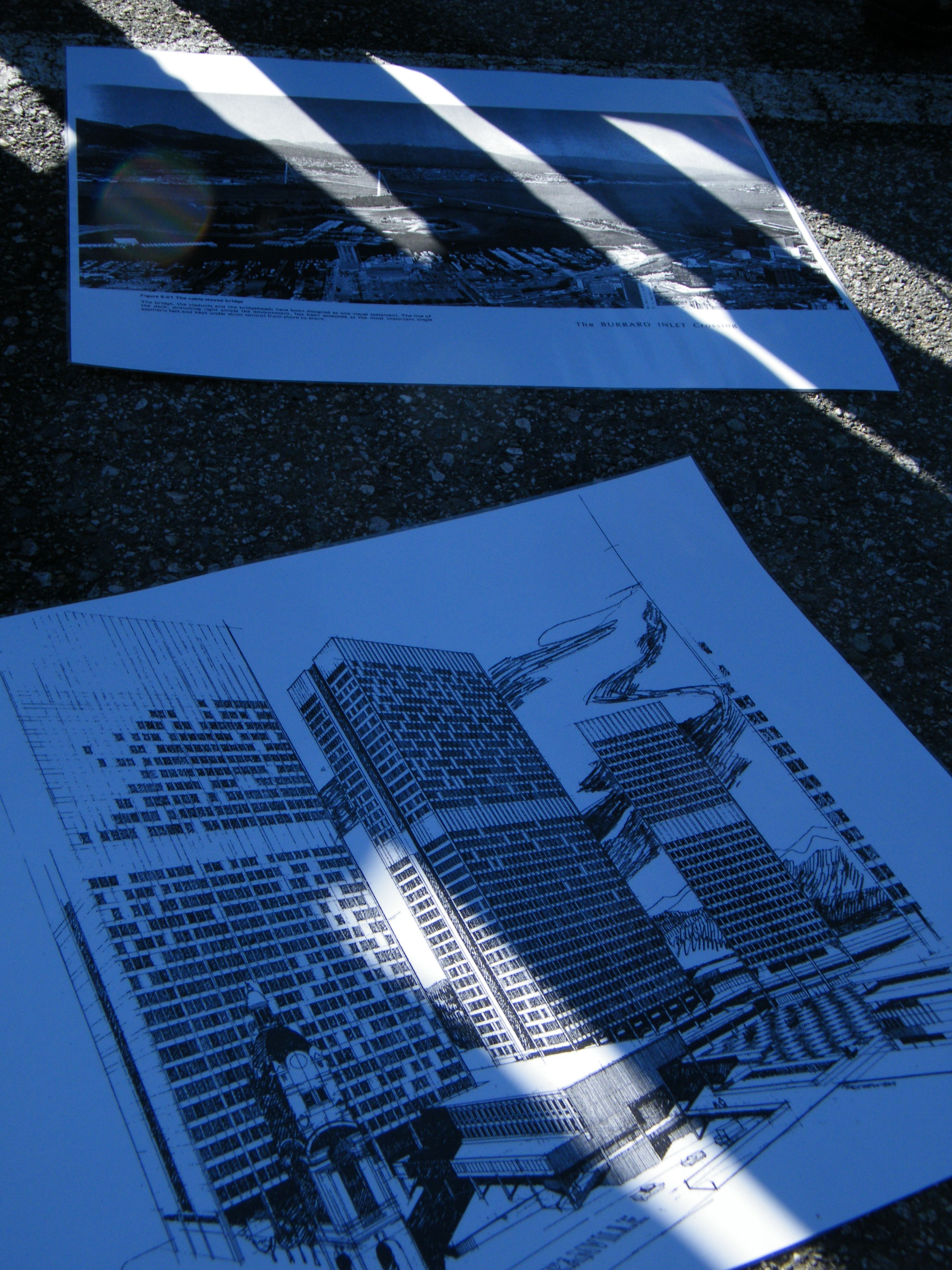
This walk started underneath the viaducts, near the stadiums downtown. The viaducts were built in anticipation of a larger freeway network that was planned in the 1950s and 1960s. A thriving black community, Hogan’s Alley, was destroyed to make way for the viaducts. Project 200 would have also razed Chinatown and Gastown and replaced them with (mainly) office towers. Brandon and Demian of VPSN showed us artists’ renderings of what might have existed if the plans had gone through, then as we toured the neighbourhood, our hosts led a discussion on how Vancouver has developed, what might have been and the changes that are on the horizon. We were supposed to move through Chinatown, the Downtown Eastside and Gastown, ending at Granville Square (the only Project 200 building that was actually erected). The discussions were too interesting, so we only got as far as Gastown.

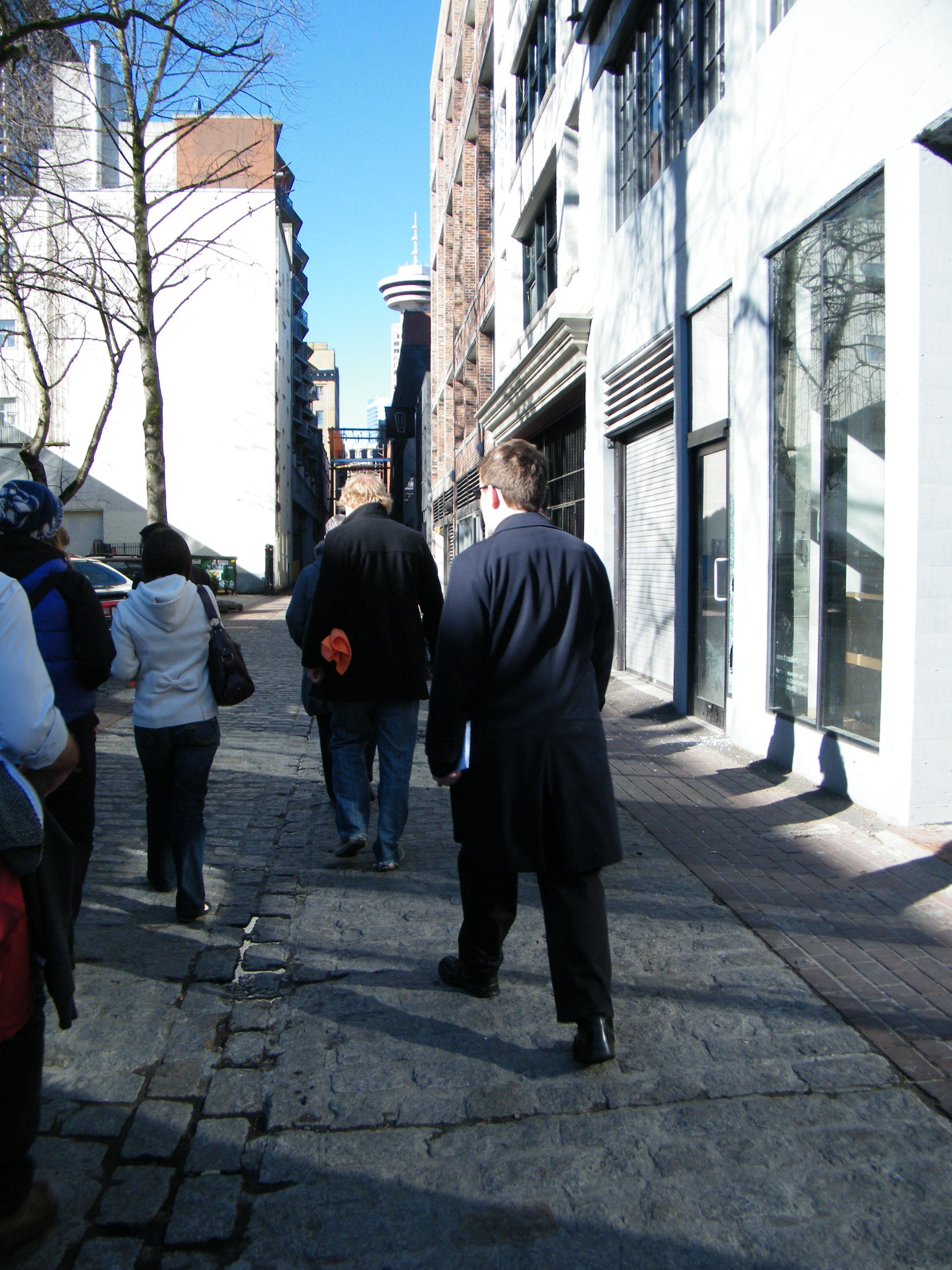
As we walked through Chinatown, Michael Green discussed the ways in which the heritage low-rise buildings interact with the street, which many newer buildings don’t successfully achieve. He spoke about the architectural challenge of making the street usable, active space, rather than being solely concerned with what happens inside buildings.

Green also pointed out that the stadiums and viaducts have acted as a physical barrier to density moving east. There is talk of removing one or both viaducts, which will open up space for more development and erase any clear density boundary between downtown and the eastern neighbourhoods. Near the end of our walk, in Gastown, Green discussed the neighbourhood’s mix of social housing and social services co-existing with market housing and mid to upscale business.

This walk illustrated the tensions between planning departments, developers and existing neighbourhoods. It also brought up a number of questions:

What makes a successful neighbourhood?

What role should citizens have in neighbourhood development and preservation?

What are the criteria local governments should follow when redeveloping existing neighbourhoods?

I have one more post for you on this subject. I’ll be posting a short piece about the wrap up discussion after the walks.

Transition City, Part I

A couple of weekends ago, I took part in one of the Museum of Vancouver’s Moving Through walking tours, part of the Museum’s Not an Architectural Speaker’s Series. The three tours explored aspects of Vancouver’s built environment, topics that are especially fraught now, as the city is in a period of significant transition.

The downtown core of Vancouver has been transformed over the last twenty-five years, particularly in the last decade. What were once business districts, light industrial zones and commercial waterfront properties have become residential towers, retail districts and entertainment zones. The City has embraced the concept of EcoDensity, which is meant to create a walkable live/work cityscape that limits the environmental impact of an increasing population by concentrating utility use and reducing the distances that residents travel for work and shopping. The reality is that more lucrative residential development has eliminated much of the office space downtown and has reversed commuting patterns, as downtown residents travel to and from jobs outside Vancouver proper. This new urban environment has been described as a vertical form of the dormitory suburb.
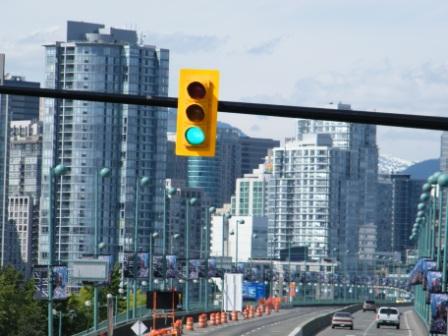
Now that much of the development downtown is complete, the City has begun looking beyond its core. The Cambie corridor, the West End and Vancouver’s eastern neighbourhoods are all areas targeted for increased density. The eastern neighbourhoods are particularly attractive, as they’re directly adjacent to the city’s core. As I’ve described elsewhere, the travel time from downtown to my East Vancouver neighbourhood is about an hour by foot, past the viaducts and through the Downtown Eastside (DTES), Chinatown and Strathcona. Though the distance is relatively short, the character of each neighbourhood is distinct. The DTES and Chinatown, along with Gastown, have some of the oldest buildings in the city. Strathcona has the character of an old-fashioned city suburb, with houses, walk ups and corner stores. Between Strathcona and my Commercial Drive neighbourhood, there’s a light industrial zone, which is also home to the artists’ district that comes alive for the yearly Eastside Culture Crawl. Commercial Drive is like a younger version of Strathcona’s mix, with some mid-rise apartments thrown in, and anchored around one of Vancouver’s major thoroughfares. What you don’t see, with a few very visible exceptions, are high-rises in much of Chinatown or most of Strathcona and Commercial Drive.

All of these neighbourhoods have seen waves of change. The DTES, which has been described as Canada’s poorest postal code, is being transformed into a mix of residential tower development alongside social housing. Gastown was until recently primarily a tourist zone, but is now home to condominiums and upscale dining and shopping. Chinatown is becoming a hotbed for new restaurants and stores, along with controversial plans for condo development. Strathcona is now famous for its renovated houses, many of which carry heritage designations, while Commercial Drive has been transformed from a working-class neighbourhood into a mixed income cultural district. It’s not as if this is the first time that Vancouver’s neighbourhoods have dealt with demographic change. For good or ill, this is part of urban life.

What’s different about this wave of development is that the neighbourhoods targeted are already residential, the pace of change is likely to be much faster and the form of development is much more invasive than in previous shifts. In the DTES, it’s feared that social housing reform is being pushed aside in favour of expensive condominiums. In Chinatown and eastward, the fears are that mixed income housing and affordable retail space are going to be lost, along with the character of each neighbourhood’s built environment.

It’s in the context of these changes and anxieties that the Moving Through walks took place. Next week, I’ll tell you more about the walk I took part in and the discussion that took place afterward.
FFWD – Pancetta Green Beans

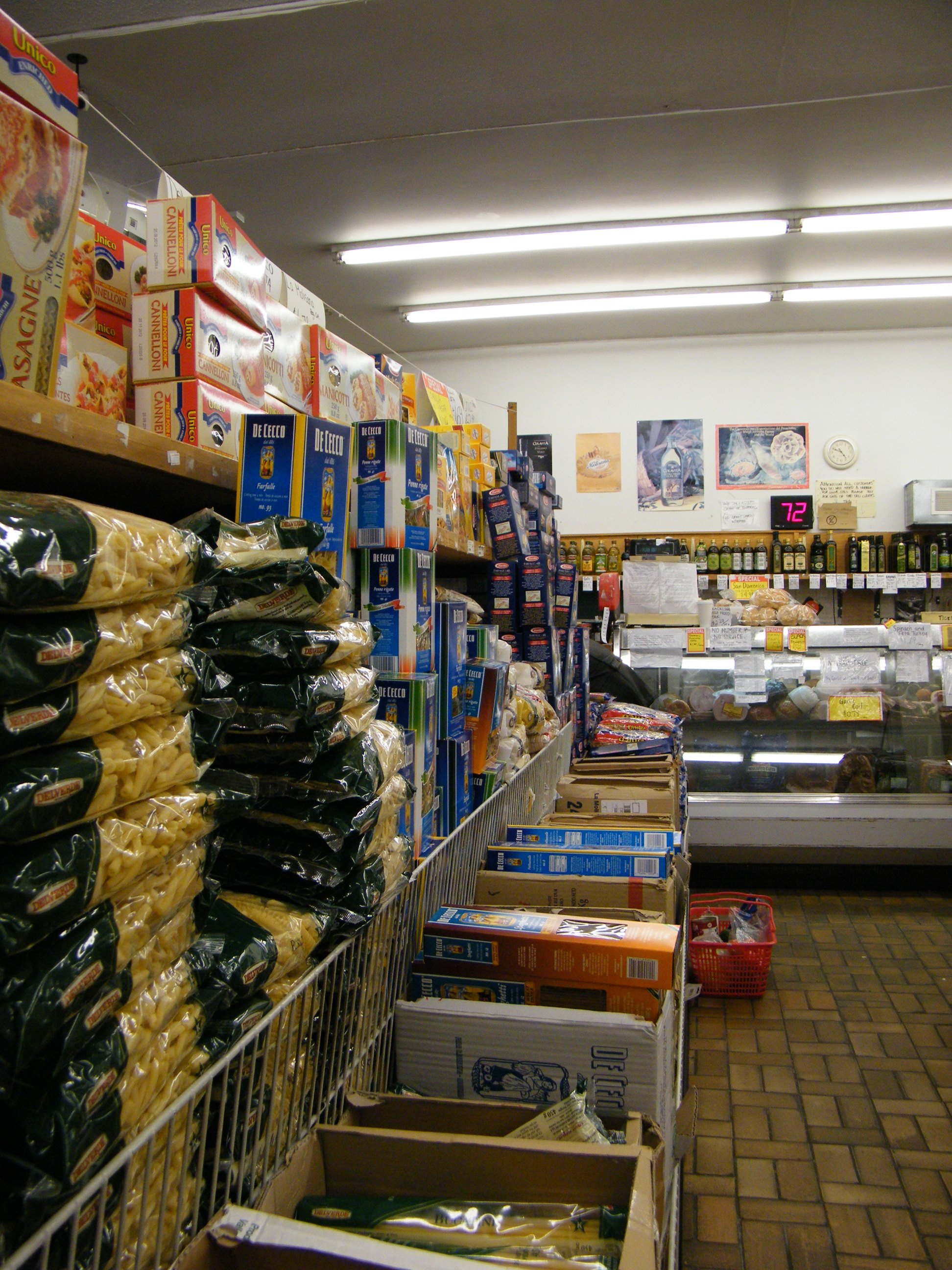
Every neighbourhood has its treasures. After living somewhere for a while, you start to realize that what you thought of as personal discoveries are often really open secrets. My neighbourhood has more than its share. Lombardo’s may be in a mini-mall, but people come from all over for its pizza and pasta. (They also quote Virginia Woolf in the header of their web page, which gives them extra points, I think.) Fratelli’s Saint Honoré is often called the East Van Birthday Cake. And everyone braves the dreaded line up at Santa Barbara Market for deals on cheeses, deli meats and olive oil. Though La Grotta Del Formaggio and Les Amis du Fromage are fancier and have more selection, you can get good quality cheaply at Santa Barbara.

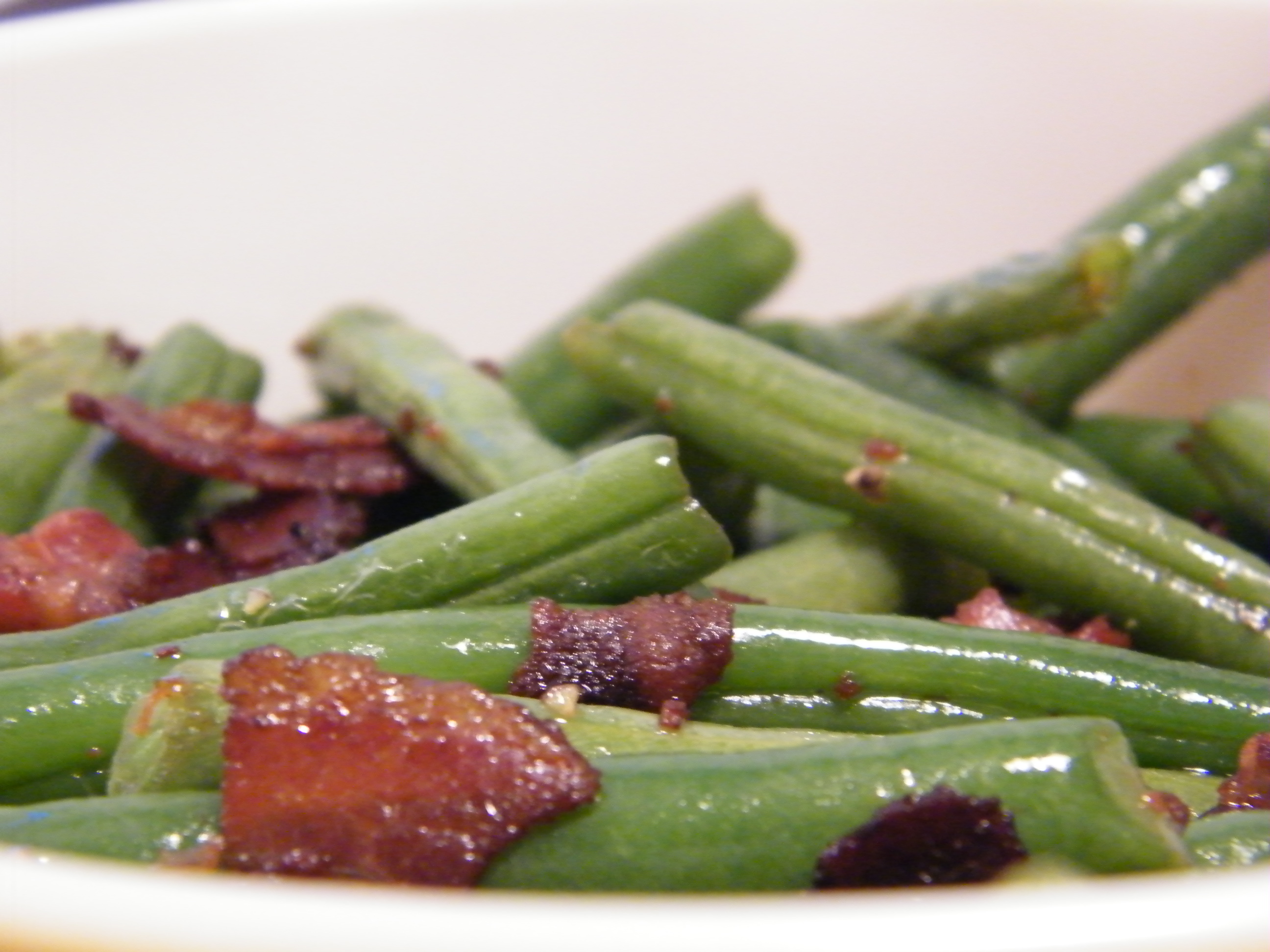
Luckily, there were only four people ahead of me in line when I went there to pick up pancetta for this week’s French Friday recipe. As a bonus, the green beans at Santa Barbara were nice, so I picked those up there, too. Green beans are a staple at our house, but we usually prepare them quite simply – steamed with a squeeze of lemon, or with a dusting of herbs and a little butter. A delicious rut, but a rut nevertheless.

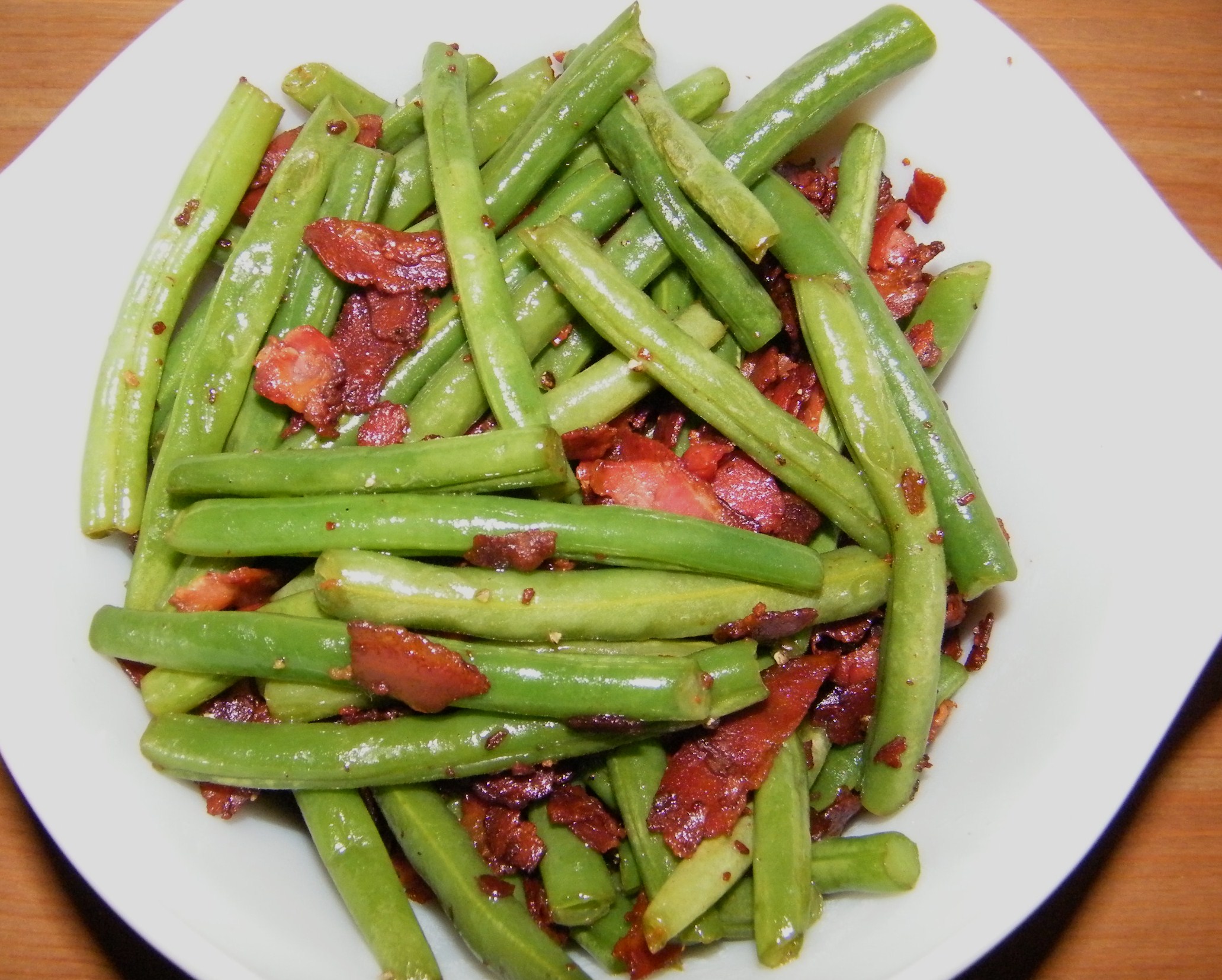
Enter Pancetta Green Beans. It’s a quick side dish – blanched beans are added to well-cooked chopped pancetta and finished with a drizzle of walnut oil. We had it with baked sage butter halibut and the two dishes contrasted nicely. When I finally get a small chest freezer, this would be a great recipe to use up all those green beans I’m going to blanch and freeze when they’re in season.

I have to admit, though, that I’m not a huge fan of pancetta. I agree that a sliver or two can add some punch to a meal, but any more than that is far too salty for me. Perhaps if I’d made my own, like these folks, I’d feel differently. As it is, I think next time I make this dish, I’ll use a quarter of the amount of pancetta called for in the recipe.

I am inspired to experiment a little more with green beans. One cannot live by steamed beans alone. I think I’ll start with this.

You can find many other blogged descriptions of this week’s FFWD recipe here: Pancetta Green Beans

Labyrinth of Light

A labyrinth is not a maze. While a maze is devised to confound you, a labyrinth leads you into its heart and out again.

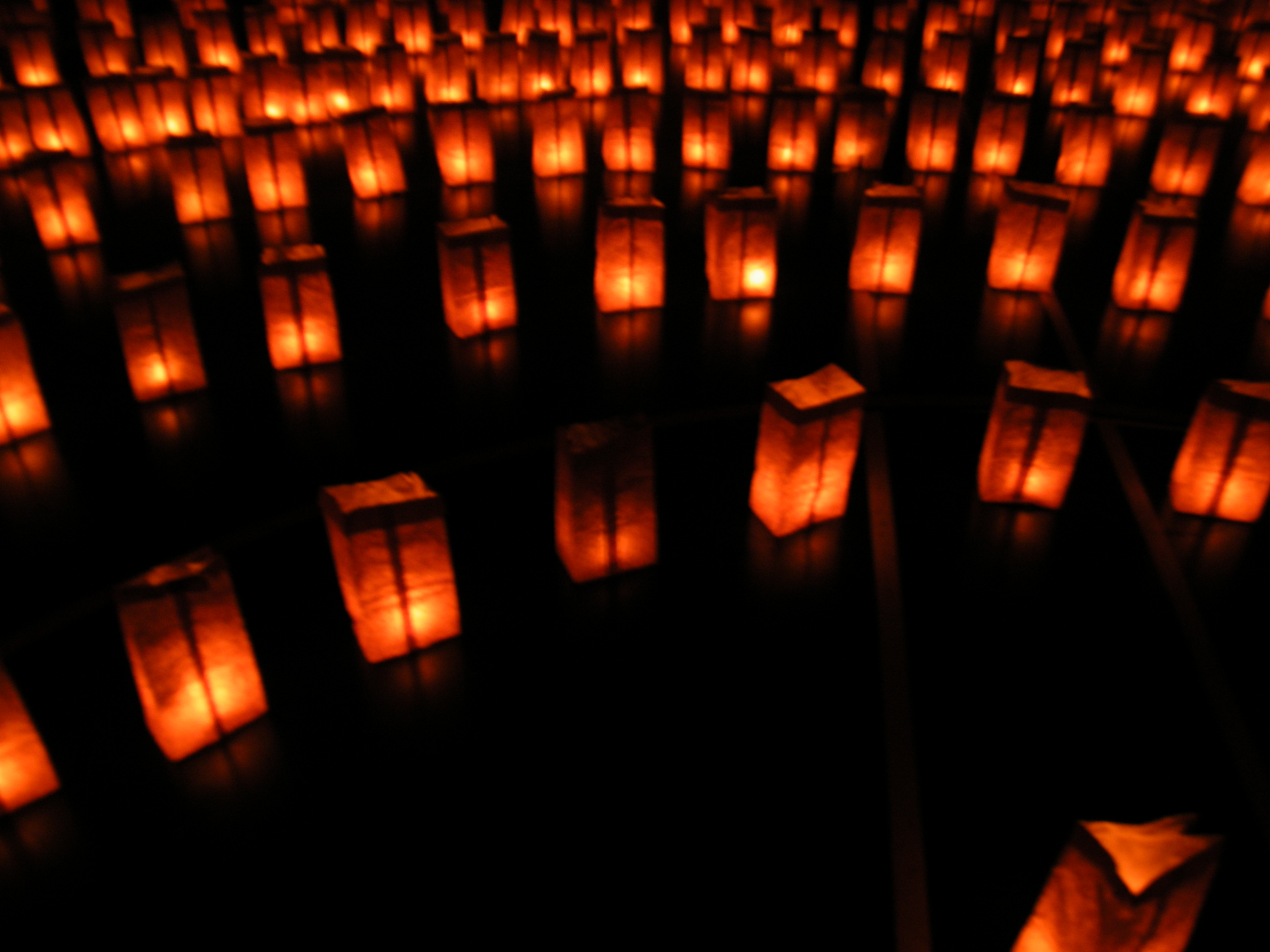
For seventeen years now, The Secret Lantern Society has marked the longest night of the year with its Winter Solstice Lantern Festival. This year, the festival included processions, dances, drumming circles and more across five Vancouver neighbourhoods. At Britannia Community Centre and The Roundhouse, the Society also hosted Labyrinths of Light, for walking meditation and contemplation.

According to the website:

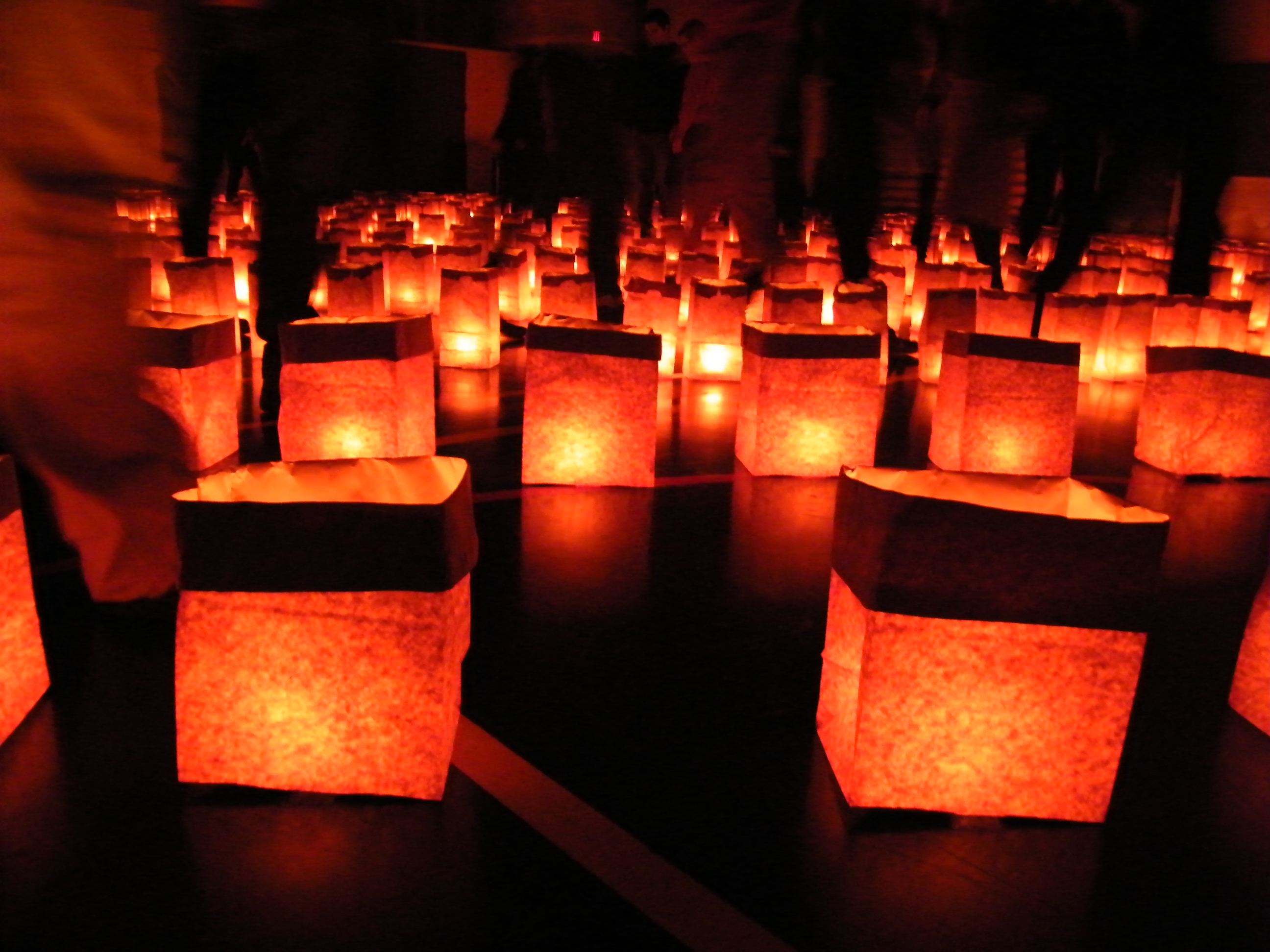
“The labyrinth has long been used for meditation, prayer and sites of ritual in various cultures around the world. Created with over 700 pure beeswax candles, the winter solstice labyrinth invites you to warm yourself in a self-guided ceremony intended to help release old attachments and envision new possibilities as the darkest night of the year births a new season.”

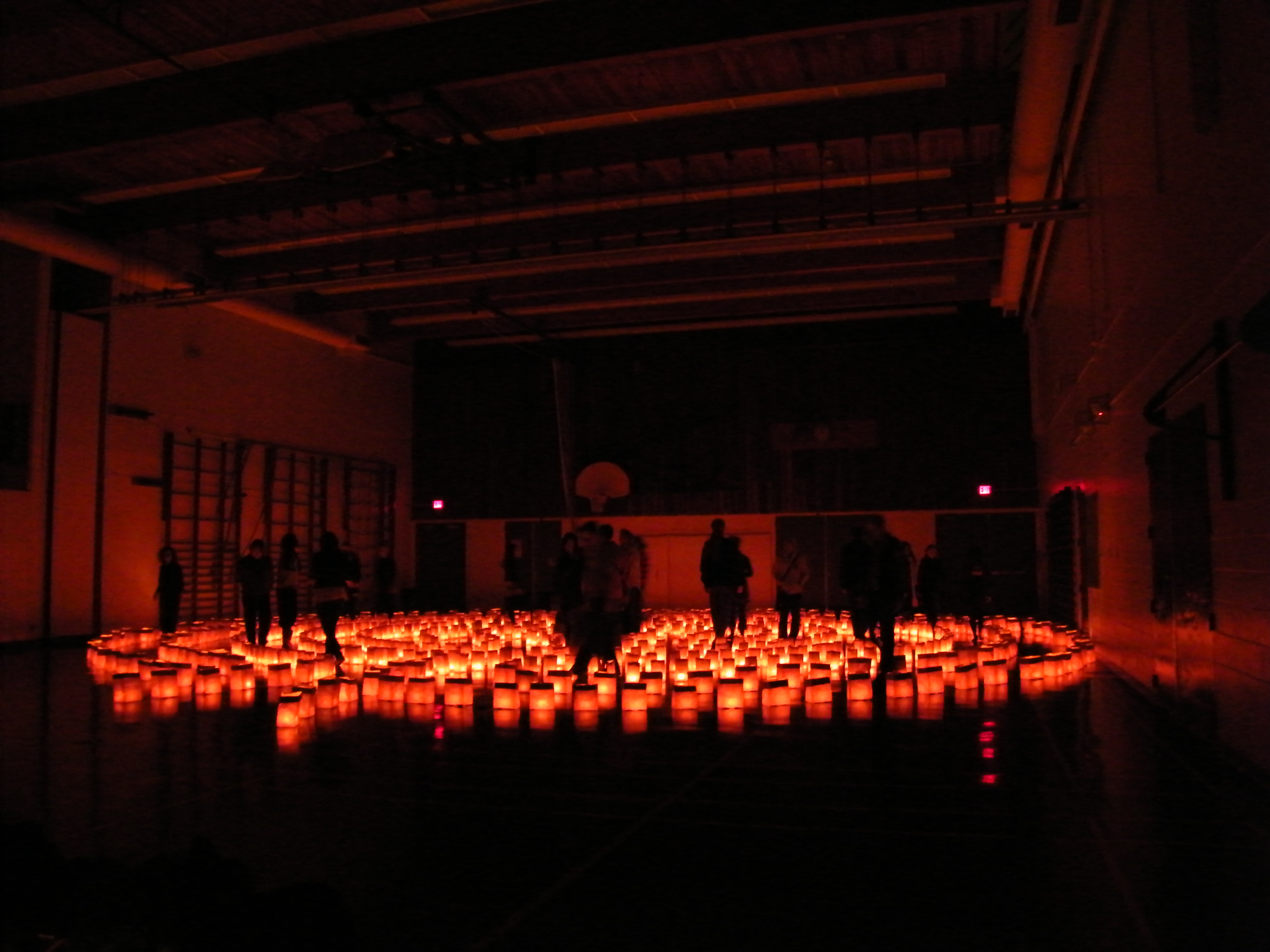
The labyrinth at Britannia was held in a darkened gymnasium. On one side of the room, a stereo played sacred music, including plainsong and Buddhist chants. On the other, didgeridoos sounded quietly. Low benches were set up a short distance from the labyrinth for contemplation.

Walking the labyrinth meant negotiating the narrow spaces defined by the paper sacks which held the candles providing most of the room’s light. The way into a labyrinth is also the way out, so polite shuffling became a part of the experience. The design led you far inside and then back to the outer edges of the labyrinth again and again before you truly reached the centre. Then, after some contemplation, it was time to wind slowly out again. The heat from the candles, the music and the darkness helped to create a solemn atmosphere, but many people moved through the labyrinth with joy and one young woman danced back and forth through its passages.

It is a beautiful way to honour the year’s end, acknowledging grief and joy while opening oneself to the new year’s offerings.

If you’d like to experience labyrinth walking meditation, the World-Wide Labyrinth Locator can help you find one near you.

Holidaying on Main Street

After Saturday’s Baking Swap, I took my haul (including some beautiful squash and beets I’d picked up) and headed down Main Street. The stretch of Main between about 8th and 30th is full of eclectic stores, good coffee shops and excellent restaurants. There were holiday craft fairs at Little Mountain Studios and Heritage Hall and the shops along Main were full of present-worthy goods. I had something else in mind, though.

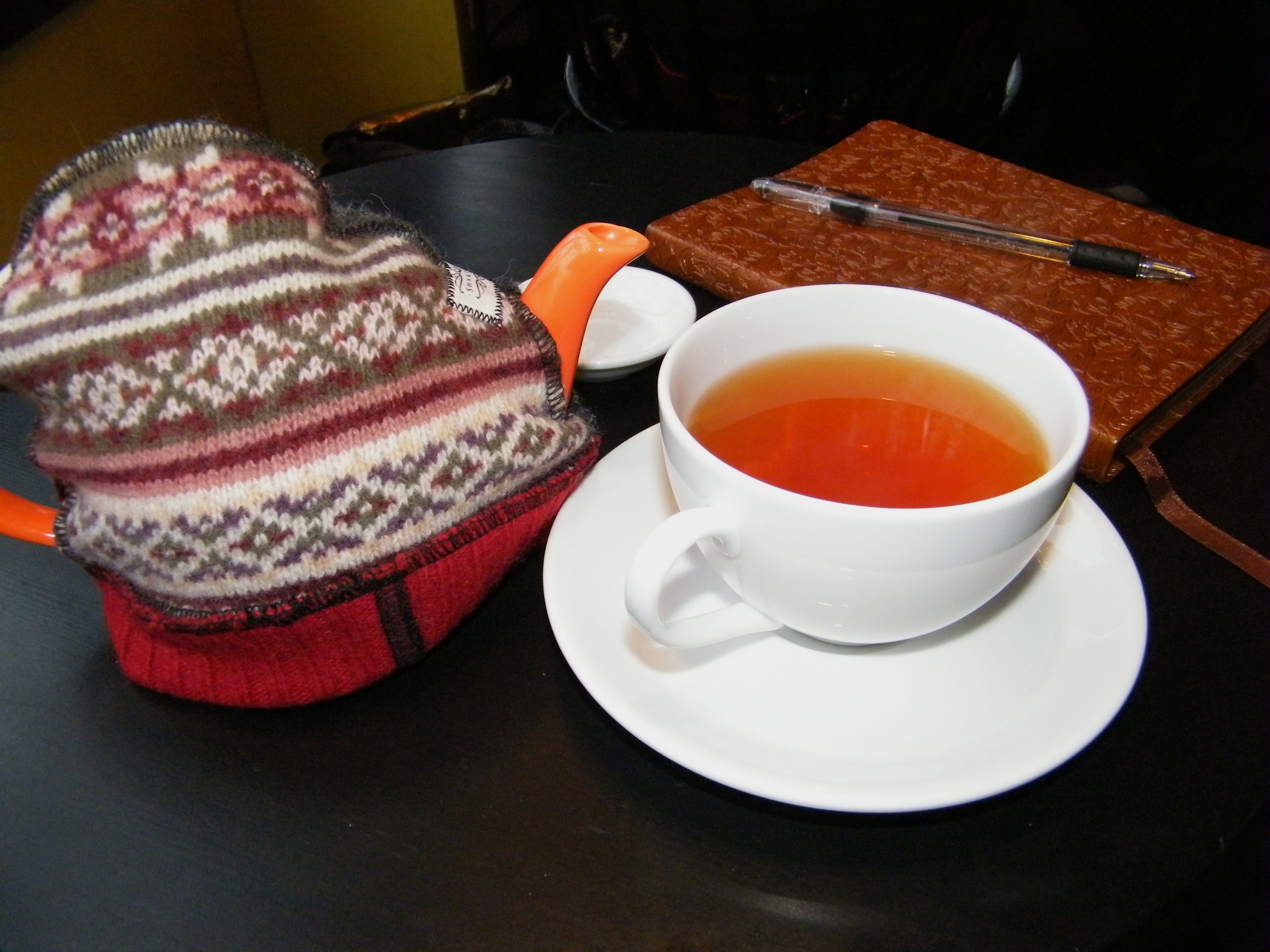
There’s a wonderful tearoom called Shaktea at 21st and Main and the chilly, damp day was making me crave a good cup of tea. (Those who know me will know that there is very little that doesn’t make me crave a good cup of tea, but it would not be kind of them to mention that.) I decided that I would indulge myself there for a break from shopping. I ordered a cup of their holiday tea, a black tea with winter spices, citrus and rose petals. Many winter or holiday spiced teas can be a little overpowering. This tea, though, was flavourful and fragrant, with just the right balance between the spices and the tea itself.

There were two harpists playing while I was there and I got to hear Greensleeves, one of my favourite traditional tunes. The tea, the music and the cosily appointed room all worked to make me feel relaxed and invigorated at the same time. If I hadn’t had to go meet my partner, I’d have had difficulty leaving. I consoled myself by buying a bag of holiday tea to take home and went on my way.

After some record shopping at Red Cat and more craft fair browsing, it was finally time for a meal. My partner and I chose Burgoo, a restaurant specializing in comfort food and a perfect choice for an increasingly cold and rainy day. Burgoo’s interior reminds me of a quaint English pub. Some of its menu would fit into that category, too. The rest is a selection of comfort food from around the world. My partner chose butter chicken, which he said was a healthier version of the traditional dish. The chicken was tender and the sauce was tasty and light, lacking the rich creaminess he’s come to expect elsewhere. I had the split pea soup with the ham and brie sandwich. The soup was fantastic, tasting of thyme and ham and with a chunkier texture than many versions I’ve tried. The sandwich was good, but I wish the brie had been warm and melty, rather than cold. It would have been perfect, then.

I have to admit that we went home that day without finishing our Christmas shopping, but I’ll be back on Main again this week, with a little more focus and a little less indulgence.

In the meantime, here’s a short round up of a few of the places you ought to get to know, if you’ve still got some names left on your list:

The Regional Assembly of Text
Urban Source
Front
Lucky’s Comics
Pulp Fiction
Three Bags Full
Bodacious

Shaktea on Urbanspoon

Burgoo (Main Street) on Urbanspoon

FFWD – Speculoos

At Christmas time, I invariably end up on Main Street. It’s my favourite street for gift-shopping. If truth be told, it’s also my favourite street for breaks and meals pre, mid and post gift-shopping. On Saturday, I had an extra incentive for heading out that way. The Winter Farmers’ Market had their first-ever baking exchange and I had the perfect recipe: Dorie Greenspan’s Speculoos.

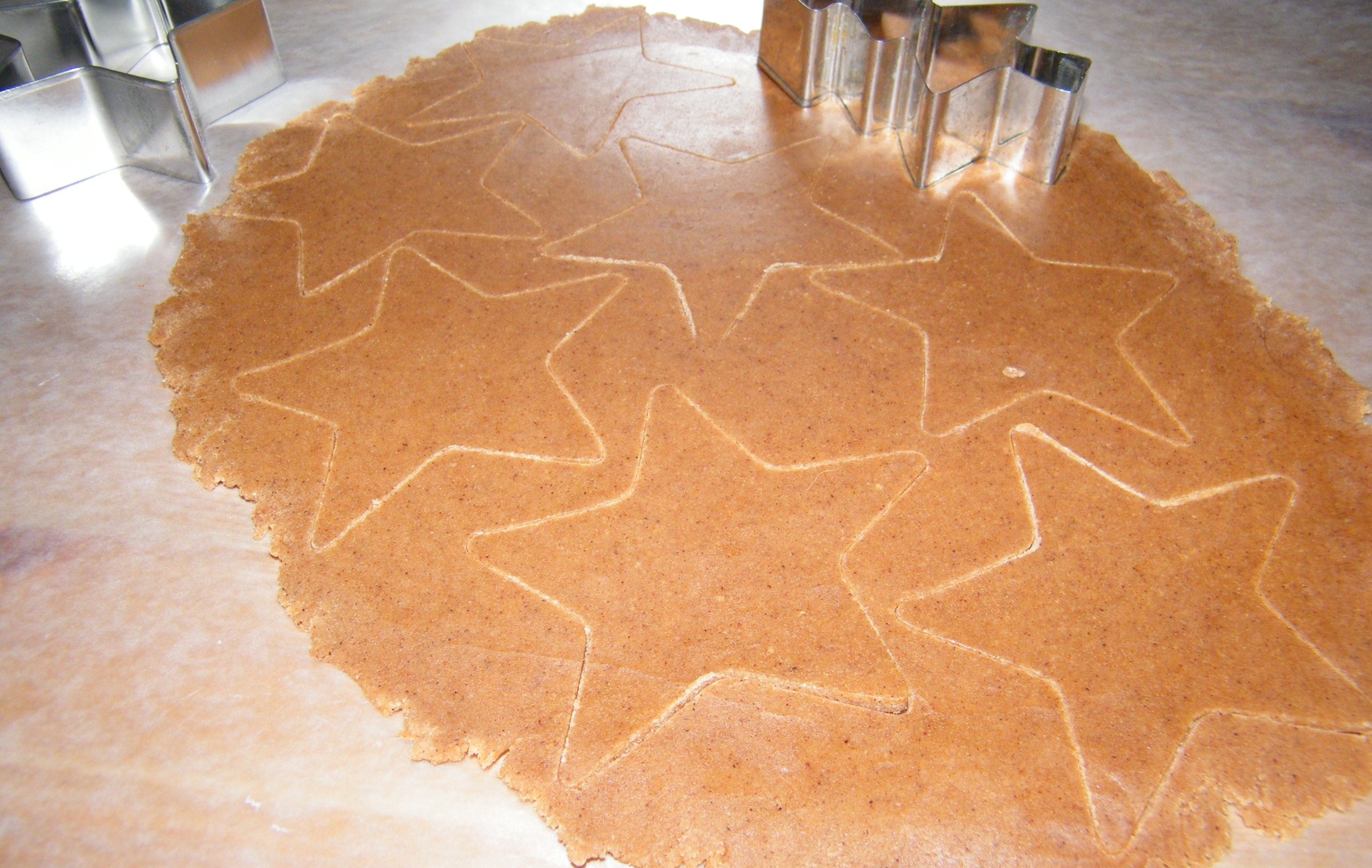
I started the recipe Friday night, making the dough and chilling it overnight. The dough was a little crumbly when I was rolling it out, but by morning it was easy to handle. I worked quickly to cut out shapes and get them onto the pan, before the dough softened too much. When the cookies came out of the oven, I sprinkled them with sanding sugar. The best part, though, was testing one. I was so surprised at the crispness of the cookie. I never really expected it to measure up to the crunch of its commercial cousins. Other recipes I’ve tried were never more than crisp-ish. These would be perfect with coffee, especially if you indulged in a little dipping. I can also see the appeal of turning them into sandwich cookies with nutella or dulce de leche filling.

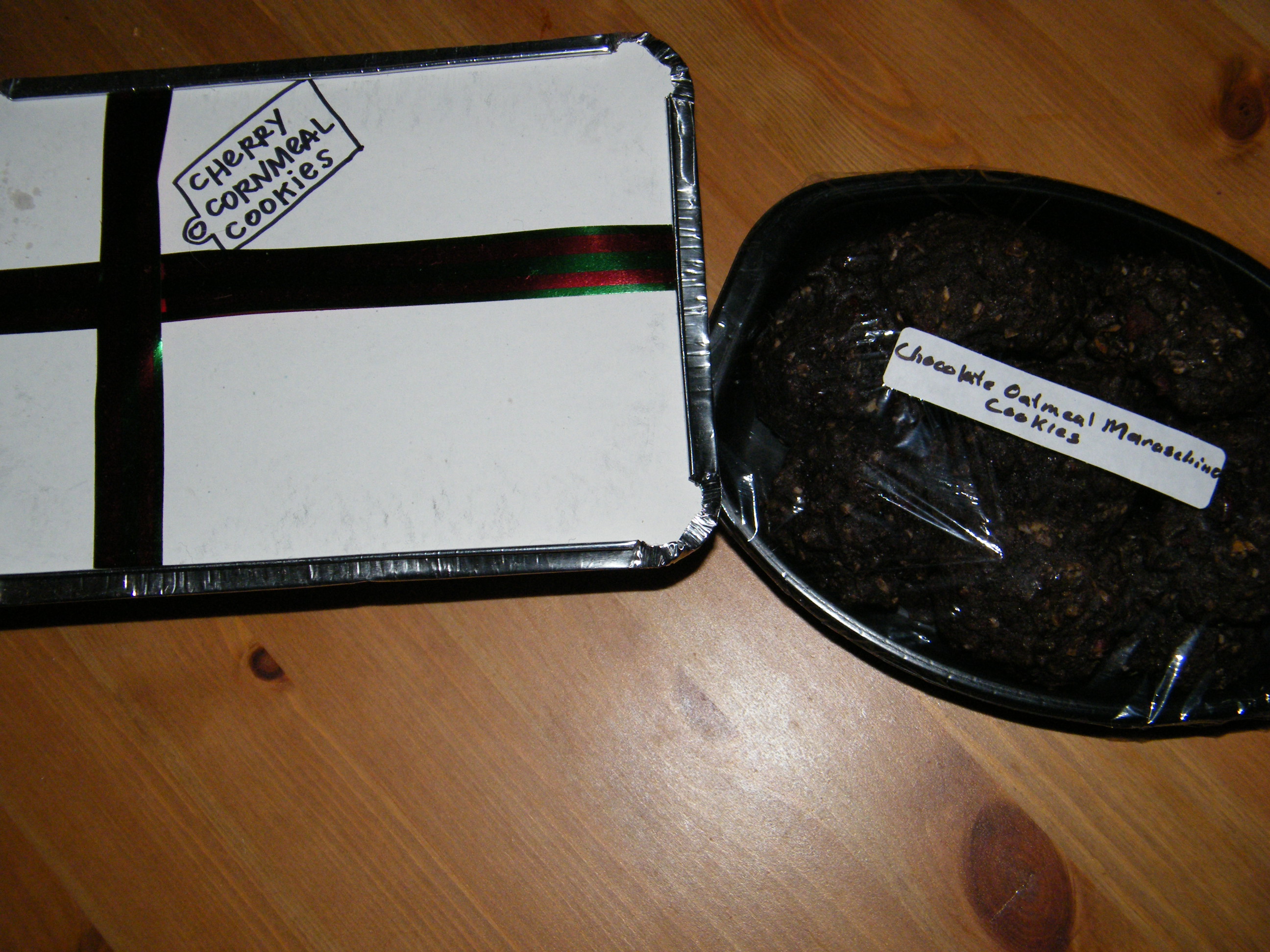
I only needed two dozen cookies for the swap, so I packaged them quickly (using an image I’d found online for the tags) and headed for the Market. I dropped off my cookies and did some shopping while I waited for the swap to begin. Cleverly, the organizer had set up paper bags with participants’ names on them and put our cookies inside. Since we’d all brought two packages of a dozen cookies, we couldn’t have a sample of each kind. Instead, we were invited to pick two bags, making sure they didn’t have our own names on them. I love the grab bag concept. I was pleased to find myself in possession of Roberta LaQuaglia’s Cherry Cornmeal Cookies and Jennifer Zuk’s Chocolate Oatmeal Maraschino Cookies. I’ve tasted them both and can attest that they are delicious. The rest are earmarked for holiday celebrations. Thanks to Robyn Carlson of the Market for organizing the swap – I’m already looking forward to next year’s!

On Tuesday, I’ll let you know what I got up to after the swap as I headed down Main Street.

We’re doing things a little differently again for the month of December. We’re still posting weekly, but people are free to post this month’s recipes in any order. You can find many other blogged descriptions of this month’s FFWD recipes here: LYL: December 17