Cook the Book Fridays – Artichoke Tapenade with Rosemary Oil

img_6697

There’s a wonderful Lebanese restaurant called Jamjar on the other side of our neighbourhood. We joke that it’s a good thing it’s far enough away that we can’t run down there on the spur of the moment. If it were closer, we’d eat at home less often than is good for us.

My last meal there wasn’t in the restaurant at all, but at a working meeting. The chairperson picked up an array of their dips, salads, small plates, and sauces for us to munch on as we sifted through our list of tasks. There’s nothing bland about any of their food – there’s almost a cacophony of flavours, which manage to complement rather than compete. Eating through a spread of their dishes excites the palate with each bite. It certainly kept us all lively and cheerful through what could have been a tedious evening.

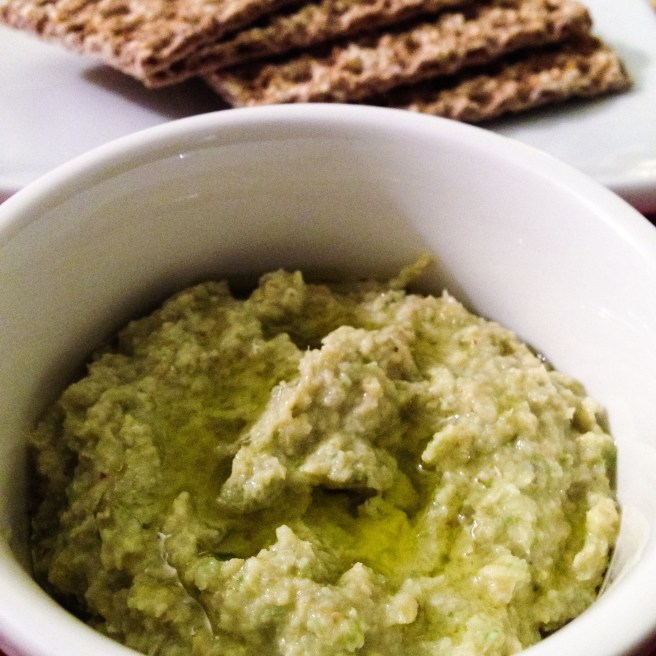
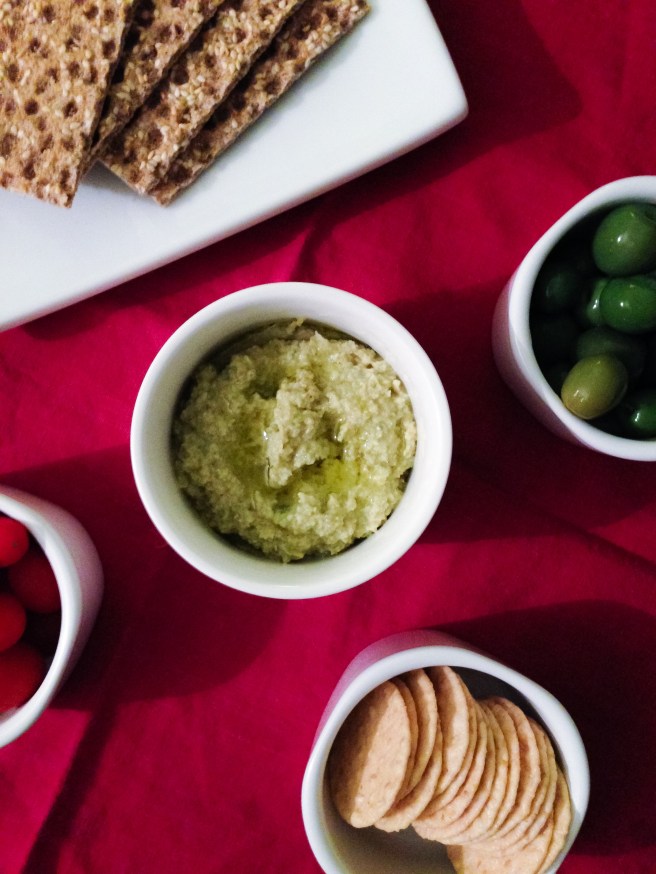
The artichoke tapenade I enjoyed this evening wouldn’t have been out of place on that table. It’s French, rather than Lebanese, but its flavours have a Mediterranean bent. Artichokes, olives, and capers provide earthy notes, lemon and cayenne brighter ones, while homemade rosemary oil finishes the dip.

img_6698

Now that the weather is getting warmer, dips like this one are perfect for my favourite way to eat through the summer – from a table full of small bowls and plates filled with different textures and flavours, all working together to create a satisfying and harmonious meal.

You can read through everyone’s posts here. And consider joining this community of wonderful cooks and lovely people, as we work our way through David LebovitzMy Paris Kitchen.

Hot Chocolate & Tangerines – A Baking Chez Moi Catch Up

img_6662

We haven’t been enjoying sweet treats nearly enough around here, but I did manage to catch up on two of the selections from Baking Chez Moi over the past few months.

Hot Chocolate Panna Cotta

img_6414

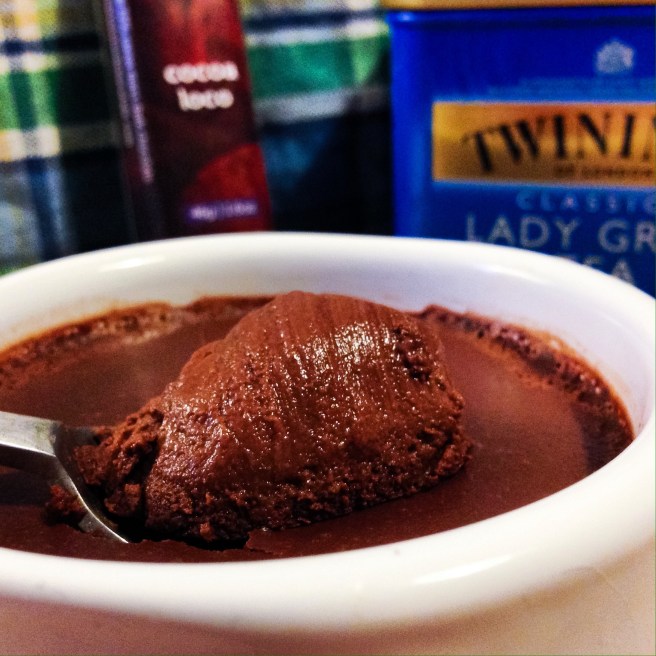
I drink a cup of hot chocolate or two each winter, especially when it’s time for Vancouver’s Hot Chocolate Festival, but I think I like this method of enjoying it even better than the traditional one. All the flavour of hot chocolate in a creamy dessert and none of the dilemma involved in choosing between it and a cup of tea.

I used an extra-dark chocolate that I like, Denman Island Chocolate‘s Cocoa Loco, and infused the cream with Lady Grey tea. The tea’s clear citrus notes played well against the flavour of the chocolate. The chocolate’s flavour is bolstered by cocoa powder in this panna cotta and I think it’s this addition that makes the flavour so reminiscent of hot chocolate.

This is one I’ll be having again, especially now that I’ve found a nearby source for granulated gelatin and can avoid the awkward conversions involved in using leaf gelatin.

Fluted Carrot-Tangerine Cake

img_6425

My fluted quiche pan was otherwise occupied, so this cake had to be content with a plain edge. I still think it’s very pretty.

I love my mother’s version of carrot cake, a classic rich rectangle liberally slathered in cream cheese icing, but this cake is one that I can see myself making more often. It’s a much lighter cake, full of ginger and tangerine with an undertone of carrot’s sweetness. I added a tangerine glaze, which made it look festive and boosted the citrus flavour even more. This cake will get you through the worst part of winter, whether you glaze it or not.

I’ll be joining in with the rest of Tuesdays with Dorie’s bloggers at least once in April, so dessert is on the horizon. That’s always a cheering prospect.

Find out what the rest of the Tuesdays with Dorie crew caught up on here: Rewind.

Cook the Book Fridays – Dukkah-Roasted Cauliflower

img_6523

I love my stand mixer and my food processor, my slow cooker and my blender, but sometimes I think I get the most satisfaction from the little Braun coffee grinder I picked up at a garage sale back in my university days. Now, it’s only occasionally used to grind coffee – who needs coffee at home when you’re living at the corner of java and joe? But it has produced any number of freshly ground spices over the years, along with emergency icing sugar and top ups for scant cups of oat or chickpea flours. I paid almost nothing for it and it’s brought me a wealth of flavour.

It is rather…enthusiastic, though, so I thought I’d use our mini chopper to make the dukkah for this week’s Cook the Book Fridays dish. This spice mix is meant to have a coarse texture and my spice grinder is more of an instant powder maker. In the end, though, the grinder had to come to the rescue, as the peppercorns and coriander managed to elude the mini chopper’s blade completely. I had to dig them out, grind them, and whisk them back in.

That was the only glitch in a simple and delicious recipe. There are many versions of dukkah, but this one is particularly well-balanced. The recipe made much more than I needed for the roasted cauliflower, so I’m looking forward to trying it in dip form, on other sorts of roasted vegetables, or as a crust for tofu.

img_6524

The cauliflower itself couldn’t have been simpler – slices are roasted in olive oil, the dukkah is added, and the cauliflower continues roasting until it’s tender and caramelized. In the headnote to the recipe, David tells us that this dish has been known to elicit exclamations of pleasure and that certainly happened here – the moment I opened the oven to pull it out, just as he’d promised.

That’s the second cauliflower recipe to do so in our house in less than six months. The first was Meera Sodha’s roasted cauliflower. There are other cauliflower dishes I enjoy, but I could be perfectly happy with alternating between these two indefinitely.

img_6522

There’s a version of David Lebovitz’ dukkah on his website.

You can read through everyone’s posts here. And consider joining this community of wonderful cooks and lovely people, as we work our way through David LebovitzMy Paris Kitchen.

Cottage Cooking Club – February 2016

img_6469

What do you turn to when you’re trying to get through the last weeks of winter eating? Before the celebration of rhubarb and asparagus, radishes and new potatoes, how do you make the last of the cold weather staples more interesting?

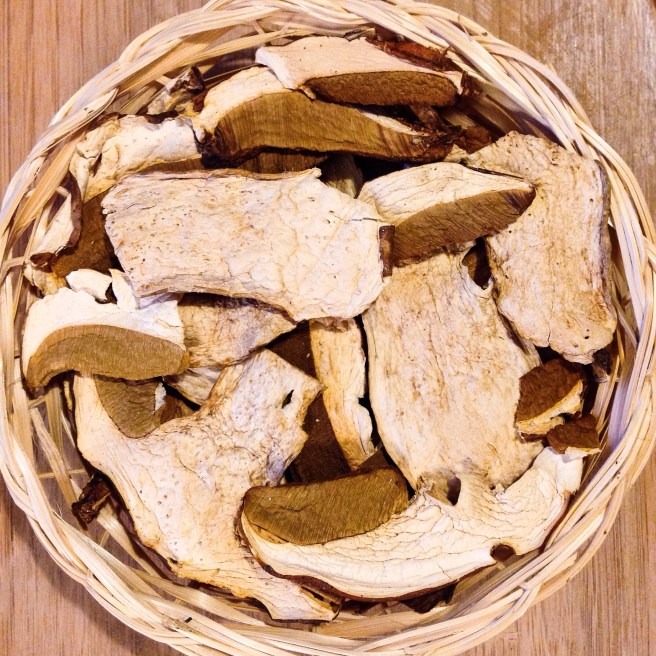
I love dried mushrooms (especially porcini), citrus fruits, and the herbs that grow year-round in my garden. Along with pulses, winter greens, and high quality canned or frozen goods, they make these weeks of waiting for new growth bearable. Actually, with a little attention to detail, our meals are rich and delicious.

Potatoes and “Deconstructed Pesto”

img_6391

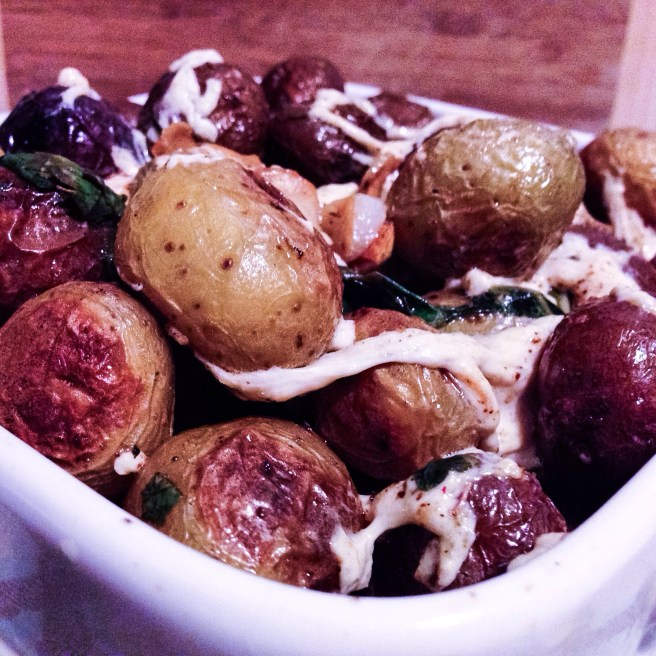
This potato dish is a good example. The basil and lemon were imported, but everything else was local. We roast vegetables often, usually with rosemary and thyme from the back yard. This variation was a treat, especially with shredded Daiya vegan mozzarella. It would have been equally good with a vegan Parmesan (DIY Vegan‘s Garlic Parmesan Shaker is a good place to start, if you’re interested). It’s nice to know that we can have cheesy goodness that satisfies both the vegan and non-vegan members of our household.

White Bean Salad with Tomatoes and Red Onions

img_6497

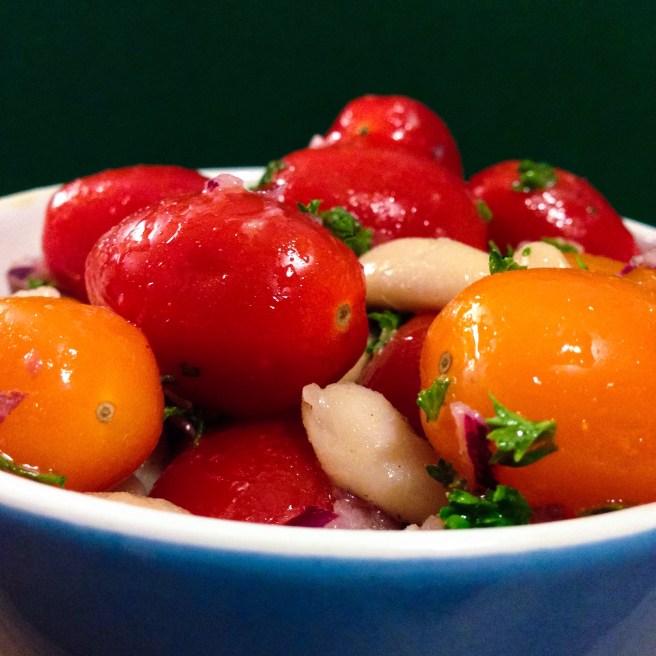
Though tomatoes are best in the summertime, I don’t always say no to the hothouse cherry and grape tomatoes that can be found alongside greenhouse-grown peppers at the fresh markets. It’s hard to turn down jewel-toned vegetables consistently in the name of seasonal eating, isn’t it? Especially when they’re a component of a treat like this. Creamy cannellini beans, tomatoes, and parsley in a lemony mustard dressing. A simple side or healthy winter lunch that’s bright on the tongue and cheerful on the plate.

Chickpea, Chard, and Porcini Soup

img_6480

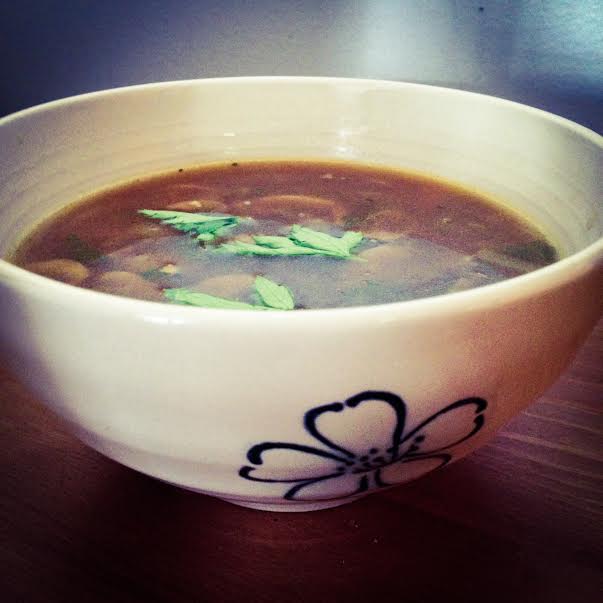
This wasn’t a pick for this month, but one I missed when it came up in the rotation for August, 2015. I couldn’t resist catching up on it this month. As I said at the beginning of the post, I love using dried porcini mushrooms throughout the winter. They make their own stock when you rehydrate them and they lend a rich, meaty undertone to soups and stews. I also keep organic frozen spinach on hand, so when the greens at the market were underwhelming, I pulled some out for this soup. With extra chickpeas and plum tomatoes, it was a truly hearty soup. Next time, I’ll add some sautéed fresh mushrooms, too. Rainy February days call for stick-to-your-ribs fare, don’t you think? This one didn’t need any cheese, vegan or otherwise – it was perfect on its own. It’s also one that can be varied throughout all the seasons, which we’ll certainly be doing.

img_6464

The weather’s warming up here, though there’s still lots of rain. I can’t believe we’ve only got two more months’ worth of recipes before The Cottage Cooking Club moves on to two more River Cottage cookbooks!

At the end of the month, you’ll be able to find the rest of the group’s posts, here. I encourage you to check them out – you’ll meet some wonderful bloggers and get some great inspiration for vegetarian eating.

Cook the Book Fridays – Steak with Mustard Butter and French Fries

img_6474

Is anyone else excited to check out Michael Pollan’s new Netflix series, Cooked? I’m looking forward to it.

I think a lot of us follow Pollan’s advice, “Eat food, not too much, mostly plants.” Certainly, in our home that’s true. Even when I indulge in my love for things like steak, I try to limit the portion – the truth is, humans don’t need that much protein in a single meal. Mostly, I don’t regret that. Tonight was one of those occasions when I absolutely did.

I used a very small steak for my meal tonight, reasoning that it was more than enough. Really, though, I should have been following someone else’s advice. “Everything in moderation, including moderation,” said Oscar Wilde, and right now, I’m inclined to agree.

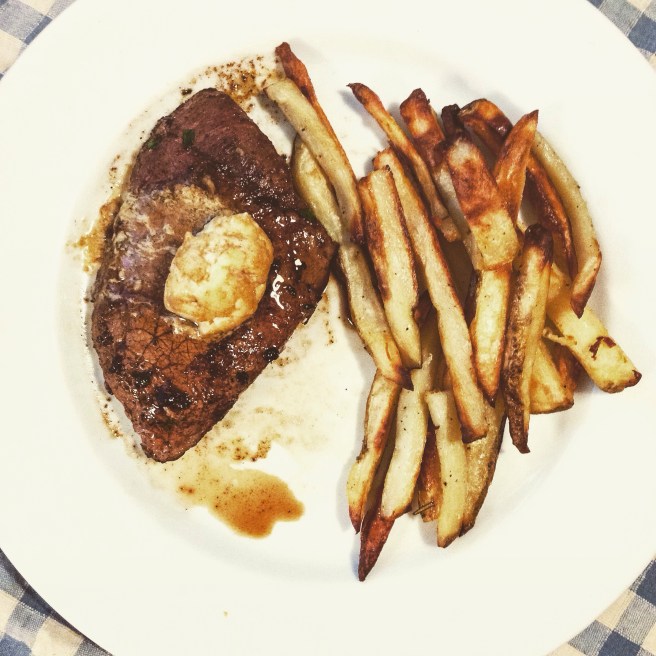
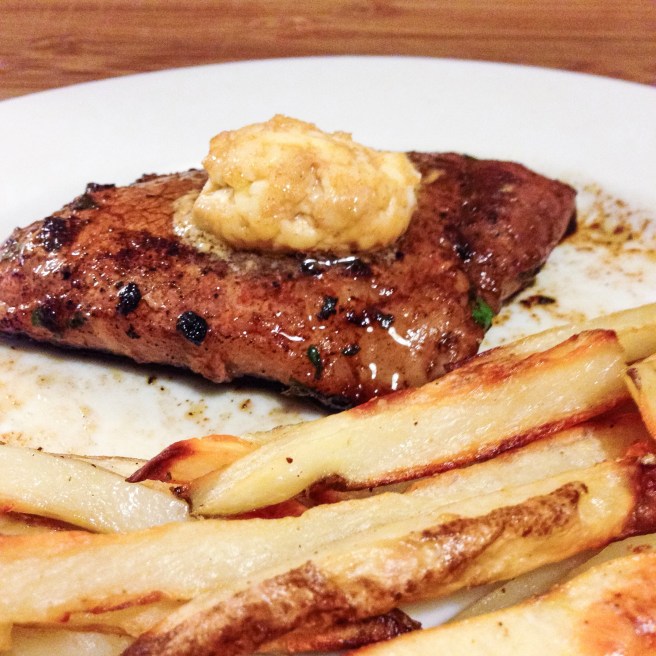
This week’s recipe from My Paris Kitchen had us slather a chipotle and smoked salt rub on our steaks, prepare compound butter pats with two forms of mustard, and oven bake hand-cut French fries tossed with olive oil and herbs. What was I thinking trying to practice moderation with that on the menu?

It may have been small, but the steak was perfectly medium rare. I savoured it as slowly as I could and made sure I swept up all the juices and mustard butter with the French fries. Next time, I won’t be skimping on portions.

img_6475

You can read through everyone’s posts here. And consider joining this community of wonderful cooks and lovely people, as we work our way through David LebovitzMy Paris Kitchen.

The Perfect Pickle

img_6388-1

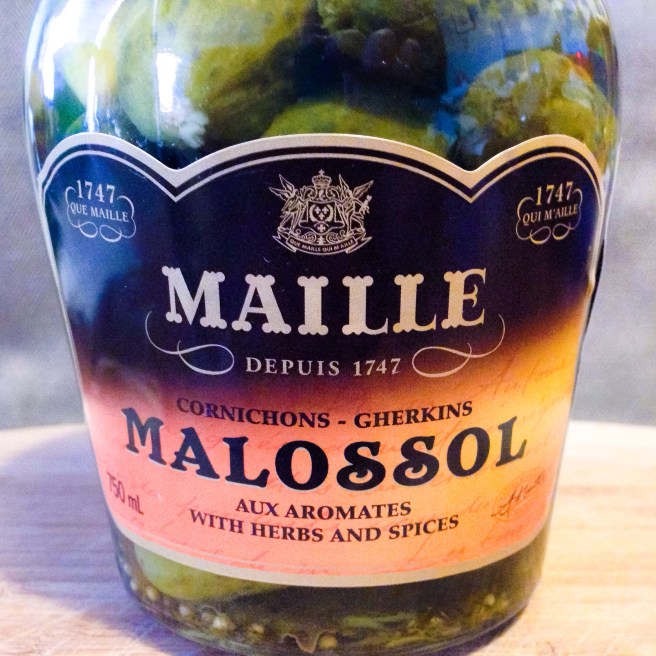
I received a jar of Malassol cornichons from Maille Canada, but received no other consideration. All opinions are my own.

A few weeks ago, I told you about the balsamic and honey mustard that Maille Canada was kind enough to send me. Well, I received another package from them, this one to replace the jar of Malassol cornichons that had opened in transit. I wasn’t expecting it, but I’m so glad they did.

I’ve always been fussy about pickles. Growing up, I wouldn’t touch dill pickles or gherkins, but I couldn’t get enough of my mother’s pickled beets, beans, or well, anything but pickled cucumbers. As an adult, I’ve softened my position, but I’d never fight anyone for one. Until now.

Maille’s Malassol cornichons are worth fighting for. Most pickles in North America are dill-heavy, with an eye-scrunching acidity. These cornichons (or gherkins) are well-balanced. There is dill in the mix, but not enough that you can’t taste the other flavours in the brine, including tarragon-infused mustard seed. There’s also a pleasing sweetness mixed in with the sourness you expect from pickles.

img_6410

Maille suggests serving them with charcuterie, tartare, or sauce gribiche, but you might find yourself eating them straight from the jar. It’s what happened at my house, so be warned.

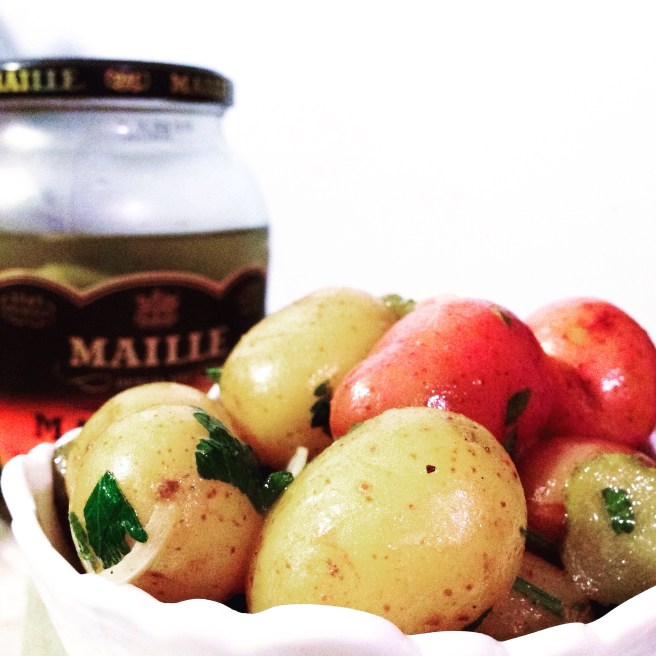
I set aside five, just enough to make a variation on this potato salad. I skipped the capers and used sherry vinegar in place of red wine vinegar, as I wanted a more delicate balance to highlight the cornichons. The dressing and pickles worked beautifully together – a grown up potato salad that happens to be vegan and gluten-free.

Now, I’m left with two problems. The pickles are gone and the jar of less lofty gherkins that replaced them aren’t satisfying my pickle-loving partner the way they used too. Then, there’s the delicious brine that’s left in the jar. I’ve been adding it to dressings and sauces, but a little goes a long way. And I’m not Millennial enough (or at all) to drink it straight up. Any suggestions?

Cook the Book Fridays – Winter Salad

img_6382

It’s been a while now, since French Fridays with Dorie wrapped up. I’ve missed our weekly check ins, but have found myself woefully inept at keeping up with everyone’s blog posts. Some of our group joined the Cottage Cooking Club and others are working through Baking Chez Moi with Tuesdays with Dorie, both of which have provided some prompts to check in.

But, the Cottage Cooking Club meets only once a month and I don’t keep up with Tuesdays with Dorie as often as I’d like, since so many of my family and friends are avoiding sweets. So, I’m happy to say that there is a new way for us all to keep in touch.

Katie, from the Prof Who Cooks, backed up by our fabulous French Fridays admins, Betsy and Mary, has set up a website called Cook the Book Fridays, so that our group of cooking friends can work our way through David LebovitzMy Paris Kitchen together – and who knows, after that? The project is similar to the one that brought us together in the first place, cooking through a Paris-inspired cookbook, full of recipes for every course.

I’m happy that there will be another excuse to visit, virtually, and I’m hoping that these adventures will be shared by cooking friends old and new.

img_6380

Today marks the beginning of the project and we’ve started with a seasonal dish that’s simple to assemble, but full of Parisian panache. This Winter Salad, with its matchsticks of Belgian endive and roquefort and Greek yogurt dressing, is delicious. It’s also a perfect example of how salads can be much more interesting when they’re viewed through the lens of seasonal eating. There’s nothing worse than a salad of limp, out-of-season greens. But, when you realize a salad can be made from whatever looks freshest and interesting at the greenmarket, things start to look up.

My take on this included gorgonzola and red pear, as I didn’t make it to the cheese store in time for roquefort. I ran over to an Italian deli instead, and picked up a mild Canadian gorgonzola. I measured the ingredients in tablespoons, instead of cups, as I was the only one eating this salad tonight. I still ended up with enough dressing to make it again tomorrow. I have a spear of endive and half a pear waiting in the refrigerator. I’m looking forward to a repeat of this dish for lunch.

I think we’ve started off on a promising note. I’ve had the book since it came out, but haven’t cooked out of it nearly as much as I’d have liked. Now, I’ll be working through the whole thing with some of my favourite bloggers.

Join us?

You can read through everyone’s posts here. And consider joining this community of wonderful cooks and lovely people, as we work our way through David Lebovitz’ My Paris Kitchen.

Cottage Cooking Club – January 2016

img_6298

Oh, January, you are the month of good intentions. This post represents one of mine – since I was so tardy posting last month’s CCC entry, I thought I’d post early this time around.

Late winter can start to feel like a march through a string of lacklustre meals until spring’s vegetables rescue us, but meals with warm spices and good quality canned or frozen vegetables can cure that ennui. These meals are certainly perking us up this week.

Curried red lentil soup

Lentil Soup

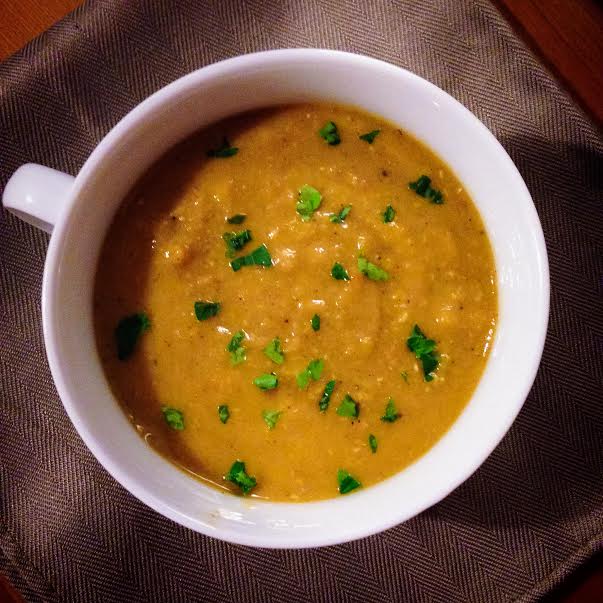
This soup caused a schism in the household. I gave Kevin a taster bowl of the soup when I’d first puréed it. While he ate it in the living room, I decided it needed a bit more liquid and a creamy element. So, I added a can of light coconut milk and re-adjusted the spices. Meanwhile, he thought it was thick, rich and perfect. Oops! I suppose it’s good to know it works both ways.

This soup is a variation on the Curried Sweet Potato Soup the group tackled in December, 2014. It trades out sweet potatoes for lentils and limes for lemons, while adding some carrot and celery for a little more veggie fortification. Kevin isn’t a sweet potato or yam fan, so this version was a much bigger hit for him than the original.

I was out of garam masala, so I ground another batch. There’s nothing better than cooking with freshly ground spices, is there?

This soup will last us through the week’s lunches and the flavours are so deep, there’s no chance of getting bored. Especially since I’m thinking about baking some biscuits tomorrow, which will be perfect for dipping.

Next time I make this, I’ll leave it thicker, skipping the purée and the coconut milk and serving it over rice. I think that version will mend the rift.

Chickpeas with cumin and spinach

Chickpea Curry

Most of the time, committee meeting nights are for leftovers or meals I’ve cooked and portioned for the freezer. Tonight, though, I was able to put together dinner from scratch in about the same amount of time it would have taken to prepare a pre-cooked meal. Even better, it used staples from my kitchen counter, pantry, and freezer. Paired with some basmati rice, this was practically a fifteen-minute meal. I’m slow though, so it took 20-25 minutes.

Chickpeas and spinach, seasoned with lemon, is the ne plus ultra of quick meals for Kevin, so this dish was right up his alley. Adding tomatoes, cumin, onion, and garlic was like a deluxe upgrade of a simple meal.

I was thrilled to put together a filling and flavourful meal before I had to run out the door. Kevin’s thrilled that there are leftovers for tomorrow. Since I have (yet another) meeting, I’m glad we’re covered.

If I manage to fit in any more of this month’s CCC selections, I’ll post an update. For now, I’m feeling rather happy that I’m writing about food that’s still available to me for meals this week.

At the end of the month, you’ll be able to find the rest of the group’s posts, here. I encourage you to check them out – you’ll meet some wonderful bloggers and get some great inspiration for vegetarian eating.

A Round Up of Recipes for the International Year of Pulses

Pantry

Did you know that the UN has declared 2016 the International Year of Pulses?

What are pulses? If you’re not a follower of food blogs, which are currently exploding with posts on the subject, you might be asking yourself this question. Simply put, they are legumes that are harvested for drying – essentially beans, peas, lentils, and chickpeas.

The Food and Agriculture Organization of the United Nations (FAO) is leading the education campaign with five messages:

  • Pulses are highly nutritious.
  • Pulses are economically accessible and contribute to food security at all levels.
  • Pulses have important health benefits.
  • Pulses foster sustainable agriculture and contribute to climate change mitigation and adaptation.
  • Pulses promote biodiversity.

All these points are valid and important, but my contribution to the conversation is this: pulses are delicious, versatile, and varied. Adding them into your diet isn’t a ‘health food’ style punishment, but a route to more interesting meals.

I’ve been eating a partly vegetarian diet since I moved out of my parents’ home as a young student, believing that eating less meat benefits my health and the health of the planet. My partner has been completely vegan for over a year. So, pulses have always been a regular feature in our home. They’re great in meatless meals, but can be supporting players, too.

The use of pulses crosses cultures and cuisines, so there’s an infinite variety of recipes for you to explore. Pulses show up regularly on this blog, too, so I thought I’d share a few posts that include or link to some terrific recipes.
chili

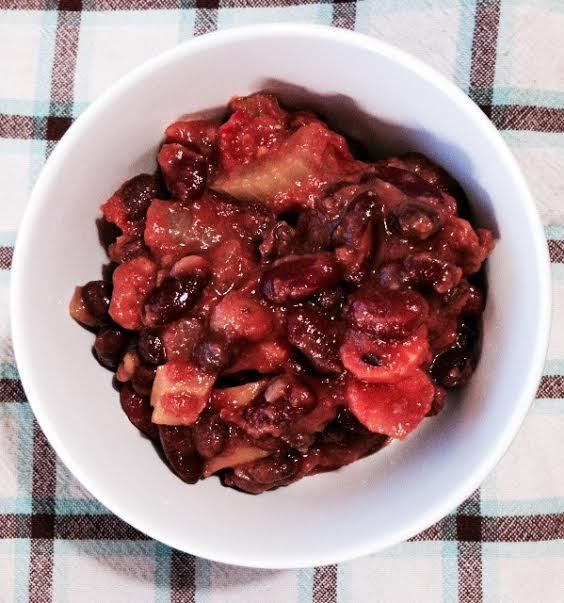
I’ll start out with one that most people are familiar with, chili. This is my mother’s Spicy Vegetable Chili, which is heart-healthy, easy, and delicious. It’s perfect for winter, too, as it relies on pantry staples and vegetables that are available year-round.
lentilsoup

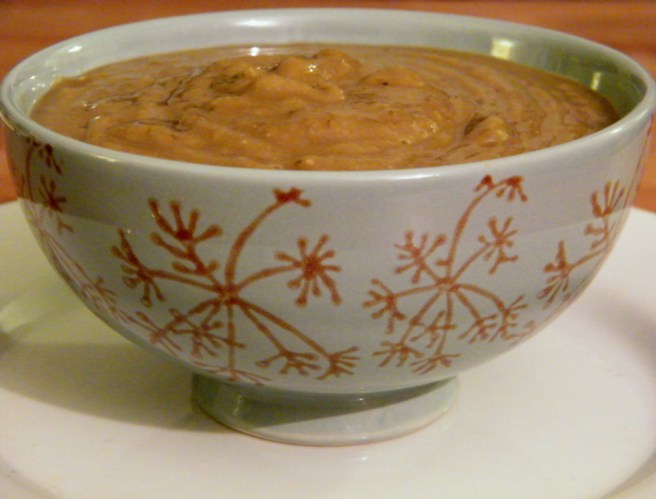
Orange-Scented Lentil Soup brightens the earthiness of lentils with orange and ginger. This soup is easy to put together and elegant. (There’s a link to the recipe in the post.)

blackbeansoup

My partner has celiac disease, so we’re often looking for meals that pack in nutrients and protein. This Tomatillo, Black Bean, and Amaranth Soup from Bob’s Red Mill Everyday Gluten-Free Cookbook more than fits the bill.

Frenchlentils

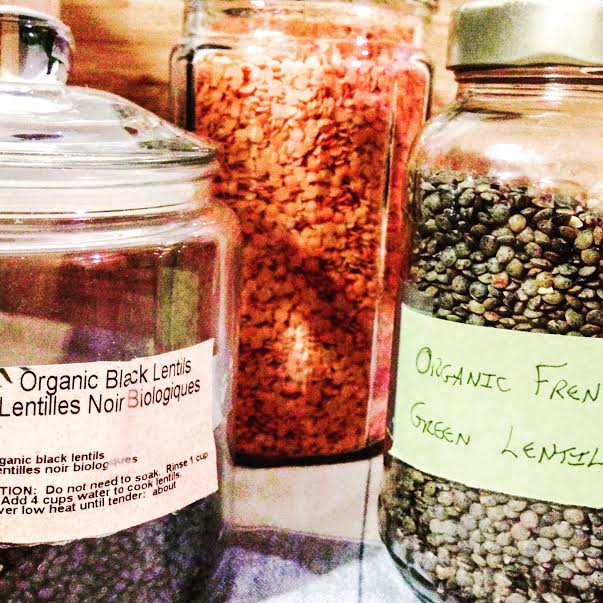
Lentils are the easiest of all the dry pulses to prepare. So easy that I’d never bother buying them canned (unlike beans and chickpeas). Once you have Dorie Greenspan‘s recipe for French Lentils, they’ll be as much a part of your weekly meals as potatoes or rice. These lentils are delicious as the focus of a meal or as a supporting player to all sorts of proteins. (There’s a link to the recipe in the post.)
abuelitaslentilsoup

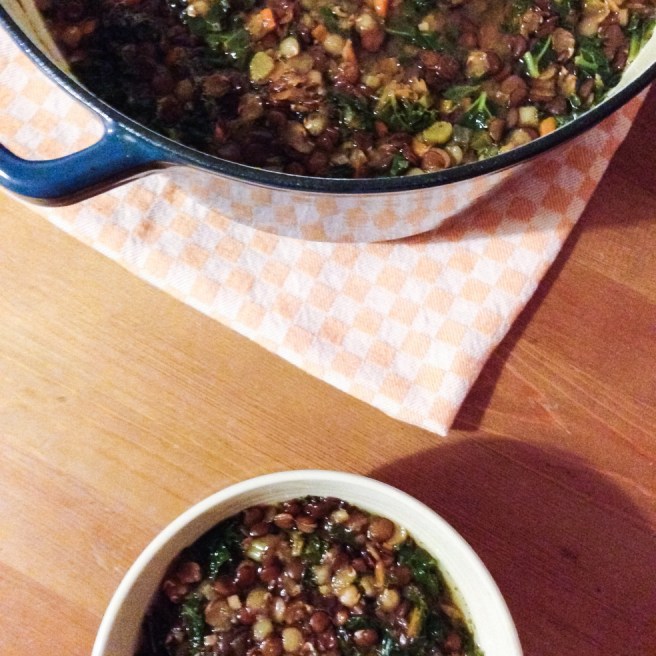
And here’s one more soup, full of flavour and healthful ingredients, from Decolonize Your Diet. Abuelitas’ Lentil Soup is warming and filling, exactly what’s needed to get through the winter doldrums.

These recipes are just a starting point – they don’t even begin to touch the versatility of pulses. If you’re looking for more inspiration, here are some cookbooks to try:

River Cottage Veg, by Hugh Fearnley-Whittingstall
Plenty and Plenty More, by Yotam Ottolenghi
Vegetarian Cooking for Everyone, by Deborah Madison
How to Cook Everything Vegetarian, by Mark Bittman

The ones I’ve listed are vegetarian cookbooks, but you shouldn’t count out other cookbooks – so many chefs and food writers make beautiful use of pulses. Made In India, by Meera Sodha is a great example and two of the recipes I linked to above come from Around My French Table, by Dorie Greenspan.

Look for news articles, food writing, and blog posts about pulses throughout 2016 – there’s sure to be plenty of creative and delicious recipes along the way. If you want to find out more about the International Year of Pulses, the FAO website is the best place to start. In Canada, the pulse industry is promoting IYP through their Pulse Canada website and there are similar efforts springing up worldwide.

I’d love to hear about your favourite ways to eat pulses (Split pea soup? Black bean brownies?) and I’ll be keeping an eye out for new favourites as the year progresses.

Cottage Cooking Club – December 2015

December

This is the week of getting back to normal, so I know I’m not alone in asking you: How were your holidays? Mine were busy and bright, full of food and cheer.

Predictably, I got sick after the holidays, so I’m only now posting my Cottage Cooking Club selections from last month. Since they’re both quite light and healthy, let’s say they’re crossing the boundary from feasting to simply eating well.

Mushroom “Stoup”

Soup

This soup doesn’t set out to be light, but is meant to be almost a stew. It’s jam-packed with porcini and button mushrooms and includes an option for dumplings, which will absorb all the extra liquid, making it thick and rich.

I opted to skip the dumplings. I can make them gluten-free, but Kevin is not a fan of dumplings, so I decided to make a few changes. I halved the amount of porcini mushrooms, as December is an expensive month and I was splurging elsewhere. I added in extra button mushrooms, instead. I also skipped the fresh dill and added some savoury I’d dried from the garden. I used Earth Balance in place of butter, but next time I think I’ll just stick with olive oil. I didn’t like the way the Earth Balance behaved in the soup, never quite incorporating completely.

So, my version was a gluten-free, vegan, slightly soupier one. And it was a huge hit. I made a full recipe and froze half of it. I had to take one of the containers of frozen soup out of the freezer only two days later. I’ll likely have to take the other one out as soon as Kevin reads this post.

I’ll be making this one regularly.

Spicy Carrot and Chickpea Pita Pocket

Carrots

This dish is a tasty antidote to all that Christmas eating. I used gluten-free corn tortillas in place of the pita pockets, which worked very well. As much as I enjoyed this, I kept thinking I’d like to take all the components and transform them into a stew, perhaps with some potatoes for heft. I loved the combination of cumin, hot smoked paprika, and orange with carrots, but craved it in a more bowl-friendly form.

I hope everyone had a good month or so of cheer. I’m looking forward to reading all of the Cottage Cooks’ posts.

Here are the links to the rest of the group’s posts for this month. I encourage you to check them out – you’ll meet some wonderful bloggers and get some great inspiration for vegetarian eating.