Baking with Julia – The Big Finish

Baking with Julia

All the way back in 2012, Tuesdays with Dorie started working their way through Baking with Julia. They’d recently finished baking through Dorie Greenspan‘s Baking, From My Home to Yours and wanted to continue with another of her books. Meanwhile, I’d been participating in French Fridays with Dorie, which was tackling Dorie’s terrific Around My French Table.

Thinking this would be a great project to do with my teenaged nieces, I jumped on board. I created a collaborative blog, The Family That Bakes Together…, and we were off to the races. Or the kitchen, really.

We didn’t last through the project. As my nieces became adults, it became too difficult to co-ordinate baking dates. But, I’ll always cherish the experiences we had in our Baking with Julia adventures and I’d like to think they will, too. I’ve followed along since, reading some of the posts of those who continued with the project, and I love finding occasions to bake from the book on my own.

Since the logistics of getting together to bake the group’s final recipe would have proved impossible, I’ve decided to share some of my favourite posts from our year-and-a-bit on the project. Though honestly, I read through all the posts with relish, enjoying the memories they evoked. If you have the opportunity to bake or cook (or do anything you love to do, really) with two or more generations, do it – it’s a wonderful experience.

Kat’s meditation on sisters and chocolate.

How my French-Canadian mother made Irish Soda Bread her signature bread.

Jessica’s debut post: Hungarian Shortbread.

How making biscotti revealed Kat’s power-hungry ambitions.

Jessica waxes poetic about pie and cake.

The most fun I’ve had writing a post, on this blog or my own: Bagel Throwdown.

Kat evokes Proust and Jessica makes madeleines.

The real stars of the show are the stalwarts that baked their way through the whole book. I can hardly wait to read their posts, detailing their experience with the project’s crowning glory – Martha Stewart’s Glorious Wedding Cake.

After you head over and congratulate them, you might want to consider joining in on the other project the group is working on – working through Dorie’s Baking Chez Moi. I join in when I can and everything I’ve made has been fantastic. Or, you can jump on board Dorie’s latest initiative, Cookies & Kindness, and help spread some joy.

The Swiftest Month

Has September been as busy for you as it has been for me? It seems to have flown by so far.

I’m trying to remain present, though, even through the busiest of times. When the glory of Metro Vancouver’s mountains, forests, and oceans are all around us here, it would be a shame not to be awake to it. 


I haven’t been so busy that I’ve let go of doing some planning for the blog, though.

I’m starting to put together the list for my annual holiday book review series, starting with Better Baking by Genevieve Ko. If it’s any indication, this year’s series is going to knock it out of the park.

And I’m working on a feature of a local social and environmental initiative that I’m excited to tell you about.

In the meantime, I’ve got some cooking and baking to do for Cook the Book Fridays and Tuesdays with Dorie.

September shows no sign of slowing down yet.

Cook the Book Fridays – Poulet Crapaudine

Spatchcocked chicken

This chicken took a circuitous route into my kitchen. I don’t cook a lot of meat at home, to spare the vegan and because I’ve always been comfortable with a mostly vegetarian diet. So, when this dish came up in the rotation for Cook the Book Fridays, I decided to hand off the cooking to my parents. They have some beautiful chickens in their freezer that they got from a friend’s farm. This recipe adapts perfectly to the barbecue, which they’ve already got fired up for the summer season. I thought I’d send my mother home with the harissa paste in my freezer and enjoy this dish vicariously through their photos and descriptions.

But things didn’t go as planned. First, I completely forgot about the harissa paste, so my mother settled on sambal oelek instead. My brother spatchcocked the chicken for her and she put together the marinade, bagged the chicken, and refrigerated it.

Spatchcocking and marinating the chicken

And then she remembered she was going away to a conference, so she brought the chicken over to me. It needed another day in the refrigerator, which brings us to today. I put it into my Dutch oven, weighed it down with some Corningware, and cooked it on the stovetop. I lost some of the skin, but it worked rather well. Then, I transferred it to the oven, where it took about half an hour to finish. I was happy with how it turned out in the Dutch oven, but I think I’ve got to invest in a larger cast iron frying pan. I think it would have been easier to work with and the chicken wouldn’t have taken quite so long to finish.

The results were tender and juicy, a little spicy, and very flavourful. I only had a taste tonight, but I’m looking forward to having some more tomorrow, with coleslaw and roasted potatoes. The rest is going into the freezer, so that it can travel back to my parents’ house. It wouldn’t be right to exclude them from enjoying this chicken, would it?

I’ve titled this post Poulet Crapaudine, which is French for spatchcocked chicken, but David Lebovitz calls it Chicken Lady Chicken, in honour of the woman who inspired the recipe. I hope if you try this dish, your chicken doesn’t have to commute quite as much as mine did.

You can read through everyone’s posts here. And consider joining this community of wonderful cooks and lovely people, as we work our way through David LebovitzMy Paris Kitchen.

Cook the Book Fridays – Fattoush

Fattoush

I don’t think of salads as diet food. It’s what I was raised to do, but the days of wan supermarket lettuce, with its limp produce aisle cohorts are long gone. These days, lettuce is early summer fare, along with freshly-dug radishes and scallions. It’s not quite time for tomatoes and cucumbers, but today’s fresh market offerings are better than the supermarket fare of yore (yore being the late 20th Century).

Salads are a broader category for me now, too. Shaved Brussels sprouts or cabbage might go into a winter salad, roasted tomatoes and eggplant into a high summer version. But right now, salads look a lot like the ones in my elementary school picture books – lettuce, tomatoes, cucumbers, peppers, radishes, carrots – they’re all fair game.

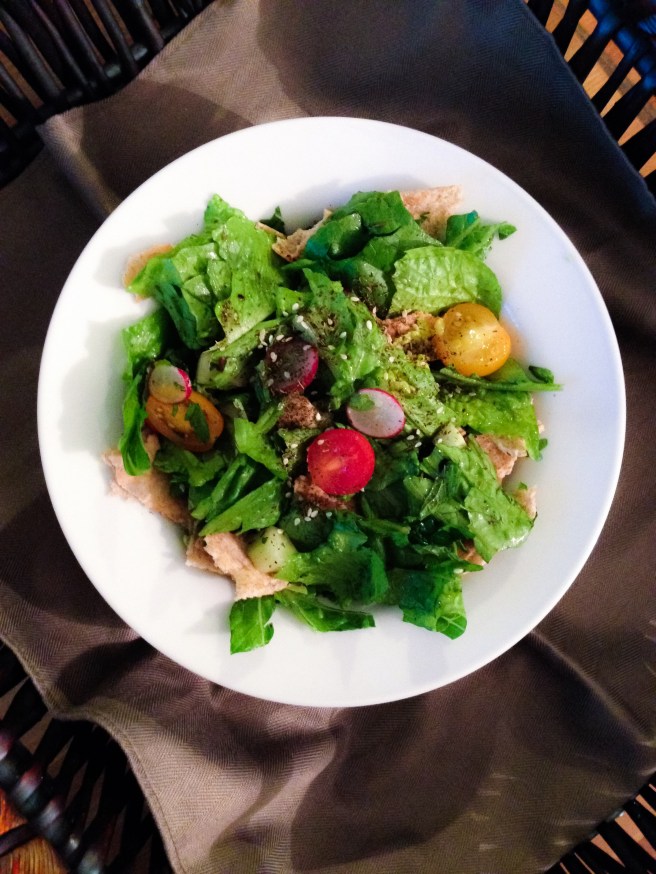
Fattoush with za'atar

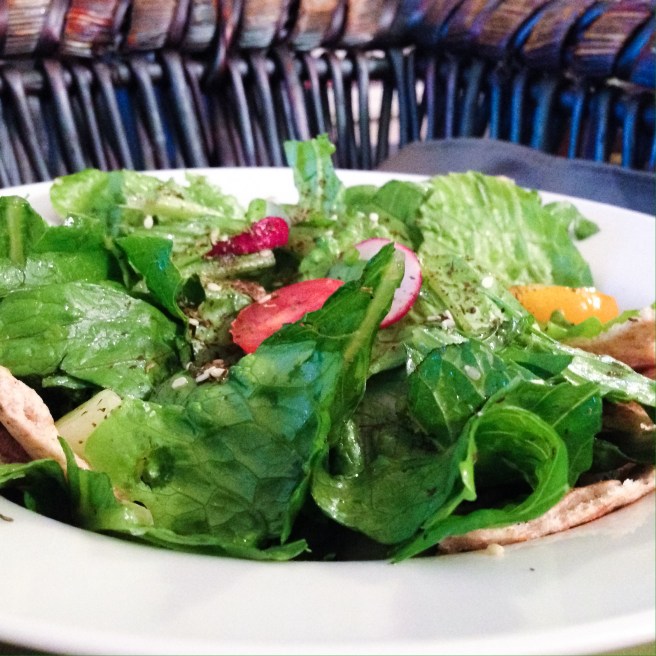
Tonight’s salad is fattoush, which adds a healthy dose of flat-leaf parsley and mint to a mix of romaine, onion, radishes, and cucumbers. It’s tossed in a lemony, garlicky, mustardy vinaigrette and finished with grindings of black pepper and a sprinkling of sumac. I’m out of sumac, so I substituted za’atar. I’m glad I did, because there’s lots of sumac, but it also adds a burst of thyme and sesame.

My bowl included pieces of pita that had been brushed with olive oil and crisped in the oven. The gluten-free version included crispy rice crackers instead. Both were full of flavour.

There will be many more summer salads this year, but I’ll be revisiting this one regularly, perhaps as soon as tomorrow.

Fattoush on a wicker tray

You can read through everyone’s posts here. And consider joining this community of wonderful cooks and lovely people, as we work our way through David LebovitzMy Paris Kitchen.

A Loaf of Bread

Old Fashioned Oatmeal Bread

Sometimes it’s when my pantry is almost empty that the urge to bake is strongest. At the moment, I’m almost completely out of sugar (both brown and white), there are only a few cups of all-purpose flour left in a cut-down 5 kilogram bag, my store of eggs is dwindling, and I’ve just enough butter to grease a pan or two.

So of course, my head is full of cakes and cookies, muffins and breads. I took stock and realized I had plenty of molasses and a brick of shortening. I reached back to memories of childhood baking and one of the first breads I learned how to make.

No knead bread is quite sophisticated these days, based on sourdough artisan loaves, but when I was a kid it was a simple, old fashioned recipe. My go to baking book back then was Betty Crocker’s New Good and Easy Cook Book, which I pulled down when I wanted to make Snickerdoodles, Chocolate Crinkles, Brownies, or Blondies.

But I also ventured into the savoury baked goods section and the “Easy Oatmeal Bread” was a great confidence-builder for a young baker. My mother made wonderful breads and I often helped her with the measuring, mixing, and kneading. It was a while before I had the confidence to make those breads on my own. This no knead bread was easy enough for me to make after school and have ready before supper.

My mother’s copy was a reprint of the 1962 edition. I found two copies of the same edition at a library sale long ago, kept one for myself, and gave the other to my sister. So, when I’m feeling nostalgic, or when my pantry stores are reduced to the levels of a more frugal era, I pull mine off the shelf.

Tonight, I revisited that oatmeal bread, making some substitutions and additions that helped bring it a little closer to the 21st Century. When you make it, feel free to use butter in place of the shortening. But if you find yourself short of butter, as I did tonight, you might be surprised at how much you enjoy this bread with an old school dose of shortening.

Oatmeal bread ready for the oven

Old Fashioned No Knead Oatmeal Bread

  • 3/4 cup boiling water
  • 1/2 cup rolled oats
  • 3 tbsp. shortening, softened
  • 1/4 cup fancy molasses
  • 2 tsp. salt
  • 1 pkg. active dry yeast
  • 1/4 cup warm water (100°C)
  • 1 egg
  • 1 1/4 cups all-purpose flour
  • 1/2 cup whole wheat flour
  • a pinch of nutmeg
  • 2 tbsp. sliced almonds
  • 1 tbsp. flax seeds

Grease a 9″X5″X3″ loaf pan with butter. Set aside.

Put all-purpose flour into a medium-sized bowl. Then, sift whole wheat flour into the bowl, adding any bran that’s left in the sifter afterward. Lightly whisk the flours together. Set aside.

Fit the paddle attachment onto a stand mixer. Add the boiling water, rolled oats, shortening, molasses, and salt to the bowl of the mixer. Stir together on low, then allow to cool until it’s lukewarm.

Meanwhile, cool 1/4 cup of boiled water to 100°C, then add yeast, stirring until dissolved.

Add yeast, egg, and half the flour to the bowl of the stand mixer. Beat for two minutes on medium speed.

Add the rest of the flour, along with a pinch of nutmeg, and stir until almost completely incorporated. Add sliced almonds and flax seed, then stir until all ingredients are incorporated.

Spread the dough into the prepared loaf pan, making sure the top is even and smooth. Allow the loaf to rise in a warm place for about 1 1/2 hours.

Once the dough has risen, preheat the oven to 375°F. Bake 40-50 minutes. The loaf is done when it is well-browned and sounds hollow when knocked. Remove the loaf from the pan, place on a wire rack, and if you like, brush with melted butter. Cool completely.

Adapted from Betty Crocker’s New Good and Easy Cook Book (1962 edition)

Sliced oatmeal bread

How to Cook a Book

Cookbooks I love

If you’re like me, you have shelves full of cookbooks, many of which look as pristine as the day you bought them. Even those of us who love to cook get distracted by busy lives and rely on the same handful of recipes, when we’re not getting take out. We all have dog-eared, bedraggled cookbooks that are full of stains, notes, and barely attached pages. We’ve learned the rhythms of the author’s techniques, stocked our pantry with the book’s basics, and have grown confident enough to improvise or adapt when needed.

It can be hard for new books to compete. Though they may be full of bookmarks from the first read through, they’re often neglected after the first one or two recipes, probably because there’s another new cookbook to peruse on the night stand. Cookbook clubs, online or off, offer a way to ensure you’re making the most of a cookbook while helping create a community of like-minded cooks.

I’ve been blogging through cookbooks since 2010 and it’s built community for me along with kitchen chops. If you’re considering joining a cook-along group, here are a few things to keep in mind:

Be True to Yourself

There’s no right way to write a cook-along post. Some people chart their experience with each recipe step-by-step. Others connect their assignments to stories and memories. You might be interested in writing about the roots of ingredients, recipes, or cuisines. Another blogger might weave these meals into an ongoing record of their lives. It’s not just structure that makes a blogging group work, it’s creativity.

Pros: Finding your voice is an enormous part of what makes blogging worthwhile.

Cons: If you’re struggling to find an angle, you won’t connect with your project or your readers.

Be Consistent

Make a commitment, whether that’s to cook every single recipe in the book or to participate every second month. Whether your goal is to make better use of your cookbooks, get into the kitchen more often, or begin a writing practice, you’ve got to have some structure. Your schedule doesn’t need to be precisely the same as your cook-along group’s schedule, you just have to find what works for you and stick to it.

Pros: Finding a schedule that works for you takes things from whim to project.

Cons: When things get tough, the tough get writer’s block.

Be Flexible

Illness, vacation, or work crunches can cause your cook-along to take a back seat. Don’t worry – that’s what ‘catch up’ lists are for. Your family’s health restrictions or food preferences might not fit with every recipe. Adapt the recipe, make one or some of the components, or skip it altogether. There’s no such thing as a cookbook that’s tailored to your needs and tastes precisely, unless it’s your own. If you can’t make a project work with your life, it’s not going to work at all.

Pros: If you’re too rule-oriented, you might not enjoy yourself.

Cons: If you’re too flexible, you just might find you’ve stopped.

Be Accessible

It can be frustrating to read through a post and find out that the only way to comment is to sign up for a third party commenting system – consider relaxing your restrictions a little and rely on spam filters or moderation a bit more. If it’s too hard to comment, your fellow cooks may give up trying. In a similar vein, when you’re posting your link for an assigned recipe, make sure it’s a link to the post itself, not your blog. If you’re not getting comments, it could be that folks got frustrated trying to find the right blog entry.

Pros: Being part of the conversation is what makes cook-along groups tick.

Cons: Managing spam can be time-consuming.

Be Generous

Comment on everyone’s blog, whether their following is large or small, even if you think you’d never cross paths in your offline lives. When done well, every exchange is a gift, allowing participants to learn from each other, have fun, and even form real-life friendships. Don’t be the person who doesn’t reciprocate – in the end, you’ll be the one who won’t want to stick around.

Pros: This is how you build online community.

Cons: If you’re part of a big cook-along, you’re going to have to schedule time for commenting, as well as cooking, photography, and writing.

Be Open

What started as a cook-along project for you might morph into developing your own recipes, writing reviews of cookbooks or restaurants, or spur your creative urges in another direction entirely. There’s value in participating in one of these groups from beginning to end, but there’s also much to be gained from joining mid-stream, or letting go of the group when your interests change.

Pros: Following the direction of your creative energies will keep your output fresh.

Cons: When you’re ready to move on, you’ll have to work harder to maintain the community you’ve created.

After all of that, you might be wondering, where do I sign up? There are a wealth of cook-along groups out there. Search by cookbook, cuisine, or meal and you’ll be sure to find some. To get you started, here are links to the groups I’m currently participating in:

And if the idea of joining an online cook-along just doesn’t appeal to you, don’t despair. That’s not the only way to cook a book.

Want to go your own way?

Chart your own course through your cookbook shelves, like Ei, of the Cookbook Immersion Project. Make your blog into a record of your hits and misses, what you’ve learned, and what you’ve yet to master. With no deadlines or requirements, you can visit and re-visit the books on your shelves as you see fit.

Pros: Explore your cookbook library at your own pace, according to your own tastes.

Cons: If you’re not a self-starter, you might be back at square one.

Not online? No problem!

Cookbook clubs are the new potlucks, according to a wave of recent media trend watching. Recruit a cadre of home cooks and plan regular dinners, with each participant bringing a dish from a cookbook you’ve chosen. Unlike other book clubs, the meat of the discussion is right on the table.

Pros: A delicious, multi-course meal, made by many hands. Conversation, conviviality, and analysis. No pressure to document each dish photographically or otherwise.

Cons: People are coming over! If a meal isn’t documented on the internet, did it really happen?

Once you’ve found your way, you’ll be a more skilled, more creative, more adventurous cook. Just don’t neglect those old favourites completely. Never repeating a recipe can be as much of a fault as making the same ones over and over.

Cook the Book Fridays – Salted Butter Caramel-Chocolate Mousse

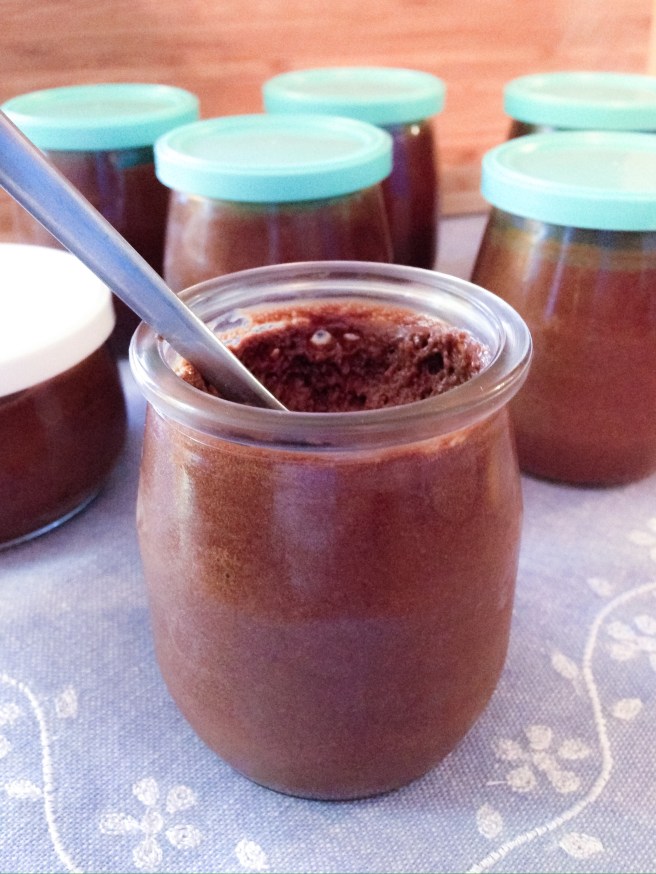
Salted Butter Caramel-Chocolate Mousse

It’s ironic that the phrase ‘piece of cake’ signifies something that’s dead easy, as our cultural image of a piece of cake is based on the layer cake, which requires multiple steps, a light touch, and at least a little bit of decorative talent. Chocolate mousse on the other hand, associated with restaurant meals and special occasions, is a piece of cake to make.

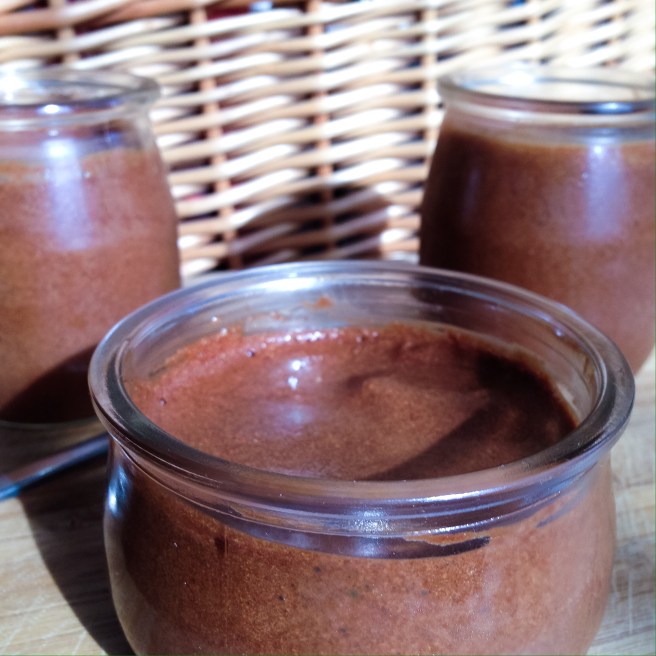
This mousse is complicated by the addition of caramel, but even that is easy, once you’ve learned the trick of it. In fact, making caramel is a lot like making brown butter. When you know how to make it, you want to add it to everything. And once you’ve added caramel to chocolate mousse, I suspect you’ll want it that way every time.

Salted Butter Caramel-Chocolate Mousse

The only thing that’s not easy about this recipe is having to wait eight hours for the mousse to set. I solved that issue by making it before bed last night. If I’d made it during the day, I wouldn’t have waited nearly that long. As it was, it took a lot of will-power not to eat it for breakfast. Which wouldn’t have been a bad idea, save for the fact that I wanted to wait for some brighter afternoon light for photographs.

Salted Butter Caramel-Chocolate Mousse

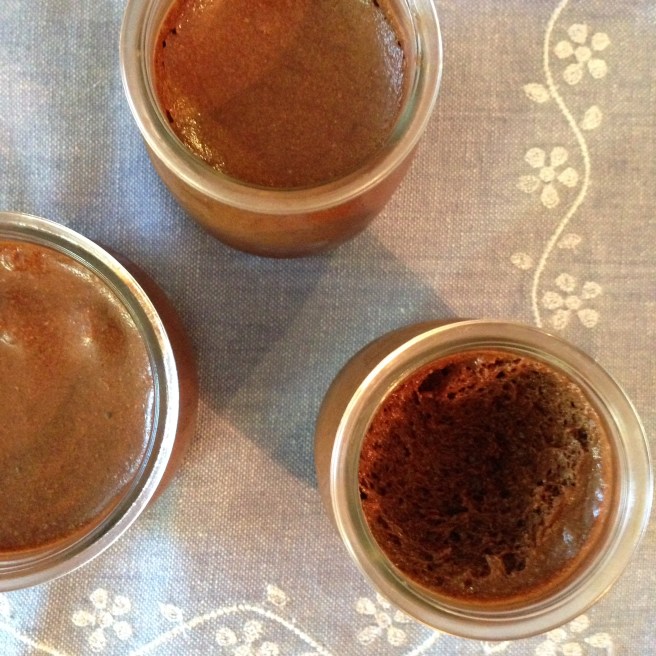
I’m so glad we’ve posted about this recipe – I’ll never have to wait for good light again. Now that I know how delicious it is, I don’t think I could have the forbearance. This mousse is wonderfully balanced in its elements – salt, sweet, bitter, and rich. It’s the sort of thing you could bring out in cocktail glasses at a dinner party, but I don’t recommend waiting for an occasion. Spoon it into little pots and enjoy it as a mid-week treat. It will look just as charming and it will be even more satisfying.

Salted Butter Caramel-Chocolate Mousse

Surprisingly, I’ve still got some in the refrigerator to enjoy tomorrow. This recipe could be halved, easily, but I recklessly made an entire batch. At least it gave me the opportunity to use the cute little lids for my Riviera Petit Pot jars. More importantly, I’ll have a decadent treat to distract me from another long day of elevating my sprained foot – an enforced rest is not as relaxing as you might think.

Luckily for you, this is one of the recipes from My Paris Kitchen that’s posted online. Head over to Epicurious and then run to the store for any of the ingredients you don’t have on hand. It takes eight hours to set, so the sooner you get started, the sooner you’ll be enjoying it.

You can read through everyone’s posts here. And consider joining this community of wonderful cooks and lovely people, as we work our way through David LebovitzMy Paris Kitchen.

Cook the Book Fridays – Croque Monsieur

Croque Monsieur

Diner food and bistro food might originate on different continents, but at the root, they’re two sides of the same coin. They’re draped in cinematic mystique, with iconic dishes that can spur argument over the smallest variation, and they both represent comfort food to locals and visitors alike.

Where they differ, at least to the North American eye, is in sophistication. What’s a steak sandwich got on steak frites? Or chef’s salad against salade niçoise? Or a ham and cheese on rye in comparison to a croque monsieur?

In general I’d say the problem is that familiarity can breed contempt, but for the last entry on the list, the answer is béchamel. And prosciutto. And lots and lots of Emmental. I’ve had wonderful versions of the croque monsieur at restaurants, but this one might be one of my favourites and it happened in my own kitchen.

I’m not sure I needed to know how easy it is to make a croque monsieur at home, but it will come in handy the next time I want to make an impression at brunch. And David Lebovitz’ version of bechamel is worth knowing, even if it leads me to less healthful eating on a more frequent basis. It’s so easy and perfectly creamy, with just a hint of heat from cayenne in place of the usual nutmeg.

Even if I can make bistro food (or diner food for that matter) at home, there’s still a place for those restaurants in my heart. Both kinds of establishments have been put on the endangered list, but they seem to be reinventing themselves at home and abroad. That’s good news. As long as they make room for classics like the croque monsieur, reinvention is the key to longevity.

You can read through everyone’s posts here. And consider joining this community of wonderful cooks and lovely people, as we work our way through David LebovitzMy Paris Kitchen.

Spring Things

Persea Fumée

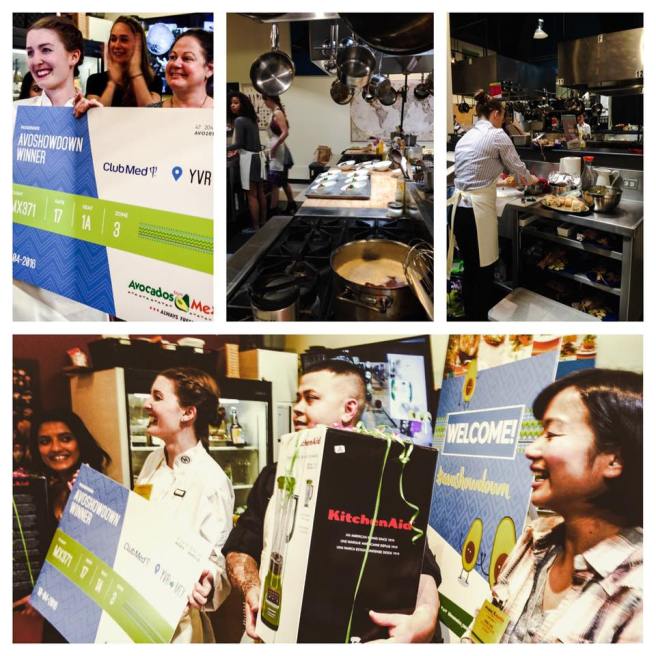
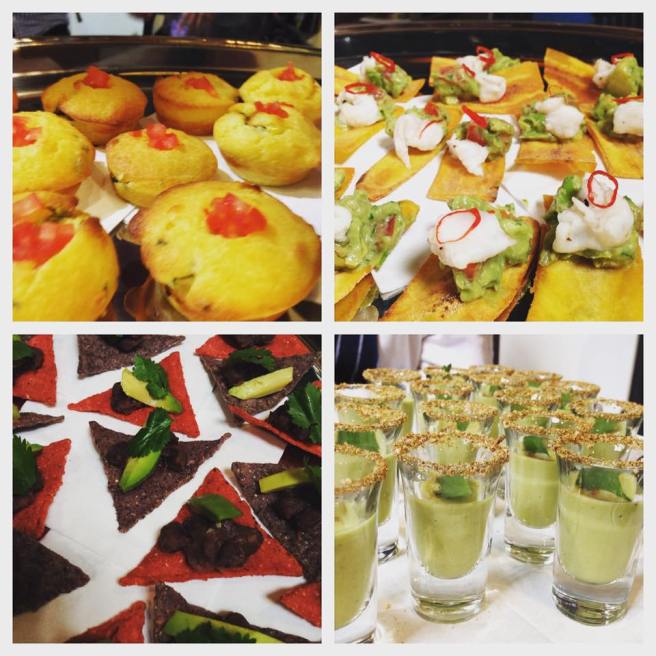
It’s been an busy season so far and there’s lots more to come, at least there is around here. The photos scattered through this post are from two of the events I’ve attended this month – the Avo Showdown and the Lick My Plate launch. Now I’m looking forward to fun with food, stimulating presentations, and more than a little art appreciation over the next few weeks.

Lick Your Plate treats

Tomorrow, the Heritage Vancouver Society hosts the first in the Shaping Vancouver 2016 series – What’s a Neighbourhood? In the face of so much change in our city, what are the things we should be preserving or encouraging to maintain and promote community in our neighbourhoods?

AvoShowdown entries

This coming weekend, you’ve got a chance to weigh in on the Vancouver Public Library’s future. Whatever comes of these sessions, that future should include physical books. They’re still the surest way to guarantee equal access to knowledge, especially in a climate of growing income inequality.

Lick Your Plate swag

The weekend after, there are two events I’m excited about – the Parker Art Salon and the East Van Hop Circuit.

The Parker Art Salon is a chance to view and buy art from the studios at 1000 Parker Street, with a little less chaos and much warmer weather than November’s Culture Crawl. The Hop Circuit is a self-guided tour of 13 of my neighbourhood’s craft breweries, with some samples, insider tours, and food trucks. Both are within walking distance for me, cycling distance for many, and transit for everyone else – I wouldn’t drive if I were you, the parking alone will just make you miserable. Between the two events, I think I’ve got that weekend covered.

AvoShowdown contestants

And just in case you need a little incentive to (a) add to your cookbook collection and (b) get canning/fermenting/preserving, the folks behind Well Preserved have released a cool zine-style bonus package for their upcoming Batch Cookbook. Once you’ve pre-ordered the book, you can find the download link, here.

AvoShowdown appetizers

At the very least, April’s already shaping up to be a delicious month, if what I’ve tasted so far is any indication.

Avocado Parfait

Cook the Book Fridays – Artichoke Tapenade with Rosemary Oil

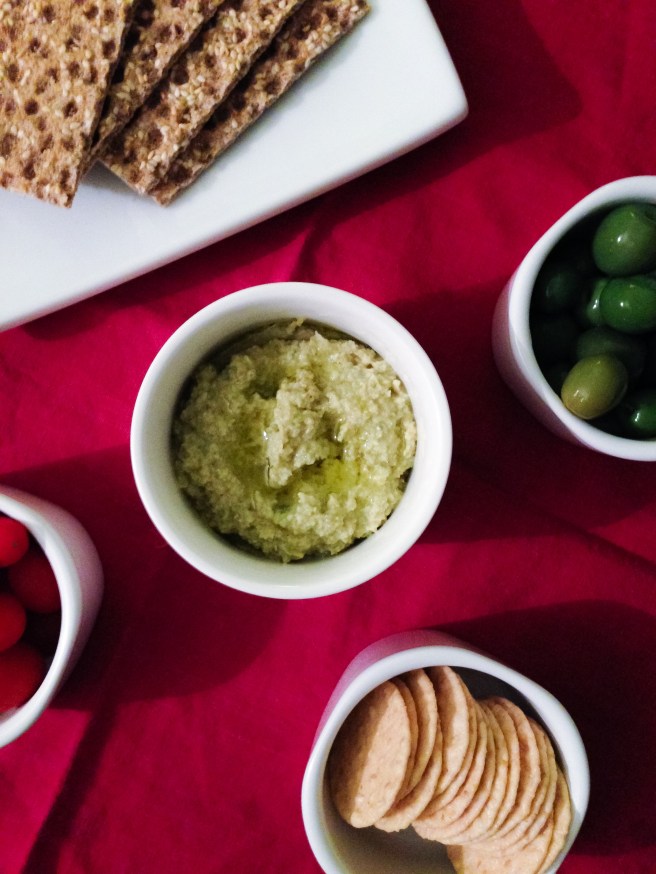
img_6697

There’s a wonderful Lebanese restaurant called Jamjar on the other side of our neighbourhood. We joke that it’s a good thing it’s far enough away that we can’t run down there on the spur of the moment. If it were closer, we’d eat at home less often than is good for us.

My last meal there wasn’t in the restaurant at all, but at a working meeting. The chairperson picked up an array of their dips, salads, small plates, and sauces for us to munch on as we sifted through our list of tasks. There’s nothing bland about any of their food – there’s almost a cacophony of flavours, which manage to complement rather than compete. Eating through a spread of their dishes excites the palate with each bite. It certainly kept us all lively and cheerful through what could have been a tedious evening.

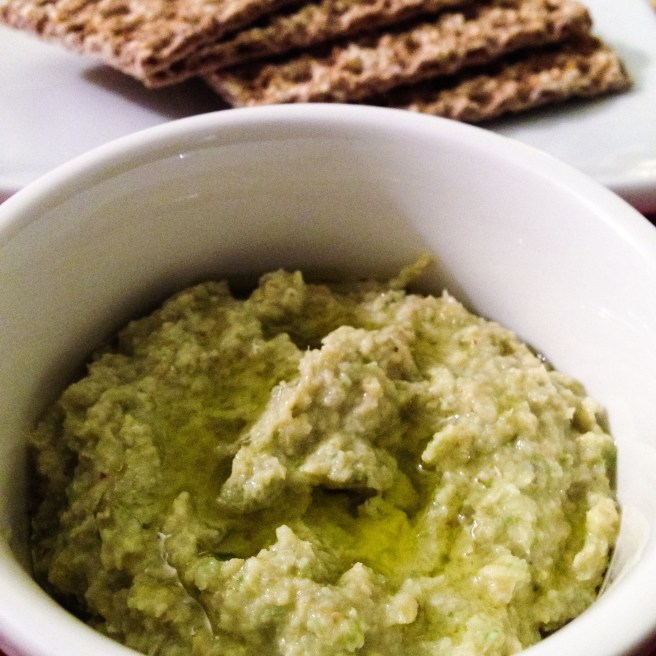
The artichoke tapenade I enjoyed this evening wouldn’t have been out of place on that table. It’s French, rather than Lebanese, but its flavours have a Mediterranean bent. Artichokes, olives, and capers provide earthy notes, lemon and cayenne brighter ones, while homemade rosemary oil finishes the dip.

img_6698

Now that the weather is getting warmer, dips like this one are perfect for my favourite way to eat through the summer – from a table full of small bowls and plates filled with different textures and flavours, all working together to create a satisfying and harmonious meal.

You can read through everyone’s posts here. And consider joining this community of wonderful cooks and lovely people, as we work our way through David LebovitzMy Paris Kitchen.