FFWD – Marie-Hélène’s Apple Cake

It wasn’t a good summer for apples in the Fraser Valley, according to my mother. She told me that the day that I was there for my big gluten-y baking spree. She’d gone over to a friend’s place to pick up some apples that were in danger of rotting on the tree and she asked me to use those for my apple cake, to save what we could.

The apples you find on hobby farms like my parents’ place don’t necessarily look like the ones you buy in the store. They can have worm holes and scabby patches, but more than that, the varieties aren’t always identifiable. The apples I used for my first attempt at Marie-Hélène’s Apple Cake looked sort of like Fujis, but tasted like Granny Smiths. Apples can hold a lot of surprises.

New York Magazine published a list of their favourite New York State apples, which barely scratches the surface of what’s available out there. Apples seem capable of infinite genetic variation and it can take cultivators many attempts to come up with a new, viable variety. Michael Pollan does a wonderful job of telling the apple’s story in his book The Botany of Desire. It’s a great read, with as much mystery and detail as an historical novel. Just the thing to inspire you to pick up some interesting varieties of apples.

But we were talking about an apple cake.

Odd-looking apples chopped, ages-old bottle of rum located, ingredients assembled, butter melted, eggs frothed. Putting this cake together happened so quickly! This is a great last-minute dessert recipe, since you’d generally have most or all the ingredients on hand.

I used a slightly larger springform pan than called for and probably the equivalent of five apples, which may account for the extra-lumpy texture of the cake, but did not take away from the flavour. It was moist, delicious and quickly gone.

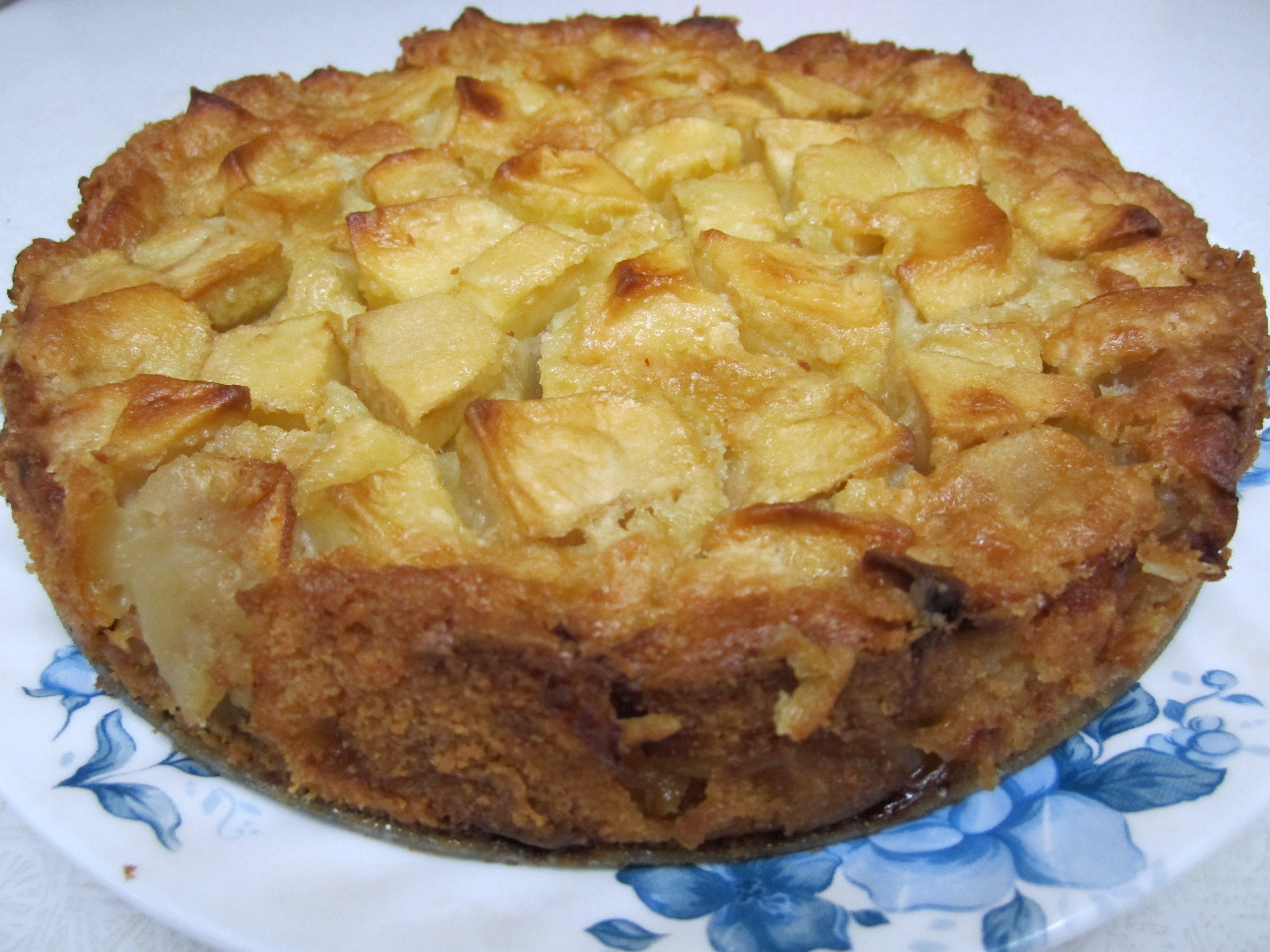


I decided to make smaller apple cakes today, using gluten-free flour. I’d gotten some apples from my parents’ trees and was eager to finish them. I also thought the moistness of the recipe might help to mitigate some of crumbly dryness that sometimes plagues gluten-free baked goods.

The batter was very different from the wheat flour version, with a paste-like consistency, but everything came together just as quickly. Baked, the cakes have a spongier texture than the original, which is almost a pudding cake. They’re still very moist, though, with crisp edges. I’ll just have to see what my gluten-free taste tester thinks.

You can find many other blogged descriptions of this week’s FFWD recipe here: Marie-Hélène’s Apple Cake

Swapping Soup and Building Community

Making soup can be a long, slow process, best done on a day when you want to stay home all morning or afternoon. The good thing about soup-making is that you’re generally not tied to the stove continuously, so you can use the time it’s cooking to do other things. This changes when you quadruple the recipe, turning your kitchen into an assembly line of sorts.


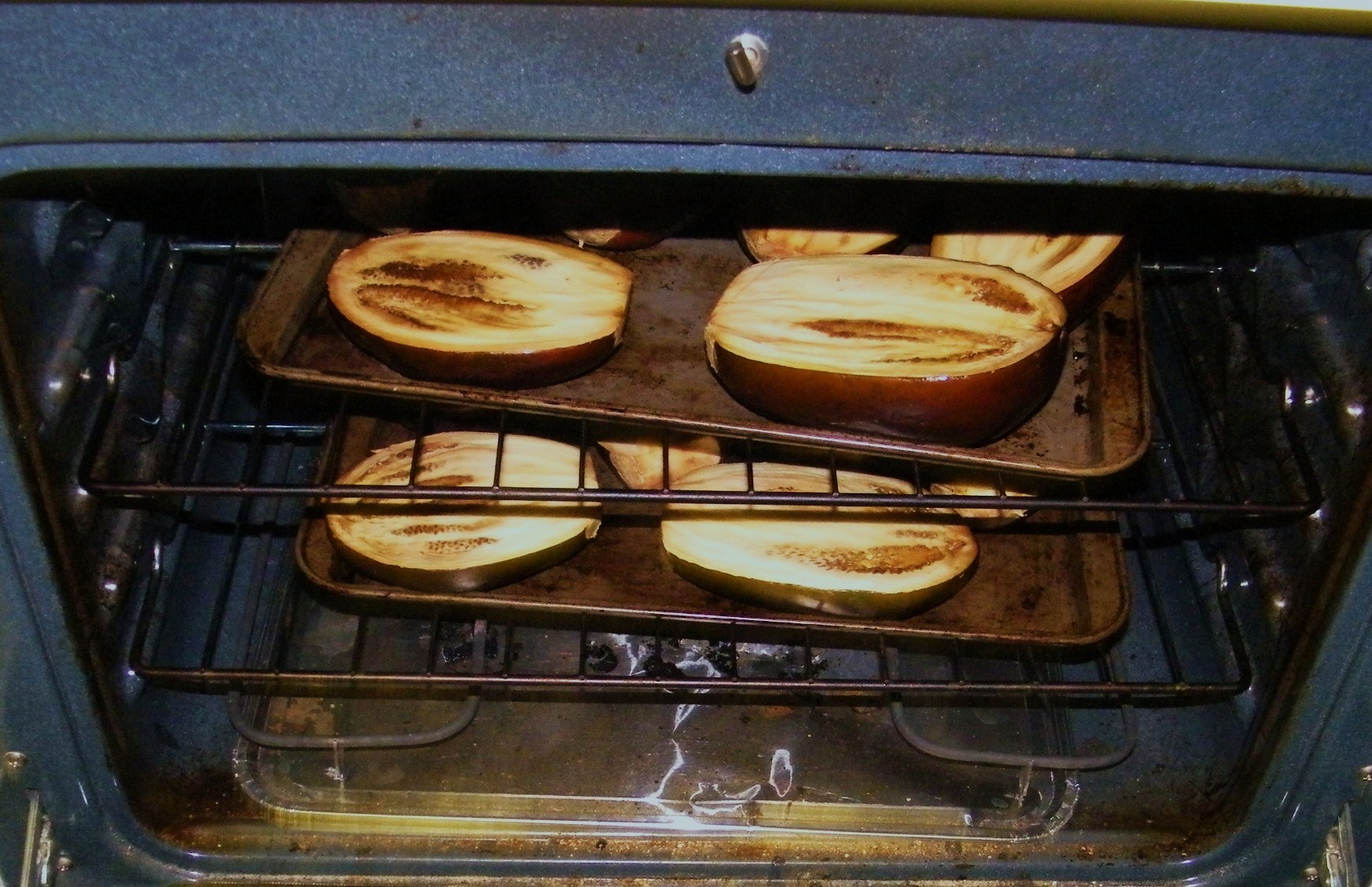
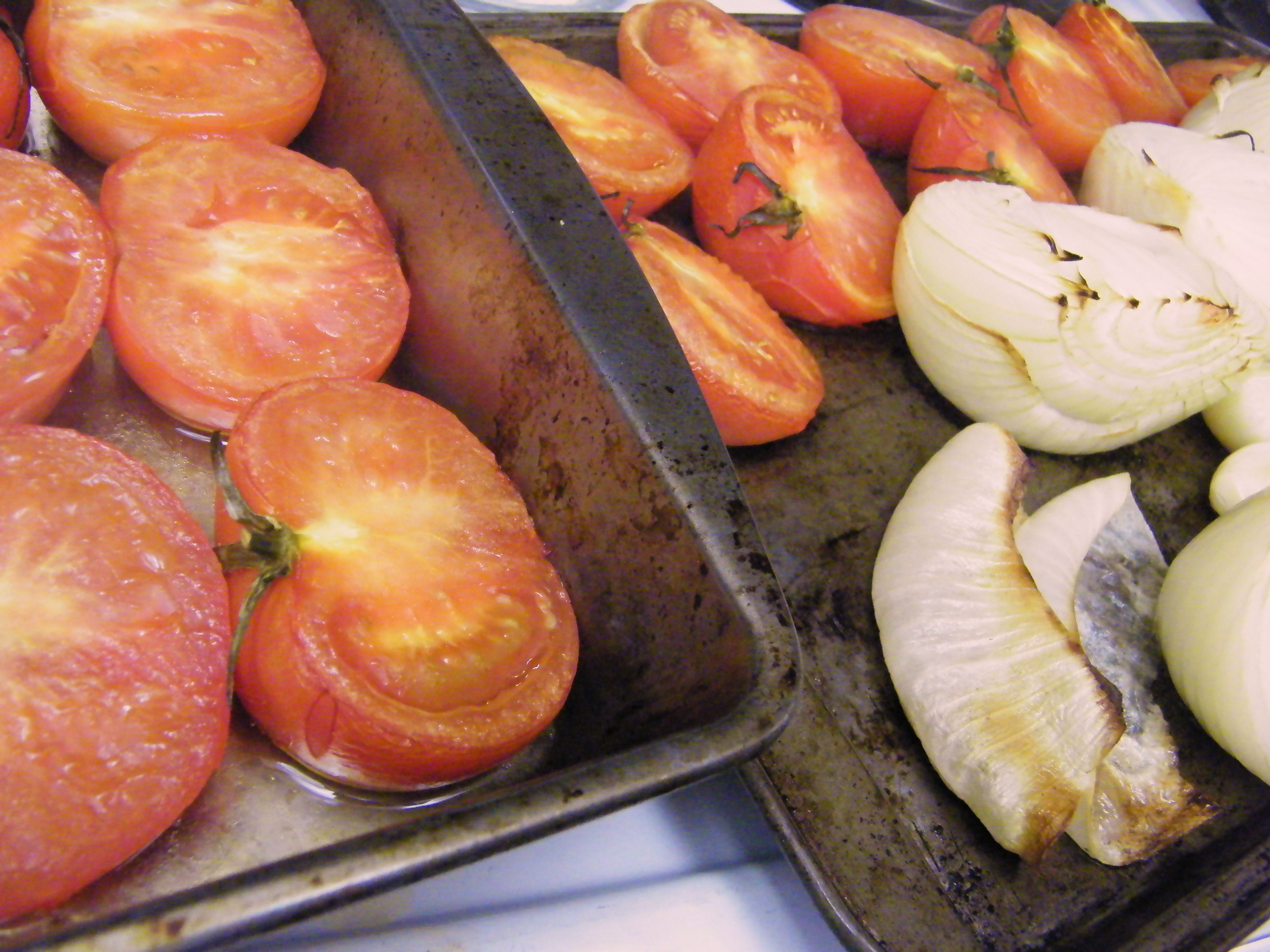
That’s not something I’d usually do, as I have a very small freezer. But, our housing co-op had a soup swap this past Saturday, so quadruple I did. I made Smitten Kitchen’s Roasted Eggplant Soup, which caused me to fill the kitchen counters with smashed garlic cloves and halved eggplants, tomatoes and onions. Thank goodness the recipe didn’t call for any chopping. I roasted the vegetables in shifts, then worked the roasted eggplant free of its skin and plucked off the leaves of the tomatoes. I split the ingredients into two pots, added the stock and the seasonings and then was finally able to let the soup cook itself down. While I started on the dishes.


At the end of the day, I had eight litres of soup, six of those ear-marked for the swap. I gave the extra soup to my parents and left the rest in my fridge overnight, so that the flavours could meld a little.

We met on Saturday afternoon, exchanged stories and snacked before we distributed the soup. Kids ran around while the adults chatted. There were exactly six households that could make it, so we all went home with a litre of our own soup, along with a litre from each of the other participants.
We live in a scattered co-op, which means that we have smaller properties around the neighbourhood, rather than one property with larger buildings and townhouses. Our smaller properties have more character than an apartment complex or concentrations of townhouses would, but it means that we have to work a little harder at building cohesiveness in our community. Events like this one bring us together as a co-op.

Holding events that involve sharing food also reinforces the idea that food security starts within our social circles and immediate communities. Once we start sharing food, skills and produce with our family, friends and neighbours, we’re on a path that has the potential to mitigate our reliance on industrial food streams. It’s also a path that creates the kind of networks that can support individuals and families through difficult times.

The larger issues aside, we’ll be having another soup swap in the new year and I’m hoping to organize a canning workshop for next summer. Maybe along with a community picnic.

FFWD – Hachis Parmentier

I have a new rule: never make the French Fridays With Dorie recipe on the day that it is due. Especially when you’re also making six litres of Soup for your Housing Co-op’s soup swap.

I will be getting this in just under the wire (I hope) and am now wondering why I took so long to try this recipe. I love Shepherd’s Pie. In fact, it’s really hard to resist ordering it, if it’s available on a menu. Usually, it doesn’t measure up to what I can make at home, with lamb from my parents’ farm. So, homemade Shepherd’s Pie…what was I waiting for? No matter, the leftovers are in my fridge now, along with the soup for tomorrow’s swap.

Hachis Parmentier is essentially Shepherd’s Pie, but much, much richer. I had an elk roast that I’d set aside for this recipe and combined it with some organic beef stewing meat. I looked for gluten-free sausages and finally found some smoked Bison that fit the bill. I had to mince the sausages for the recipe, as they were not crumbly, but they were tastily worth it. Boiling the meat with the vegetables produces a thin, but delicious broth. As a bonus, I was left with enough broth after making the dish, that I was able to freeze two ice cube trays’ worth.

It was hard to avoid eating the filling while I was making the potatoes, but they provided some distraction themselves. So much milk, cream and butter. Then Gruyere, Parmesan and more butter…I love French food.

This recipe worked beautifully, but with three kinds of meat, two sorts of cheese, three varieties of dairy and Dorie’s instructions; I could hardly go wrong.

You can find many other blogged descriptions of this week’s FFWD recipe here: Hachis Parmentier

Eating out gluten-free gets less complicated

Sadly, Perch is no more, but it had a wonderful run. El Barrio has morphed into X-site Grill & Bistro, but I hear they still know how to take care of their gluten-free customers.

What could be better than living in a city with a diverse and affordable restaurant scene? Going out to eat is more common than home-cooked meals for a lot of city dwellers, and although I love to cook, I have to admit that eating out has always been one of my regular habits. But these days, eating out isn’t as easy for me as it once was, at least when I’m dining with my partner. He has celiac disease, which means that anything containing gluten is harmful to him. It’s much easier to make sure food is gluten-free at home, especially when you cook with whole foods. Restaurants, on the other hand, are gluten minefields for people with celiac disease.

Gluten itself is poorly understood, even by food professionals. It’s amazing how many misconceptions there are about what gluten is, what foods contain it and how to safely prepare gluten-free food. Since it doesn’t kill you on the spot, as an allergy may, celiac disease has often been taken less seriously by restaurateurs. Even when there is truly gluten-free food available, cross-contamination is difficult to avoid in most professional kitchens, since there are limited surfaces for food preparation.

We still go out, but there’s always a risk of gluten or cross-contamination, unless we go to a gluten-free establishment, like Panne Rizo or Quejos, both of which specialize in sandwiches and baked goods. We also have some favourite, trusted restaurants that do a great job of making sure that there are at least a few items on the menu that Kevin can eat. Still, there are foods he’s despaired of ever eating again, especially diner food and almost anything billed as comfort food.

But then he went out to dinner a couple of weeks ago, with another fellow who has celiac disease. They met at The Wallflower for pizza and beer. A gluten-free miracle, if you will. It certainly wasn’t a meal that Kevin was ever expecting to have again. If you’re not familiar with the gluten-free beer world, you’re generally pretty lucky. The ones that are available here are, for the most part, watery tasting. As for pizza, even when the pizza is gluten-free, the oven it’s baked in usually isn’t.

The owners of The Wallflower found a brand of beer that’s a great approximation of a pale ale and they bake their thin crust pizza in a celiac-safe way. They have a gluten-free menu (along with a vegan one), in addition to their regular menu. They even had their kitchen and cooking procedures assessed to ensure that their gluten-free food was truly celiac-safe. If you haven’t guessed, this is extremely unusual and really, really impressive. There’s only one other restaurant I know of in Vancouver that’s gone to such lengths for their gluten-free customers, El Barrio. It’s a favourite of ours, too.

There's a wheelchair accessible entrance at the back.

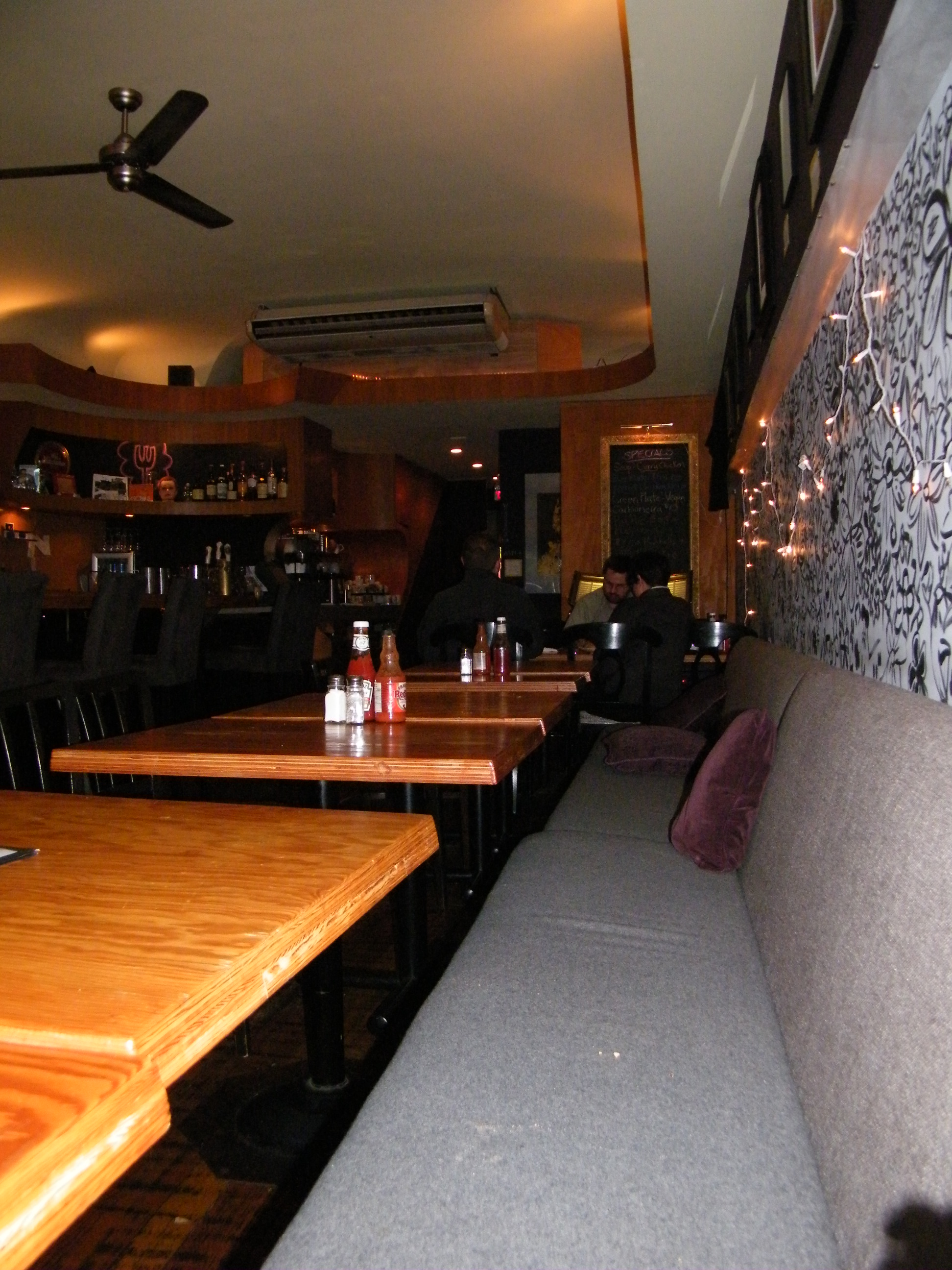
The owners of The Wallflower have extended their food philosophy to their new location, Perch. This is good news for us, because Perch is just down the road from where we live. Perch takes its pizza even more seriously than The Wallflower, baking it in an authentic pizza oven. And yes, there are shelves in that oven which have never known gluten, so their gluten-free pizzas are baked right on the stone. The food at both restaurants is good comfort fare, done very well. We’ll be eating there often.

If you have recommendations for celiac-safe restaurants, I’d love to hear about them in the comments.

Wallflower Modern Diner on Urbanspoon
Eat, Drink & Perch at the ARC Cafe on Urbanspoon

FFWD –Vietnamese Spicy Chicken Noodle Soup

I don’t live in Paris. I live in East Vancouver. There’s one aspect of my neighbourhood, though, that’s always made me feel a tiny bit Parisian – the produce markets that run up and down Commercial Drive. While my suburban friends and family are taking their cars to the local supermarket to stock up on groceries, I’m walking along the Drive and thinking about what looks fresh for dinner that evening. And if I sound a tiny bit superior, it’s just the part of me that wishes she did live in Paris getting a little of her own back.
                       
I do appreciate my neighbourhood shops for more than just their ability to enhance my fantasy life. Really. I am blessed to have easily available to me fresh, often organic, ingredients from a variety of world cuisines. If I’ve forgotten something, I can usually just run down the street to get it. Best of all, my food bills are often a third of the price I’d pay at major supermarket chains. On the weekends, I can also head over to the local farmers’ market and spend a little more for farm-to-table goodness.

I reminded myself of all this while shopping for the ingredients for this week’s French Fridays with Dorie recipe. I was frustrated because I wasn’t able to find hoisin sauce, but only because I was looking for one that was gluten-free. It exists, but clearly not in my neck of the woods. I have nothing to complain about.

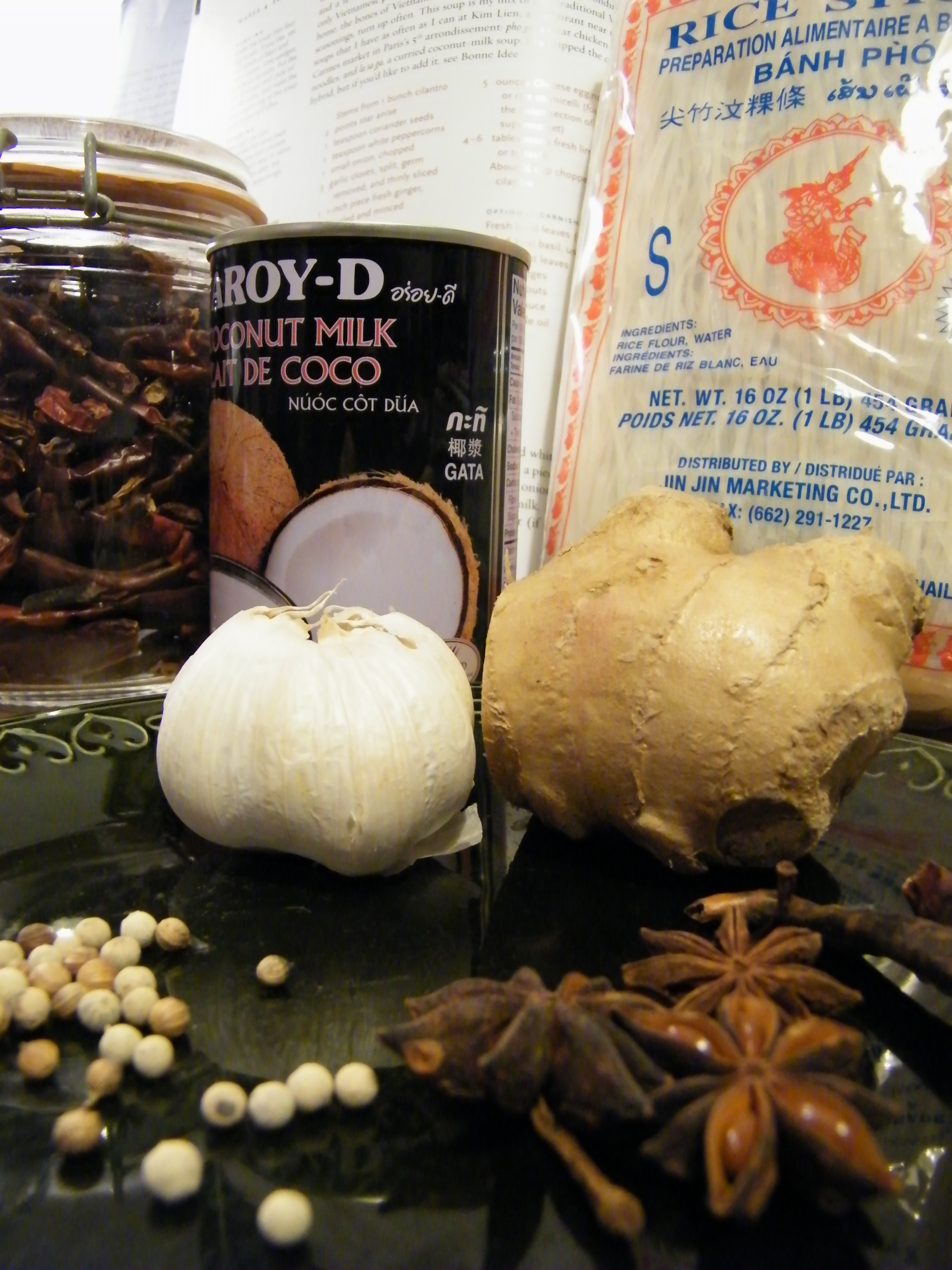
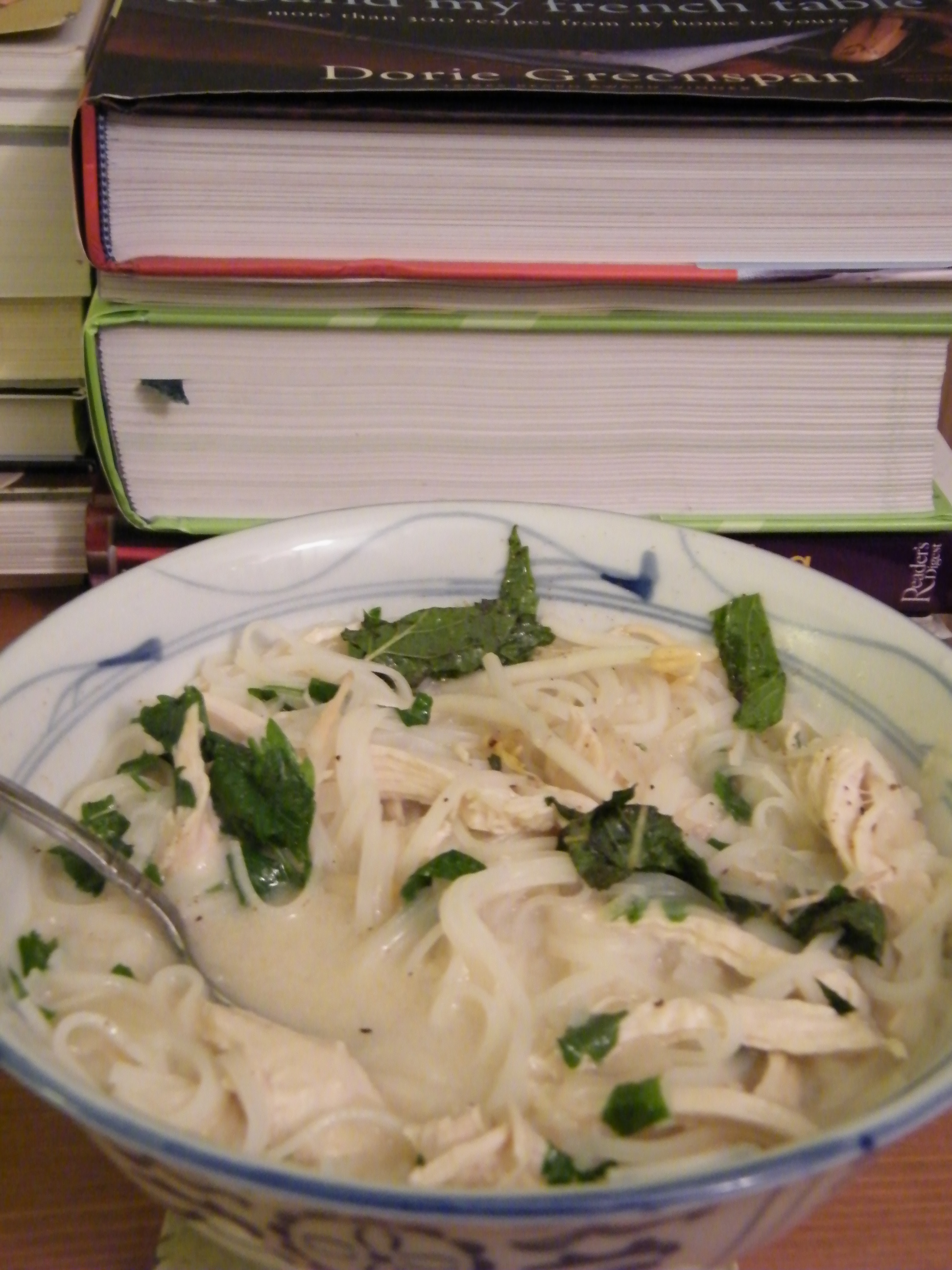
In the end, I didn’t miss the hoisin sauce at all, because this chicken noodle soup was very flavourful. I didn’t stray far from Dorie’s recipe, only substituting the rice sticks that I already had on hand for the rice vermicelli that was called for. Provided you have all the ingredients at home, or are able to pick them up on your way home from work, this is a great weeknight dinner recipe. Once you’ve got the chopping out of the way, the only thing that takes time is poaching the chicken. It’s so easy to finish, especially using rice sticks, which only need a few minutes under boiling water to cook.

Speaking of the chicken, I poached a little more than was called for in the recipe and set some aside for chicken salad. The meat absorbed the flavours of the soup and I think it will be perfect with a simple dressing on mixed greens. Since there’s only two of us in our household, I divided the soup and chicken, finishing each batch the day we ate it. The soup was good on the first day and better the second, as the flavours had melded beautifully overnight. When I make it for company, I’ll definitely start it the day before.

We used mint and bean sprouts for garnish this time, but there are so many possibilities for this soup. I’d like to add mushrooms, along with the suggested lemon grass and Thai basil. I’m also looking forward to trying the curry version or adding some smoky ham when it’s almost finished cooking. Yum.


You can find many other blogged descriptions of this week’s FFWD recipe here: Vietnamese Spicy Chicken Noodle Soup

Watershed Security: Small Hydro in British Columbia

This post is part of the Blog Action Day 2010: Water project.

The problems of mega dams have received increasing global attention over the last decade or more. Small hydro projects, though, are not as well-discussed. In British Columbia, more than 8,000 potential sites for run-of-river hydro projects have been identified and are potentially available to the private sector for development.

Private sector, run-of-river hydro projects are now being widely installed across British Columbia. Though such small hydro projects do not run year ‘round, as small watercourses freeze during the winter months, they are still extremely profitable for the private sector license holders that own them. These projects are potentially greener than mega dam projects, but BC Hydro admits that it “has not assessed them against green criteria.” In British Columbia, we have a history of publicly-owned power generation, which allows for greater public oversight of projects. This is not the case for small hydro projects. With a myriad of private owners selling power to the province, oversight becomes much more complicated. There are reportedly over 800 such projects in place to date.

Small hydro projects do have the potential for less environmental impact, as there is no long-term water retention involved. Indeed, license holders in BC are supposed to ensure minimal impact on water levels and fish habitat, even though this is not mandated under the Water Act. However, all hydroelectric power generation involves either damming or diversion (through pipes called penstocks). These small dams and penstocks, often in remote areas, are subject to malfunction, causing downstream water levels to decrease.

There are other risks to water security involved, including:

• The infrastructure that is put in place for access roads and power lines can cause deforestation and put in place the potential for greater development in watershed areas;

• The de-silting processes that are employed by the hydro projects may have down-stream consequences, as they disrupt the natural transfer of materials that all rivers perform;

• Water licenses trump the rights of local governments and First Nations to manage these resources, making regional considerations secondary.

What happens to the health of our water systems when truly wild rivers and creeks no longer exist? Will energy agreements eventually impact the non-mandatory environmental requirements that are currently attached to these projects? Will fish habitat and drinking watersheds be sacrificed? There are many unanswered questions here, but what is clear is that water health begins with the health of our small creeks, streams and rivers.

I’ve just given you a very small taste of the discussion around this issue. Here are some links, if you’re interested in looking further:

Small Hydro

New Gold Rush

Citizens for Public Power

Freshwater

FFWD – Gerard’s Mustard Tart

“Hmm. Mustard Tart.” My father’s reaction when I told him what I was making wasn’t much different than my own. Neither of us hate mustard, but we’re definitely not fans. At home, I usually have some Dijon on hand for slathering onto lamb roasts, but it’s generally a lonely little jar.

The process of making this tart was what intrigued me. I wanted to try out the savoury tart pastry and the custard-like filling looked like an interesting cooking challenge. I also wanted to see if I could make mine look as pretty and professional as the example in Around My French Table. I just wasn’t sure if anyone was going to eat it.

The tart dough requires some planning, as there’s a lot of chilling, freezing, baking and cooling involved. It’s not a spur of the moment recipe, but it lends itself to pre-preparation, as the dough can be kept refrigerated for several days before use. In my case, I was baking and cooking all day, so I just made the dough early and kept coming back to it at intervals.

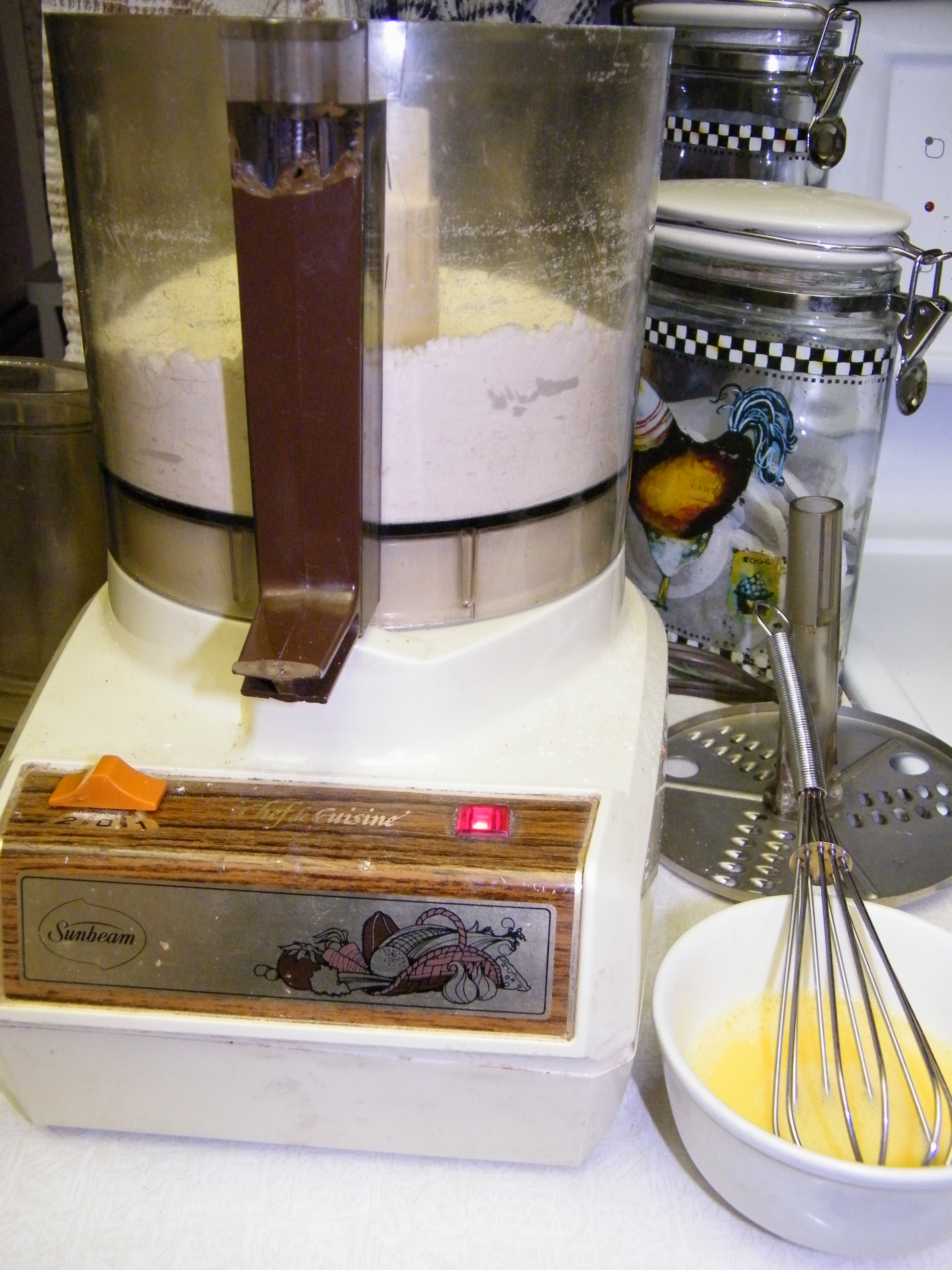
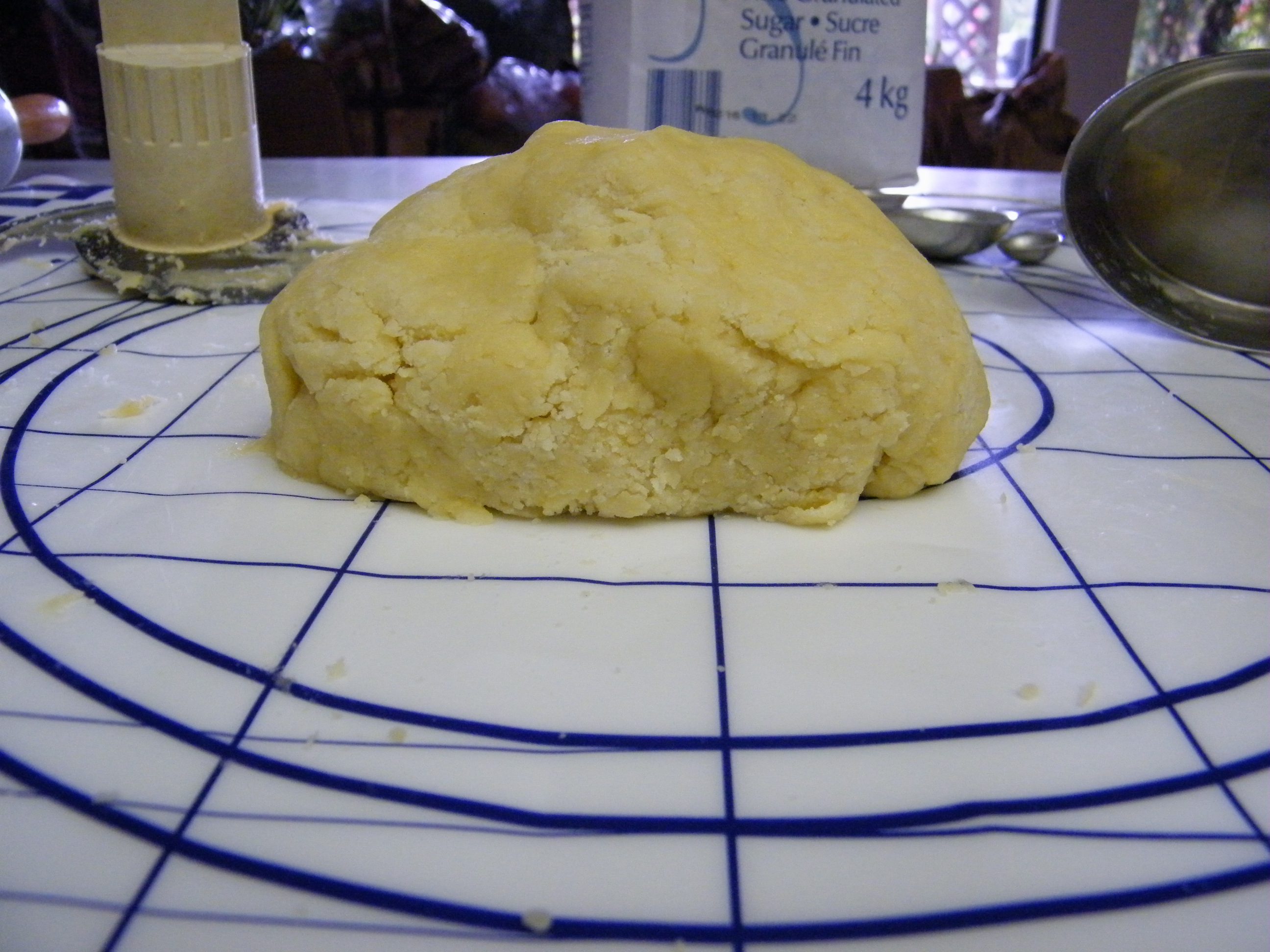
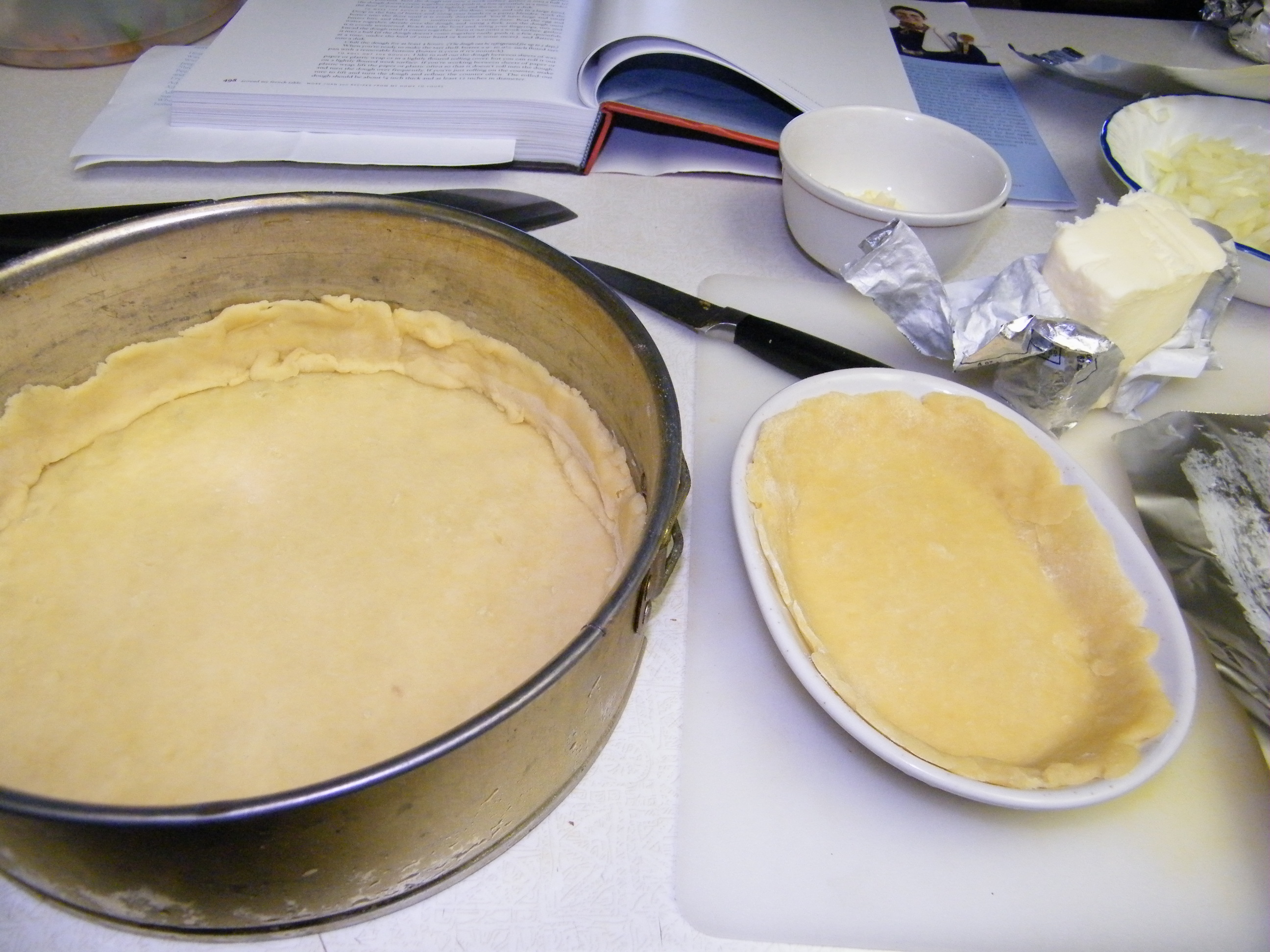
I was surprised at how quickly the tart dough came together. I was using my mother’s old food processor, which no longer looks pretty, but works as well as it ever did. Wrapped in plastic, the dough went into the fridge for three hours. Out it came and it proved easy to work with, though it softens quickly. I was using a springform cake pan, rather than a tart pan, so I estimated the height of a tart and cut the dough accordingly. I had enough left over to fill a small ceramic dish. Then, into the freezer with both crusts.

An hour later, I pulled the pans out of the freezer and popped them into the oven. I didn’t use pie weights and the crusts didn’t suffer for it. They were golden and hadn’t puffed too much. I put them aside to cool.

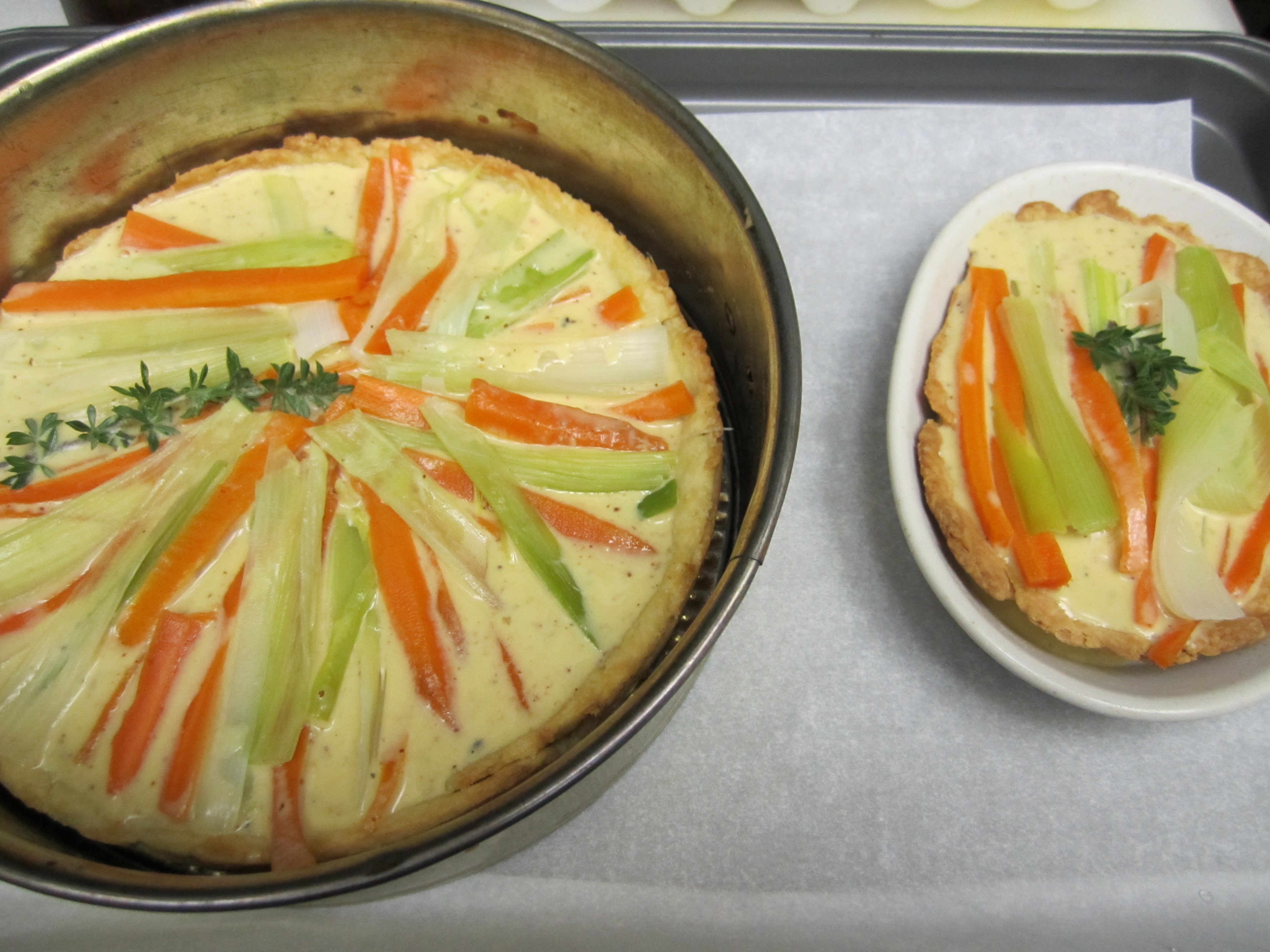
After a while, it was time to tackle the filling. Preparing the carrots and leeks was really the only time-consuming part of this recipe and even that didn’t take much time. As long as you’ve taken the time for the tart dough, everything else is simple. I used heavy cream in place of crème fraîche, fresh rosemary from my mother’s garden and I substituted a bit of kosher salt for the fleur de sel. I used two mustards, one Dijon and one grainy, but they were probably milder than those called for in the recipe.

I was really pleased with the result. Though mine looked a little more…rustic…than the one pictured in AMFT, I thought they turned out perfectly. The taste was a surprise for me. The mustards had mellowed and merged with the other flavours and the tarts proved irresistible to everyone at dinner. By the next day, there was nothing left.

You can find many other blogged descriptions of this week’s FFWD recipe here: Gerard’s Mustard Tart

A Long Journey (with sugar at the end)

When I had my first car, a steel-blue Ford Granada, I used to spend a lot of time exploring the roads in the Fraser Valley. Instead of going straight home from University, I’d take random rights and lefts, just to see where they would take me. Almost always, I’d end up on one stretch or another of River Road, with the muddy Fraser appearing here and there past the trees. River Roads run up and down both sides of the Fraser and I’ve never decided whether I think that was practicality or uninventiveness on the part of all those municipalities.

I don’t drive that way anymore. I gave up my last car many years ago and have mostly relied on walking, cycling and transit ever since. A few years ago, we joined the local car co-op, which makes trips out to the Valley easier, along with bulk buying errands and weekends away. Even if I did own a car now, my environmental consciousness has developed enough that I couldn’t just drive for the sake of driving again. I also think that development has really changed the Valley and that if you did try to explore in this way, you’d be more likely to get stuck in a rabbit-warren subdivision or industrial park than you would be to reach the river.


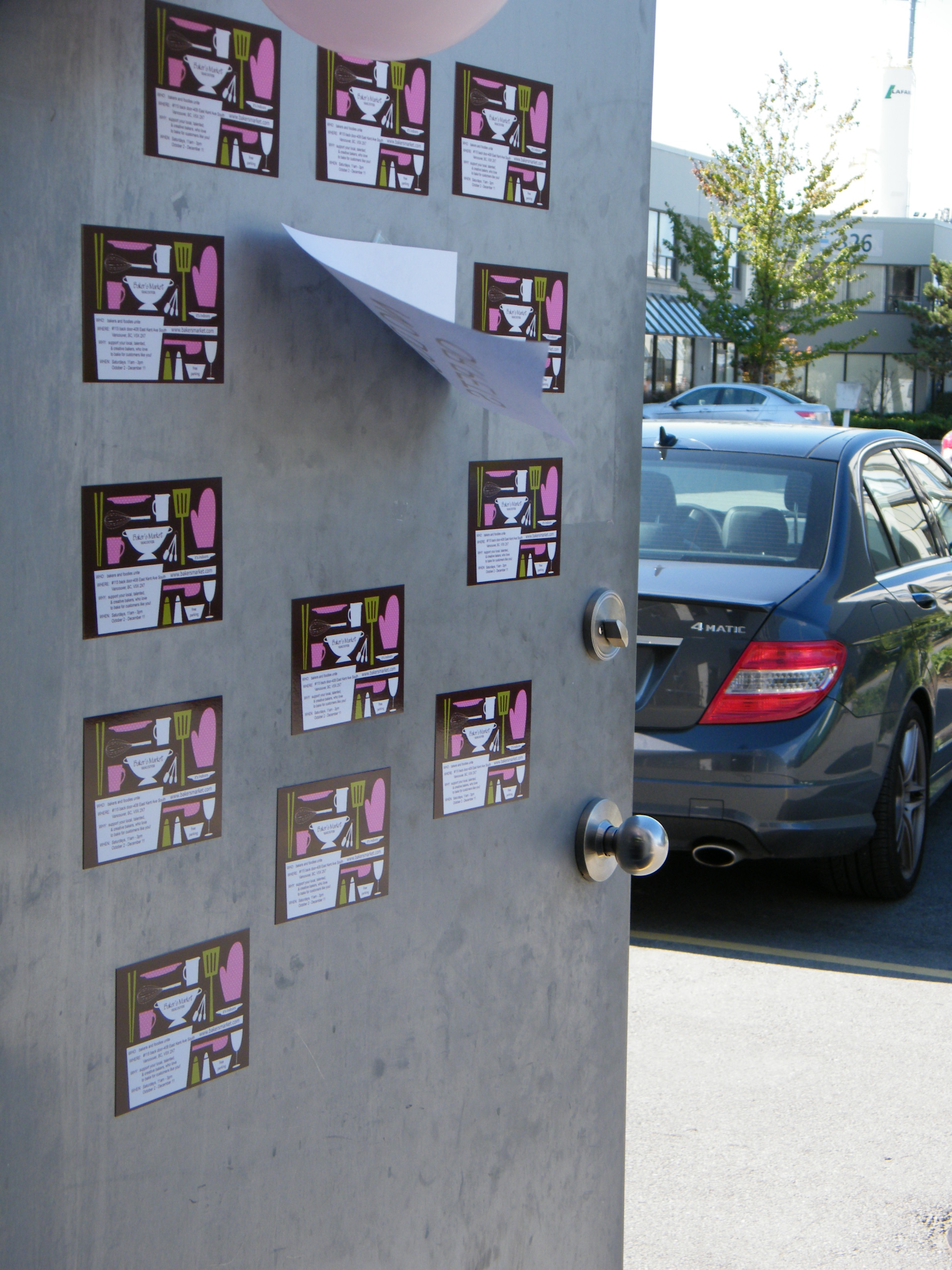
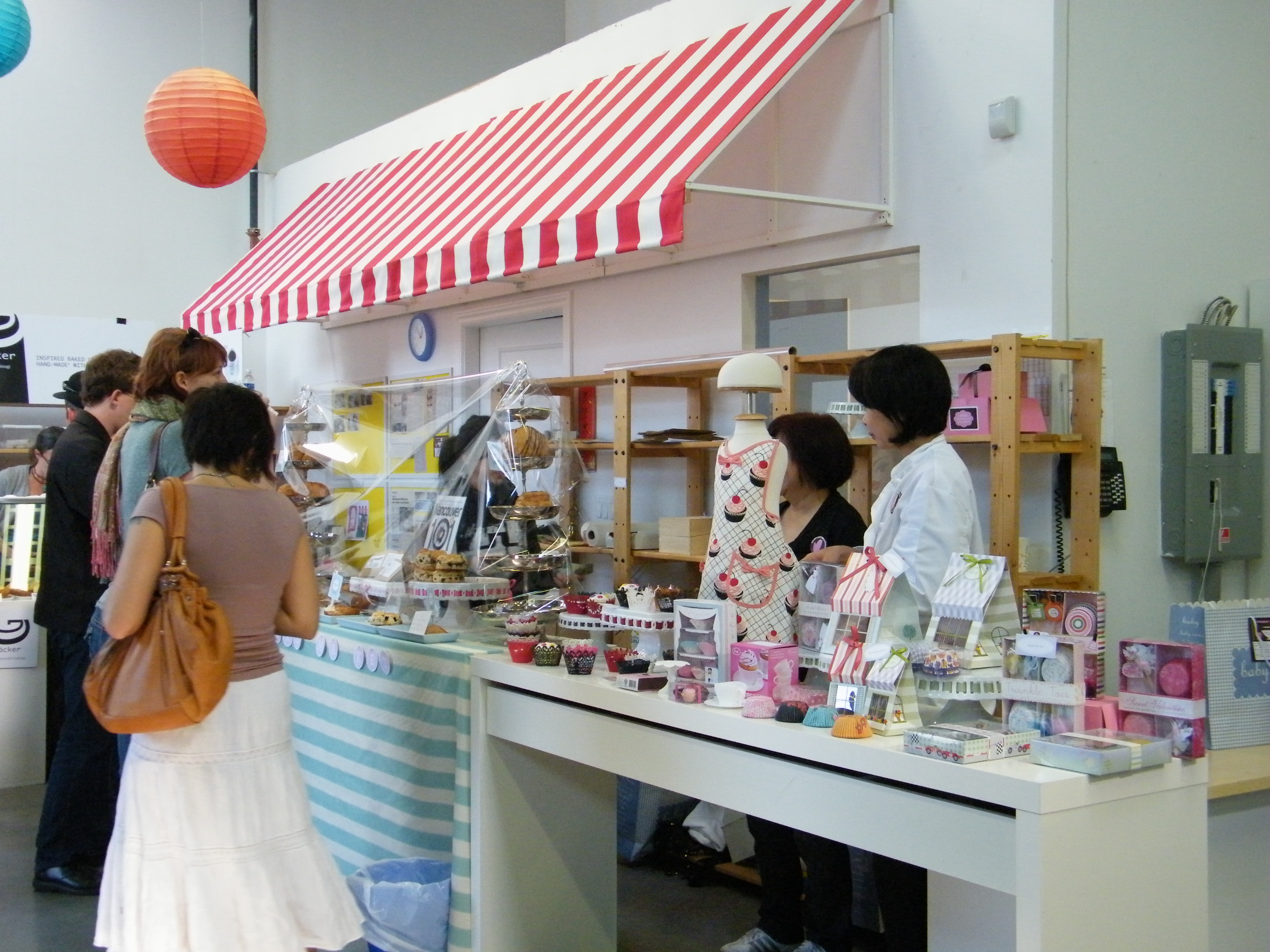
I was reminded of my old habit this past Saturday, when I decided to go to the Bakers’ Market for the first time. It’s located near Main Street and southeast Marine Drive, a very long bus ride from my neighbourhood. The area is industrial and I made my way through parking lots and across railway tracks to get there. It felt almost illicit, like trying to find a warehouse party.

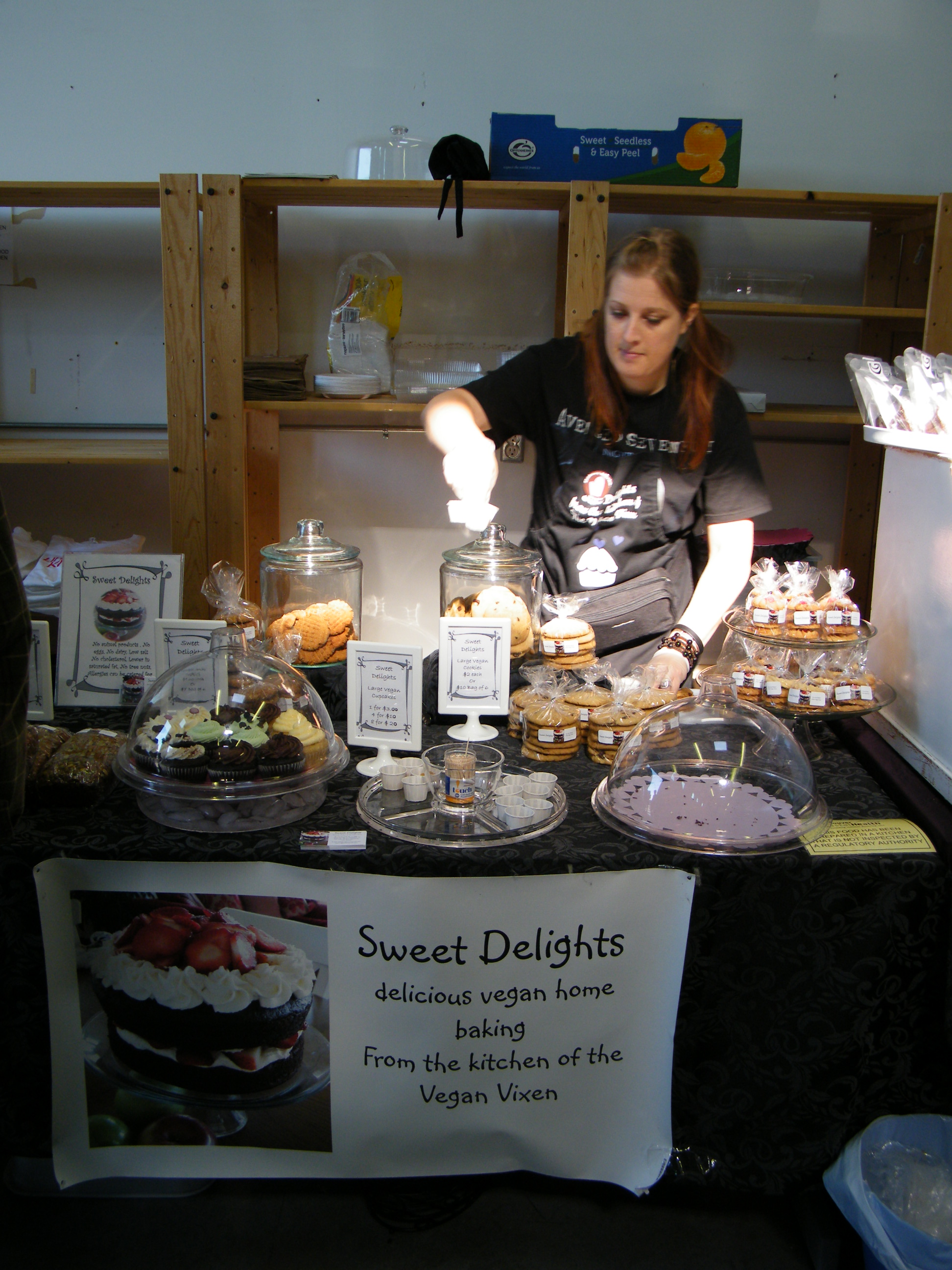
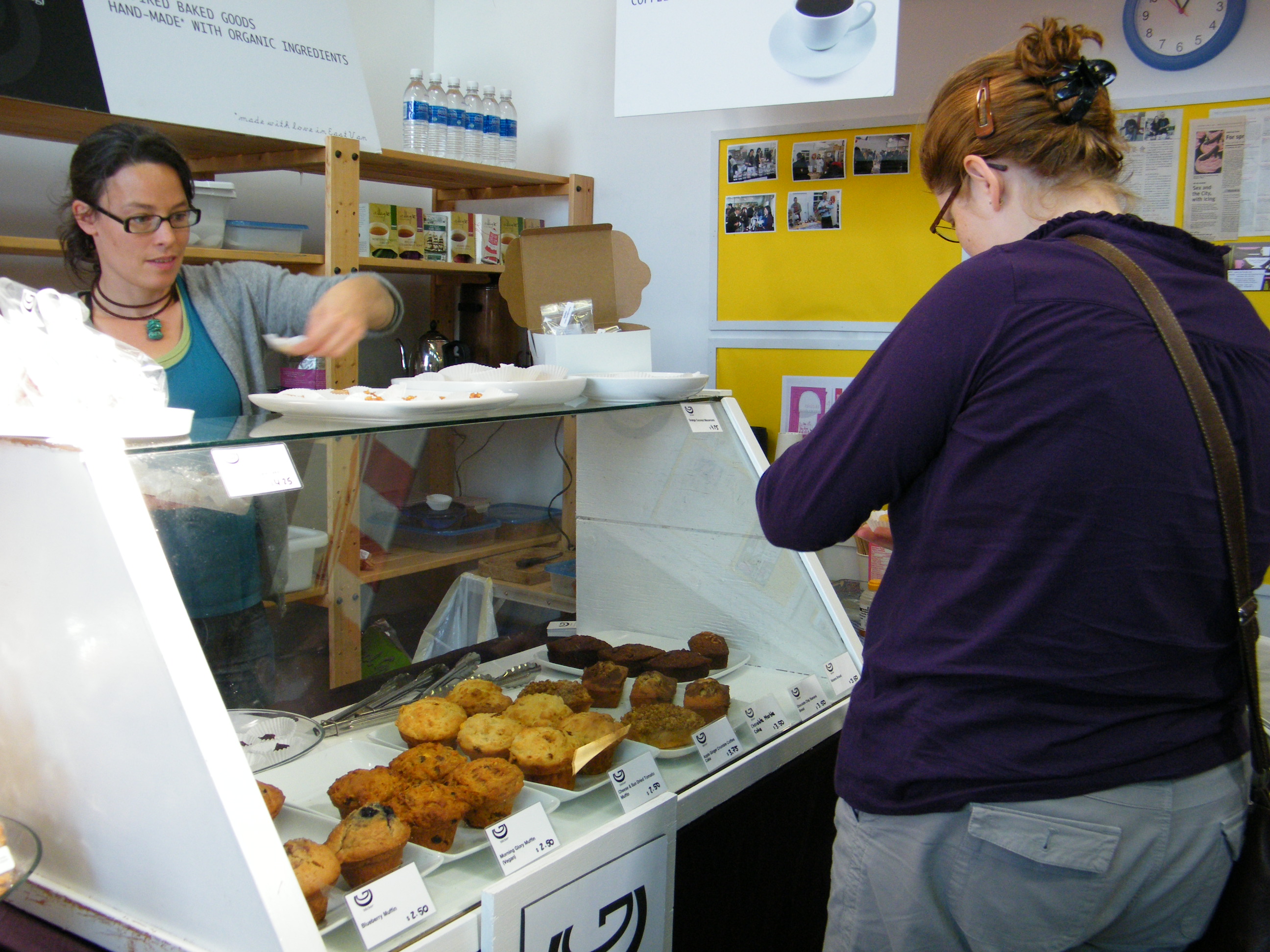
The destination was definitely worth the journey, though. The Market takes place in a warehouse-like room at the back of a commercial park. Even so, they’ve made their space inviting and pretty once you get inside. I arrived at around 12:30 p.m., but many of the bakers had sold out by then. I could understand why. There were some hobbyists there, along with the professional bakers, but absolutely everything on display was beautiful. There were even vegan and gluten-free options available at some tables.


What struck me, aside from the beautiful baked goods everywhere, was how friendly and happy both the sellers and patrons were. Perhaps it was the (inevitable) sugar rush. I think, though, that it was more a matter of people sharing their exquisite artisanry with an appreciative audience.


I went home with ginger-marzipan cookies from Chef Kev, a mint chocolate vegan cupcake from Sweet Delights, an apple loaf from bäcker, tartlettes from sweetypie and some (unfortunately crushed) macarons from another vendor. I would have loved to bring home more. Next time, I’m going to go earlier. And although I appreciated my contemplative bus ride, I think I’ll book a co-op car.


FFWD – Gougères

I went on a baking spree this week and Dorie Greenspan’s Gougères were at the top of my list. I don’t get to bake much these days, as my partner has celiac disease and isn’t fond of baked goods. So, no gluten-y or gluten-free baking for me at home. This week, I went over to my parents’ place and baked to my heart’s content. The first thing I tackled was also the first recipe for French Fridays With Dorie.

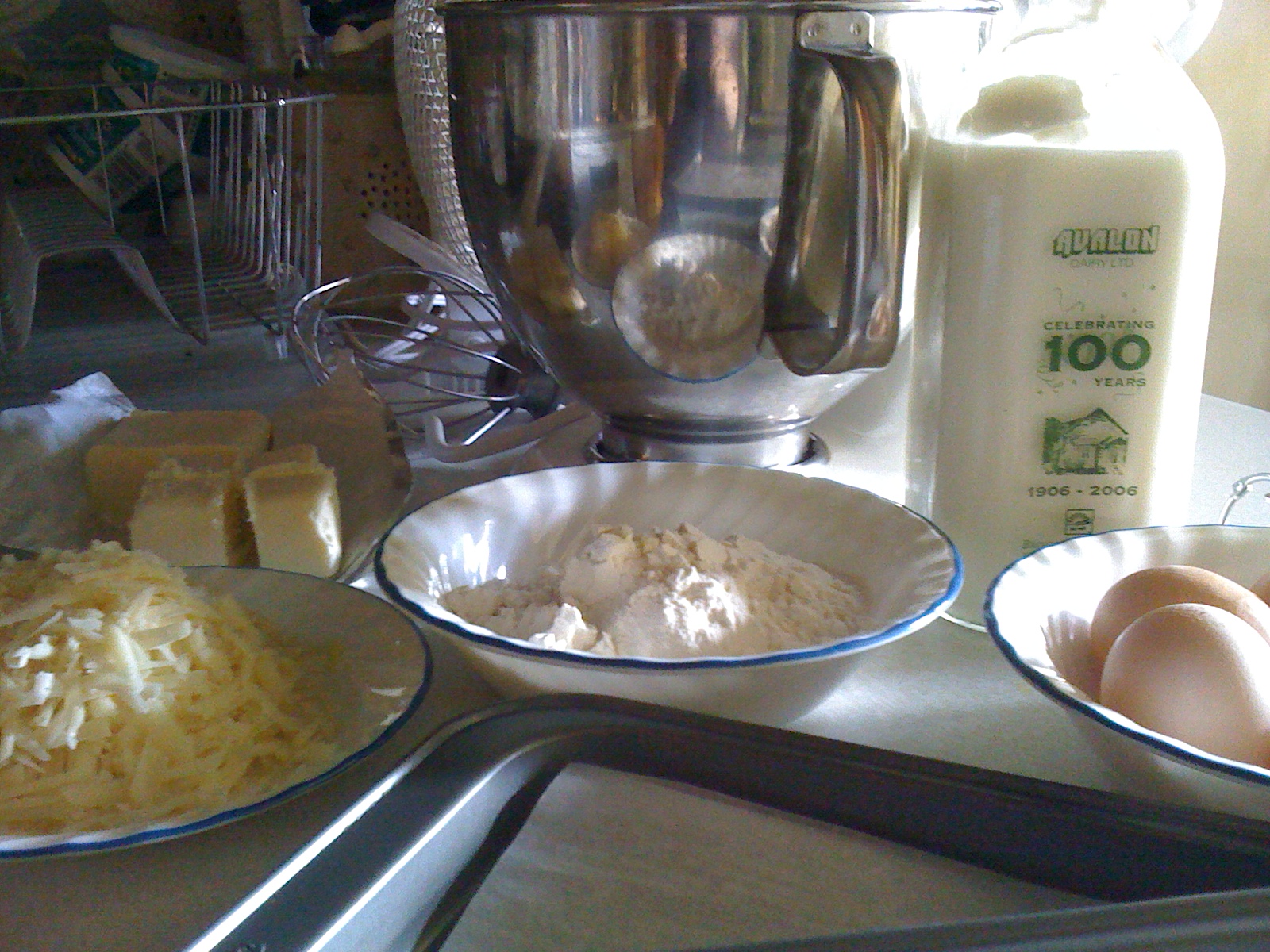
I used Asiago cheese for my gougères, as I’d picked some up for another recipe, but otherwise I followed the recipe as published in Around My French Table. My parents have a hobby farm, so I have the pleasure of using farm-fresh, organic, free-range eggs for free. The only challenge is finding eggs small enough to qualify as large. I also had the luxury of using my mother’s Kitchen Aid stand mixer, so the whole process was very easy.

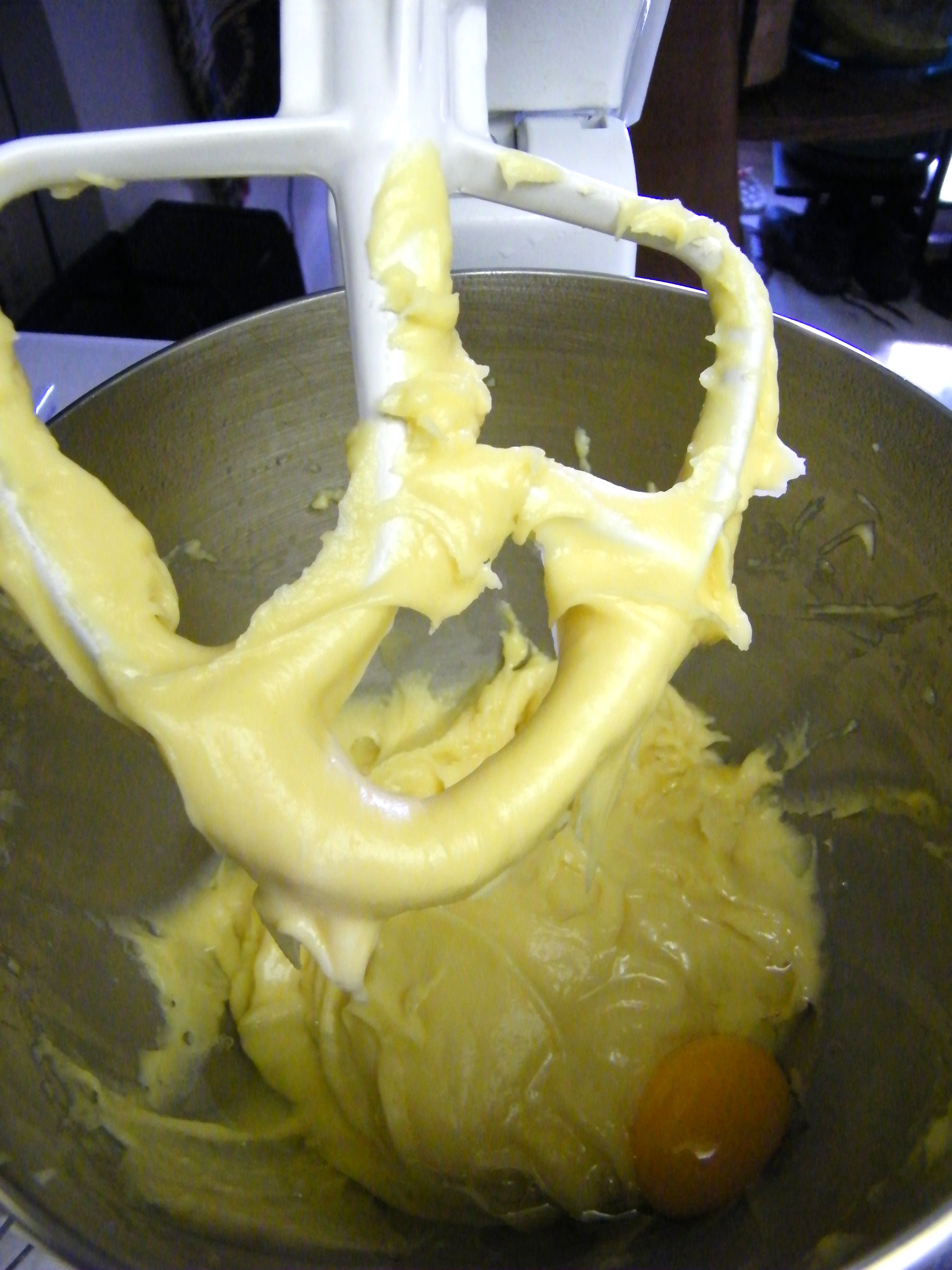
I’d always been intimidated by the idea of choux pastry, thinking it would be easy to go wrong with it, but in this recipe everything was surprisingly quick and according to plan. By the time I added the grated Asiago, the dough was the consistency of a rich, extra-thick batter and glowed an eggy, buttery yellow.

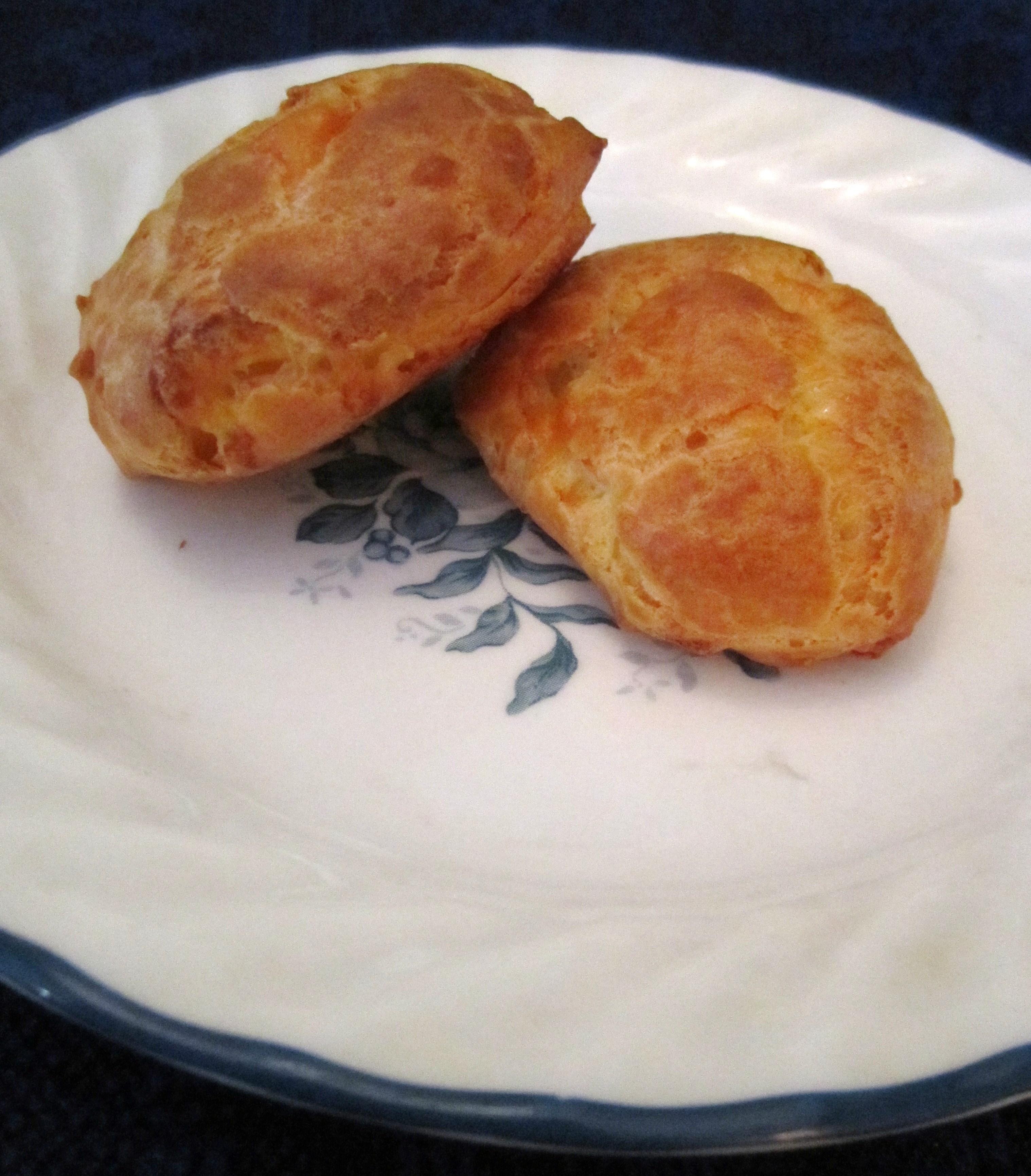
I spooned out and froze most of the batch, which is being saved for my brother’s 40th birthday party. I saved enough to bake three, though. (No baking without tasting is a good motto, I think.) My mother’s oven runs a little hot, so they were just slightly browner than I’d wanted them to be, but they weren’t overdone.

I loved the texture and taste of these puffs. The exterior has the texture of a cream puff, but the interior is slightly moist and cheesy. The deep sharpness of the Asiago worked nicely. We ate the first two just as they were (sans Champagne, unfortunately) and my mother spooned some strawberry jam into the last one. I don’t know if that’s done or not, but it was delicious. When I make them next (and I will be making these often, provided I can get some gluten-friendly kitchen time), I think I’ll try Guinness cheddar.

You can find many other blogged descriptions of this week’s FFWD recipe here: Gougères

Nourishing Community

If you Google the term care circle, you’ll come up with two different things: websites to help you form giving circles, which pool individuals’ donations for philanthropic goals; and, groups of friends and family that form to help someone who is living with health challenges. I’m writing about the second sort today.

I have a friend who has been living with a serious illness for many years now. She’s one of the busiest, most social people I’ve ever met, but there have been times when she’s been worn down by her illness. That is what’s happening for her right now. So, she’s asked for a care circle. That way, she can expend as little effort as possible on preparing food and arranging to spend time with people, leaving her able to concentrate on taking care of herself. A good friend of hers set up the circle on the Lotsa Helping Hands website, which makes the whole process easier. Each of us joined her care circle on the website and can sign up for meals using a calendar on the site. It’s easy to see what dates are available and there’s little hands on co-ordination needed.

What’s left is the important stuff – cooking good food, eating together and spending time with friends. Maybe it’s my upbringing (actually, it’s definitely my upbringing), but for me there isn’t a lot that’s more meaningful than cooking for someone you care about. Choosing a recipe, buying and preparing the ingredients, improvising along the way and then, finally, sitting down and watching someone enjoy the food you’ve made; all of that adds up to caring. I think this attitude is unnecessarily gendered and subsequently trivialized, as most “female” pursuits have been. I’ve been on both sides of this food equation and people of all genders can create this kind of…well, let’s face it…love.

Food IS love! At least, it’s an expression of love, for oneself and one’s communities. I’m aware that’s a dangerous sentiment to express in a fatphobic culture, but the evidence is all around us. People are increasingly interested in cooking for themselves and their loved ones, facilitated by the accessibility of food websites and blogs. Communities are forming around issues like food security and safety. Here in Vancouver, the only movement rivalling the growth of food culture has been bicycle culture. Often, the two go hand in hand – Farmers’ Markets are some of the best-used Bicycle Valet locations.


I don’t think it’s a surprise that so much community-building effort is going into food issues. We’re moving into an era where people are looking for connection and community, moving away from the suburban separateness that marked the last half of the twentieth century. Food issues are also an unthreatening entry into social justice for a lot of people. This isn’t just an upscale phenomenon, like Growing Chefs fundraisers or foodie tours of the Okanagan. It’s also Quest Food Exchange’s canning workshop this summer, which cost only $5.00, including some canned peaches to take home. People are connecting up and down the economic scale on these issues. I hope this community-building will extend beyond food issues, as I think there’s potential for this energy to open up into other social justice issues, like housing and economic security.

Bringing us back where we started, I wanted to share a recipe with you that I made for my friend – it’s nourishing without being taxing on the digestive system and it’s flavourful without being spicy. You can also easily modify it to suit whatever ingredients you have on hand.

Swiss Chard and Cabbage Soup

10 cups low sodium chicken stock
15 oz. Swiss Chard, washed and chopped
3 cups cabbage leaves, washed and chopped
1 small onion, finely diced
3 cloves of garlic, finely diced or pressed
½ a lemon, juiced
½ a cup finely chopped parsley
1 small bunch fresh basil, or 1 tsp dried basil
3 tbsp extra virgin olive oil
1 cup short grain rice (if you use brown rice, parboil it ahead of time and finish cooking it with the soup)
1½ tbsp unsalted butter
½ cup grated Asiago cheese

Heat the chicken stock, keeping it at a simmer. If you’re using dried basil, add it now.
Heat the oil in a large saucepan or wok and add the onion. Cook gently until golden and then add the garlic and cook for a minute or two longer.
Add the cabbage, turn up the heat and cook for a minute or two. Add the Swiss Chard and cook for another minute more.
Add a ½ cup of the hot stock, turn the heat down, cover and simmer for five minutes.
Add the rest of the stock, bring the soup to a boil and stir in the rice, boiling gently for 10-15 minutes.
Add the lemon juice.
Remove from heat, stir in butter (and fresh basil, if that’s what you’re using).
Set the parsley and cheese out for guests to sprinkle on themselves, along with salt and pepper.

(adapted from ifood.tv – you can find the original recipe here: Swiss Chard and Cabbage Soup)