Readers Need Sharpening, As Knives Do

20140218-204922.jpg

Literary works may best be seen not as texts with a fixed sense, but as matrices capable of generating a whole range of possible meanings. They do not so much contain meaning as produce it.

Terry Eagleton, from How to Read Literature

Freedom to Read week starts on February 23rd this year and “encourages Canadians to think about and reaffirm their commitment to intellectual freedom, which is guaranteed them under the Charter of Rights and Freedoms.” It’s a time to stand up for works that have been banned or challenged and to speak up for the belief that one’s moral universe will not be shaken or shattered in the face of art that may not be in line with it.

So, it’s with more than a little chagrin that I turn to the topic that I’ve been thinking about for the last week or two. You may have heard that J.K. Rowling has had misgivings about one of the primary relationships in the Harry Potter series. That’s not what I’ve taken issue with; plenty of writers have had second thoughts or regrets about texts that their readers regard as fixed, as this insightful piece from The Millions demonstrates.

What has been bothering me is some of the response to Rowling’s declaration. Particularly the listicles ranking the lousiest matches in literature, with this one being the worst offender. It’s as though the characters from works of literature were lifted out of any contextual relationship to the novels they inhabit and dumped into a plot-driven television drama. It makes me want to confiscate the listicle-assemblers’ copies of the books they refer to and put them into more responsible hands.

Hence, the chagrin.

This isn’t the first time I’ve gone down this road (I know, I never learn). I once got into a scuffle with another reader of Tess of the D’Urbervilles on a reading forum, because she was shocked and disgusted that a woman of such low character could be the heroine of a romance [sic] novel. As I recall, I replied with an impassioned retort that Tess’ approach to the gallows was a profoundly feminist critique of the strictures of Victorian class and gender roles and that the angry reader should probably avoid reading literature in future. I just angered her further, mostly because she hadn’t read to the end of the book before she posted her review and now she knew the ending. That was the end of my online literary discussions.

In my defence, if that’s possible, it’s not that I’m taking issue with what people read, but with how they read it. You don’t need to have the same interpretation of Hardy’s novels as I do, but I wish more people would take the time to read literary novels as a whole, rather than focusing solely on the plot.

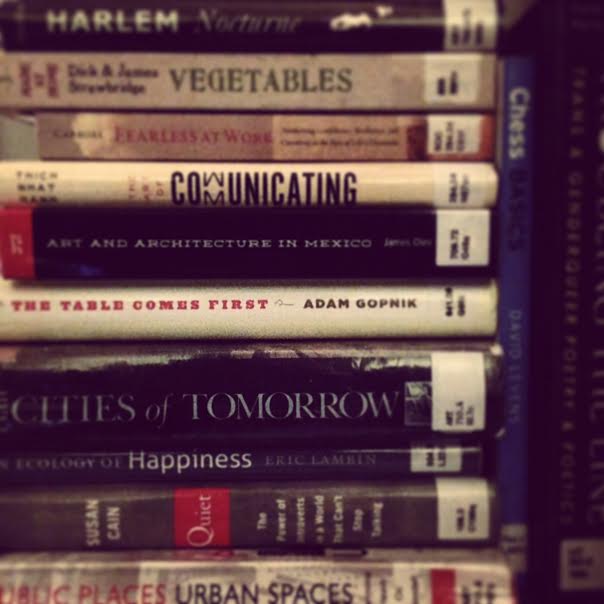
But, don’t take my word for it. Terry Eagleton’s latest book, How to Read Literature, is a funny, deft primer on how to approach literature. I read it around the same time those damnable listicles came out and I enjoyed the way he works through various aspects of the novel (nod to E.M. Forster intended), demonstrating the pleasure that can be had from paying closer attention to character, structure, and interpretation. It was a nice corrective. I’d also recommend Francine Prose’s Reading Like a Writer, in a similar vein. Whether they’re reminders or road maps for the reader, they encourage deeper, more thoughtful engagements with reading.

In any case, you’re probably better off with the librarians than you are with me. They will encourage you to read deeply in the directions you choose, without any curmudgeonly grumbling about how you do it.
Bike City

Bikes

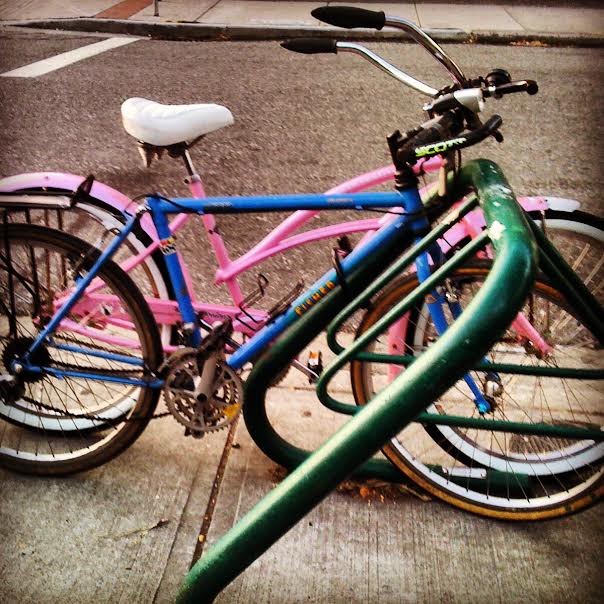
Though the addition of separated bike lanes to the downtown has brought cycling to the fore in civic conversation, the truth is that Vancouver has been a bike city for decades now. It’s been a slow evolution, from inconvenient bike paths set on out-of-the-way streets to today’s emphasis on a safe, connected network.

Until recently, cycling businesses were mostly limited to bike shops, courier companies, and rentals, with a few pioneers like SPUD taking the lead on eco-friendly bike deliveries. Now, there’s a widening array of bike-powered businesses, encouraged by the growing infrastructure, the mainstreaming of cycling culture, and the shrinking demand for bike couriers. The smaller start up costs of bike-based business makes it a creative space, allowing entry to small-scale ideas that might not make a profit if auto transport had to be factored in.

There’s also been an evolution of support services for cyclists as cycle culture has grown. Amenities like bike corrals and air pumps are being installed across the city. Many events and festivals provide bike valet services. The Farmers’ Market also sets up bike valets at some of its markets, along with free bike delivery of groceries at two of their locations. As more Vancouverites give up their cars and focus on cycling, walking, and public transit to get around, this support will continue to grow. It’s not just singles and childless folks getting into the act, either – Velo Family Diaries is a great account of how pedal-powered living can work for the kind of families typically seen in mini vans or SUVs.

Breakfast

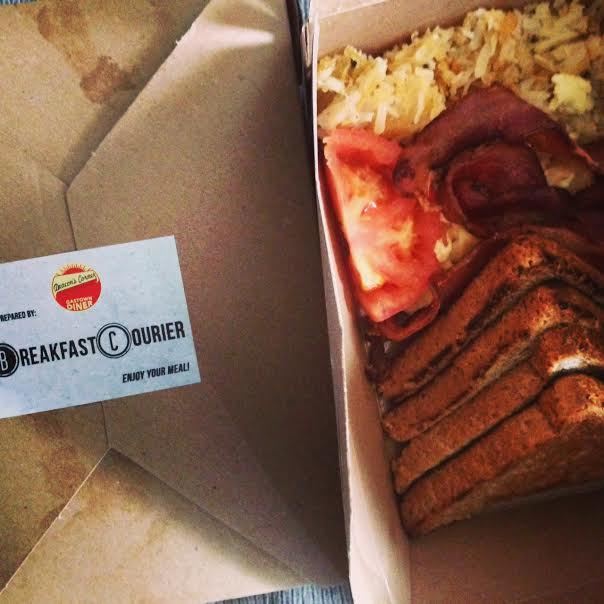
Whether it’s brunch from the Breakfast Courier or secure bike parking at the Folk Festival, I’m happy to take advantage of what this bike city has to offer.

Here’s a sampling:

Groceries, Greens, and Grub

Food Pedalers
Nut butters at your door
Eastside dinner service
Lunch at your desk

Forget Food Trucks

Coffee
Ice cream
Popsicles

Heavy Lifting

Shift Urban Cargo
Long Bikes

DIY

Our Community Bikes
Kickstand

Advocacy

HUB
BEST
Momentum
Critical Mass

New Westminster’s Downtown Renaissance

Tugtastic

The trajectory of New Westminster’s historic downtown has embodied a lot of the conversations around downtown renewal over the last few decades. For years, Columbia Street struggled to compete with newer shopping centres, while the surrounding area declined. In the mid-eighties, the construction of the Skytrain and Westminster Quay shopping centre were promised to bring new life to the area, but that didn’t last. After its novelty wore off, Westminster Quay languished through several reincarnations and was largely empty for a long while, while Columbia Street relied on wedding shops for its primary retail strength.

Tea 4

It’s been said that the real estate boom in Vancouver is responsible for New West’s downtown renaissance, along with the construction of many residential towers on redeveloped industrial lands. Independent small businesses are now thriving alongside the wedding shops on Columbia Street and Sixth Avenue, while Westminster Quay has rebranded itself as the River Market at Westminster Quay and focused on food and the creative sector to allow it to become a community hub.

Re Up

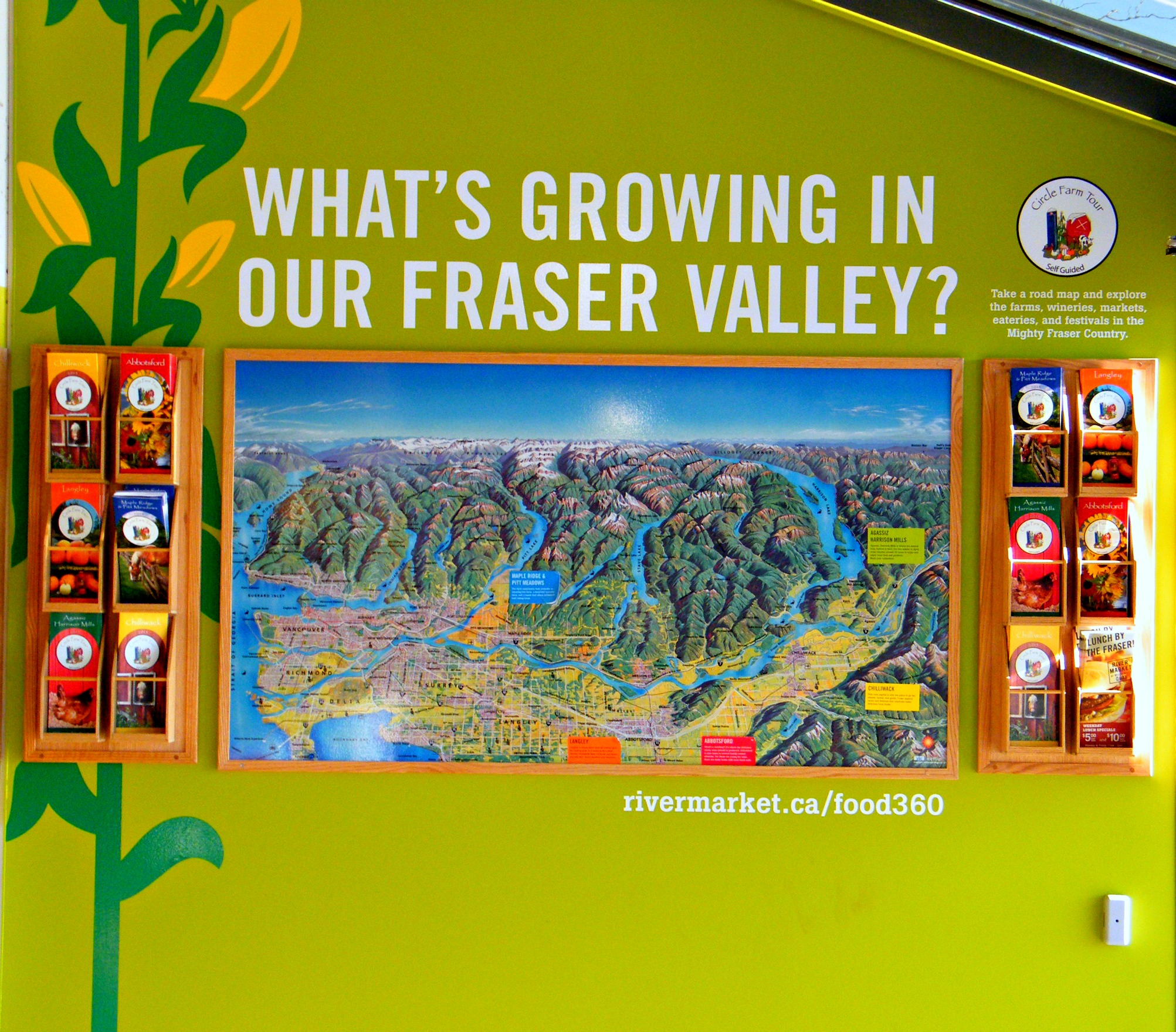
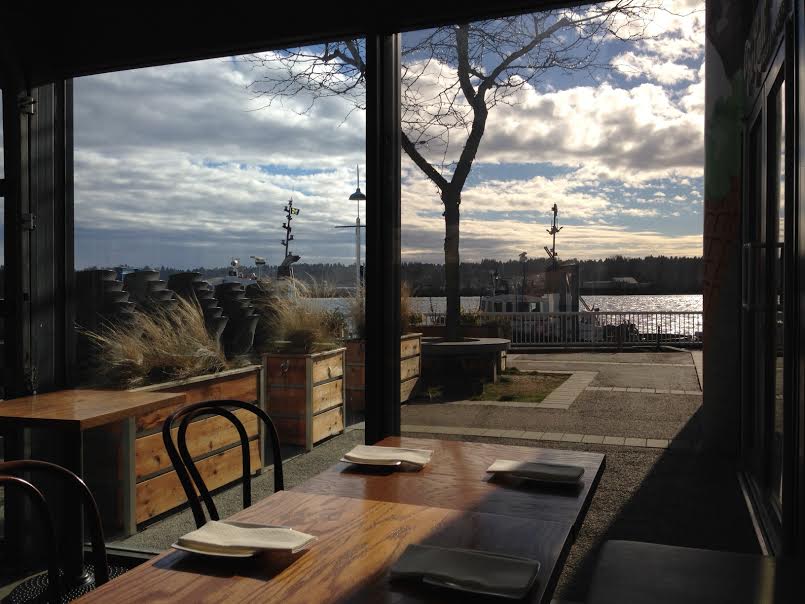
I spent the day in the area today, exploring the River Market with my Mom. The cold snap didn’t allow us to wander as far as we’d have liked, but we found more than enough to keep us busy at the Quay and in the surrounding area. The Quay is divided into the “Hungry Floor” (which is just as you’d expect) and the “Curious Floor” (which is dominated by arts organizations and creative sector businesses). We predictably spent most of our time in the food zone. There are a number of Vancouver transplants, anchored by a branch of Donald’s Market and including La Grotta Del Formaggio, Wild Rice, Re-Up BBQ, Longtail Restaurant, and Wally’s Burgers. When you include Fratelli Bakery’s branch farther up Columbia, it’s no wonder people have taken to calling New Westminster East Van East.

Dim Sum 3

Crepes 3

My mother and I limited our tasting today to Dim Sum at Wild Rice and sweet crêpes at Crêpe Des Amis (expertly made by its Parisian proprietor). Unfortunately, after that we had room for no more. It would be fun to go back with a larger group and do a proper tasting tour of all the River Market has to offer.

Growing

Books

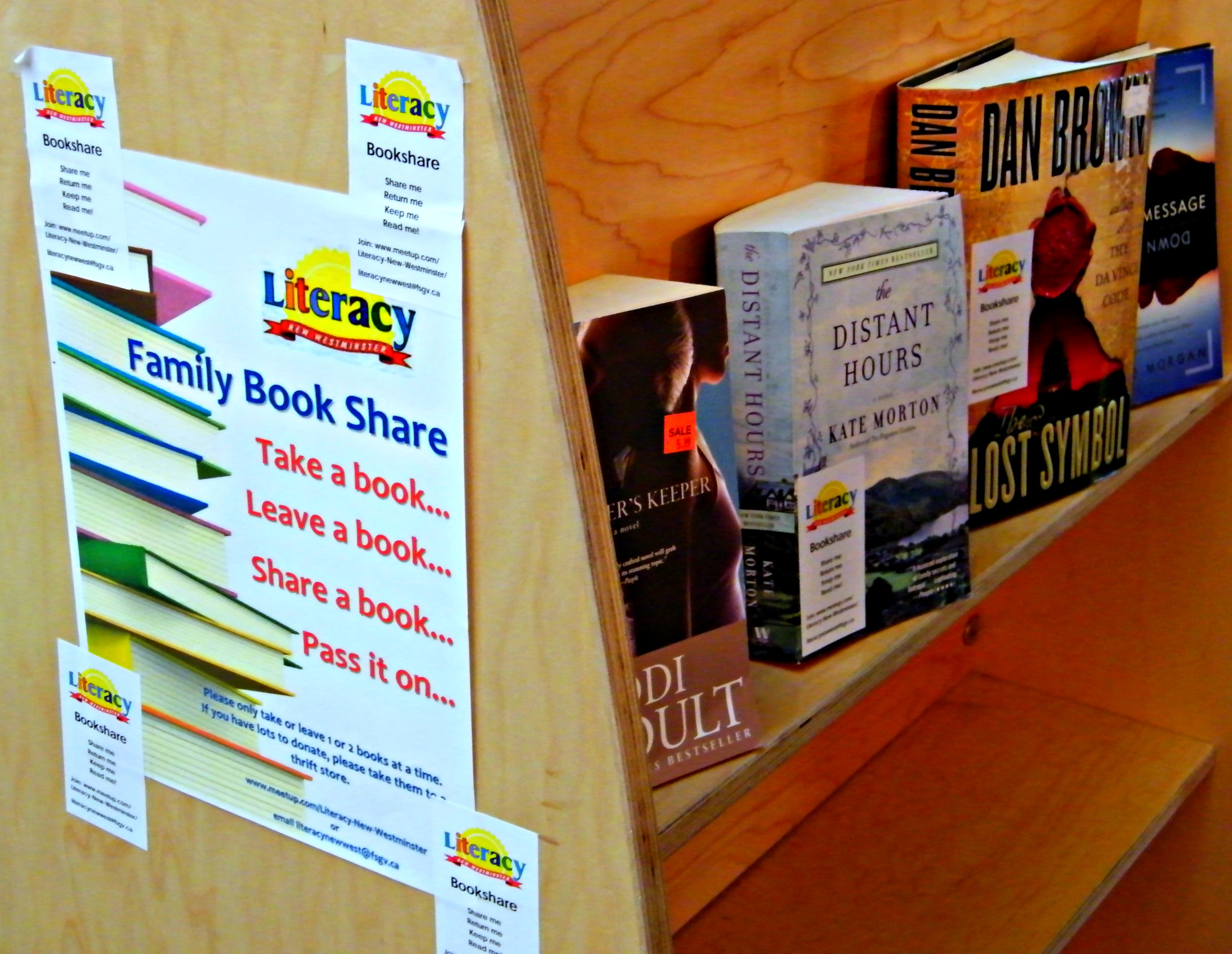
The management has also done a good job of making the Quay a community magnet, with lots of seating, family-friendly events, and initiatives like a book-sharing station. It creates a city square sensibility, provides indoor amenities that connect with the riverside boardwalk and Quayside Park, as well as providing incentive for walkers to move beyond the Quay into the revitalized Columbia Street shopping district. I’m looking forward to going back on a warmer day and exploring further.

View

Deeply Local: Grandview-Woodland’s Citizens’ Assembly

Juxtaposition

These are some of the things I love most about my neighbourhood: I can walk the length of the shopping street as quickly (or sometimes more quickly) than the time it takes for the bus to arrive and carry me from one end to the other; the variety of foodstuffs and staples available within walking distance; the wealth of restaurants and coffee shops; brick and mortar bookstores, record shops, and even a video store; the mix of heritage homes, 1950s walk ups, and affordable apartment buildings, many with room for vegetable gardens; a feeling of engagement with one’s neighbours across the district. The things that I don’t love include the increasing unaffordability of the neighbourhood for both residents and small business owners, the proliferation of condos designed to last little longer than a mortgage cycle, and the increasing feeling that our neighbourhood is destined for suburbification and its attendant disconnection from the deep feelings of community that have been built here.

With all this in mind, I found myself inside on a sunny Saturday along with almost seventy other Grandview-Woodlanders, debating the questions around the construction of a Citizens’ Assembly and the part it will play in crafting the plan that will guide our neighbourhood’s future. The City hired a facilitator who specializes in forms of deliberative democracy like Citizens’ Assemblies and over the course of the afternoon, participants had an opportunity to tackle at least two of the structural questions the City put before us. We met in small groups for half-hour periods, then at the end of the day, there was a summary from each of the tables about the most important ideas that had emerged. All ideas were written up on tear sheets that were taped up around the room and at the end of each session, participants marked their priorities dotmocracy-style.

We were encouraged to choose the discussions we felt most passionate about, but a more accurate assessment for me would be that I chose the discussions I was most worried about. My choices were Composition of the Assembly and Community Engagement. Some of the ideas that came out of the first group included: representing three kinds of tenure – owners, renters, and housing co-op members; reserving seats for aboriginal members, whether or not candidates are identified through the initial call out; using a multi-pronged strategy for recruiting candidates that includes outreach to community groups as well as more passive strategies like mailouts; that twenty Assembly members was probably too few and fifty probably too many; and making sure that there’s representation across the district. The ideas that came out of the second group drilled down a little deeper. Outreach by Assembly members to community groups to capture viewpoints that might not be represented by the Assembly, especially those of vulnerable populations. The three levels of the process (City-led, Assembly, and Community) should not be separate, but should inform each other – community consultation should happen in conjunction with the Assembly and the City, rather than separately; the Assembly’s report should be brought to the public for critique and comment on a regular basis; the City’s plan should be both informed by the Assembly’s proceedings and incorporate the Assembly’s critiques and comments.

I hope that when the City finishes gathering the suggestions from the two sessions and the online consultation, that the information is presented in an unabridged form and that the Assembly is constructed on the most representative basis, not just on the basis of demographic diversity, but also with a socially just distribution that accounts for differences in privilege.

I came away from Saturday’s session with a cautious optimism, not because I believe that this process will be the salvation of my neighbourhood, but because I was engaged with so many people who care about the district as much as I do. I know that a number of people felt the session was too constrained and directed by the City – you can find out more about that here and here. My hope is that the Assembly might help shift the focus of Grandview-Woodland’s future away from developers and toward residents and that through this process, the City will come to value the area as the model of liveability (mixed-income, walkable, diverse, lovely) that it is already.

It’s not too late to comment on the Assembly composition debates. You can find the Discussion Paper here and the link to the City’s questionnaire is here.

Aspiration Season

20140114-221514.jpg

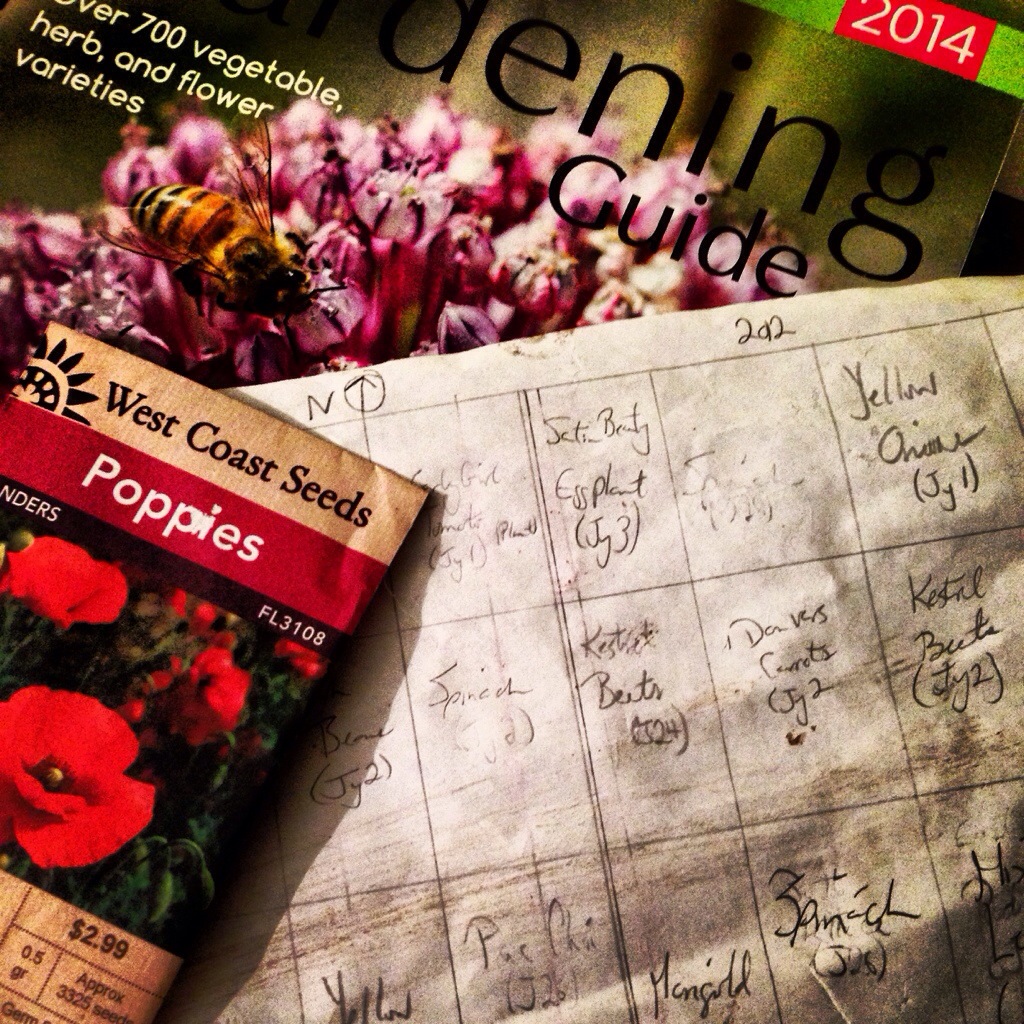
Thoughts of spring come a little earlier around here than in most places in Canada. Shoots erupt and trees start to bud in January, even though we often have a final bout of cold weather (and occasionally snow) in early February. In about a month, though, it will well and truly be spring. And all that garden cleanup I procrastinated on last fall will become an urgent task.

For now, though, I’m going to enjoy my newly arrived seed catalogues, making overly ambitious lists of varieties I’d like to try growing, while studying my charts of gardens past.

Do you have space for plants where you live? Are you a balcony gardener or a backyard farmer? Do you grow for show or for food? What new plants or varieties have caught your eye this year? I’d love to hear about it in the comments.

Sharing Books, Sharing Culture

Books Too

Much has been made of the sharing economy and I’m a big proponent of it myself, as I’ve mentioned before. But for many of us, our introduction to sharing came from outside the economic realm, when we signed up for our first library cards.

Growing up, our branch of the library was a little under two kilometers away and my siblings and I would often walk there on Saturdays to browse the shelves. Our school libraries were also well-stocked, so we each had stacks of books from both sources scattered around our rooms. After University, I began to neglect the library, as my suddenly greater discretionary income allowed me to develop a more robust book-buying habit. That dropped off in my mid-thirties when I realized that I could never own All The Books and my purchases became a little more discriminating. I started visiting the library more often again, borrowing the books that I knew I would likely only read once and test-driving the ones that would eventually make it into my permanent collection.

I’m lucky to have access to a great library system in Vancouver, which was recently declared the top library system in the world (along with Montréal’s). Other library systems are in jeopardy, though, like the hundreds of libraries lost in the UK. Zadie Smith‘s description of a failed battle to save a local library is heartbreaking. More chilling are accounts like Nicholson Baker’s Double Fold and the emerging stories about the dismantling of Canadian science libraries.

Free access to knowledge is a fragile thing and the Internet is a poor storehouse for an intellectual commons. The resources that a library provides cannot be matched on the Internet, at least not for free. I’m reminded of Janet Frame’s description of winning a year’s subscription to her local library (called the Athenaeum) in To the Is-Land, which allowed her entire family access to a world of books that had been closed to them. What kind of intellectual life do we want to bequeath to the future? One that is closed to all but a small coterie or one that allows for the emergence of talent from the great mass of people?

So, do the future a favour and show your local library a little love. You might be surprised what you find there beyond the stacks – digital resources, a wealth of movies, music, and television, and even handy apps that keep you up-to-date on your library activities. And if you’d like, tell me what you love about libraries in the comments below.

To A New Year

Jars

Here’s to an end to the old year’s sorrow, but remembrance of the things that made it bright. Here’s to less static and more signal; fewer fights and more friendship; less holding back and more living.

I hope that 2014 brings you joy where you can find it, with love and support when you can’t.

‘Tis The Season

DSCF7679

We’re entering the countdown to Christmas now, with a week to go. There’s still time, though, to do a little good while you’re finishing up your holiday preparations. I was thinking about this last weekend, when I attended the Vancouver Giants‘ Teddy Bear Toss night. As you can see, the Giants’ first goal caused a shower of generosity in the form of stuffed animals – more than 10,000 fans threw several hundred of them onto the ice. The toss benefits the Vancouver Province newspaper’s Empty Stocking Fund, the CKNW Orphans’ Fund, and the Lower Mainland Christmas Bureau. It was a feel good event, with stuffed animals flying through the air, a shutout win against one of the Giants’ toughest rivals, and a sense of giving back to the community permeating the happy, friendly crowd .

DSCF7687

However, there’s always more to be done and here are a few organizations that could use your help:

Lookout Emergency Aid Society provides low-barrier services to the homeless and other people in need. They’re accepting cash donations, but are also accepting warm winter clothing, blankets, and gift items for distribution.

RainCity Housing provides low-barrier outreach, shelter, and housing for Vancouverites in need and you can contribute cash or much-needed items for distribution.

Check out the Downtown Eastside Women’s Centre wishlist for things that are always in short supply for their clients.

A donation to Family Services of Greater Vancouver will go toward Christmas hampers for families in need or will help fund their programs throughout the rest of the year.

The Kettle, which does great work in my own neighbourhood, has partnered with Harbour Centre for a donation drive that runs until December 20th.

A Loving Spoonful provides nutritious meals for people with HIV/AIDS throughout the year. Donate to them directly, or support them by attending the All-Star RnB Christmas.

Buying your Christmas tree can be an act of giving, too – Aunt Leah’s Tree Lots raise funds to support foster kids and teen moms.

Finally, if it’s your time you’d like to donate, HuffPo has compiled a list of Christmas volunteer opportunities.

Wherever you live and however you choose to celebrate the holidays and the turning of the year, I hope that it’s a time of peace and abundance for everyone in your community.

DSCF7656

A Holiday Round Up

IMG_1095
We’re well into December now and we’ve even had some snow here, so it’s hard not to feel a bit of holiday spirit. There’s a lot going on this month, with some of my favourite craft fairs yet to come, seasonal music and performances, and more. It’s been a while since I’ve done a round up, but what better time of year? Here’s your holiday hit parade.

Arts & Crafts

Shiny Fuzzy Muddy is the sophisticated older sister of the craft fair. It’s the place to find investment pieces in art, clothing, and jewellery. Which makes Got Craft? their slightly alternative cousin. I’m going to drop the metaphor before I get to Circle Craft, I swear. Well, one more. I don’t know whether Craftacular is the punk rock youngest or the mischievous middle child – you decide. A short look at Refresh‘s vendor list might take care of a good chunk of your gift list (or your wish list). Another upcoming favourite is Blim, which looks like it has some fun in store. And if your heart needs a little melting, I think the Winter Wonderland Children’s Art Fair should do the trick. It’s an opportunity for ten to nineteen-year-olds to sell their wares, from art to crafts to baking.

Most of these are taking place this upcoming weekend, but for the truly last-minute shopper (putting down the mirror, now), there’s still hope. The Eastside Flea and the Last Chance Christmas Craft Fair have got you covered. They’re both on that last weekend before St. Nick arrives.

Food

What better place to start than the Vancouver Farmers’ Market Holiday Market? Then, there’s Gingerbread Lane, a fundraiser for the Make-A-Wish Foundation, which technically involves food, but might get you arrested if you actually try to eat it. So, go to the Vancouver Christmas Market afterward and get your fill of Glühwein, Schupfnudeln, and Flammenkuchen. And don’t miss the Winter Solstice Festival at Dr. Sun Yat-Sen Gardens. There will be Dragon Spice holiday tea to drink and hot buns to eat while you enjoy the lanterns placed all around the gardens.

Performance

There’s more music, dance, and theatre performances than my fingers care to type up at this time of year, so I’ll just mention a few. The York Theatre is back in action with it’s first post-reno show, Jack & the Beanstalk: An East Van Panto – everything you ever wanted to know about my neighbourhood but were afraid to ask. Another locally set Christmas tale, It’s Snowing on Saltspring, has long been a Christmastime theatre tradition here. Music and stories take centre stage at Pacific Theatre’s Christmas Presence. Speaking of music, Musica Intima‘s Christmas concerts are always profoundly beautiful. Early Music Vancouver is presenting Festive Cantatas for Christmas, featuring their Bach Cantata Project. And the Vancouver Bach Choir will be presenting Handel’s Messiah. If it’s the Nutcracker you’re after, you’ve got two choices. Goh Ballet and Ballet BC are each having a crack at it, so to speak.

Fun

I’ve already told you about Christmas at Canada Place and the rest of the events at the Winter Waterfront District, but there is lots more going on. Free skating at Robson Square, the Festival of Lights at VanDusen Gardens, or for those who are suffering from holiday fatigue, MOV’s Play House: The architecture of Daniel Evan White exhibition.

Like I said, it’s a busy month. I’m going to try to make it to at least some of the events on the list, but I’ll also make sure to make some time for hot chocolate and It’s a Wonderful Life, holiday baking, and visits with family and friends.

Now it’s your turn – what’s up this month where you live?

Christmas at Canada Place

I attended a media tour and event preview of Christmas at Canada Place as a guest of Port Metro Vancouver. Nevertheless, all opinions in the following post are my own.

This time of year can get a little expensive, especially for families. It’s not just gift-giving and holiday feasts that can strain the wallet, but also the events and activities that pop up just in time for the school break. Even taking a family of four to a Christmas movie can run to nearly $100.00, if you include a trip to the snack bar.

Windows

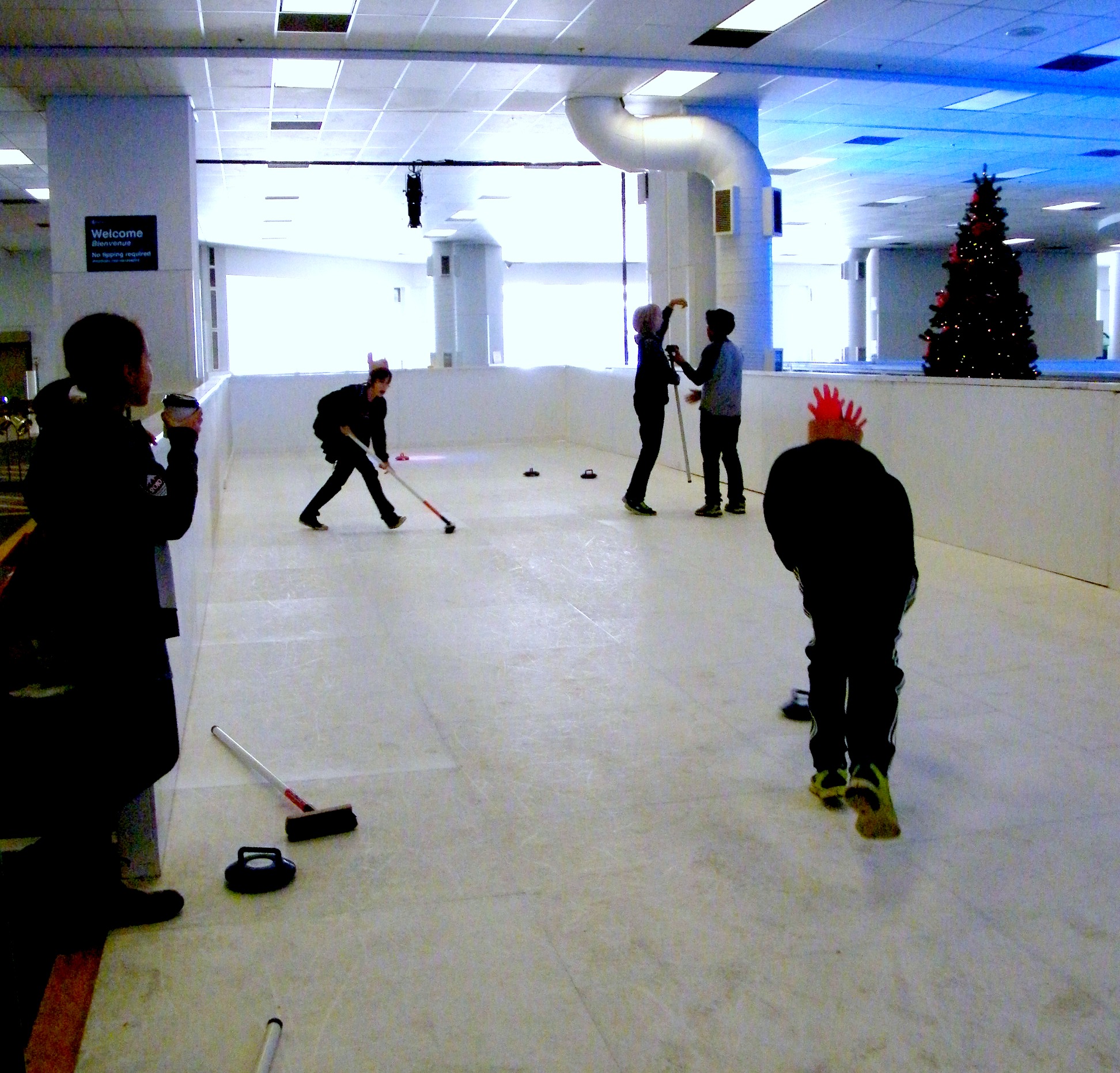
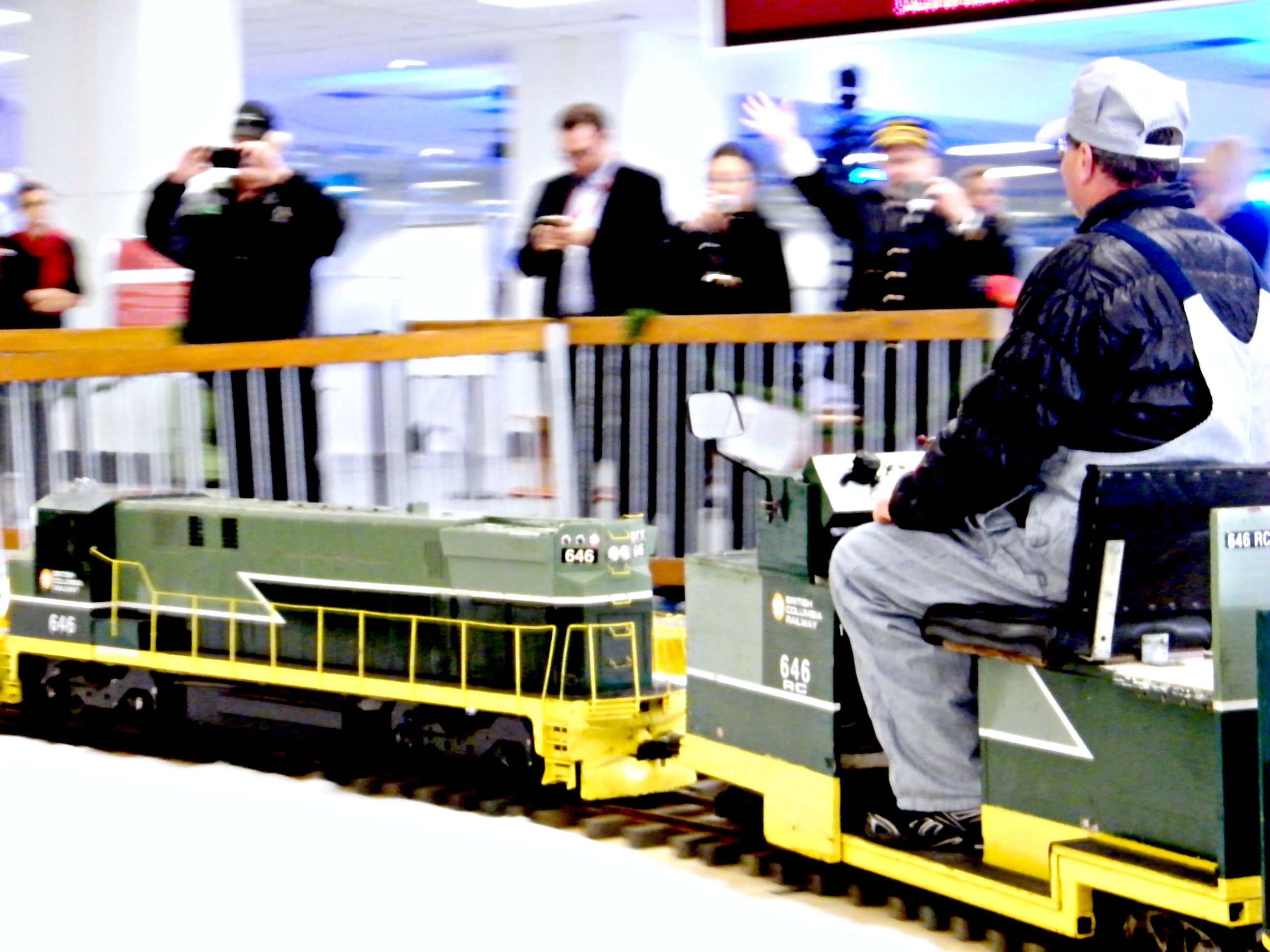
Christmas at Canada Place is a welcome antidote to the premium prices that families face with many other holiday activities – it’s free! For the 26th year of festivities there, they’ve expanded their offerings considerably. Along with the display of Woodward’s iconic Christmas window displays, there’s a range of activities that could keep a family engaged for hours. The theme this year is Christmas in Canada and they’ve provided both curling and skating rinks (with artificial ice on loan from Park Royal Shopping Centre), miniature train rides (provided by CN and staffed by wonderful volunteers from the West Coast Railway Association), and an interactive virtual tour of the Northwest Territories. There’s also a craft area, featuring different holiday crafts each day, a #ChristmasinCanada photo booth, and visits from Santa on weekends. Food and drink will be available, with food trucks showing up mostly on the weekends, featuring Canadian foods – think bearclaws and poutine.

DSCF7399

What most impressed me about how this event’s been organized is how much planning has gone into making this a low cost affair for attendees. Though you can purchase food there if you’d like, folks are also encouraged to bring along their own meals to share at the gift-wrapped picnic tables. You can purchase professional photos with Santa, with packages ranging from $10.00 to $20.00, but staff will also take photos for you with your own camera. There’s a suggested donation of $2.00 for activities, which goes directly to Strathcona Community Centre’s Backpack Program, supporting food security for kids. In the case of the train ride, the funds are split between the backpack program and the West Coast Railway Association, another worthy recipient. There is also free entertainment at two stages throughout the month. When I spoke to Gillian Behnke of Port Metro Vancouver, this year’s lead presenter at Canada Place, she told me that making the event financially accessible was a planning priority for the event. This thoughtfulness makes this event a model for corporations and institutions wanting to connect with the community around them.

DSCF7405

Speaking of community, the entire district has come together for the first time this year to provide activities and festivities for the public throughout the month of December. I’ll tell you a little bit more about the Winter Waterfront District tomorrow, when I talk about my trip to FlyOver Canada. In the meantime, don’t forget to bring some non-perishible goods with you when you head down to Canada Place, as they’re aiming to fill a shipping container with donations to the Greater Vancouver Food Bank. You can’t miss it – it’s the enormous gift-wrapped container on the plaza.

DSCF7406