More, not Less

When we think of community, it’s usually in the context of what the members of a community have in common. It can be more difficult to remember that none of the communities we belong to are monolithic.

How do we make our communities accessible, whether they are communities of interest, identity or geography? What makes a neighbourhood/event/discussion safe and accessible?

Defensiveness is often the response to these questions. But this defensiveness only serves to break down community. Being open to critique and change can only strengthen it.

Curb cuts and bike lanes are hard-won concessions that increase everyone’s ability to get around a neighbourhood. Providing precise accessibility information for events lets people know if it’s possible to attend and also leads to the awareness needed to plan more inclusively in the future. Identifying our areas of privilege can help us to stop erasing or ignoring the experiences and contributions of others. Stepping back when asked to by people whose experience of privilege is different from your own doesn’t diminish community; it widens it.

A First Step

The City of Vancouver has made a commitment to eliminate homelessness by 2015, which Mayor Gregor Robertson has said is targeted toward street homelessness. Already, the number of shelter beds available in the city has made an impact on how many people are sleeping on the street, but longer-term solutions need to be addressed as well.

Local television station CTV is in the midst of an eight-part investigative series on homelessness. Their first segment focused on the non-profit Streetohome, which aims to raise 26 million dollars to fund new supportive housing complexes. Their mandate includes providing “permanent stable housing with appropriate support services.” They’ve also identified a number of at-risk groups and intend to provide services to them that will address the issues that may lead them to become homeless.

While I think that the work that Streetohome does is fantastic, it’s only one aspect of how homelessness must be addressed. Philanthropic solutions cannot be the only action taken to relieve homelessness. Economic disenfranchisement is becoming a greater factor in our culture, especially in a city as expensive as Vancouver. I’ll be watching the CTV series with interest, to see how broadly they explore the issue.

It’s Snowing

It’s snowing now. Which is exciting, in the short term, for those of us who were raised in the Lower Mainland. We only see a week or two each year. Those raised in regions with snowy winters rarely share our excitement.

Sadly, it started too late to take any dog-in-snow portraits.

Skills for Living

Just because it's pretty

Sewing is one of those skills I’ve been meaning to master for many years, but it just hasn’t happened. When I was in junior high, I did my obligatory time in Home Economics, which was enough to scare me away from sewing for a long, long time.

There were two Home Ec. teachers in my school. The cooking instructor was famous for her erratic and fickle moods, but because I cooked at home with my mother, I came away with no lasting scars. The sewing teacher made all of her own skirt suits and came to school each day in full evening makeup, her long nails freshly painted. She was icy to all but a few in the class and generally left the rest of us to figure out our assignments on our own. To make matters worse, I was very ill for several weeks that semester and when I returned, I found that she’d confiscated all my sewing equipment. I managed to pass the semester (and get some of the contents of my sewing box back), but I kept my distance from sewing machines from then on. I limited my sewing to replacing buttons and hand-sewing simple hems.

At the time, it didn’t seem like a big loss. I felt very DIY for mastering thrift-shopping and I needed to spend a lot of leisure time scouring Odyssey Imports for the Brit Pop that local radio stations so criminally neglected to play.

As the Handmade Revolution took hold, I took up knitting again and taught myself how to crochet. After a while, though, I started to notice the cute outfits and accessories that others were sewing. I realized that much of it was very simple in design and thought, I should be able to do that.

Well, I’m determined that this year I am going to learn how. Maybe I won’t be making myself a dress with darts and gathers, but I’m going to have at least one tote bag made with cute fabric and I’m going to feel confident enough to hem my pants on a machine.
I’m signing up for a Sewing Machine 101 class at Spool of Thread. I’ll meet you back here early next month and let you know how it went.

Labyrinth of Light

A labyrinth is not a maze. While a maze is devised to confound you, a labyrinth leads you into its heart and out again.

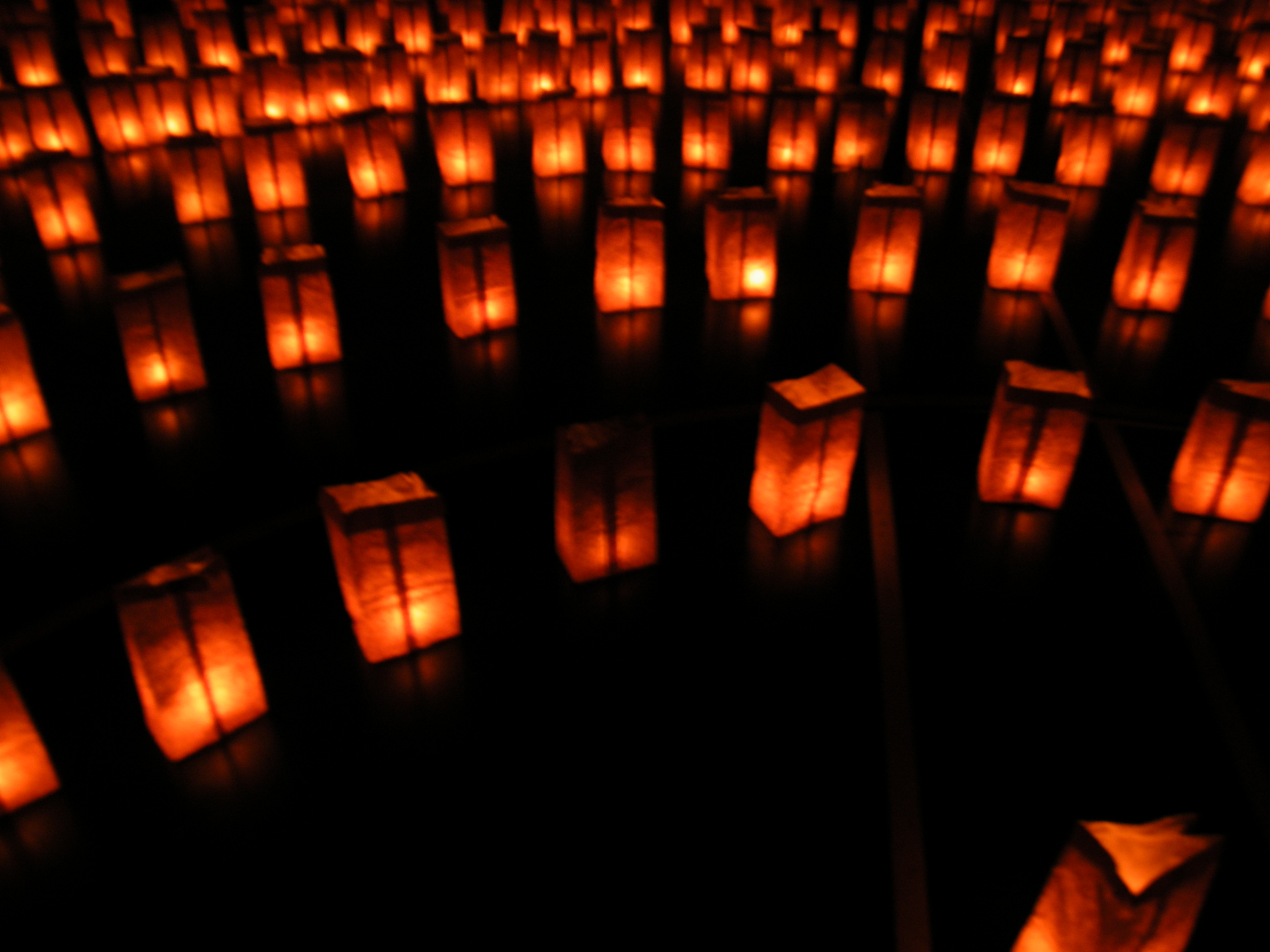
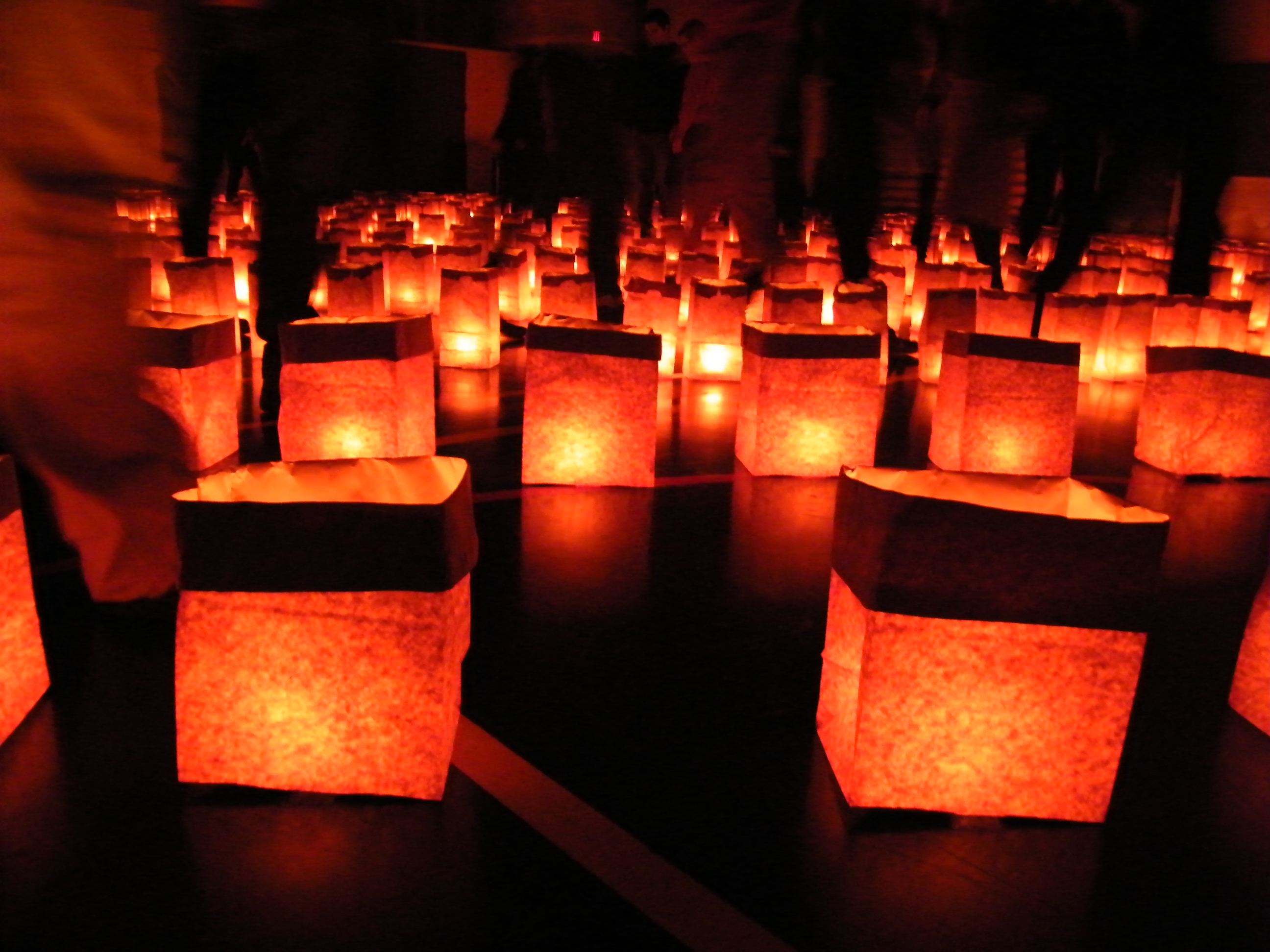
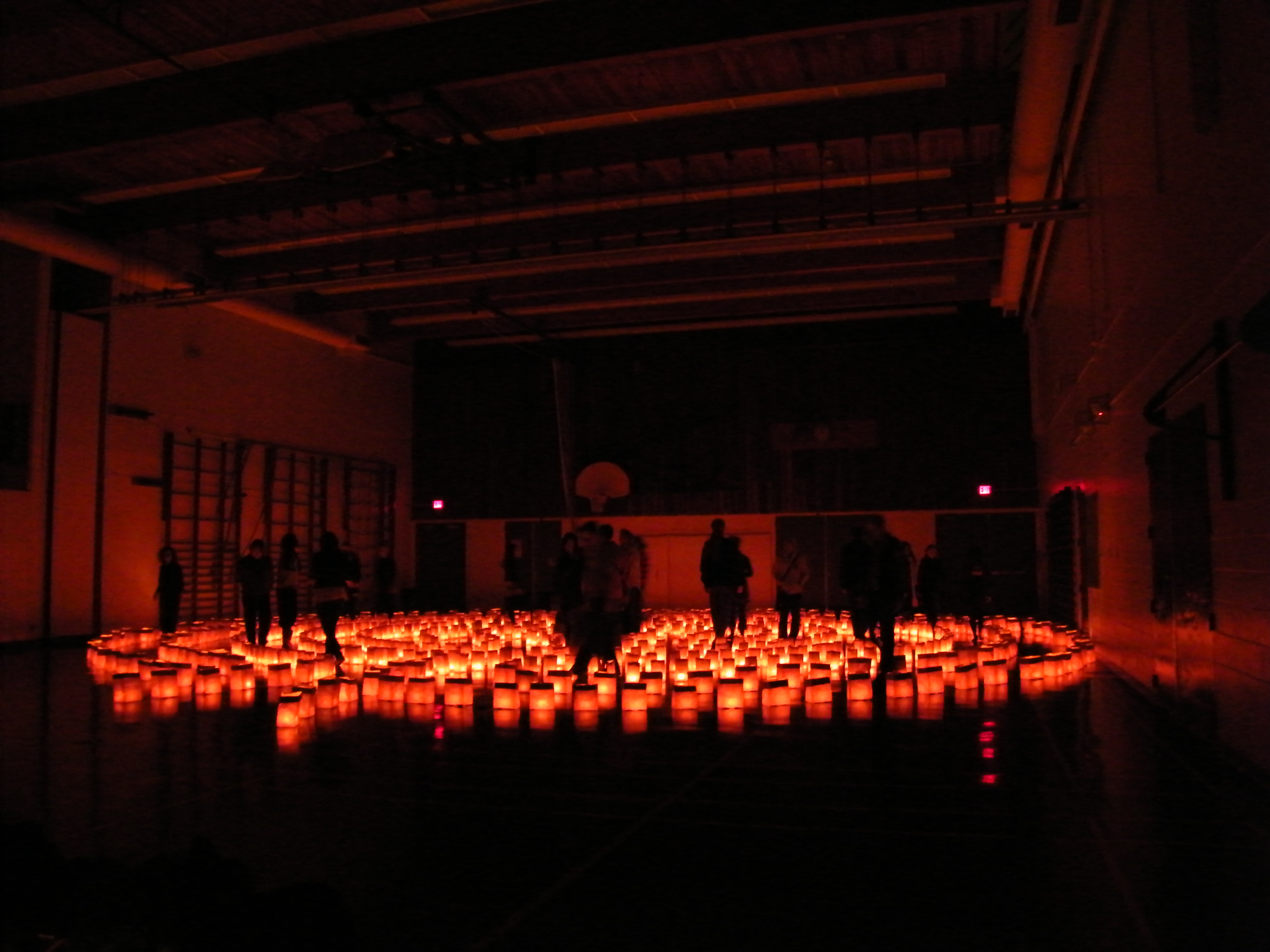
For seventeen years now, The Secret Lantern Society has marked the longest night of the year with its Winter Solstice Lantern Festival. This year, the festival included processions, dances, drumming circles and more across five Vancouver neighbourhoods. At Britannia Community Centre and The Roundhouse, the Society also hosted Labyrinths of Light, for walking meditation and contemplation.

According to the website:

“The labyrinth has long been used for meditation, prayer and sites of ritual in various cultures around the world. Created with over 700 pure beeswax candles, the winter solstice labyrinth invites you to warm yourself in a self-guided ceremony intended to help release old attachments and envision new possibilities as the darkest night of the year births a new season.”

The labyrinth at Britannia was held in a darkened gymnasium. On one side of the room, a stereo played sacred music, including plainsong and Buddhist chants. On the other, didgeridoos sounded quietly. Low benches were set up a short distance from the labyrinth for contemplation.

Walking the labyrinth meant negotiating the narrow spaces defined by the paper sacks which held the candles providing most of the room’s light. The way into a labyrinth is also the way out, so polite shuffling became a part of the experience. The design led you far inside and then back to the outer edges of the labyrinth again and again before you truly reached the centre. Then, after some contemplation, it was time to wind slowly out again. The heat from the candles, the music and the darkness helped to create a solemn atmosphere, but many people moved through the labyrinth with joy and one young woman danced back and forth through its passages.

It is a beautiful way to honour the year’s end, acknowledging grief and joy while opening oneself to the new year’s offerings.

If you’d like to experience labyrinth walking meditation, the World-Wide Labyrinth Locator can help you find one near you.

Holidaying on Main Street

After Saturday’s Baking Swap, I took my haul (including some beautiful squash and beets I’d picked up) and headed down Main Street. The stretch of Main between about 8th and 30th is full of eclectic stores, good coffee shops and excellent restaurants. There were holiday craft fairs at Little Mountain Studios and Heritage Hall and the shops along Main were full of present-worthy goods. I had something else in mind, though.

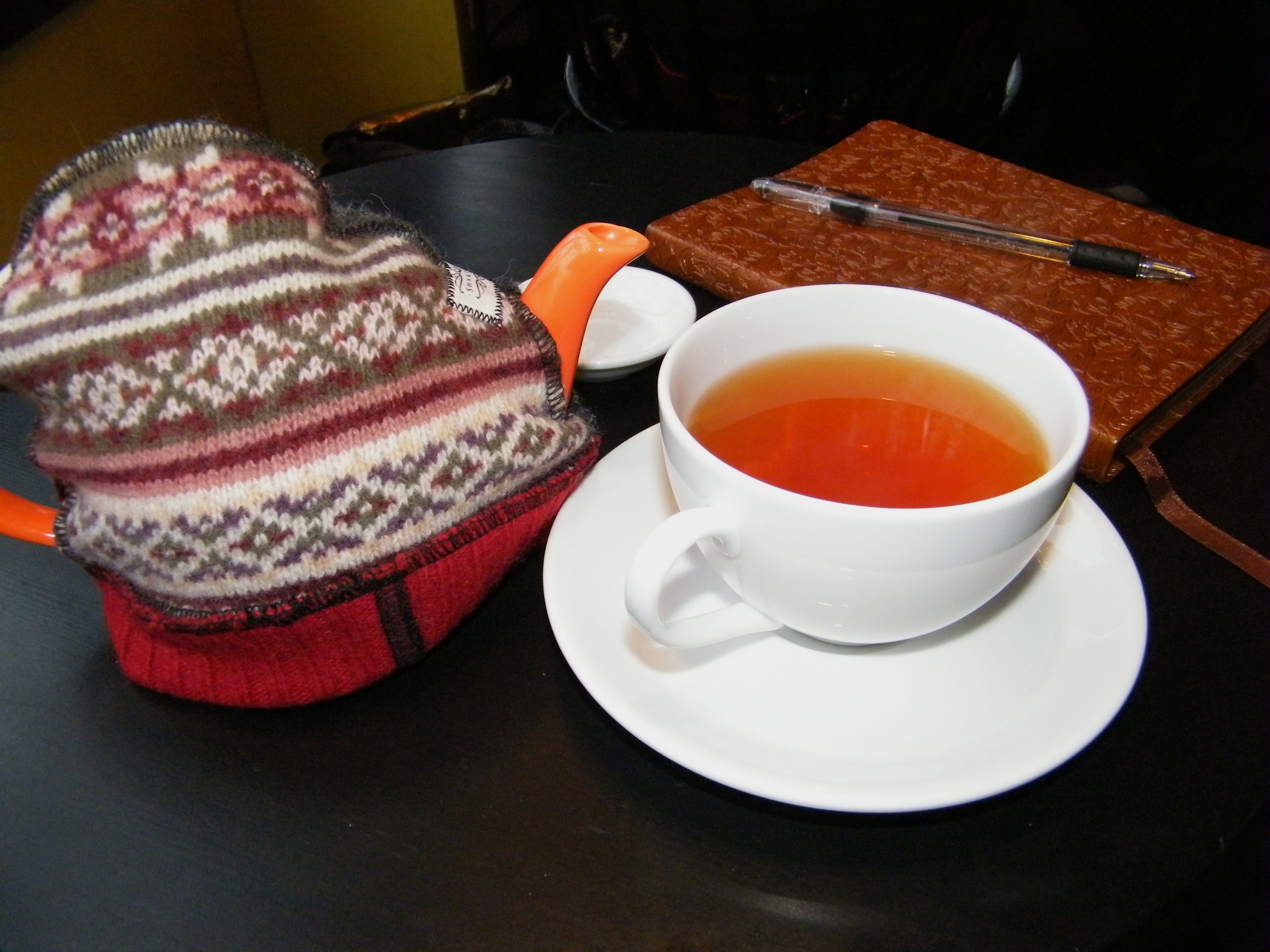
There’s a wonderful tearoom called Shaktea at 21st and Main and the chilly, damp day was making me crave a good cup of tea. (Those who know me will know that there is very little that doesn’t make me crave a good cup of tea, but it would not be kind of them to mention that.) I decided that I would indulge myself there for a break from shopping. I ordered a cup of their holiday tea, a black tea with winter spices, citrus and rose petals. Many winter or holiday spiced teas can be a little overpowering. This tea, though, was flavourful and fragrant, with just the right balance between the spices and the tea itself.

There were two harpists playing while I was there and I got to hear Greensleeves, one of my favourite traditional tunes. The tea, the music and the cosily appointed room all worked to make me feel relaxed and invigorated at the same time. If I hadn’t had to go meet my partner, I’d have had difficulty leaving. I consoled myself by buying a bag of holiday tea to take home and went on my way.

After some record shopping at Red Cat and more craft fair browsing, it was finally time for a meal. My partner and I chose Burgoo, a restaurant specializing in comfort food and a perfect choice for an increasingly cold and rainy day. Burgoo’s interior reminds me of a quaint English pub. Some of its menu would fit into that category, too. The rest is a selection of comfort food from around the world. My partner chose butter chicken, which he said was a healthier version of the traditional dish. The chicken was tender and the sauce was tasty and light, lacking the rich creaminess he’s come to expect elsewhere. I had the split pea soup with the ham and brie sandwich. The soup was fantastic, tasting of thyme and ham and with a chunkier texture than many versions I’ve tried. The sandwich was good, but I wish the brie had been warm and melty, rather than cold. It would have been perfect, then.

I have to admit that we went home that day without finishing our Christmas shopping, but I’ll be back on Main again this week, with a little more focus and a little less indulgence.

In the meantime, here’s a short round up of a few of the places you ought to get to know, if you’ve still got some names left on your list:

The Regional Assembly of Text
Urban Source
Front
Lucky’s Comics
Pulp Fiction
Three Bags Full
Bodacious

Shaktea on Urbanspoon

Burgoo (Main Street) on Urbanspoon

In the Bleak Midwinter

In the bleak midwinter
Frosty wind made moan,
Earth stood hard as iron,
Water like a stone

Christina Rossetti

Though rain haunts our region more than snow for most of winter, it’s still rough going for those who sleep outside. Blankets, warm clothes, mittens, hats and scarves are all needed to stay as healthy and dry as possible. The City of Vancouver has opened emergency shelters again for the winter, but inevitably, not everyone finds accommodations every night. People need to stay warm during the day, too.

If you can make, buy or give up warm items, there are a number of options for donation. Baaad Anna’s held their annual Knit-a-thon this past weekend, with items going to the Downtown Eastside Women’s Centre and there are some ongoing clothing drives happening in the city. Here’s a great list compiled by Miss 604 of locations accepting donations. Coastal Health is also running its Sox in the City campaign again this year. Finally, warm clothing can be dropped off at the Info Booth at the Vancouver Farmers’ Market Winter location for donation to Lookout Emergency Aid Society. (Just remember that the Market won’t be running December 25th or January 1st.)

December is also the traditional month for food drives. The Vancouver Food Bank accepts donations of non-perishable food items. So does A Loving Spoonful, which helps people living with HIV/AIDS. Quest Food Exchange also accepts donations of fresh produce, which can make a real difference in the diets of the people they serve.

Remember too, that six months from now, when the sun is shining, there will still be people in the city sleeping rough and many more needing the services that food banks provide. It might then be time to consider another round of donations.

What Lies Ahead

It is a commonplace that those who reach middle age lament the world that has passed and rail against the one that is coming into being. I keep that in mind when I feel curmudgeonly, but I don’t let that stop me from making my mind up about the rights and wrongs of our time.

I come from the generation whose grandparents experienced life in Canada without universal medicare or unemployment insurance. Our parents came of age here in the era of the greatest prosperity and the narrowest class gap of all time. Now, the gap between rich and poor is widening at a frightening rate and medicare is hardly likely to survive into my old age. In the face of these pressures, communities are engaging in discussions about food security and re-discovering techniques for self-sufficiency. Others are discussing the impacts of unchecked development, both within cities and on agricultural land.

I don’t mean to suggest that we return to a mythical golden era; we’ve certainly made strides in human rights and equality since then. I just believe that much is being lost right now that puts the best of our culture at risk.

This post is the introduction to a series of occasional posts about my neighbourhood and region, where I’ll explore my thoughts and fears about the suburbanization of the city, the loss of agricultural land and the growing economic gap that will affect city dwellers and outliers alike.

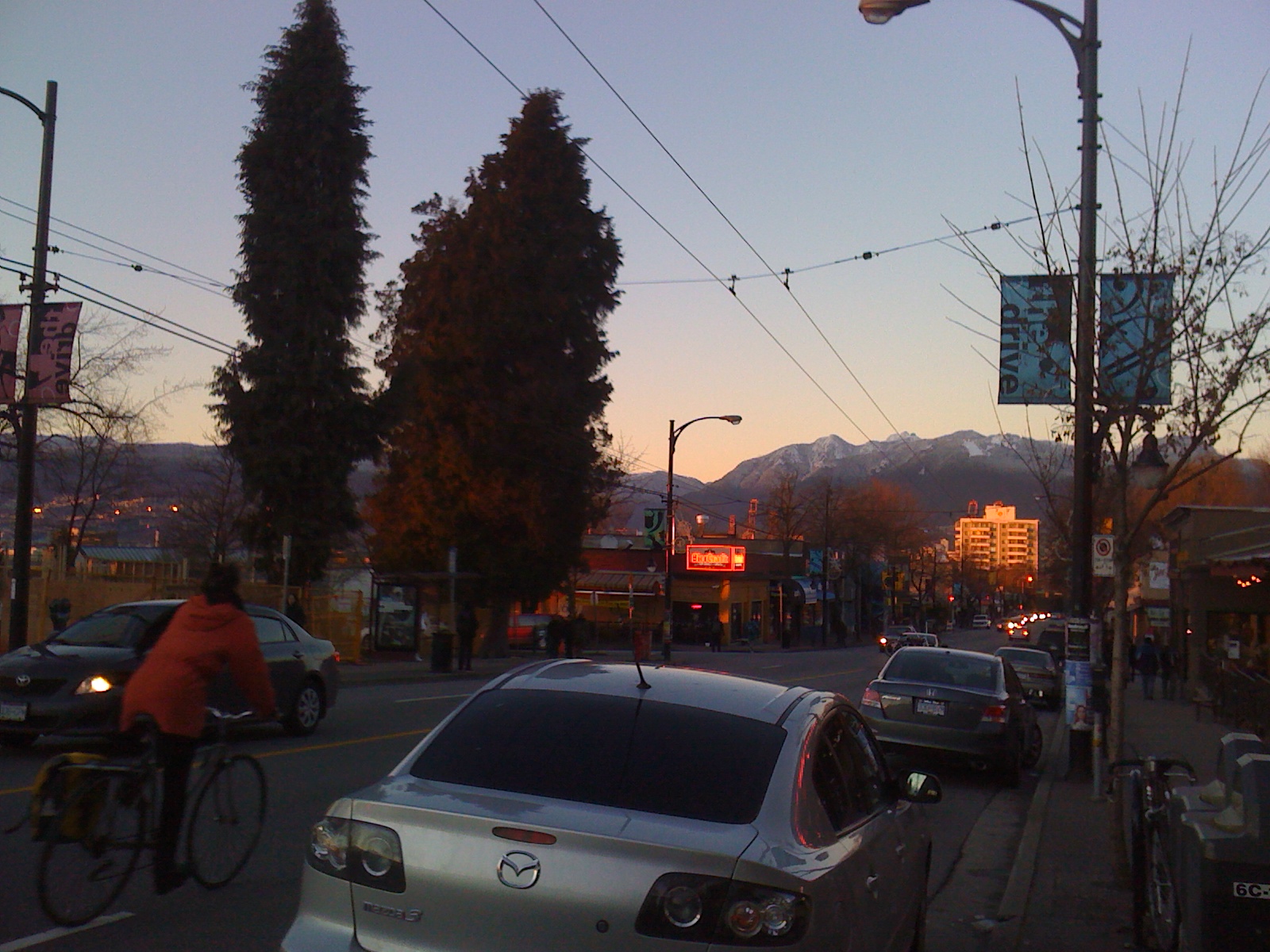
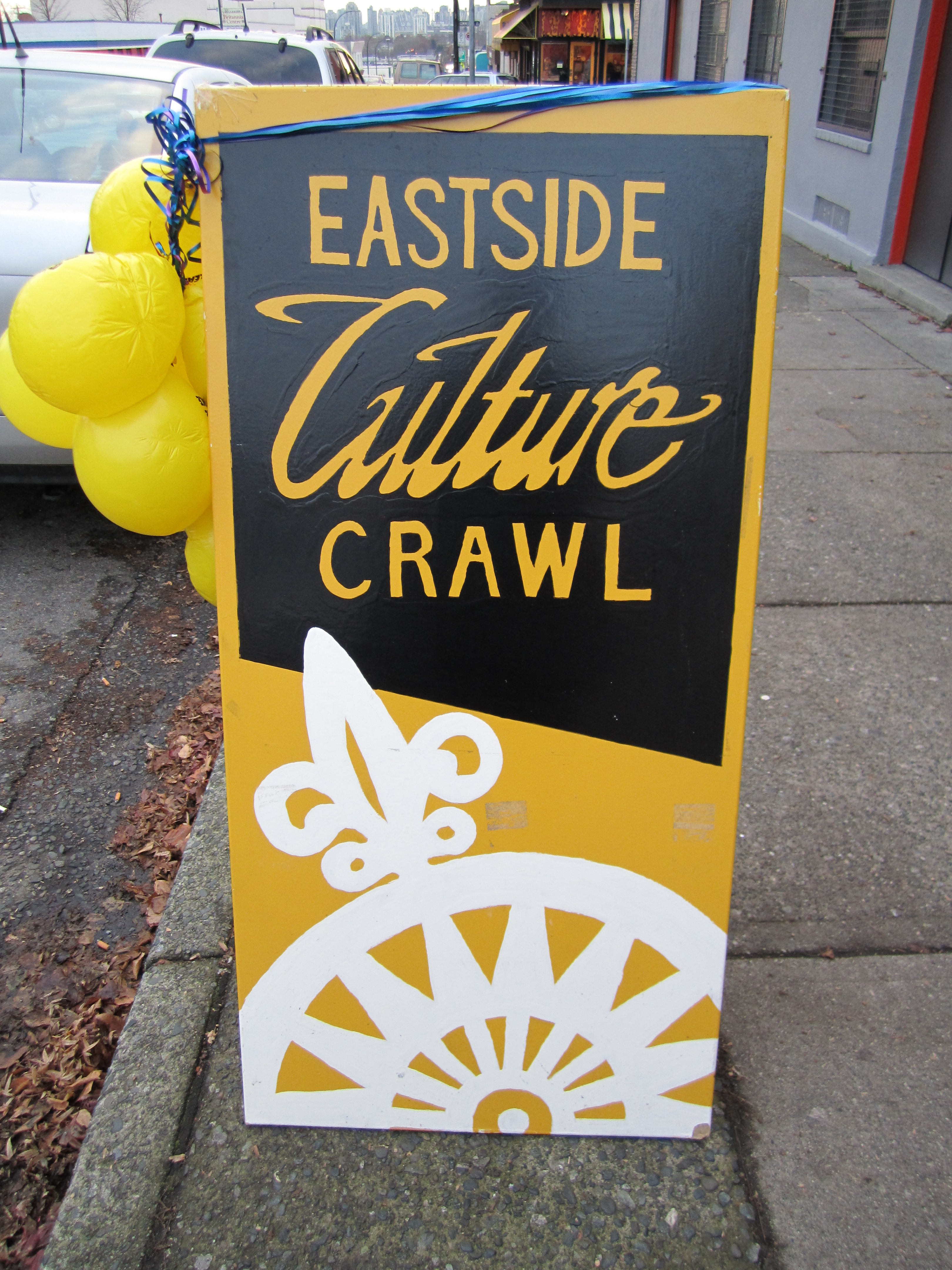
Art Anchors the Eastside – Culture Crawl Weekend

The place where you live can be an anywhere or it can be somewhere very specific, especially in Canada and the United States. It’s very easy, even in cities, to replicate the experiences you can find across the continent; there are the same chain stores and restaurants in every city and town. Or, you can populate your mental map with places that are unique to your location. It’s the second map that makes someone a real resident, I think. Knowing where to find gluten-free ice cream sandwiches, a stationery store with its own letterpress, or a shop where you can learn how to tune up your bike yourself. Such places add up to home.

Every place also has its rites of passage. I know someone who started to identify as a Vancouverite long before she moved here, because she flew across the country each year to attend the Vancouver Folk Music Festival. She has the same stories as I do, of attending in years of torrential rain, heat waves or unseasonably cold weather at the Festival, along with stories of the amazing performances that happen there.

What’s interesting about all of this, for me, is that the same place is really many places. There are certainly several Vancouvers. Your Vancouver depends on who you are. It can include the Folk Festival or Under the Volcano, both, or neither. Whole neighbourhoods may not exist in Vancouver as you experience it. I used to work in a corporate office, where many of my co-workers drove in from places farther up the Fraser Valley. For them, it was as if the east side of the city didn’t exist. Which is a shame, because some of the best things about Vancouver occur east of Kitsilano and downtown.
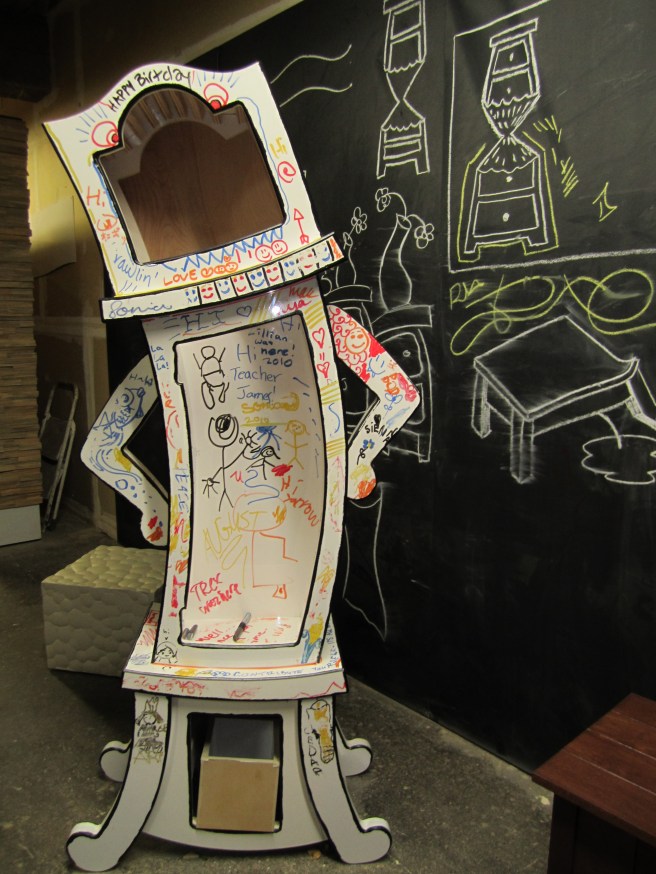
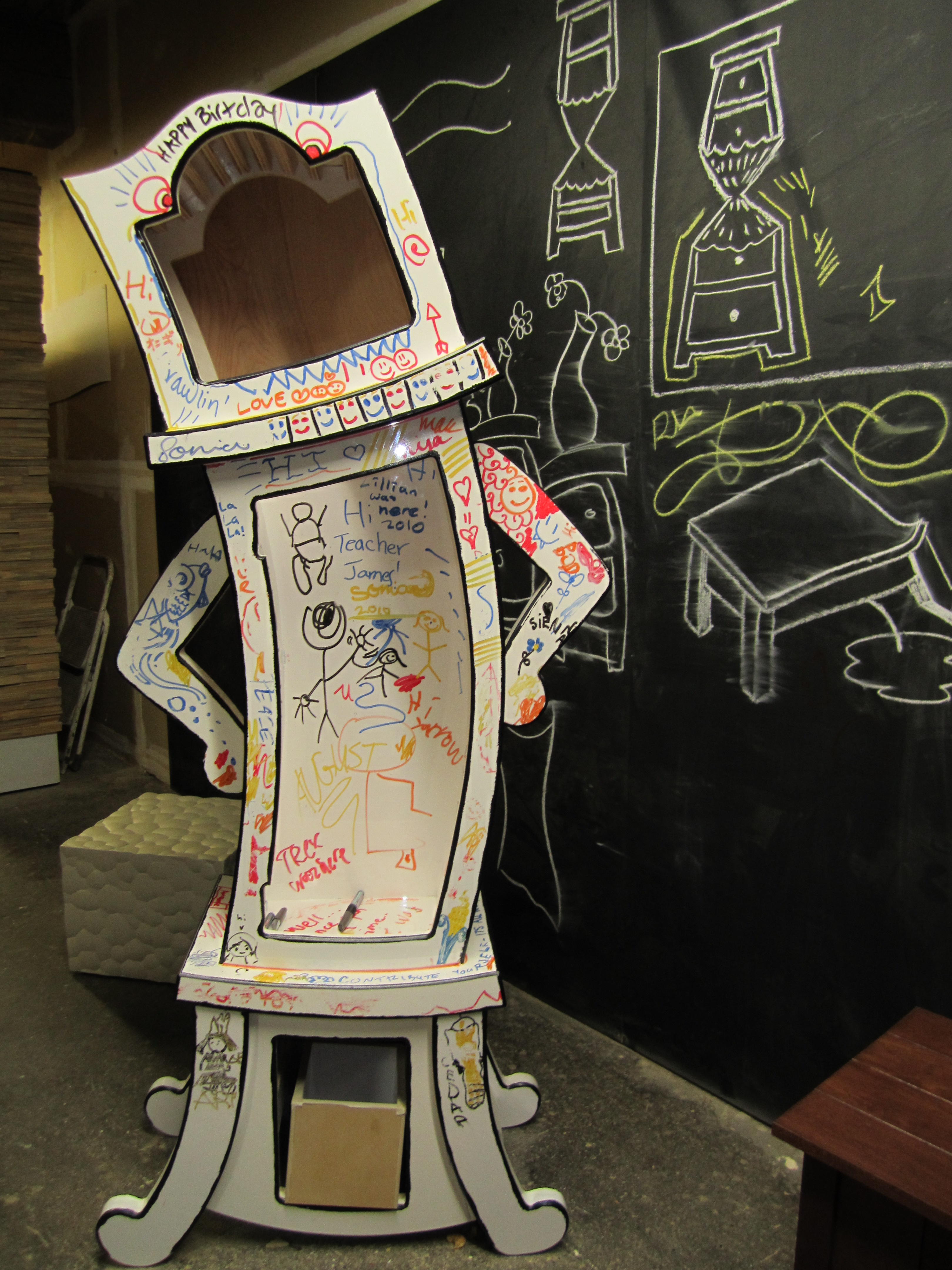
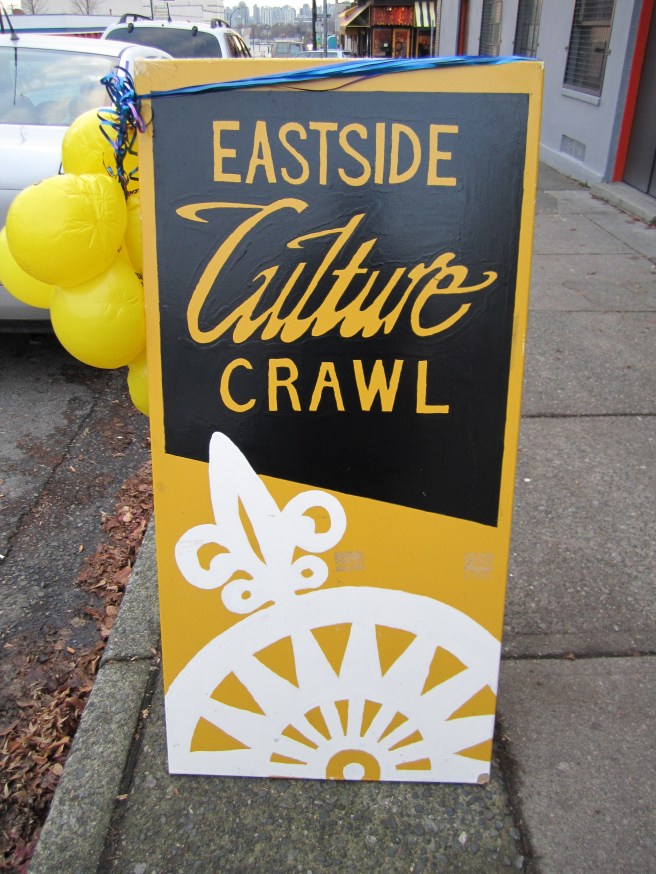
The Eastside Culture Crawl is definitely part of my Vancouver. Thousands of people tour hundreds of artists’ studios that are thrown open to the public one weekend a year. This past weekend was Crawl weekend and the weather was milder and drier than it has been since I can remember. There’s been snow, sleet and rain in the past and it doesn’t stop people from climbing up makeshift warehouse stairways or into backyards and basements in search of art.




I didn’t get very far off the beaten track this year, concentrating my one free afternoon along Venables, Clark and Parker. I saw some beautiful pottery at posAbilities on Venables, great jewellery at the Onion studios and then I wandered over to the Mergatroid Building and Parker Street studios.
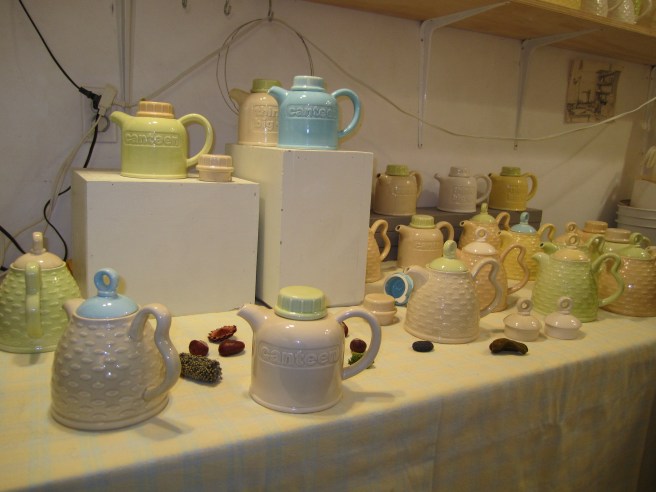
Some of my favourites this year included:

Melk’s burned bamboo and etched steel pieces;
Arleigh Wood’s new series;
Su Foster’s delicate filigree work in her twistedandhammered line;
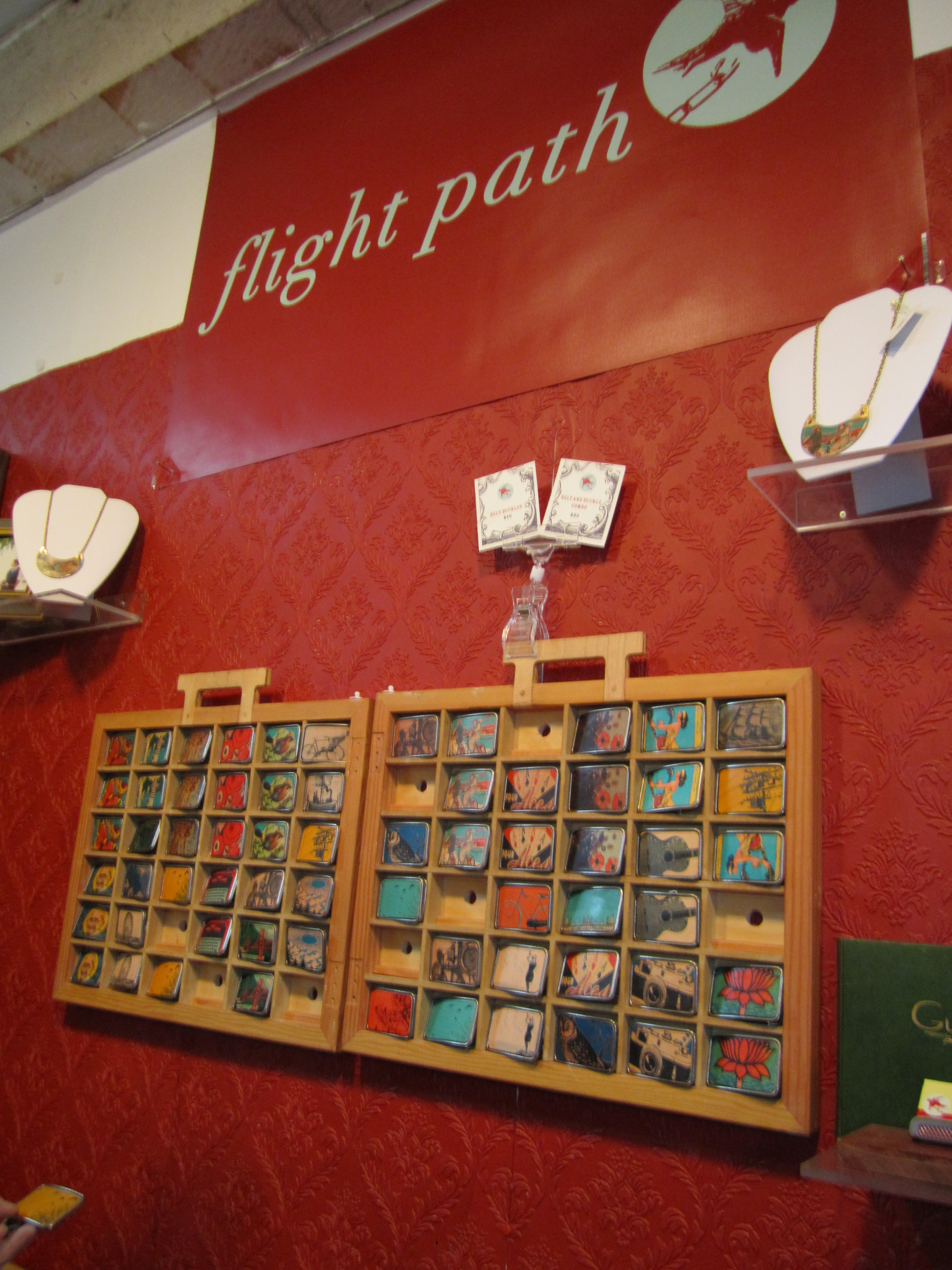
Flight Path’s leather accessories;
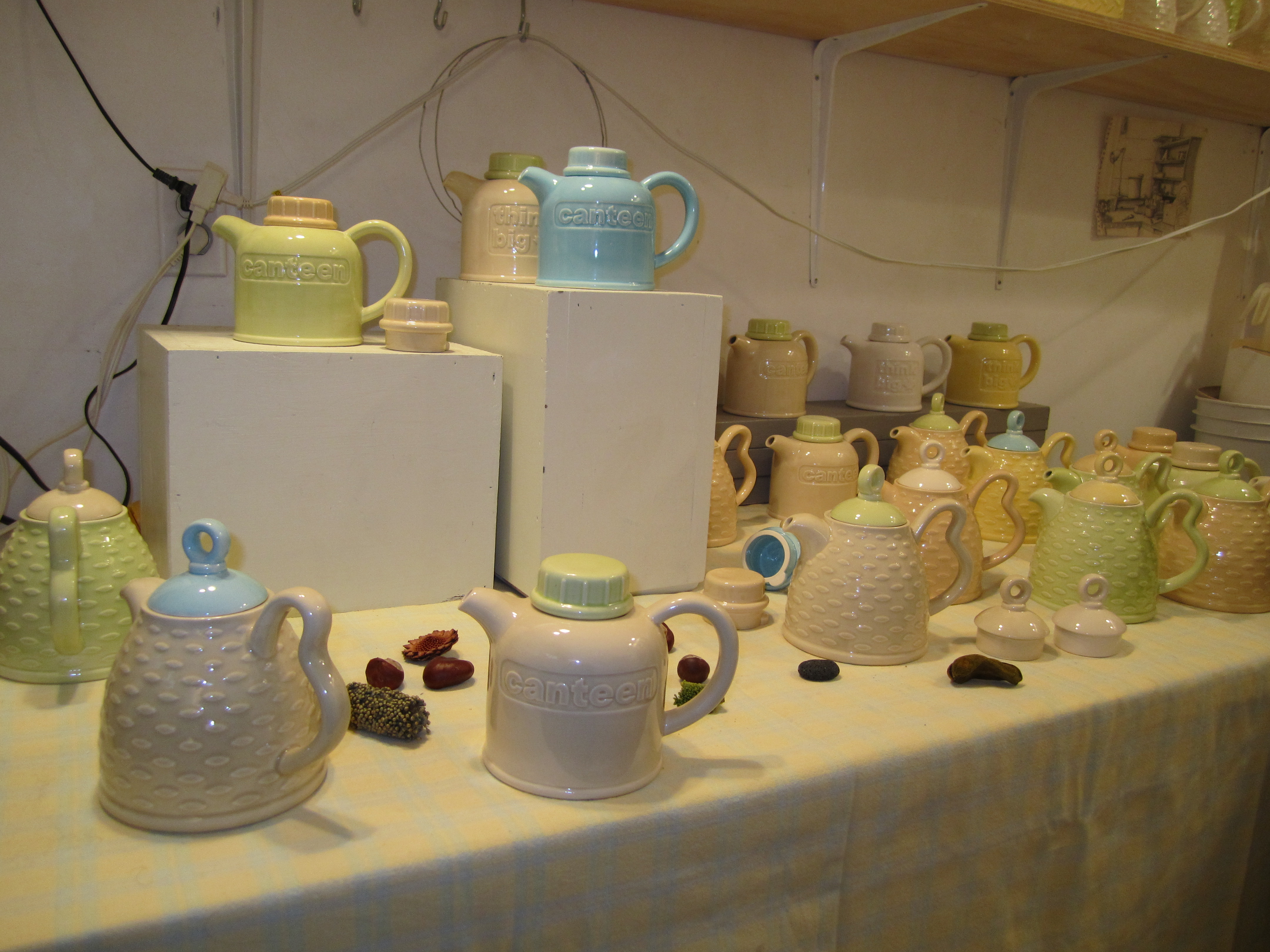
Russell Hackney’s amazing teapots;
Sonia Iwasiuk’s paintings;
and Silvia Dotto’s crows.

There’s much more, of course. Browse the website and you’ll get a virtual taste of the Crawl. What you’ll miss by doing that, and why you should make sure you attend next year, is the ambience of the Crawl, along with the opportunities to talk to artists and other Crawlers. It was worth going just to see the beautiful branches hanging from Melk’s ceiling and to have a conversation about photography with a jewellery-maker. Also, seeing so many works, in so many mediums, really helps to pin down what you’re looking for when you buy art.

The best part of attending the Crawl, for me, is the knowledge that I carry through the rest of the year – everywhere I walk in my neighbourhood, there is something being created.

Why I’m here

I was one of those students who did well in high school writing assignments by writing to expectations. I’d been turned off by grammar and usage mechanics by an overly prescriptive teacher and came to prefer learning through sentence combining exercises and looking at the overall structure of good writing. I read widely and obsessively then and I think that I was unconsciously emulating the structure of the writers I admired.

When I went to University, I was shocked to find out that my writing wasn’t up to my instructors’ expectations. For the first time, my papers were covered in red ink and it scared the hell out of me. I responded by taking every writing course I could for the rest of my time there. The first writing book that really helped me to improve was Peter Elbow’s Writing With Power. His methods helped me to break myself of my habit of trying to write a paper from start to finish in one sitting. I was also able to write prose creatively for the first time.

By the end, I felt like a competent writer and sometimes even a good writer. I dabbled in writing, mostly for a (now defunct) feminist newspaper and brought my skills to the lousy administrative jobs I landed. My friends and I had moved on from academic writing and were looking to books like Natalie Goldberg’s Writing Down the Bones for guidance. We spent an embarrassingly large amount of our time doing writing exercises in cafés. Luckily, only my friend Julian was confident enough to read his work at open mike nights. I think he sticks to physics these days.

Over the years, I continued to take some writing courses, mostly technical writing, but with some creative non-fiction as well. Eventually, though, I stopped doing much personal writing. Instead, I got bogged down in the corporate miasma of business writing. I’m out of the corporate world now and I’m hoping it’s for good.

This blog is, in part, a way to reignite my writing process and to rebuild my skills. It’s also a way to engage with ideas and events that interest me, of course. And an opportunity to explore photography a little more.

I hope it becomes a way of engaging with you, too.

Stay tuned for a bonus post Friday evening. Gluten-Free Girl and the Chef are compiling a holiday meal recipe bank and have a great giveaway to go along with it. I’ll be posting my contribution and not just because I’m hoping to win the KitchenAid. I think having a gluten-free holiday recipe resource to share with family and friends will help a lot of people, including my partner. Be sure to check out their blog post for all the recipes.