A Piquant Tomato Tart

img_6343

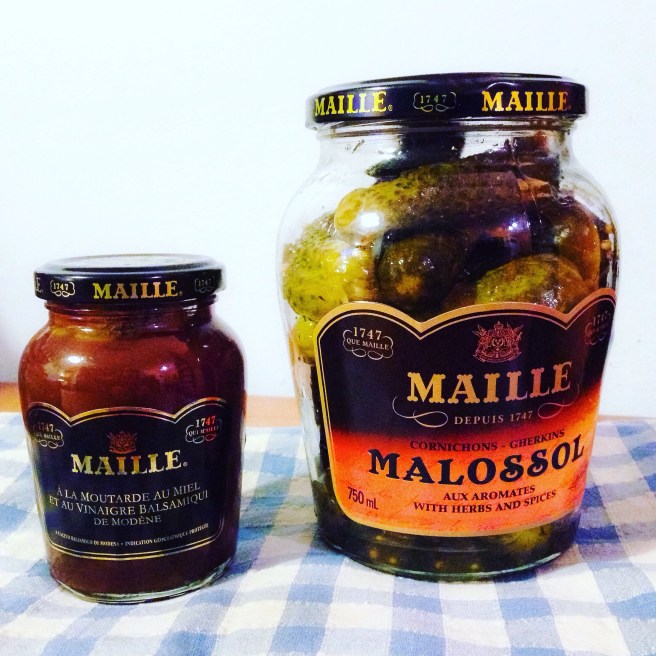
I received a jar of Maille’s Honey and Modena Balsamic Vinegar mustard from Maille Canada, but received no other consideration. All opinions are my own.

I keep two kinds of mustard in my refrigerator – a Dijon mustard and a grainy mustard. I’ve tried many different grainy mustards, but the Dijon is always Maille. I use these mustards in salad dressings, slather them over lamb and other meats for roasting, and sneak them in as my secret weapon for pan sauces, dips, casseroles, or savoury pies. These dishes are all improved by mustard’s piquancy, but the very best application for quality mustard is in Dorie Greenspan‘s recipe for Gérard’s Mustard Tart. I do not come from a mustard-loving family, but they all ask for seconds when I make this dish.

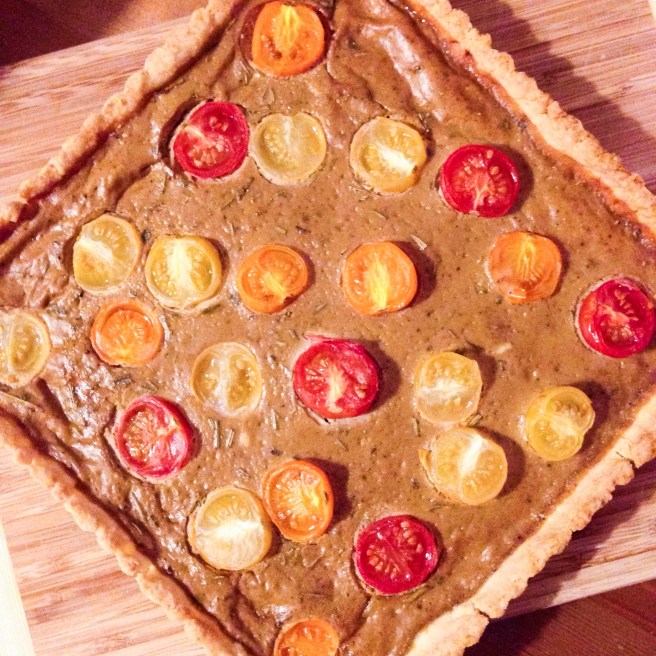
Since I focus on mustard as an ingredient rather than as a condiment, I haven’t really explored flavoured mustards. So, when Maille Canada offered me the opportunity to try their Honey and Modena Balsamic Vinegar mustard, my mind turned to cooking. The first thing on my agenda was the tomato variation of Dorie’s tart. I swapped out grainy mustard for the balsamic and studded the custard with juicy grape tomatoes. I also added a touch of sage along with the rosemary called for in the recipe.

img_6342

Since I had the pastry in the freezer, already fitted into my tart pan, this dish took about 30 minutes from cracking the eggs to pulling it from the oven. This is a weeknight supper that looks like it belongs in an upscale buffet. Pair it with a winter salad and you don’t really need anything else. Since it keeps very well, this one will be making a brunch appearance tomorrow, too.

You can find the recipe here for the original version of the tart – to make the balsamic tomato version, swap out the two tablespoons of grainy mustard for balsamic mustard and use sliced tomatoes in place of the carrots and leeks.
img_6063

The balsamic mustard is mellow, with a sweetness that’s balanced by heat. It’s terrific in this tart, playing against the Dijon mustard, the herbs, and tomatoes. I might just change my mind about mustard as a condiment, if this is on offer. I can imagine putting a layer of this mustard on a bresaola tartine or, even better, a goat cheese and strawberry tartine. It’s mild enough that it’s perfect for all sorts of dishes that straddle the line between savoury and sweet. It’s also going to become a favourite for dressings and marinades.

Maille was kind enough to send along a jar of their Malossol cornichons with the balsamic mustard, but I’m unable to review them. The jar opened in transit and I reluctantly had to compost them. My partner was heartbroken – good cornichons are one of his favourite indulgences.

Luckily, Maille’s gourmet lines can be found at a number of food purveyors, including Urban Fare, which hosted a Maille pop up shop over the holidays. I hope they bring back their mustard on tap to British Columbia soon – I’ve decided that my mustard collection is in need of expansion.

Ginger Snapped

img_5995

Every year during the holidays, there’s always one treat that outshines the others. Some years it’s sucre à la crème, other years it’s Nanaimo bars or butter tarts. This year, it’s ginger cookies that everyone wanted. Early in the season, I resurrected a recipe from the copy of Company’s Coming: Cookies that I received as a gift when I moved out of my parents’ house oh-so-many years ago. I’ve been making batches nearly weekly, ever since.

It’s one of those old-fashioned cookbooks that are worth hanging onto, like the Five Roses or Betty Crocker ones. Though I won’t touch the cake-mix based recipes with a ten-foot pole, there are many reliable, delicious cookie recipes to be found there.

These cookies are sugar and butter bombs, with a deep molasses and ginger flavour and a crisp-but-tender texture that makes them perfect for dunking.

I’m going to keep making them as they are, but I’m curious to see if I can come up with a healthier version, too. Some of my favourite cookie-eaters can’t partake in something quite so indulgent. So, I’m adding it to my investigation pile, along with the perfect gluten-free, vegan peanut butter cookie. Watch this space for developments.

You can find the recipe online if you Google, but it doesn’t look like anyone’s gotten permission, so I won’t link to it here. I’d head down to your local library to check out the Company’s Coming books, instead. A librarian friend of mine says they’re some of the most perennially popular cookbooks they circulate. You might even surprise yourself and buy a copy – sometimes it’s the old-fashioned recipes that satisfy the most.

A Round Up of Recipes for the International Year of Pulses

Pantry

Did you know that the UN has declared 2016 the International Year of Pulses?

What are pulses? If you’re not a follower of food blogs, which are currently exploding with posts on the subject, you might be asking yourself this question. Simply put, they are legumes that are harvested for drying – essentially beans, peas, lentils, and chickpeas.

The Food and Agriculture Organization of the United Nations (FAO) is leading the education campaign with five messages:

  • Pulses are highly nutritious.
  • Pulses are economically accessible and contribute to food security at all levels.
  • Pulses have important health benefits.
  • Pulses foster sustainable agriculture and contribute to climate change mitigation and adaptation.
  • Pulses promote biodiversity.

All these points are valid and important, but my contribution to the conversation is this: pulses are delicious, versatile, and varied. Adding them into your diet isn’t a ‘health food’ style punishment, but a route to more interesting meals.

I’ve been eating a partly vegetarian diet since I moved out of my parents’ home as a young student, believing that eating less meat benefits my health and the health of the planet. My partner has been completely vegan for over a year. So, pulses have always been a regular feature in our home. They’re great in meatless meals, but can be supporting players, too.

The use of pulses crosses cultures and cuisines, so there’s an infinite variety of recipes for you to explore. Pulses show up regularly on this blog, too, so I thought I’d share a few posts that include or link to some terrific recipes.

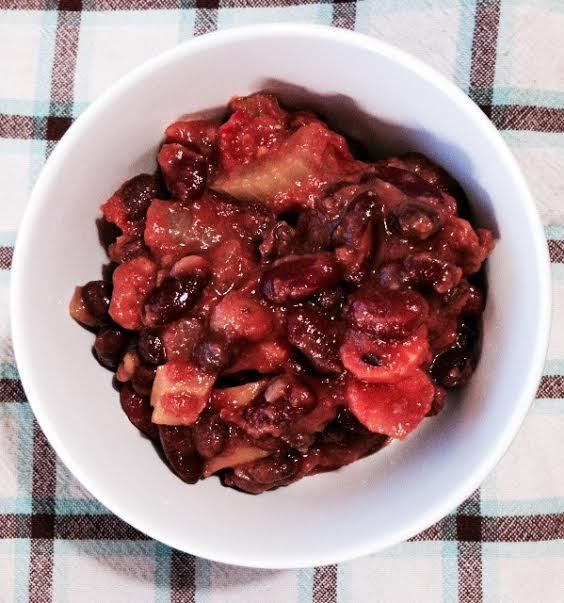
chili

I’ll start out with one that most people are familiar with, chili. This is my mother’s Spicy Vegetable Chili, which is heart-healthy, easy, and delicious. It’s perfect for winter, too, as it relies on pantry staples and vegetables that are available year-round.

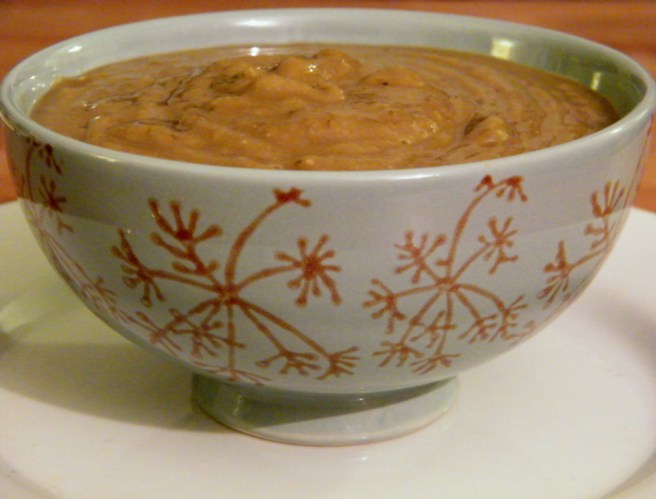
lentilsoup

Orange-Scented Lentil Soup brightens the earthiness of lentils with orange and ginger. This soup is easy to put together and elegant. (There’s a link to the recipe in the post.)

blackbeansoup

My partner has celiac disease, so we’re often looking for meals that pack in nutrients and protein. This Tomatillo, Black Bean, and Amaranth Soup from Bob’s Red Mill Everyday Gluten-Free Cookbook more than fits the bill.

Frenchlentils

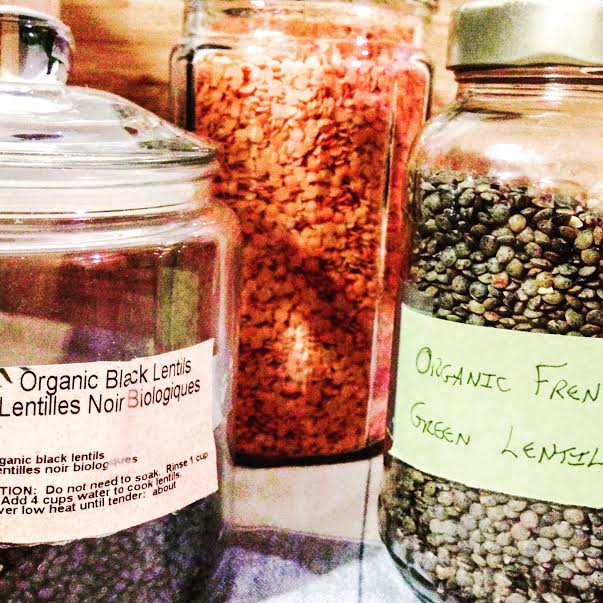
Lentils are the easiest of all the dry pulses to prepare. So easy that I’d never bother buying them canned (unlike beans and chickpeas). Once you have Dorie Greenspan‘s recipe for French Lentils, they’ll be as much a part of your weekly meals as potatoes or rice. These lentils are delicious as the focus of a meal or as a supporting player to all sorts of proteins. (There’s a link to the recipe in the post.)

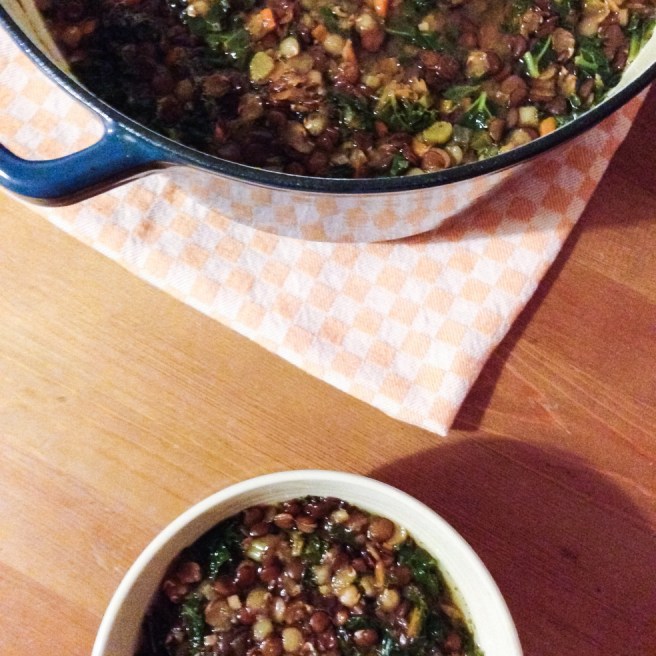
abuelitaslentilsoup

And here’s one more soup, full of flavour and healthful ingredients, from Decolonize Your Diet. Abuelitas’ Lentil Soup is warming and filling, exactly what’s needed to get through the winter doldrums.

These recipes are just a starting point – they don’t even begin to touch the versatility of pulses. If you’re looking for more inspiration, here are some cookbooks to try:

River Cottage Veg, by Hugh Fearnley-Whittingstall
Plenty and Plenty More, by Yotam Ottolenghi
Vegetarian Cooking for Everyone, by Deborah Madison
How to Cook Everything Vegetarian, by Mark Bittman

The ones I’ve listed are vegetarian cookbooks, but you shouldn’t count out other cookbooks – so many chefs and food writers make beautiful use of pulses. Made In India, by Meera Sodha is a great example and two of the recipes I linked to above come from Around My French Table, by Dorie Greenspan.

Look for news articles, food writing, and blog posts about pulses throughout 2016 – there’s sure to be plenty of creative and delicious recipes along the way. If you want to find out more about the International Year of Pulses, the FAO website is the best place to start. In Canada, the pulse industry is promoting IYP through their Pulse Canada website and there are similar efforts springing up worldwide.

I’d love to hear about your favourite ways to eat pulses (Split pea soup? Black bean brownies?) and I’ll be keeping an eye out for new favourites as the year progresses.

Savoury Avocado Cream Bites – An Avo Showdown Recipe

IMG_4556

One of the nicest parts of blogging for me is when the two lenses of my blog, food and community, converge. It’s not a rare occurrence, either – food and community go hand-in-hand.

There are a lot of organizations that connect food bloggers these days – Food Bloggers of Canada, food blogger savvy marketing companies, Meetups, and more. It means I’ve had the opportunity to meet other local bloggers and it’s often in the context of a fun event.

IMG_4641

This summer, I got to do just that, courtesy of Town Hall Brands and Avocados from Mexico.

They organized an Avo Showdown and local bloggers brought their best original avocado recipes to the competition.

I spent some time recipe-testing, consulting my copy of The Vegetarian Flavor Bible for avocado-friendly pairings, and came up with an avocado and coconut cream spread, paired with jalapeño jam and a cucumber and fennel salad. I presented it on Vancouver-favourite, Raincoast Crisps, for two reasons: they’re delicious and I thought they’d hold up well to the very long wait between assembly and presentation to the judges.


Savoury Avocado Cream Bites

Serves a crowd

Fennel Crunch:
  • 5 grams red onions, finely diced and soaked in ice water for 10 minutes
  • 50 grams fennel ( ½ small bulb), excluding fronds, finely diced
  • 50 grams cucumber, peeled, quartered & cored, finely diced
Lime Vinaigrette:
  • 1 tbsp fresh lime juice
  • 3 tbsp olive oil
  • salt and pepper to taste
Avocado Cream:
  • 2 ripe avocados
  • ¼ cup coconut milk
  • 2 tbsp lime juice
  • a generous pinch of cayenne pepper
  • salt and pepper to taste
To Finish:
  • jalapeño jam, store-bought or homemade (I use Camilla Wynne’s recipe)
  • crackers, crostini or rice crackers
  • cilantro (optional)

Prepare the Fennel Crunch and Lime Vinaigrette. Toss the Fennel Crunch in 2 -3 tbsp of the vinaigrette, check for seasoning, and refrigerate.

Halve the avocados, remove the seed, and scoop the meat into the jar of a blender or the bowl of a food processor. Add the remaining ingredients and blend until the mixture is smooth, thick, and free of lumps. Check for seasoning, then refrigerate for 30 minutes.

To assemble, scoop a small quantity of the dressed Fennel Crunch onto the crackers or crostini. Spoon or pipe ½ – 1 tsp. of the Avocado Cream on top. Add a small quantity of jalapeño jam to either side of the Avocado Cream. Garnish with another small sprinkle of Fennel Crunch or a shower of chopped cilantro.

Serve immediately.

Tips: For a gluten-free version, use rice crackers, gluten-free crostini, or even slices of cucumber. This recipe is suitable for vegan or vegetarian eaters.

IMG_4624

My dish was a hit with my family and with a few of the judges, so I’m happy. (Of course the happiest bunch of all were the night’s winners, as you can see in the photo above.)

IMG_4573

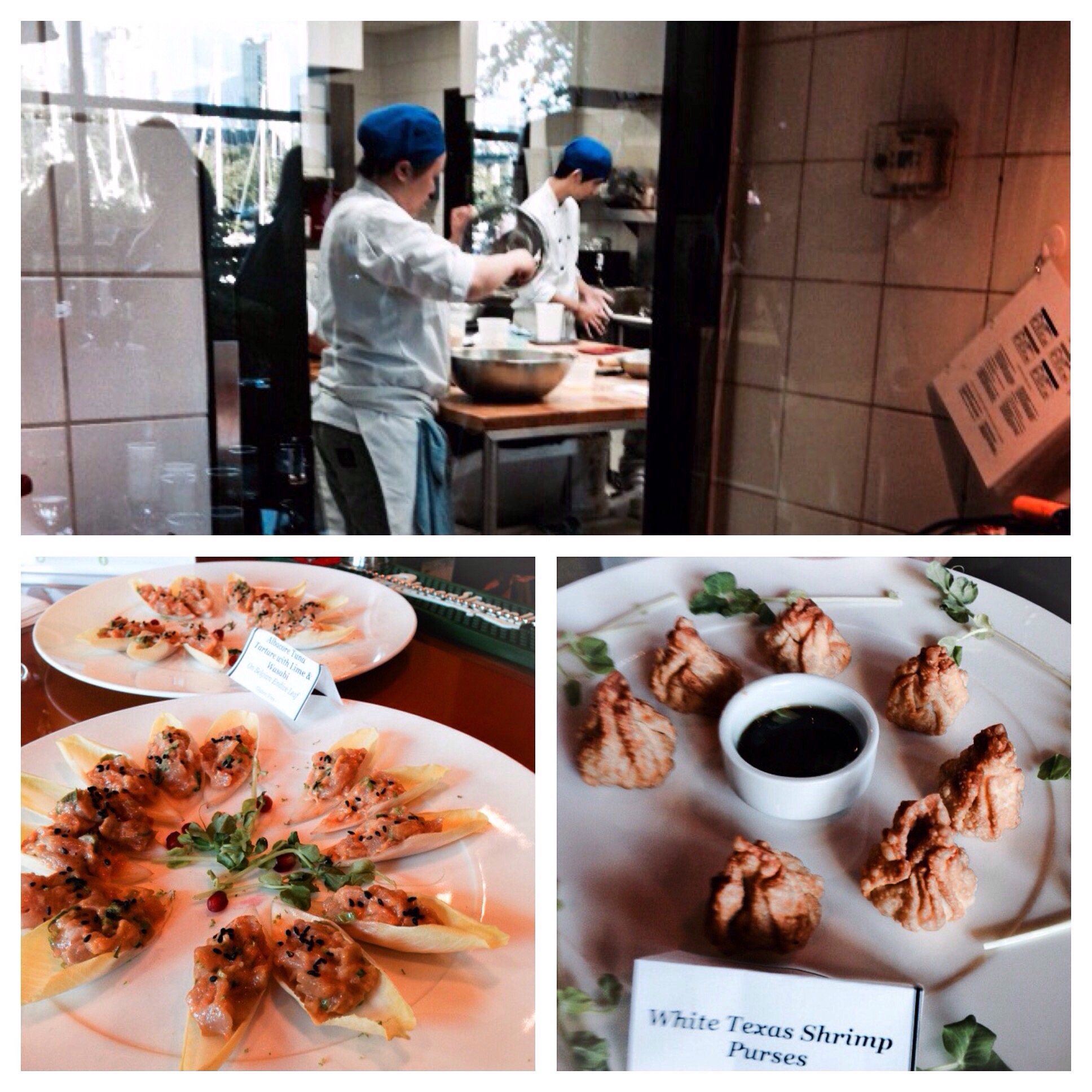
The evening was the best reward, anyway. We were treated to mountains of delicious appetizers prepared by the students at the Pacific Institute of Culinary Arts, along with a demonstration of an avocado-shrimp spring roll by PICA’s Executive Culinary Chef Instructor, Darren Clay. (It was fun working in a commercial kitchen alongside fellow bloggers.)

IMG_4606

This was followed up by a demonstration of an Alligator Fizz by Justin Darnes, of Drinks Undressed and prestigious bars around the world and here in Vancouver.

By the time we got to taste each other’s dishes (nineteen in all), we were already a little full. But, they were all so delicious, we managed. And on our way out the door, we got a bag of avocado goodies to take home.

IMG_4634

A wonderful evening all around.

I was given an invitation to the Avo Showdown by Town Hall Brands, along with a small gift bag, but received no other consideration. All opinions are my own.

The Need to Knead

IMG_5084

I’ve been having a persistent hankering to bake bread lately. I don’t like to do it at home, because it’s not good for the celiac-sufferer of the house. I’m pretty good at avoiding cross-contamination, but I can’t seem to make bread without flour getting into the very air. Can you?

Instead, I went over to my parents’ place and made them a loaf of black bread from Diana Henry’s A Change of Appetite. It’s a beautiful book. I’ve got it out from the library, but I think I might have to own my own copy soon.

This bread is rich, but it’s not heavy. The flavours are enhanced by cocoa powder and instant coffee, blackstrap molasses and shredded carrots. I skipped the caraway, as I’d forgotten to add it to my shopping list, but I didn’t miss it in the loaf.

I haven’t made bread entirely by hand for quite a while and I enjoyed kneading this bread for the ten minutes it required. There’s something quite soothing about kneading bread. Not just the repeated, meditative motions, but also the changes your hands render on the dough. The whole process is soothing, really. Seeing and feeling the dough change from sticky and dull to elastic and shiny, the aroma of yeast and seasonings as it rises, punching it down and shaping it, knowing by its scent when it’s ready to come out of the oven – all these things are part of what makes baking bread so satisfying. I’m glad I made time for it this week.

I took a quarter of the loaf home with me and left the rest for my parents. When I spoke to my Mom today, she said she thought we could mix up the dry ingredients and portion them into containers, so that she’d have a head start on making a loaf. That’s the gold standard of praise for a recipe, right there.

IMG_5129

I used some of my portion to make a grilled cheese and smoked turkey sandwich. It was so good! I only dressed it with scant amounts of mayonnaise and Dijon mustard. There was almost no need for even that – the bread has so much flavour, especially when the molasses caramelizes in the pan.

The smoked turkey was a delicious pairing for the bread. My mother picked it up at the Bob’s Bar ‘n’ Grill deli in Aldergrove. They smoke their meat in house and it’s really good. I’m not sure I needed to know that – I may develop a habit when I go out to visit my parents.

I suspect I might be making this bread regularly when I go out to Aldergrove, but it’s not the only loaf I’ve got on my to do list. And I’d love to hear about the bread you’ve been making, or recipes you recommend for my next flour-raising adventure.

You can find a version of Henry’s Black Bread here.