Hot Chocolate & Tangerines – A Baking Chez Moi Catch Up

img_6662

We haven’t been enjoying sweet treats nearly enough around here, but I did manage to catch up on two of the selections from Baking Chez Moi over the past few months.

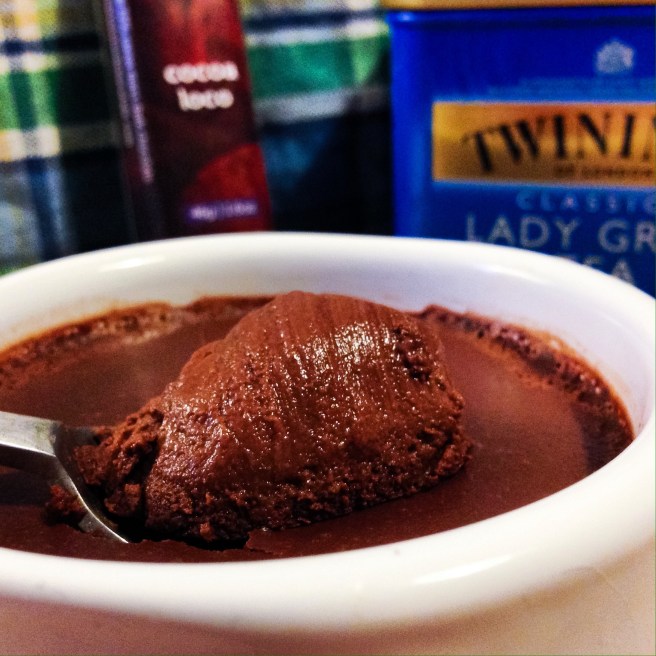
Hot Chocolate Panna Cotta

img_6414

I drink a cup of hot chocolate or two each winter, especially when it’s time for Vancouver’s Hot Chocolate Festival, but I think I like this method of enjoying it even better than the traditional one. All the flavour of hot chocolate in a creamy dessert and none of the dilemma involved in choosing between it and a cup of tea.

I used an extra-dark chocolate that I like, Denman Island Chocolate‘s Cocoa Loco, and infused the cream with Lady Grey tea. The tea’s clear citrus notes played well against the flavour of the chocolate. The chocolate’s flavour is bolstered by cocoa powder in this panna cotta and I think it’s this addition that makes the flavour so reminiscent of hot chocolate.

This is one I’ll be having again, especially now that I’ve found a nearby source for granulated gelatin and can avoid the awkward conversions involved in using leaf gelatin.

Fluted Carrot-Tangerine Cake

img_6425

My fluted quiche pan was otherwise occupied, so this cake had to be content with a plain edge. I still think it’s very pretty.

I love my mother’s version of carrot cake, a classic rich rectangle liberally slathered in cream cheese icing, but this cake is one that I can see myself making more often. It’s a much lighter cake, full of ginger and tangerine with an undertone of carrot’s sweetness. I added a tangerine glaze, which made it look festive and boosted the citrus flavour even more. This cake will get you through the worst part of winter, whether you glaze it or not.

I’ll be joining in with the rest of Tuesdays with Dorie’s bloggers at least once in April, so dessert is on the horizon. That’s always a cheering prospect.

Find out what the rest of the Tuesdays with Dorie crew caught up on here: Rewind.

Cottage Cooking Club – March 2016

img_6543

Like a horse as it nears the barn, I seem to be speeding through recipes as we reach the end of our time with River Cottage Veg in this group. This month, I managed seven recipes, two of which were ones I’d missed when they’d come up in previous months’ selections.

It’s made for a delicious March.

Nachos with refried beans
img_6544

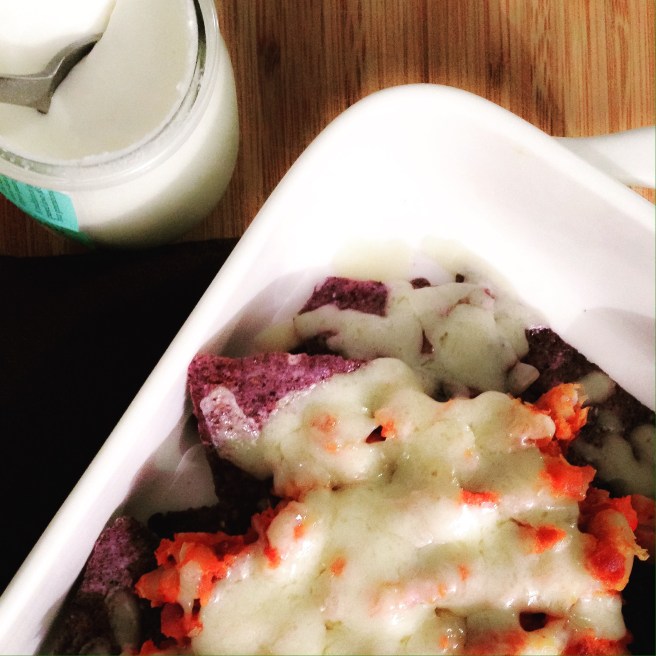
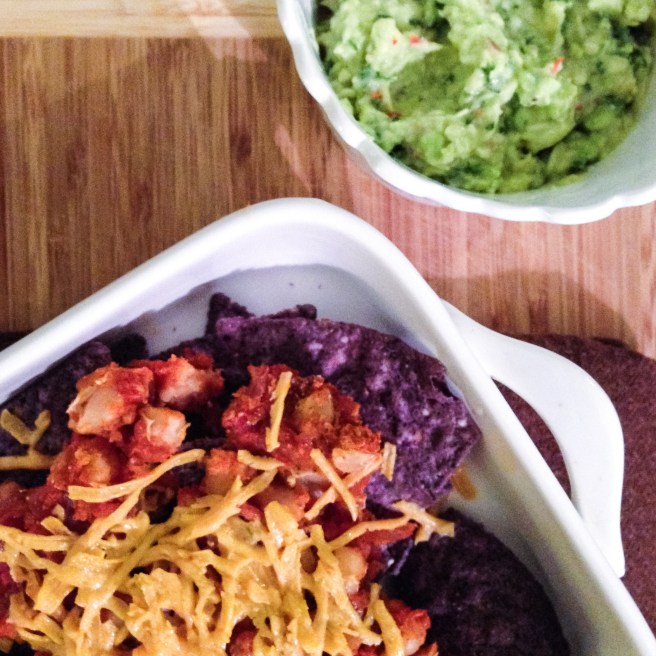
There are as many recipes for refried beans as there are cooks that make them. Hugh’s version is a pantry cupboard wonder, using things I always have on hand. I like the chunky texture, the gentle heat from the fresh red chile and hot smoked paprika, the smooth taste of the cannellini (or borlotti) beans, and the use of grated fresh tomato. I made this twice – once with cannellini beans and once with borlotti and they were equally good. My only change to the recipe was to add 2 or 3 tablespoons of tomato paste along with the fresh tomatoes. That might not be necessary at the height of summer, when tomatoes are at their best, but it really helped bring the flavours together for this late winter version.

As for the nachos, I made a vegan version and a conventional one. I have two small ceramic baking dishes that are about the same size – one got lashings of old cheddar cheese and the other got a generous sprinkling of Daiya cheddar shreds. We finished them off with sour cream (vegan and conventional – it’s our version of his and hers) and some of Hugh’s lemony guacamole.

Lemony guacamole

img_6568

This recipe was tackled way back in May of 2014, for our very first Cottage Cooking Club round of posting.

Kevin’s a bit miffed that I overlooked this recipe until almost the very last post for this cookbook – it would have become a staple in our kitchen much sooner, if I hadn’t.

It relies on lemon, cilantro, and fresh red chile to complement the avocado. I skipped adding oil, as it seemed unnecessary, and threw a bit of chopped red onion into the mix. It was perfect with our nachos and adds great flavour as a sandwich spread, too.

The vegiflette toastie

img_6636

This one was just for me – I couldn’t resist putting aside a few of the baby potatoes we’d had for dinner so that I could have this toastie for an indulgent Saturday lunch. The topping consists of sliced potatoes heated with a little wilted endive and some heavy cream and I would have enjoyed this if the sandwich had stopped there. The final step is to melt some cheese on top (old cheddar, in this case) and it made the dish absolutely perfect for a rainy day. It was more of a knife and fork affair with the split baguette I used, but that was fine. Not every sandwich needs to be portable.

Dressed Puy lentils
img_6652

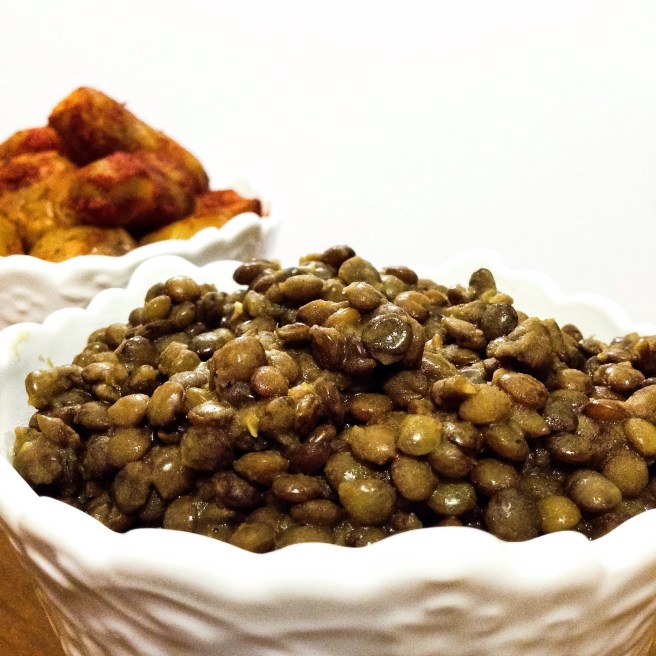
I make Hugh’s lentils, with their mustardy dressing, at least once a week. We stir them into bowls of roasted potatoes, wilted greens, freshly roasted or steamed vegetables, cold salads, or grains hot or cold. These become one bowl lunches or side dishes at dinner.

There are plenty of other ways to dress lentils, but don’t you find you look back on a period of time and remember a dish or two that kept coming up over and over? It’s been that way with these lentils this winter. It’s not repetition so much as punctuation.

Roasted new potatoes with harissa

img_6650

We ate our lentils with these potatoes one night, but it took several tries. The first step in making these is to roast the potatoes with salt and pepper. I usually roast potatoes with herbs and garlic, or onion, or spices – it depends on what I’m serving. These come out of the oven with the more-ish quality of French fries. And we discovered, salt and pepper potatoes go so well with Hugh’s lentils, that you might forget to add harissa altogether. Twice.

With the harissa, they’re good, but honestly, not as good as the plain potatoes. I love harissa as a condiment for soups, stews, and other dishes with a Middle Eastern bent, but I think in this dish, it’s a little wasted.

Vegetable biryani

img_6607

I wish I could say we loved this one, but we only liked it. We probably won’t be repeating this version of biryani, but I was especially appreciative of the flavour the brown onions brought to the dish.

Twice-Baked Potatoes

img_6541

Finally, there’s a treat that came up in the rotation in November of 2014. I had some beautiful crème fraîche and cultured butter on hand, that I was reviewing for another post earlier this month. This recipe seemed like a perfect way to enjoy it.

I made these potatoes two ways – a vegan version for Kevin, with vegan sour cream, Earth Balance, and Daiya cheddar shreds, and a conventional version for me, with crème fraîche, cultured butter, and old cheddar.

We won’t be having these often, but not because we don’t like them. We loved them. They’re just an indulgence that should be an occasional treat. Although, you can put spinach in them – that makes them good for you, doesn’t it?

As I said, it was a delicious month. I’m looking forward to what April brings.

At the end of the month, you’ll be able to find the rest of the group’s posts, here. I encourage you to check them out – you’ll meet some wonderful bloggers and get some great inspiration for vegetarian eating.


G-W Portraits: Vivienne McMaster

img_6618

Each time I do a G-W Portraits interview, I’m struck by the way in which each participant brings something new to the three simple questions I ask them. Vivienne McMaster brings a photographer’s eye and a transformative perspective to her answers. She spoke about the “evidence of community” that can be found all around Grandview-Woodland, on sidewalks and in community book exchanges, in gardens and on the verges.

Vivienne’s work can be found at Be Your Own Beloved, along with links to her e-courses, workshops, e-books, and more.

You can find the rest of the interviews in this series here: G-W Portraits

Cook the Book Fridays – Pain d’épices

img_6623

I can appreciate the variations in flavour between buckwheat honey and lavender honey, fireweed honey and blueberry honey. But I’ll take city honey over any of them. City honey’s flavour depends on the gardeners in the neighbourhoods the hives inhabit. It changes across the seasons and reflects the trends in the planted environment.

Best of all, it comes from bees with the best of all possible lives. The nectar sources might have a riotous variety, but the hives are rooted and stable. Cities like the one I live in also have pesticide bans, which is much better for bees and for their honey. And the apiarists range from obsessively careful amateurs to professionals with an interest in helping create a healthy urban ecosystem.

These are the thoughts I turn to when I’m cooking or baking with honey. I have some favourite local honeys, including Mellifera Bees and Hives for Humanity, but there’s also UrbanSweet, Lulu Island Honey, and others.

All of this is to say that this week’s recipe is well-worth using your favourite honey. Pain d’épices looks like it might be a sweet quickbread, but it’s something more elusive than that. It’s full of assertive spices like anise and cloves and is at home with pâté as it is with jam. I like it very much with cultured, salted butter.

The method, too, is fascinating. It starts out as though you’re making a caramel, cooking the honey with brown sugar (and in my case, a bit of molasses, too). Then, that mixture is cooled before it’s added to the dry ingredients and egg.

img_6624

The result is a dense and tender loaf, that has a texture somewhere between a quick loaf and a true bread. I might have to indulge in some pâté this weekend to try it in a savoury fashion, or pair it with my mother’s plum jelly for a sweet treat. Or, I might just stick to butter. It’s awfully good that way.

Now, if you’re part of the Cook the Book Fridays group, you might be wondering what happened to this week’s primary recipe, Belgian Beef Stew with Beer. This wasn’t a good week for a side trip into cooking with meat in our household, so I’ve decided rack up my very first entry on my ‘catch up’ list for the group. I’ll be glad of the excuse to make this bread again. For now, I’m just glad I have an excuse to go honey shopping, as I used up the last of my current stash with this recipe.

David Lebovitz has one version of this bread on his website, but I’d buy the book if I were you.

You can read through everyone’s posts here. And consider joining this community of wonderful cooks and lovely people, as we work our way through David LebovitzMy Paris Kitchen.

Spring Into Action

img_6610

The clocks went forward an hour on the weekend and the lighter evenings are waking me out of winter hiberation mode. Which makes it a good time for a round up, don’t you think?

Here are a few things that have caught my newly refreshed eye:

I haven’t yet made time for the Vancouver Art Gallery’s current show, MashUp: The Birth of Modern Culture, but I need to correct that soon. It seems like everyone I know has been making multiple trips to the exhibit – the whole gallery is devoted to this exploration of contemporary cultural production and it’s too much to absorb in a single visit. If you’re in Vancouver before it closes in June, you should block it liberally into your itinerary.

Last year, I brought a recipe to the AvoShowdown, competing against a number of Vancouver bloggers. This year, the general public is invited to submit a recipe – 16 competitors will face the judges on April 10th. You can find all the details here: Call for Recipes – Avocado Showdown. I’m looking forward to attending as a spectator this time around!

The Eastside Flea has moved from Commercial Drive to Main Street and have a bigger, permanent home. If you’re a vendor, they’re looking for all sorts of goods purveyors for their grand opening on April 16th & 17th.

The Femme City Choir brings their new show to the York Theatre on June 5th & 6th – I’m telling you now because it’s best to get your tickets early. Their shows sell out.

Food and community find perfect expression in the Food Connection Friends Potluck Dinners. For folks in and around the Mount Pleasant neighbourhood, they hold regular potlucks and DIY food workshops. There’s one coming up this Friday, March 18th, in fact.

But the big question this week is would you rather celebrate St. Patrick’s Day by rocking out to Pogues tribute band, Shane’s Teeth, at the WISE Hall’s annual St. Paddy’s Day Bash, or are you more into the nostalgic (and nearly as lively) sounds of the Irish Rovers? Just let me know – I’ll be sipping on a Guinness while you decide.

Glass Jars and Cream

img_6595

I received a basket of Riviera Petit Pot products from Laiterie Chalifoux, but received no other consideration. All opinions are my own.

I’ve been looking for yogurt in glass jars for years. My Instagram envy ran high every time I’d see photos from someone’s Parisian pied-à-terre, with little glass pots of yogurt gracing their breakfast tables, along with baguettes and café au lait.

Now, before you diagnose me as someone in need of a vacation (I am, it’s true), let me say it’s not just the romance of foreign packaging that’s at the root of my longing. It’s also the plastic containers that fill my recycling bin. Glass isn’t just more attractive than plastic, it’s more sustainable.

So, when I saw yogurt in glass containers at my local grocery store, East End Food Co-op, I was thrilled. Not only were they in cute, reusable glass jars, but they also had French-inspired flavours like rhubarb, fig, and nut. I took some home and was even more pleased to find out that this yogurt was only very lightly sweetened, allowing me to focus on the richness of the yogurt and the flavour of the compote at the bottom.

I was so impressed that I contacted the producer, Laiterie Chalifoux, to find out more about it. I learned that they were just launching Riviera Petit Pot in English Canada and they were kind enough to send me samples of the entire line.

img_6511

This includes three kinds of yogurt – set-style yogurts, organic yogurts, and goat milk yogurts; sour cream and crème fraîche; and cultured butters, including a goat milk butter.

Needless to say, I started experimenting in the kitchen right away.

Potatoes and Nachos

The crème fraîche was a perfect excuse to make twice-baked potatoes, paired with a sharp cheddar. The sour cream topped nachos with homemade refried beans, then perogies from one of my favourite local purveyors.

img_6559

The sample of set-style yogurt Riviera sent me was coconut-flavoured, which sounded like a great base for the Honey-Yogurt Mousse I decided to make. I topped it with crème fraîche whipped cream, for a little added decadence.

Crème Fraîche Whipped Cream

1/2 cup whipping cream
2 tbsp crème fraîche
1 tsp brown sugar
a dash of vanilla

Put the whipping cream and crème fraîche into the bowl of a stand mixer fitted with the whisk attachment. Beat on high speed until soft peaks form. Add the brown sugar and vanilla and beat until stiff peaks form.

The other two yogurts Riviera sent me were an organic yogurt with rhubarb compote and a vanilla goat yogurt. I didn’t get too fancy with these, enjoying the rhubarb yogurt just as it was and lacing the vanilla yogurt with frozen blueberries, for a breakfast parfait. I had some leftover coconut yogurt, too, which I ate with some fresh mango.

As for the butters, I’ve been working away steadily at the salted cultured butter, spreading it on toast each morning. Cultured butter is great for baking, but since I had two pots, I decided to bake with one and enjoy the other slowly. The goat butter was the one I was most interested to try in a baked good, as I hadn’t worked with it before.

I belong to a baking group, Tuesdays with Dorie, and one of their March selections seemed like a tasty way to test drive the goat butter.

img_6588

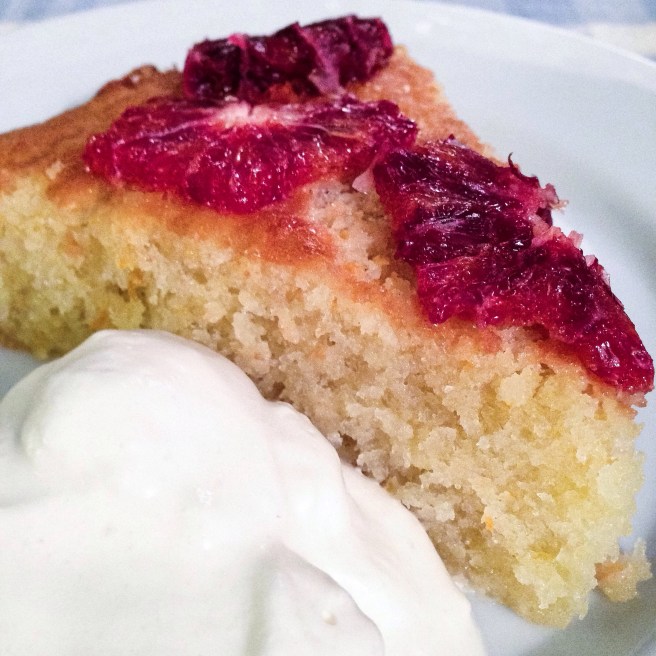
The orange cake I made with the goat butter was moist and delicious, made even more so with the last of the crème fraîche whipped cream. I was happy with how the flavour of the goat butter worked in this sweet cake and now I’m curious to see what it’s like in savoury baked goods.

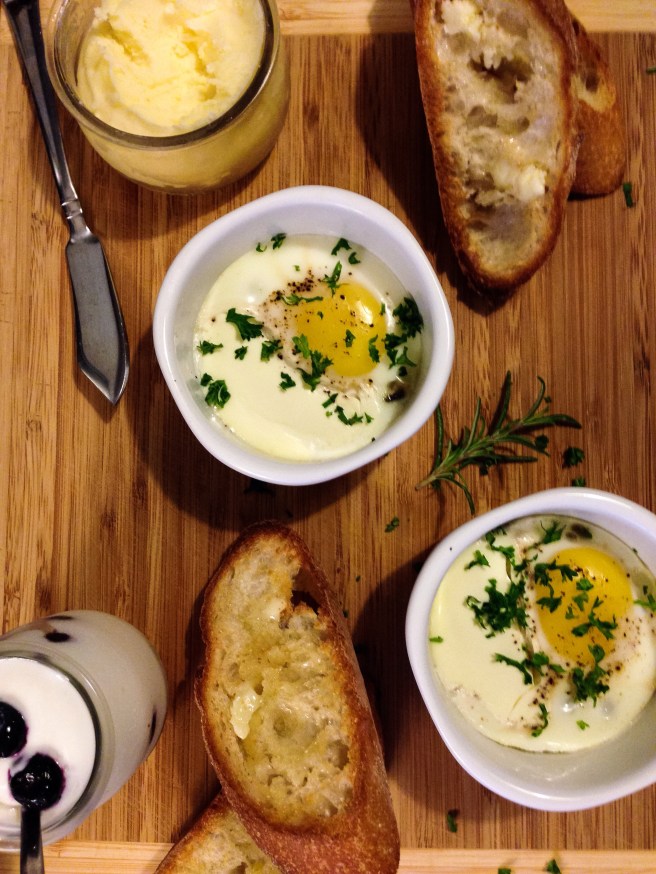
I still had half a jar of crème fraîche left, so I decided to use it for a special breakfast. Eggs en Cocotte are easy to make, but they present as though they’re part of a weekend brunch buffet. It’s the spoonful of crème fraîche on top that makes them so rich. As you can see from the photo at the top of the post, these eggs can make even a weekday breakfast feel special.

Eggs en Cocotte

For each serving, you will need:

  • 1 egg
  • 1-2 tsps caramelized onions
  • 2-3 leaves fresh rosemary, finely chopped
  • 1 tbsp crème fraîche
  • salt and pepper

Preheat oven to 350°.
Boil a kettle of water, then set aside.

Butter ramekin(s) and place them in a shallow pan.

Spoon onions into ramekin and sprinkle rosemary over them. Break an egg into the ramekin, then season with a little salt and pepper. Spoon crème fraîche gently on top of the egg. Repeat for each serving.

Pour water from the kettle into the pan until it reaches about halfway up the sides of the ramekins.

Slide the pan carefully into the oven and bake for 12-15 minutes. If you like the yolk fully set, you might need to add a few more minutes.

After a week of indulgence, I can safely say I’m a fan of everything Riviera Petit Pot has to offer. The flavours are richly European and the jars are attractive and infinitely reuseable. I especially like the quantity in each of the jars of sour cream and crème fraîche – they’re the perfect size for setting out at table if you’re serving something like blini or perogies.

Riviera also produces plastic lids for the jars, which are useful when you’ve only used a portion of a jar, or if you want to transport salads, parfaits, or any other concoctions you create to fill your jars. For a limited time, Riviera is sending 4 lids free to Canadians (excluding Quebec). You can find details, here.

I’m grateful my discovery at the food co-op led to the opportunity to try out the whole line. They’re going to be regular items on my shopping list from now on.

Baking Chez Moi – Odile’s Fresh Orange Cake

  
Happy International Women’s Day, everyone! Here’s to continuing the march toward equality for all women, across the world and at home.

Baking may not seem like a good fit on a day that’s dedicated to women’s equality, but all the activist and community groups I’ve been part of have fuelled change with agile minds and satisfied stomachs. Even cookbooks have been wielded as tools for change by feminists – suffragists used them to spread their message, filling them with recipes and resistance.

So in this spirit, I think it’s fitting that I’m writing about a cake that begs to be shared. Any group of people who were lucky enough to find this orange cake on their meeting room table might find the fortitude to change the world.

I have a special fondness for orange cake – my grandmother used to make it and it was a favourite for everyone in the family. Unfortunately her recipe is lost to us, so I’ve tried any that I’ve encountered in an attempt to find one that measures up to my memory of hers.

That’s the problem, of course – what can measure up to a treasured memory? So, I just enjoy the orange cakes as they come along, noting down the ones that come close, along with those I appreciate just for themselves.

Odile’s Orange Cake falls into the second category. Though I think my grandmother would have appreciated the orange-y, buttery flavour very much, it’s a cake that’s different in kind than the one she used to make. Hers was moist, with a fine crumb, but also sturdier than this cake. That’s no surprise, since this one is soaked in the syrup used to poach the oranges that decorate it. It’s not just moist, it’s suffused with moisture in the best possible way.

  
There’s something else that’s different about this cake. I used goat butter to make it. It’s a delicious butter that has a different character than that made from cow’s milk. If you’re interested, Chowhound made a short video on the subject.

This recipe was well worth using my tiny stash of goat butter. And I think that if I bring it to my committee meeting tomorrow night, it might be the perfect way to celebrate solidarity amongst a group of women working to benefit our community.

You can find the rest of the Tuesdays with Dorie crew’s entries on this recipe here: Odile’s Fresh Orange Cake.

Cook the Book Fridays – Dukkah-Roasted Cauliflower

img_6523

I love my stand mixer and my food processor, my slow cooker and my blender, but sometimes I think I get the most satisfaction from the little Braun coffee grinder I picked up at a garage sale back in my university days. Now, it’s only occasionally used to grind coffee – who needs coffee at home when you’re living at the corner of java and joe? But it has produced any number of freshly ground spices over the years, along with emergency icing sugar and top ups for scant cups of oat or chickpea flours. I paid almost nothing for it and it’s brought me a wealth of flavour.

It is rather…enthusiastic, though, so I thought I’d use our mini chopper to make the dukkah for this week’s Cook the Book Fridays dish. This spice mix is meant to have a coarse texture and my spice grinder is more of an instant powder maker. In the end, though, the grinder had to come to the rescue, as the peppercorns and coriander managed to elude the mini chopper’s blade completely. I had to dig them out, grind them, and whisk them back in.

That was the only glitch in a simple and delicious recipe. There are many versions of dukkah, but this one is particularly well-balanced. The recipe made much more than I needed for the roasted cauliflower, so I’m looking forward to trying it in dip form, on other sorts of roasted vegetables, or as a crust for tofu.

img_6524

The cauliflower itself couldn’t have been simpler – slices are roasted in olive oil, the dukkah is added, and the cauliflower continues roasting until it’s tender and caramelized. In the headnote to the recipe, David tells us that this dish has been known to elicit exclamations of pleasure and that certainly happened here – the moment I opened the oven to pull it out, just as he’d promised.

That’s the second cauliflower recipe to do so in our house in less than six months. The first was Meera Sodha’s roasted cauliflower. There are other cauliflower dishes I enjoy, but I could be perfectly happy with alternating between these two indefinitely.

img_6522

There’s a version of David Lebovitz’ dukkah on his website.

You can read through everyone’s posts here. And consider joining this community of wonderful cooks and lovely people, as we work our way through David LebovitzMy Paris Kitchen.

Eat Local: A Singularly Delicious Pairing

img_6487

I was a guest of Kingfisher’s for the evening, but received no other consideration. All opinions are my own.

Beer has come a long way in BC. Not all that long ago, a beer and a meal meant mass-produced lager and a wan remembrance of English pub food.

These days, it’s an exciting prospect. With excellent breweries popping up around the province and many restaurants’ laser-focus on the best of local food, there’s no predicting what will happen when they come together.

Last month, I benefitted from such a collaboration between Kingfisher’s Waterfront Bar & Grill in Maple Ridge and Victoria’s Driftwood Brewery. The occasion was the pouring of a very special stout and the carefully constructed tasting plate my brother, Chef Sean, dreamed up to go with it.

img_6448-1

Driftwood’s Singularity Russian Imperial Beer is delicious bottled, but it’s even better when it’s been cellared. Ted Hume, one of Kingfisher’s owners, opened a cellared barrel of the 2014 vintage and invited guests to enjoy it with Chef Sean’s tasting plate.

We had a glass of a more recent vintage, which is everything I love about stout – full of flavours like coffee and chocolate, refreshing and filling all at once. This stout has an extra layer of flavour imparted by the bourbon barrels it’s aged in, too, making it even deeper and darker than I’ve come to expect. As good as it was, the cellared beer was astonishingly better. It needed to be sipped and savoured, more like scotch than beer, and the flavours were even more complex and pronounced. As Driftwood representative Asia said that night, it’s a challenging beer to pair.

I may be biased, but Chef Sean’s tasting plate met the challenge perfectly. He started with a brioche crostini with bacon in a bourbon-caramel sauce, dusted with pecan. Then, lamb sirloin with a port-cherry demi glaze over blue cheese infused mashed potatoes. Finally, a beignet with dark chocolate sauce, sprinkled with brown sugar. Sipping the beer between bites, these dishes enhanced and were enhanced by the Singularity. The only thing I could have asked for was a second round.

Ted and Asia were kind enough to talk more about the event, the night’s offerings, and the synergy between Kingfisher’s and Driftwood’s philosophies, in a Periscope interview that I’ve captured here:

This synergy extends beyond the presenters of the evening, right onto the plate. Bacon from Gelderman Farms, brioche from A Bread Affair, blue cheese from Little Qualicum Cheeseworks, and more were showcased in this meal, companies that put as much effort into collaborating with restaurants as they do the quality of their products.

img_6456-1

It made for a room full of happy eaters and drinkers, including my mother and me – though we didn’t order a second round, we indulged in a few more plates of food (including some fabulous crab cakes and a tiramisu so wonderful I forgot to photograph it).

img_6442