FFWD – Café Salle Pleyel Hamburger

Moose mince, rather than beef, for the burgers.

I’ve eaten two hamburgers this summer, which has to be a record for me. Honestly, given the choice between a burger and a steak, I’ll choose steak every single time. Growing up, we had hamburgers at home occasionally, mostly in the summer when my Dad was in a grilling mood. (I’m leaving aside the ubiquitous fast food experience of most children of my era and location. I certainly enjoyed going to those burger joints as much as the next kid.) Since leaving home, though, I’ve rarely bought ground beef, mostly out of concern for food processing and contamination issues. Another big reason is that my parents often give me game and their own farm-raised lamb and pork. These meats easily surpass supermarket meats in taste and in healthfulness. I’ve been really lucky in that respect.

I happened to have a package of ground moose in the freezer, which I’d been planning to use in a shepherd’s pie once the weather got cooler. (I suppose purists would say I was planning a hunter’s or cottage pie, really.) Instead, I used it to make these burgers. I thought the flavours of the seasonings would go well with moose, with its slight gaminess.
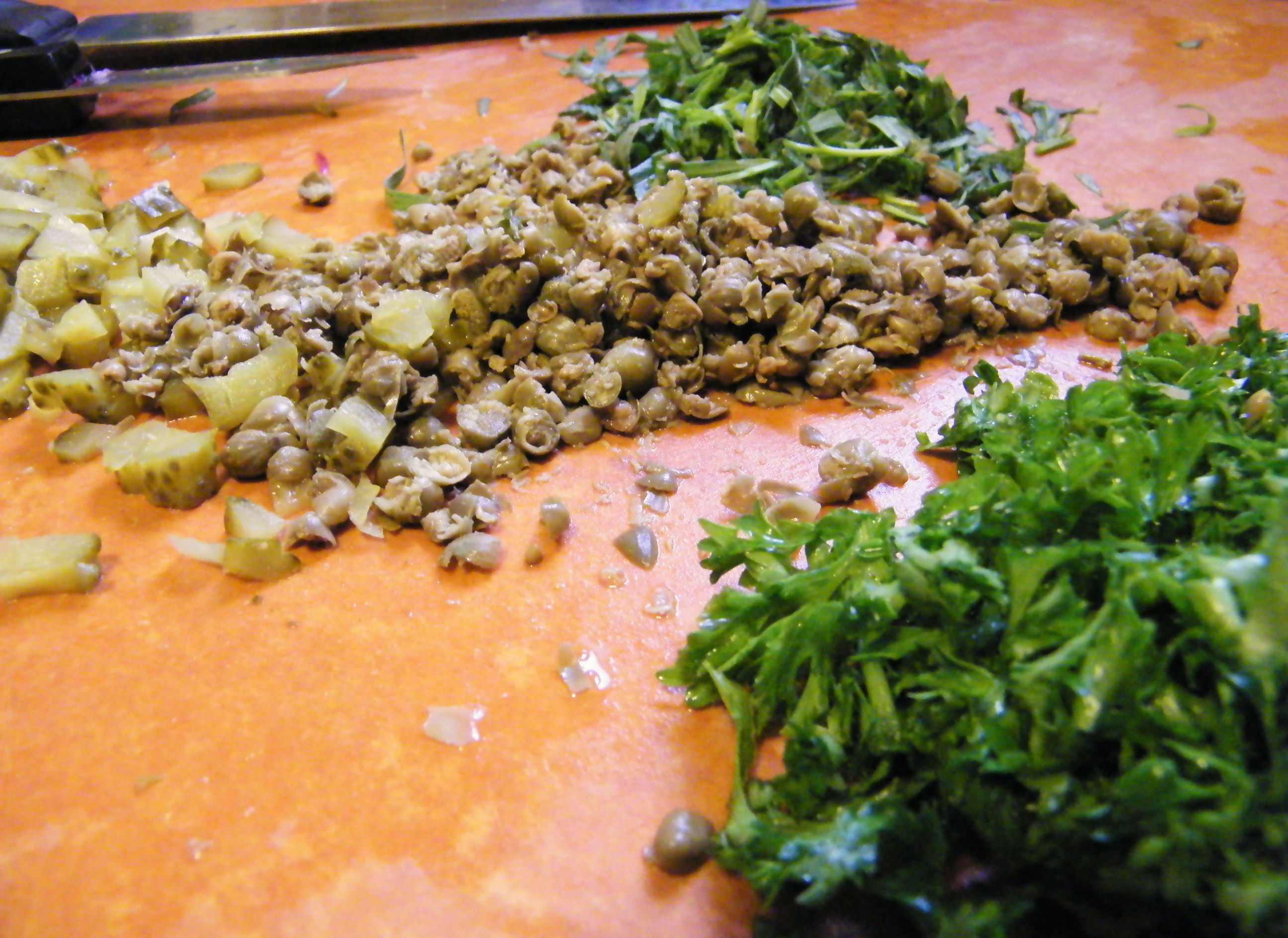
Chopping the ingredients for the burgers.

The recipe calls for tarragon, parsley, capers, and cornichons (small, crunchy, cucumber pickles) to be chopped up and mixed with the meat. Sun-dried tomatoes are also called for, but I skipped those this time. I ground some pepper into the mixture, but omitted salt, as I thought the cornichons and capers would make the burgers more than salty enough for us.
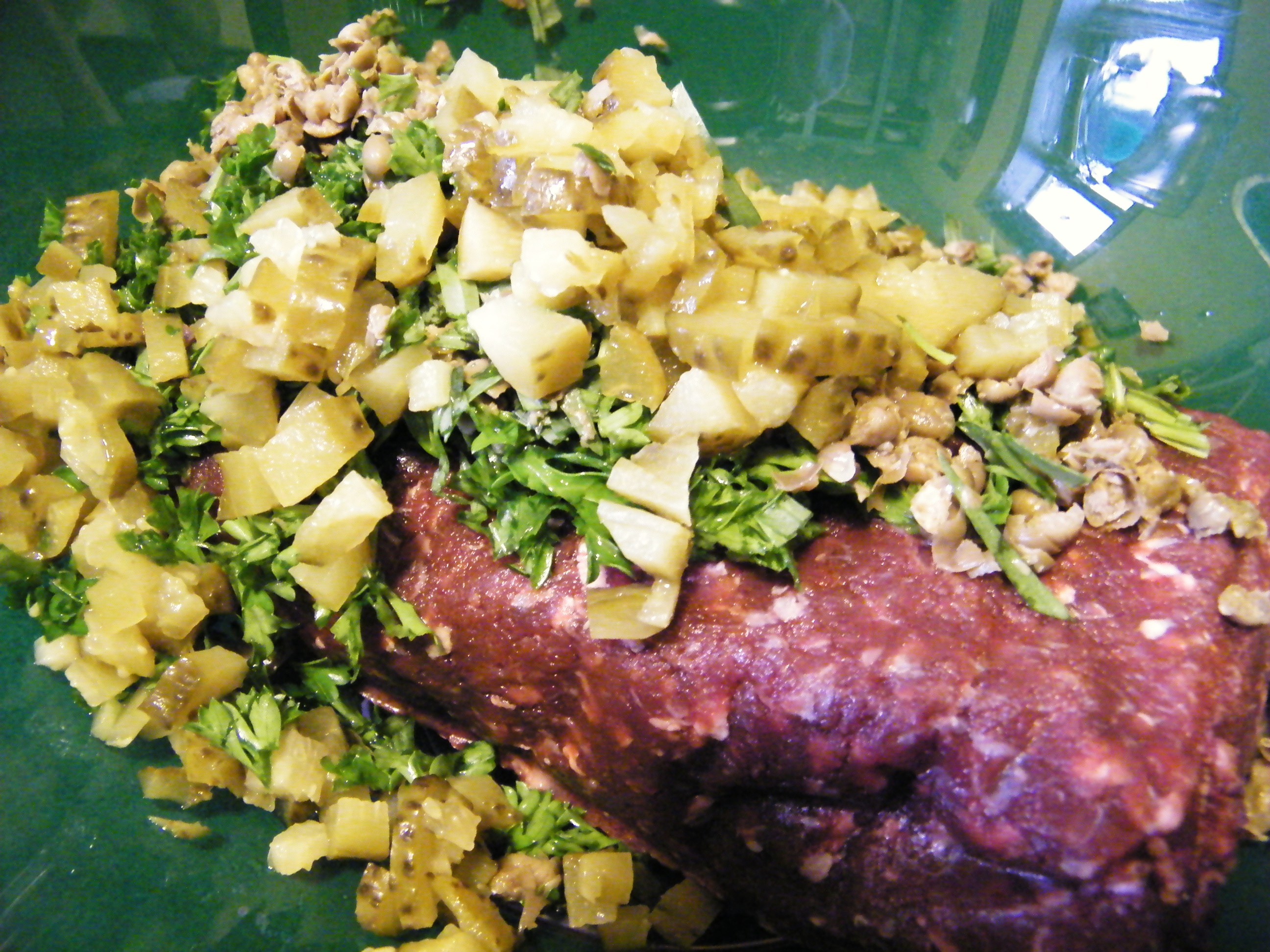
Mixing the seasonings into the moose mince.

Moose meat, like most game, is very lean, so I was a little worried that it might not hold together well. If it hadn’t, I’d have added a little oil or butter. It wasn’t a problem, though I was careful to be gentle with the patties, just in case. I got seven small patties out of the recipe, kept two aside for us to eat immediately, then froze the rest.
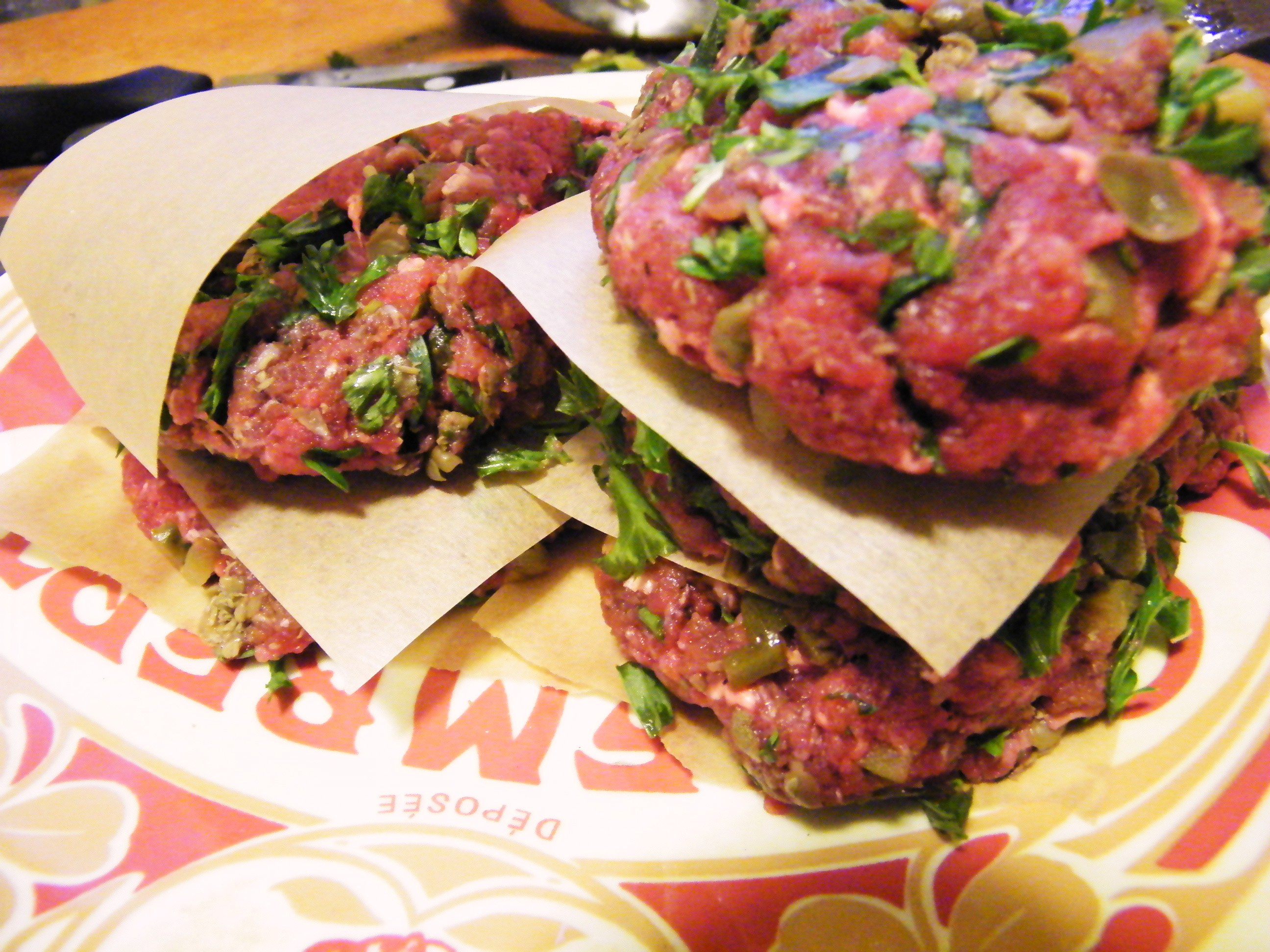
Extra patties ready for the freezer.

Another advantage of game is that I feel much more comfortable cooking the ground version to medium rare than I do with store-bought ground meat. My parents use a small, meticulous butcher for their meat processing and I trust that there’s no contamination danger from their equipment. This is another reason I avoid hamburgers – I always cook them to well done, though I prefer medium rare. [By now, you may have realized I’m a little fearful of meat-borne illnesses.] The moose burgers were perfect at medium rare, with a nice sear on the surface and a melting, juicy tenderness in the centre.
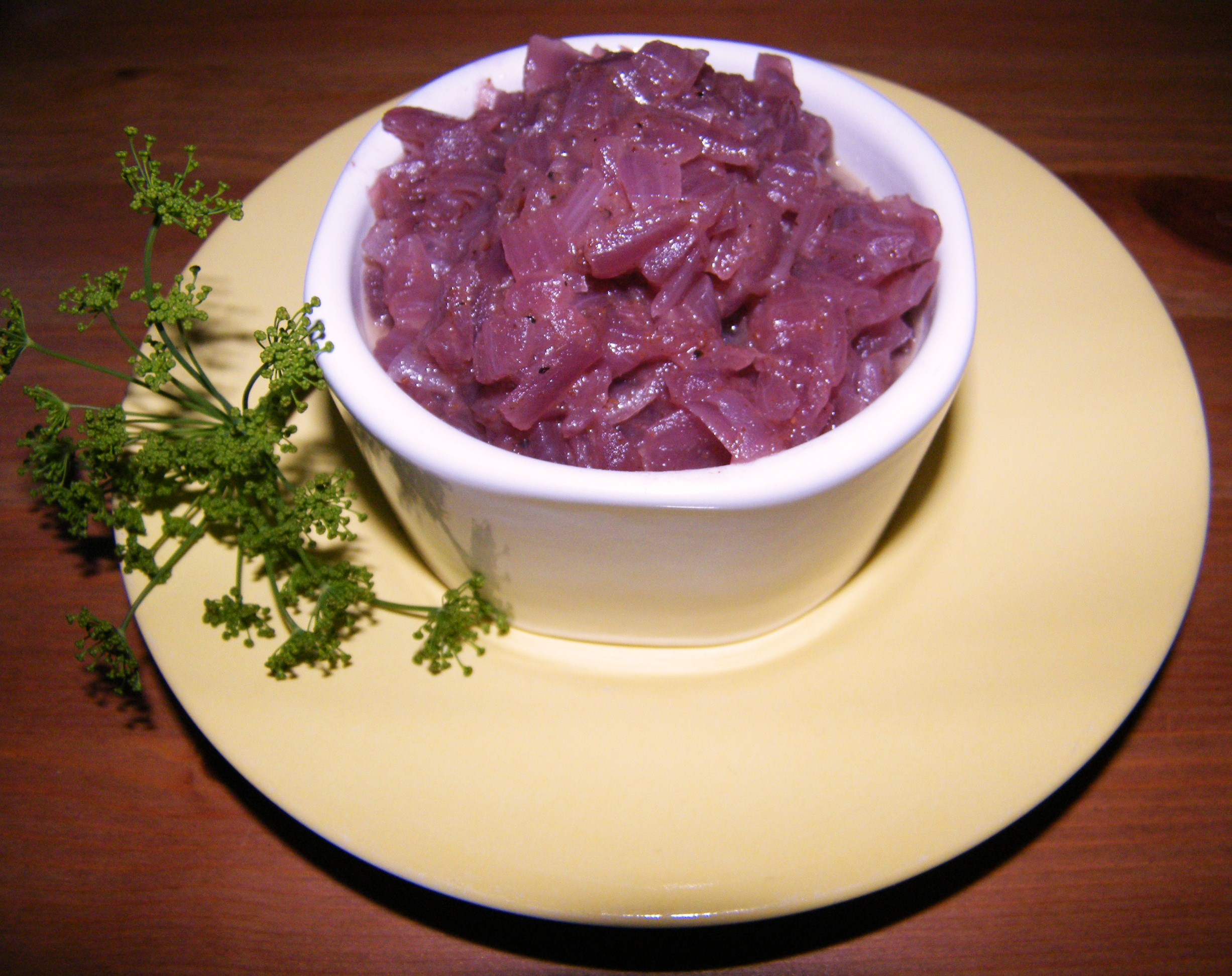
The onion marmalade.

The burger is dressed with an onion marmalade, which is made by slowly cooking down minced red onion with coriander, butter and black pepper. The recipe calls for ribbons of Parmesan to top the burger, but I used Asiago instead. These dressings are more subtle than the usual mustard, mayonnaise, and ketchup, which allows the seasonings used in the burgers themselves to shine. The final touch was Udi’s gluten-free hamburger buns. I’d not tried them before, but they’re great. They’re tasty, but more than that, they don’t crumble or fall apart. It was such a treat, knowing that we could enjoy our burgers, gluten-free and without any compromise.
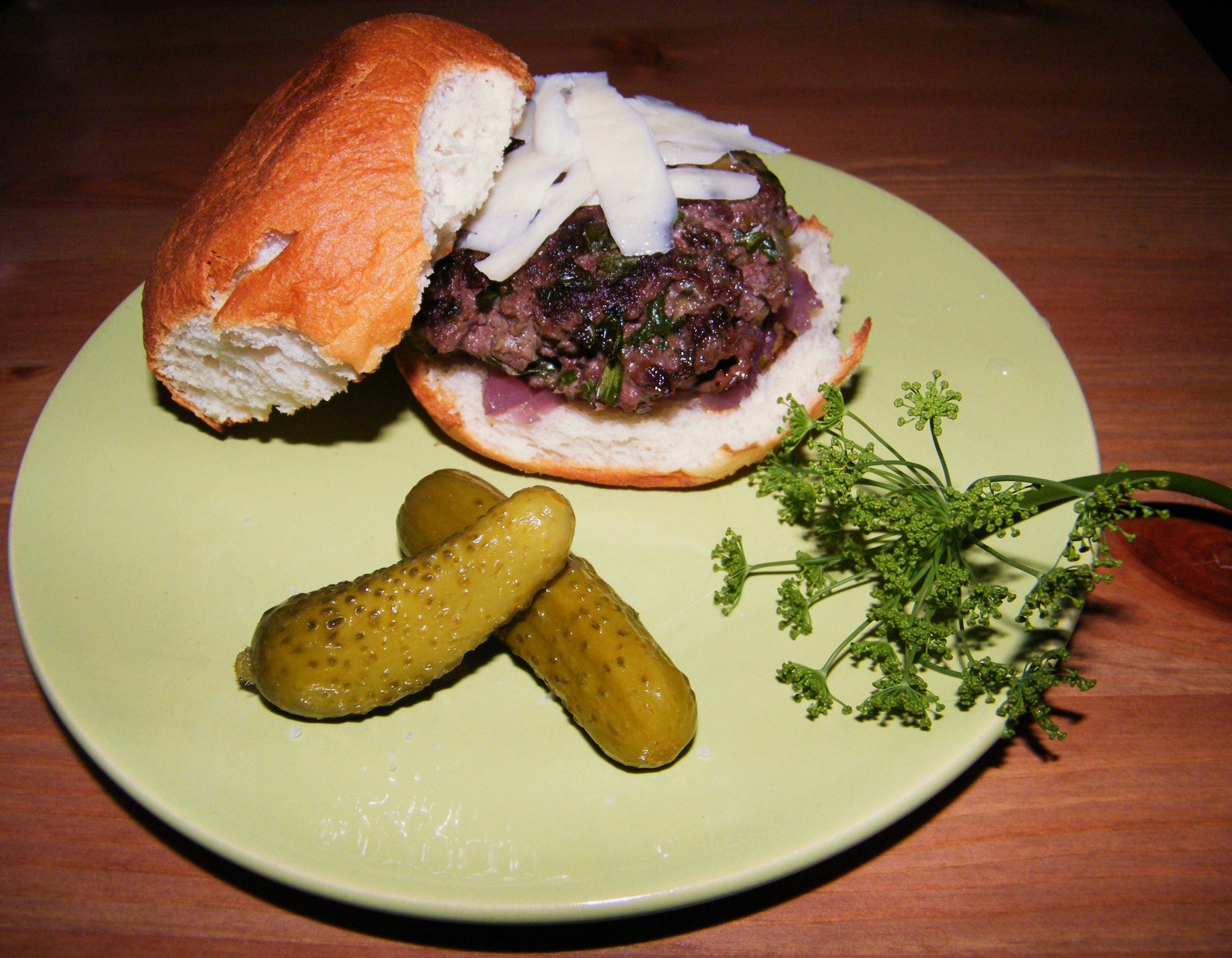
The finished burger, with cornichons and a dill flower for garnish.

I’m happy that we have some more of these moose burgers waiting for us in the freezer. Once they’re gone, I’m hoping that the organic meat store near my house will have opened. This recipe might mean that burgers make it onto my plate more than twice a year.

You can find many other blogged descriptions of this week’s FFWD recipe here: Café Salle Pleyel Hamburger

Late Summer Garden

A glimpse of one of the flower beds.

I was a little worried about my garden over the last month. In the middle of July, I sprained my ankle rather badly, managing to damage it about as much as I possibly could without actually breaking anything. (Go, me!) My partner was able to do some watering for me and the weather was fairly mild, so nothing died while I was out of commission, thank goodness. The weeds, being the hardy, prolific, and opportunistic garden dwellers that they are, spread riotously. I was stuck looking out the window and watching their progress. Now that I’m mostly healed, I’m trying to slowly clean up the garden beds. They aren’t so bad, but the yard itself has become a little daunting.

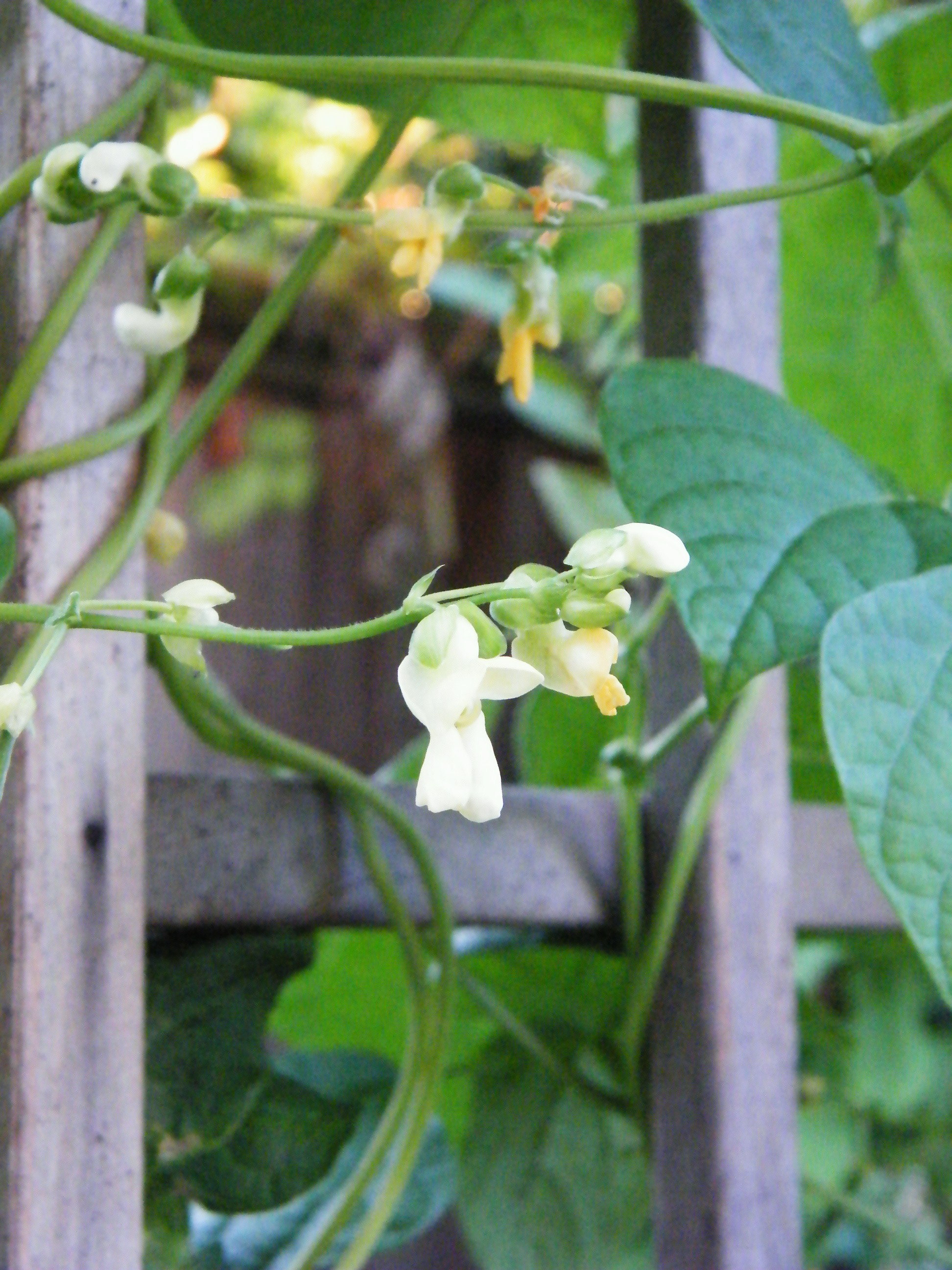
Flowers on my bean vine.

The good news is that I’m finally starting to eat from my garden. First radishes, lettuce and basil; now thyme and carrots; soon beets, Swiss Chard, beans and cucumber. I’m also hoping it’s not too late to put in a few more squares for fall harvest. Not bad for my first season of square foot gardening.

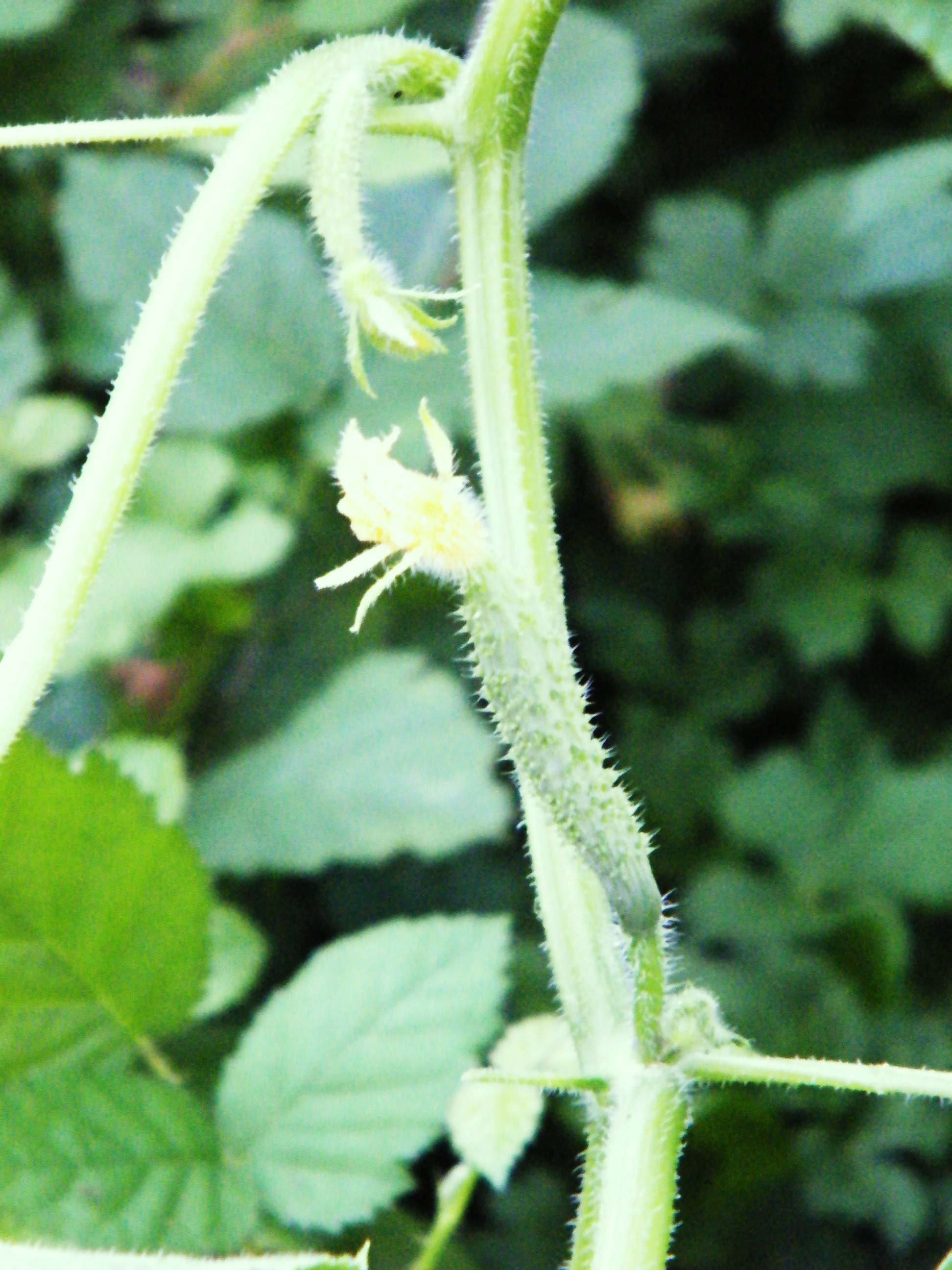
Tiny, growing cucumbers!

I’ve had a few challenges, including aphids, though they haven’t done as much damage as I feared. The cucumber and bean vines are making forays into the yard and up the bay tree, the mixed greens have finally bolted and my sad, little pepper plant may never produce a thing, but I’ve had few failures. The biggest disappointment was finding one whole square of carrots stolen. I’ve dug up the rest, though they could probably have used a little more time in the ground. I’m hoping that the person who took the carrots leaves the rest of my garden alone.

English lavender and in the background, beets and marigold.

I’m working on letting that go, because it’s a futile anger. I’m trying to focus instead on why I want a vegetable garden. It’s a place for experimentation and learning, as well as for growing my own food more cheaply and healthily than I can buy it. It’s also a better use of land than a lawn could ever be. It’s nice to feel, in however small a way, a part of the revival of food production in our culture.

Lettuce, hiding underneath dill. (Lacy vs. Frilly)

FFWD – Eggplant Caviar

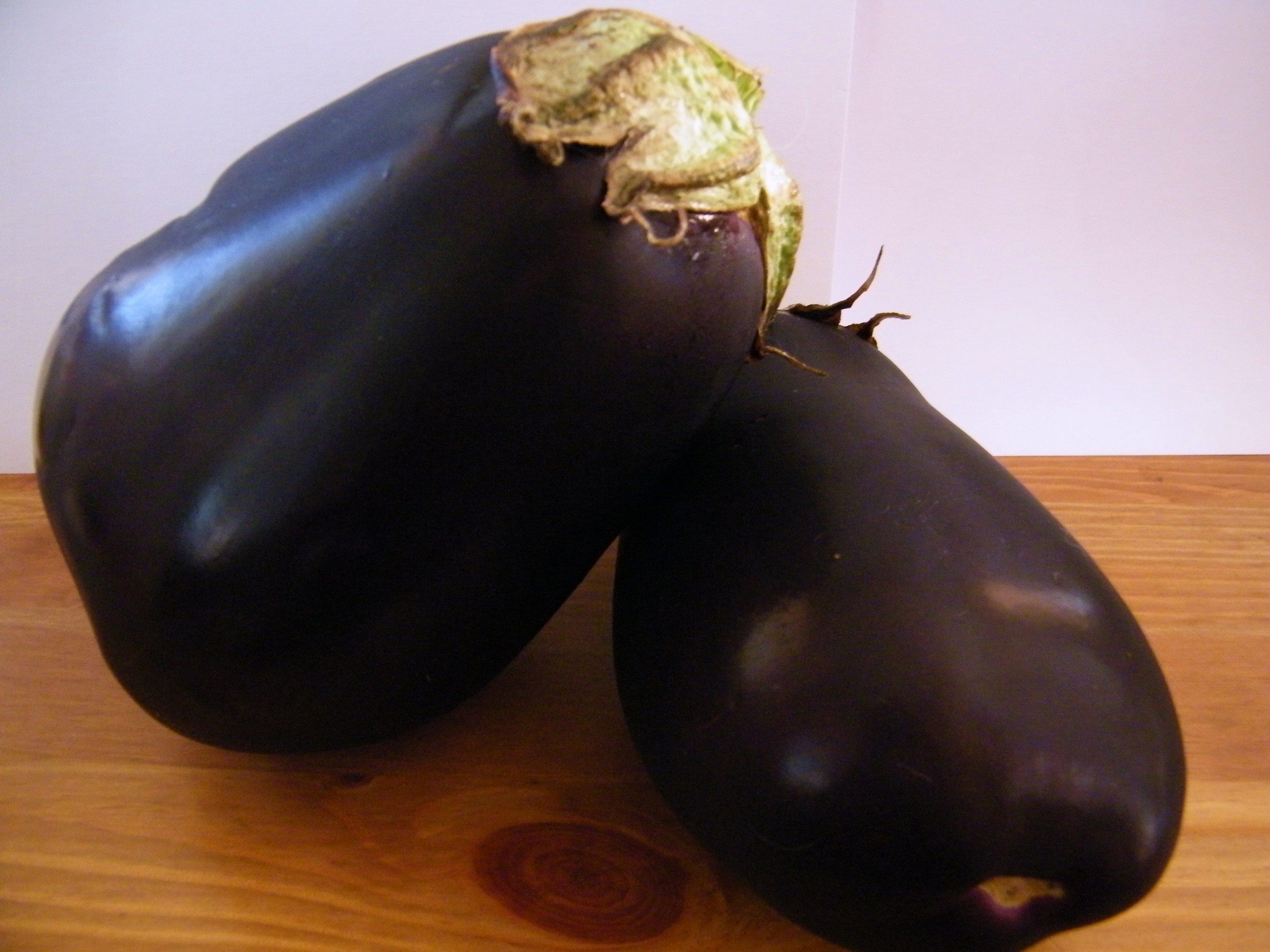
Eggplants

Roasting eggplants puts me in mind of our mortality, or at least, aging. The skin of a good eggplant is so beautiful, shining with health. Once roasted, though, it’s all crags, wrinkles and uneven tones. Sort of like what happens to us. Roasting deepens the flavour of eggplant and I hope that aging does the same for character. I think I’ll end the metaphor there.

Eggplants after roasting

All this eggplant sacrifice was in service of this week’s French Fridays recipe, Eggplant Caviar. A high-falutin’ name for a very quick and easy dip (or spread, depending on how you use it). Roasted eggplant mashed with garlic, onion, lemon, herbs and spices. Dorie recommends Piment d’Espelette, but I substituted cayenne. You may add chopped, fresh tomatoes if you like, though I didn’t. It has a bite and works well as a sandwich spread or a dip for crudités. This evening, I spread it on rye bread and added thin slices of cucumber. Tomorrow, I think I’ll use it in a chicken sandwich, on Quejos, which are gluten-free, so Kevin can have some, too.

Eggplant caviar, with rye bread in the background.

This is another recipe that would make great picnic food. It’s making me want to take a trip to the Westside beaches with a picnic basket and some sparkling lemonade.

You can find many other blogged descriptions of this week’s FFWD recipe here: Eggplant Caviar

FFWD – Salmon and Potatoes in a Jar

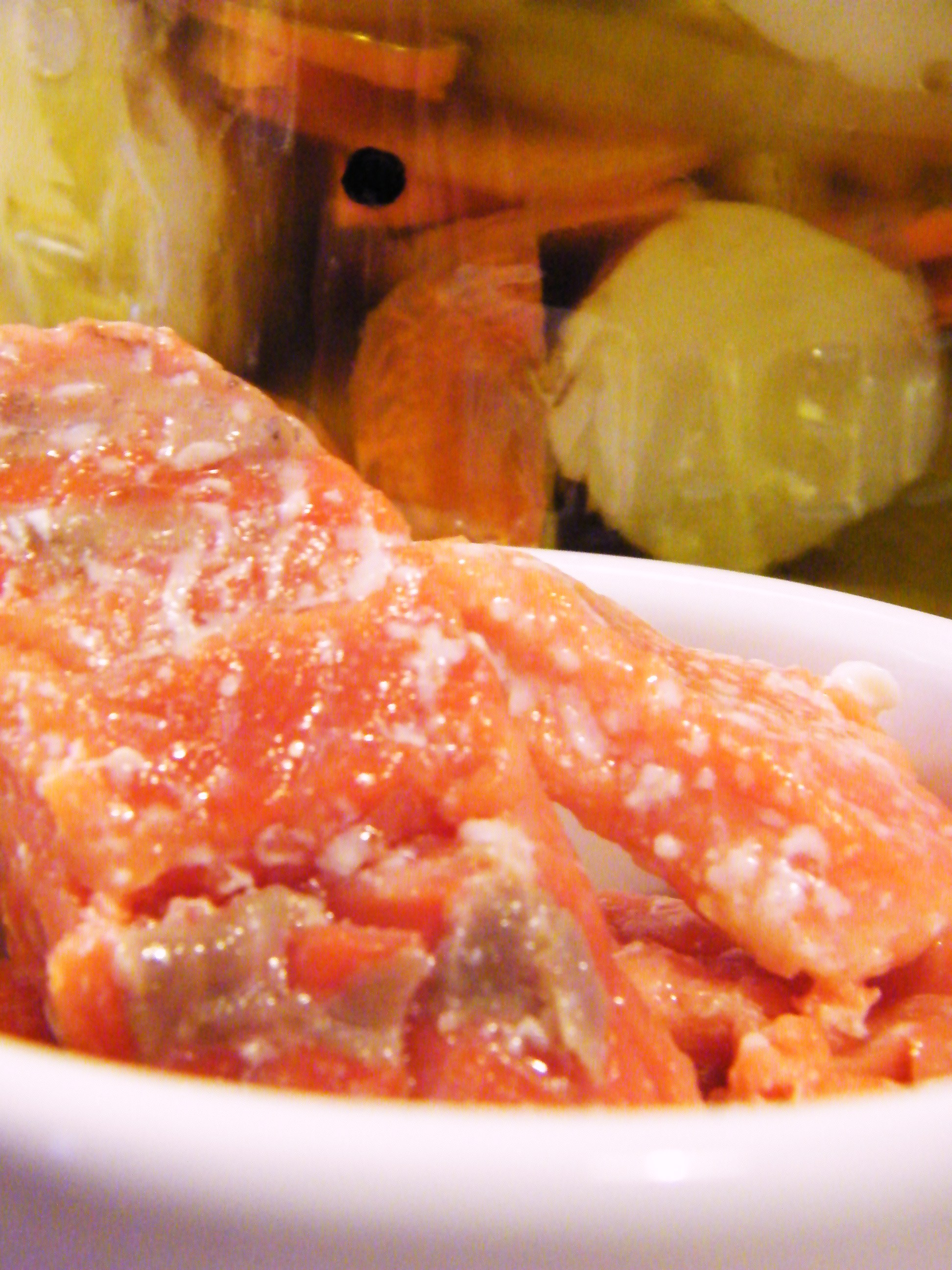
The cured, baked salmon, with the jarred potatoes in the background

I took the low road on last Friday’s recipe – I made the bonne idée version of the salmon, though I did follow through and put the potatoes into a jar. I don’t regret it, though. Cured and briefly roasted sockeye salmon is a lovely treat. Salty, but not enough to be off-putting, perfect for stirring into scrambled eggs or crumbling over salad greens. The potatoes make a great side for those eggs and if you spoon them over the greens before you add the salmon, no other dressing is needed.

Salmon, ready for baking

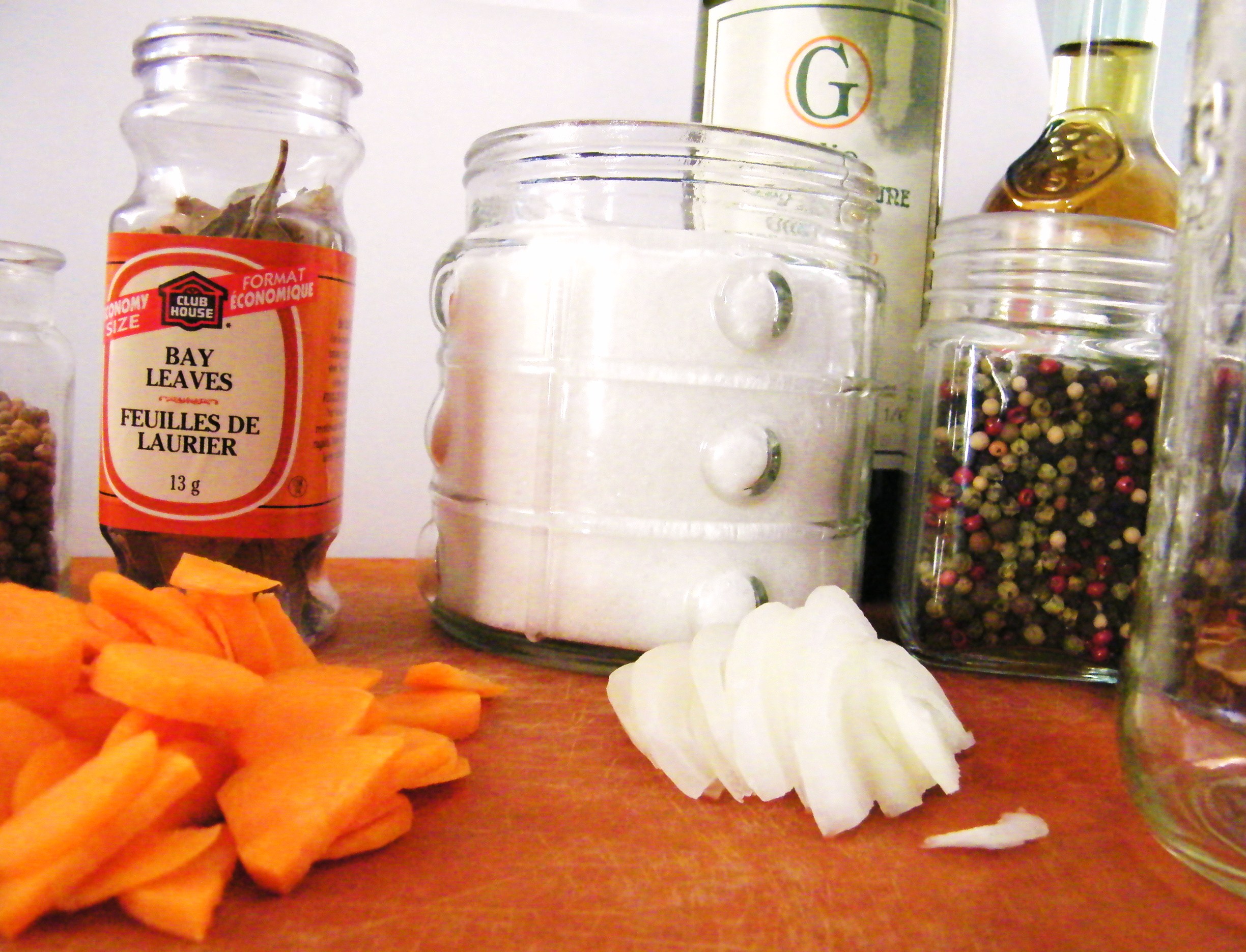
I love the slight crunch that’s left in the thin slices of uncooked carrot and onion that are added to the marinade, along with boiled new potatoes. Herbs and spices infuse everything with their flavours, especially after a couple of days. The onion loses its sharpness, which allows me to enjoy it much more.

I intend to try the salmon in a jar someday, but I’ll save it for a time when we’re picnicking with others. It seems like a dish to share. The potatoes, though, I’d gladly keep for myself.

Ingredients for the potatoes in a jar

Tomorrow, I’ll be blogging on schedule for this week’s recipe, Eggplant Caviar.

You can find many other blogged descriptions of this week’s FFWD recipe here: Salmon and Potatoes in a Jar

Roasted Cherries

A dark green bowl full of cherries, atop a brown cutting board with a small pile of basil sitting in a patch of sun.

I never feel I’ve made the best use of summer fruits. No matter how many stone fruit or berries I eat, cook with or freeze, I feel that I could have done more. This year’s been no exception, especially since I was a little out of commission during the best weeks for berries. I did manage to roast cherries though. I’m going to be doing it again before they disappear for another year.

Roasting fruit brings out the sugars and deepens the flavour, without turning it into mush. It’s also a good way to use fruit that’s just past its peak. Mostly, though, it’s just good. I’ve used it in yogurt, over ice cream, and just right out of the jar. My next plan is to use it as a tart filling, perhaps with custard. If I were the sort of person to make cocktails, the syrup would make a great addition. I suppose you could also stir it into soda water. Something like this salad would be really lovely, too.

I sort of improvised these, based on two sources: the kitchn‘s roasted cherry recipe and 101 Cookbooks‘s roasted strawberry recipe.

The cherries, roasted.

I whisked together equal parts of maple syrup and olive oil, with a little bit of sea salt. I then added about a 1/8 tsp. nutmeg and four shredded basil leaves. I tossed the cherries in this and then roasted them at 450° for ten minutes, then added a couple of tablespoons of cognac and put them back in for another five minutes. After they’d cooled, I removed the pits. The cherries keep for a few days in the fridge and freeze well. Slow-roasting is another great method for these, too.

I’m sort of curious to see what would happen if instead of basil and nutmeg, I used a little bit of cocoa powder. Maybe I’d leave the nutmeg in. I’d love to hear your ideas for other flavours that would work well with these, or your experiments with roasting other kinds of fruit.

A closer view of the roasted cherries.

Income Inequality and Unrest

In the midst of all the news about the riots in England, I couldn’t help but think about the growing gap between the rich and the rest of us. I grew up in a time of relative prosperity (for white, middle-class kids like me, anyway) and the gap between the wealthy and most of us was much, much less. University was a given for many of us and it was affordable. Canada’s Medicare system was so much the status quo that it never occurred to us that it could be challenged or eroded.

Now, I realize my nieces and nephews have grown up into a world where none of this is guaranteed or even expected. In Britain, where class and race inequality are even more entrenched, I can’t imagine what it would be like to be a youth today.

There’s been a lot of good analysis of both the English riots and the growth of income inequality. Rather than re-hashing their points, I’d like to share some links with you.

While Alternet can always be relied upon for good analysis, one of the best posts I’ve seen about the riots in London comes from the blog Penny Red: Panic on the Streets of London

Here in Canada, The Canadian Centre for Policy Alternatives has come out with a number of reports and multimedia tools on the subjects of income inequality and poverty:

Canada’s Income Gap

The Cost of Poverty in BC

And finally, another article from Alternet, pointing out the awful absurdities that occur in a culture committed to widening the income gap:

$230,000 for a Guard Dog

FFWD – Slow-Roasted Tomatoes

Chopping tomatoes in the (extremely strong) afternoon light.

The lines between restaurant cooking and home cooking have been slowly blurring for a long time, now. Actually, it’s probably more accurate to say that they converge and diverge over time. Right now, we’re in the midst of a gourmet revival, which seems to happen every generation or so. I direct you to almost any cooking blog for further research. At the same time, there’s also been a revival of interest in home-cooking from a professional perspective. In my town, restaurants like Grub, Burgoo, and The Wallflower have made names for themselves presenting and reinventing comfort food. My brother, a chef, cites not only professionals as mentors, but also my mother. Of course, a professional chef can’t surpass your mother’s famous [insert specialty here] and there are few home cooks who can match the expertise and equipment available to chefs.

One of the fundamental things that separates the two is preparation…though perhaps I mean preparations. At home, the success of a dish is often based on seasoning and the care put into assembling and cooking the dish. An apple pie is the result of a gentle hand with pastry, judicious spicing of the filling and a careful eye on the oven. In a professional kitchen, the Mother sauces provide the springboard upon which a menu is built, but the same care is put into other ingredients. Especially at restaurants that make use of seasonal produce, it’s the preparation of ingredients that can transform a dish. It’s a step beyond what we usually do at home.

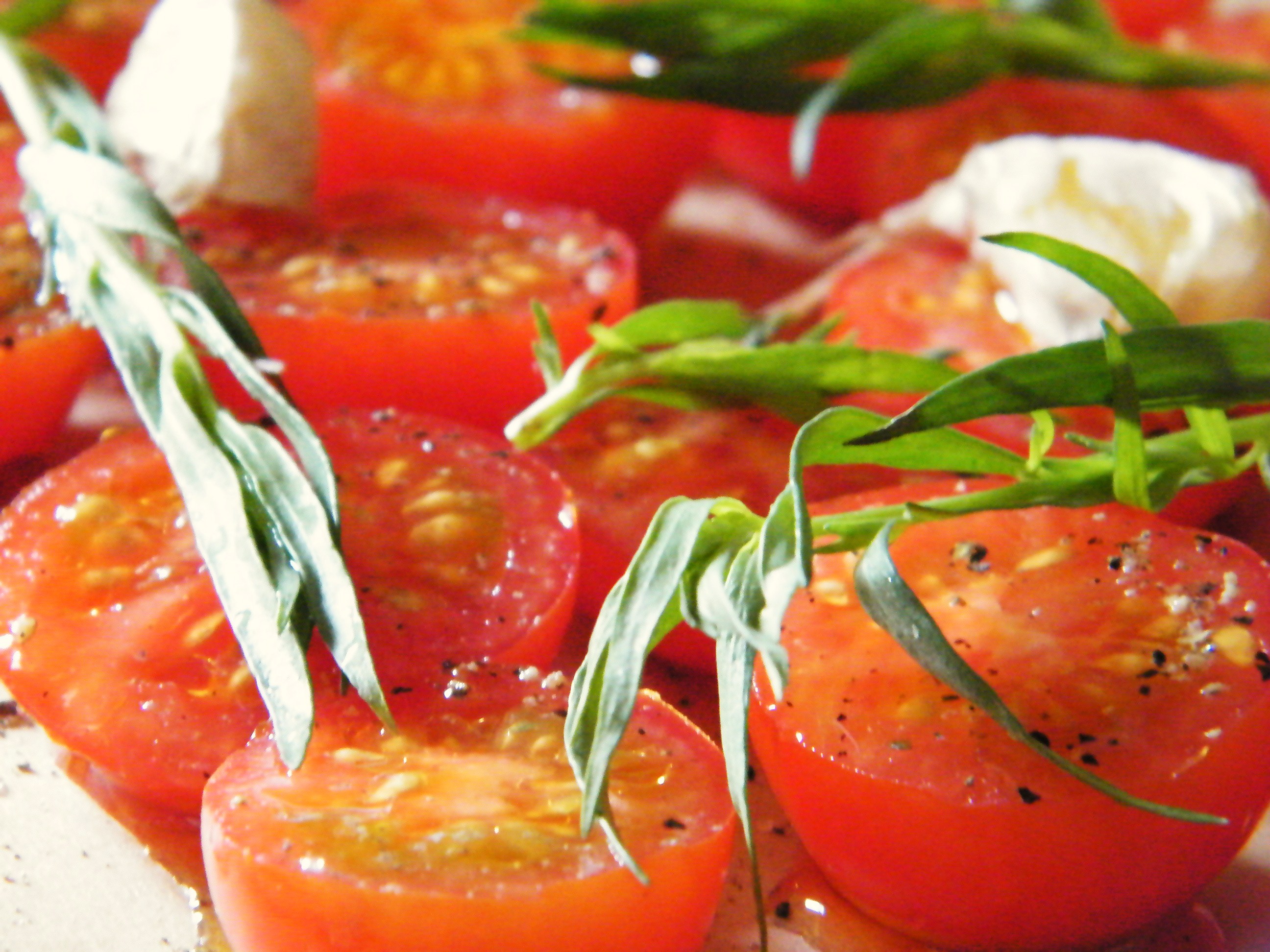
The tomatoes, seasoned with tarragon, garlic, coarse pepper and sea salt, ready to go into the oven.

This is the train of thought that I followed when reading this week’s French Friday recipe for slow-roasted tomatoes. It seems more like a preparation that would be found in a professional kitchen than a home cook’s staple. It should be a staple, though. Slow-roasting is a wonderful, hands-off process for a quiet day at home. It’s also an effective method for concentrating flavour. This summer, I’ve slow-roasted strawberries, rhubarb and now tomatoes. Tomorrow, I’m going to try cherries. I think they’ll be great as a tart filling. But, I digress.

Dorie’s slow-roasted tomatoes can be flavoured with garlic and herbs, or just a little salt and pepper. They can be used immediately or packed in olive oil to use over the course of a few weeks. They can be ground into a paste, added to a dish during cooking, or used as a garnish. It’s this versatility that reminds me of restaurants.

Save for a taste after they were finished, I haven’t used my tomatoes yet. I’ve packed them in olive oil and they’re waiting in the fridge, ready to bring my home cooking up a notch.

You can find many other blogged descriptions of this week’s FFWD recipe here: Slow-Roasted Tomatoes

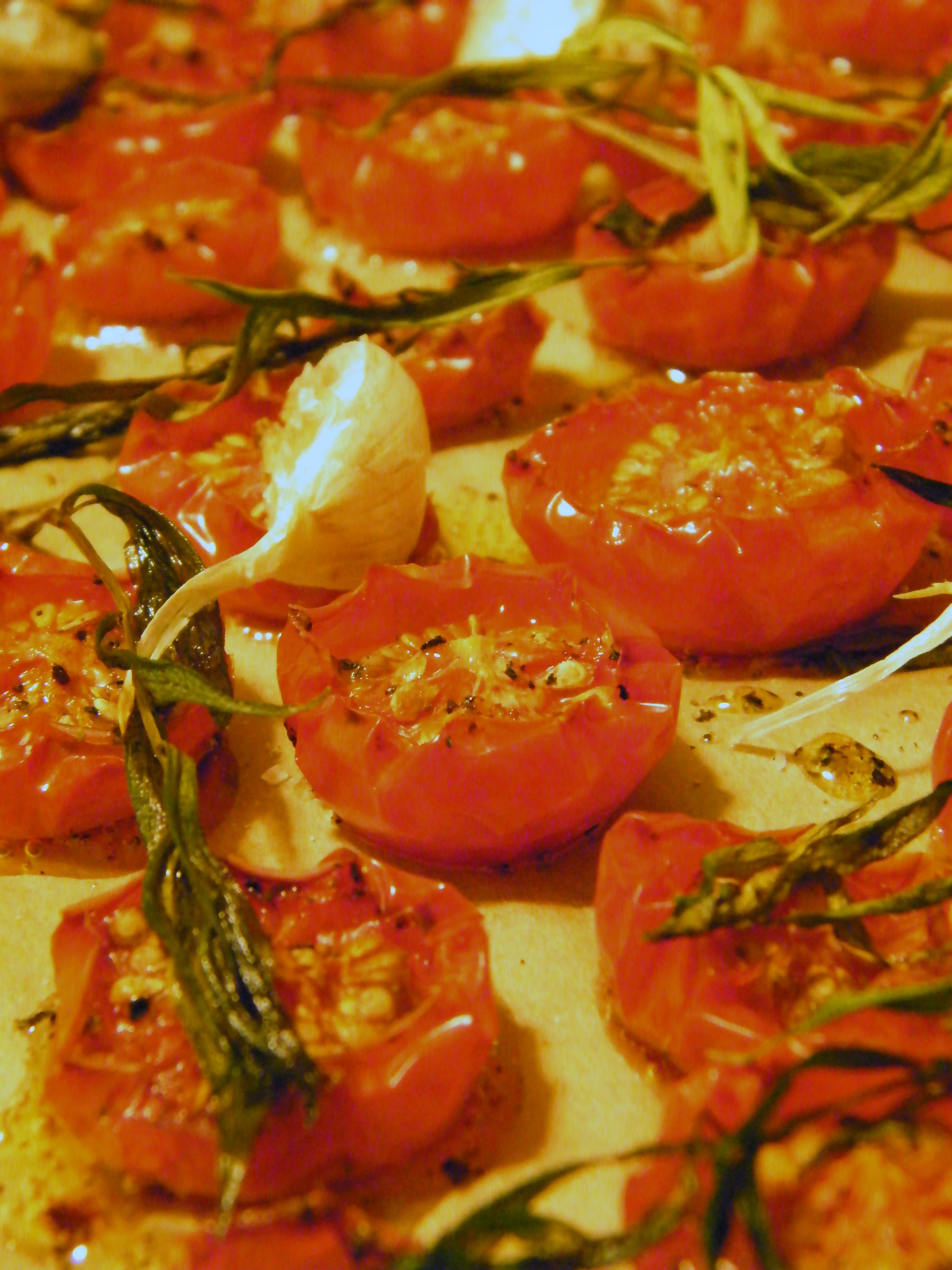
The tomatoes, roasted and cooling.

I’ve just realized today that I’m nearly at my 100th post and am only a few weeks away from my one-year-blogoversary. So, I’m trying to think up a little something to celebrate. As they say in advertising: Watch This Space.